
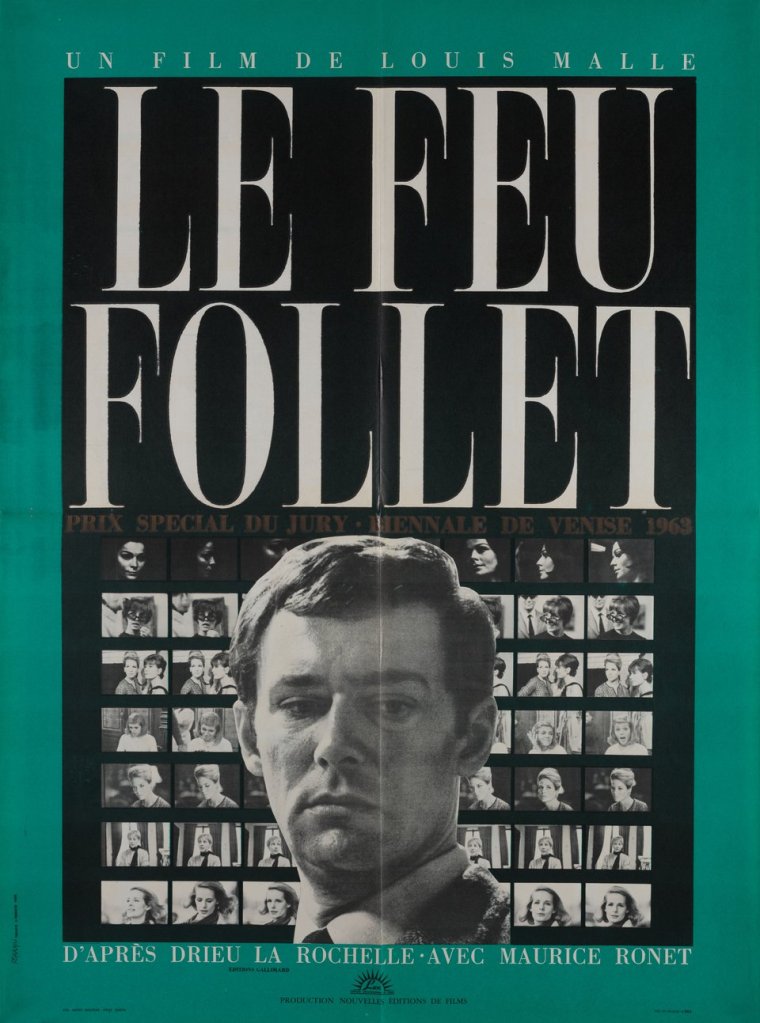
“Le Feu Follet,” aka “The Fire Within,” is a 1963 French drama directed by Louis Malle and based on the 1931 novel “Le Feu Follet” by Pierre Drieu La Rochelle. The film is regarded as one of Malle’s finest films and a poignant exploration of depression, alienation, and existential despair.
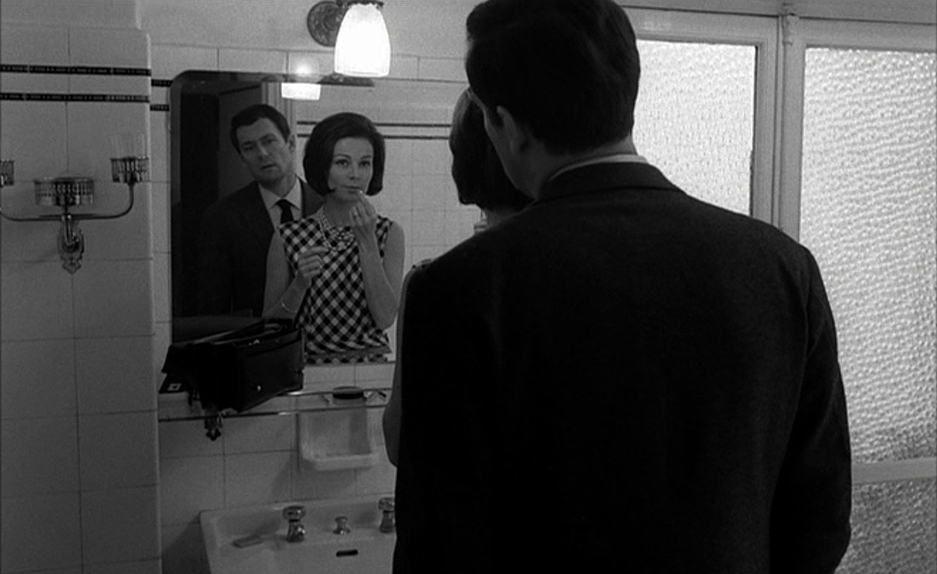
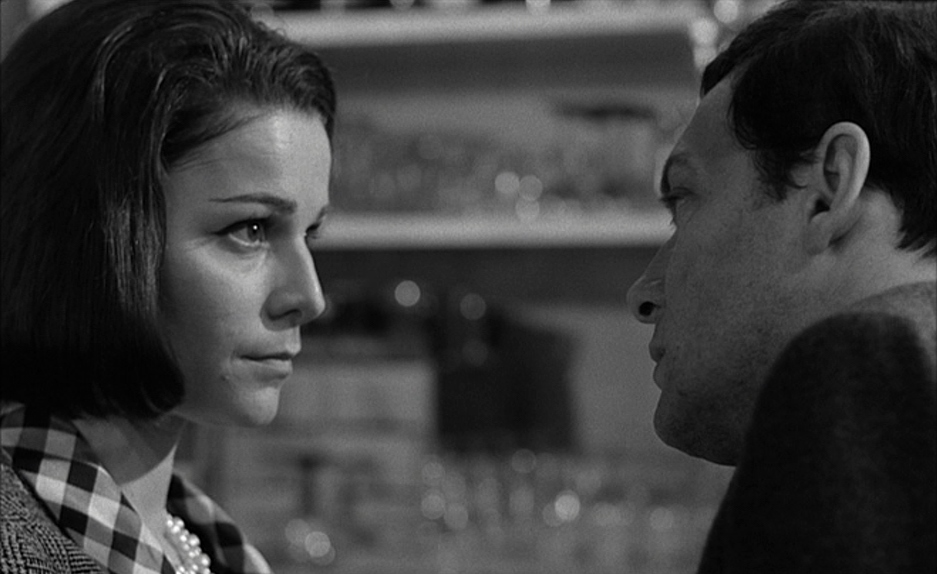
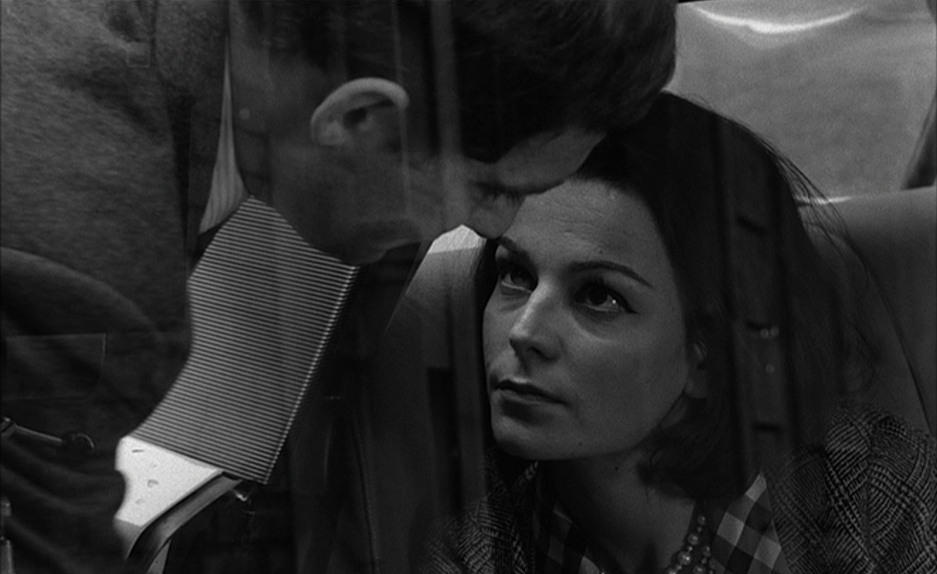
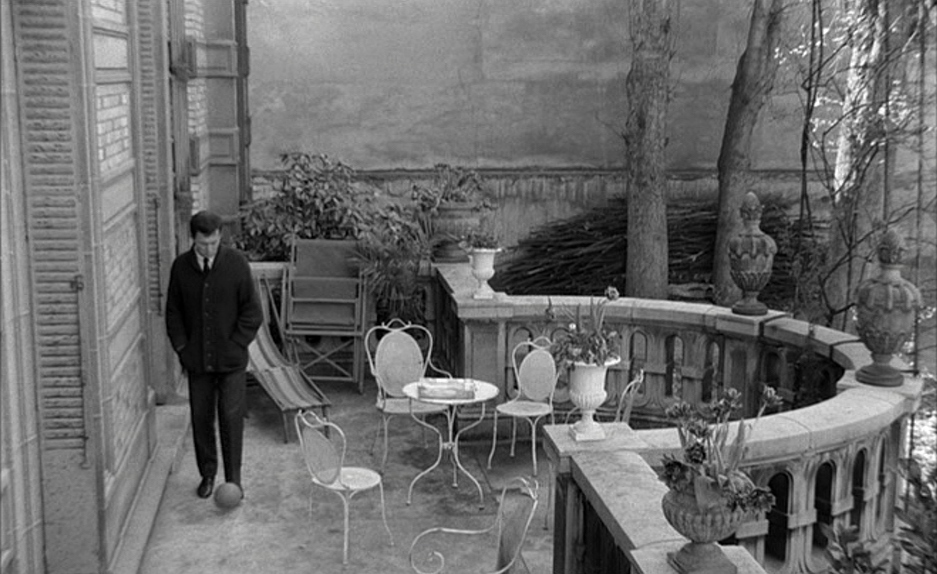
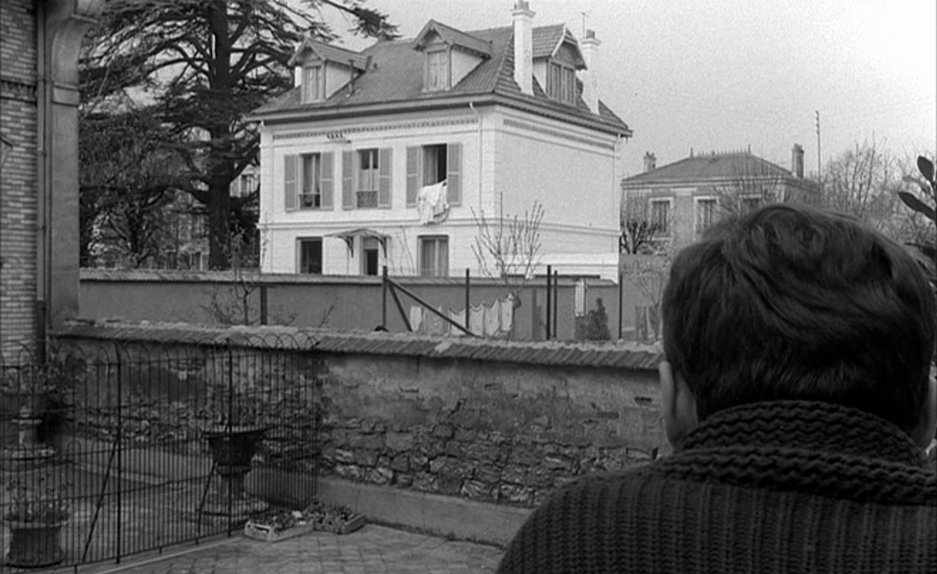
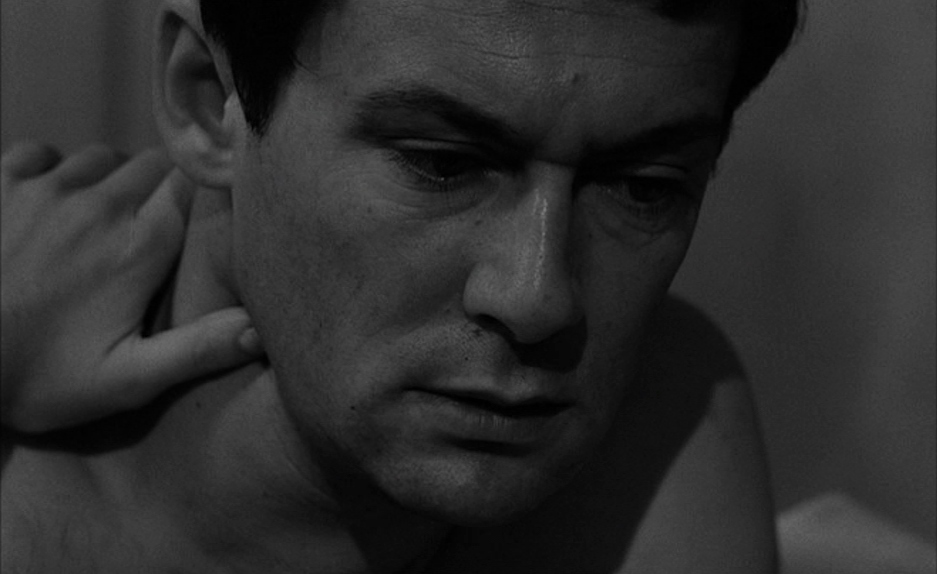
Set in Paris in the early 1960s, The Fire Within follows Alain Leroy (played with haunting depth by Maurice Ronet), a 30-something former writer and recovering alcoholic, as he spends a single day contemplating the state of his life and his planned suicide.
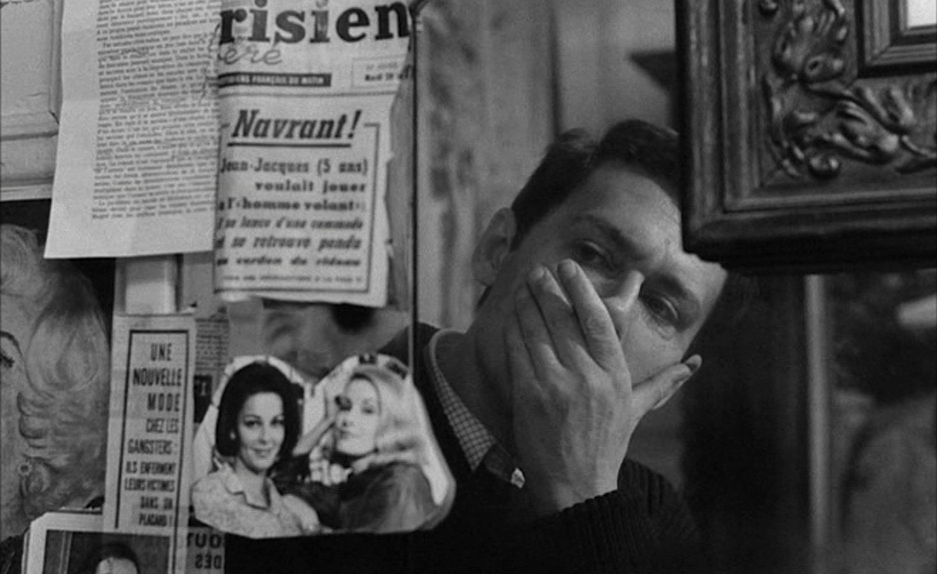
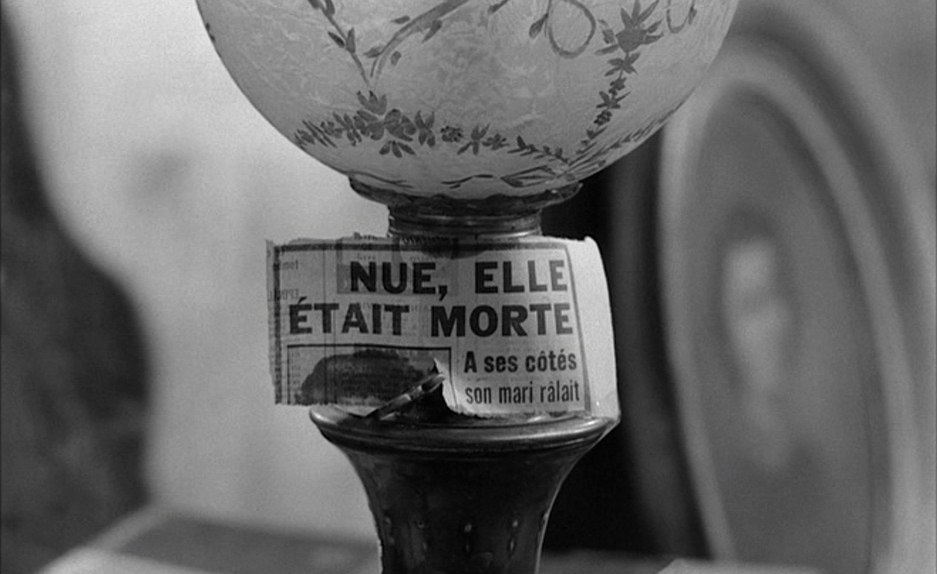
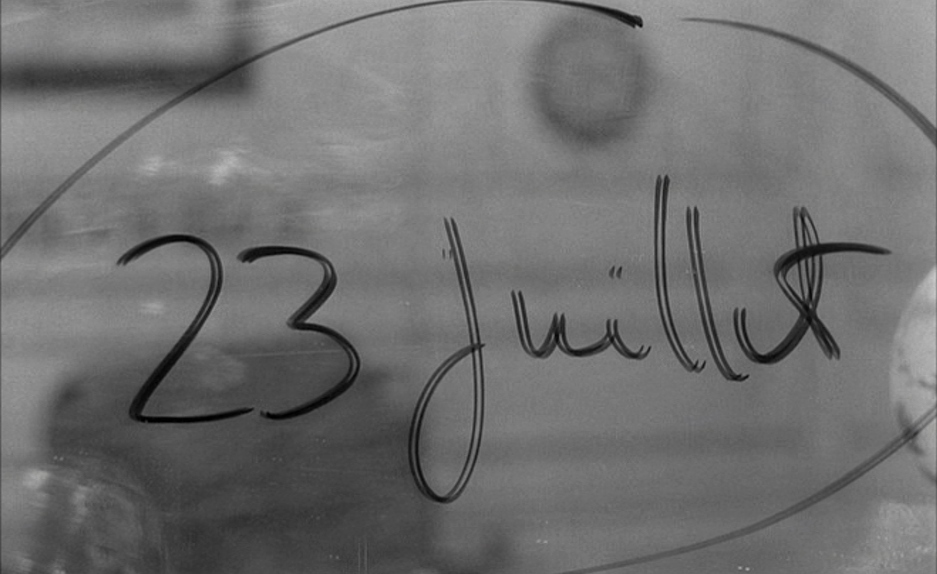
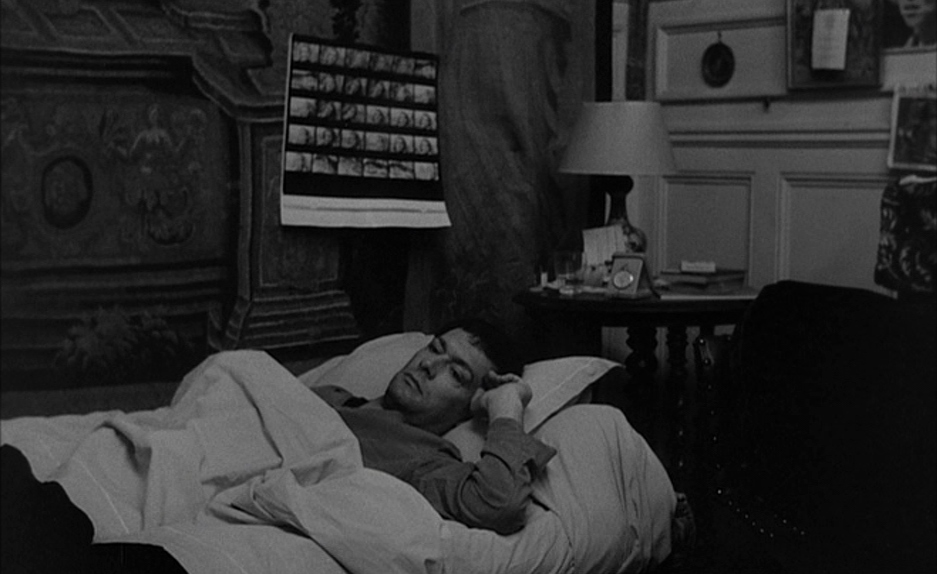
When the film begins, Alain is staying at a rehabilitation clinic in Versailles after a bout with alcoholism. Though physically recovered, he remains emotionally paralyzed and mentally fragile. Alain is plagued by a profound sense of emptiness, disconnection, and a growing belief that life holds no further meaning.
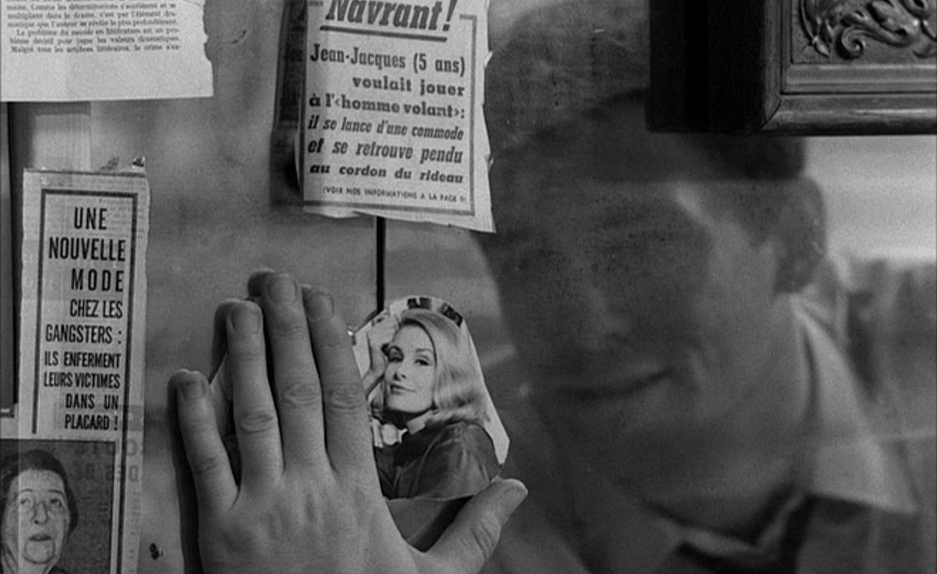
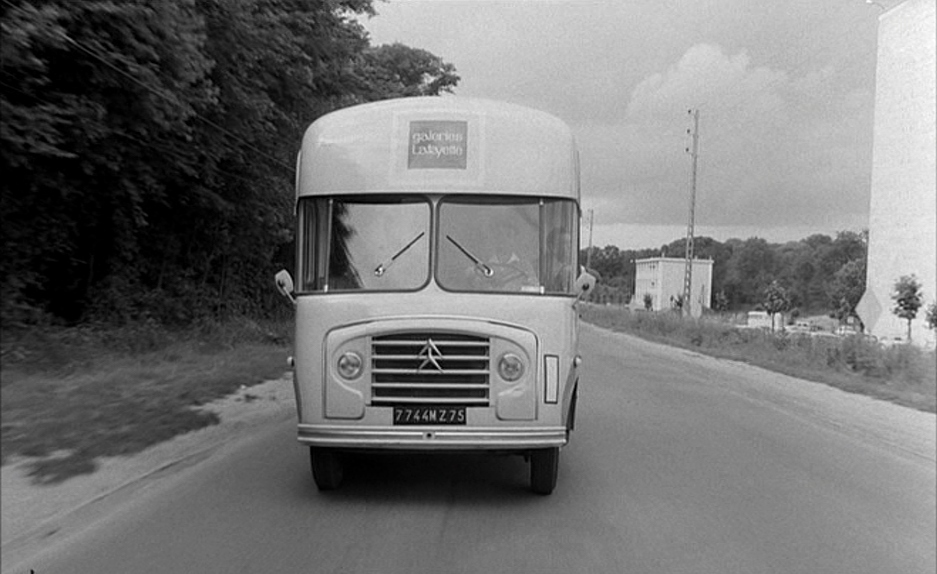
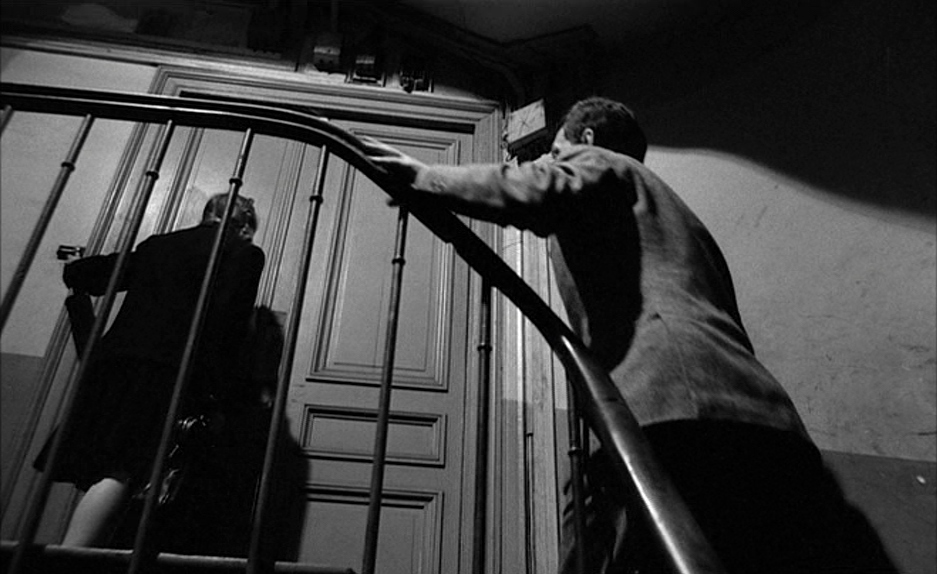
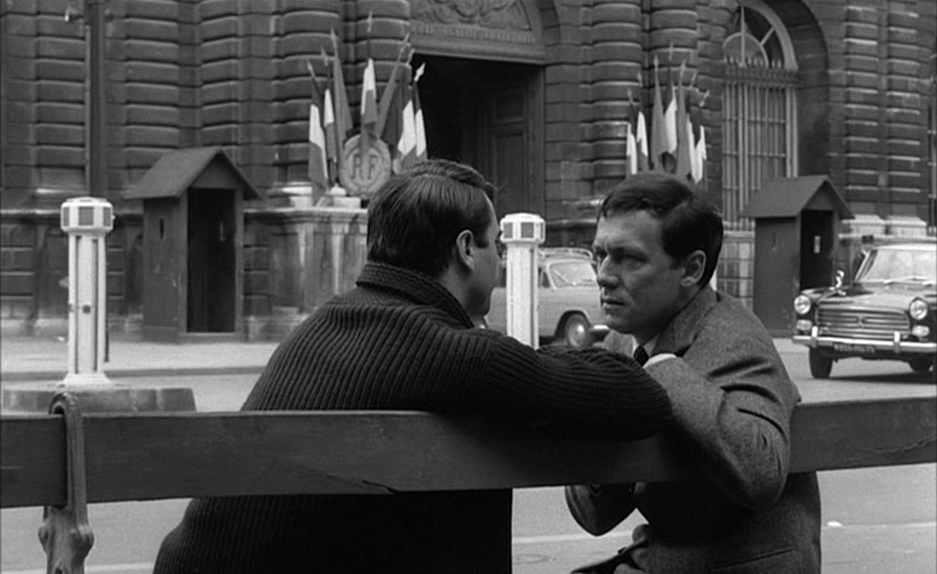
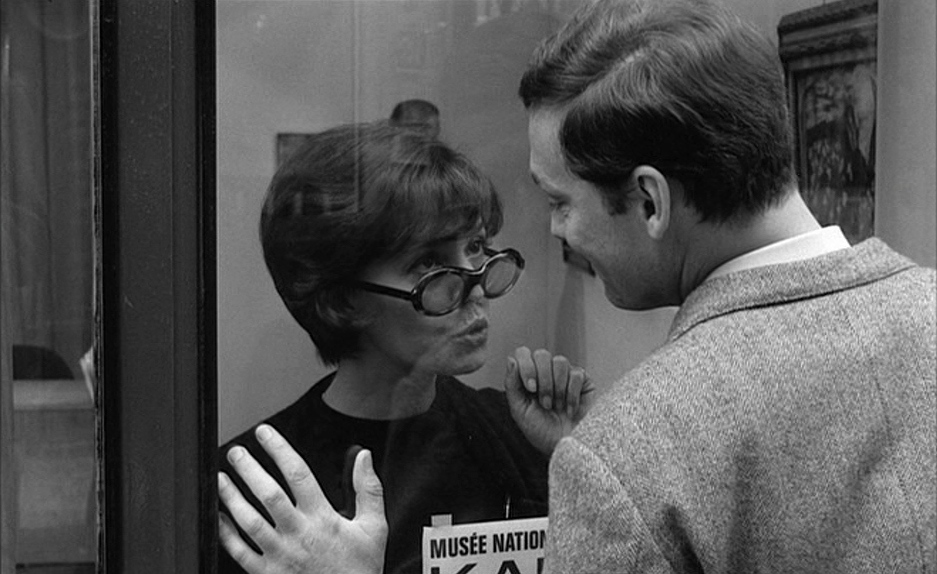
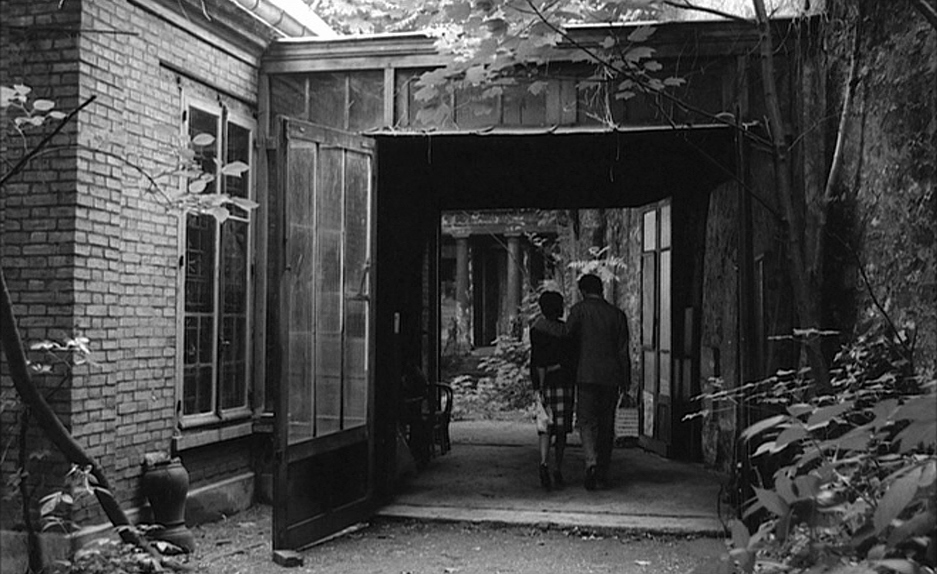
Feeling stifled by the clinic’s sterile comfort, Alain obtains a temporary pass to leave for the day and travels to Paris to reconnect with old friends and lovers in a final, desperate attempt to find a reason to live. As he visits various acquaintances—ranging from bohemian intellectuals to bourgeois couples—Alain is increasingly alienated by their lives, values, and seemingly superficial concerns. None of them truly understand the depths of his suffering, and their attempts at cheer or detachment only deepen his sense of isolation.
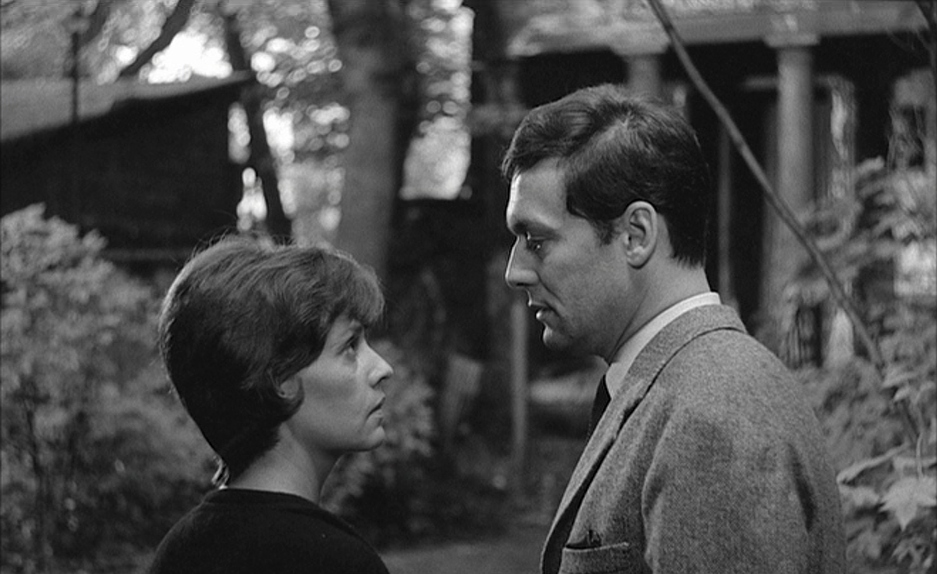
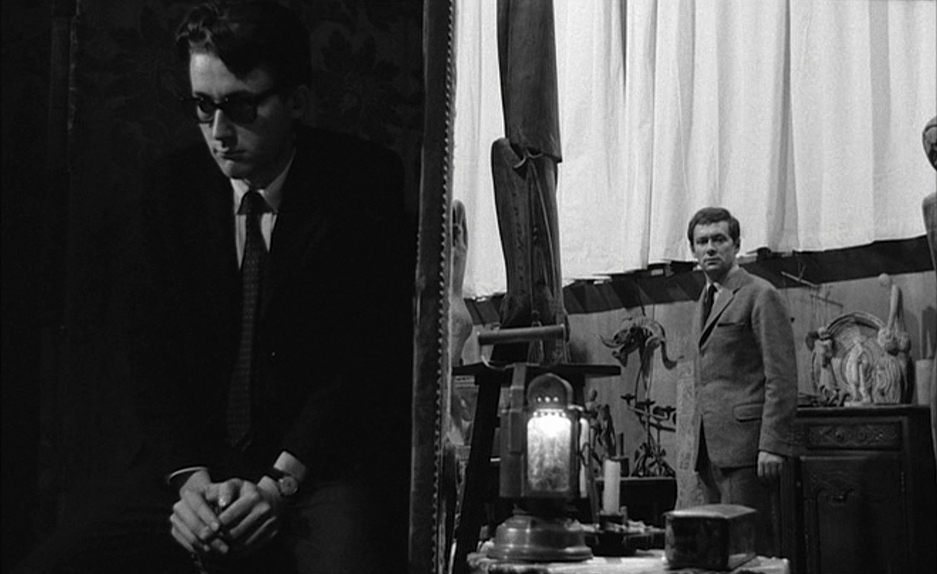
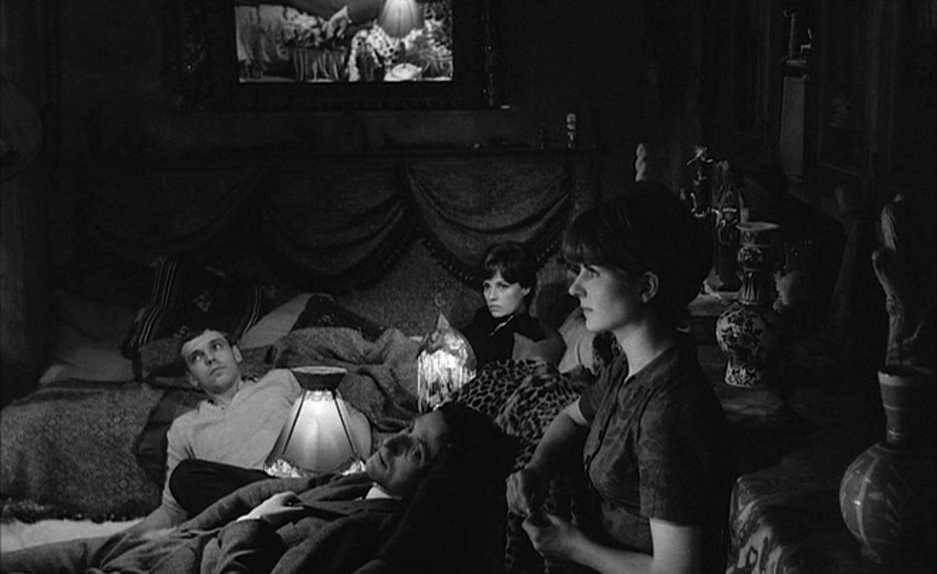
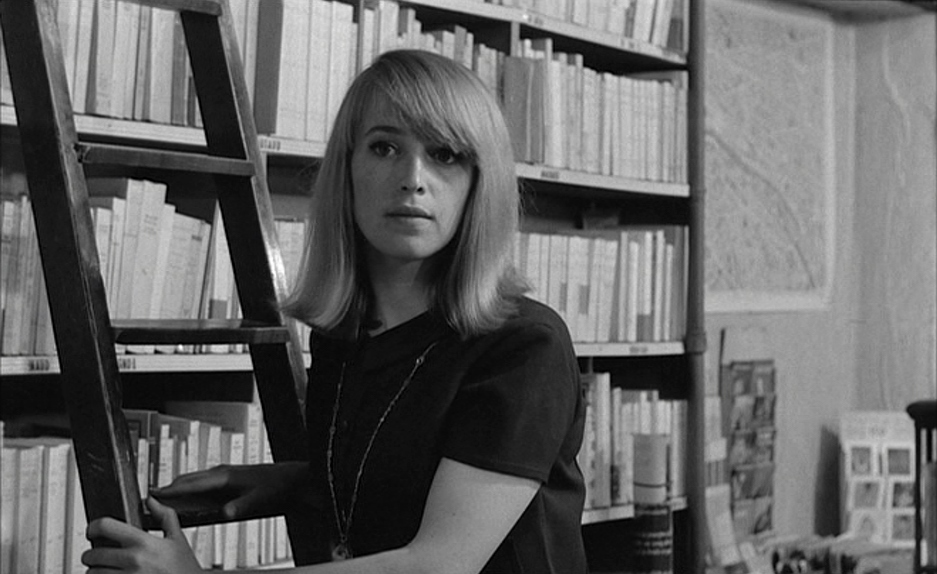
Throughout the day, Alain is both an observer and a ghost—present yet emotionally unreachable. His conversations are laced with philosophical despair as he subtly probes each encounter for signs of connection, meaning, or salvation. But each visit only reinforces his growing detachment from a world he no longer feels part of.
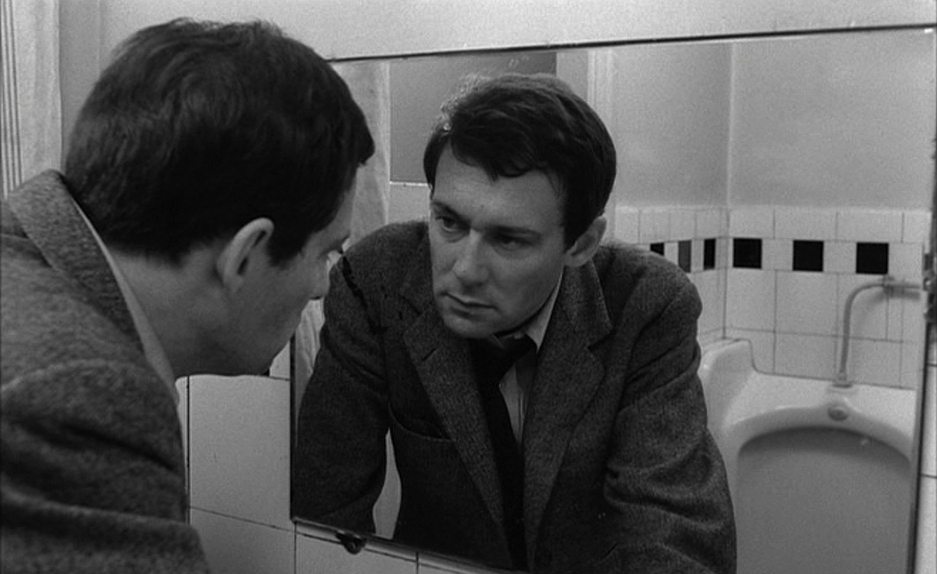
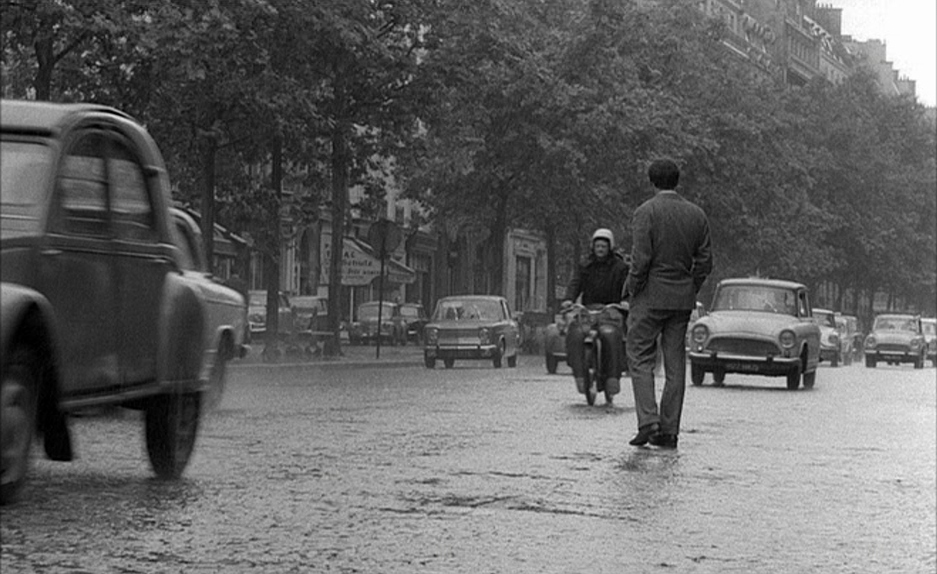
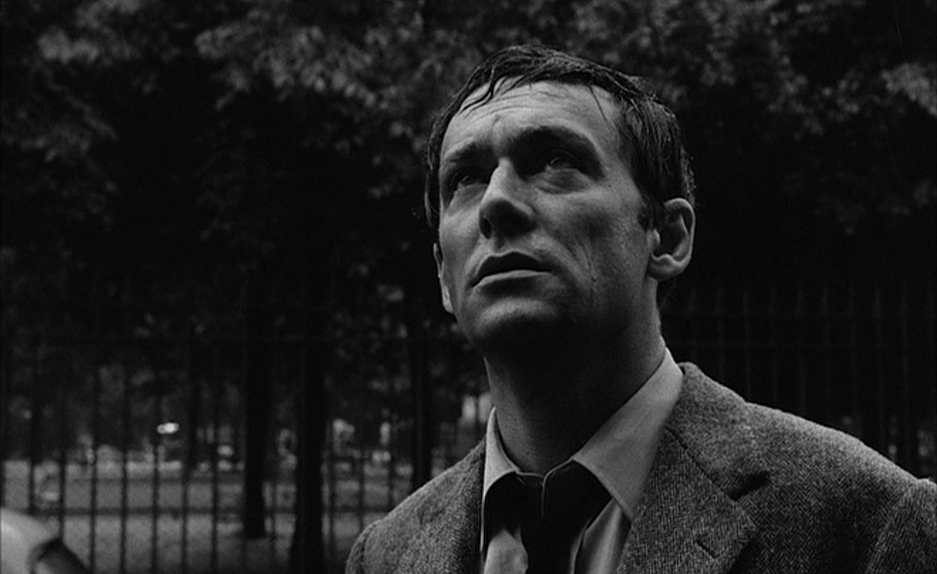
By nightfall, Alain returns to his small apartment, where the film concludes in a quiet, devastating final scene that affirms the outcome he has foreseen all along.
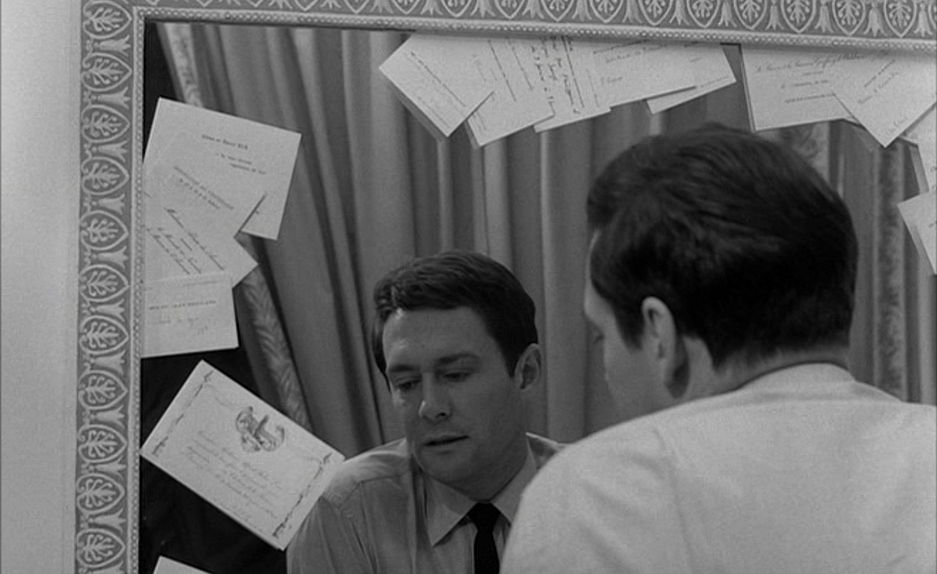
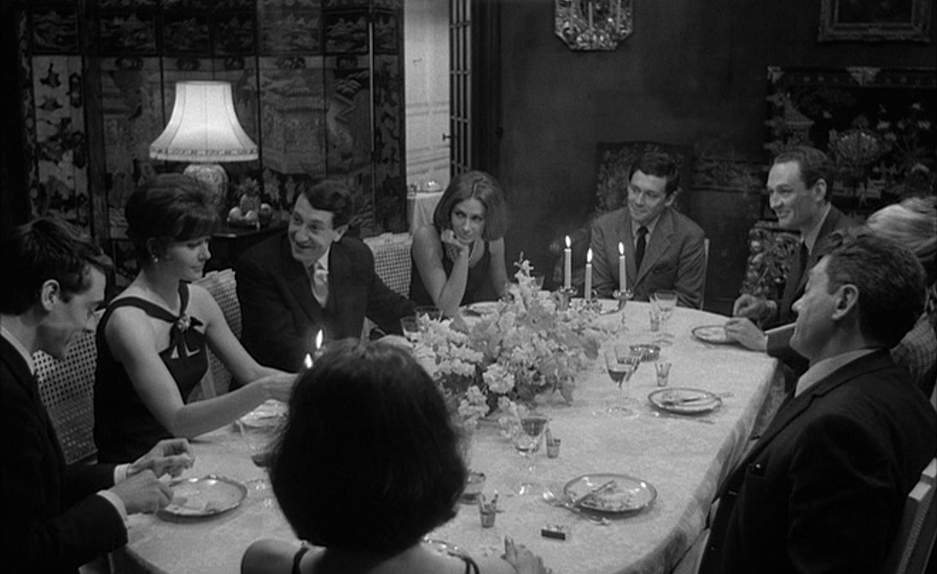
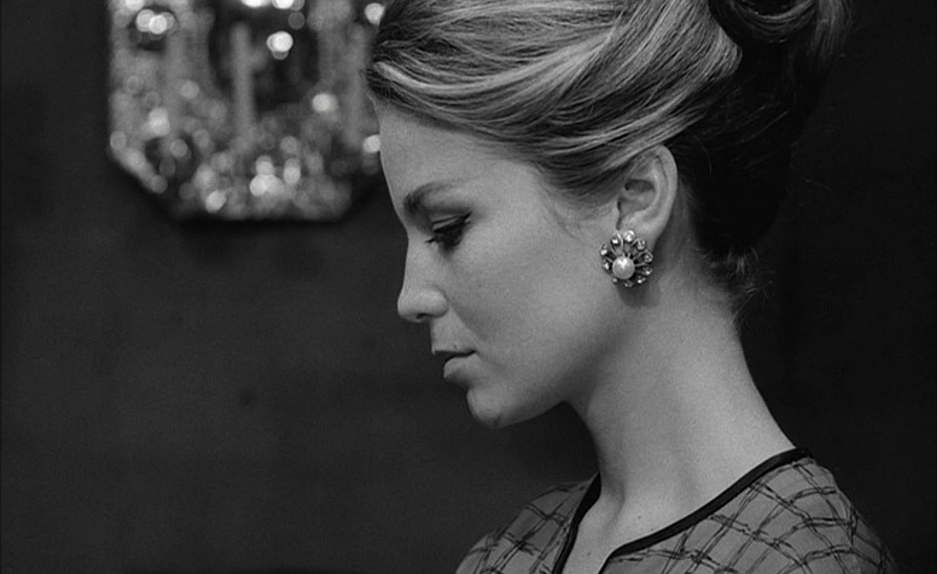
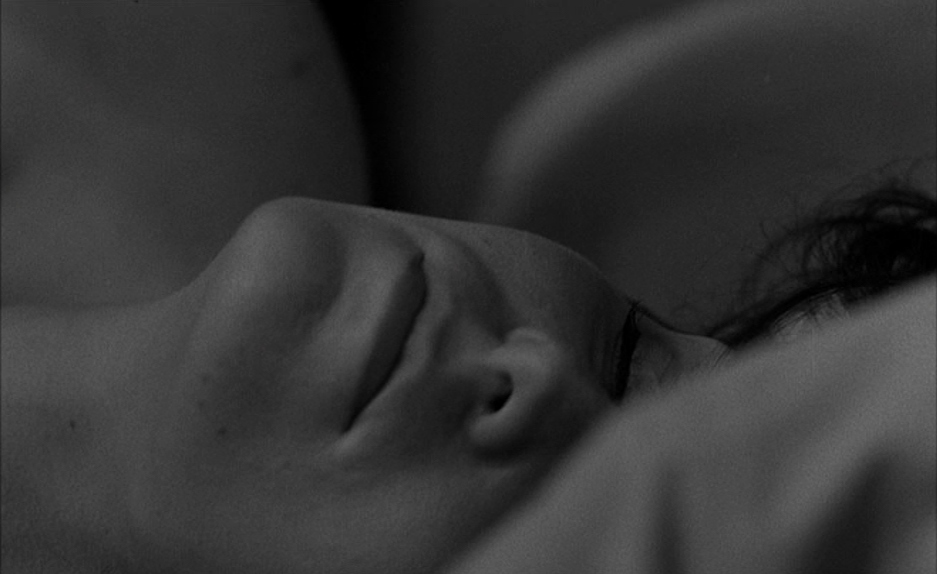
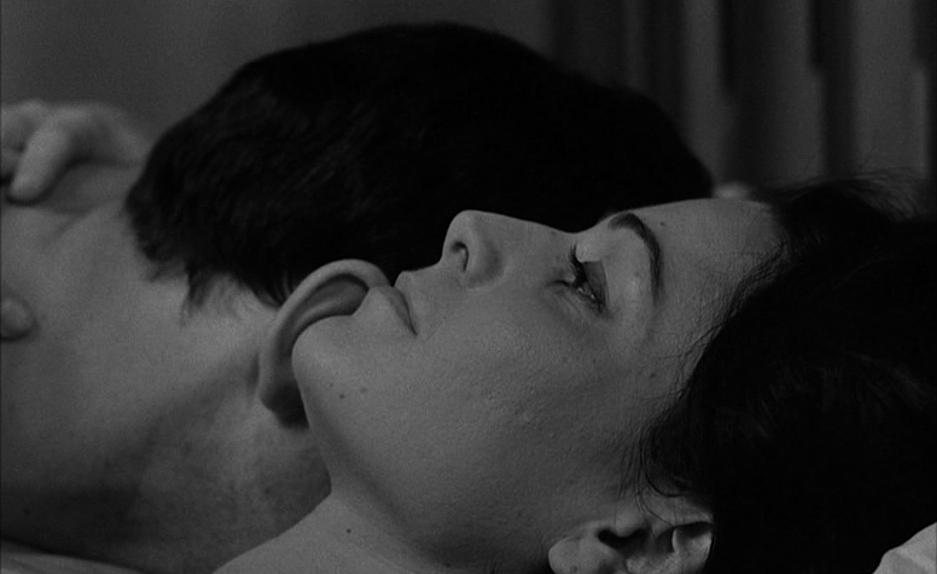
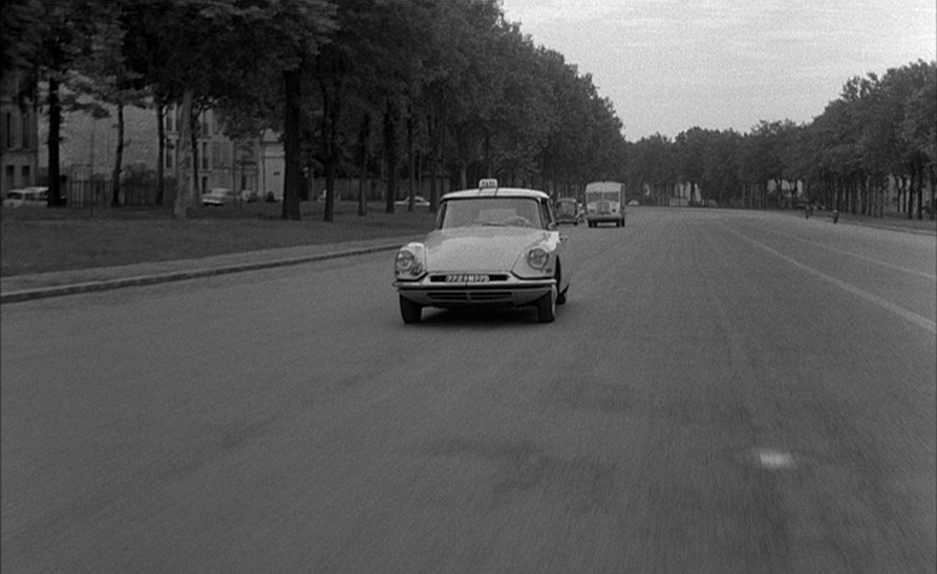
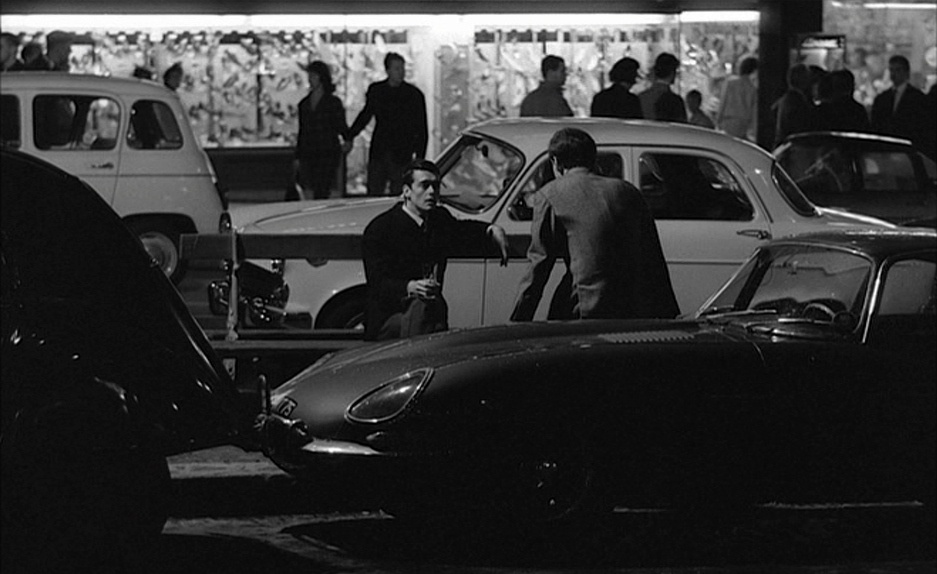
“The Fire Within” is a masterful study of existential crisis, filmed with stark minimalism and quiet elegance. Louis Malle’s direction avoids melodrama, opting instead for subtle, observational storytelling. Ghislain Cloquet’s black-and-white cinematography captures post-war Paris with a cold, introspective beauty, reinforcing Alain’s internal desolation.
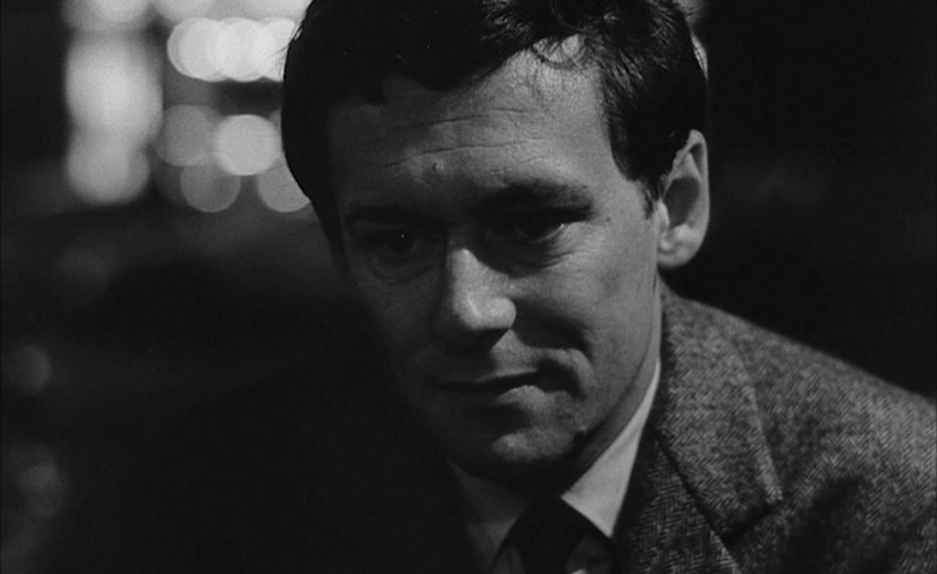
Maurice Ronet’s performance is widely praised for its restrained intensity and psychological depth. His portrayal of Alain Leroy is tragic and painfully human, capturing the quiet agony of depression with authenticity and grace.
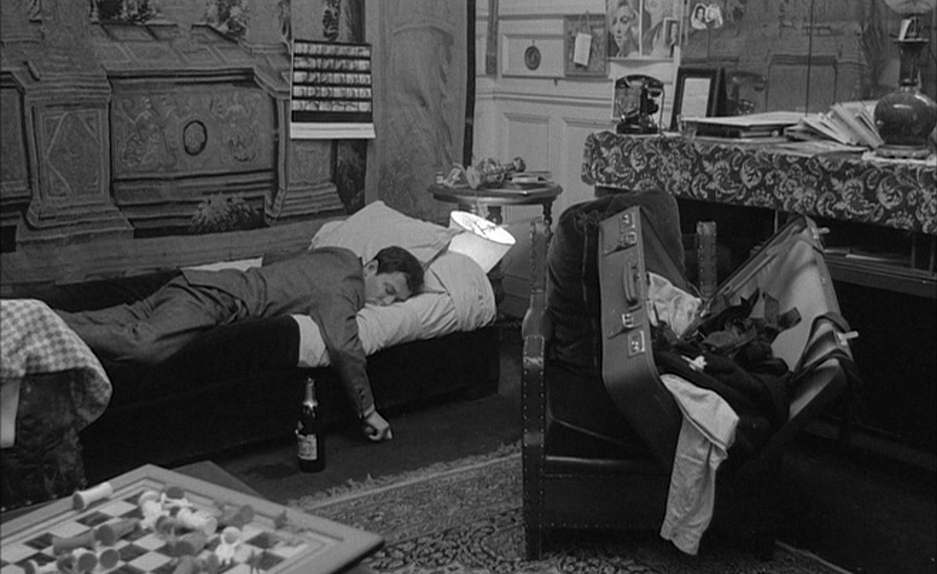
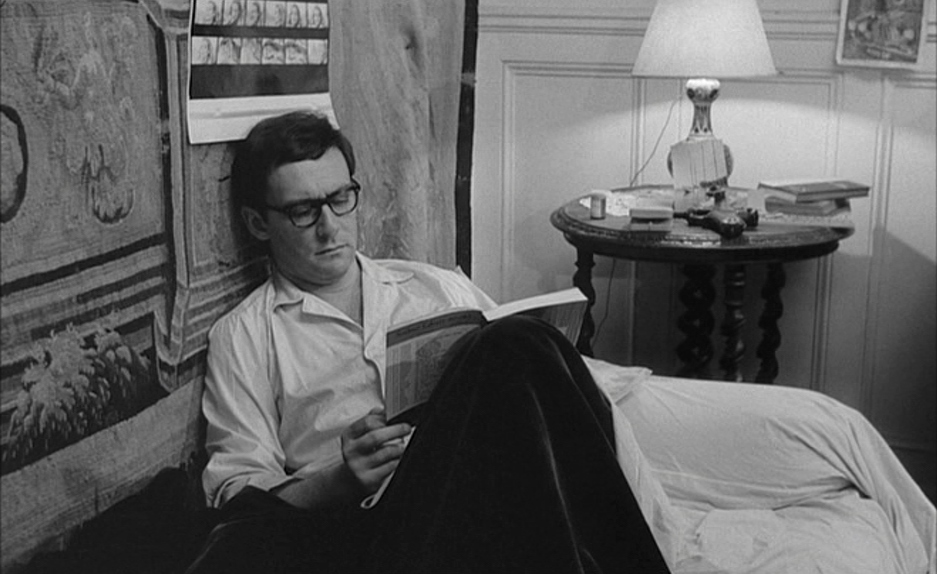
Malle sensitively adapts Drieu La Rochelle’s autobiographical novel, updating the context to the 1960s while preserving the core existential themes of alienation, the search for meaning, and the confrontation with mortality. Notably, both the author and the character of Alain share a tragic symmetry: Drieu La Rochelle committed suicide in 1945, a shadow that looms heavily over the story.
 The Other Cinema