
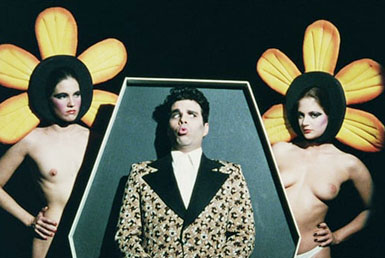




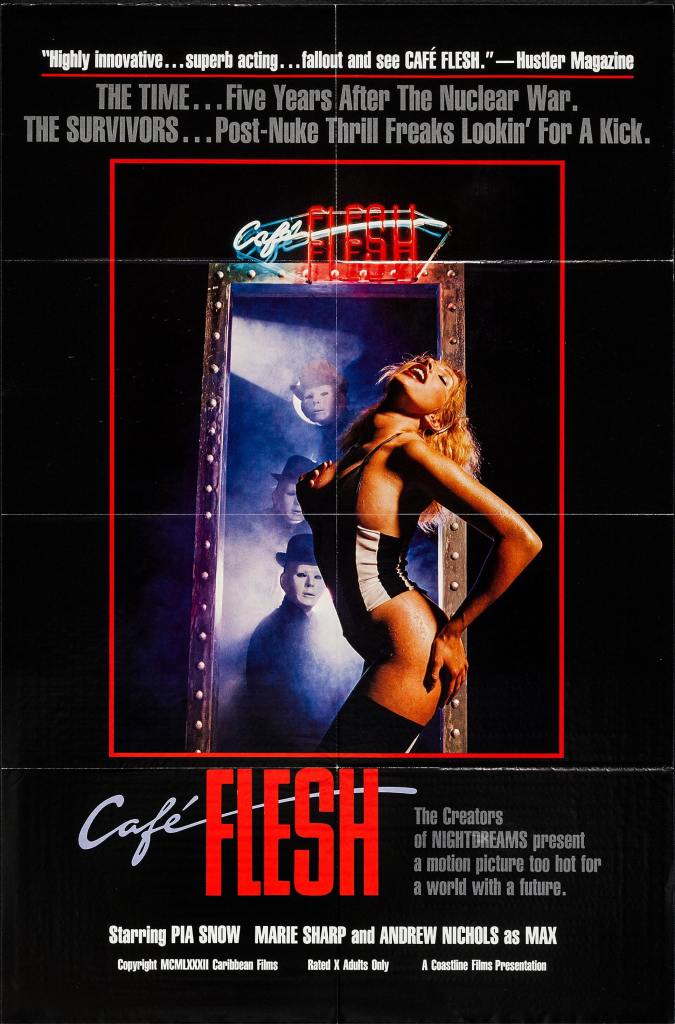
“Café Flesh” is a cult post-apocalyptic science fiction erotic film released in 1982. It was directed by Stephen Sayadian under the pseudonym Rinse Dream and co-written with Jerry Stahl (credited as Herbert W. Day). The film is widely regarded as a cult classic as it attracted conventional audiences into adult cinema. Besides its explicit content, it has an ambitious art-house aesthetic, dystopian themes, and surreal set design.





“Café Flesh” is set in a post-nuclear apocalypse future where the fallout has rendered 99% of the surviving population “sex-negatives”—people who become violently ill if they attempt to engage in sexual activity. Only a tiny minority, known as “sex positives,” can still experience and perform sex without adverse effects.


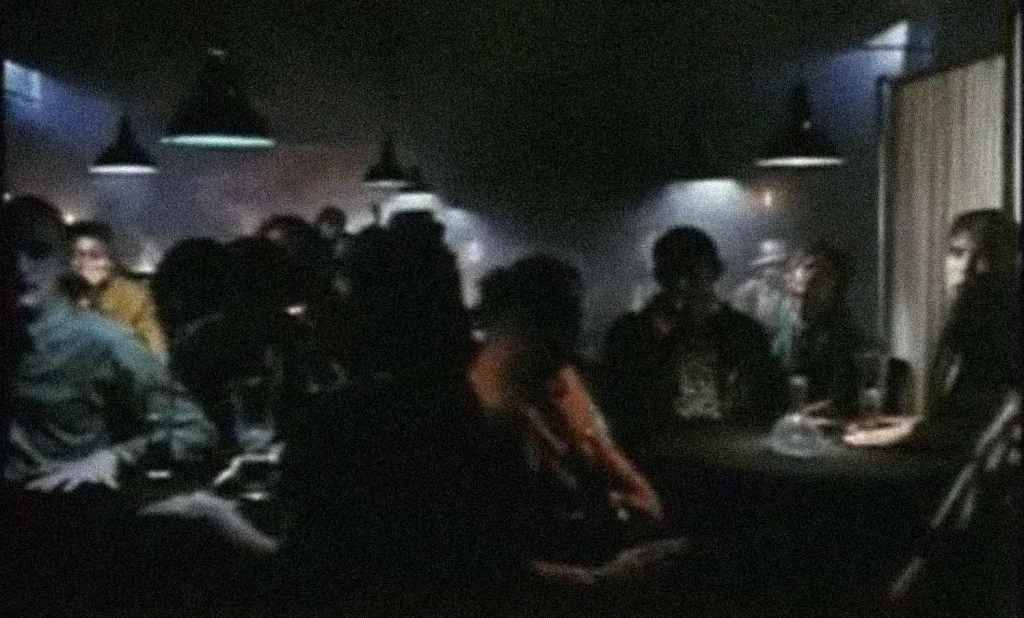
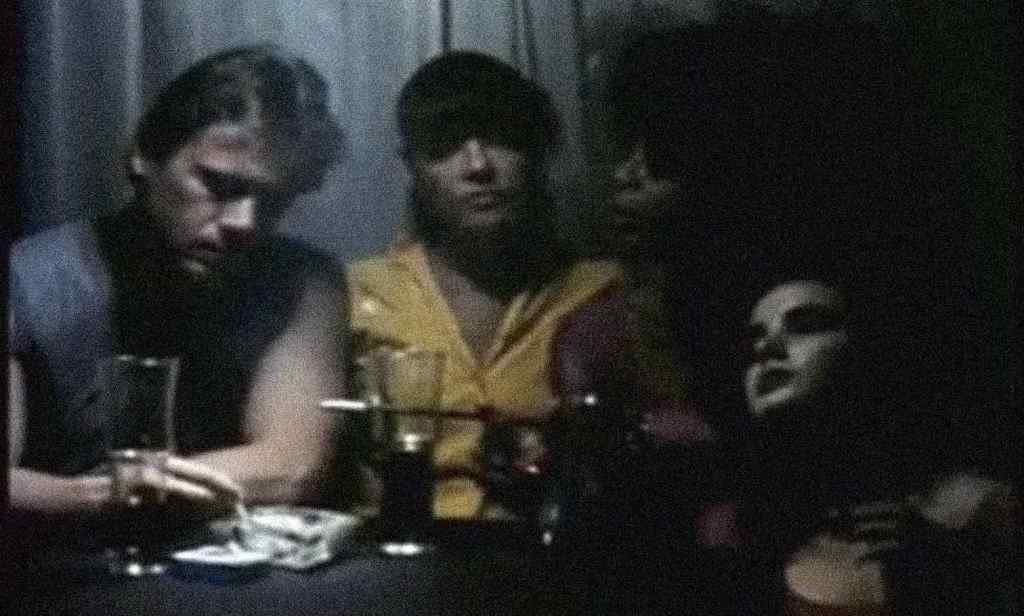

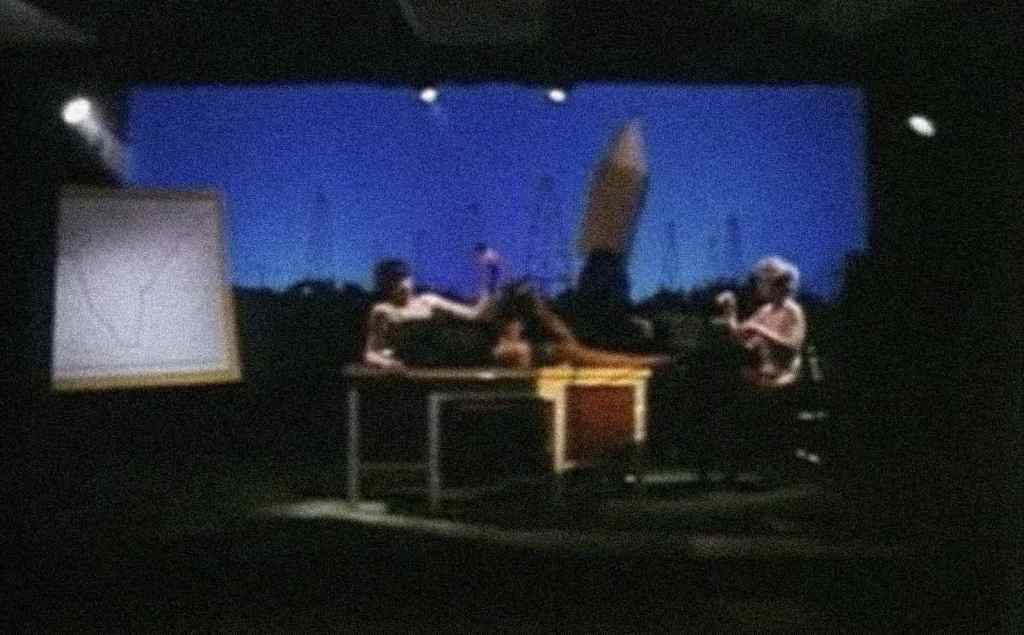
In this twisted, decaying society, the only form of sexual expression left is voyeuristic: sex-negatives must watch while sex-positives perform onstage in erotic theatrical productions. These performances are showcased in clubs like the titular Café Flesh, a dark, smoke-filled, nightclub-style venue that serves as both a brothel and a grotesque cabaret.




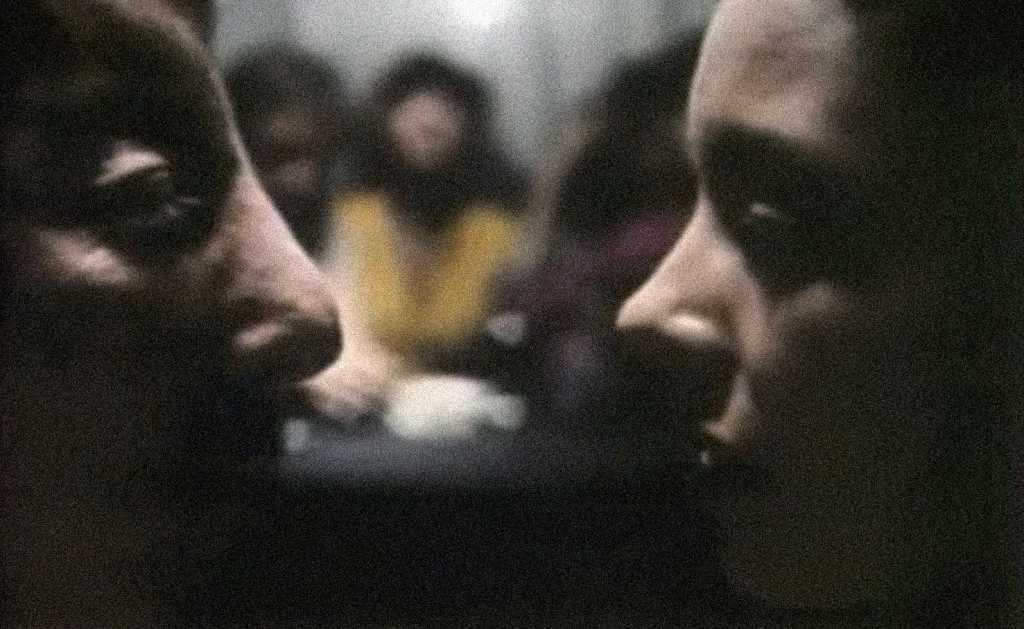

The film follows Neutron (Andy Nomad), a sex-negative man who visits Café Flesh nightly with his girlfriend Lana (Michelle Bauer), who begins to show signs of being a latent sex-positive. Their relationship is strained by their inability to physically connect and by the growing possibility that Lana might abandon Neutron for the world of performers.
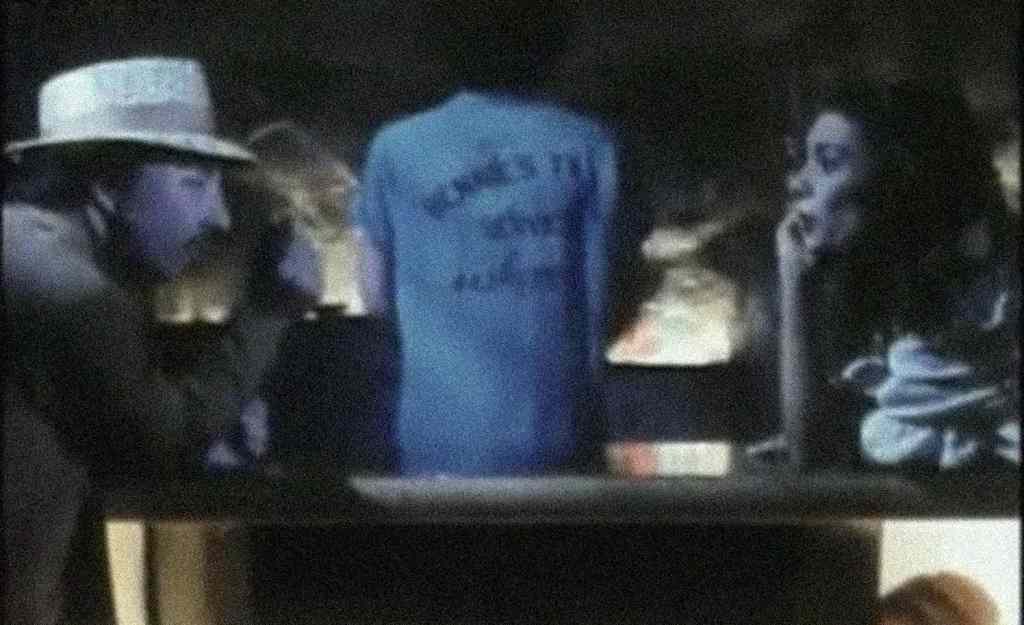
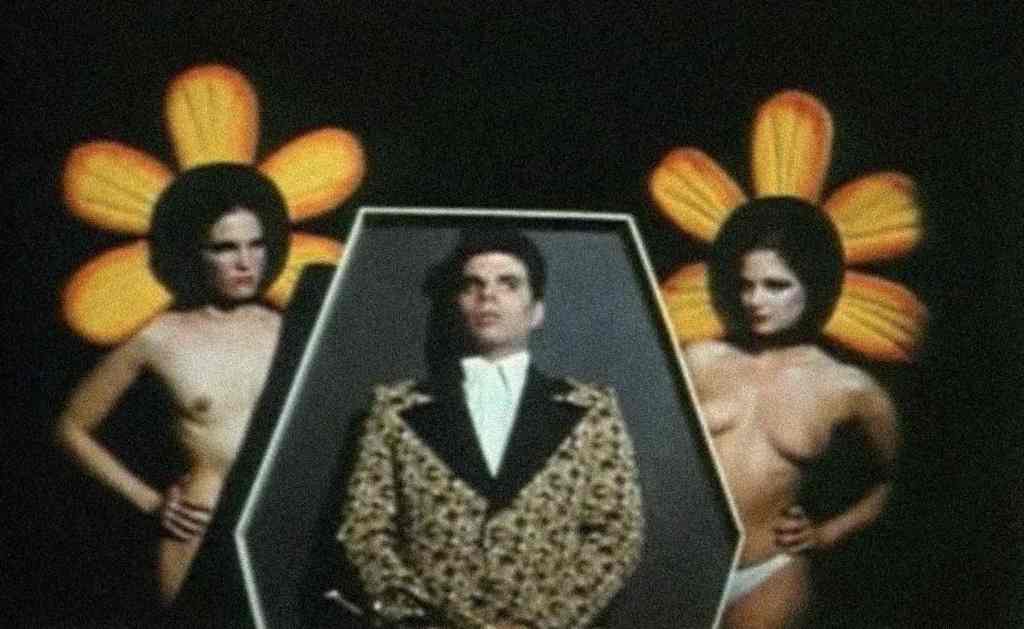
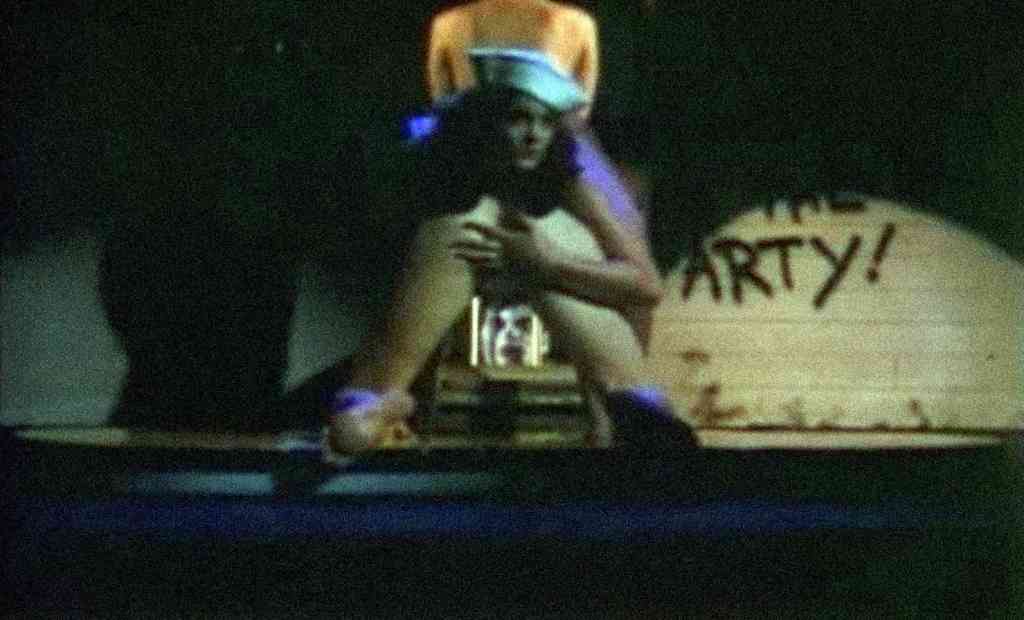



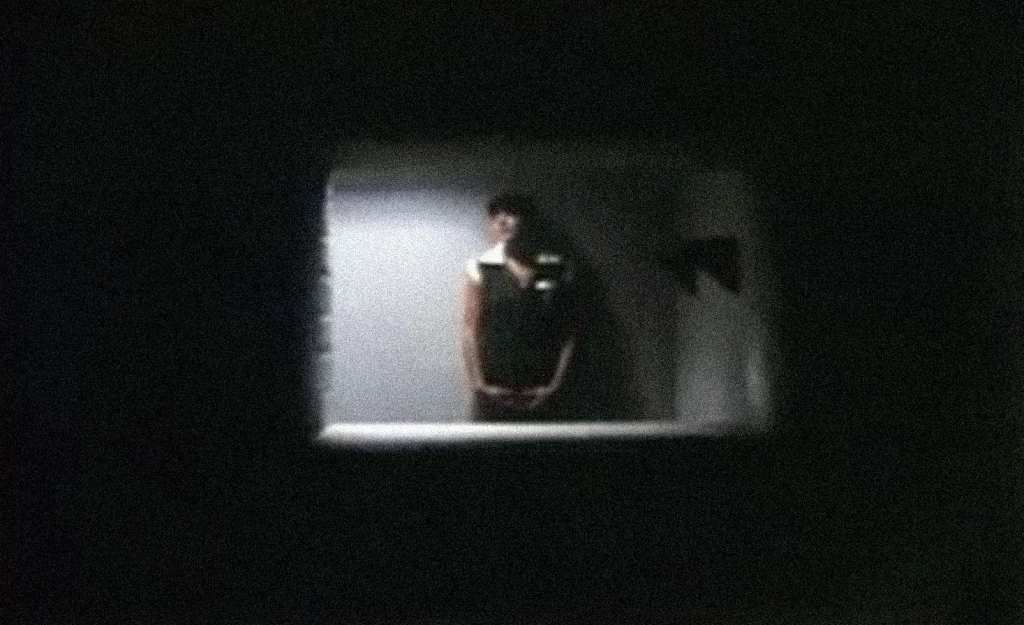
The club’s MC (Nick Klar), a ghoulish and flamboyant host with a deranged sense of humor, introduces increasingly bizarre and stylized sex acts onstage. These are not traditional pornographic scenes; they are surreal, theatrical, and symbolic—featuring outlandish costumes, masks, and science-fiction props. The acts often involve animal motifs, industrial settings, or robotic choreography, blending eroticism with grotesque artifice.
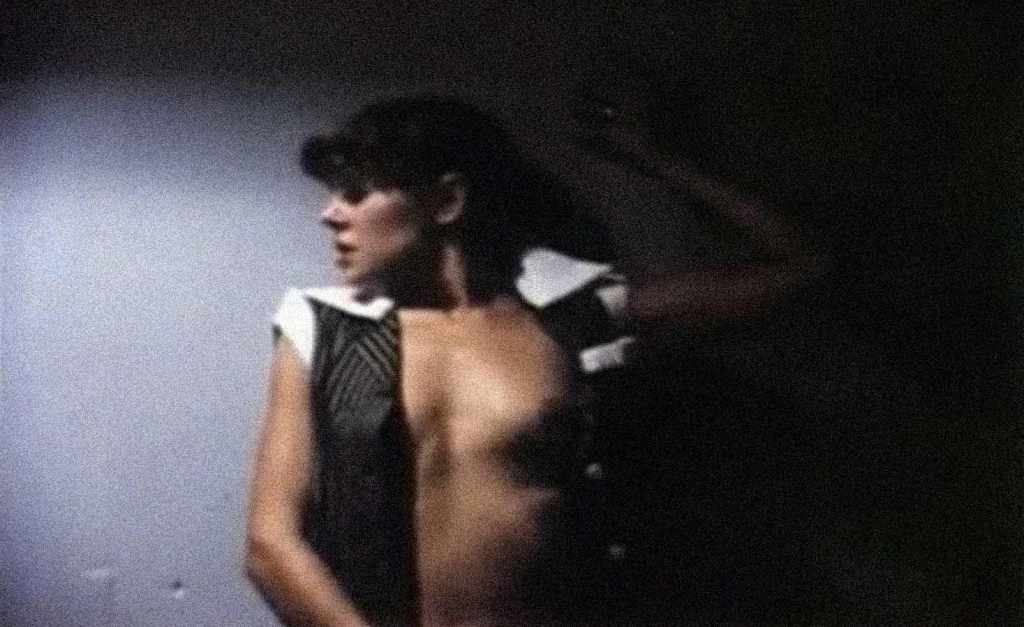




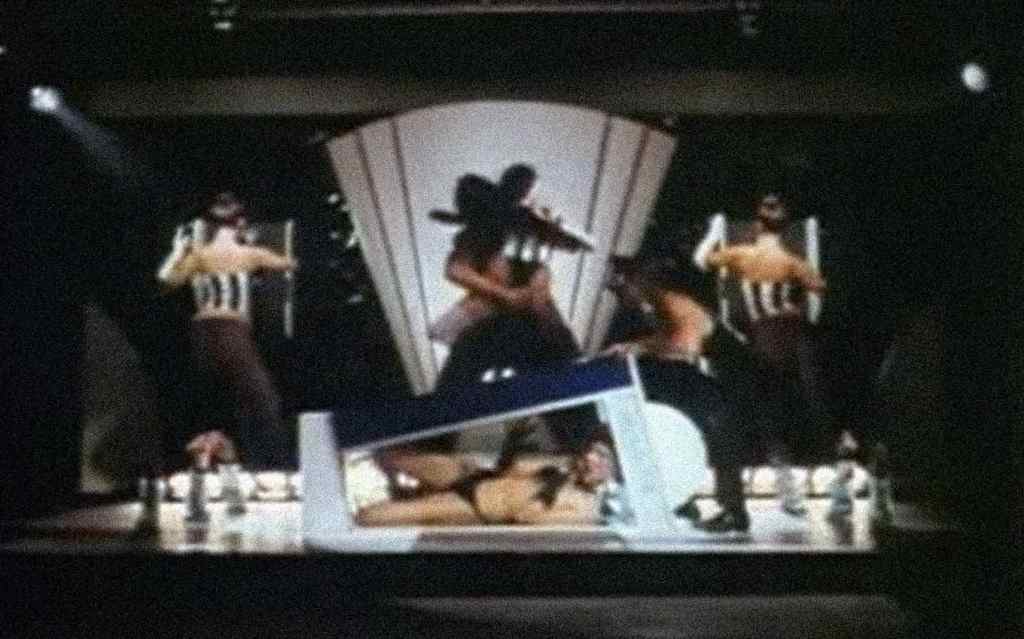
As Lana is drawn deeper into the allure of Café Flesh and its performers, Neutron’s jealousy and emotional repression intensify. The narrative builds toward a disturbing climax where Lana finally embraces her status as a sex-positive, taking the stage herself in an act of sexual liberation that simultaneously devastates Neutron. The ending blurs the lines between emancipation and tragedy, desire and despair.

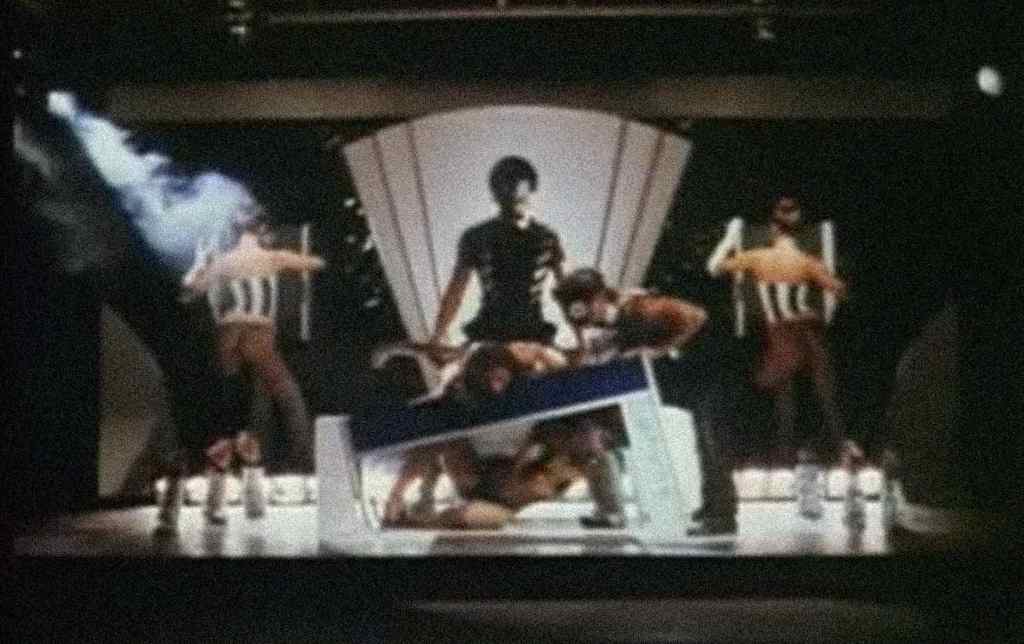

“Café Flesh” is more than an adult film—it’s a postmodern critique of voyeurism, censorship, and the commodification of desire. While it contains explicit sex scenes, they are framed within a dystopian allegory, with erotic acts portrayed as spectacle, performance, and ritual. Interestingly enough, the Director, Stephen Sayadian, had a background in art direction and advertising (he designed posters for Halloween and The Man Who Fell to Earth), bringing a distinct visual flair to the film. Its sets are stark and theatrical, influenced by German Expressionism, punk aesthetics, and cyberpunk dystopia. The lighting, costumes, and mise-en-scène are deliberately stylized, making the film feel more like performance art than traditional adult cinema.
 The Other Cinema