




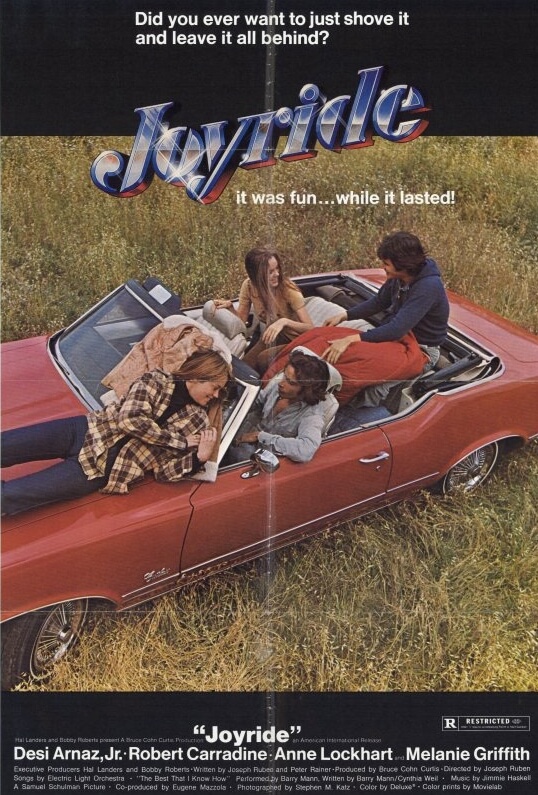
“Joyride” is a 1977 crime drama with elements of a road movie, directed by Joseph Ruben, known later for The Stepfather and Sleeping with the Enemy. The film stars Desi Arnaz Jr., Robert Carradine, and Melanie Griffith, marking one of Griffith’s first significant screen appearances. It captures the disillusionment of 1970s American youth through a gritty, cross-country odyssey that blends rebellion, desperation, and crime.






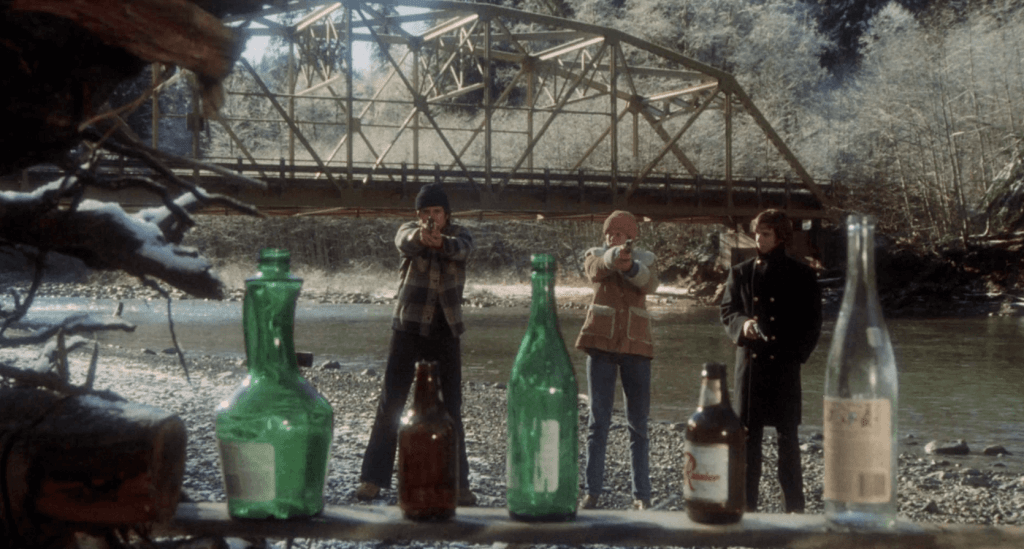
Set in the wake of the Vietnam War and amid growing disillusionment with the American Dream, Joyride follows three young adults—Scott (Desi Arnaz Jr.), John (Robert Carradine), and Suzie (Melanie Griffith)—who escape the constraints of their working-class lives in California in search of freedom and opportunity in the rugged expanse of Alaska.









With few job prospects and dreams of a better future, the trio heads north, expecting adventure and independence. However, once in Alaska, they are met not with freedom but with exploitation and hardship. The promised land proves cold, unforgiving, and rife with low-paying, dehumanizing work, such as fish cannery labor and logging under brutal conditions.









Frustrated and broke, the group becomes increasingly desperate. Their restlessness and resentment build until they’re drawn into petty crime, which escalates into more serious and dangerous territory. What begins as minor theft quickly turns into armed robbery as they attempt to seize the freedom they feel society has denied them.









As their crimes spiral out of control, so too does their bond. Trust begins to erode, paranoia takes root, and the dream of a better life devolves into a struggle for survival. Amid this turmoil, the trio is pursued by law enforcement while also grappling with moral and personal crises that expose the limits of their rebellion.






Melanie Griffith’s Suzie stands out as the group’s emotional core—a complex young woman torn between loyalty, fear, and her own sense of agency. Her vulnerability and growing awareness of the consequences of their choices give the film emotional weight, even as it barrels toward its bleak conclusion.

“Joyride” blends elements of social realism with road movie tropes and crime drama aesthetics, tapping into the mood of 1970s America—where economic anxiety, disillusionment with authority, and youth alienation were dominant themes.
 The Other Cinema