
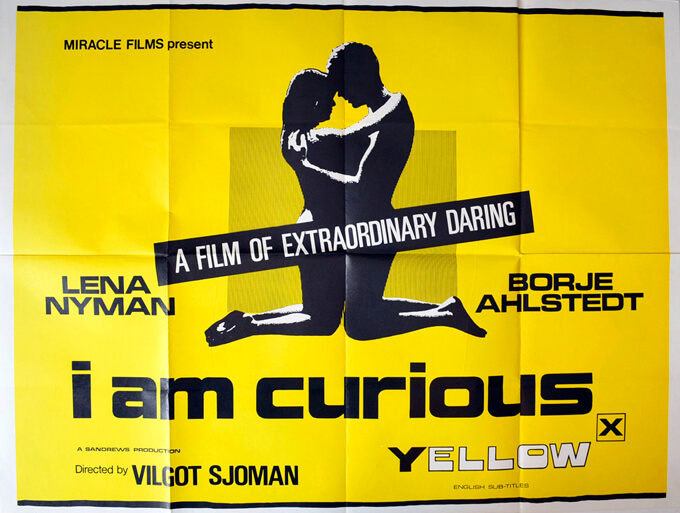
“I Am Curious (Yellow)” (Jag är nyfiken—en film i gult) is a groundbreaking 1967 Swedish film directed by Vilgot Sjöman. It is known for its bold blend of political commentary, experimental storytelling, and explicit sexuality. The film became a lightning rod for controversy upon its international release, particularly in the United States, where it was subject to censorship battles and legal scrutiny.
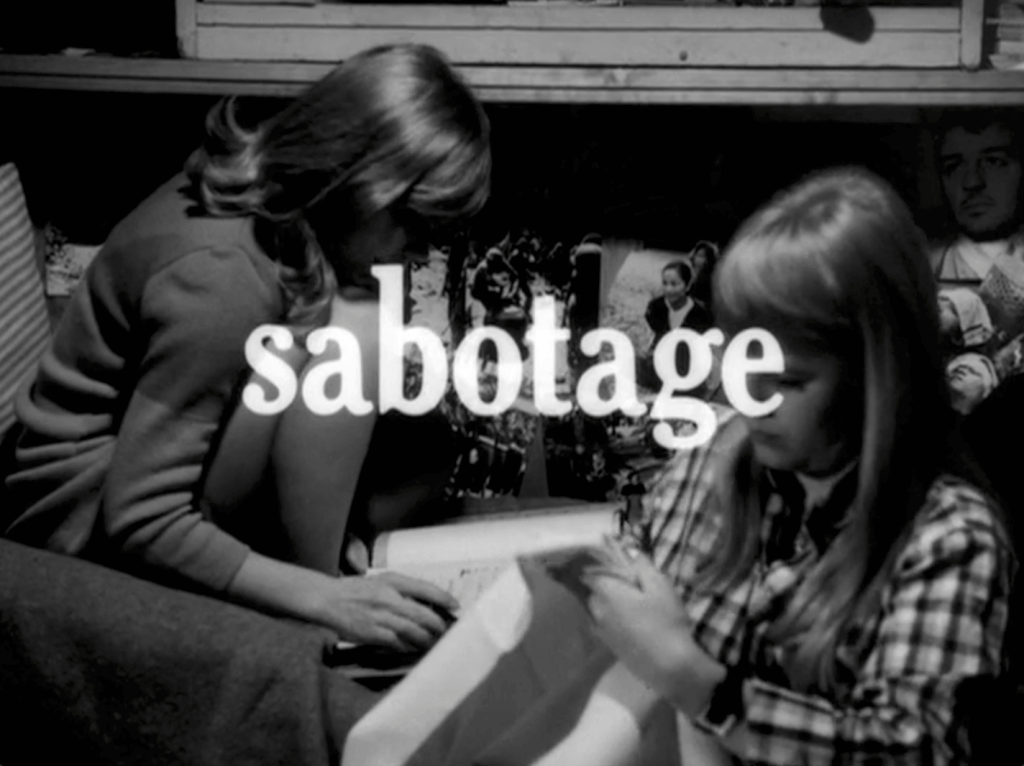
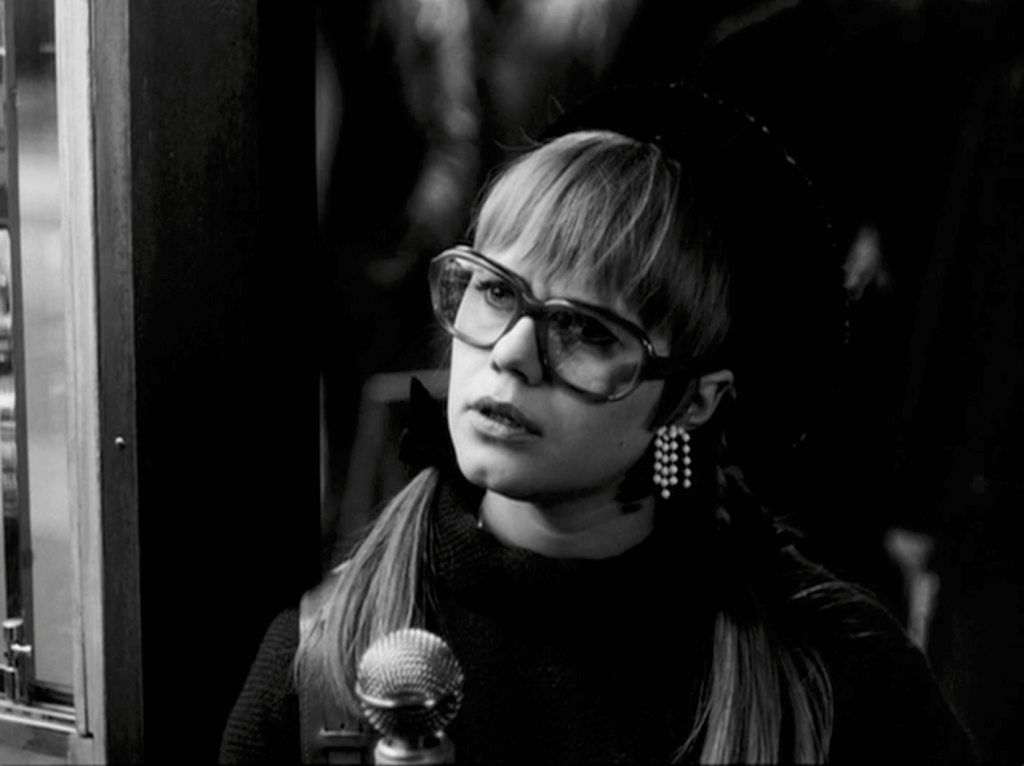
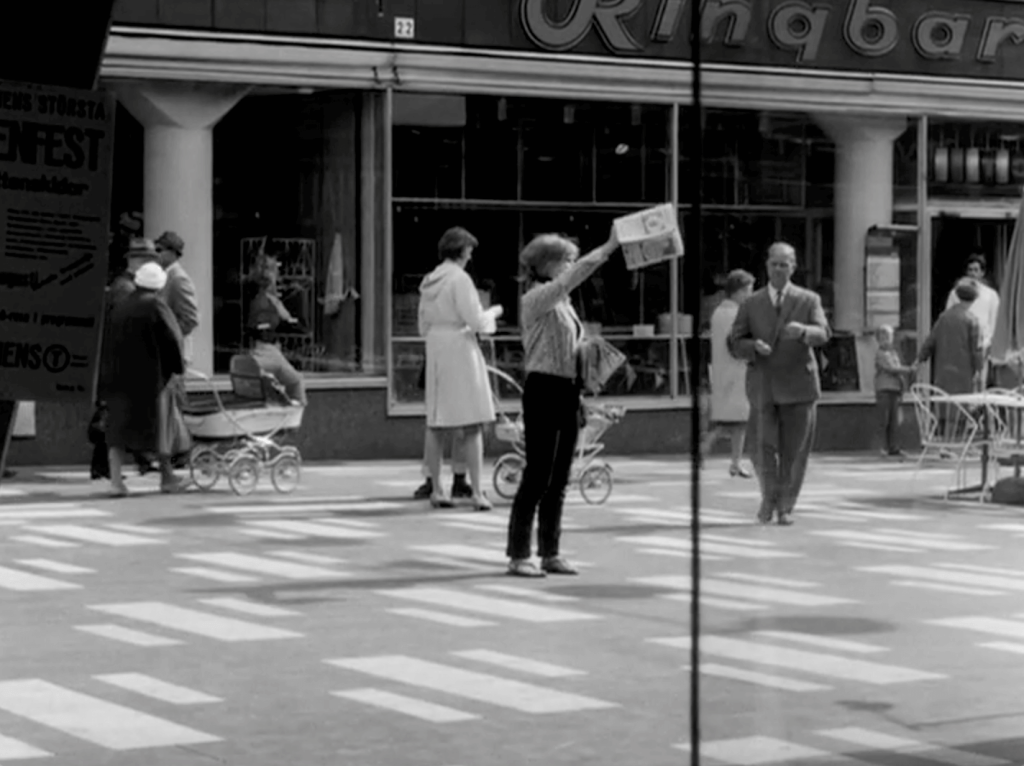
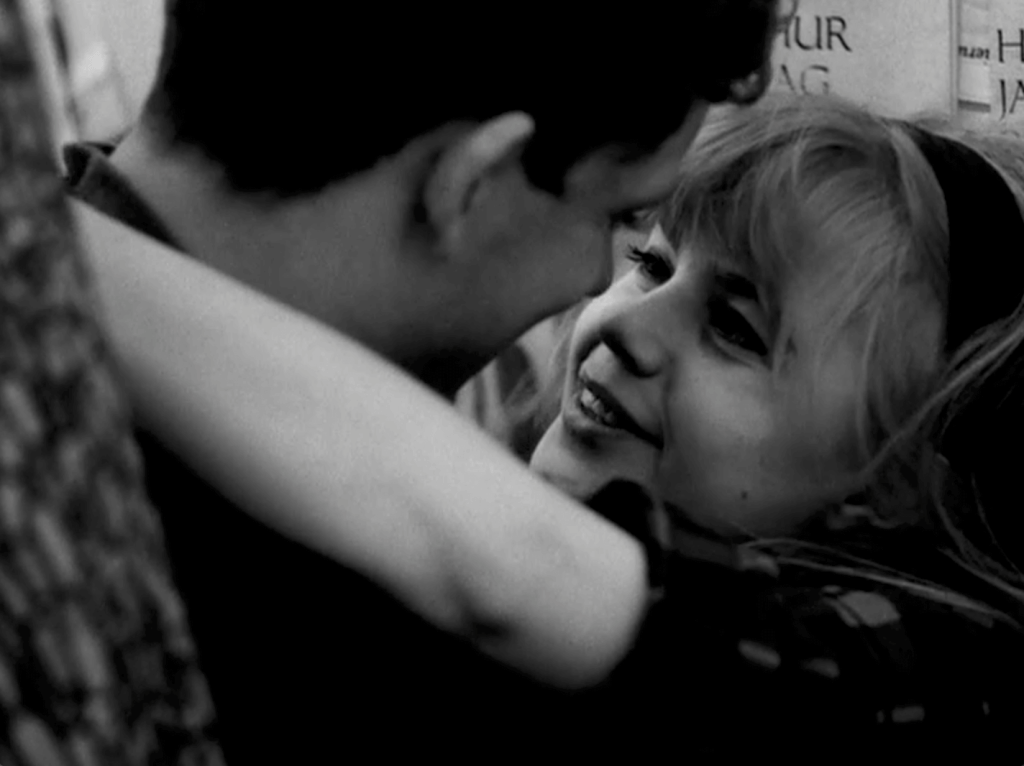
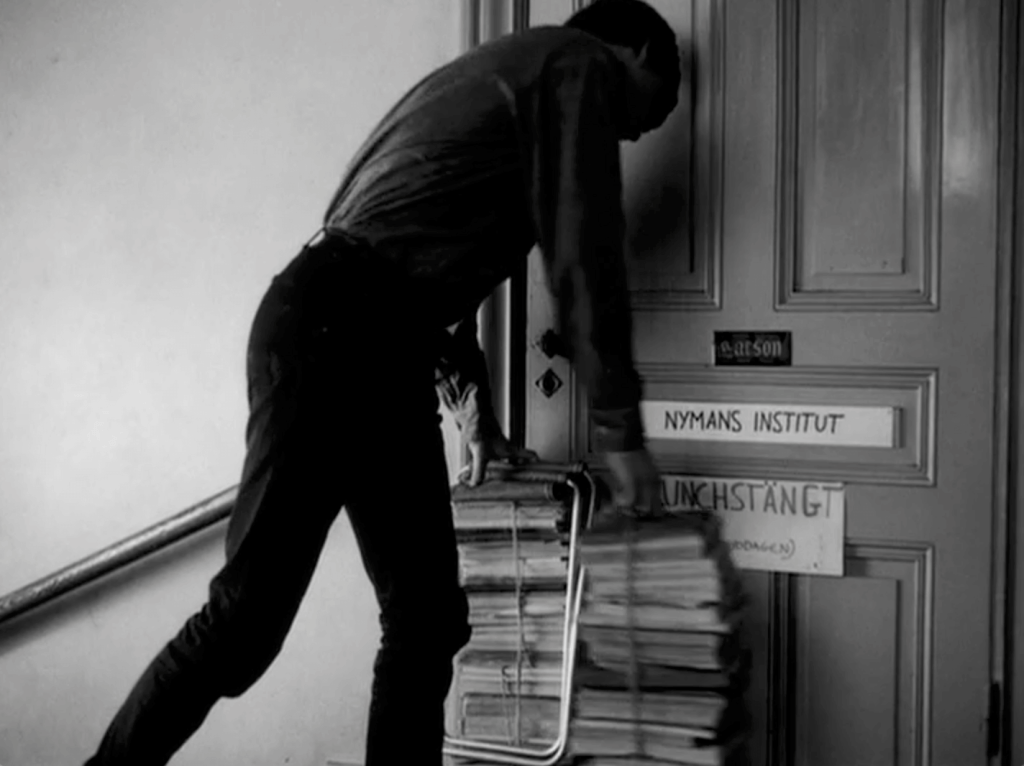
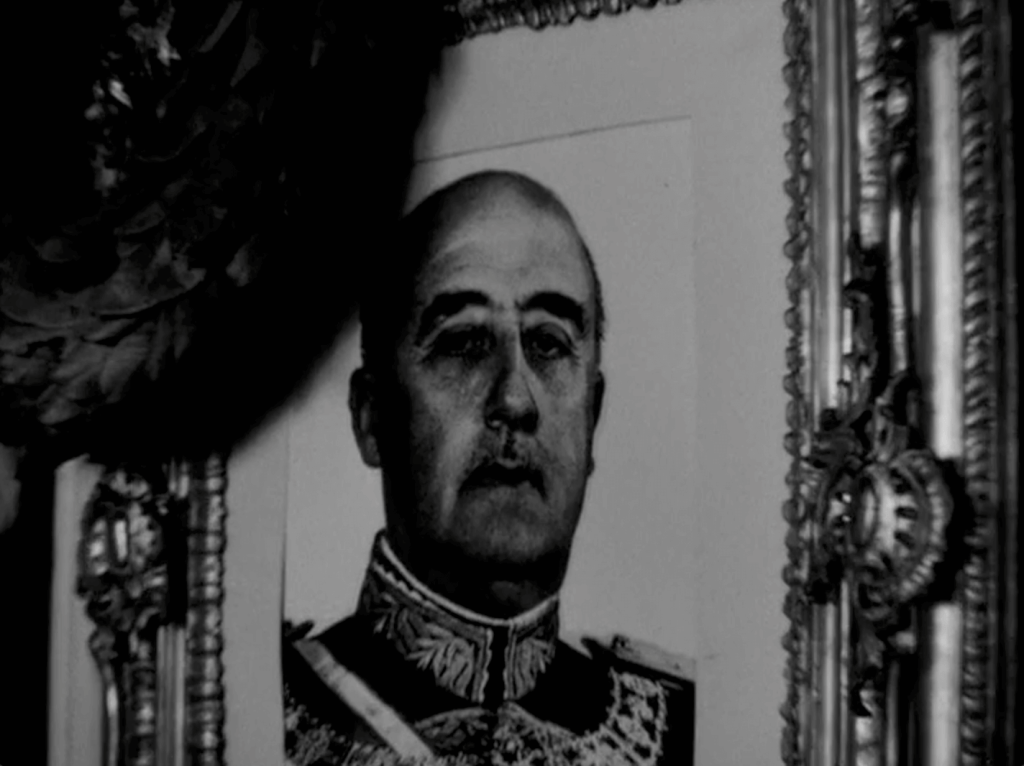
“I Am Curious (Yellow)” is one of two films shot simultaneously by Sjöman—the other being I Am Curious (Blue)—that together form a layered, reflexive exploration of sex, politics, and identity in 1960s Sweden. The “Yellow” in the title refers to the Swedish flag’s color scheme and, metaphorically, to curiosity and caution. It is often considered the more sexually explicit and politically provocative of the two.
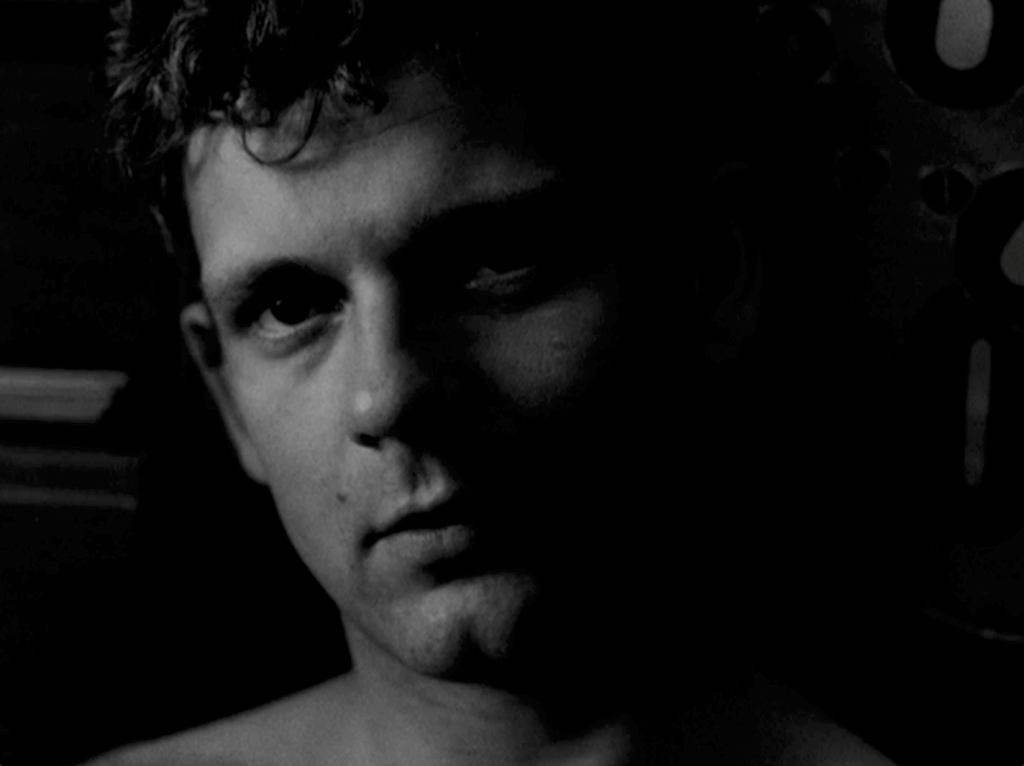
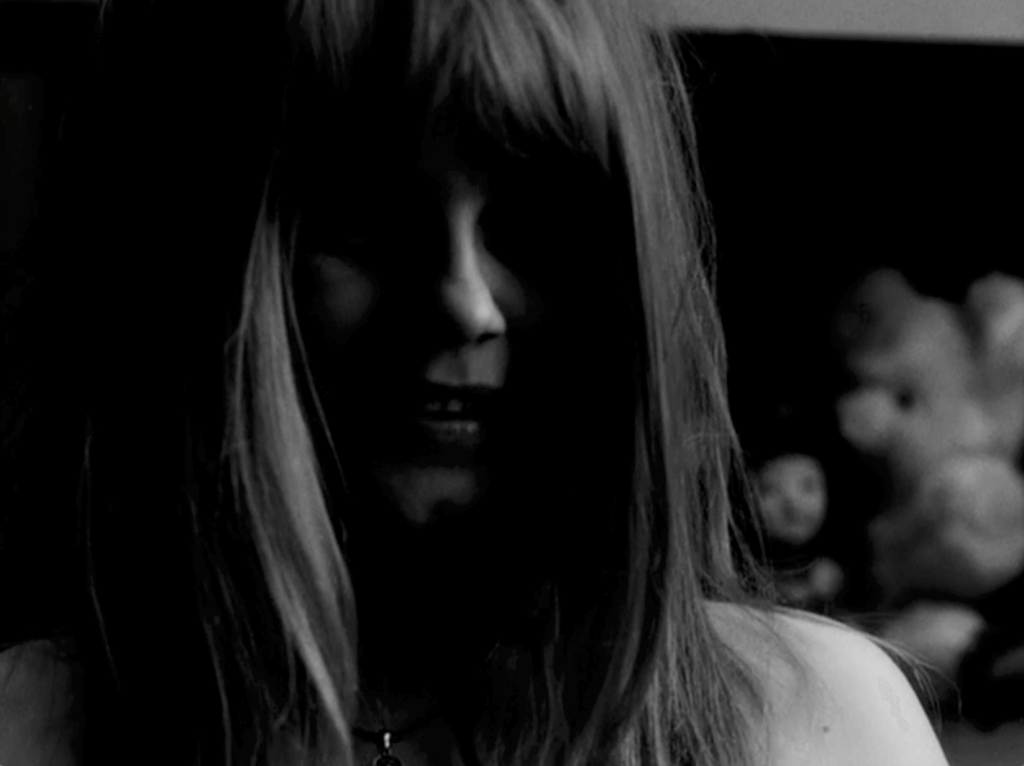
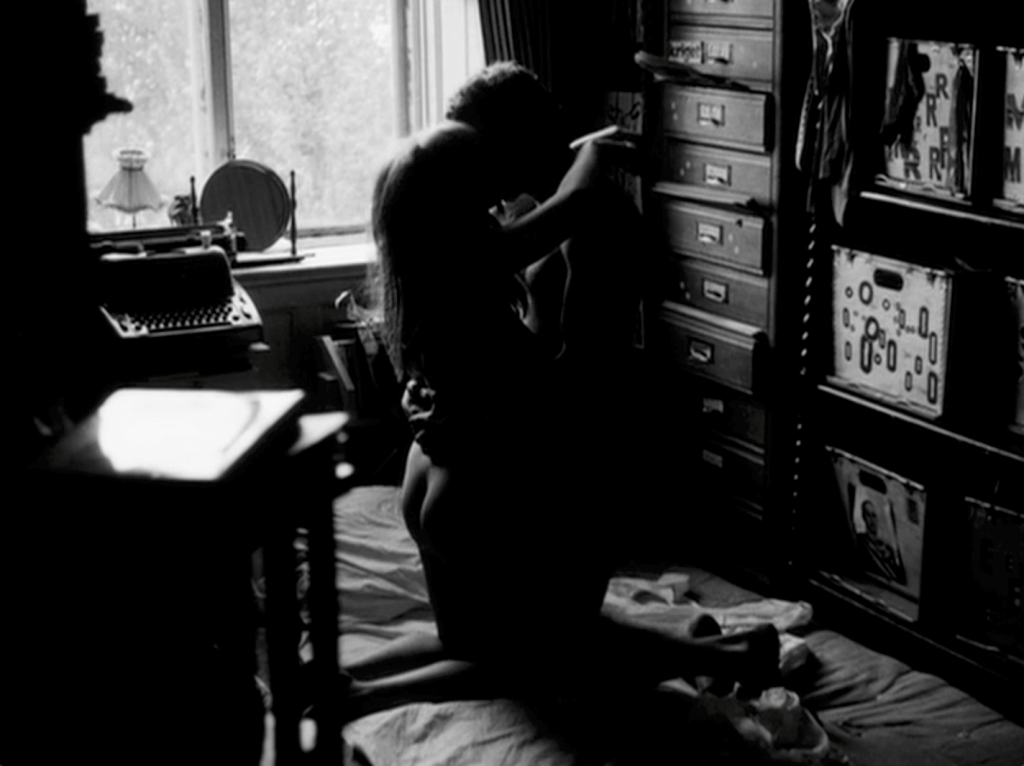

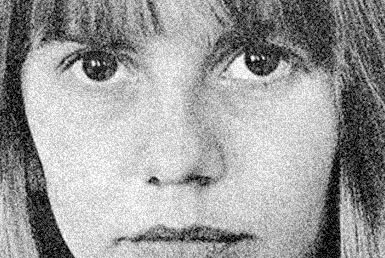
The film follows Lena (Lena Nyman), a young, idealistic, politically engaged woman living in Stockholm. A sociology student and self-proclaimed activist, Lena is trying to understand Swedish society through a mixture of journalistic investigation, personal experimentation, and political protest.
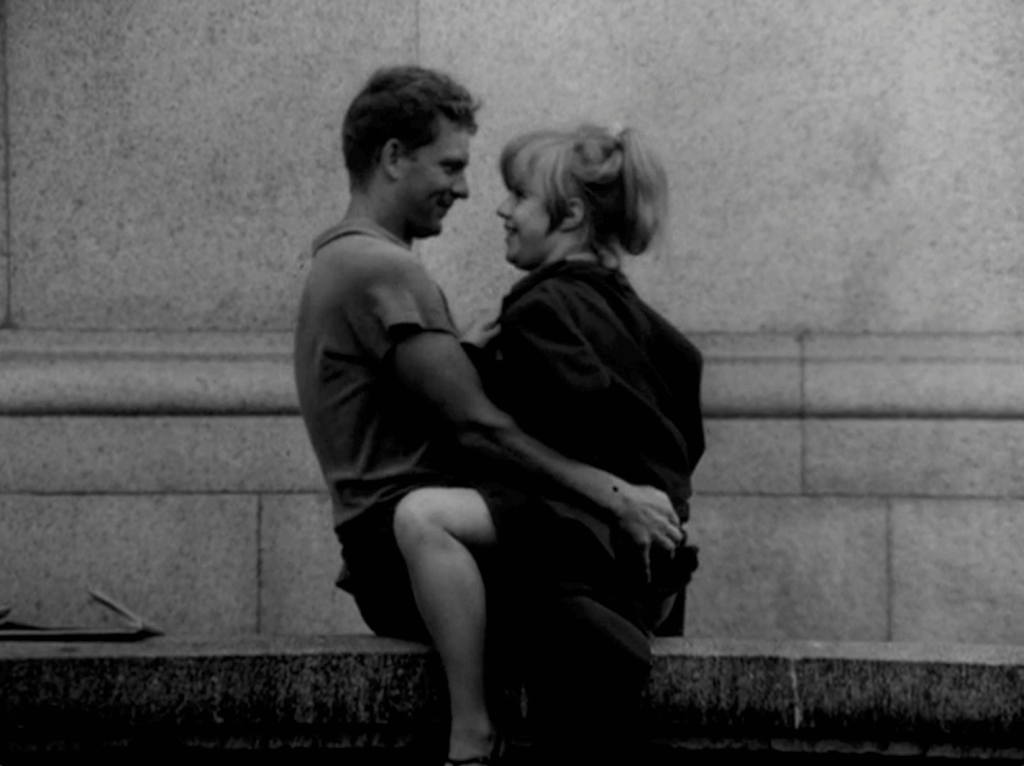
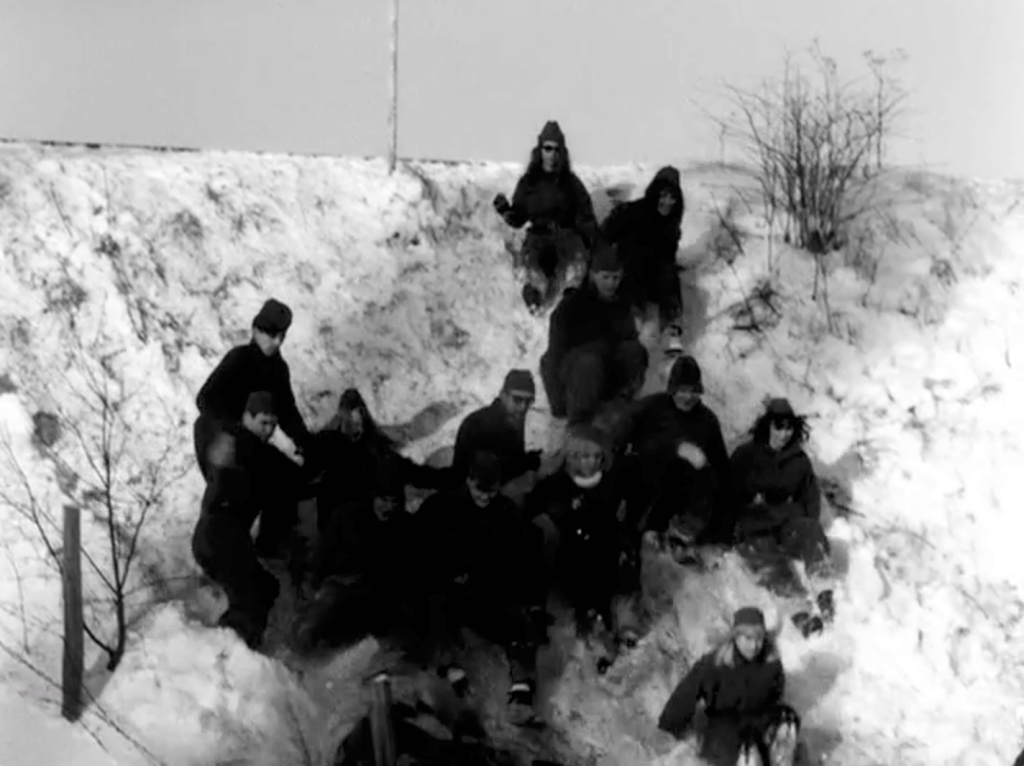
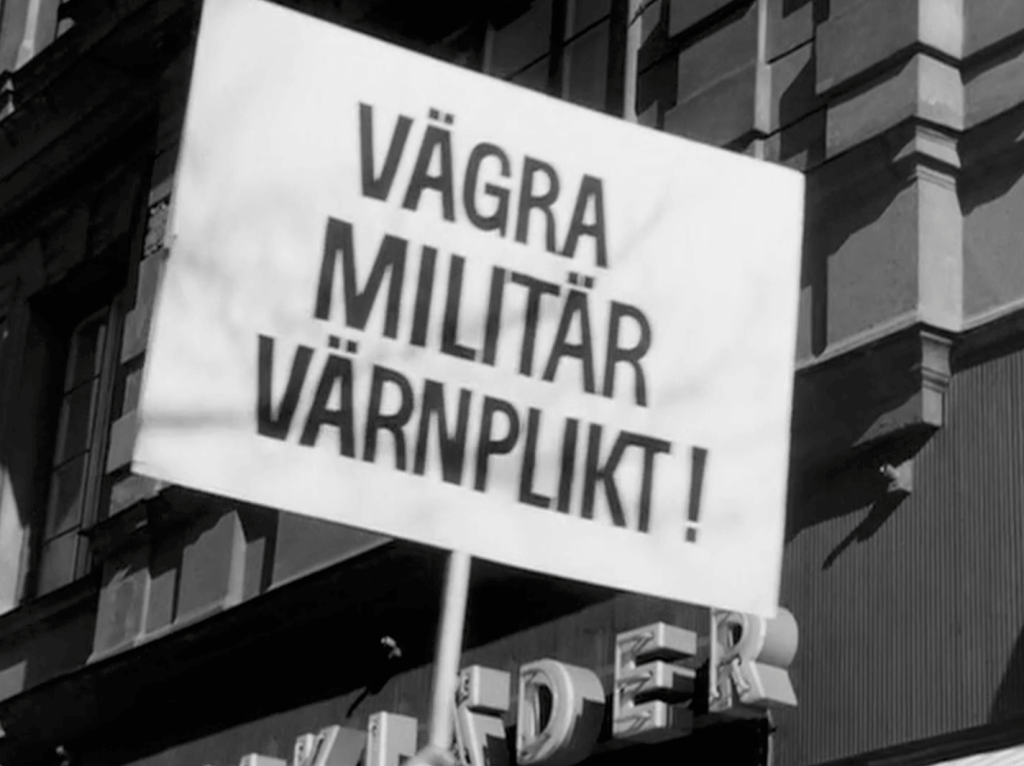
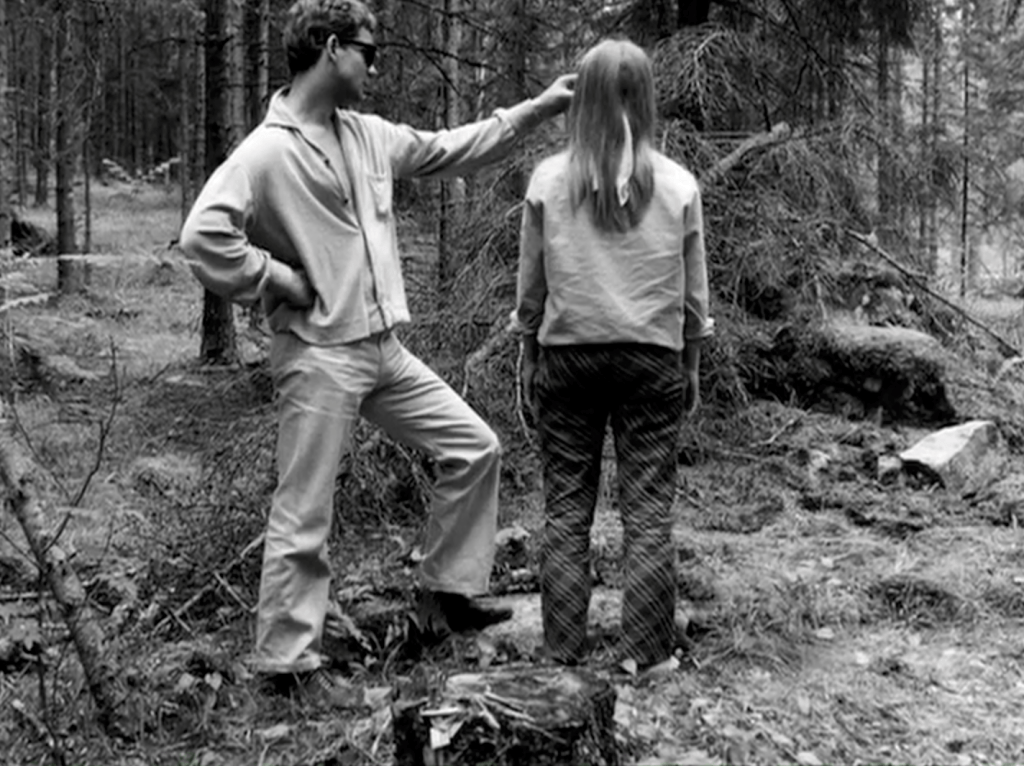
Lena roams the streets conducting interviews with everyday citizens about social justice issues, particularly class inequality, racism, and Sweden’s caste-like structure, while reflecting on nonviolence and civil disobedience, often referencing Martin Luther King Jr., whose visit to Sweden features prominently in the film.
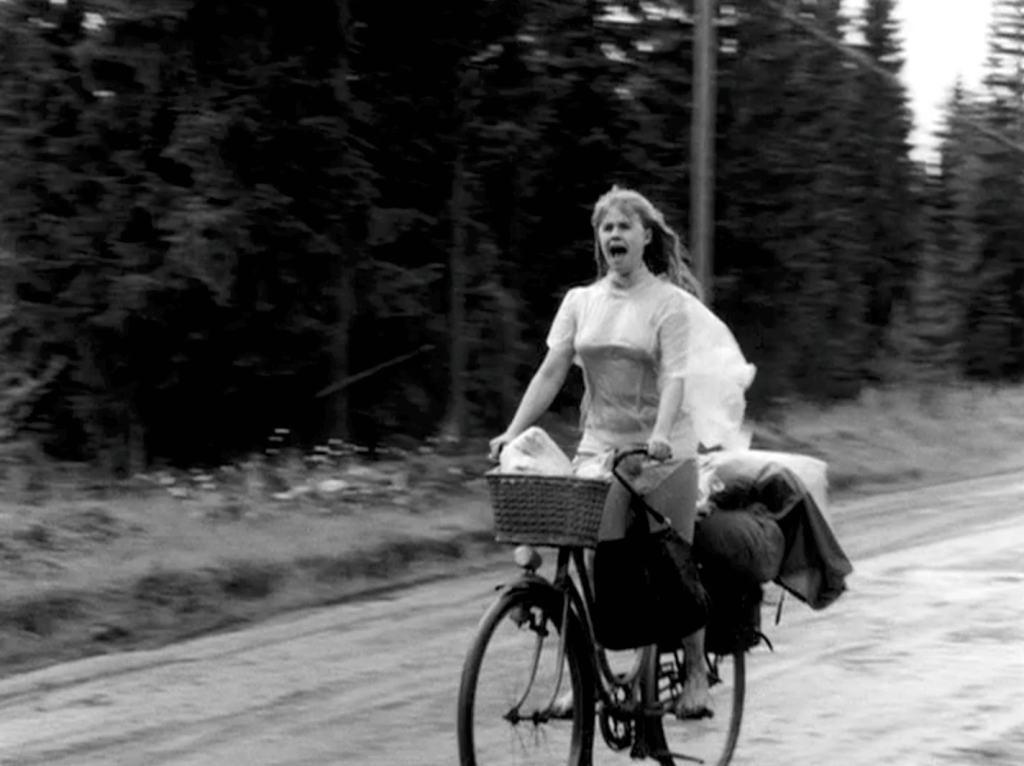
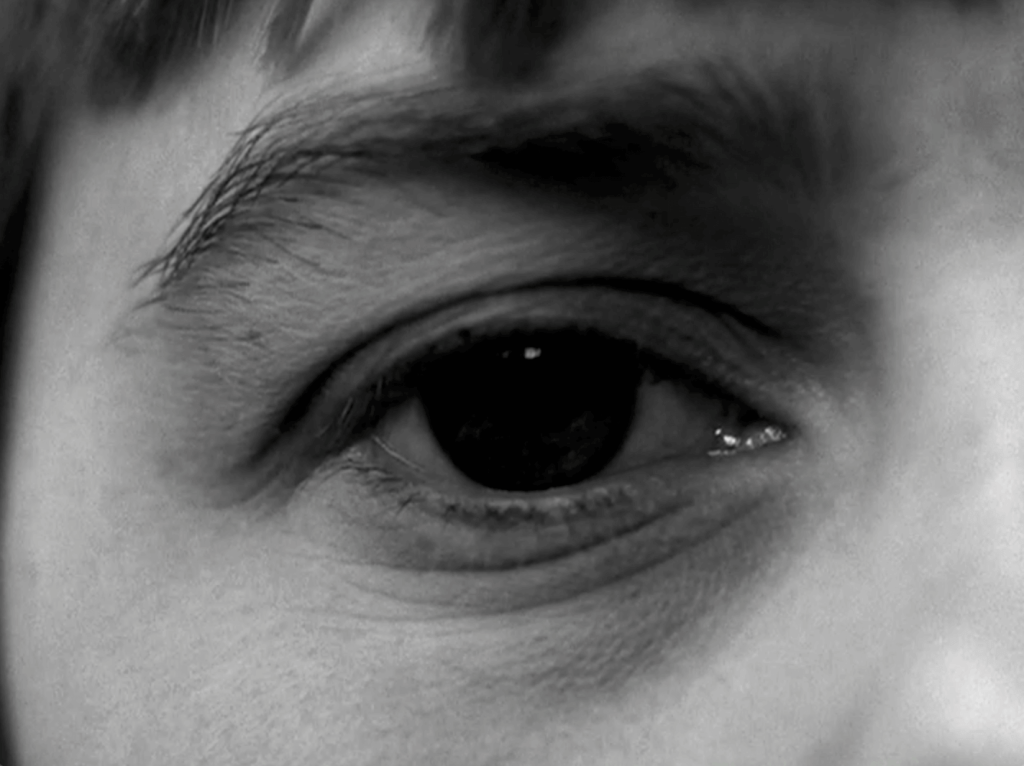
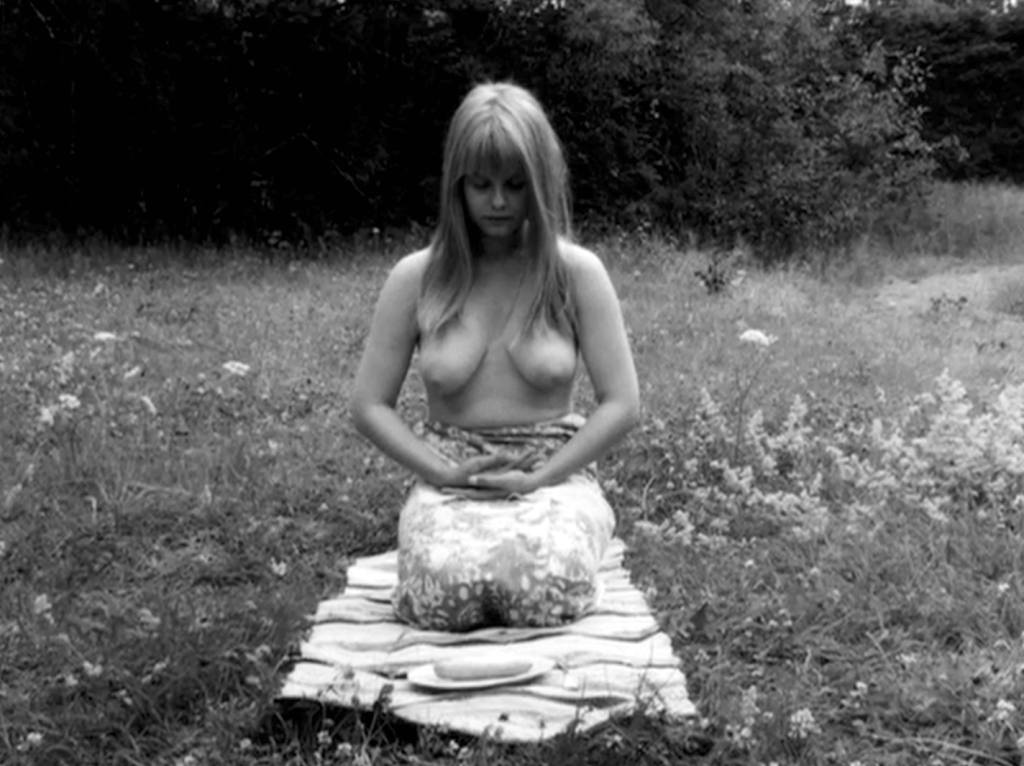
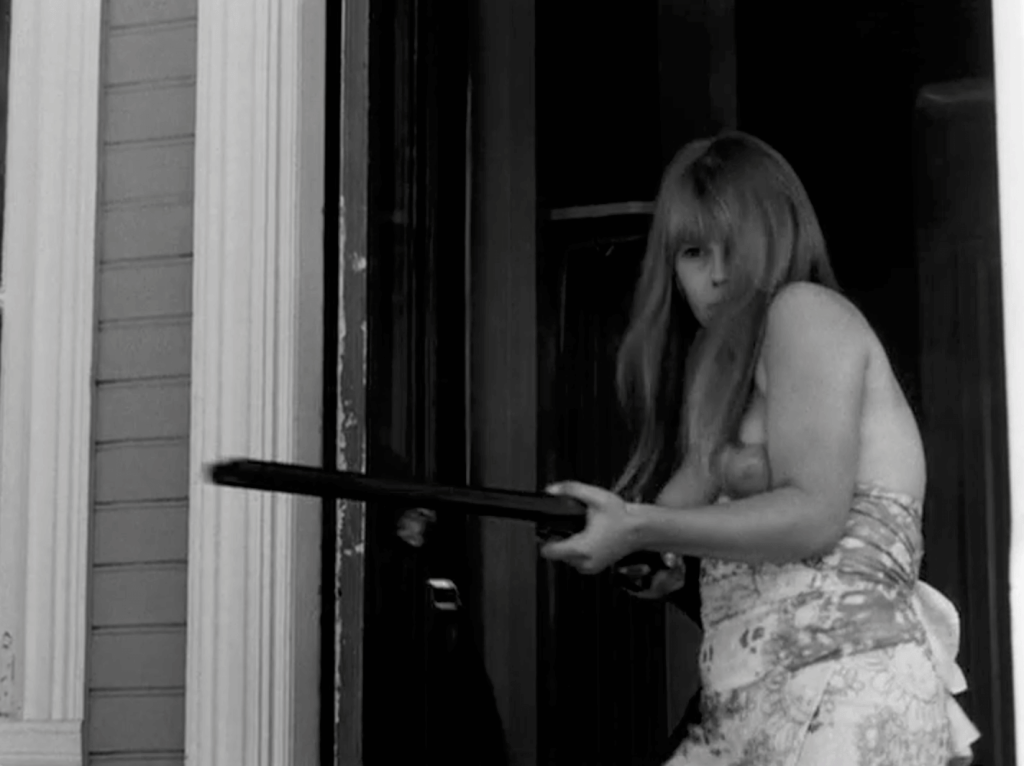
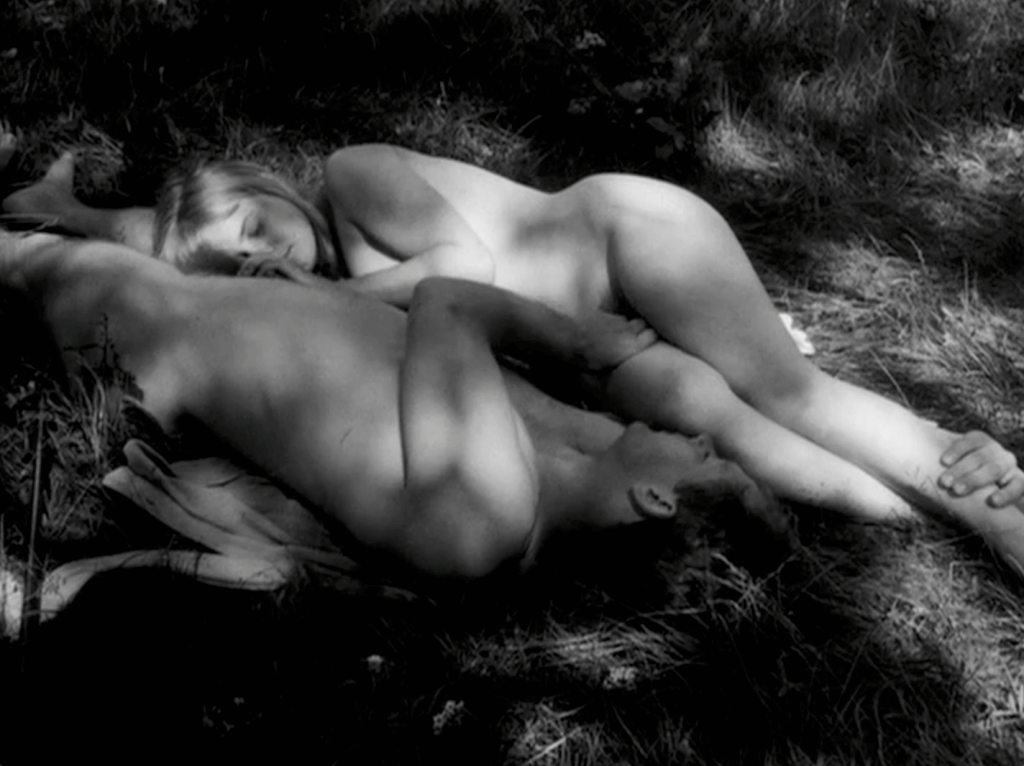
Parallel to her public inquiries, Lena engages in a deeply personal and often explicit exploration of her own sexual identity and desires. She enters into a complicated romantic and sexual relationship with Börje (Börje Ahlstedt), a student and aspiring actor. Their relationship serves as a microcosm of broader social tensions—passion is undercut by jealousy, ideology collides with emotional need, and Lena’s feminist ideals are challenged by the dynamics of love and control.

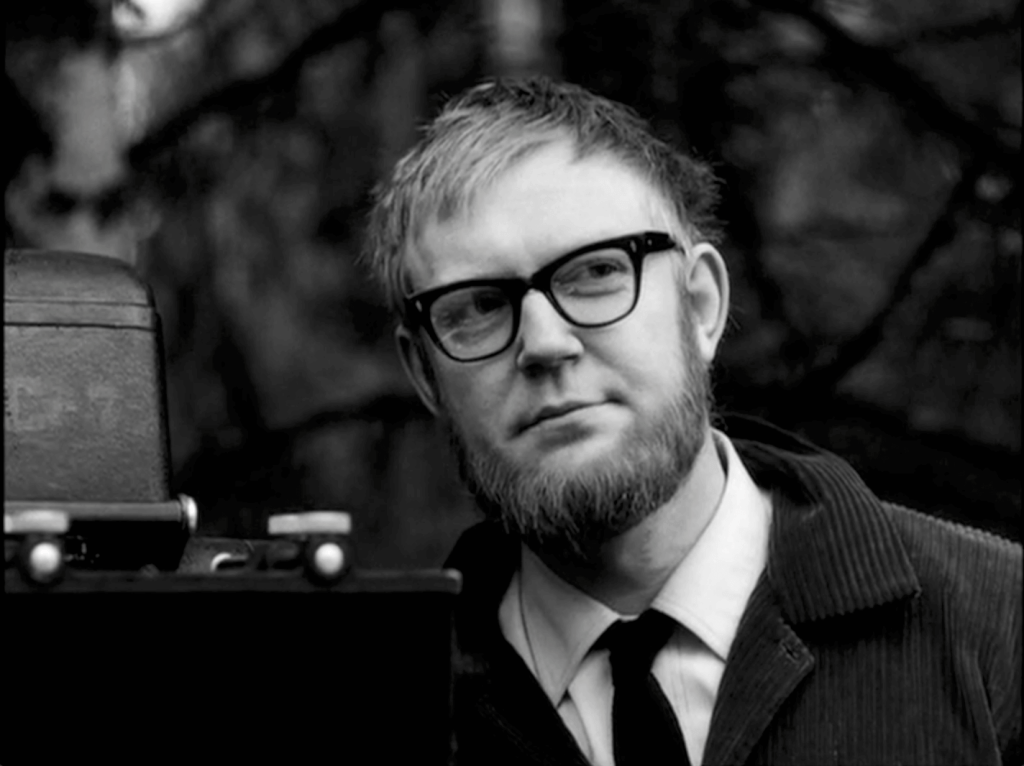
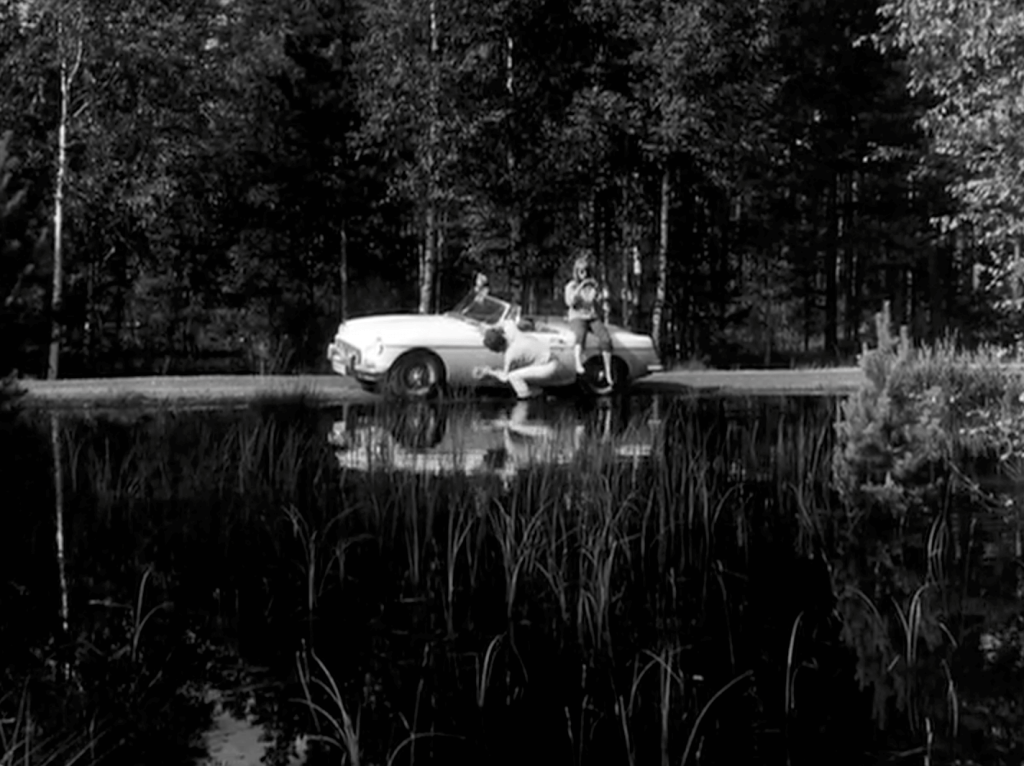
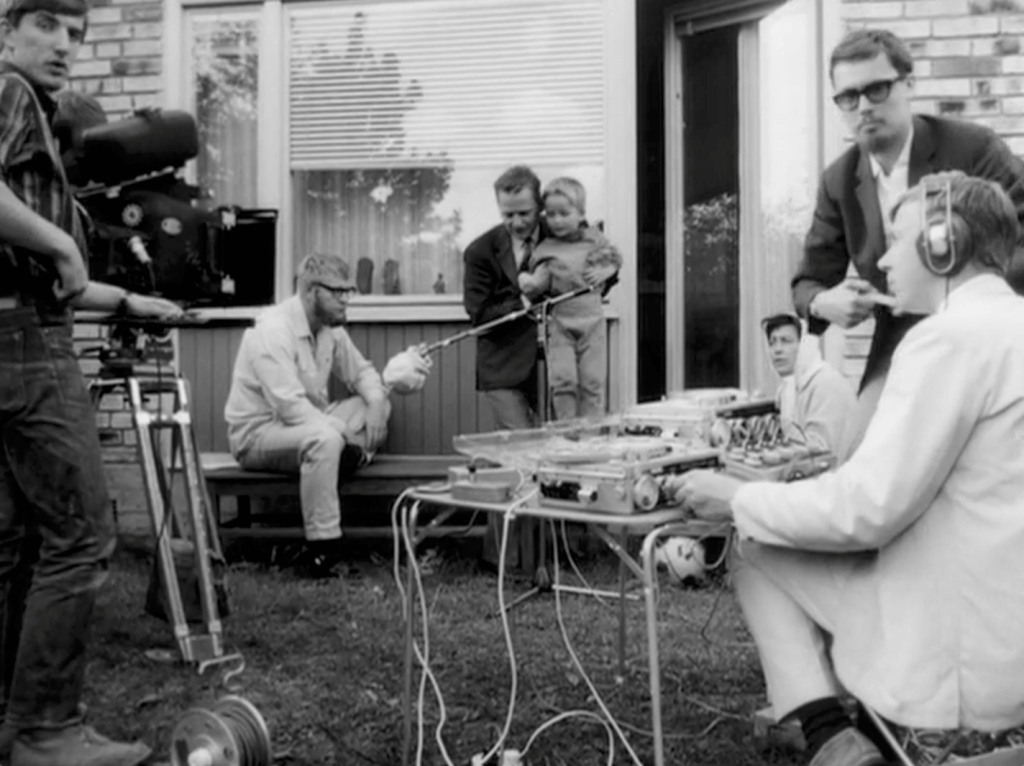
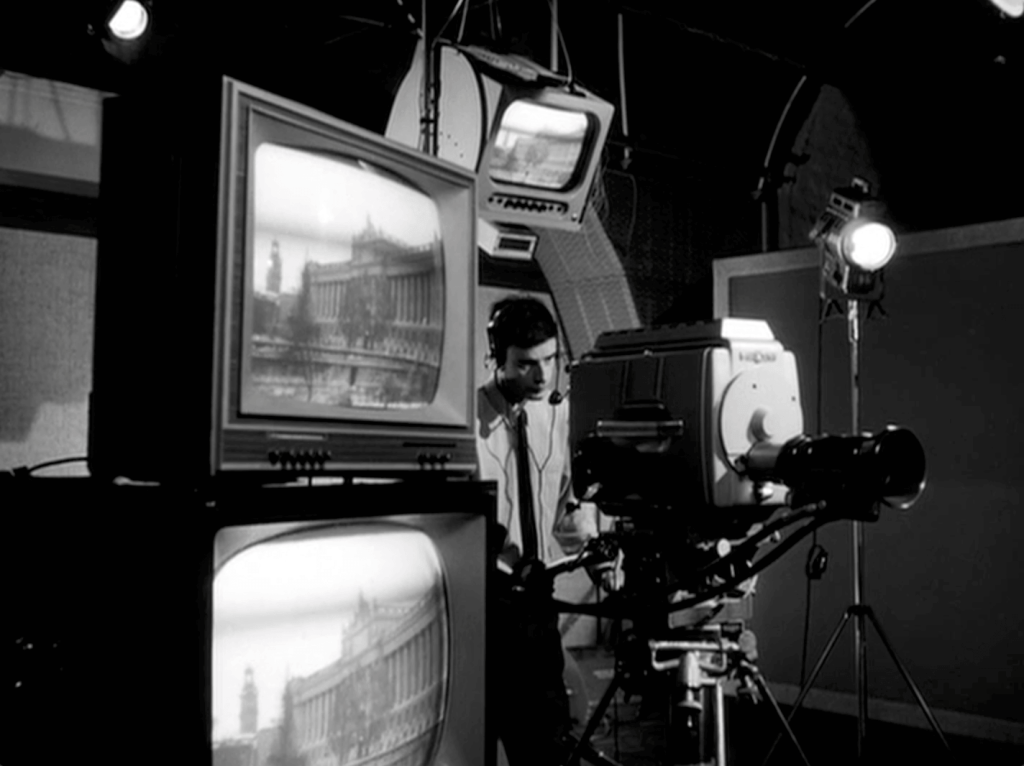
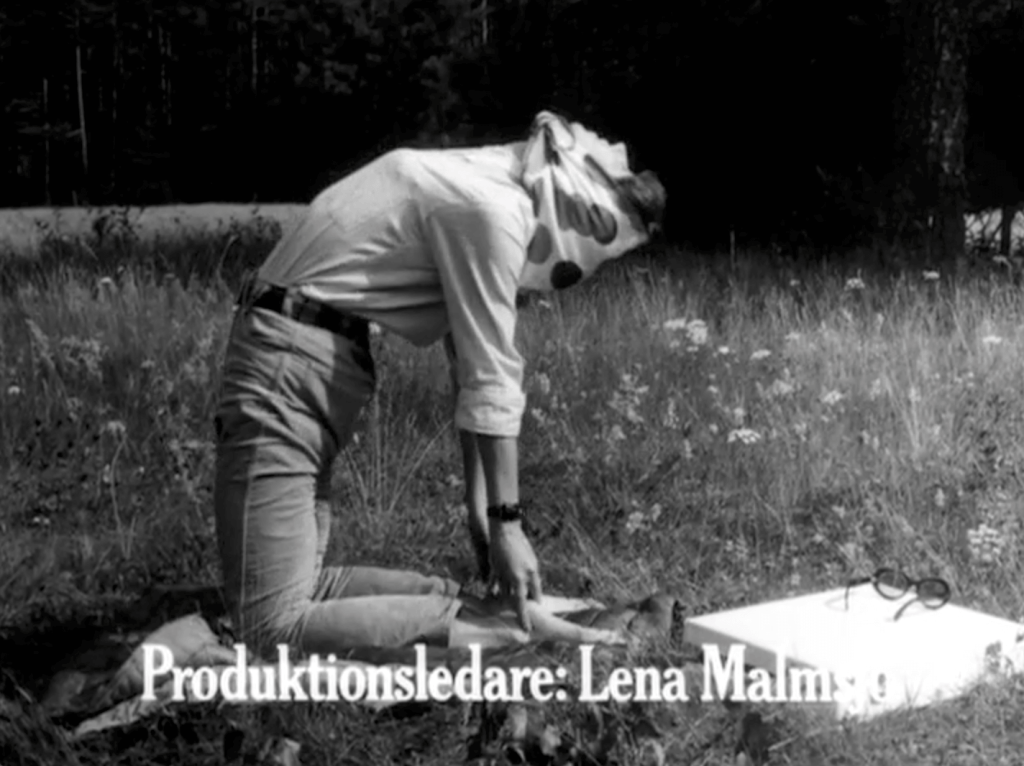
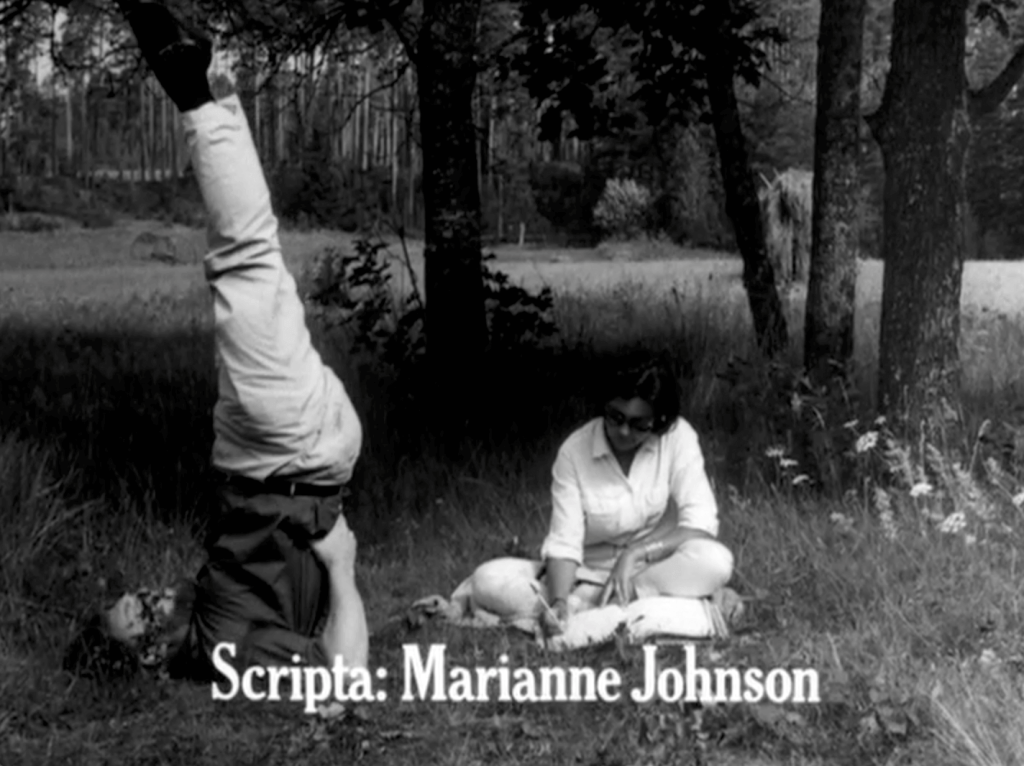
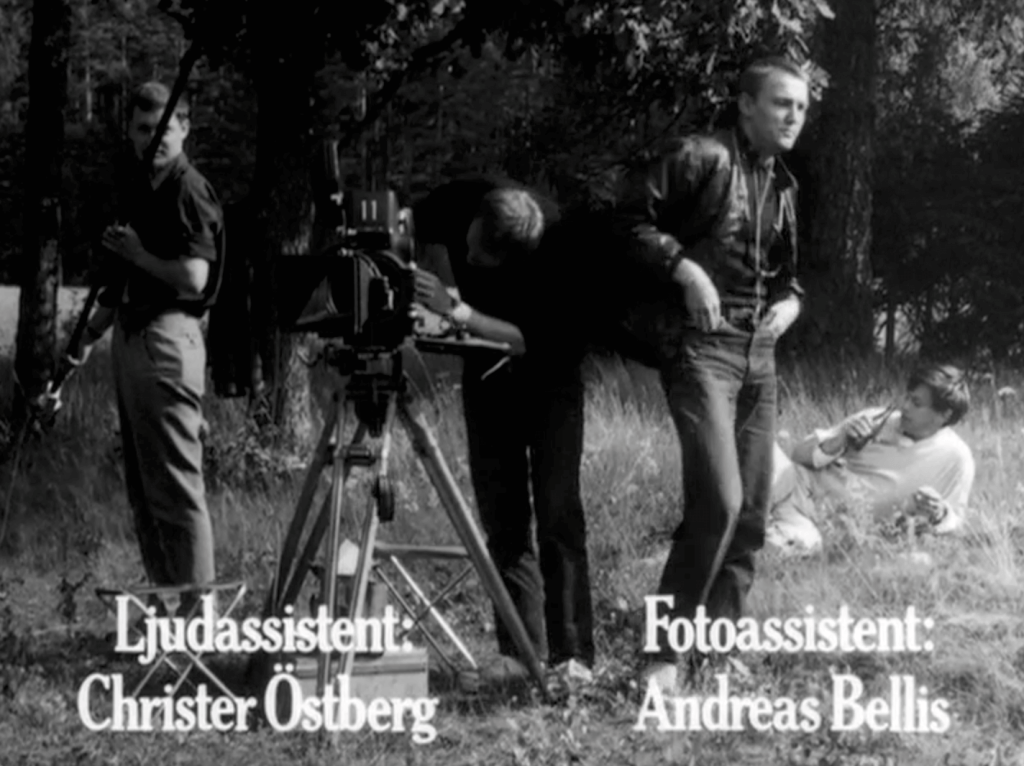
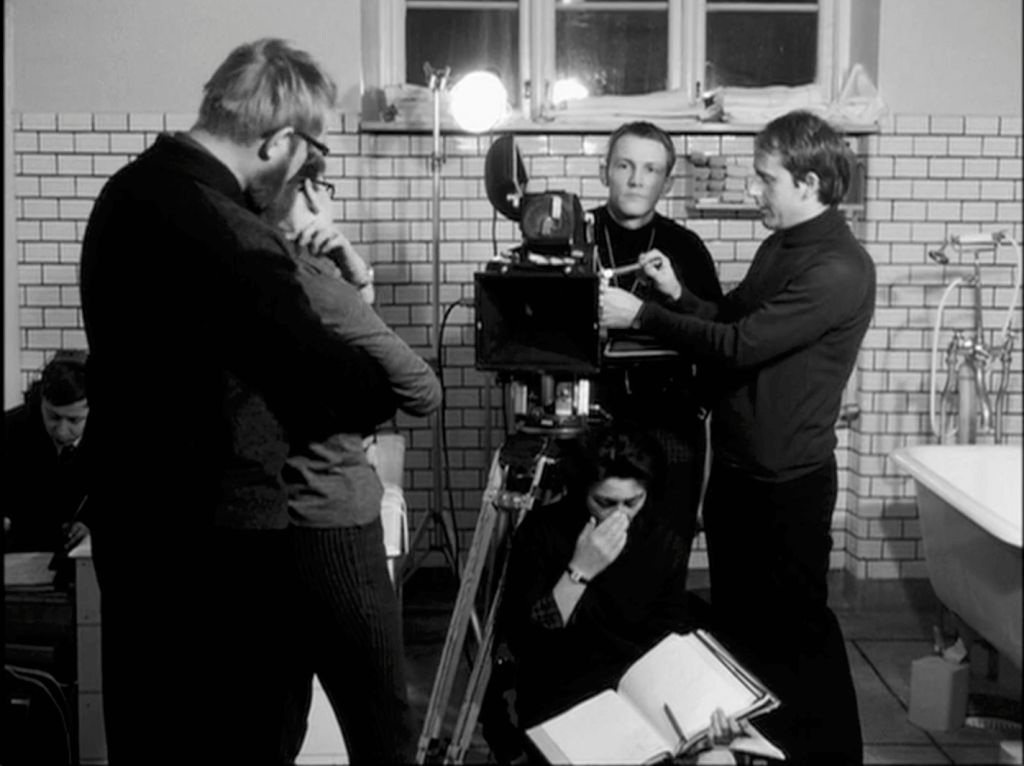
Its meta-narrative structure makes “I Am Curious (Yellow)” unique. The film is framed as a “film within a film,” with scenes interspersed that show the actors (especially Lena Nyman and director Vilgot Sjöman) breaking character, discussing scenes, and addressing the audience. Sjöman appears onscreen as himself, guiding the filmmaking process, blurring the lines between fiction, documentary, and personal confession.
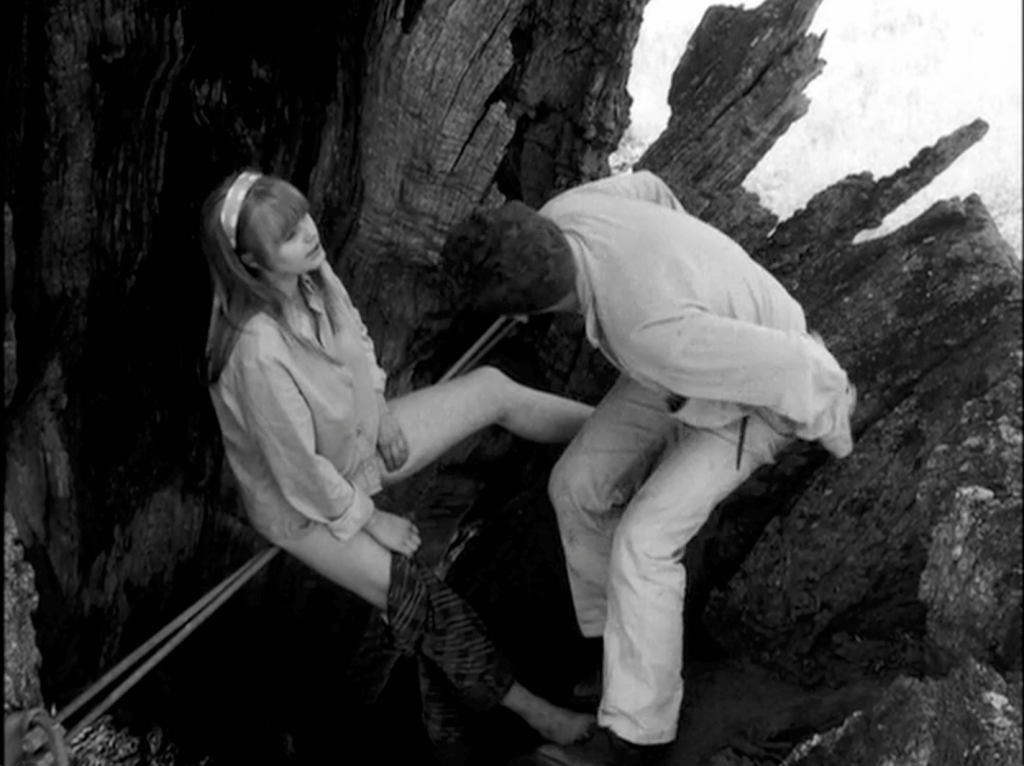
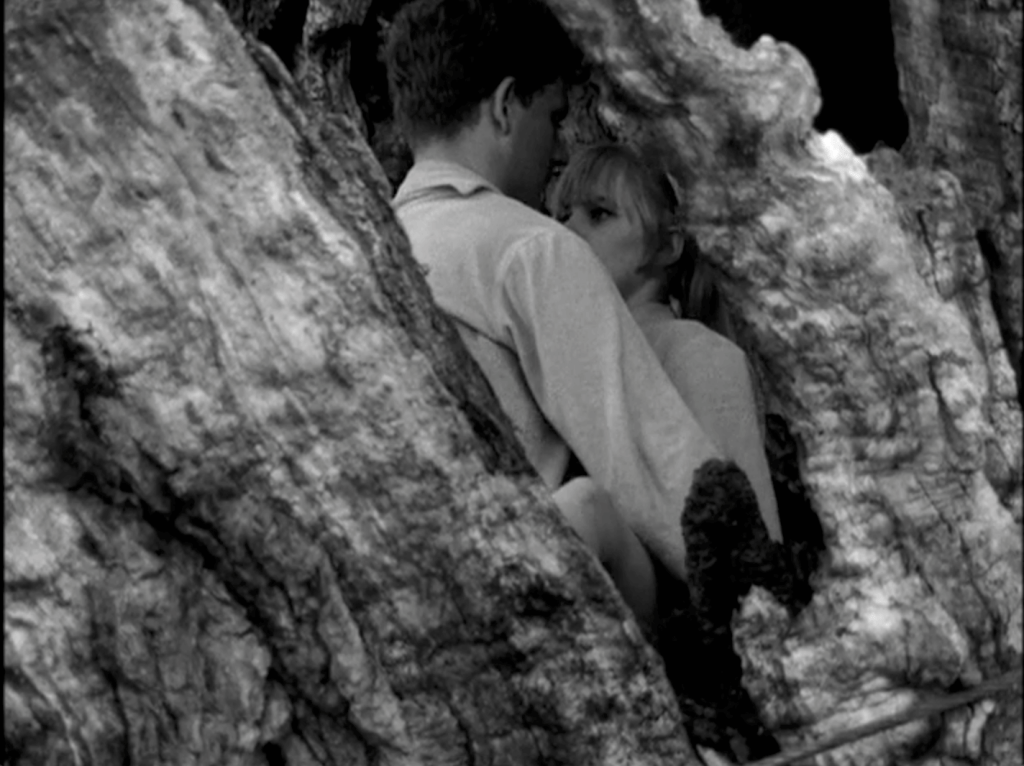
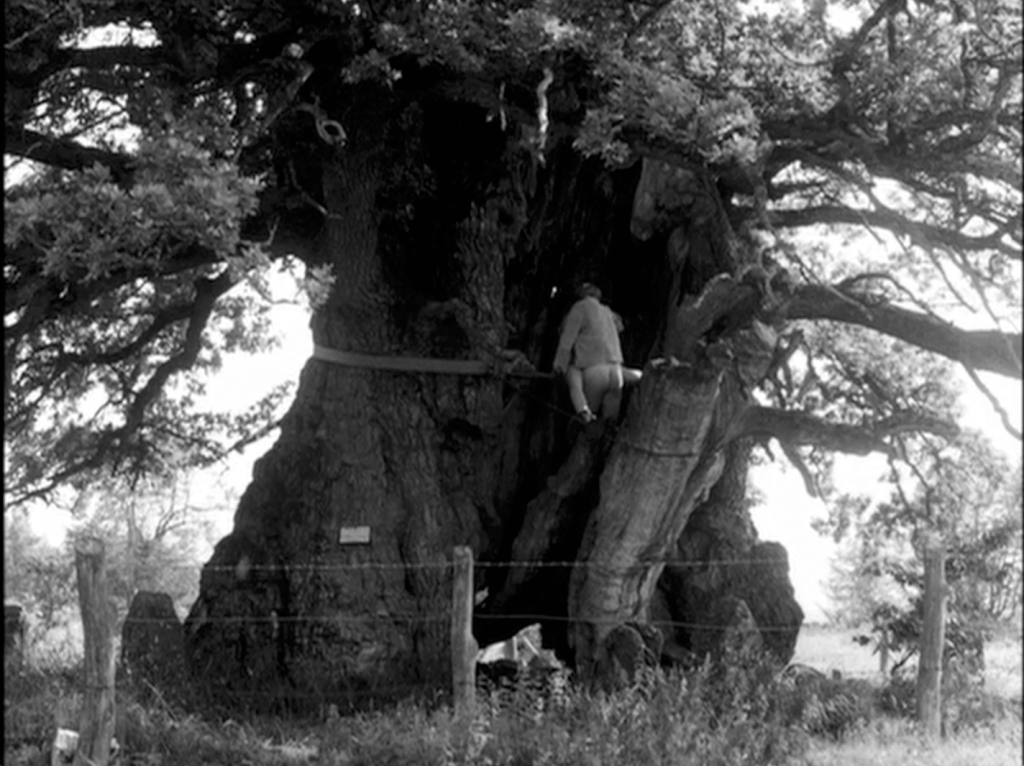
“I Am Curious (Yellow)” is often described as a political essay film heavily influenced by the cinéma vérité and New Wave traditions. It’s deeply concerned with questions of social responsibility and civic awareness, Sexual liberation and gender politics, The clash between personal desire and political ideology, The limits of objectivity in both journalism and art
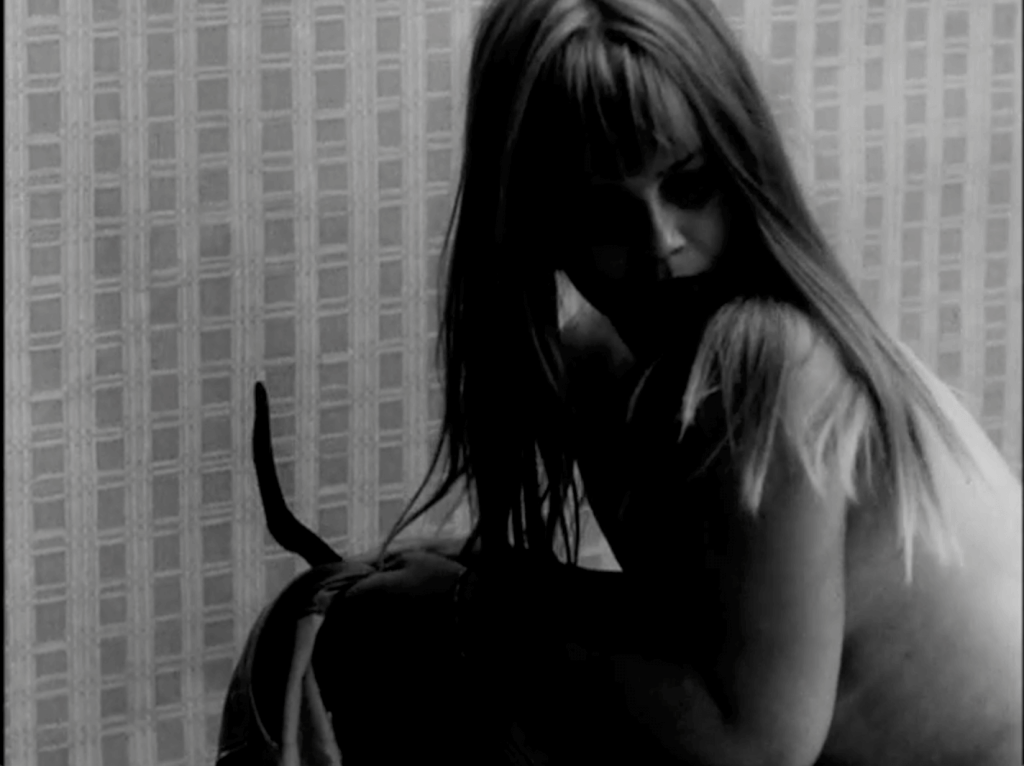
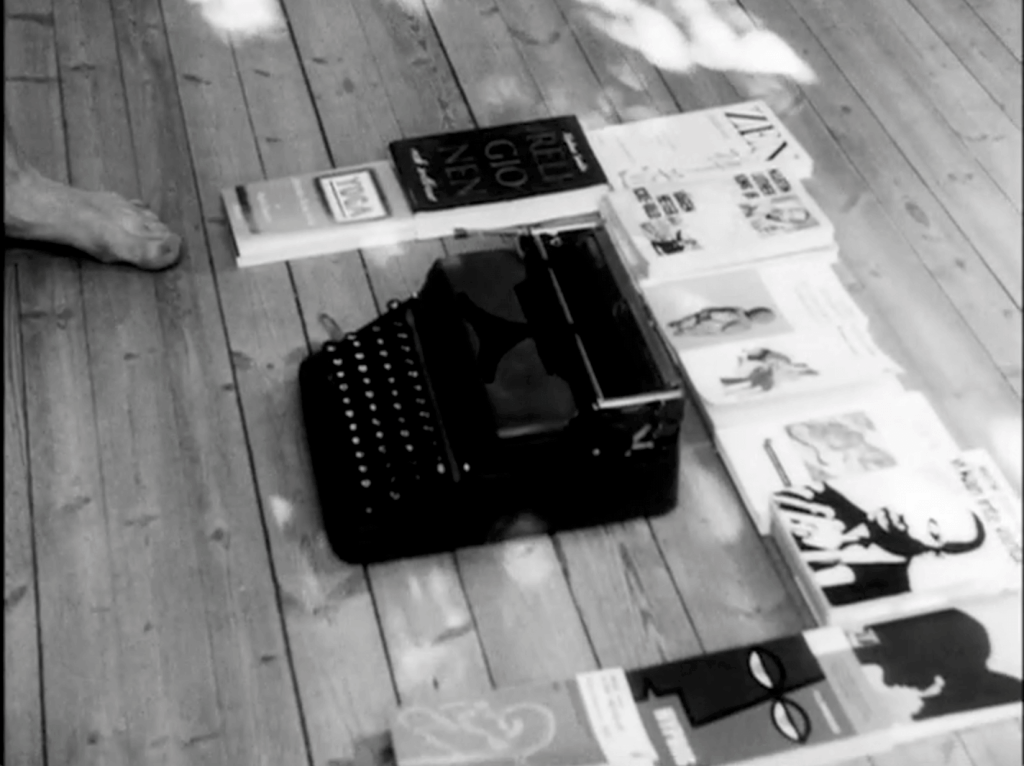
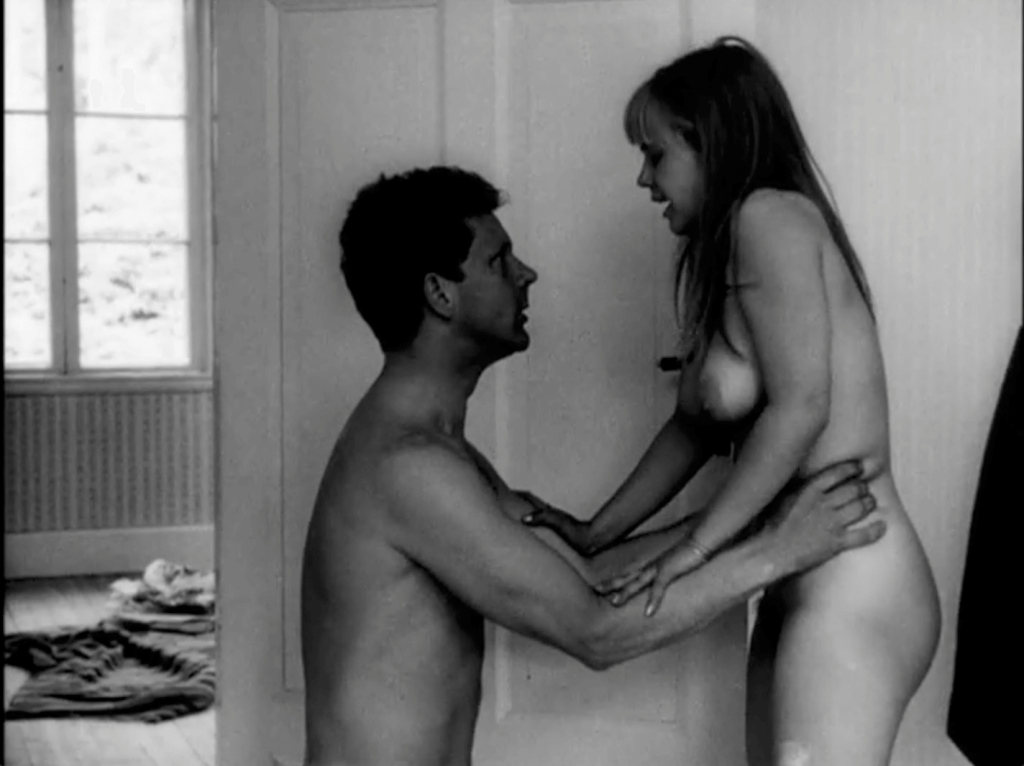
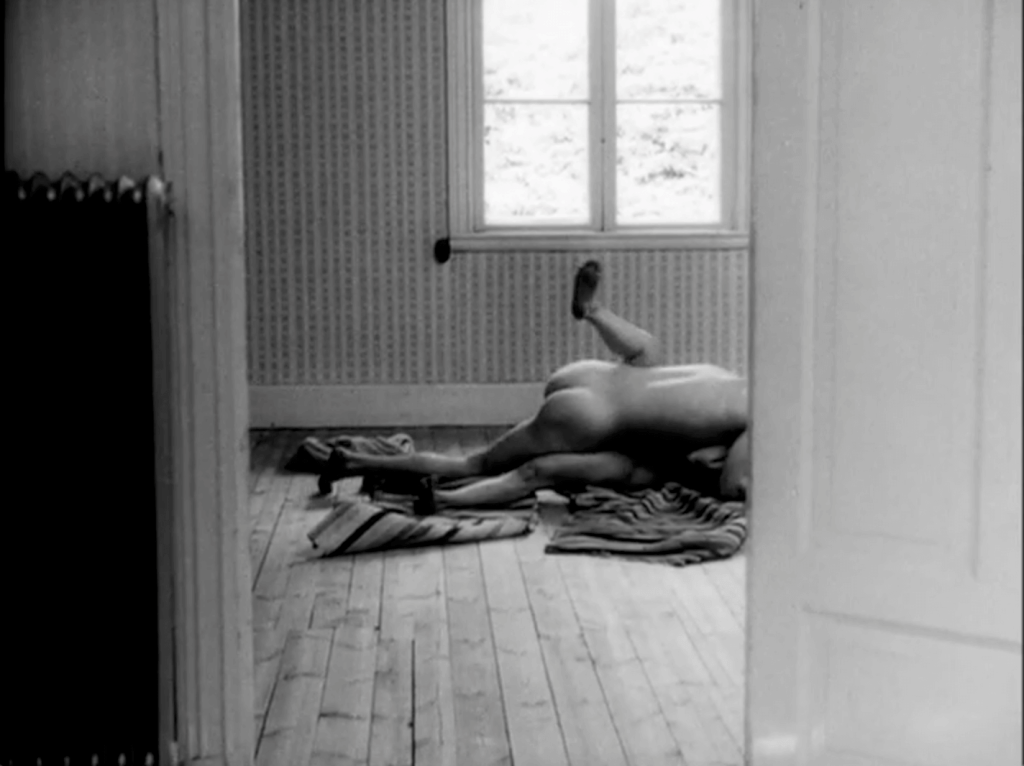
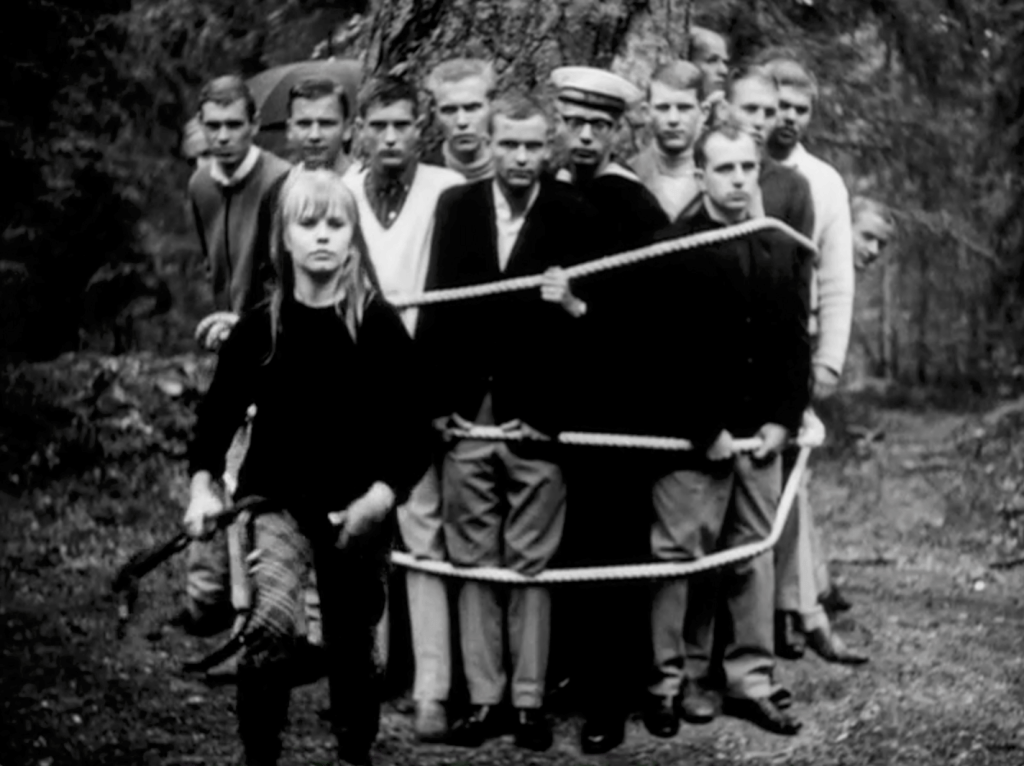
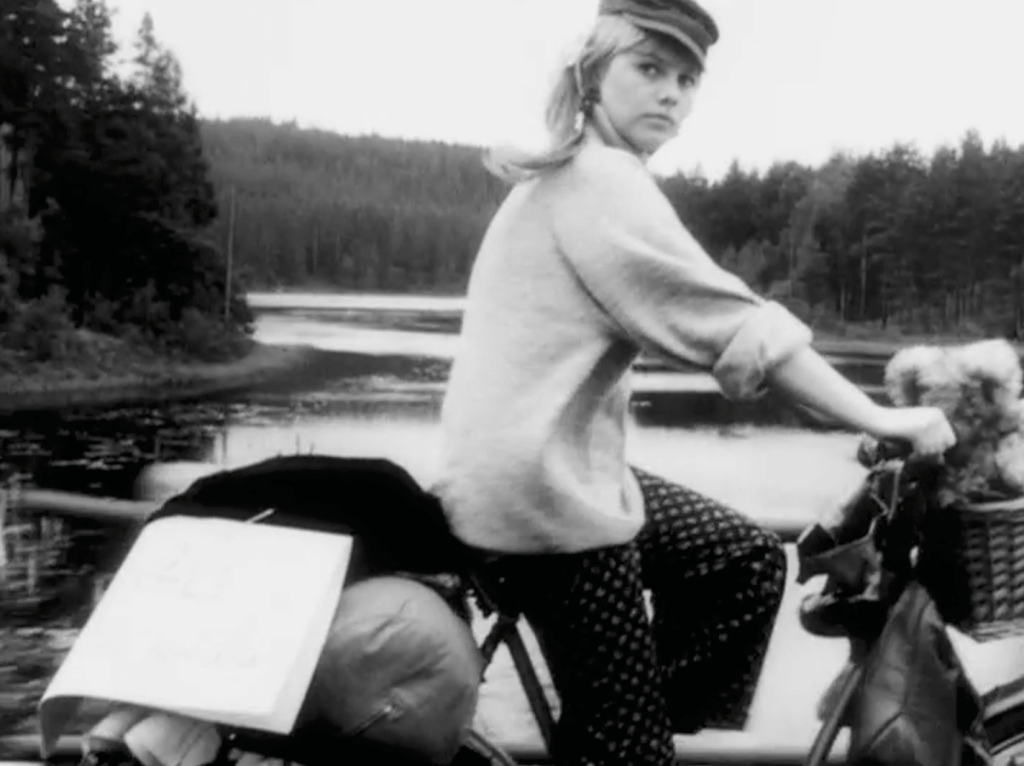
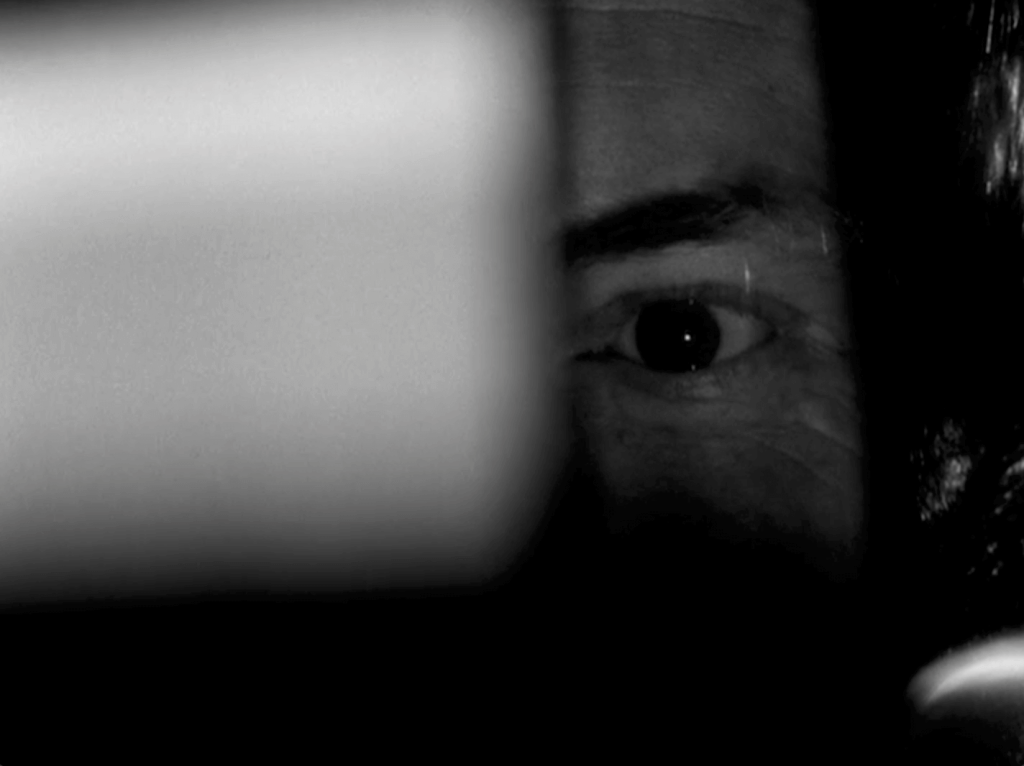
The film’s raw, documentary-like visuals (shot in 16mm by Peter Wester) and its nonlinear structure give it a sense of spontaneity and urgency, mirroring the chaotic spirit of the 1960s youth movement.
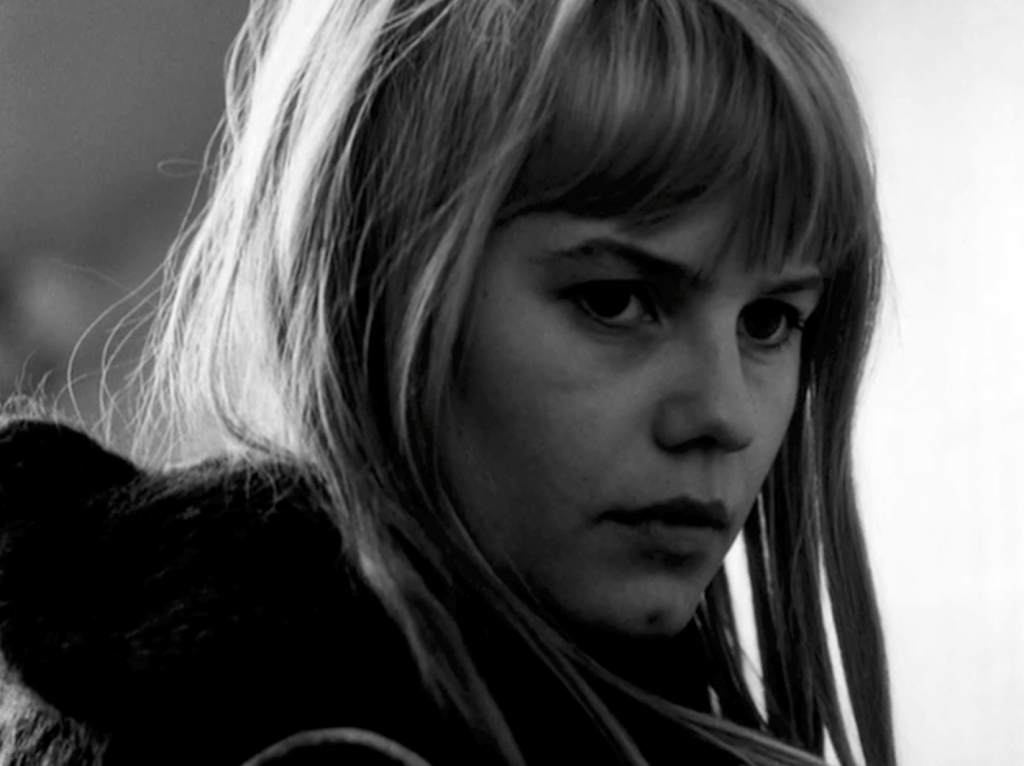
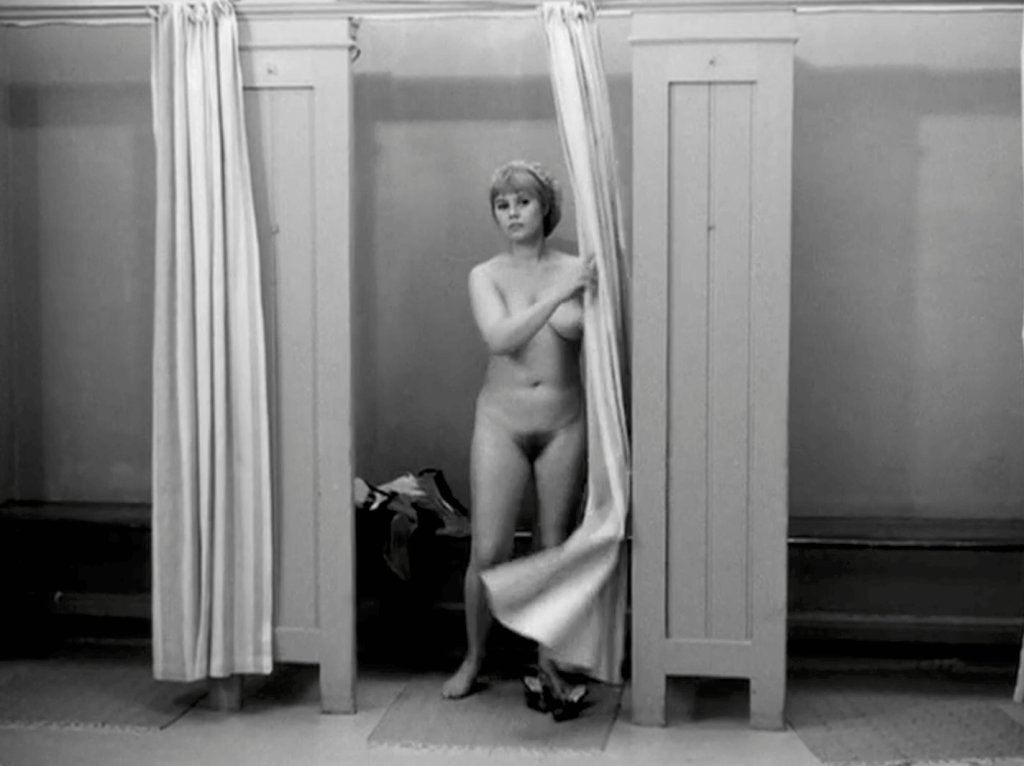
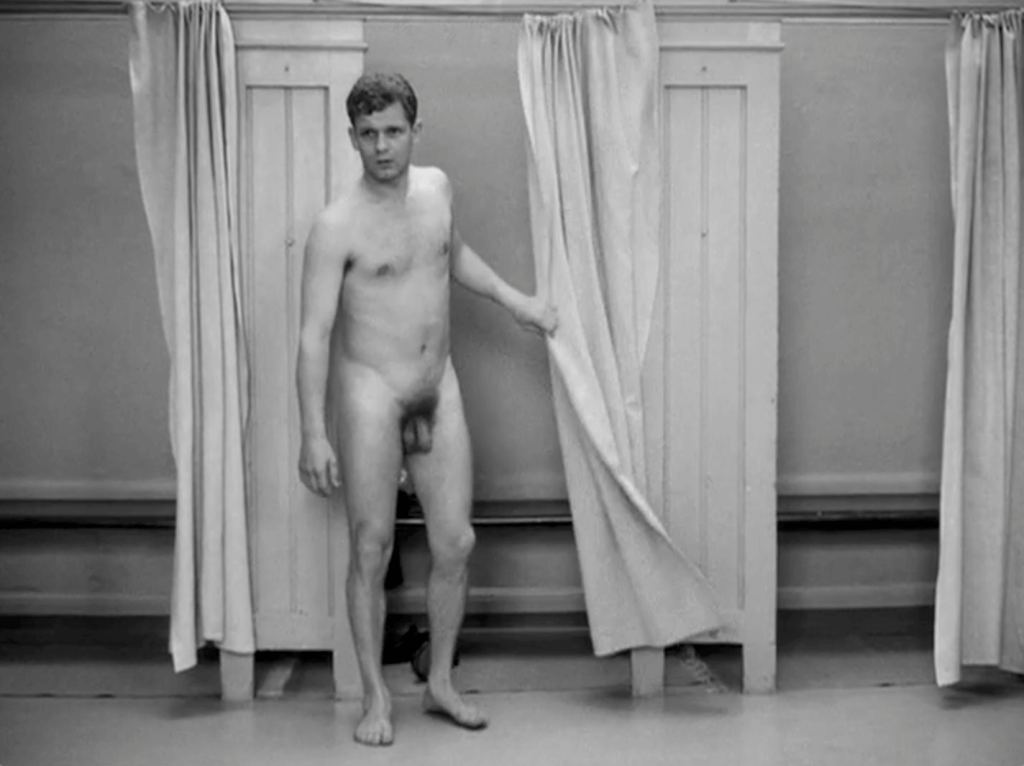
Lena Nyman’s performance is central to the film’s impact. She portrays Lena with a naturalism and vulnerability that anchors the film’s shifting tones. Her courage in portraying explicit scenes and complex emotional shifts won her critical acclaim in Sweden and abroad.
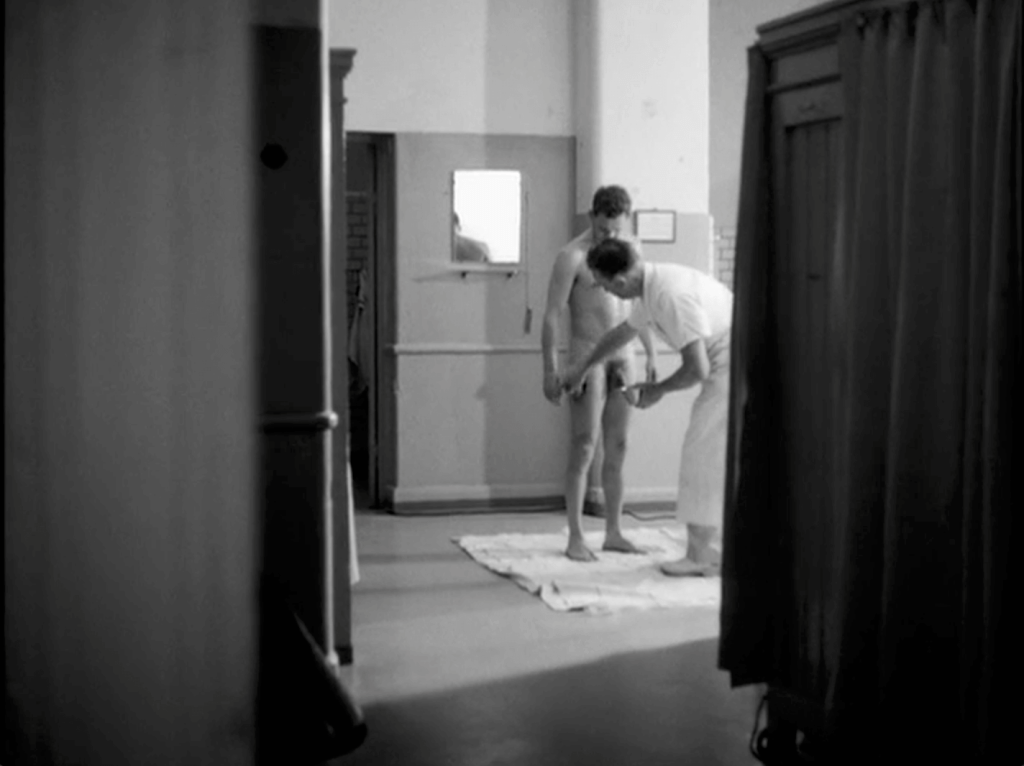
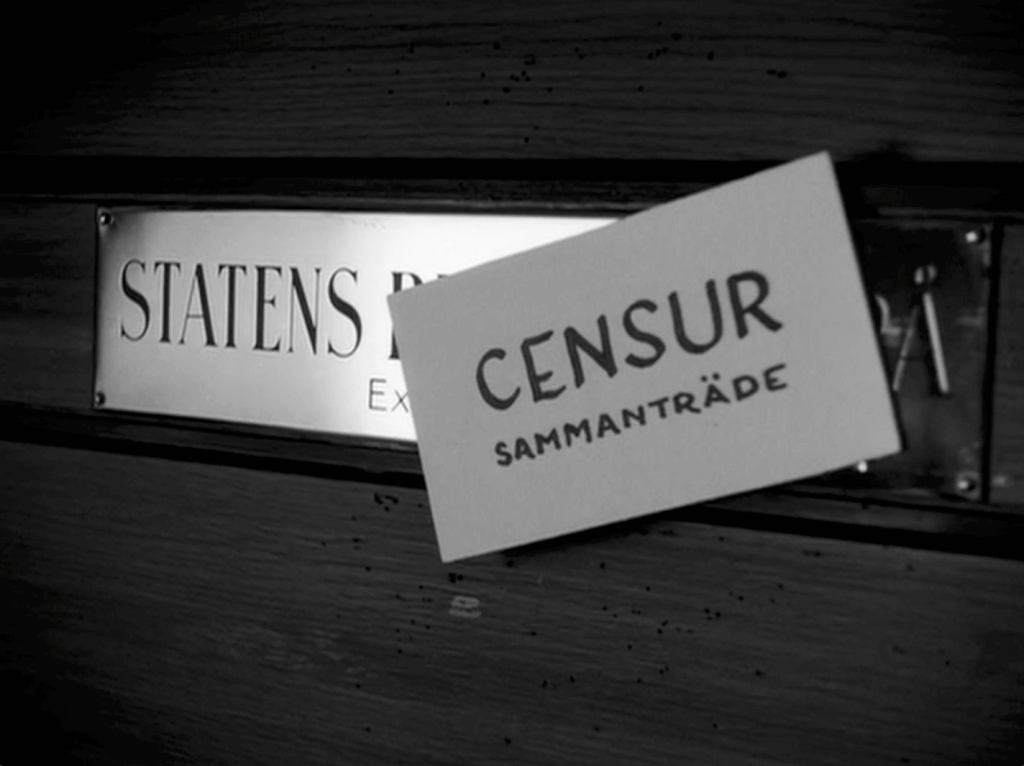
Upon its release, I Am Curious (Yellow) was banned in several countries, including a highly publicized obscenity trial in the United States. When it was finally released in the U.S. in 1969, it became a surprise box office hit, thanks partly to its explicit content’s notoriety. The controversy helped bring European “art house erotica” to American audiences and sparked nationwide debates about censorship, pornography, and the role of sex in cinema.
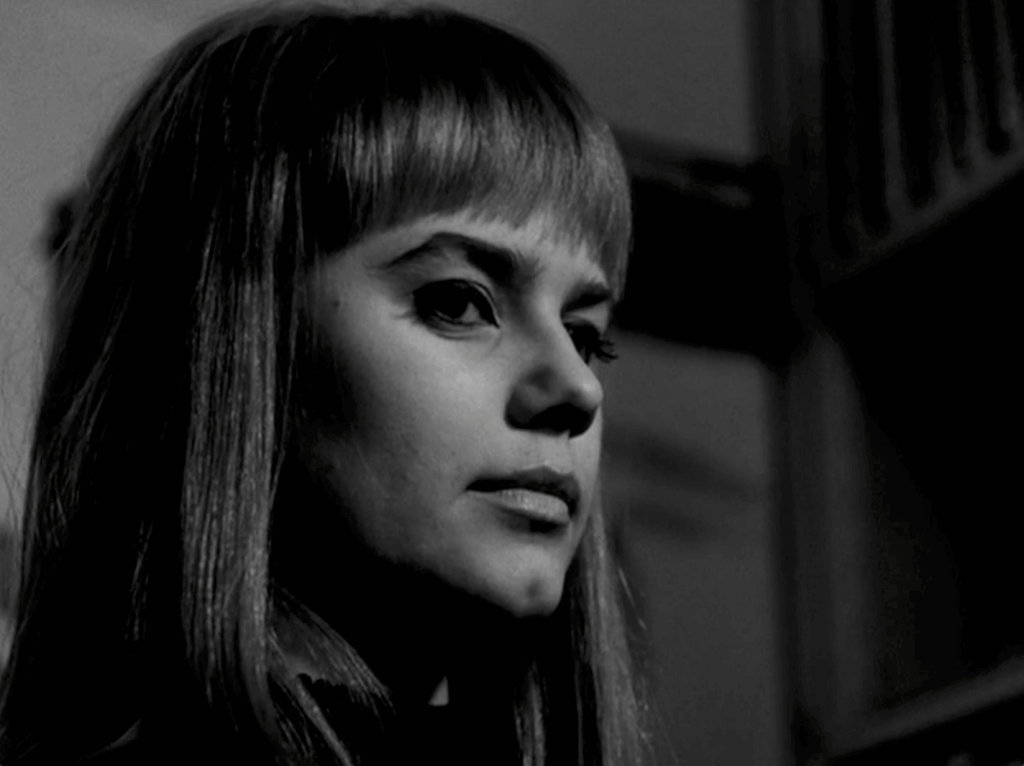
Despite the controversy, the film is not pornographic in intent; instead, it uses sex to explore issues of intimacy, repression, and liberation.
 The Other Cinema