
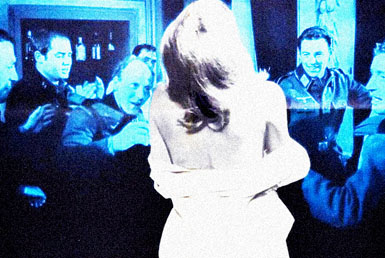

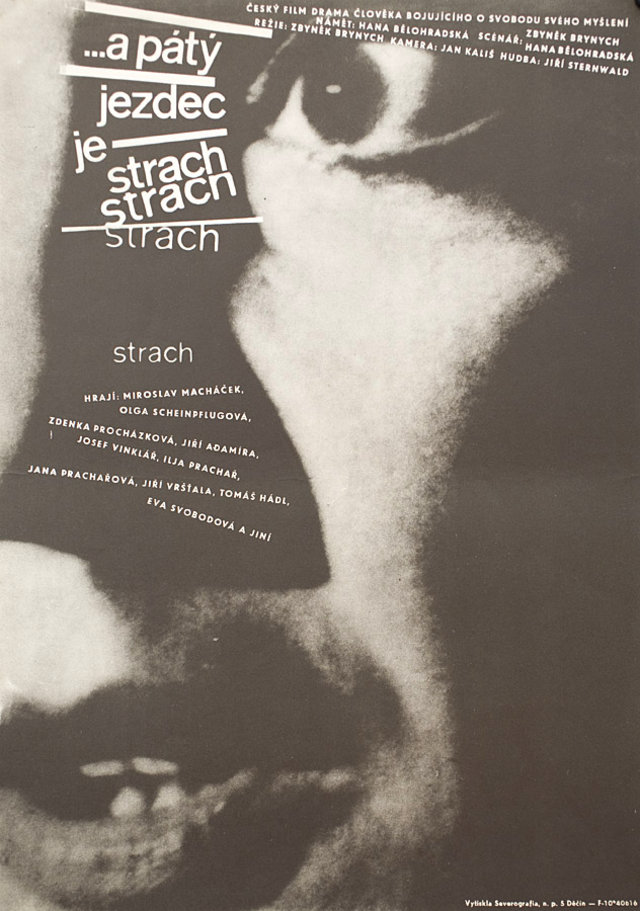
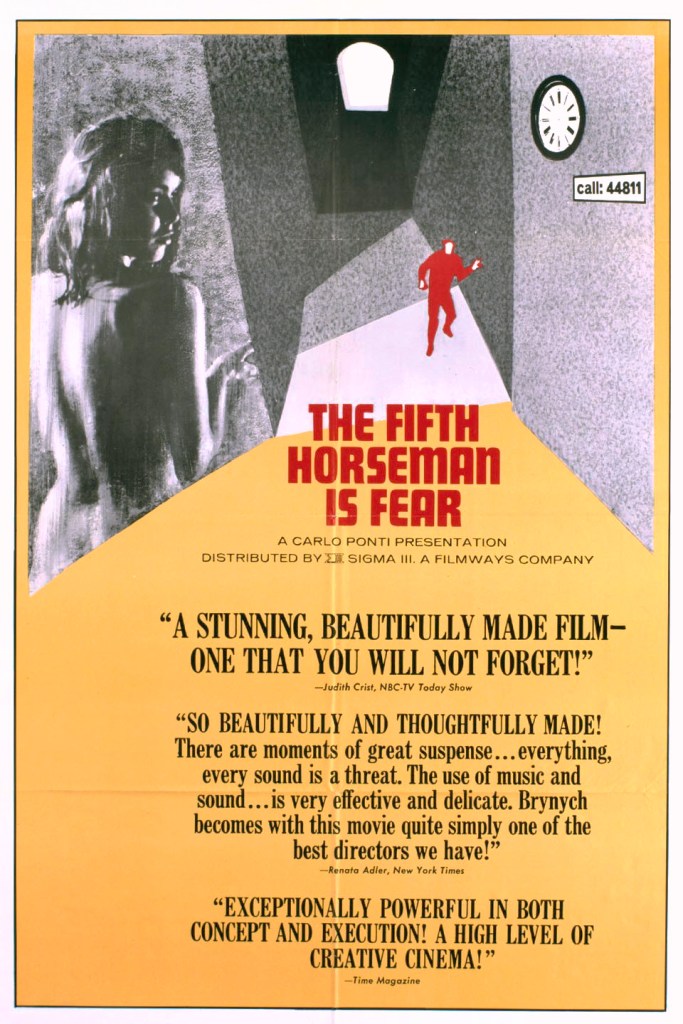
“a pátý jezdec je Strach,” aka “And the Fifth Horseman Is Fear,” directed by Zbyněk Brynych, is a 1965 Czechoslovak psychological drama set during the Nazi occupation of Prague. It is a chilling, surreal, and Kafkaesque meditation on totalitarianism, internalized terror, and the dehumanization of individuals under a regime of fear. Rather than depicting overt violence, the film employs an atmosphere of quiet dread to explore the psychological toll of fascist rule.
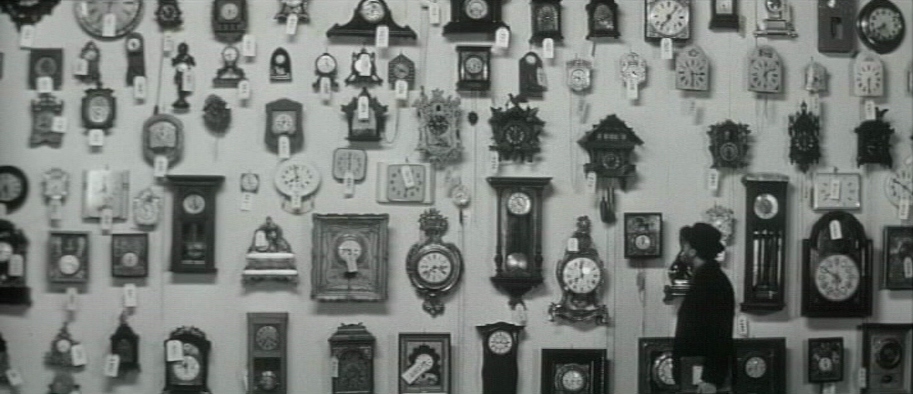
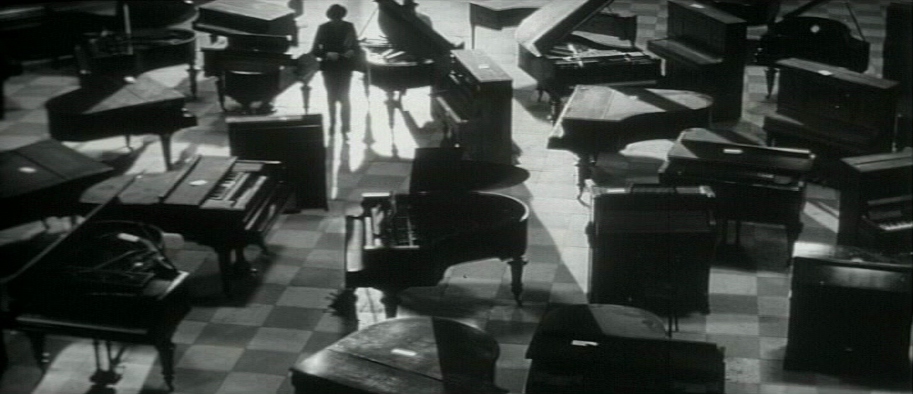
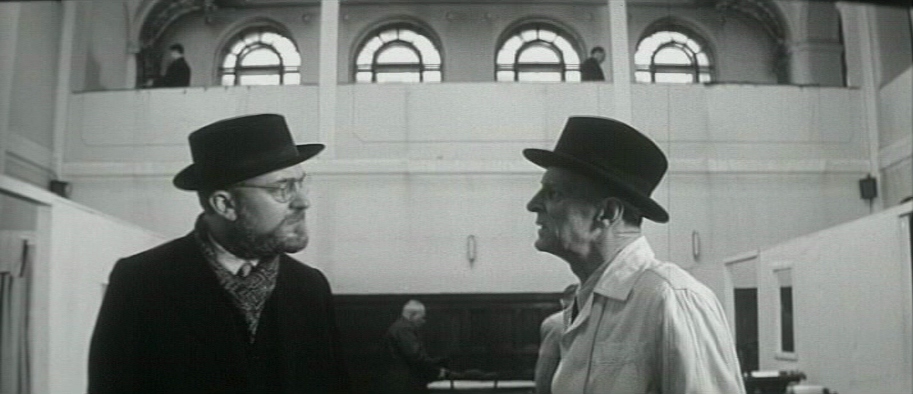
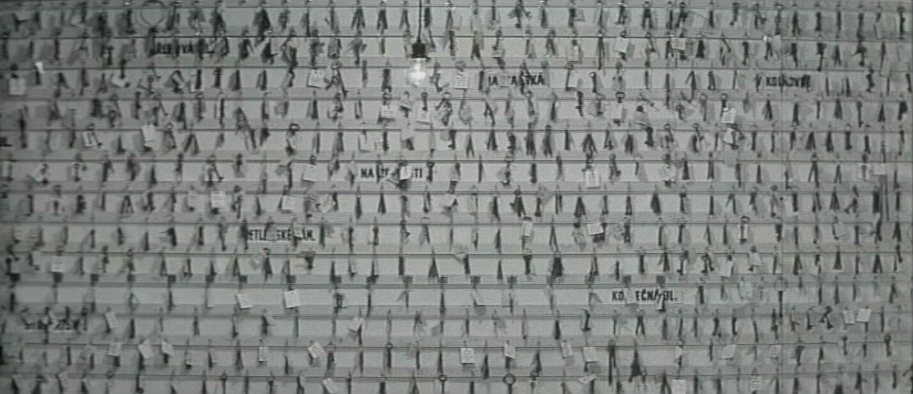
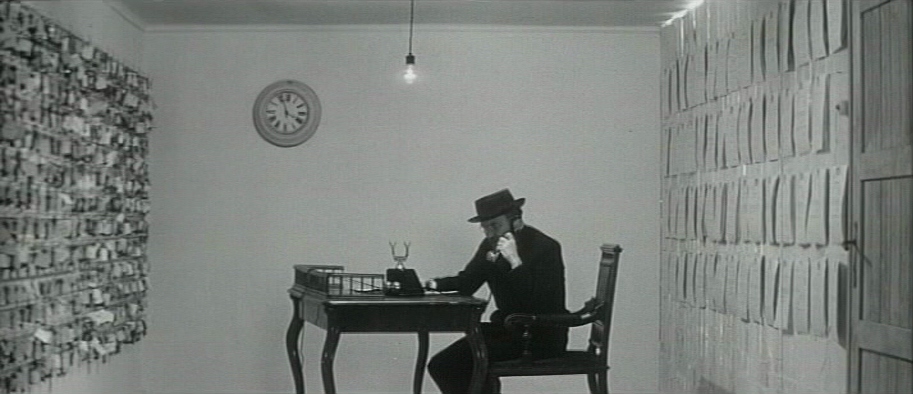
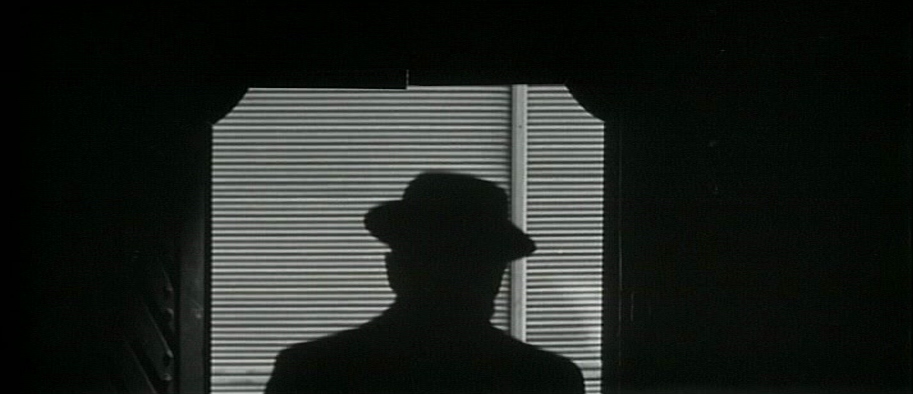
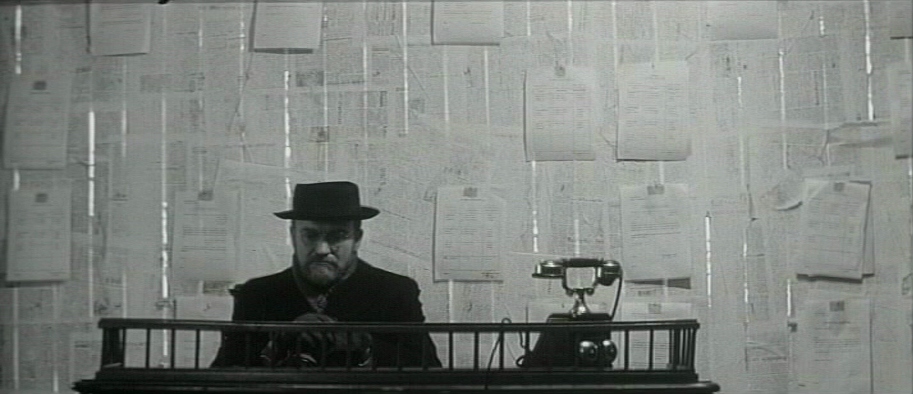
Dr. Armin Braun (Miroslav Macháček) is a Jewish physician living in occupied Prague. Formerly a practicing doctor, he has been stripped of his right to heal by the Nazi authorities. Now relegated to a menial job cataloging the property of deported Jews, Braun leads a life of quiet, anxious routine under a regime that watches his every move.
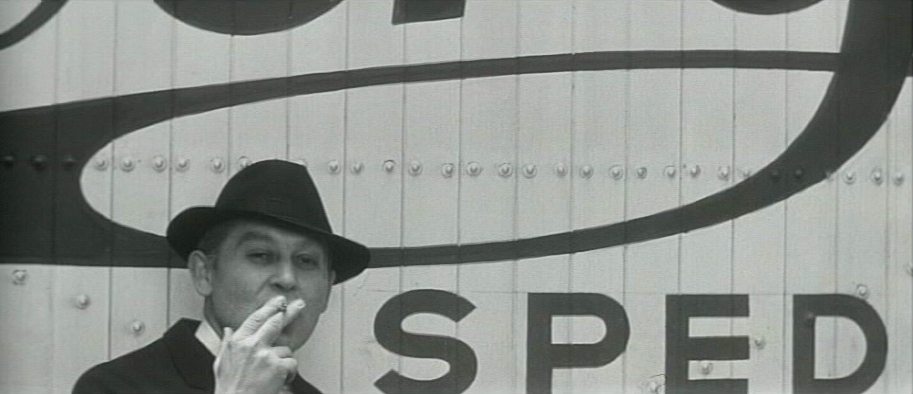
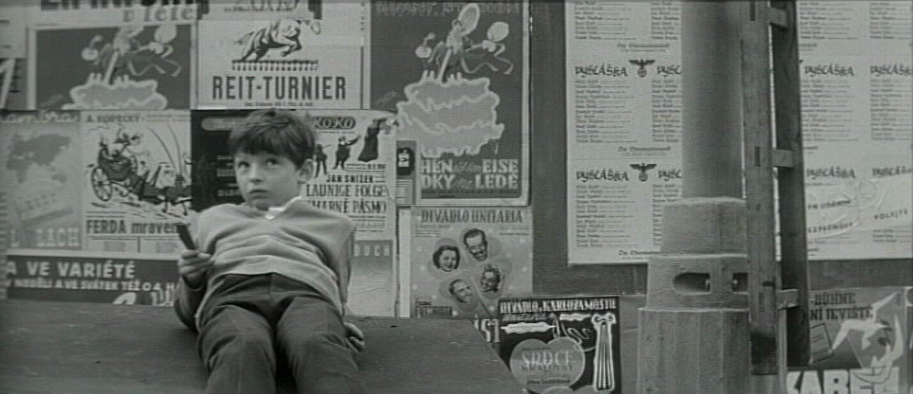
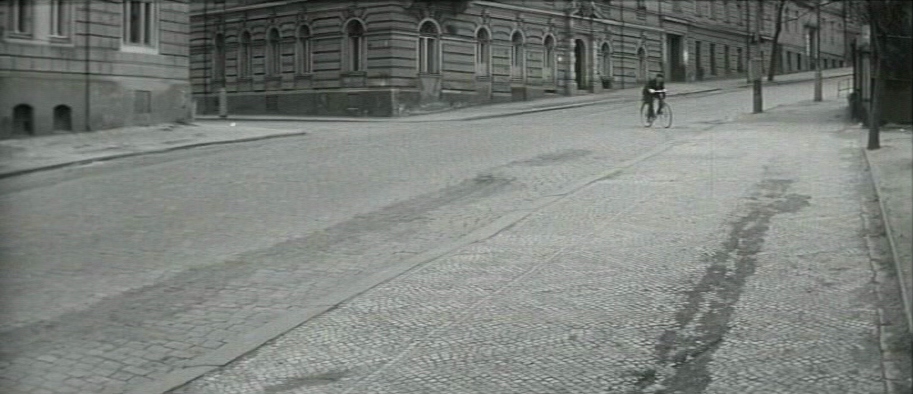
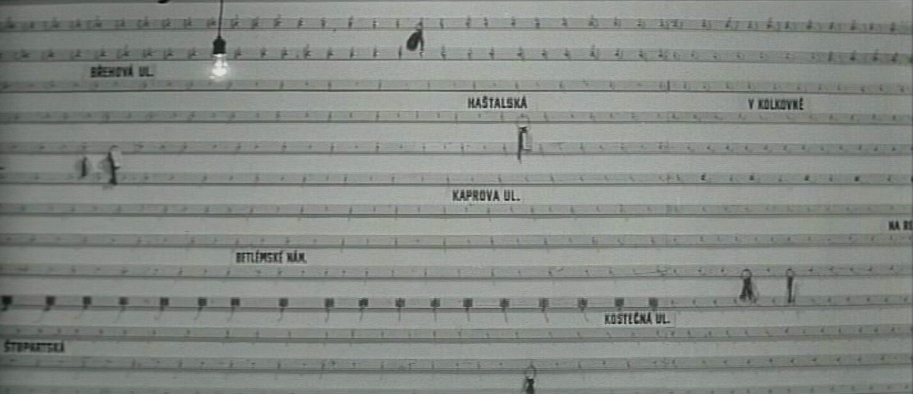
One day, Braun is approached by neighbors who are sheltering a wounded resistance fighter. Though forbidden from practicing medicine, Braun agrees to help, drawn by duty, humanity, and a lingering sense of identity as a healer. His decision to treat the man forces him out of his passivity and into a clandestine journey through the city, as he seeks painkillers from former colleagues and pharmacies.
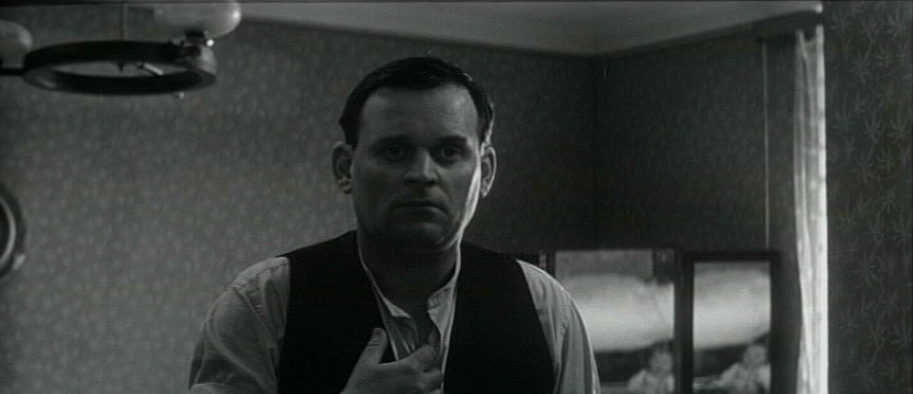
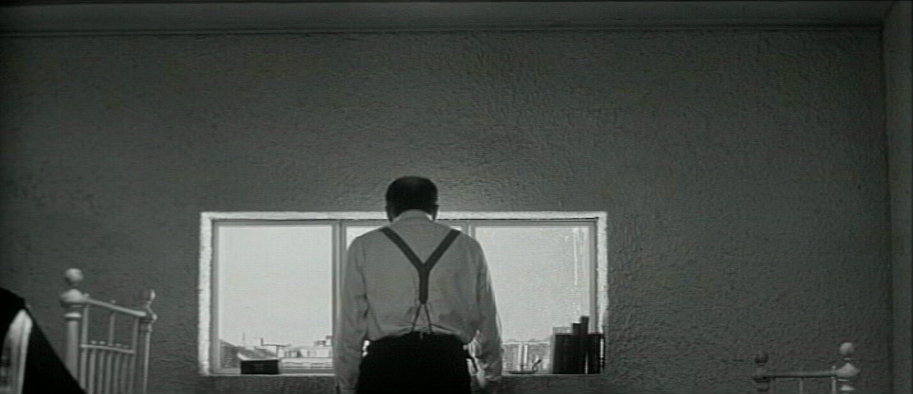
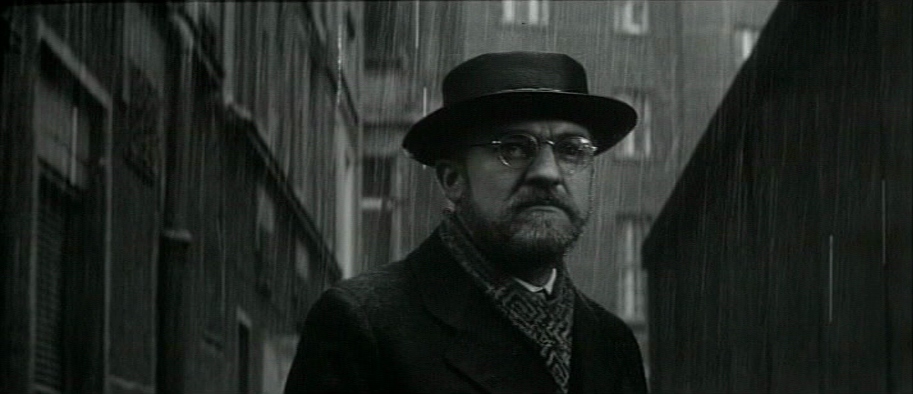
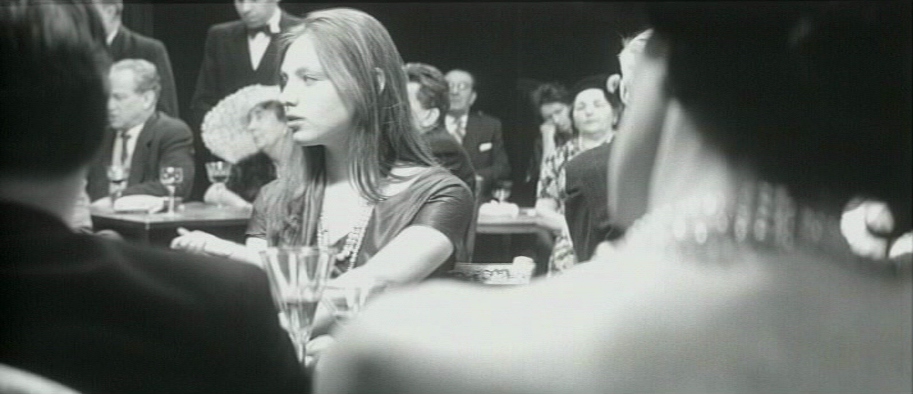
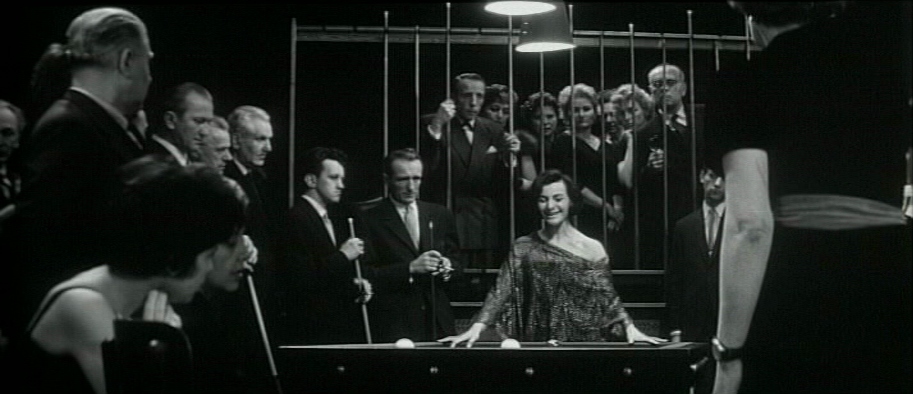
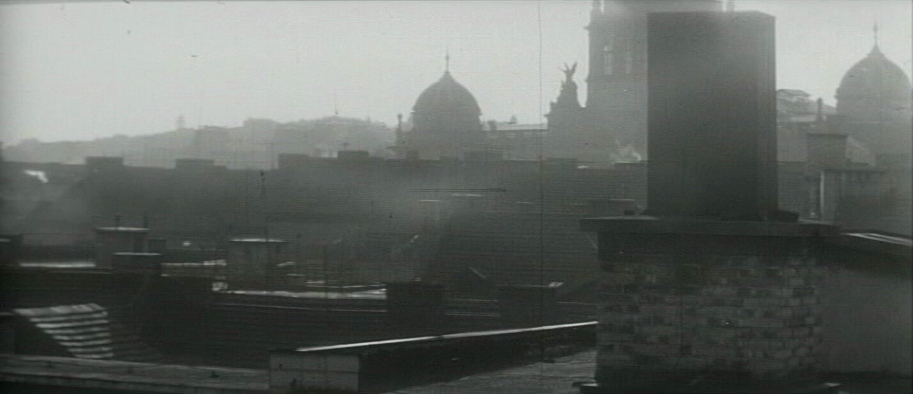
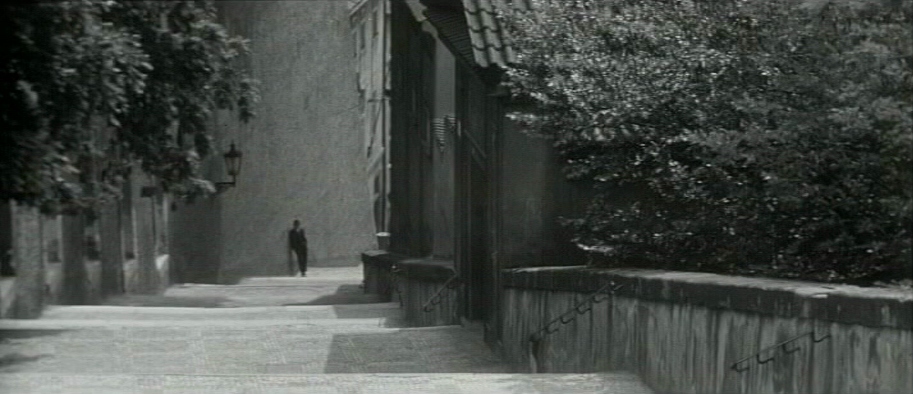
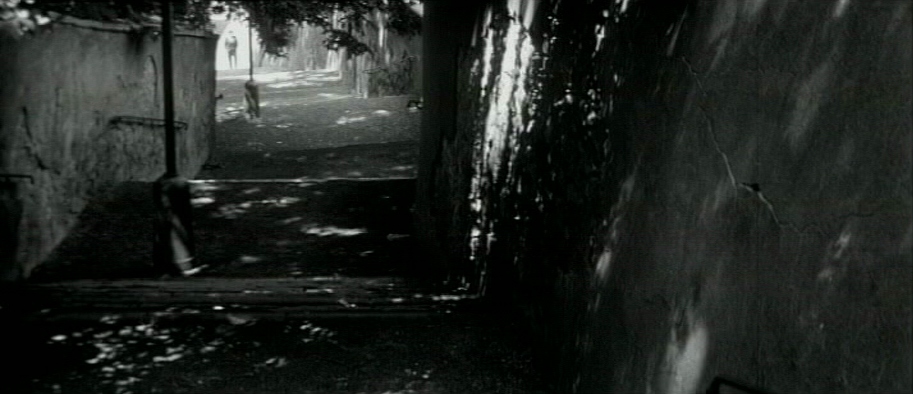
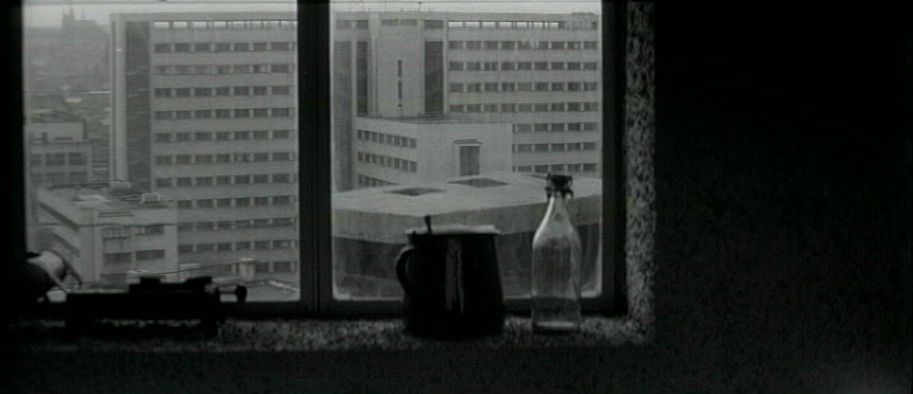
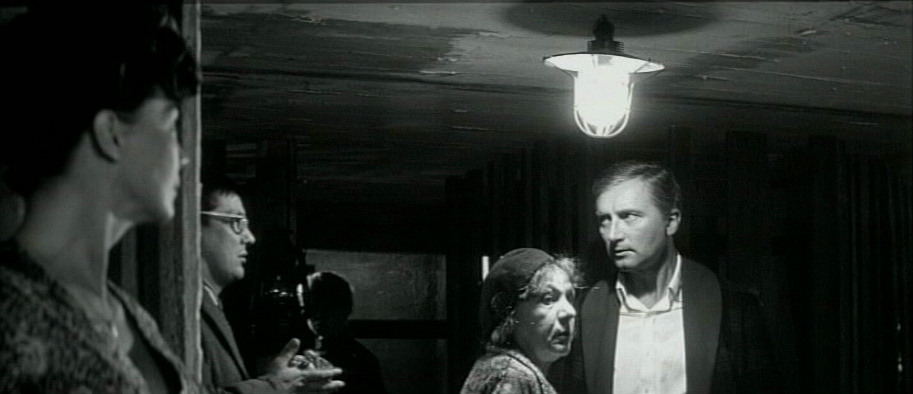
As he moves through Prague’s grim, expressionist streets, the film immerses us in a world where paranoia reigns. The city is filled with ambiguous characters, suspicious neighbors, and a constant sense of danger. The act of kindness becomes an existential and political rebellion. The audience never sees any overt violence or Nazi soldiers—fear itself is the enemy, haunting every moment and gesture.
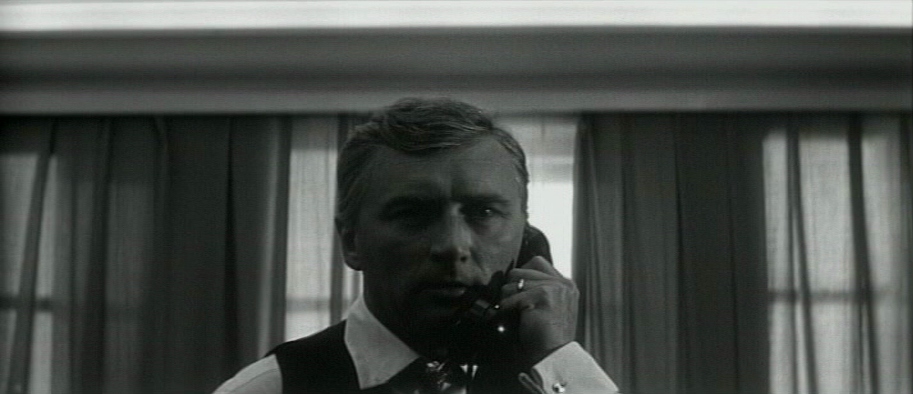
The title alludes to the Four Horsemen of the Apocalypse—War, Famine, Pestilence, and Death. The film argues that the “fifth horseman” is Fear, the unseen force that precedes and enables all others. It is fear that paralyzes society, turns neighbors into informants, and degrades the human soul.
As Braun completes his mission and returns home, the viewer is left uncertain whether he will be discovered. The film closes without resolution, emphasizing the oppressive uncertainty of living under authoritarian rule.
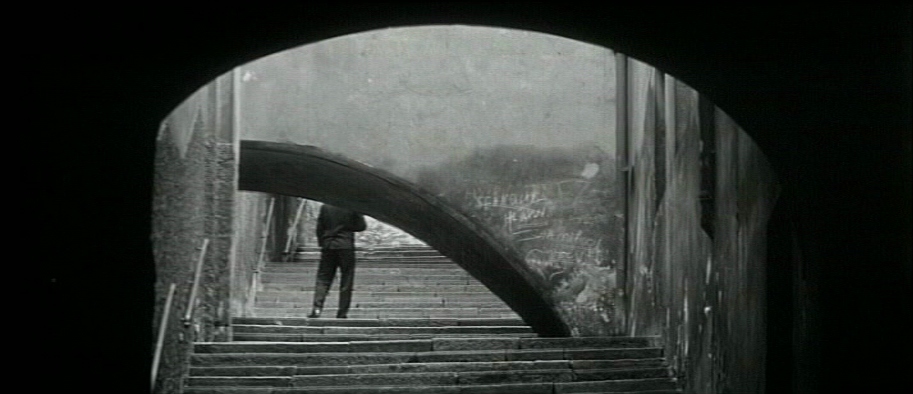
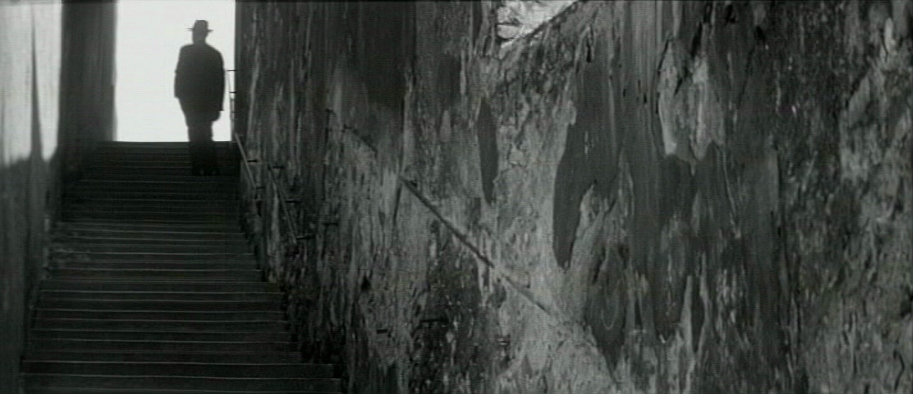
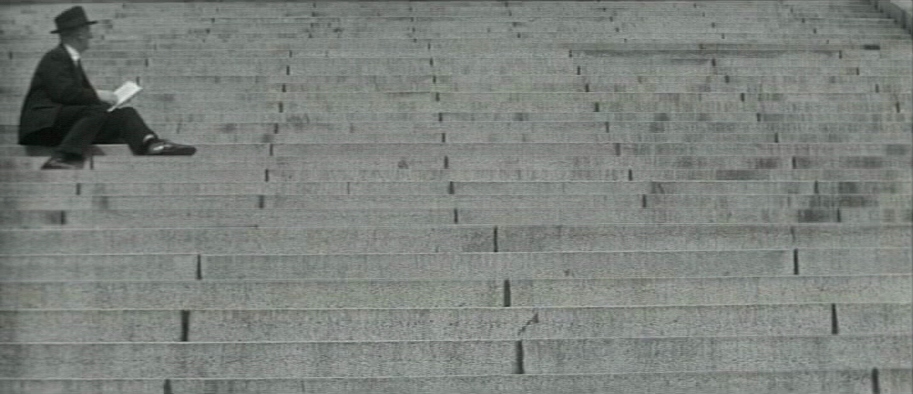
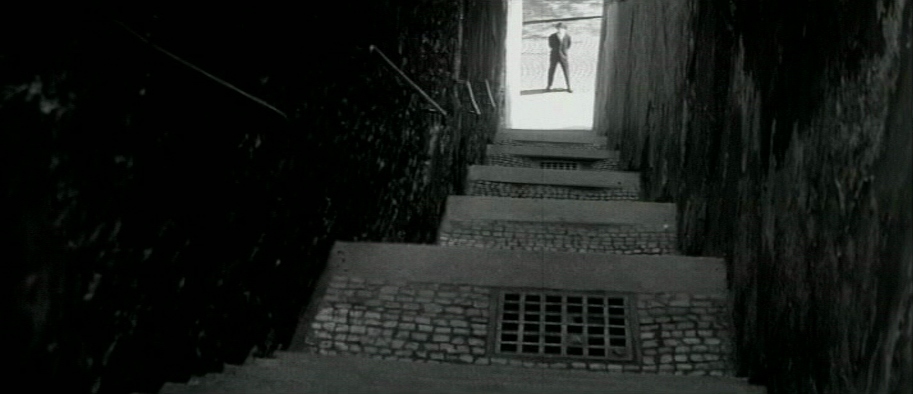
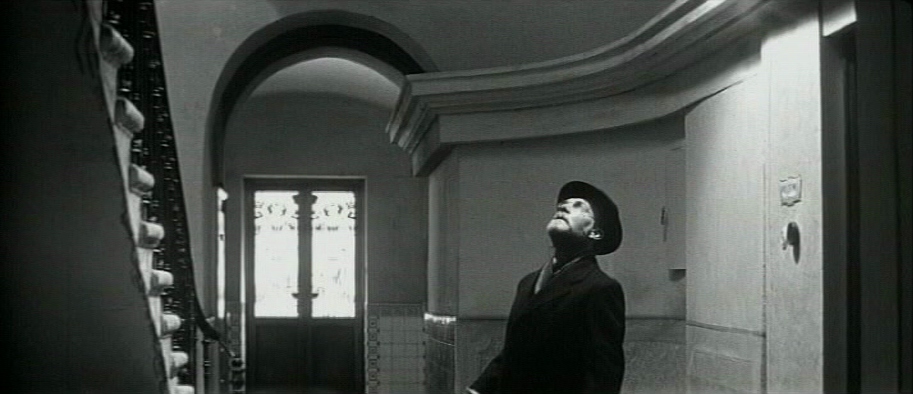
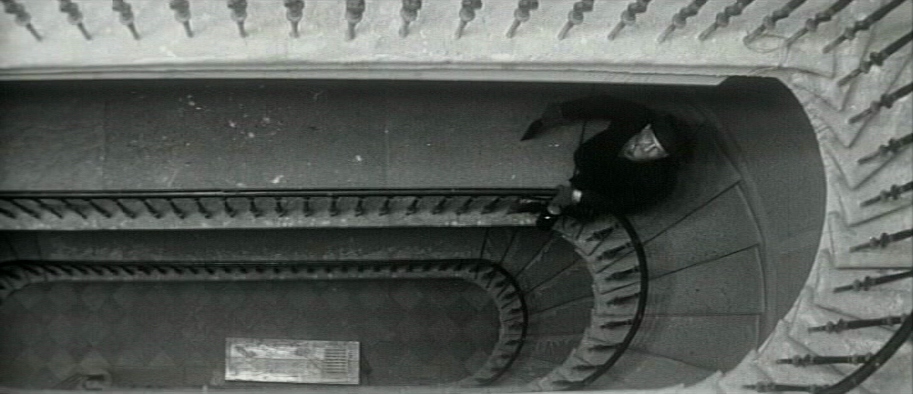
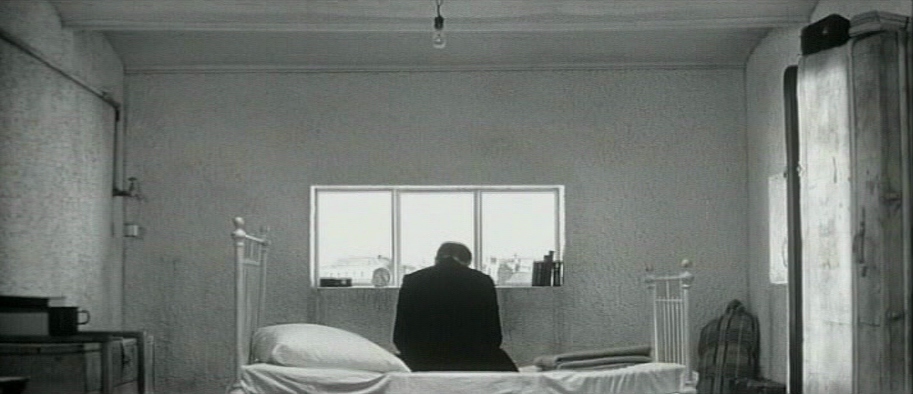
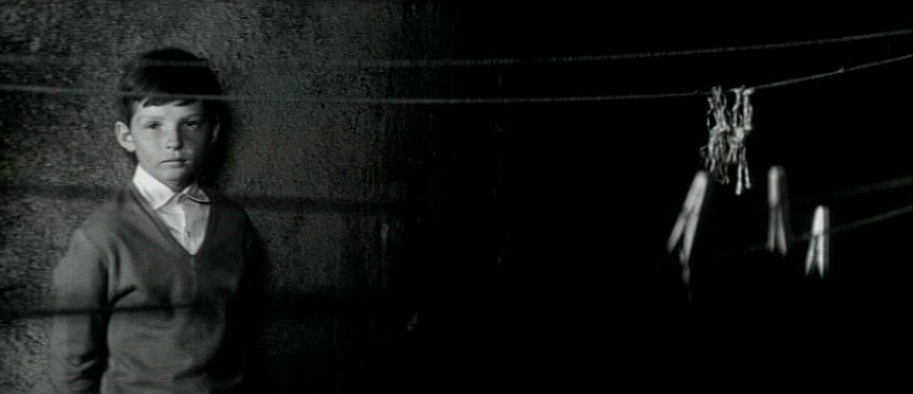
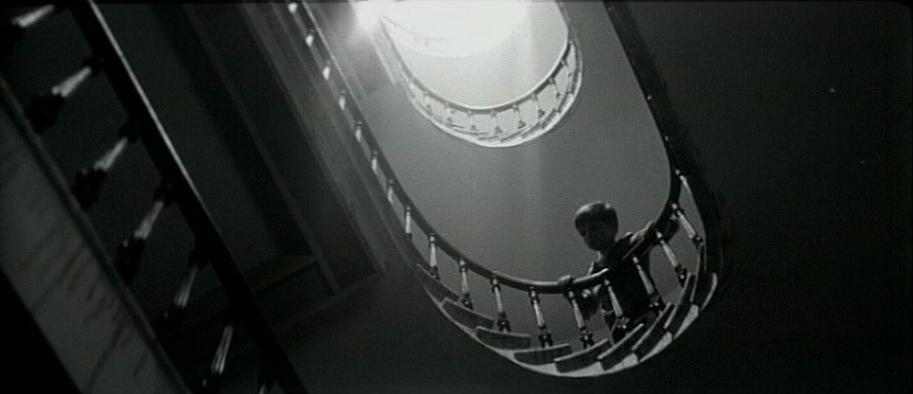
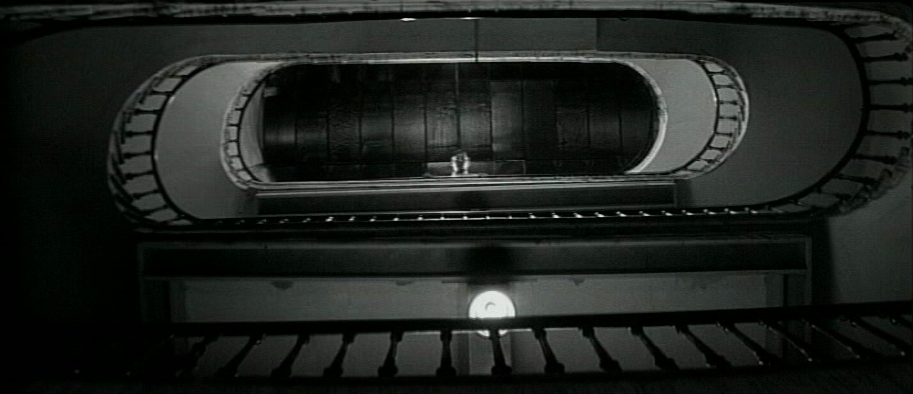
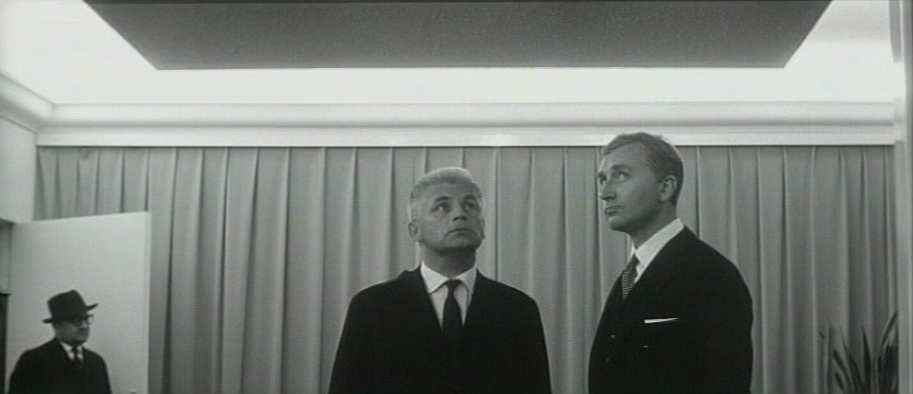
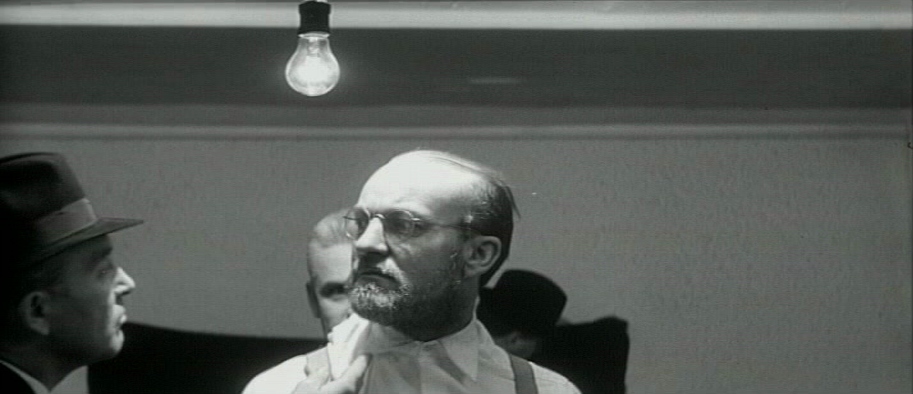
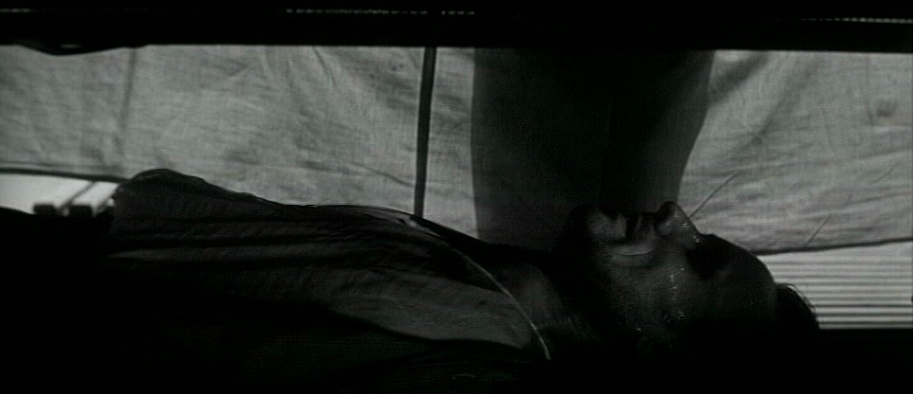
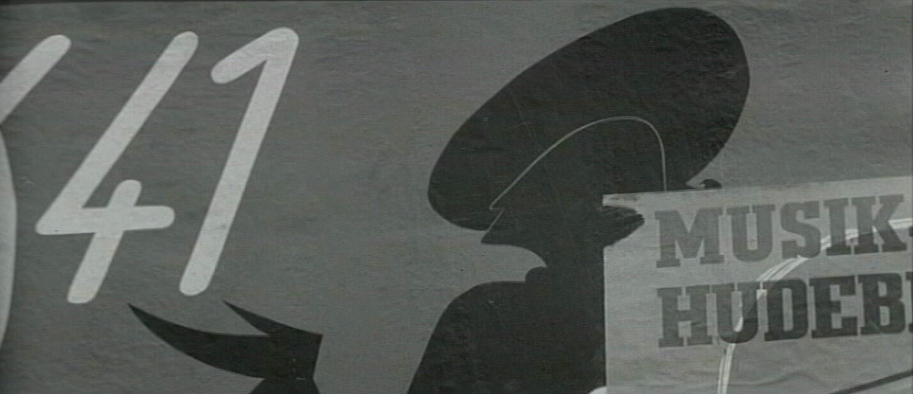
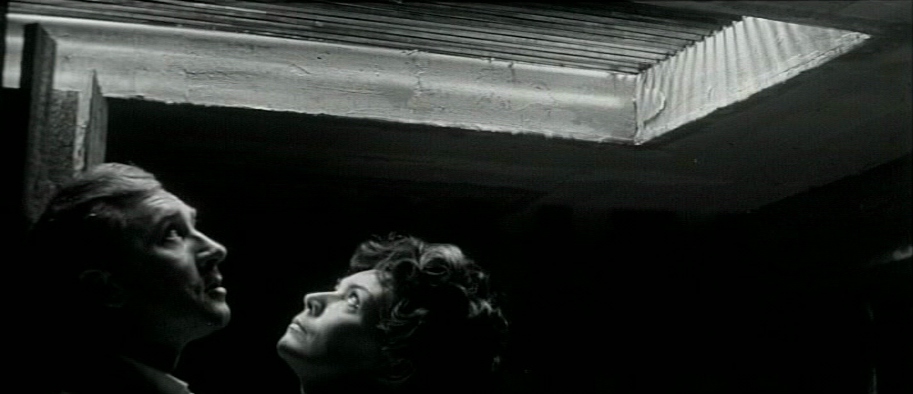
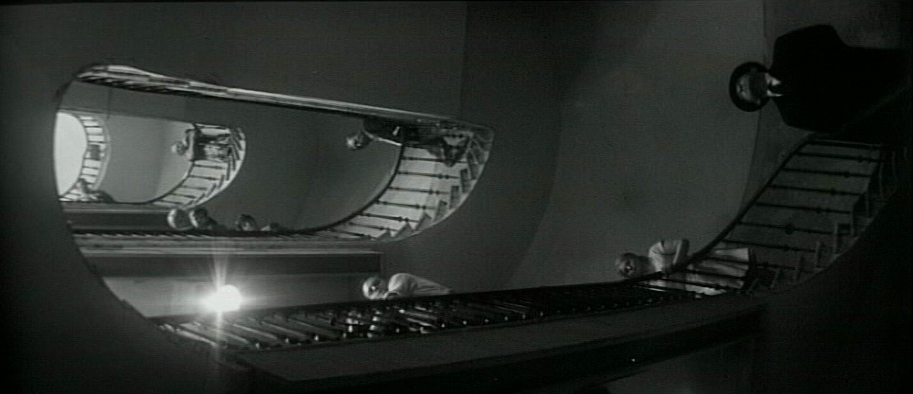
Zbyněk Brynych employs a striking visual language characterized by dramatic lighting, distorted angles, and a claustrophobic mise-en-scène that effectively mirrors Braun’s psychological state. The use of surrealism and expressionist cinematography recalls the work of Franz Kafka and German silent cinema.
 The Other Cinema