
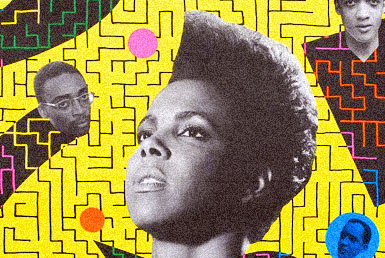
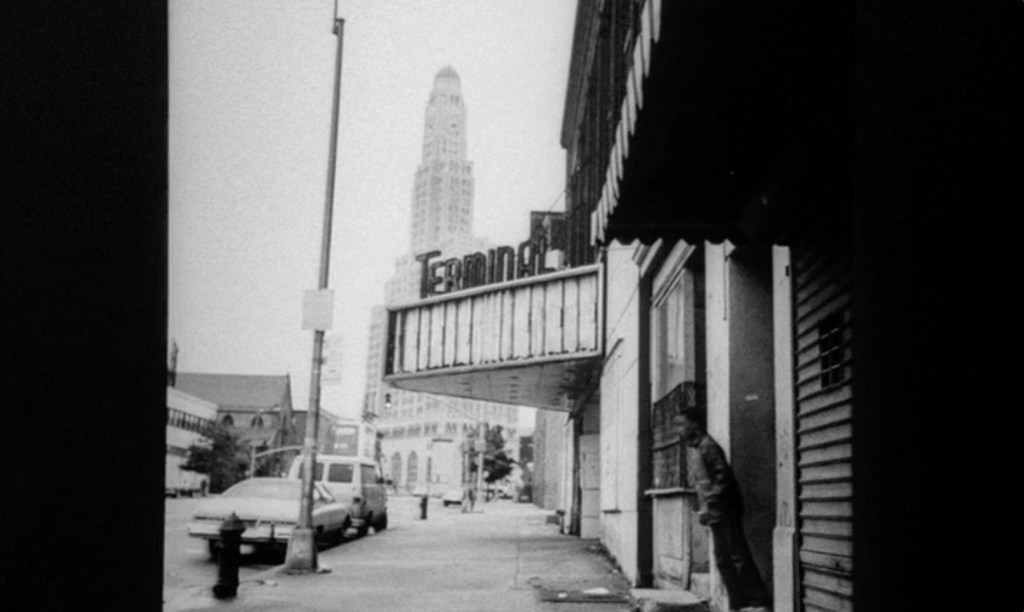

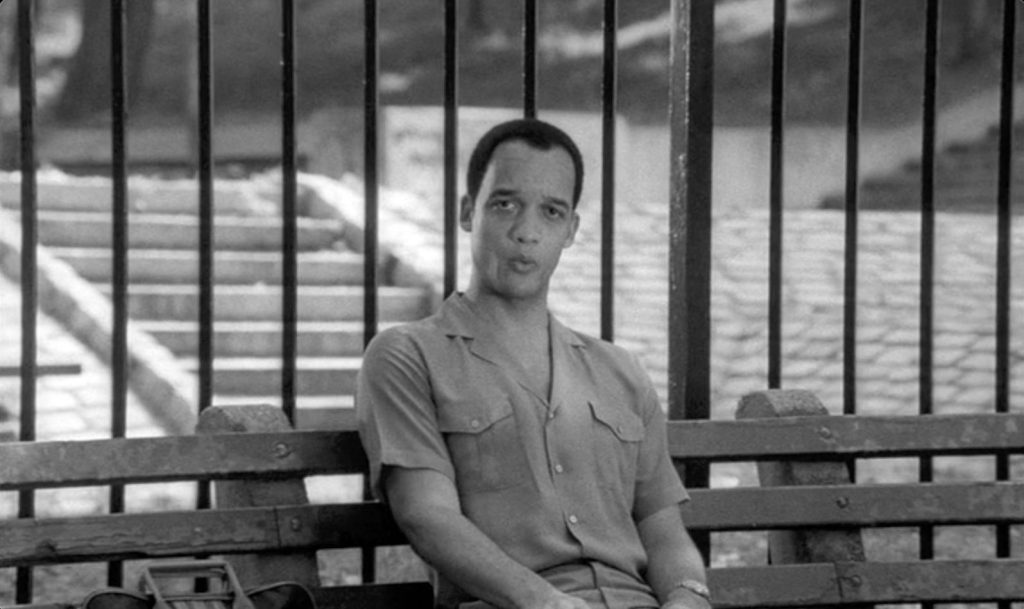
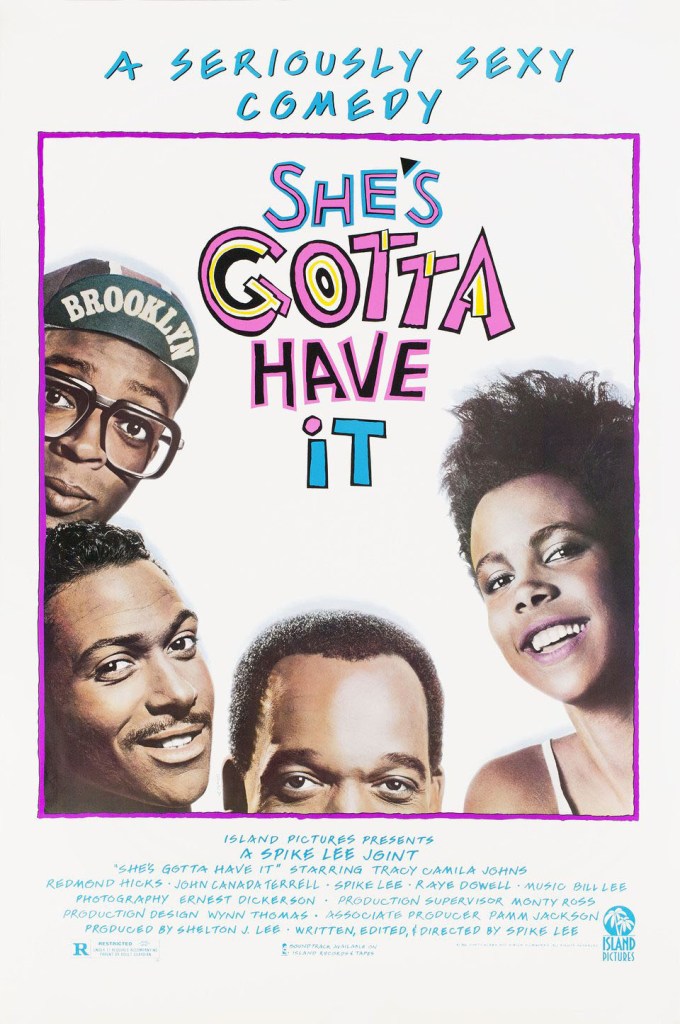
“She’s Gotta Have It” is a landmark 1986 independent film and debut feature film of director Spike Lee, who also wrote the film. Shot in black and white on a shoestring budget over just twelve days, the film is a bold, witty, and stylistically innovative portrait of sexual agency, identity, and freedom. At the center of the story is Nola Darling, a young, independent Black woman living in Brooklyn who unapologetically refuses to conform to traditional romantic norms.
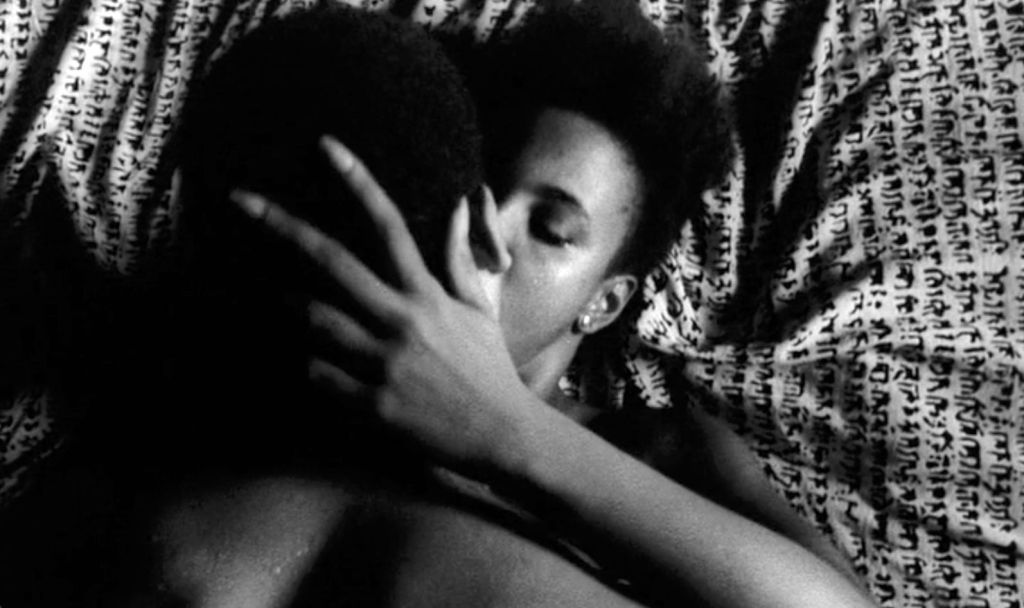
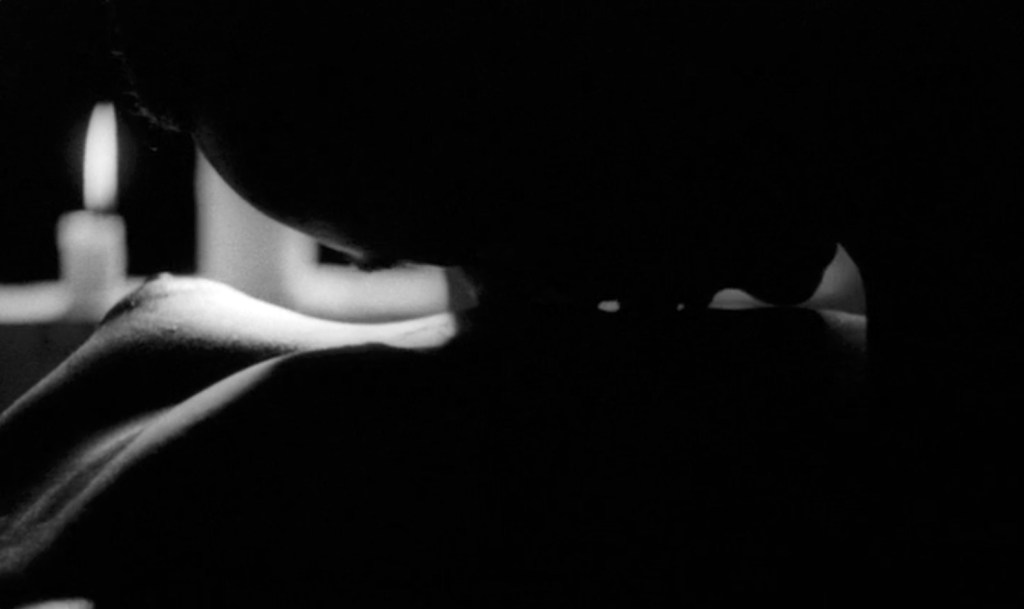
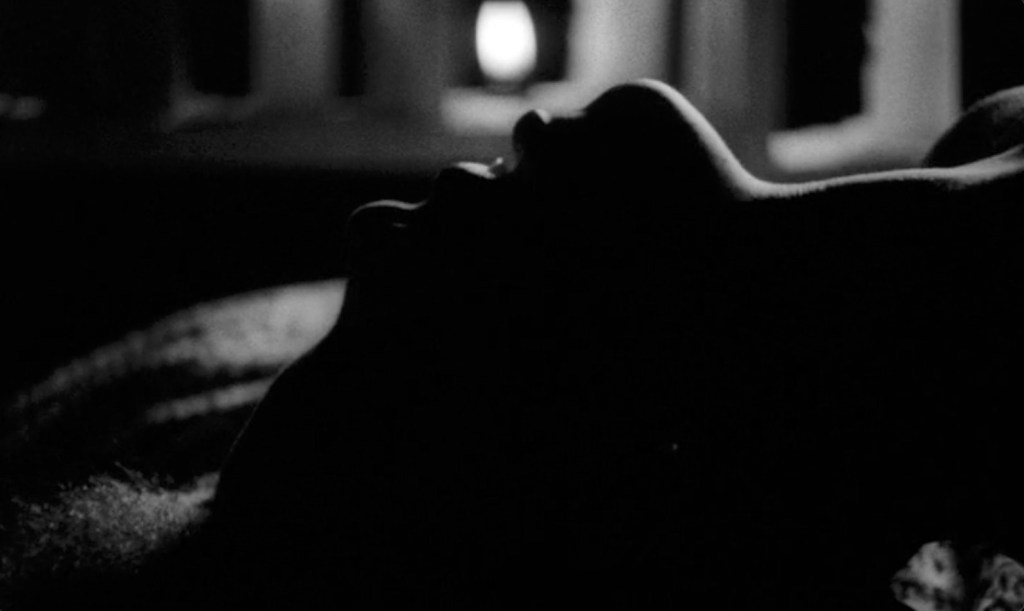
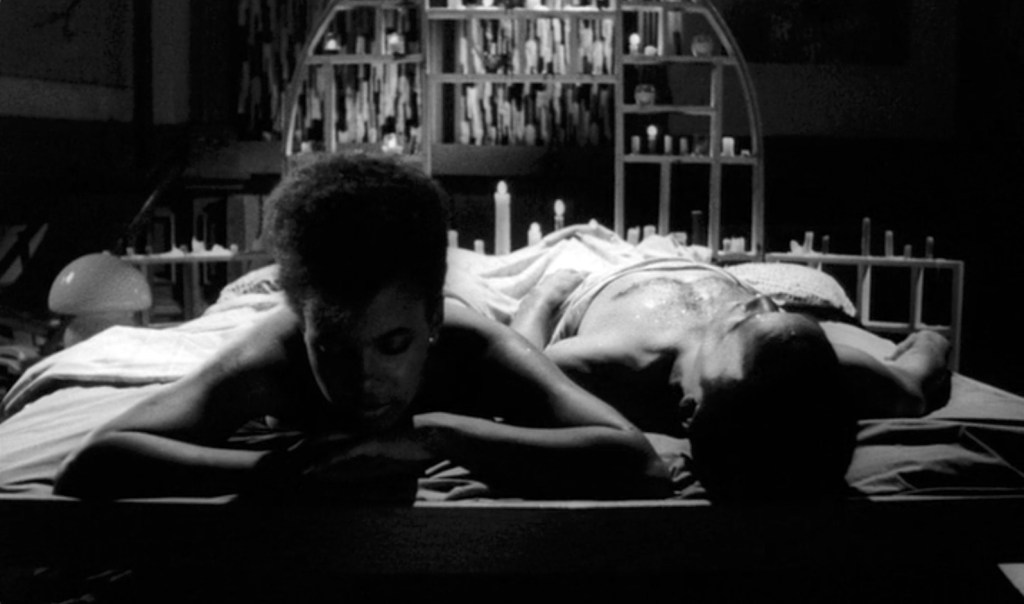
Set in Brooklyn, the film follows Nola Darling (Tracy Camilla Johns), a confident and liberated graphic designer who is juggling three very different lovers: Jamie Overstreet, played by Tommy Redmond Hicks, The most emotionally available and traditional of the three, Jamie is sincere and loving, desiring a monogamous, committed relationship with Nola.

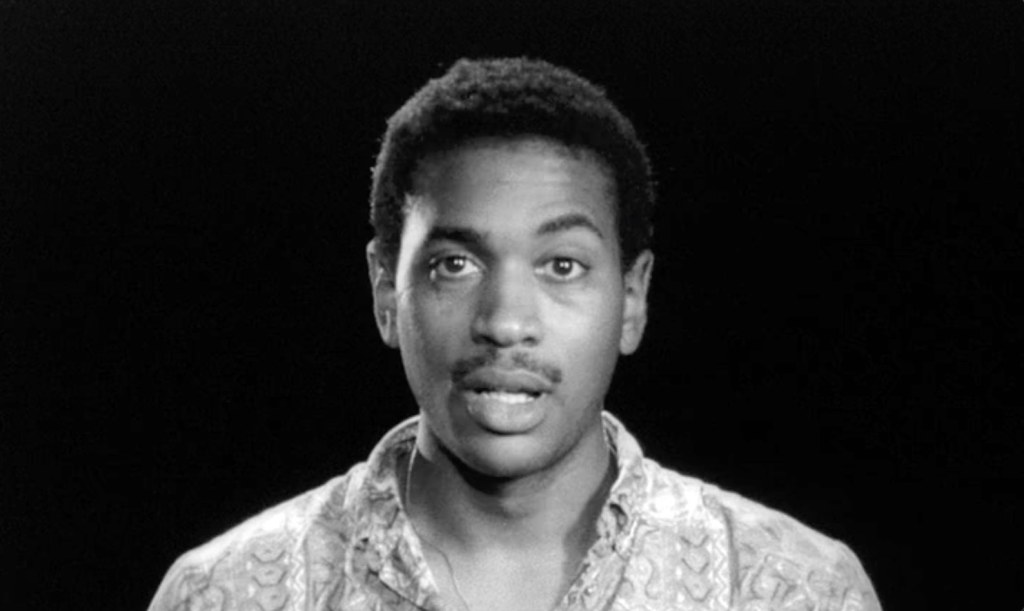

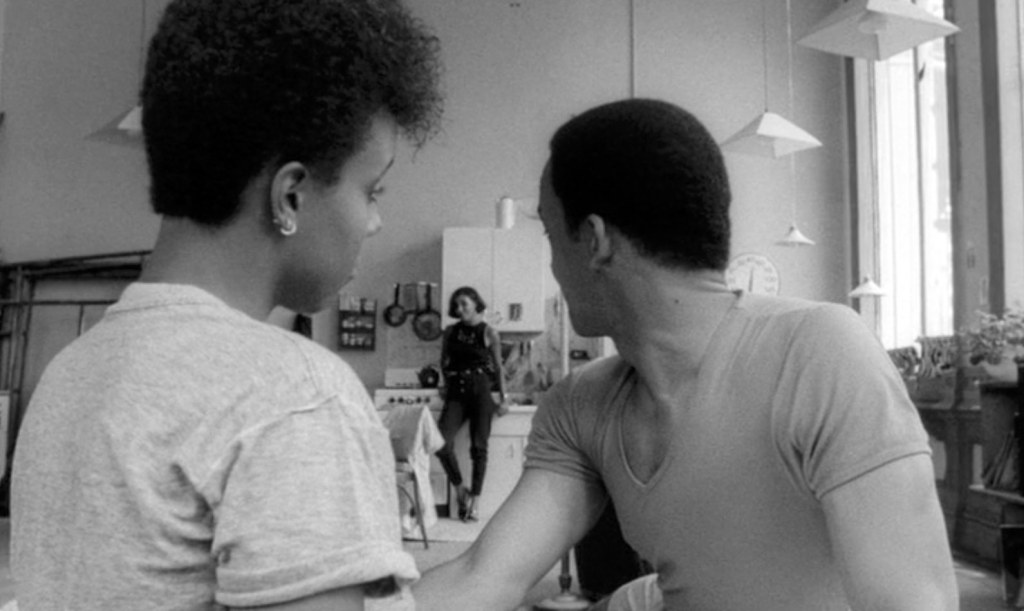
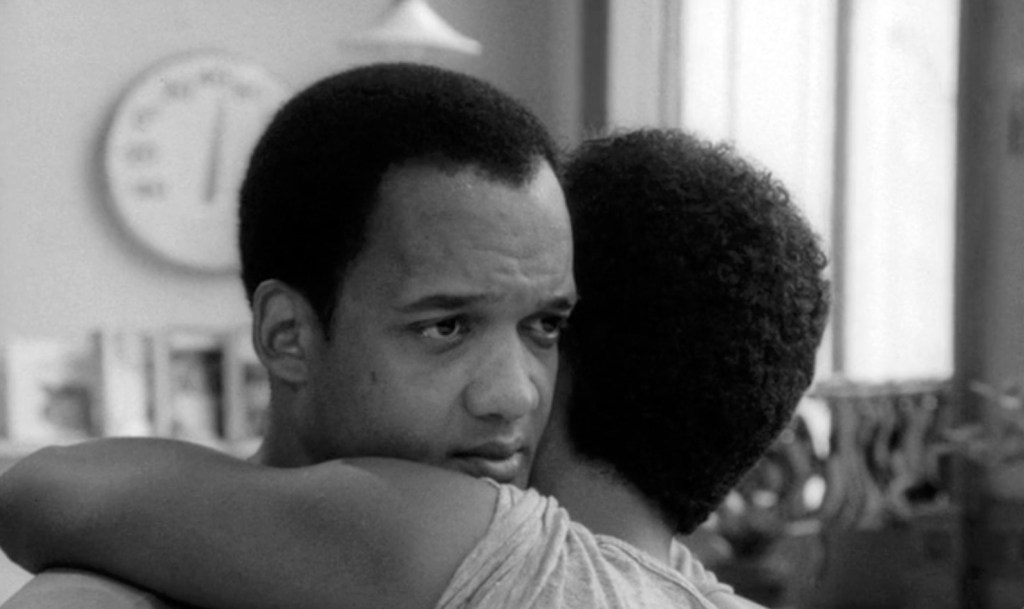
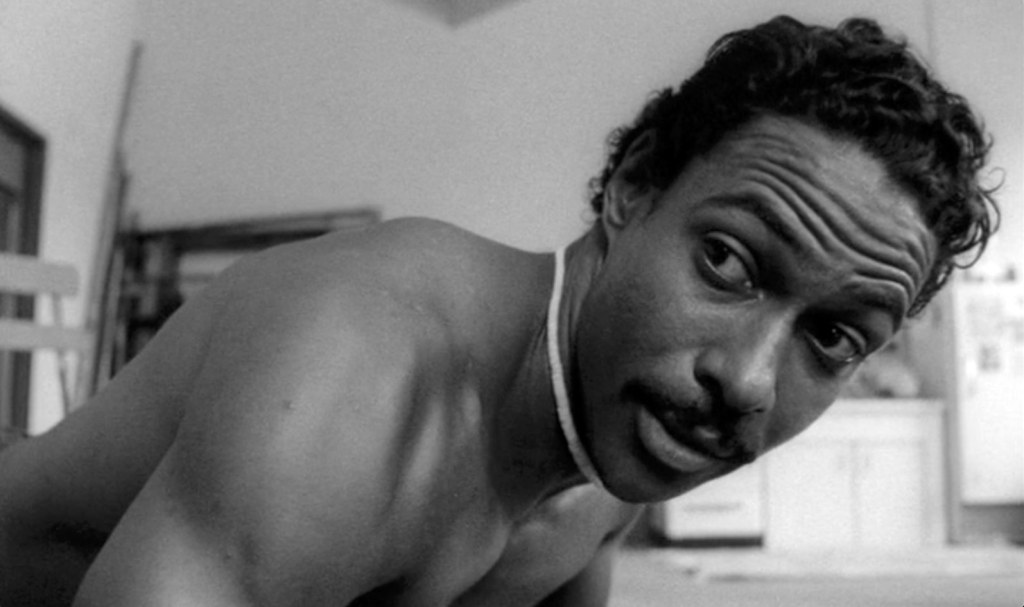
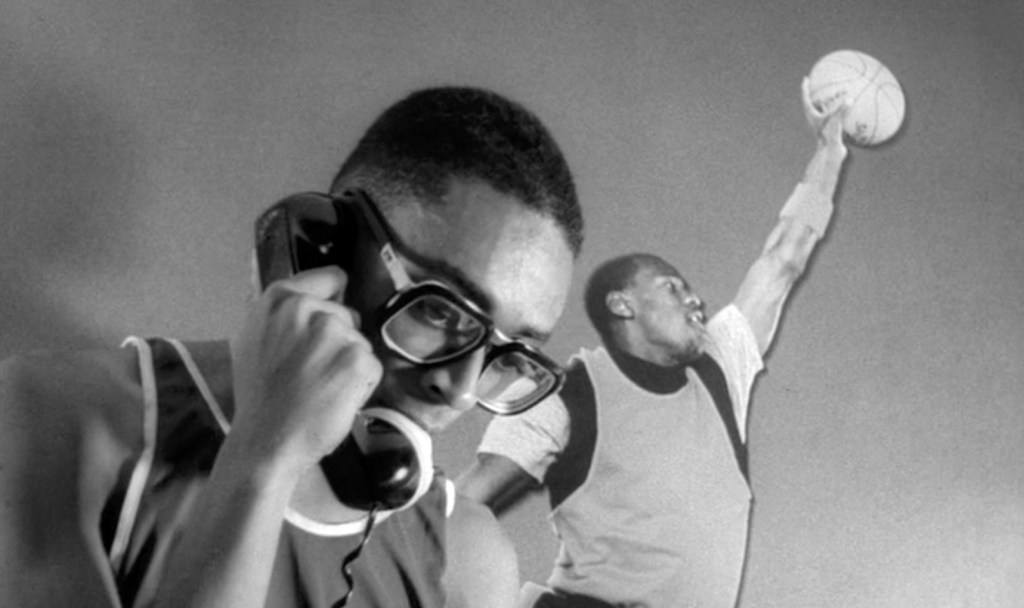
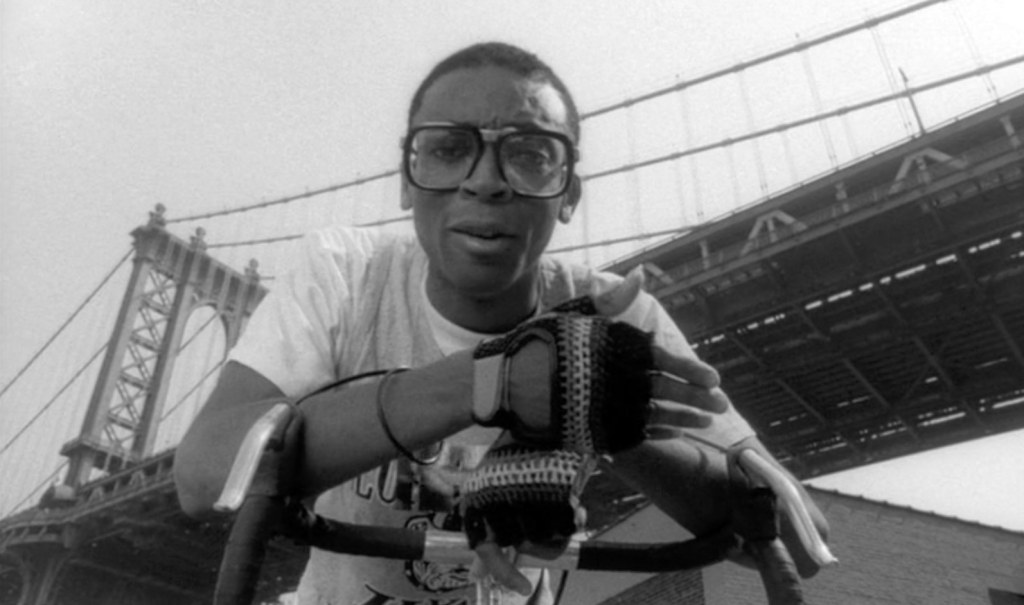
She is also seeing a man called Greer Childs, played by John Canada Terrell, who is a self-absorbed, image-conscious male model; Greer is vain and believes he is Nola’s ideal man. He views their relationship more as a conquest and status symbol than an emotional connection. And finally, Mars Blackmon, played by Spike Lee himself, is The comic relief of the trio. Mars is a quirky, fast-talking, sneaker-loving goofball who’s charming in his own offbeat way. He doesn’t take himself too seriously but genuinely enjoys Nola’s company.
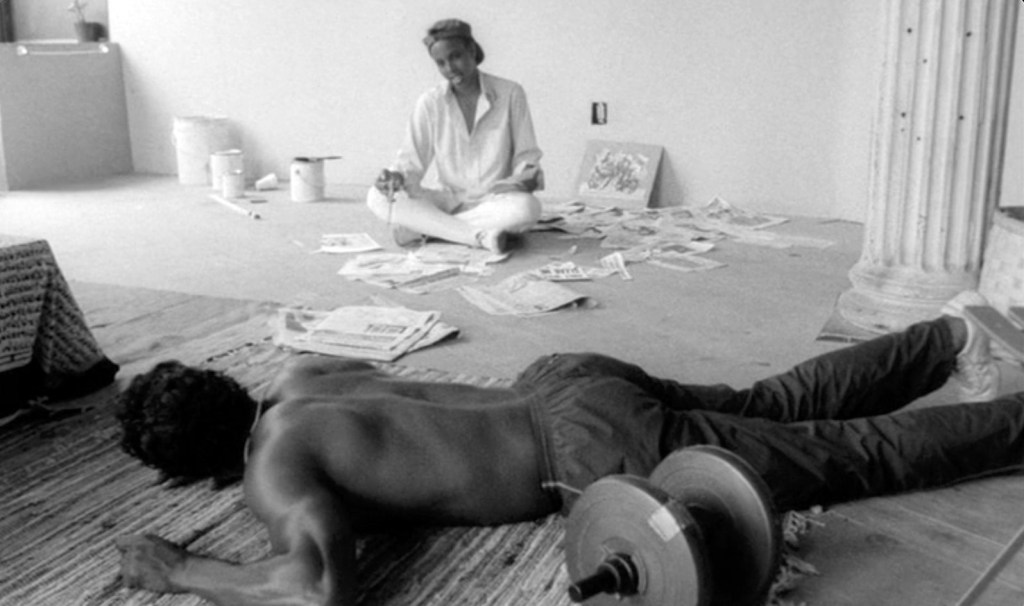
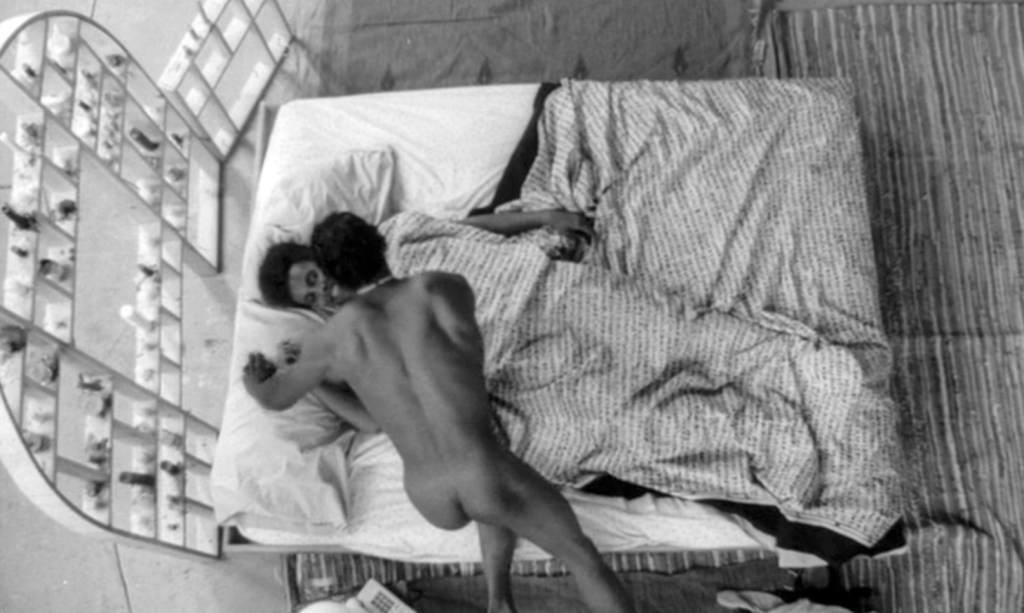
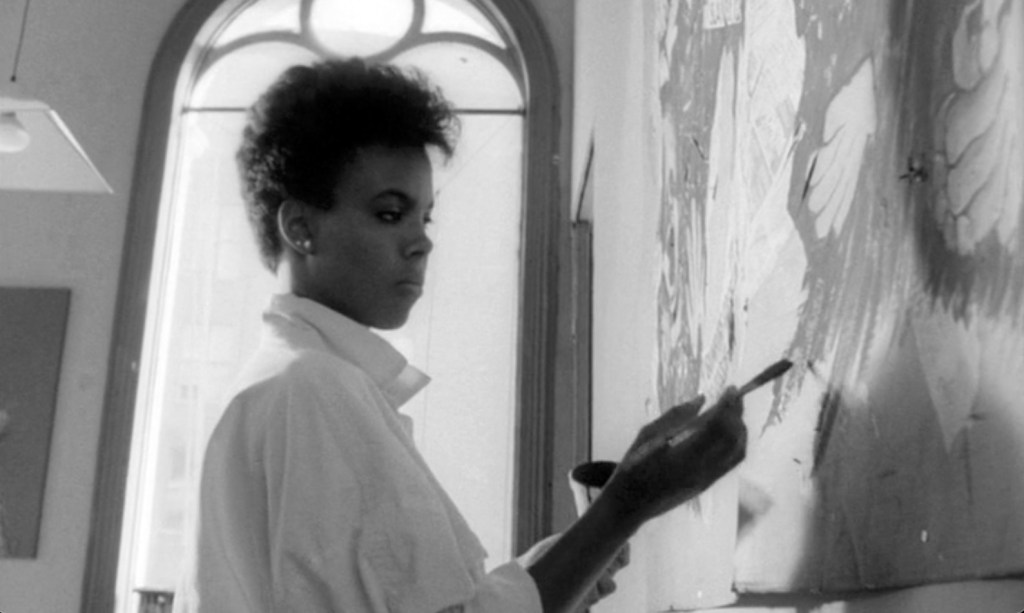
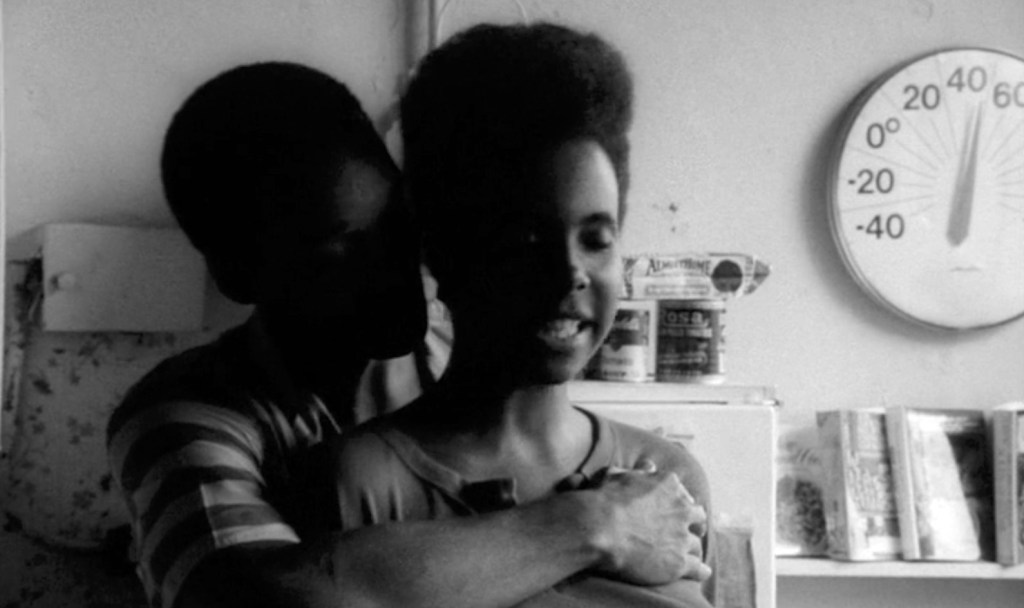
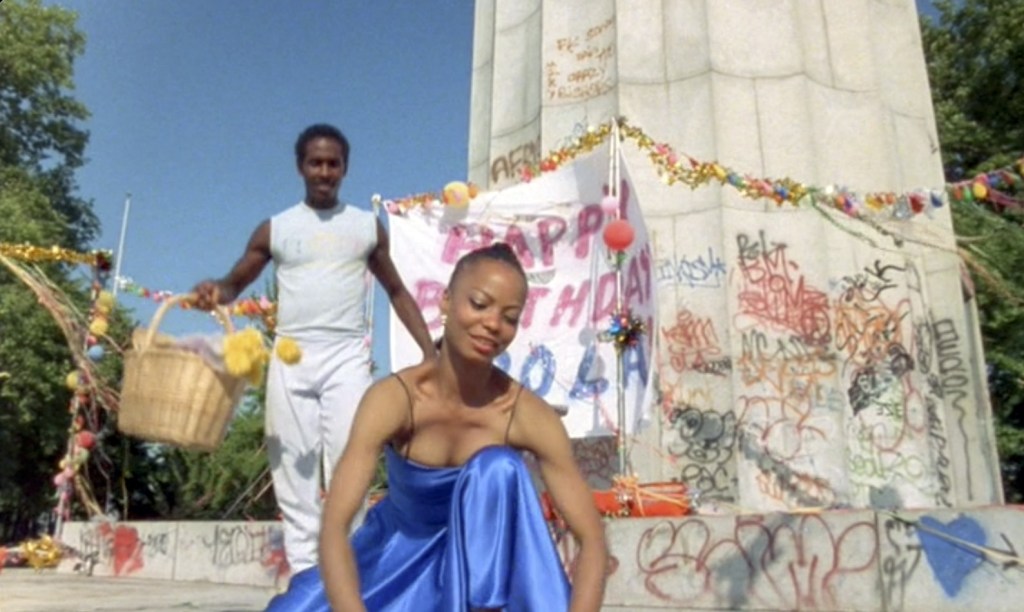
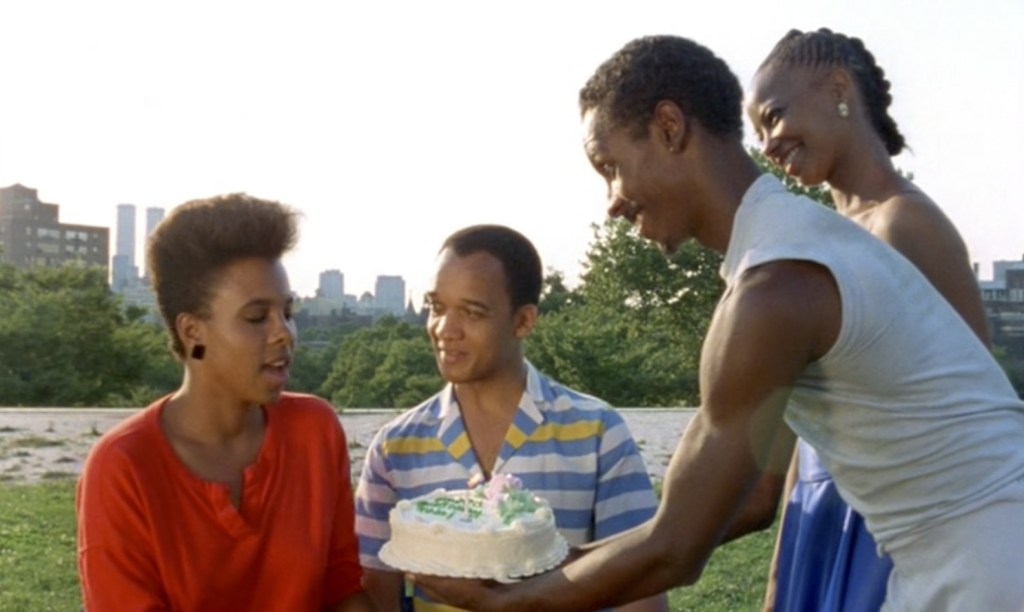
Nola is frank with each man about the fact that they are not her only partner, a fact that each handles differently—ranging from jealousy to denial to attempts to win her over.
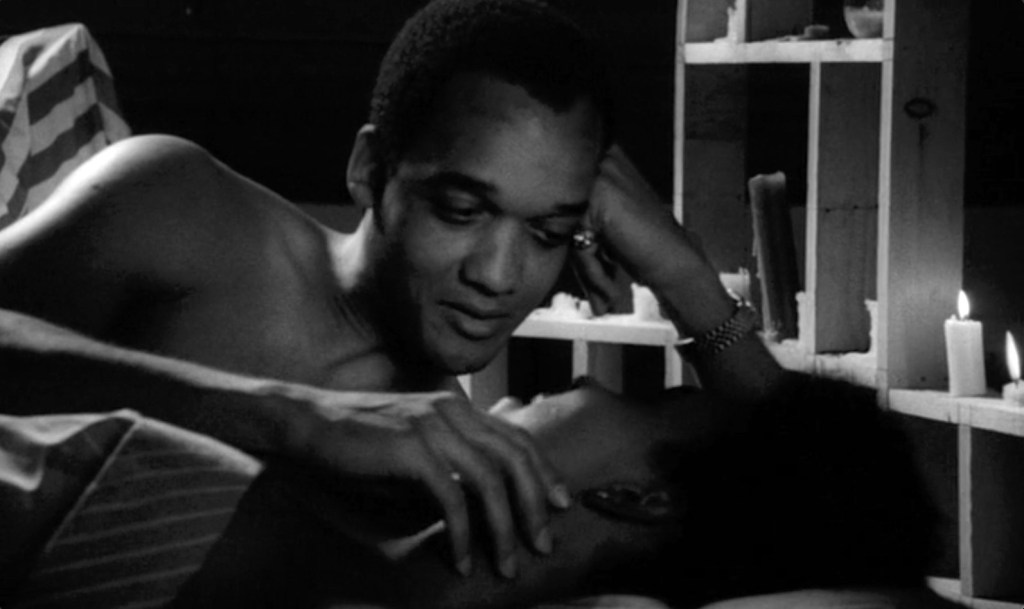



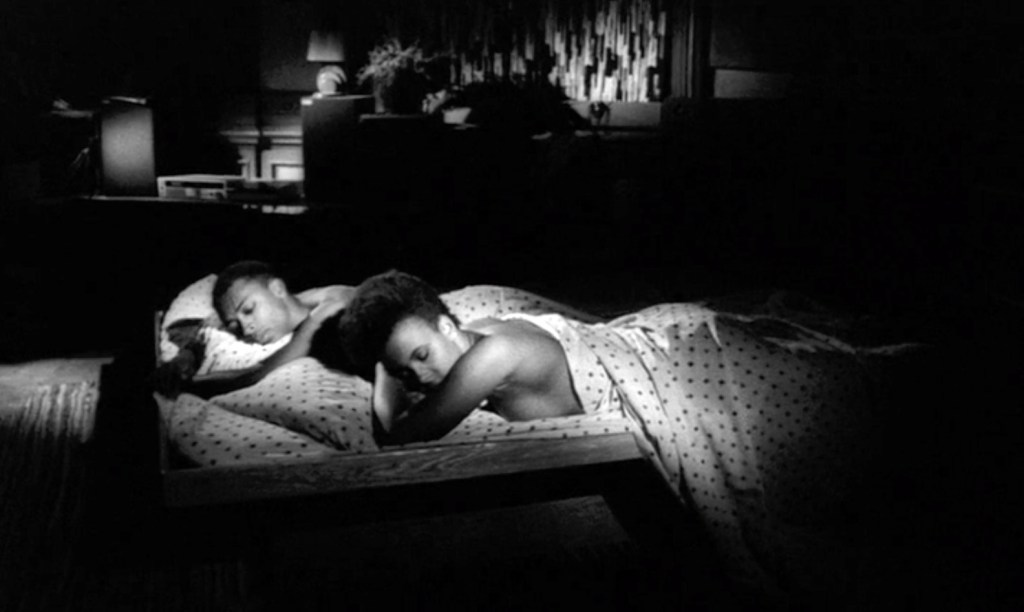
As the story progresses, the film explores Nola’s efforts to maintain control over her own sexuality and personal freedom in a world where women are often expected to conform to male-centric romantic ideals. Her refusal to be “possessed” or “defined” by any man challenges the traditional power dynamics of gender and relationships.
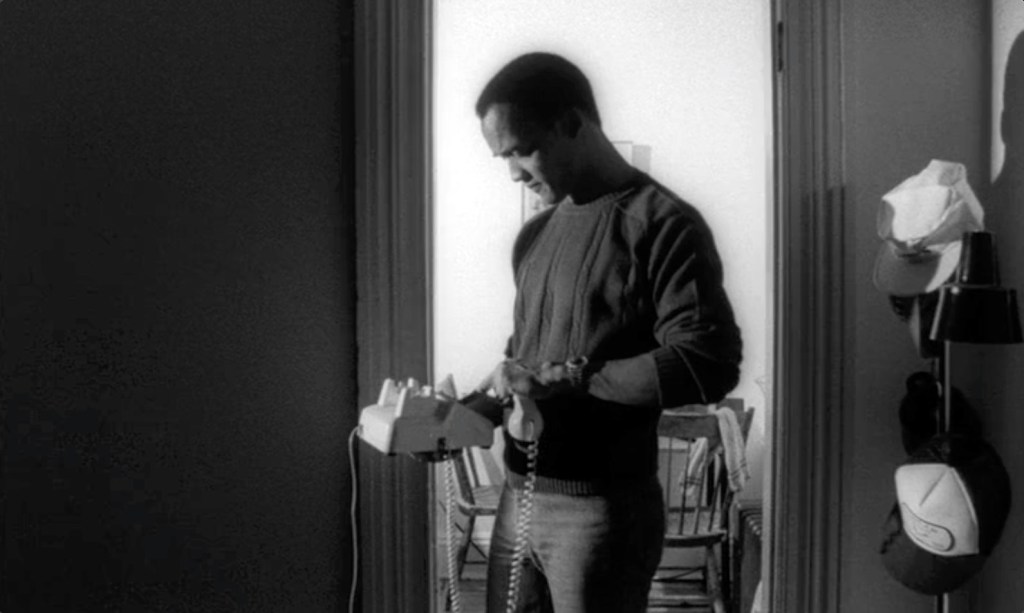
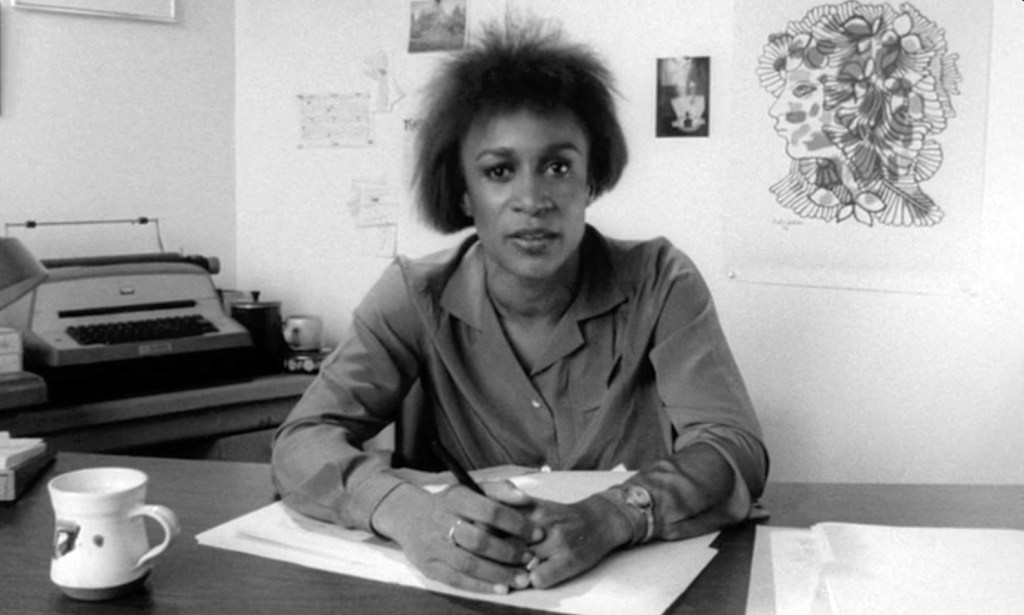
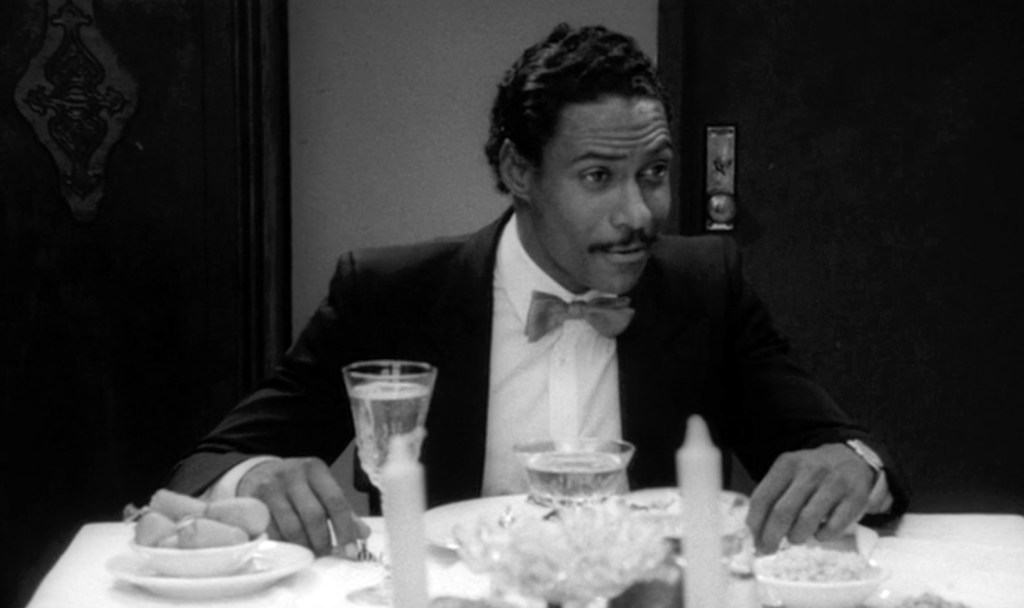
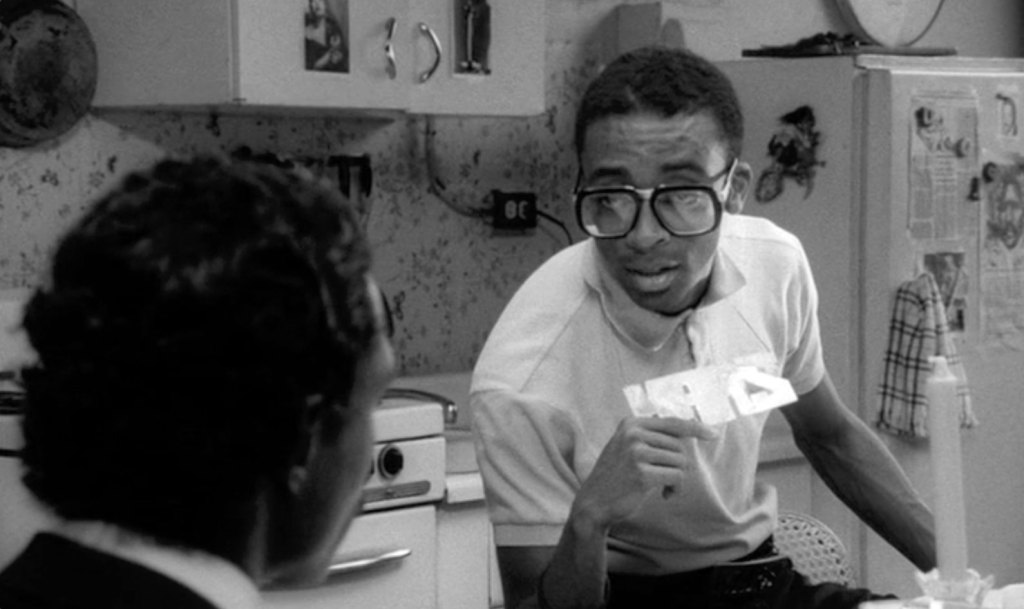
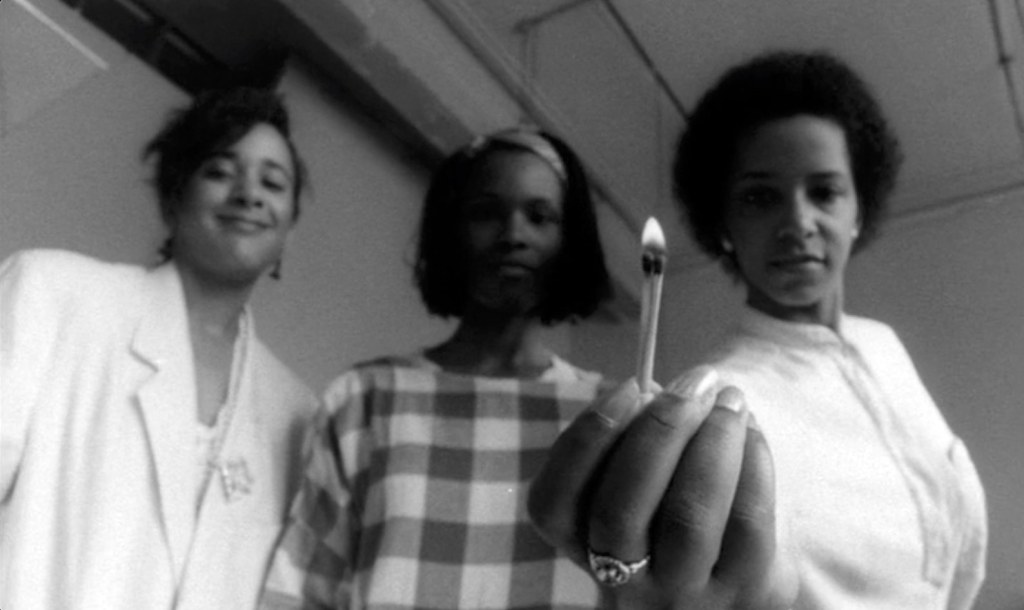
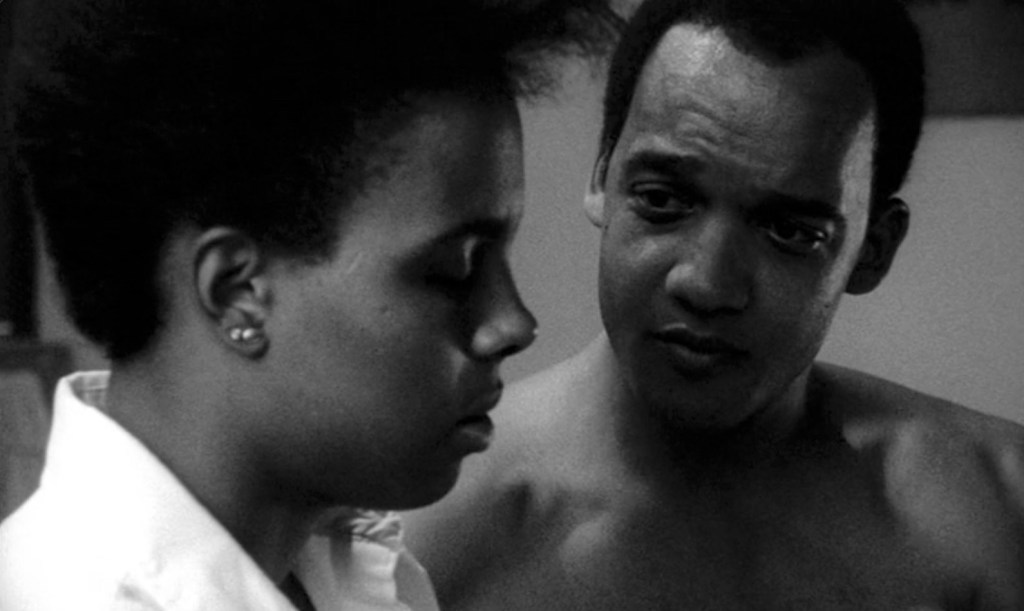
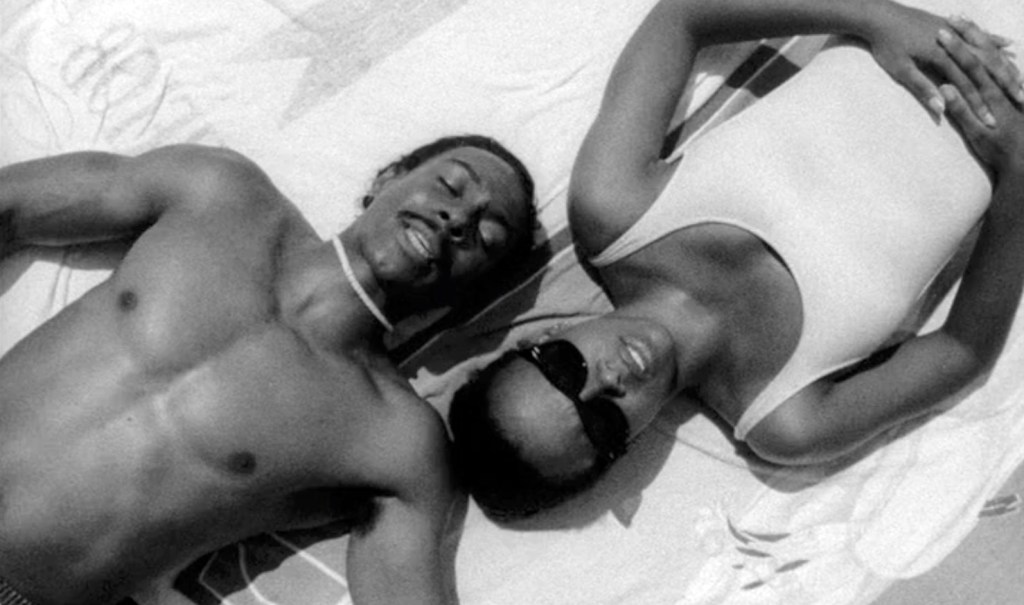
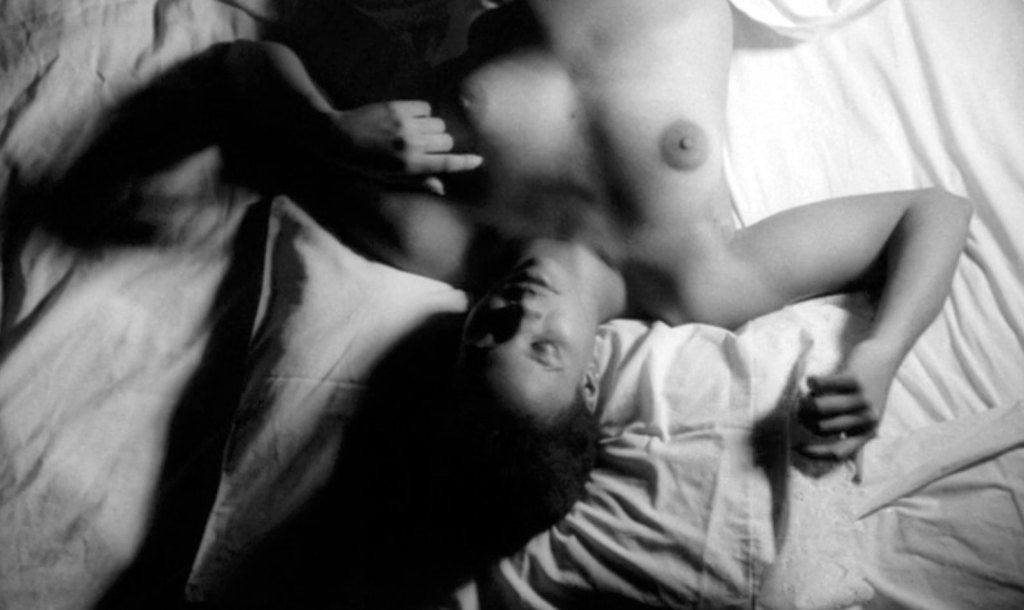
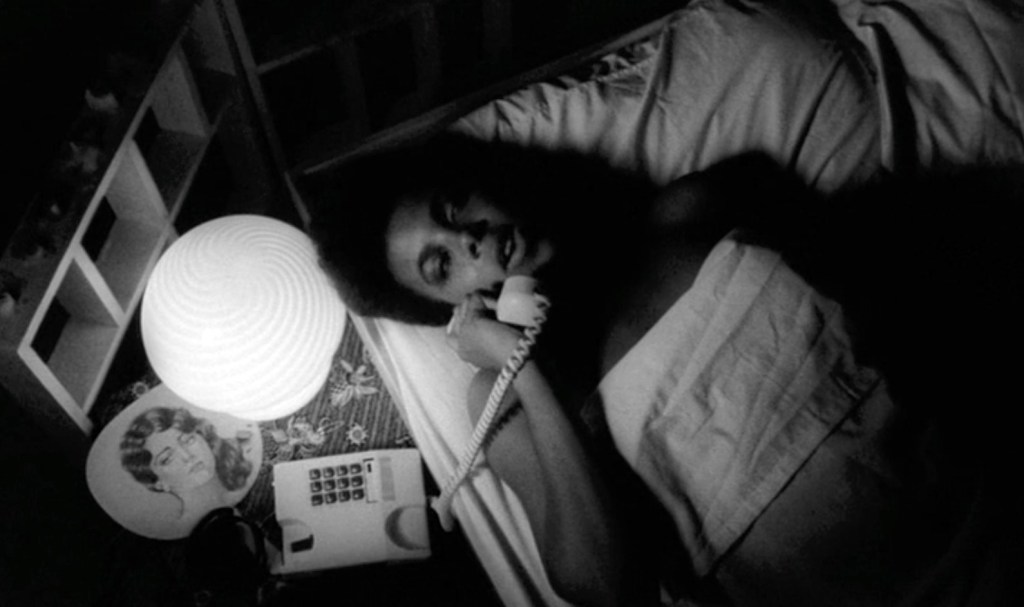
In a key moment of tension, Jamie confronts Nola about her unwillingness to commit. Despite loving her, he can’t accept her lifestyle. Nola attempts to conform briefly by choosing Jamie, but this decision feels forced and unnatural. Eventually, she reasserts her autonomy, breaking up with him and reaffirming her choice to define love and life on her own terms.
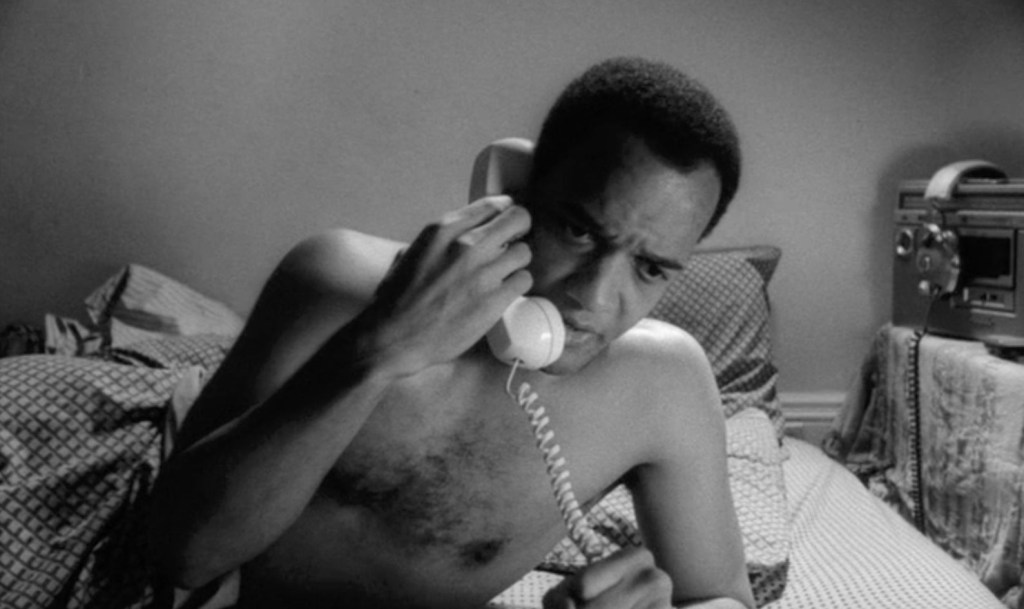
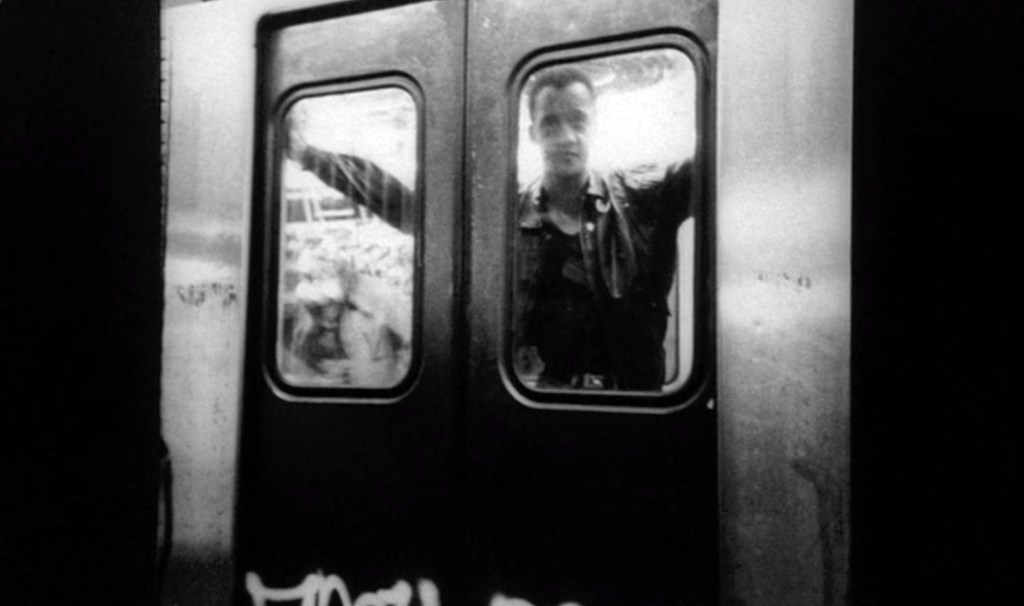
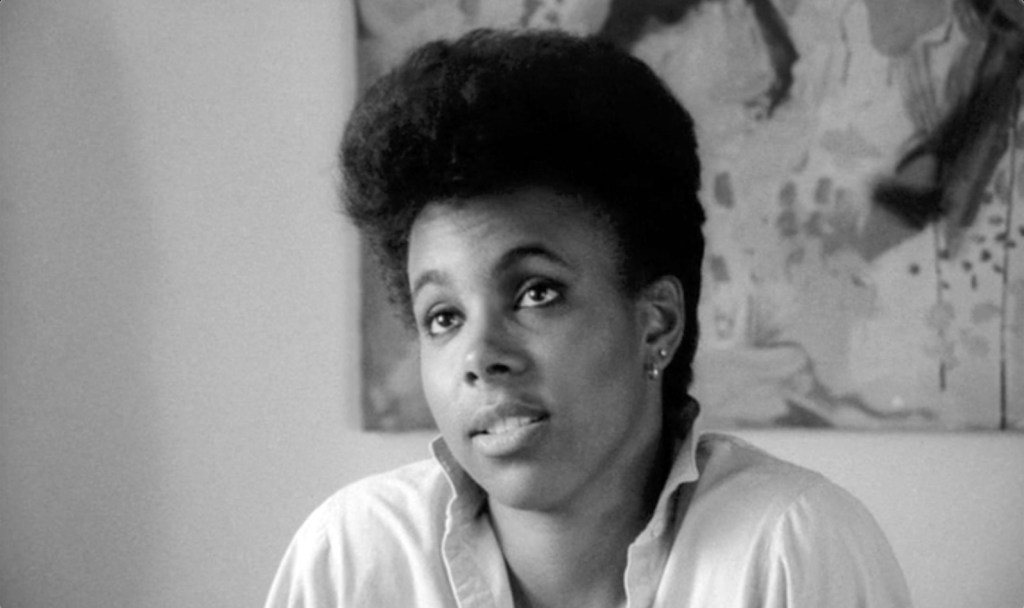
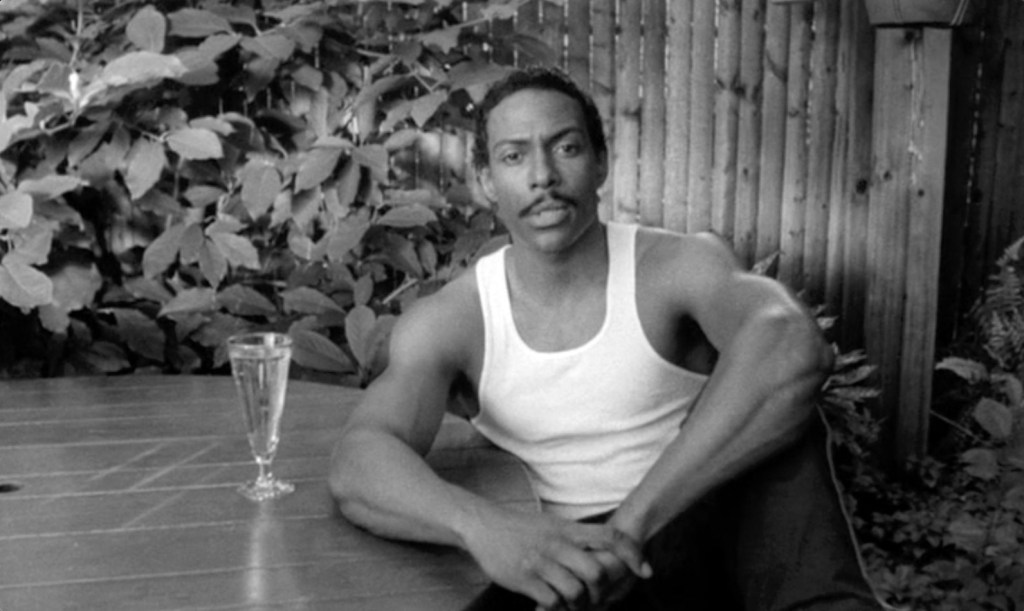
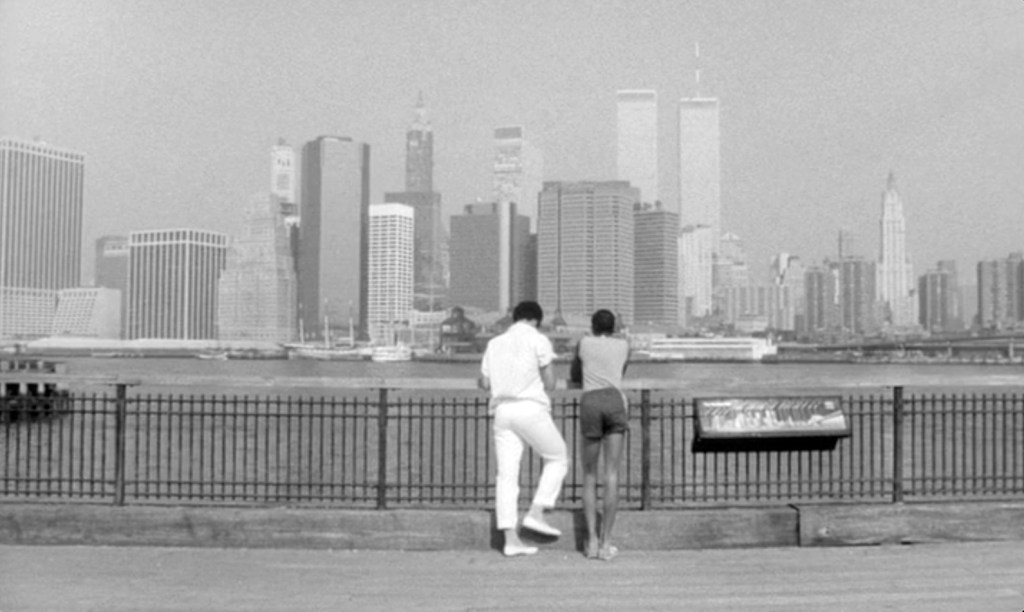
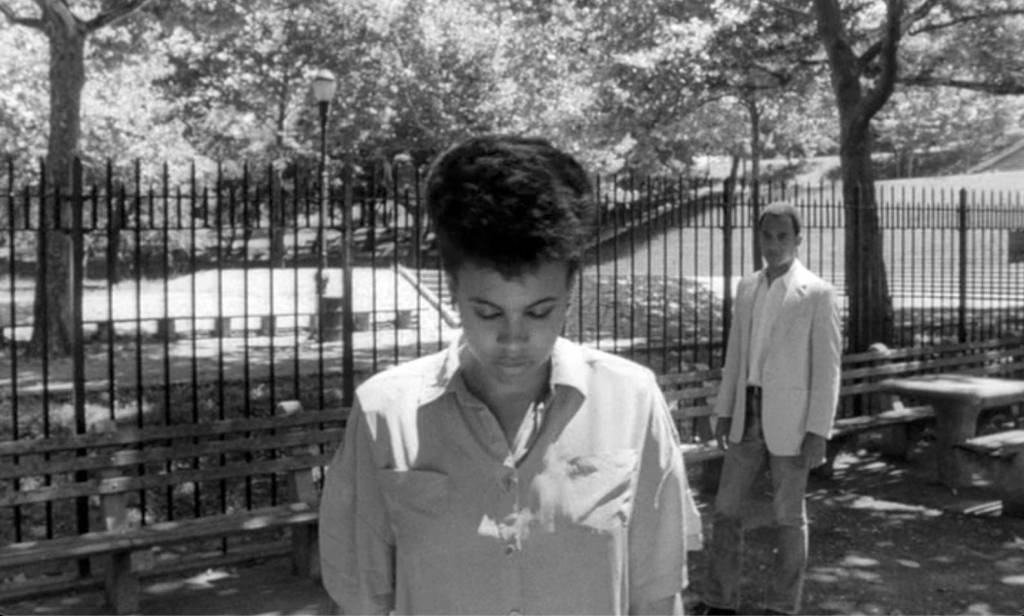
The film concludes with a direct-to-camera monologue in which Nola reflects on her journey, acknowledging that while her lifestyle may not be for everyone, it was her choice—and that’s what mattered most.
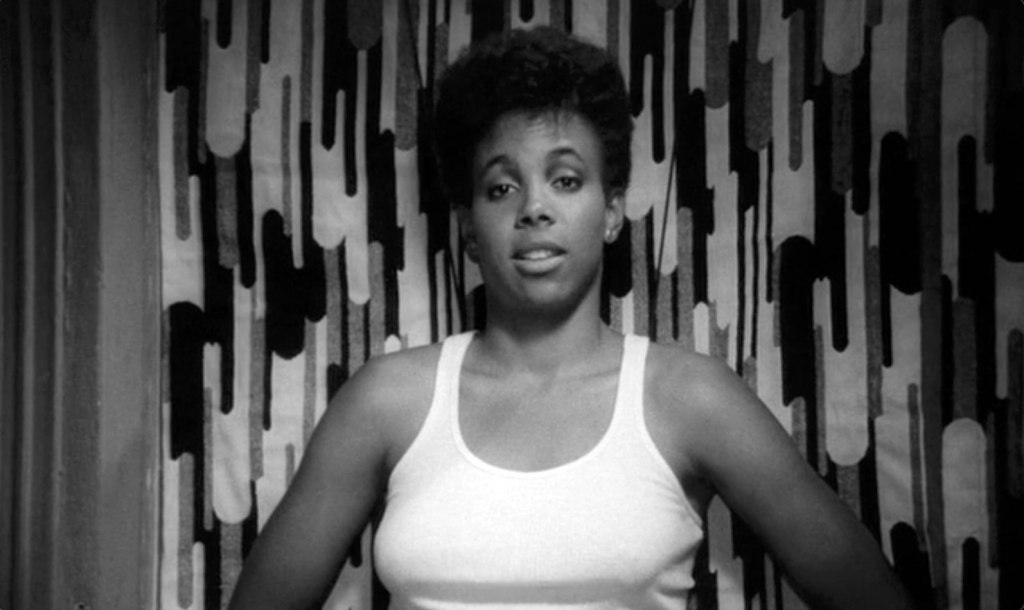
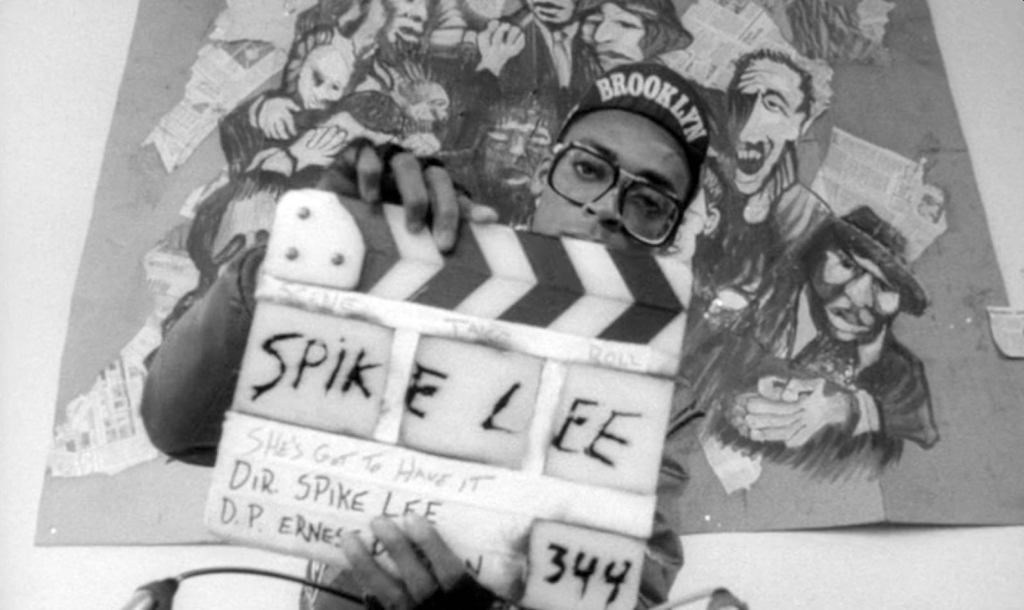
Spike Lee thoughtfully employs a semi-documentary style that breaks the fourth wall, inviting characters to speak directly to the audience. This approach fosters an intimate, conversational tone, making it easier for viewers to connect with the themes of relationships, race, gender, and social expectations.
 The Other Cinema