
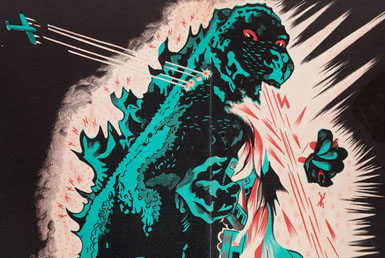
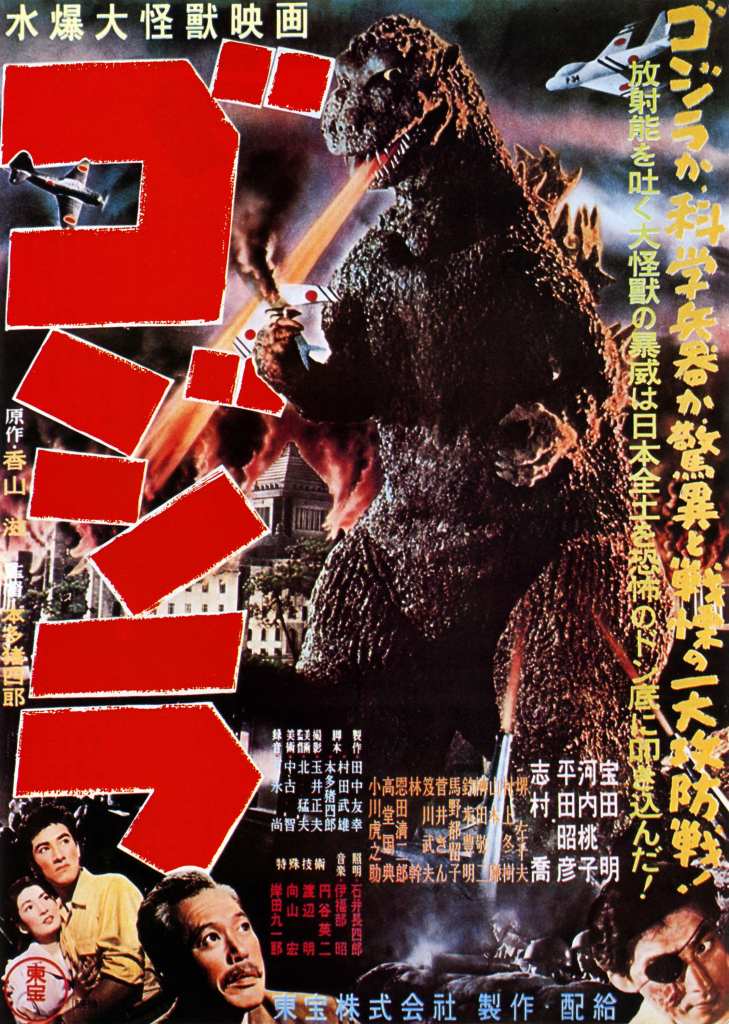
“Gojira (ゴジラ)” aka “Godzilla” (1954) is the original kaiju (giant monster) film that launched a global franchise and established the titular creature as an enduring symbol of nuclear destruction and environmental reckoning. Directed by Ishirō Honda, with groundbreaking special effects by Eiji Tsuburaya, the film is both a gripping science fiction drama and a somber metaphor for the horrors of the atomic age—particularly poignant in post-World War II Japan, still reeling from the bombings of Hiroshima and Nagasaki and the 1954 Bikini Atoll H-bomb tests.
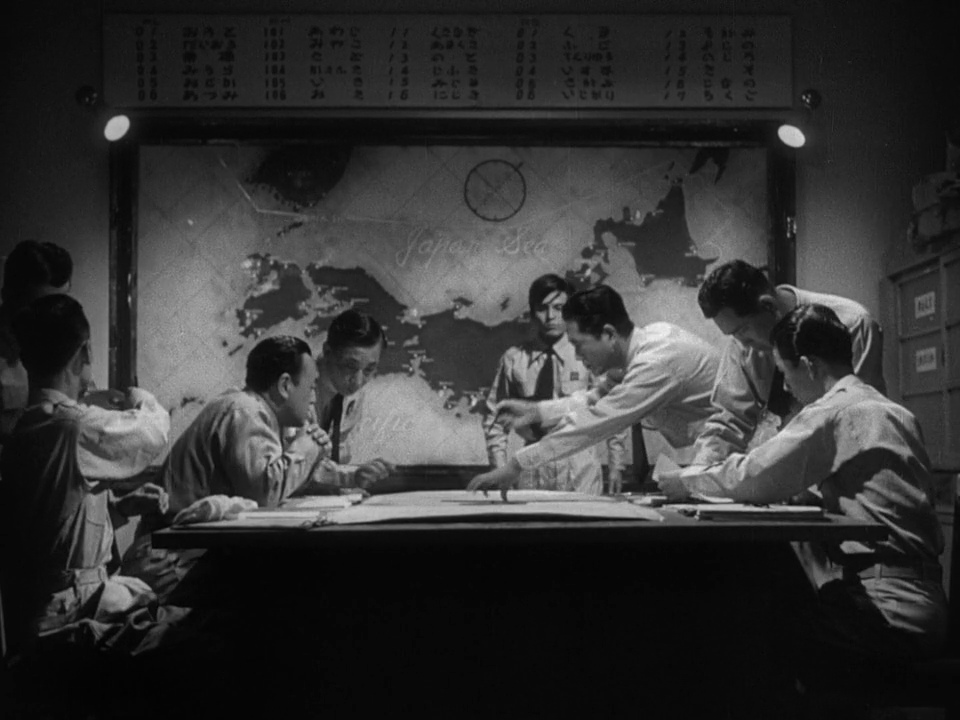
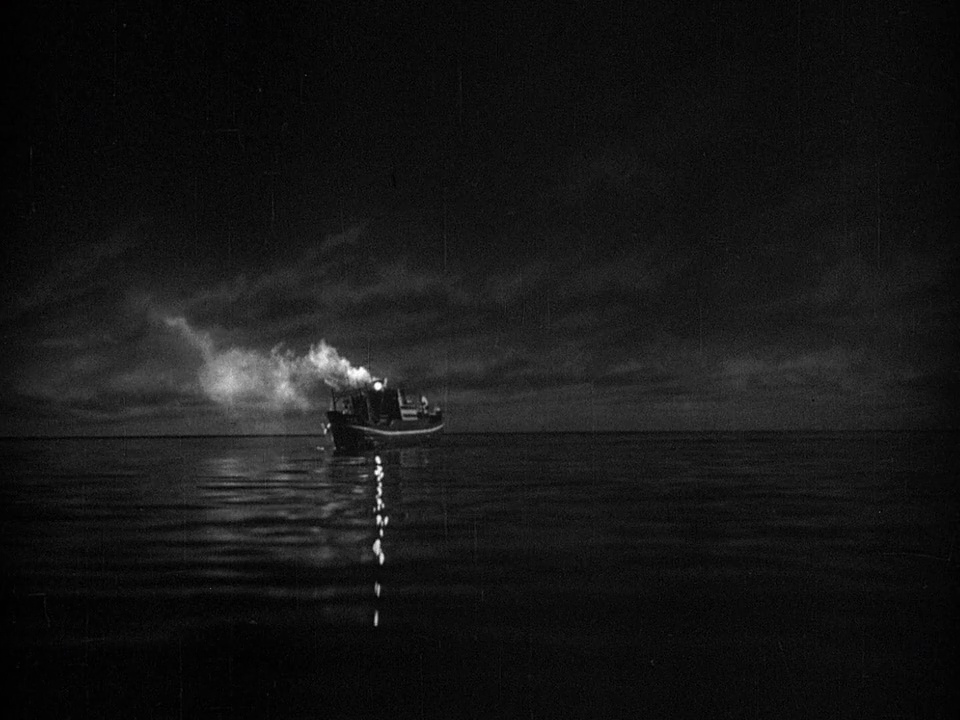
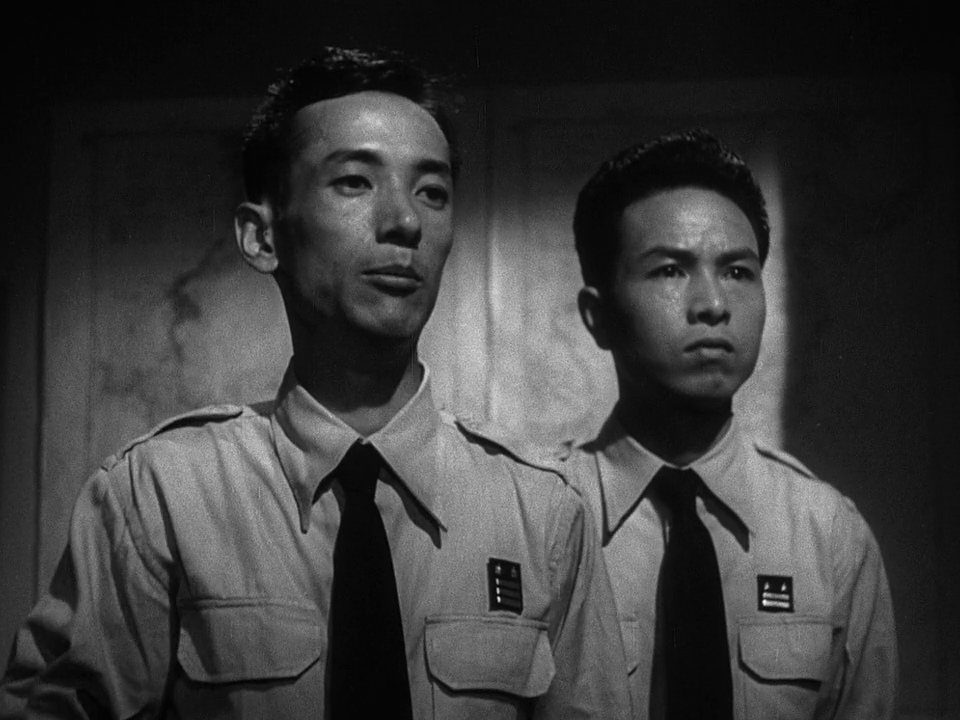
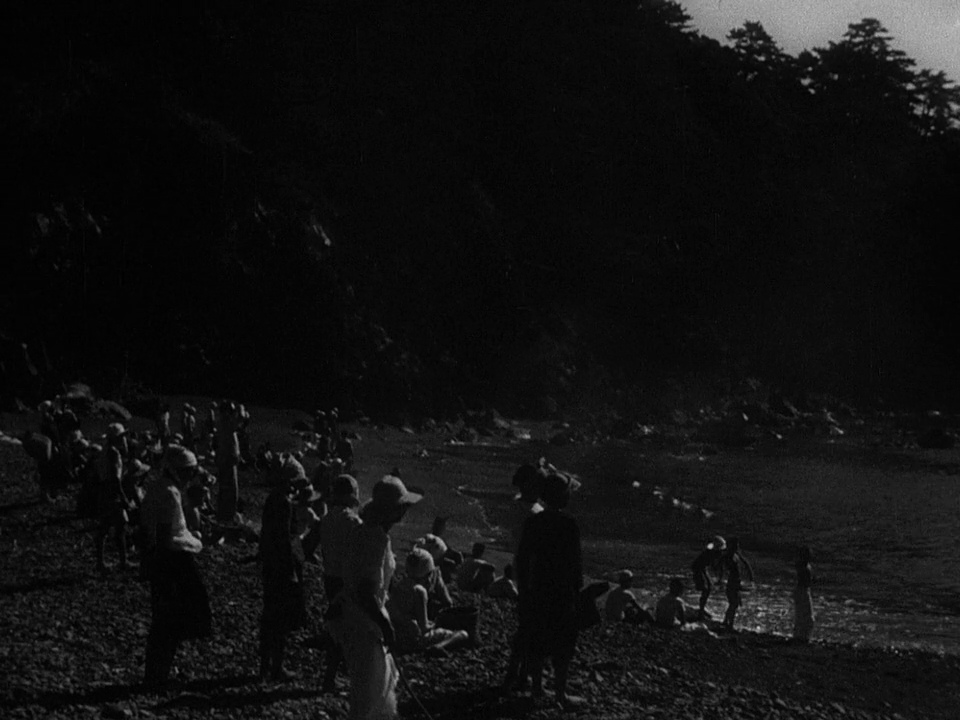
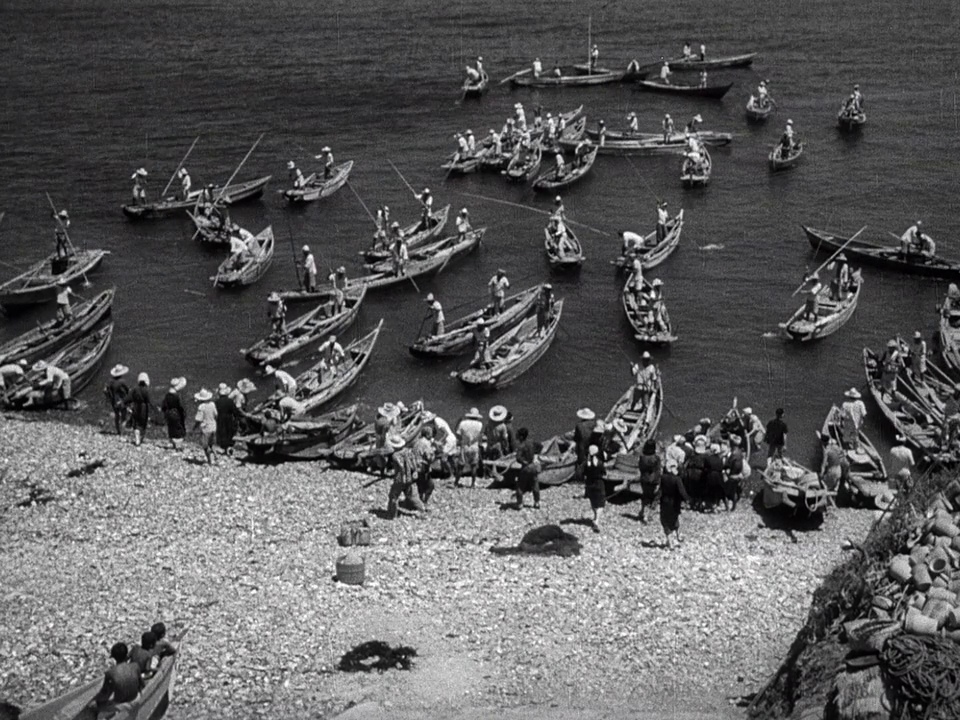
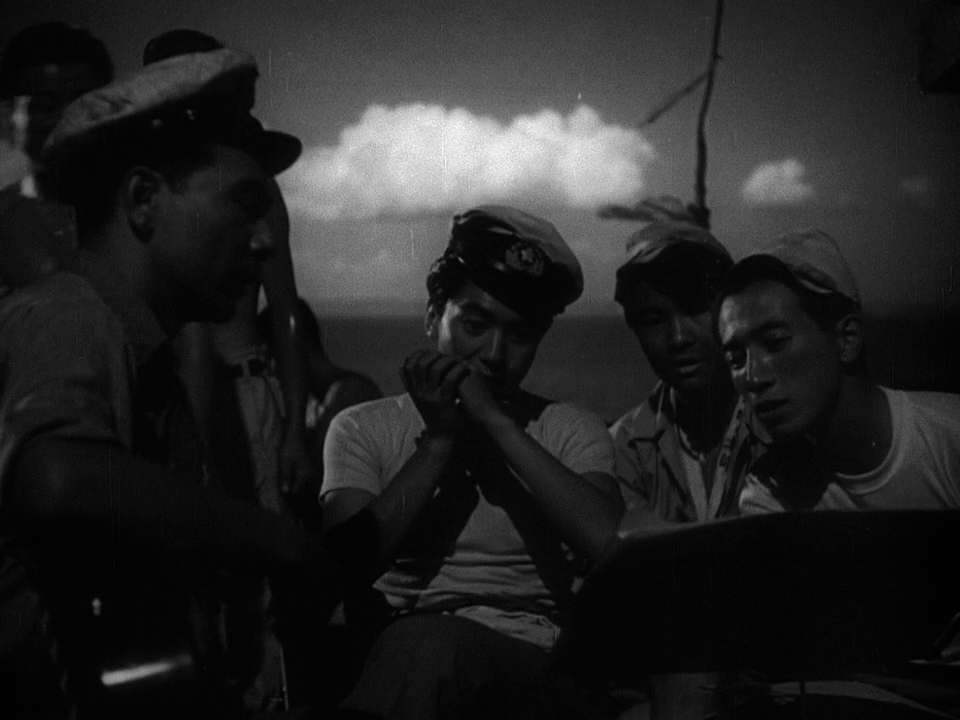
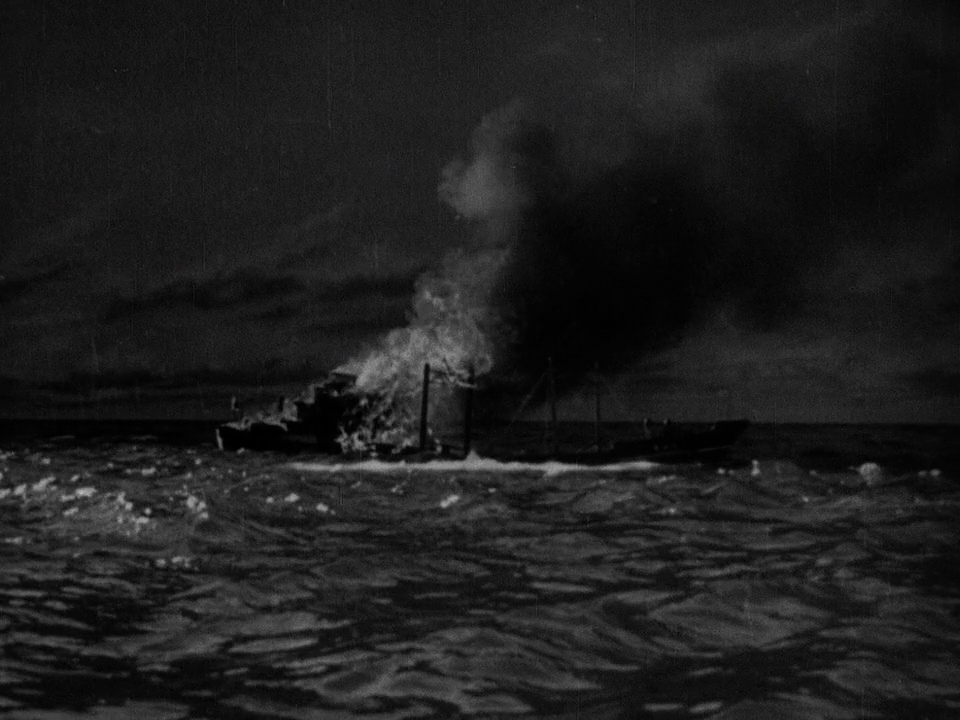
The film begins with a mysterious disaster at sea: a Japanese fishing vessel is destroyed by a blinding flash, leaving no survivors. As other ships vanish or return with tales of terror, coastal villages begin experiencing strange phenomena—thunderous footsteps, livestock crushed, and entire communities obliterated.
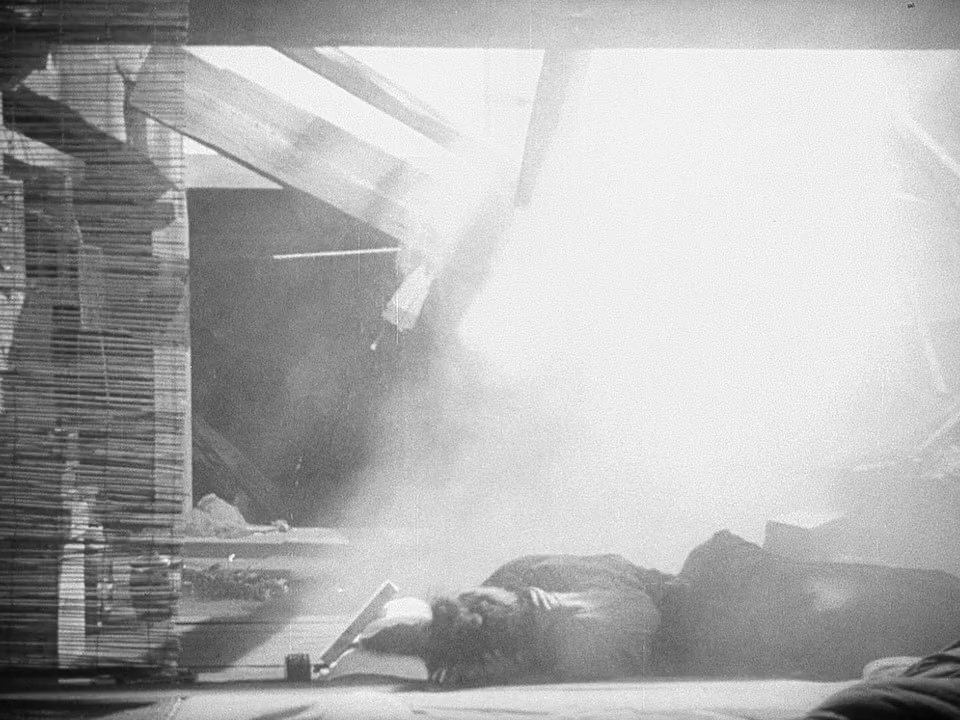
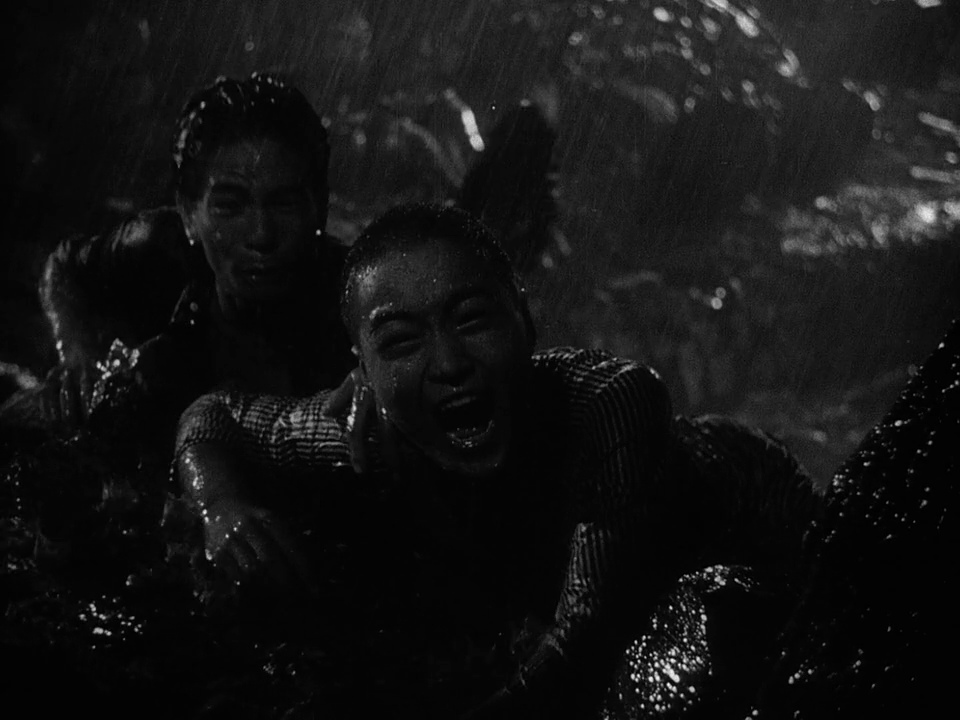
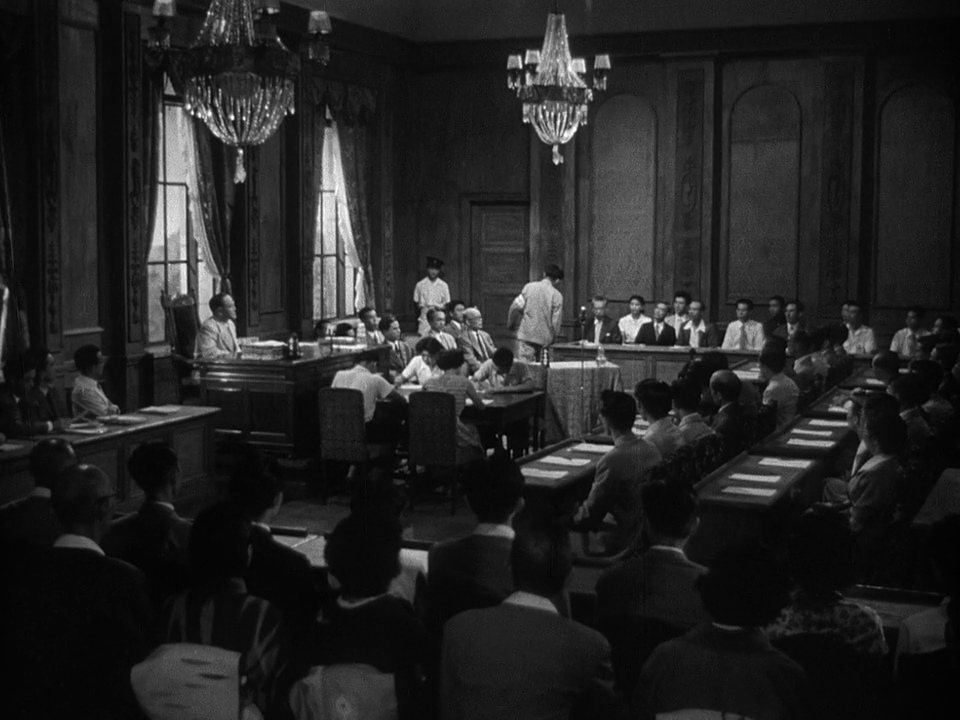
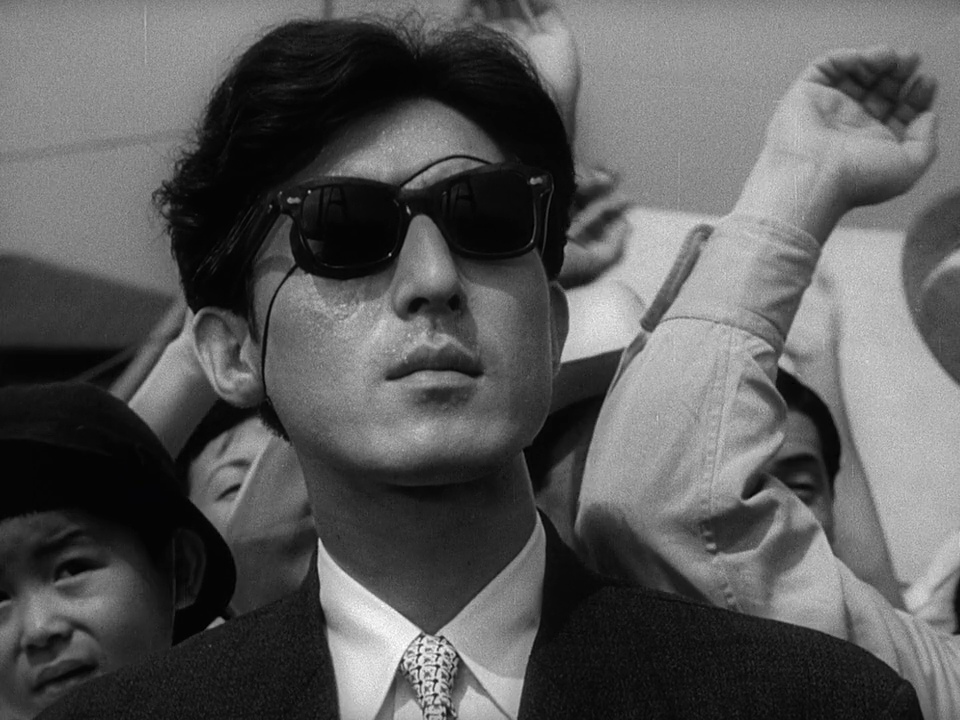
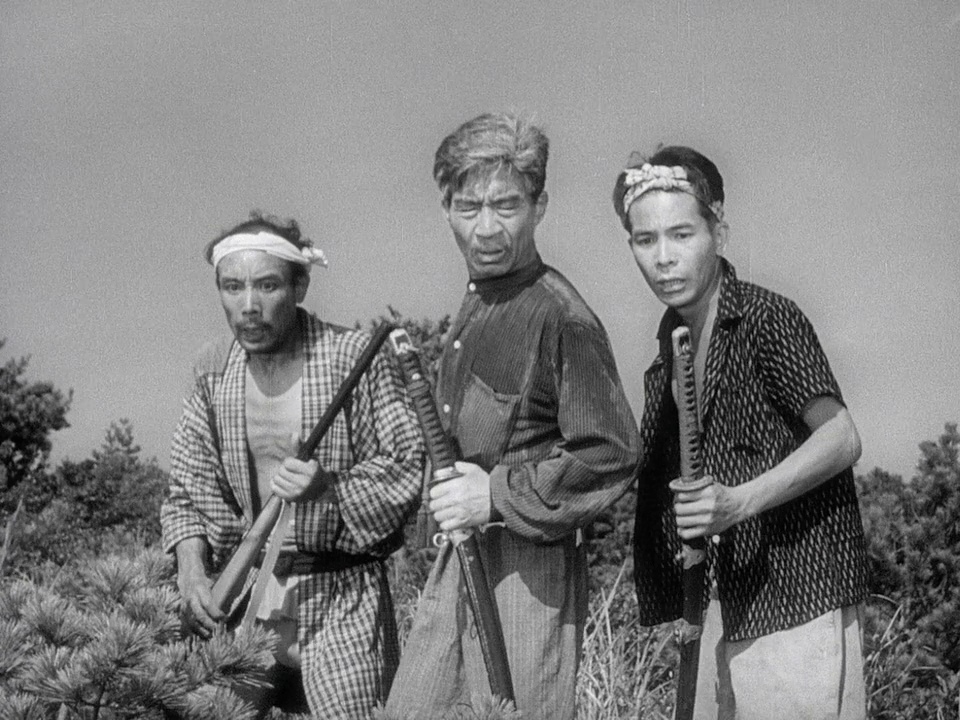
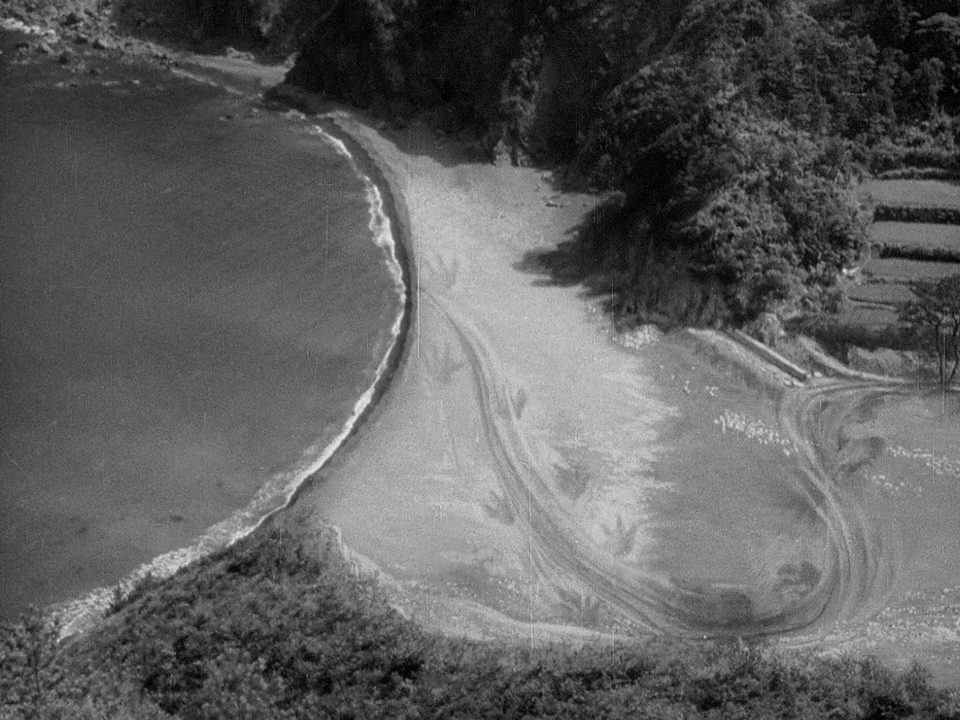
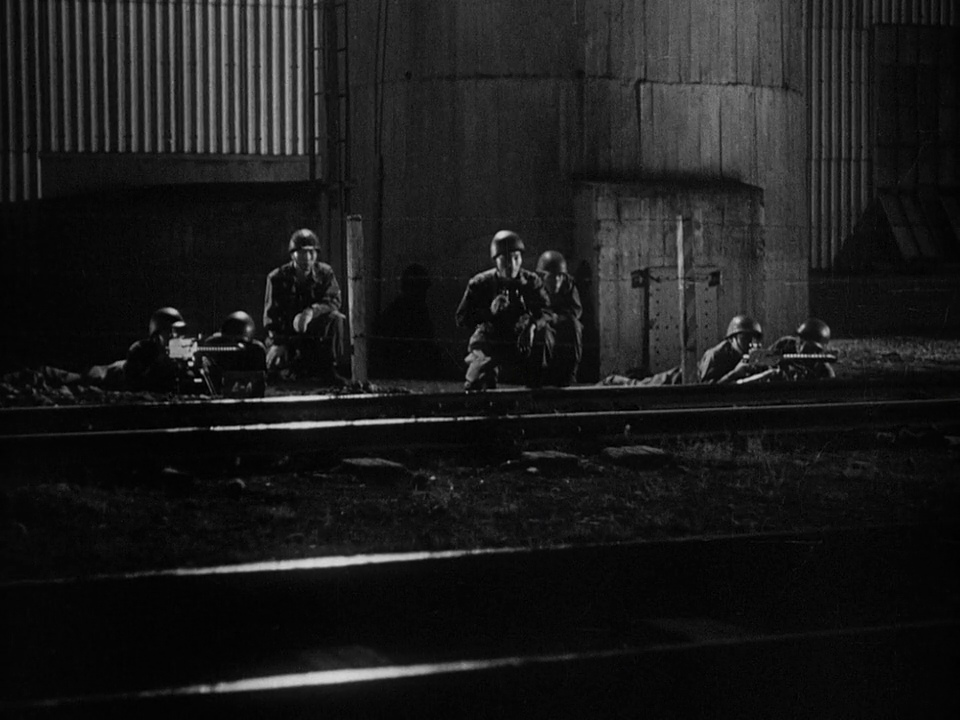
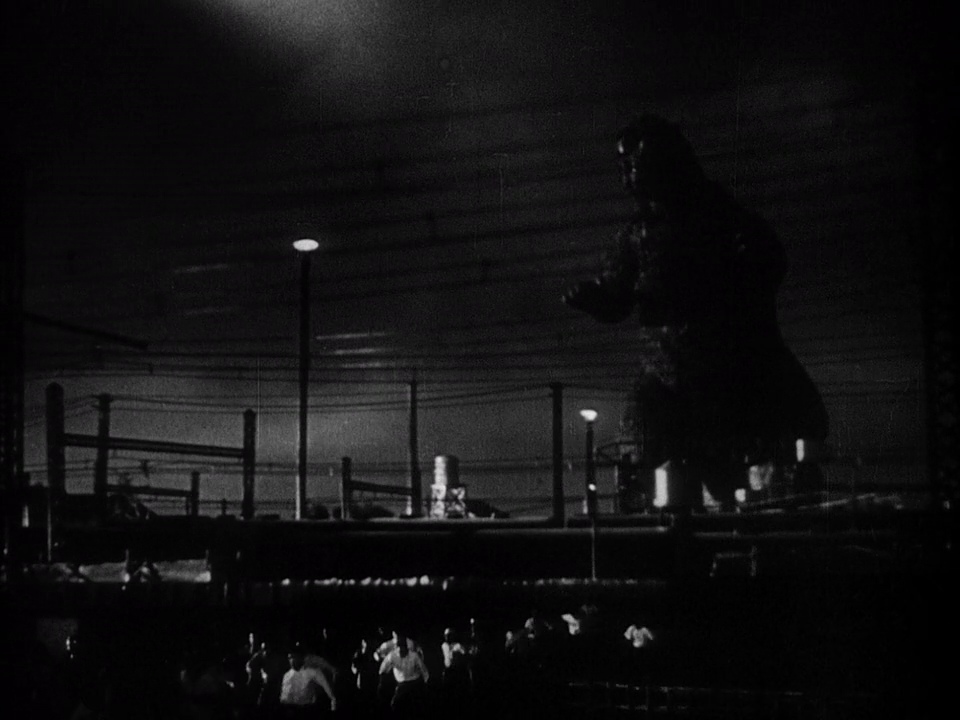
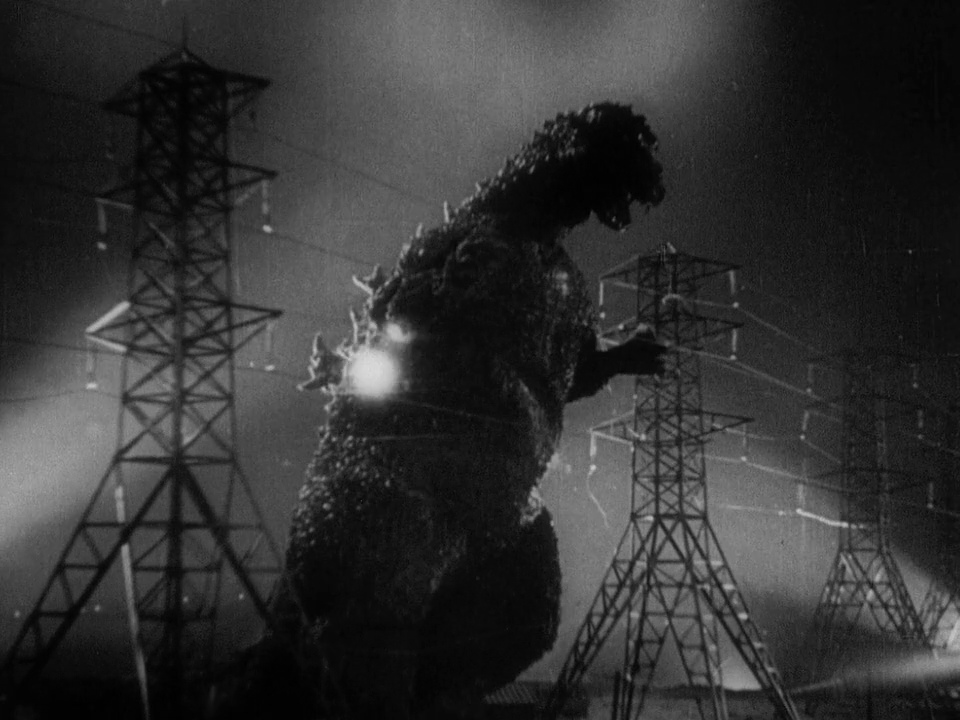
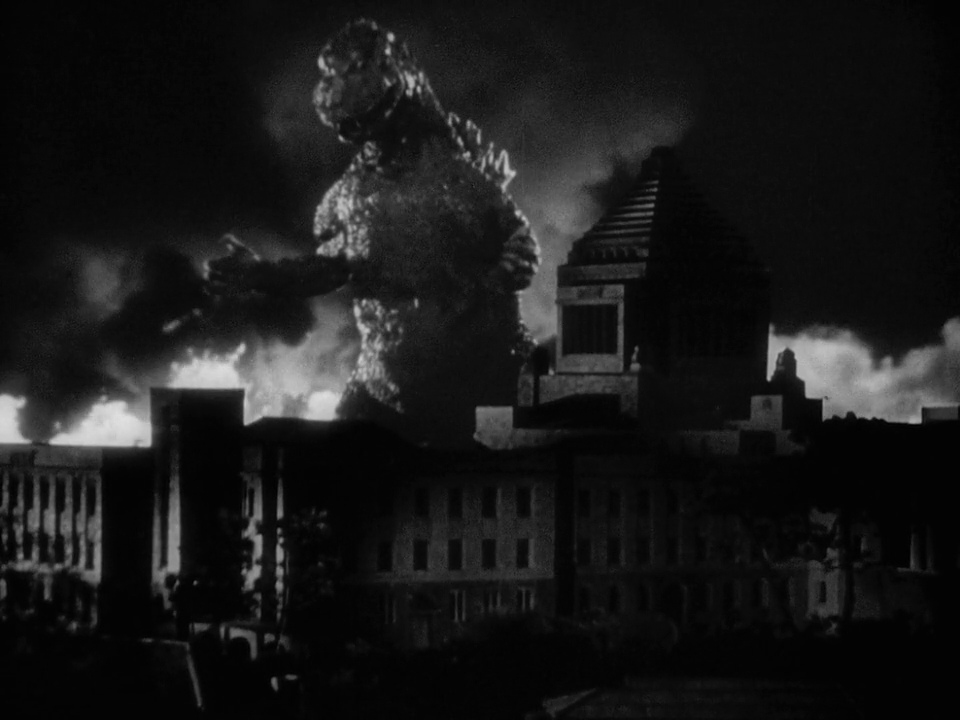
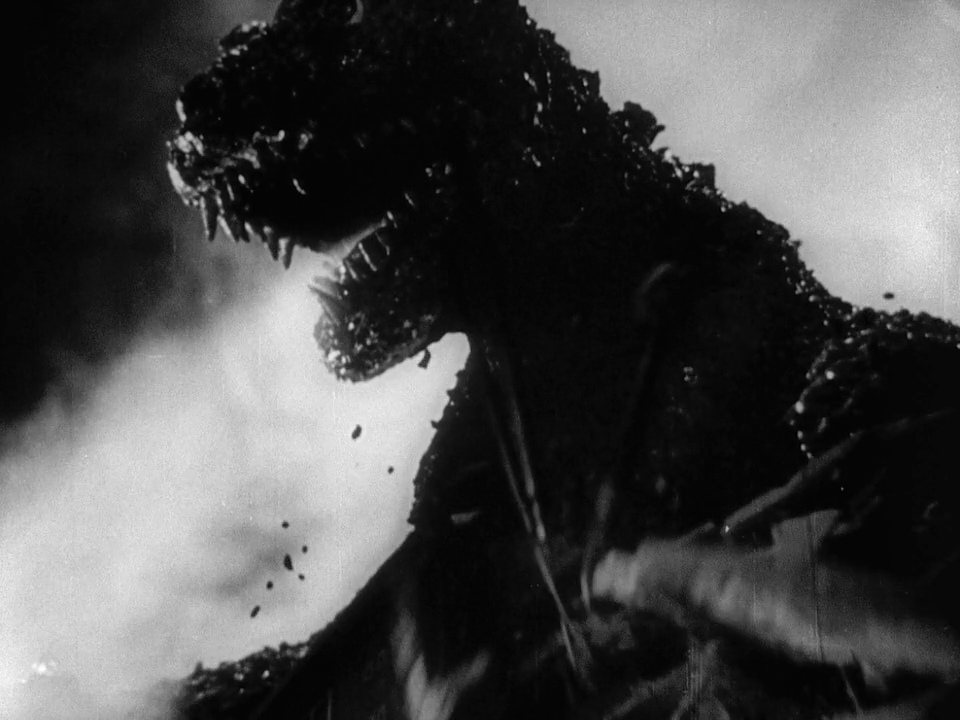
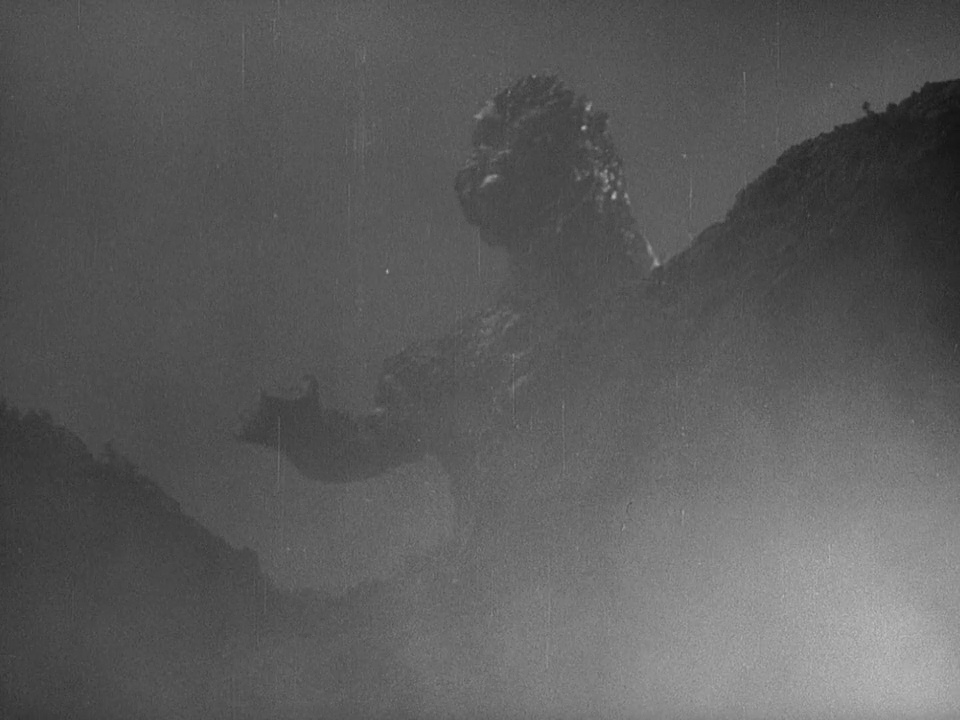
The threat is revealed to be Godzilla, a colossal prehistoric sea creature awakened and mutated by hydrogen bomb testing in the Pacific. It soon becomes clear that the monster has absorbed massive amounts of radiation and is nearly impervious to conventional weaponry. Towering over Tokyo, Godzilla leaves a path of destruction in its wake, with the military helpless to stop it.
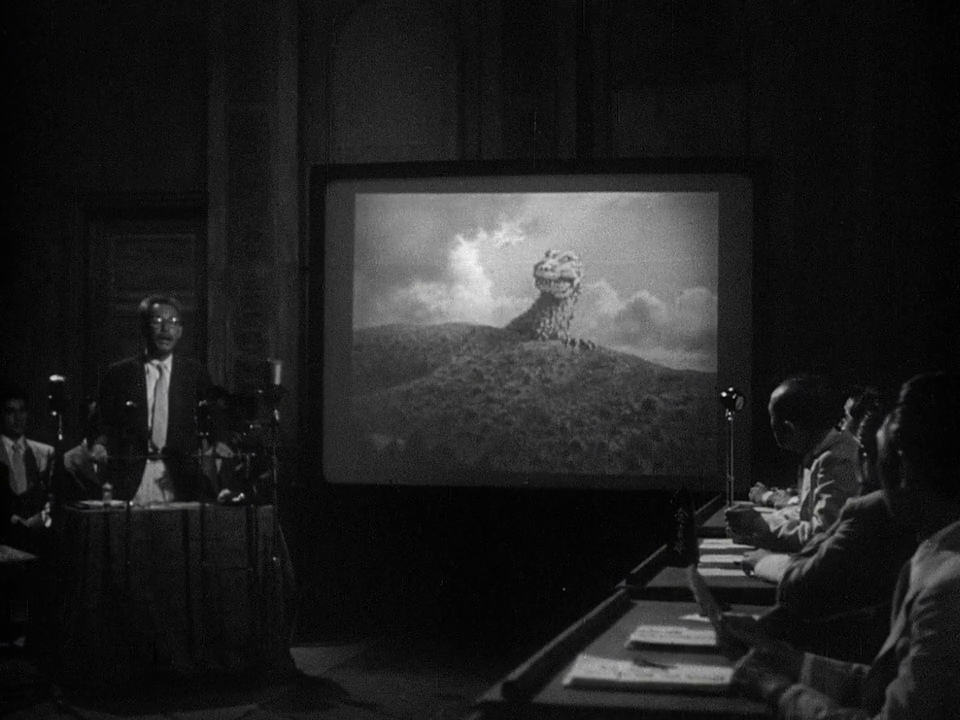
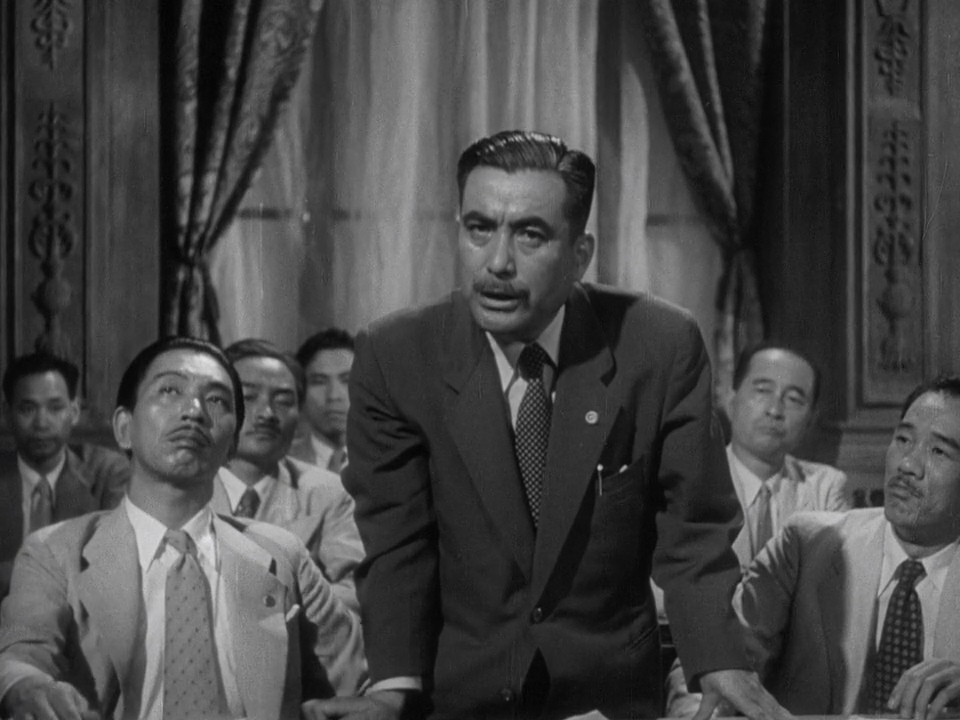
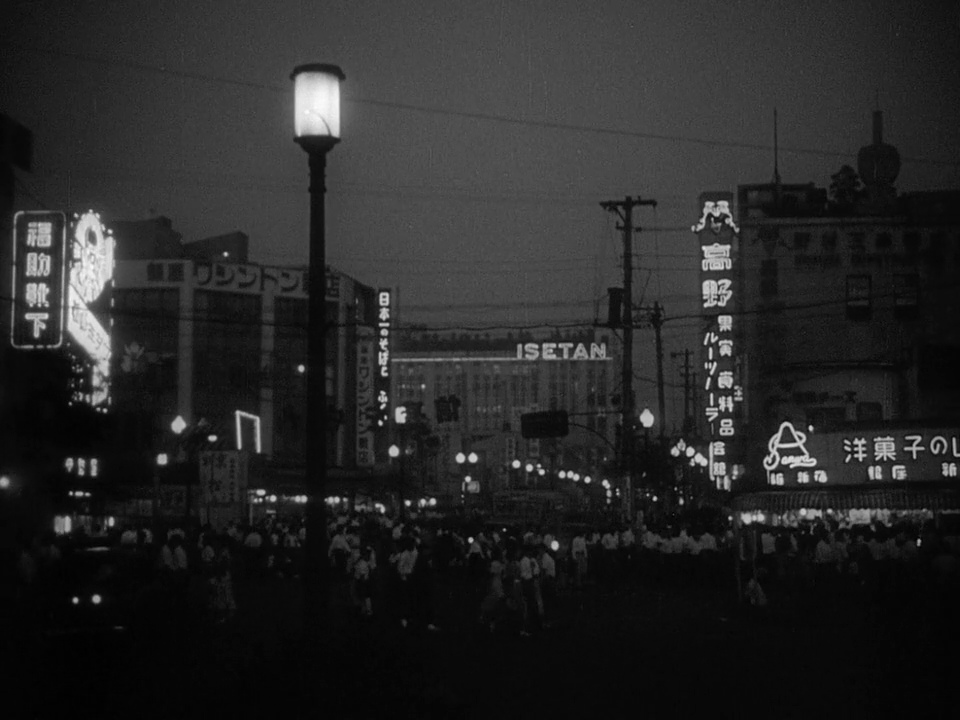
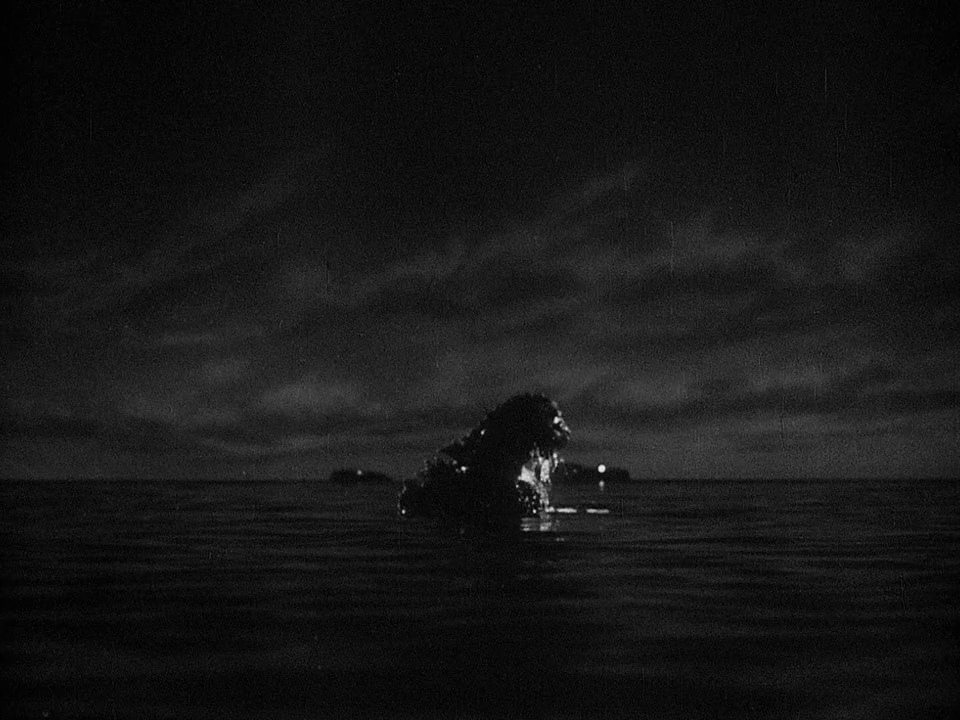
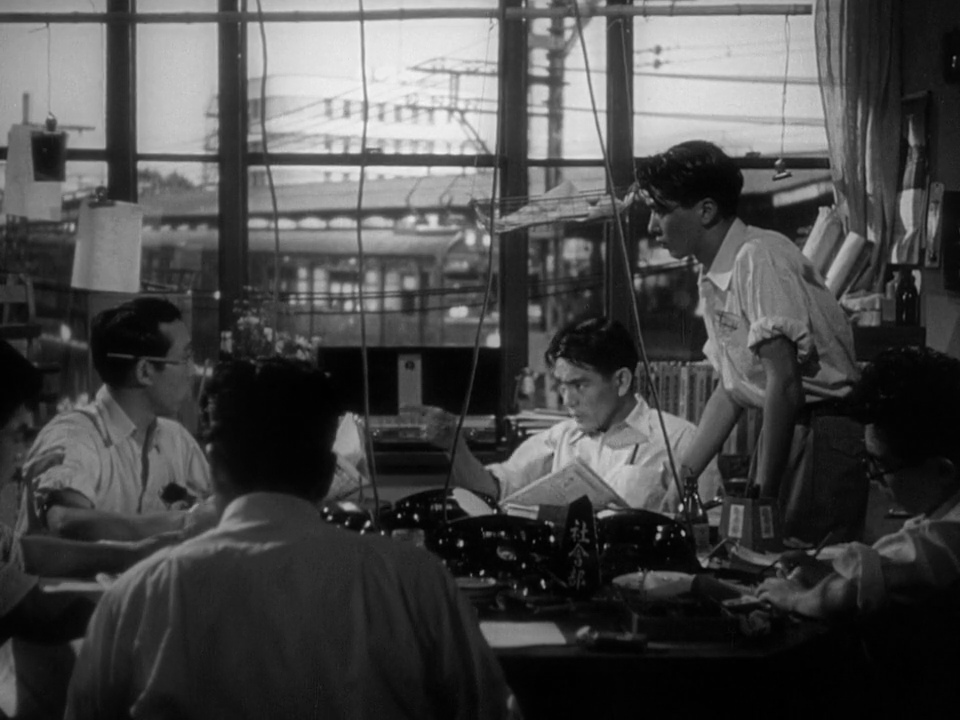
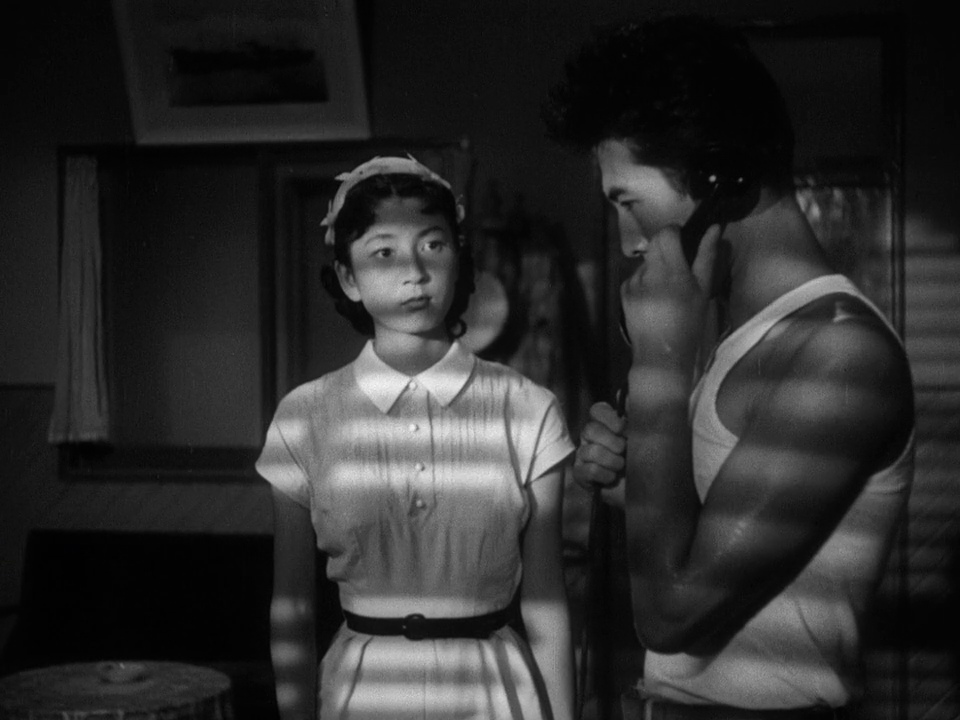
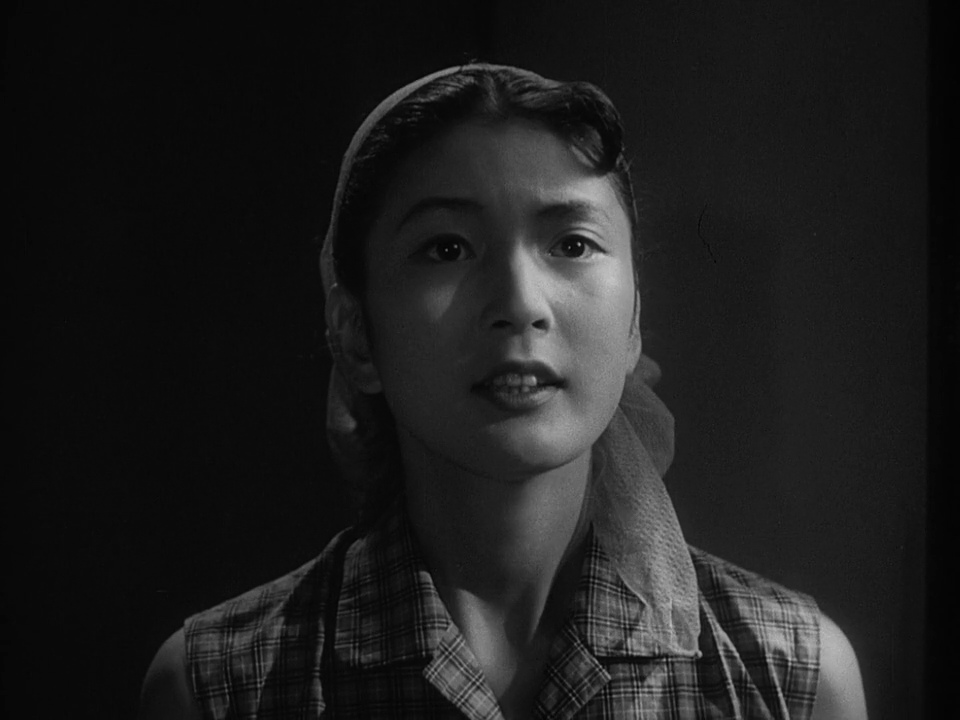
The Japanese government enlists the expertise of Dr. Kyohei Yamane (Takashi Shimura), a paleontologist who laments that this unique creature should be studied rather than destroyed. His daughter, Emiko Yamane (Momoko Kōchi), is secretly in love with Hideto Ogata (Akira Takarada), a young officer in the Japanese Coast Guard.
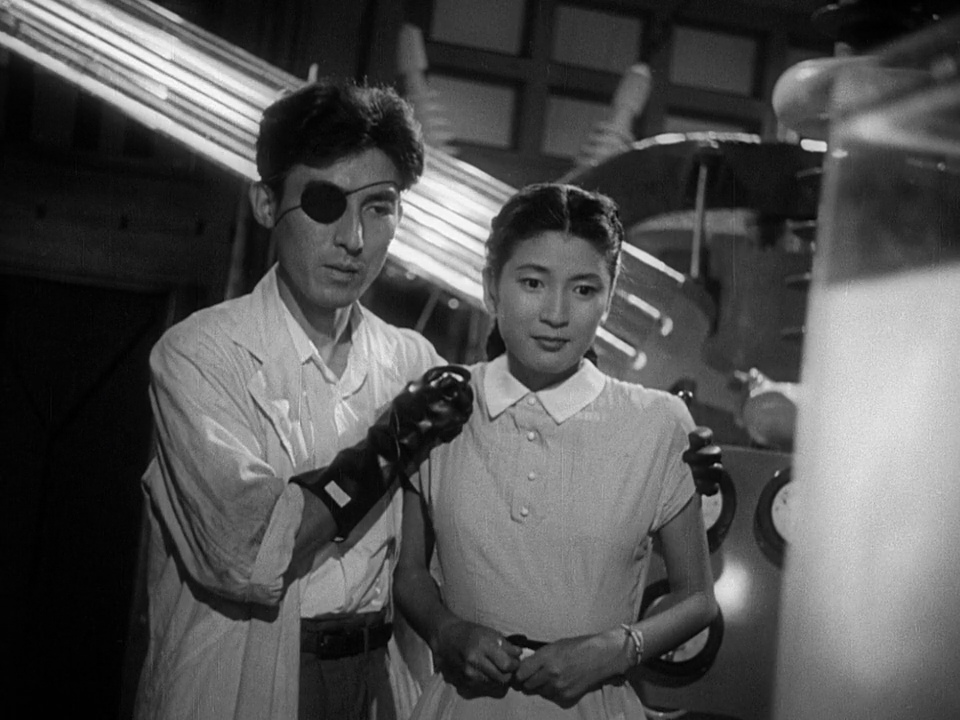
Complicating matters is Dr. Daisuke Serizawa (Akihiko Hirata), a reclusive and morally tormented scientist who has developed a fearsome new weapon: the Oxygen Destroyer, a device capable of annihilating all life in water by disintegrating oxygen molecules. Emiko, once engaged to Serizawa, accidentally discovers the weapon’s devastating power and is horrified.
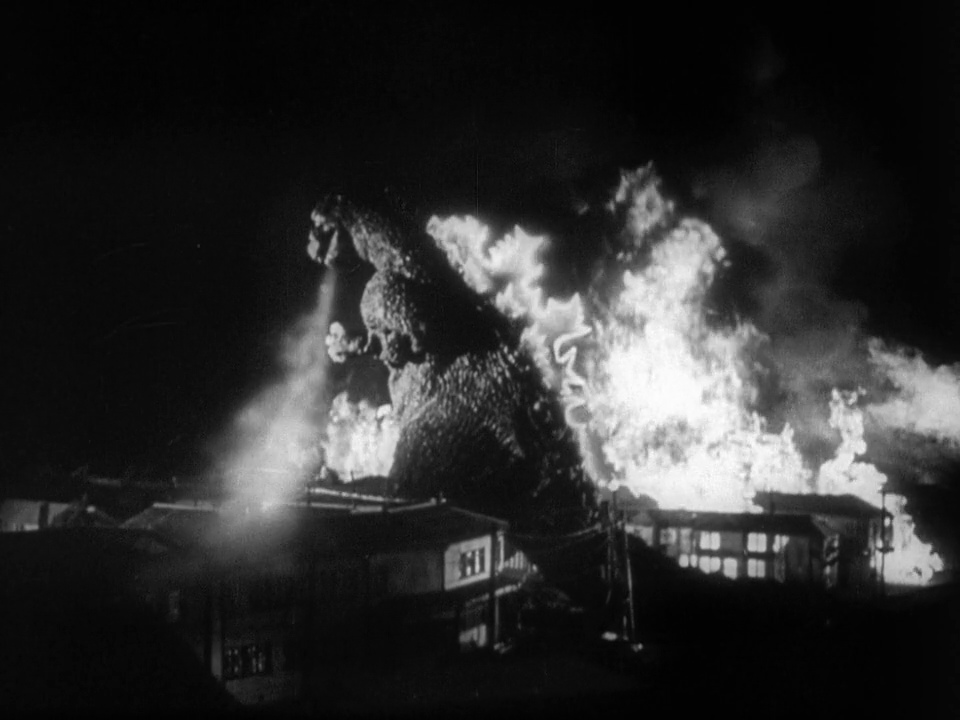
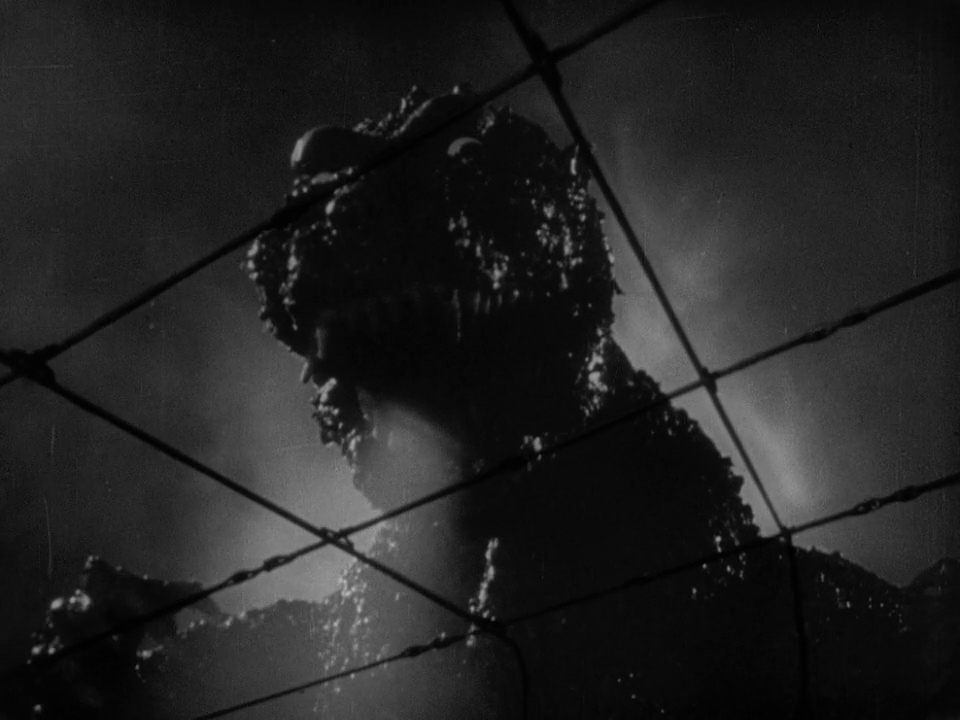
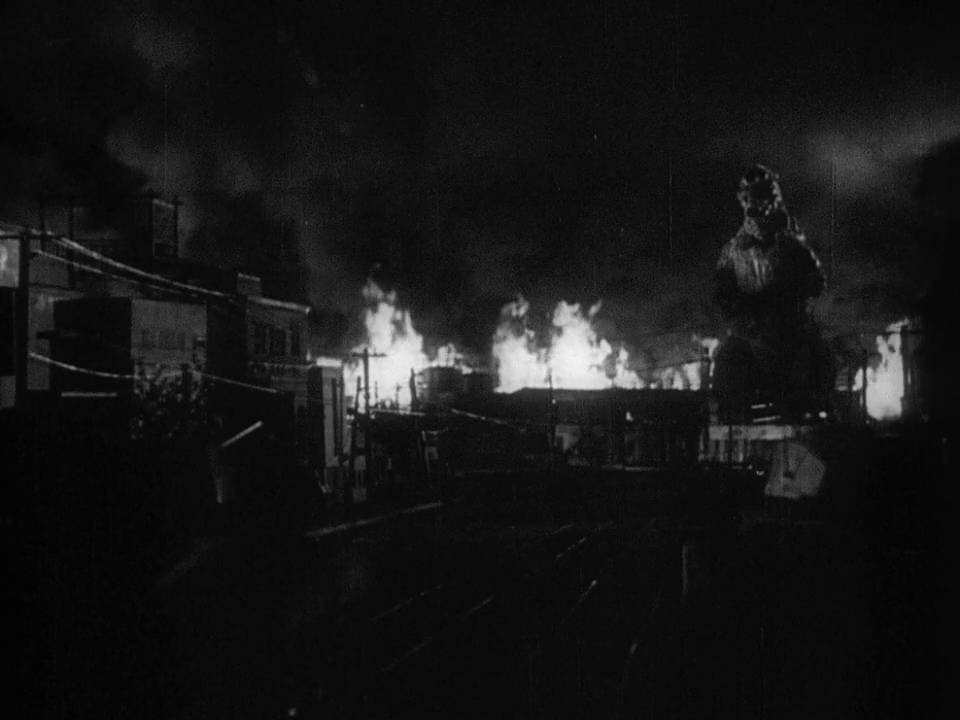
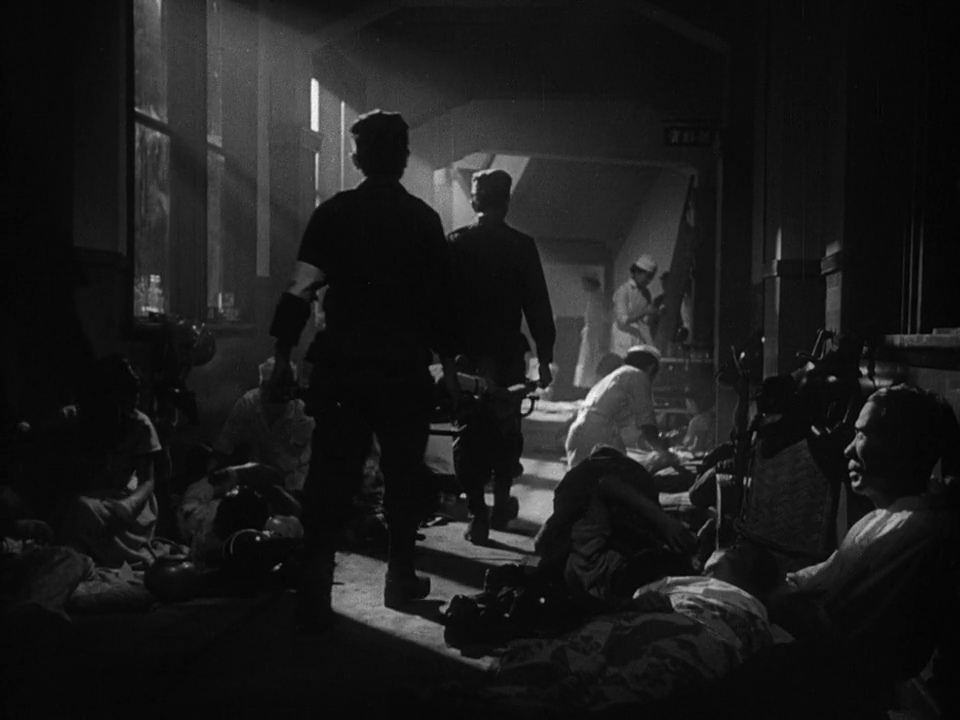
As Godzilla devastates Tokyo in a chilling, night-long rampage—toppling buildings, incinerating neighborhoods with radioactive breath, and leaving thousands dead—the city lies in ruins, evoking vivid memories of the wartime bombings.
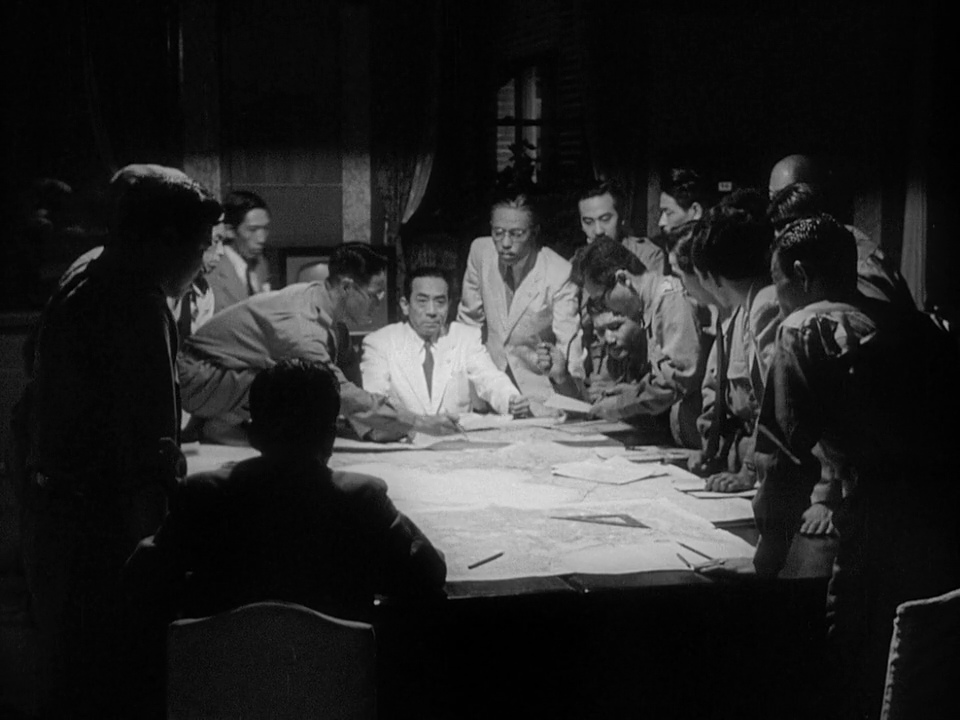
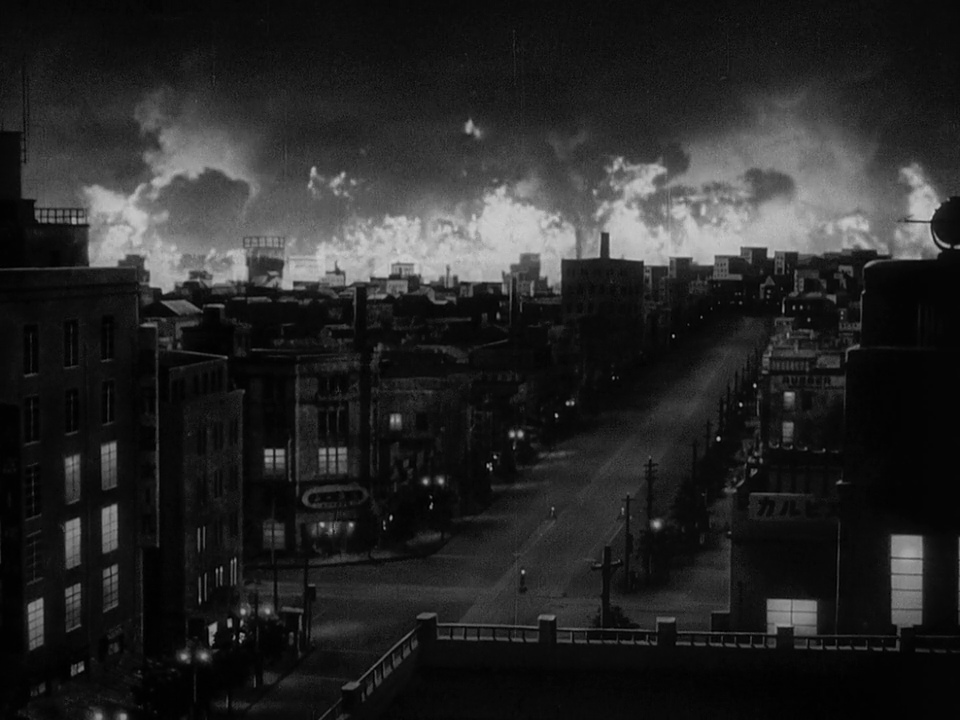
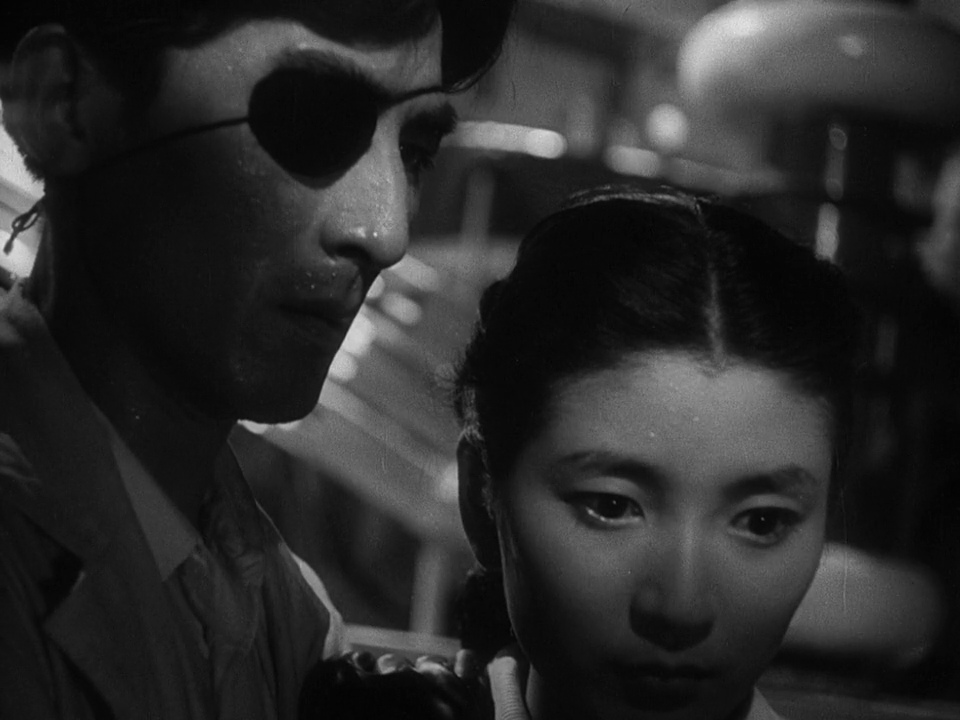
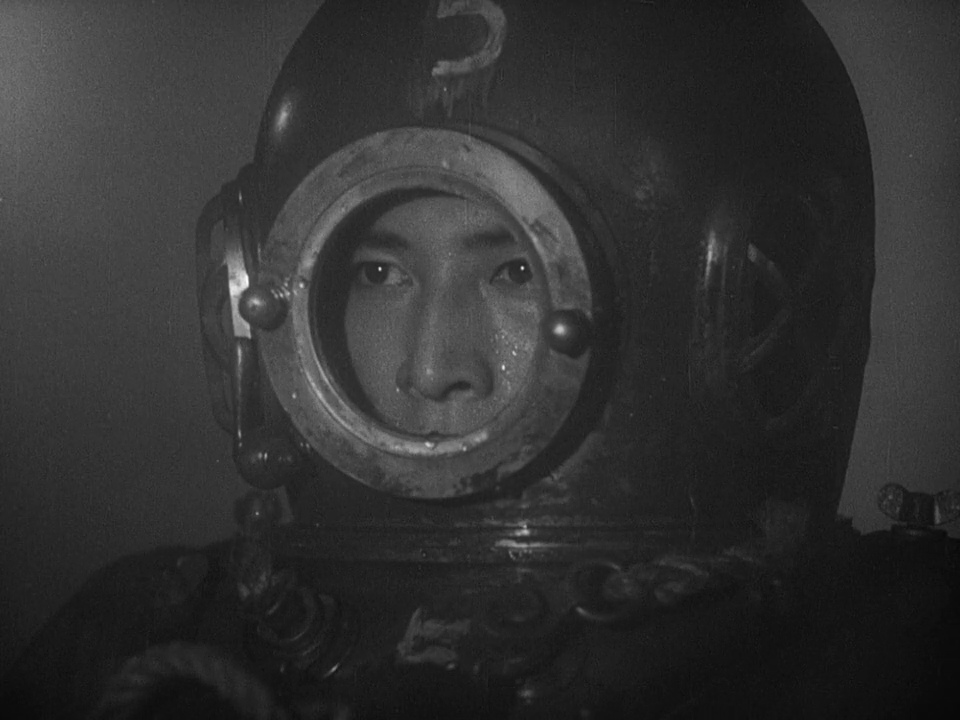
Faced with an existential threat, Emiko and Ogata convince Serizawa that his invention is humanity’s last hope. Tormented by the idea that his weapon might be misused like the atomic bomb, Serizawa agrees to deploy it—but only once. In a final act of sacrifice, he dives to the ocean floor with Ogata, detonates the device near Godzilla, and severs his own oxygen line, ensuring no one can replicate his research.
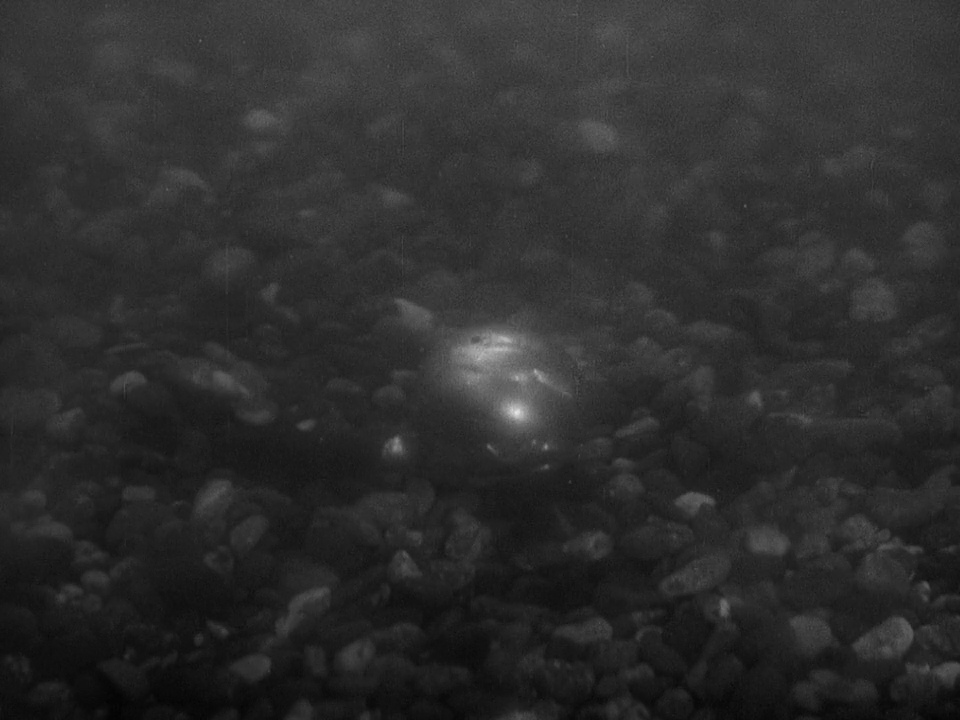
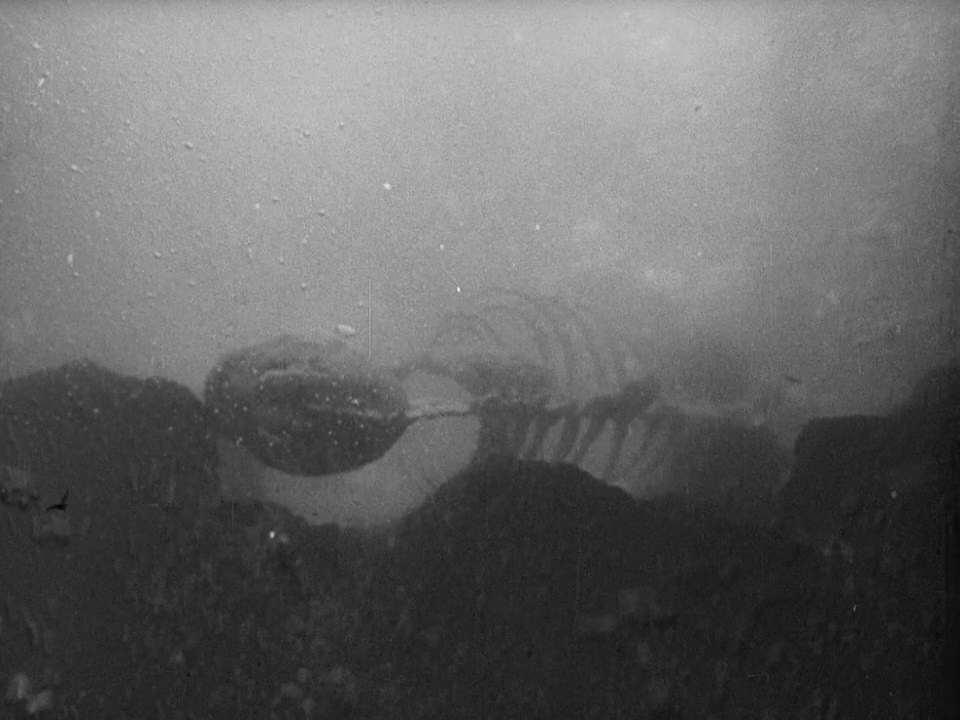
Godzilla perishes, disintegrating into a skeleton beneath the waves. As the survivors mourn, Dr. Yamane solemnly warns that if nuclear testing continues, another Godzilla could emerge.
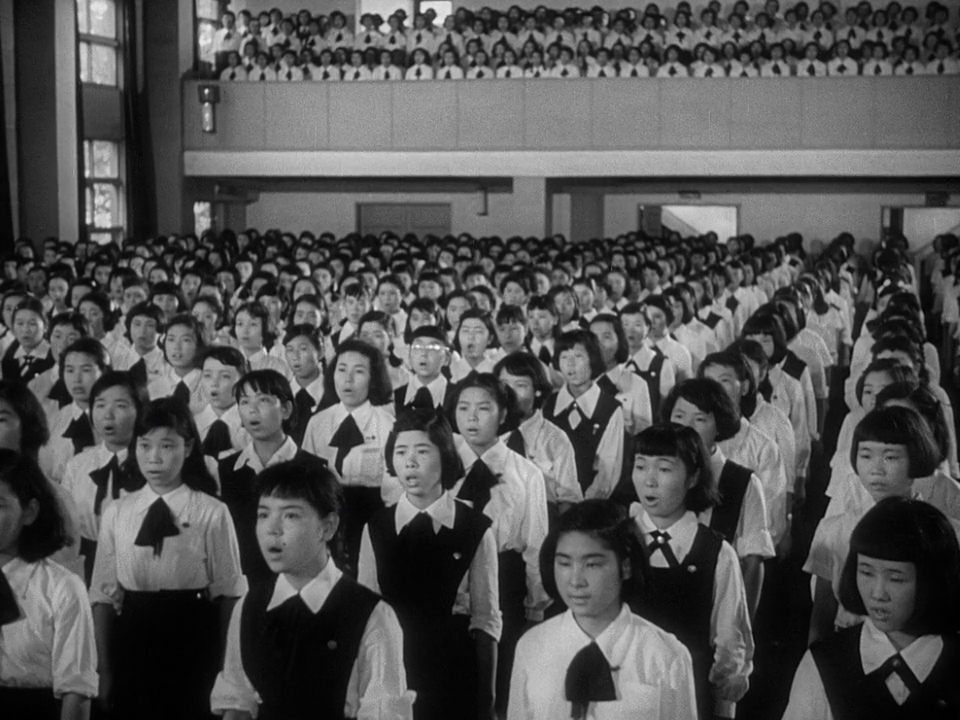
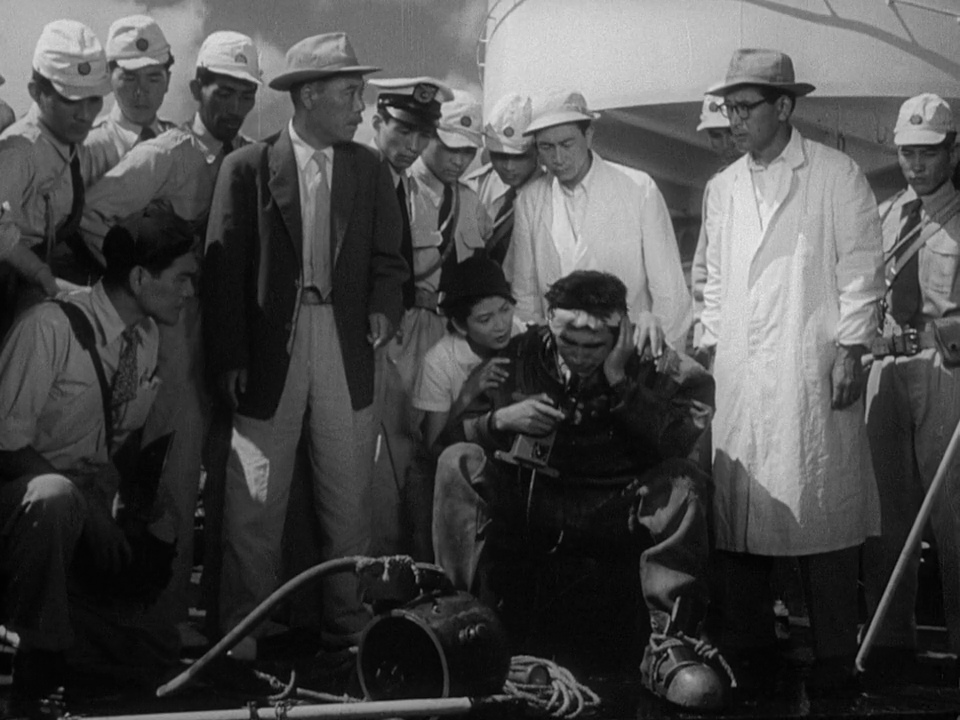
Godzilla is not merely a monster movie—it is a sobering, allegorical work that reflects Japan’s trauma following WWII and the advent of the nuclear age. Godzilla (1954) was a commercial success and the beginning of the longest-running film franchise in history. It spawned more than 30 Japanese sequels and numerous American reboots and adaptations.
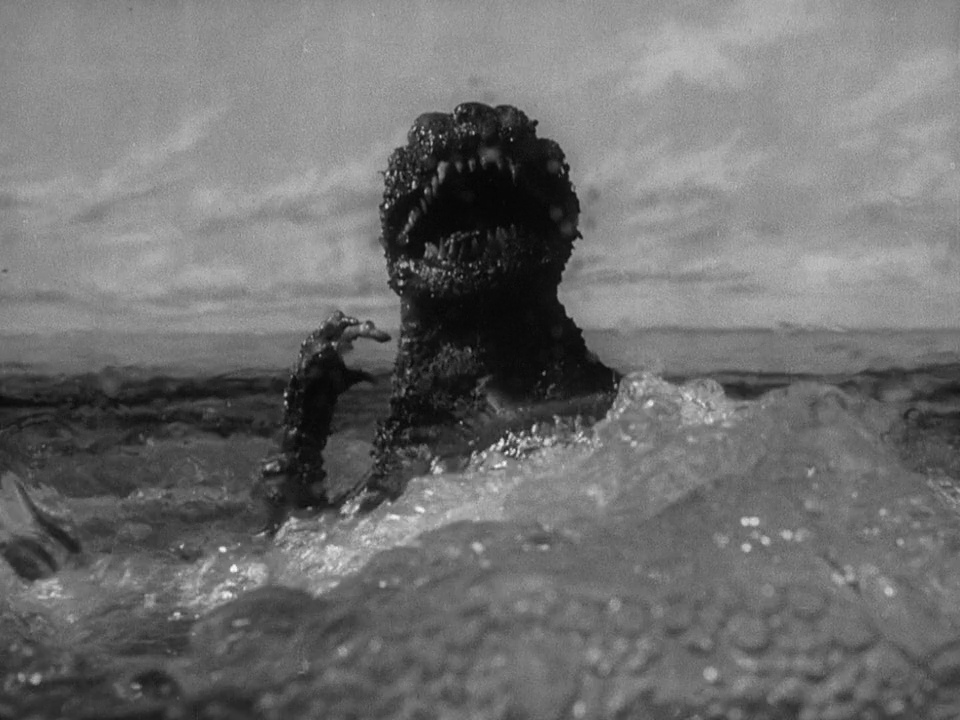
Unlike the heavily re-edited American release (Godzilla: King of the Monsters!, 1956), which inserted new scenes featuring actor Raymond Burr, Honda’s original version is more somber and philosophical, rich in post-war Japanese sentiment and social critique.
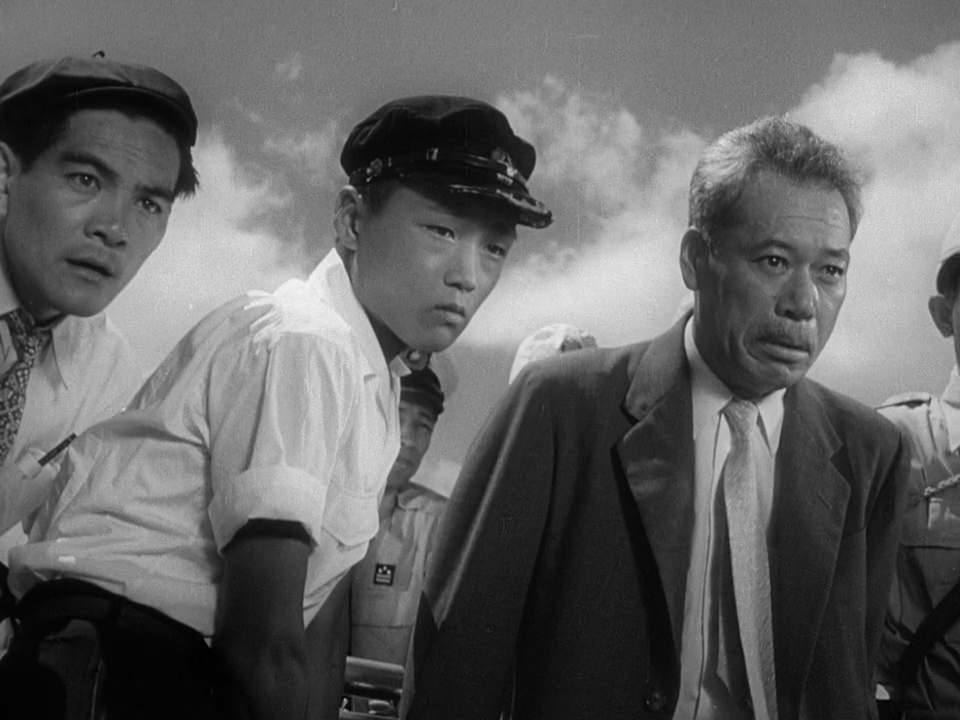
The film revolutionized special effects with “suitmation” (Haruo Nakajima’s portrayal in a rubber Godzilla suit) and miniatures, which simulated massive destruction, laying the groundwork for decades of kaiju and tokusatsu films.
 The Other Cinema