
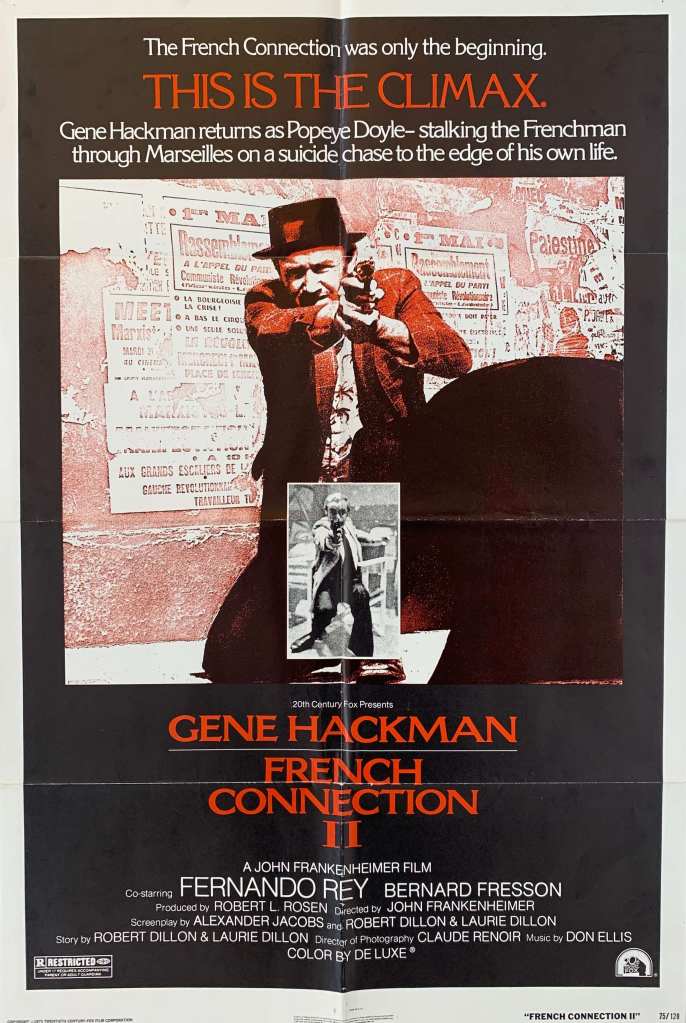
“The French Connection II” is a 1975 psychological sequel to the Academy Award-winning film “The French Connection” (1971). Directed by acclaimed filmmaker John Frankenheimer, the film continues the story of brash New York narcotics detective Jimmy “Popeye” Doyle, again portrayed by Gene Hackman, in a performance that builds on the raw intensity of the original.
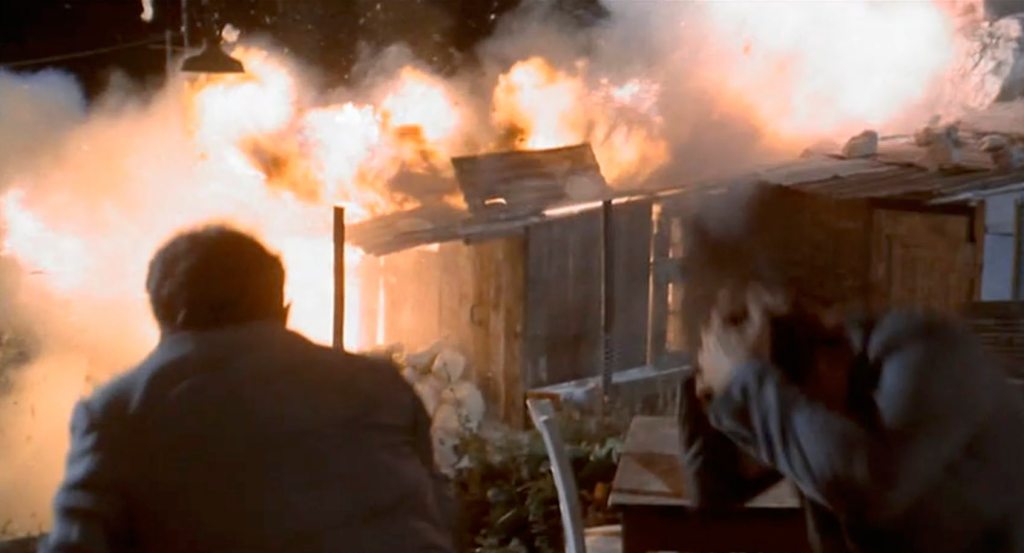
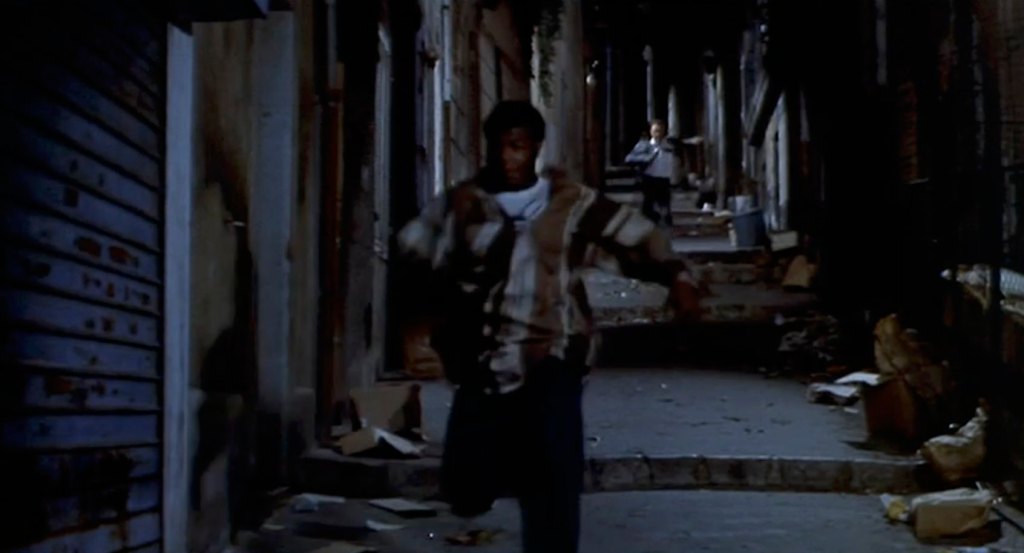
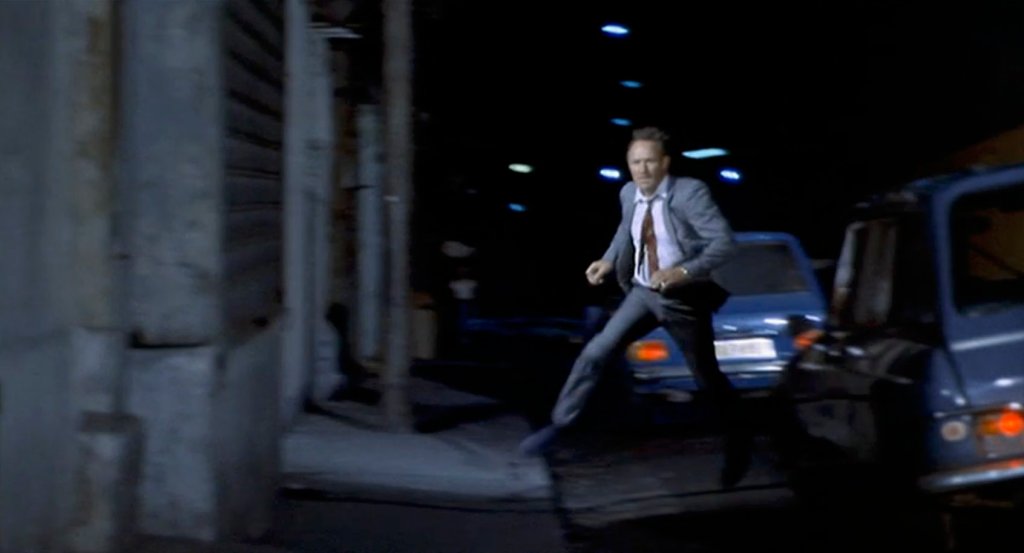
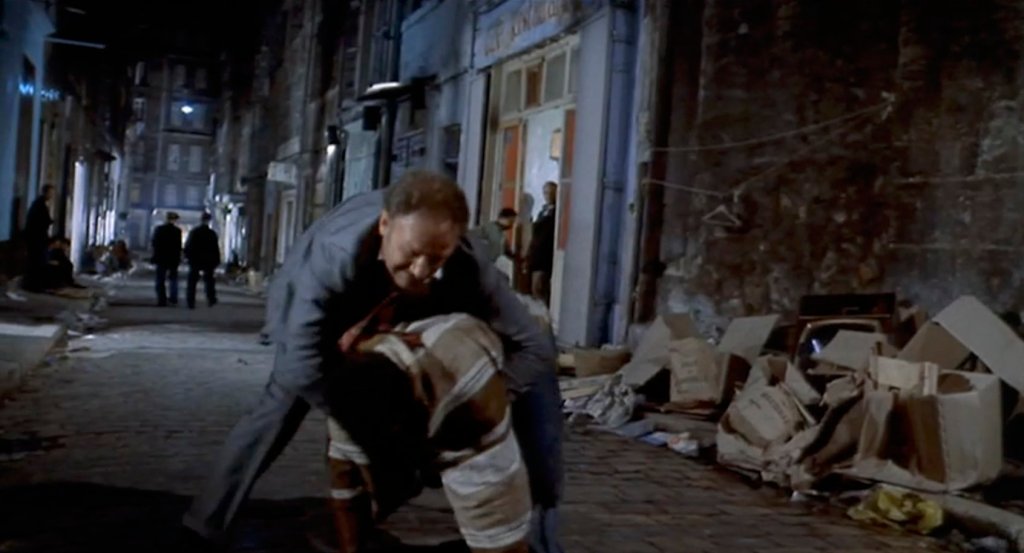
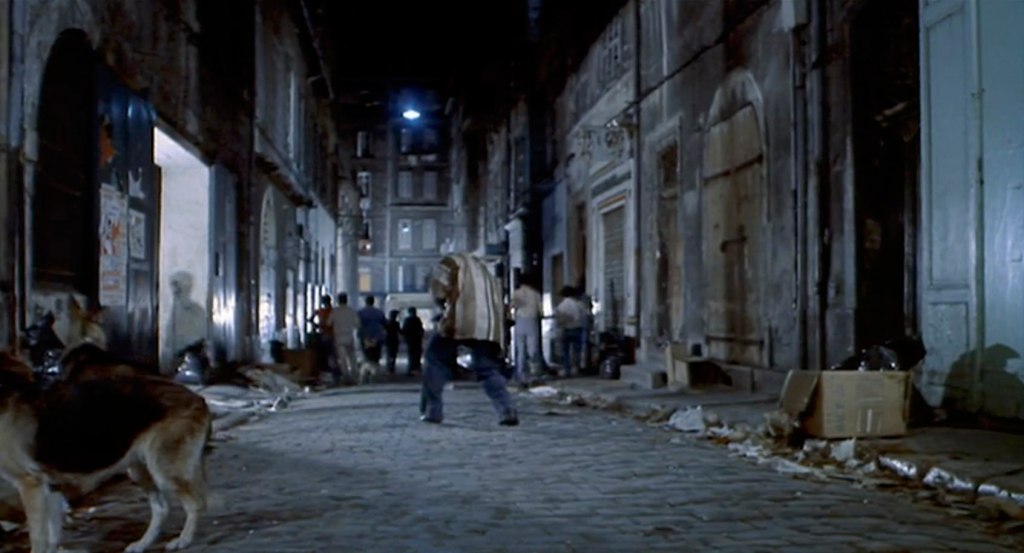
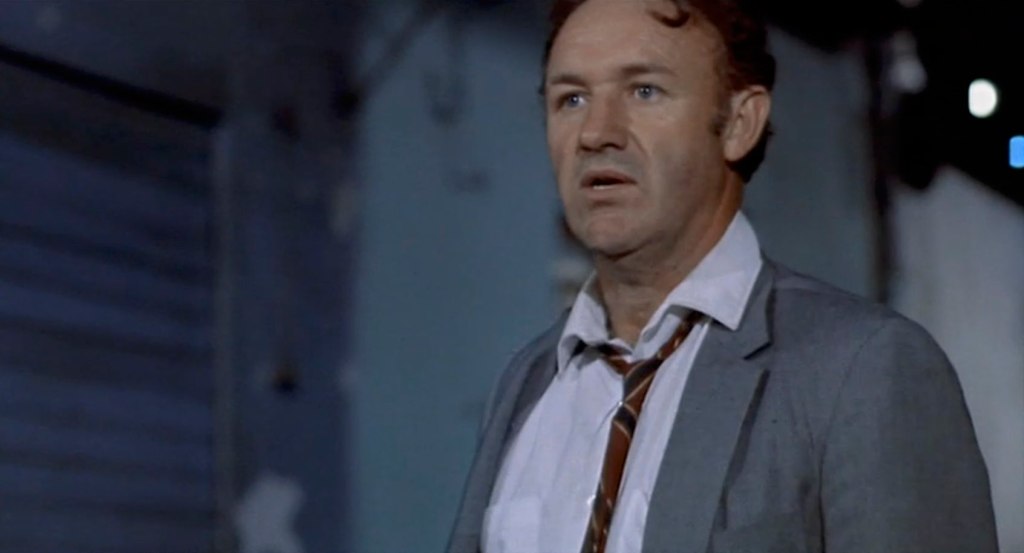
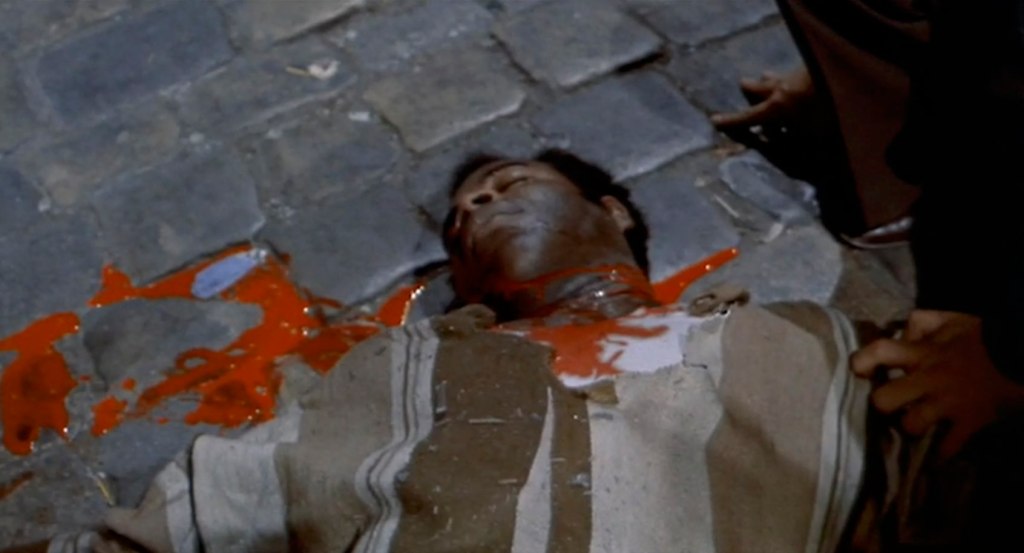
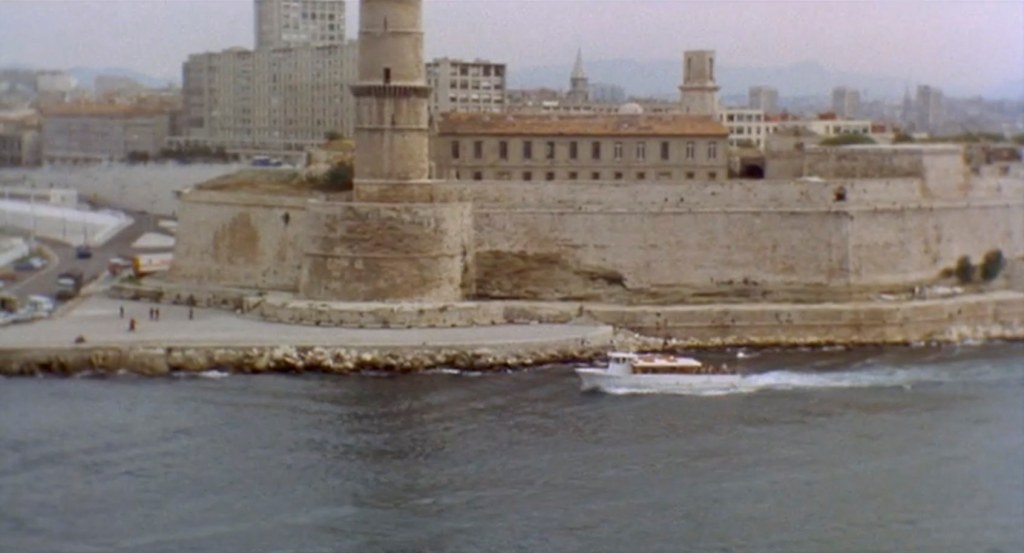
The story picks up sometime after the events of the first film. Following his failed attempt to capture the elusive French drug kingpin Alain Charnier (played by Fernando Rey), Doyle travels to Marseille, France, where Charnier is believed to be operating his heroin empire. The NYPD has sent Doyle overseas to assist French authorities in identifying and ultimately apprehending Charnier.
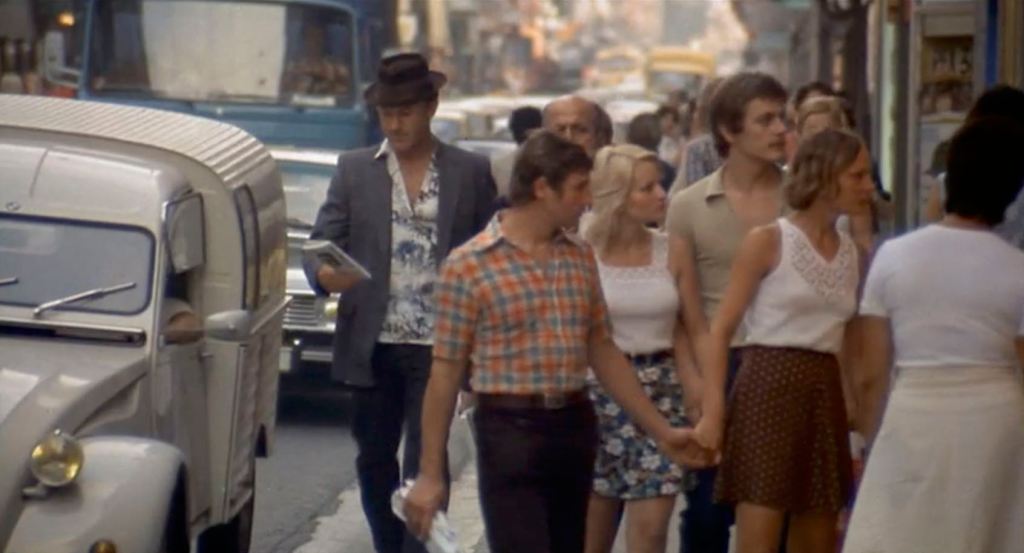
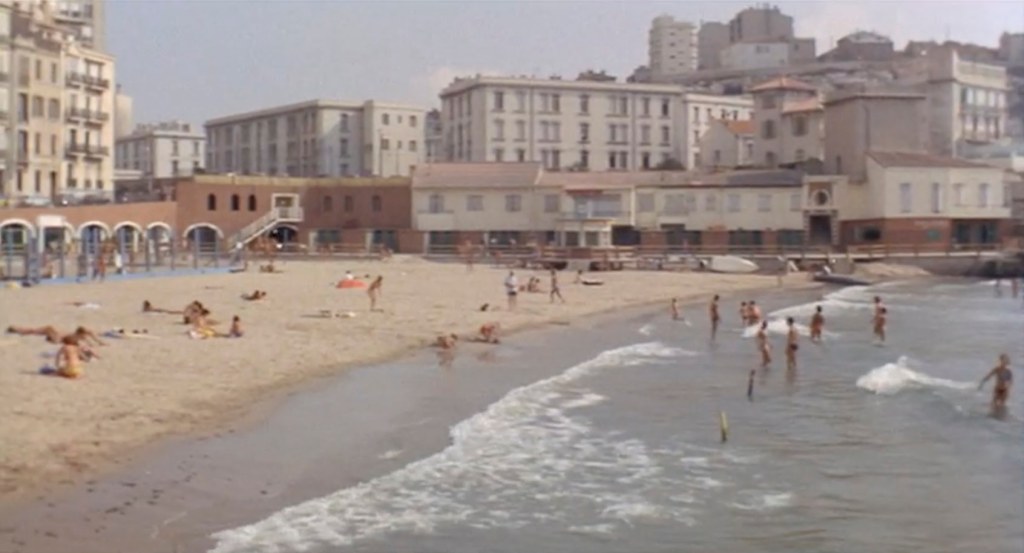
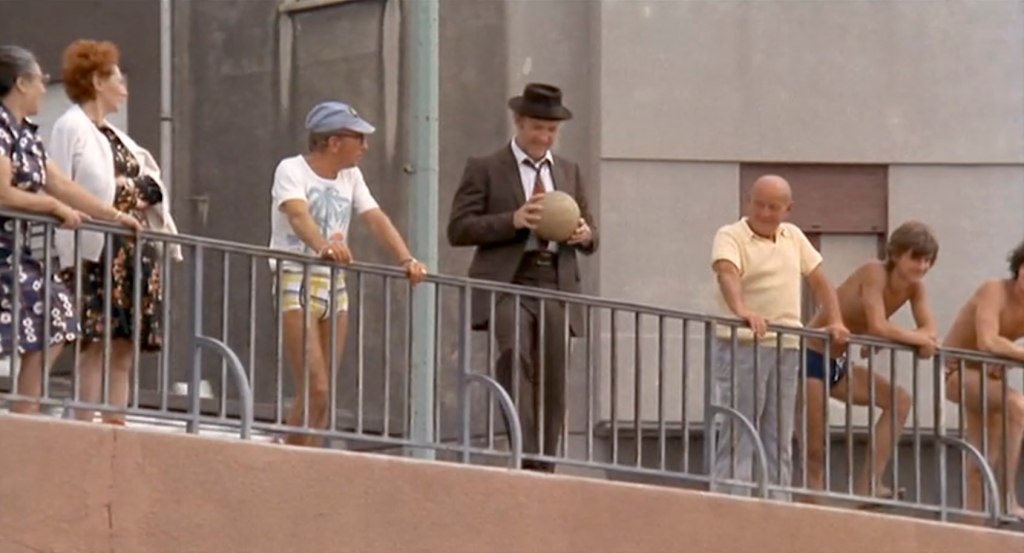
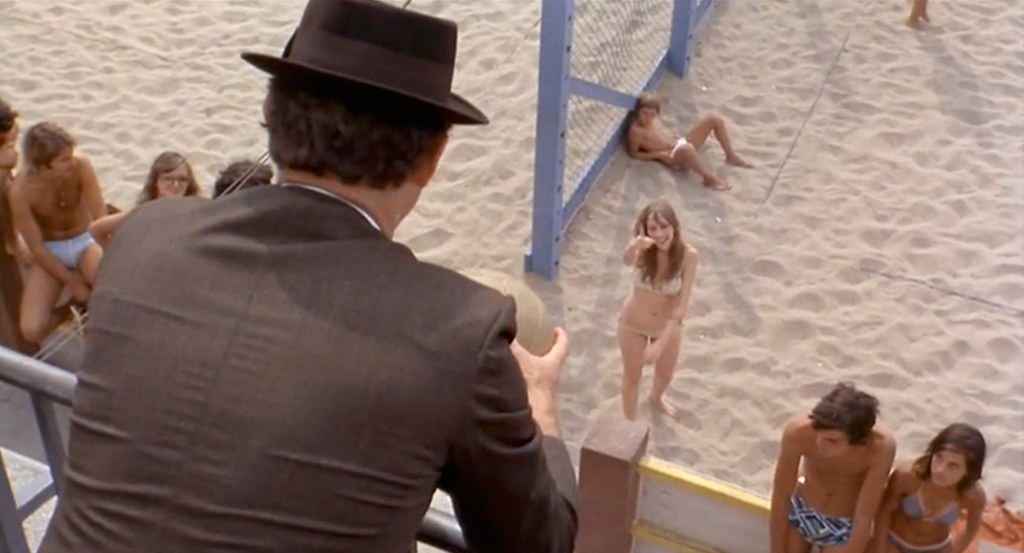
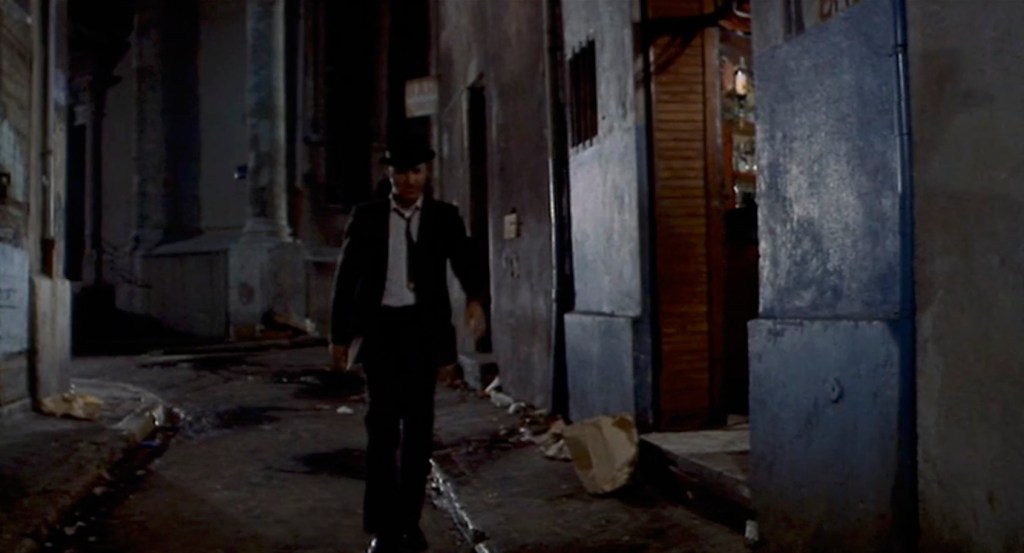
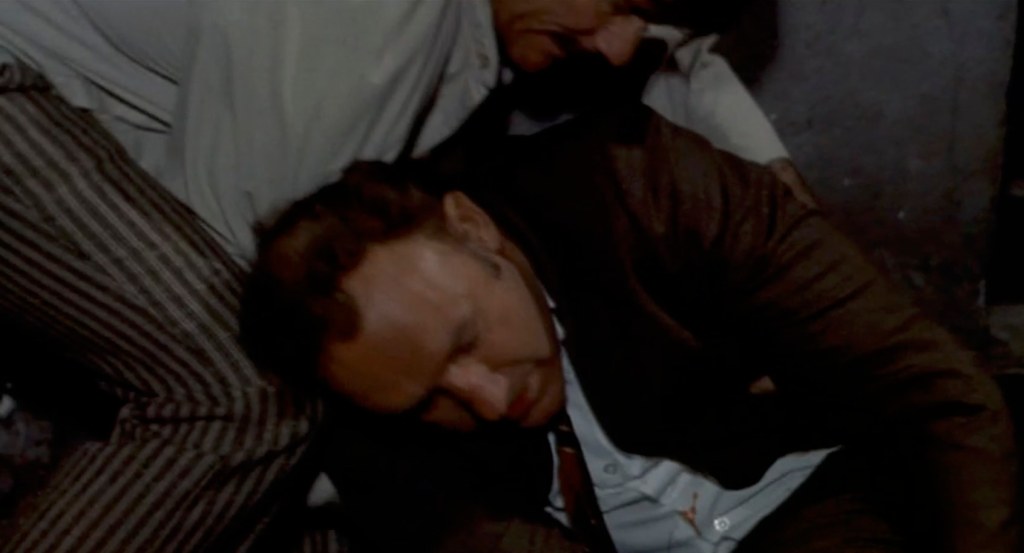
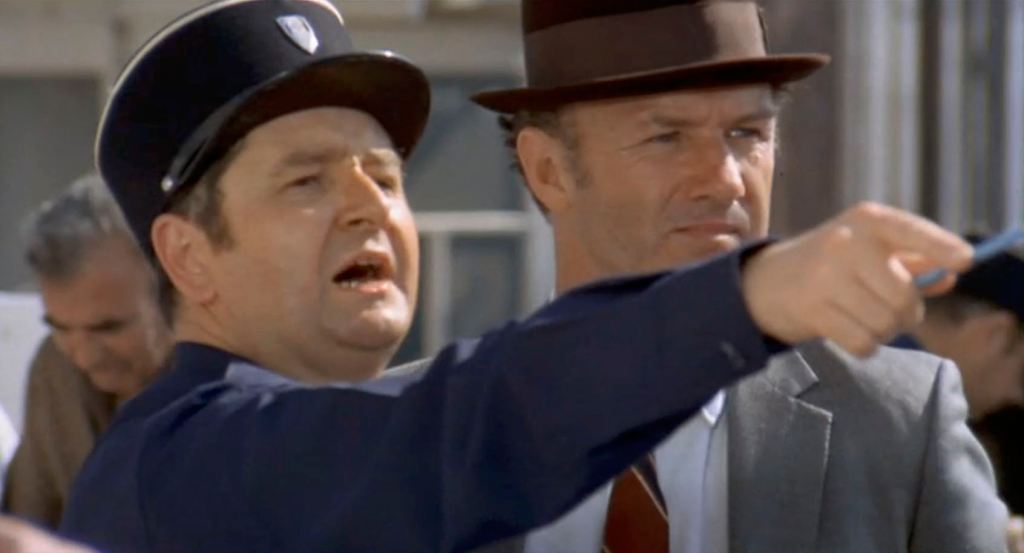
However, Doyle’s abrasive and aggressive methods, combined with his lack of cultural sensitivity, quickly cause tension with the French police, particularly with Inspector Henri Barthélémy (Bernard Fresson), who is tasked with supervising the American detective. Doyle, out of his element and unable to speak French, finds himself increasingly isolated and frustrated.
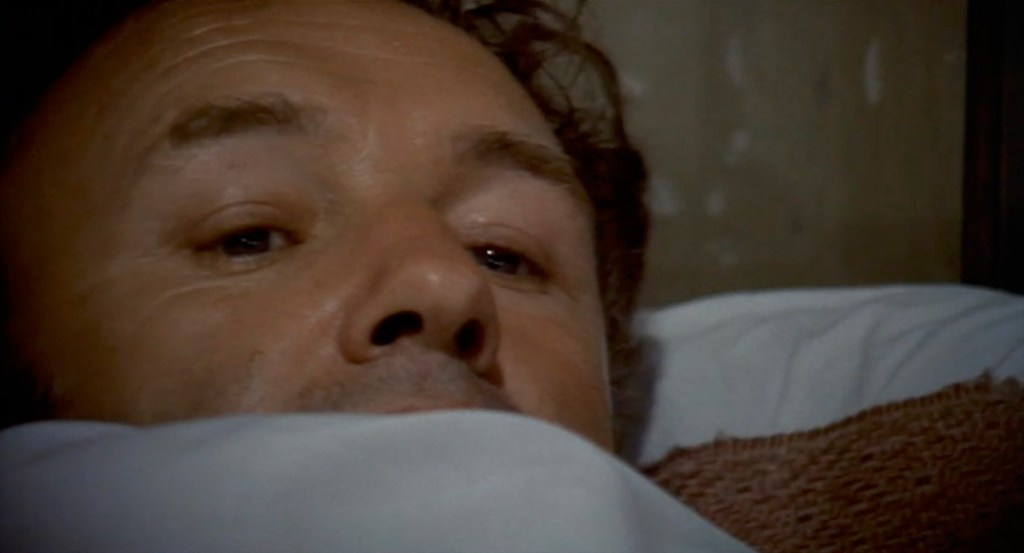
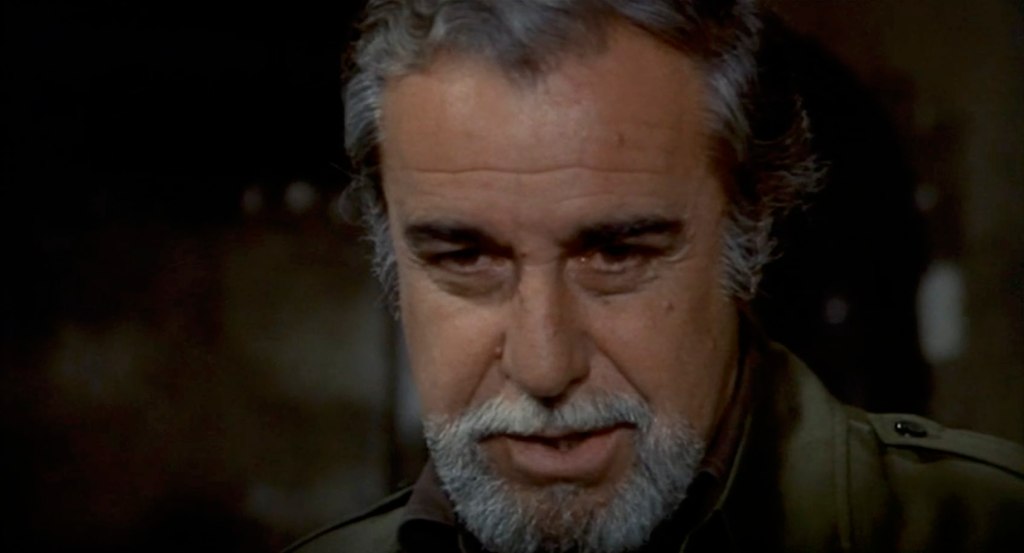
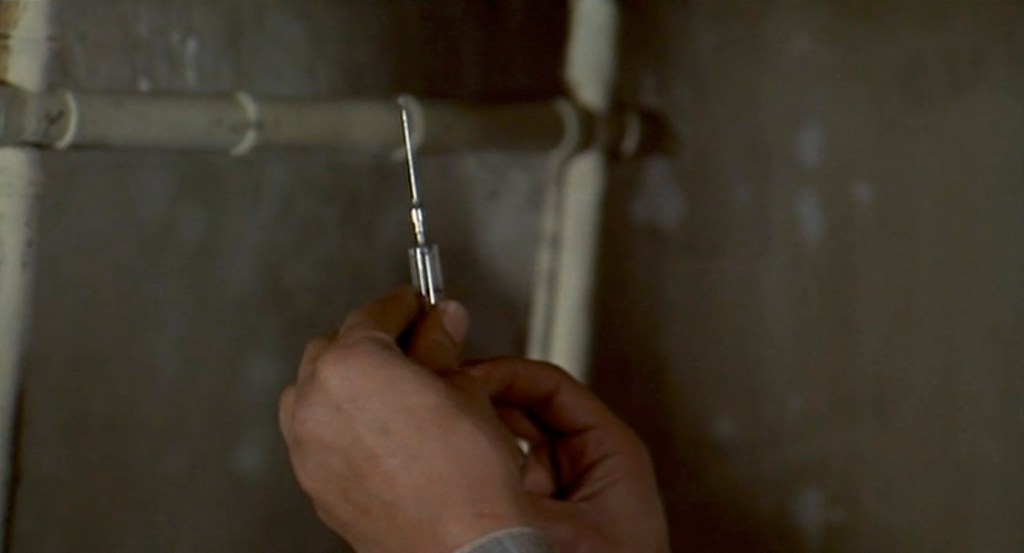
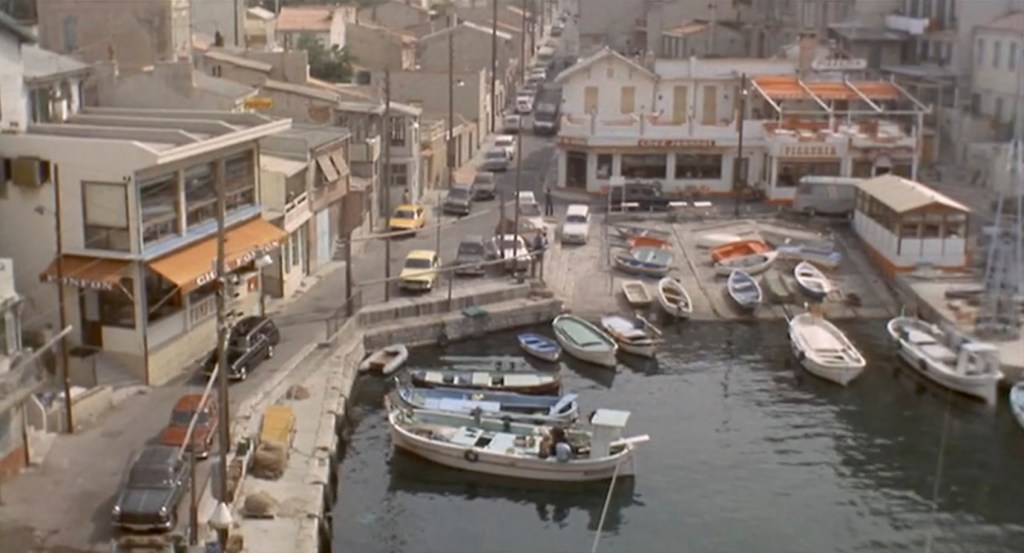
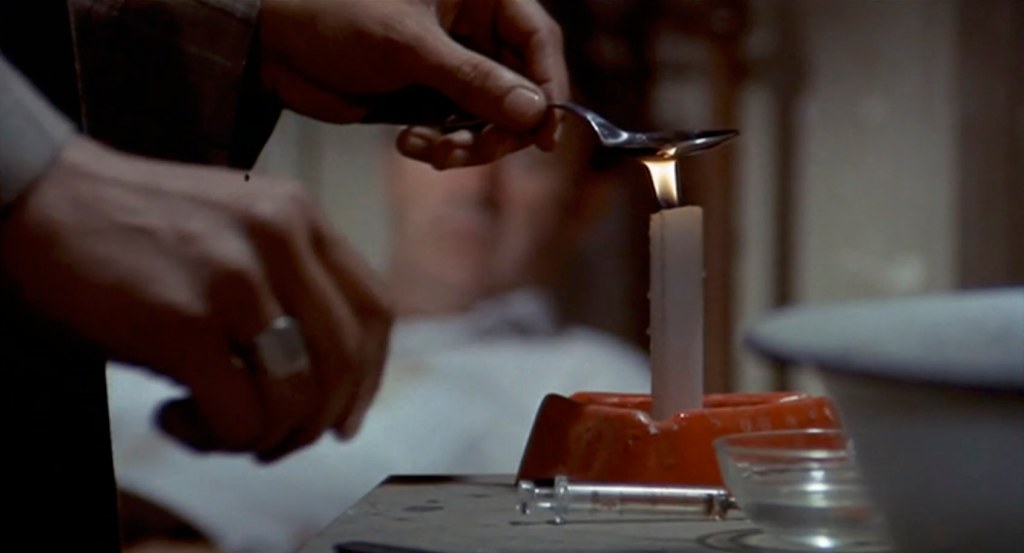
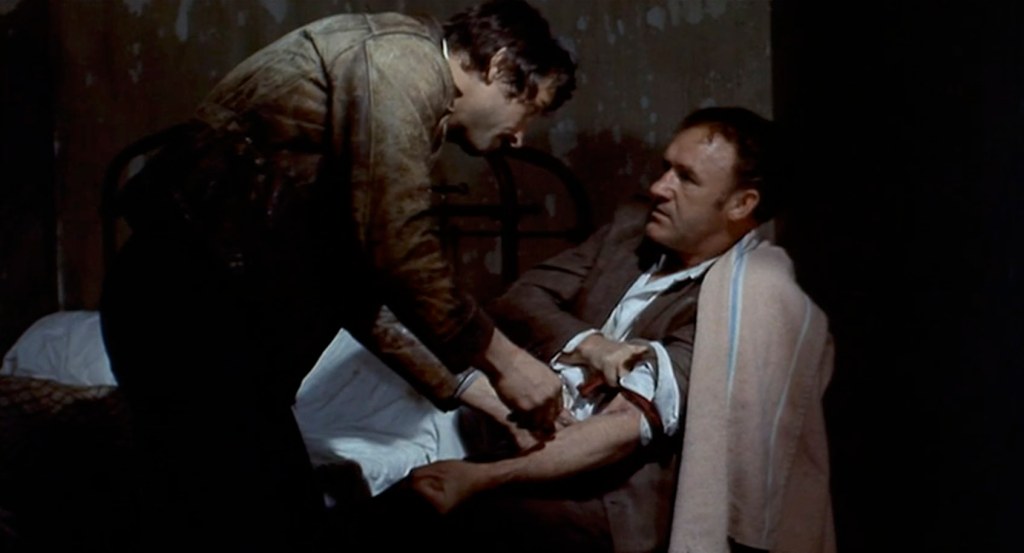
Despite the cultural and linguistic barriers, Doyle becomes obsessed with capturing Charnier, who remains calm, calculated, and always a few steps ahead. As Doyle closes in, Charnier turns the tables—kidnapping Doyle, forcibly addicting him to heroin, and holding him captive in a hidden room for days.
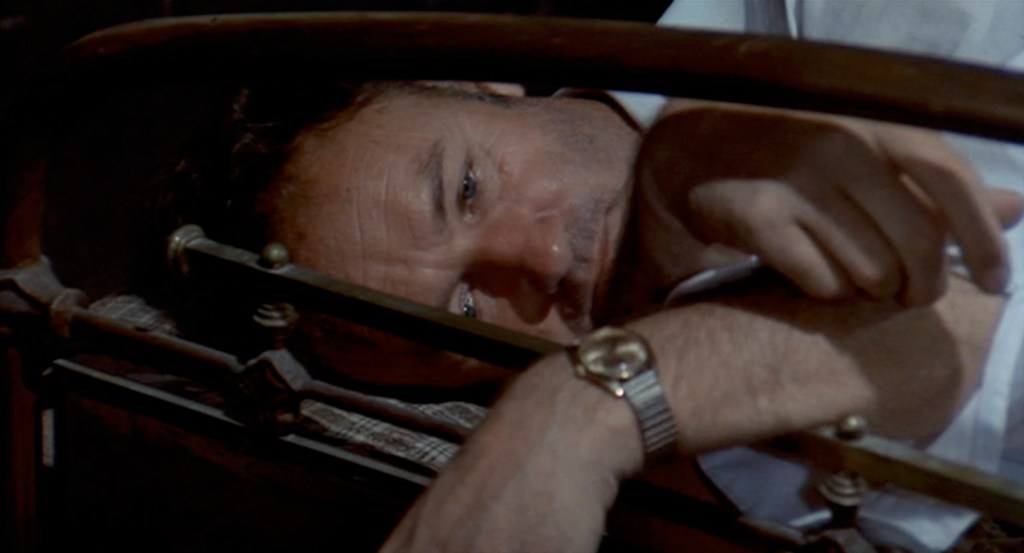
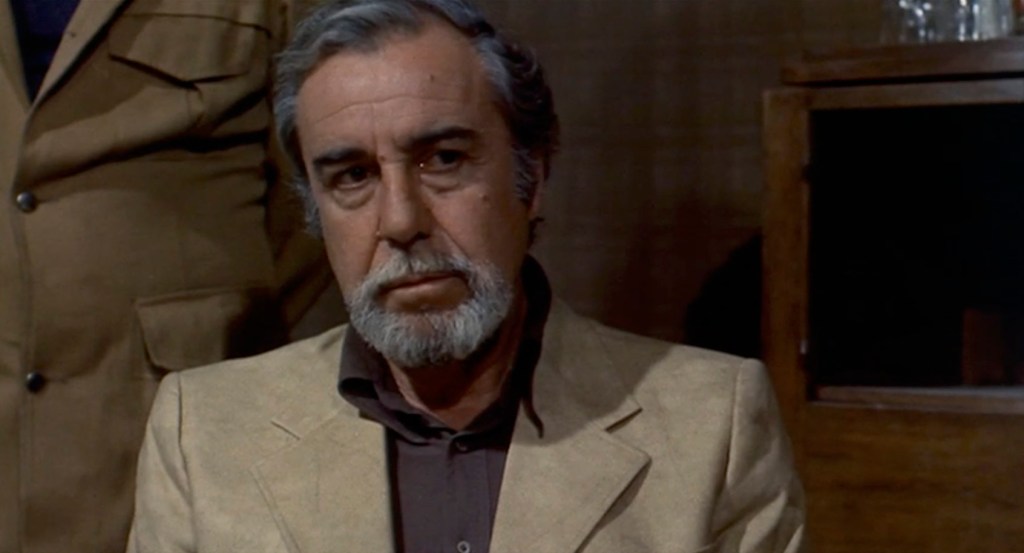
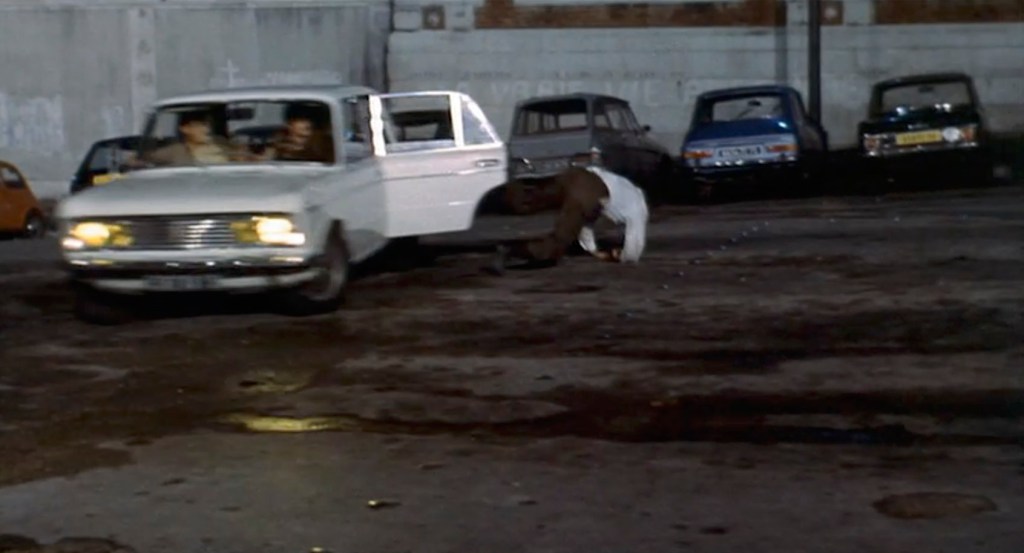
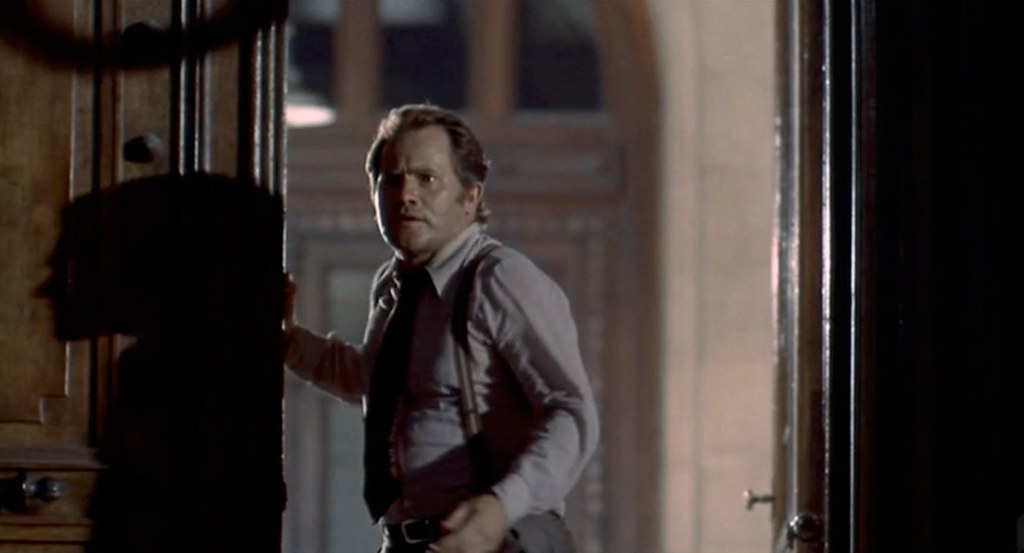
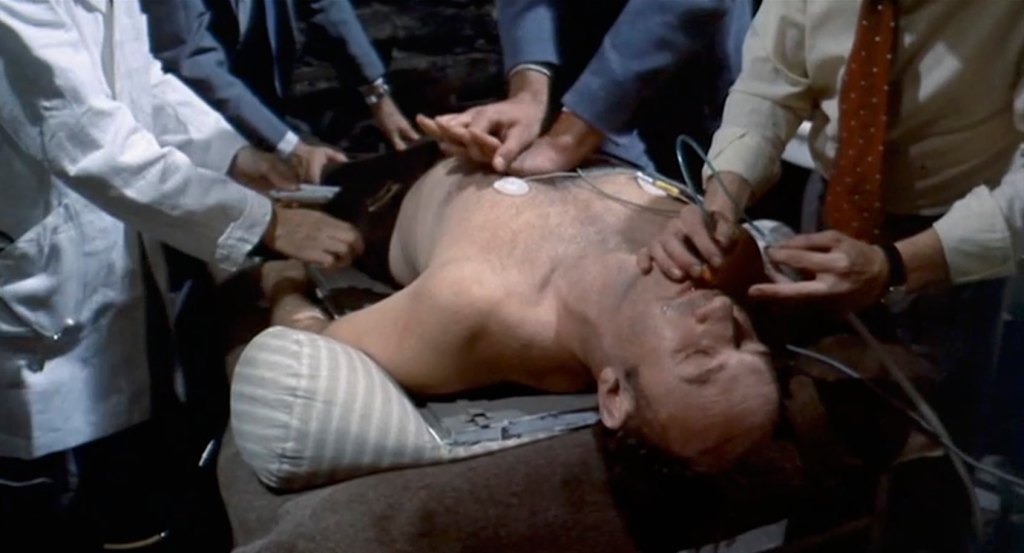
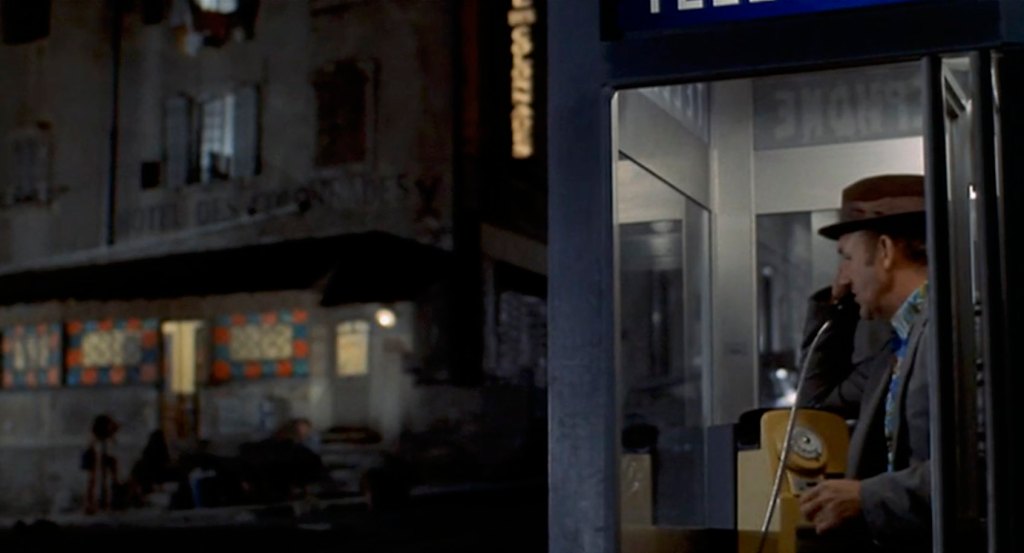
This portion of the film—intense, claustrophobic, and emotionally raw—follows Doyle’s physical and psychological descent as he succumbs to addiction. Eventually dumped in front of the American consulate, Doyle undergoes a grueling cold-turkey withdrawal under the supervision of French police. These scenes showcase Hackman’s astonishing performance as he battles the horror of detoxification with rage, confusion, and resilience.
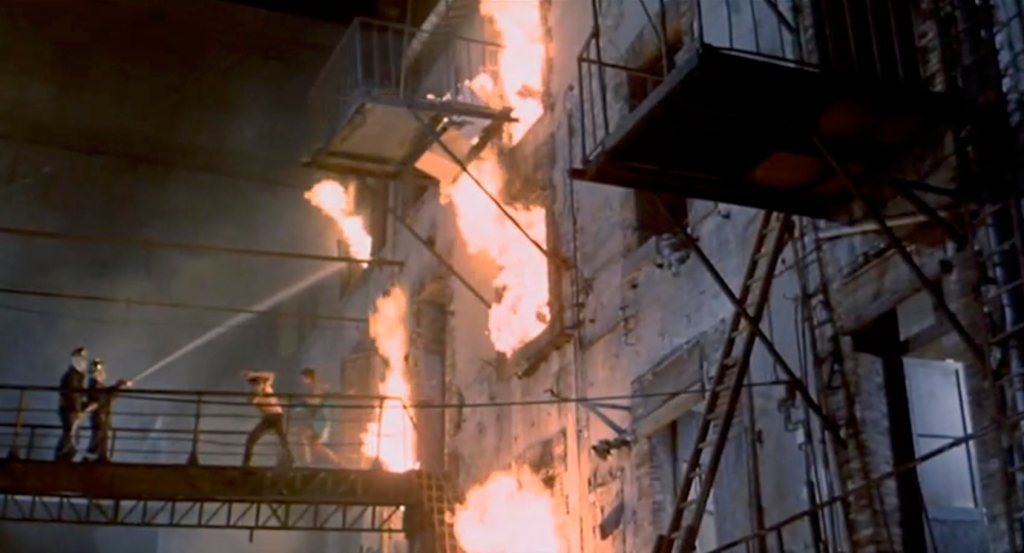
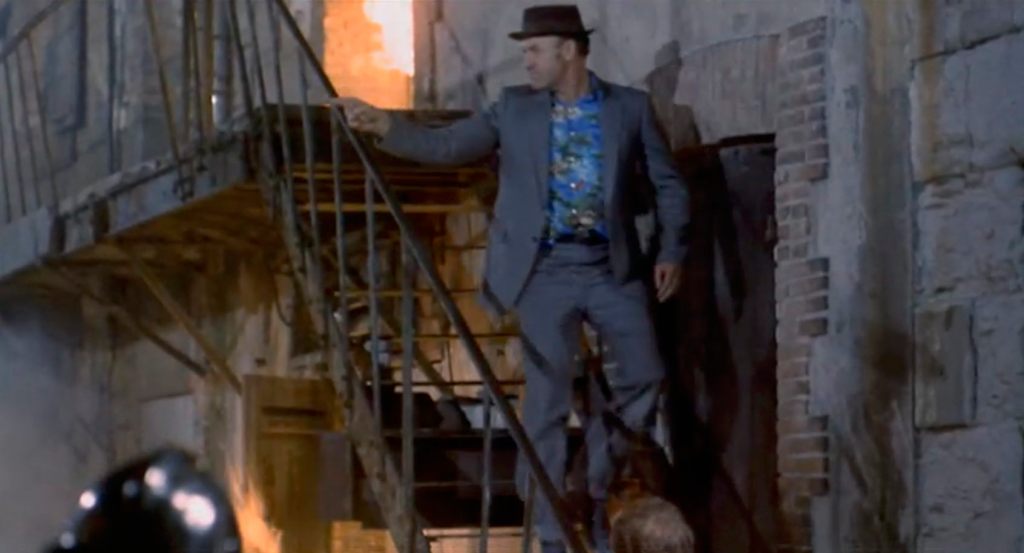
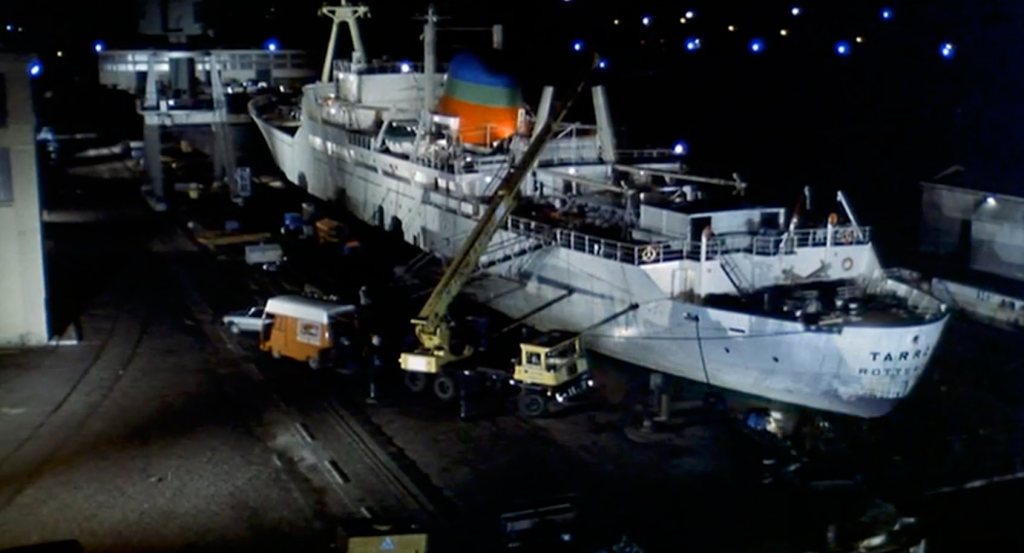
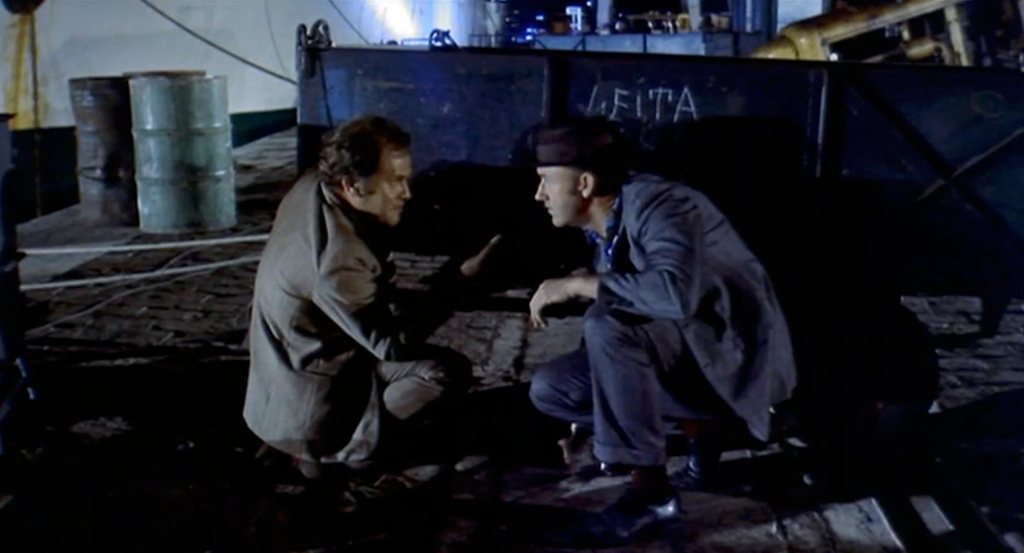
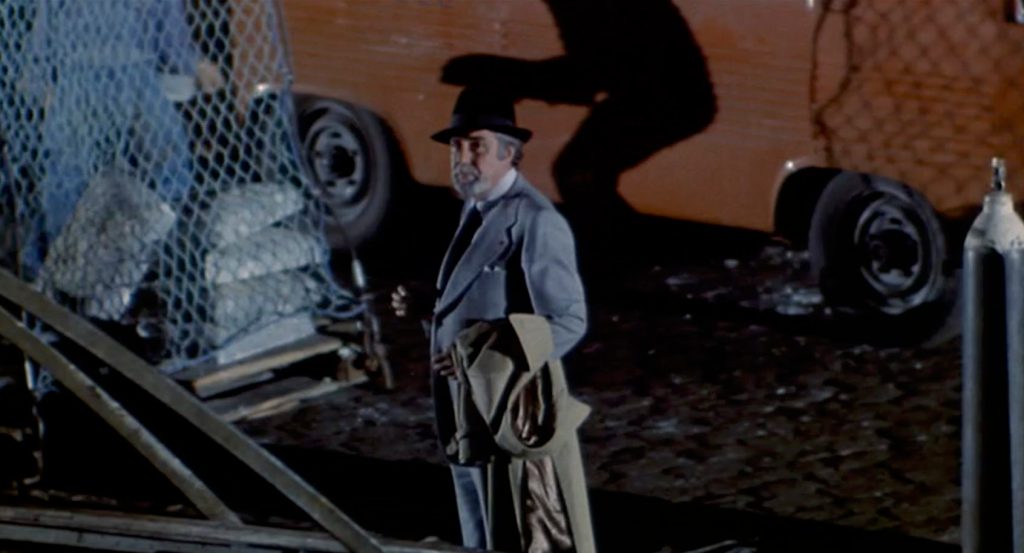
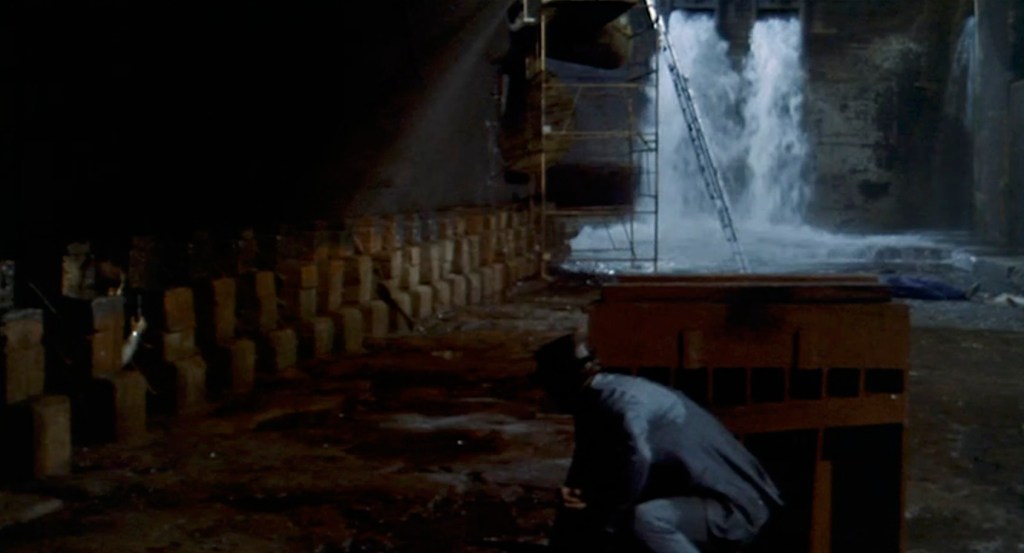
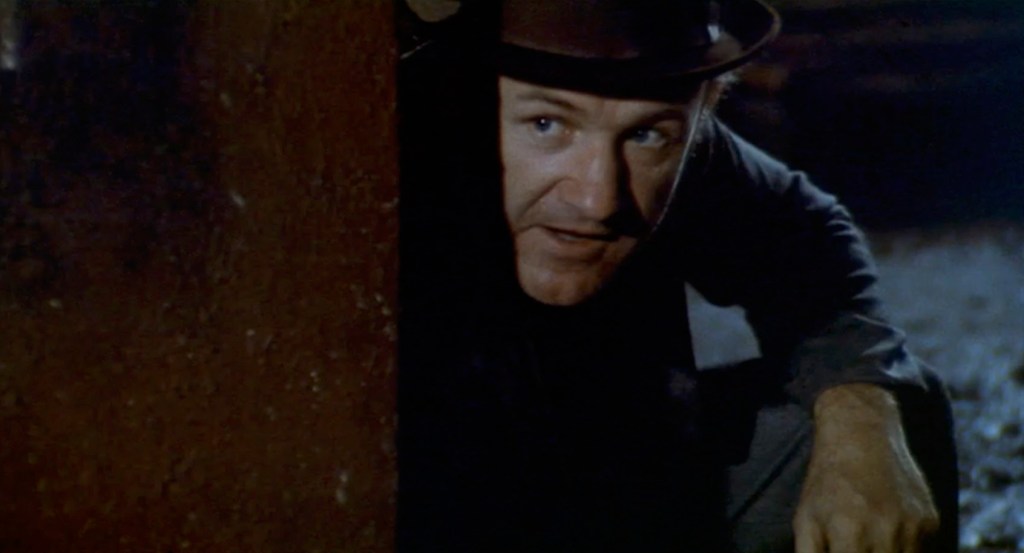
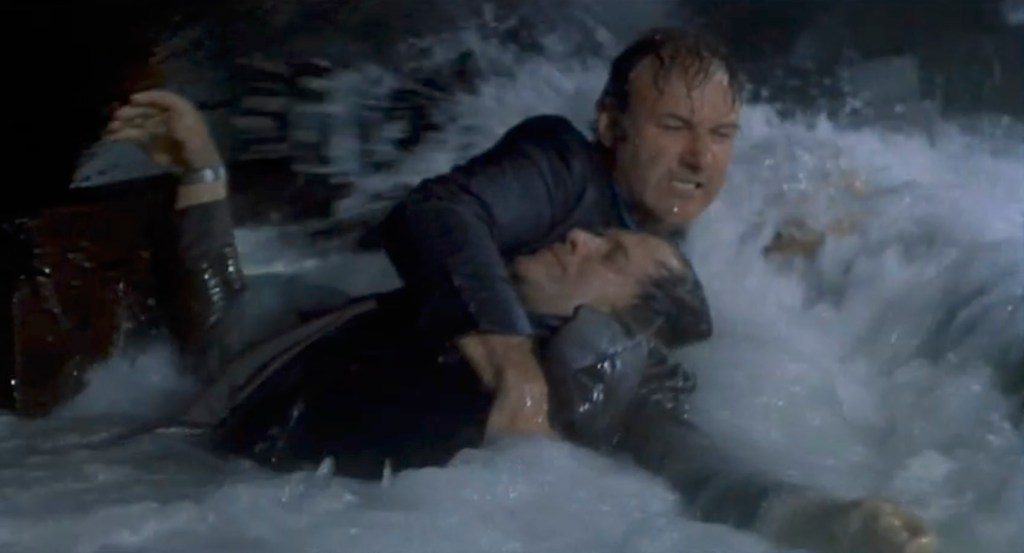
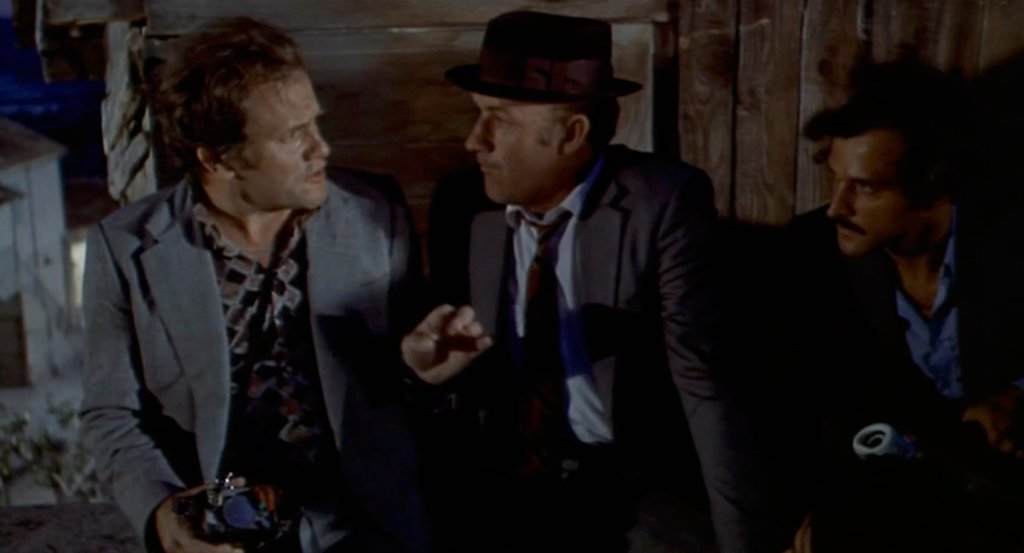
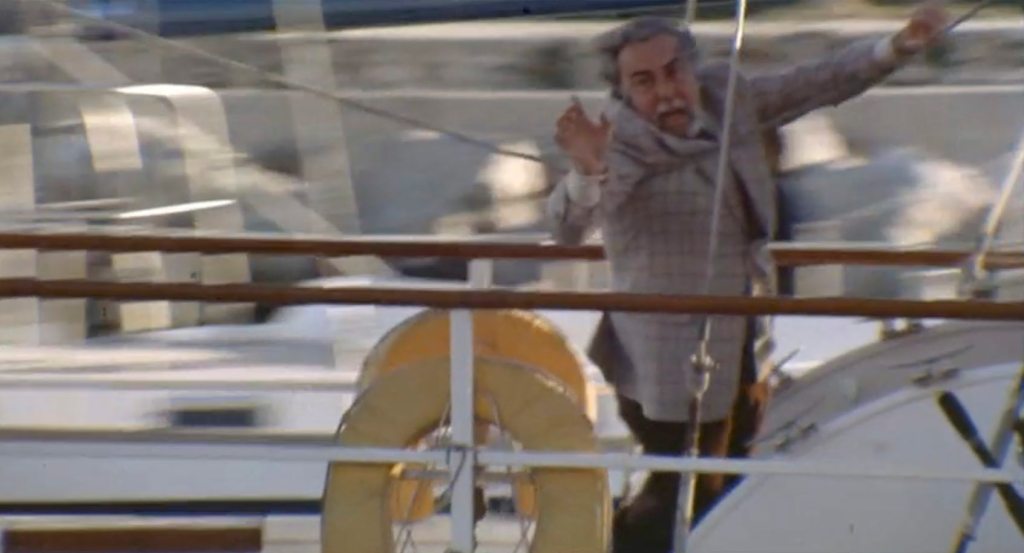
Once recovered, Doyle returns with renewed determination. This time, he collaborates more willingly with Barthélémy and the French authorities. Together, they unravel the threads of Charnier’s smuggling operation. The climax sees Doyle pursuing Charnier through the docks of Marseille, culminating in a shocking and ambiguous finale: Doyle, now consumed by vengeance, spots Charnier and fatally shoots him in the back as he tries to flee.
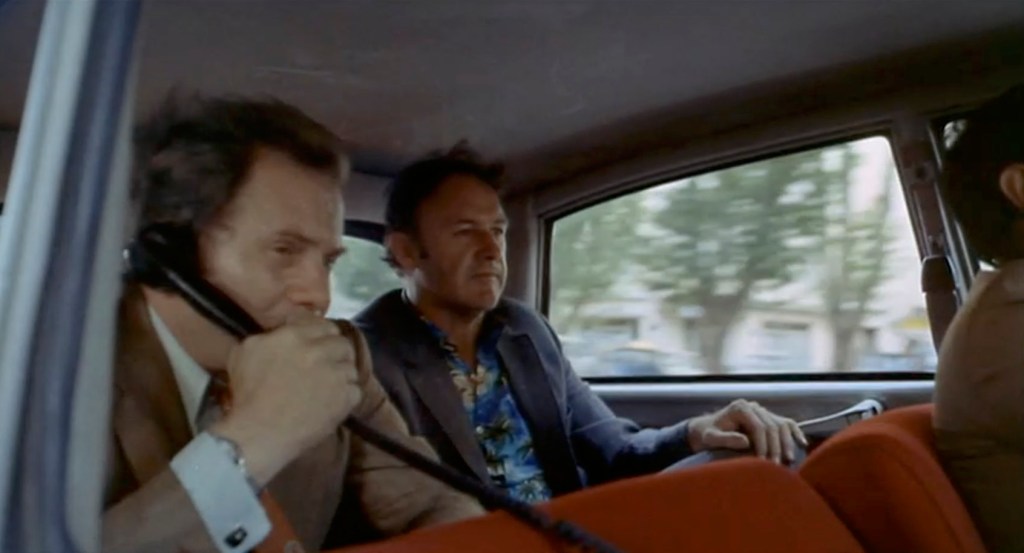
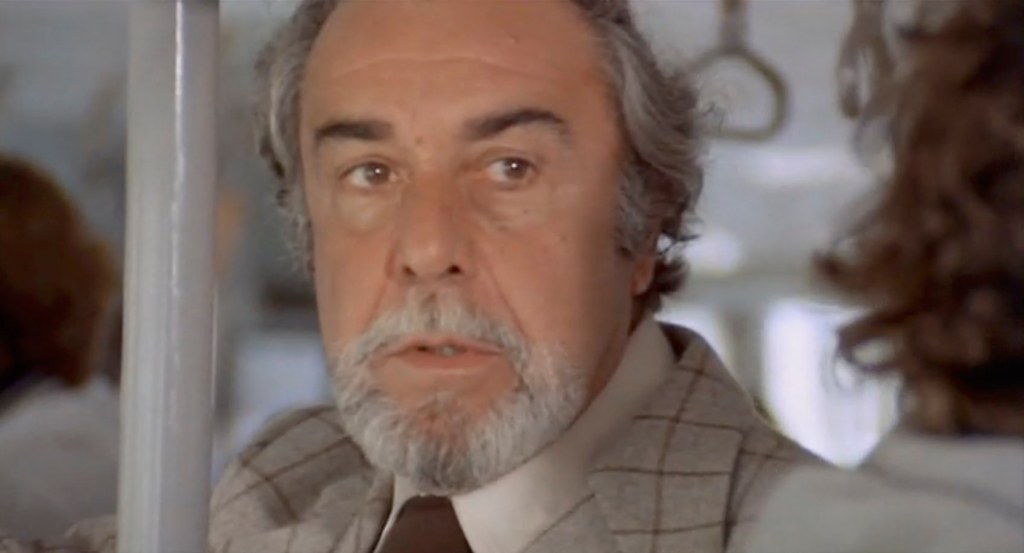
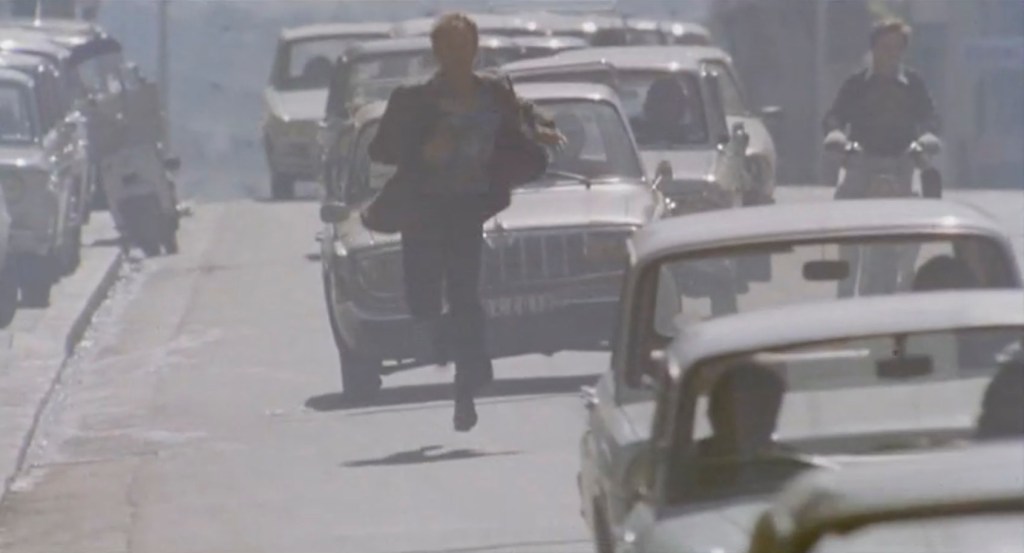
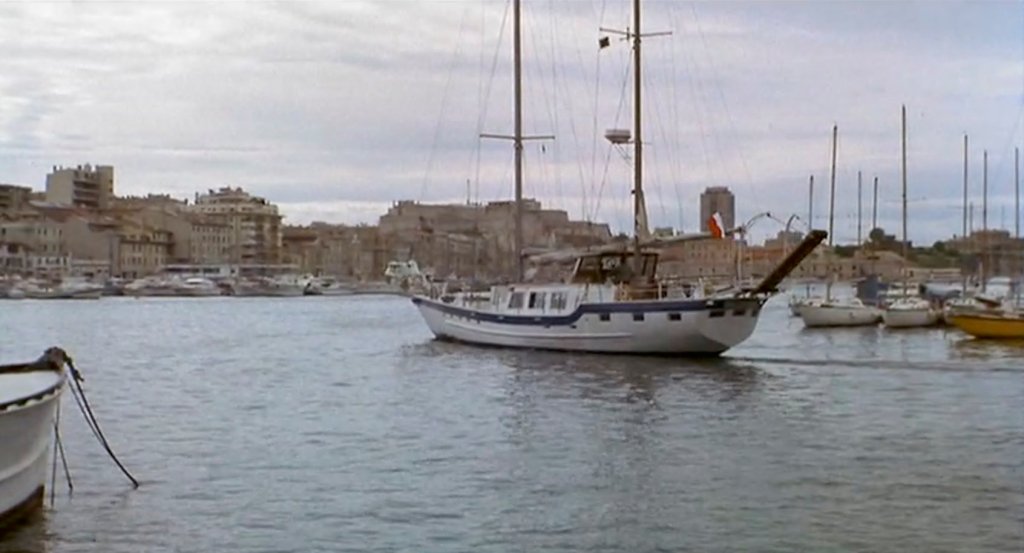
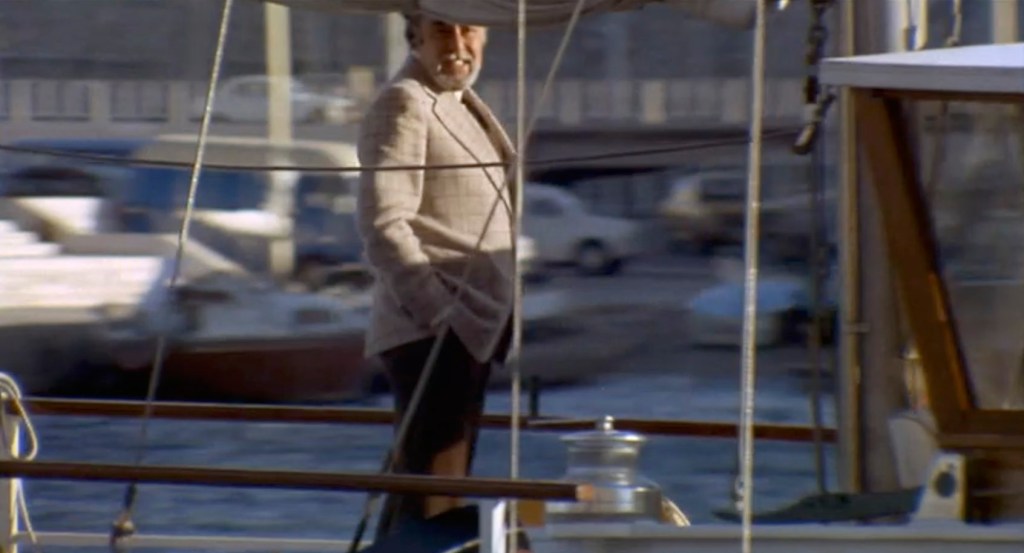
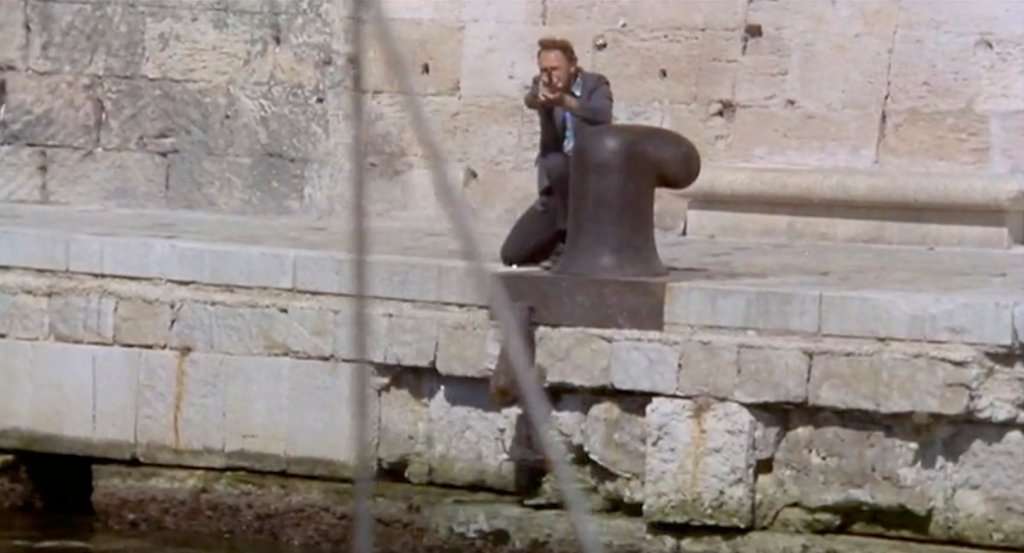
Unlike its predecessor, which was fast-paced and action-heavy, “The French Connection II” is more introspective and character-driven. The film explores themes of addiction, obsession, and cultural dissonance, as well as the emotional toll of law enforcement work.
The cold, bleak cinematography and jarring score emphasize Doyle’s sense of alienation in a foreign land. The raw depiction of drug addiction and withdrawal was groundbreaking at the time, offering a deeply unglamorous look at the personal cost of justice.
 The Other Cinema