

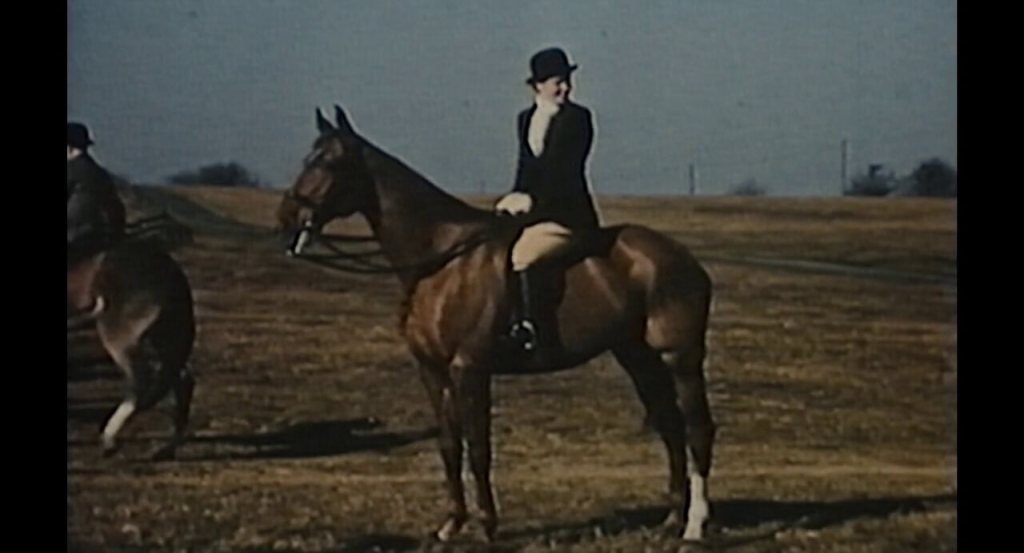
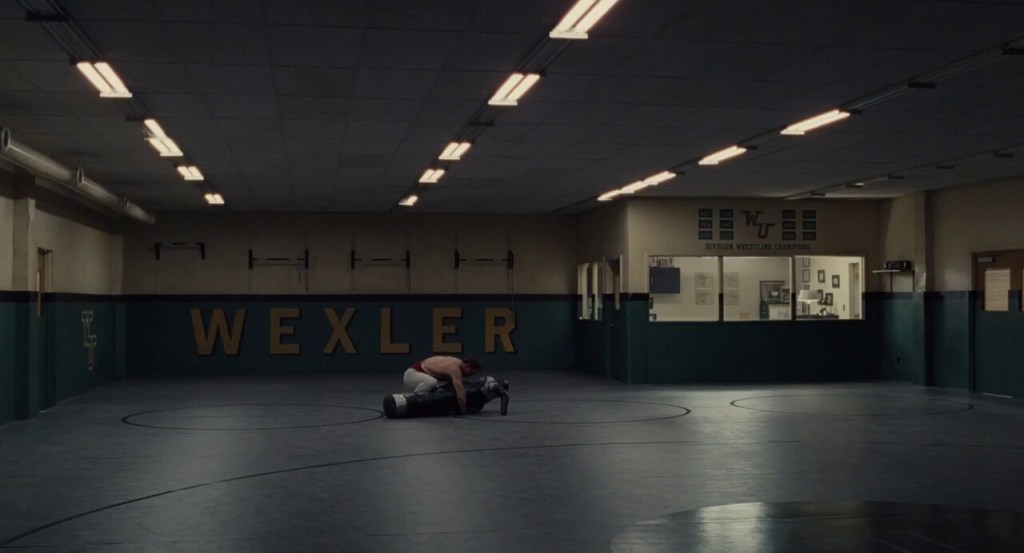
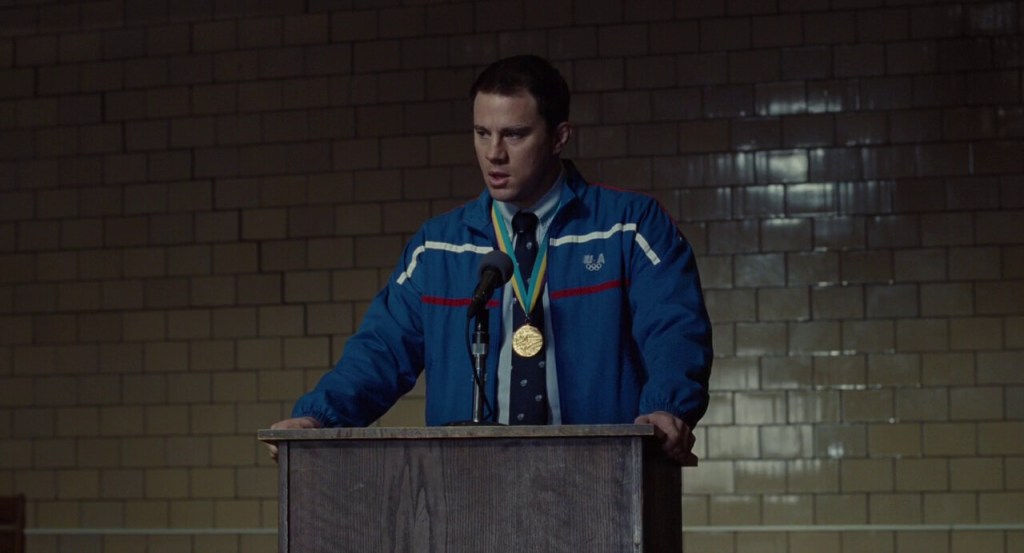
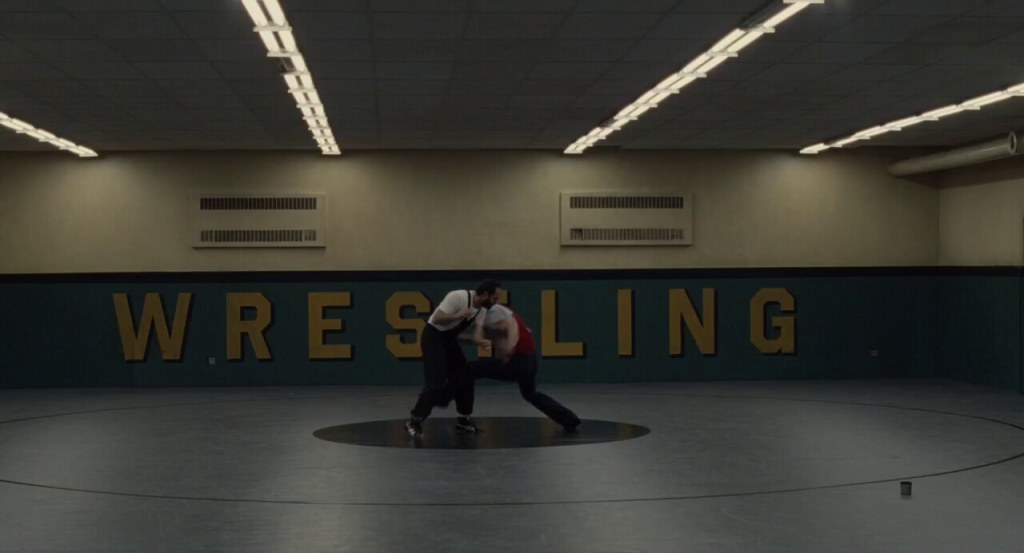
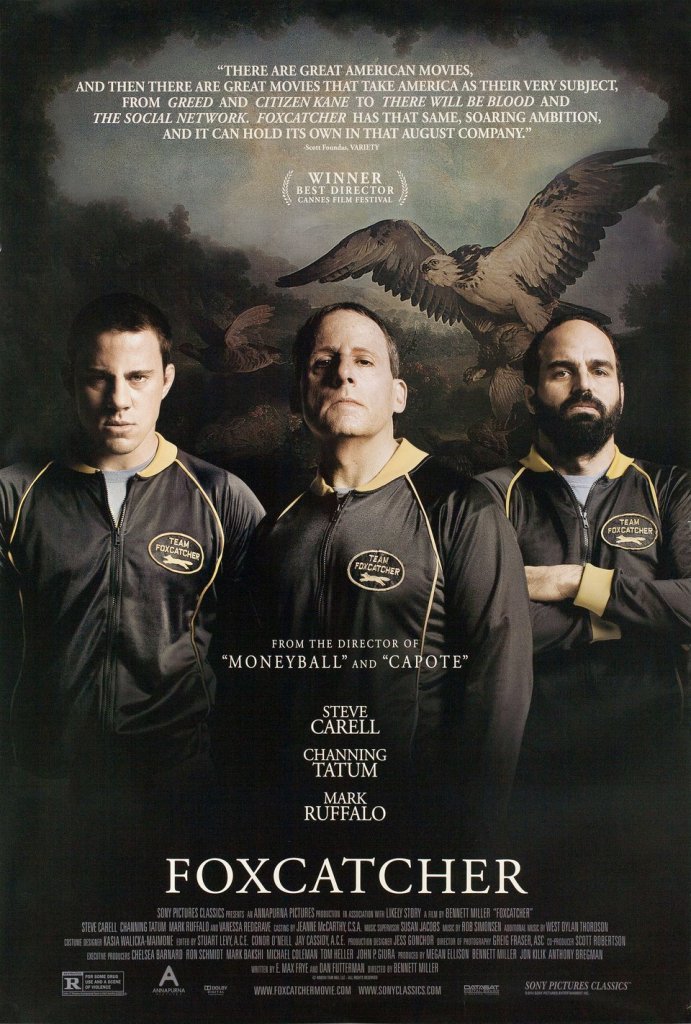
“Foxcatcher” is a 2014 psychological drama and true crime biopic directed by Bennett Miller and written by E. Max Frye and Dan Futterman, based on the harrowing real-life events involving Olympic wrestlers Mark and David Schultz, as well as eccentric millionaire John du Pont. The film explores themes of power, manipulation, loneliness, and the toxic underbelly of American exceptionalism. It earned critical acclaim for its restrained direction, haunting tone, and powerful performances, especially by Steve Carell, who underwent a dramatic transformation for his role.
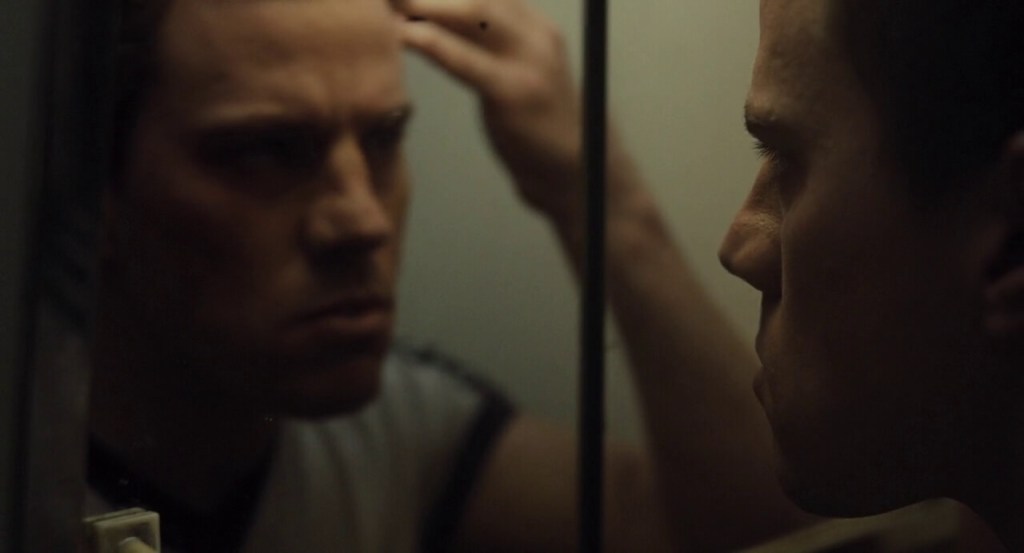
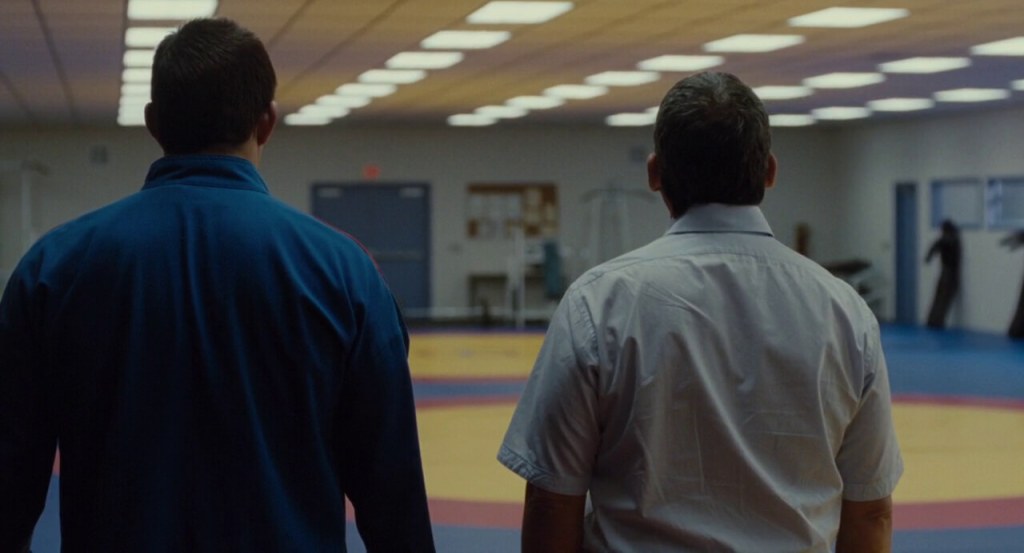

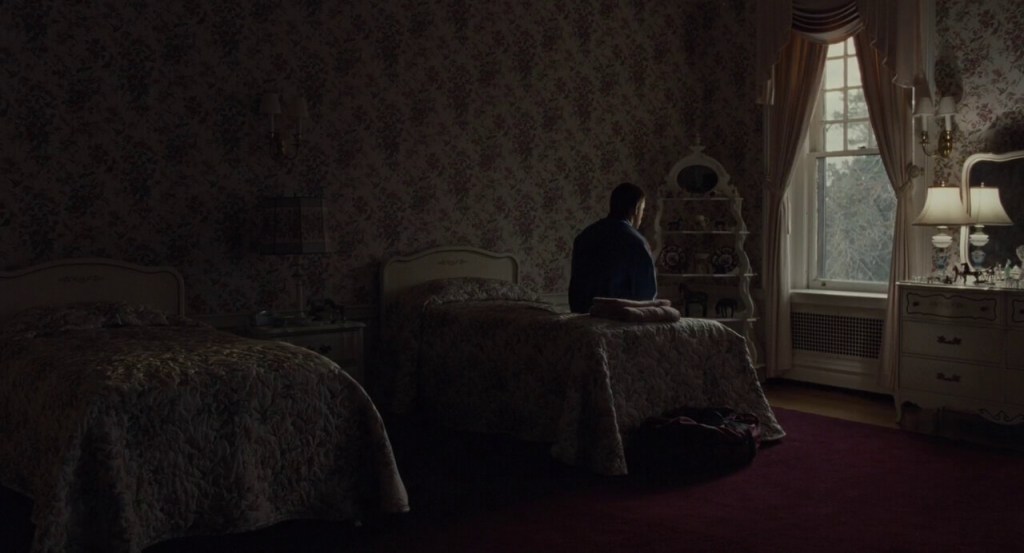
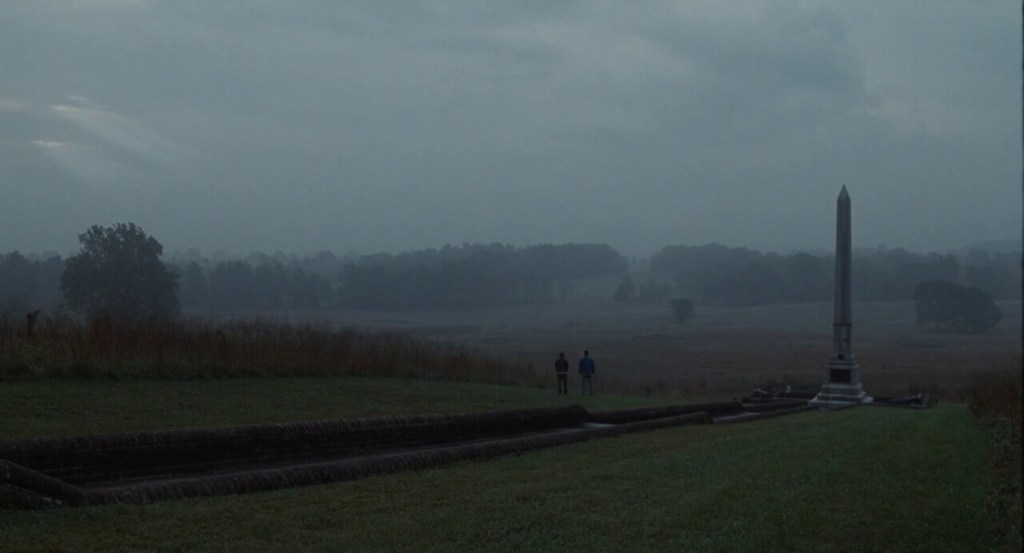
The film opens in the mid-1980s with Mark Schultz (Channing Tatum), an Olympic gold medalist wrestler, living in relative obscurity and isolation despite his past glory. He is overshadowed by his older brother and coach, David Schultz (Mark Ruffalo), a more charismatic and respected figure in the wrestling world. While David has a stable family life and coaching career, Mark is emotionally adrift—lonely, frustrated, and seeking validation.
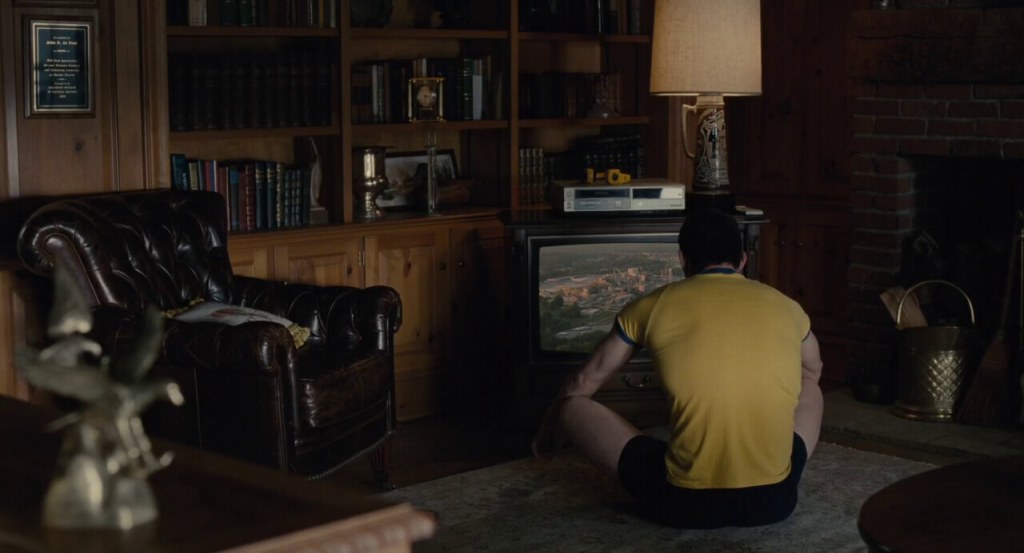

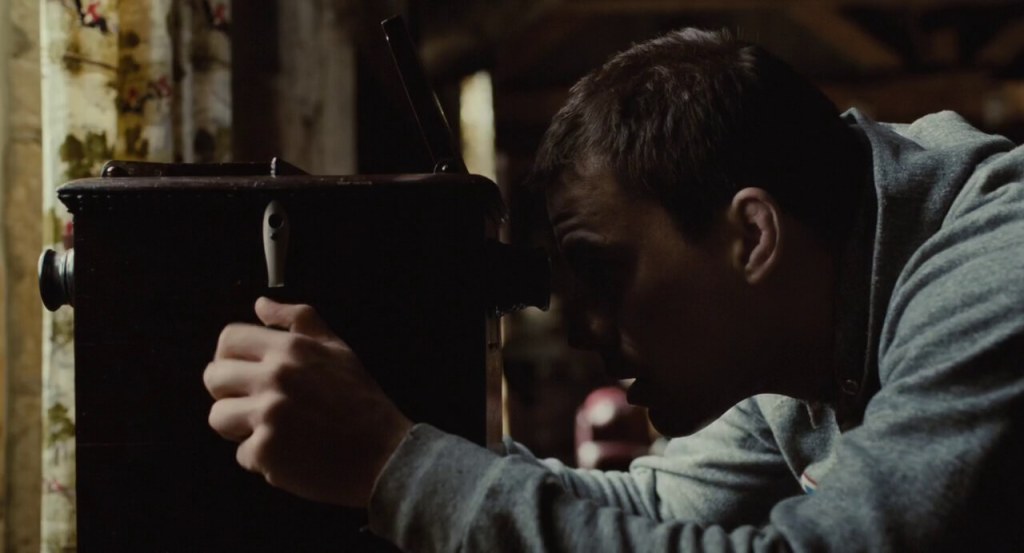
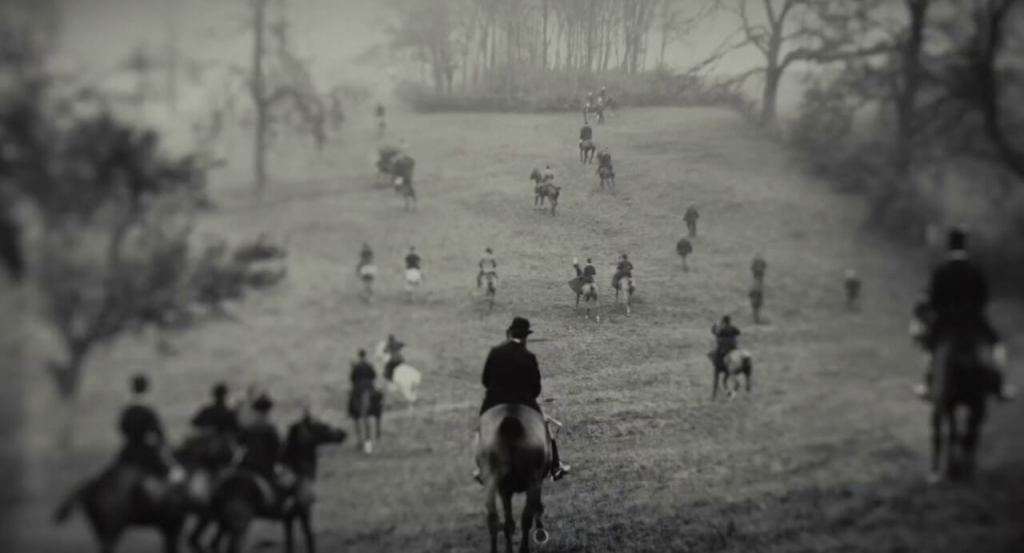

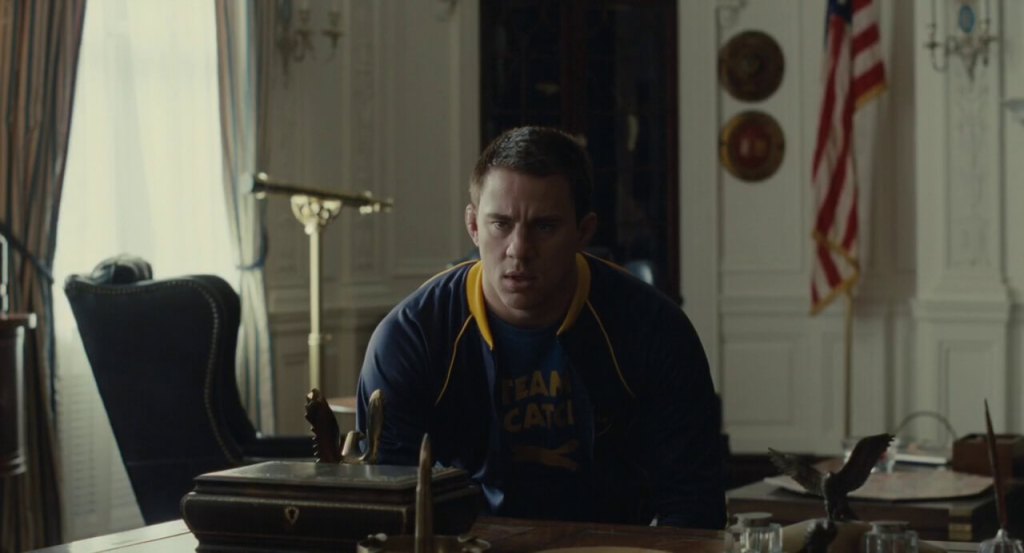
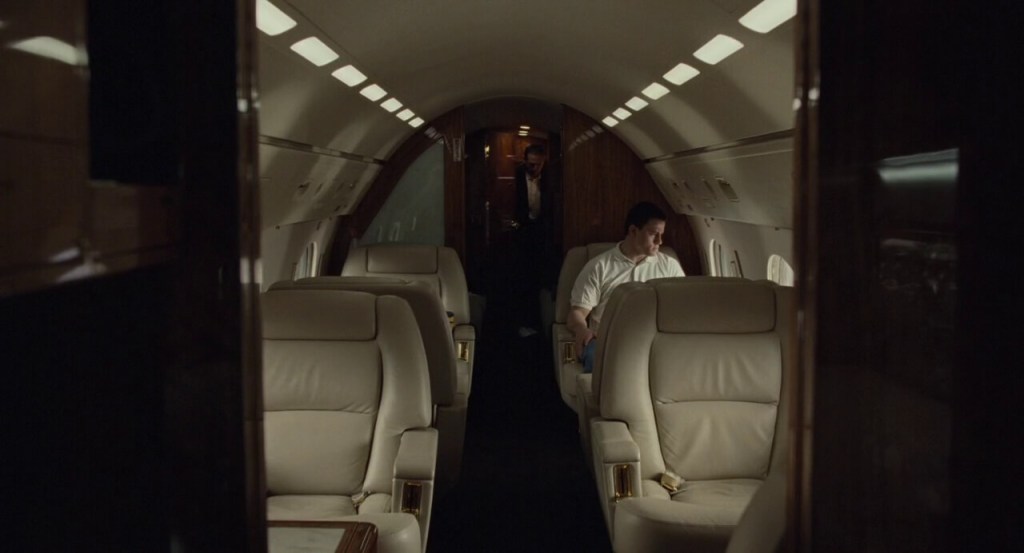
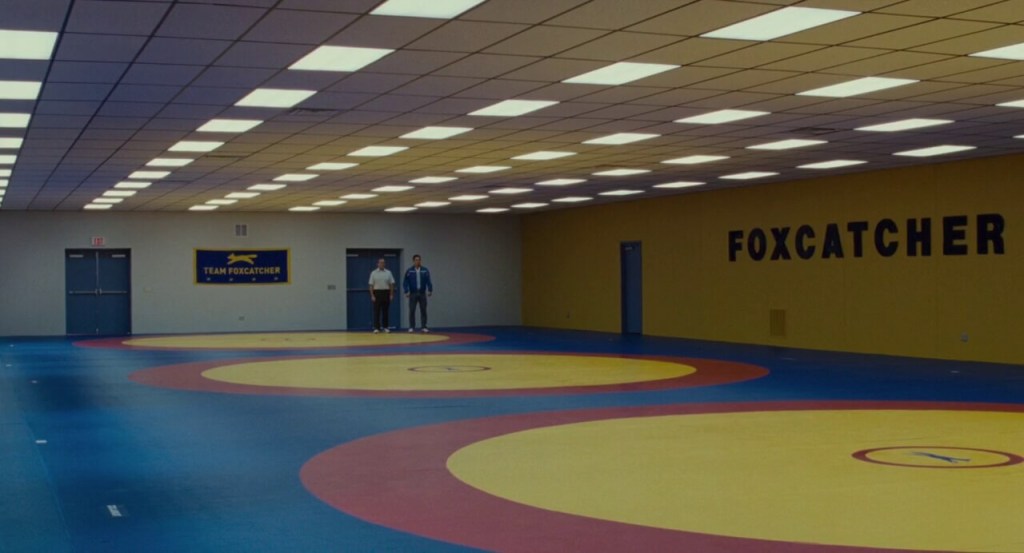
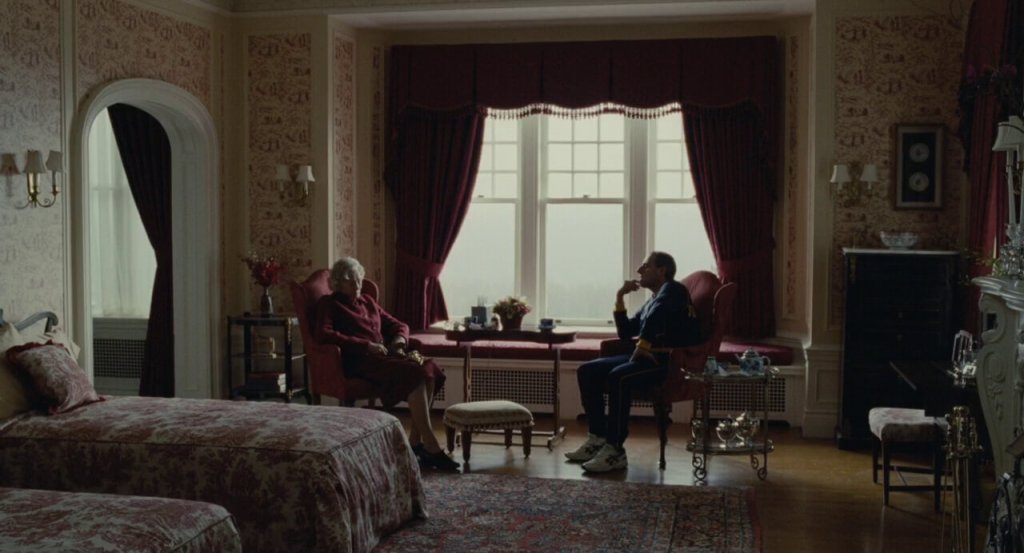
Mark is unexpectedly contacted by John Eleuthère du Pont (Steve Carell), an heir to the du Pont chemical fortune, who invites him to his lavish estate, Foxcatcher Farm in Pennsylvania. du Pont offers to sponsor and host a new national wrestling team with Mark as its star, aiming to revive American wrestling and lead a team to victory in the 1988 Seoul Olympics.

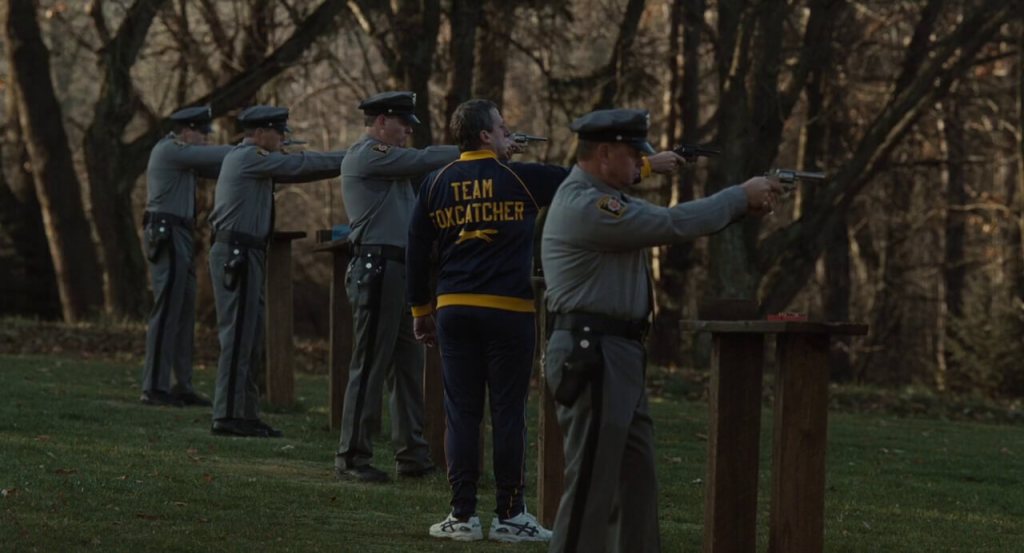
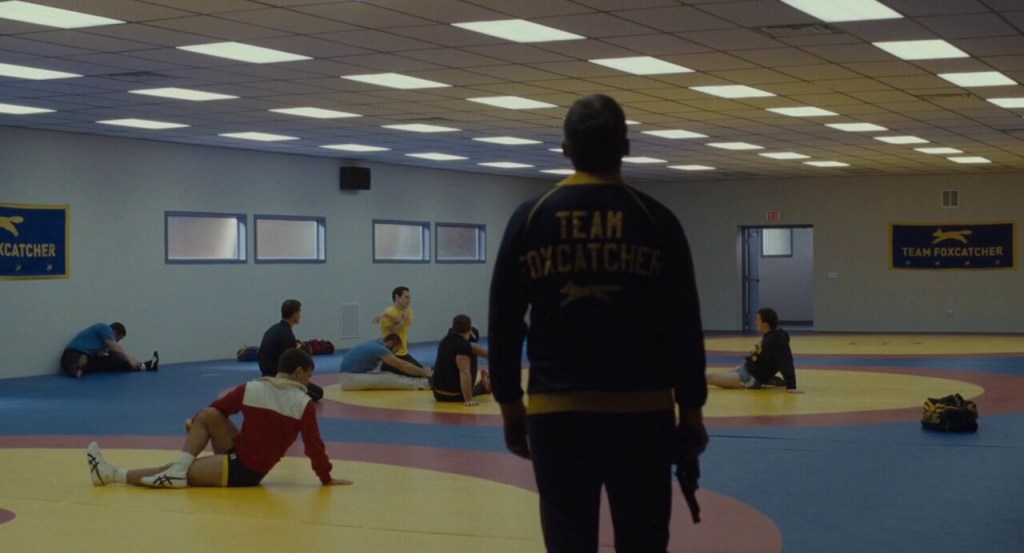
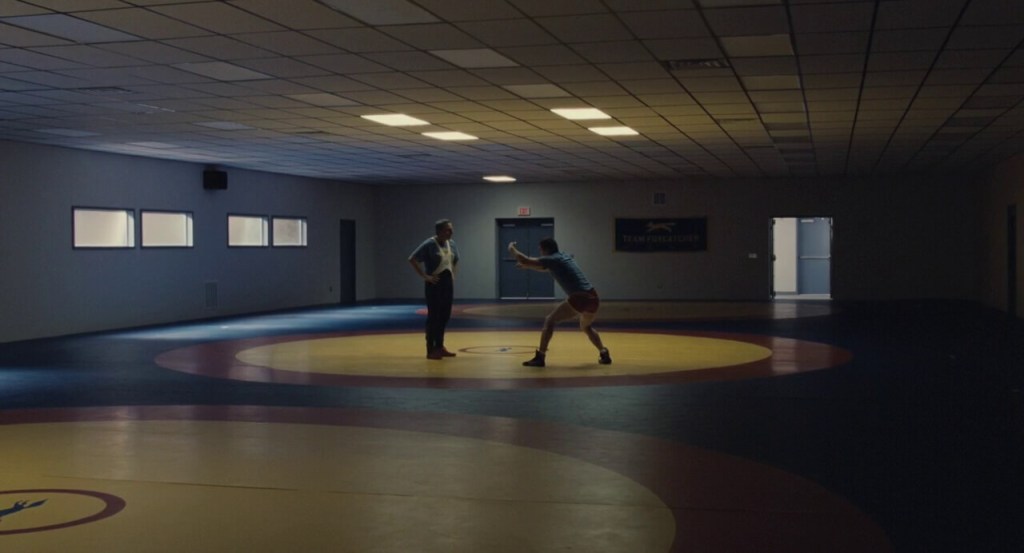
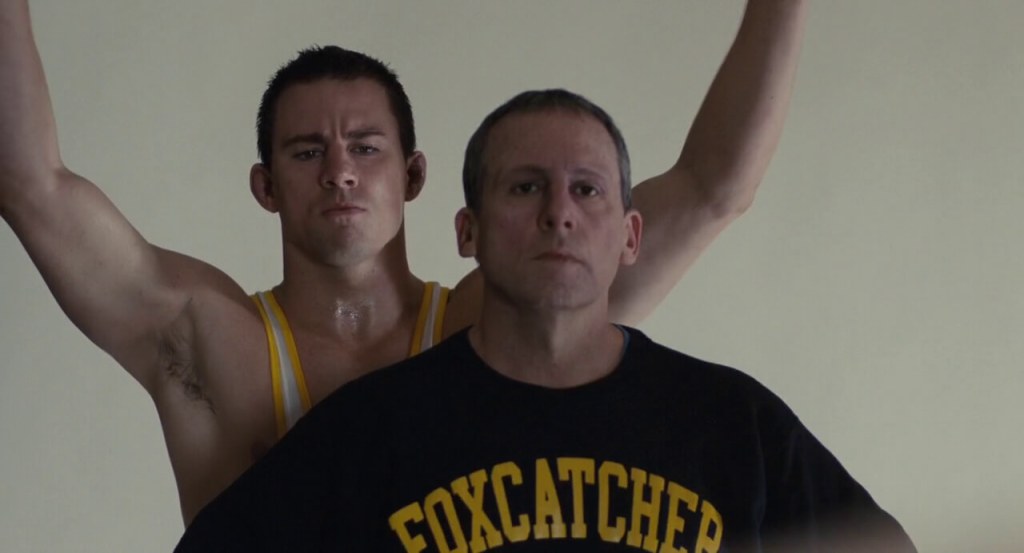
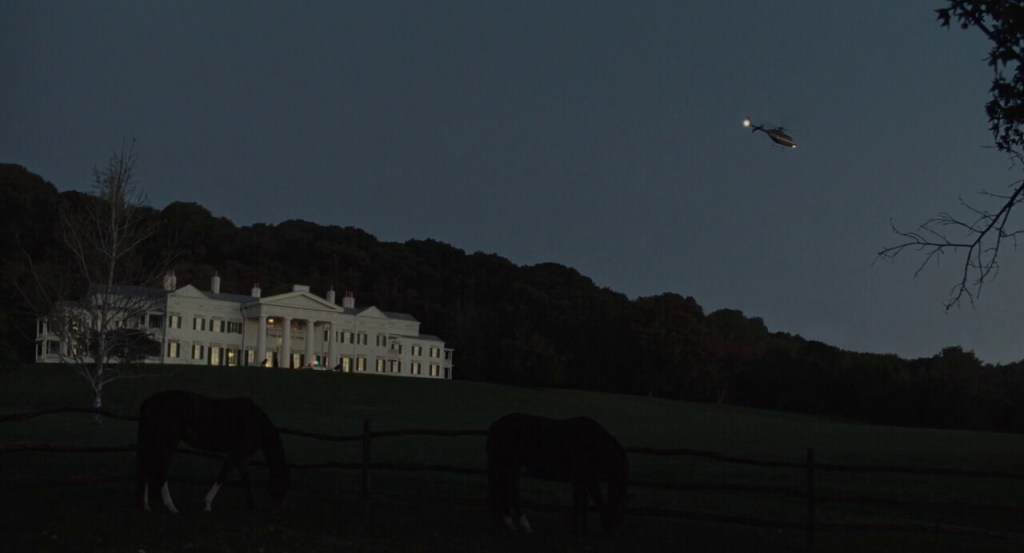
At first, Mark is impressed by du Pont’s wealth and apparent patriotism. du Pont presents himself as a mentor, father figure, and visionary. He gives Mark money, status, and a platform—offering him the kind of attention Mark never received from the wrestling establishment or his own family.
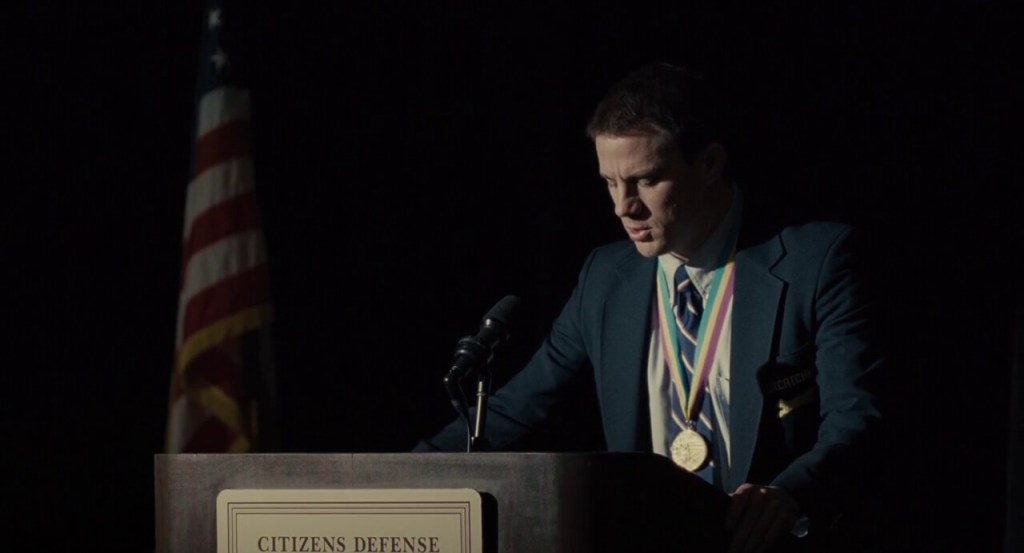
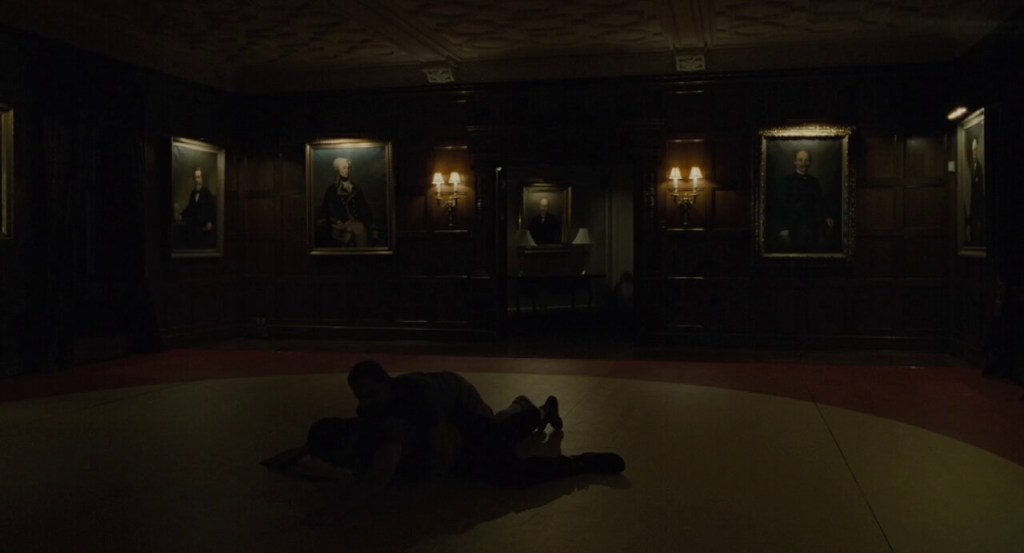

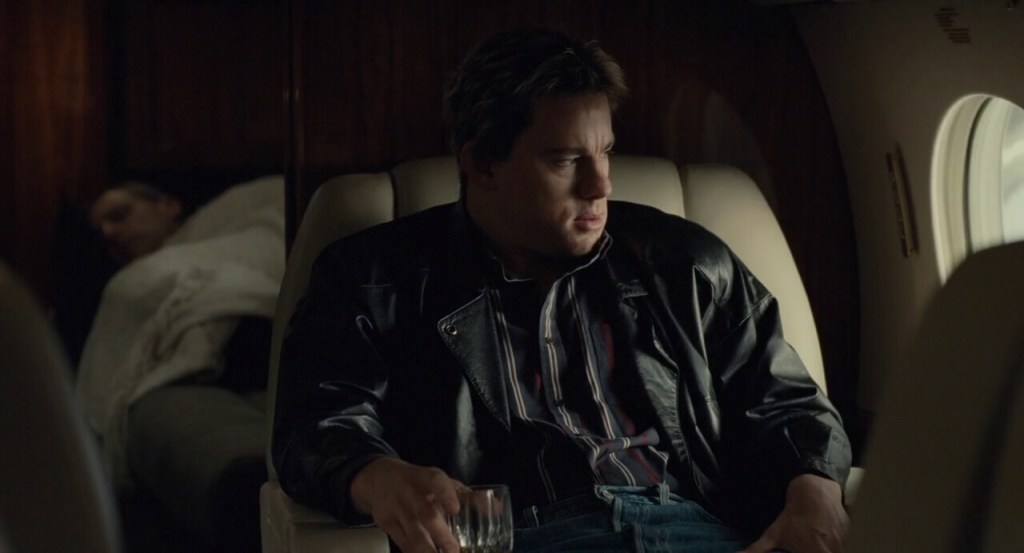
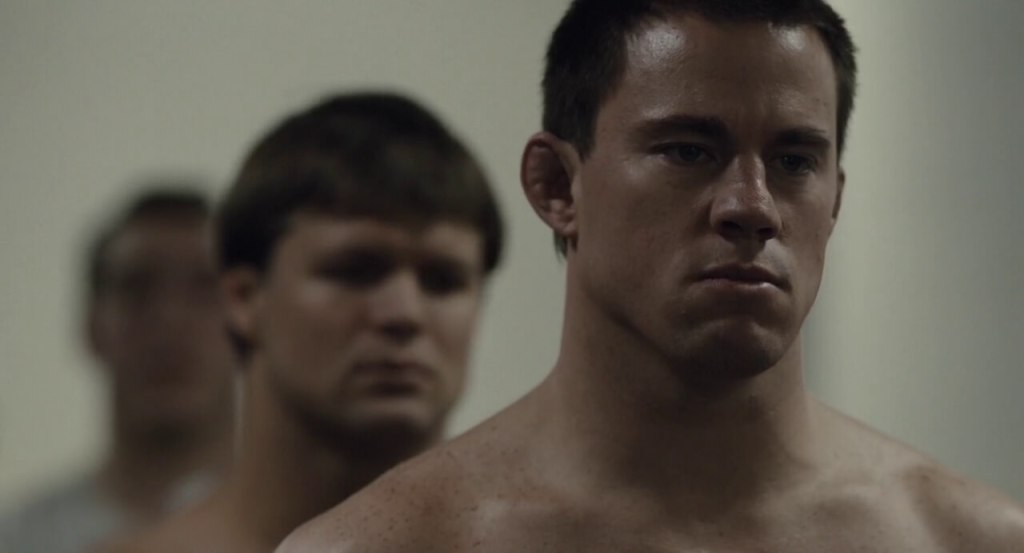
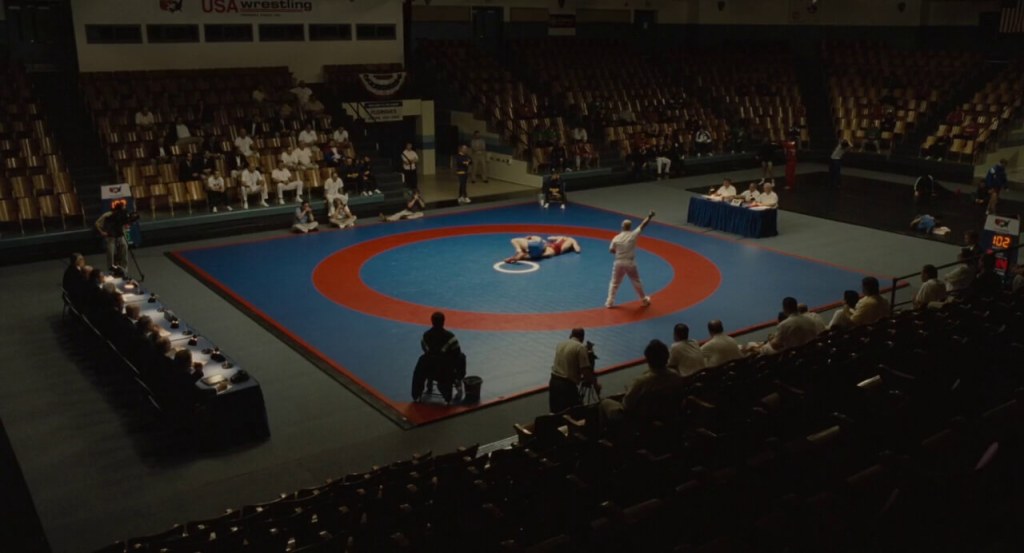
However, du Pont’s strange and controlling behavior gradually surfaces. He’s awkward and socially stunted, seeking to position himself as both coach and hero despite having no real wrestling experience. He demands loyalty, begins micromanaging Mark’s training, and eventually introduces him to drugs—undermining Mark’s discipline and performance.
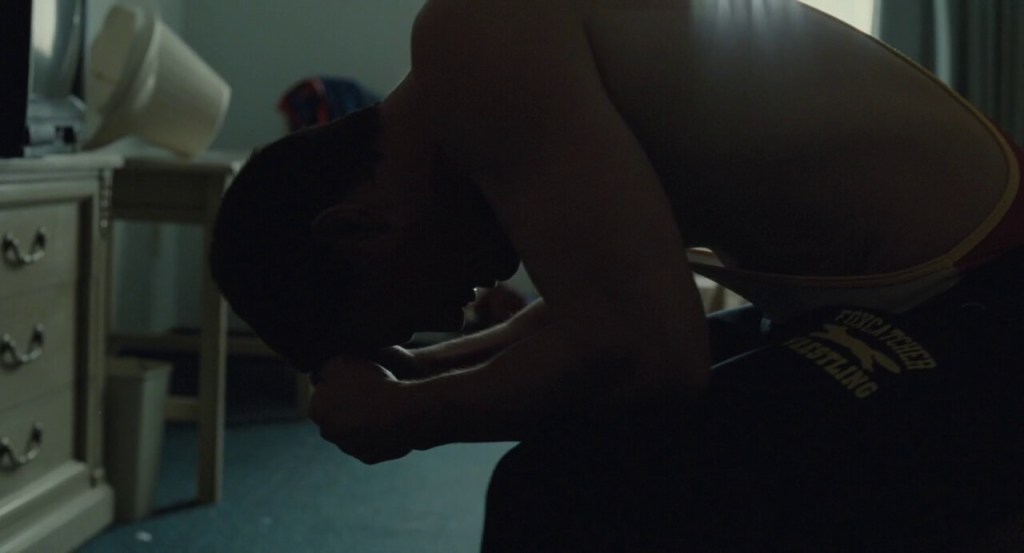
As Mark’s emotional state deteriorates under du Pont’s influence, du Pont becomes disillusioned and reaches out to David Schultz, convincing him to join the Foxcatcher team as a coach. David, more grounded and perceptive, sees du Pont’s flaws but accepts the offer for the sake of his family and the sport. His presence stabilizes the team but also increases Du Pont’s insecurity, as David earns the respect and affection that Du Pont craves.
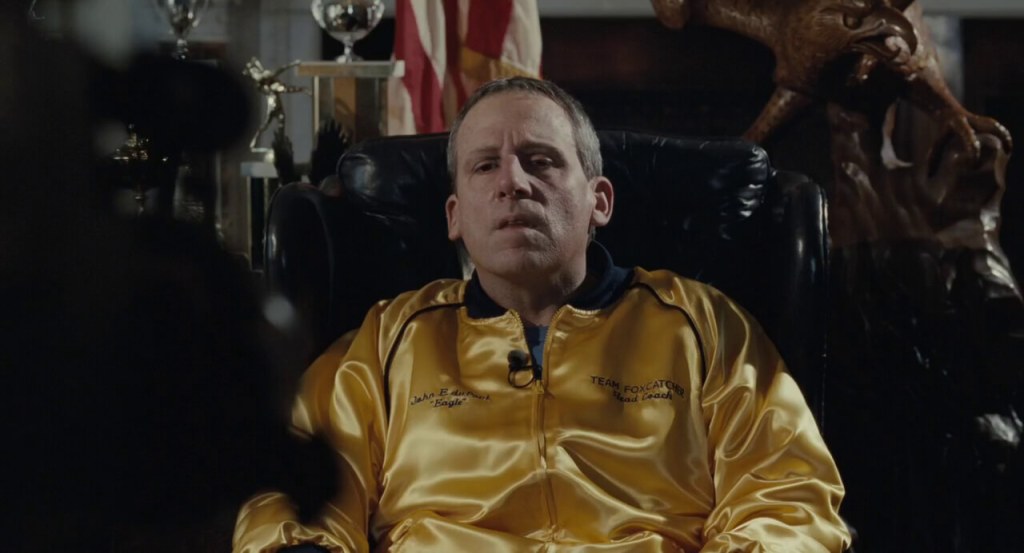
Du Pont’s mental state spirals as he becomes increasingly paranoid, jealous of the brotherly bond between Mark and David, and desperate to assert his dominance. His need for control and recognition begins to take on a delusional, sinister edge. Despite being lauded by the media and given ceremonial titles, du Pont remains deeply insecure and mentally unstable.
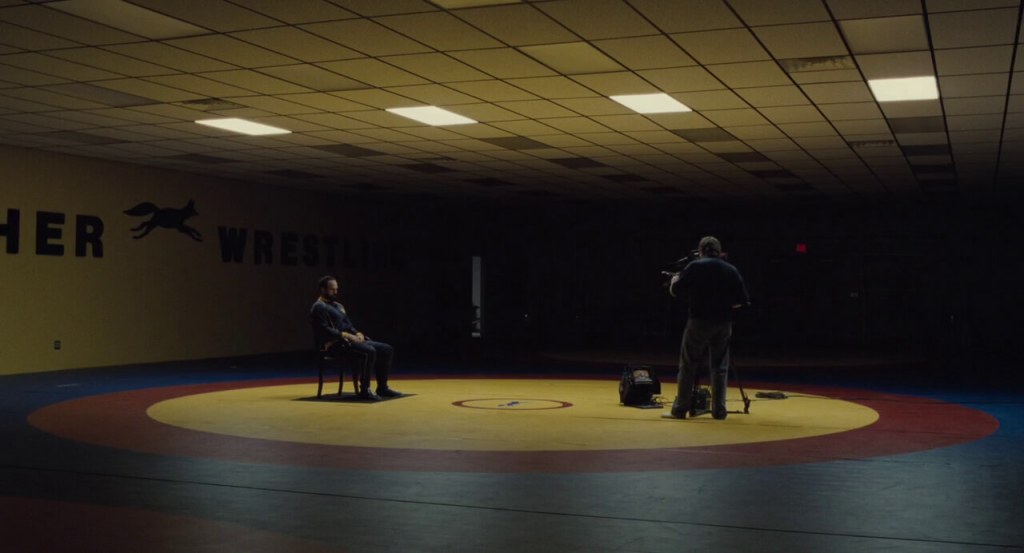
The tension reaches a horrifying climax when in January 1996—years after the Olympics—du Pont drives to David Schultz’s home on the Foxcatcher estate and shoots him dead in cold blood in front of David’s wife and children. The motive is never fully explained, but the film portrays it as the inevitable outcome of du Pont’s deteriorating mental health and unchecked ego.

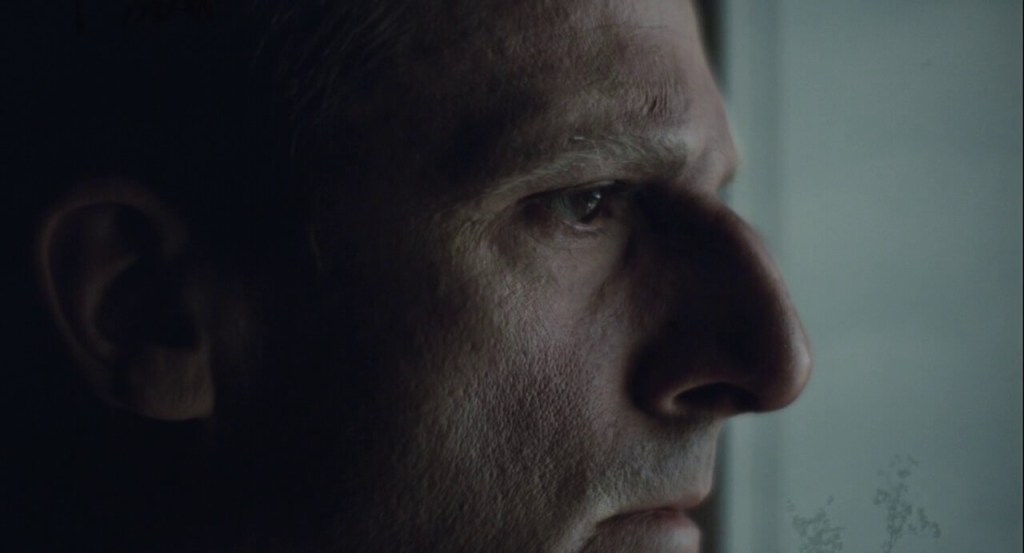
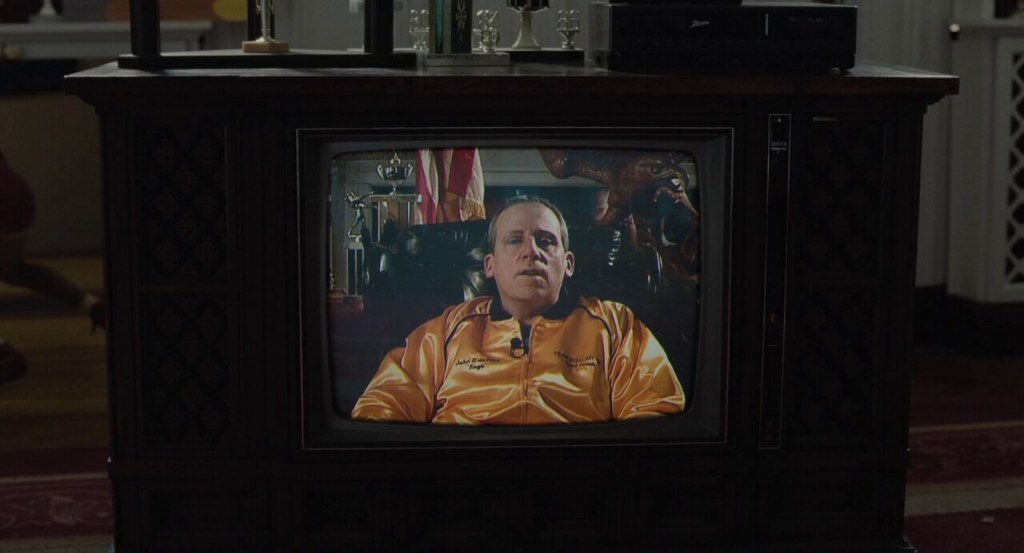
More than anything, “Foxcatcher” is a slow-burning character study examining the psychological dynamics between men drawn together by ambition, need, and emotional dependency. It critiques the American obsession with legacy, wealth, and power, illustrating how personal trauma and societal pressures can lead to tragic consequences.

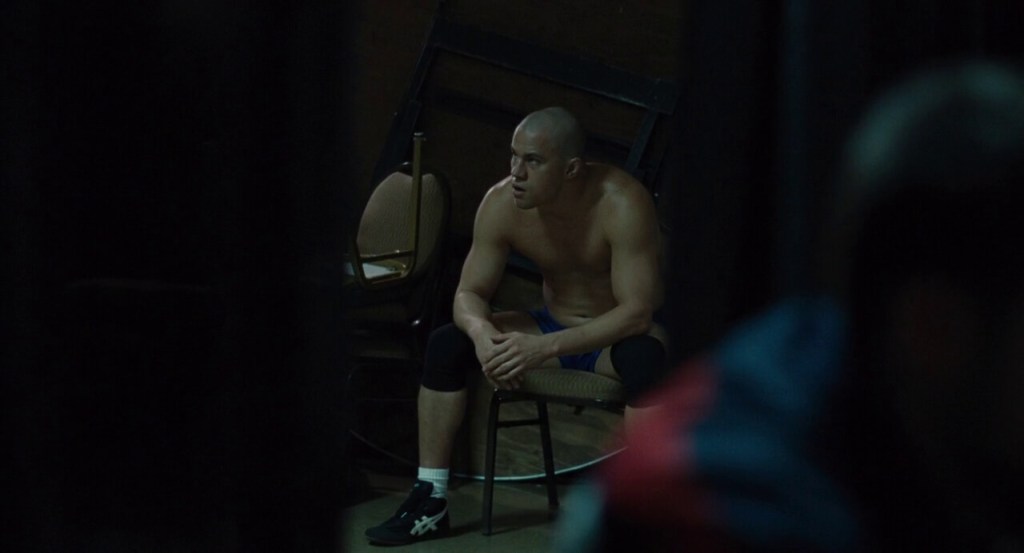
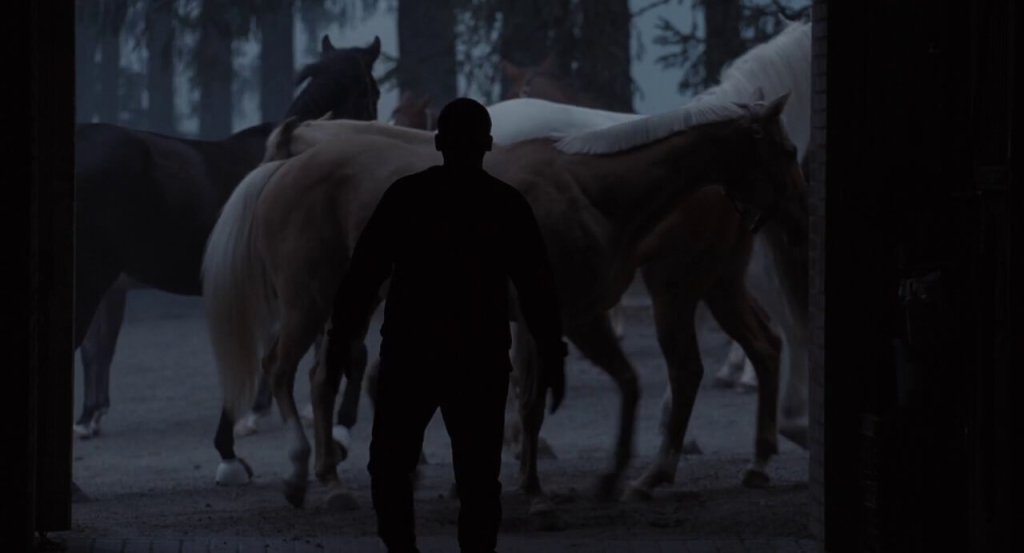
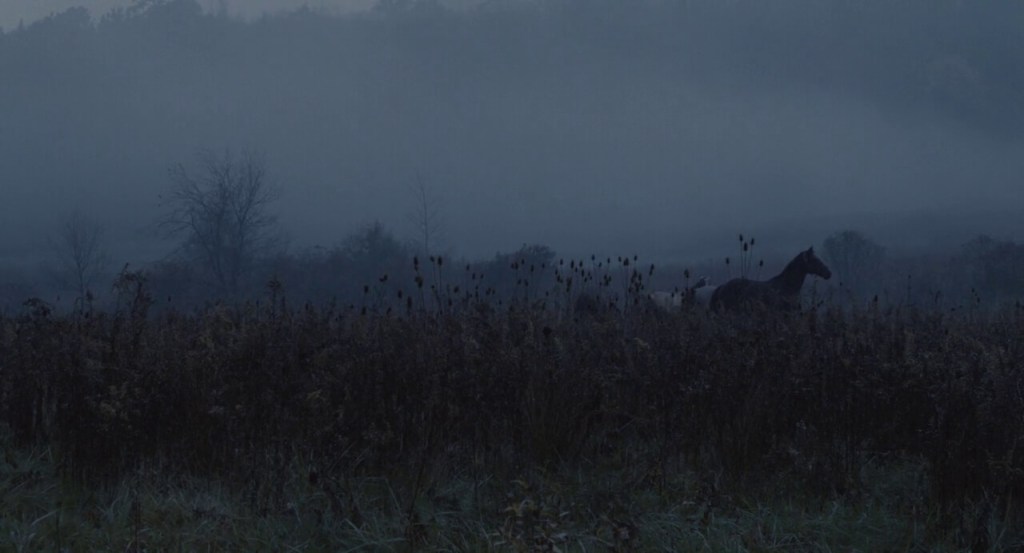
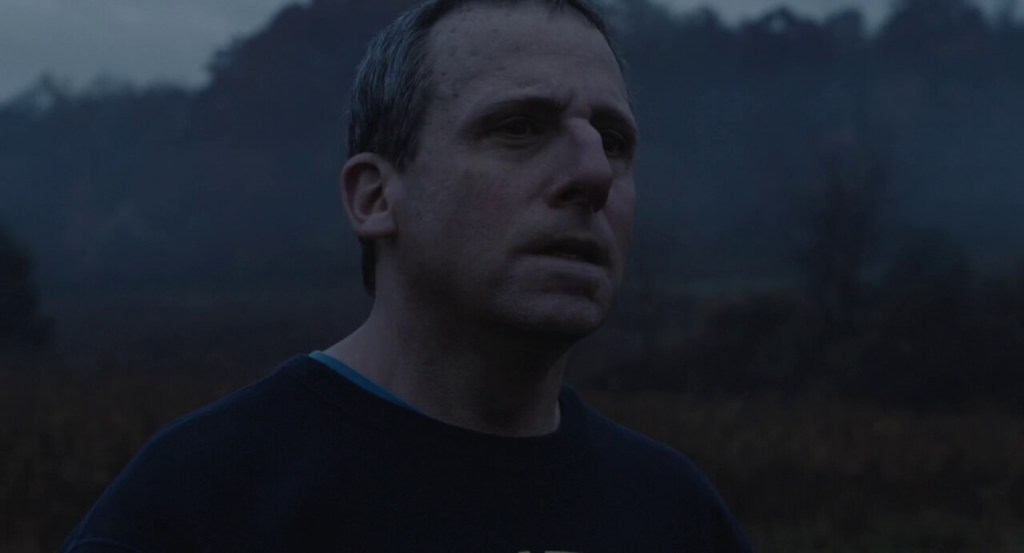
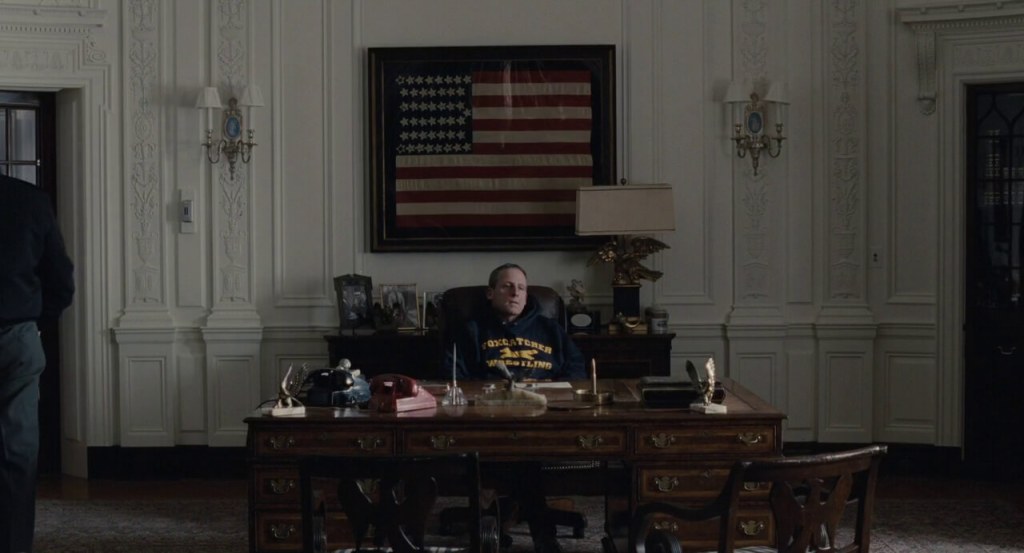
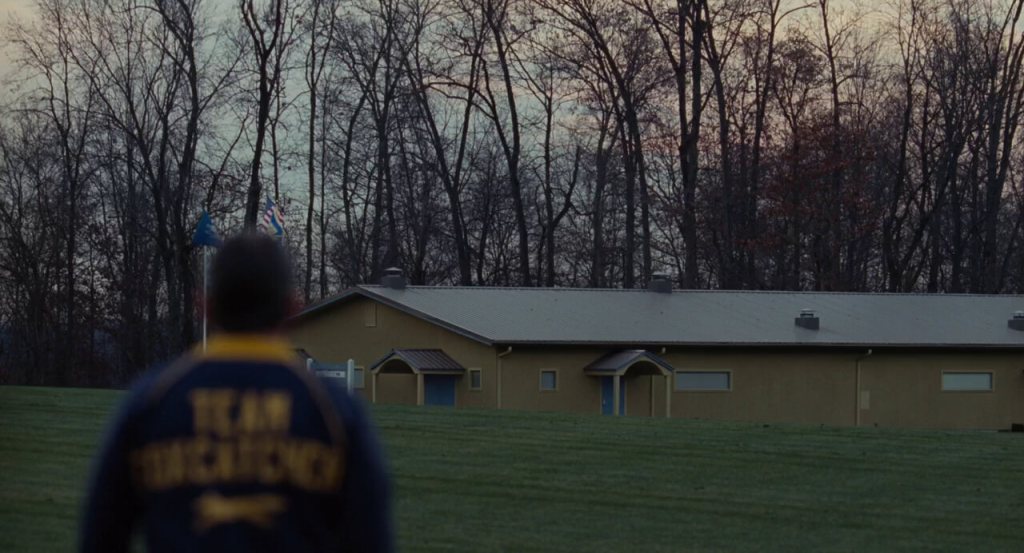
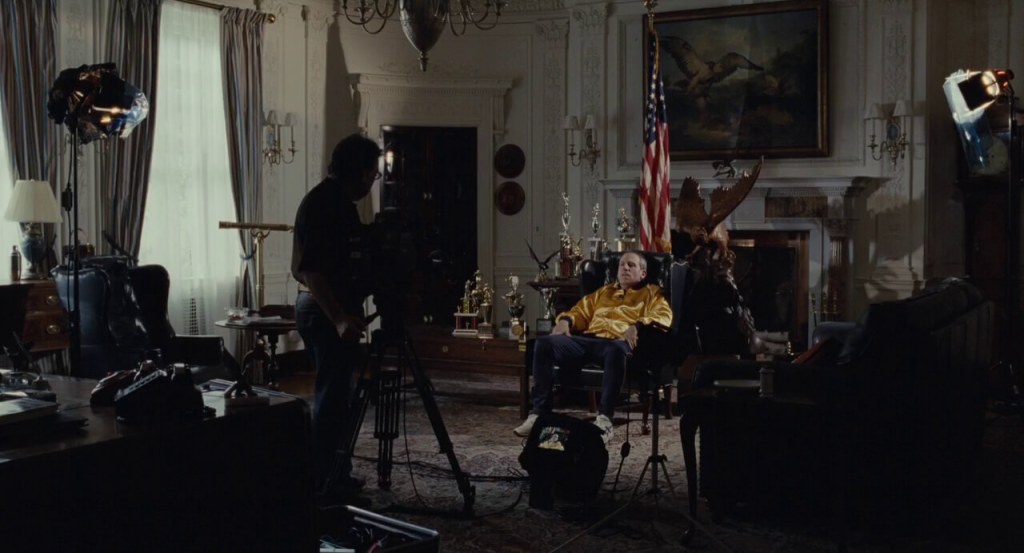
Director Bennett Miller adopts a minimalist, cold visual style—emphasizing the sterile opulence of the du Pont estate and the emotional barrenness of its characters. The film’s muted colors, sparse score, and deliberate pacing create a sense of unease that intensifies as the story progresses.
 The Other Cinema