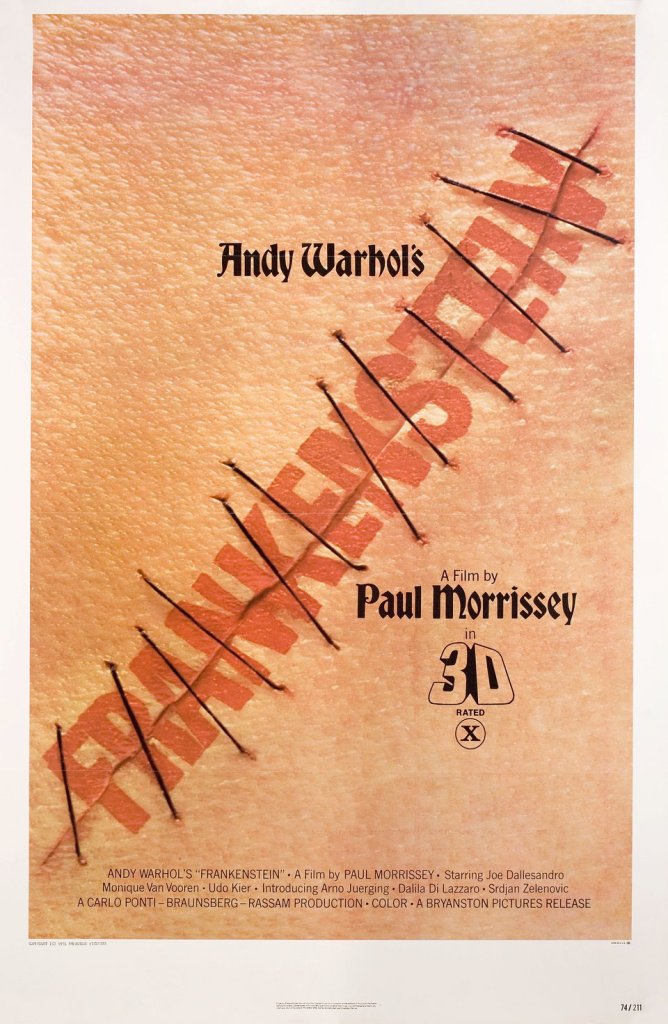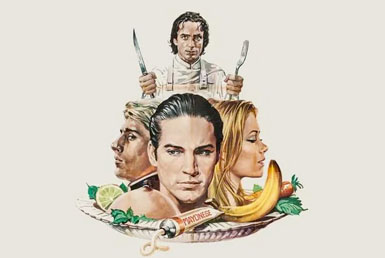
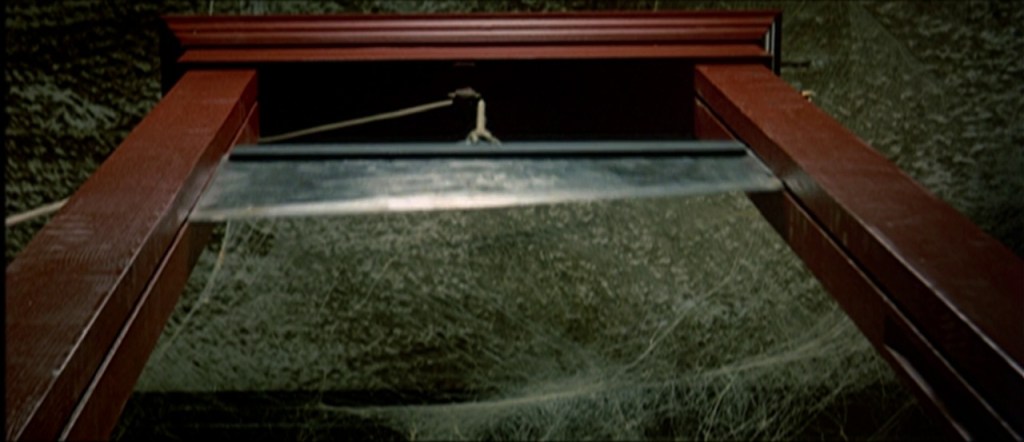
“Flesh for Frankenstein” (often referred to as Andy Warhol’s Frankenstein) is a 1973 surreal and darkly comedic horror film directed by Paul Morrissey, known for his collaborations with Andy Warhol. Although often associated with Warhol due to its branding, the film was helmed creatively and visually by Morrissey. It was initially released in 3D and has since gained a cult following for its blend of sex, gore, black comedy, and satirical commentary on science, sexuality, and power.
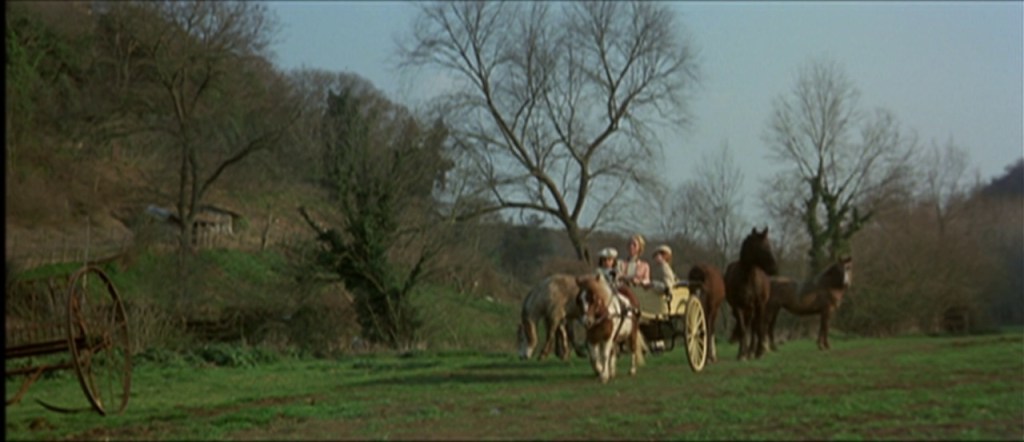
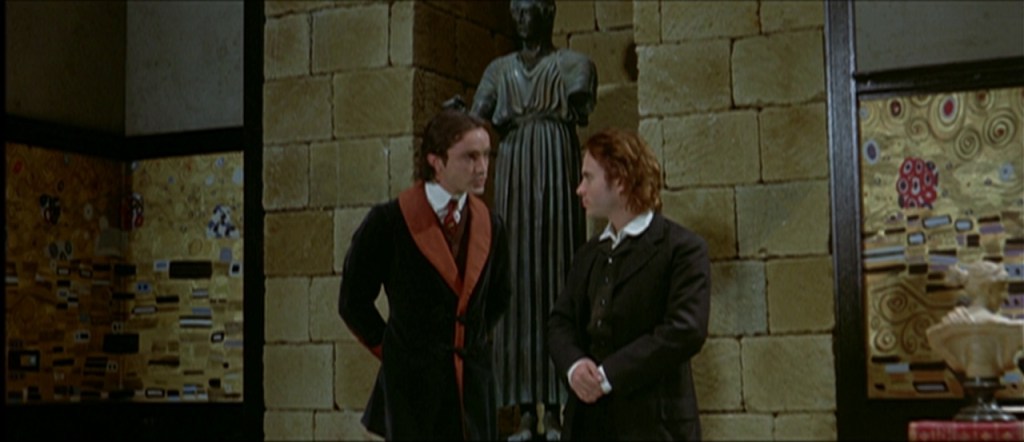
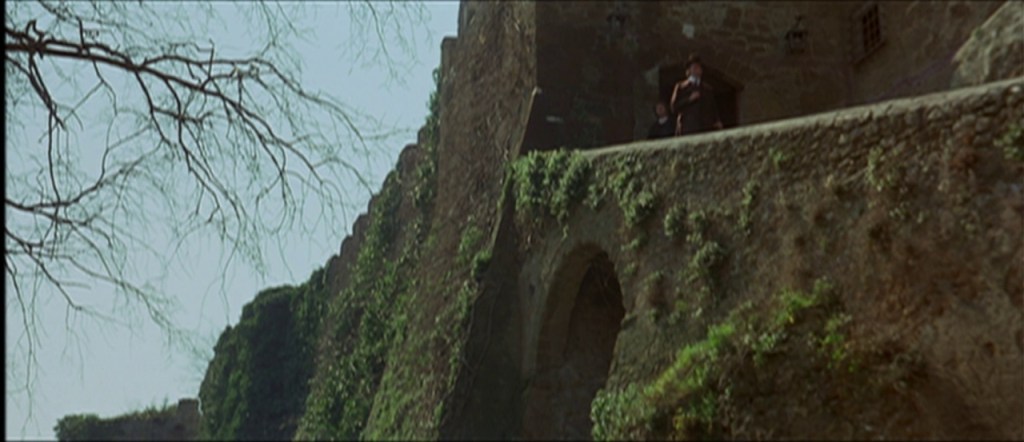
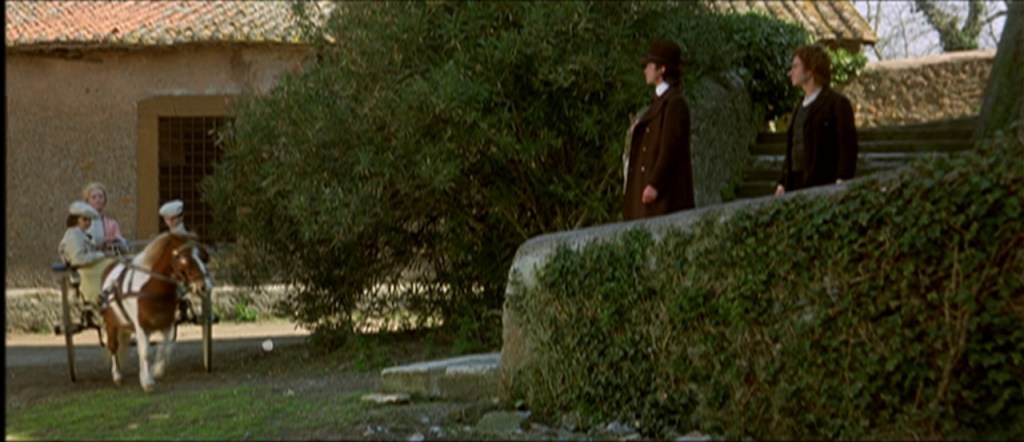
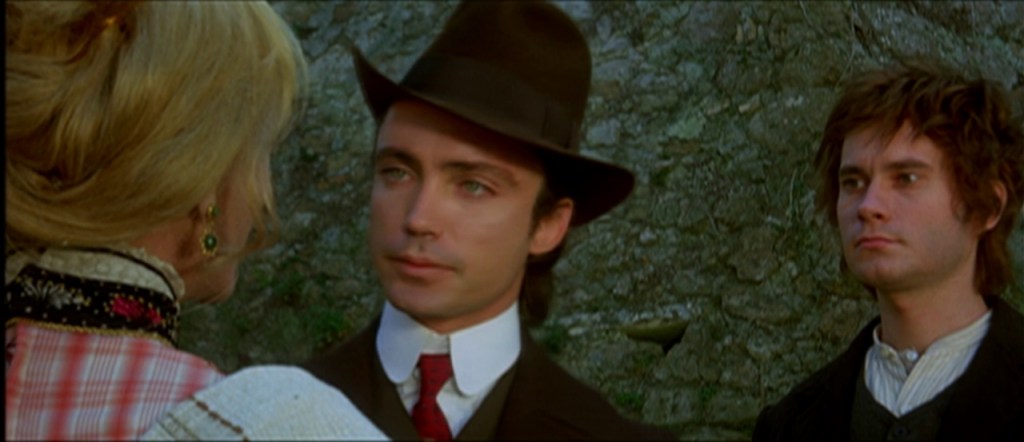
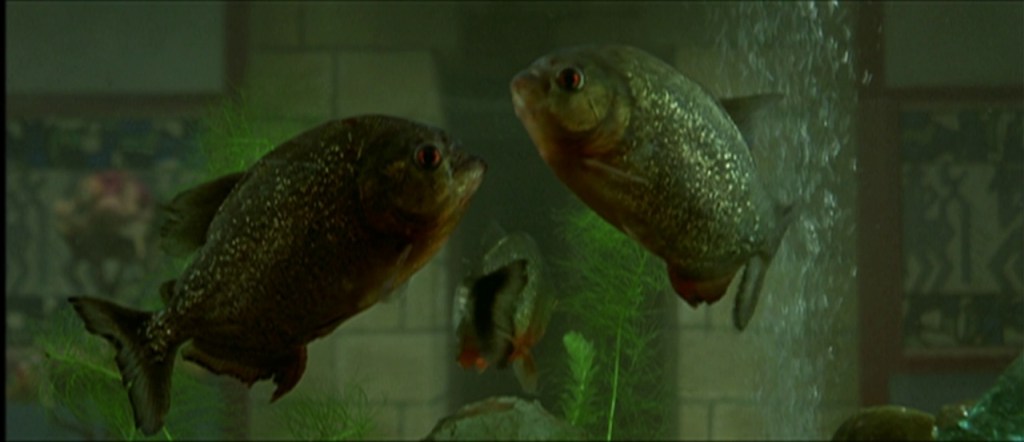
Set in an unspecified version of 19th-century Serbia, the film offers a twisted take on the Frankenstein myth, steeped in eroticism and grotesque body horror.
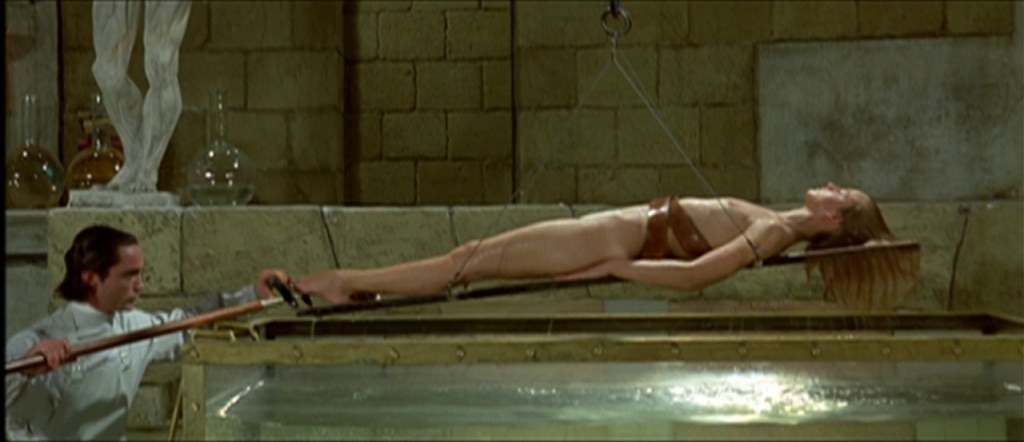
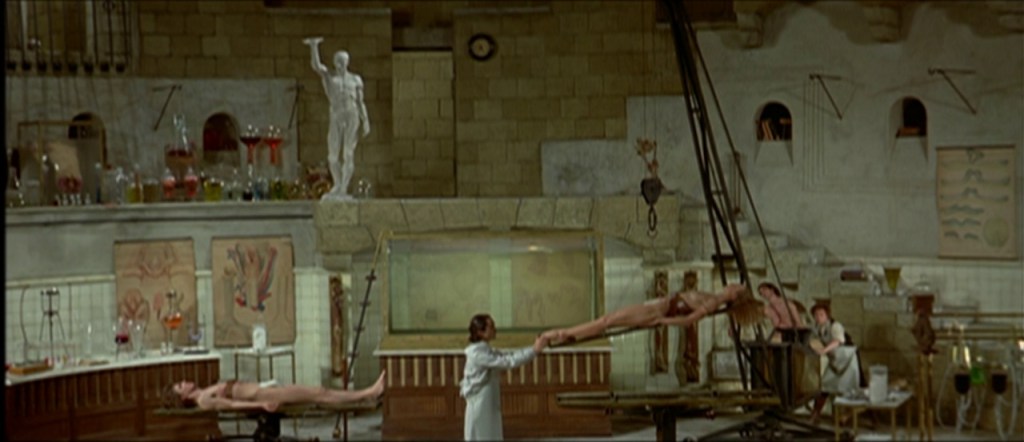
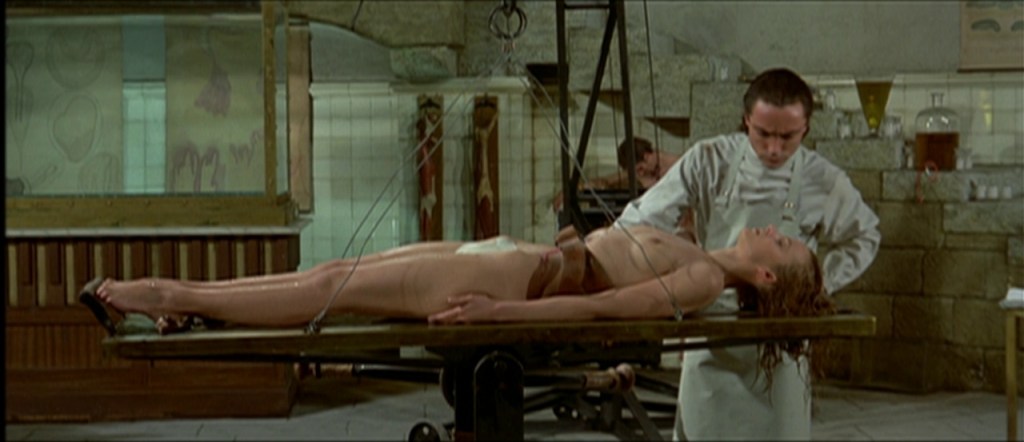
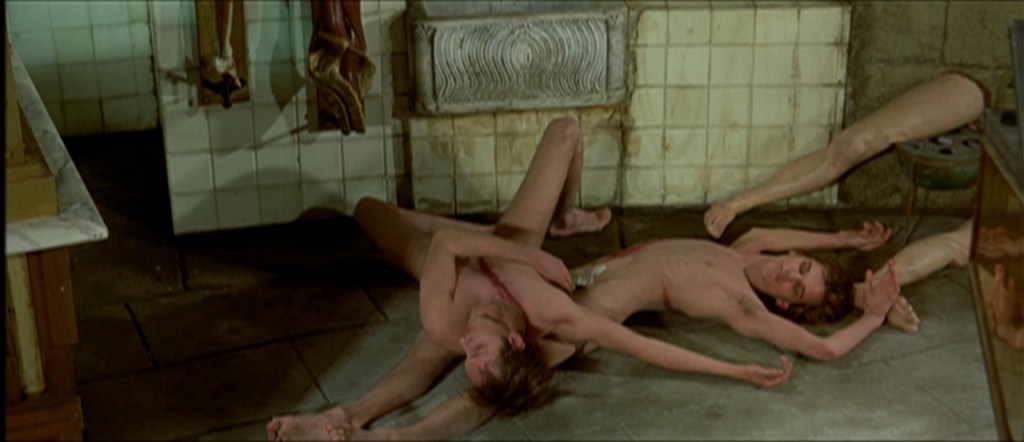
Baron Frankenstein (played by Udo Kier) is a brilliant but deranged scientist obsessed with creating a new, superior race of Serbians. Living in a decaying castle with his equally unhinged wife Katrin (Monique van Vooren), who is also his sister, the Baron experiments with reanimating corpses using a mixture of surgery, electricity, and alchemical knowledge.
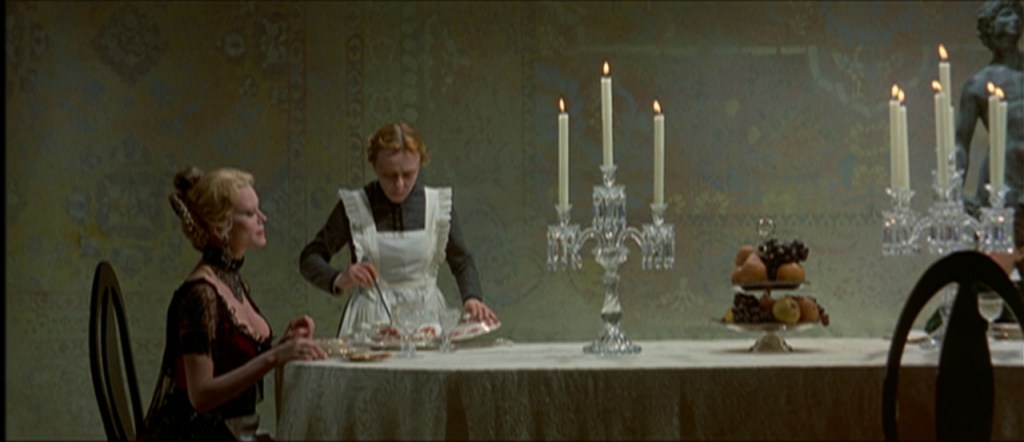
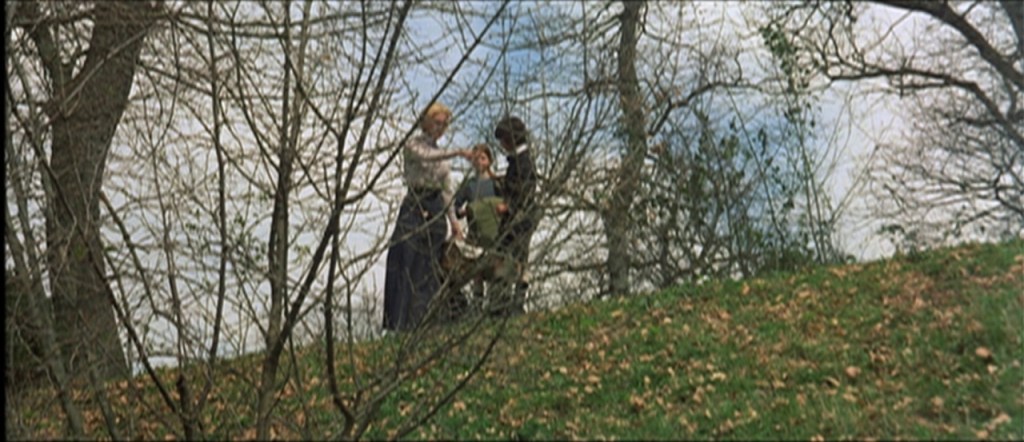
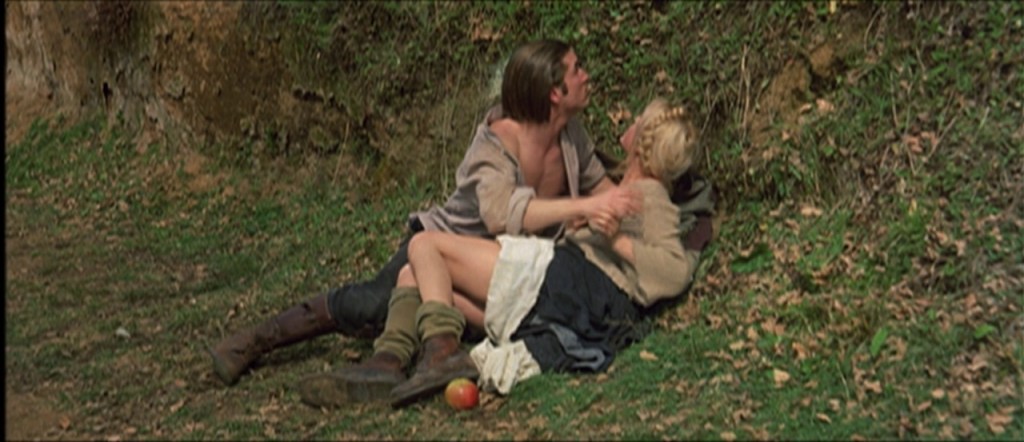
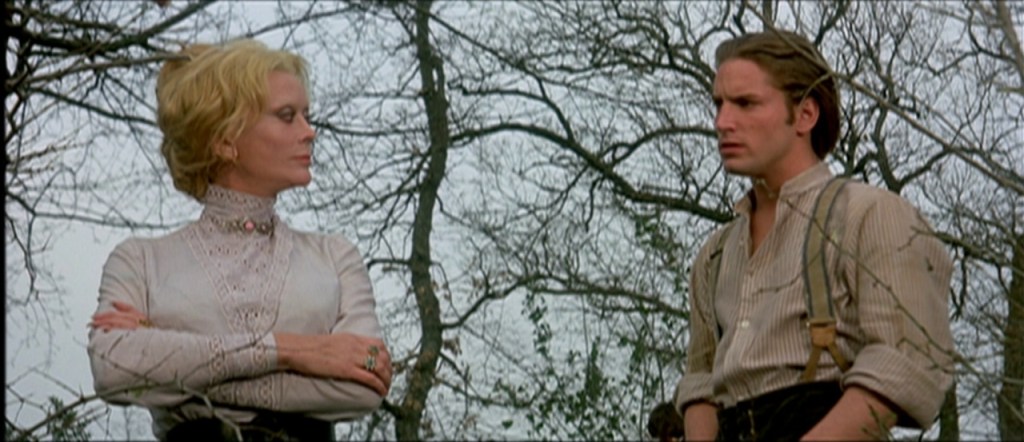
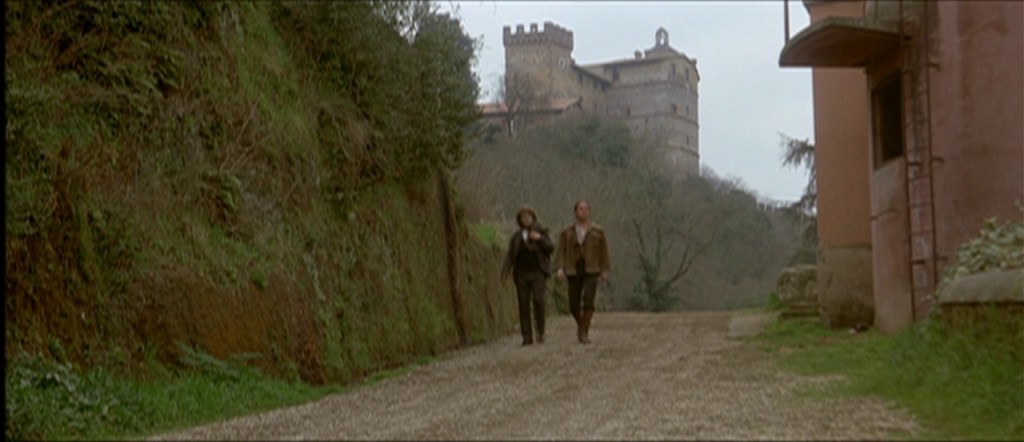
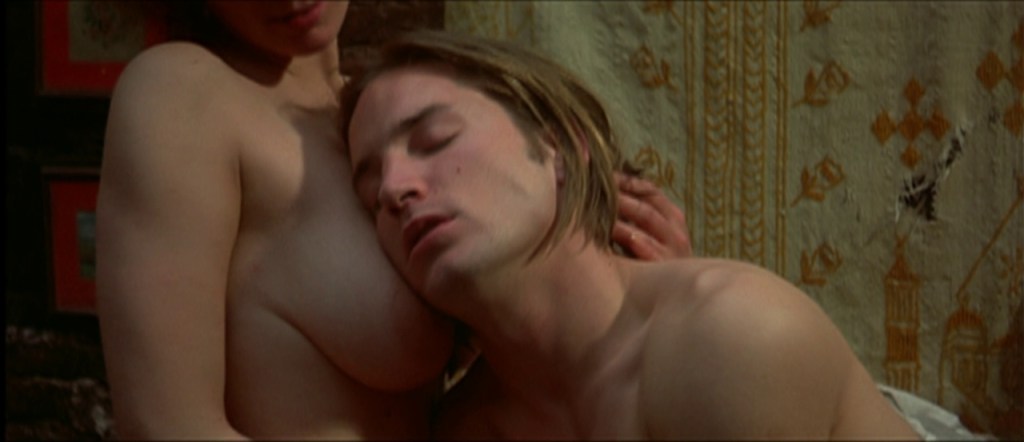
The Baron has constructed two patchwork creatures—a male monster (Srdjan Zelenovic) and a female monster (Dalila Di Lazzaro)—to breed them to create a master race under his control. However, the male monster lacks what the Baron deems “proper sexual drive.” Believing that a man with “the perfect Serbian libido” is the key, the Baron goes in search of the right head for his creation.
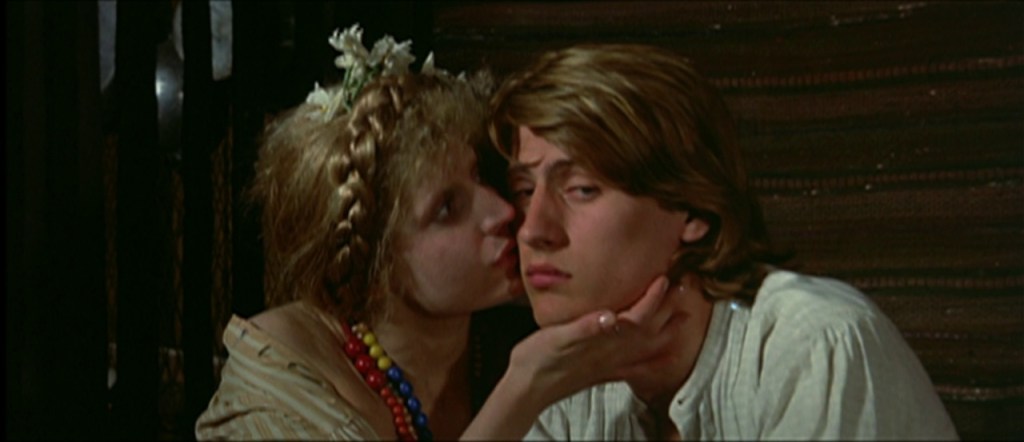
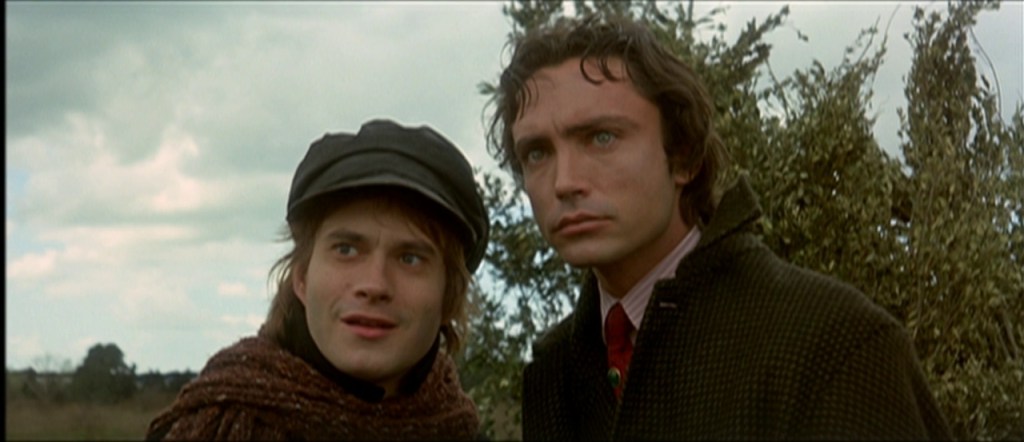
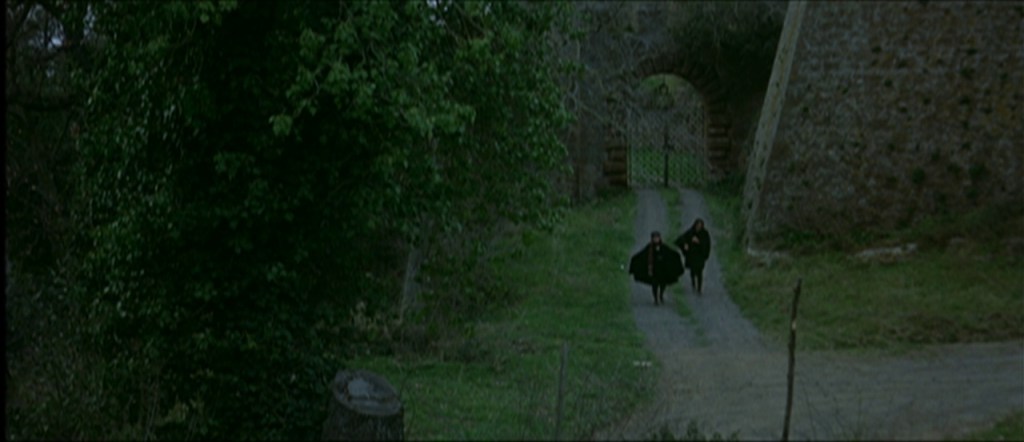
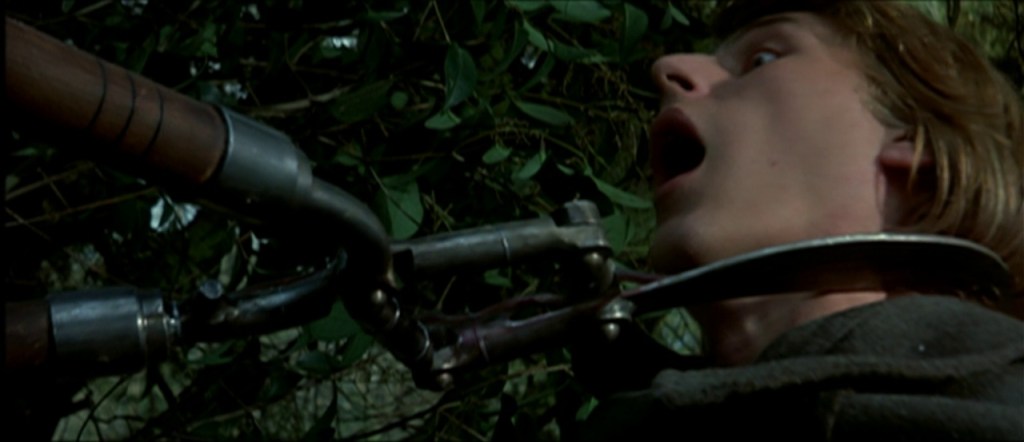
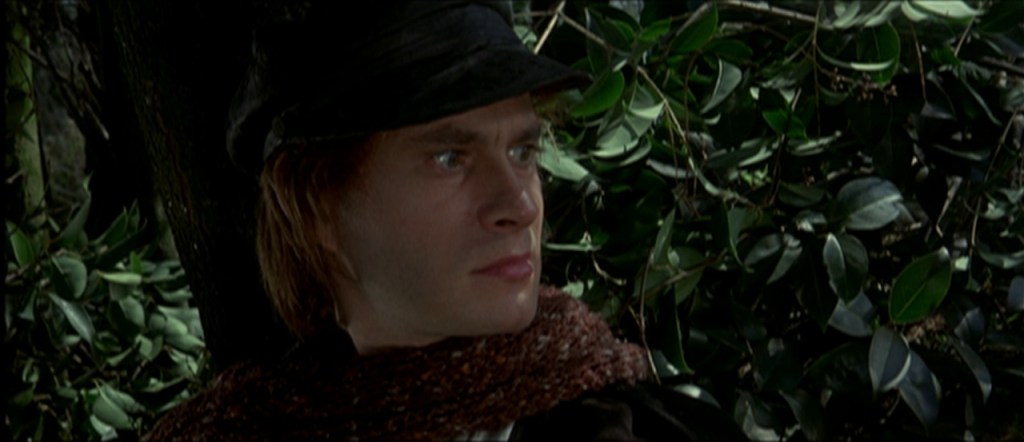
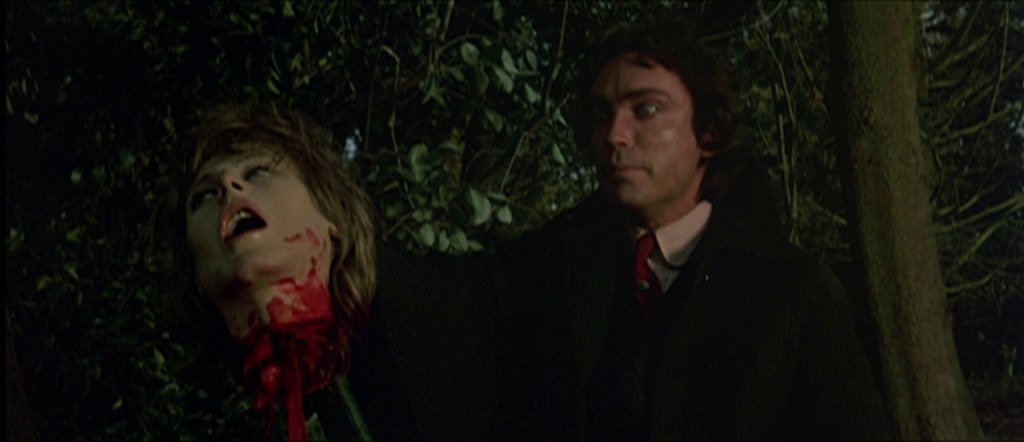
Meanwhile, Nicholas (played by Joe Dallesandro), a stable boy at the castle and a local libertine, frequents brothels with his friend Sacha, a sexually repressed young man. Mistaking Sacha’s quiet intensity for Nicholas’s reputed sexual prowess, the Baron has his assistant Otto (Arno Juerging) decapitate Sacha and attach his head to the male creature’s body.
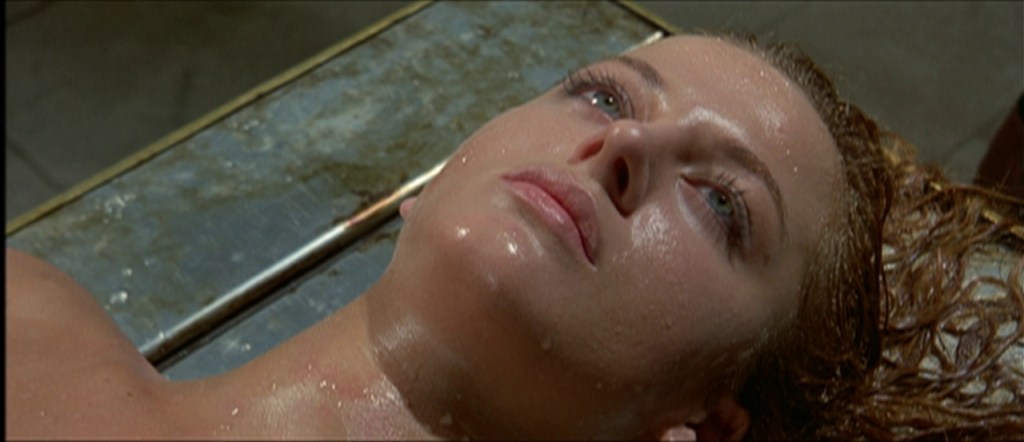
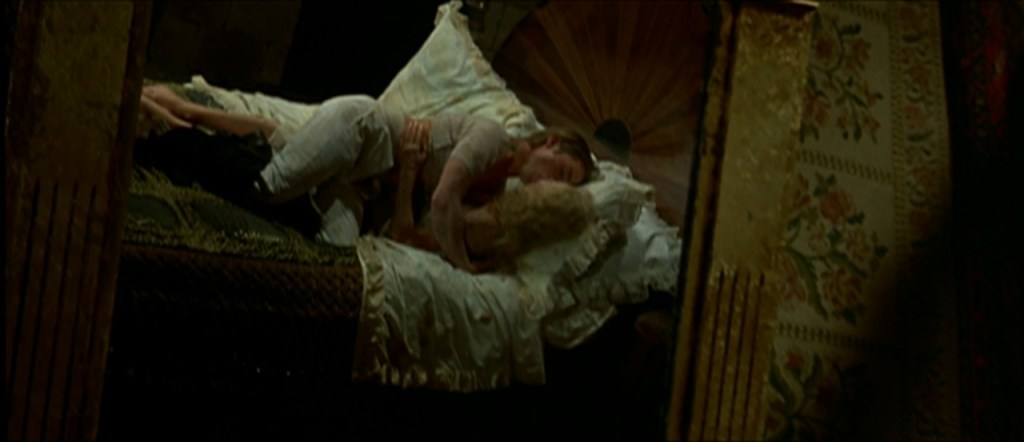
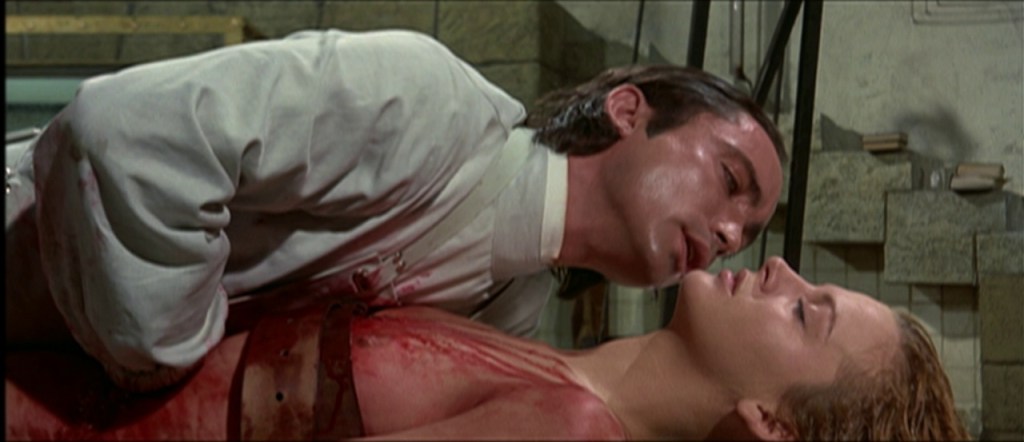
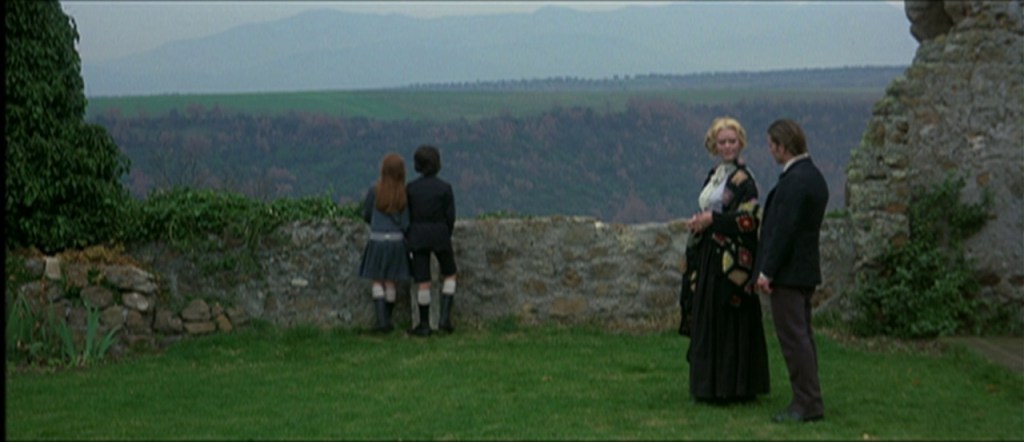
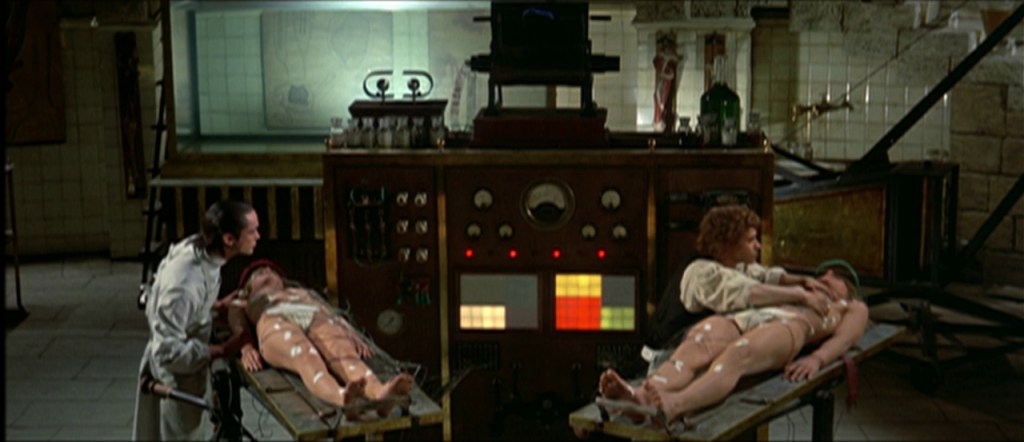
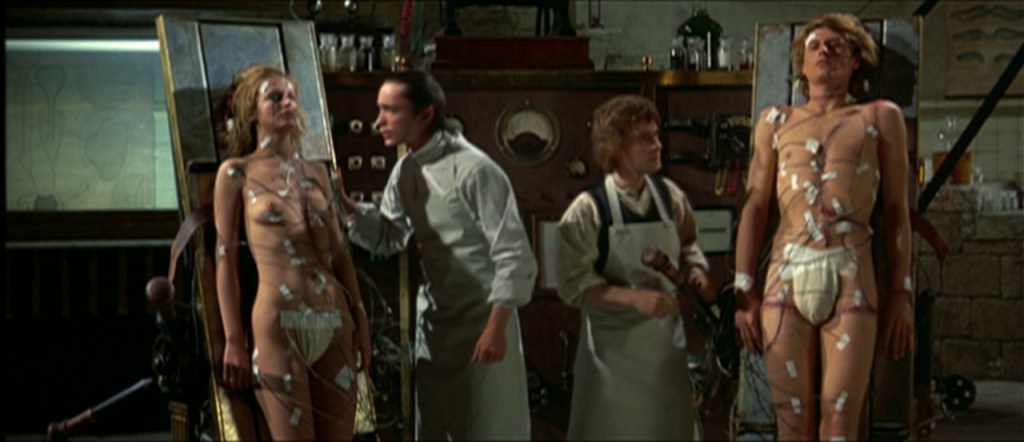
Back at the castle, the reanimated male and female monsters remain emotionally and physically unresponsive. When Nicholas is captured and brought to the castle as a servant, he realizes that his friend’s body has been turned into Frankenstein’s experiment. At the same time, the Baroness begins a sexually charged affair with the male monster, unaware that it harbors the soul of her former servant’s friend.
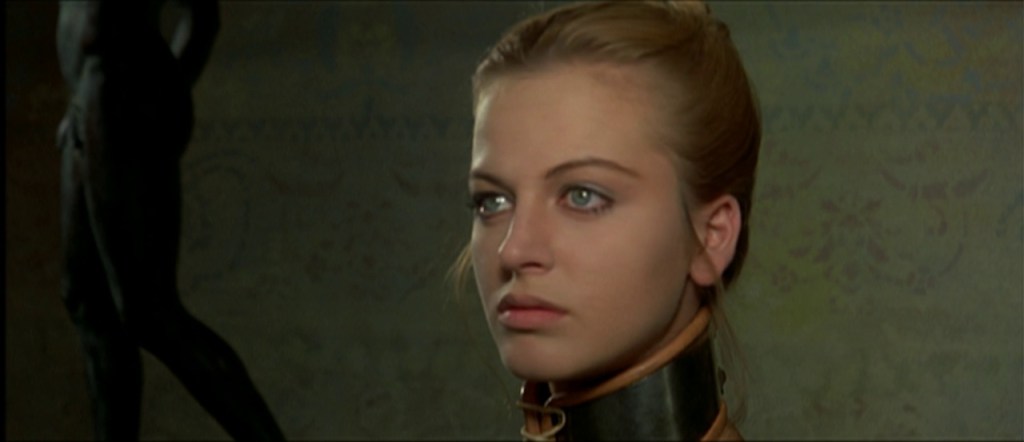
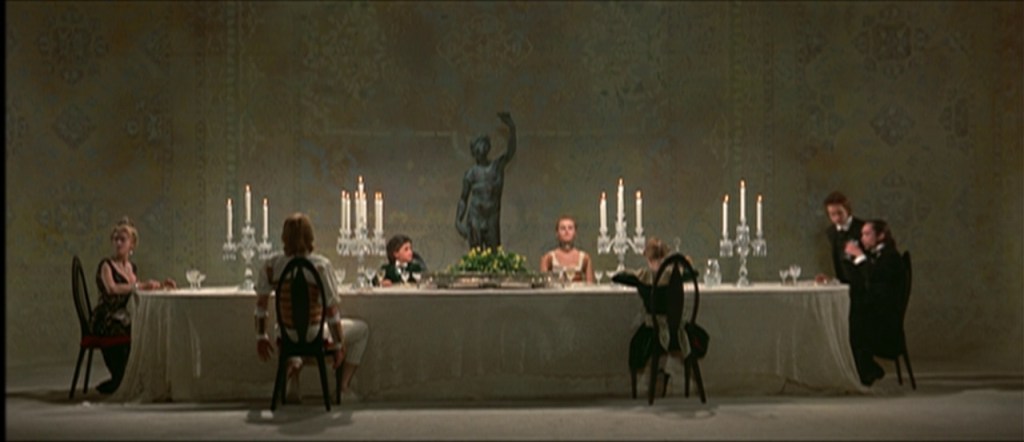
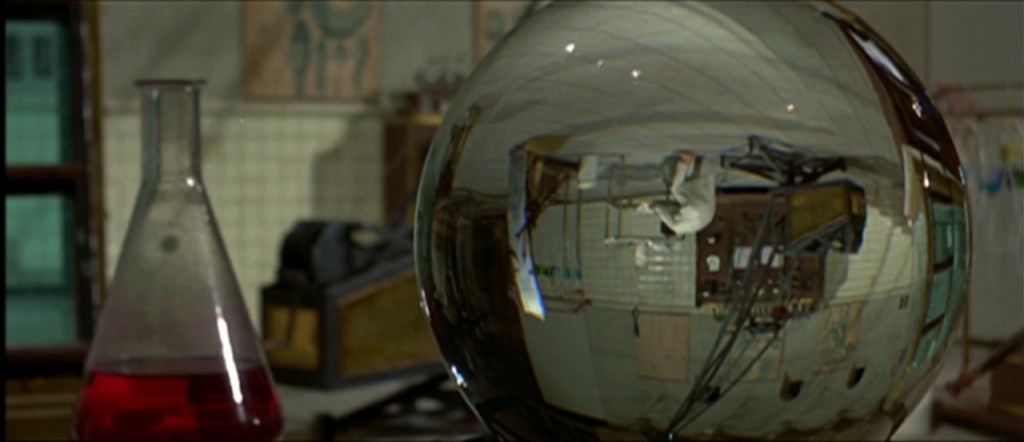
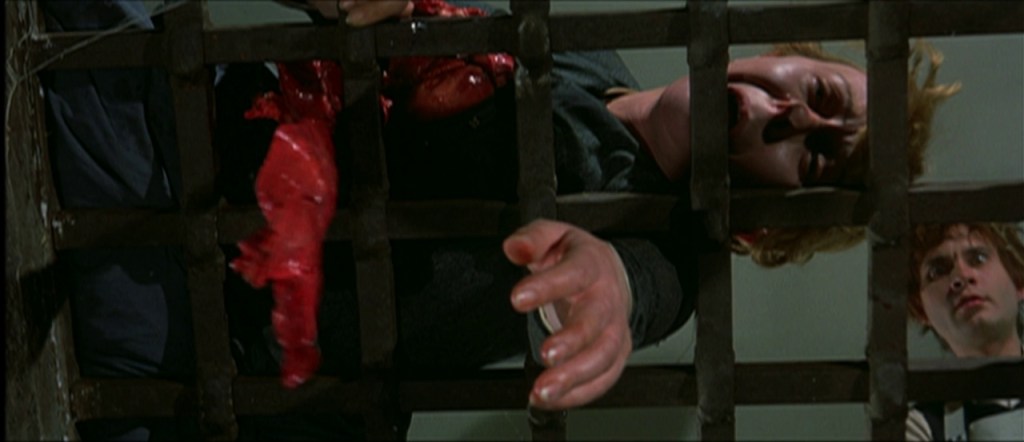
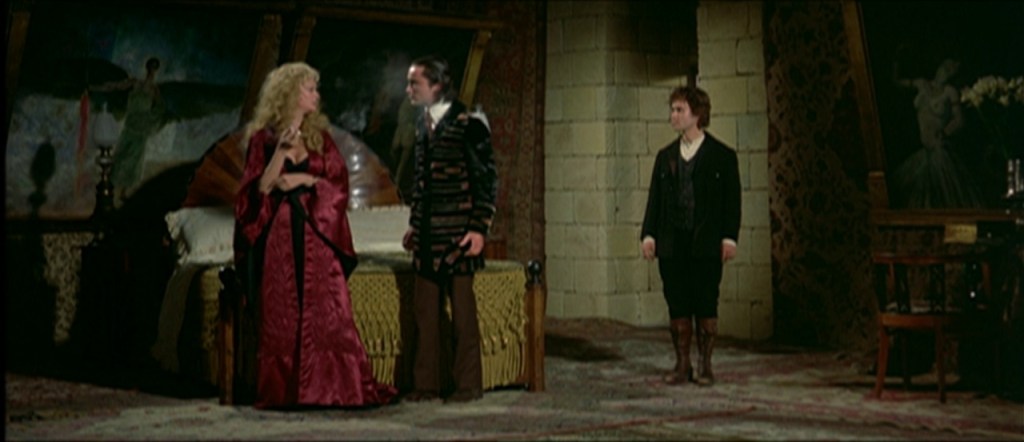
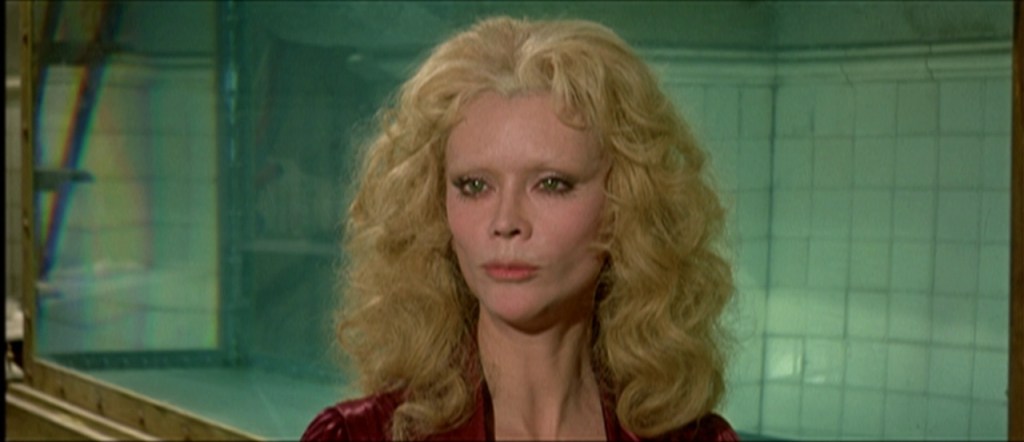
As the experiments grow more bizarre and twisted, Otto becomes sexually obsessed with the female monster, violating her and disrupting the Baron’s plans. The Baron, increasingly mad with power and lust for his own creations, delivers one of the film’s most infamous lines (spoken in heavily accented English):
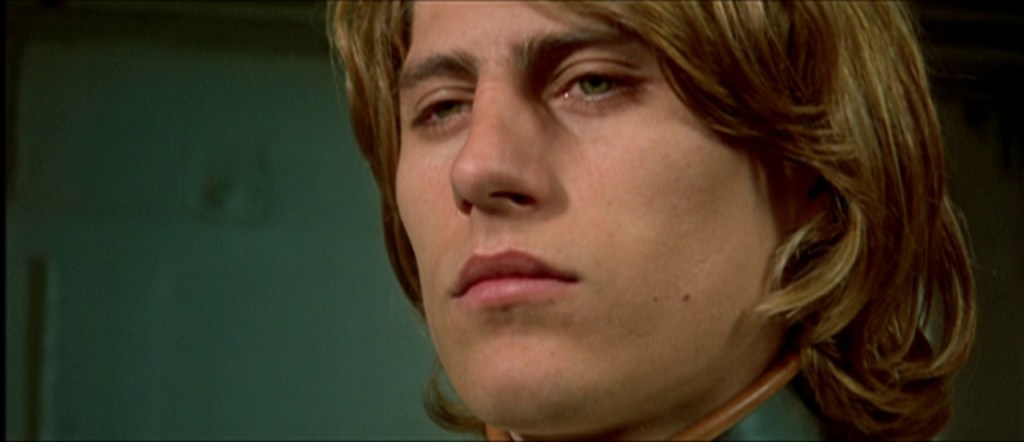
“To know death, Otto, you have to f* life… in the gall bladder!”
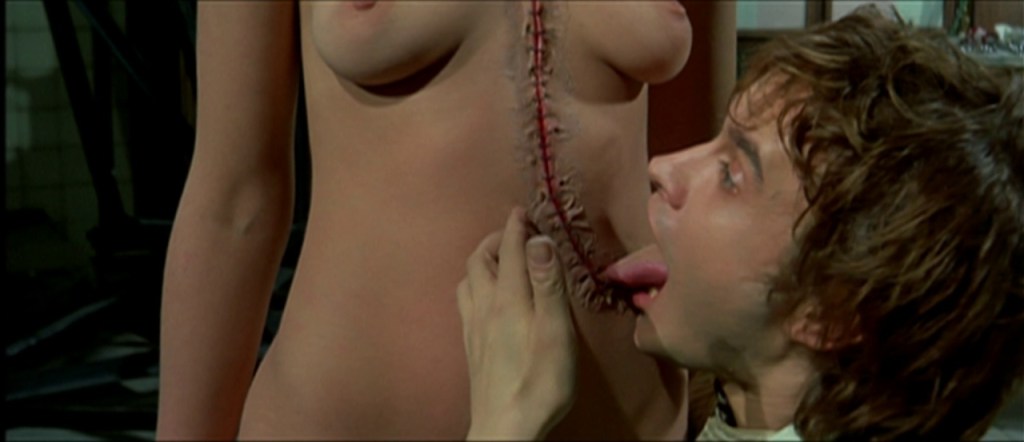
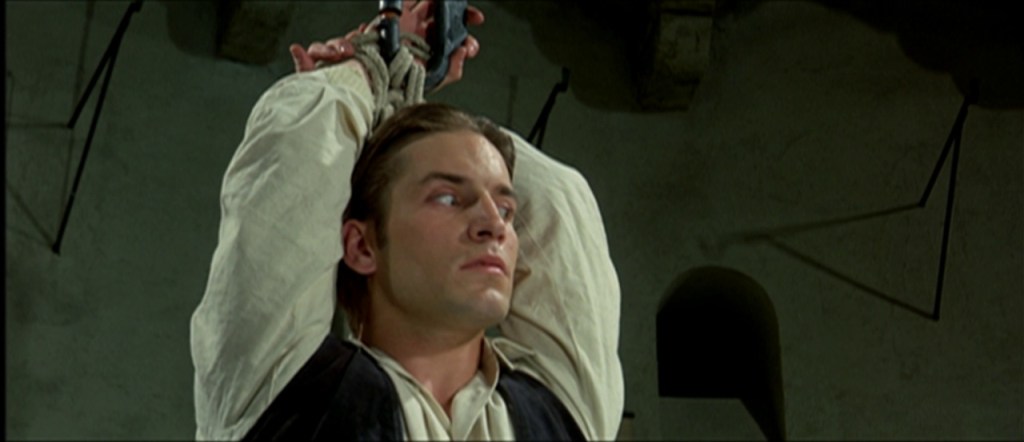
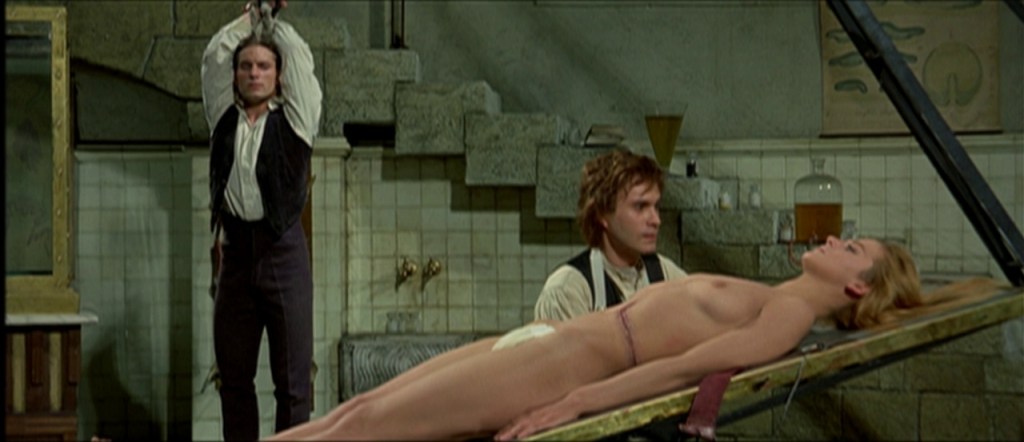
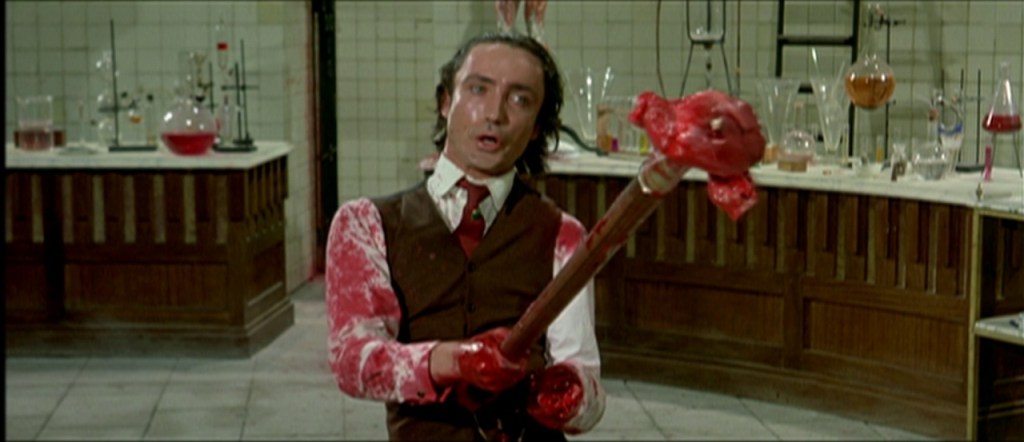
Eventually, the monsters rebel. In a climactic and gruesome sequence, the Baron is disemboweled, and the creatures, discovering their grotesque origins and lack of free will, destroy themselves. Nicholas is left horrified but defiant, refusing to carry on the Baron’s twisted legacy even as the dying Baron pleads with him to continue the experiments.
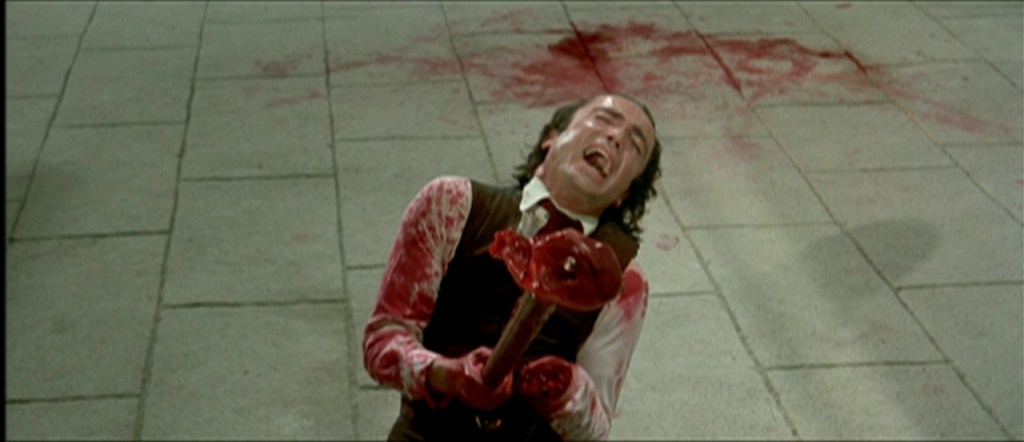
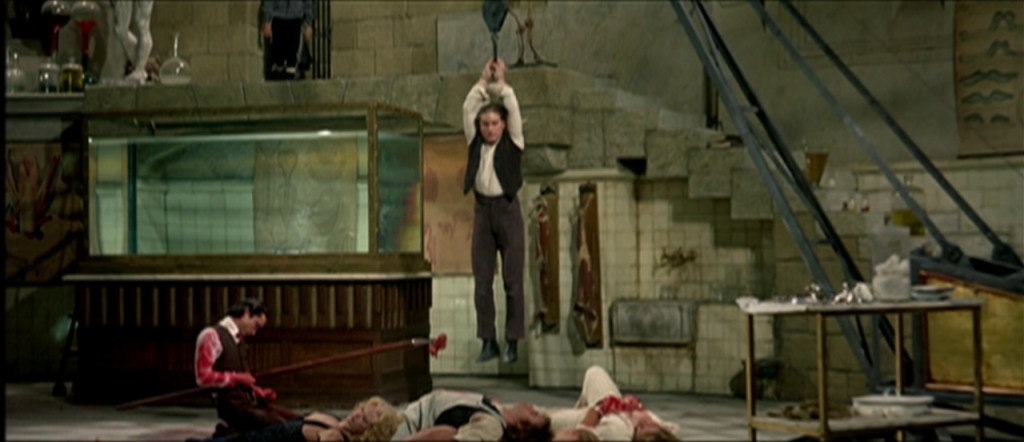
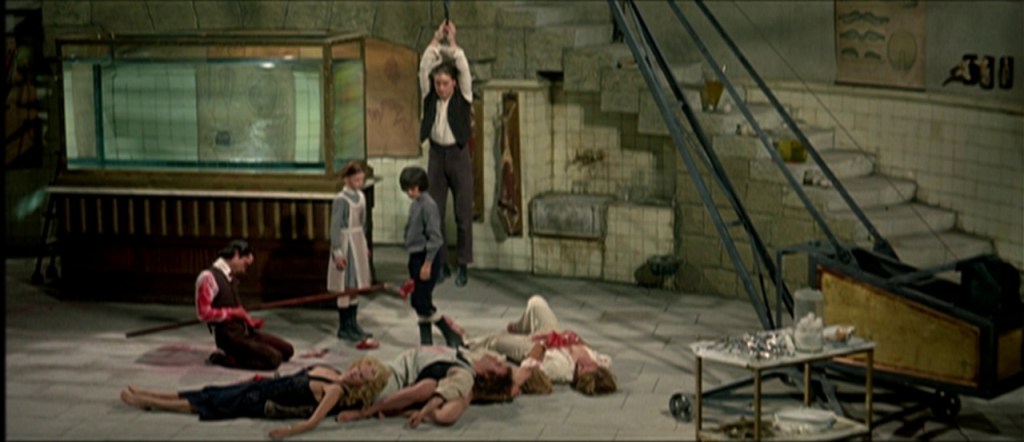
Flesh for Frankenstein is both a horror film and a parody of horror films—a commentary on the dangers of unchecked ambition, sexual repression, and the misuse of science. The film is known for its surreal tone, stylized violence, absurd sexual content, and deadpan delivery, making it hard to classify as either sincere horror or pure satire.
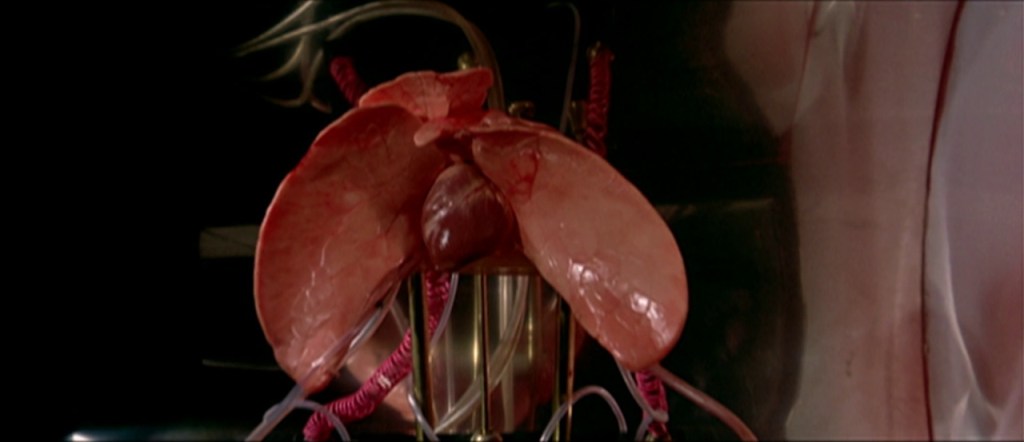
Udo Kier’s extravagant performance as the deranged Baron is a highlight—he portrays the role with theatrical camp, being both terrifying and absurd. The sets and costumes evoke a decaying aristocracy, emphasizing themes of moral and physical corruption.
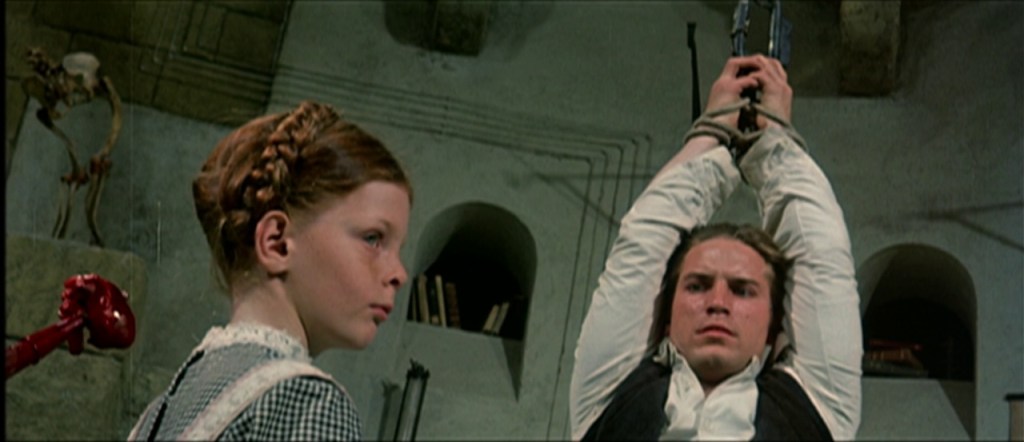
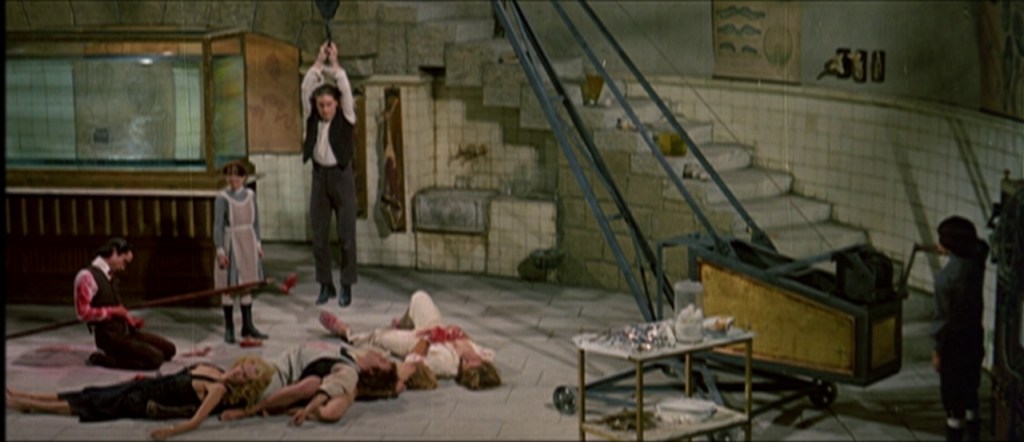
Although the film is marketed under Andy Warhol’s name, it is clearly a product of Paul Morrissey’s vision. This work combines elements of European horror with American underground cinema. It was later followed by a companion film, “Blood for Dracula” (1974), which also stars Udo Kier and Joe Dallesandro and shares a similarly provocative tone.