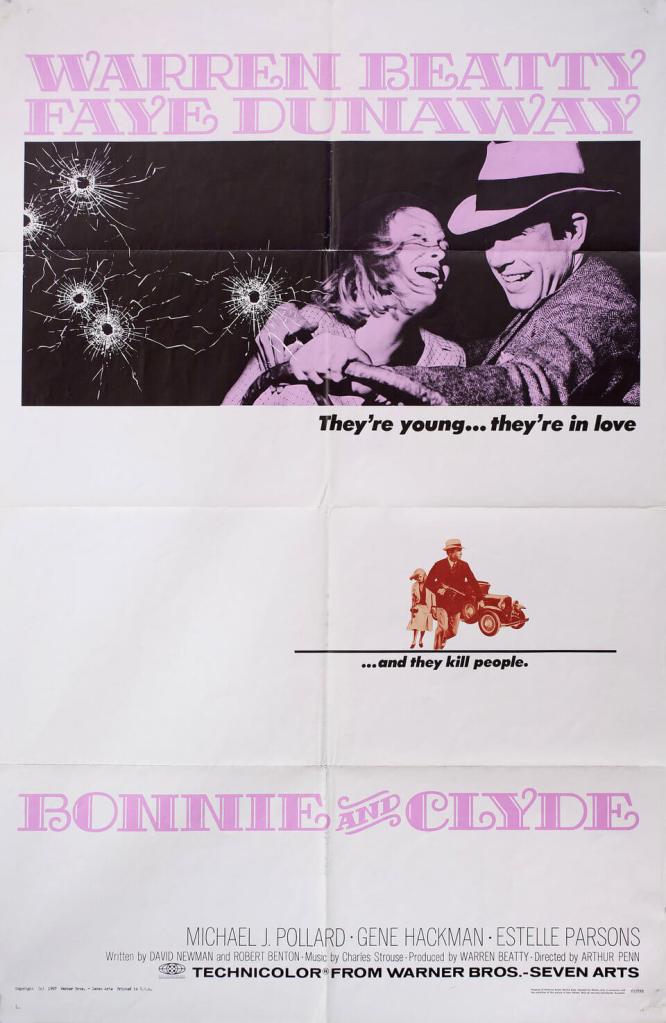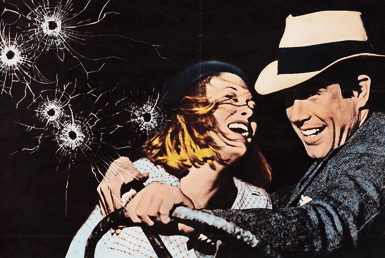
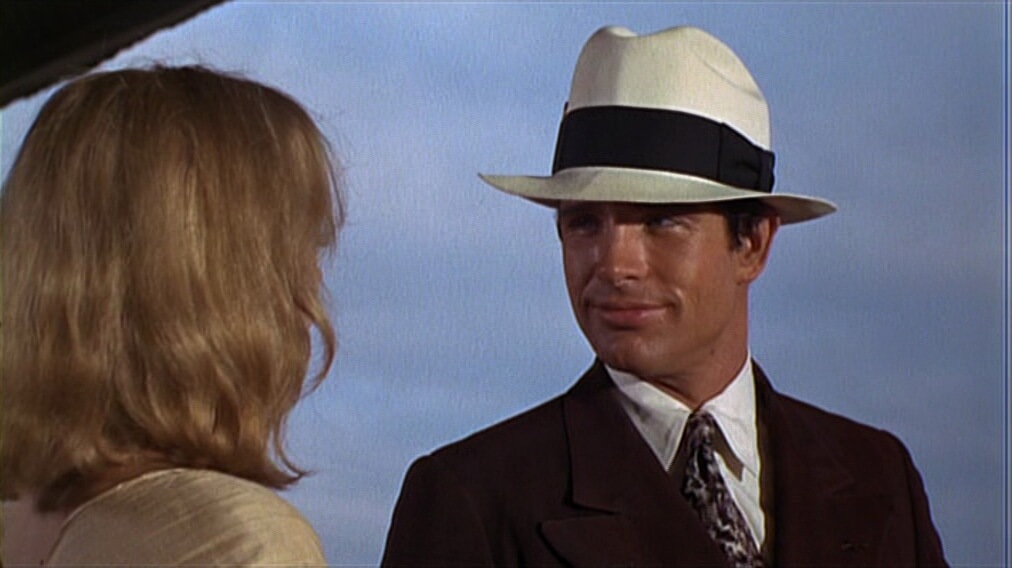
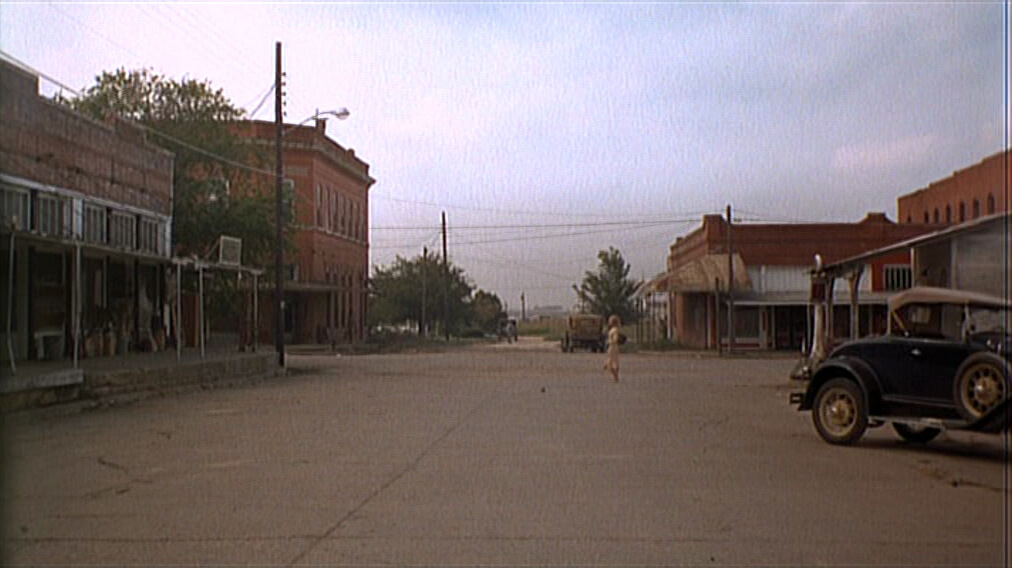
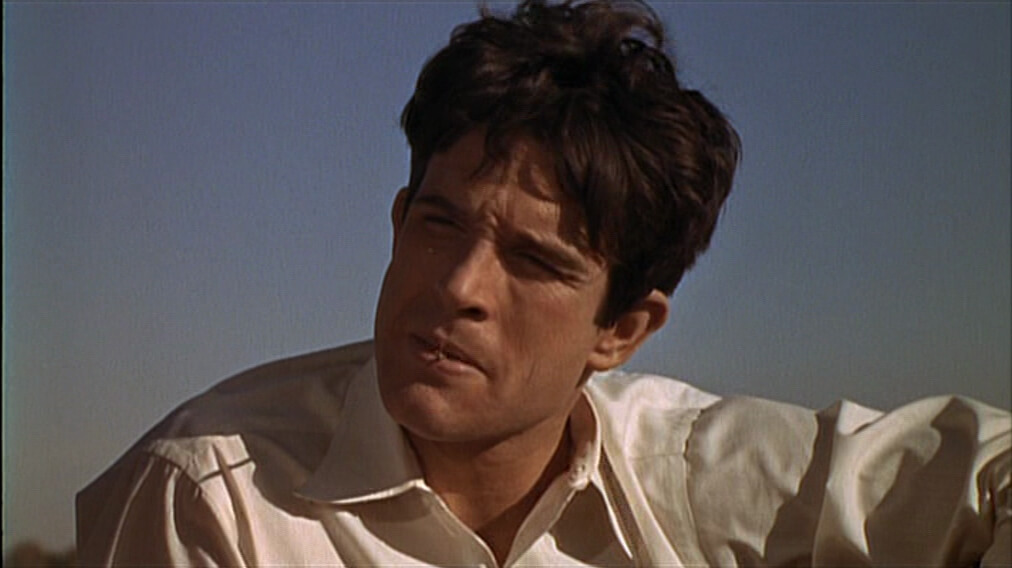
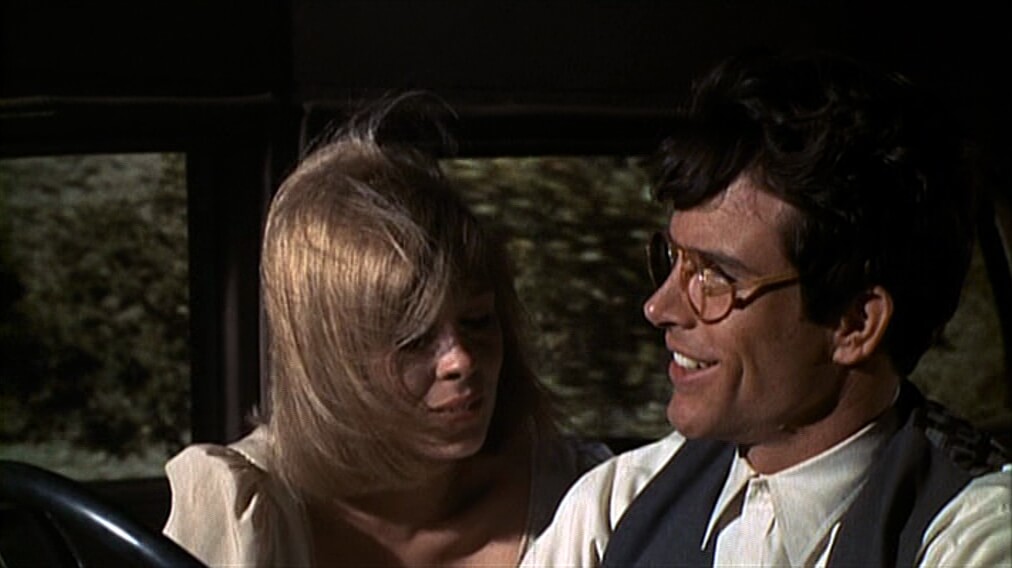
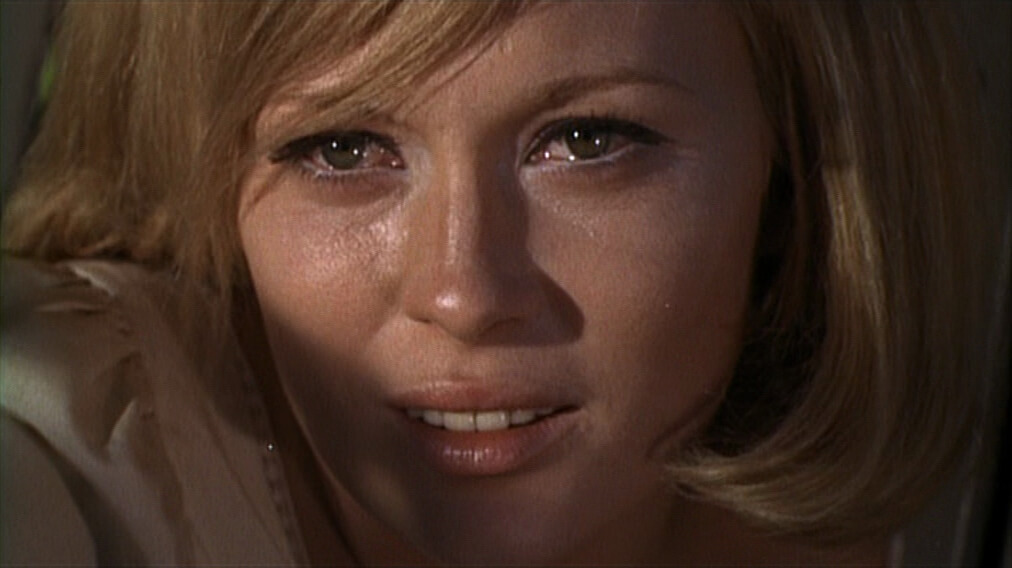
“Bonnie and Clyde” is a 1967 landmark American crime film directed by Arthur Penn. Set during the Great Depression, the film follows the real-life story of Clyde Barrow (Warren Beatty), a small-time ex-con, and Bonnie Parker ( Faye Dunaway), a restless waitress, who fall in love and embark on a violent crime spree across the American South. Their journey begins almost impulsively—Bonnie is intrigued by Clyde’s rebellious spirit, and the pair quickly descend into a life of armed robbery, stealing from banks, gas stations, and small stores.
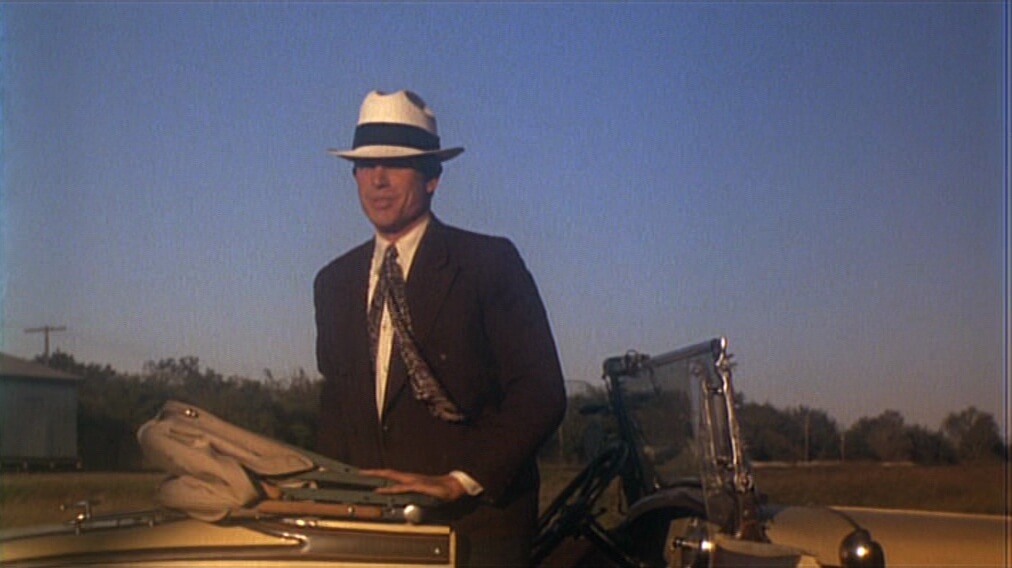
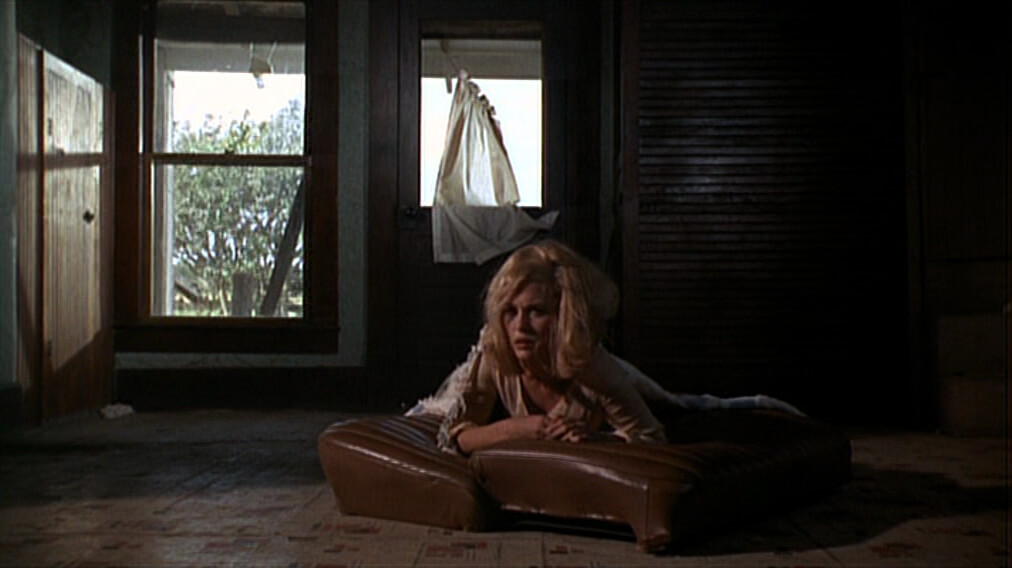
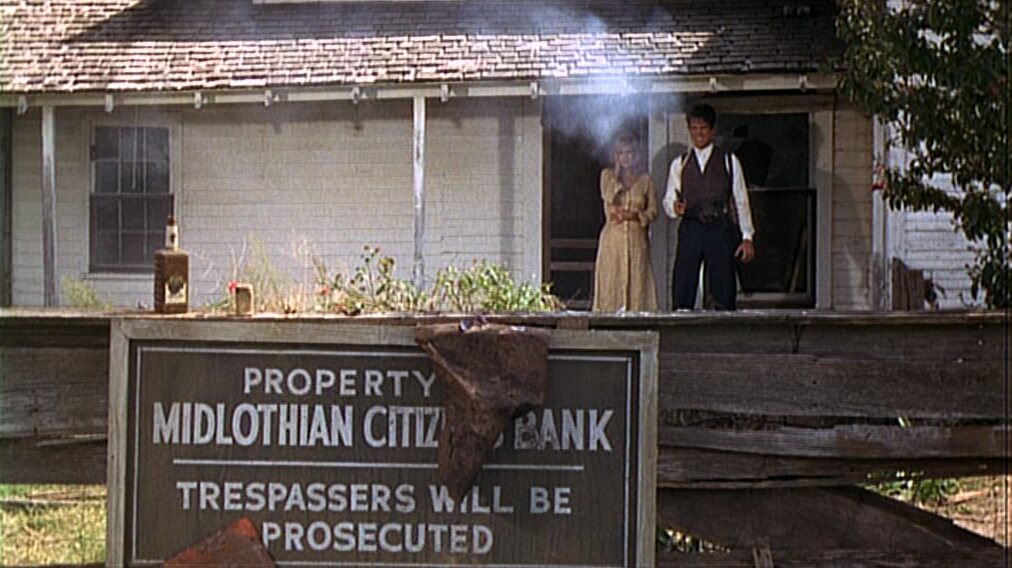
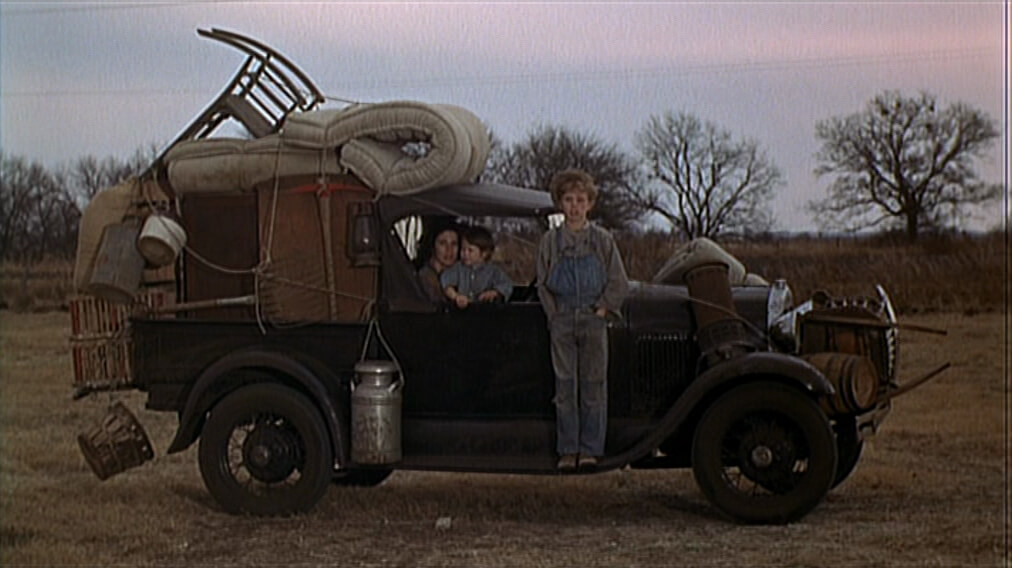
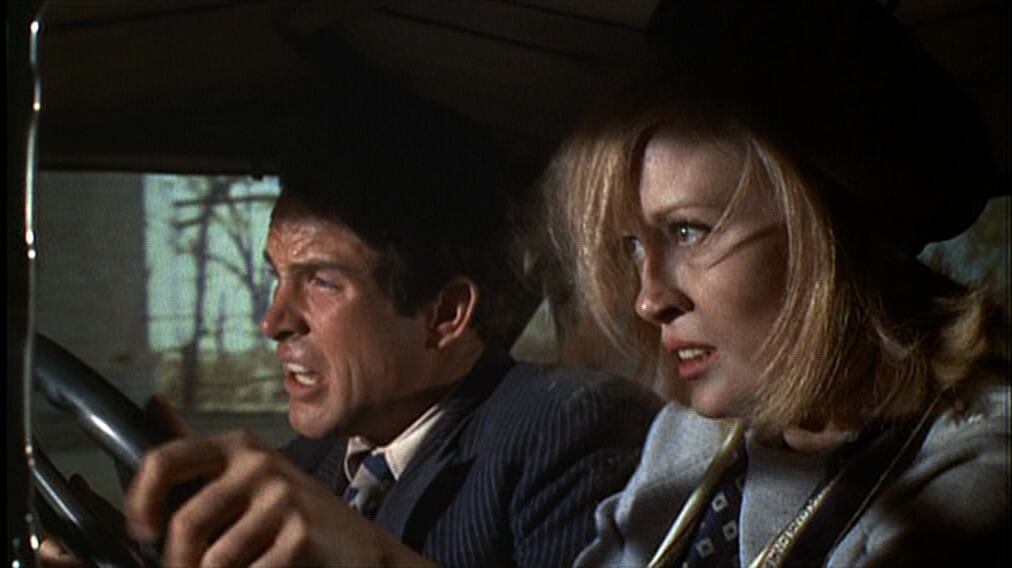
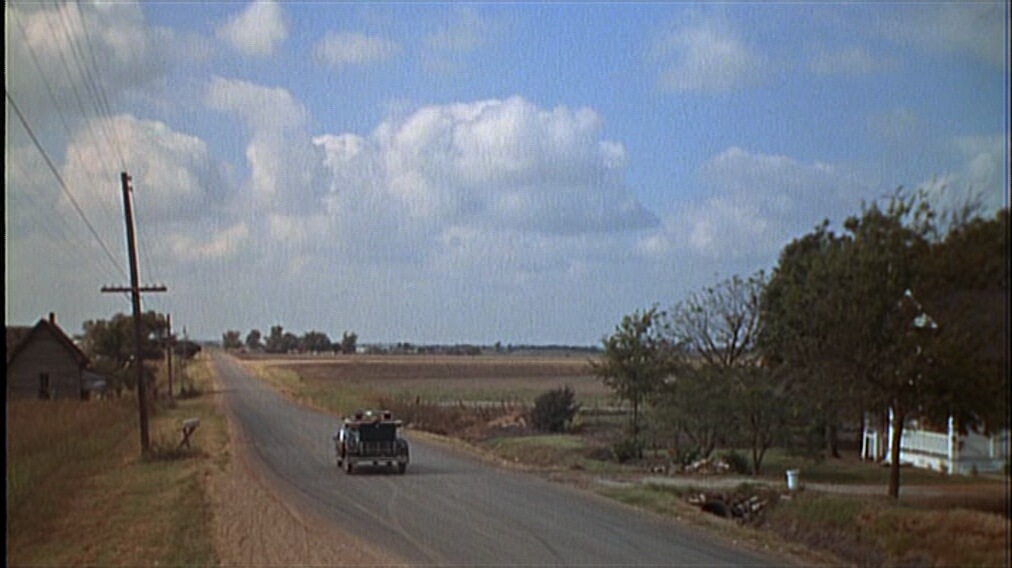
As their crimes escalate, they are joined by others: C.W. Moss (Michael J. Pollard), a dimwitted but loyal mechanic who becomes their getaway driver, and later Clyde’s older brother Buck Barrow (Gene Hackman) and Buck’s deeply religious wife Blanche (Estelle Parsons). The Barrow Gang, as they become known, gains notoriety, and the group is both glamorized and vilified in the media.
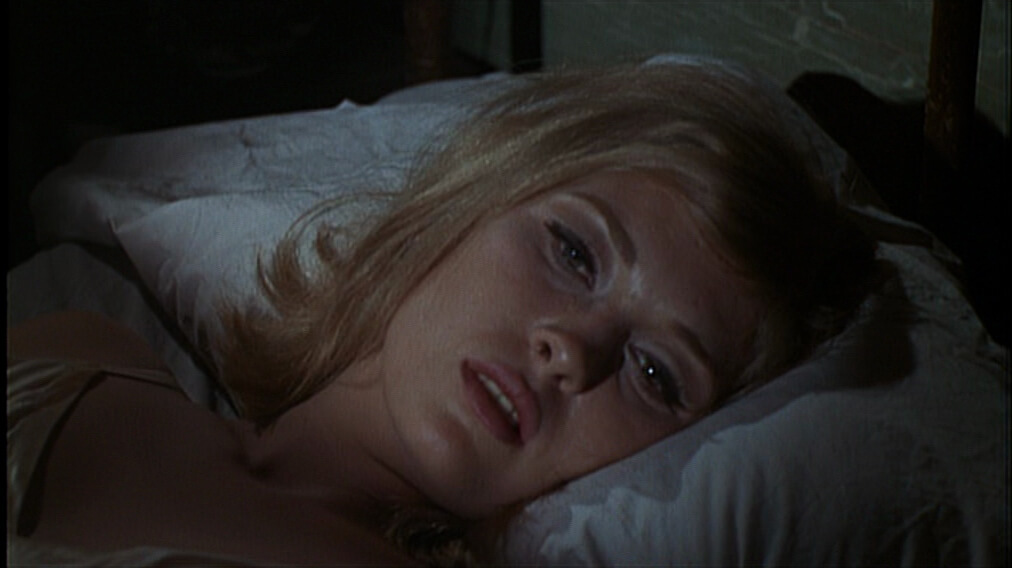
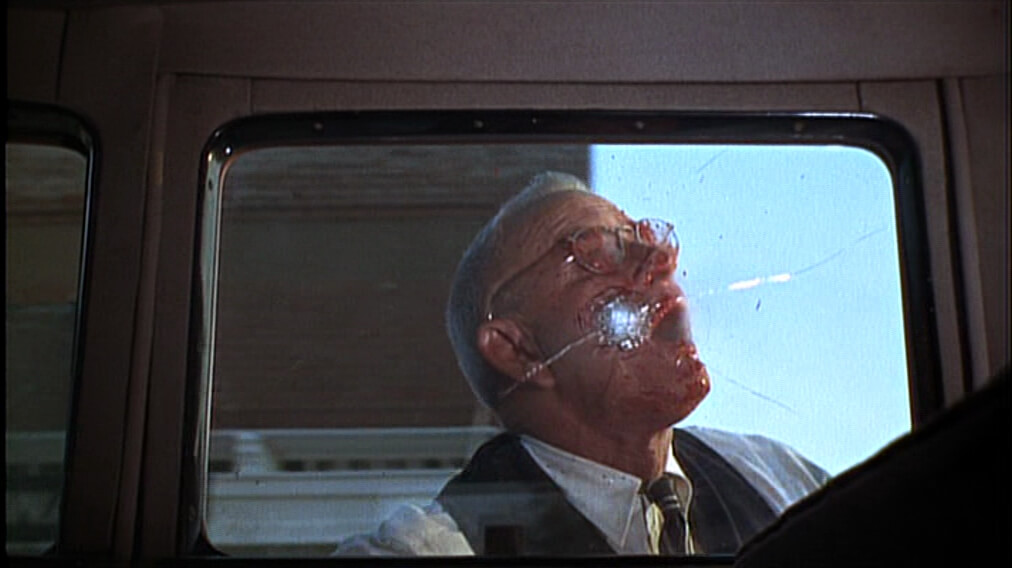
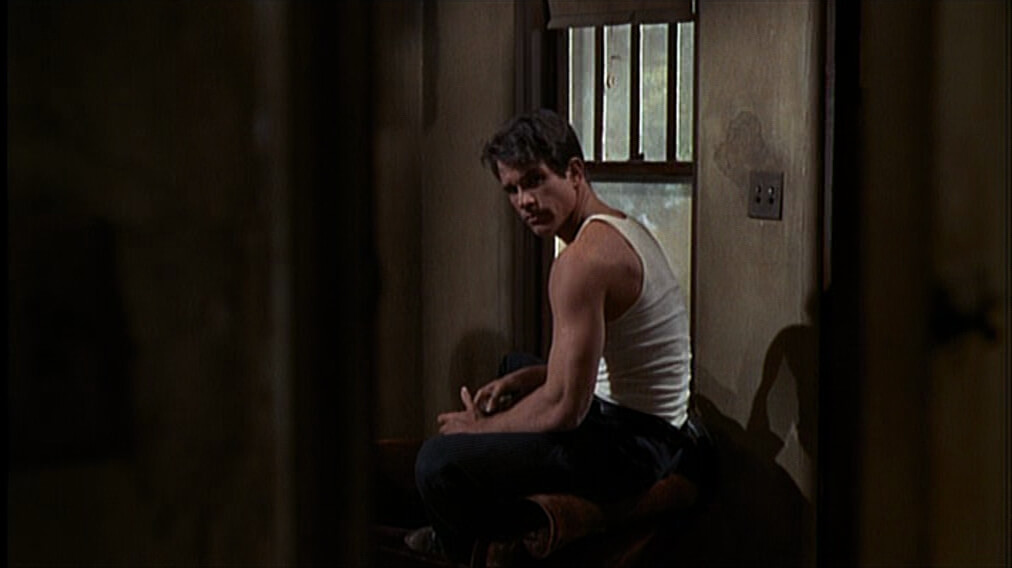
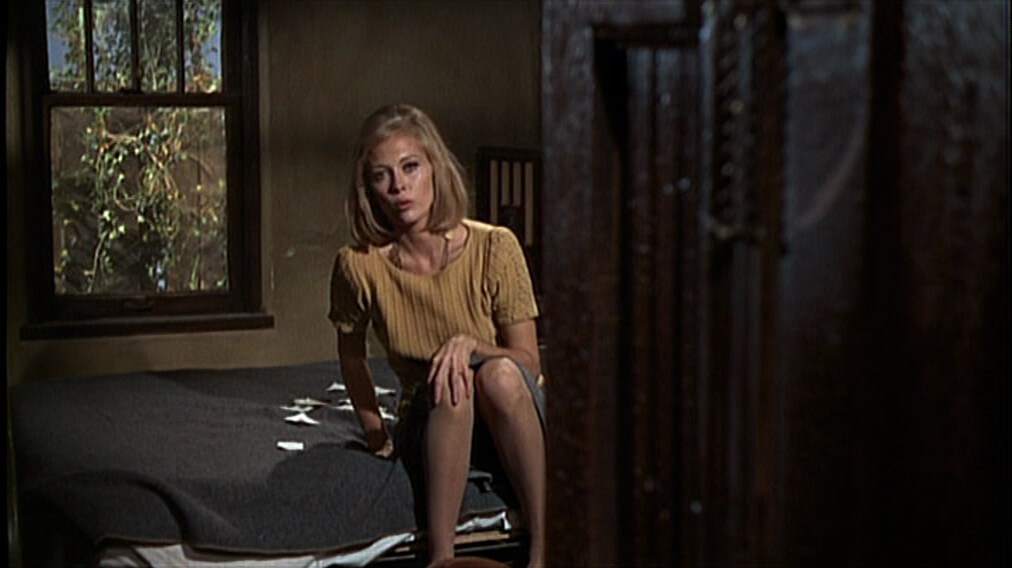
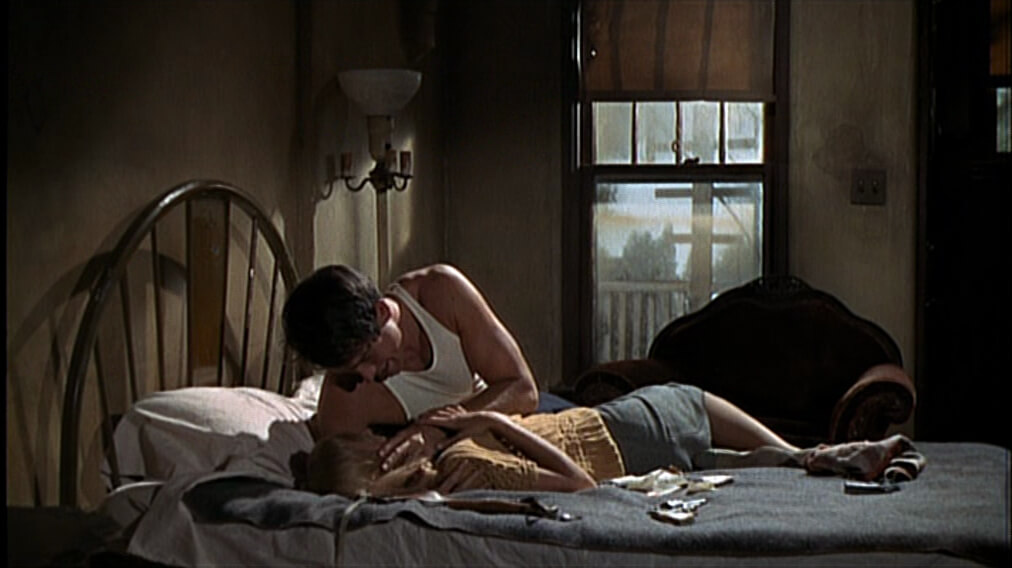
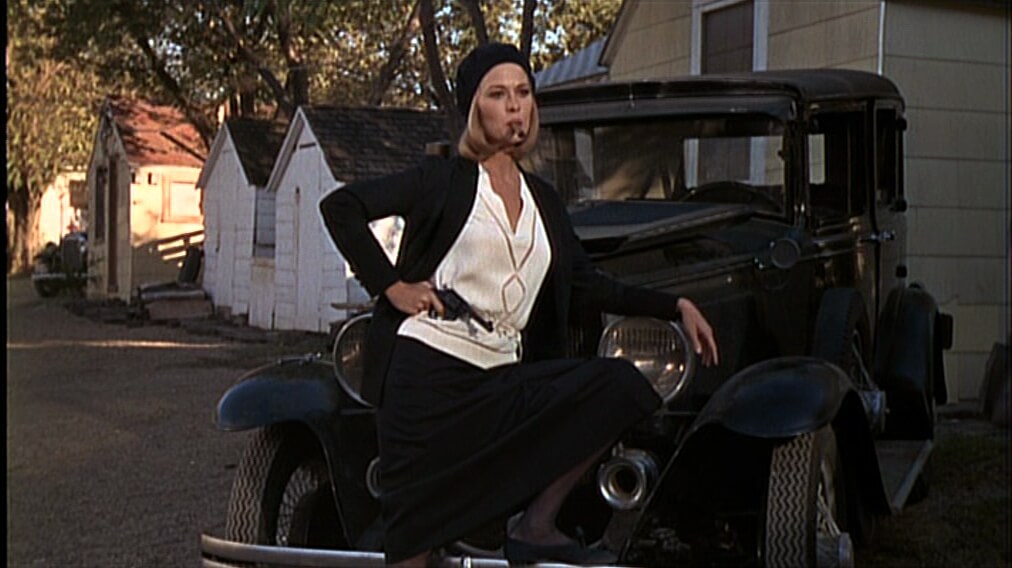
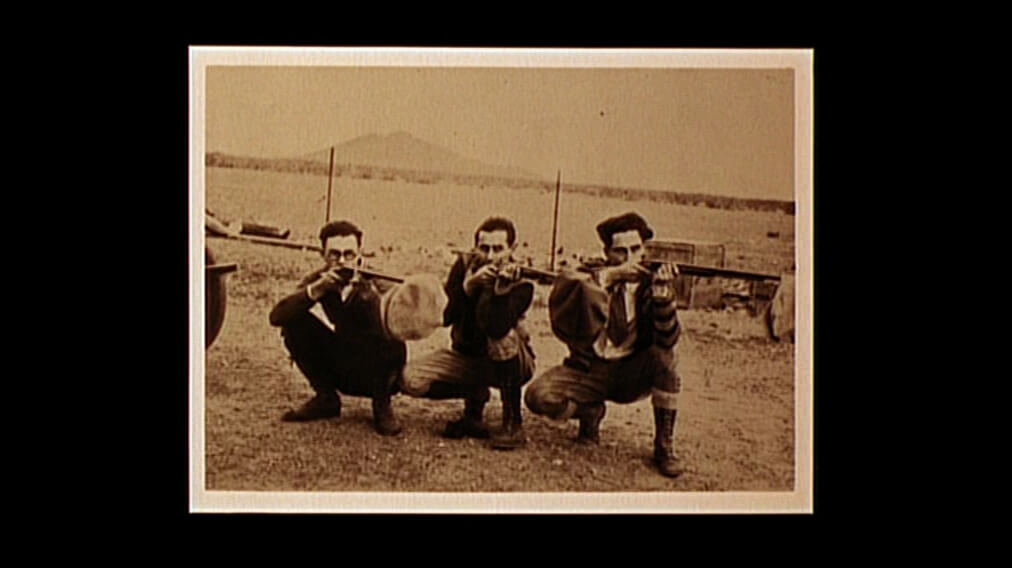
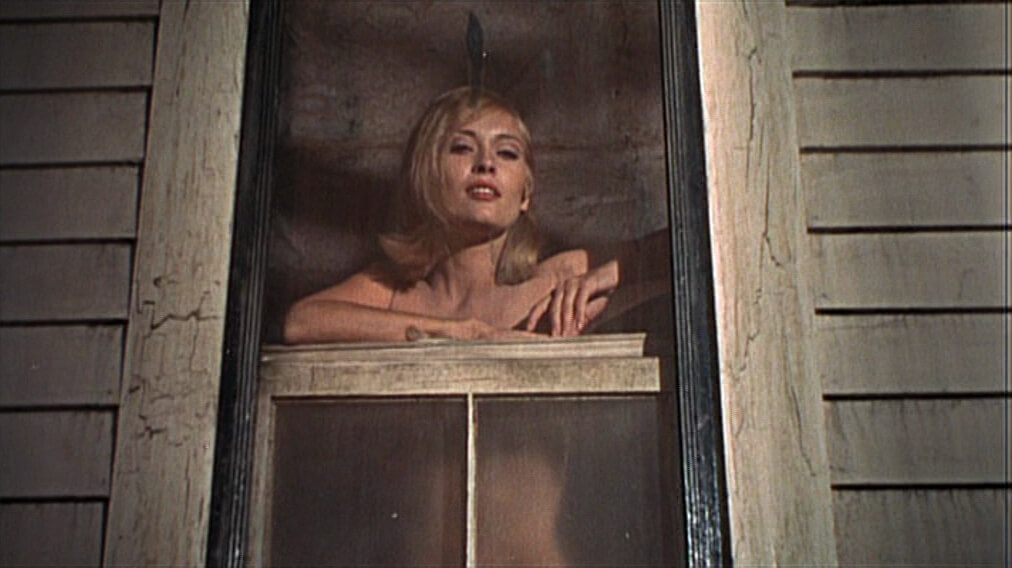
The film opens with a sepia-toned montage of old photographs and newspaper clippings that introduce the historical context—Depression-era America—and set a nostalgic yet somber tone. This leads to the first glimpse of Bonnie Parker in her bedroom, where she is bored and restless. She spies Clyde Barrow, attempting to steal her mother’s car.
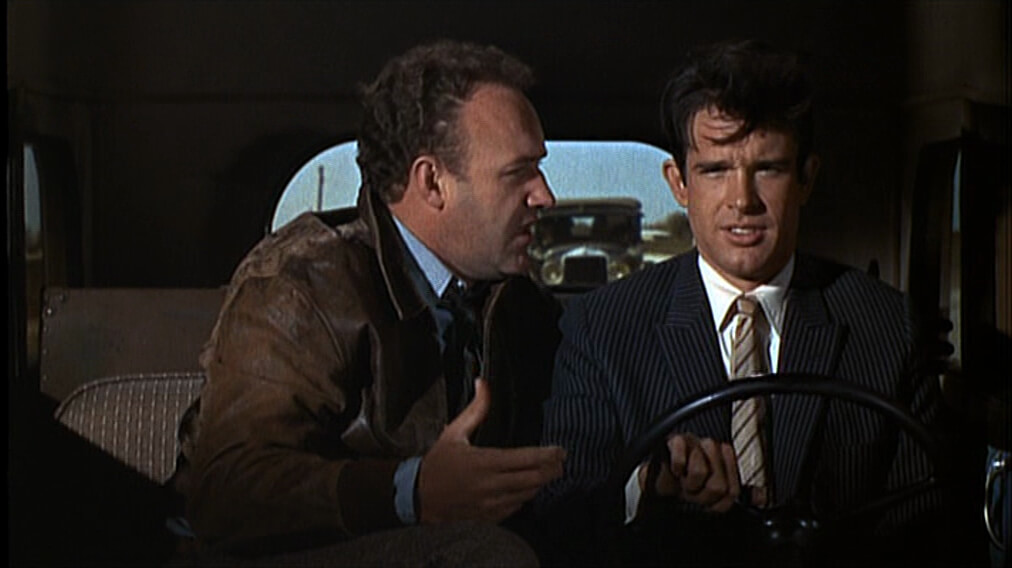
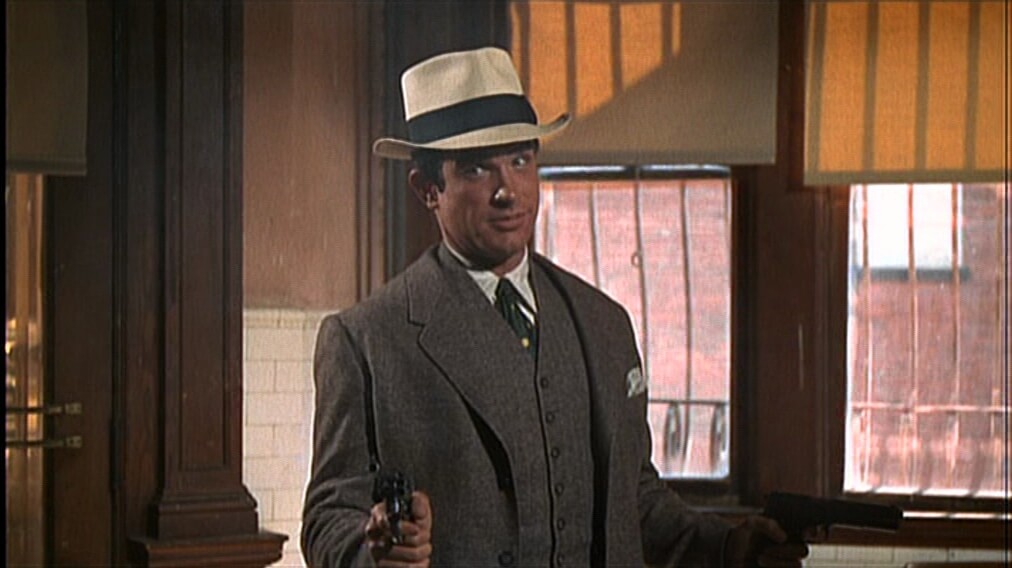
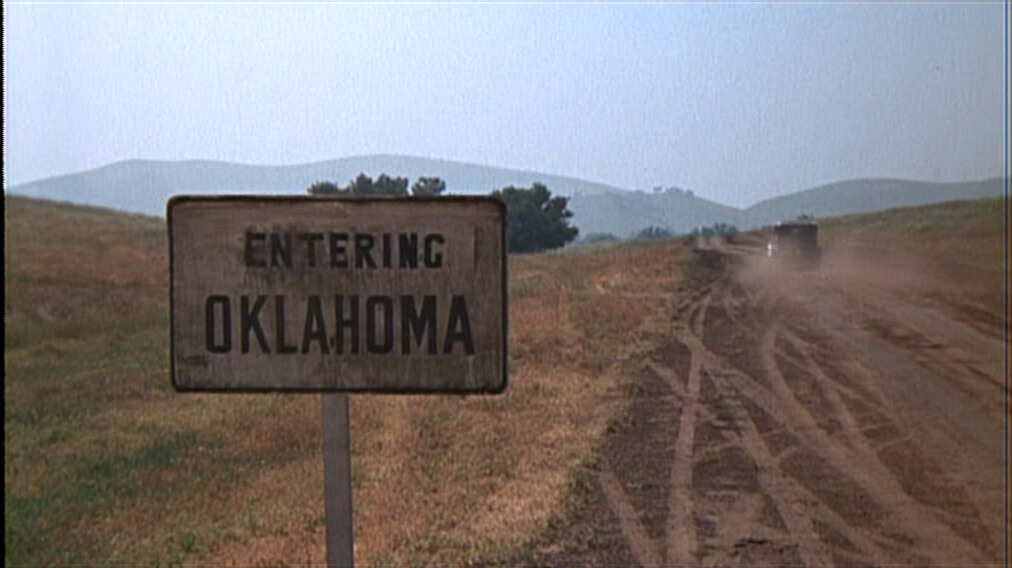
The first conversation between Bonnie and Clyde is flirtatious, odd, and electric. When Clyde shows off his gun, Bonnie is intrigued rather than alarmed. He robs a store to impress her, and they flee together. This impulsive beginning sets the tone for their doomed romance—a mixture of excitement, danger, and recklessness.
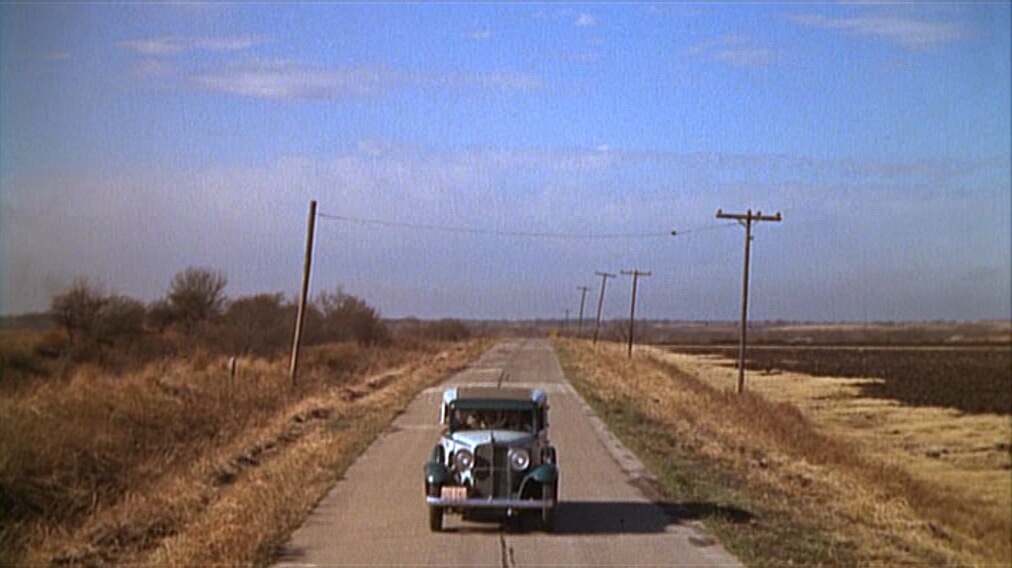
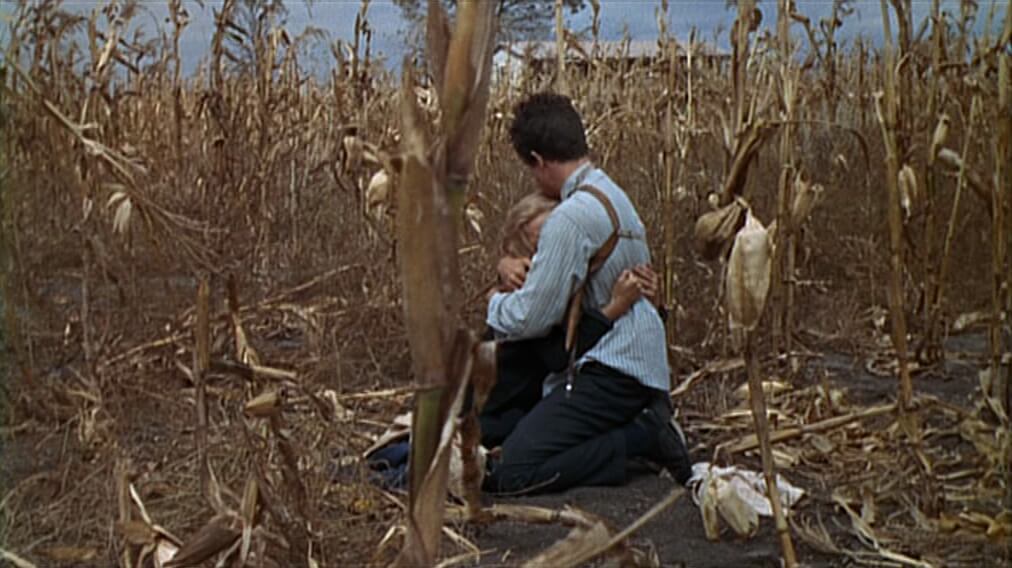
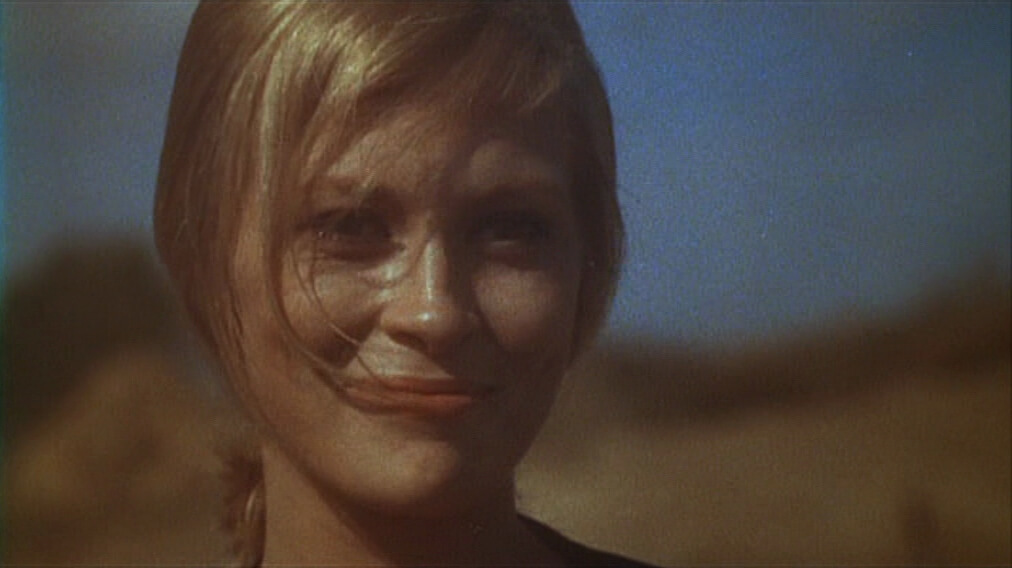
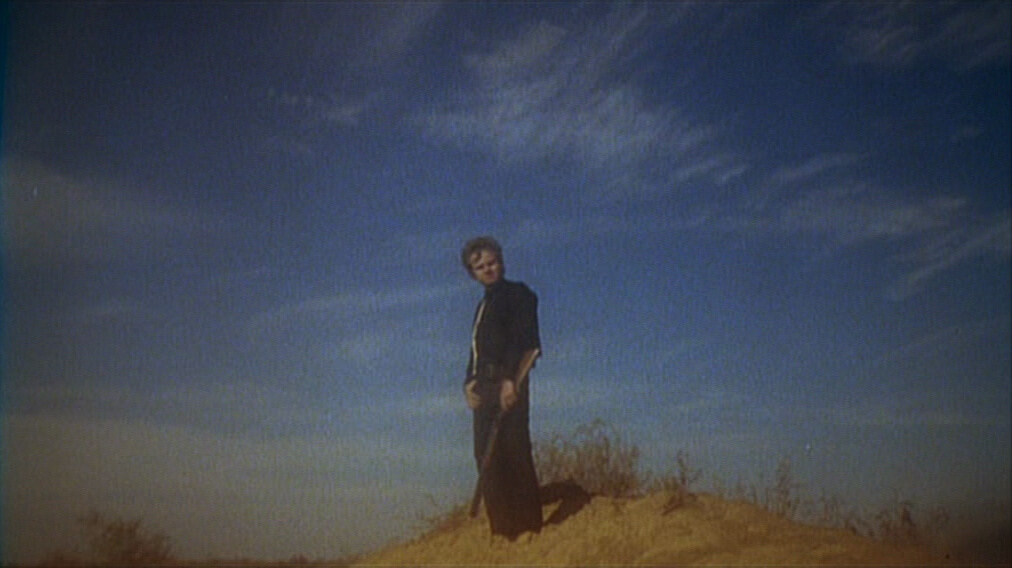
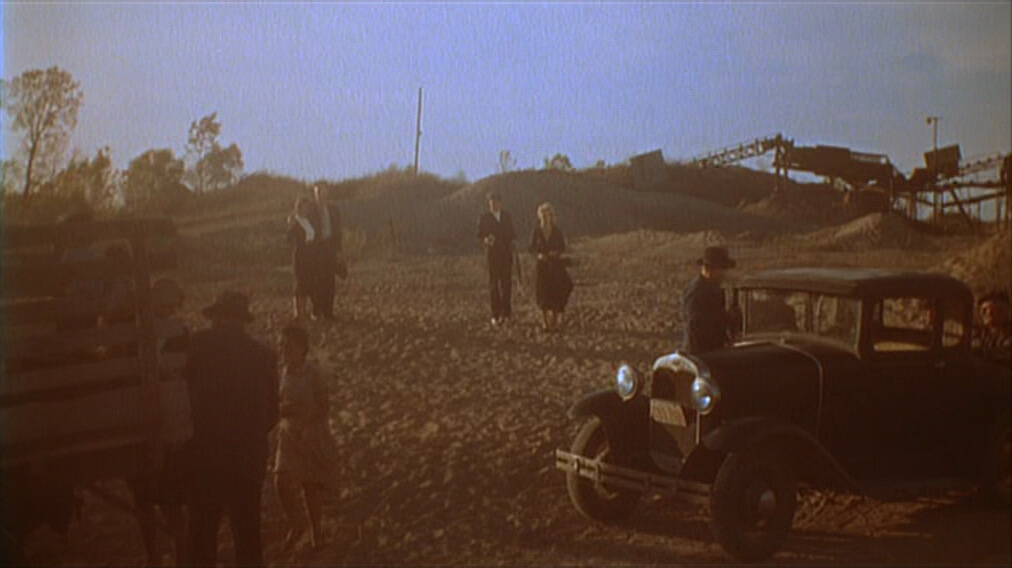
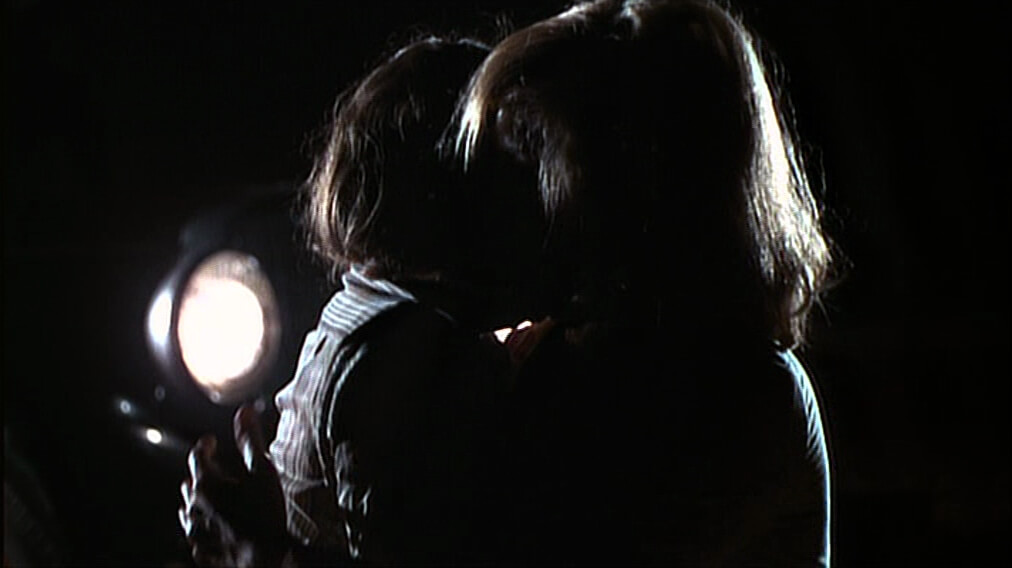
As their petty crimes increase, Bonnie urges Clyde to aim higher, craving adventure and notoriety. They rob banks with increasing boldness. Their criminal spree becomes more organized when they recruit the awkward but loyal C.W. Moss (Michael J. Pollard) as their driver and accomplice.
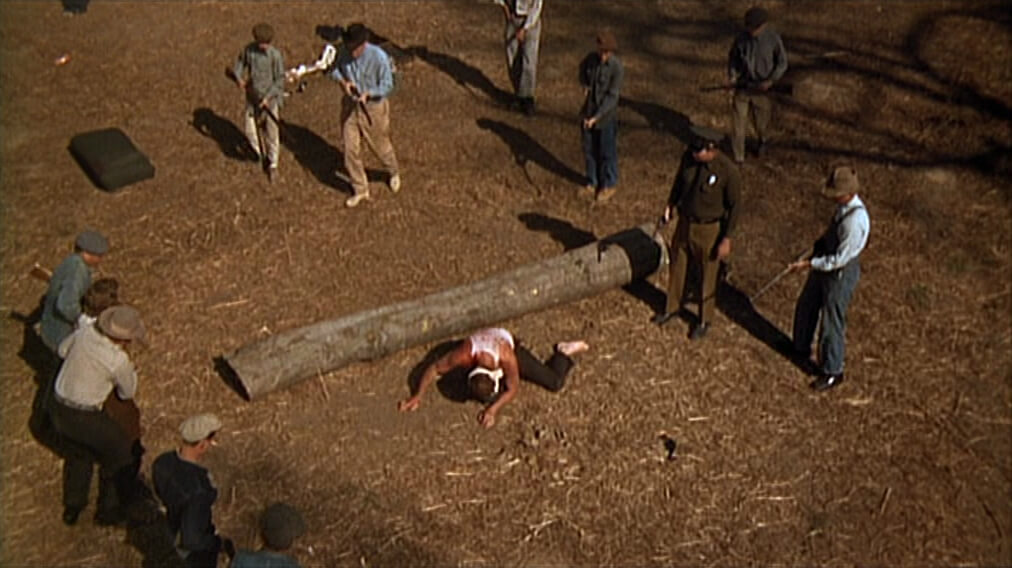
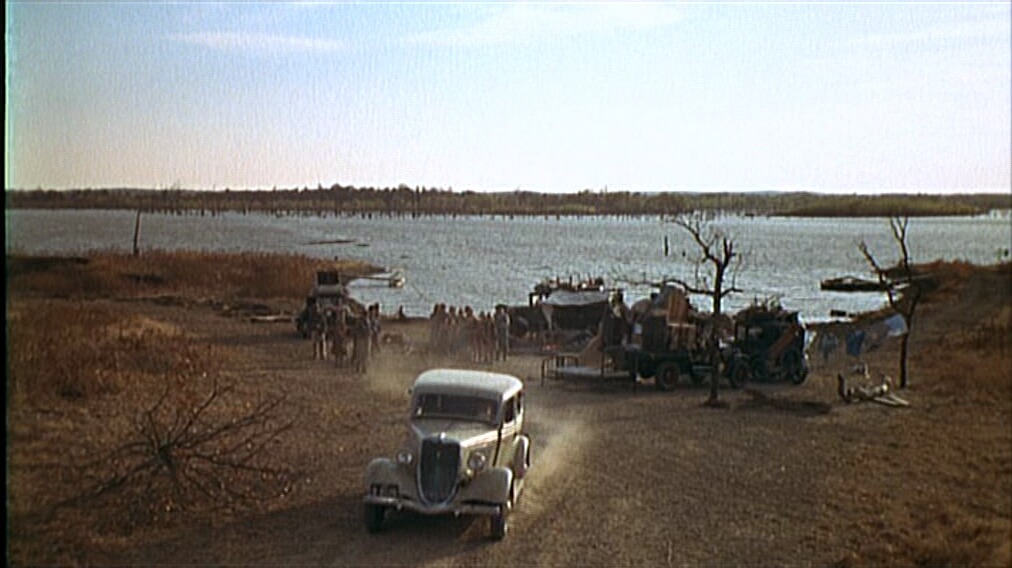
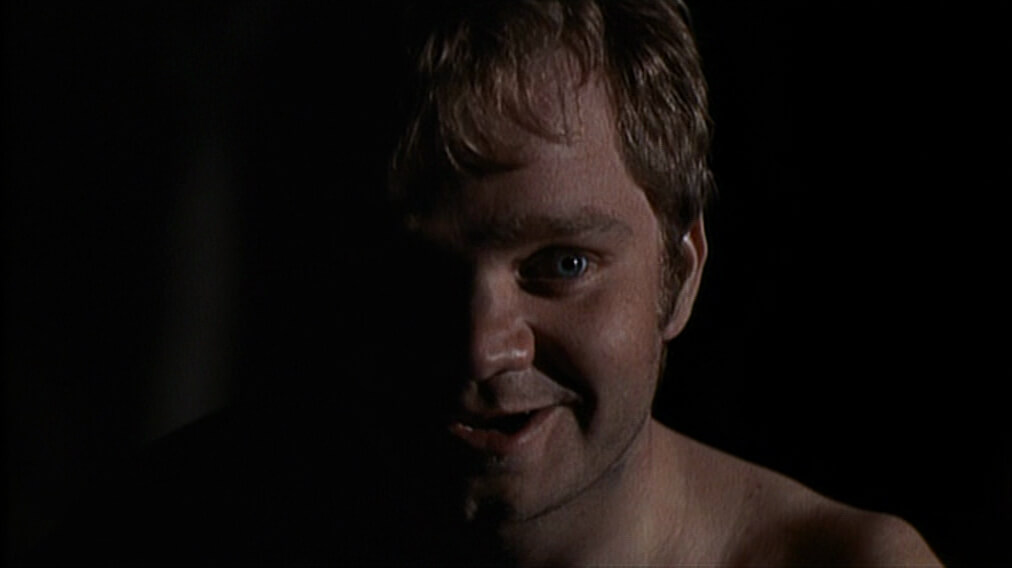
They are later joined by Buck Barrow (Gene Hackman), Clyde’s older brother and fellow outlaw, and Buck’s wife, Blanche (Estelle Parsons), a neurotic and religious woman who is uncomfortable with the violence and lawlessness. This creates tension within the group, particularly between Bonnie and Blanche.
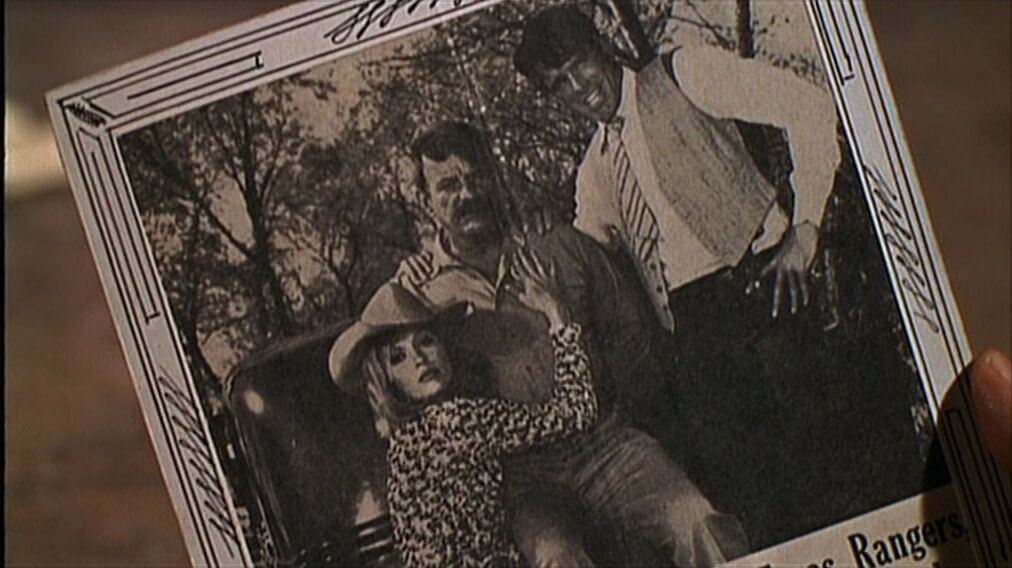
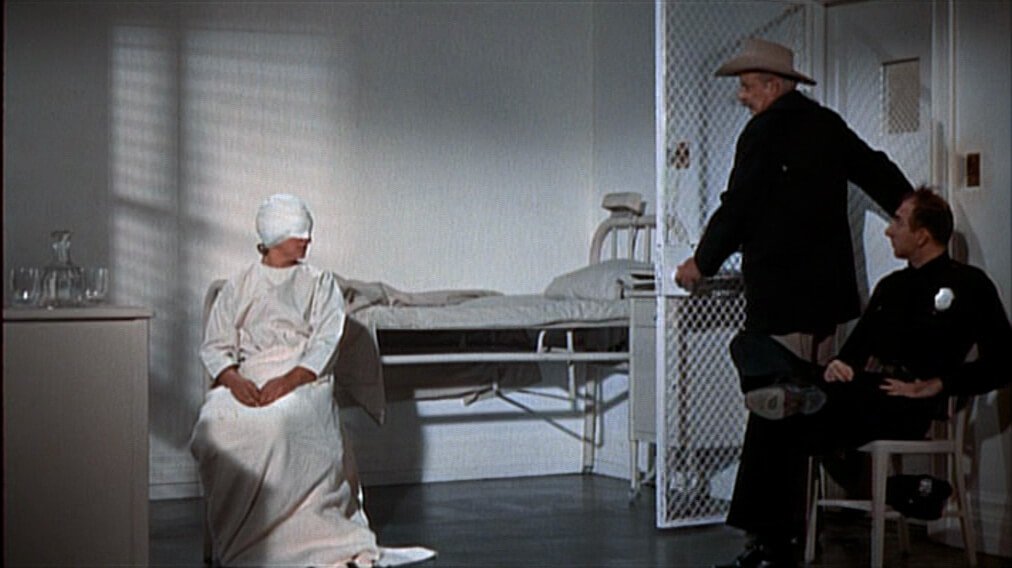
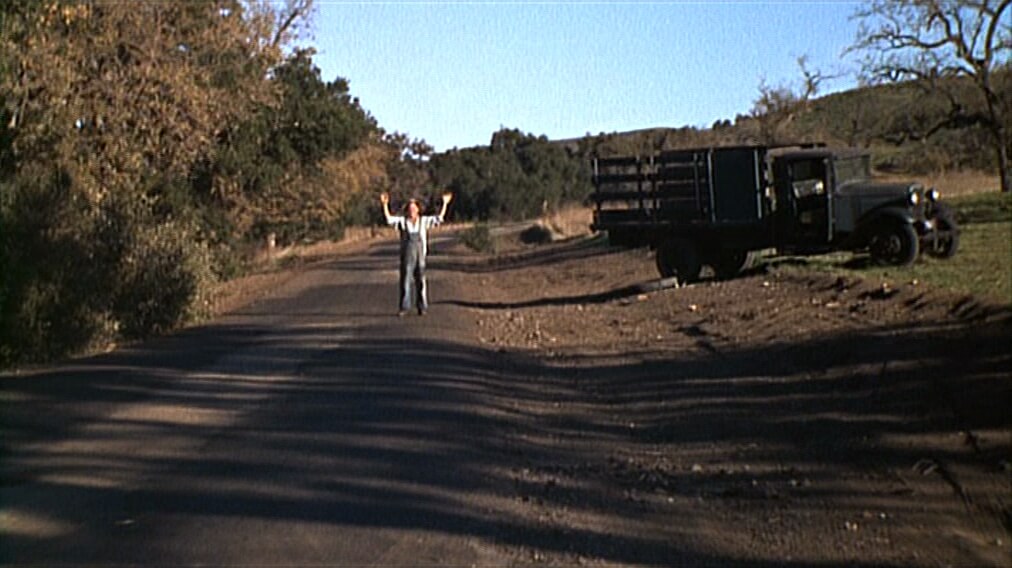
The violence becomes more serious. In a pivotal scene, a robbery goes awry when a bank customer resists, and Clyde is forced to shoot him. This moment shocks even Clyde, signaling a grim evolution in their spree—from harmless robbers to murderers.
Soon after, a dramatic shootout with police in Joplin, Missouri, occurs. The gang narrowly escapes, but Buck is wounded, and the gang’s notoriety intensifies. Blanche is traumatized, and her increasing instability adds strain.
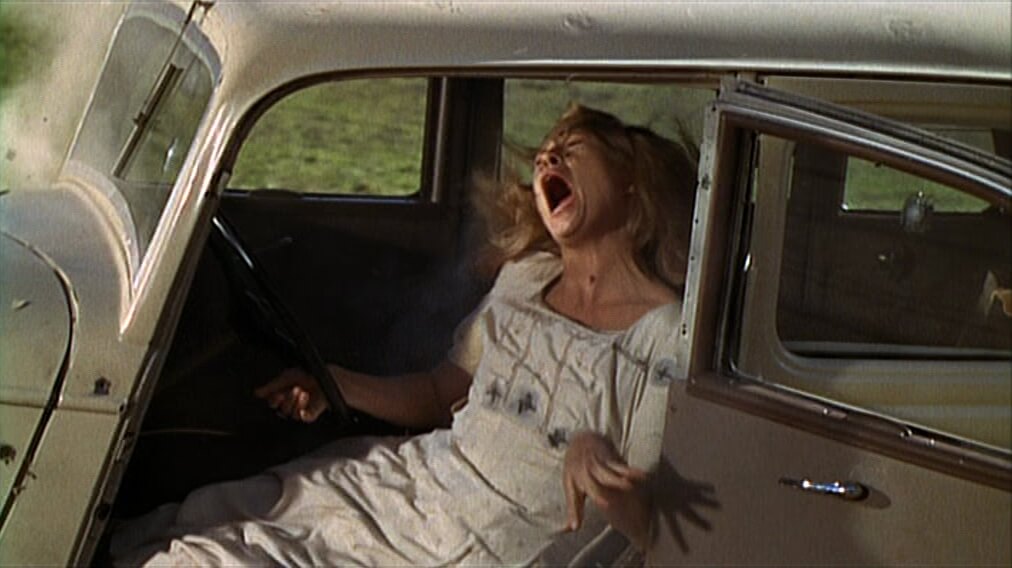
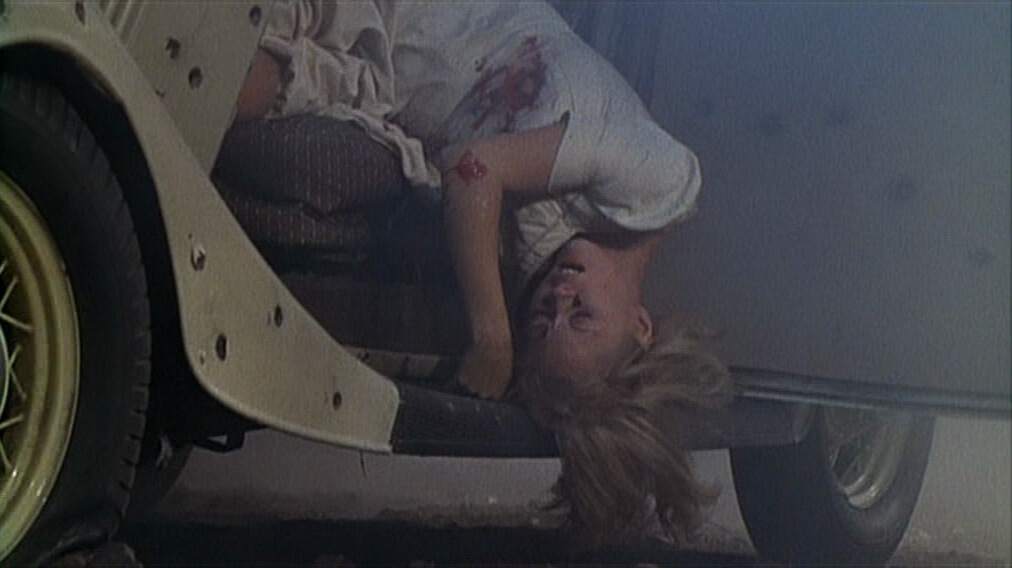
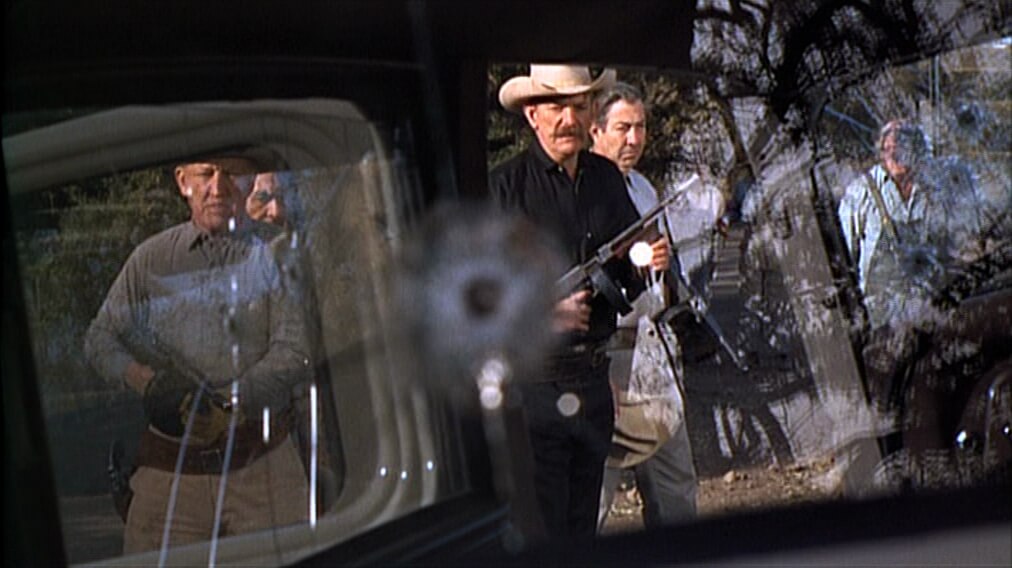
As the law closes in, they find themselves pursued by Frank Hamer, a relentless Texas Ranger who seeks revenge for being humiliated by the gang. Hamer ultimately tracks them down, and the film ends with the infamous, brutally violent ambush in which Bonnie and Clyde are gunned down in a hail of bullets on a rural road.
“Bonnie and Clyde” explores themes of romantic rebellion, anti-authoritarianism, and the myth of the American outlaw, juxtaposing youthful idealism with the harsh realities of violence and crime.