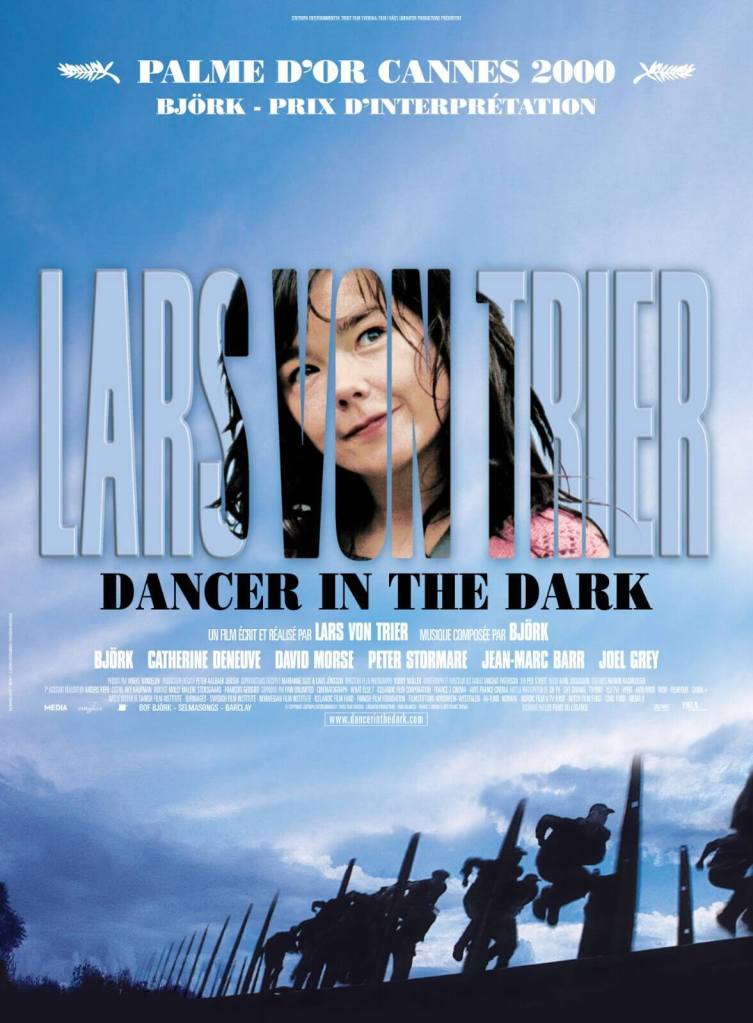
“Dancer in the Dark” is a 2000 musical drama and the final installment of Lars von Trier’s unofficial “Golden Heart Trilogy” (following Breaking the Waves and The Idiots). Set in 1960s rural America but filmed with a stark, Dogme 95–-influenced realism, the film follows a Czech immigrant named Selma, who is slowly going blind and works tirelessly to save money for an operation that could prevent her young son from suffering the same fate.
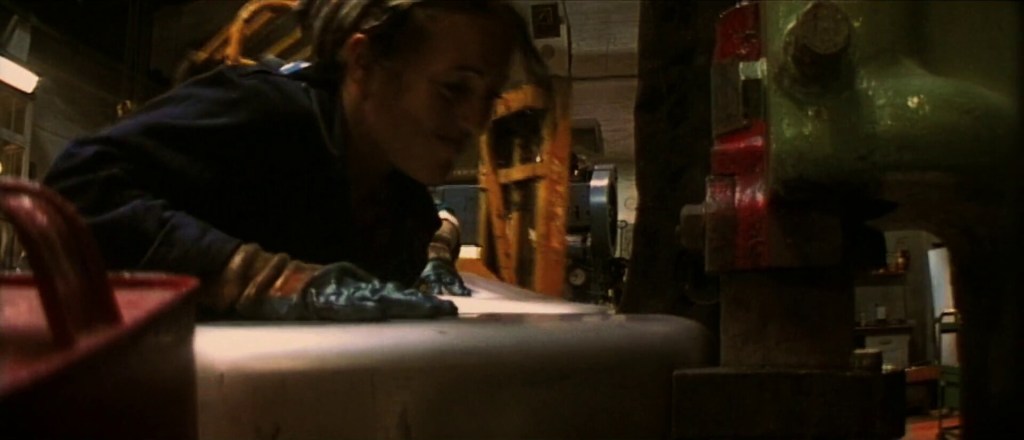
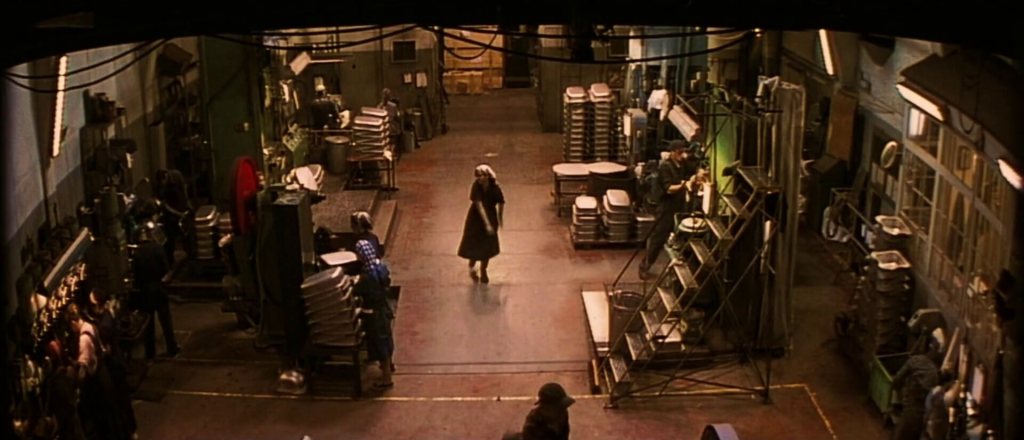
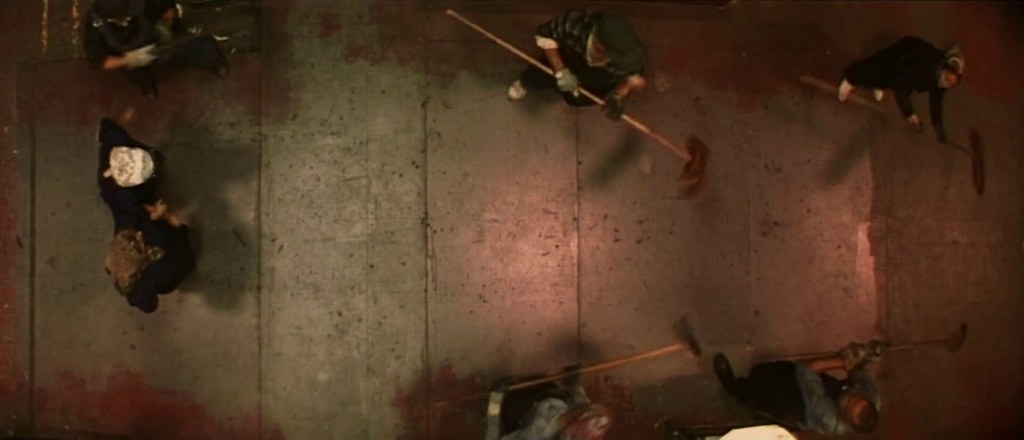
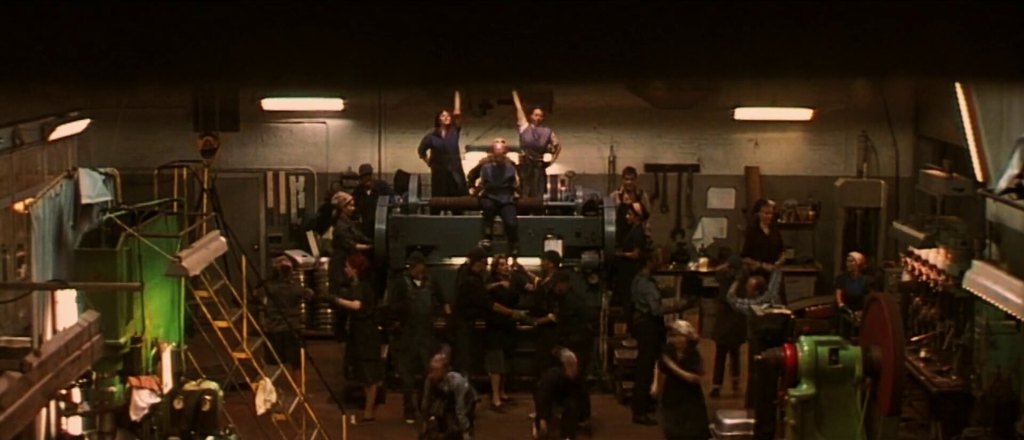
The film blends the harshness of real life with fantastical musical sequences, challenging traditional musical tropes by using them as a form of emotional escape rather than narrative resolution.
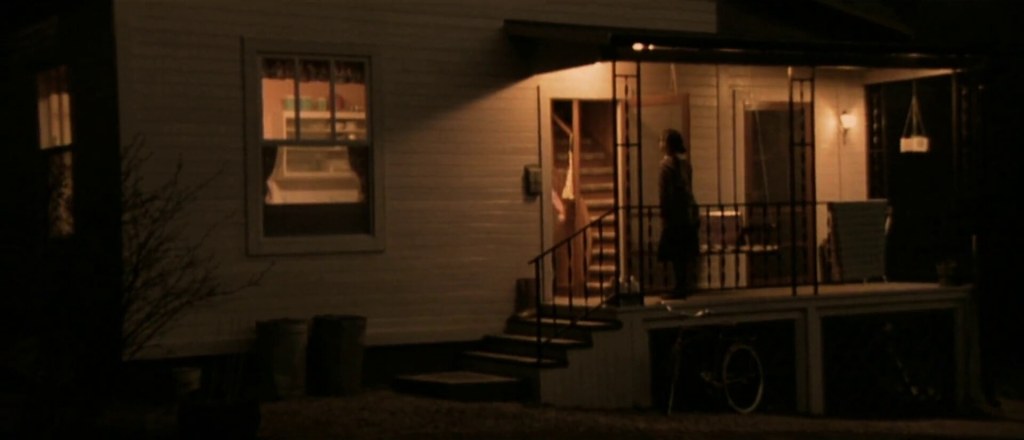
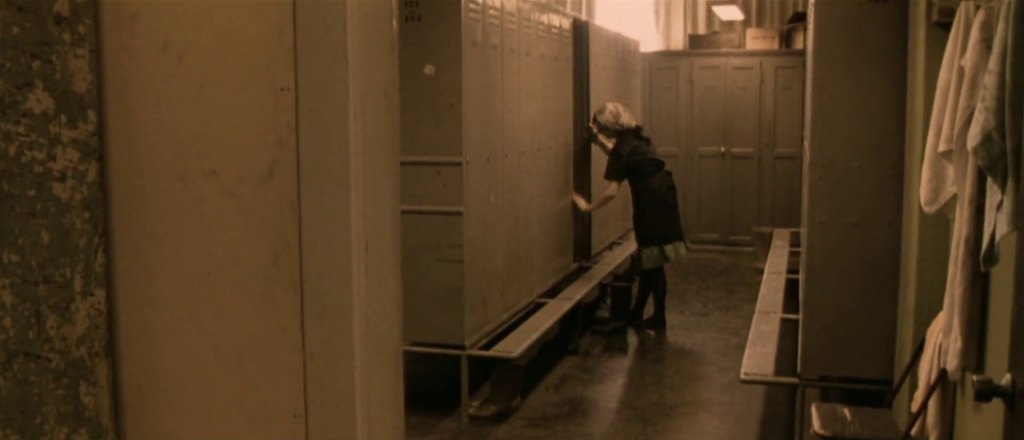
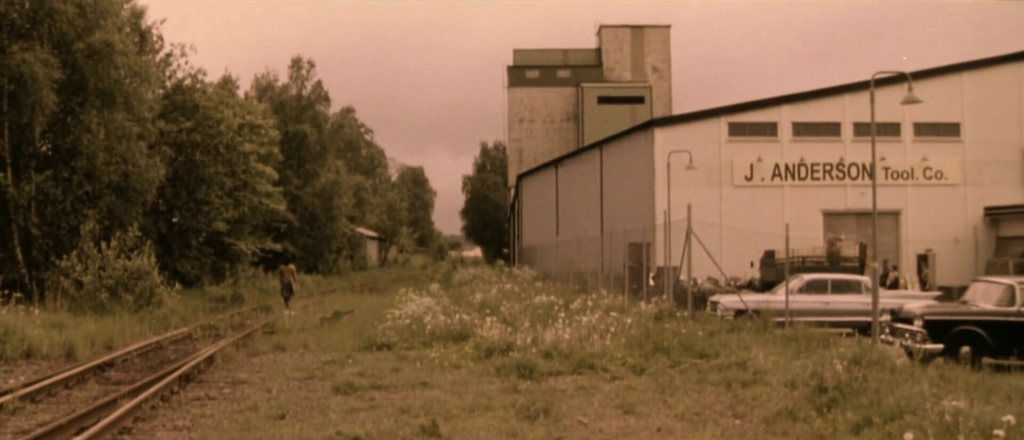
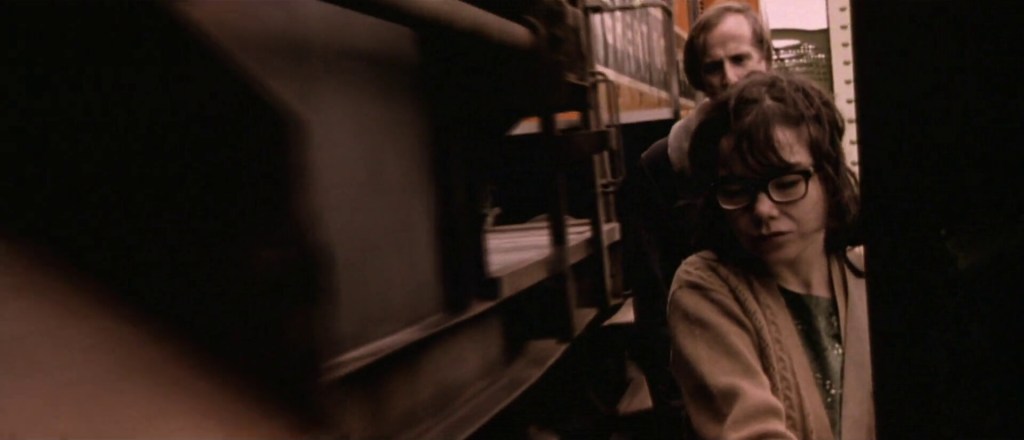
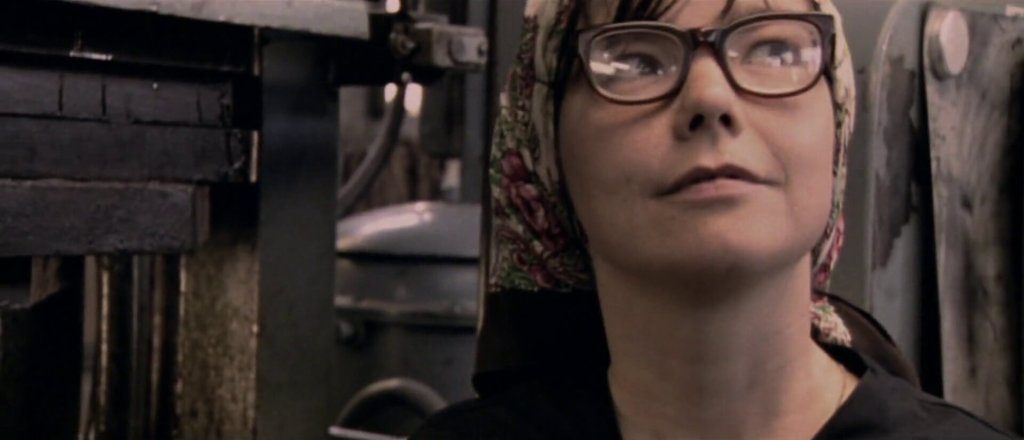
Selma Ježková (Björk), a Czech immigrant and single mother, works at a factory in the Pacific Northwest. She’s nearly blind due to a hereditary condition and hides her worsening eyesight to avoid being fired. Her son Gene is beginning to show signs of the same condition, and Selma’s only goal in life is to earn enough money to pay for an operation to save his vision.
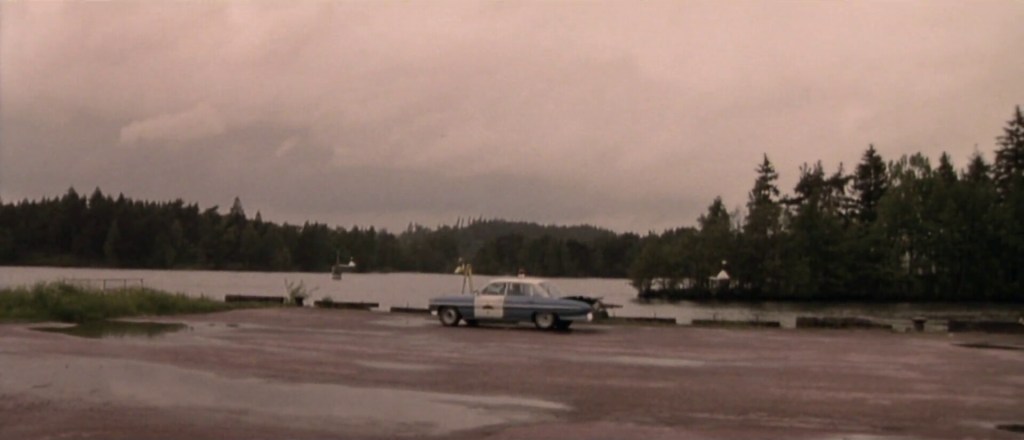
She lives in a trailer on the property of a local police officer, Bill Houston (David Morse), and his wife, Linda (Cara Seymour). Bill confides in Selma that he’s going broke, and she, in turn, trusts him with the secret of her savings.
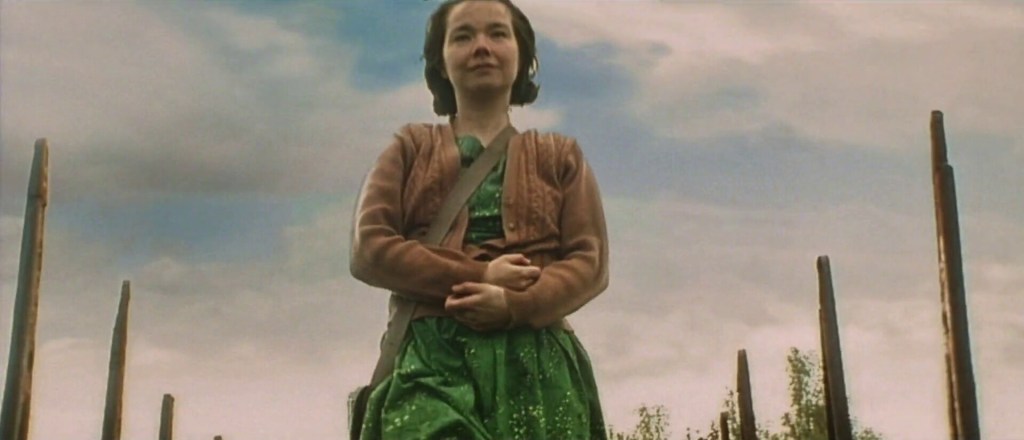
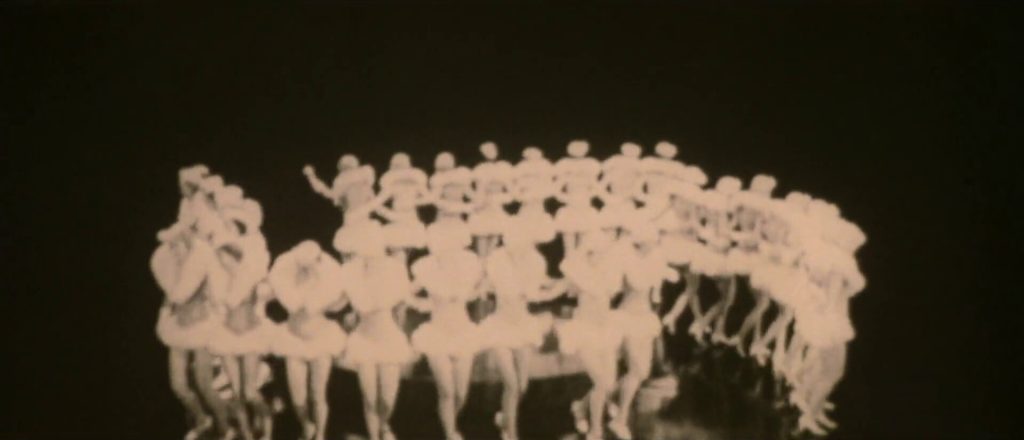
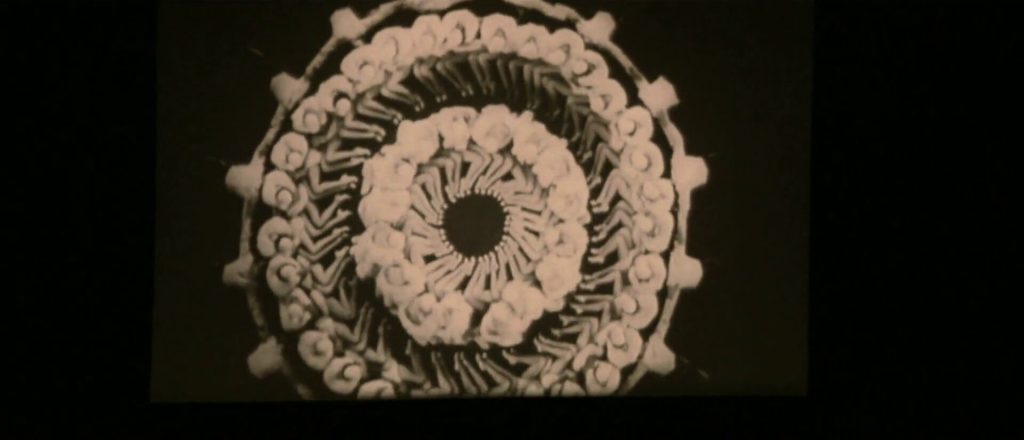
Selma’s only real joy comes from music. She participates in amateur theatre and loses herself in elaborate musical daydreams inspired by the sounds of everyday life—factory machines, trains, footsteps. Her best friend and co-worker Kathy, a.k.a. Cvalda (Catherine Deneuve), supports her both emotionally and practically, often helping her navigate the world she can no longer fully see.
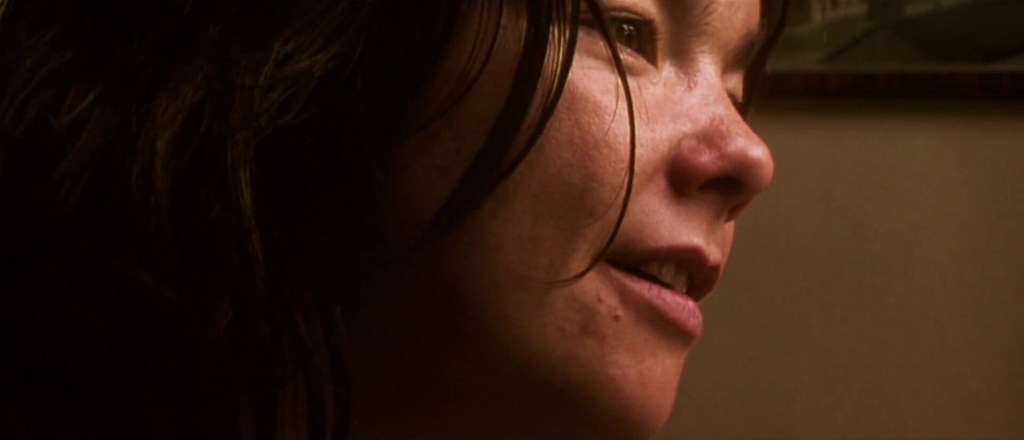
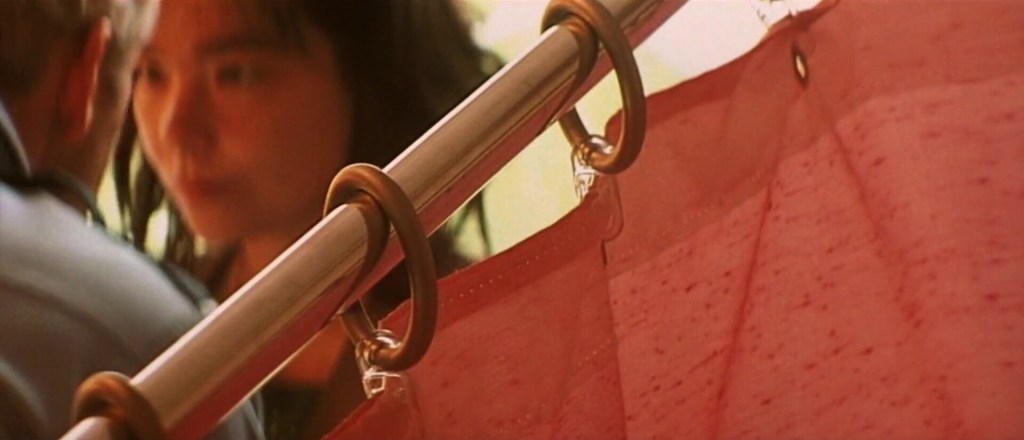
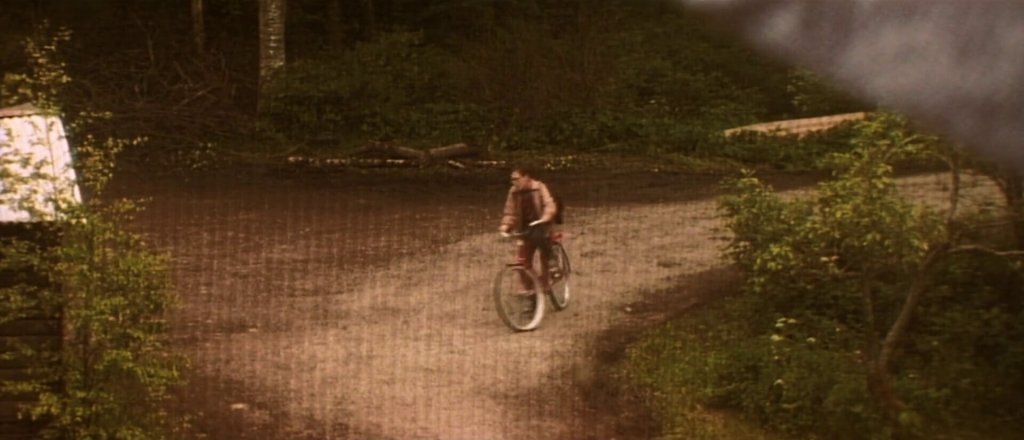
In one of the first full-fledged fantasy sequences, the deafening clatter of the factory becomes a rhythm track for a musical number titled “Cvalda,” in which Selma and Kathy dance among the machines. The scene, shot with over 100 digital cameras, contrasts starkly with the bleakness of Selma’s real life.
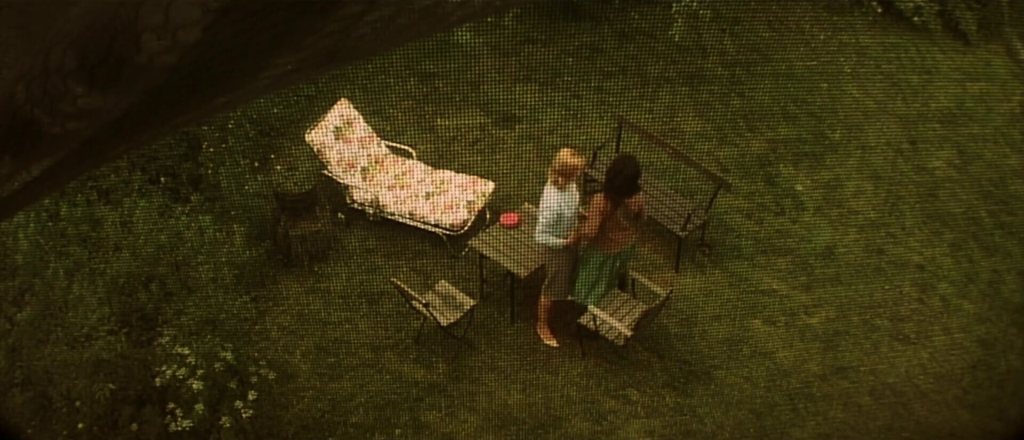
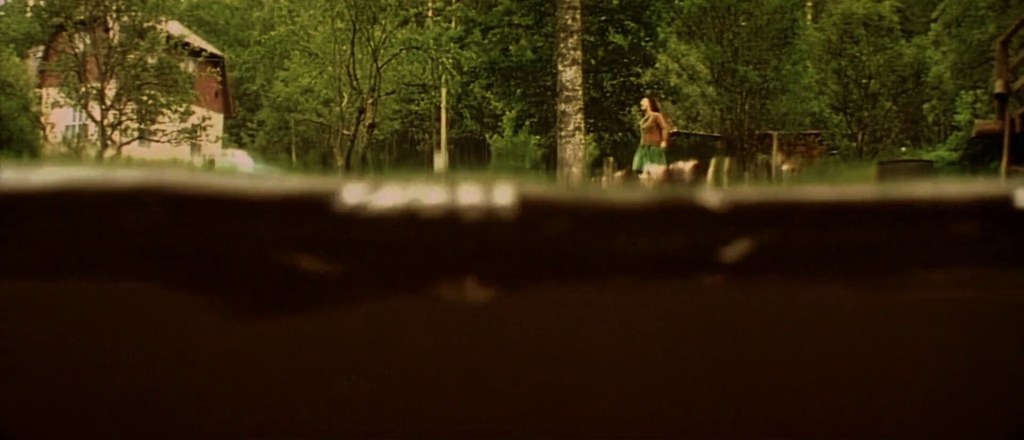
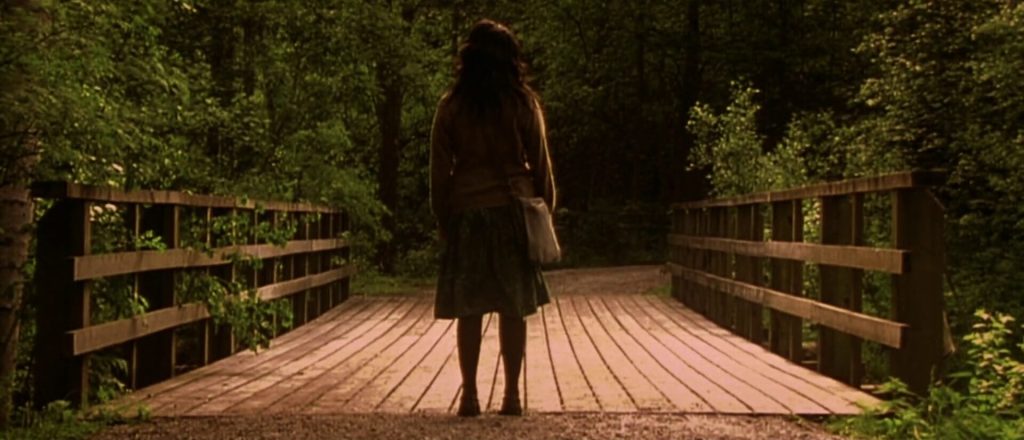
Selma continues saving money in a tin box hidden in her home. However, Bill, feeling emasculated and desperate, steals Selma’s savings. When Selma discovers the theft and confronts him, Bill manipulates her into a confrontation that escalates into violence. After a struggle, Selma shoots Bill with his own gun, fulfilling his own self-destructive wish and silencing his guilt.
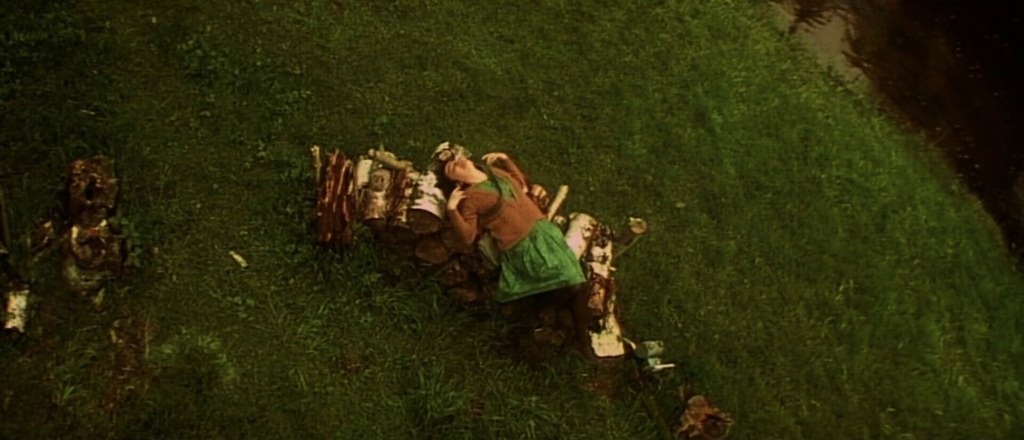
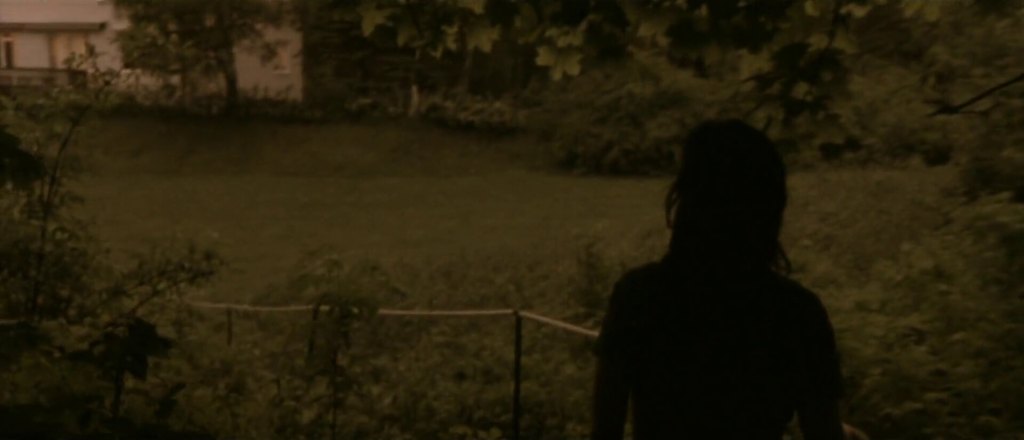
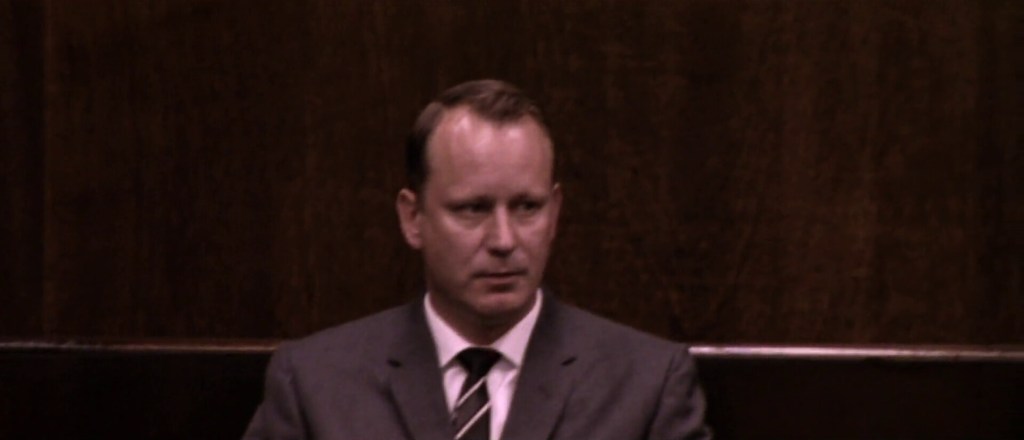
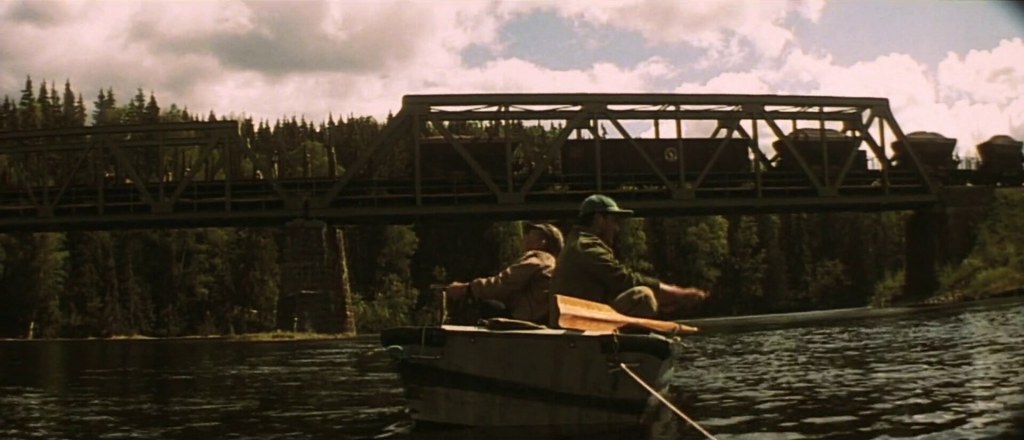
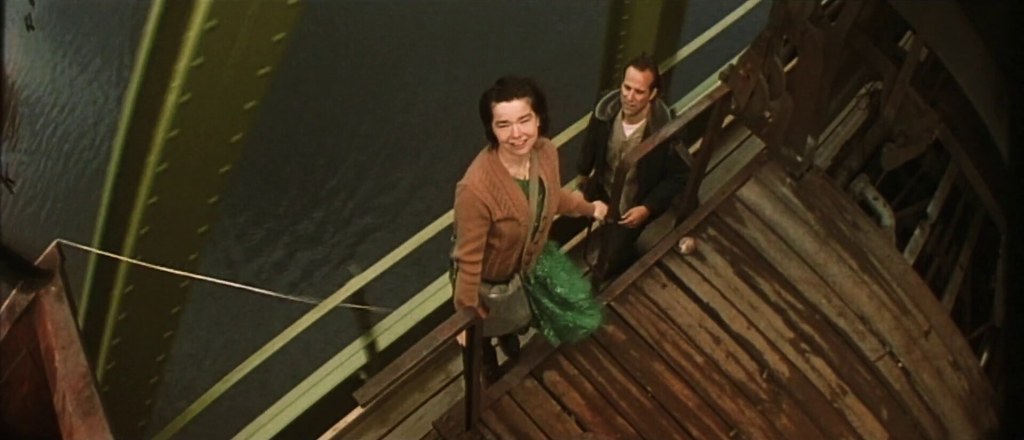
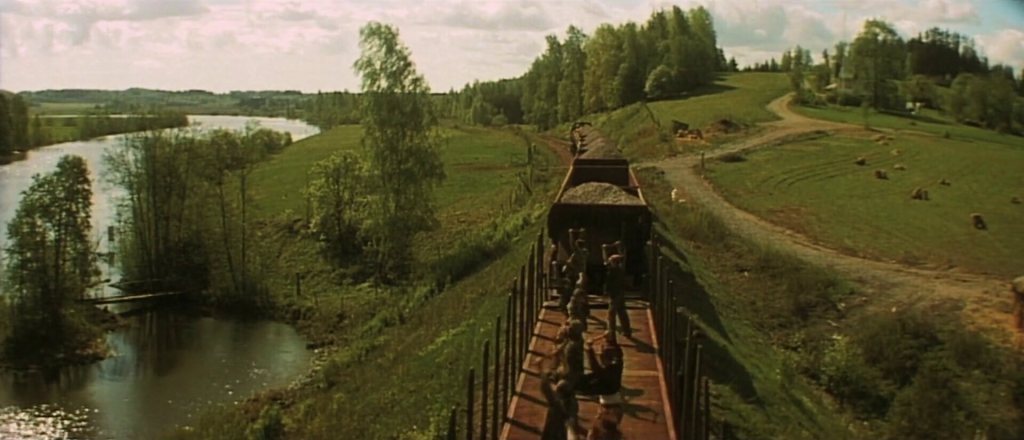
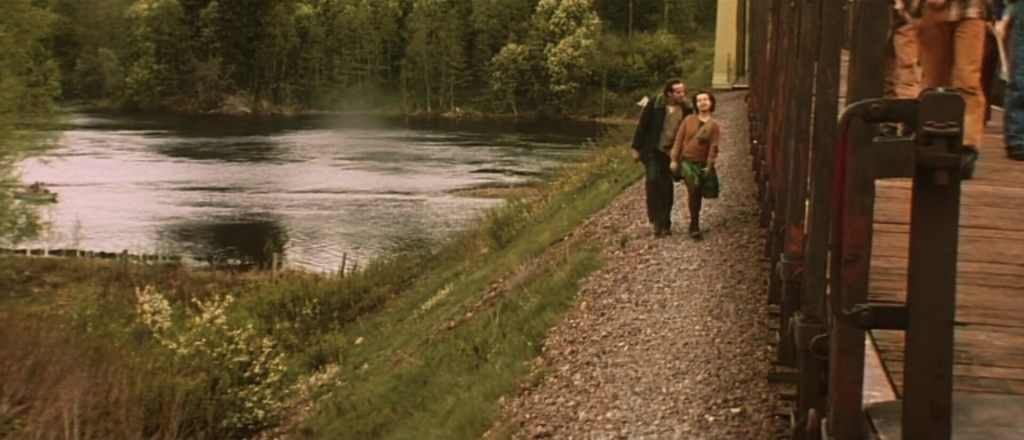
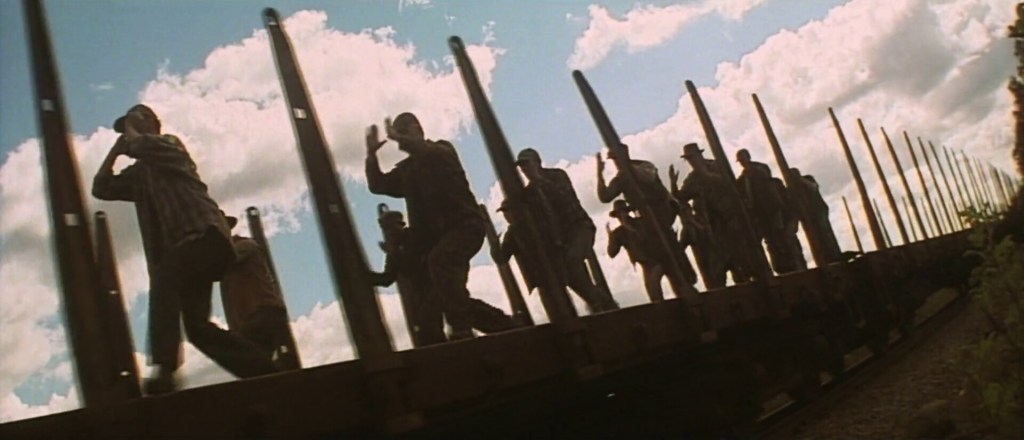
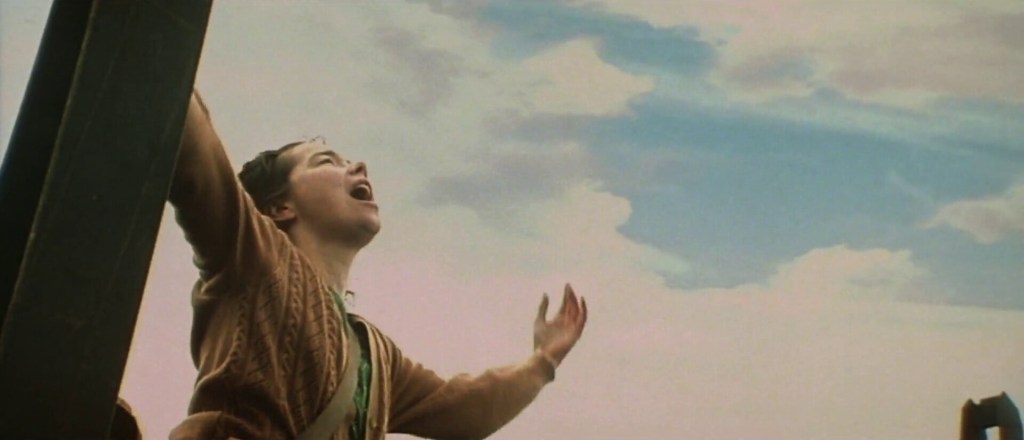
After the murder, Selma is in shock but tries to return to everyday life. On her way home, she imagines a musical sequence titled “I’ve Seen It All,” performed alongside Jeff (Peter Stormare), a kind-hearted man who is in love with her. The scene is set beside a train, with rhythmic industrial sounds again providing the beat.
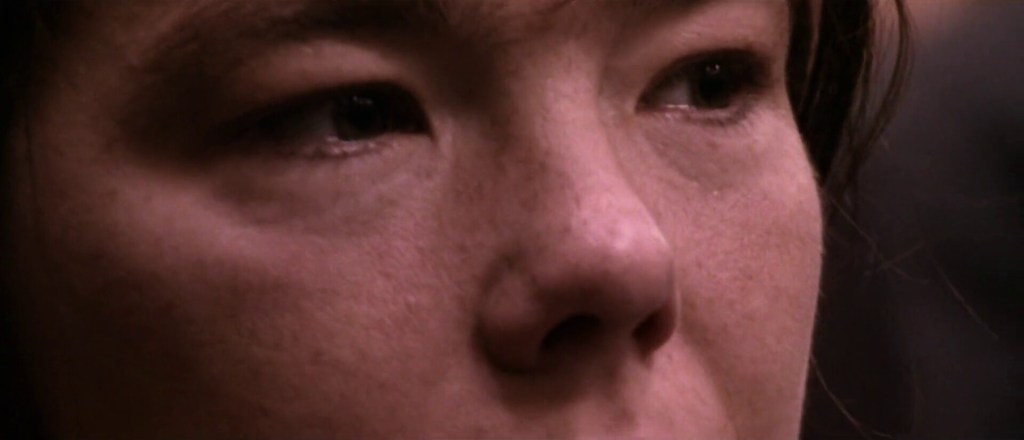
The song becomes a haunting centerpiece for the film—Selma sings that she doesn’t need to see anymore because she’s already seen “everything.” The irony of her blindness and her sacrifice gives the song a devastating emotional resonance.
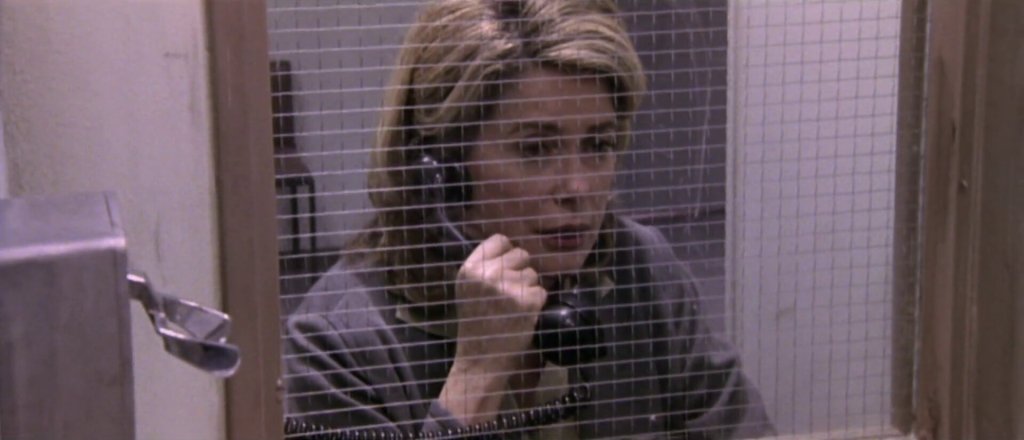
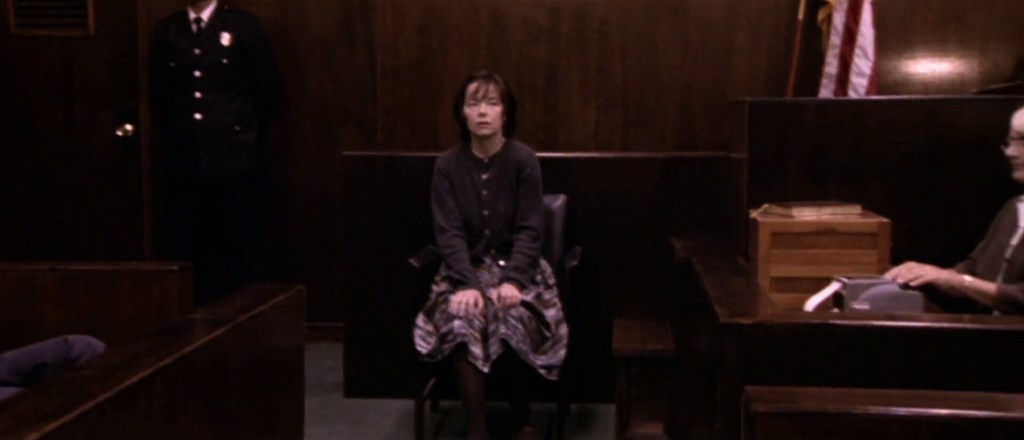
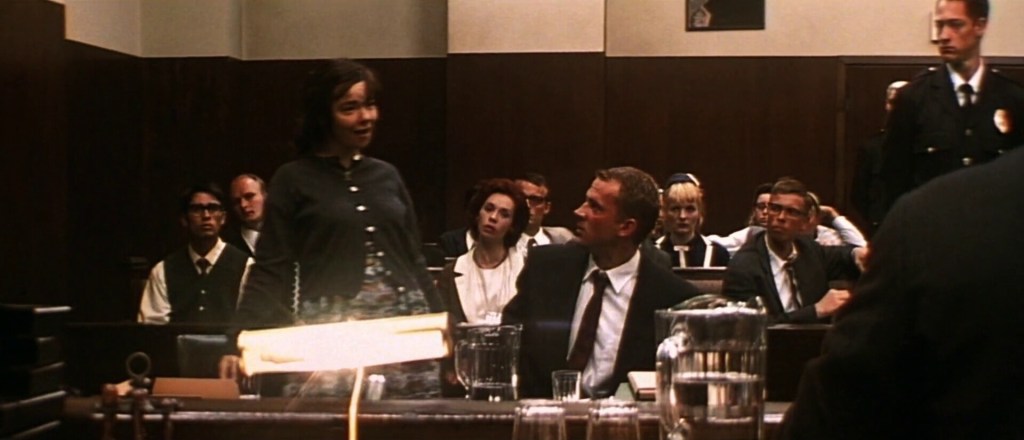
Selma is arrested and put on trial for Bill’s murder. The courtroom scenes are cold and theatrical, with Selma failing to explain her actions clearly. She refuses to mention the stolen money or her motive—her desire to save Gene—because she believes it would ruin his future. Her silence leads to a guilty verdict, and she is sentenced to death.
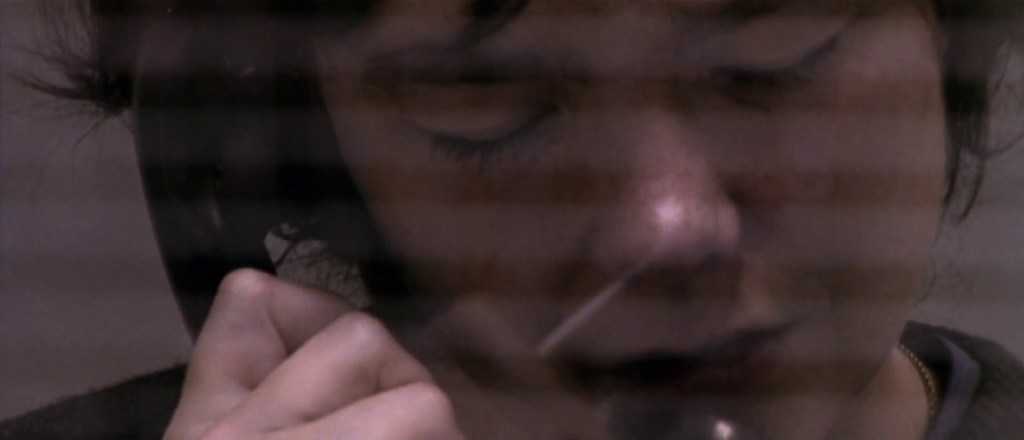
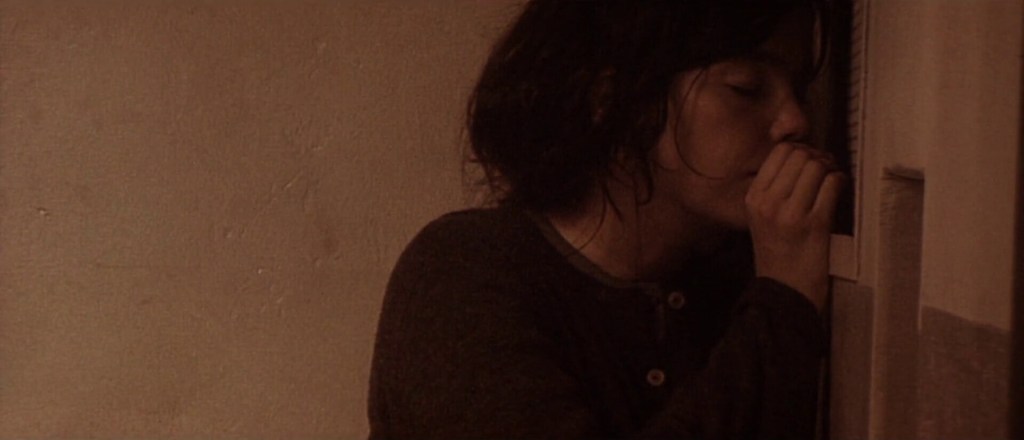
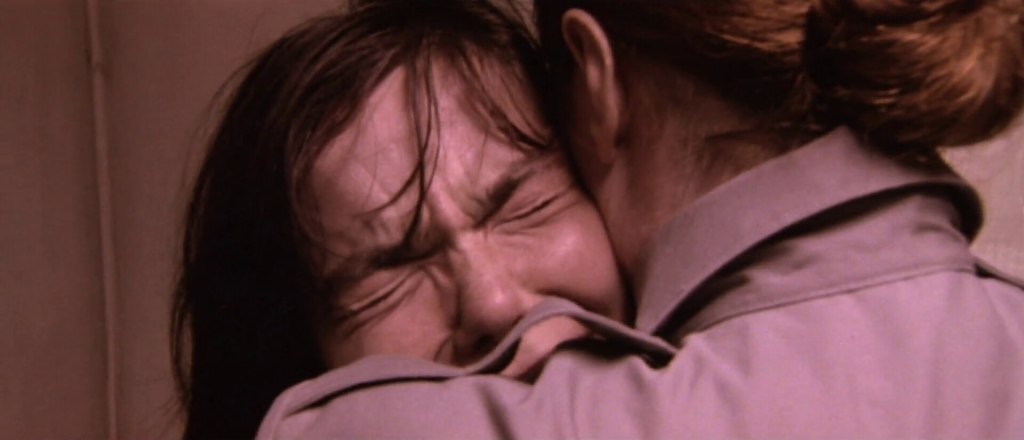
In her jail cell, Selma imagines another musical number, “In the Musicals,” where she sings about the comfort musicals bring her. The visuals are bright and surreal, a sharp contrast to the claustrophobic cell. This is Selma’s psychological refuge—her only escape.
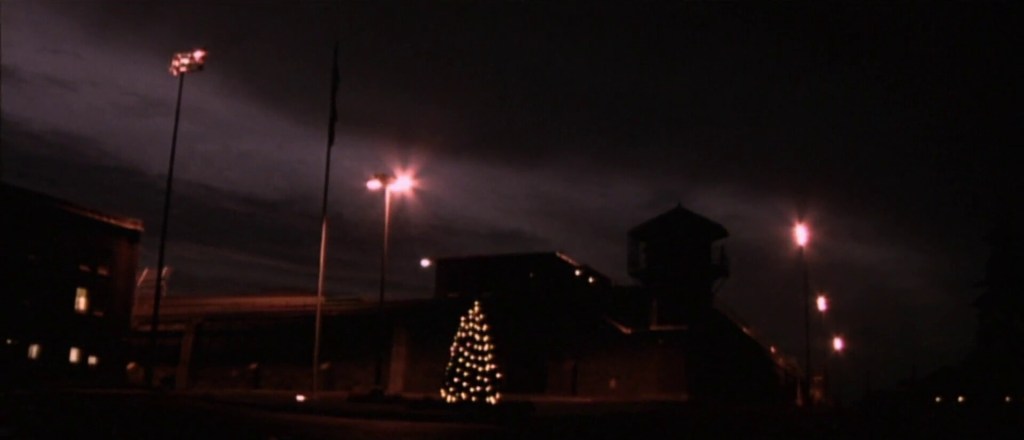
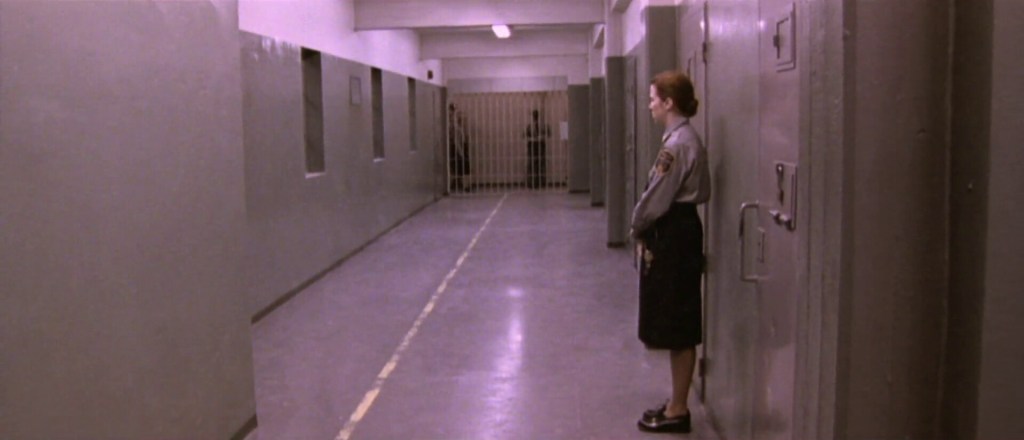
In the film’s devastating final act, Selma’s appeals are exhausted. Kathy tries to save her by bringing the money to court, but it’s too late. In a prolonged, emotionally brutal sequence, Selma is led to the gallows, trembling and disoriented.
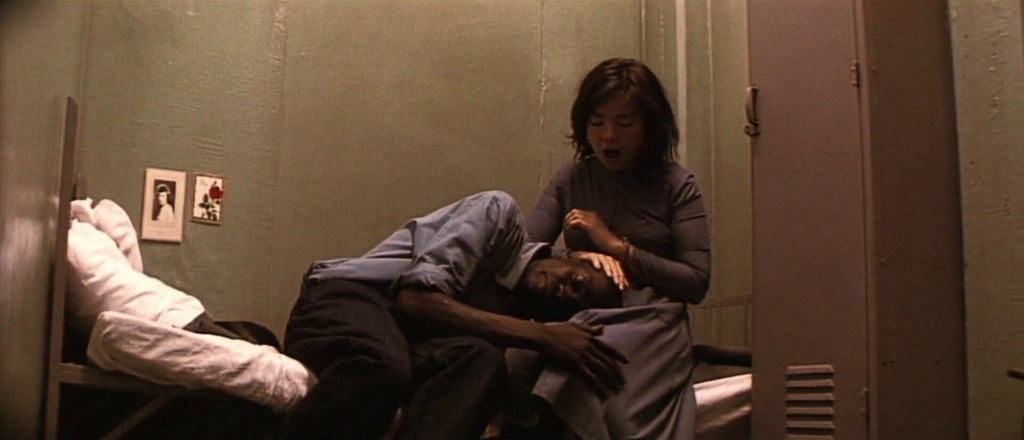
As she is prepared for hanging, she breaks into her final song, “107 Steps,” counting each footstep leading to her death. The final seconds are a horrifying juxtaposition: the beauty of her music and the brutal realism of her hanging. The film ends abruptly as the trapdoor opens and Selma is hanged.
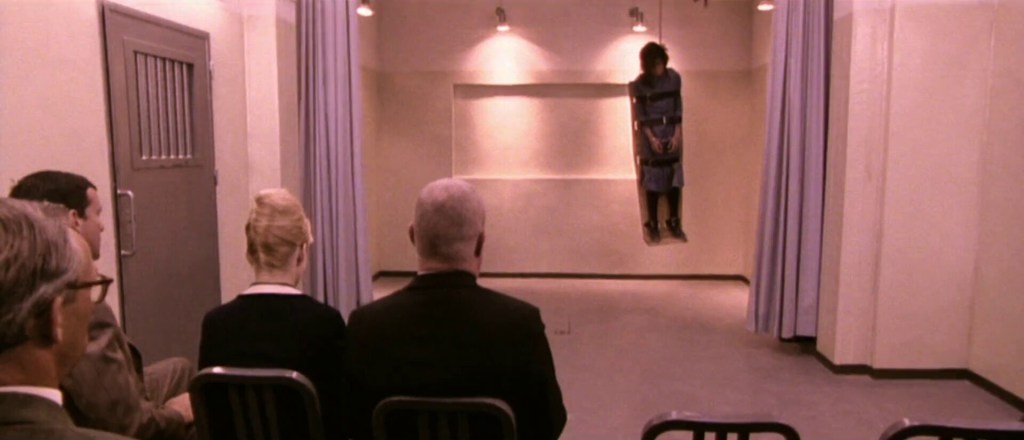
“Dancer in the Dark” is a film that challenges the conventions of musicals, using fantasy as a temporary refuge rather than a solution. Music is a coping mechanism, not an escape. It also explores themes of martyrdom and sacrifice, as Selma sacrifices everything from her freedom to her dignity, including her life, for the sake of her son. Her self-imposed silence at her trial is the ultimate act of love.