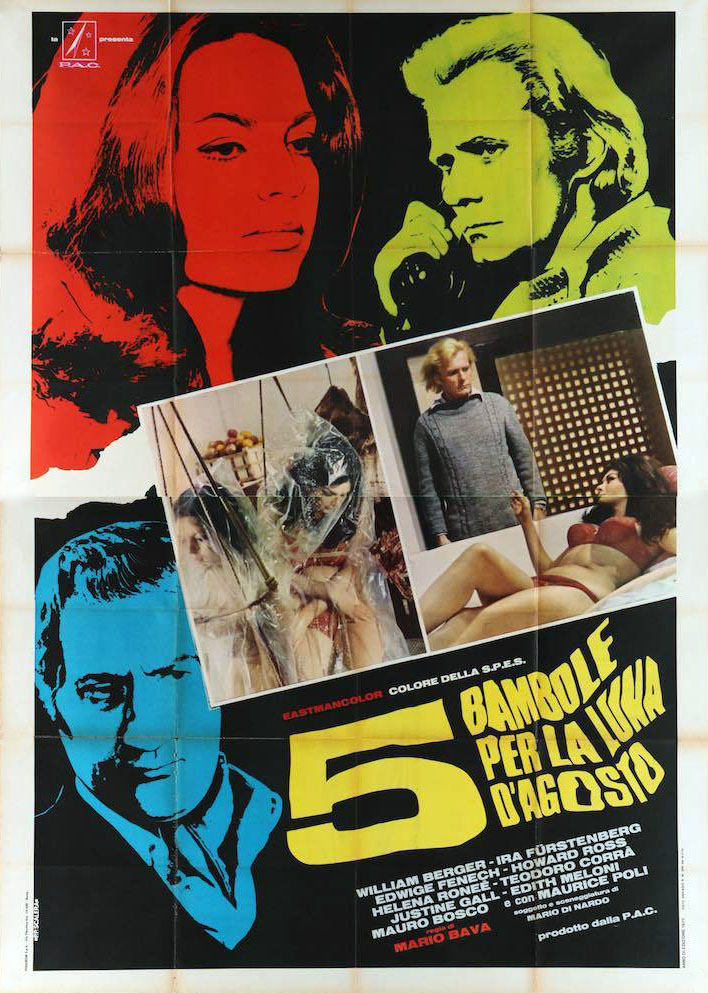
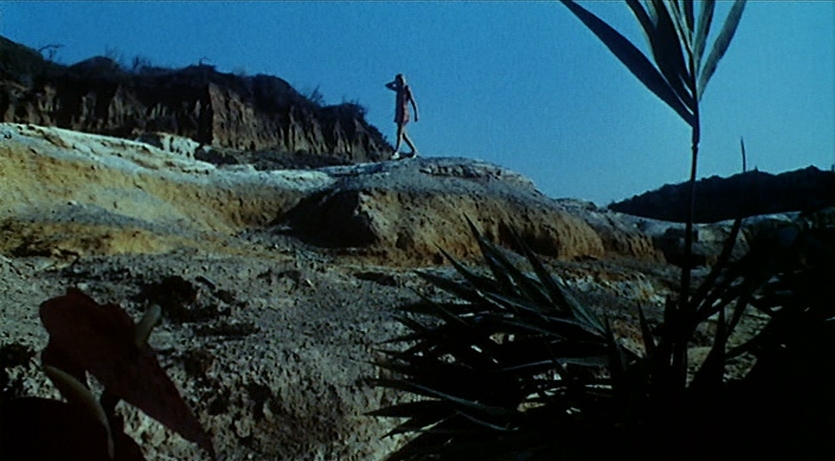
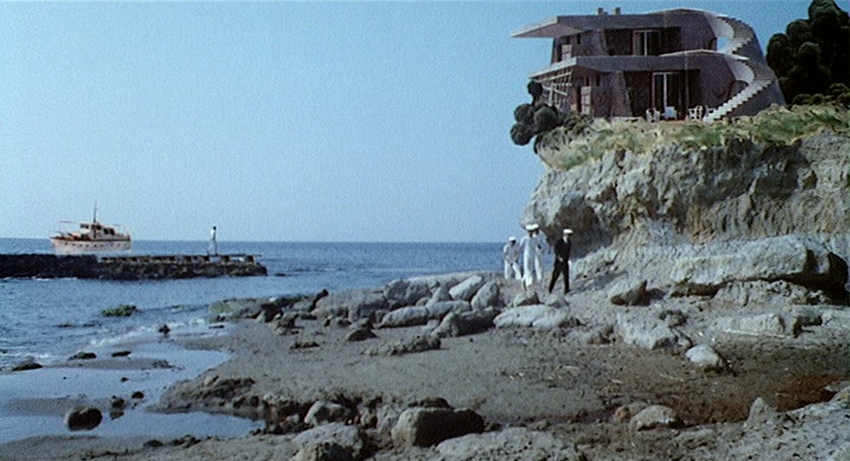
“5 bambole per la luna d’agosto,” aka “Five Dolls for the August Moon,” is a 1970 surreal giallo (Italian thriller) written by Mario di Nardo, based on a story by Mario Bava, who also directed the film. The film unfolds on a secluded Mediterranean island, where a group of wealthy industrialists, their wives, and companions have gathered for a luxurious weekend retreat. But beneath the sun-soaked decadence lies greed, betrayal, and, ultimately, murder.
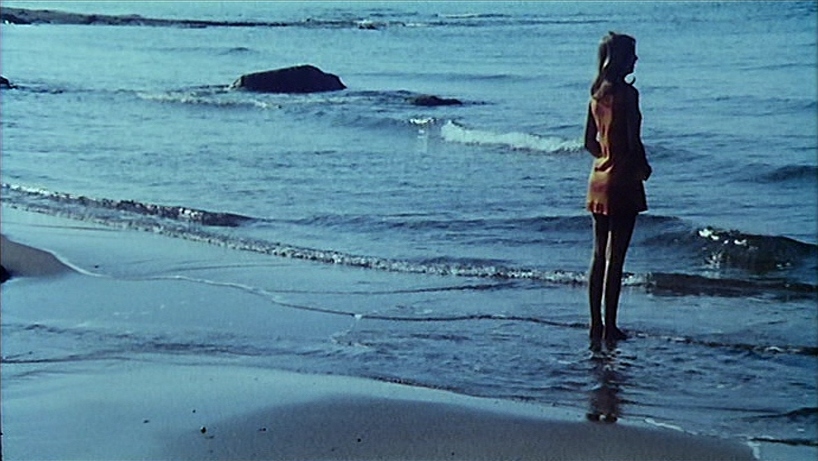
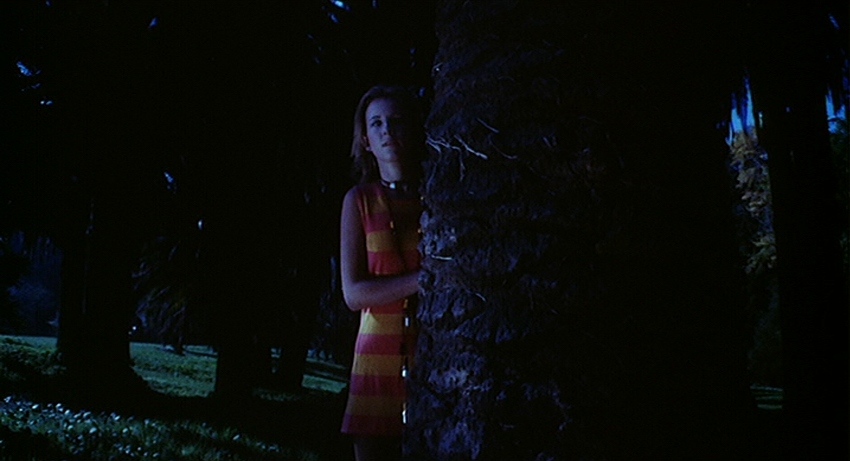
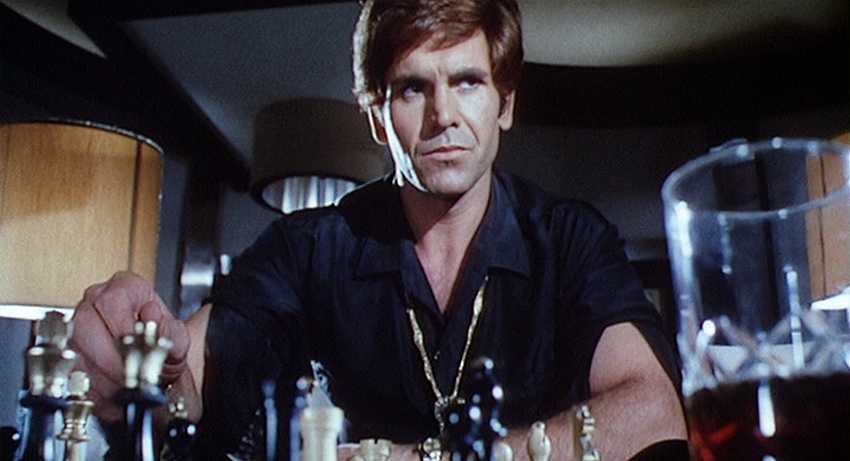
At the center of the story is Professor Gerry Farrell (William Berger), a brilliant scientist who has developed a revolutionary chemical formula—a synthetic resin that promises immense commercial value. Several of the guests—most notably George Stark (Teodoro Corrà), Jack Davidson (Howard Ross), and Charles (Mauro Bosco) —are desperate to acquire the formula, offering Farrell increasingly obscene amounts of money. But Farrell refuses to sell, hoping to use it for the betterment of society.
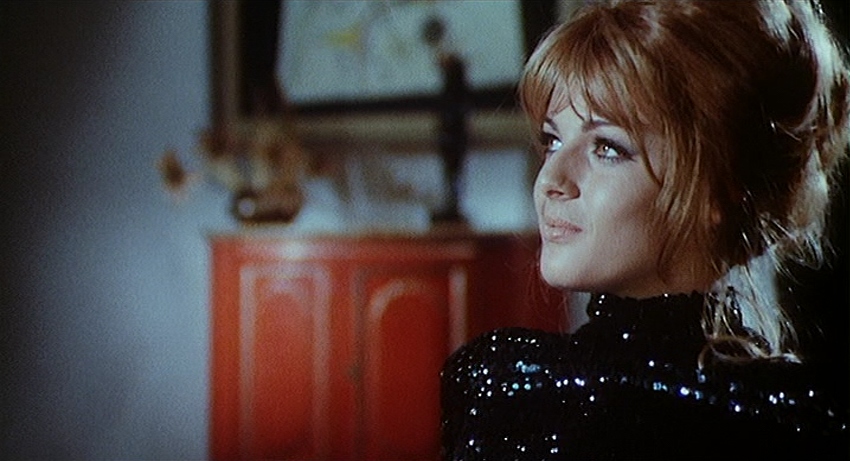
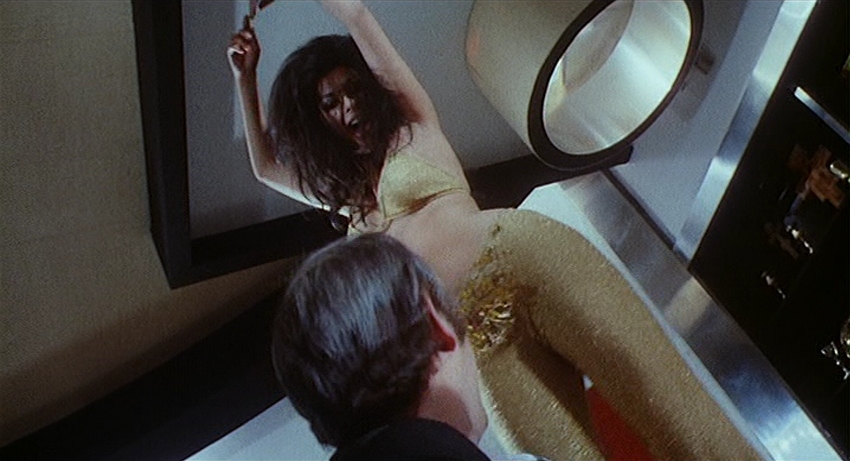
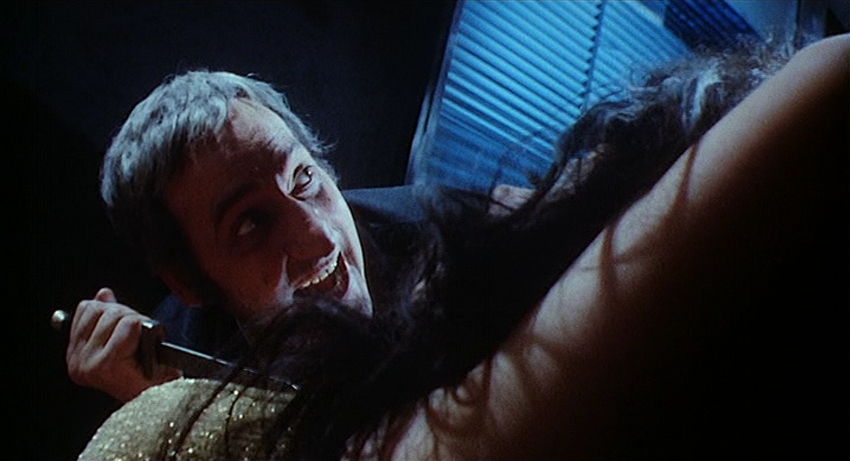
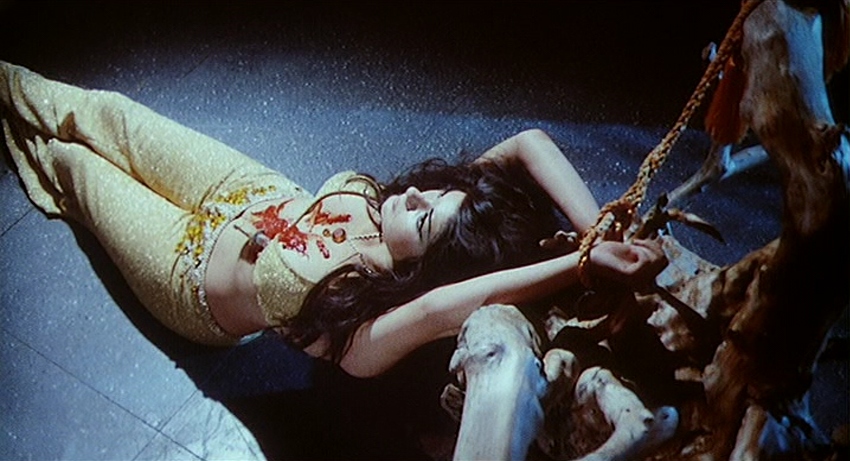
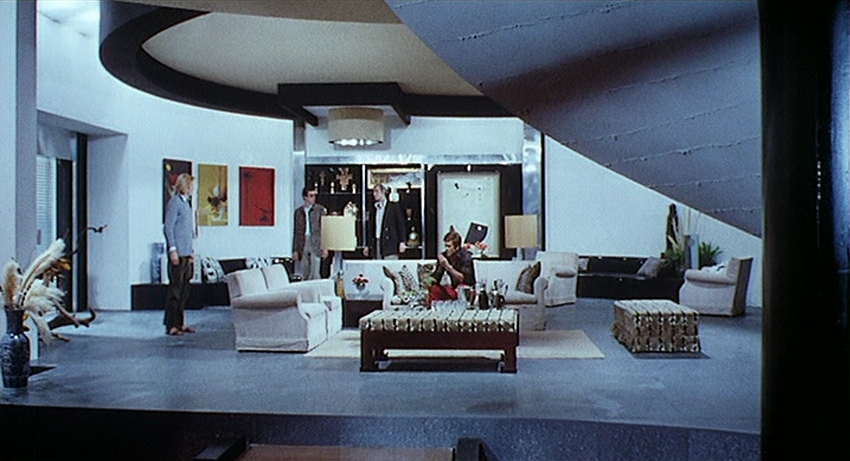
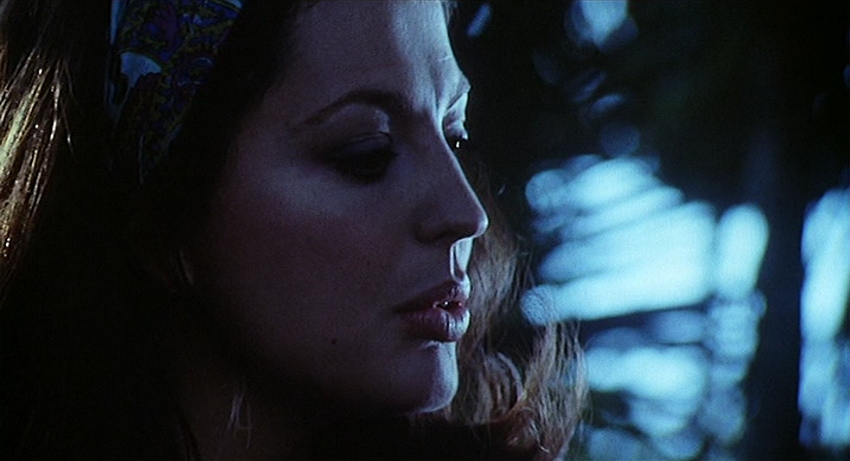
Tensions rise quickly within the isolated group, amplified by lustful entanglements, personal grudges, and jealousy. Then, the bodies begin to pile up…
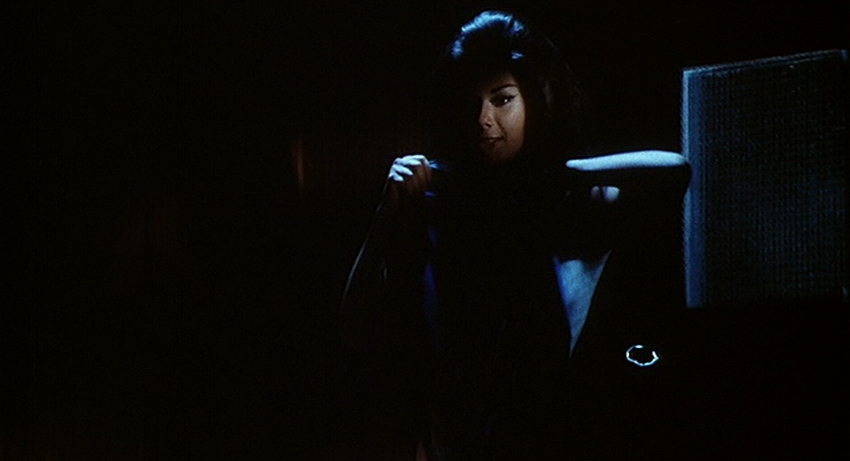
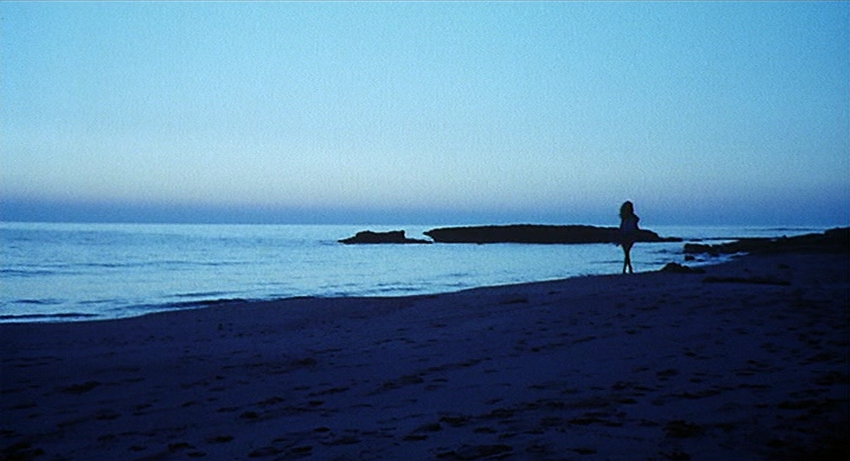
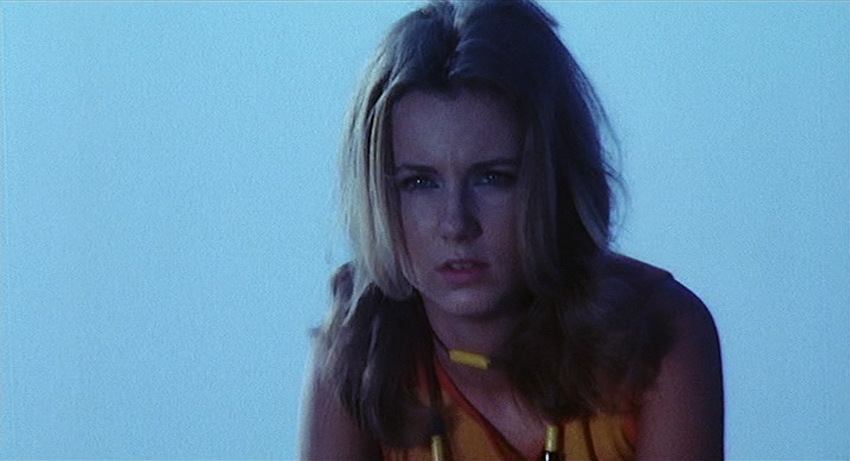
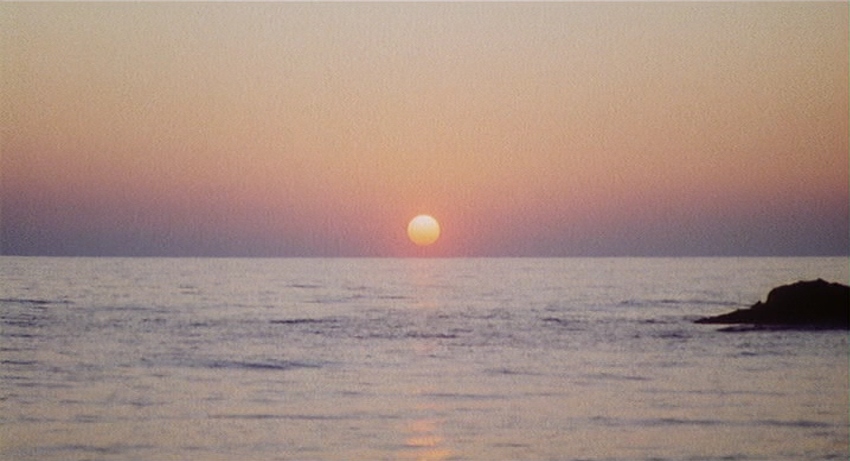
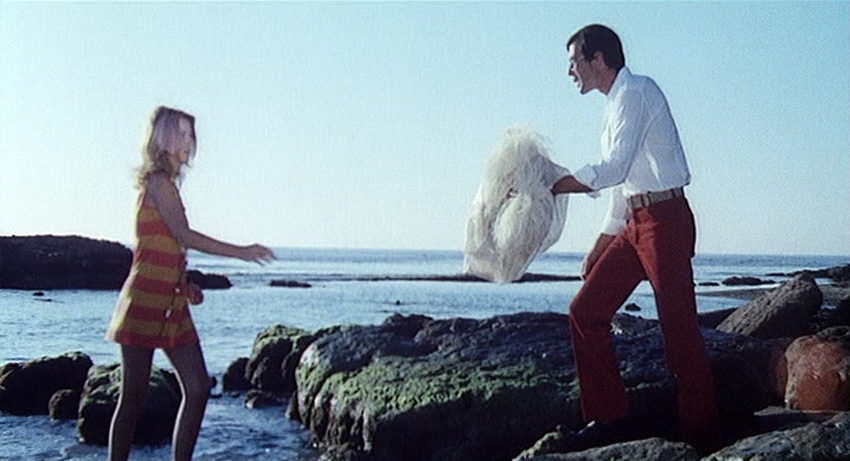
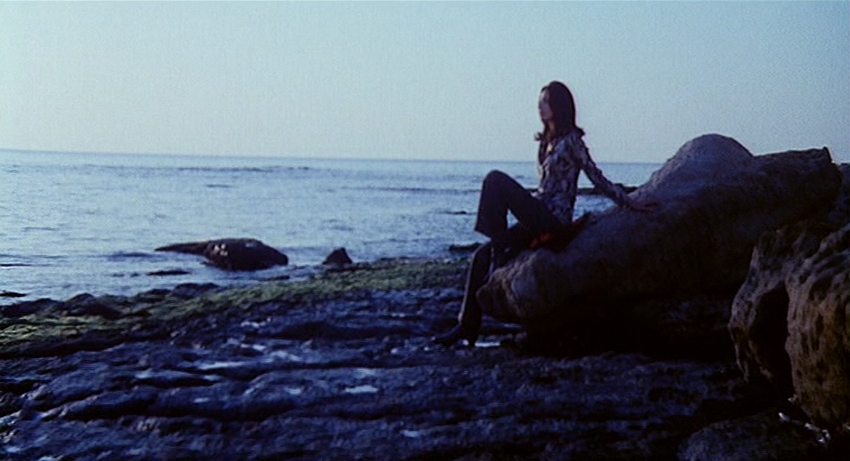
The film opens with sweeping shots of the rocky island, accompanied by Piero Umiliani’s jazzy score, establishing a tone of chic decadence. The guests arrive one by one, each harboring secrets and selfish motives.
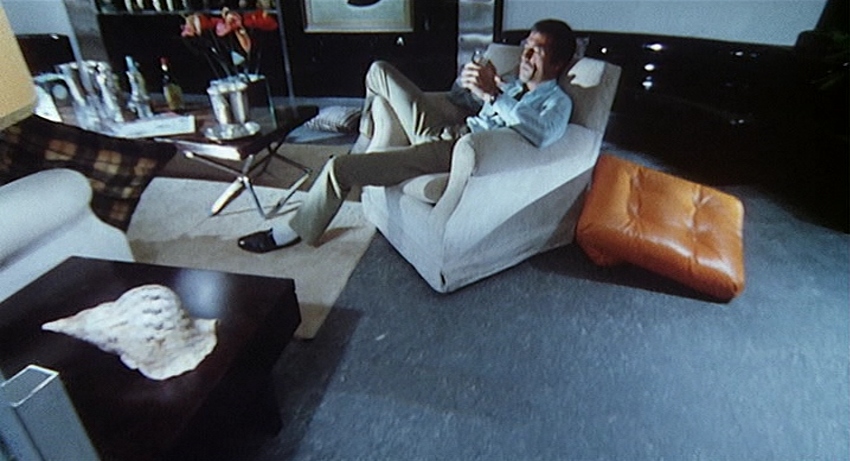
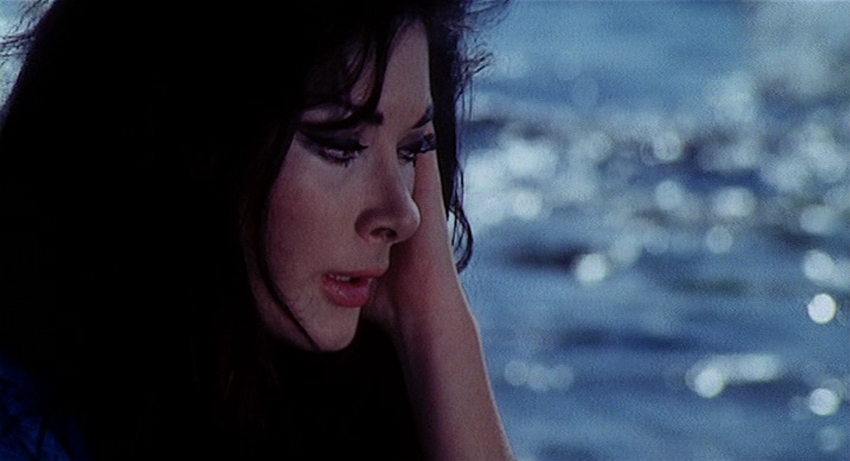
Soon after the group’s arrival, one of the men—Charles—goes missing. His bloodied corpse is later discovered, wrapped in plastic, and stored in the walk-in freezer. The guests panic but decide to conceal the murder to prevent scandal and ensure their safety.
This starts a pattern: each time someone is killed, their body is wrapped in plastic and added to the freezer, like meat—chillingly objectified. This becomes a recurring visual motif and source of macabre fascination.
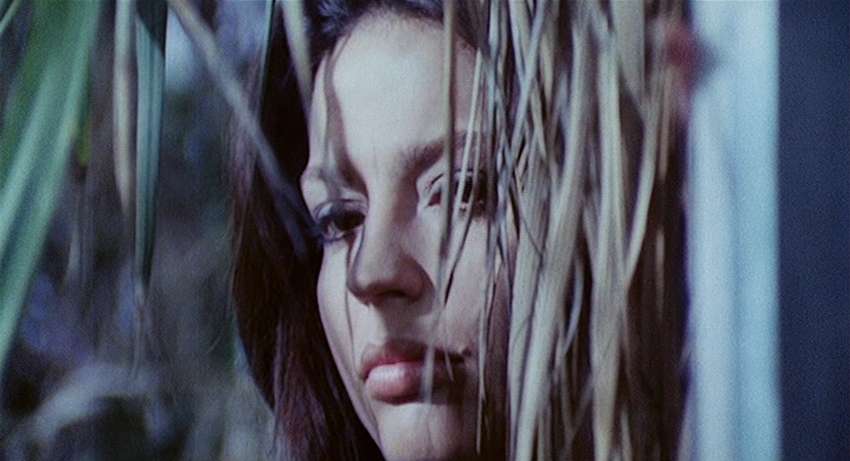
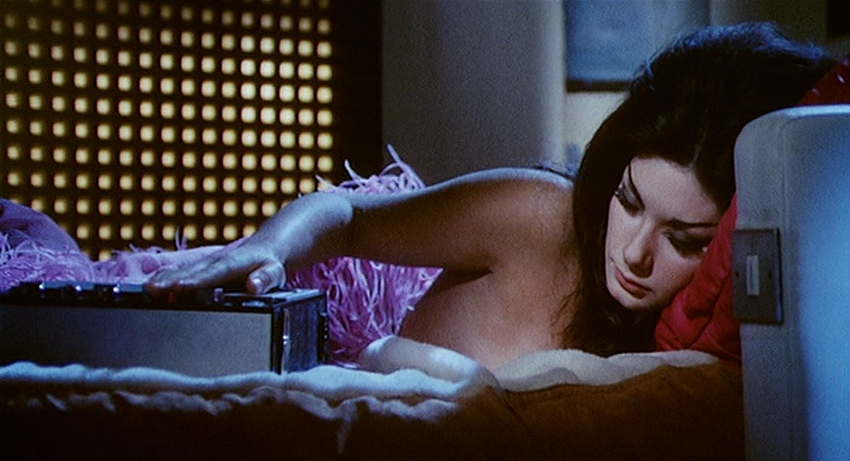
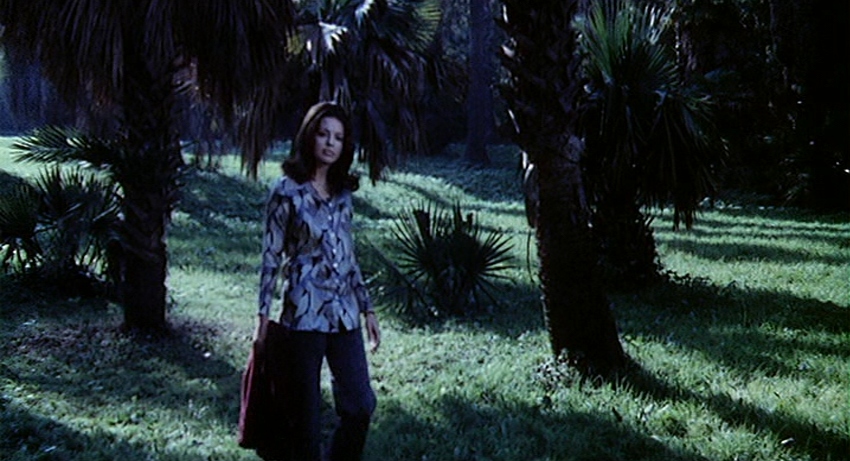
As suspicion builds, the guests turn on one another. Affairs and sexual mind games bubble to the surface: Marie (Edwige Fenech) plays multiple sides, seducing both men and women. Jill Stark (Helena Ronee), George’s wife, shows signs of emotional breakdown, drifting into a numb hysteria, and Isabelle (Ely Galleani), the young maid, observes everything with eerie detachment.
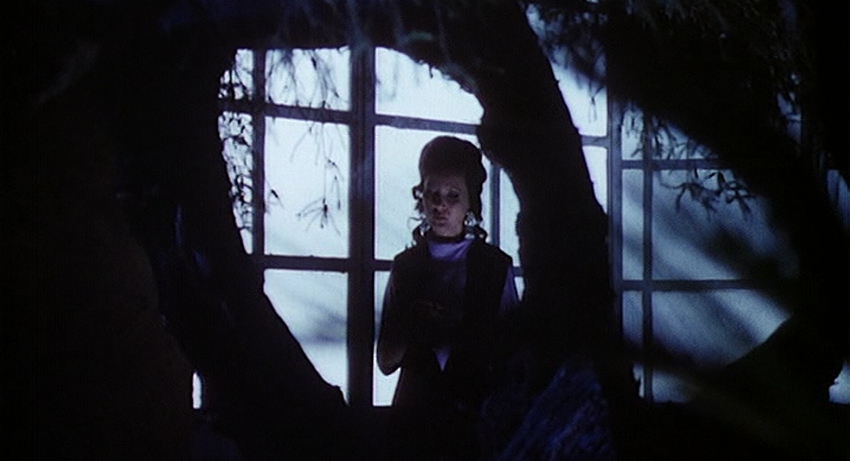
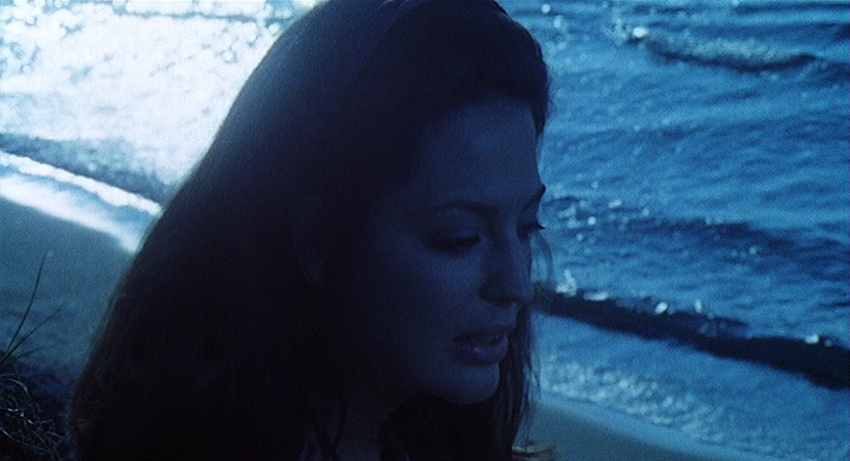
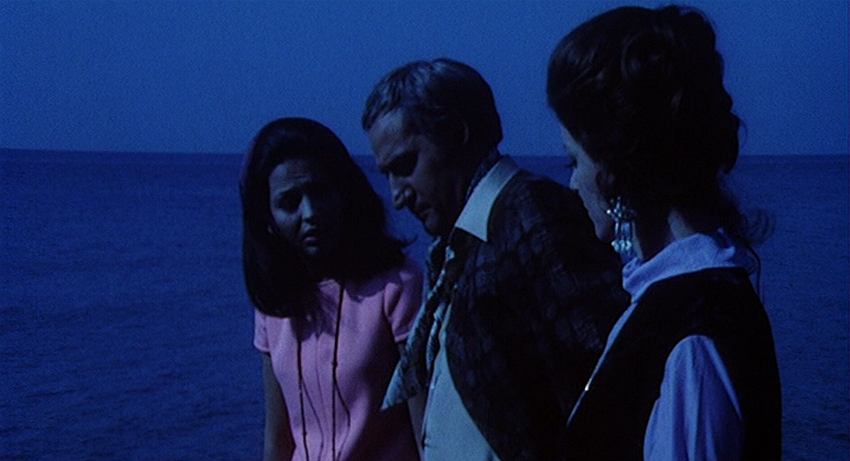
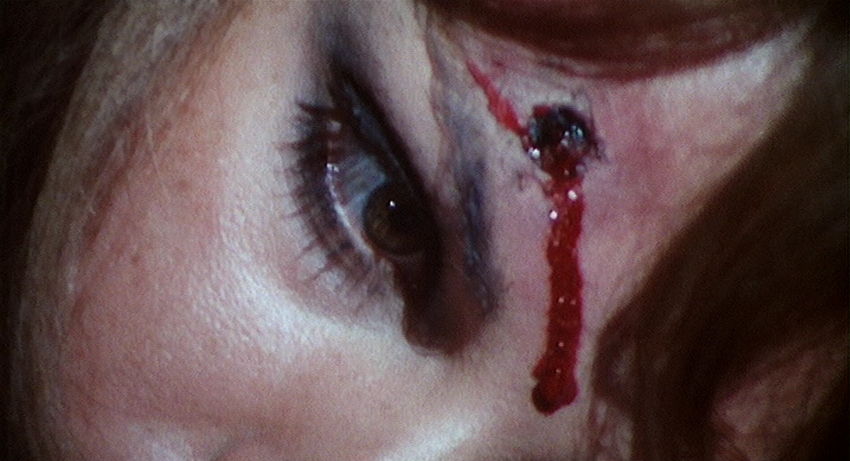
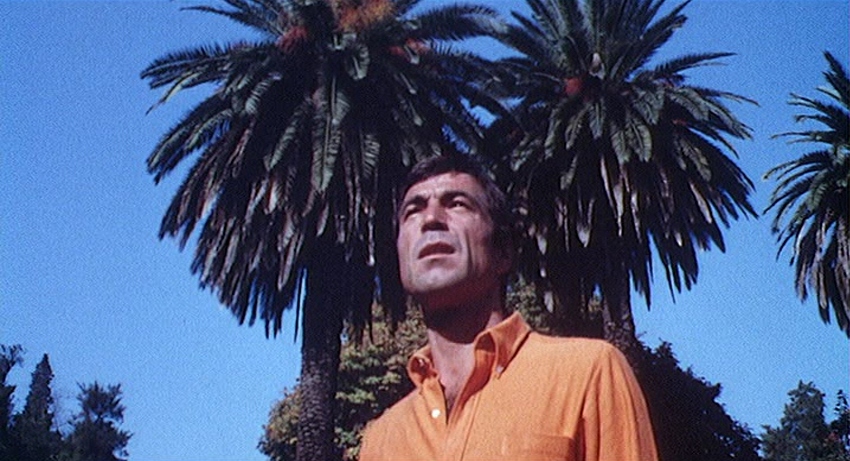
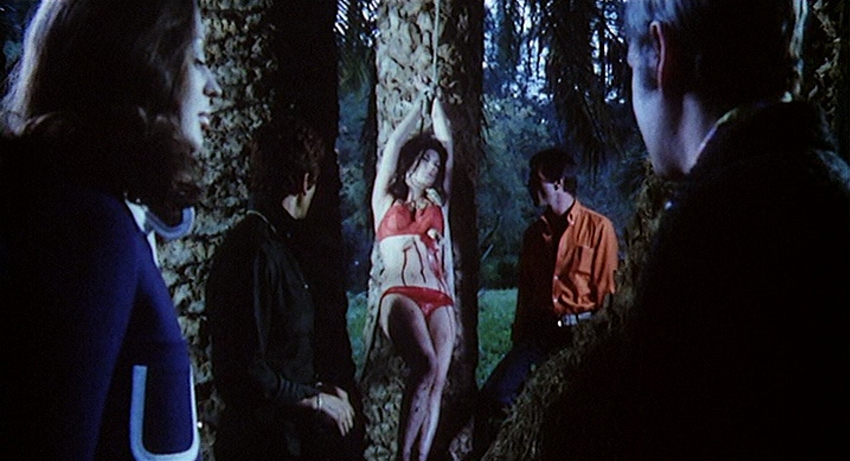
Meanwhile, Jack and George continue scheming to get Farrell’s formula, even as their colleagues die around them.
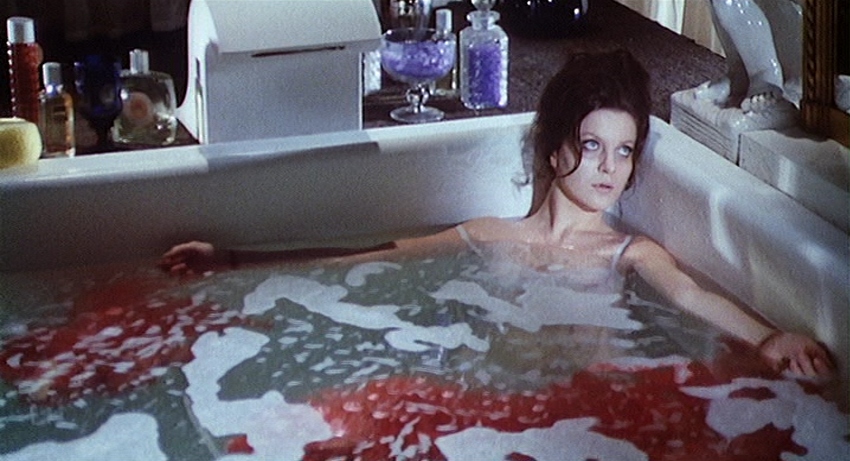
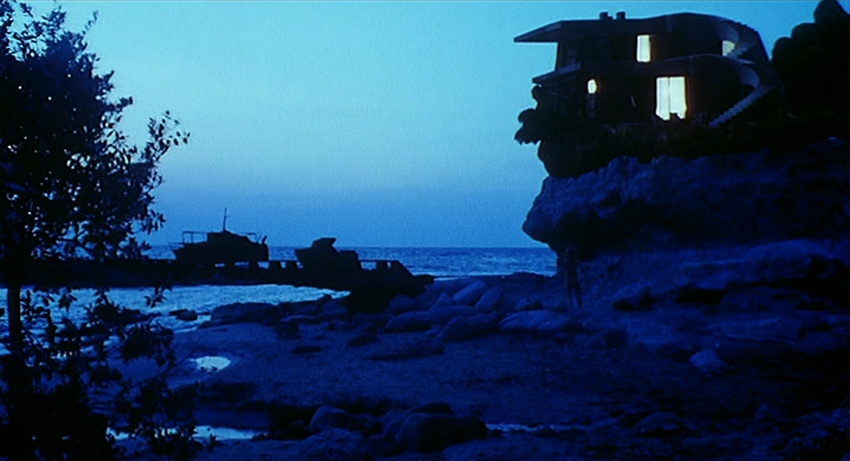
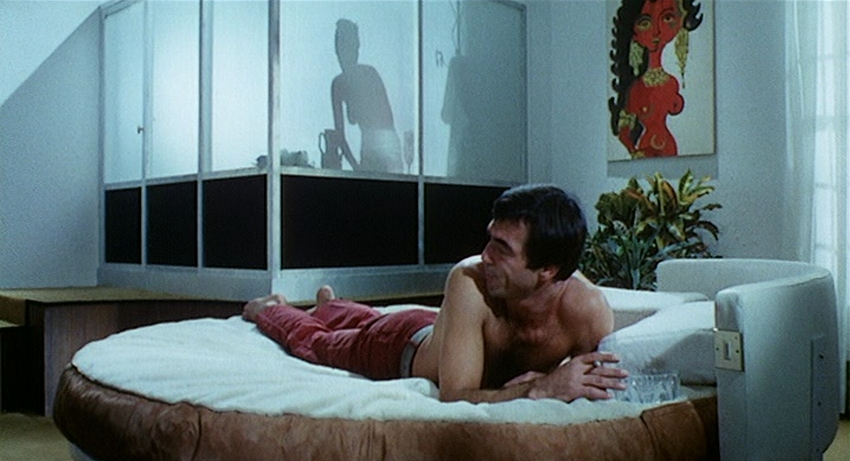
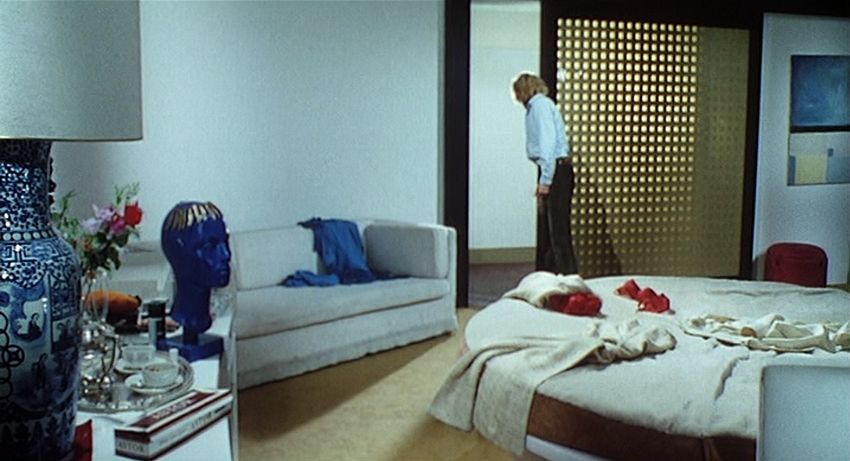
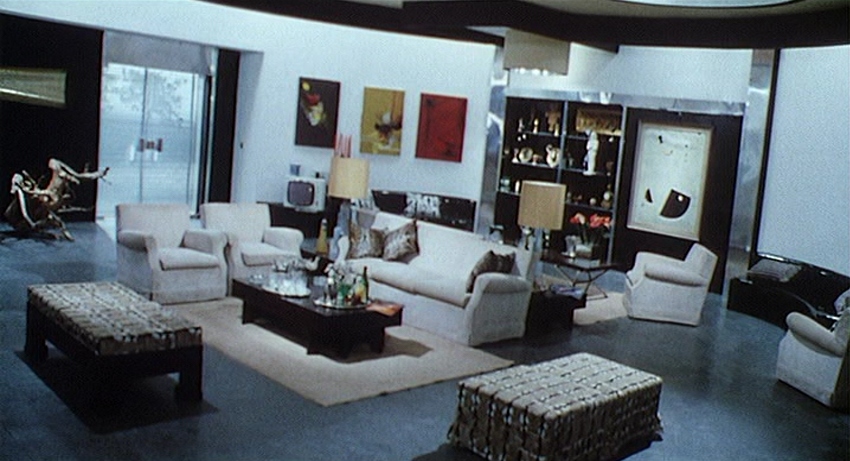
The guests’ motives become increasingly blurred. It’s revealed that Peggy Davidson (Ely Drago), Jack’s wife, maybe blackmailing someone. Everyone has something to hide, and Bava uses the labyrinthine beach house to reflect their psychological entrapment—with mirrors, oddly angled interiors, and voyeuristic framing.
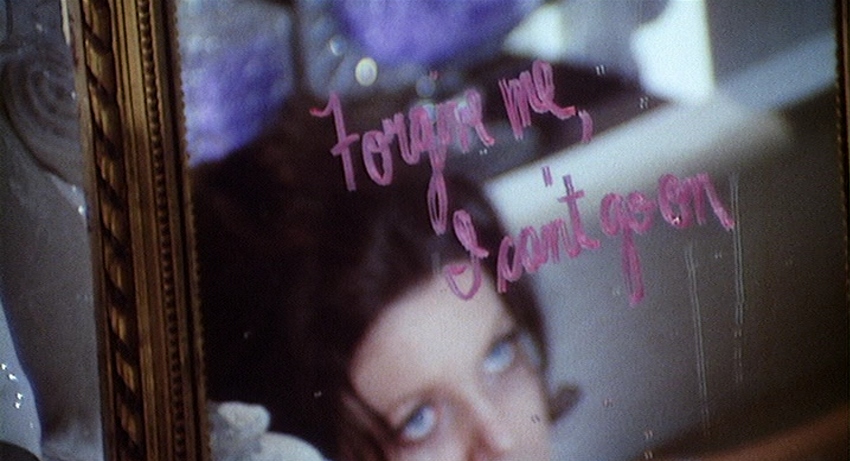
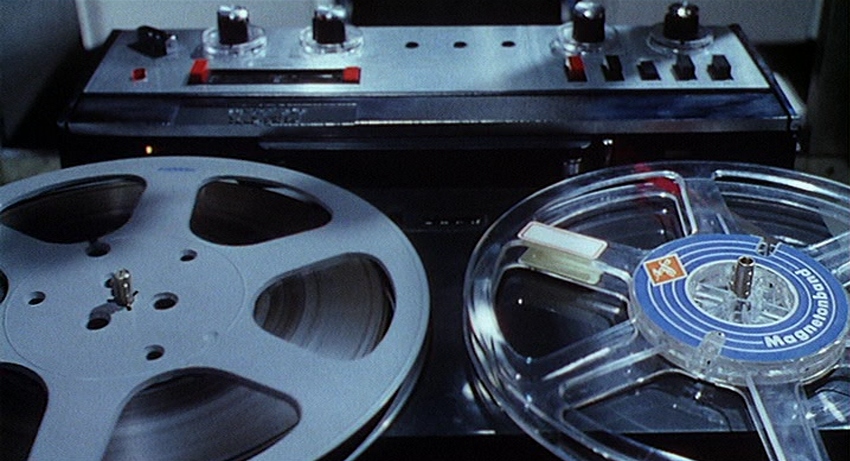
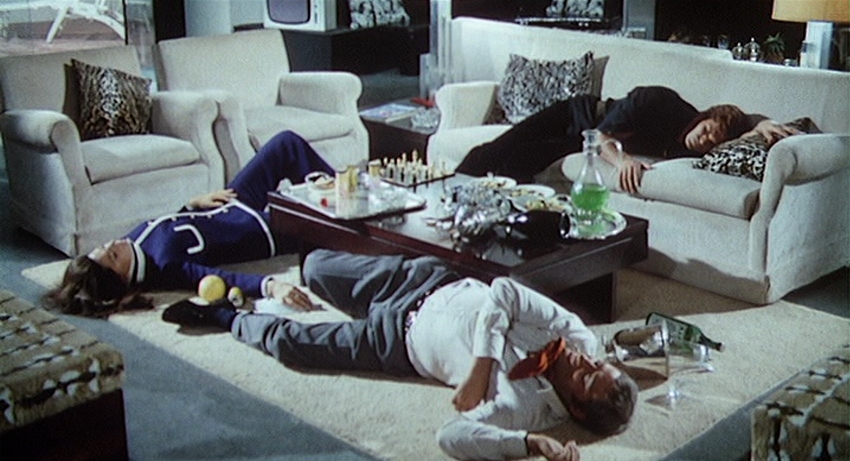
The title metaphorically refers to the five murdered bodies, literally lined up in the freezer like broken toys. The deaths are sudden and often offscreen, which creates a sense of unpredictability and disorientation. Viewers, like the characters, are never quite sure who will die next or who the killer is.
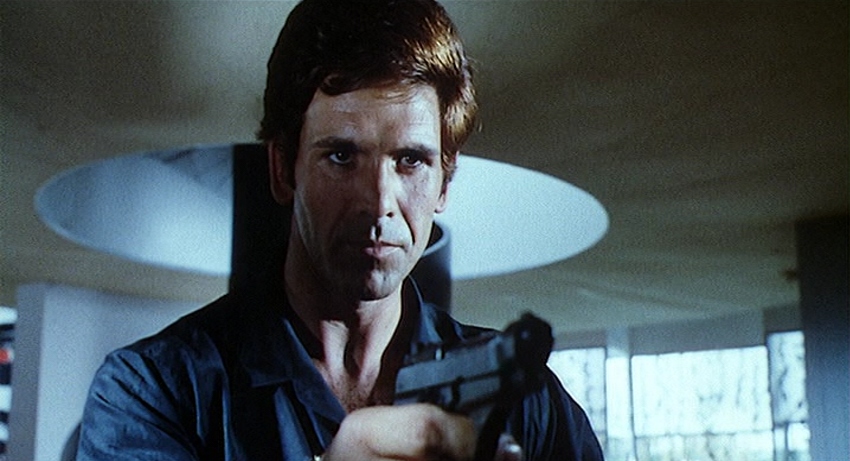
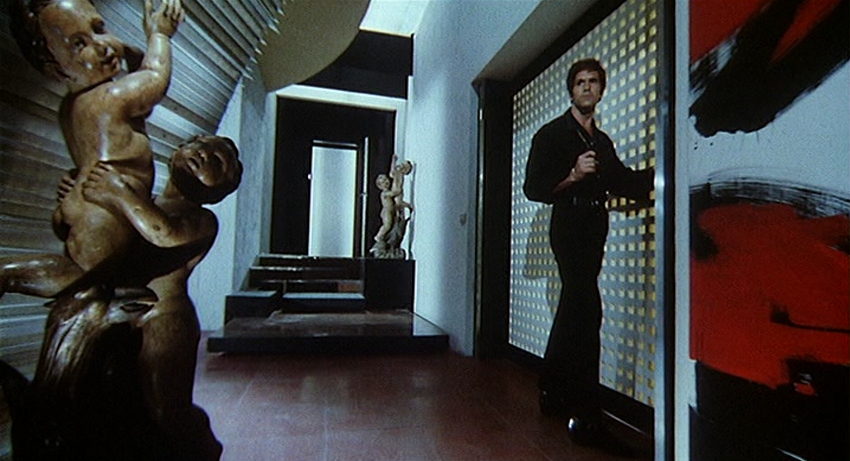
Eventually, most of the guests are dead. However, the film delivers a double twist, which includes a surprise betrayal and a darkly ironic ending, as the killer escapes with what they think is the formula.
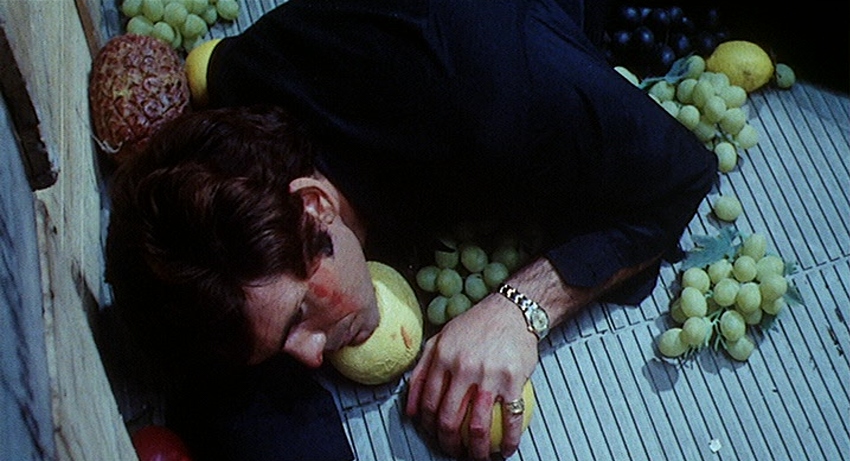
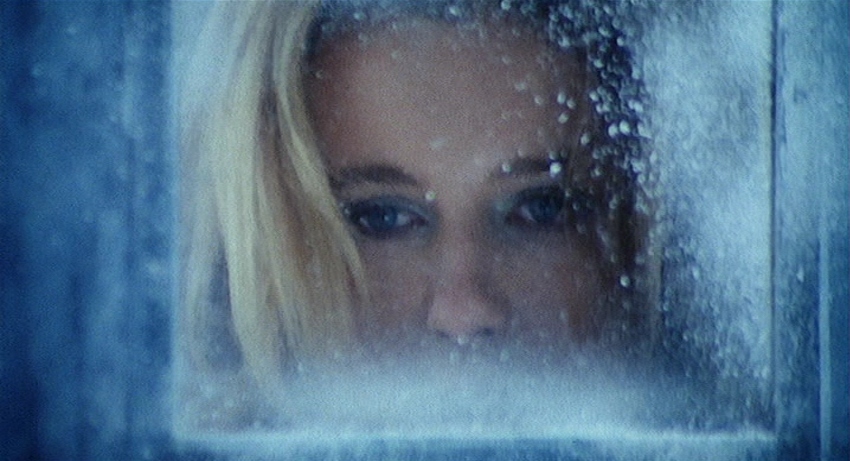
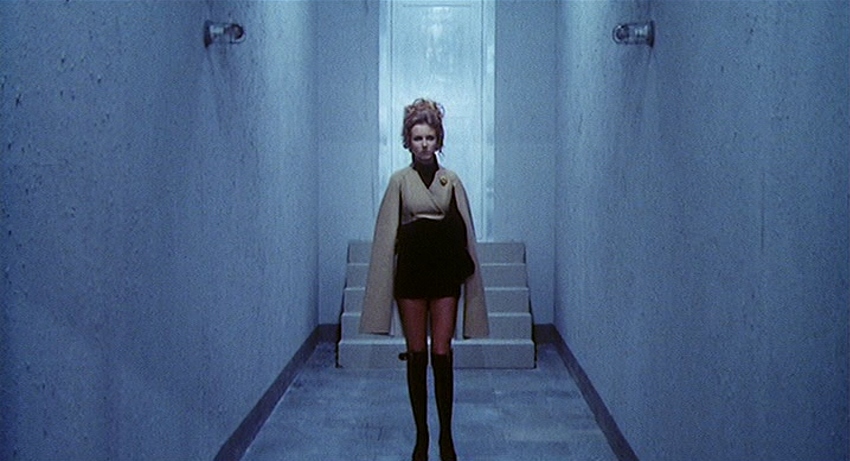
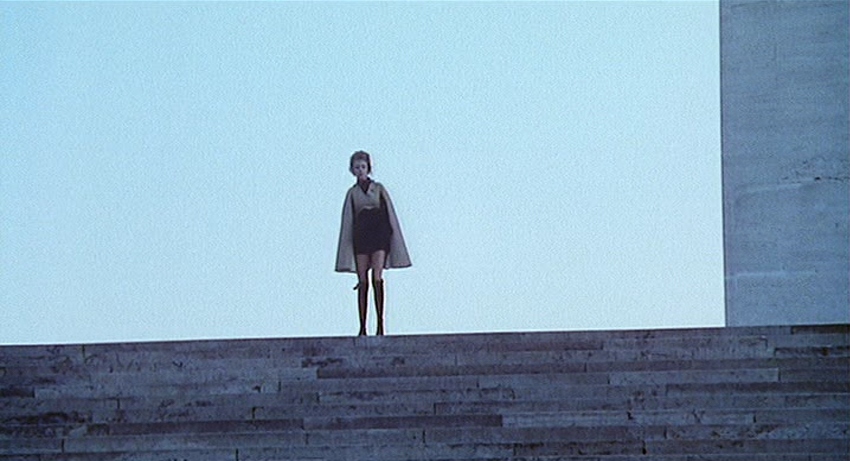
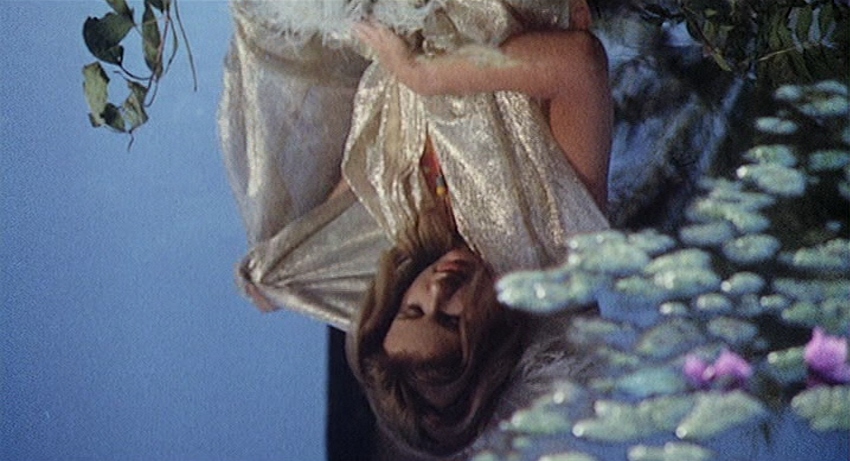
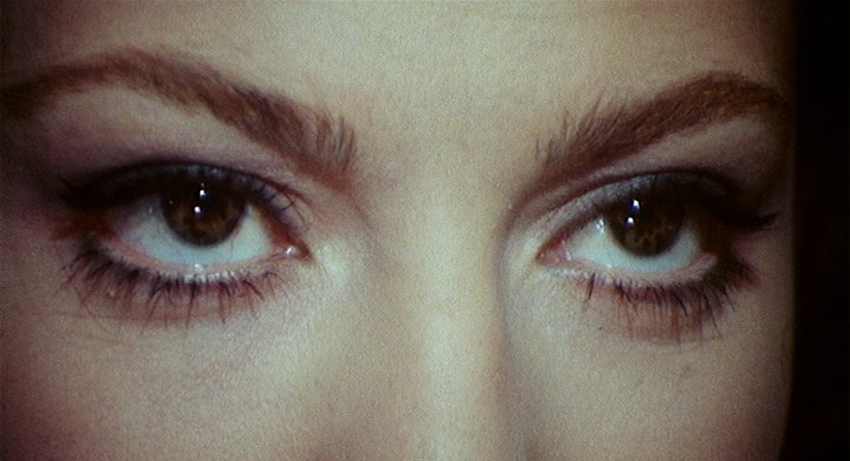
The film explores themes of materialism and greed, sexual politics, power, surrealism, and absurdity. It’s also worth mentioning that the film has become somewhat of a cult classic due to Bava’s production design and visual style. Mario Bava, originally a cinematographer, drenches the film in bold, saturated colors—deep reds, icy blues, bright yellows, and stark whites. The use of primary colors mirrors the 1960s pop art aesthetic, evoking a sense of artificial luxury and emotional detachment. It’s worth a dive in, especially if 1960s visuals appeal to you, as the Italians did it very well.