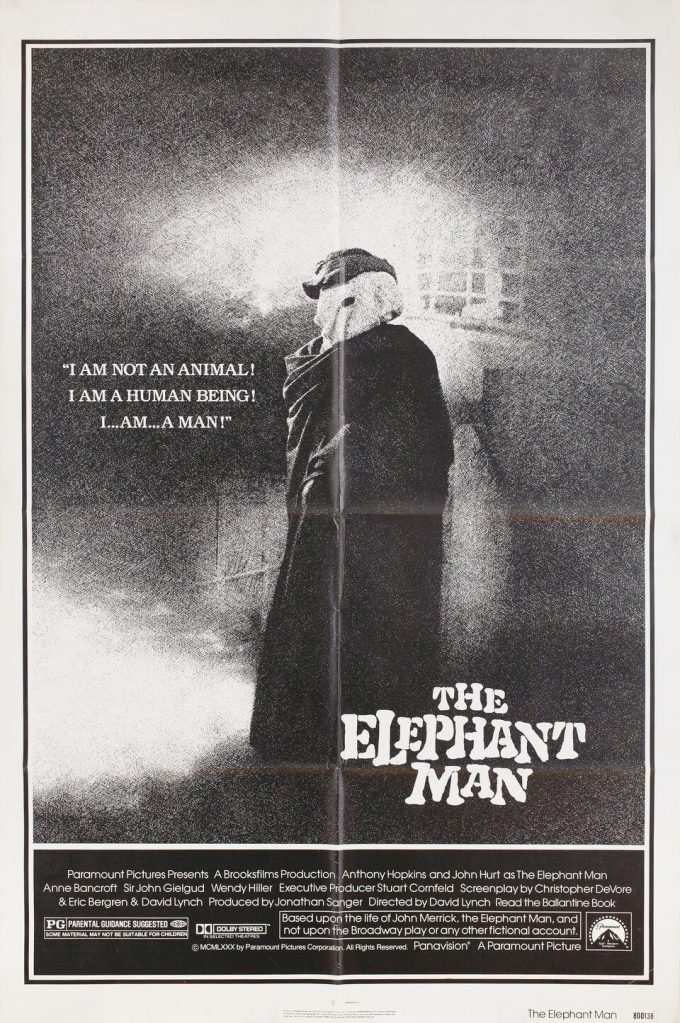
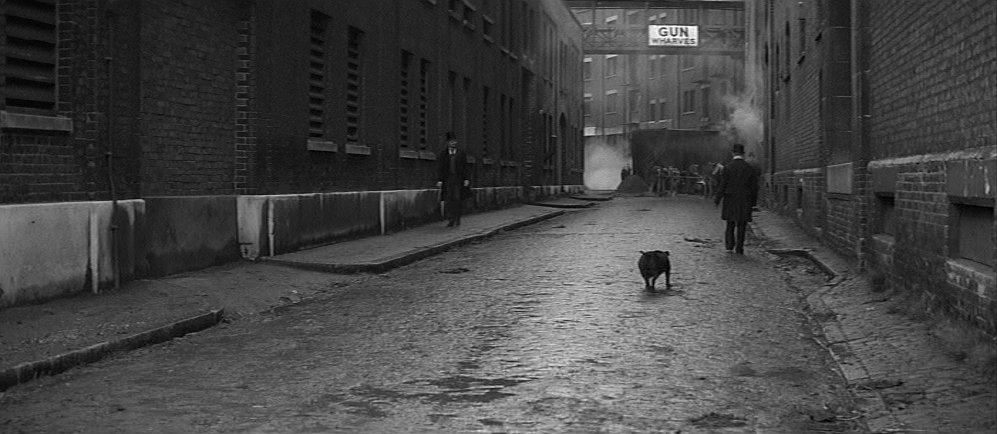
“The Elephant Man” is a biographical drama released in 1980, directed by David Lynch. The film features John Hurt in the role of John Merrick, known as the “Elephant Man.” Anthony Hopkins plays Dr. Frederick Treves, while Anne Bancroft portrays Mrs. Kendal. The cast also includes John Gielgud as Mr. Carr Gomm, Wendy Hiller as Mother Superior, Freddie Jones as Bytes, and Michael Elphick as Night Porter Jim.
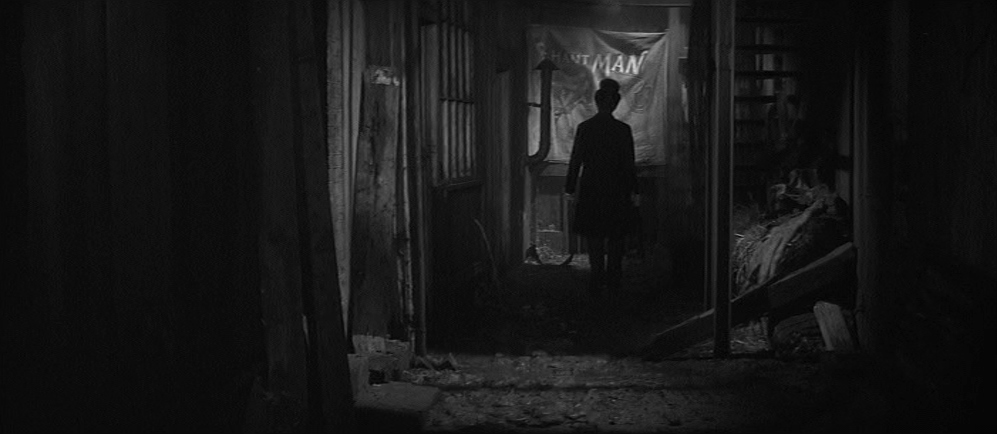
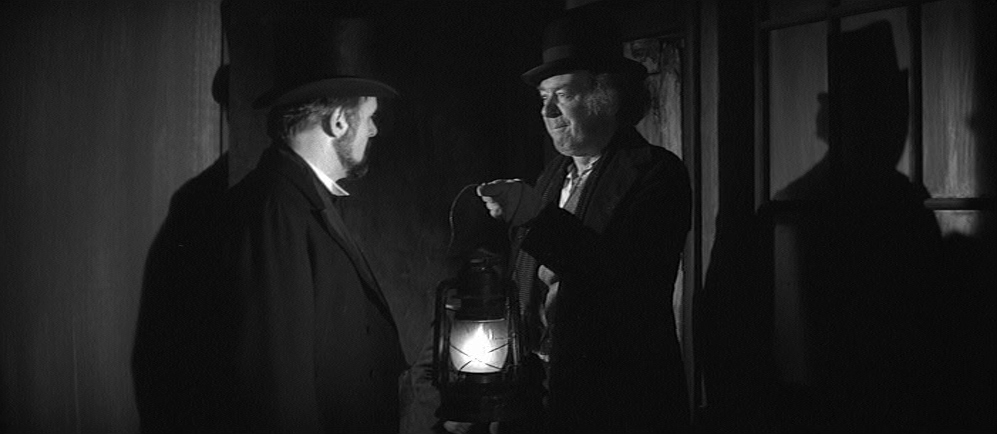
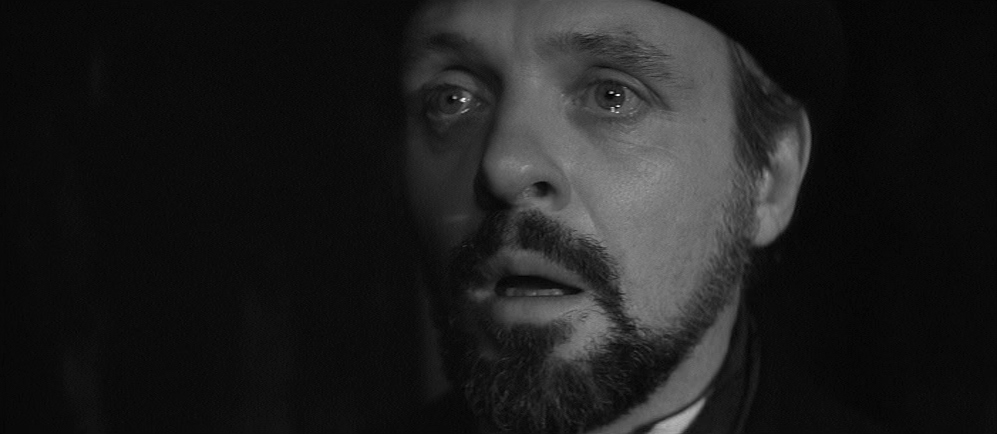
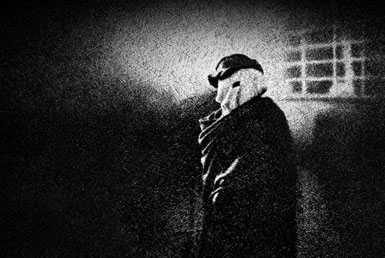
Set in Victorian London, “The Elephant Man” tells the poignant true story of Joseph (John) Merrick, a severely deformed man who was exhibited as a sideshow curiosity before being discovered and befriended by a compassionate doctor. It is a powerful meditation on human dignity, compassion, and societal cruelty, rendered in haunting black-and-white cinematography and directed with emotional restraint by David Lynch.
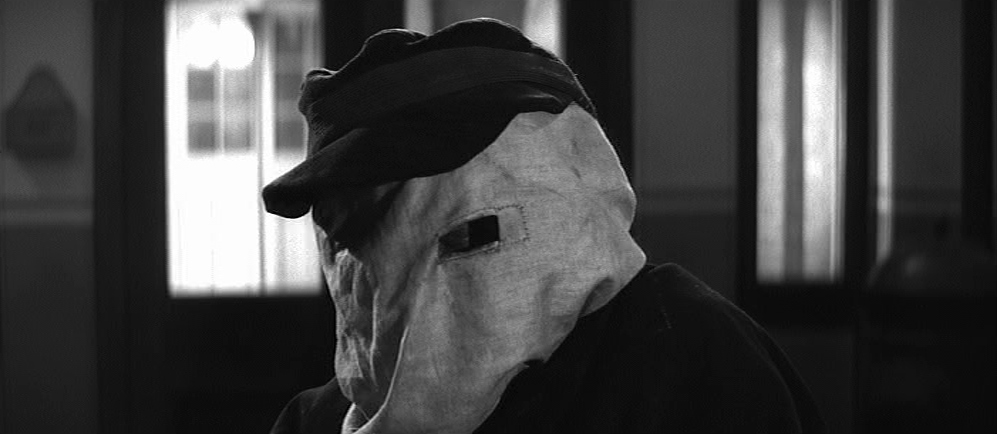
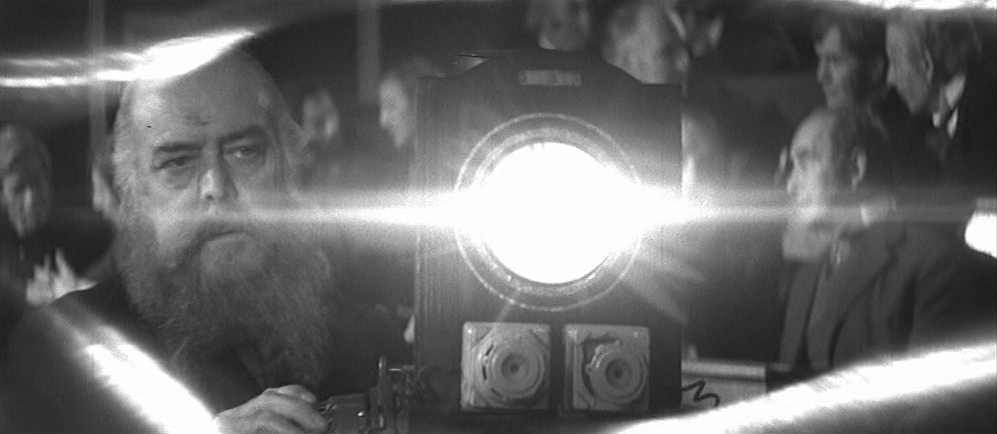
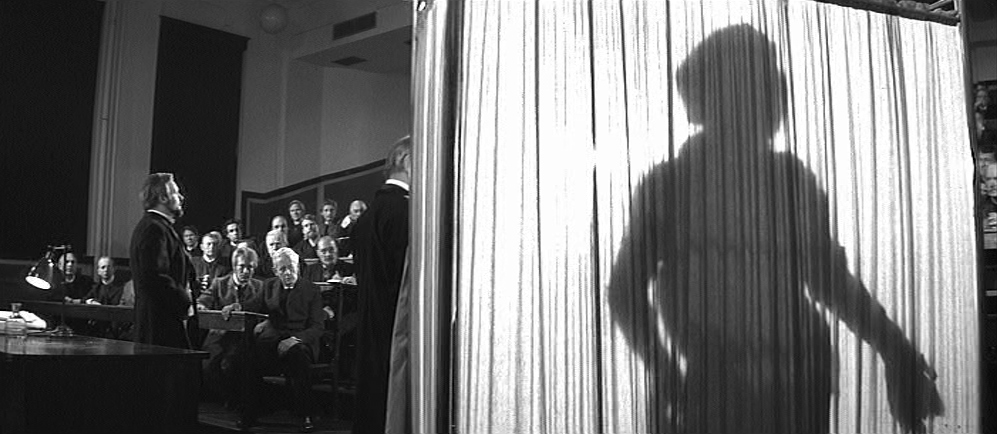
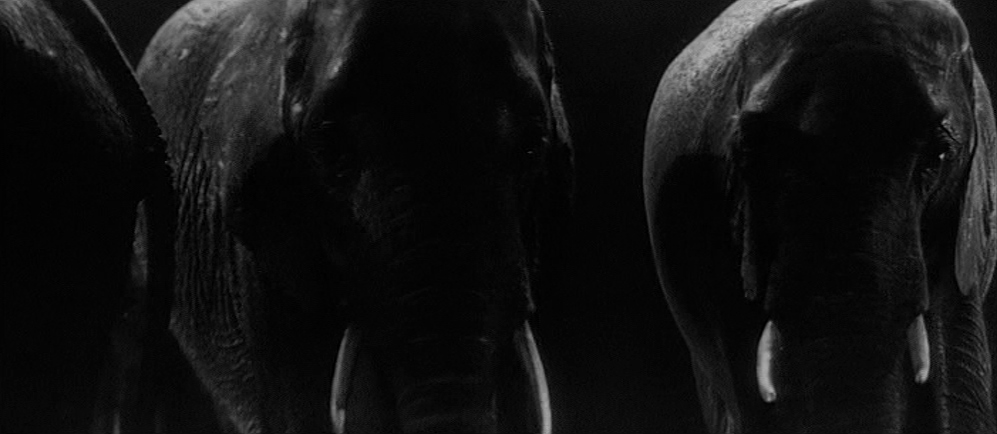
The film opens with abstract, dreamlike images—a surreal vision of elephants, suggesting the legend of how Merrick’s mother was trampled during pregnancy. These images foreshadow the mix of cruelty and myth surrounding Merrick’s life.
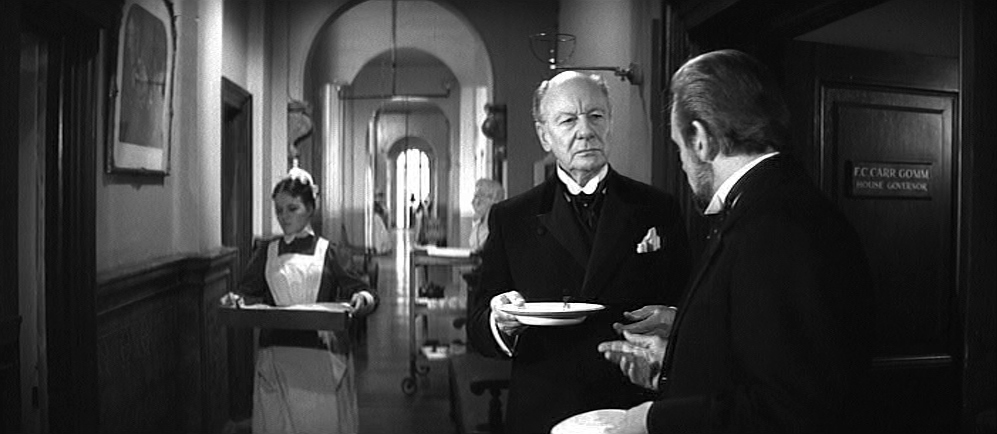
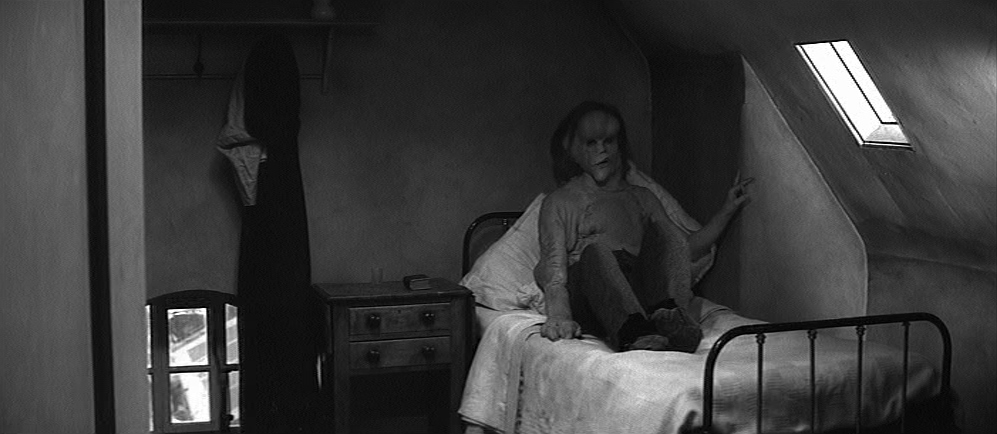
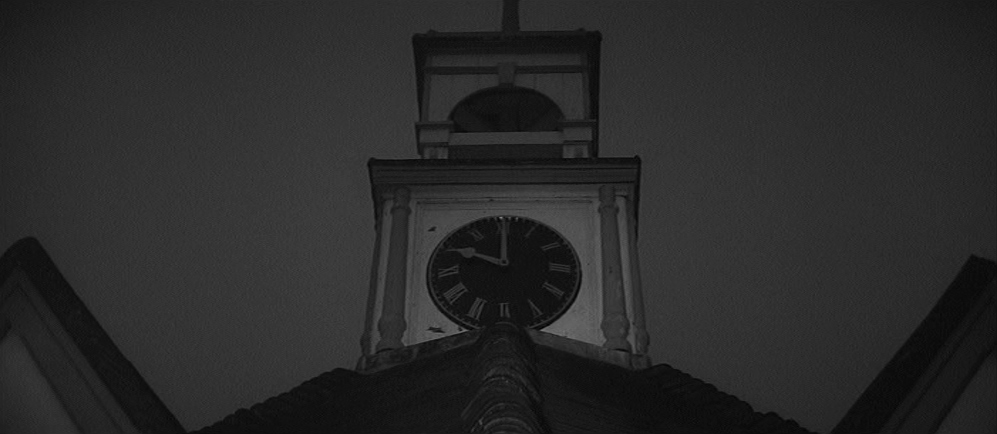
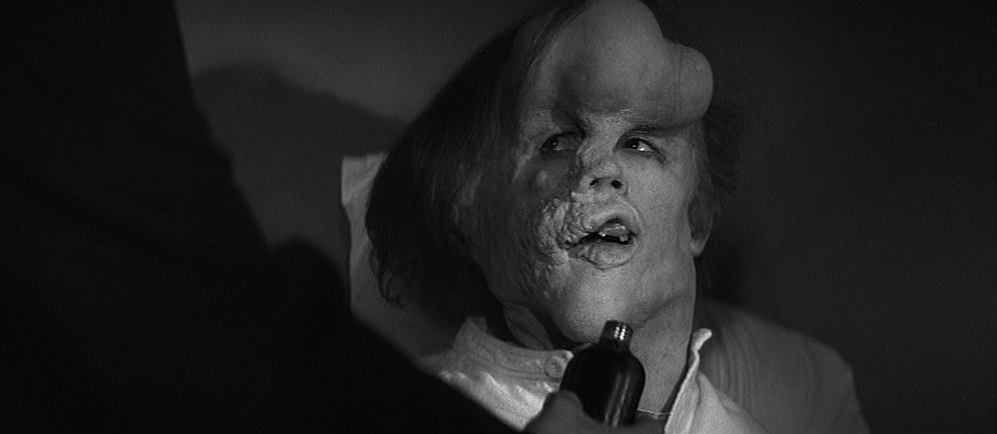
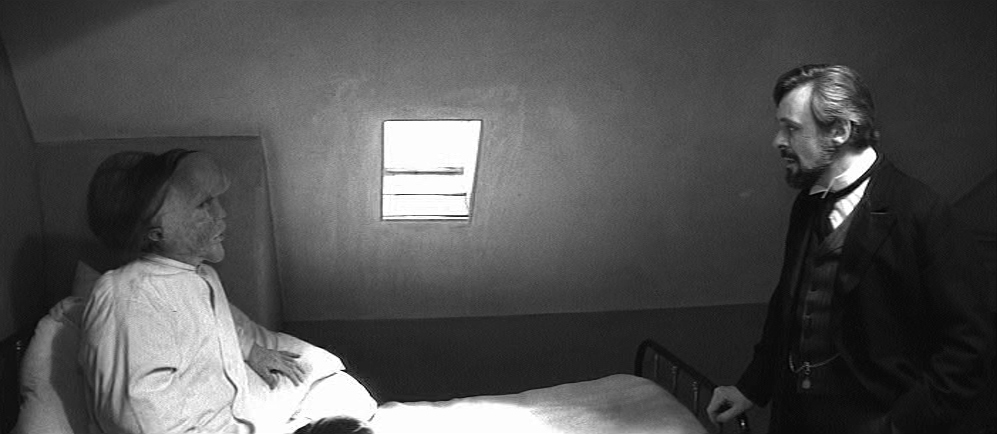
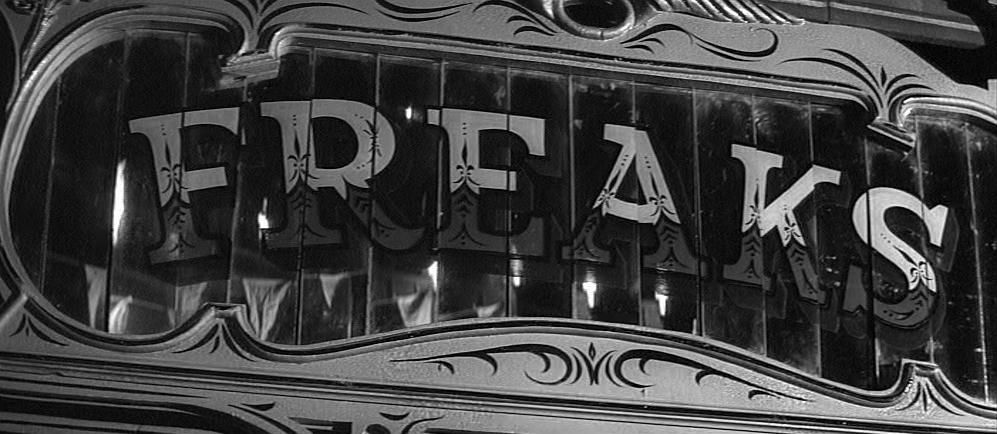
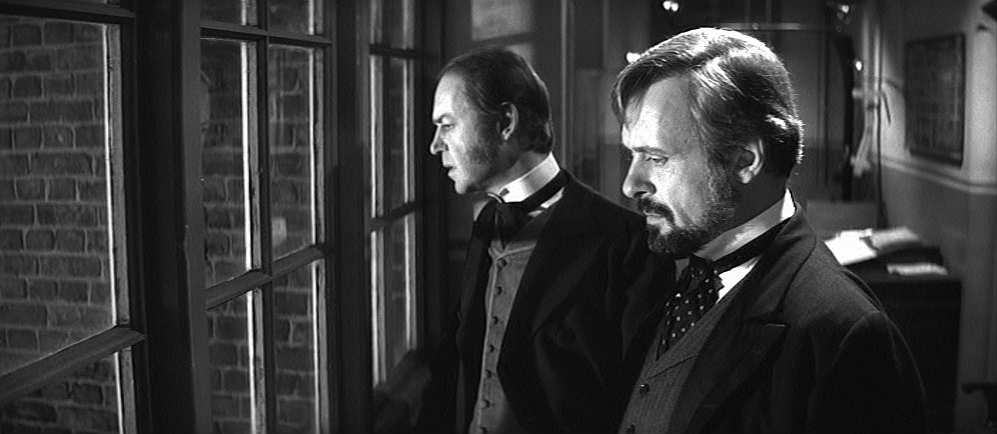
Dr. Frederick Treves, a young surgeon at London Hospital, visits a freak show run by the abusive Bytes, where he witnesses a man labeled “The Elephant Man.” Curious and disturbed, Treves arranges to examine the man, who is named John Merrick. Treves brings Merrick to the hospital for a medical examination and photographs his extreme deformities—his oversized skull, twisted spine, and impaired speech. Initially, Merrick is treated like a specimen. His physical condition is devastating, but Treves suspects that Merrick is intelligent and emotionally aware.
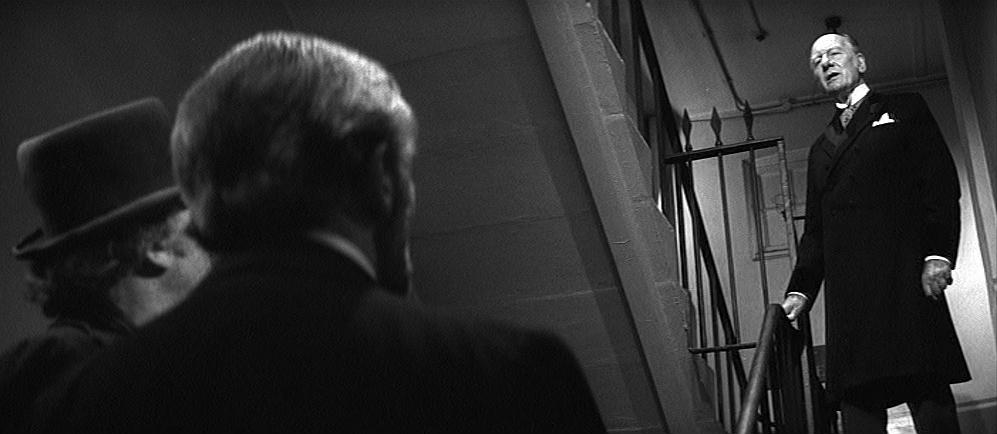
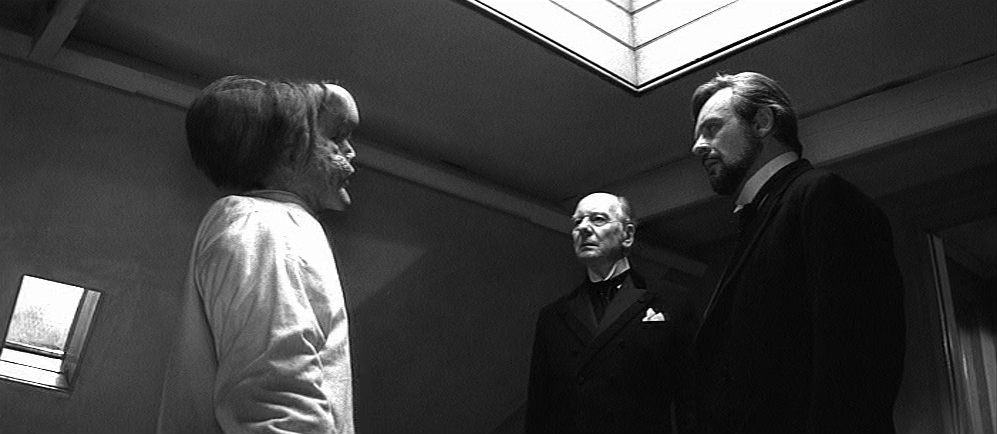
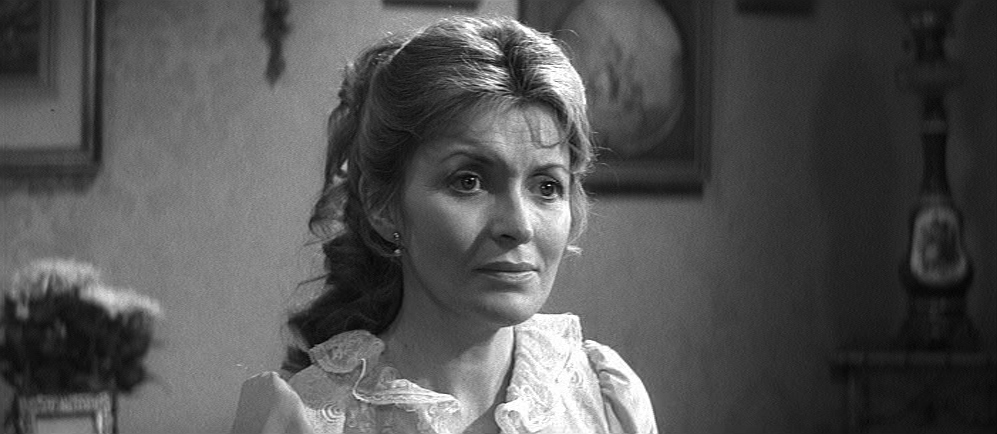
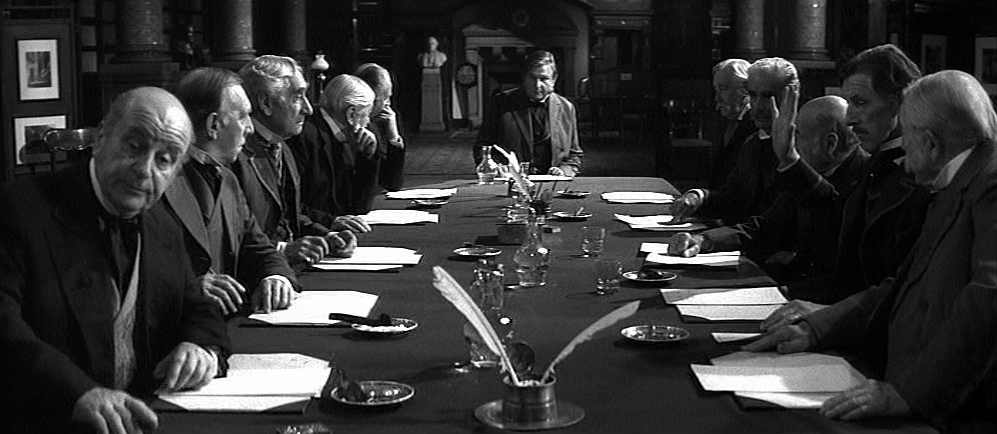
Treves shows Merrick to a panel of surgeons who are horrified but intrigued. When Merrick is forced to return to Bytes, it becomes clear that his life under Bytes’ control is one of exploitation and physical abuse.
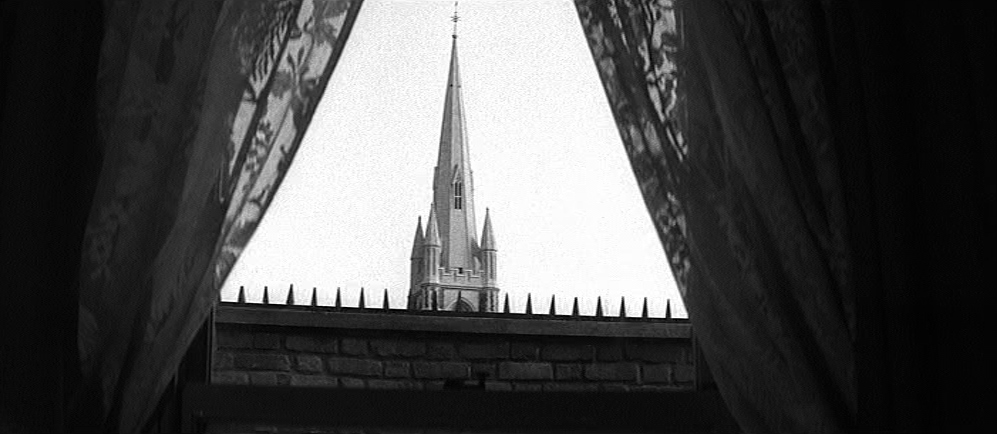
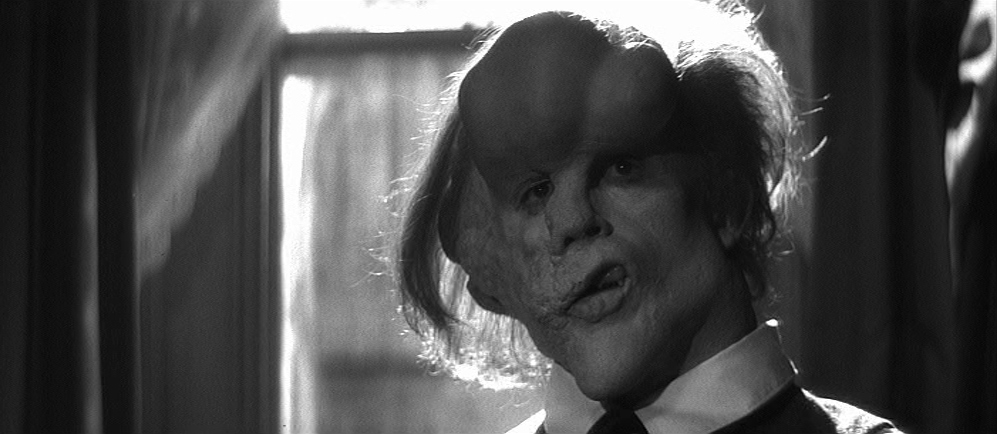
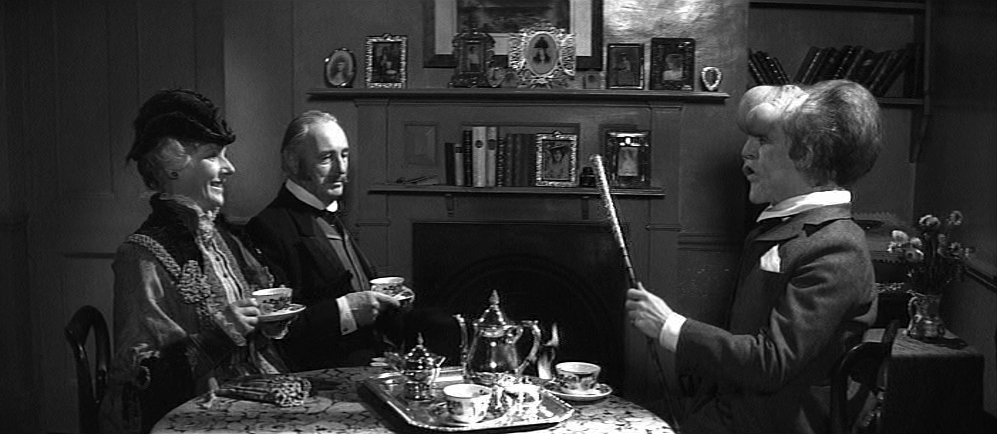
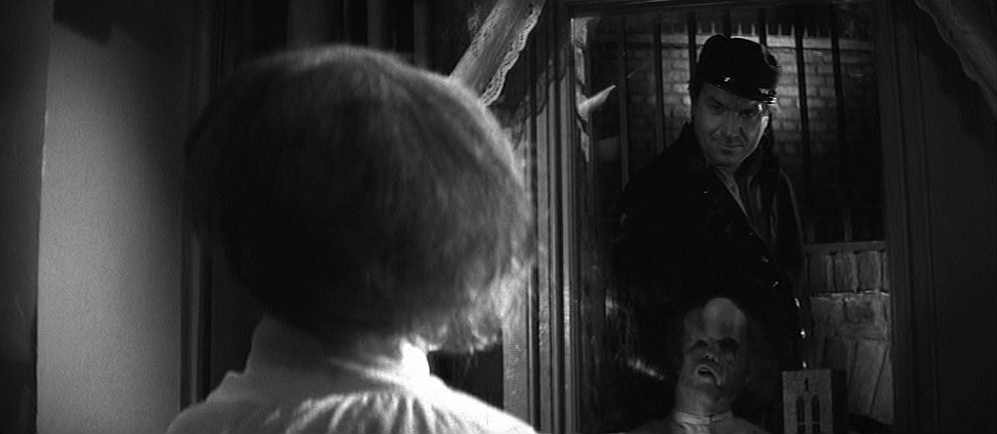
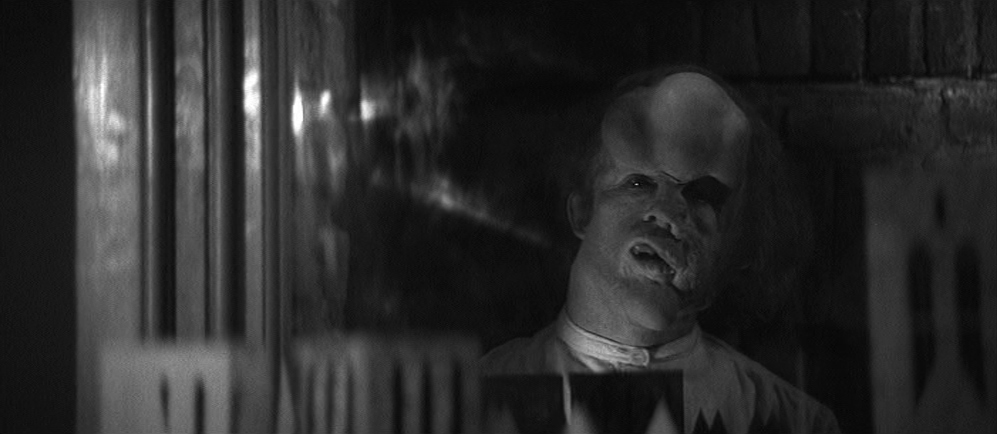
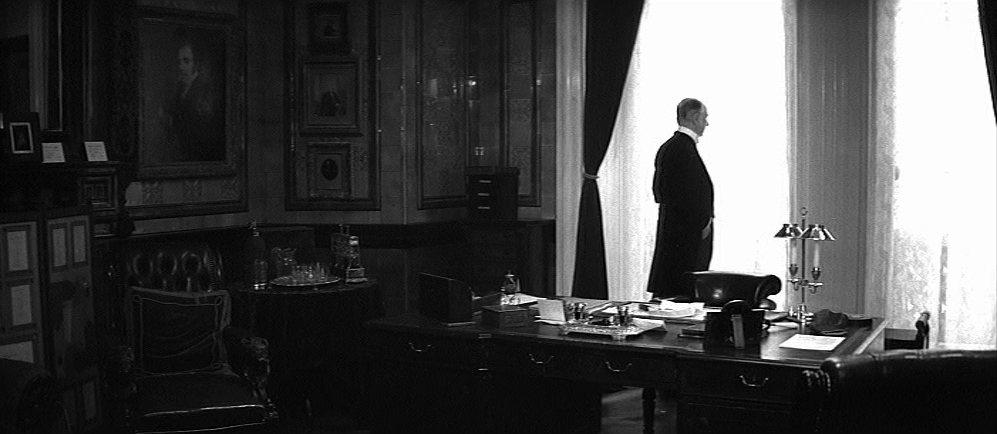
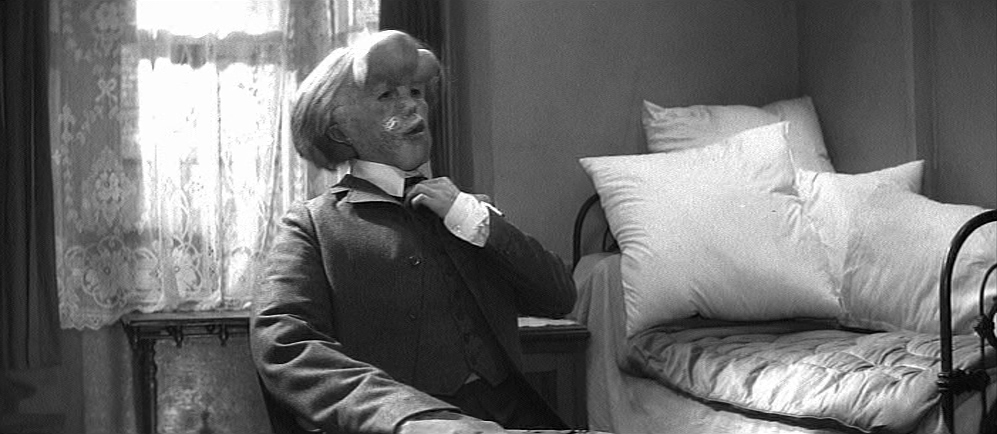
Eventually, Merrick is allowed to stay at the hospital under the care of Mr. Carr Gomm, the hospital administrator. Though initially thought to be mentally impaired, Merrick surprises everyone when he recites the 23rd Psalm from memory and begins to speak with eloquence and clarity.
“I am not an animal. I am a human being. I am a man!”
This moment becomes a profound emotional breakthrough for both Treves and the audience, revealing Merrick’s inner dignity and depth.
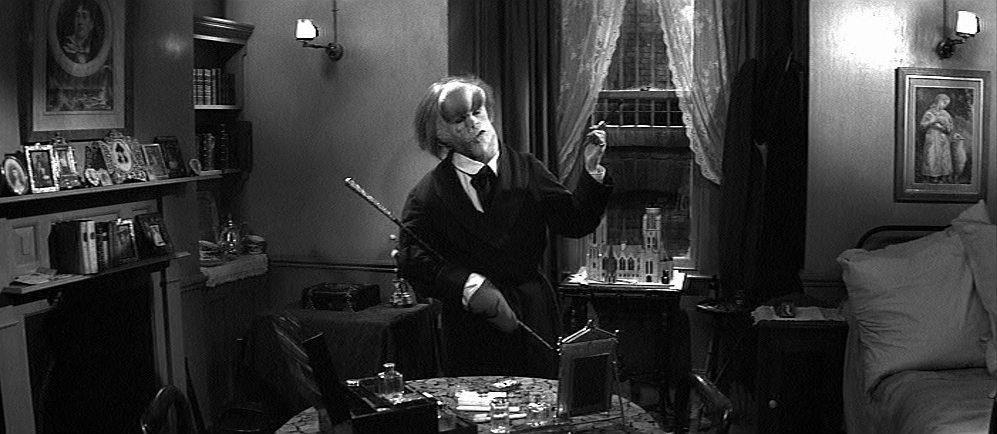
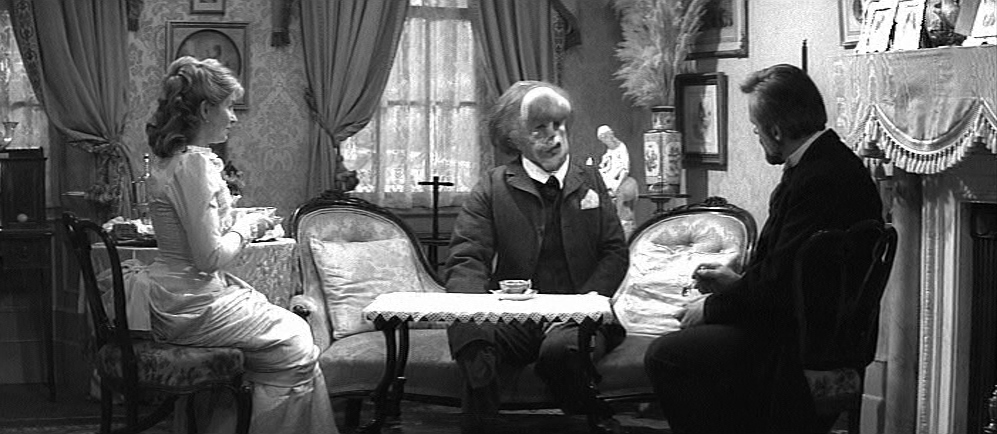
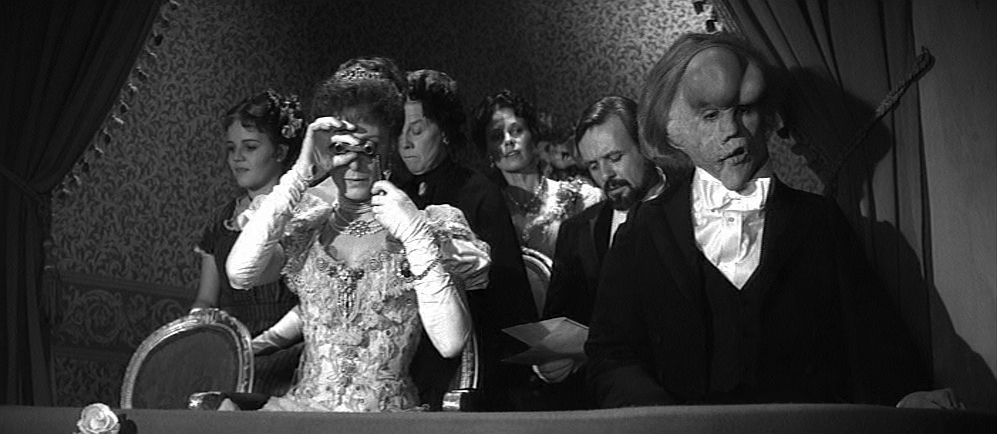
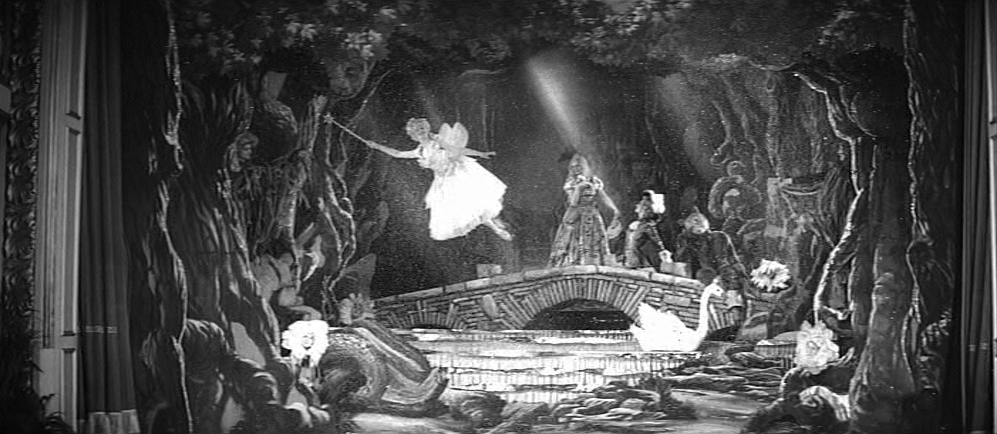
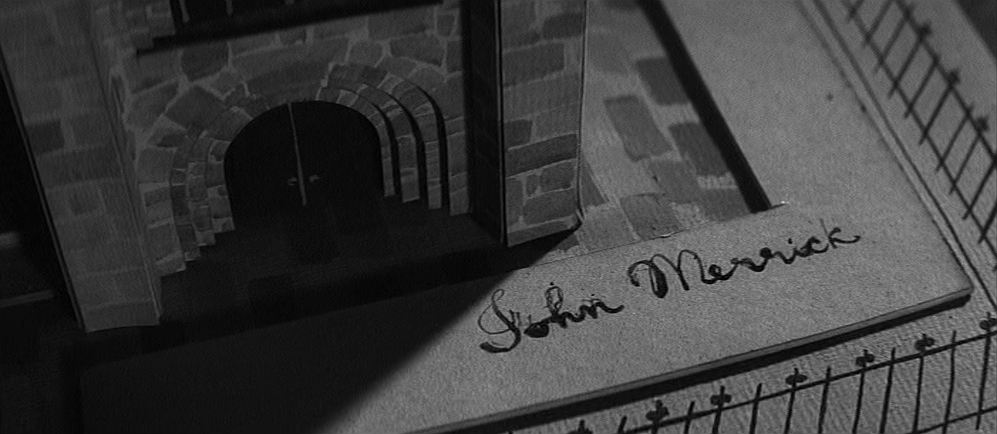
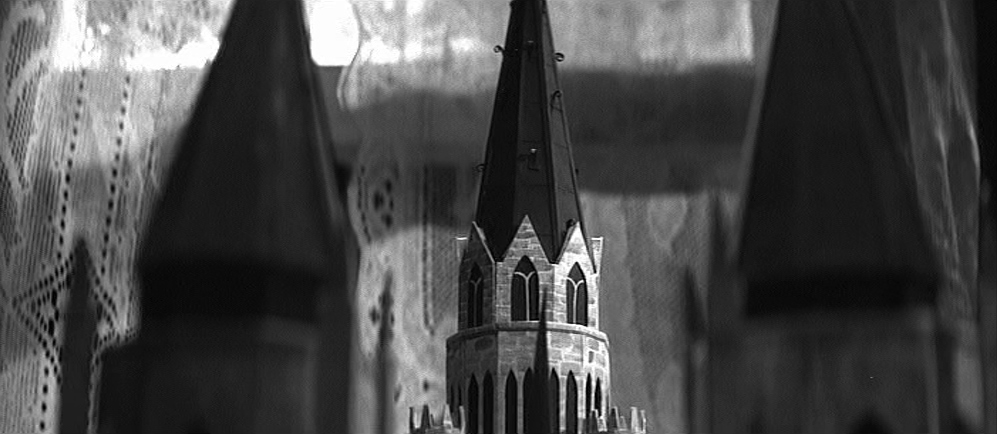
As Merrick becomes known in London society, he is visited by actress Mrs. Kendal, who treats him with respect and even invites him to the theatre. He also develops friendships with hospital staff and lives in relative peace. Merrick finds solace in building a model cathedral, reflecting his inner life and sensitivity.
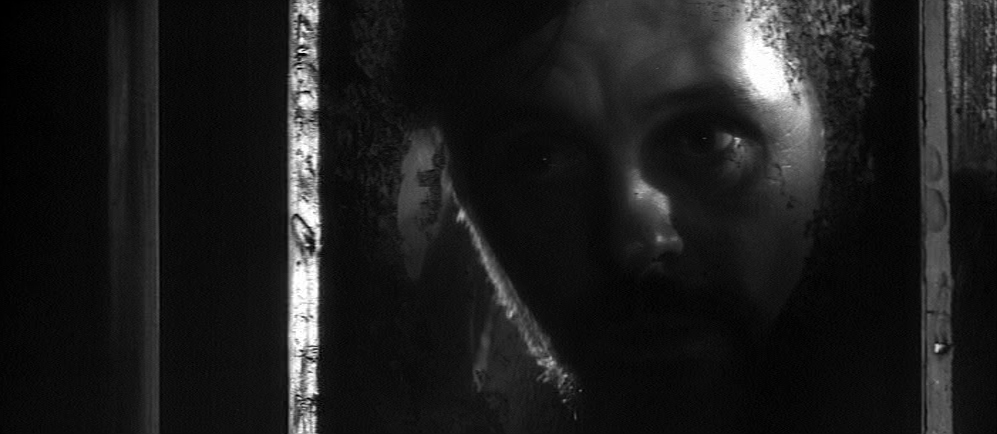
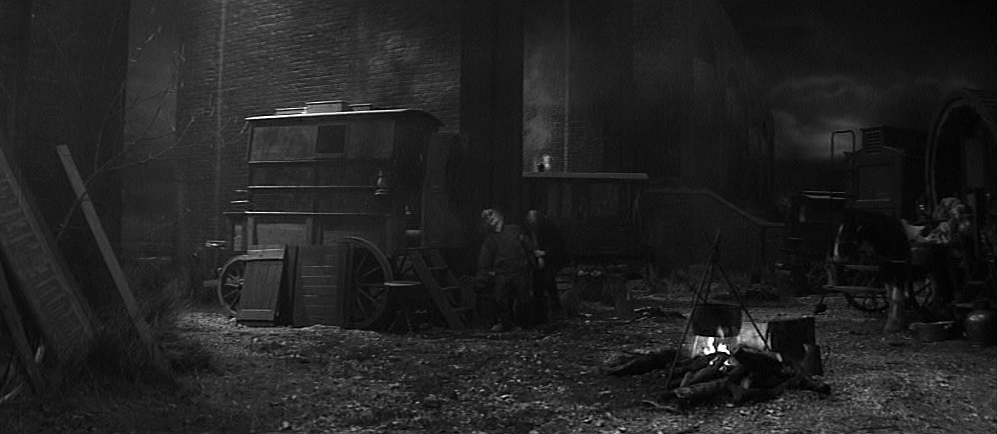
Yet Treves struggles with guilt, wondering if he has become a more refined version of Bytes, exploiting Merrick differently, for science and social prestige rather than profit.
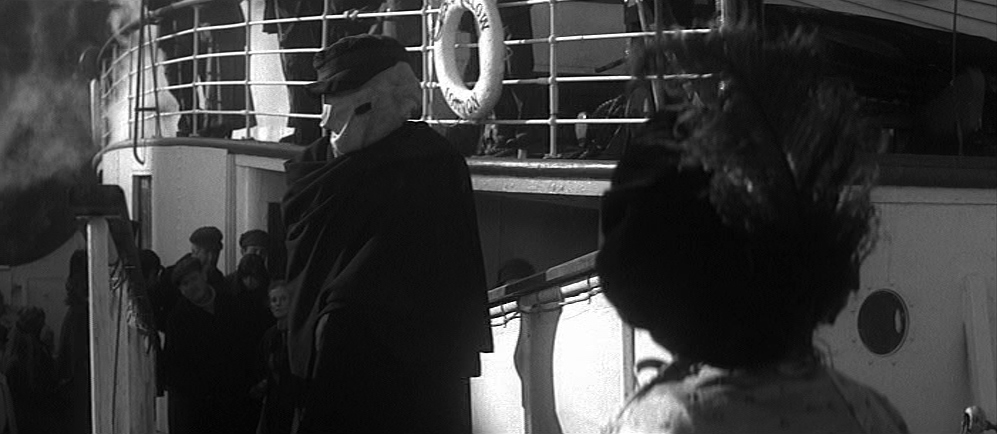
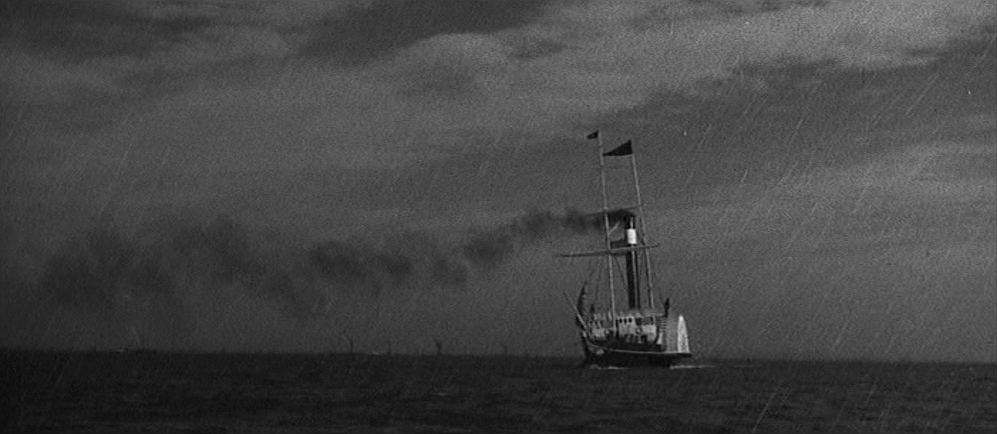
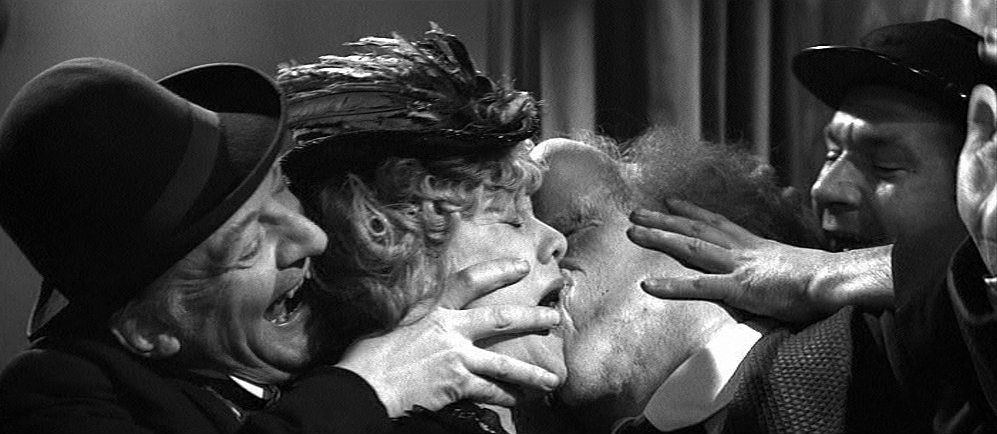
Despite his comfort at the hospital, Merrick is not safe. A night porter named Jim sneaks strangers into Merrick’s room to gawk at him while he sleeps, turning his life into a spectacle once again. When Bytes learns of Merrick’s public acclaim, he kidnaps him and smuggles him to France, where he is imprisoned and abused in a new freak show.
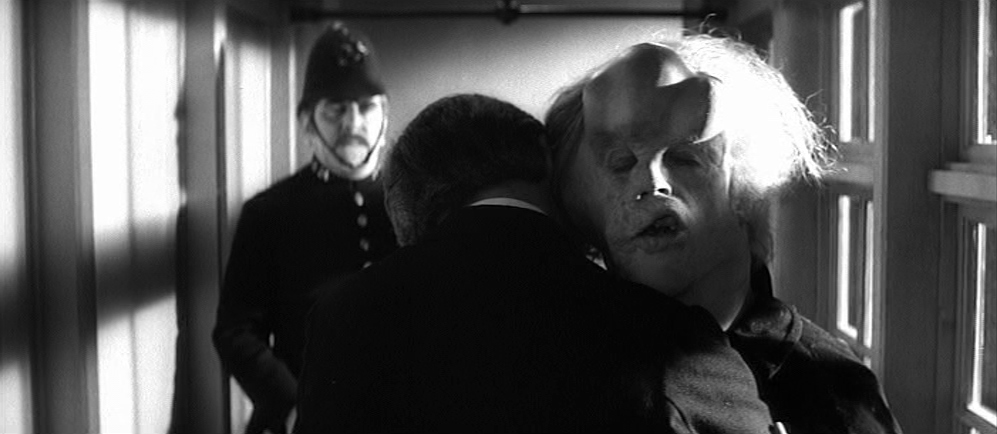
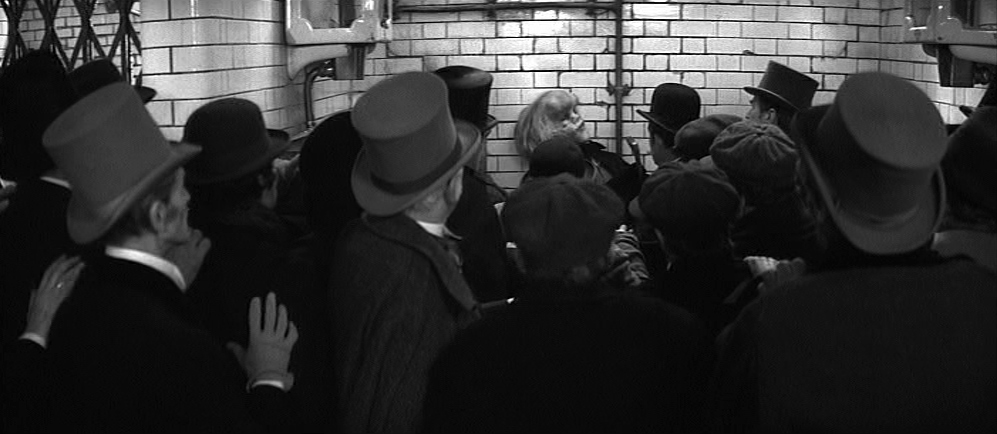
With the help of fellow performers, Merrick escapes and returns to London. Weak and exhausted, he collapses in a train station where a crowd, initially hostile, turns protective when he cries out his now-famous line:
“I am not an animal! I am a human being!”
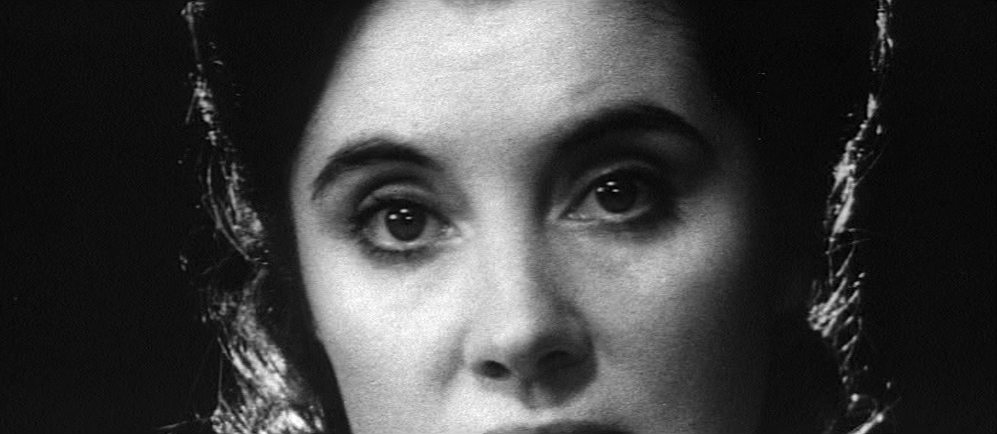
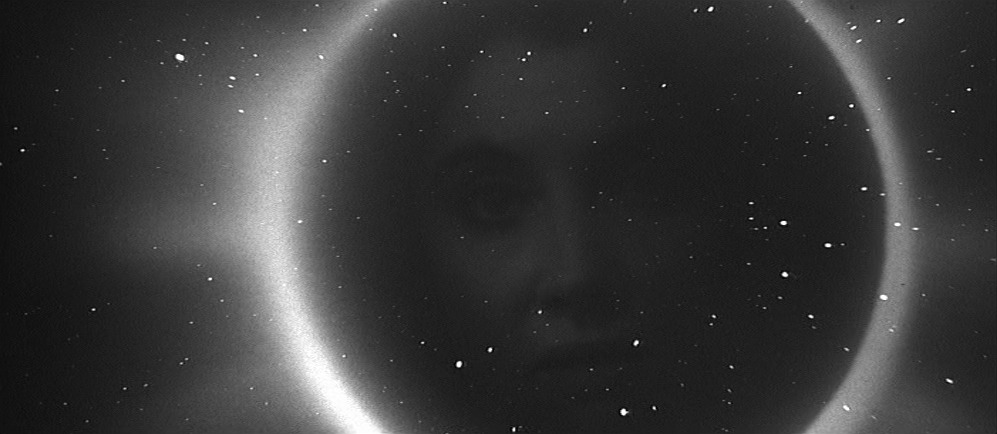
He is returned to the hospital, where, knowing that his health is failing and seeking a moment of peace, Merrick lies down in bed to sleep like a “normal person,” though his malformed head makes it dangerous. He dies quietly in his sleep—a serene and dignified death, underscored by a final, dreamlike vision of his mother.
The film ends with a quote from “Elegy” by Thomas Hardy:
“Nothing will die.”
“The Elephant Man” was nominated for 8 Academy Awards, including Best Picture, Best Actor (John Hurt), Best Director (David Lynch), and Best Adapted Screenplay. Although it won none, the film was so acclaimed for its makeup and prosthetics that it prompted the Academy to create a new category: Best Makeup, introduced the following year.