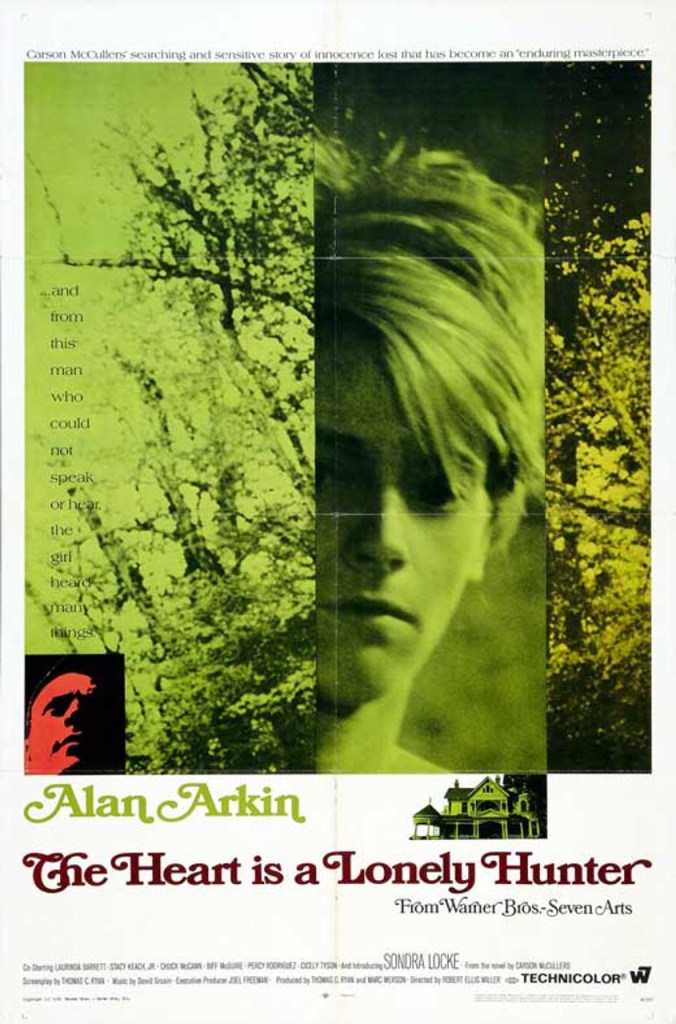
“The Heart Is a Lonely Hunter” is a 1968 drama directed by Robert Ellis Miller; the film is a touching, melancholic character study about isolation, empathy, and the human need for connection. Set in a small Southern town during the 1930s, the film centers on John Singer, a deaf and mute man who becomes an emotional anchor for a variety of troubled individuals in the community, even as he quietly grapples with his profound loneliness.
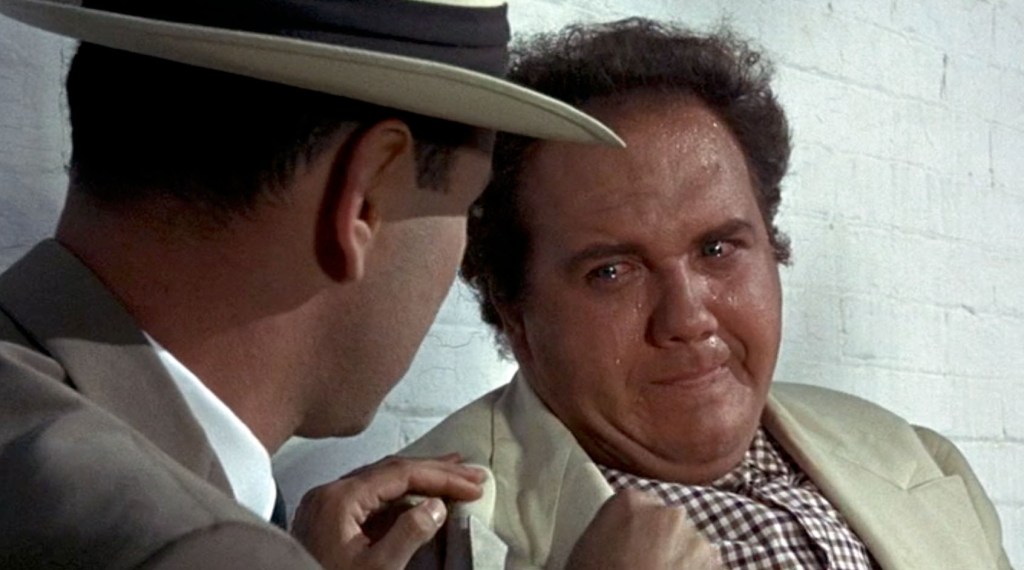
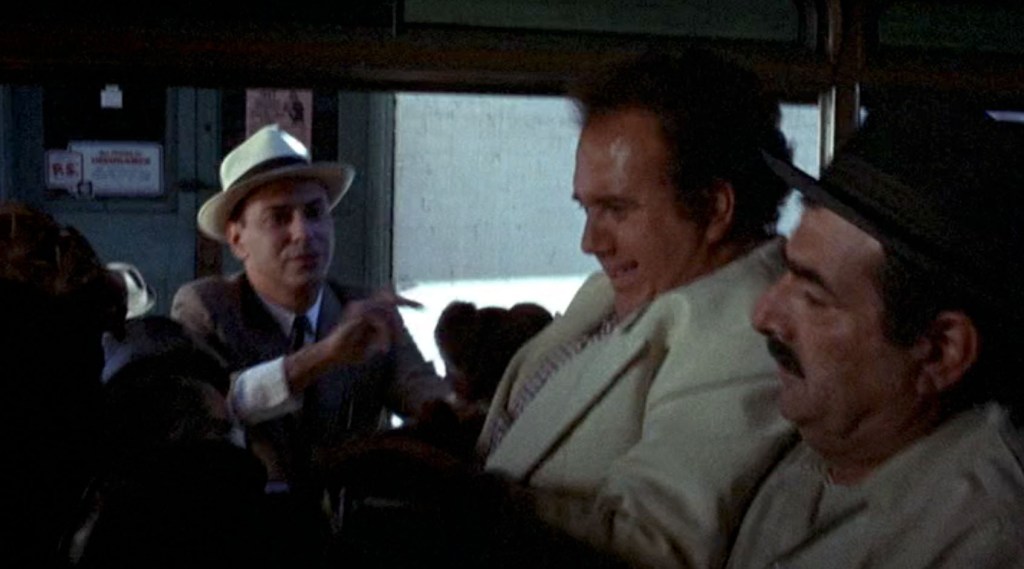
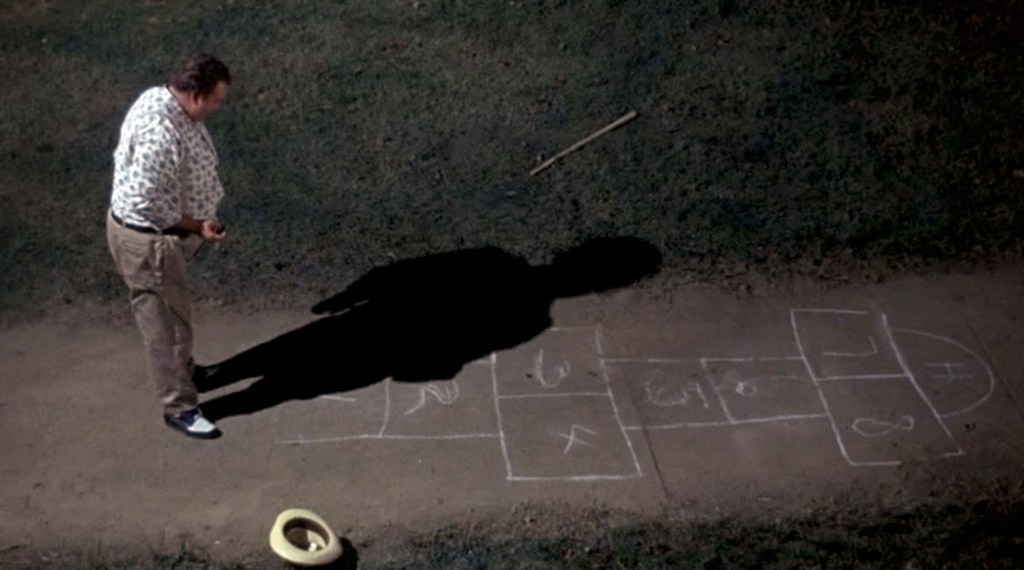
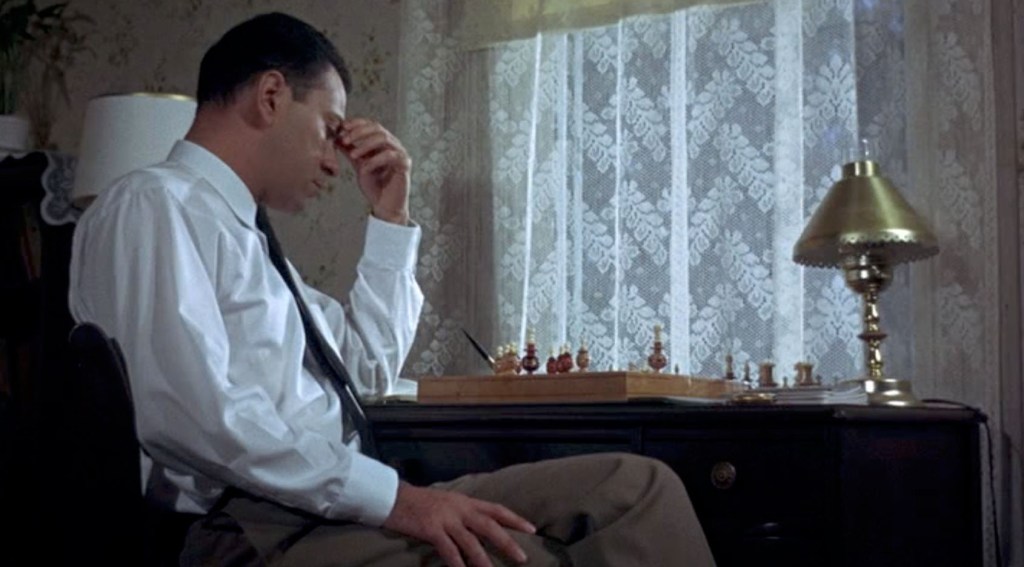
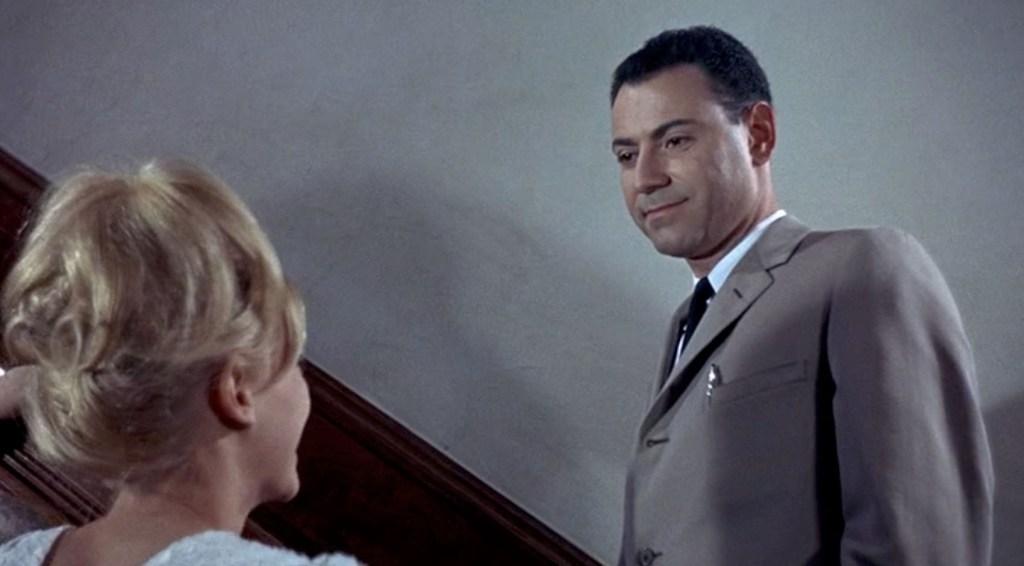
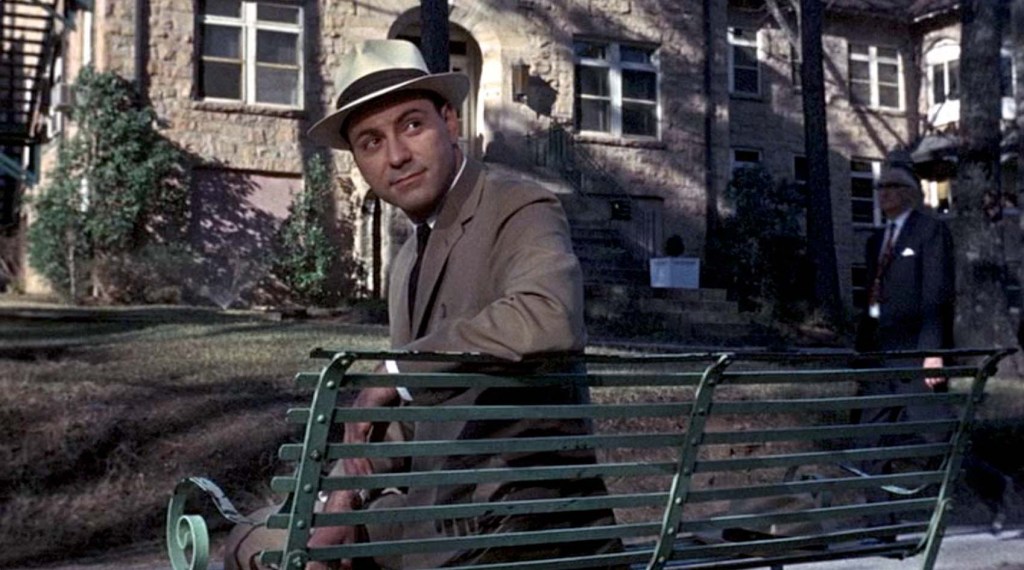
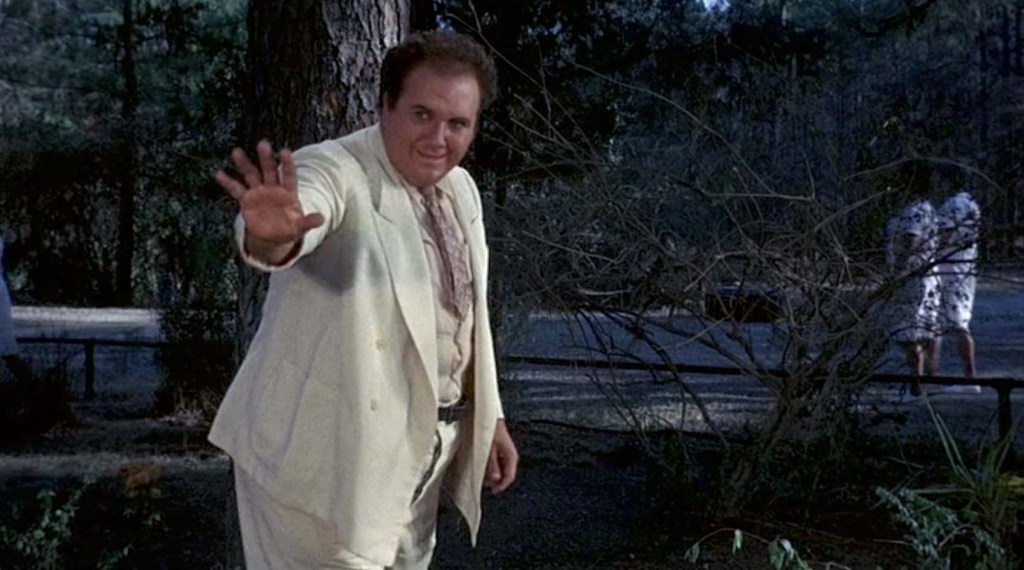
The film opens with John Singer (Alan Arkin), a gentle, literate man who is both deaf and mute, living peacefully with his best friend, Spiros Antonapoulos (Chuck McCann), who is mentally disabled. They communicate via sign language and live simply. However, Antonapoulos becomes increasingly erratic and difficult to manage. His family sends him to an institution far away, leaving Singer heartbroken and alone.
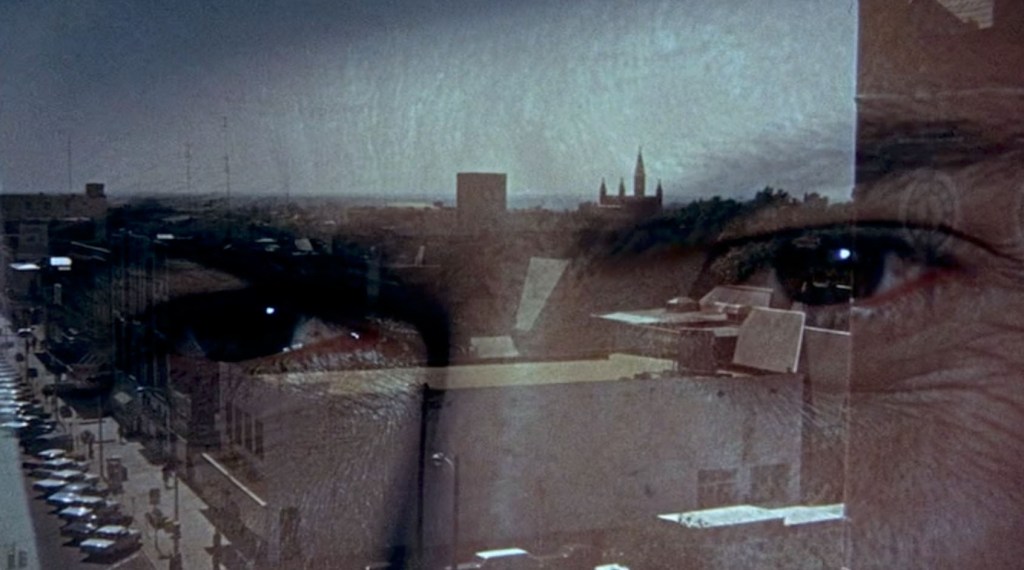
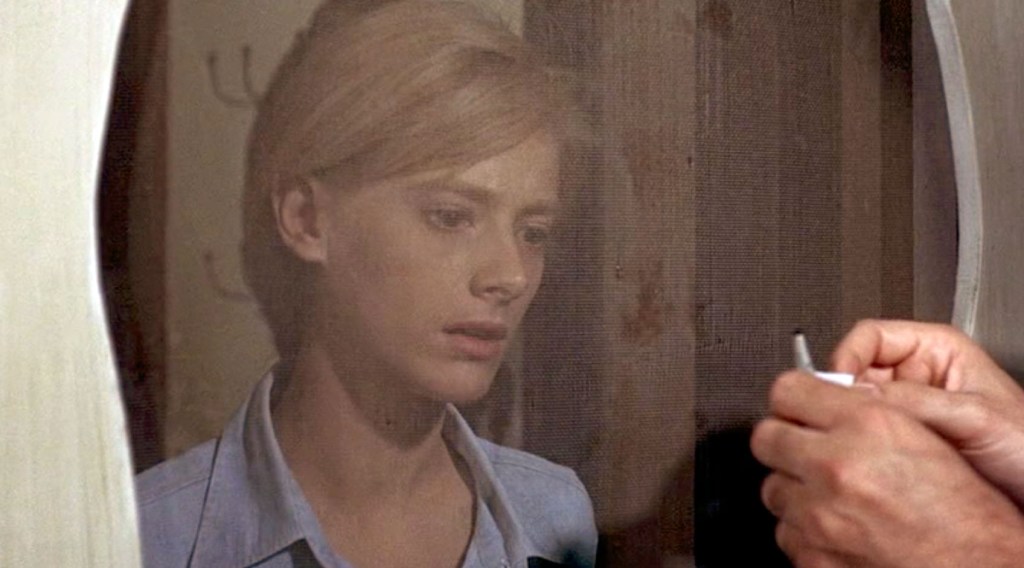
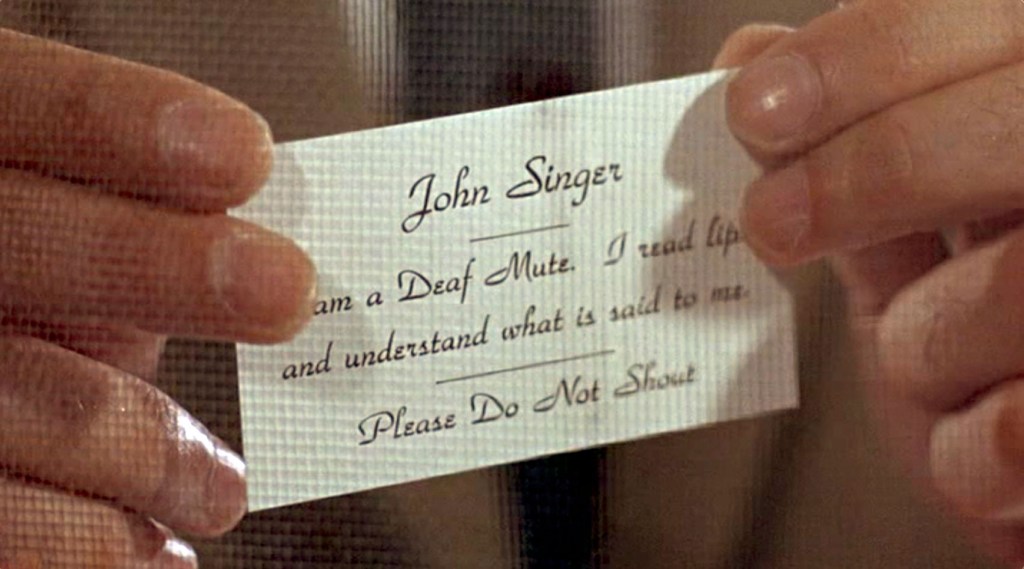
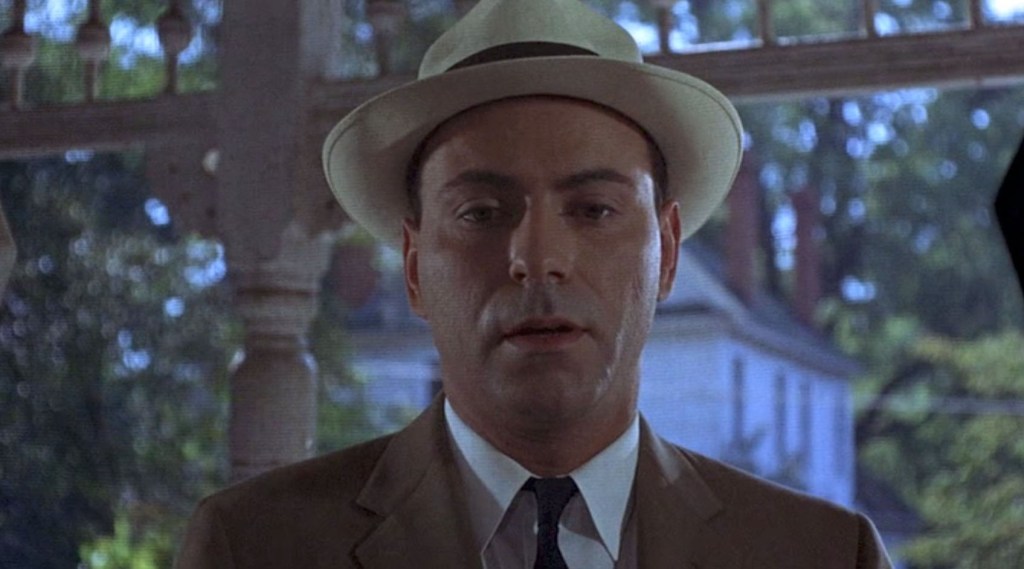
This moment sets the emotional tone for the film—abandonment and emotional dislocation.
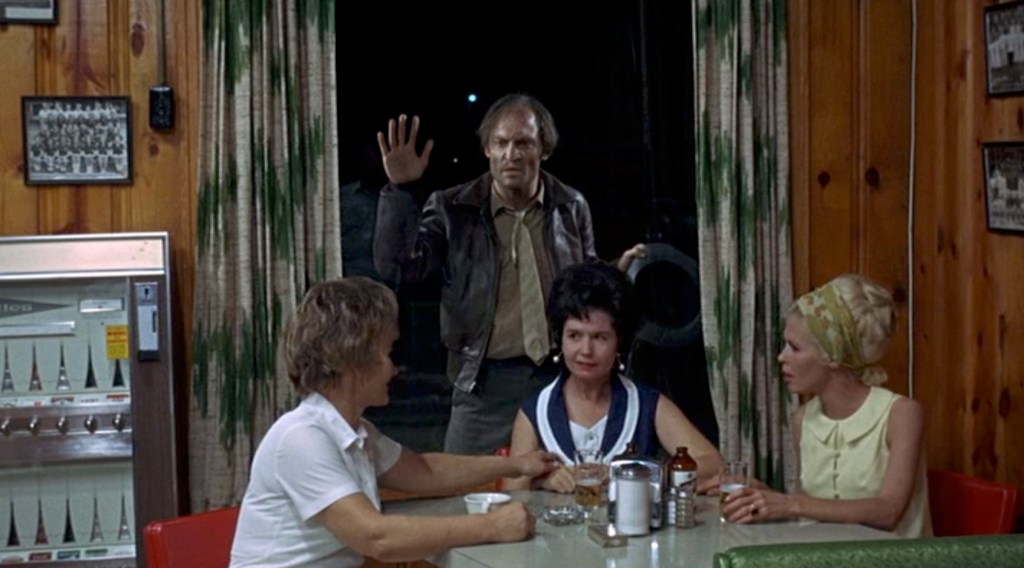
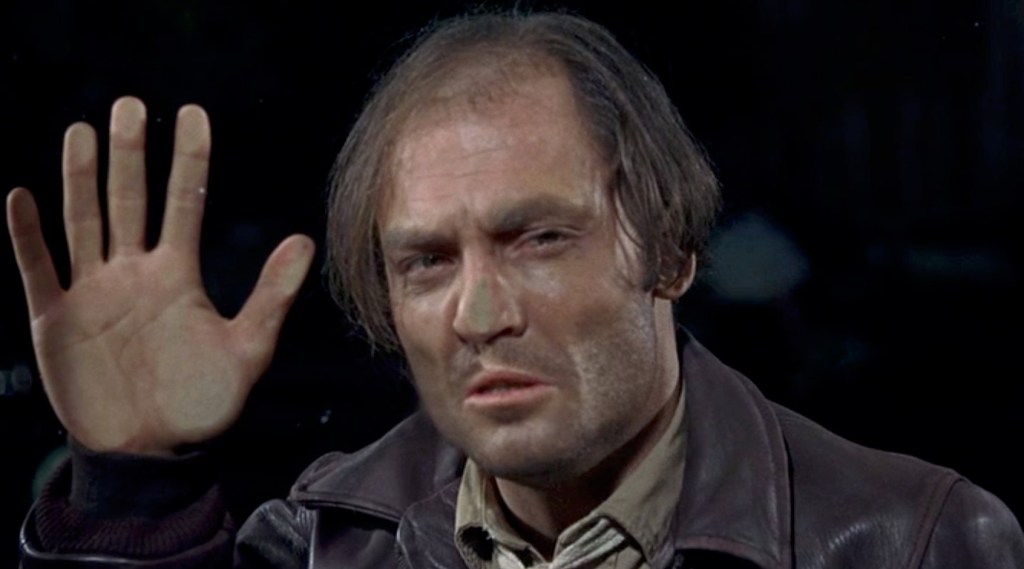
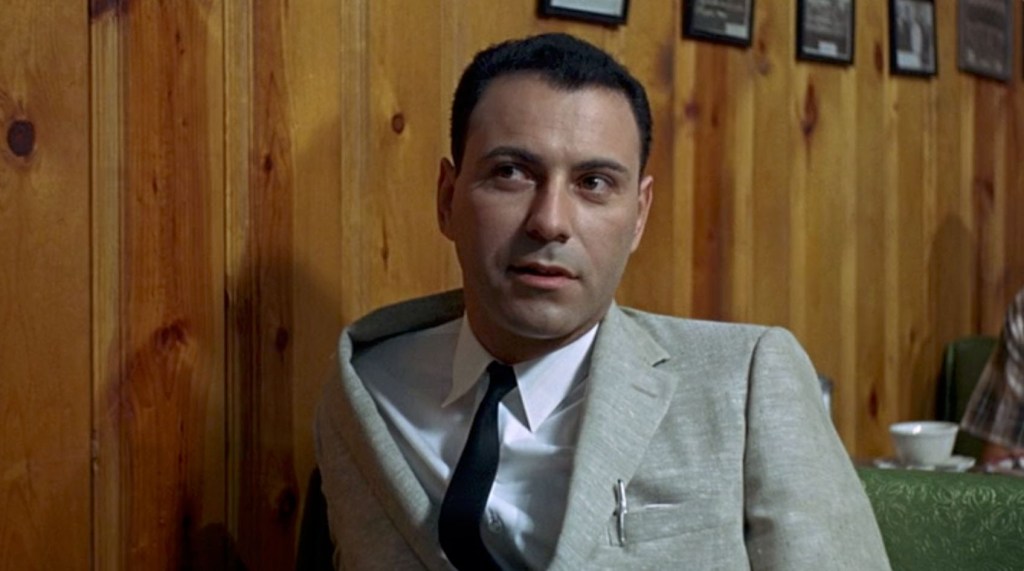
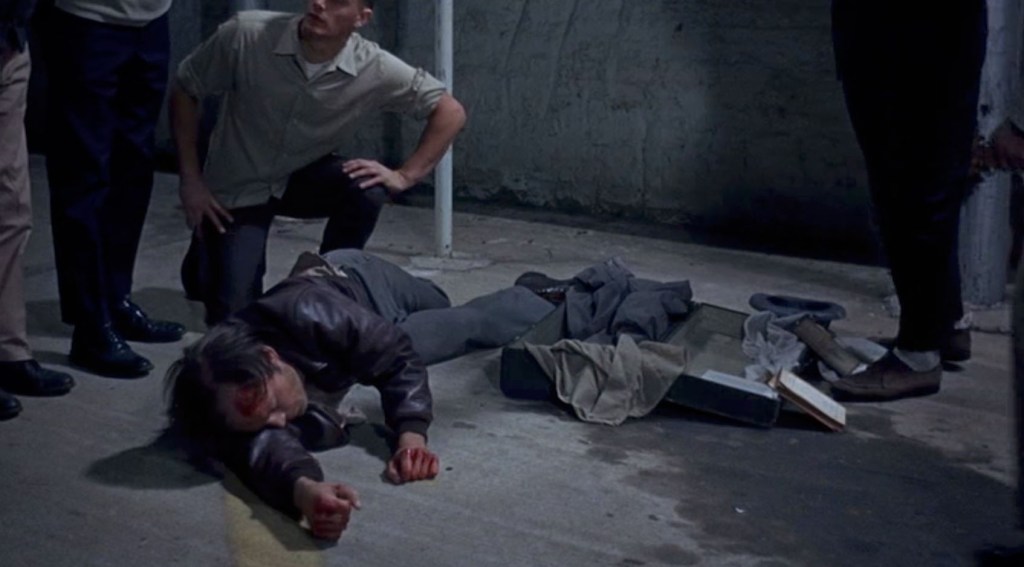
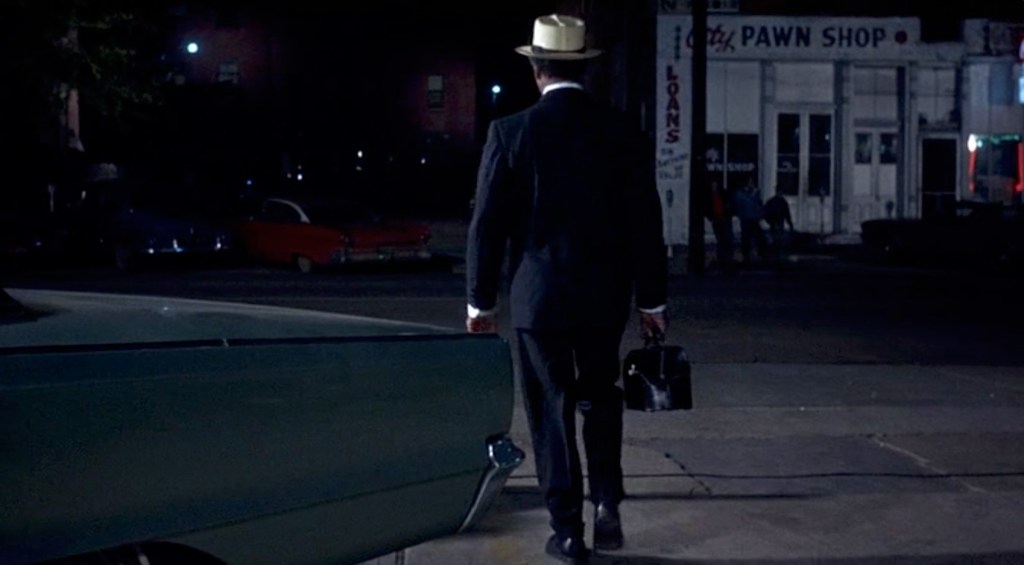
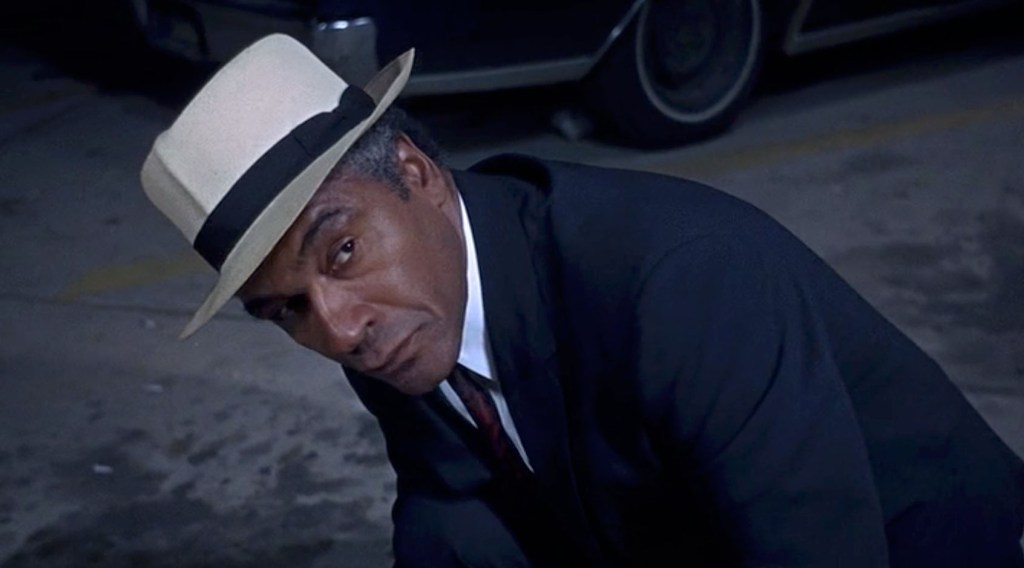
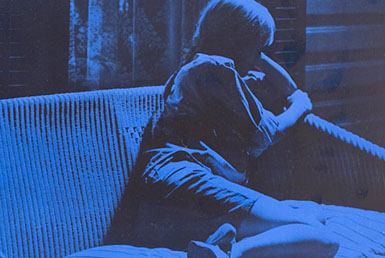
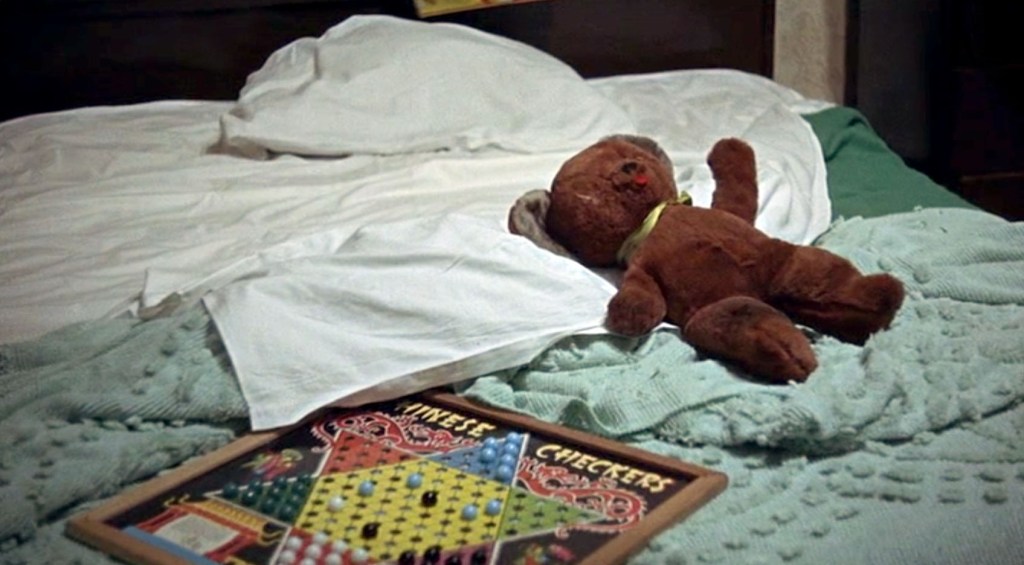
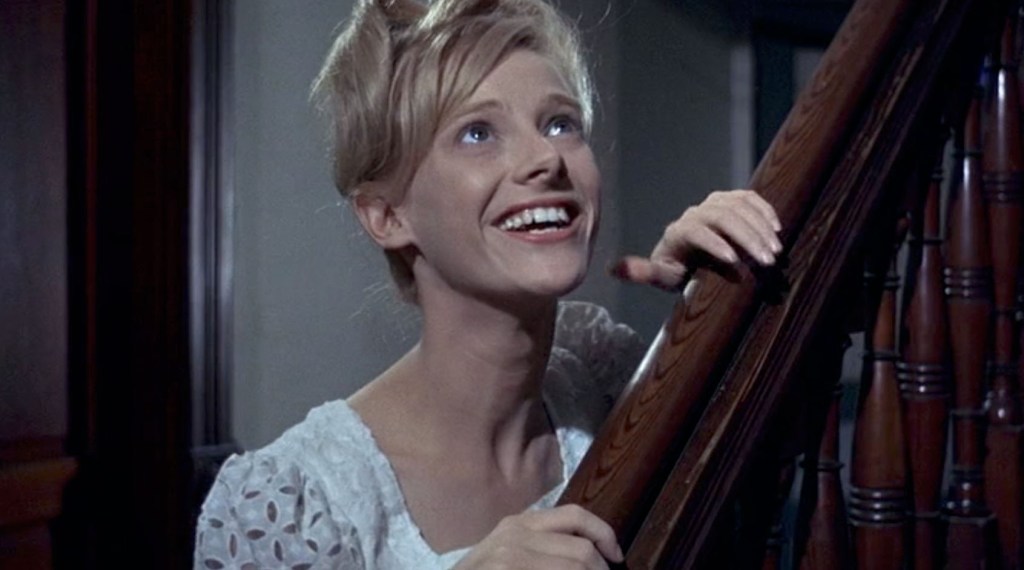
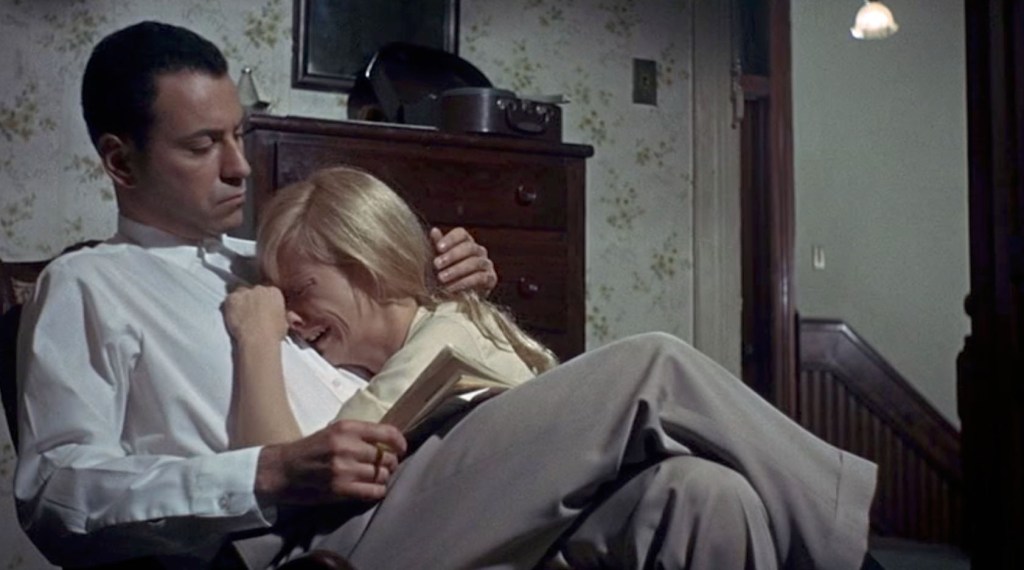
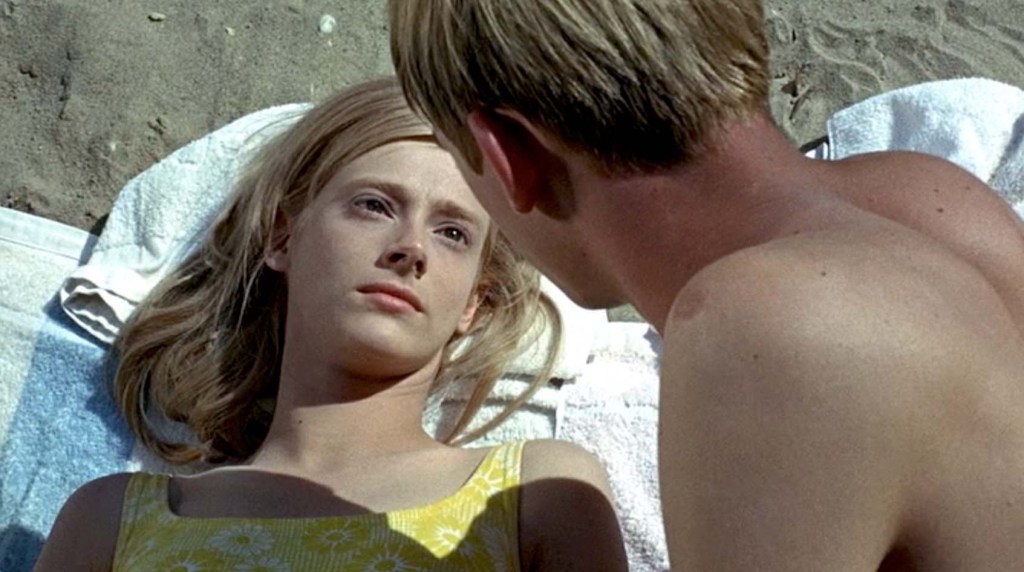
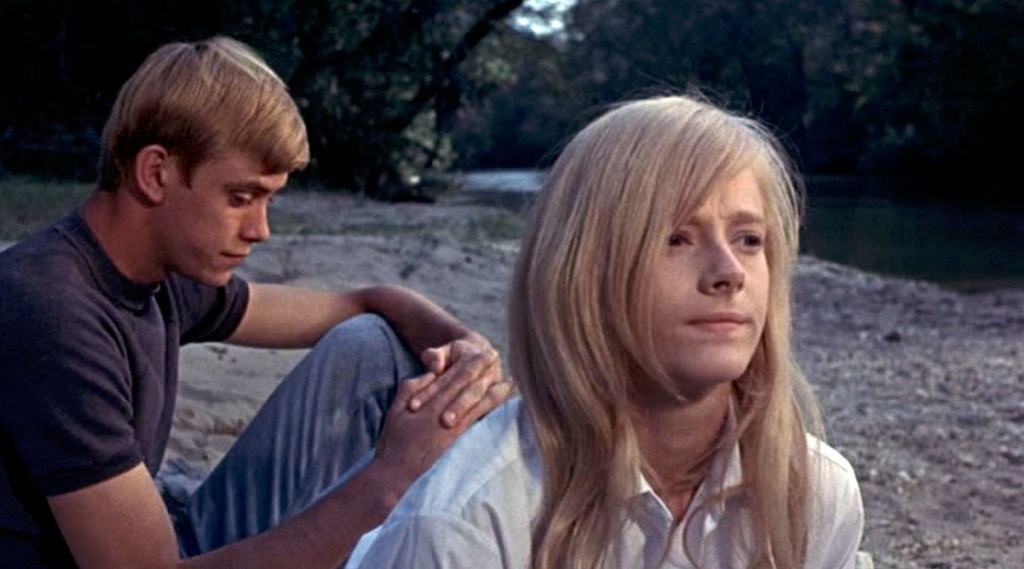
In search of proximity to Antonapoulos, Singer moves to a small Southern town where the asylum is located. He takes a room with the Kelly family, where he meets Mick Kelly (Sondra Locke), their teenage daughter—a bright, musically inclined girl with few prospects and a desire to escape her lower-class life.
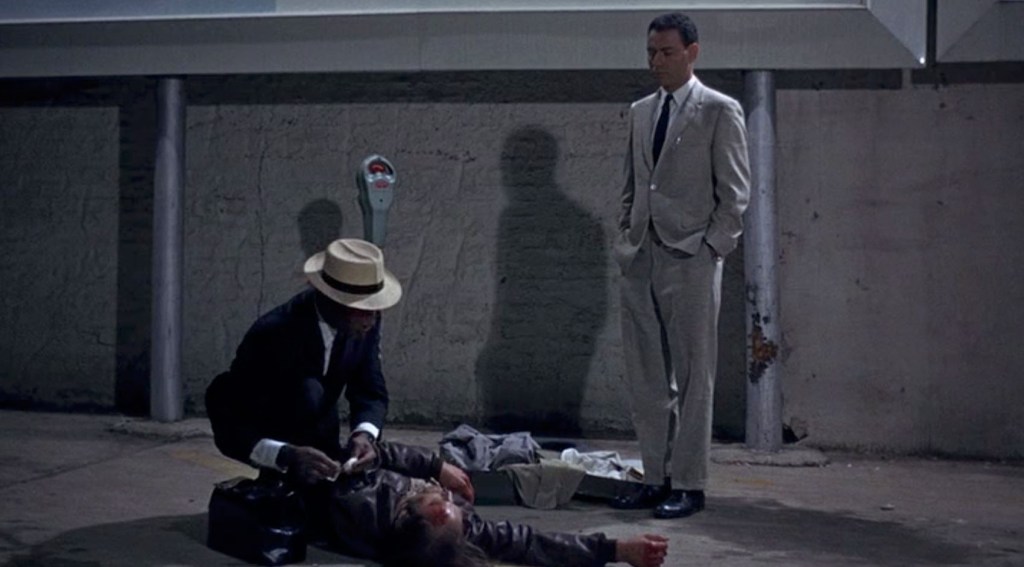
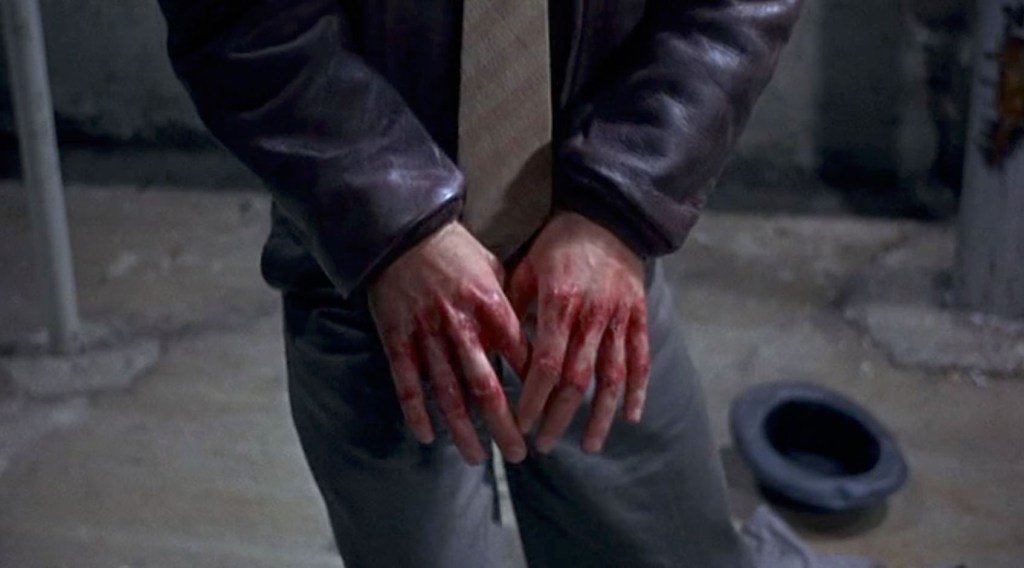
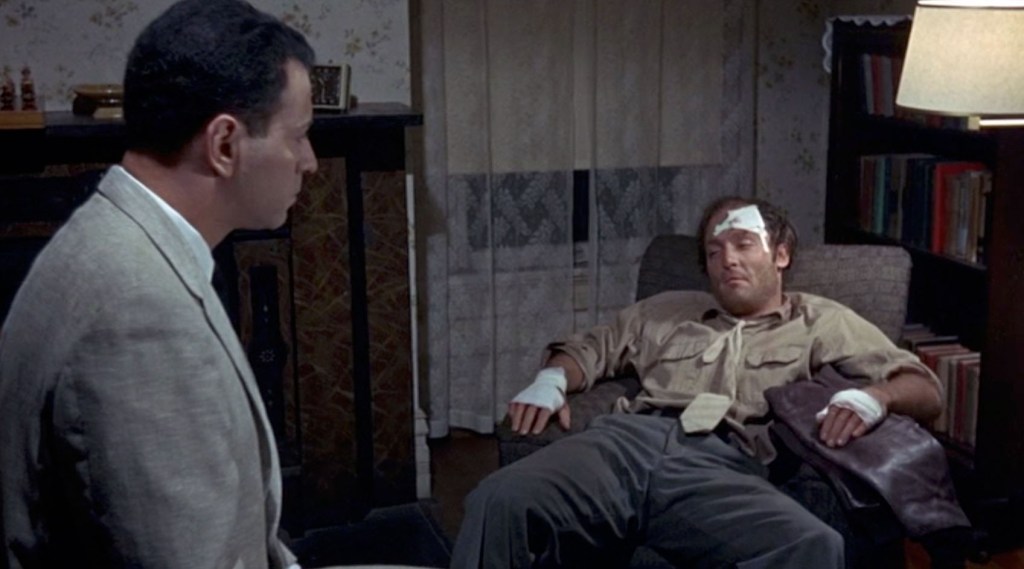
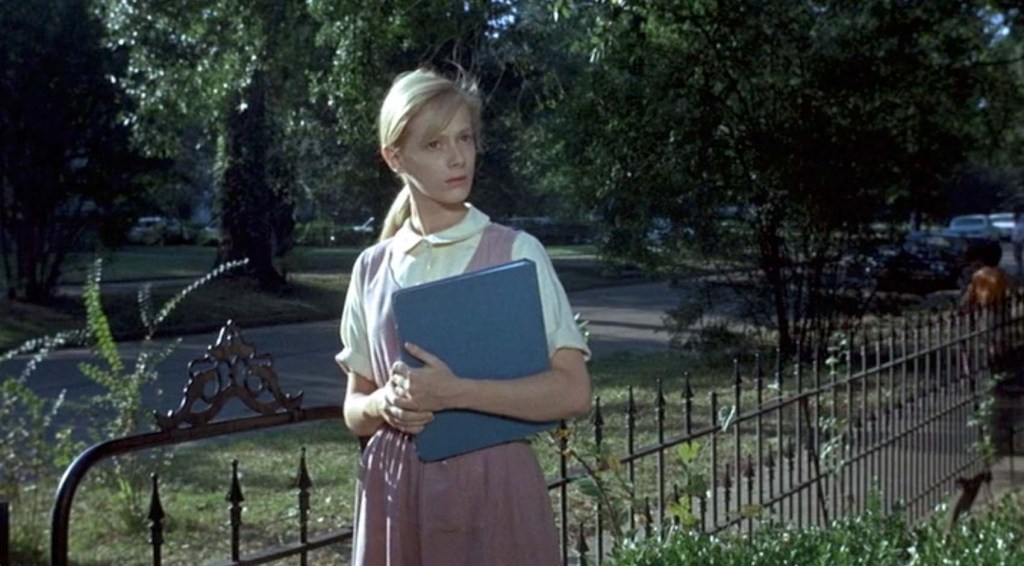
Mick, feeling stifled and misunderstood in her working-class home, is drawn to Singer’s calm, nonjudgmental presence. She visits him in his room and talks freely about her frustrations, dreams, and love for music—especially classical composers. Their growing friendship becomes central to the film, though Singer remains emotionally opaque, never fully revealing his inner life.
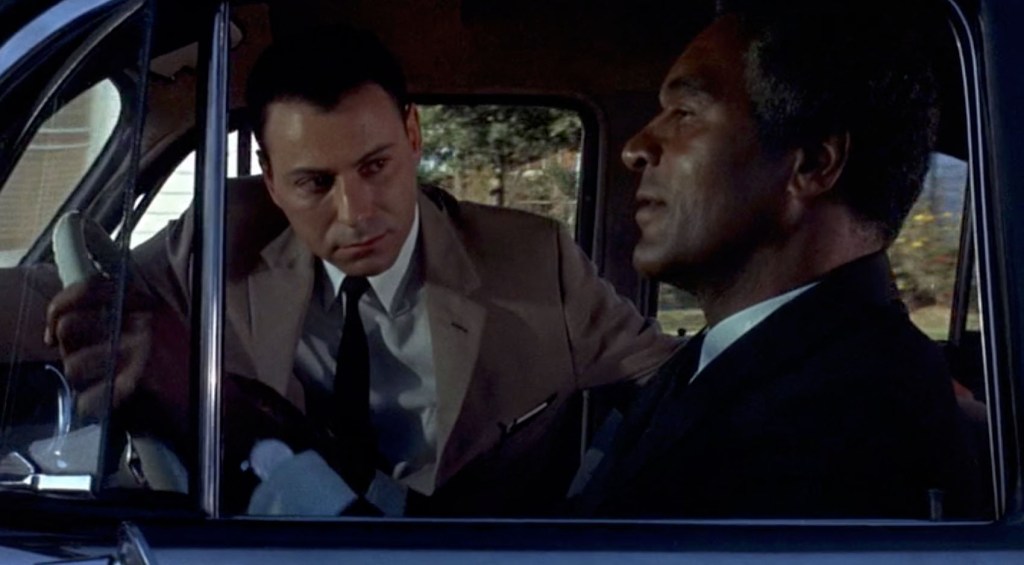

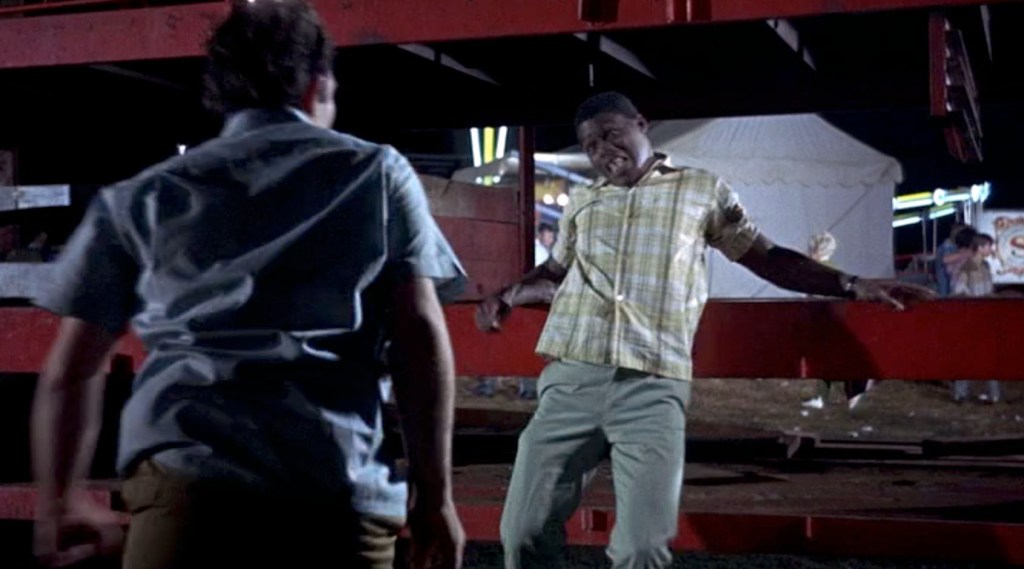
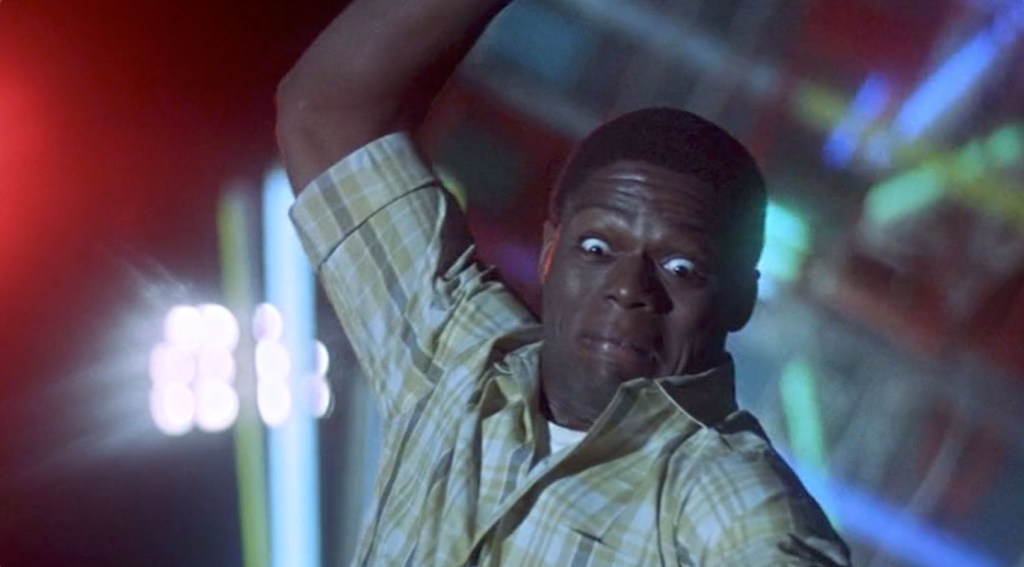
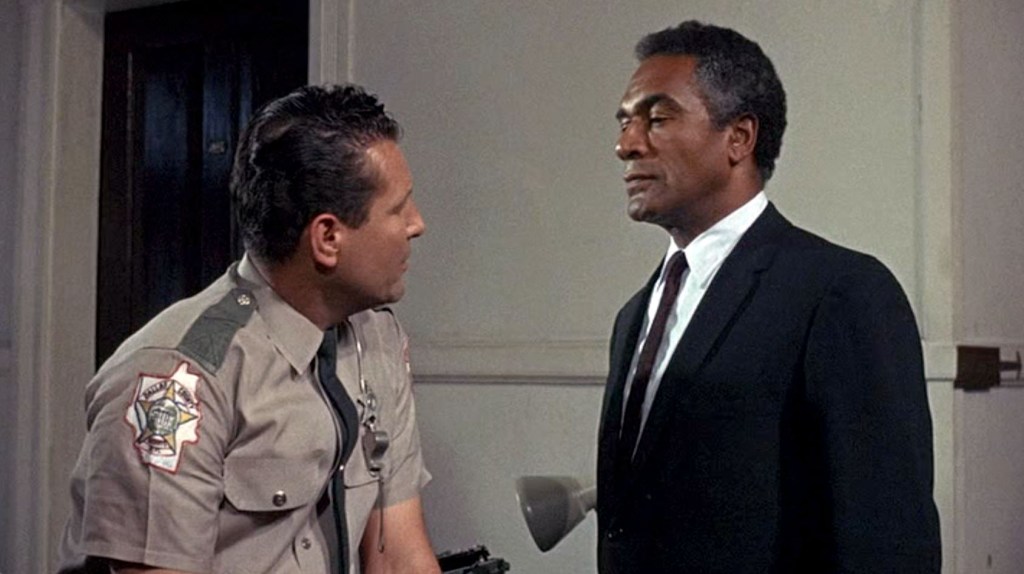
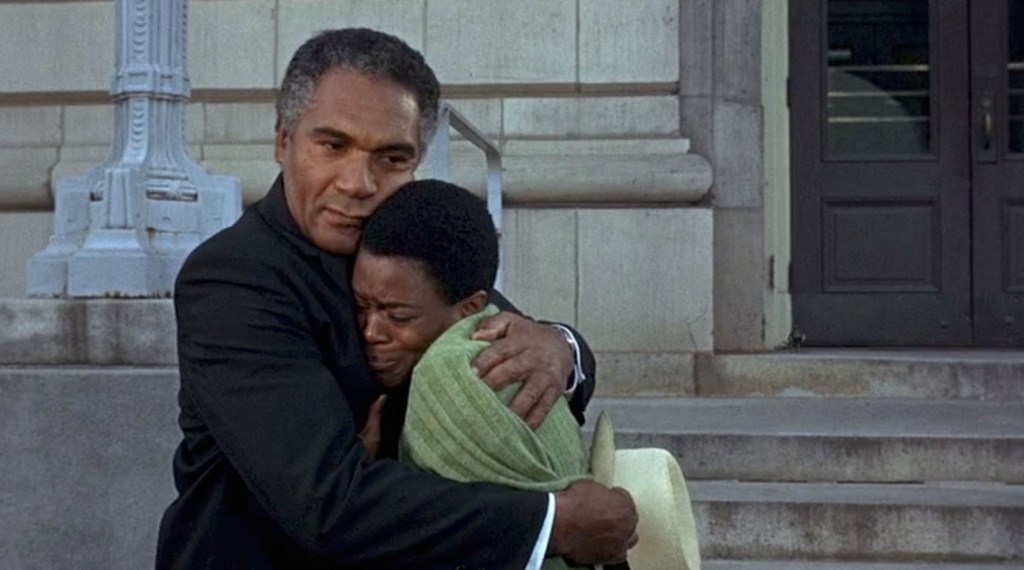
Singer also becomes close with Dr. Benedict Copeland (Percy Rodriguez), an African-American physician embittered by the racism and limited opportunities he has endured. Dr. Copeland delivers powerful monologues on justice, dignity, and the failures of society.
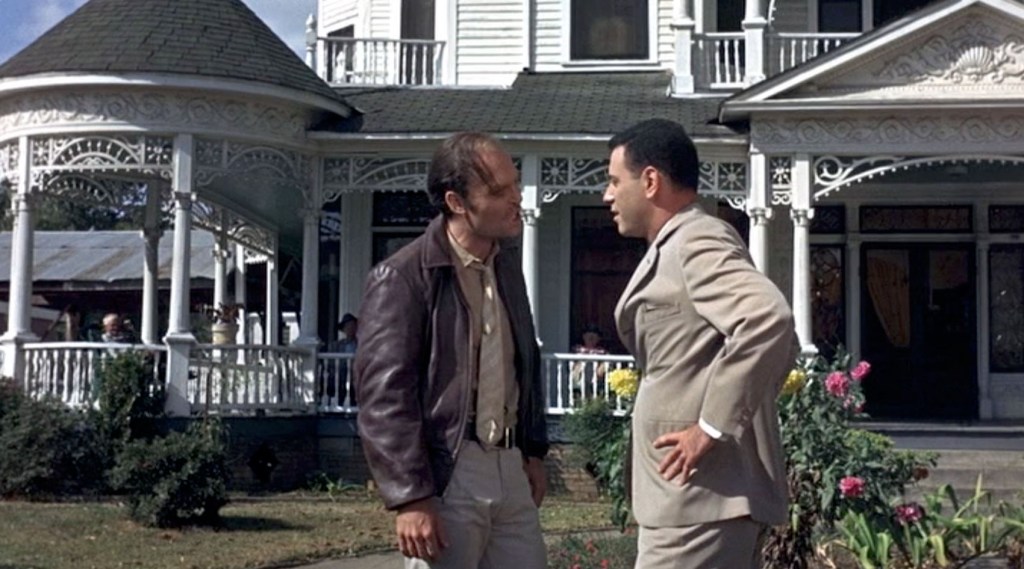
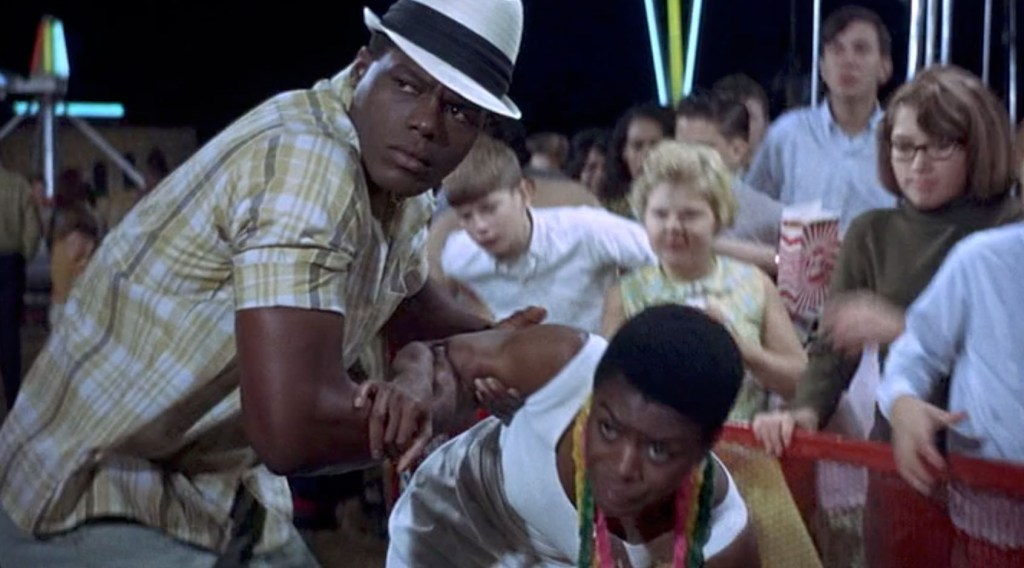
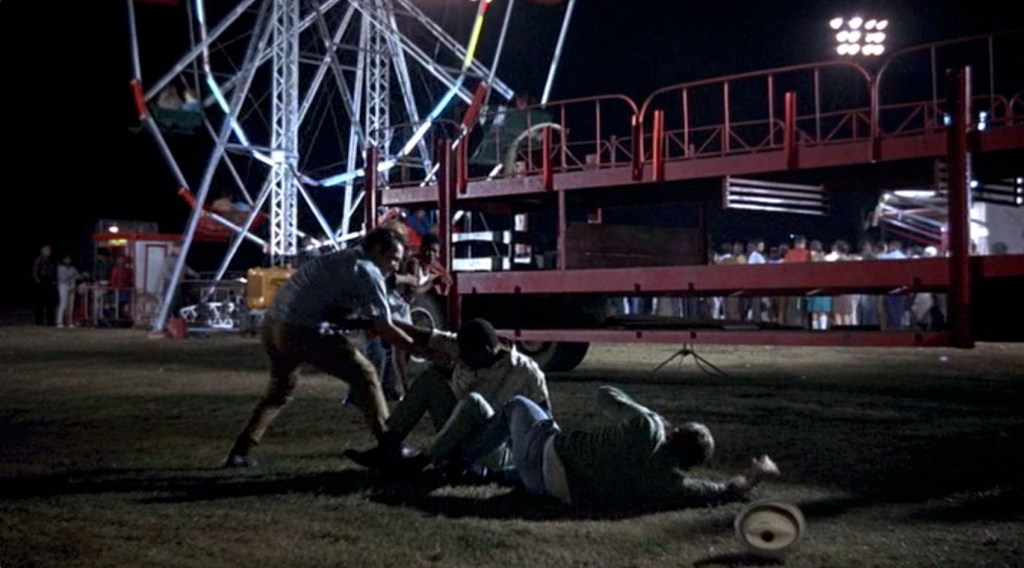
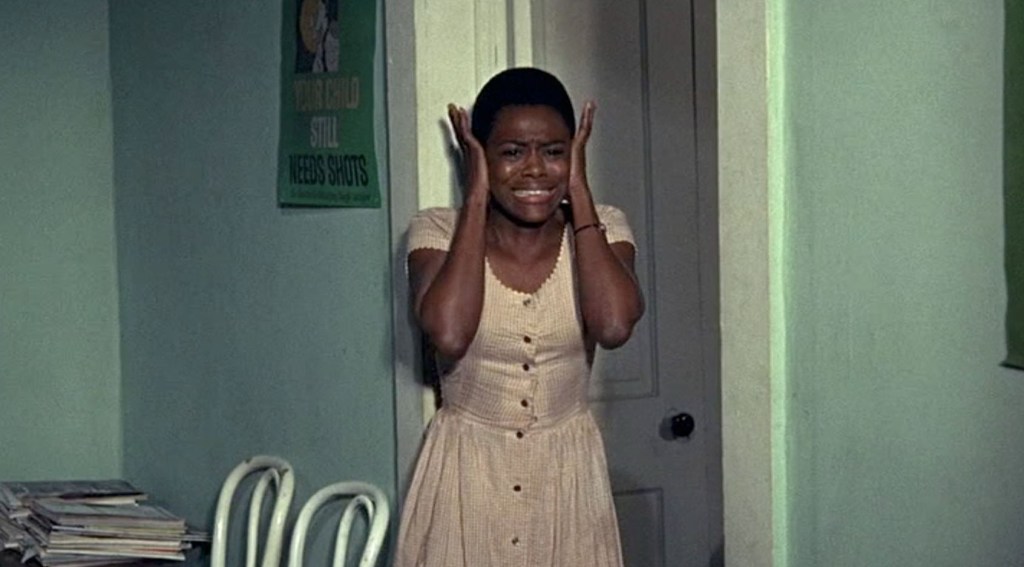
His daughter, Portia (Cicely Tyson), is warm and idealistic, and she sees hope in Singer’s presence. A tragic subplot unfolds when Portia’s brother Willie is wrongly imprisoned —highlighting the racial violence of the era.

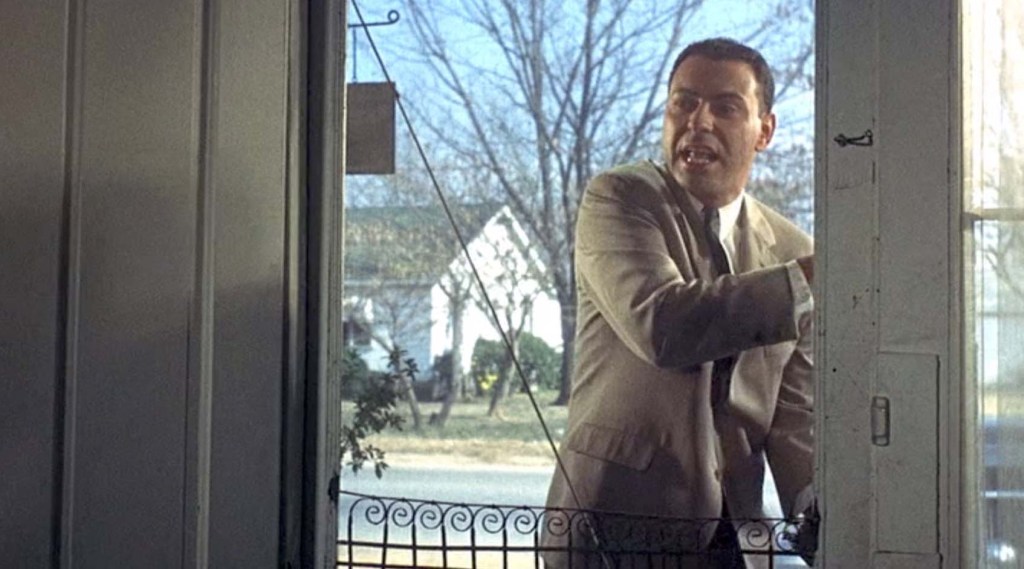
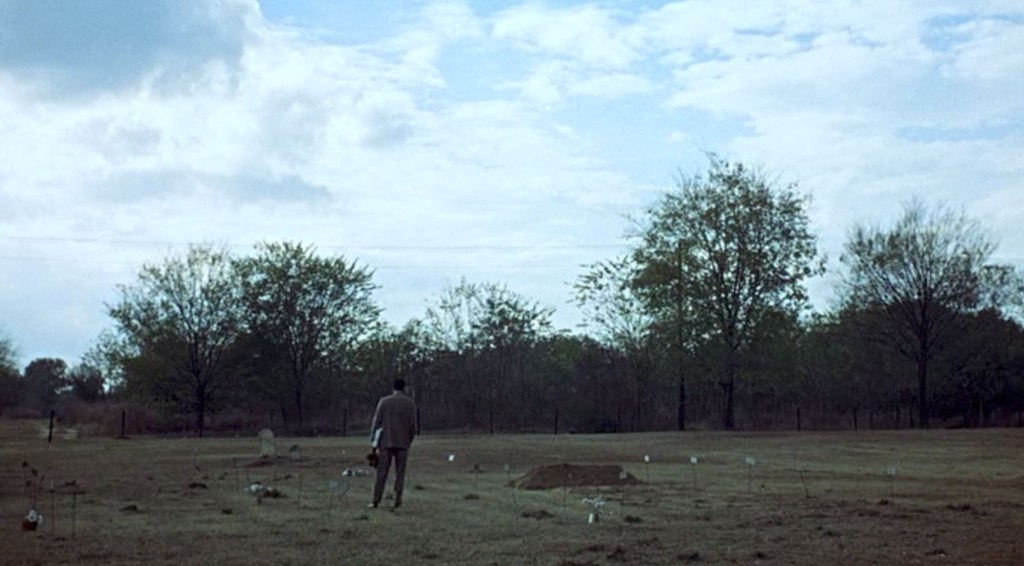
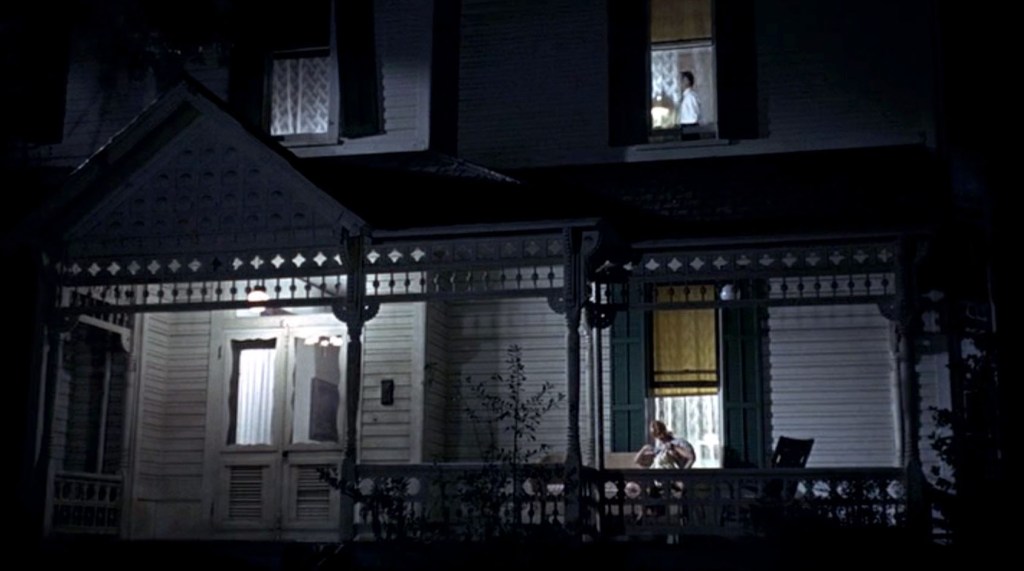
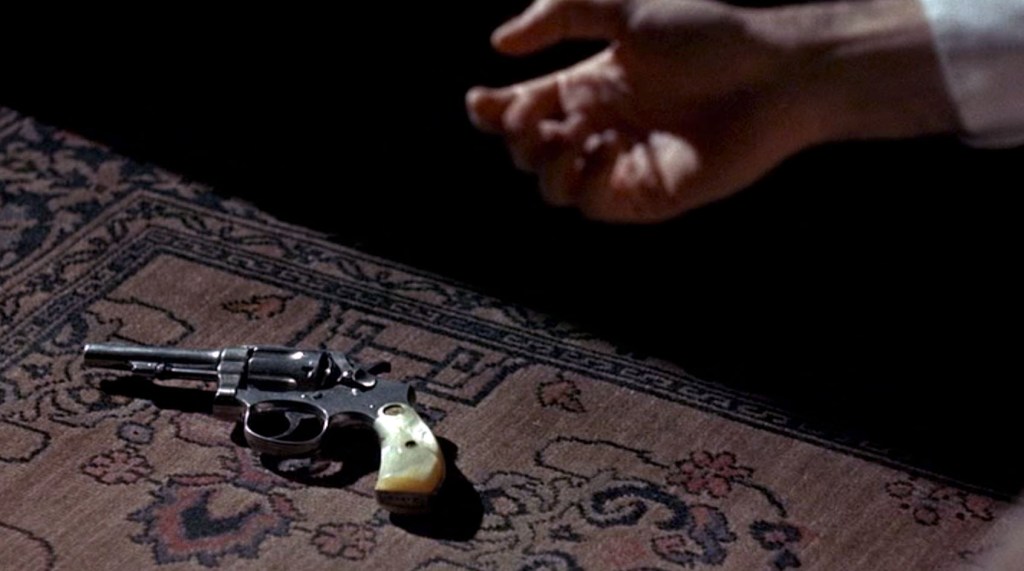
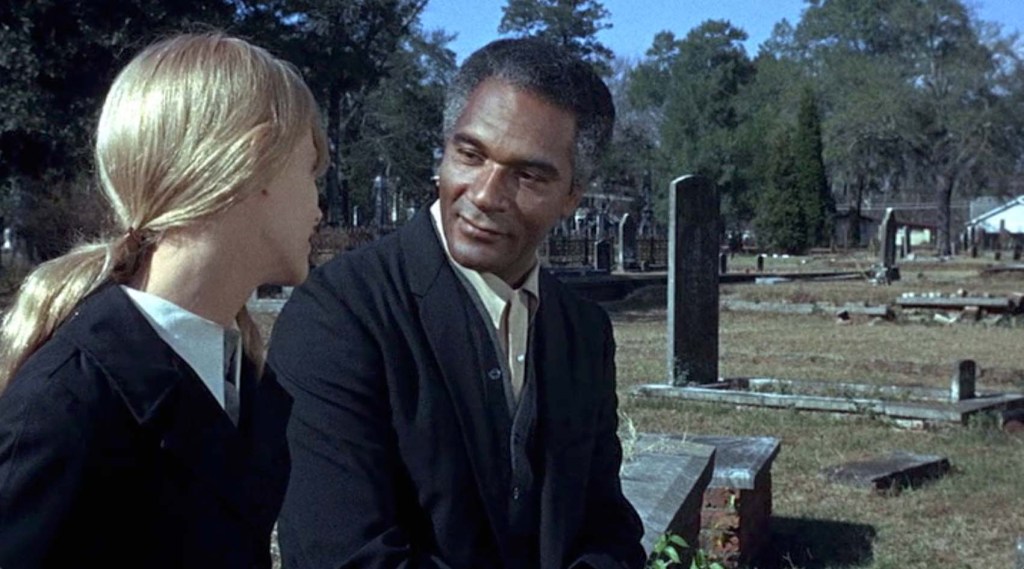
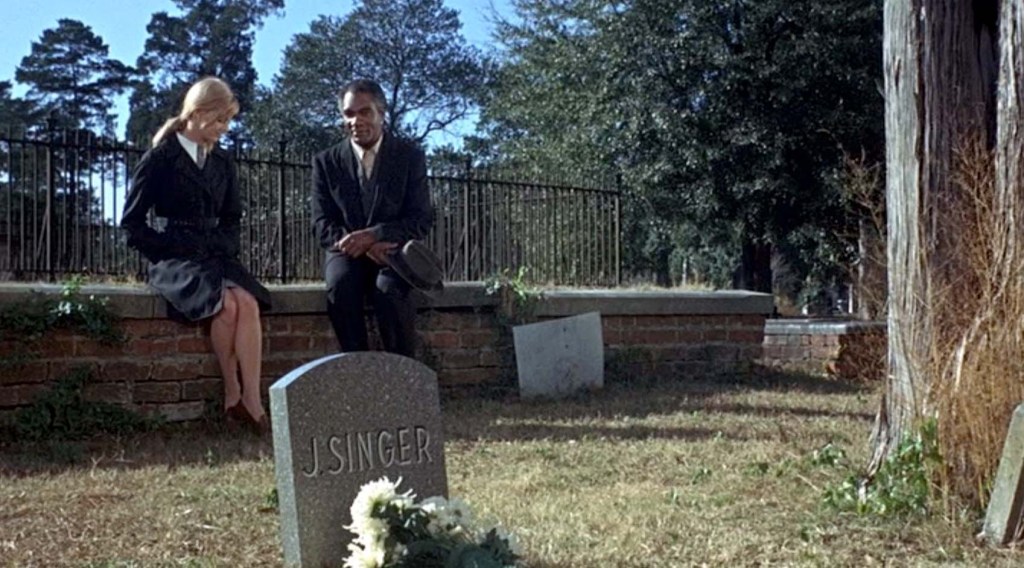
Despite becoming a pillar of support for so many people, John Singer’s internal suffering deepens. Singer’s silence masks a soul crippled by loneliness, and he ultimately commits suicide by shooting himself. His death shocks the community. The film ends with a poignant scene between Mick and Dr. Copeland, who rush into each other at Singer’s grave and share a poignant moment trying to make sense of his death.

The film explores themes of empathy and projection, particularly among individuals with disabilities during a time when society was less understanding of these issues. It also addresses social injustice, loneliness, and racism.