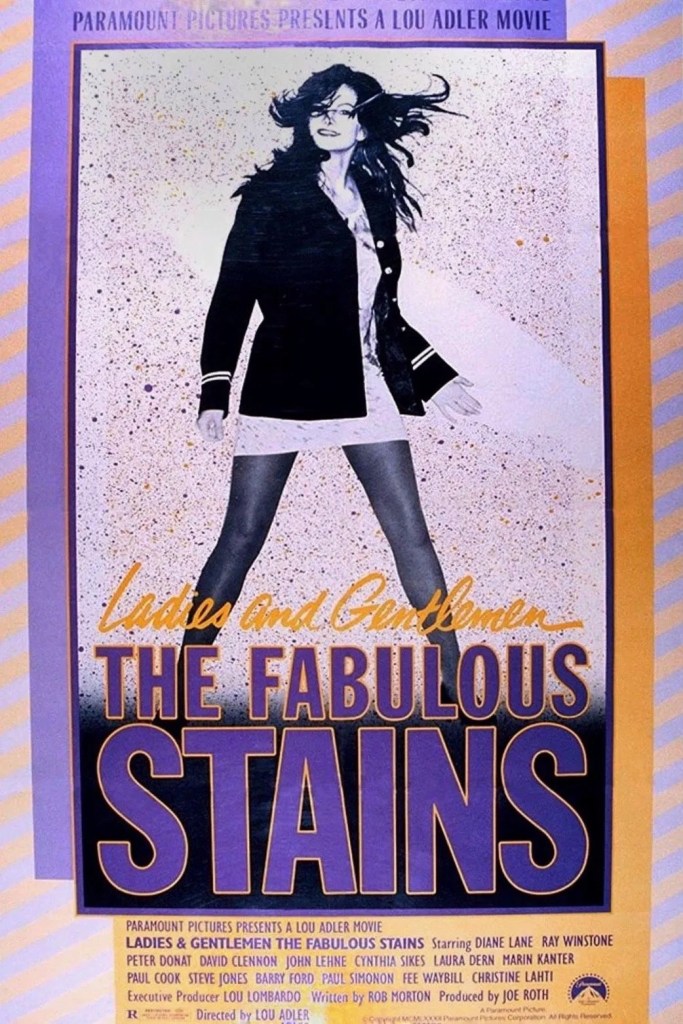

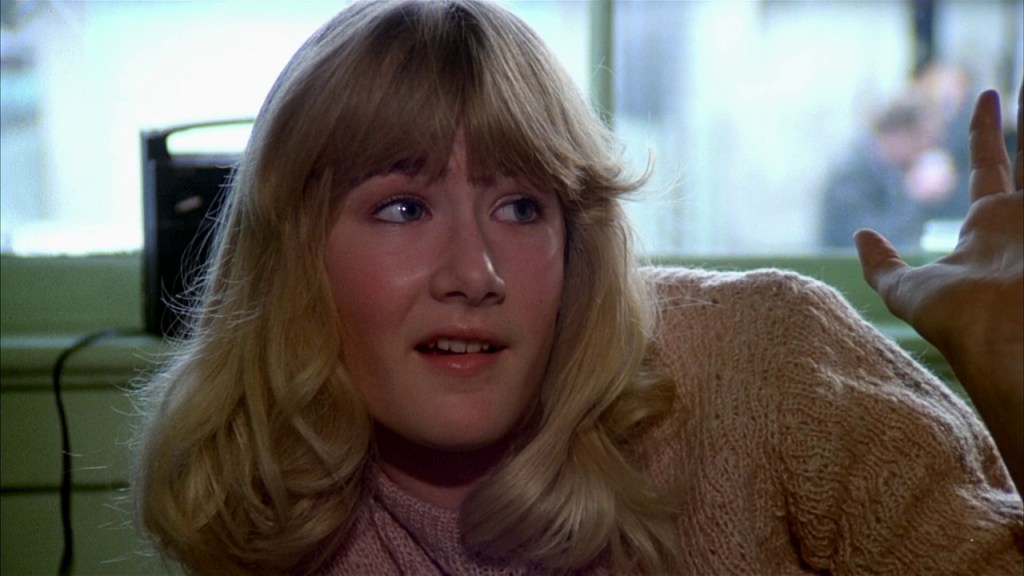
“Ladies and Gentlemen: The Fabulous Stains” is a 1982 (although filmed in 1980) Musical drama and coming-of-age punk rock drama directed by Lou Adler, set against the gritty backdrop of the early 1980s punk scene. “Ladies and Gentlemen: The Fabulous Stains” tells the story of Corinne Burns (played by Diane Lane), a disaffected teenager from a dying Pennsylvania steel town. After her mother dies and she’s left under the care of an unsupportive aunt (Christine Lahti), Corinne channels her rage, ambition, and disillusionment into forming a punk rock band—The Stains—with her cousin Jessica (played by Laura Dern), and younger sister Tracy (Marin Kanter).
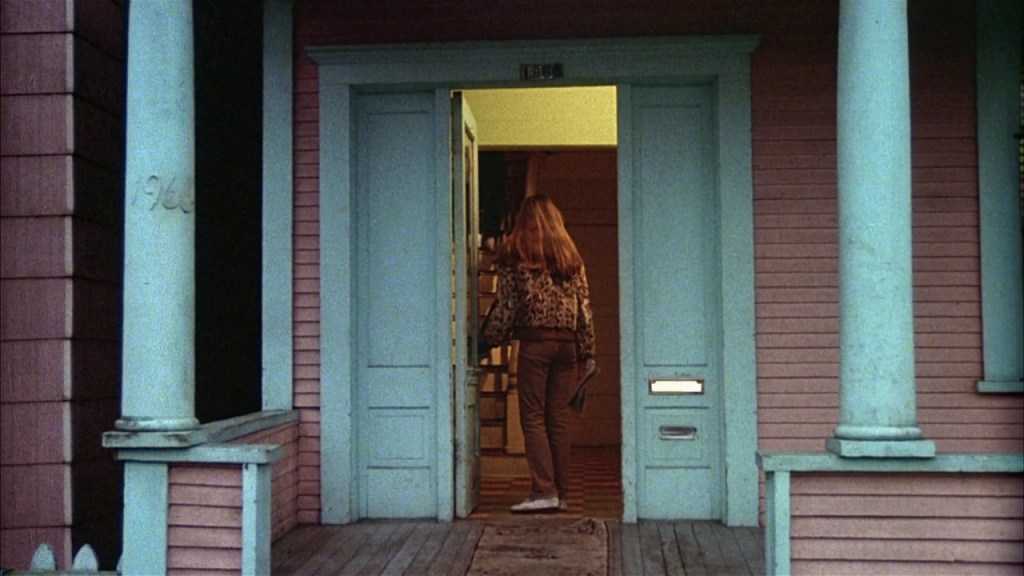
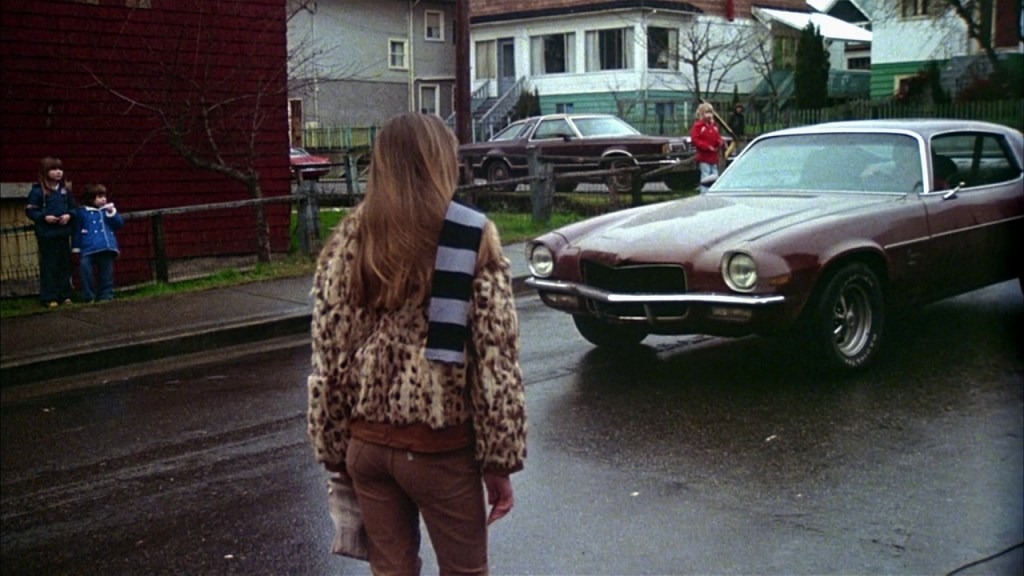
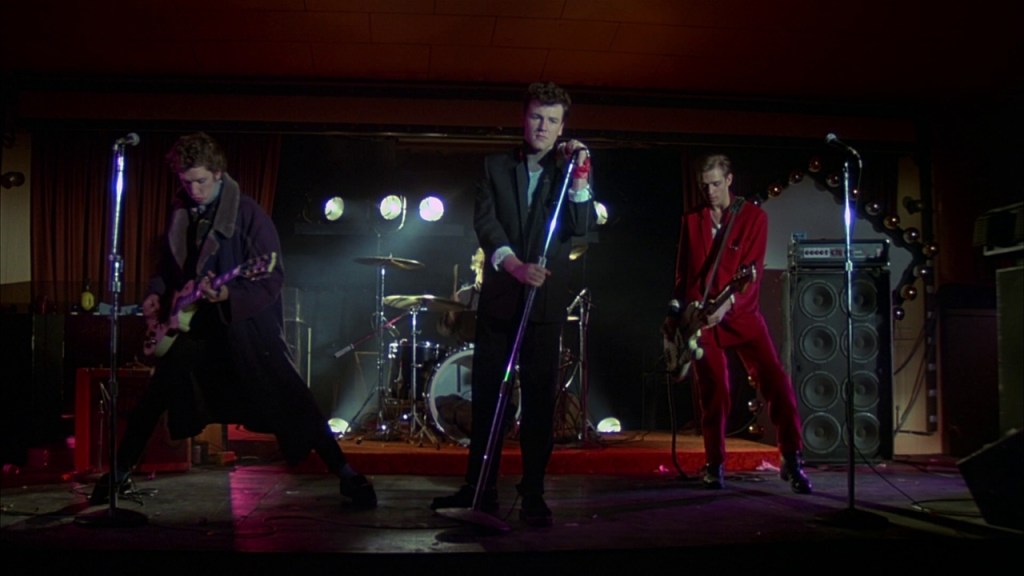
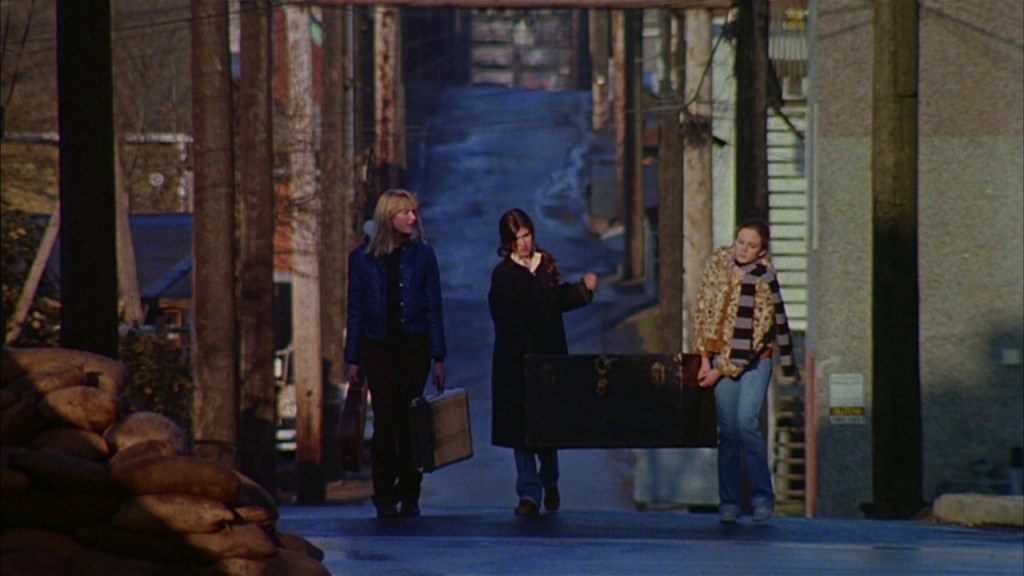
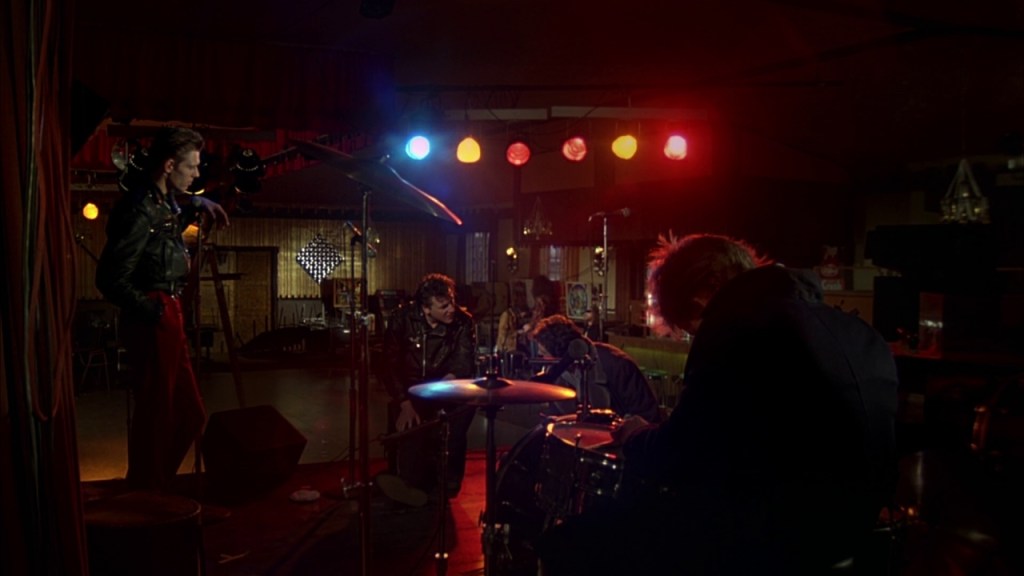
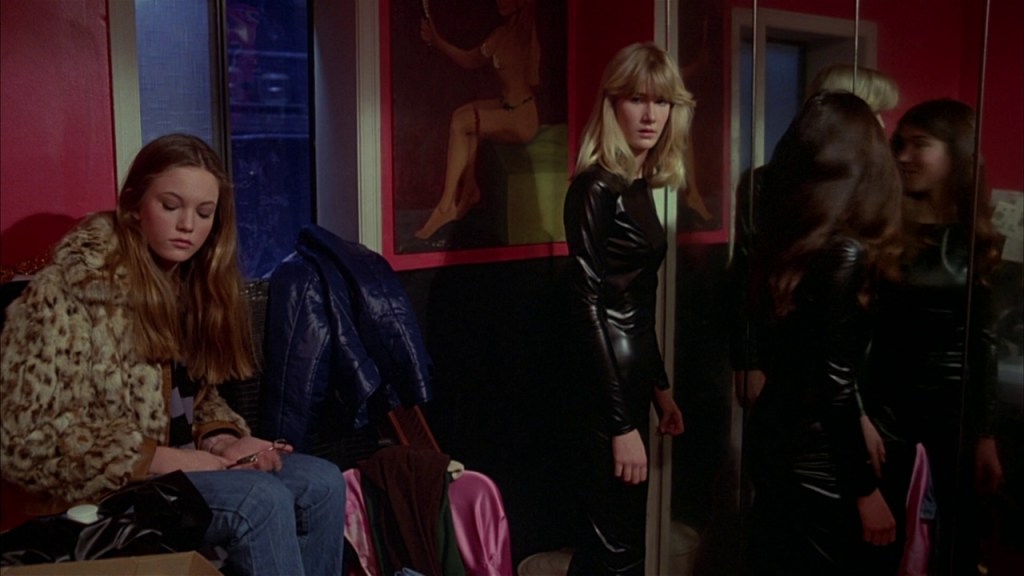
Though the girls are inexperienced musicians, their raw attitude, controversial style, and Corinne’s incendiary interviews catch fire, transforming them into underground icons and cultural provocateurs. As their fame builds, so does the backlash—eventually forcing Corinne to decide whether to sell out or burn out.
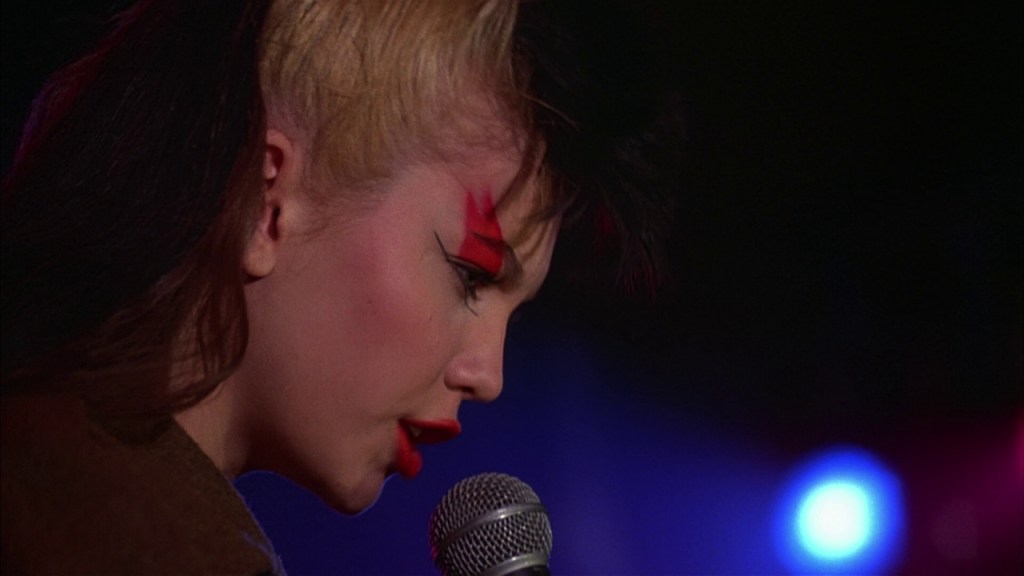
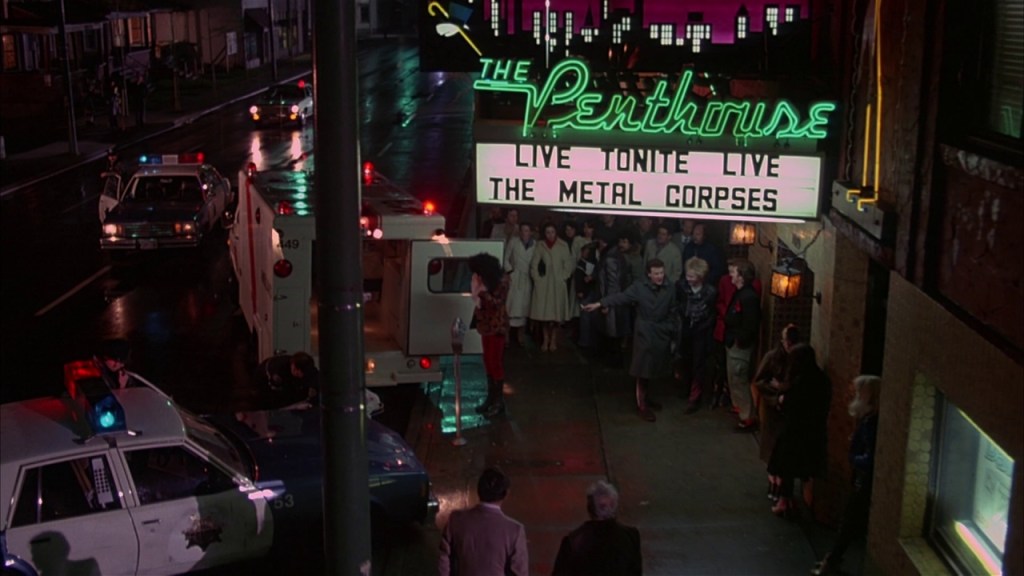
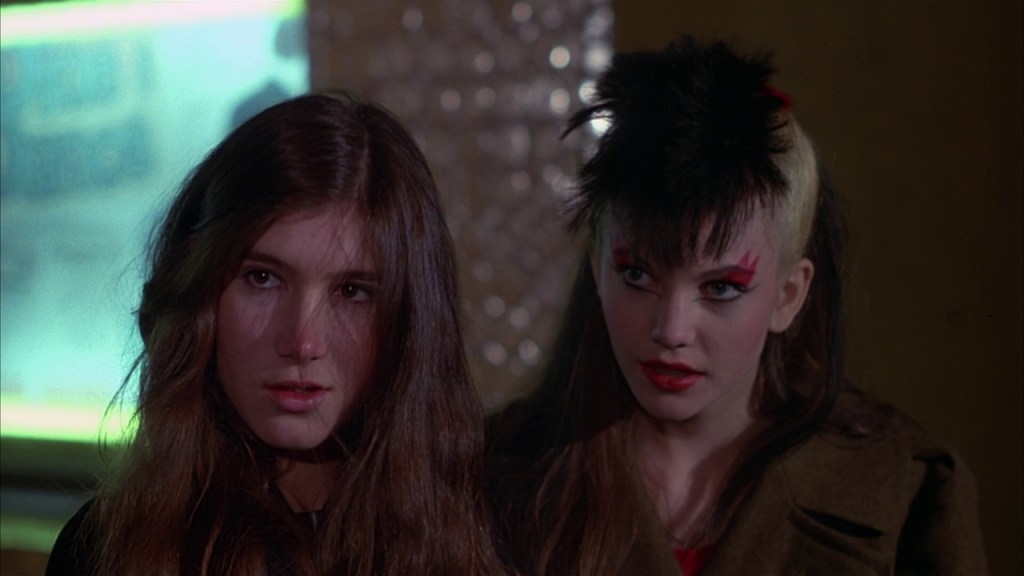
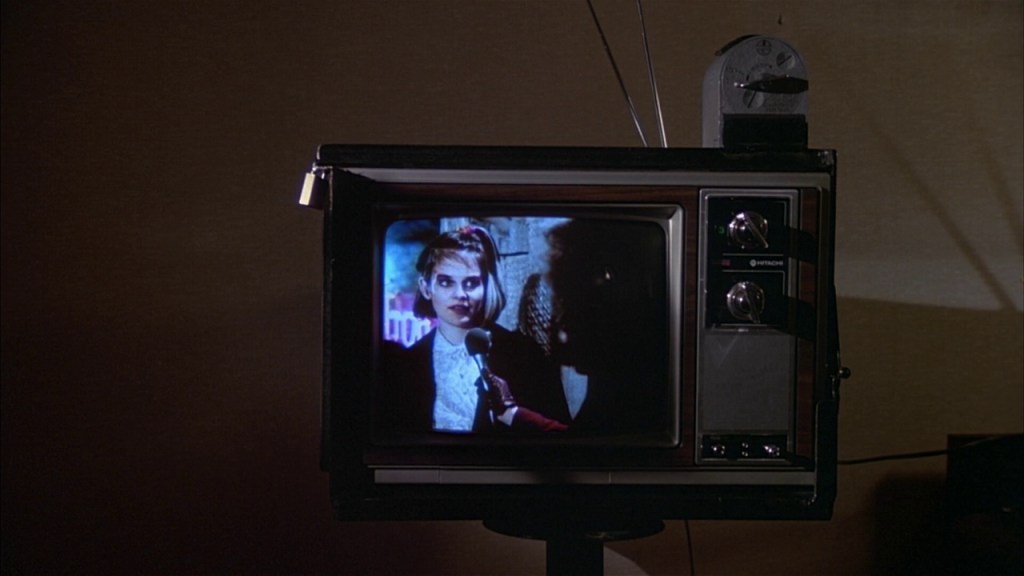
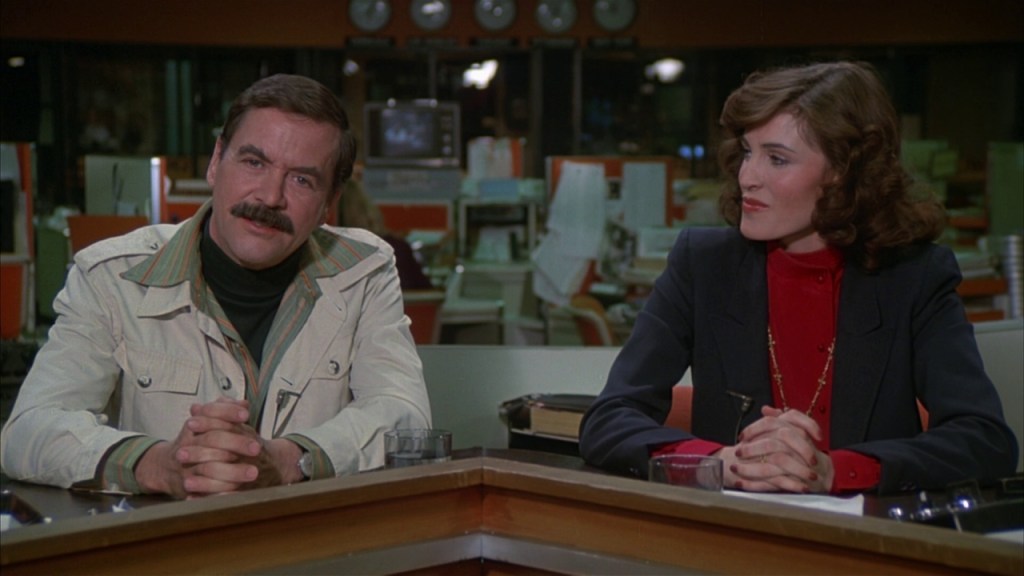
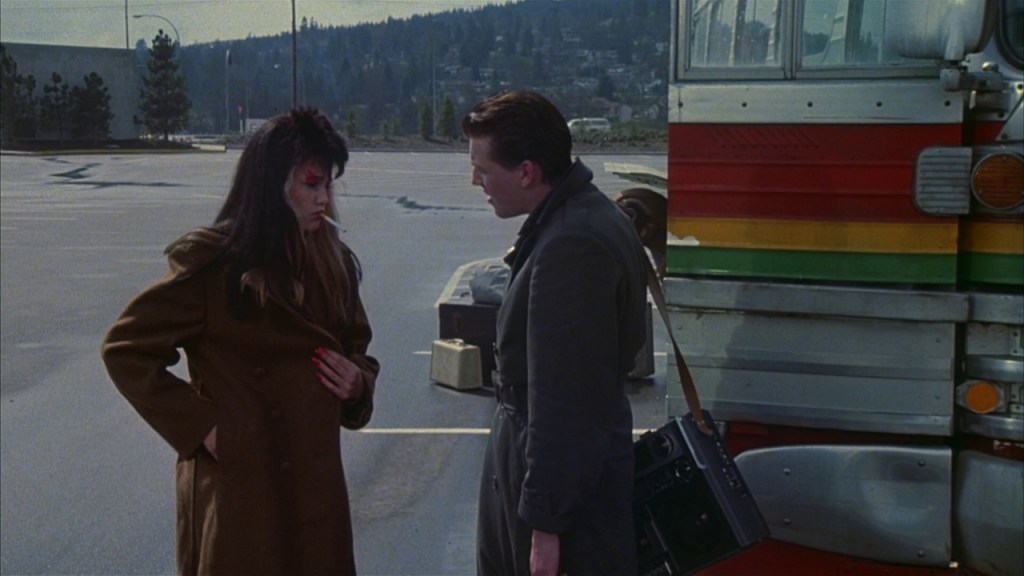
The film begins with Corinne Burns, a 15-year-old small-town girl devastated by the recent death of her mother. She is working a dead-end job at a fast food joint and facing a bleak future; she explodes in a spontaneous, furious television interview on a local news program.
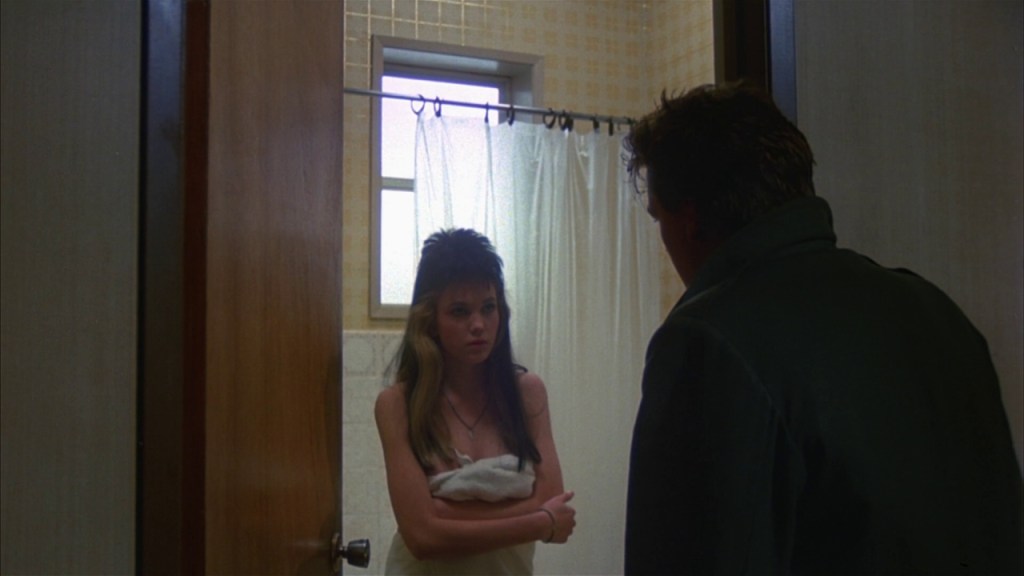

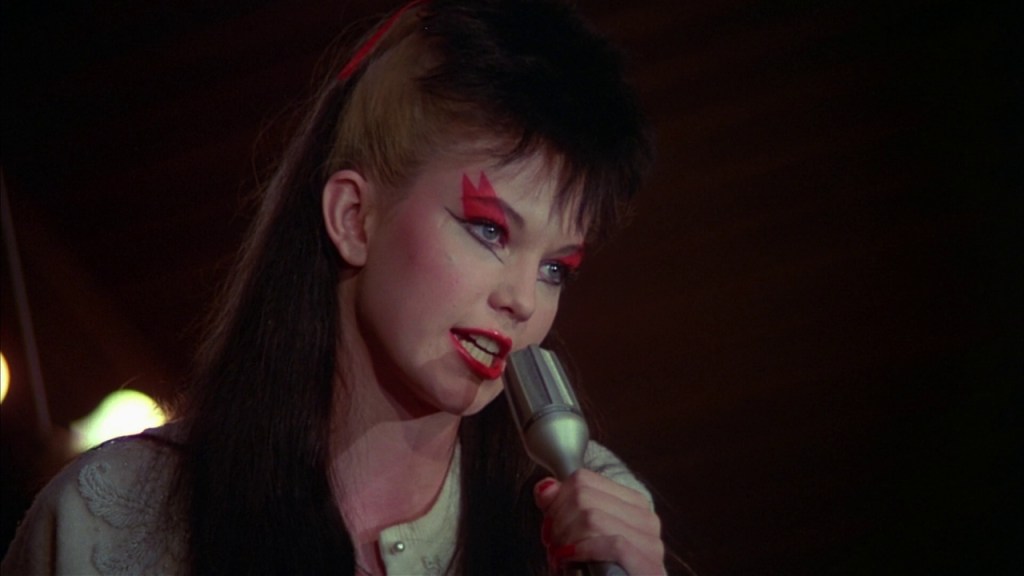
“I don’t put out!” This line, delivered with unflinching defiance, becomes her accidental catchphrase and a feminist war cry for young female fans.


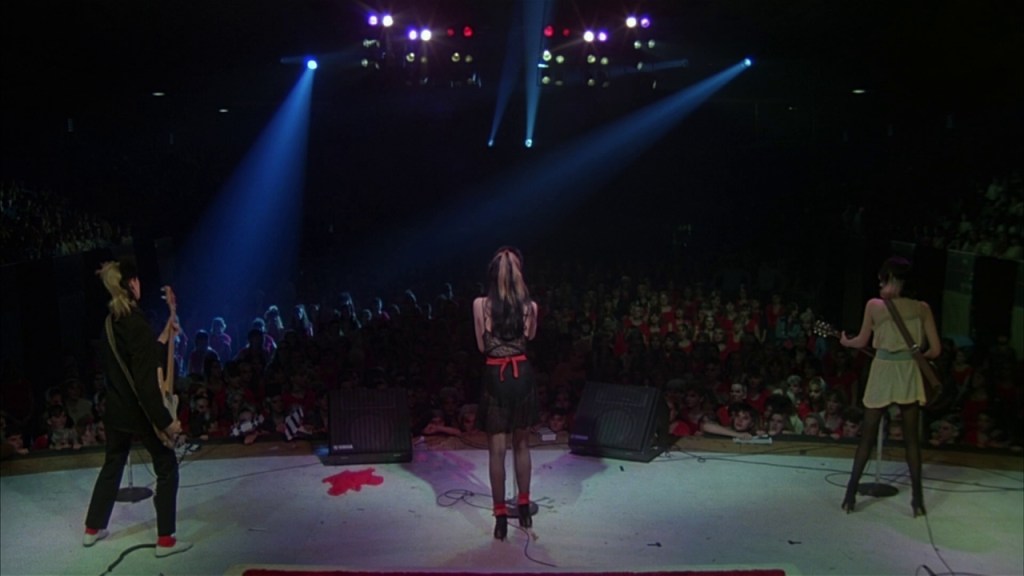
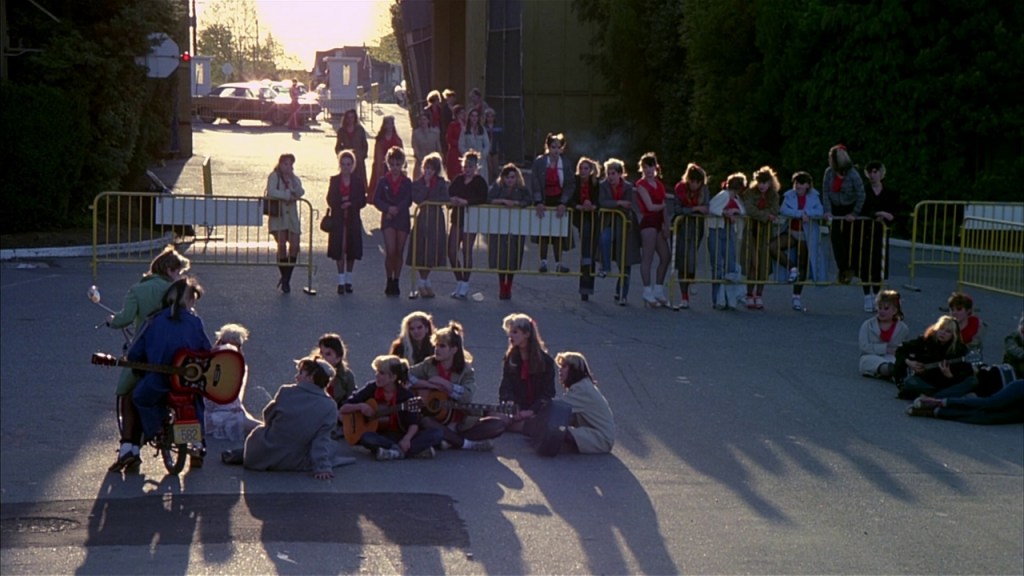
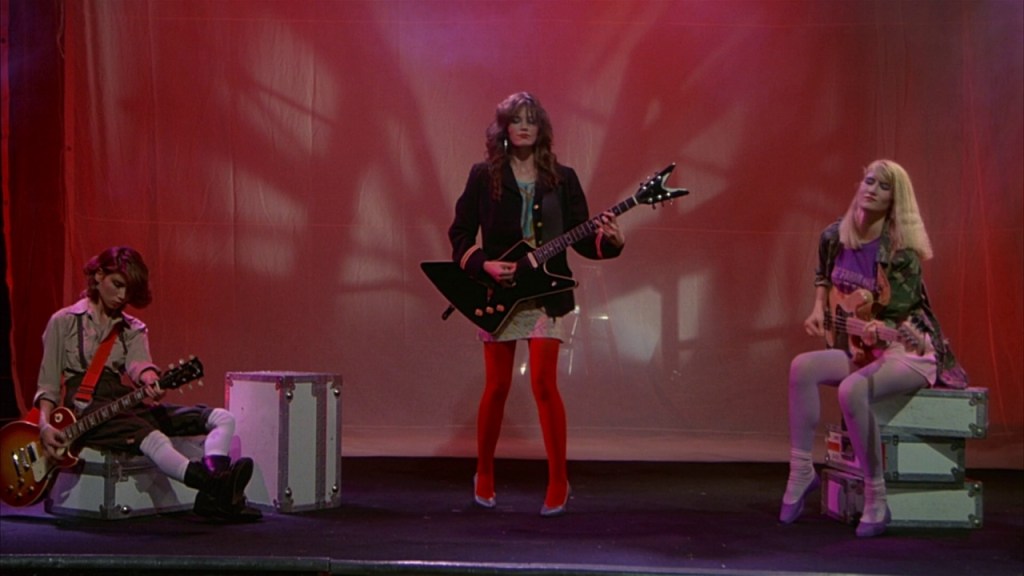
Corinne recruits her cousin, Jessica, and sister, Tracy, to form The Stains, a garage band with no musical skill but plenty of attitude. The girls wear provocative punk outfits—see-through blouses, red underwear, and skunk-streaked hair—which shocks adults and hypnotizes teen girls, who begin copying their style.
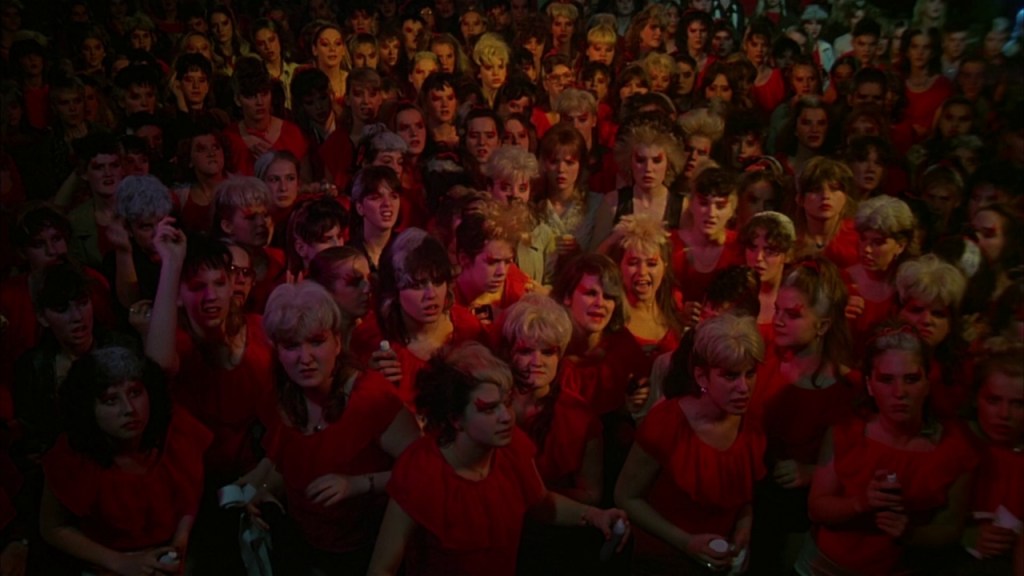
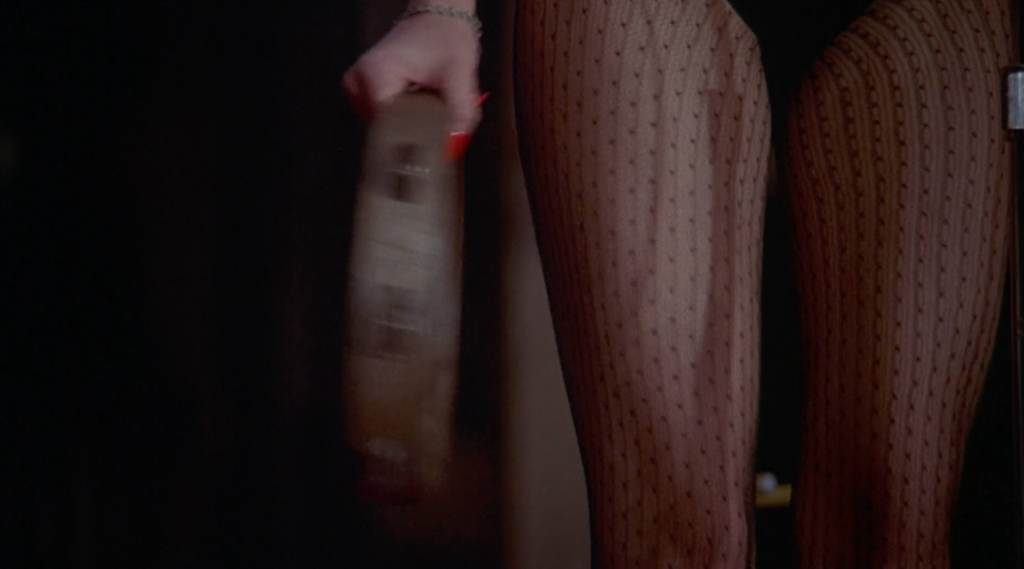
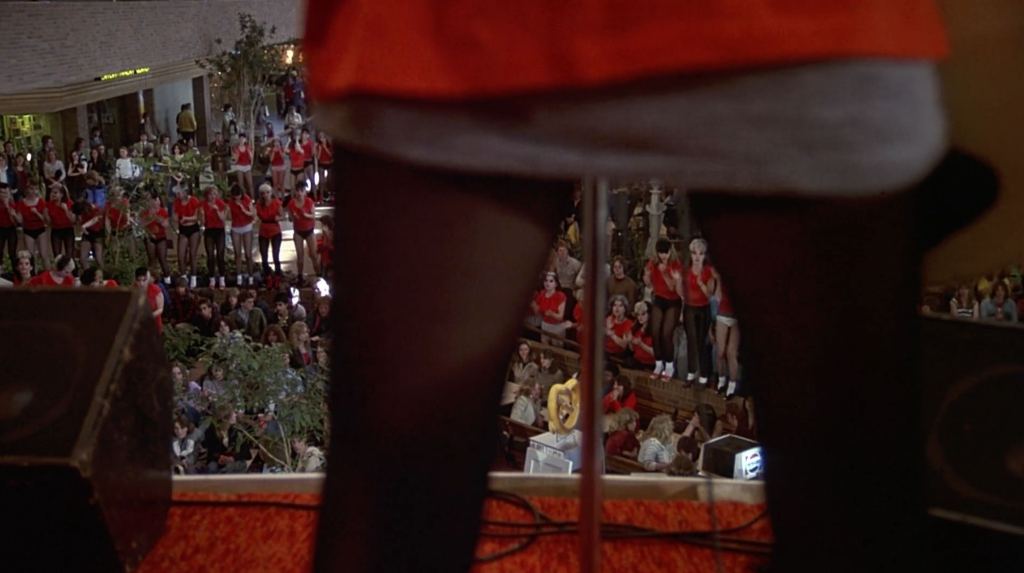
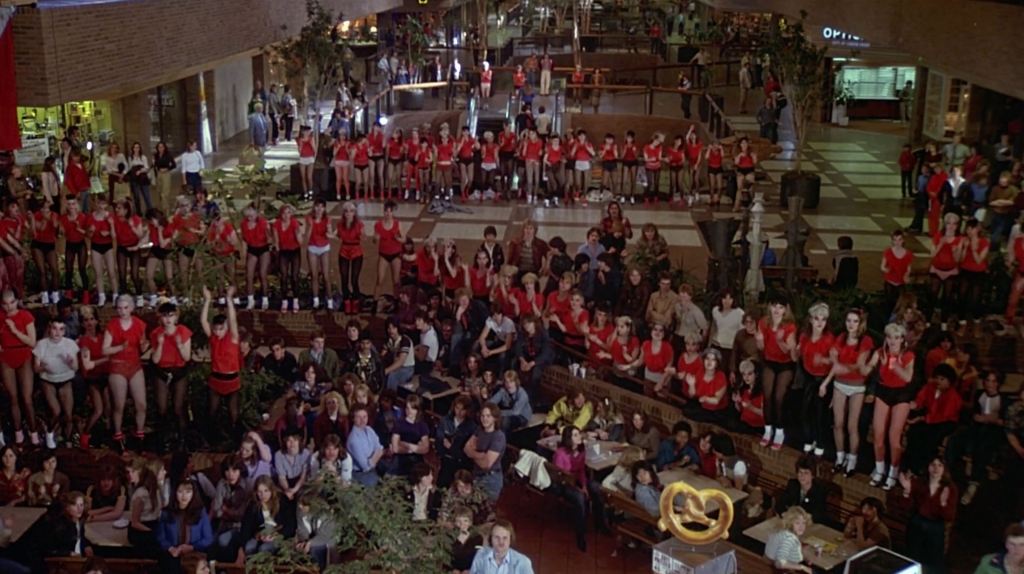
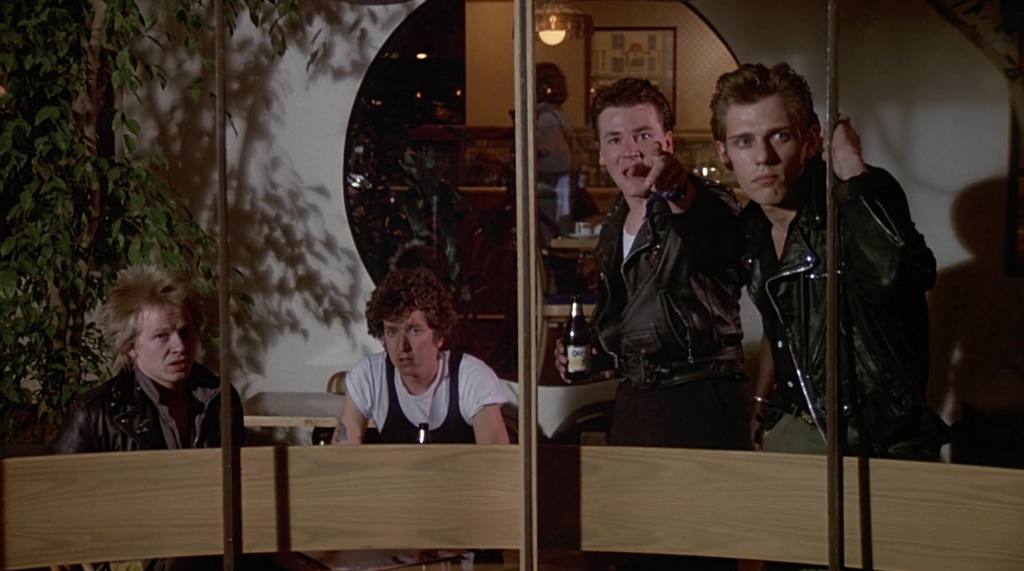
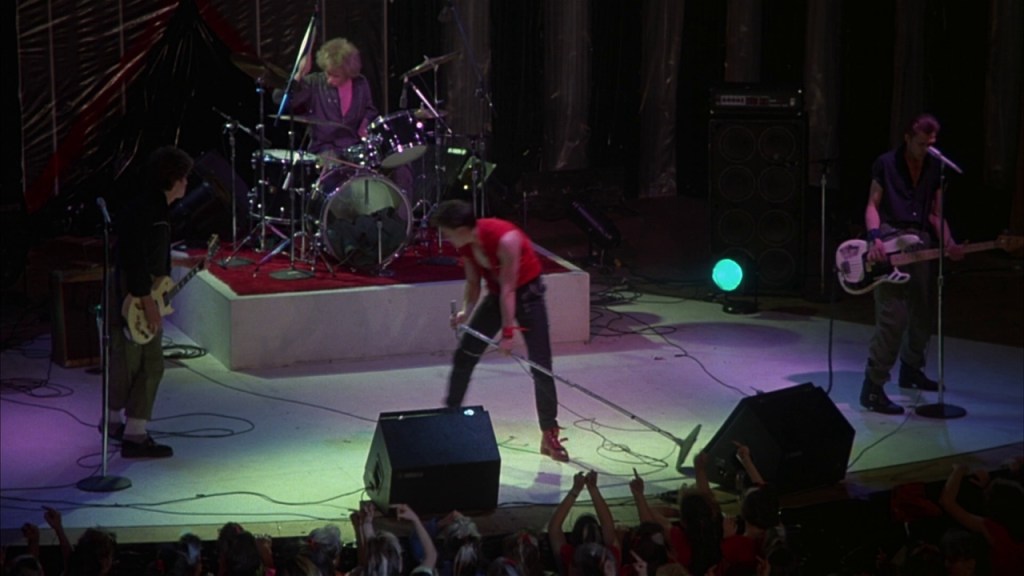
They soon land a spot on a national tour, opening for two other male bands: the washed-up Metal Corpses (a glam metal parody fronted by Lou Corpse) and the angry British punk band The Looters, led by the sneering but charismatic Billy (Ray Winstone).

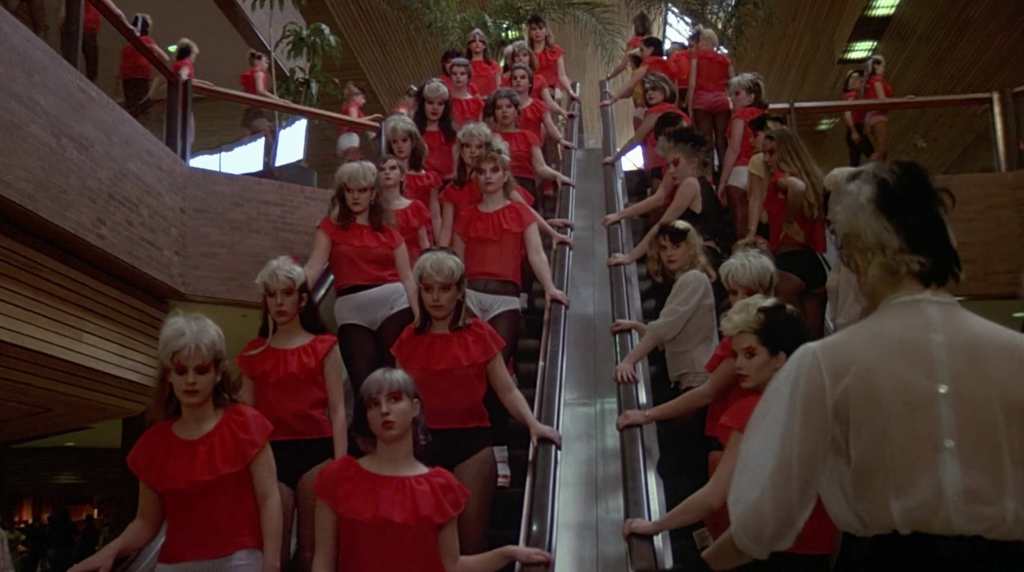
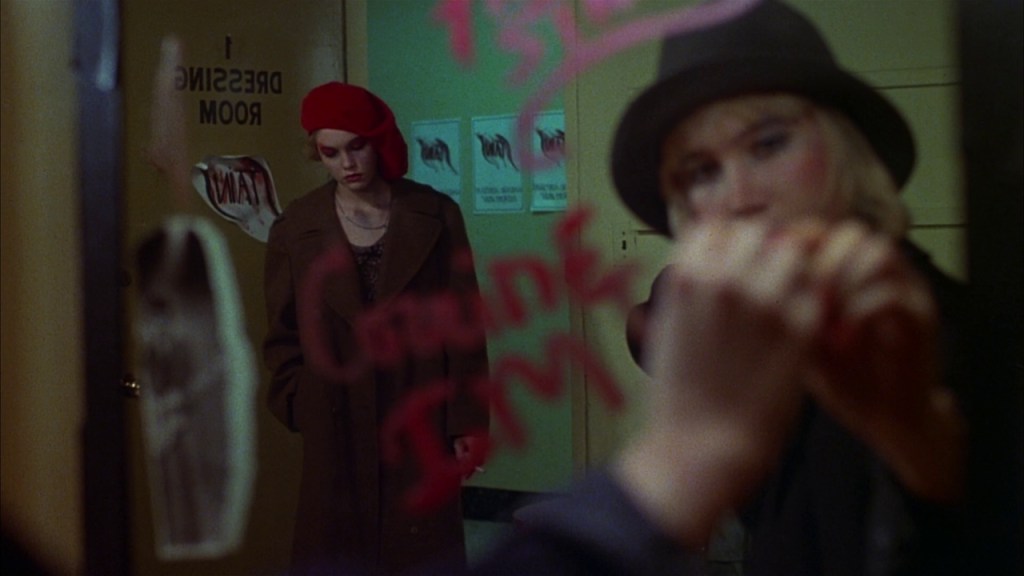
At first, The Stains are heckled mercilessly for their incompetence, and the other bands resent sharing the stage with them. But Corinne’s bold onstage persona and her refusal to conform captivate a growing fan base of young, disaffected girls. She delivers anti-establishment speeches from the stage, sparking a girl-powered punk movement.

Corinne stands on stage in a sheer outfit and spiked hair, staring down a hostile crowd and transforming the heckles into cheers through sheer force of will. This scene marks her evolution from outsider to icon.
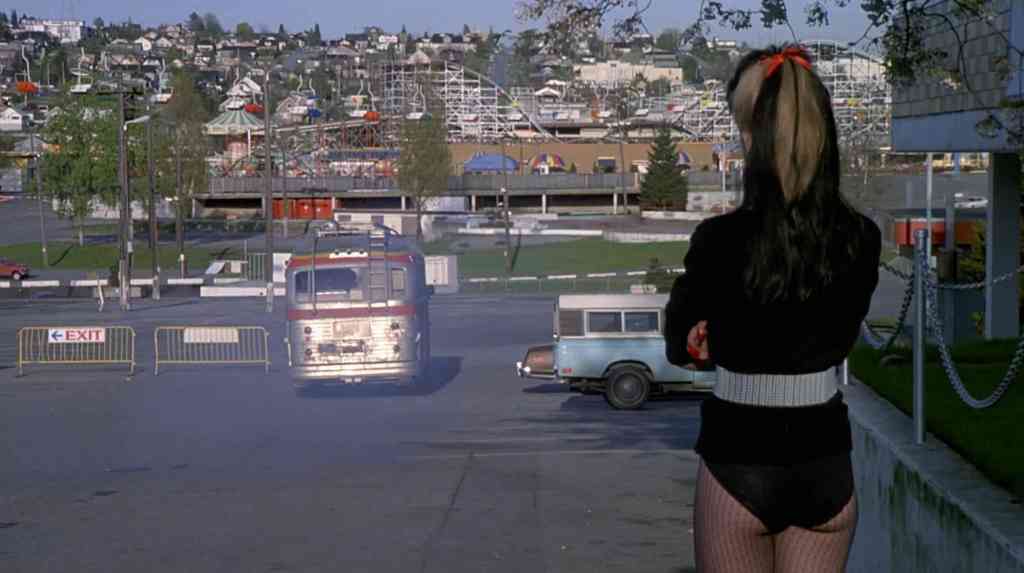
As their popularity explodes, internal and external tensions build: Corinne becomes increasingly self-righteous, alienating her bandmates. Billy, with whom she has a volatile flirtation, accuses her of selling out and appropriating punk culture for fame. A greedy promoter tries to capitalize on their image, pushing for TV spots and merchandise.
A powerful scene shows Corinne alone in a hotel room, watching her face on a commercial, as she realizes she has lost control of the message she once owned.

Just as fast as they rise, The Stains crash:
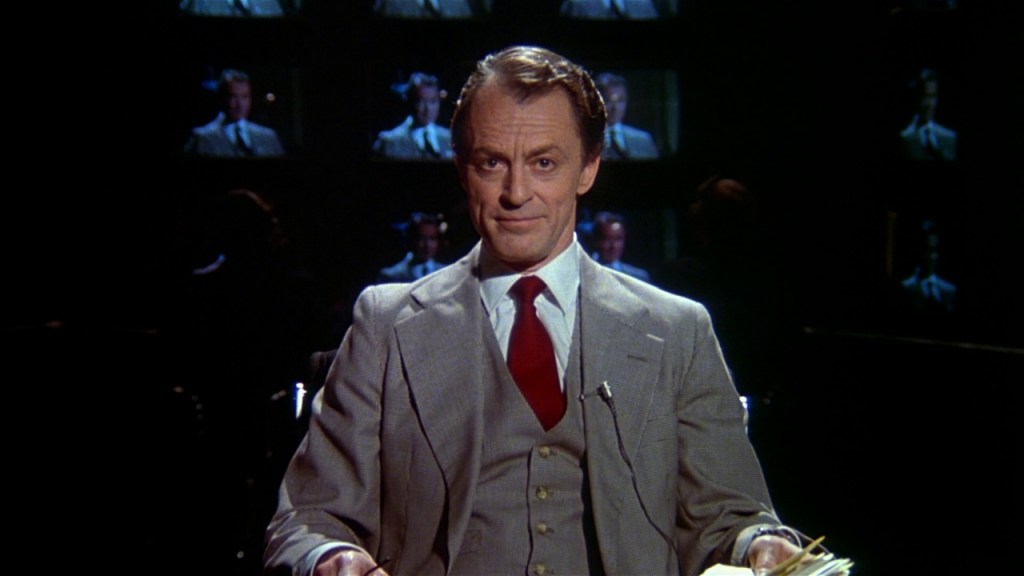
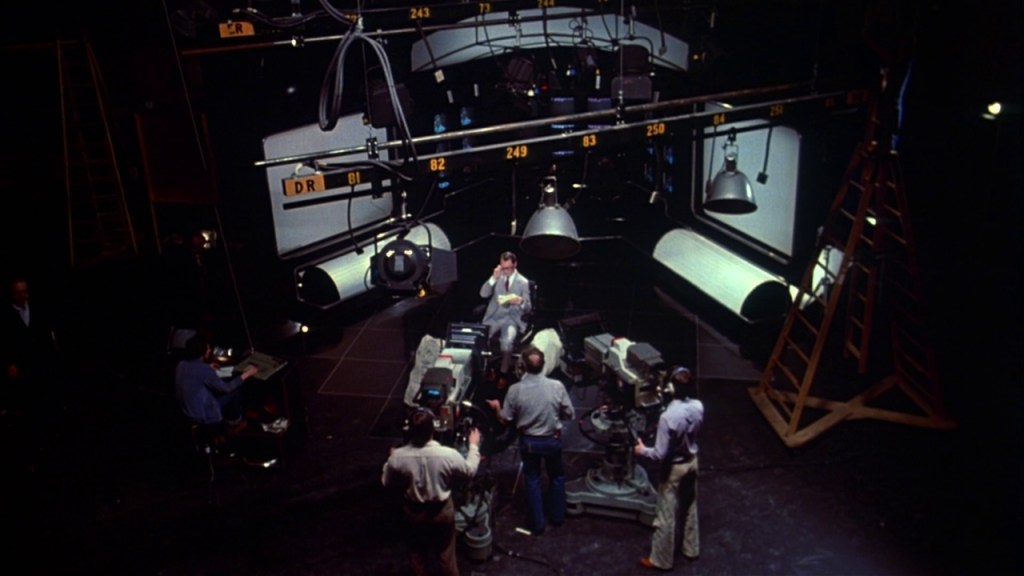
The band implodes on live TV during a disastrous interview where Corinne freezes under pressure. A stunned Corinne is confronted on live television, unable to answer questions as the interviewer frames her as a hypocrite. It’s a moment of raw vulnerability and loss of voice. Their fans turn on them, accusing Corinne of being a fraud. The media dismisses the group as a fad.

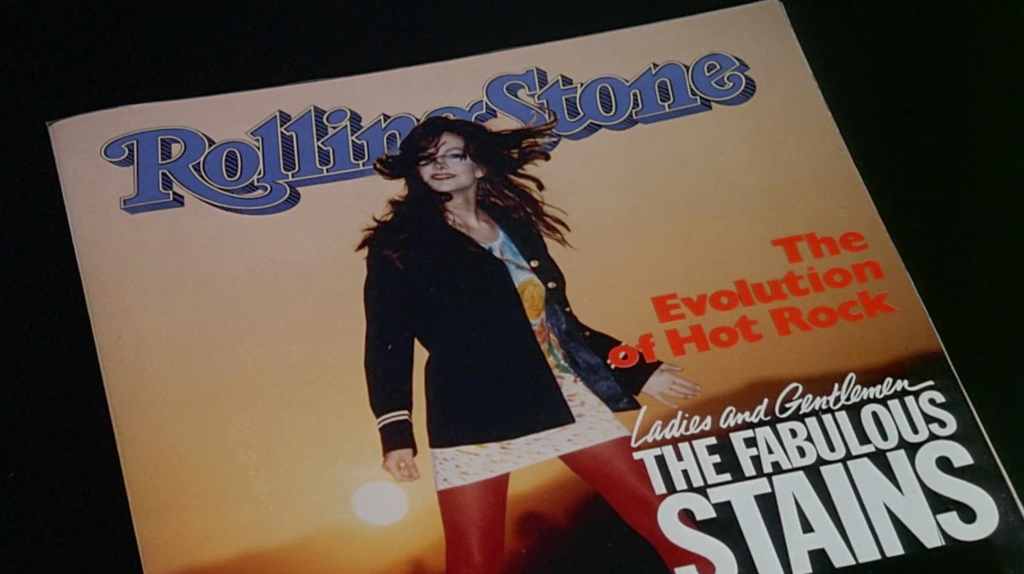
The film’s original ending was infamously altered (According to many articles online), likely due to pressure from the studio. In the released version, the final scene shows The Stains reunited, now a slick, MTV-style pop-punk girl band dressed in red leather, with Corinne triumphant once again—but now as a mainstream star.

Many fans and critics interpret the ending as satirical, seeing it as a commentary on how rebellion can be commodified. Conversely, some view it as an optimistic affirmation of achieving success on one’s own terms. The film delves into the tension between genuine, anti-establishment authenticity and the seductive nature of fame. It also highlights how easily the media can create and destroy a public figure.