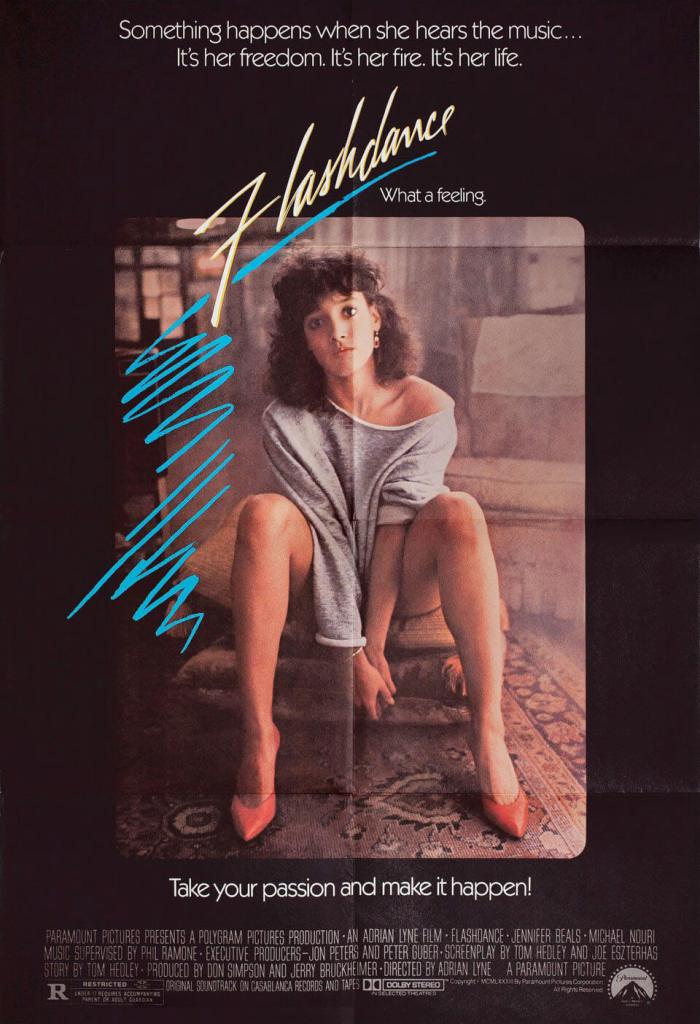
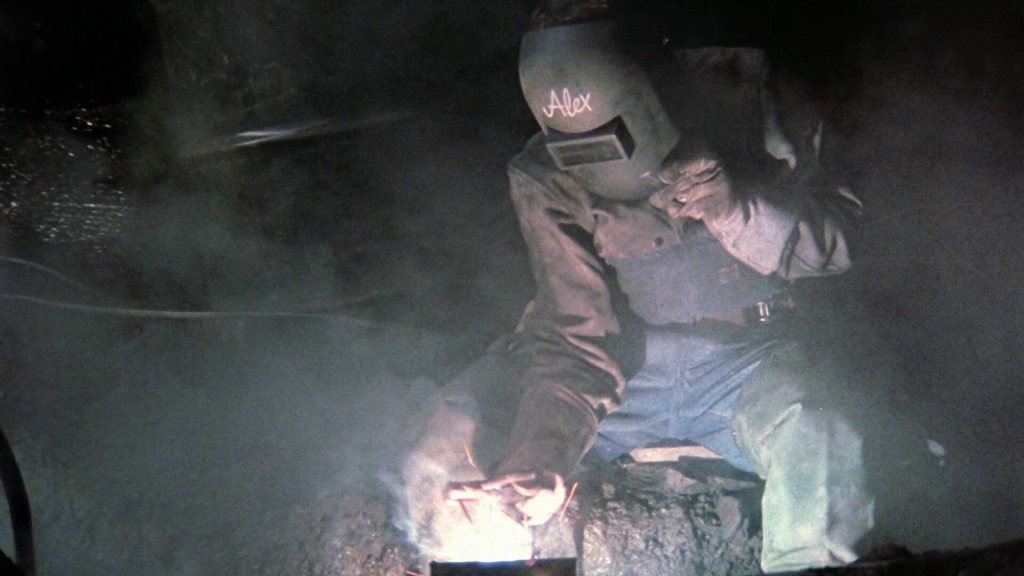
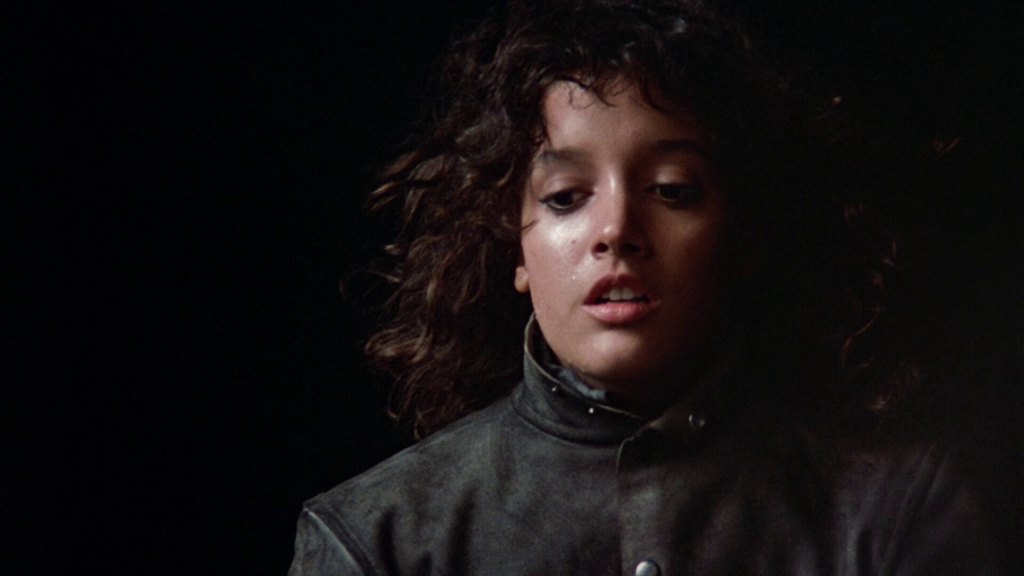
“Flashdance” is a 1983 drama-romance film directed by Adrian Lyne. The movie stars Jennifer Beals as Alex, Michael Nouri as Nick, Lilia Skala as Hanna, Sunny Johnson as Jeanie, Kyle T. Heffner as Richie, Lee Ving as Johnny C., and Ron Karabatsos as Jake. The film is also recognized for its score by Giorgio Moroder, which was nominated for both a Grammy® and a Golden Globe award. Additionally, the lead song, “What a Feeling,” performed by Irene Cara, became a summer hit and won the Academy Award for Best Original Song.
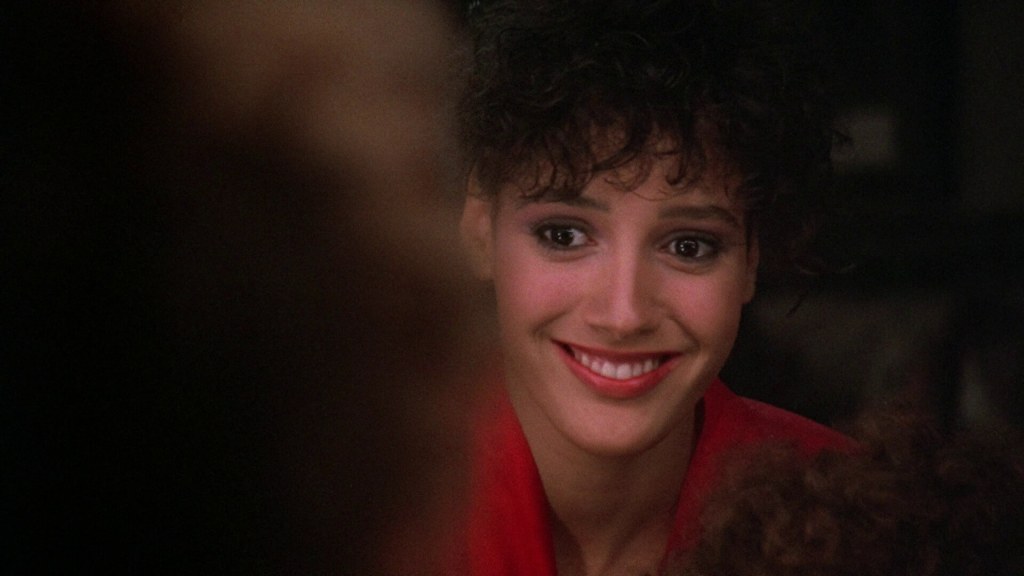

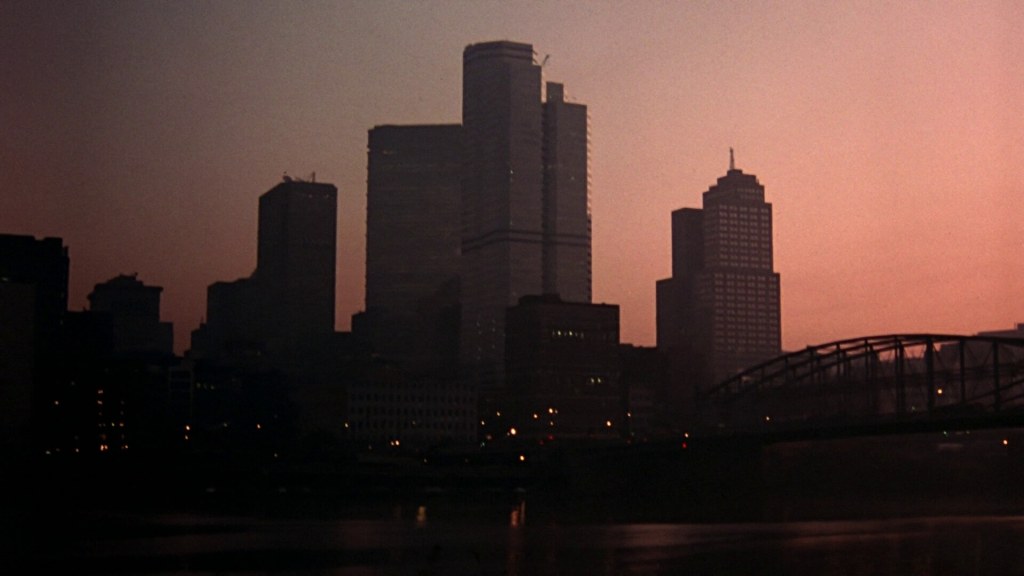
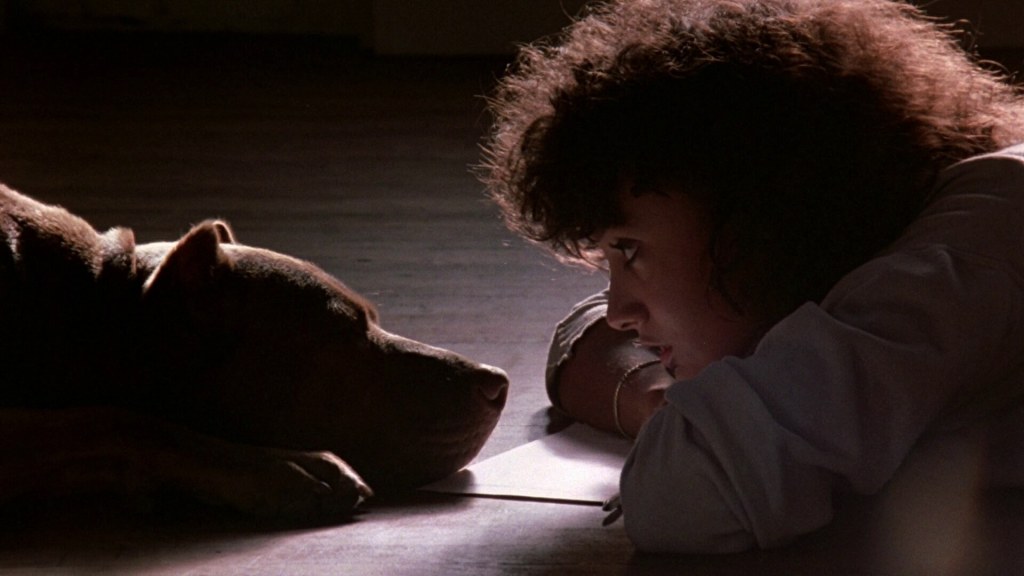
Set in Pittsburgh, “Flashdance” follows the story of Alex Owens, an 18-year-old who works as a welder during the day and an exotic dancer at night. She dreams of becoming a professional ballerina. Alex lives alone in a converted warehouse with her dog, Grunt, and she strives to balance her tough, blue-collar life with her artistic goals. Despite lacking formal training, she is determined to audition for the Pittsburgh Conservatory of Dance, a prestigious academy that feels almost out of reach for her.

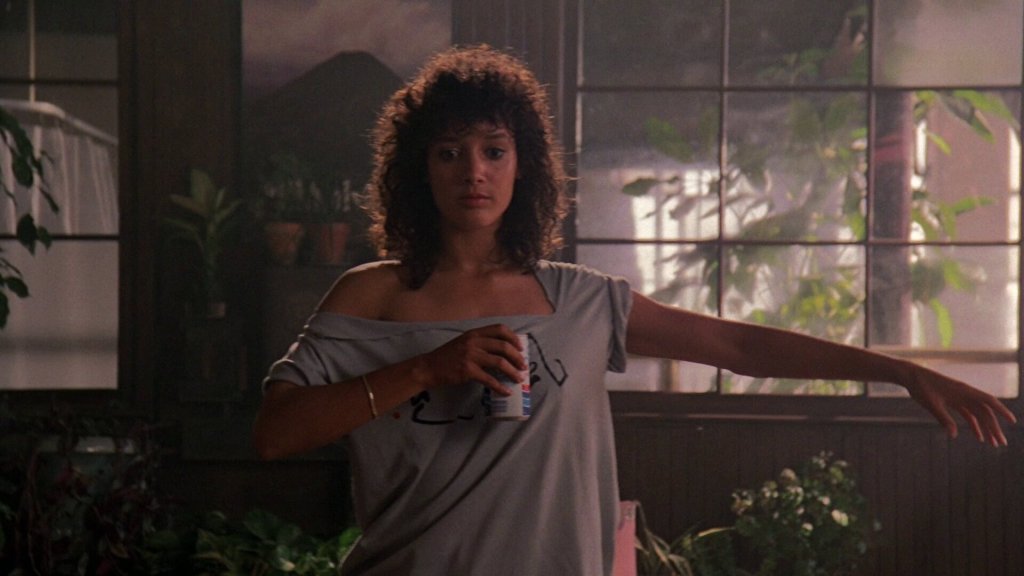
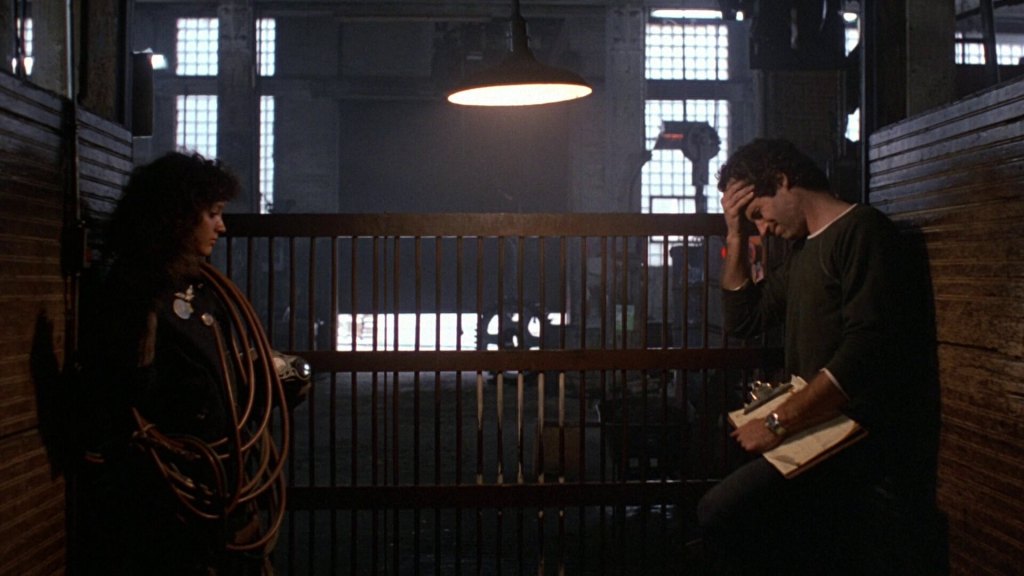
Romance, struggle, and empowerment unfold as Alex pushes past personal insecurities, a male-dominated world, and societal expectations to pursue her passion.
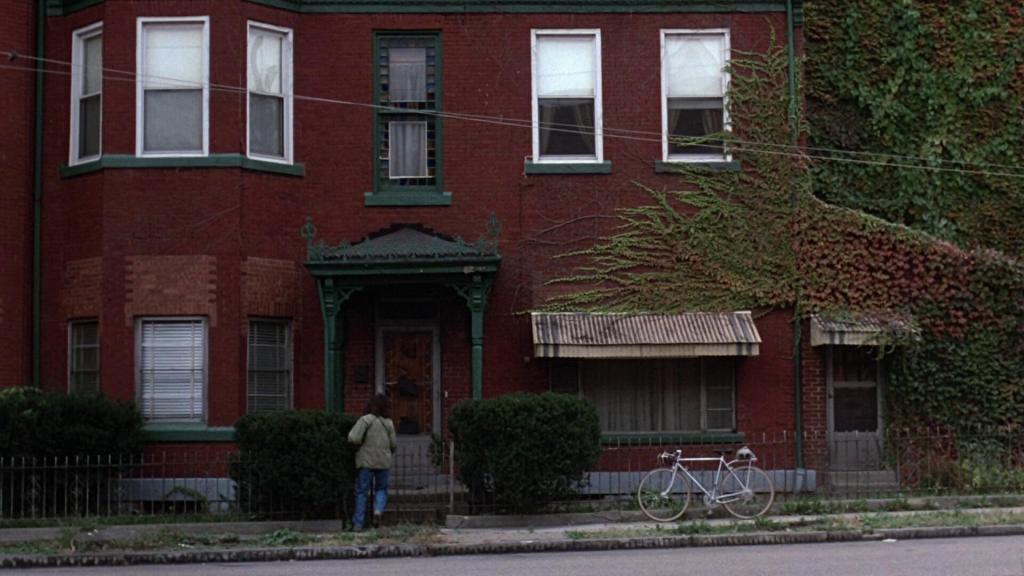
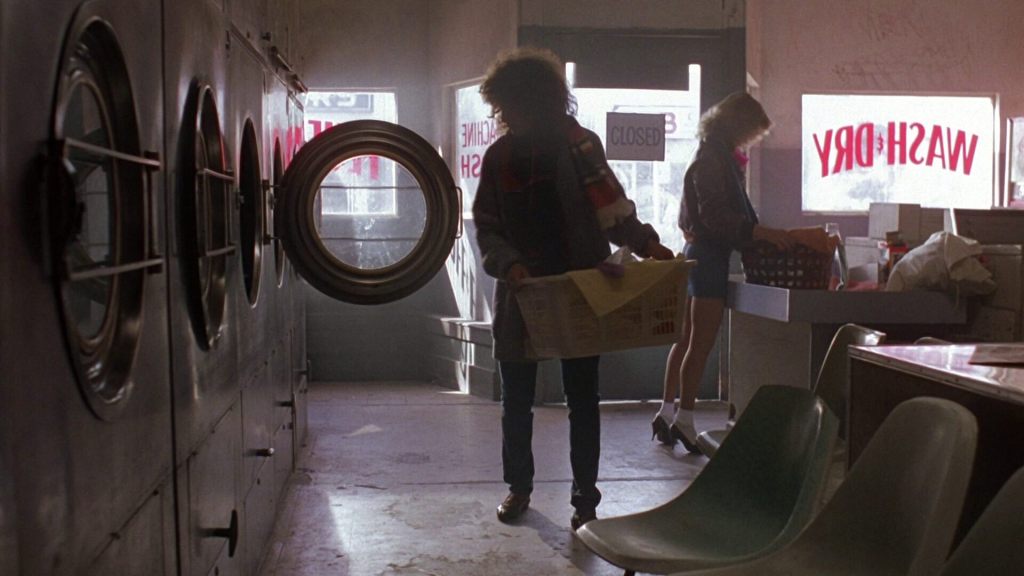
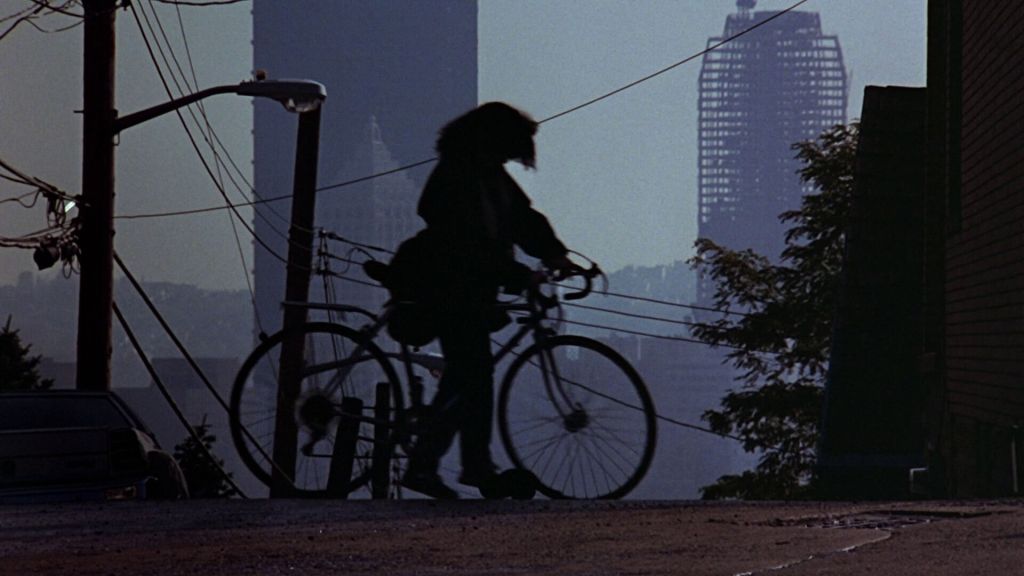
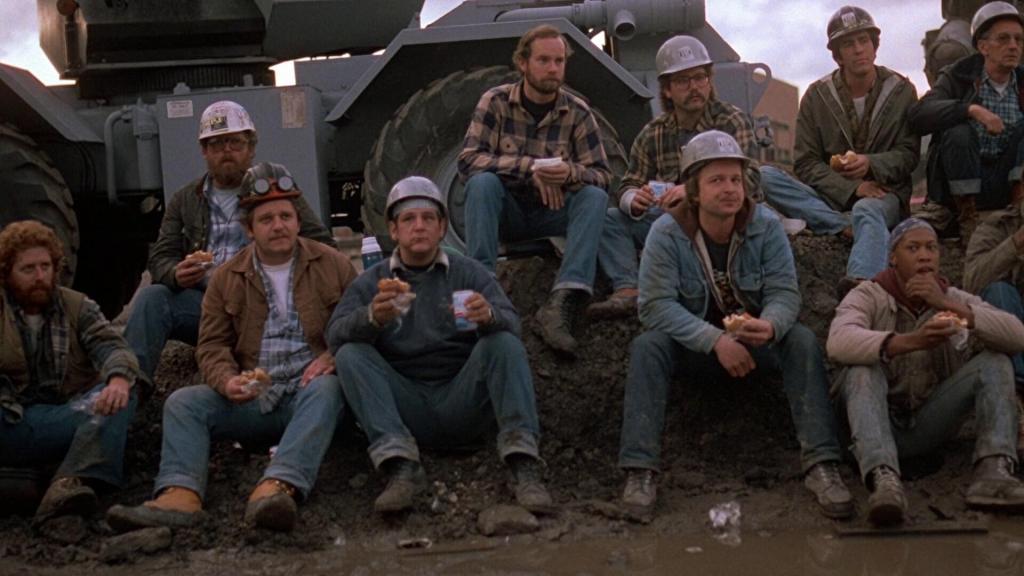
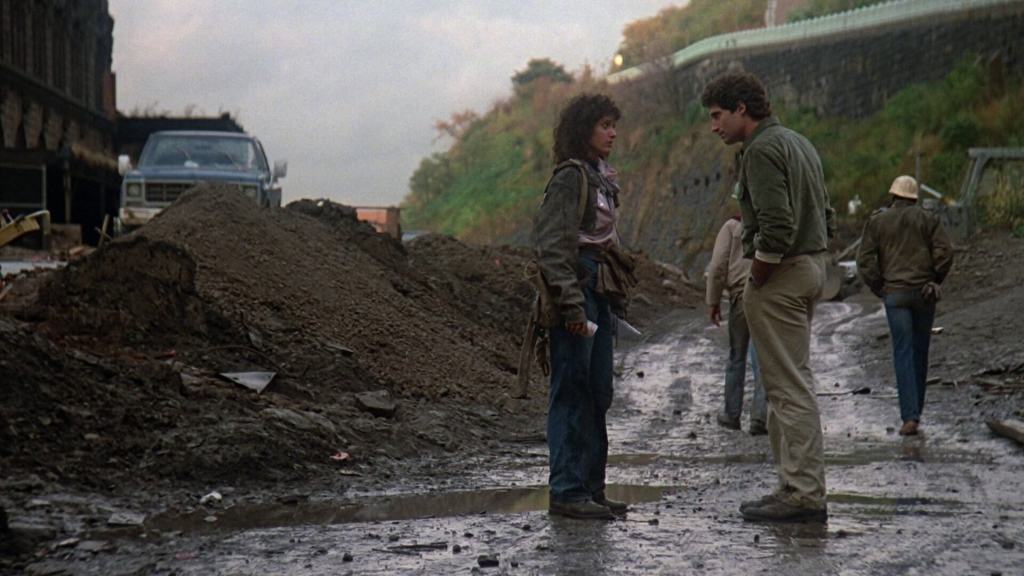
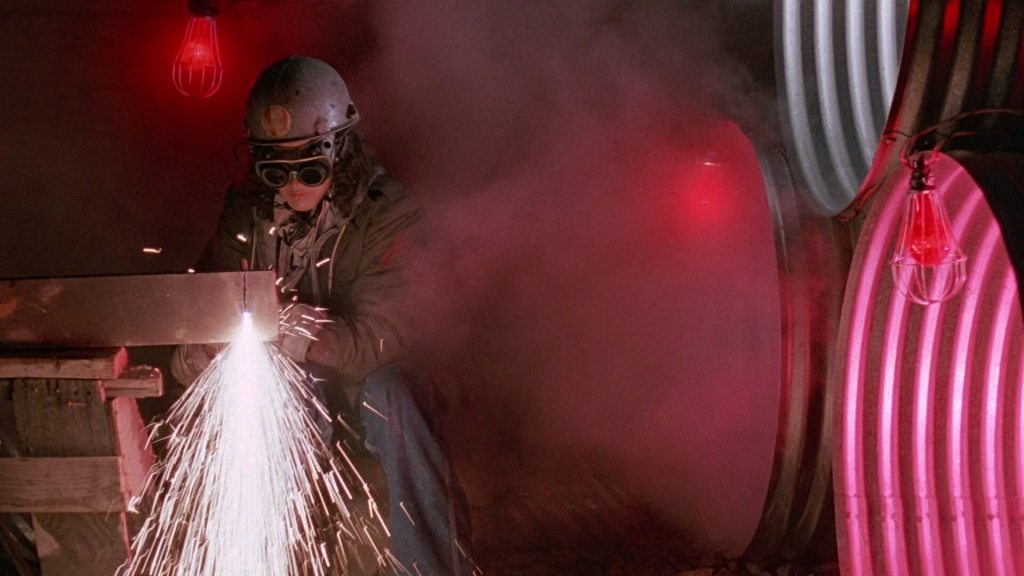
The film begins with Alex riding her bike through the industrial streets of Pittsburgh. She works as a welder at a steel mill, clad in goggles and overalls, proving herself in a traditionally male job.
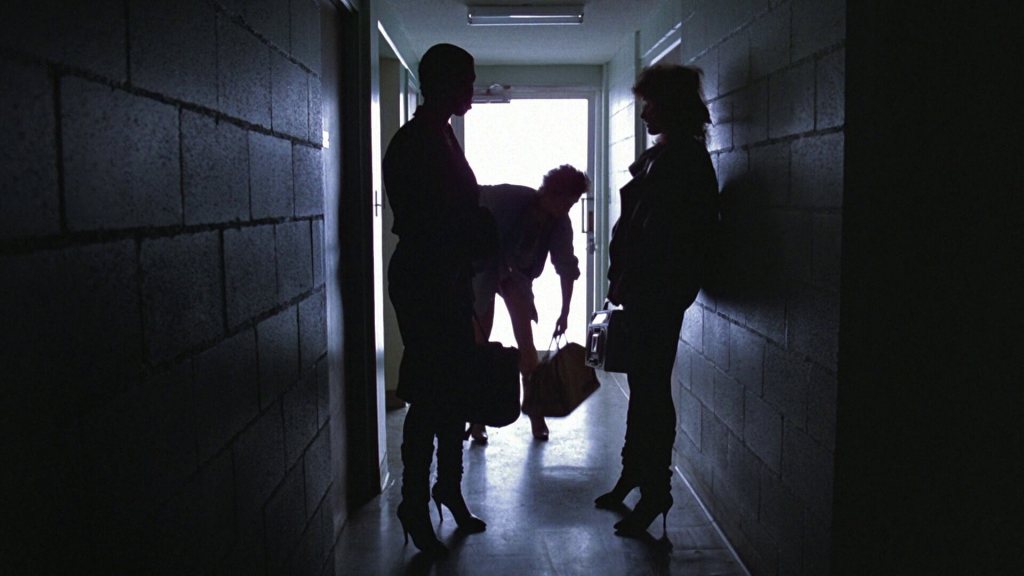
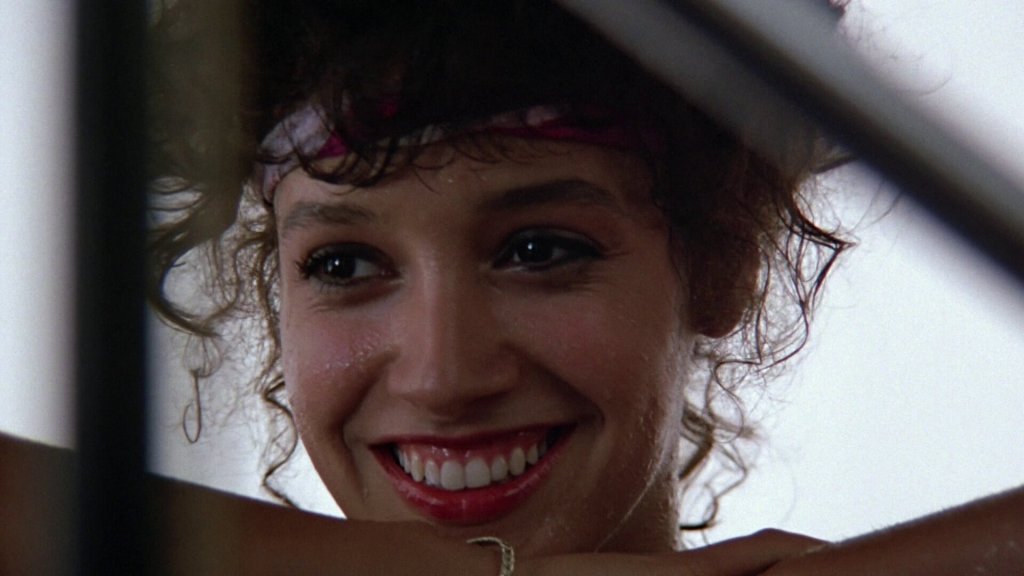
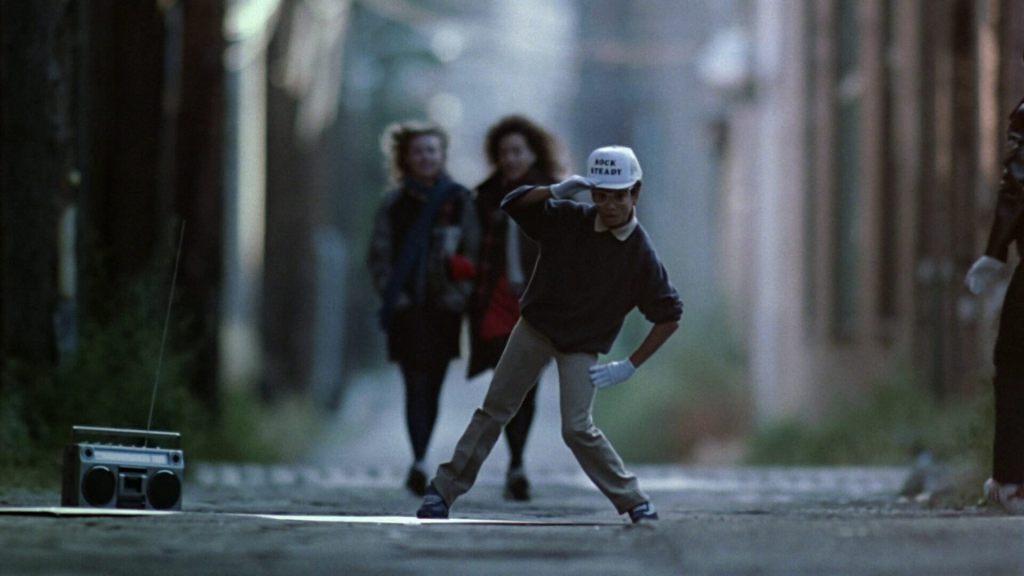
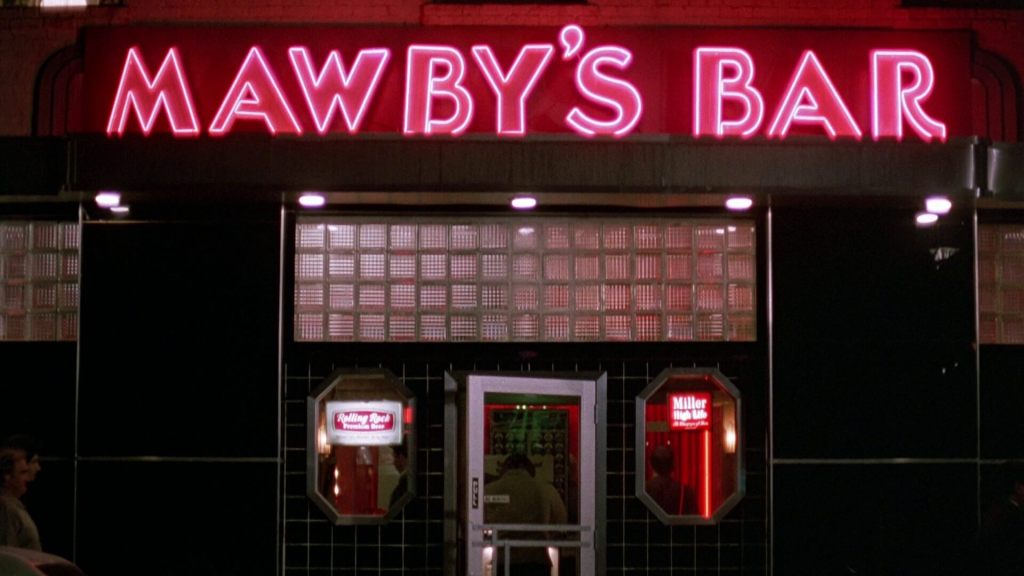
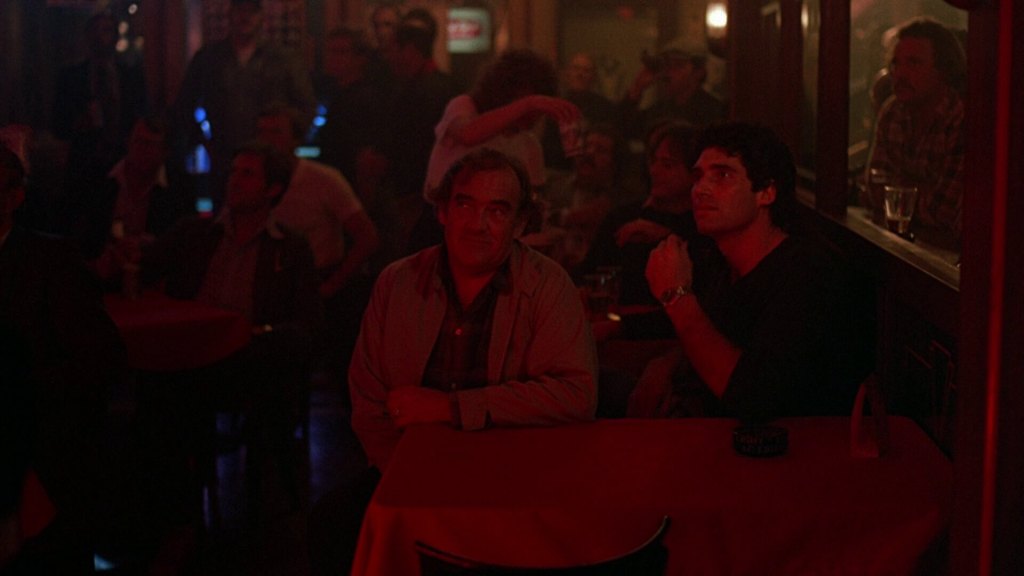
At night, Alex performs at Mawby’s, a bar known for its choreographed dance performances. Her routine is focused more on artistry than sensuality, showcasing her ambition and talent.
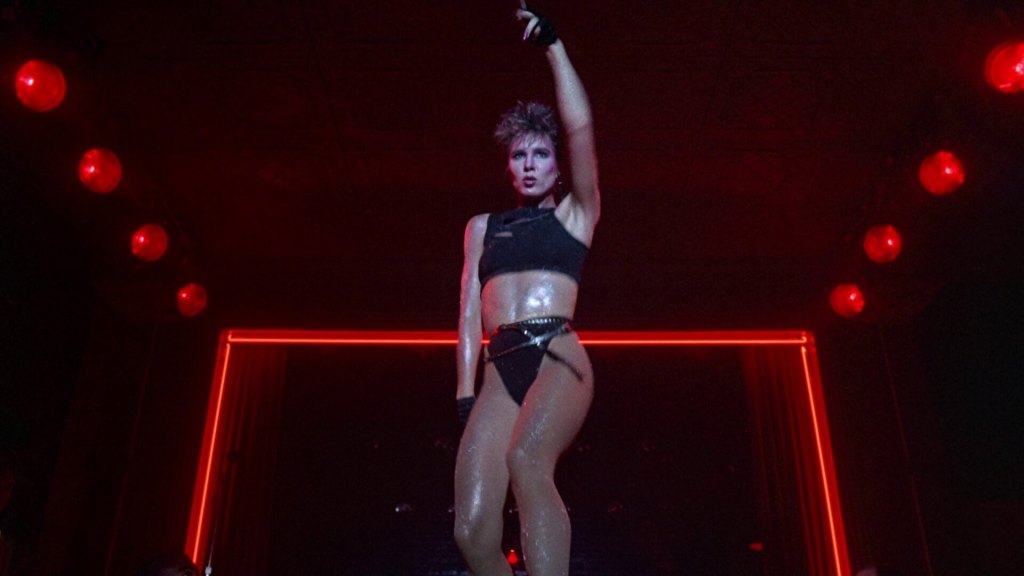
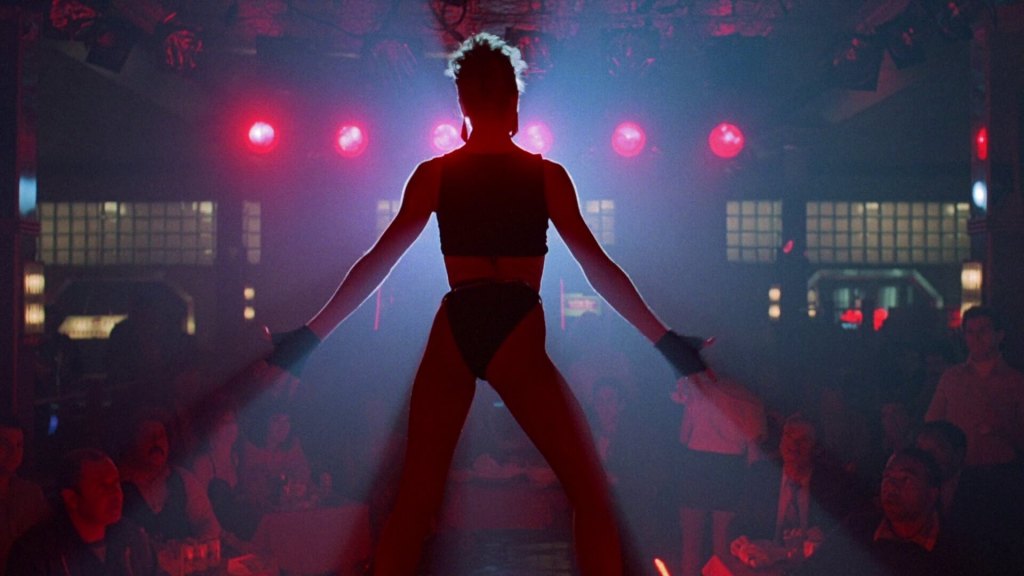
Alex dreams of attending the Pittsburgh Conservatory of Dance, but she feels intimidated by the formal application process and her limited training in classical dance.
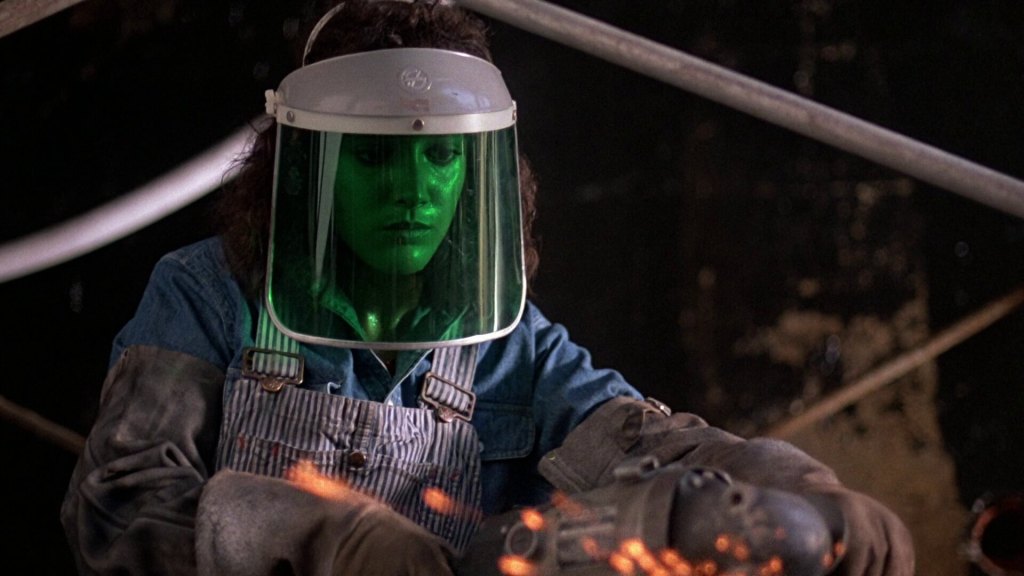

Alex attracts the attention of Nick Hurley, her charismatic, older boss at the steel mill. Despite her initial resistance, they begin a romantic relationship, complicating her fiercely independent nature.
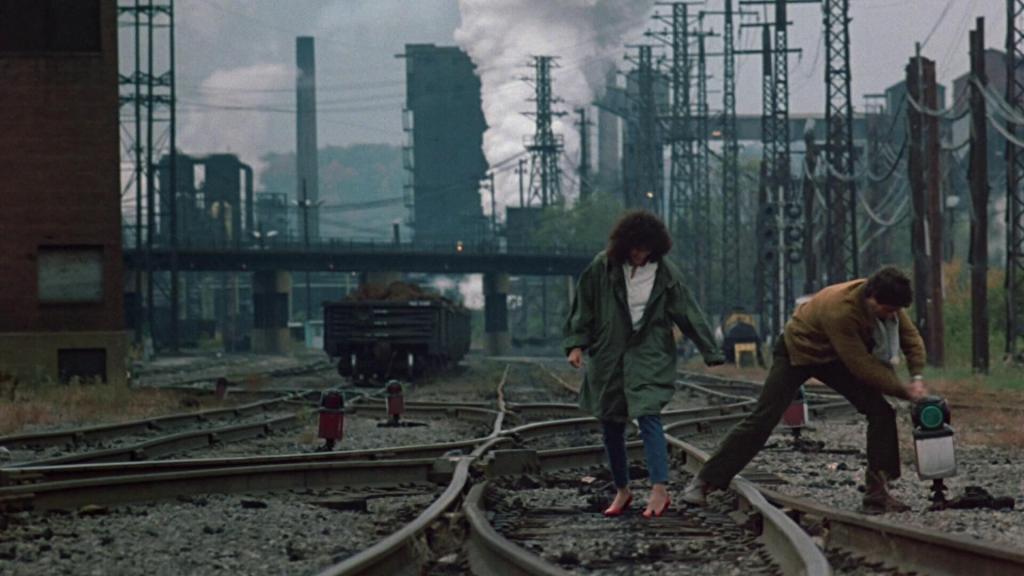
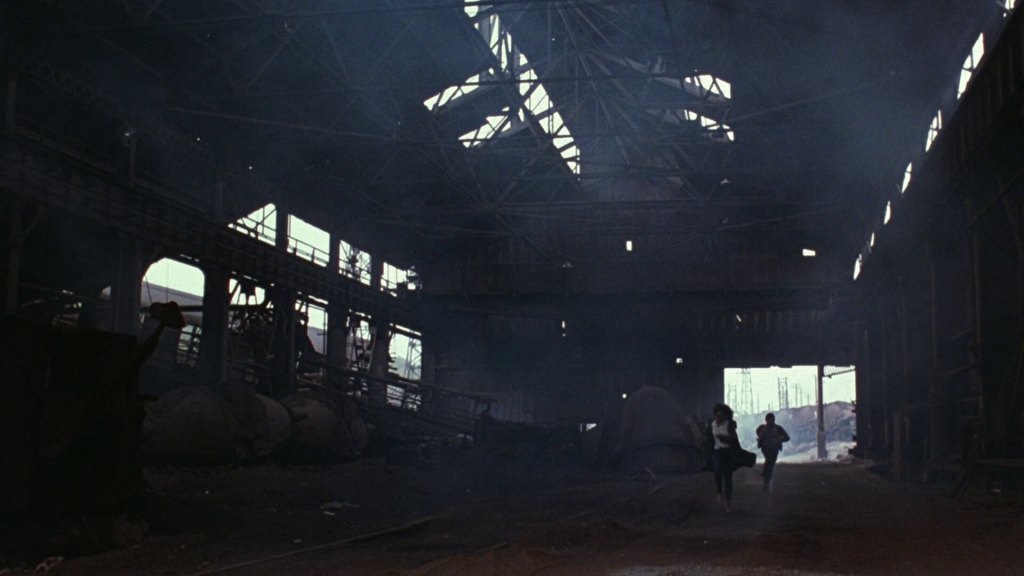
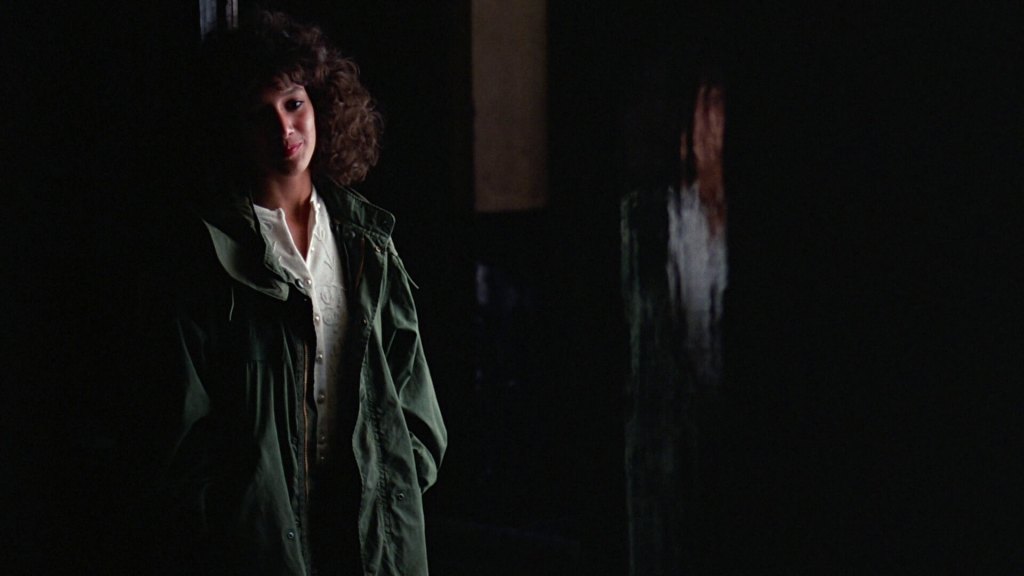
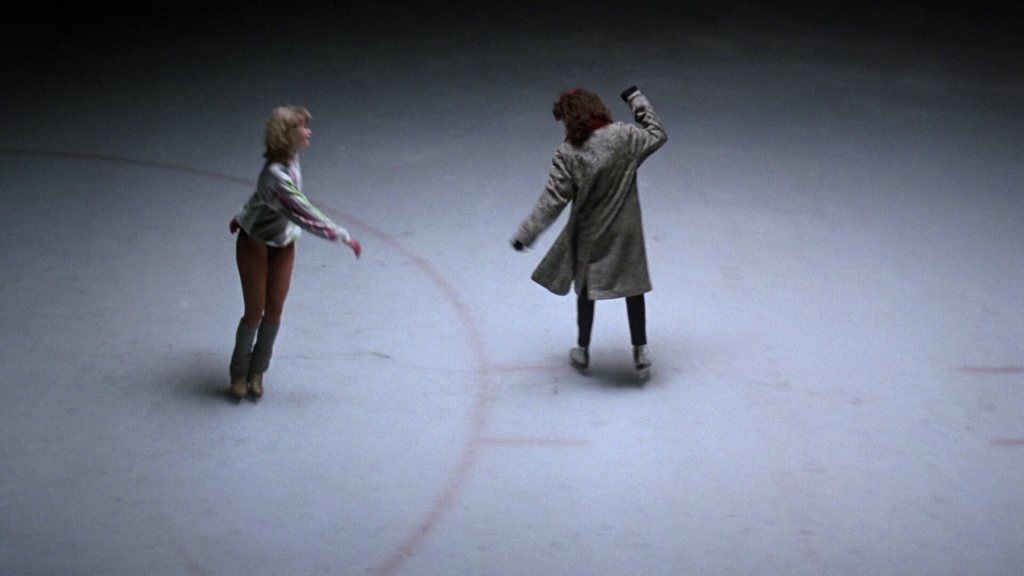
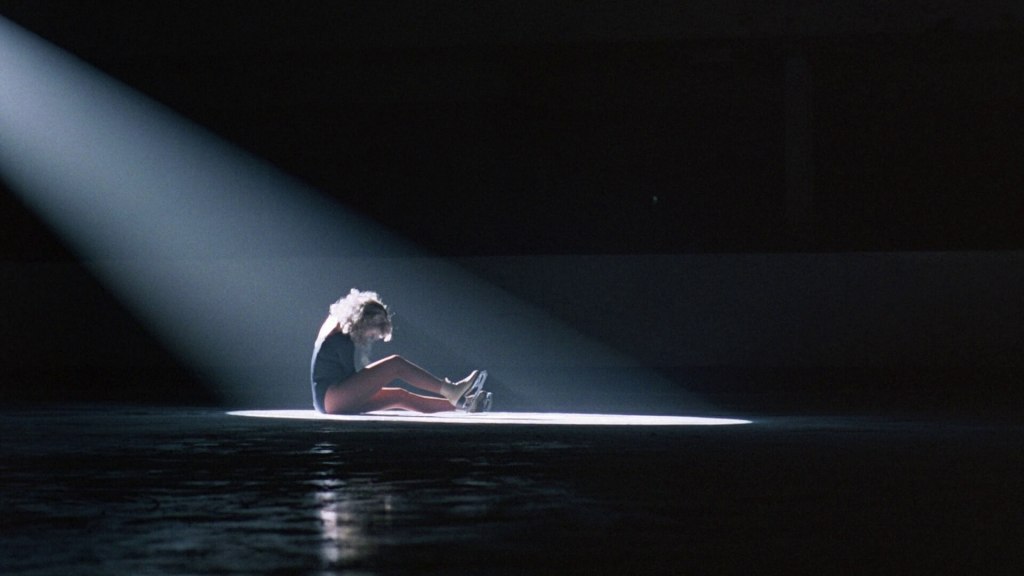
Nick supports her ambitions and eventually uses his influence to get her a dance school audition—something Alex initially sees as a betrayal of her self-reliance. Jeanie Szabo, Alex’s best friend, is an ice skater with her own dreams of Olympic glory. Still, her dreams collapse after a failed competition, forcing her to work in a seedy strip club, serving as a cautionary tale for Alex. The moment Alex sees Jeanie dance at Johnny C’s club is emotionally charged, highlighting the risk of losing oneself to failure and compromise.
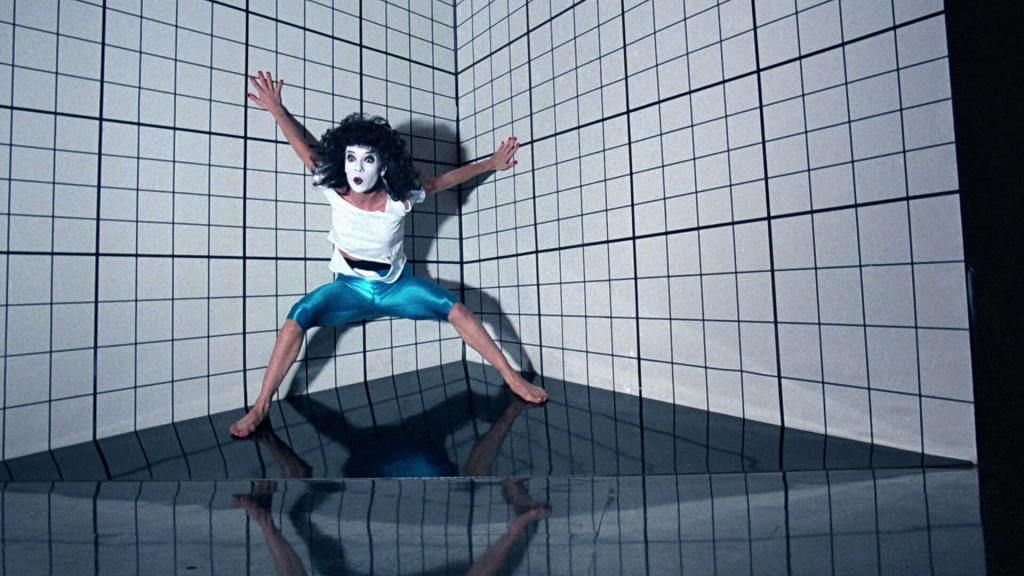
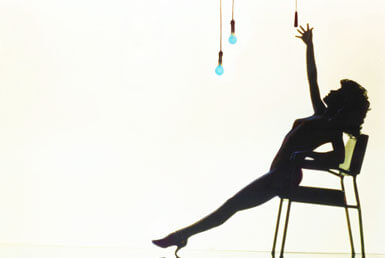
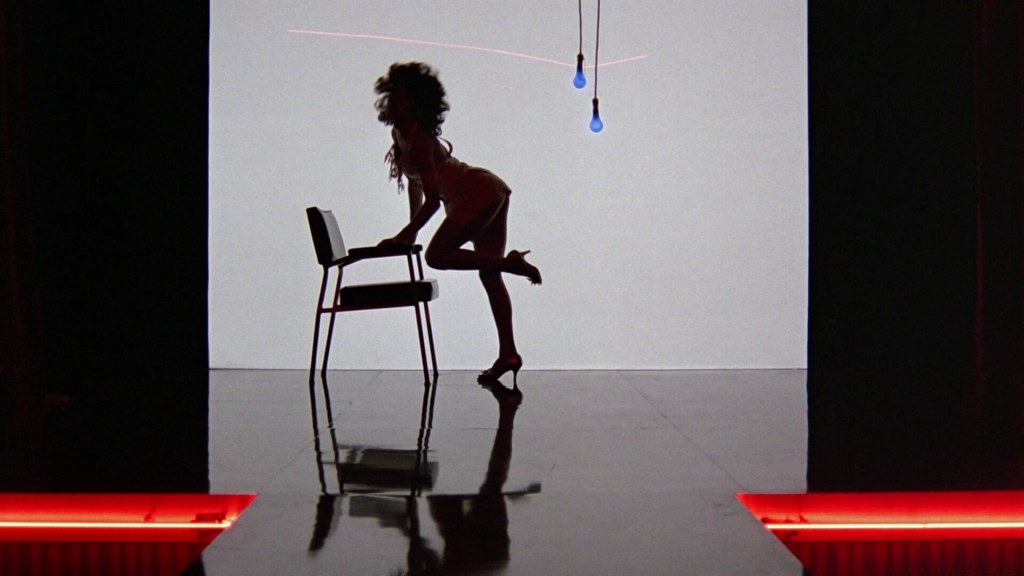
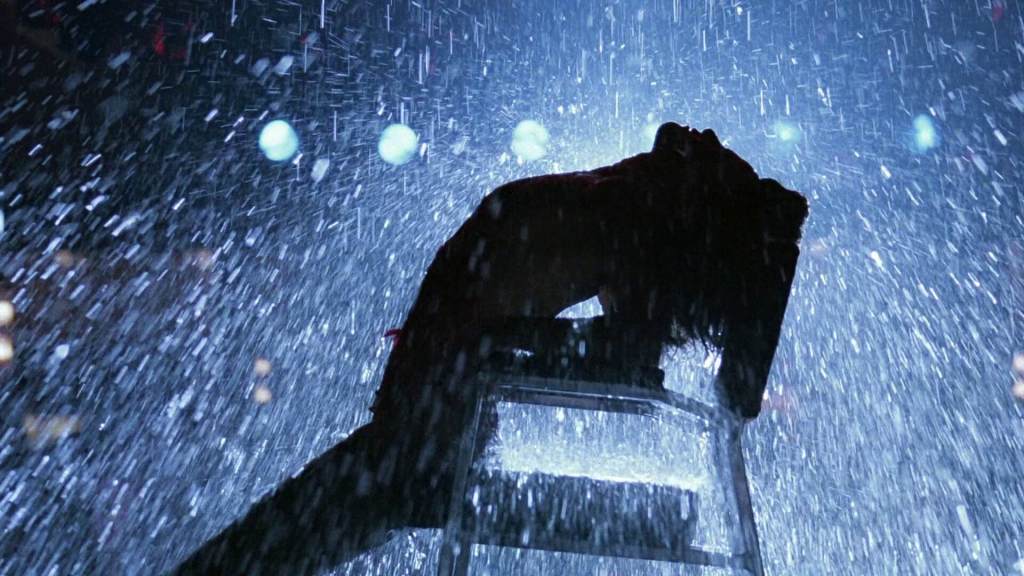
The film features the iconic “Maniac” dance sequence, in which Alex trains in her warehouse, sweating through an intense workout to Michael Sembello’s “Maniac.” This scene is raw, dynamic, and has achieved legendary status, characterized by contrast lighting, leg warmers, and sheer determination. While often imitated, no one has captured its strength. Additionally, the film features another memorable sequence that includes a chair, a huge splash of water, and captivating choreography. This moment has become one of the most iconic in 1980s cinema and is arguably the film’s most famous shot, having been copied and parodied for decades.
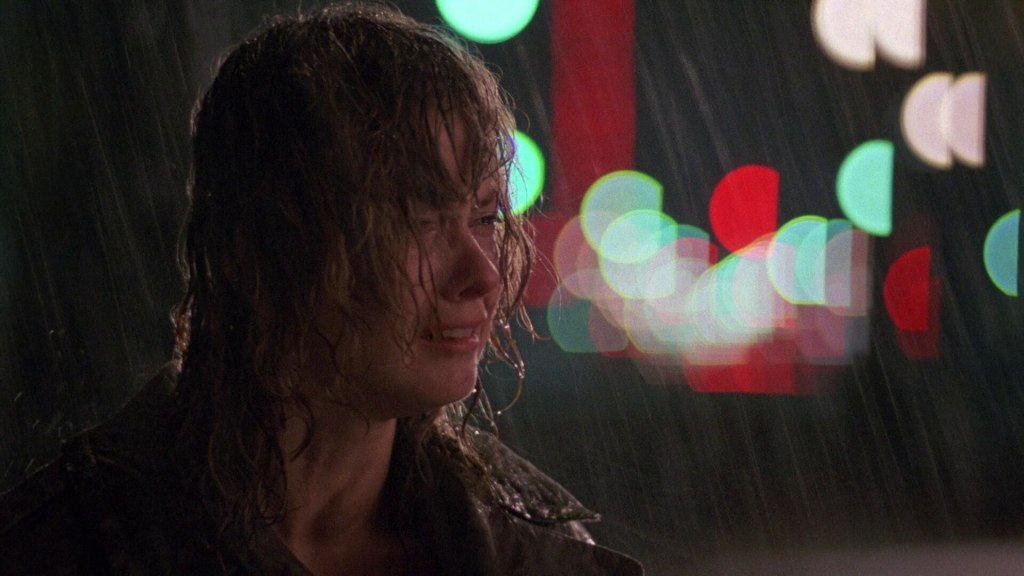
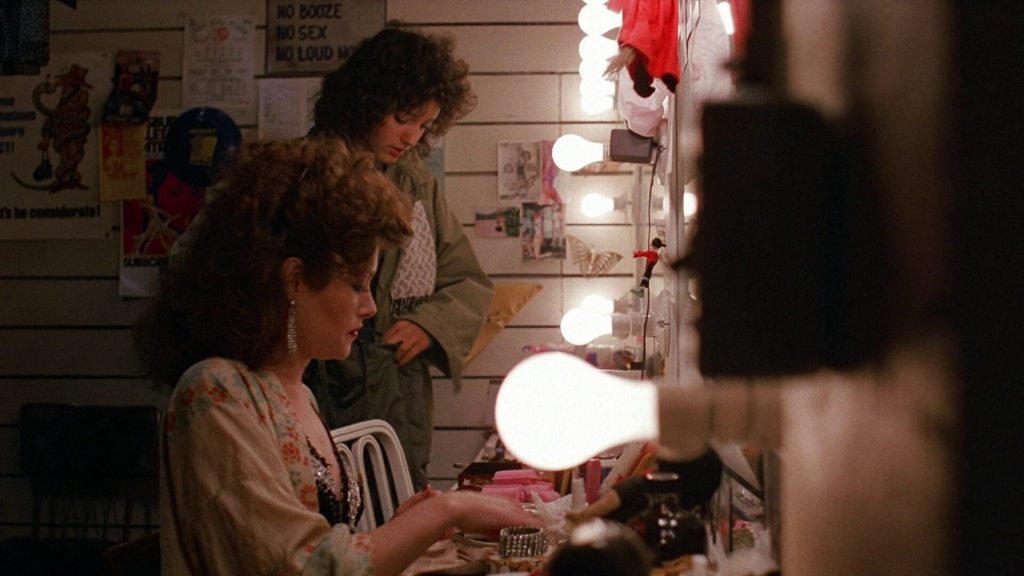
After this, Alex reaches a breaking point and confronts her fears following Jeanie’s downfall and her own doubts. Encouraged by her mentor, retired ballerina Hanna Long, Alex decides to take a chance and audition for the conservatory.
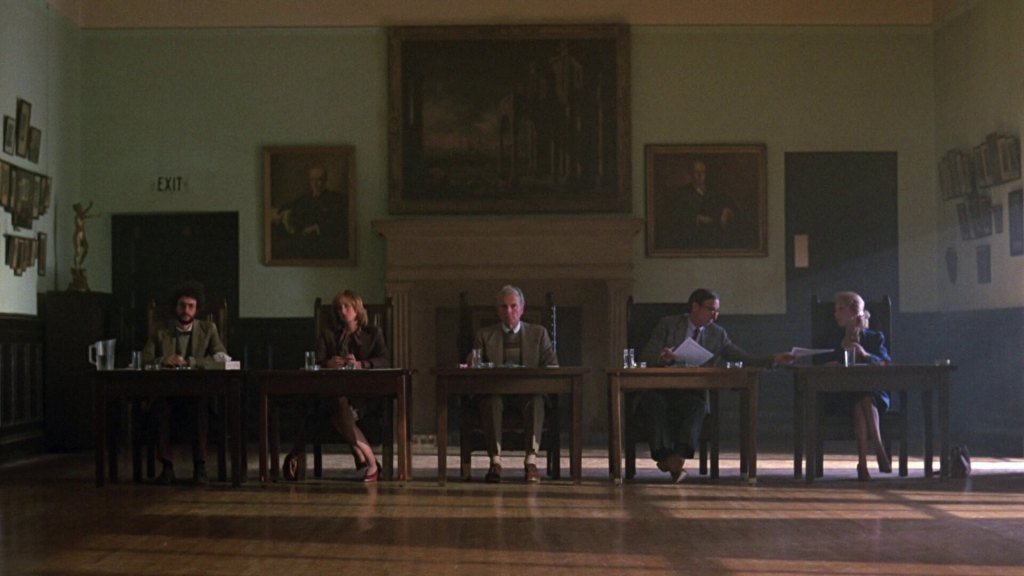
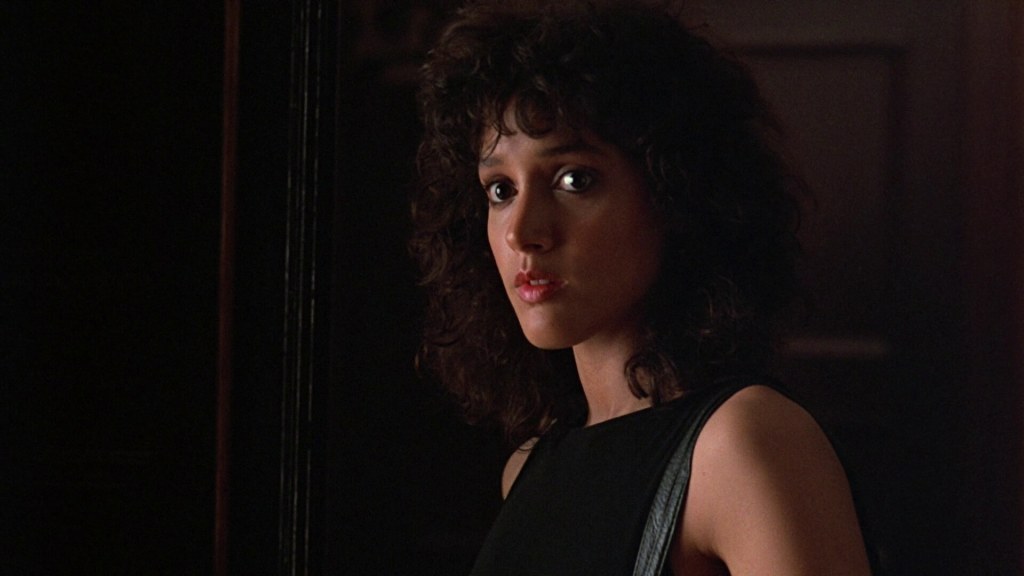
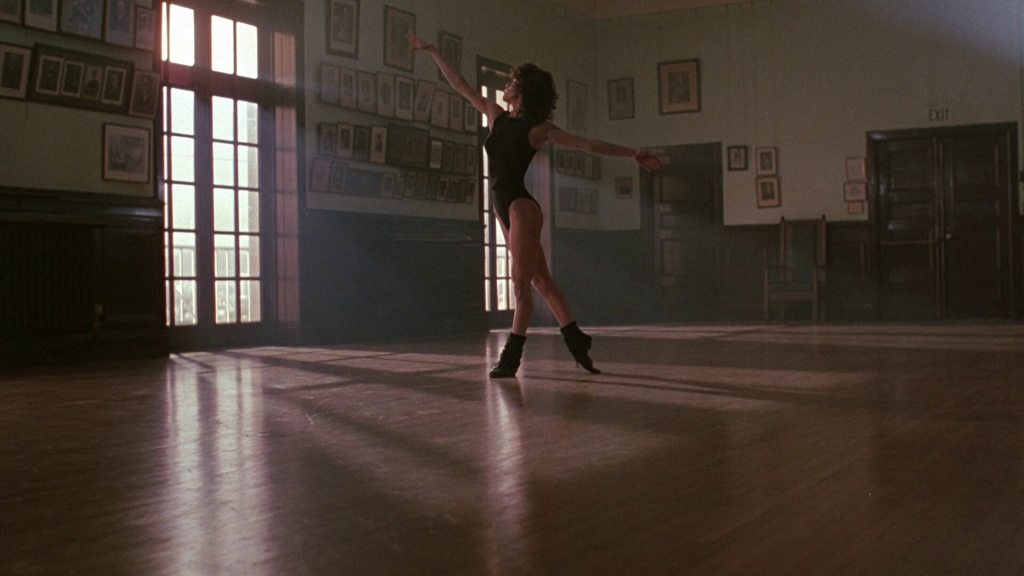
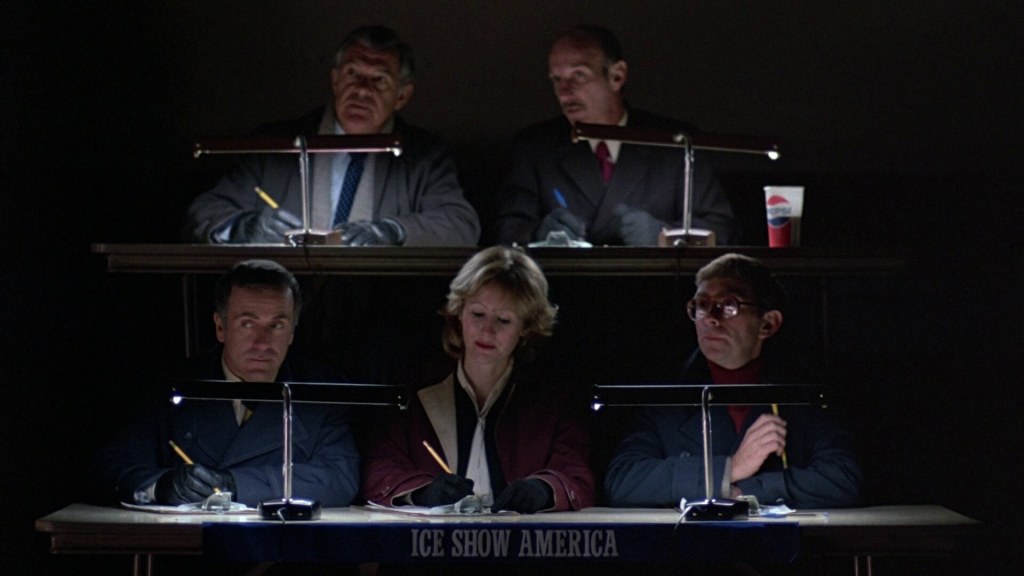
In the film’s emotional high point, Alex steps into the audition—nervous, alone, and uncertain. After a brief stumble, she launches into an electrifying routine that seamlessly blends classical technique, breakdancing, and raw emotion. This moment is underscored by the song “Flashdance… What a Feeling,” creating a triumphant crescendo and an uplifting climax to the film’s narrative. Her performance showcases a powerful mix of ballet, jazz, and street dance, and her bold, rule-breaking style captivates the skeptical judges. Meanwhile, Nick watches from outside the theater—proud but distant—allowing her moment to belong to her alone.
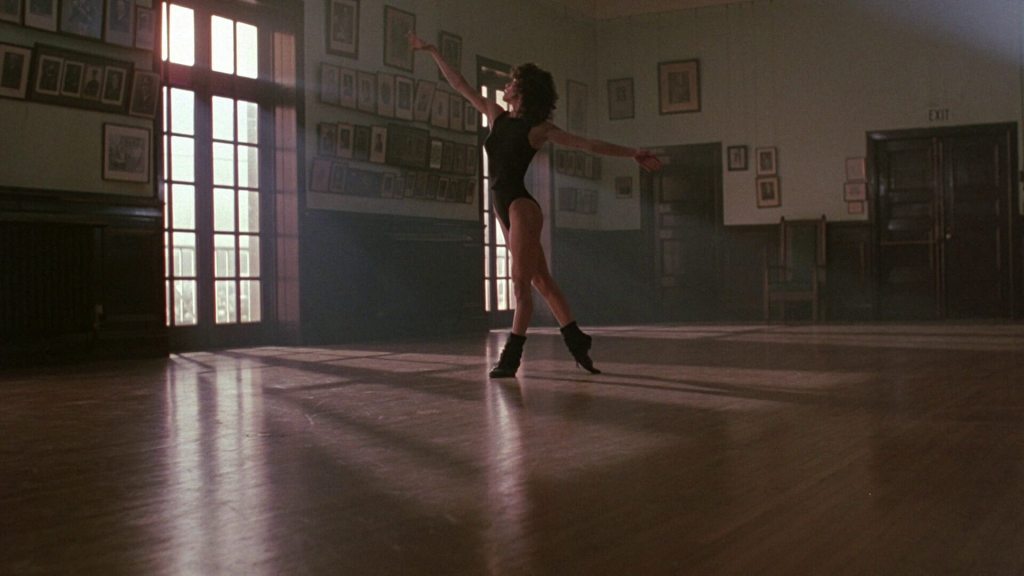
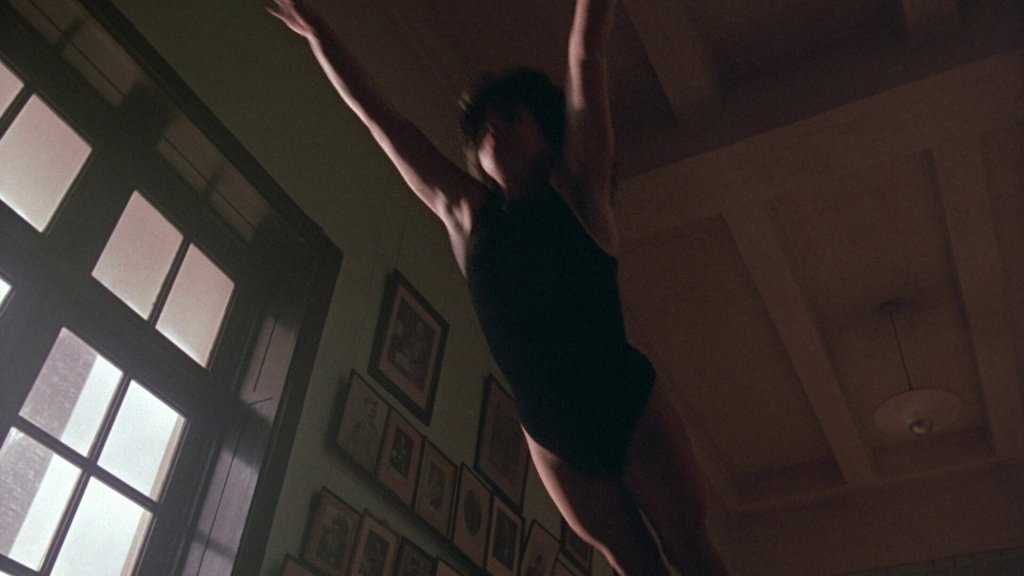
Alex exits the audition beaming. She jumps into Nick’s arms in the sunlight, hopeful and fulfilled. The film ends on a freeze frame, capturing her mid-leap, victorious and free.
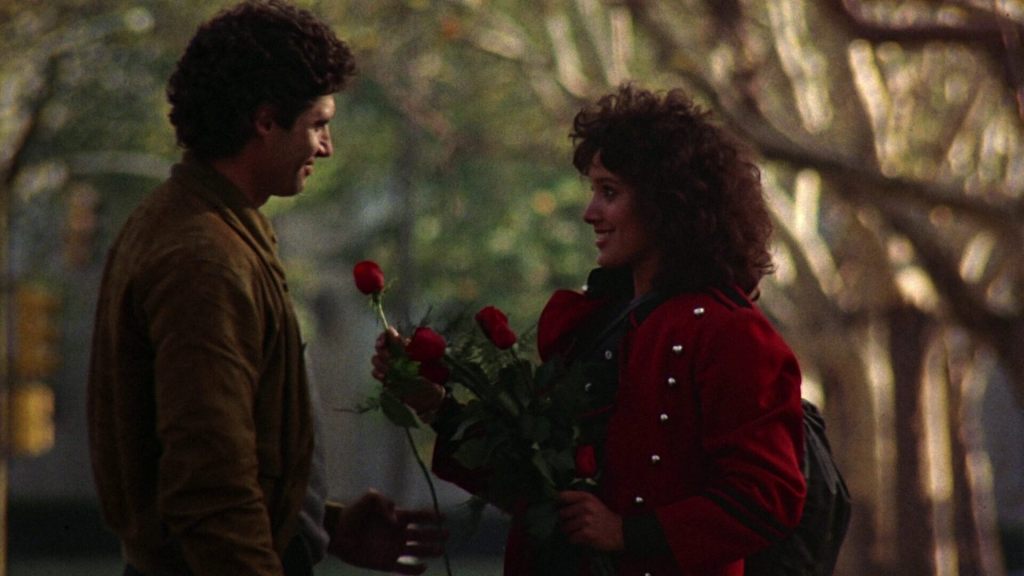
The film explores themes of female empowerment, aspiration, sexuality, and control, as well as determination and resilience. It follows Alex as she overcomes her fears and limitations to pursue her passion, a central aspect of the story. While it may feel somewhat formulaic compared to today’s cinema, the film is a classic example of the aspirational films that dominated screens in the 1980s.