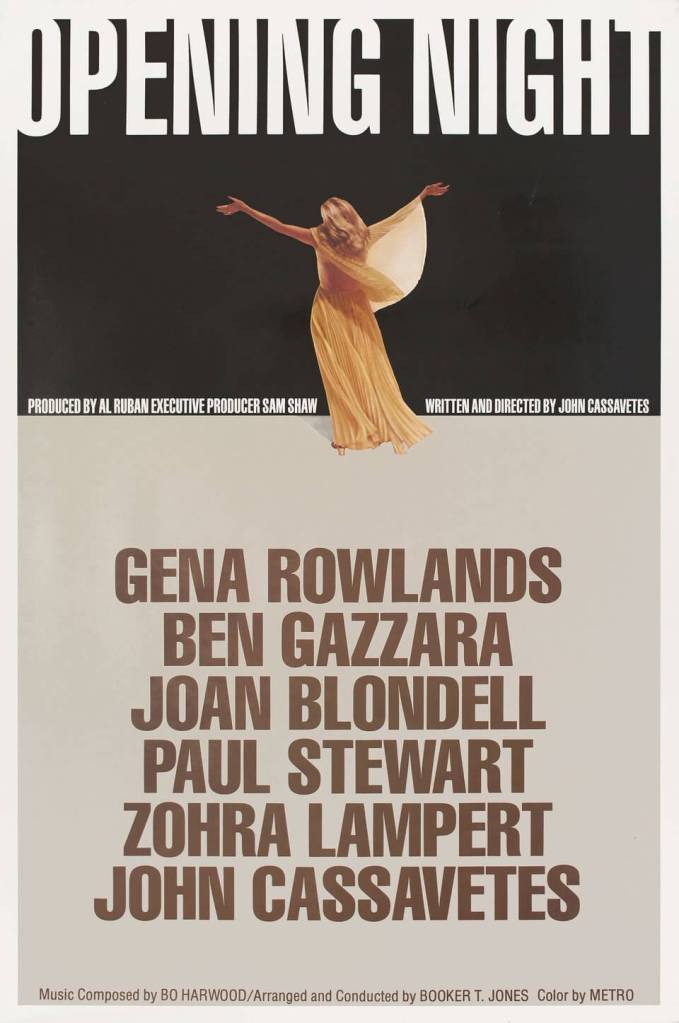
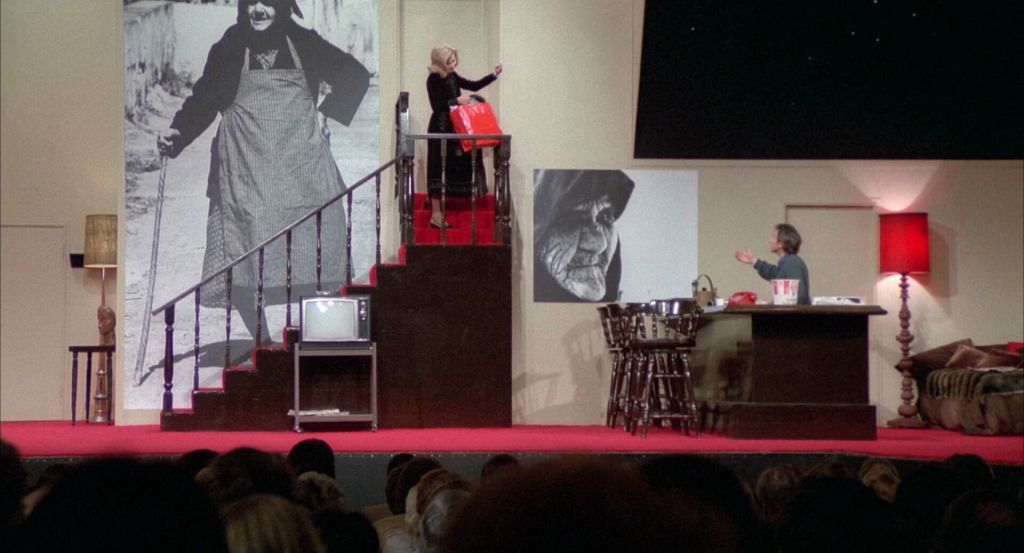
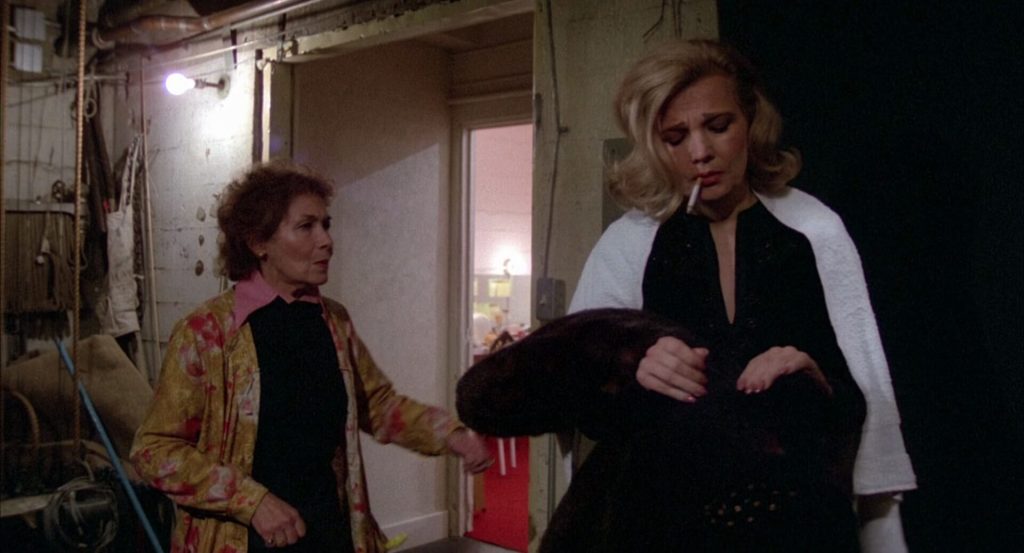
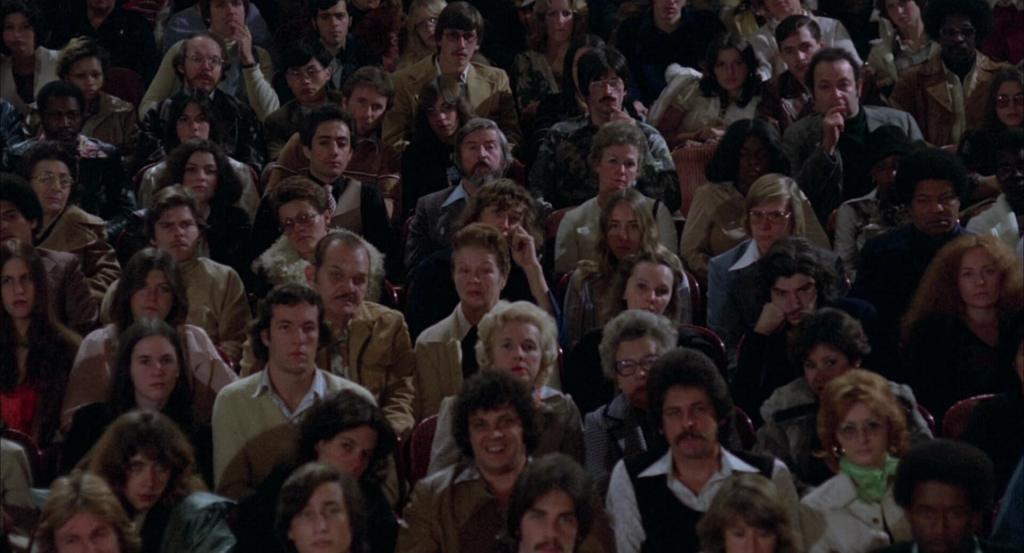
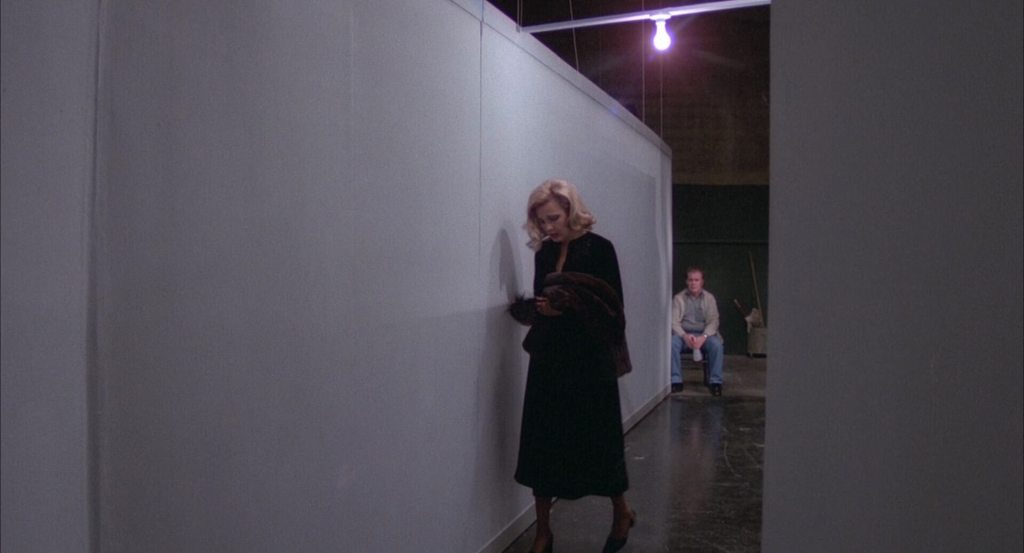
“Opening Night” is a 1977 raw, emotionally charged drama directed by John Cassavetes, starring Gena Rowlands in one of her most complex and celebrated roles. The film delves into the psychological unraveling of a stage actress confronting a personal and professional crisis as she prepares for the premiere of a new play. Set primarily within the theater world, it’s a penetrating meditation on aging, identity, performance, and the fragile boundary between reality and illusion.
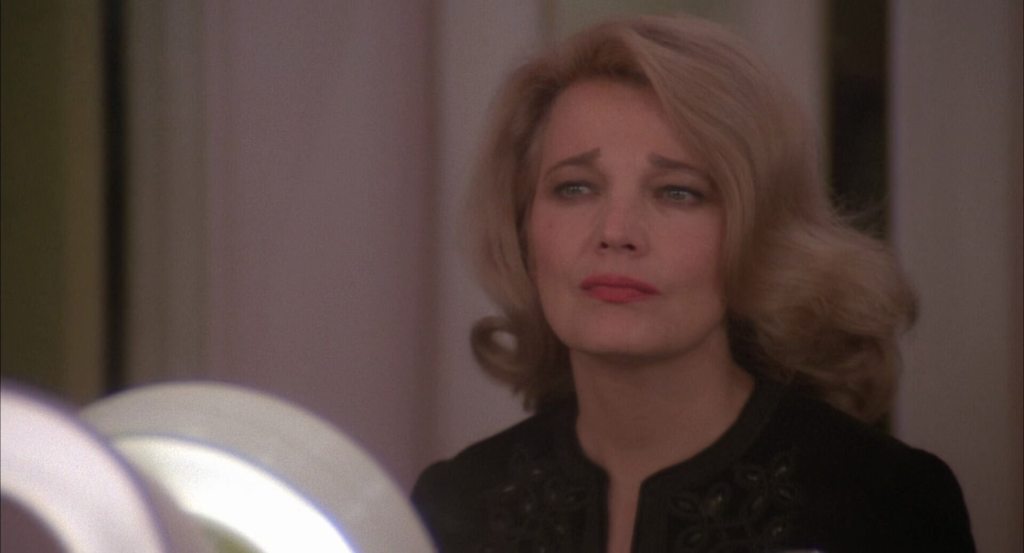
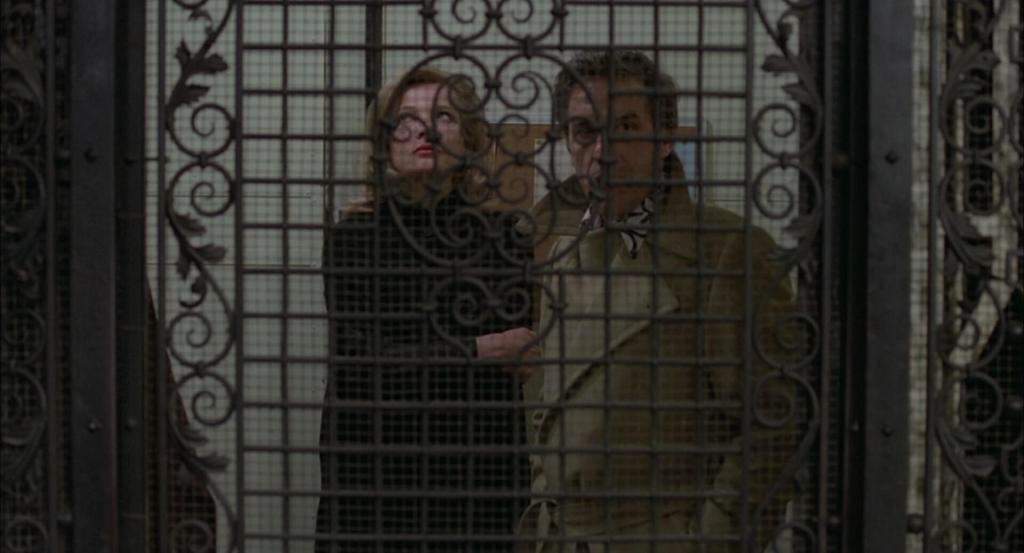
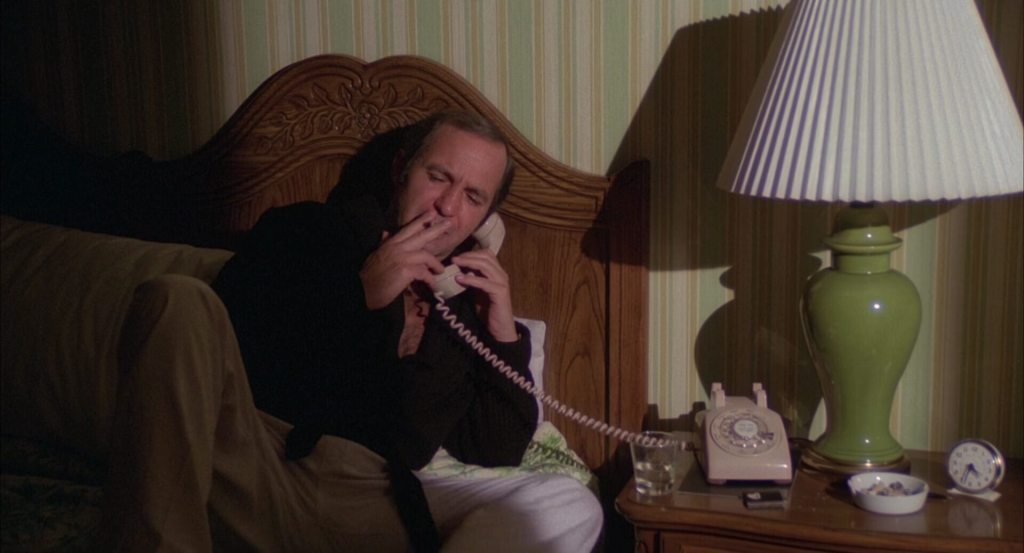
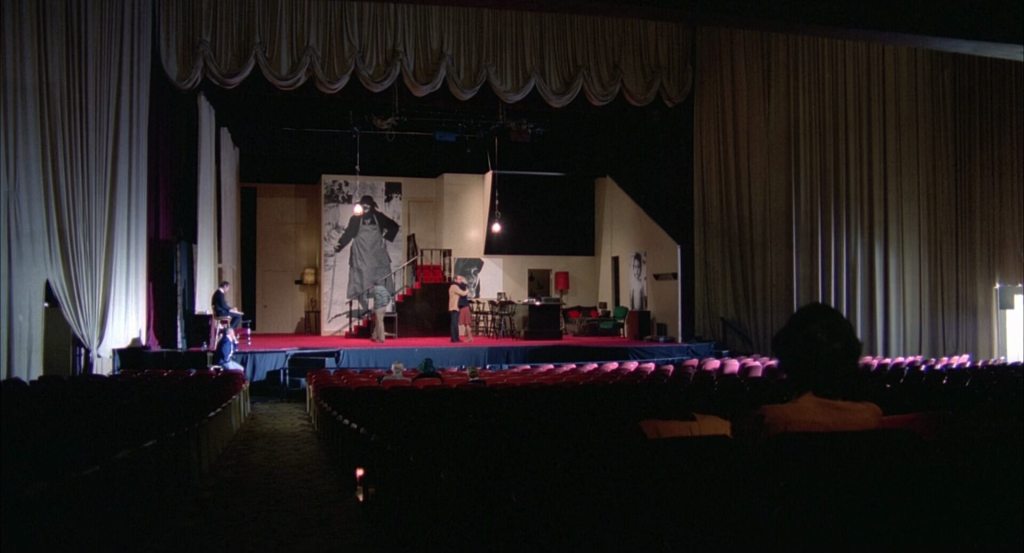
Myrtle Gordon (Gena Rowlands) is a renowned stage actress rehearsing a new play called “The Second Woman,” written by Sarah Goode (Joan Blondell) and produced by David Samuels (Paul Stewart) and directed by Manny Victor (Ben Gazzara). The play explores a woman grappling with the realities of aging, which Myrtle deeply resents. She refuses to connect with the character fully, feeling the portrayal reinforces societal stereotypes about women becoming irrelevant with age.
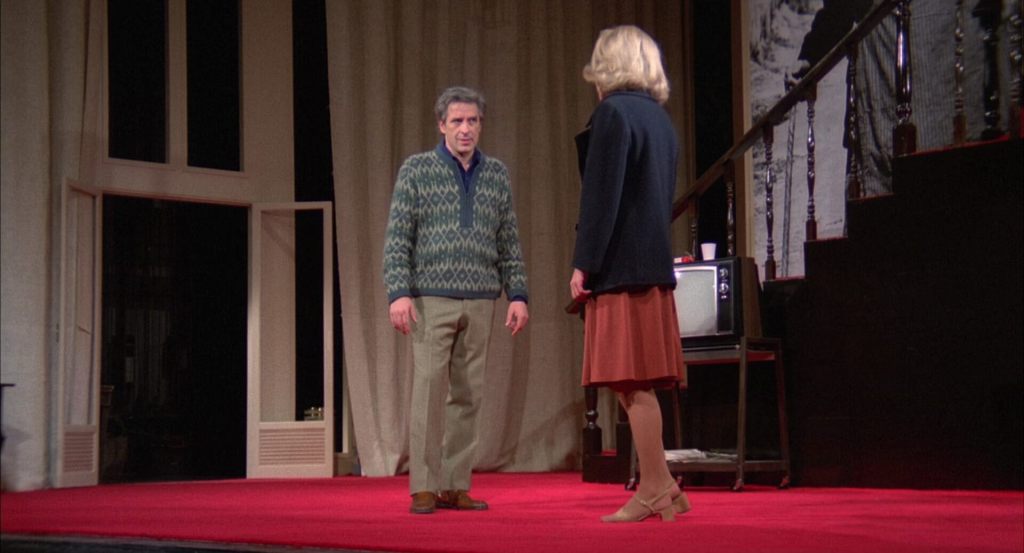
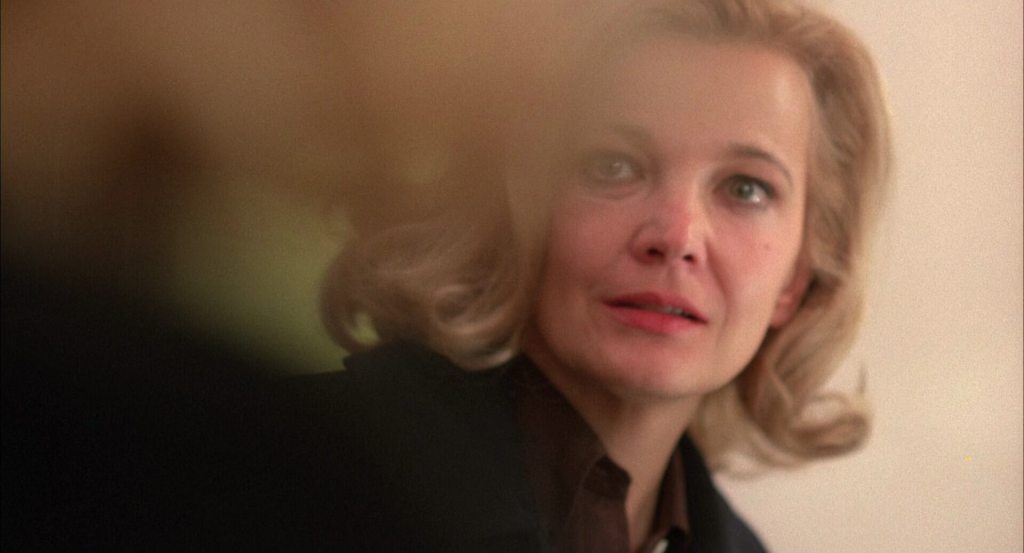
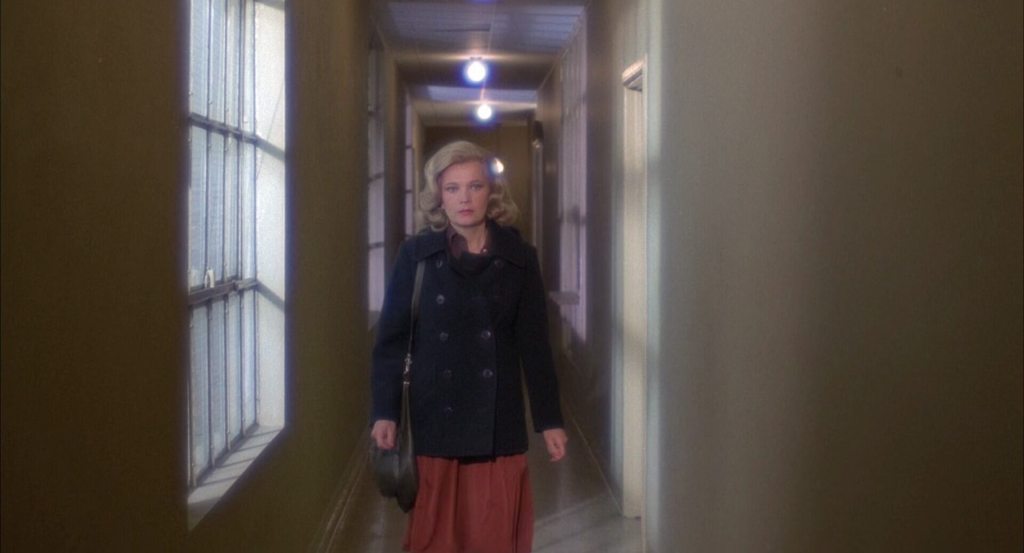
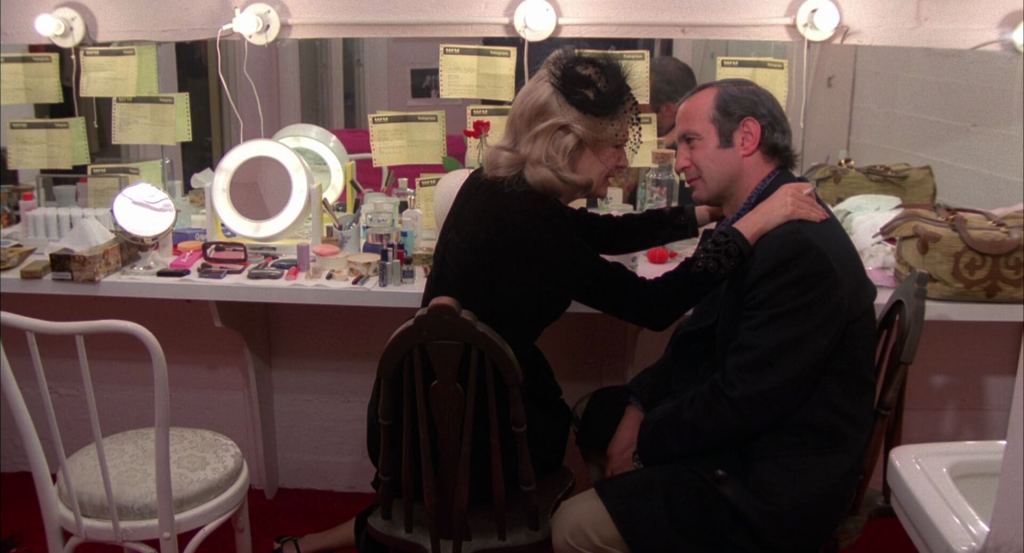
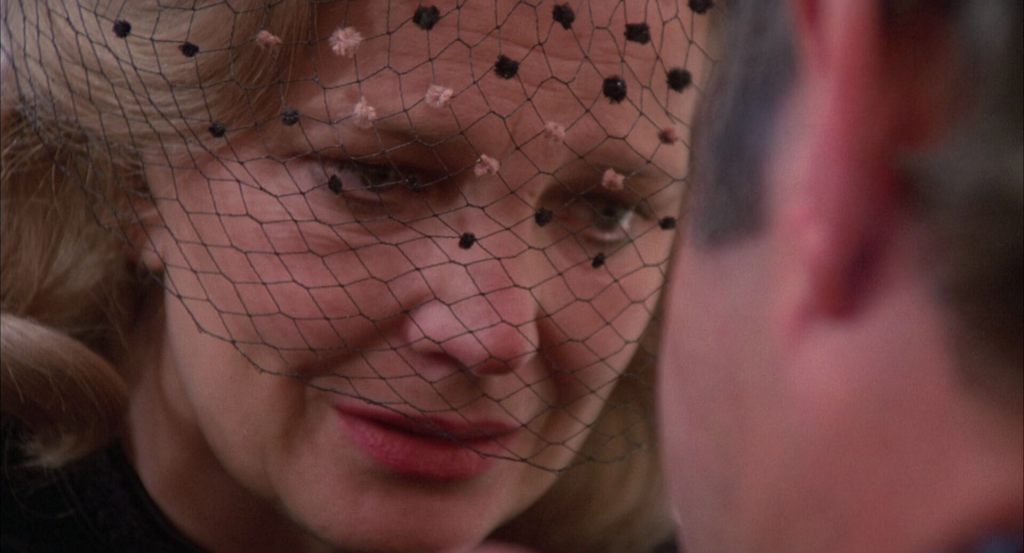
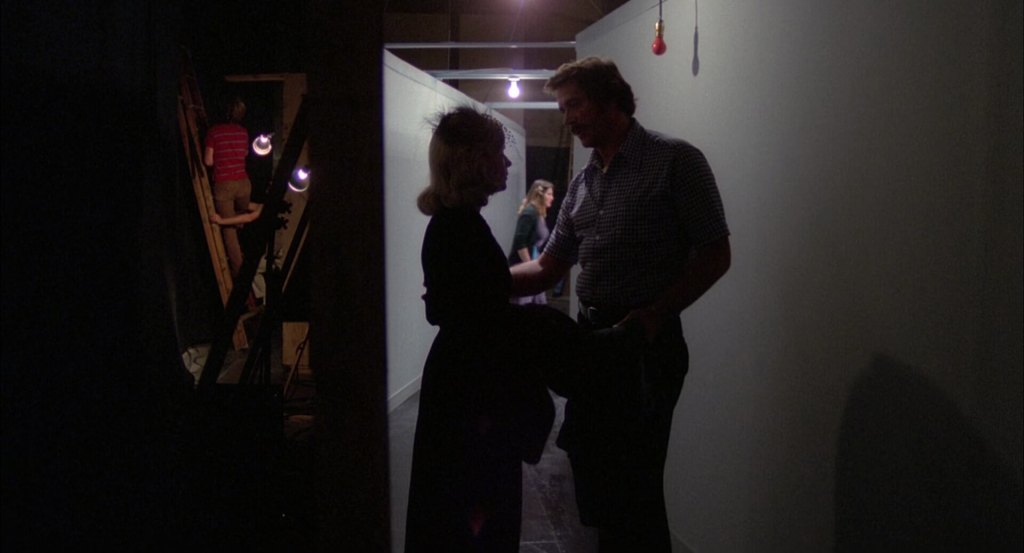
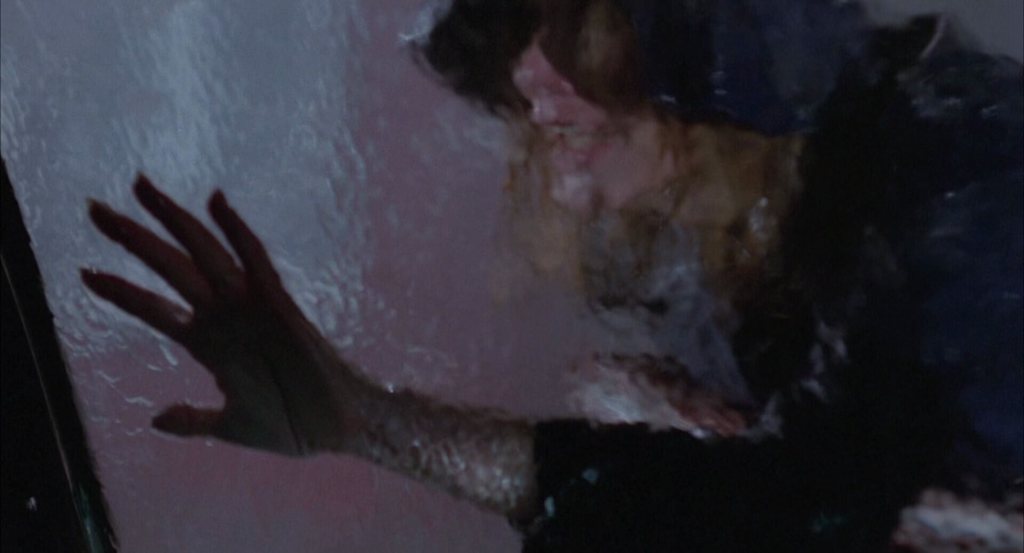
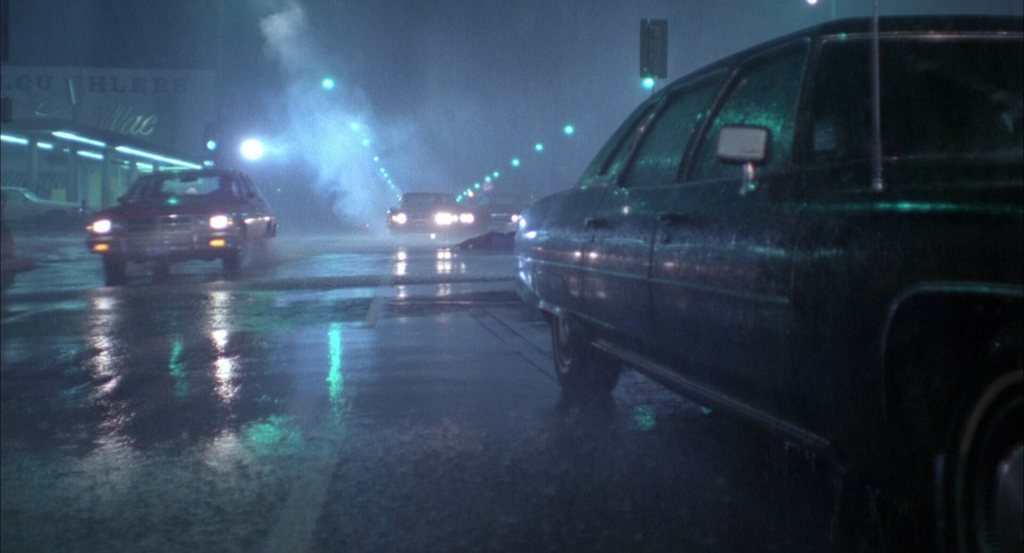
During the out-of-town previews in New Haven, a devoted young fan named Nancy Stein rushes Myrtle after a performance to express her admiration. As Myrtle tries to flee the uncomfortable encounter, Nancy is tragically hit by a car and killed. This traumatic event acts as the catalyst for Myrtle’s psychological deterioration.
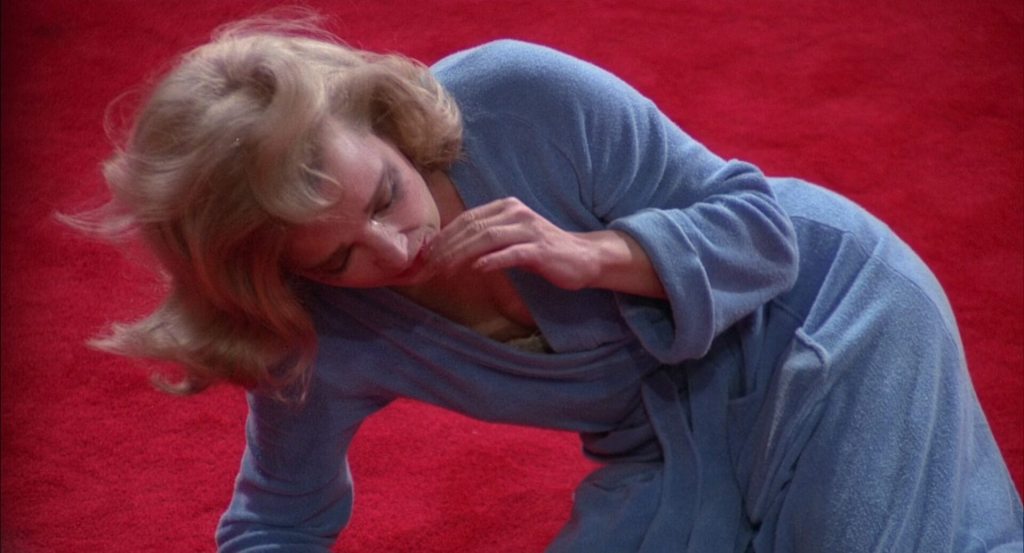
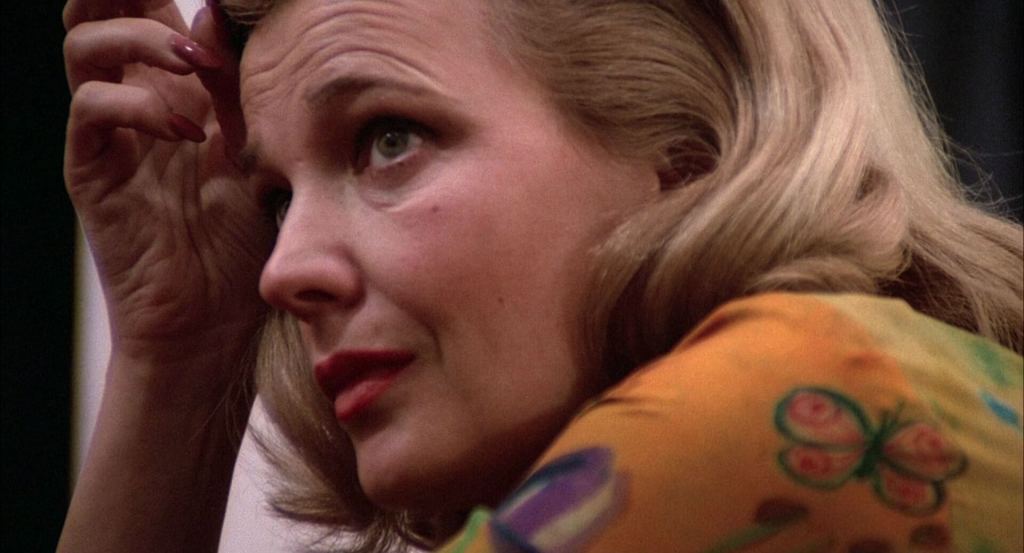
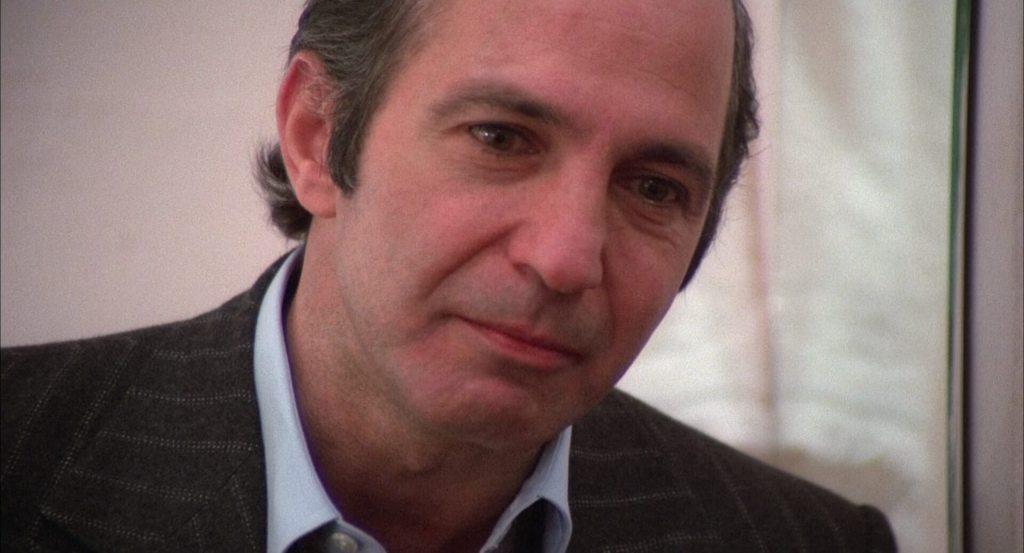
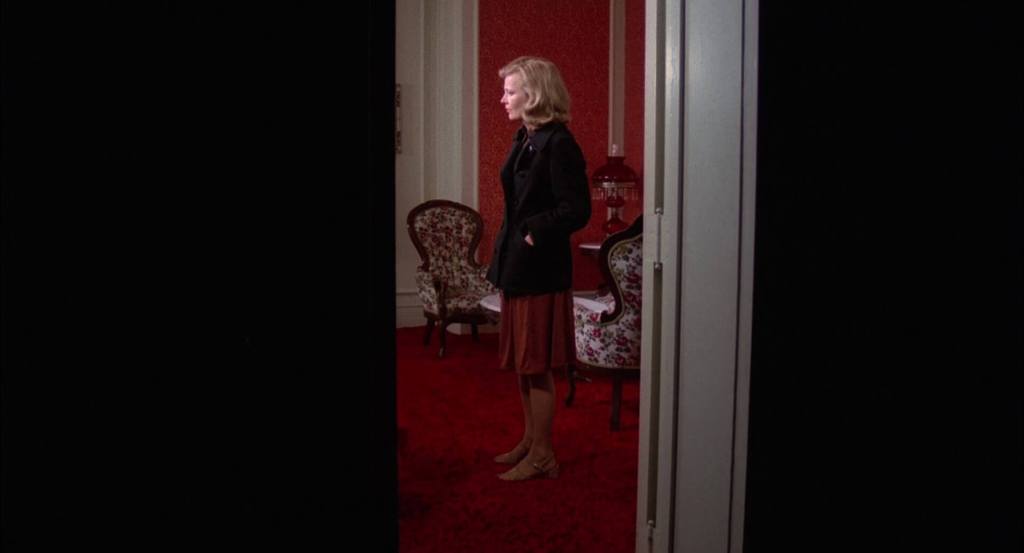
After the accident, Myrtle is visibly shaken by Nancy’s death and begins to experience hallucinations of the young woman. Nancy becomes a ghostly presence, symbolizing both Myrtle’s lost youth and her fear of irrelevance. This spectral figure appears in Myrtle’s dressing room and increasingly violent and surreal interactions, pushing her further into instability. As a result, Myrtle becomes combative during rehearsals, frequently clashing with the writer Sarah Goode. She challenges the play’s content, claiming that it lacks vitality and authenticity, especially in its portrayal of older women. These scenes blur the lines between artistic disagreement and personal crisis.
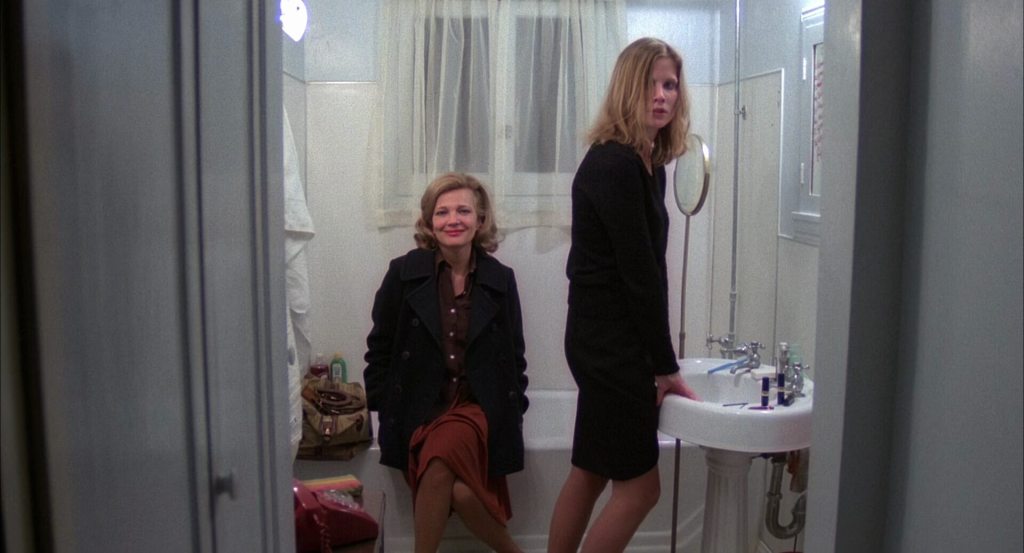
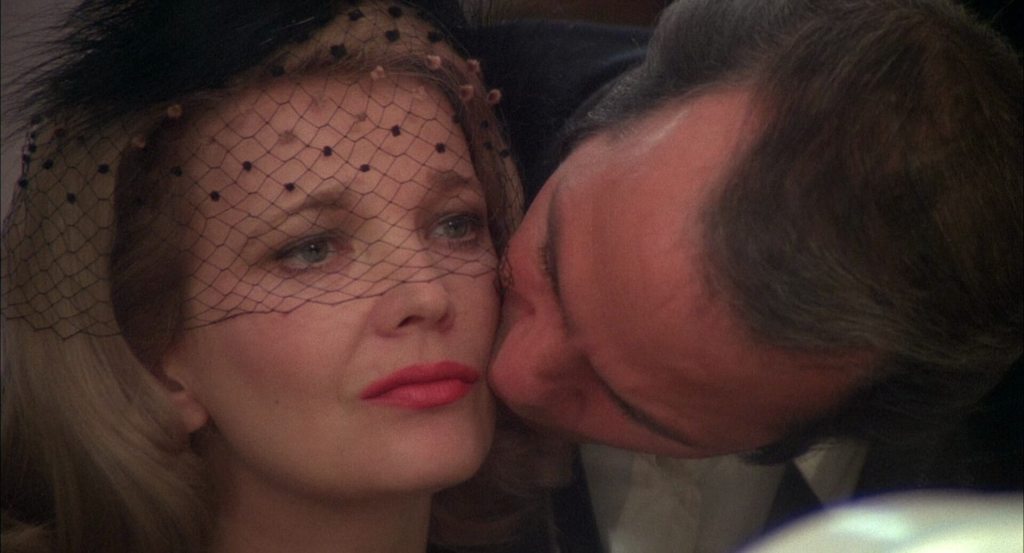
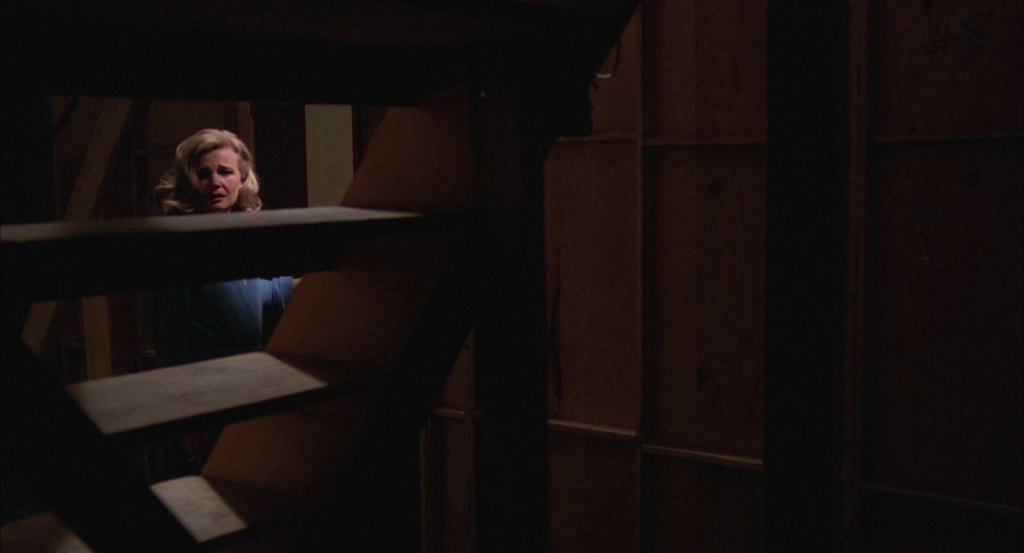
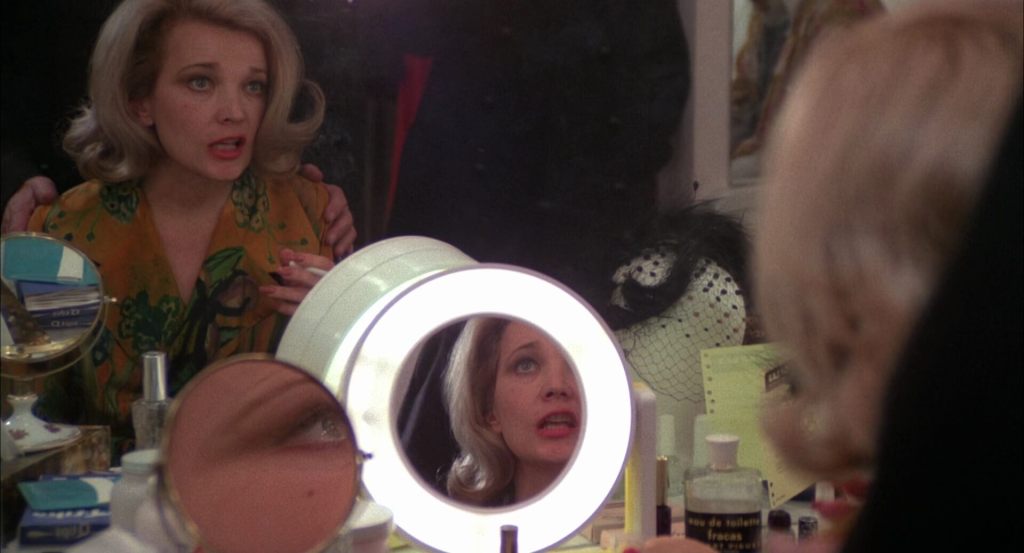
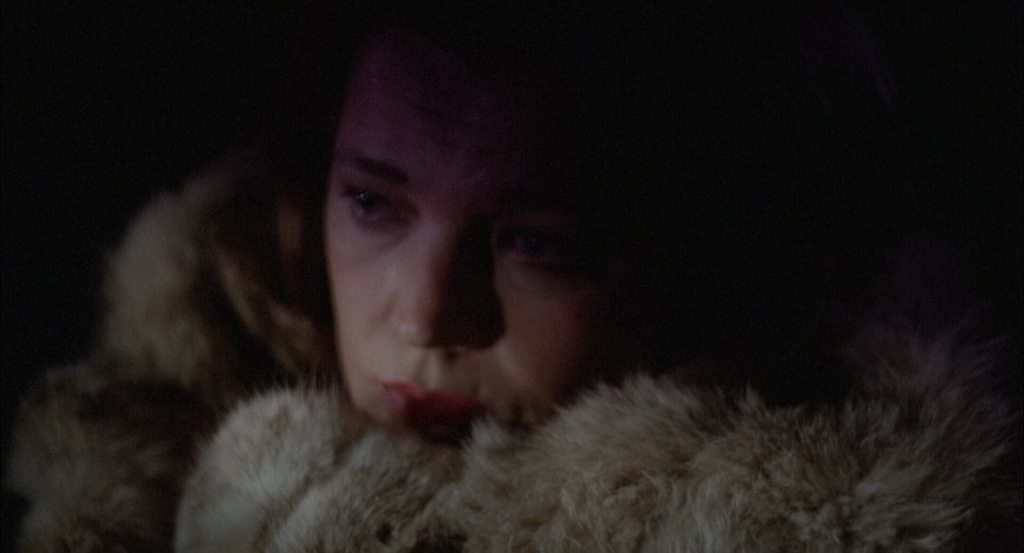
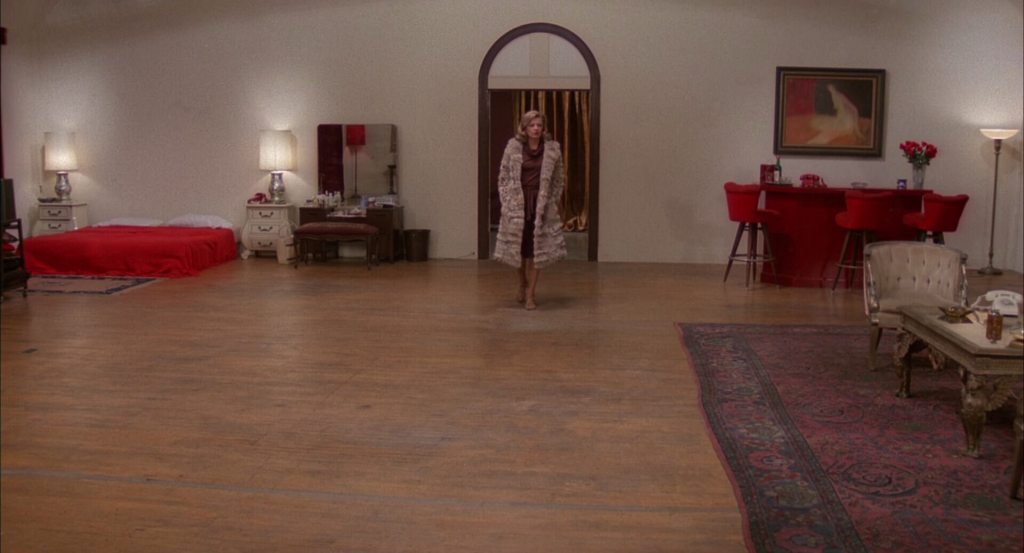
Myrtle’s former lover and co-star, Maurice Aarons (Cassavetes), attempts to offer support, but their past intimacy complicates their dynamic. Their onstage chemistry begins to fracture under Myrtle’s erratic behavior, including missed cues and emotional outbursts.
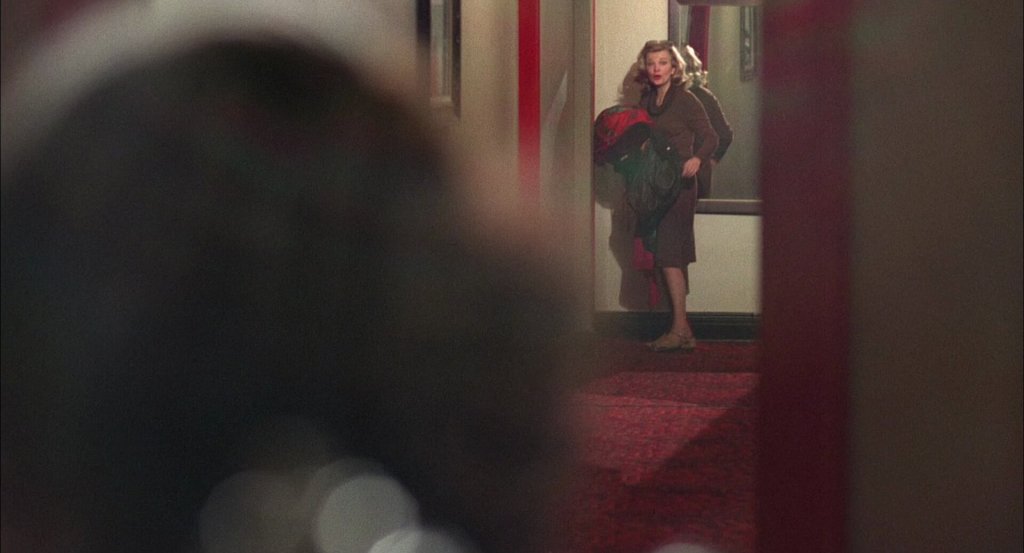
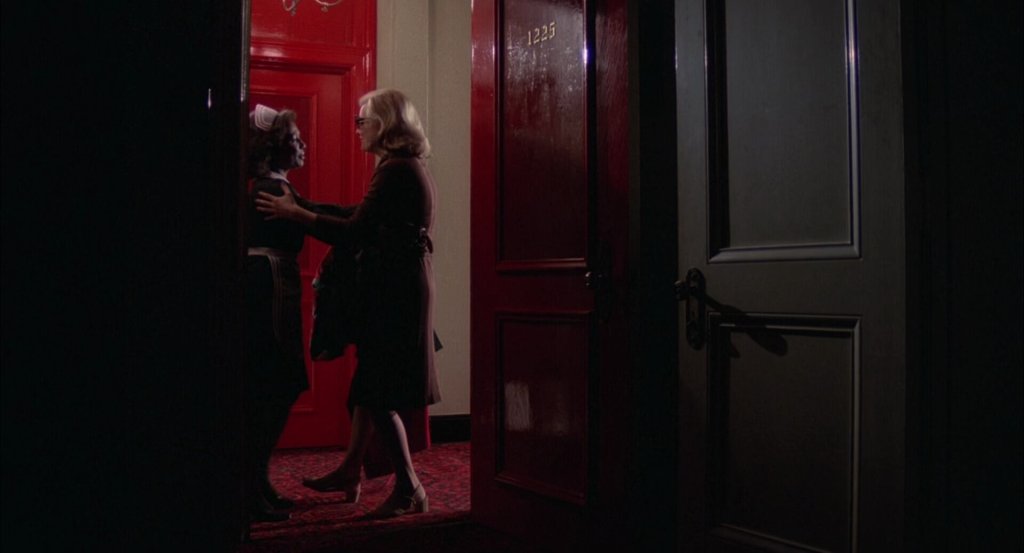
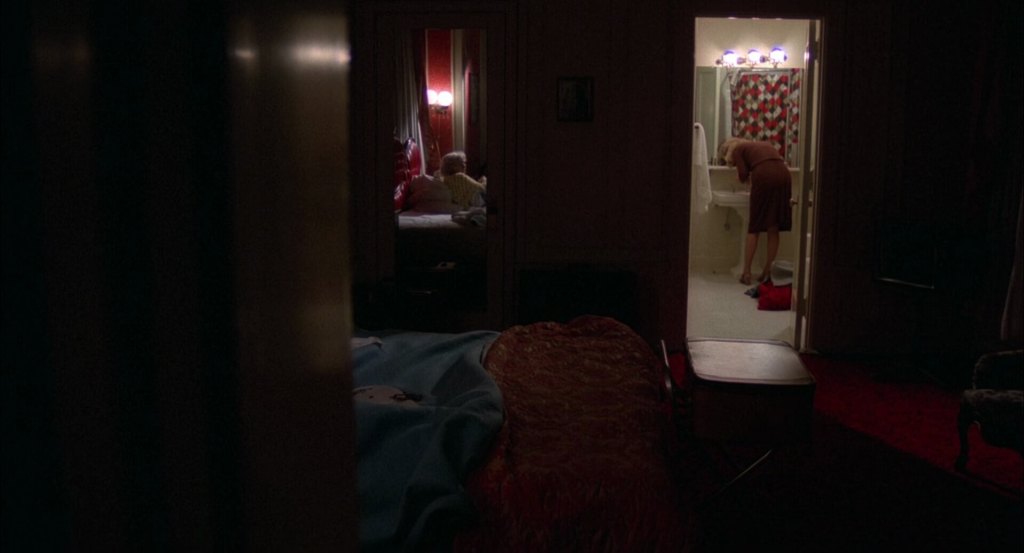
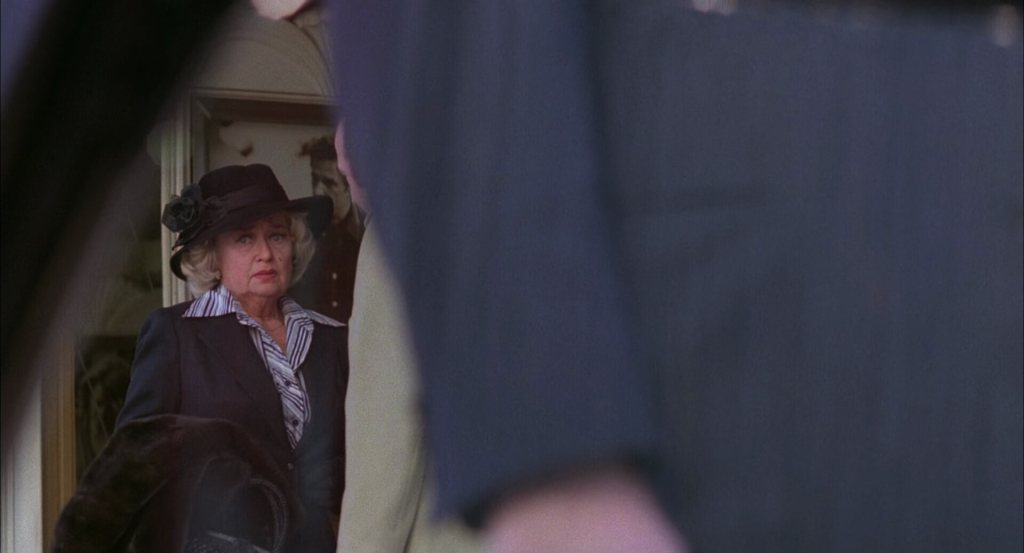
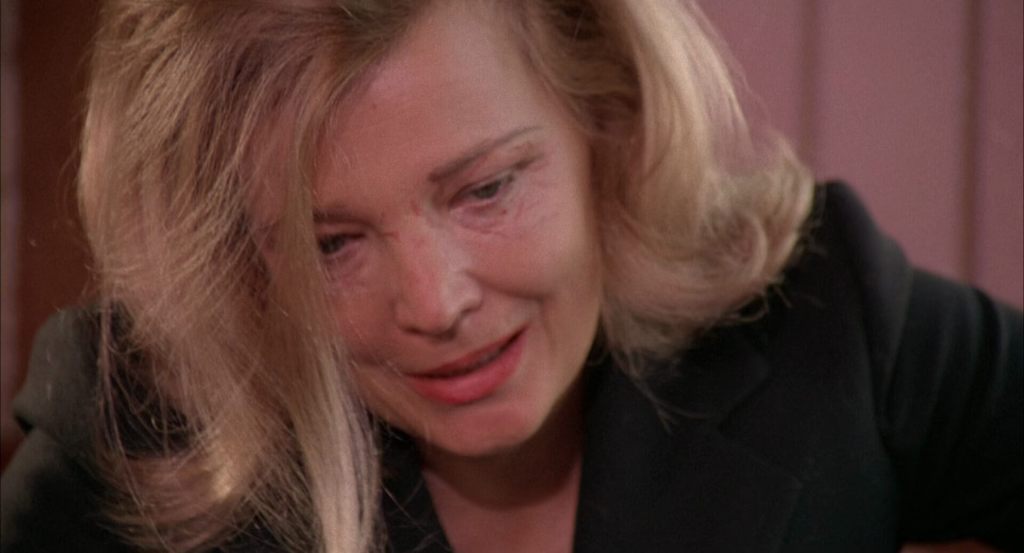
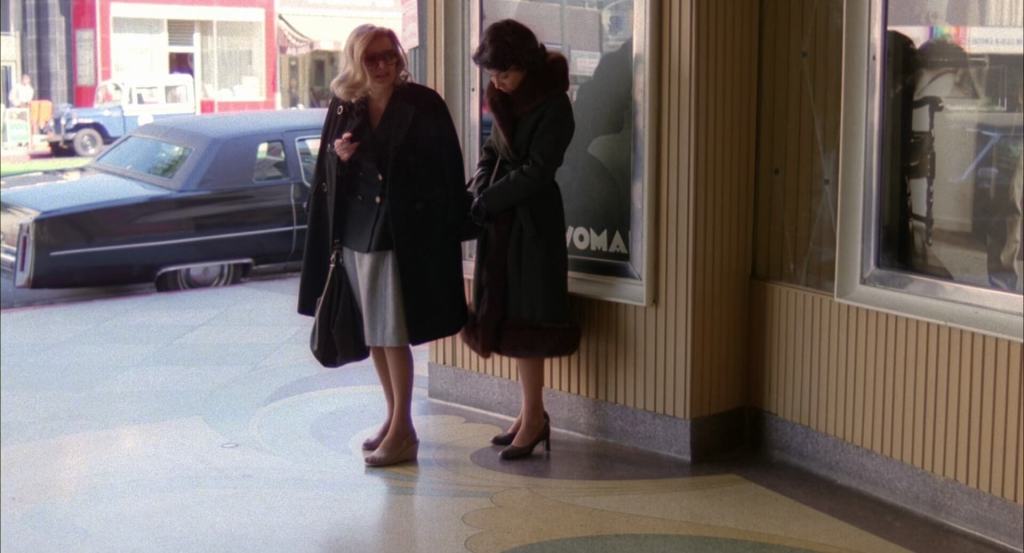
Manny Victor, the director of the play (Ben Gazzara), acts as a cool-headed mediator, attempting to keep the production on track while also protecting Myrtle. As she spirals deeper into self-doubt and hallucination, Manny becomes increasingly frustrated but also sympathetic, recognizing her genius as well as her fragility. Myrtle begins drinking heavily and wandering the city alone. In a pivotal sequence, she visits a medium in a desperate attempt to understand Nancy’s visions. The film plunges into surreal territory as Myrtle attempts to reconcile the real and the imagined, youth and age, and the self with the character she’s supposed to portray.
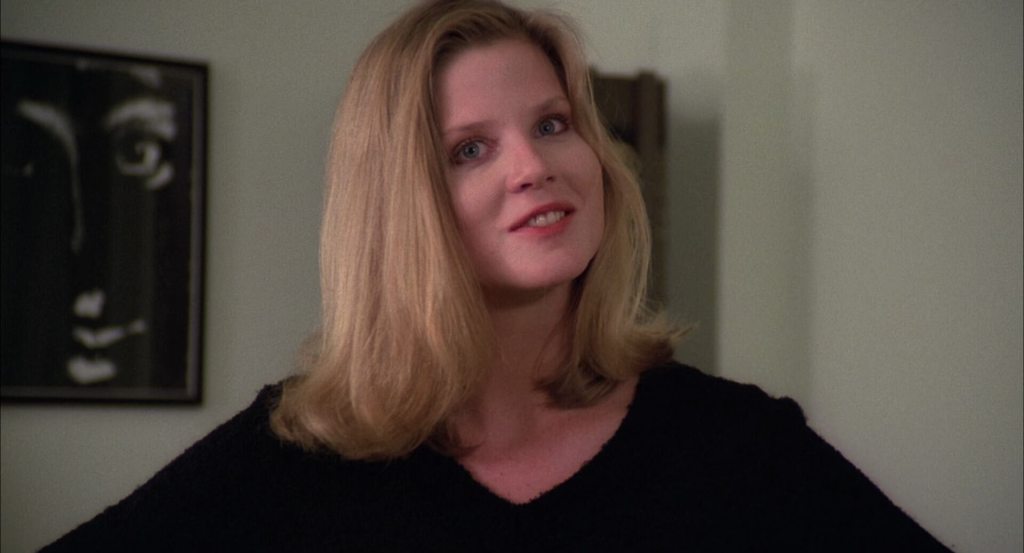
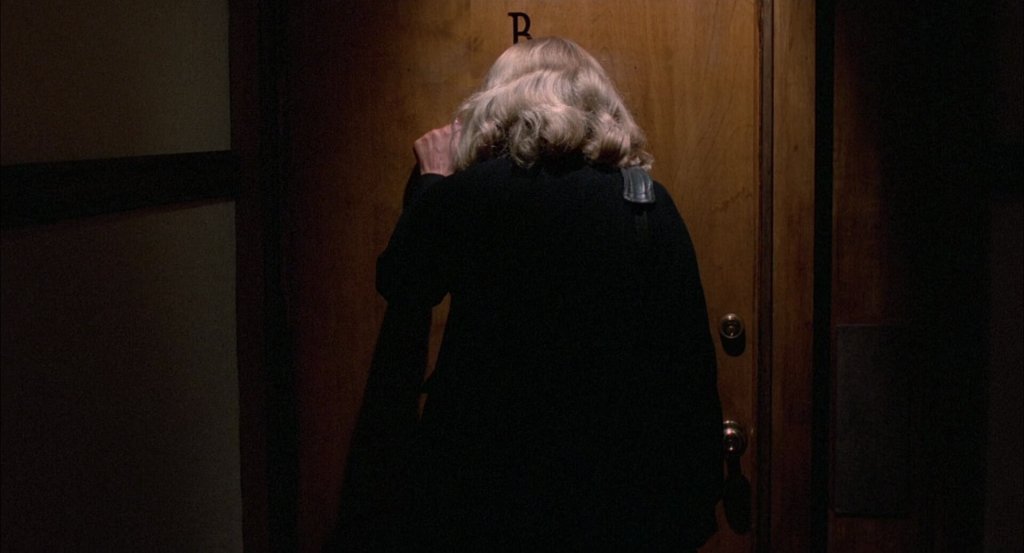
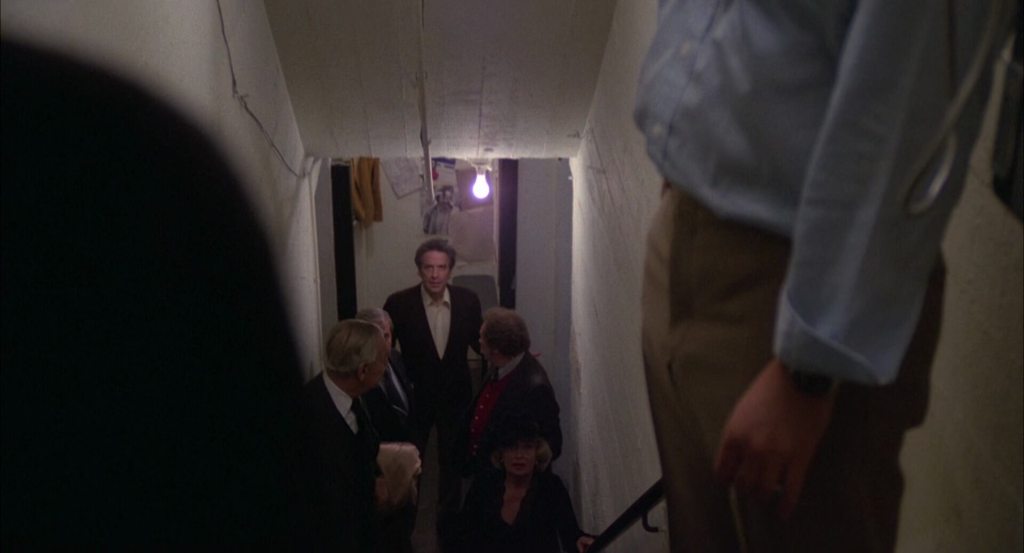
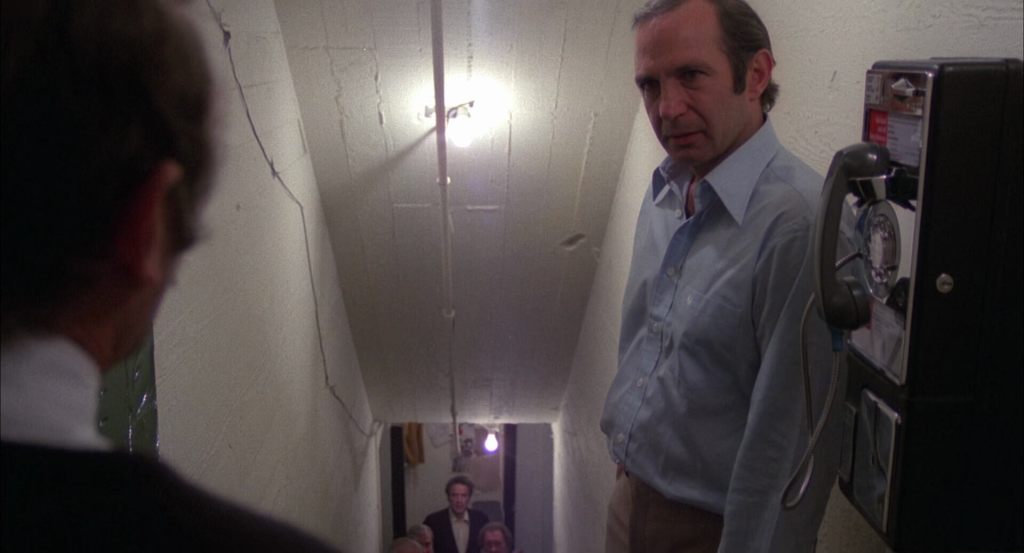
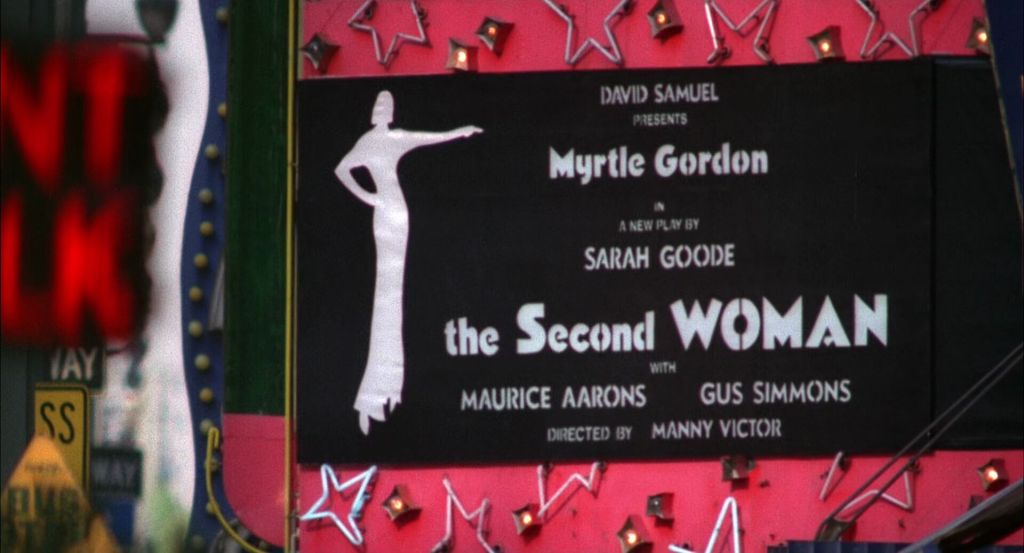
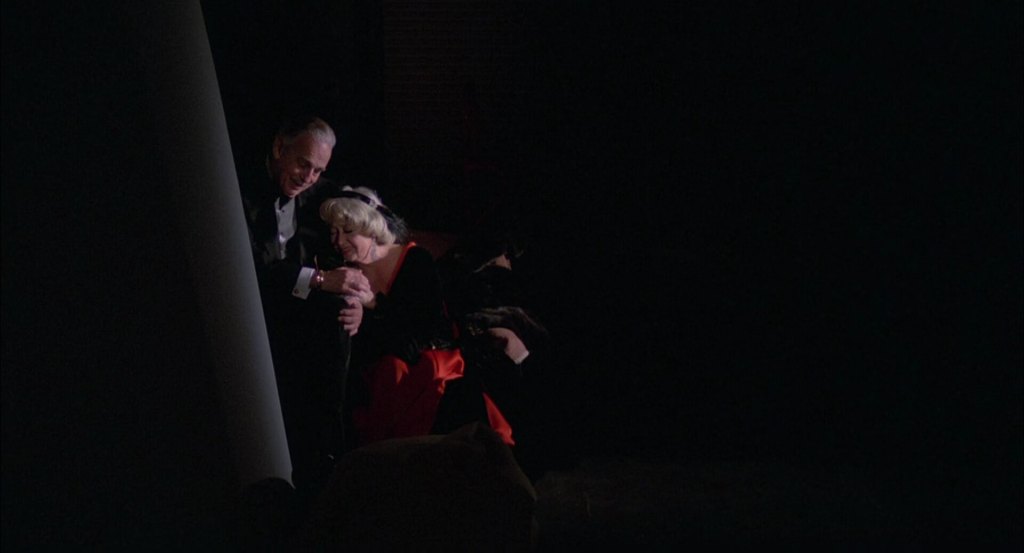
The climactic scene is the play’s Broadway debut. Despite her breakdowns and threats to quit, Myrtle shows up, albeit unrehearsed and improvisational. In an electric and unpredictable performance, she begins rewriting lines, laughing, crying, and moving off-script in ways that both electrify and unnerve the audience and cast. This act of spontaneous rebellion becomes a cathartic reinvention of the role.
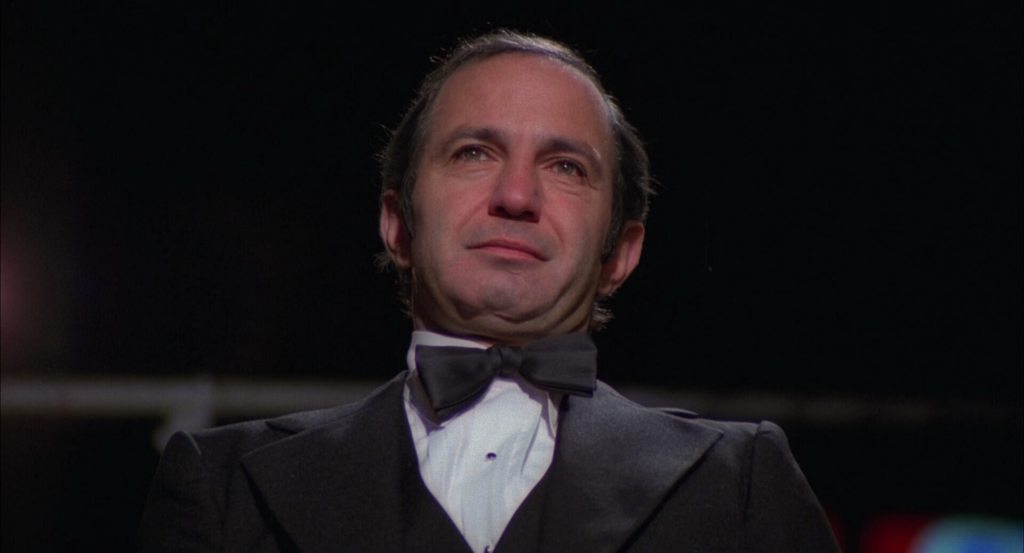
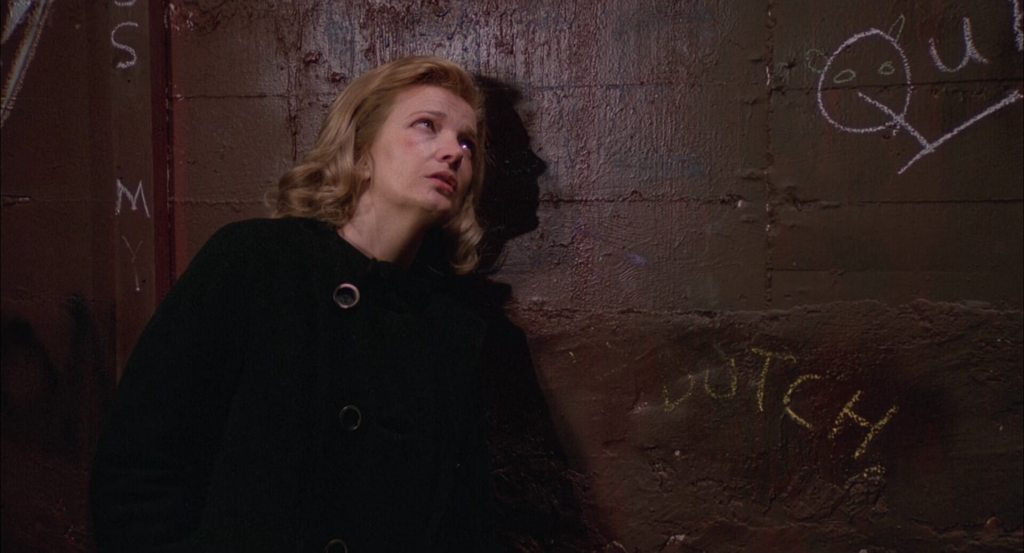
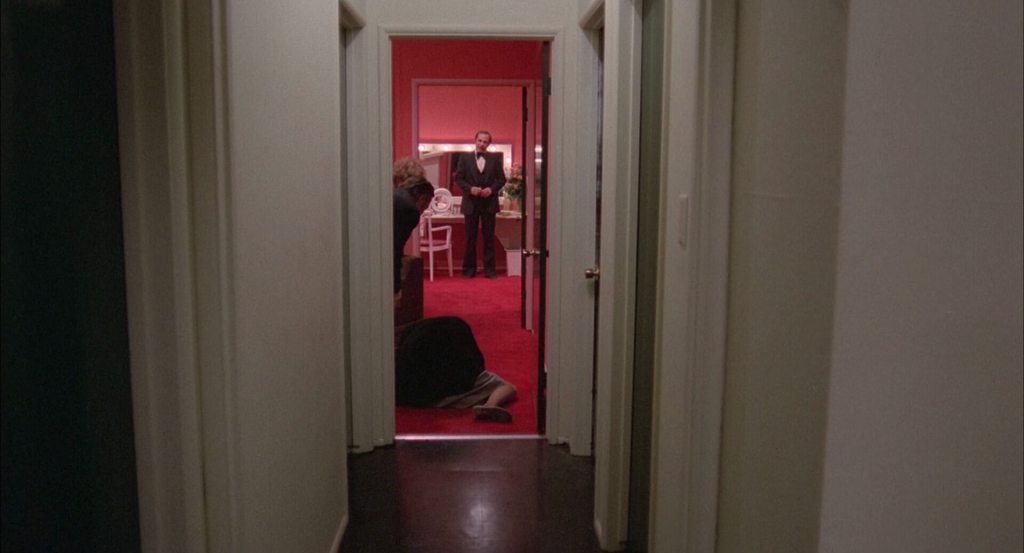
The film delves into themes that explore the concept of Art Imitating Life, such as Myrtle’s inability to separate herself from her role, which becomes the central conflict. The play becomes a mirror she refuses to look into, and Nancy’s ghost embodies that refusal. It also confronts societal perceptions of aging, especially for women in the public eye. Myrtle’s descent is not simply a breakdown but a refusal to be boxed in by a world that doesn’t see women as complex after a certain age.
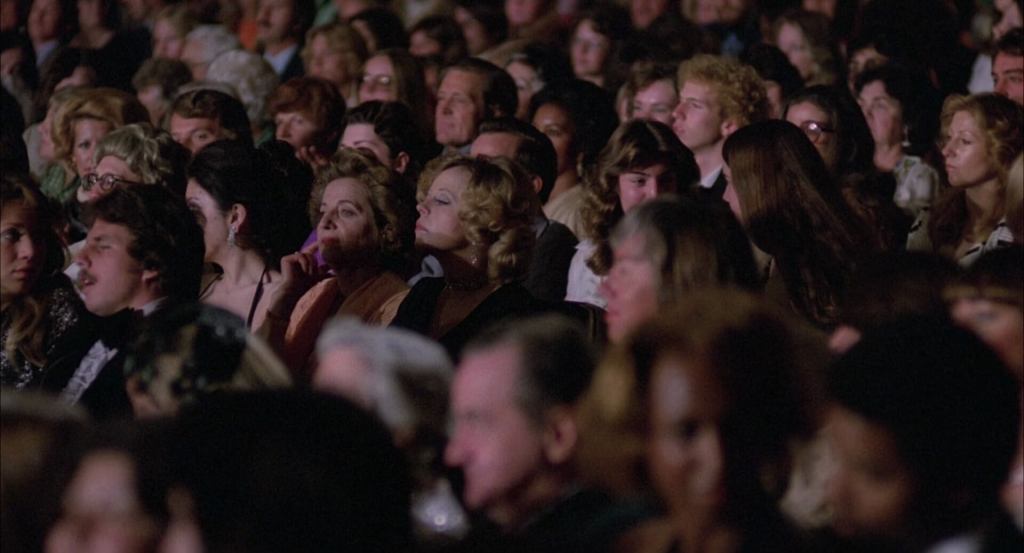
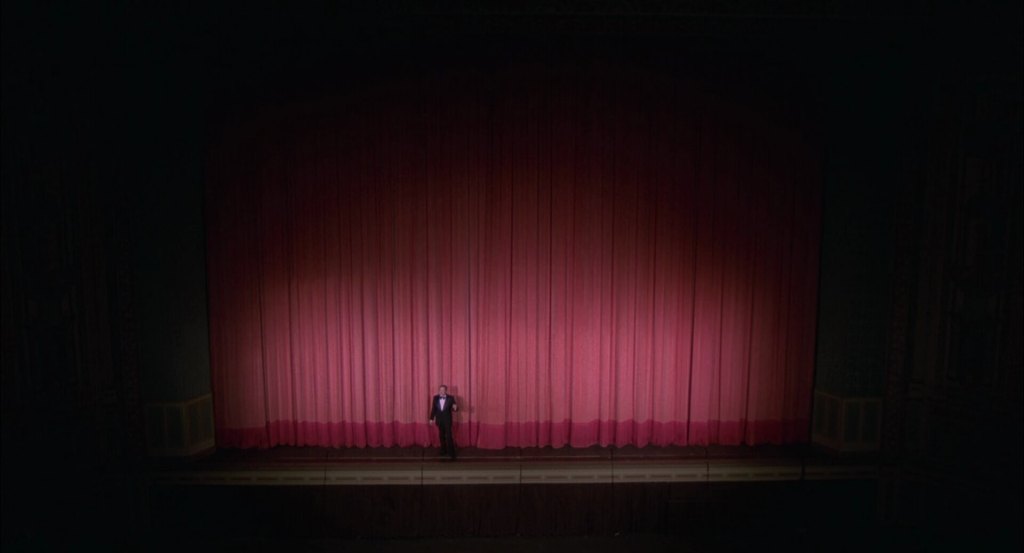
Cassavetes uses the rehearsal process as a crucible where egos, vulnerabilities, and creativity collide. Theater becomes a metaphor for life — with its scripts, expectations, masks, and inevitable improvisations.
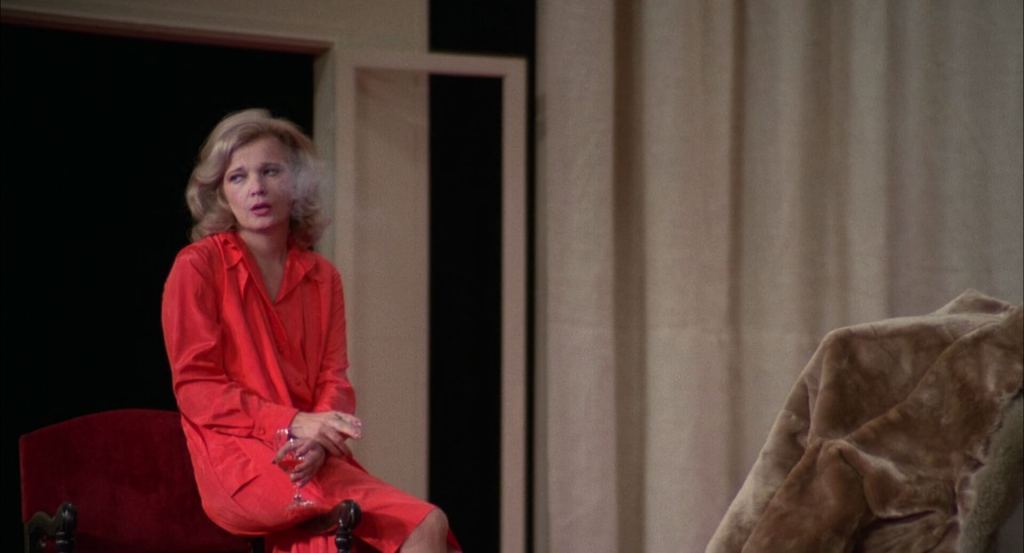
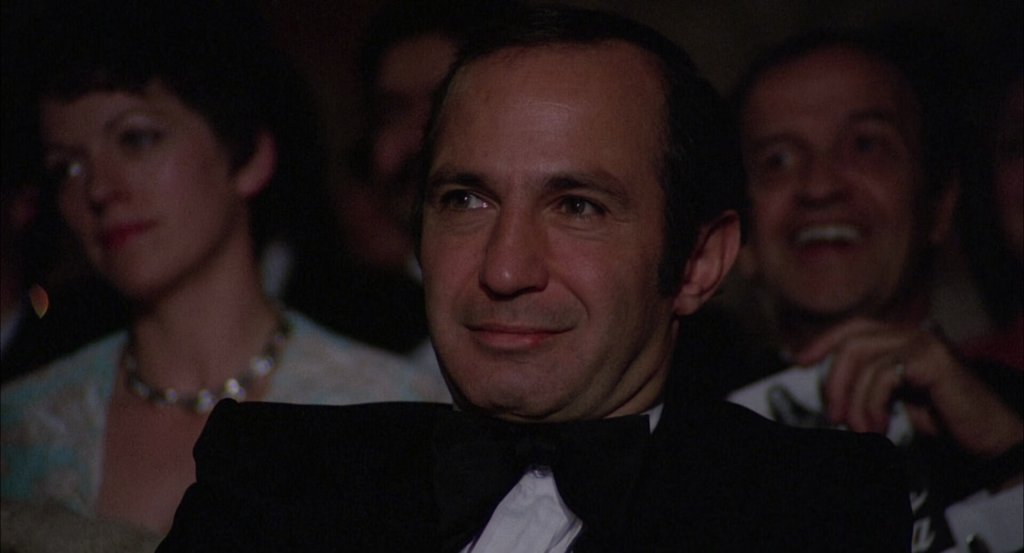
The film is also noted for Cassavetes’ signature handheld camera work, overlapping dialogue, and improvisational tone, which heighten the sense of emotional realism. It almost feels documentary-like in its rawness, especially in scenes where characters confront one another without easy resolution. Upon release, Opening Night initially received a mixed critical response, but it has since been regarded as one of Cassavetes’ most powerful works.