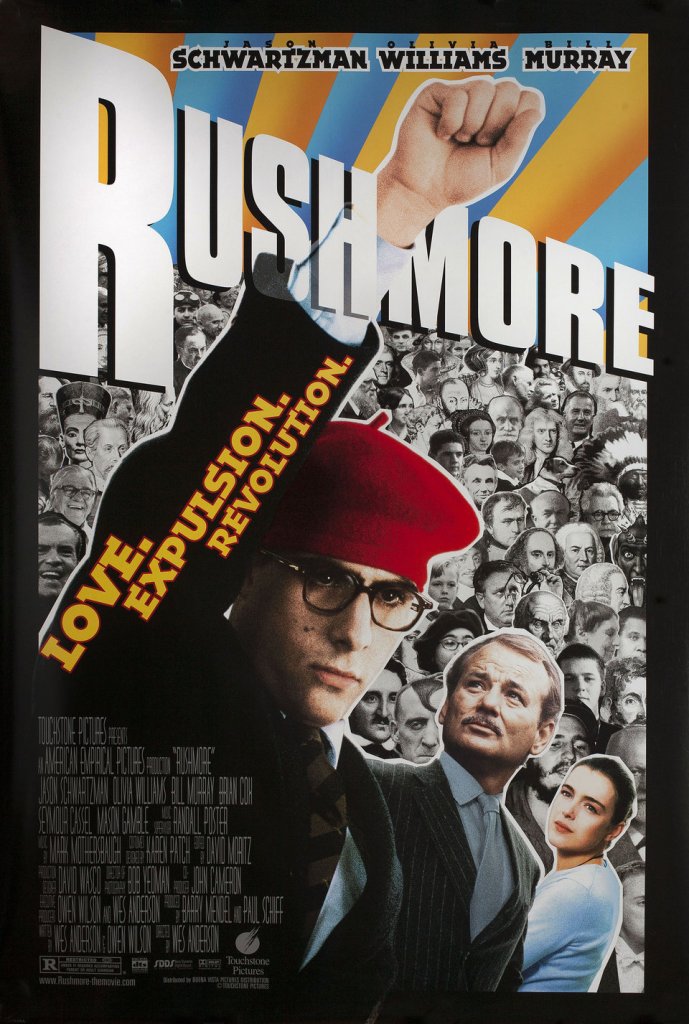
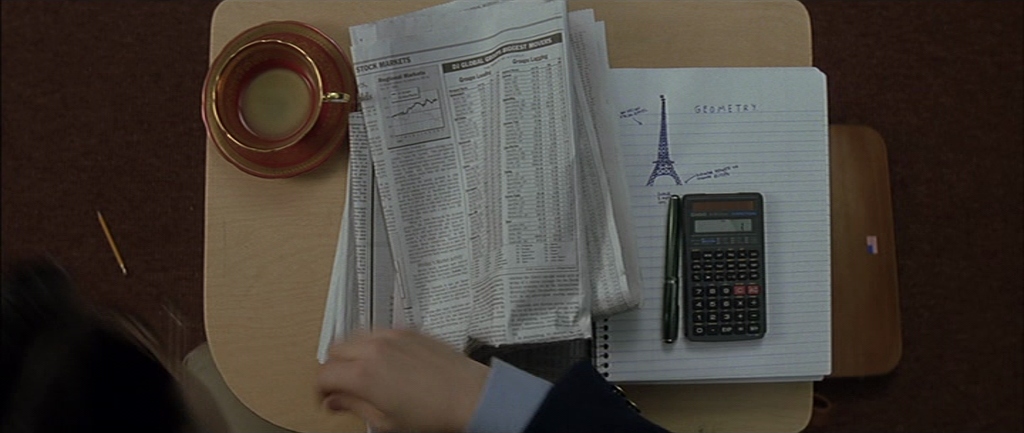
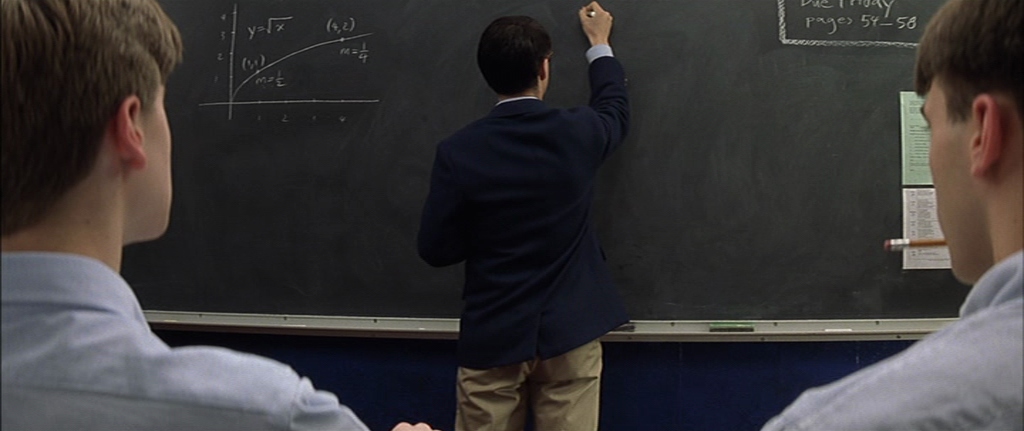
“Rushmore” is a 1998 coming-of-age dramedy directed by Wes Anderson, characterized by his signature stylized, deadpan tone. It tells the story of an eccentric and ambitious teenager, Max Fischer, as he navigates love, rivalry, and personal growth at the prestigious Rushmore Academy. The film is Anderson’s sophomore feature and marks the first collaboration between him and Bill Murray, who would become a recurring figure in his later films. The film also features Luke Wilson (who co-wrote Rushmore) as Dr. Peter Flynn, Seymour Cassel as Bert Fischer, and Brian Cox as Dr. Nelson Guggenheim.
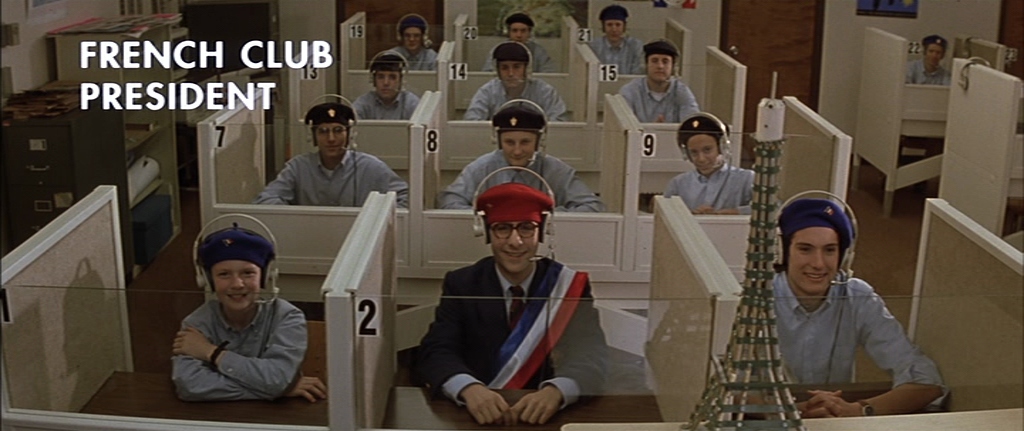
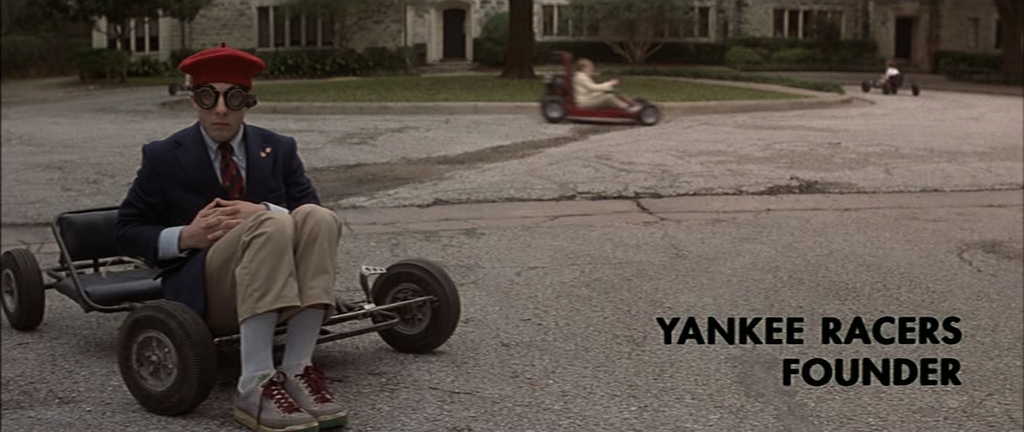
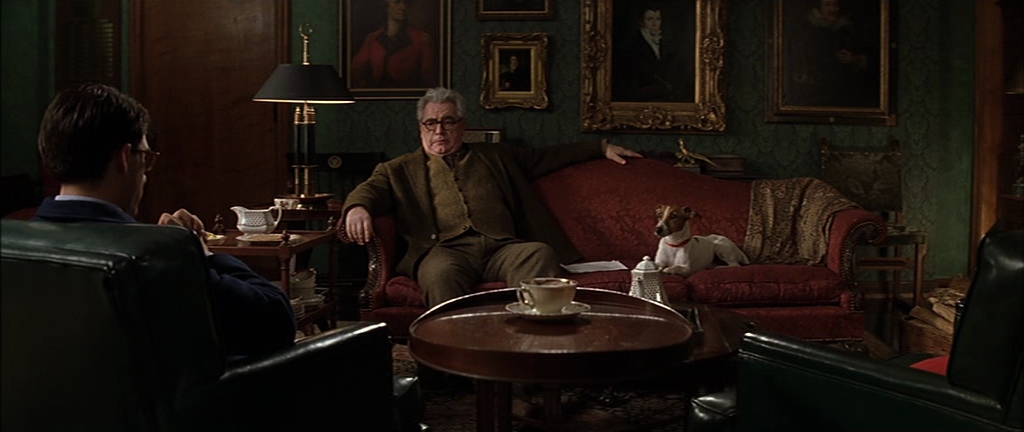
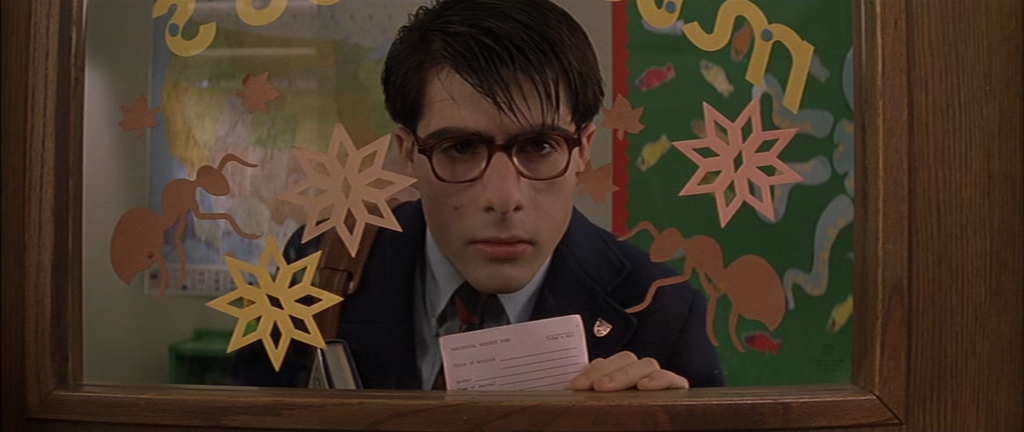
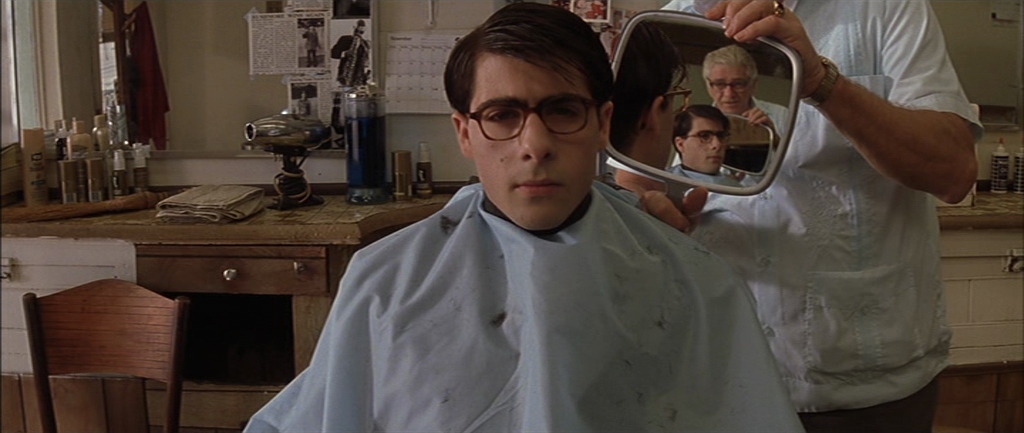
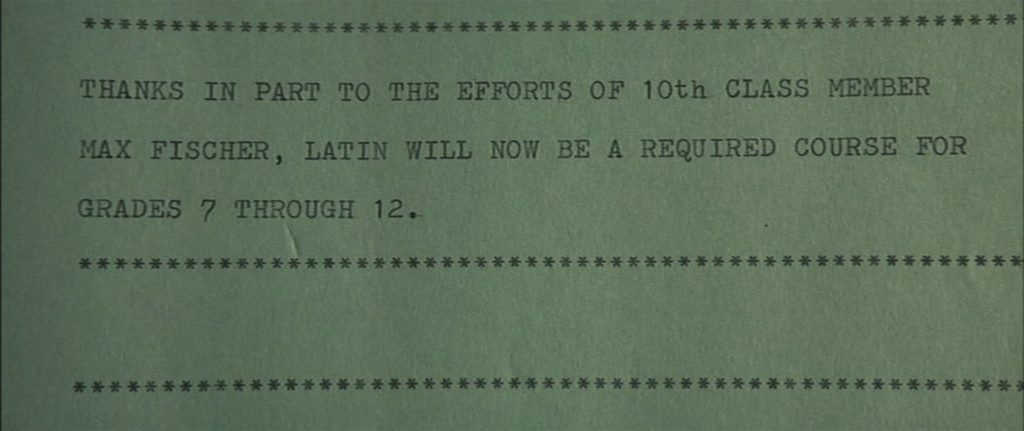
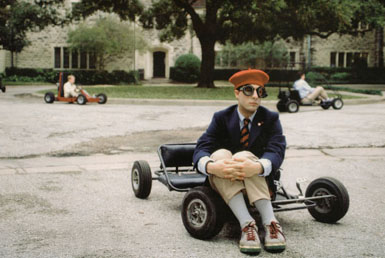
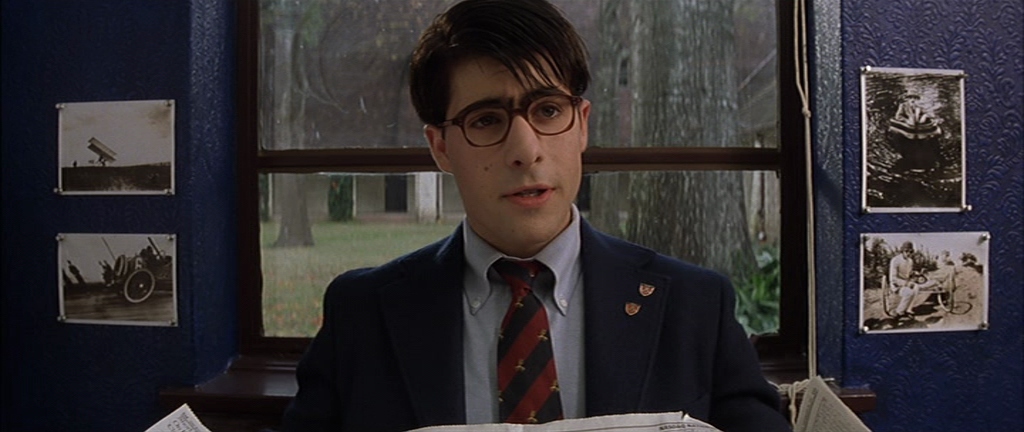
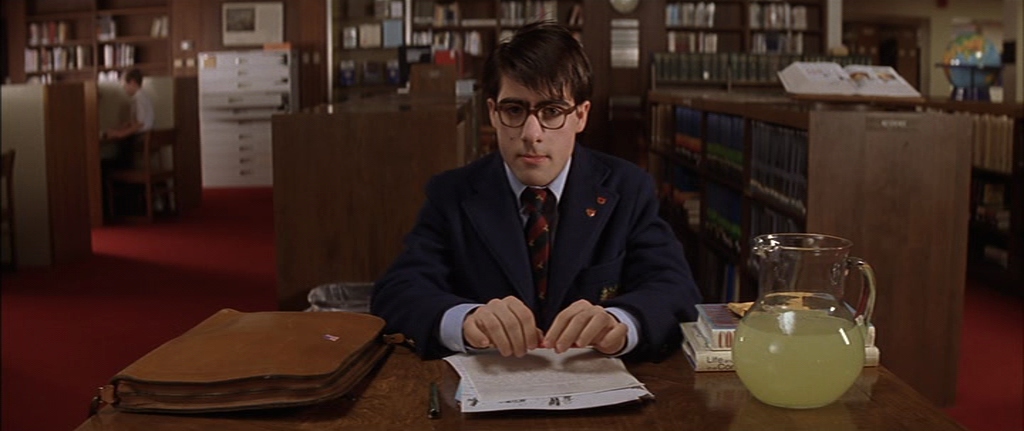
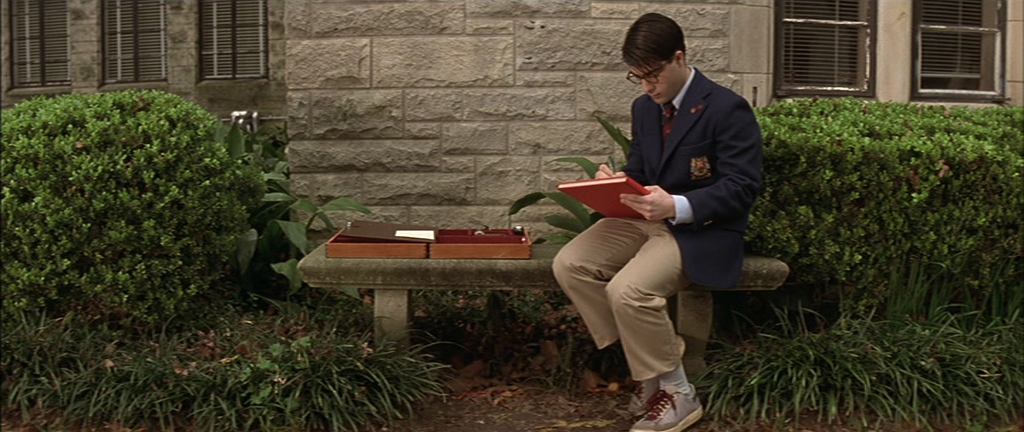
At the center of the story is Max Fischer (Jason Schwartzman), a precocious, wildly imaginative 15-year-old student at Rushmore Academy. Although his academic performance is abysmal, he is deeply involved in a staggering number of extracurricular activities — serving as president of clubs ranging from fencing to beekeeping and, most notably, a prolific and ambitious playwright for the school’s drama society. His relentless enthusiasm masks a sense of loneliness and insecurity, especially tied to his modest background — his father is a barber, which he hides from his wealthy peers. Max becomes infatuated with Rosemary Cross (Olivia Williams), a reserved, intelligent first-grade teacher new to Rushmore. He begins to pursue her with romantic intensity despite the apparent age difference and her polite rejections.
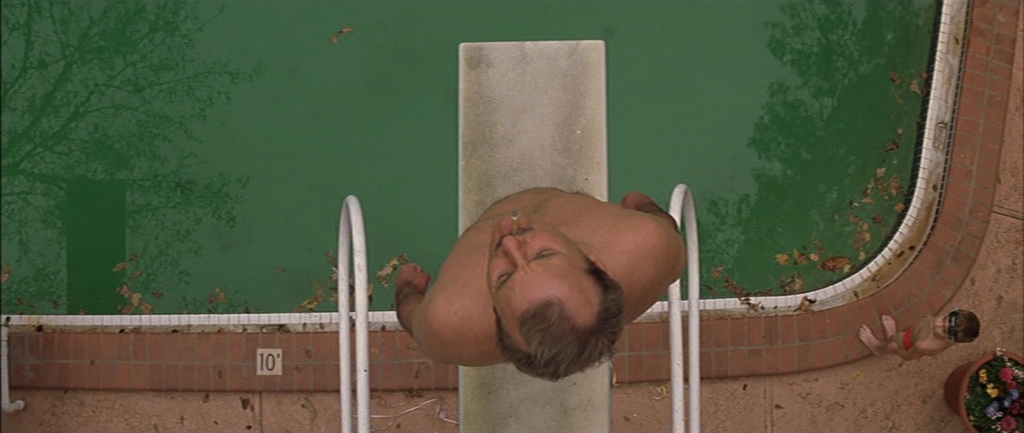
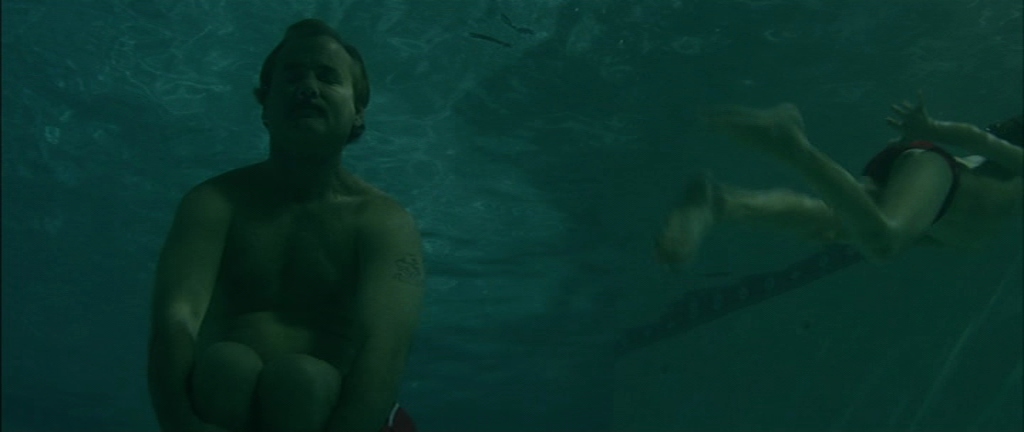
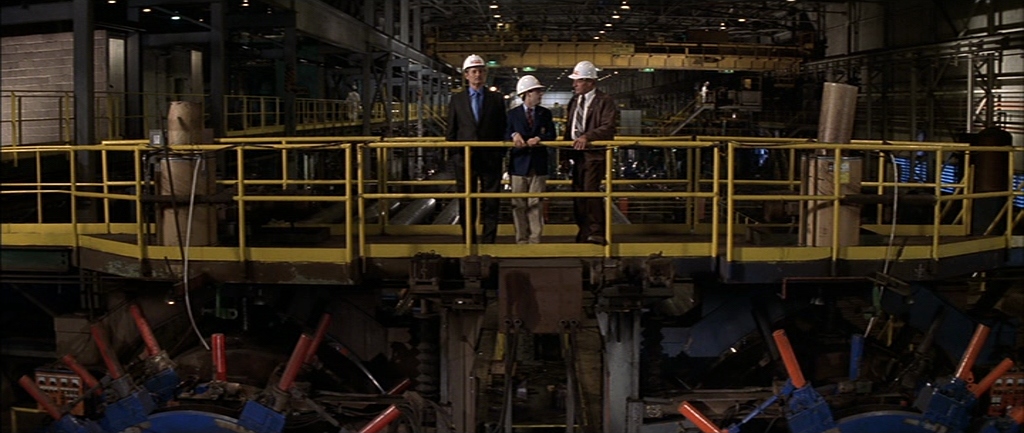
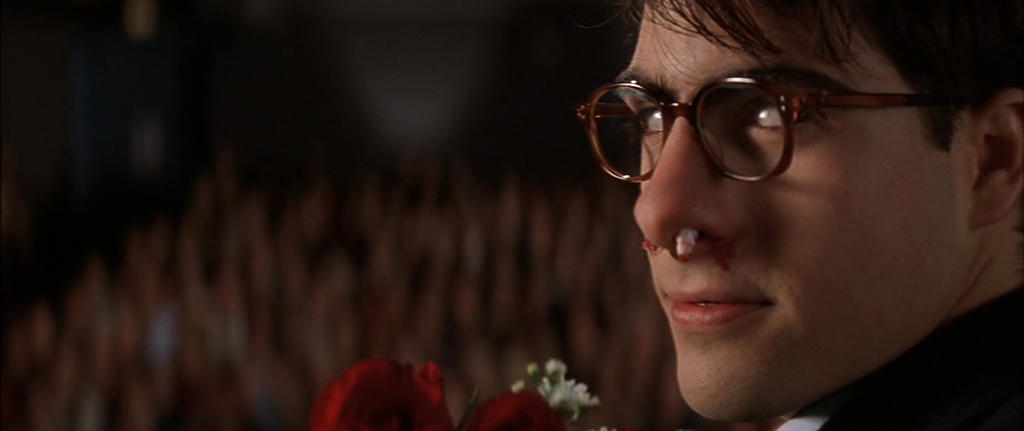
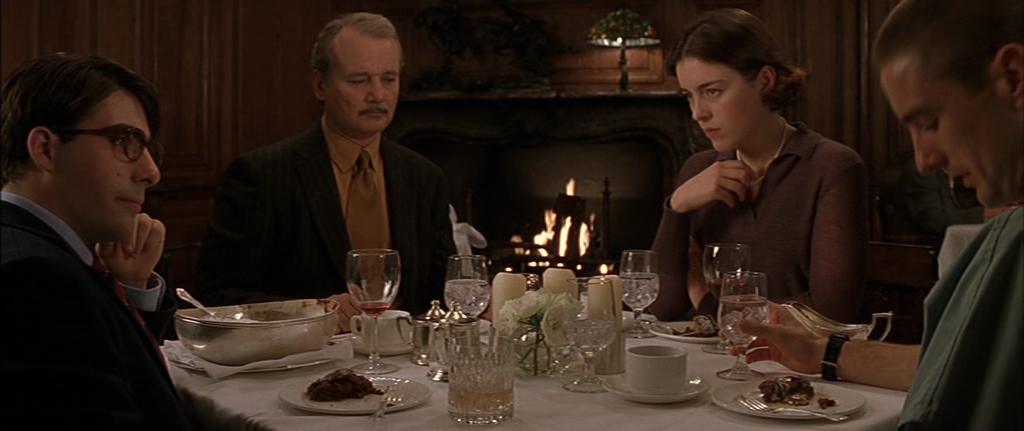
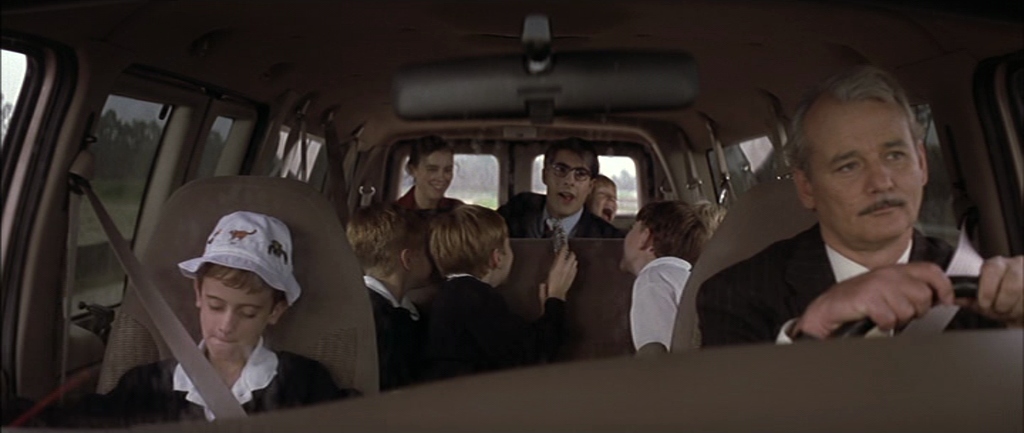
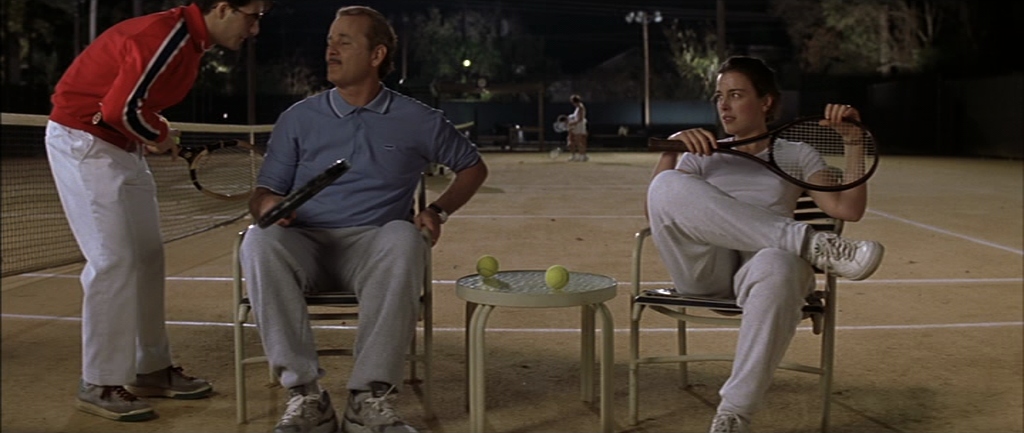
Meanwhile, Max befriends Herman Blume (Bill Murray), a disillusioned self-made millionaire and father of two spoiled Rushmore students. Blume is impressed by Max’s spirit, and the two form an unlikely bond. However, this friendship becomes strained when Blume also falls for Miss Cross — and unlike Max, his feelings are reciprocated.
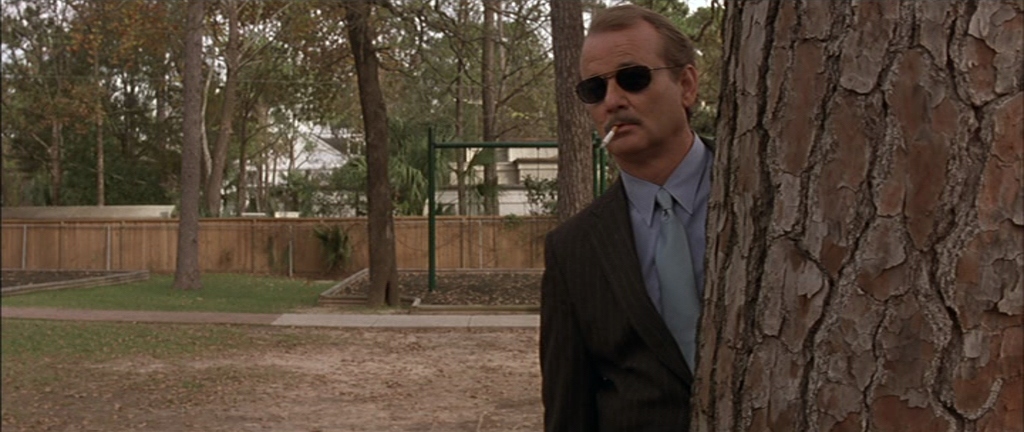
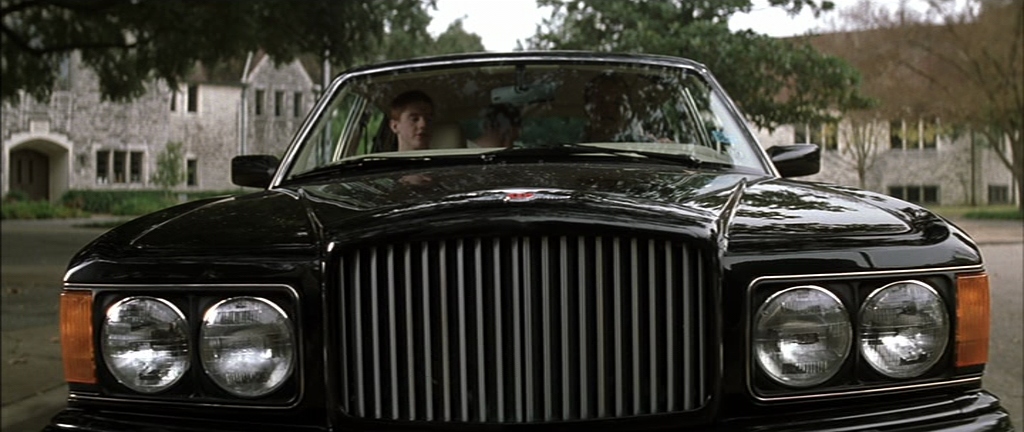
Blume delivers a sardonic speech to Rushmore’s students, criticizing the privileged kids and expressing admiration for the scholarship students — this is where he and Max first connect, united in their outsider status.
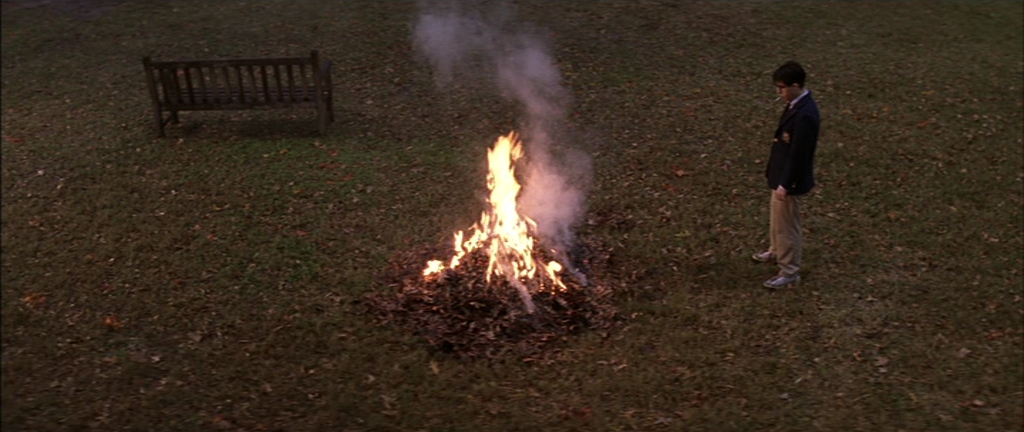
Max’s first real moment with Miss Cross happens at an aquarium, where he tries to impress her with intellectual conversation. This scene marks the beginning of Max’s romantic obsession with Miss Cross.
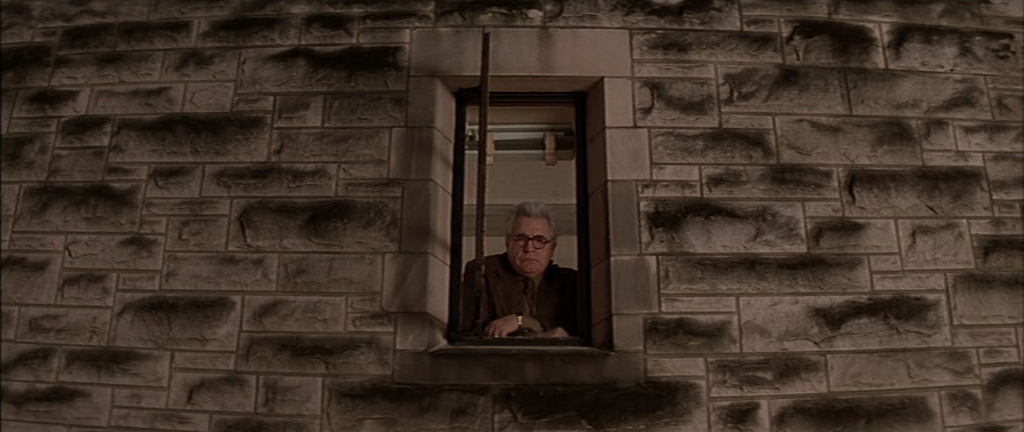
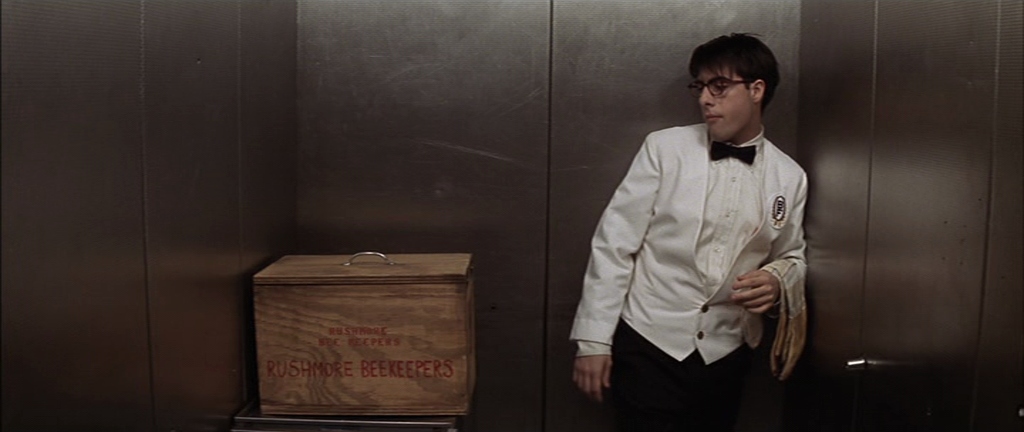
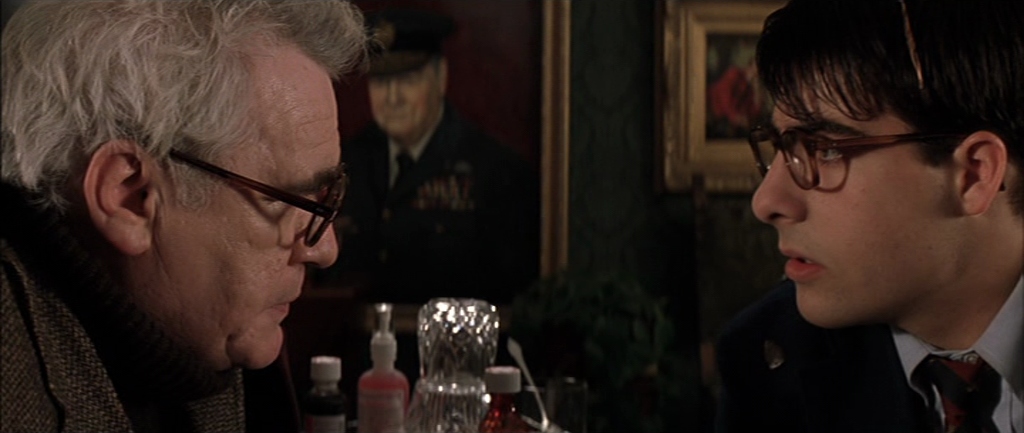
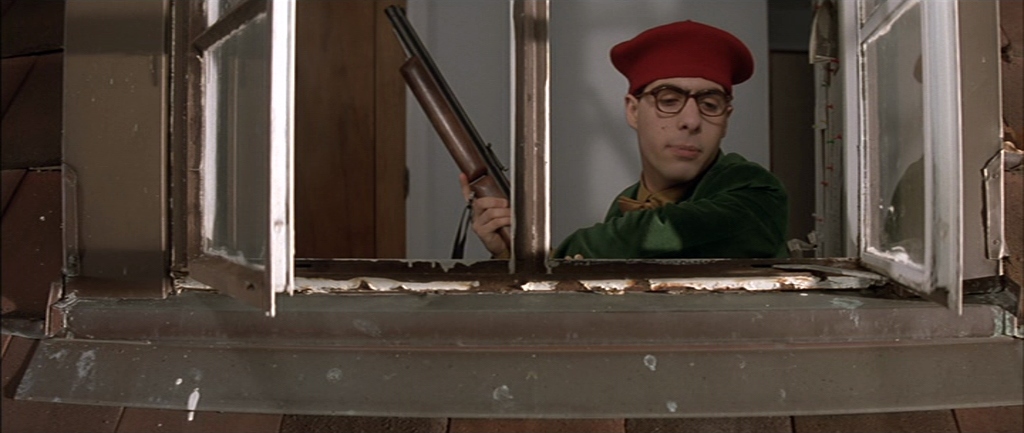
Max stages an elaborate play based on Serpico, which gets him into trouble for dangerous on-campus behavior. When he tries to build an aquarium on school grounds to impress Miss Cross, he’s expelled from Rushmore for repeated violations.
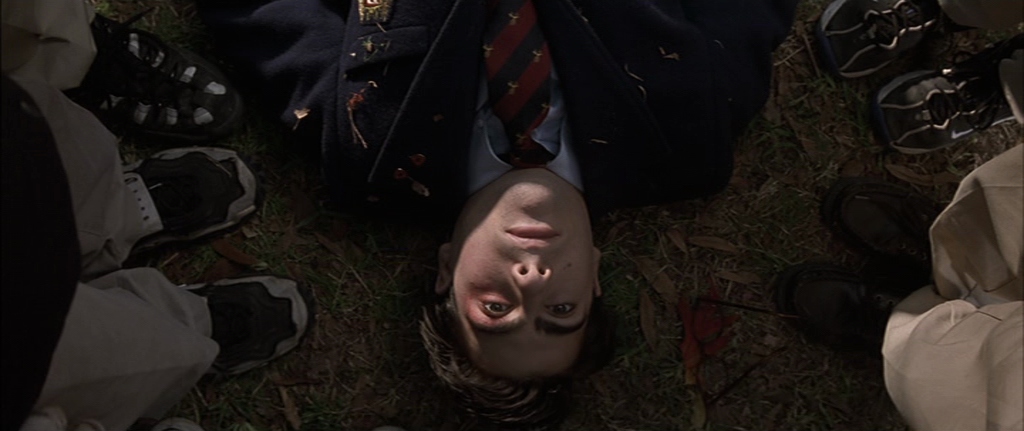
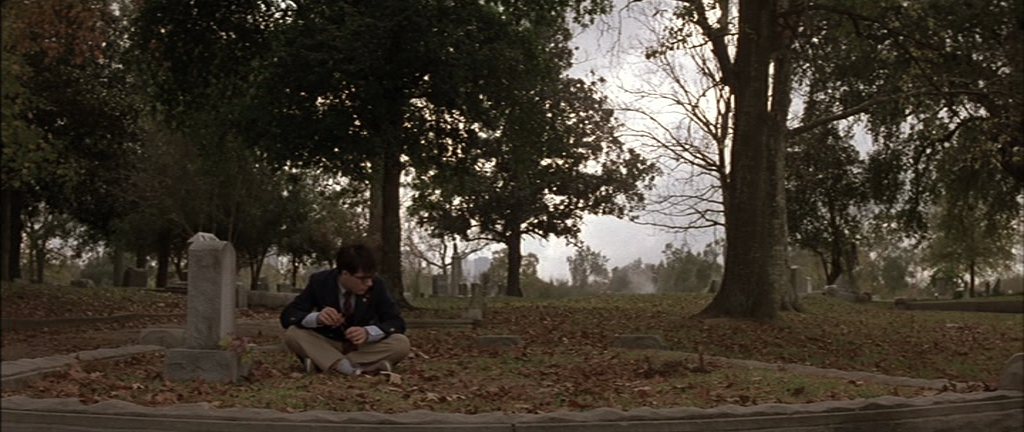
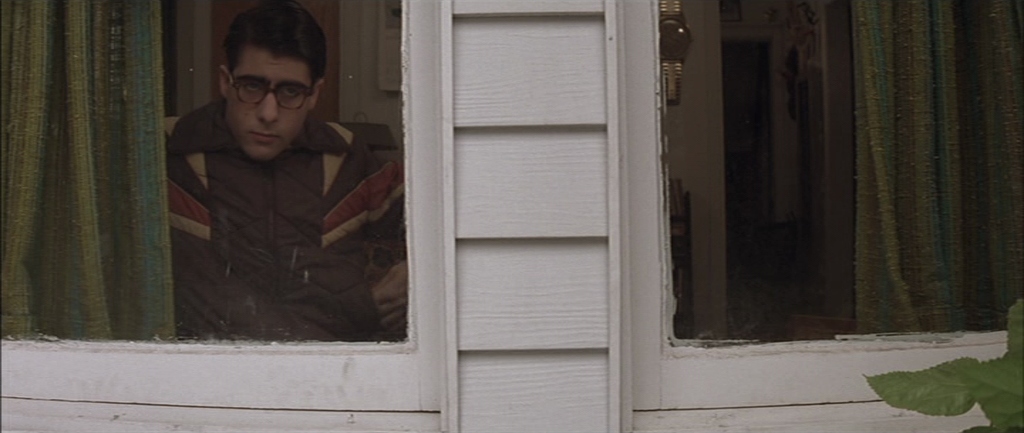
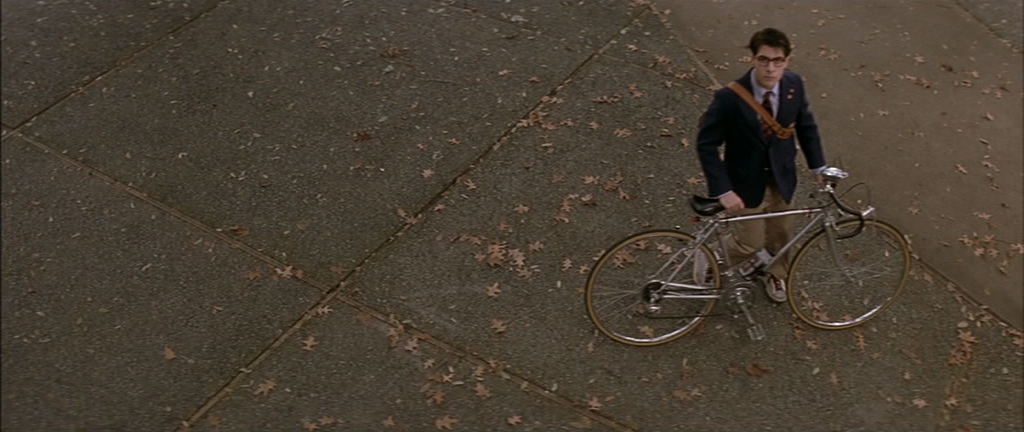
After being expelled, Max transfers to a public school, where he struggles to find his place. His identity crisis deepens, and he begins losing his sense of purpose. Max discovers Blume and Miss Cross are seeing each other, leading to a hilarious and petty war of sabotage: Max cuts the brakes on Blume’s car; Blume crushes Max’s bicycle with his car; Max reports Blume’s infidelity to his wife. The feud becomes increasingly absurd.
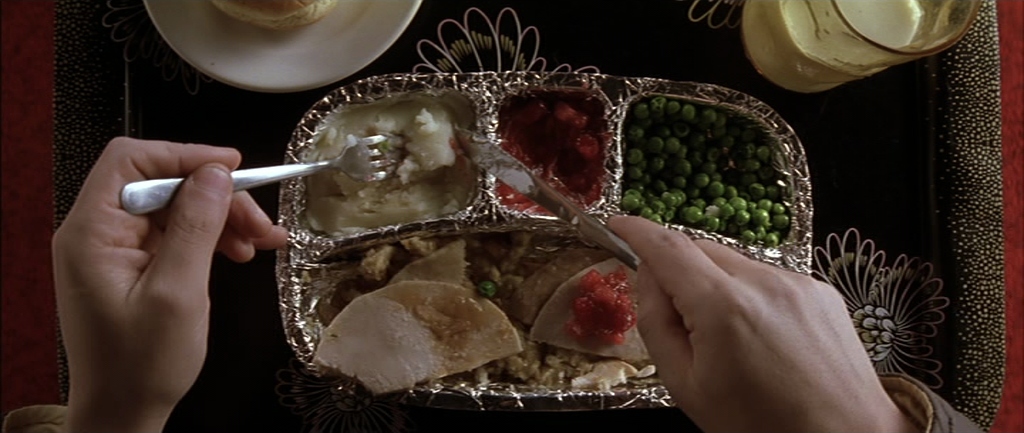
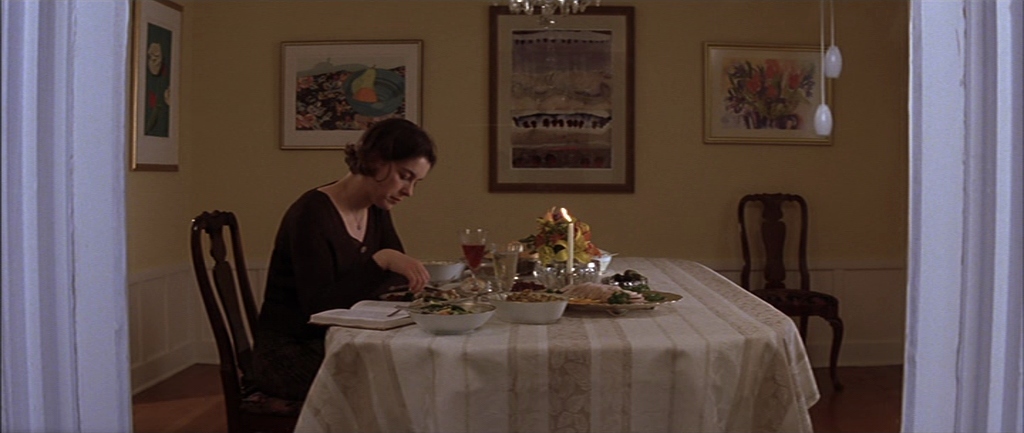
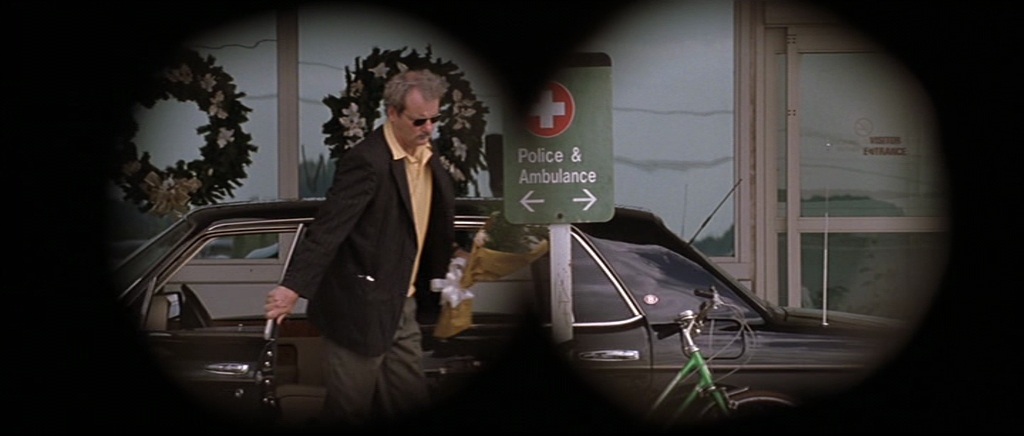
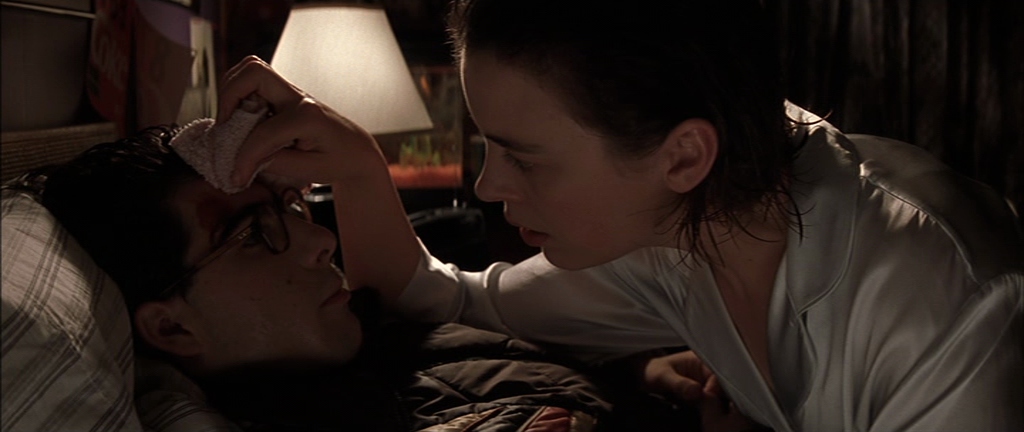
In an emotional confrontation, Miss Cross rebukes Max’s advances and reminds him of the reality of their age gap. Max spirals further, alienating those around him, including his only real friend, Dirk Calloway (Played by Mason Gamble).
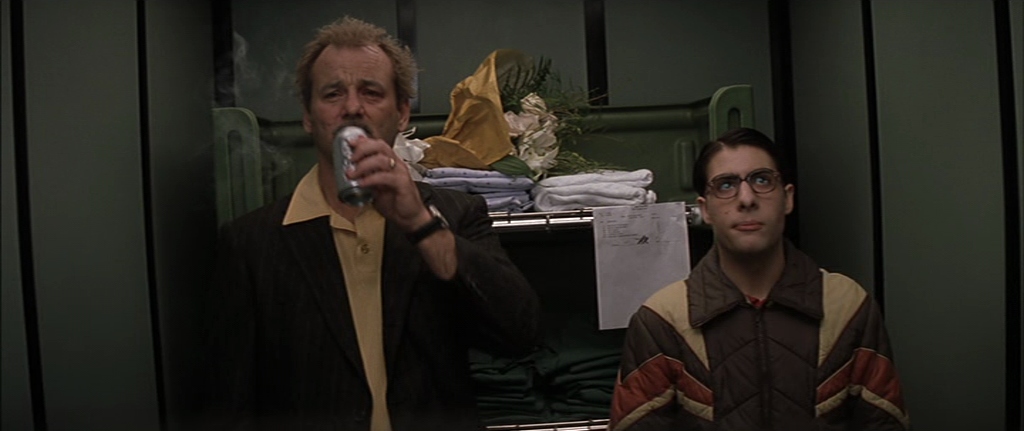
Encouraged by Dirk and others, Max begins to rebuild his life — reconciling with Blume, helping his father find love, and rediscovering his passions. He starts a new, more suitable friendship with a student named Margaret Yang, who shares his interest in theater.
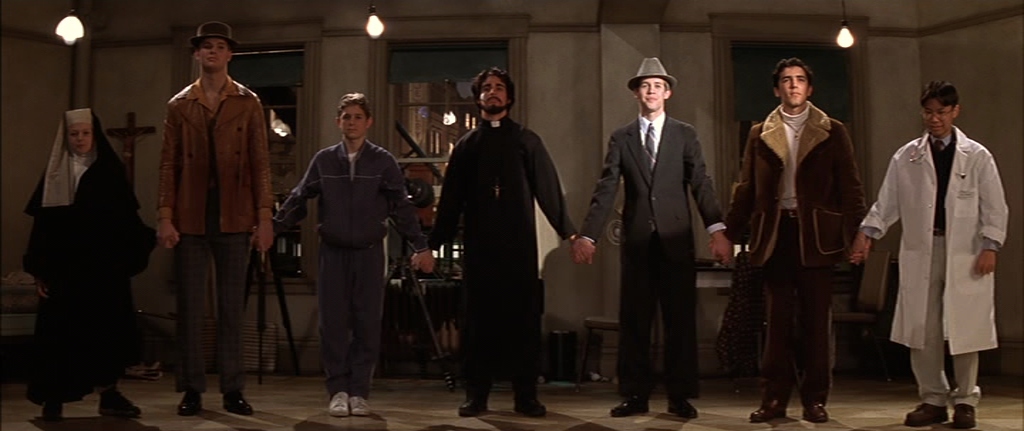
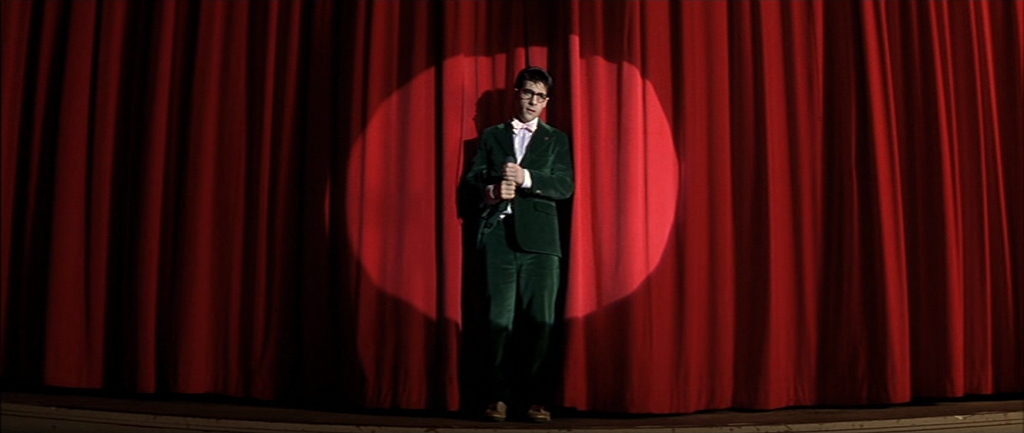
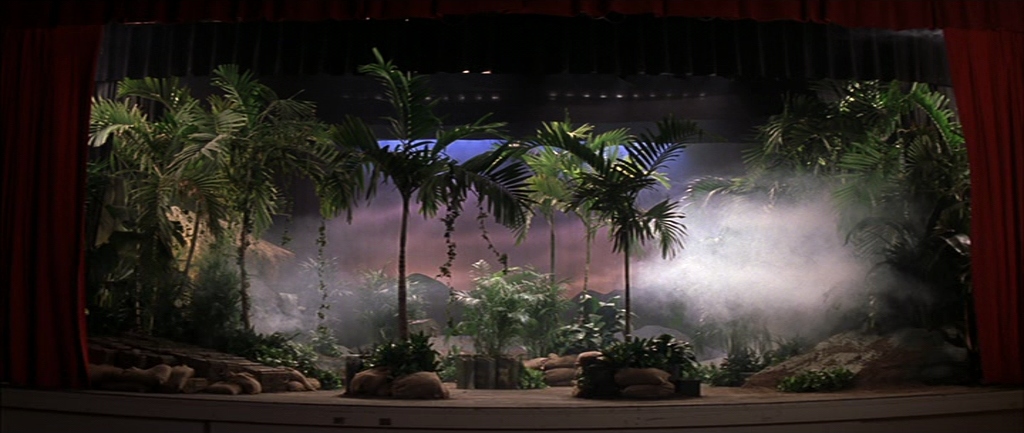
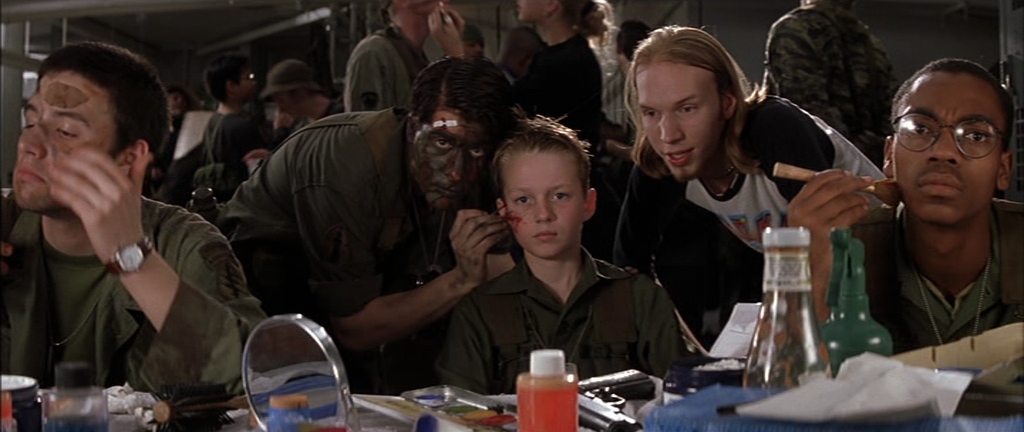
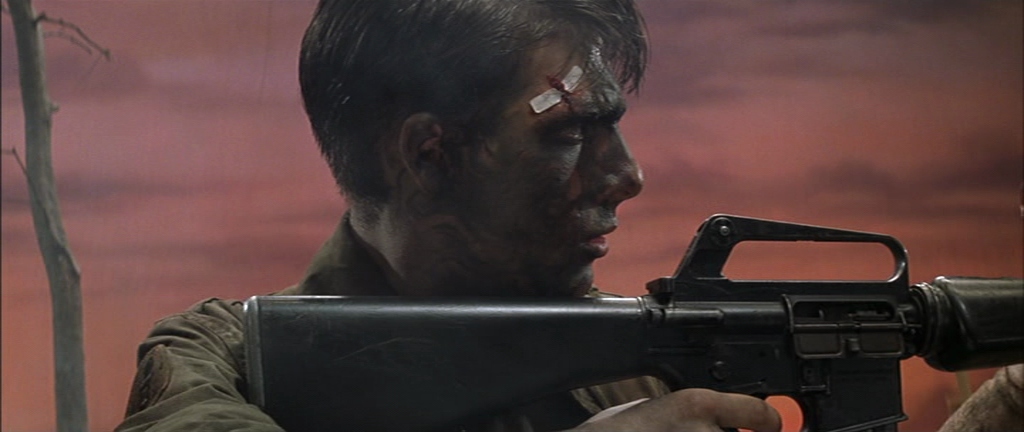
The film culminates in Max’s most elaborate production yet — a Vietnam War-inspired epic that features explosions, helicopter sounds, and a poignant narrative. It brings the entire cast of characters together and symbolizes Max’s growth and reconciliation with those he has wronged.
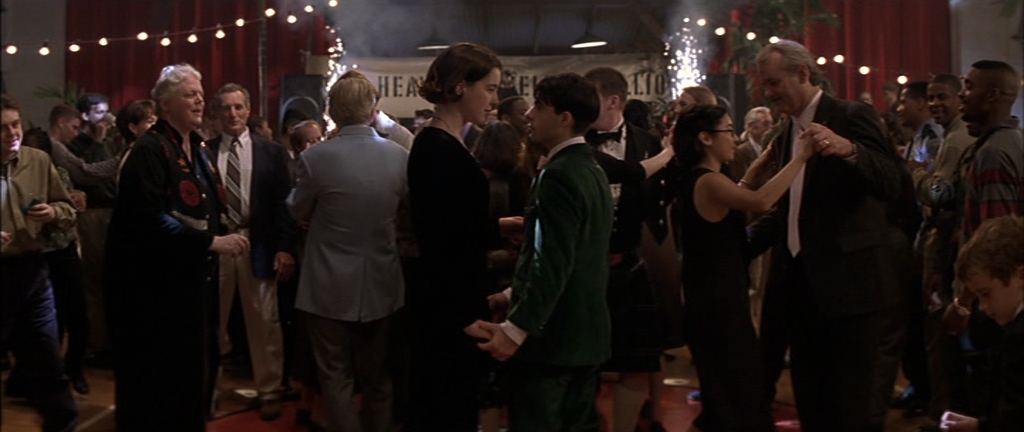
The film ends with a slow-motion sequence at a post-play reception dance. Max shares a platonic understanding moment with Miss Cross and dances with Margaret. It’s a subtle yet powerful conclusion, showing Max has matured emotionally.
The film explores the themes of ambition versus reality, highlighting that while Max is talented, he is also delusional. It examines how creativity and obsession can turn destructive. At its core, the story follows Max’s journey from a reckless boy to a more grounded and emotionally mature young man. With storybook chapter headings, symmetrical cinematography, deadpan performances, and dry wit, “Rushmore” marked the beginning of the “Wes Anderson aesthetic.” The film launched Jason Schwartzman’s acting career and revitalized Bill Murray’s, earning him a nomination for Best Supporting Actor from the New York Film Critics Circle.