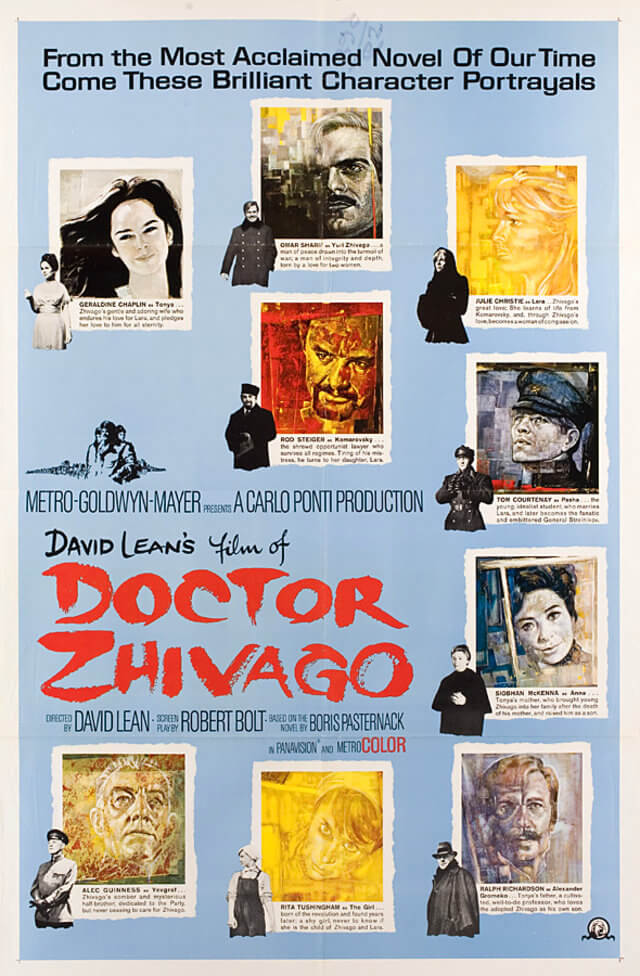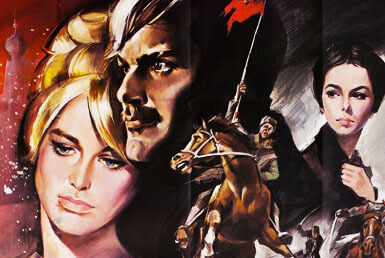
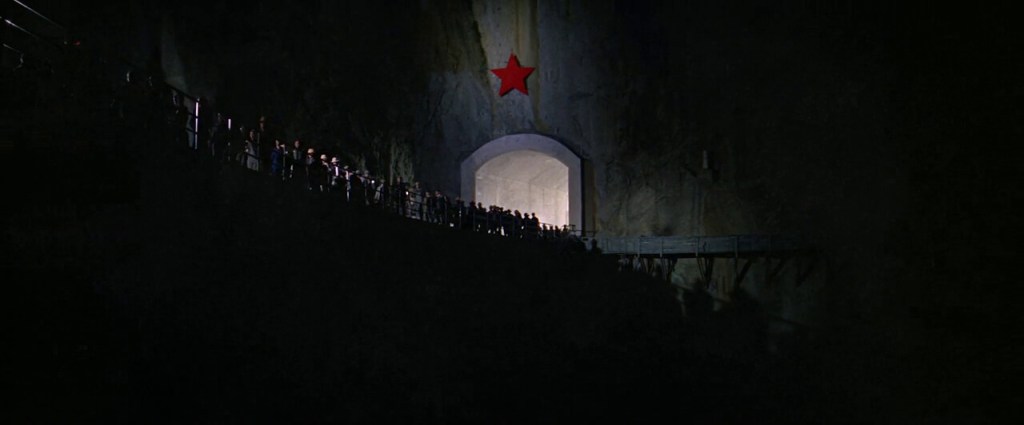
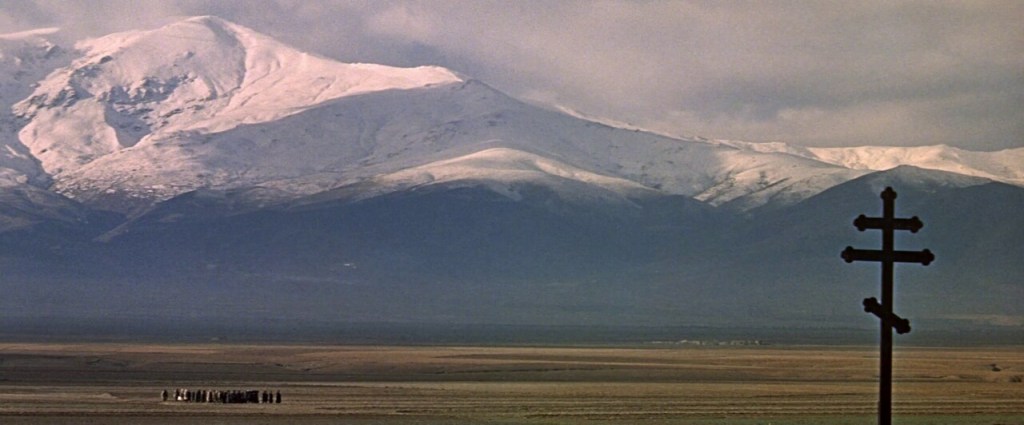
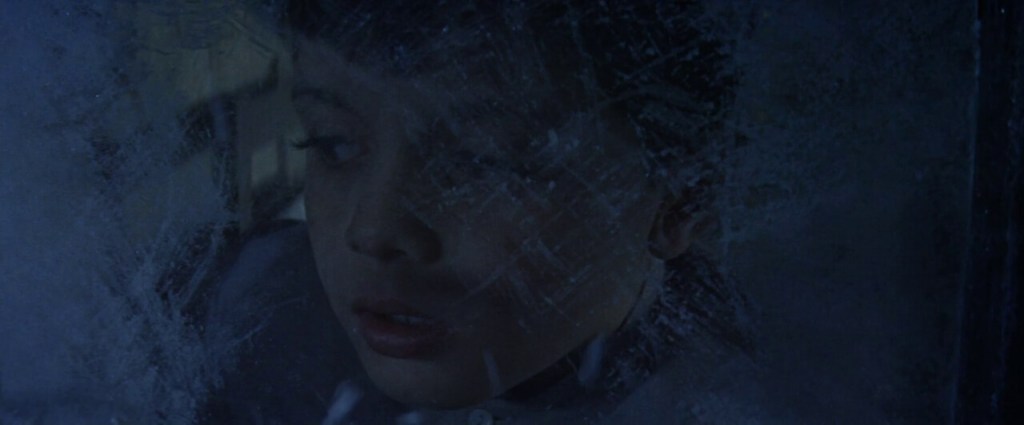
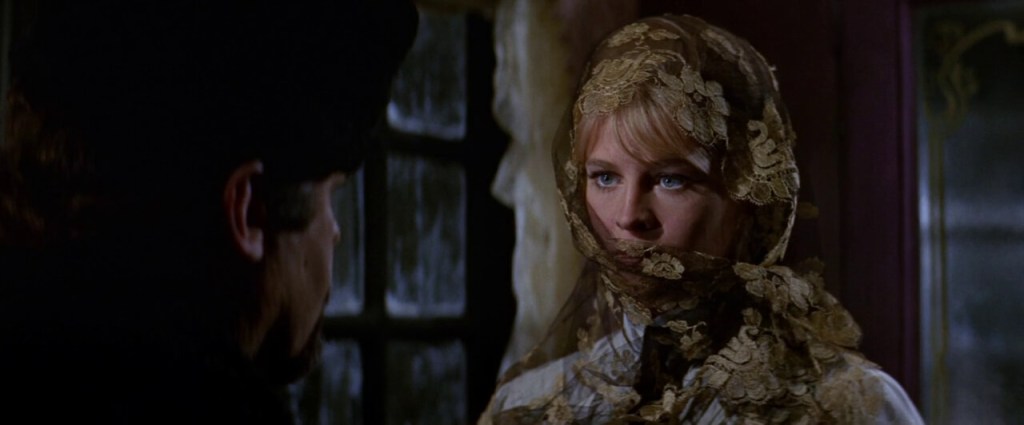
“Doctor Zhivago” is a 1965 sweeping historical romance and political epic directed by David Lean, adapted from Boris Pasternak’s controversial Nobel Prize-winning novel, with a screenplay written by Robert Bolt. Set against the backdrop of World War I, the Russian Revolution, and the Russian Civil War, the film follows the personal and romantic turmoil of a poet-physician caught between his love for two women and his country’s turbulent transformation. With breathtaking cinematography, a haunting musical score (notably “Lara’s Theme” by Maurice Jarre), and Lean’s signature epic scale, the film is a grand meditation on love, loss, and the soul-crushing force of historical change.
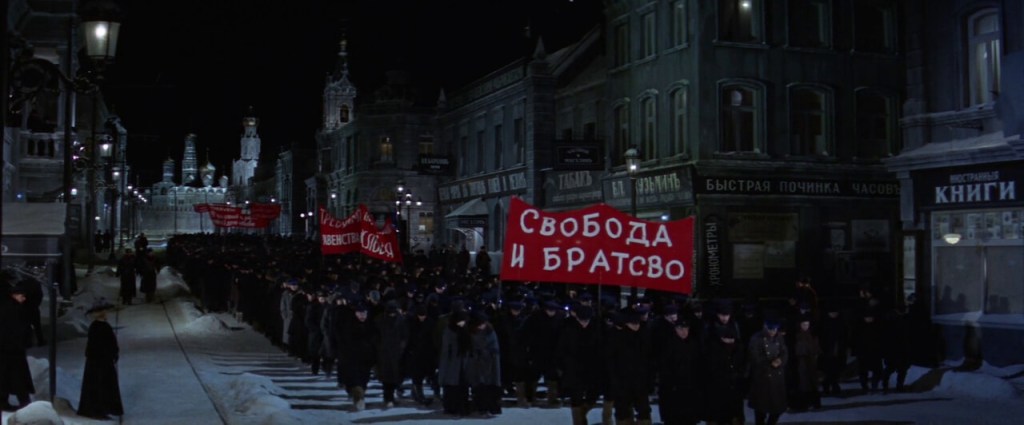
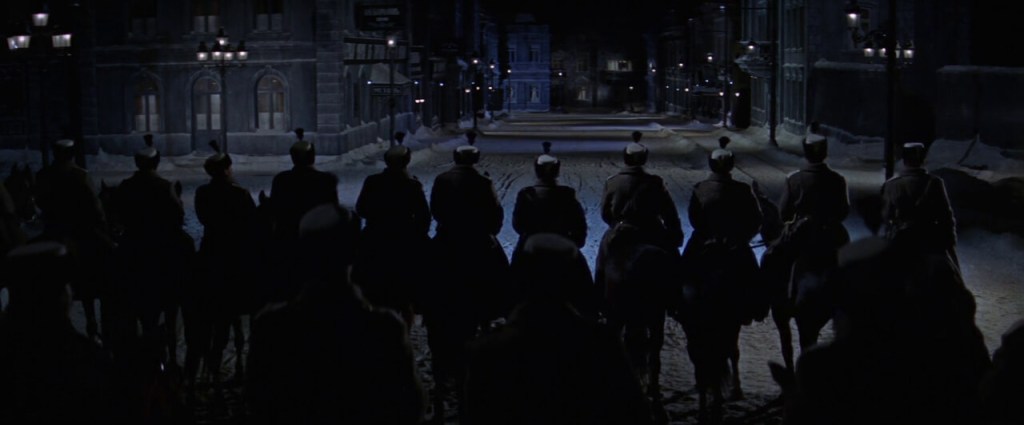
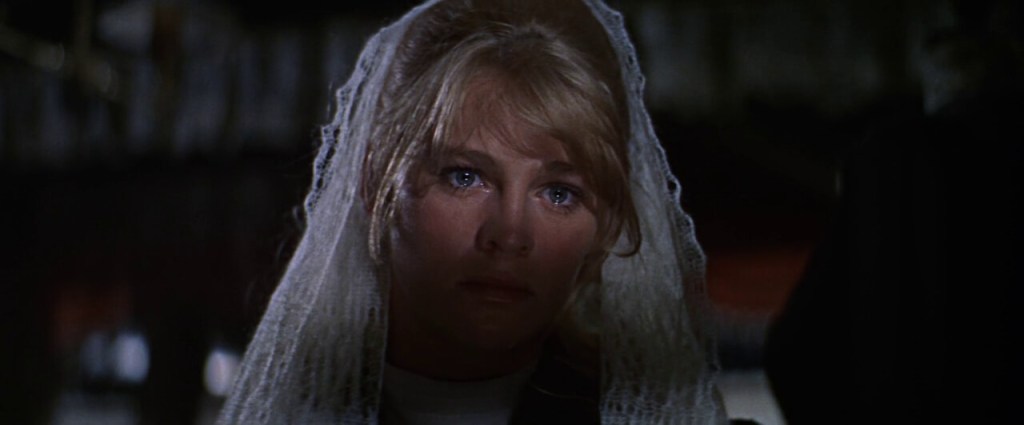
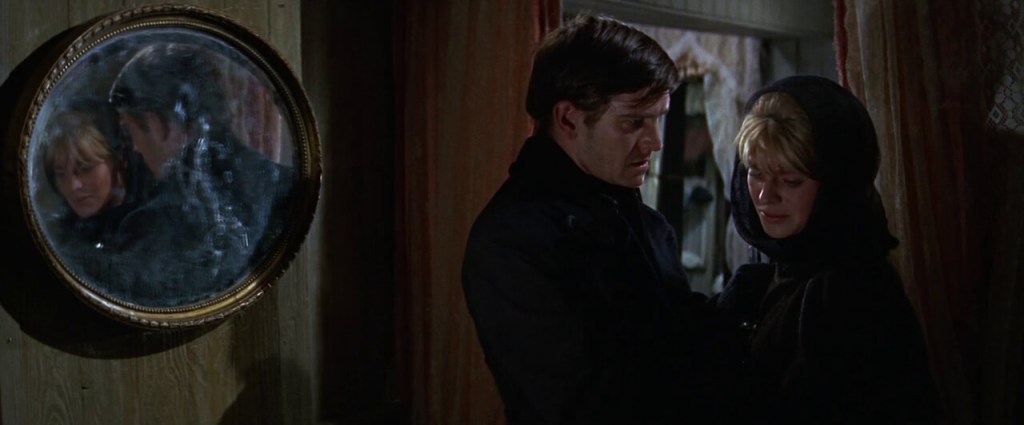
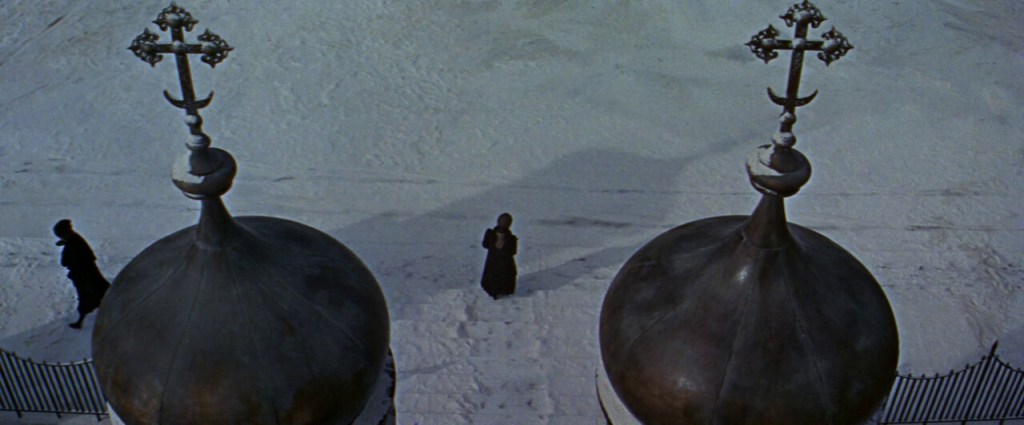
The story is narrated by Yevgraf Zhivago (Alec Guinness), a Soviet official searching for the lost daughter of his half-brother, Yuri Zhivago (Omar Sharif ). He recounts Yuri’s life story to a young woman named Tonya Komarova (Geraldine Chaplin), whom he believes may be Zhivago’s child.
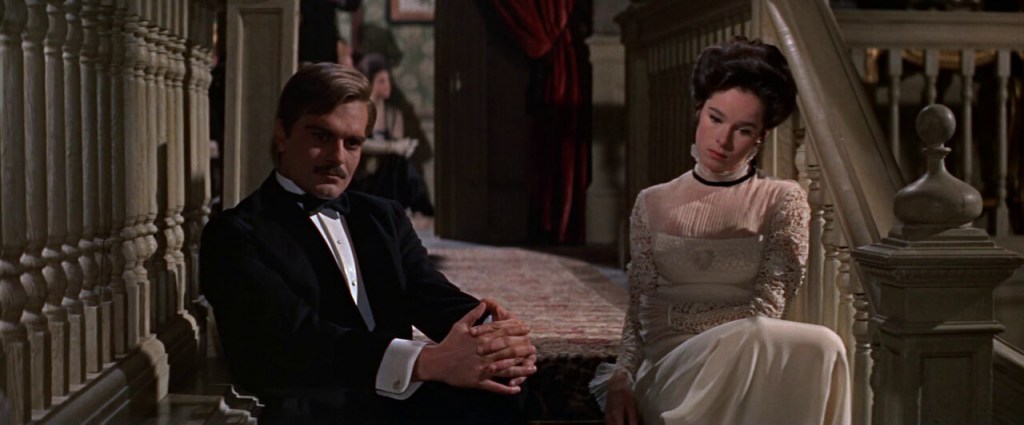
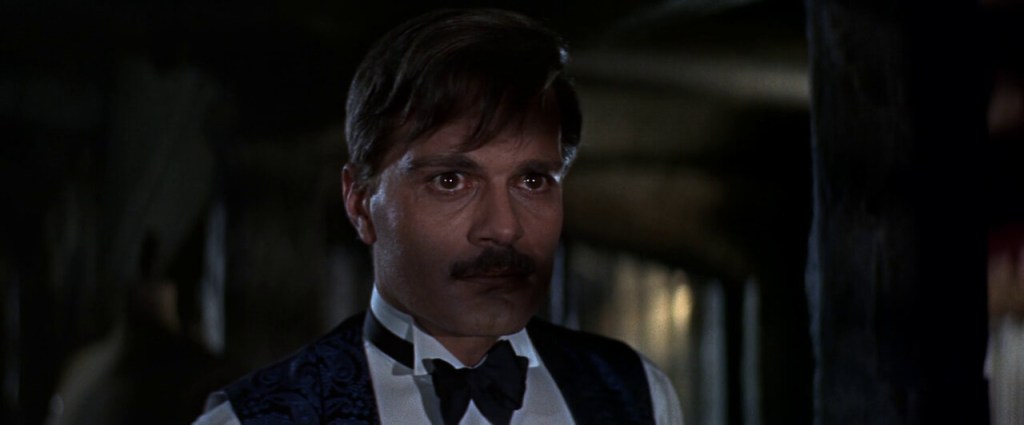
The film begins when Yuri Zhivago is orphaned at a young age and raised by the Gromeko family in Moscow. He grows up close to their daughter, Tonya, whom he later marries. Yuri becomes a doctor but is also a sensitive poet whose work is quietly published despite increasing political censorship.
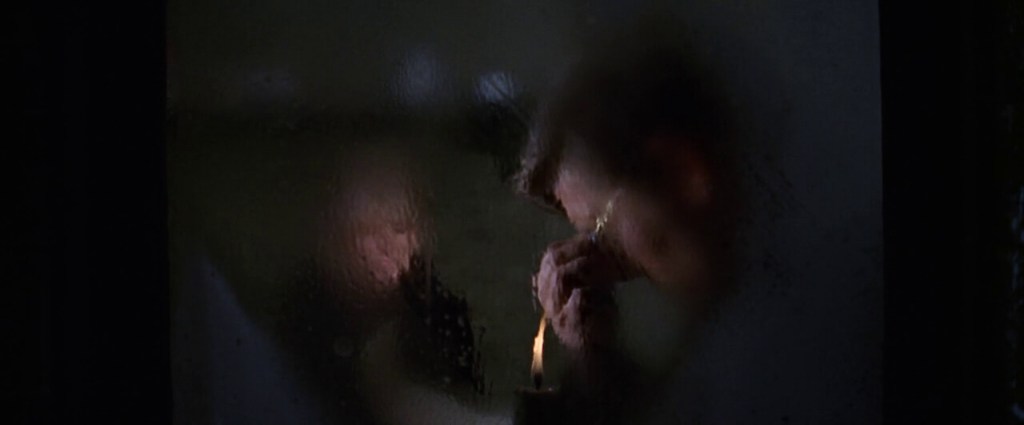
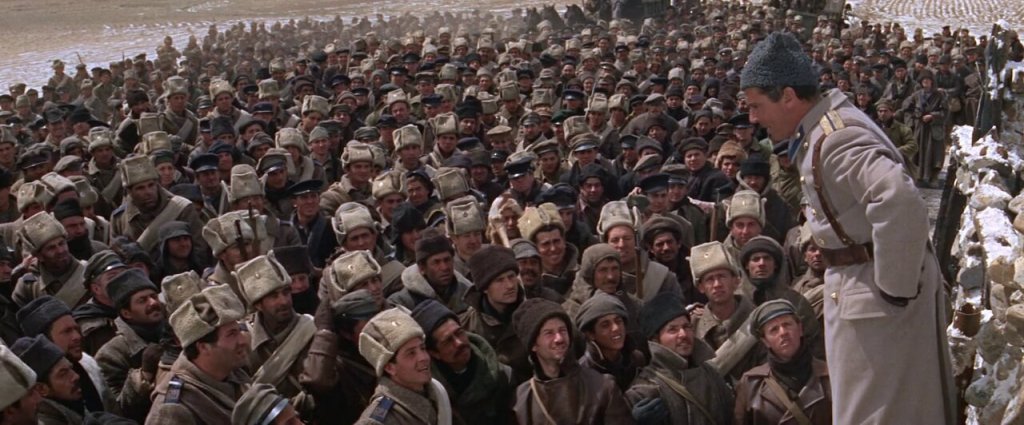
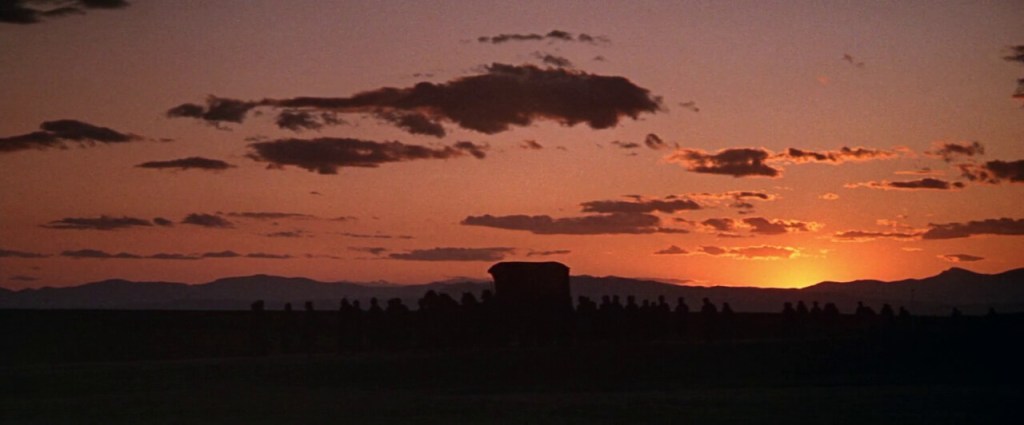
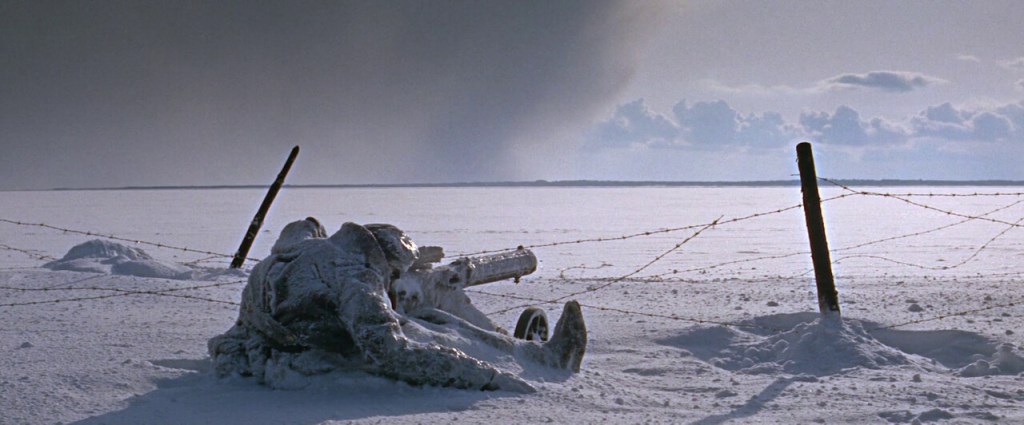
Meanwhile, Lara (Julie Christie) is a beautiful but emotionally torn young woman living with her mother. She is being manipulated and sexually exploited by the corrupt and powerful Victor Komarovsky (Rod Steiger). Though engaged to idealistic revolutionary student Pasha Antipov (Tom Courtenay), Lara remains ensnared by Komarovsky’s influence.
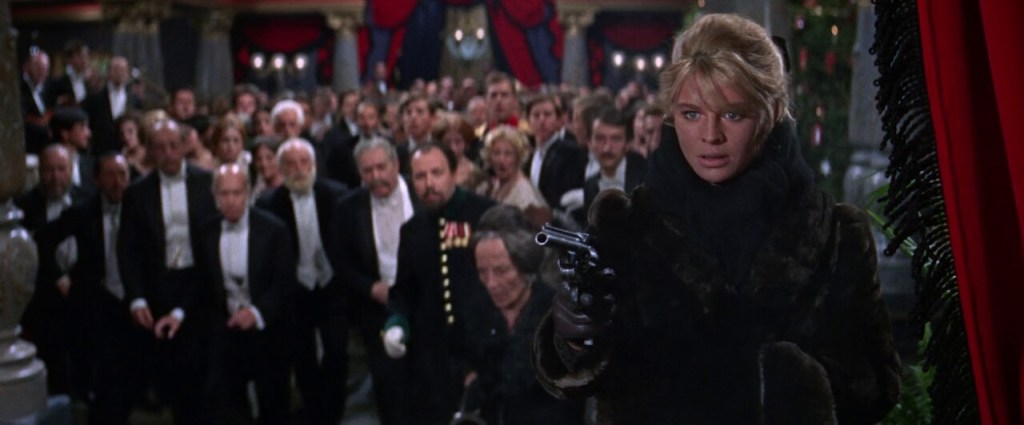
In a moment of desperation and rage, Lara attempts to shoot Komarovsky at a Christmas party. Lara’s attempted assassination of Komarovsky shocks the elite social world. It sets her character apart as someone willing to confront her abuser — an early act of rebellion that echoes the political unrest to come. She fails, but the scandal becomes public, intertwining her fate with Yuri’s.
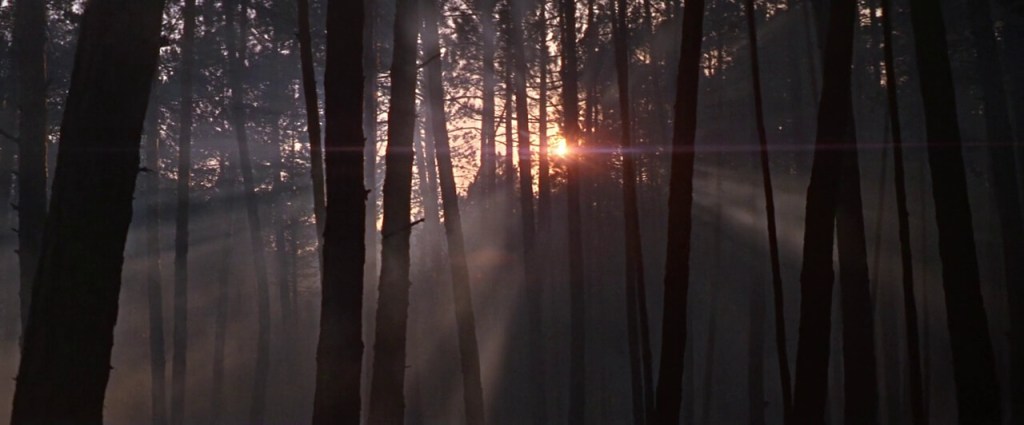
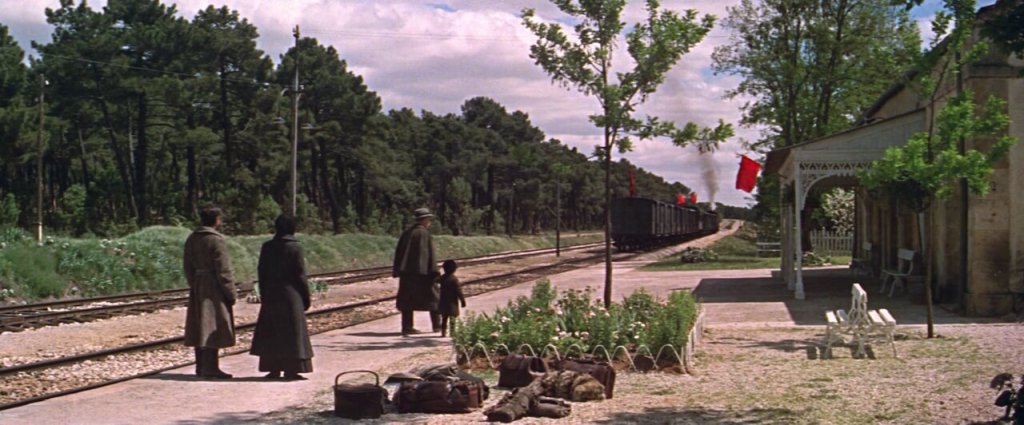
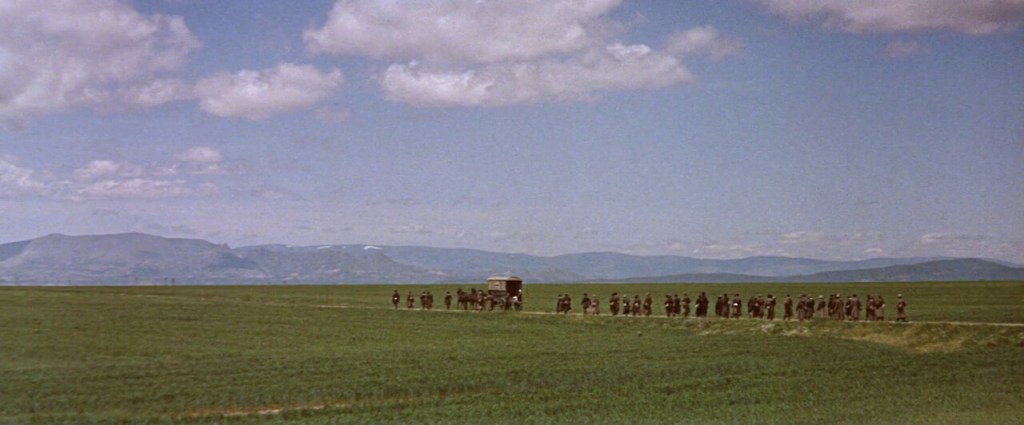
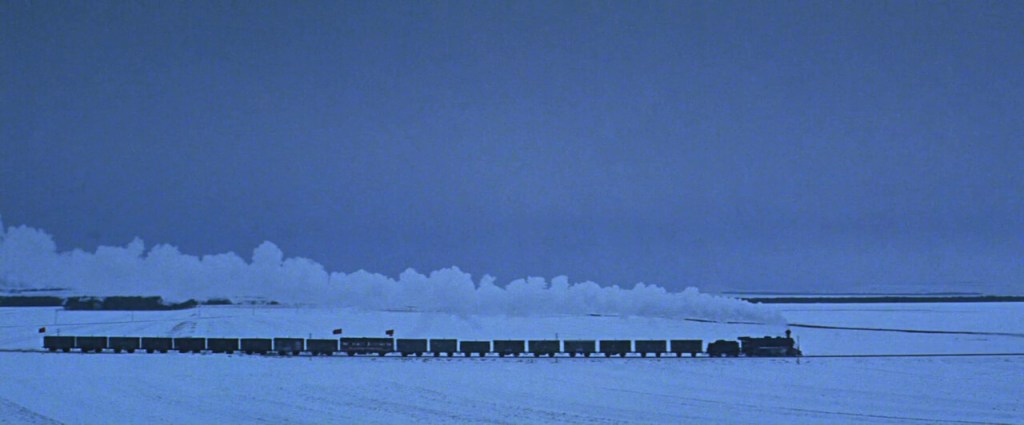
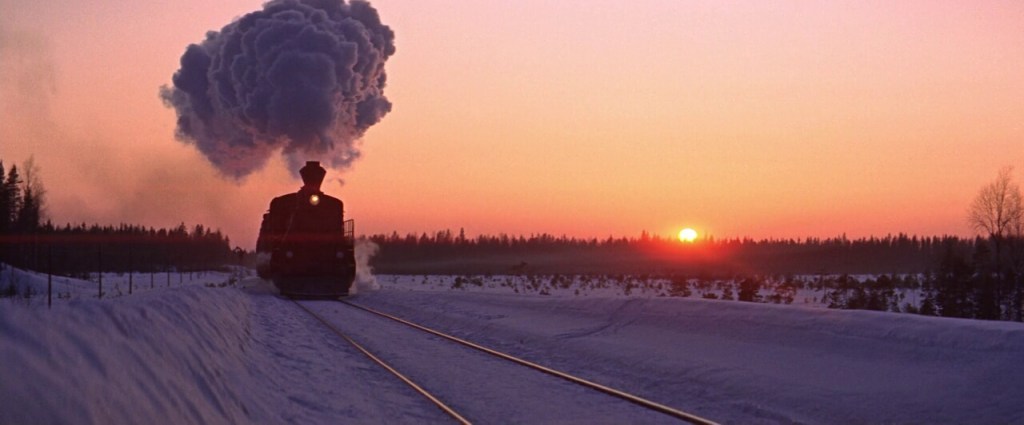
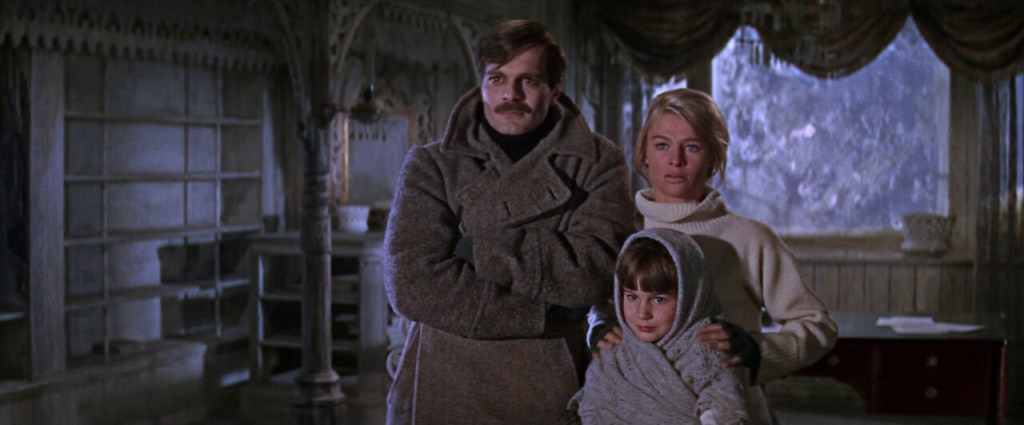
During the war, Yuri serves as a battlefield doctor. He is assigned to a field hospital where, fatefully, Lara is working as a nurse. Though both are married, they fall in love during their time together. Their bond is deep but unconsummated. Yuri returns to Moscow, only to find it in upheaval following the Bolshevik Revolution. With the city becoming increasingly dangerous, Yuri, Tonya, and their child escape by train to the Gromeko family’s abandoned estate in Varykino, deep in the Ural Mountains. The journey is treacherous and surreal, passing through famine, executions, and the growing shadow of totalitarianism. On this journey, Yuri encounters Pasha, now known as Strelnikov, a feared and fanatical Bolshevik commander who has severed ties with Lara and become a symbol of the Revolution’s extremism.
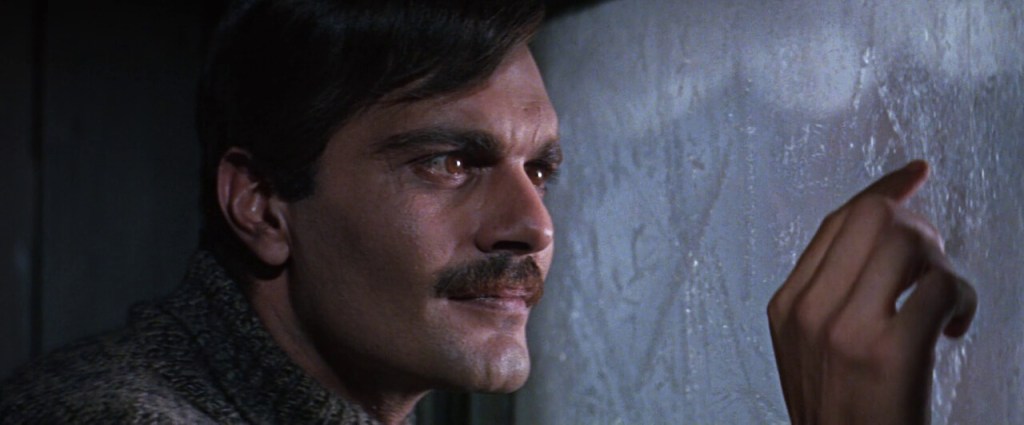

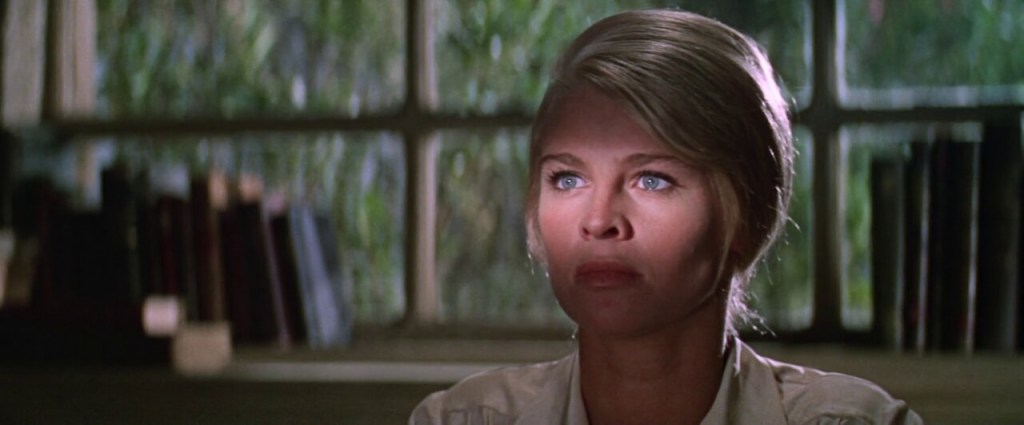
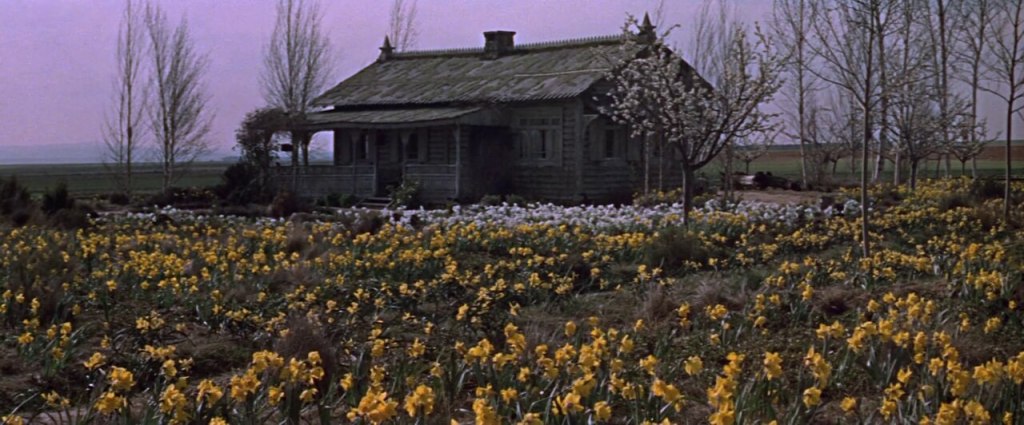
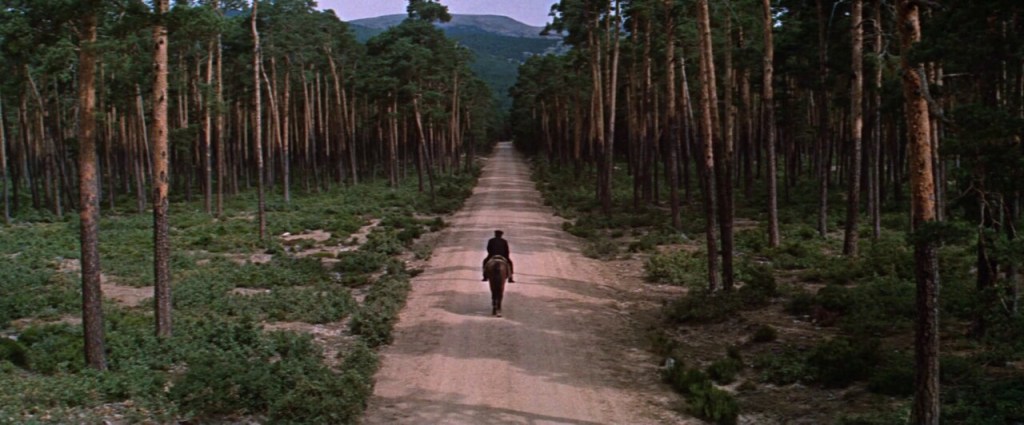
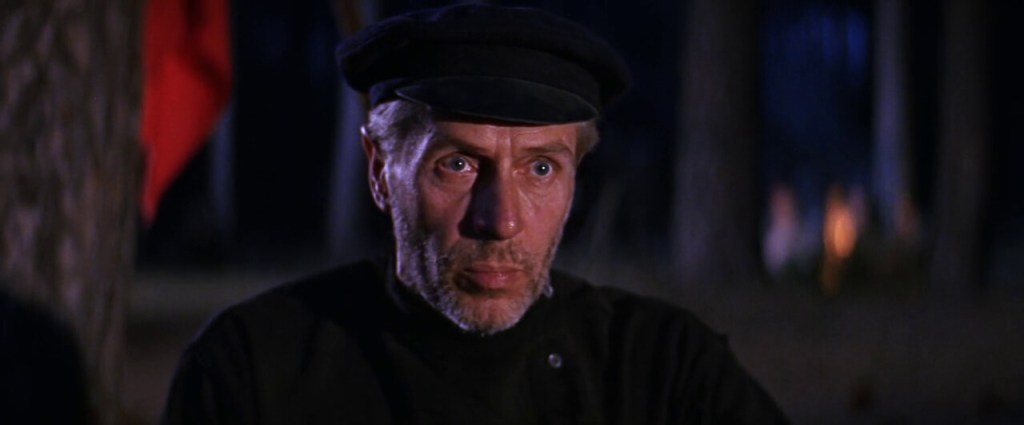
In Varykino, Yuri reunites with Lara, who lives nearby in the town of Yuriatin. Their love is rekindled, and he begins an affair. Lara has a daughter, Katya, and is hiding from Strelnikov’s enemies.
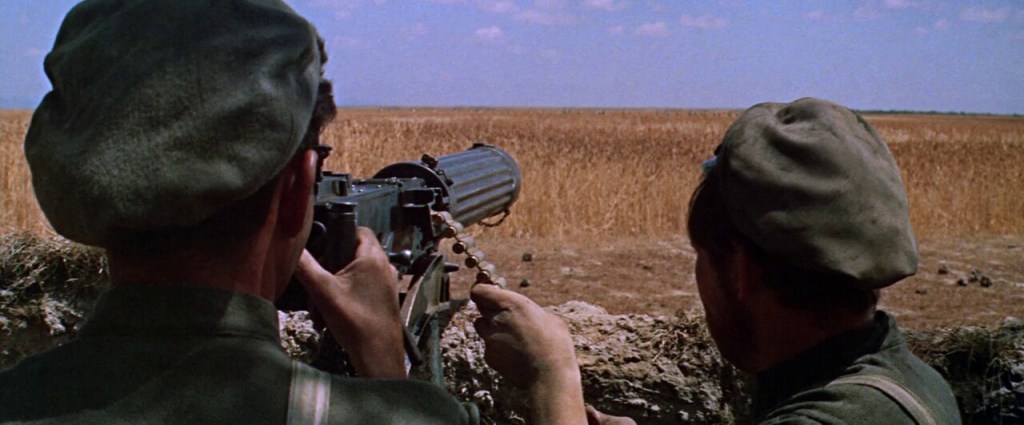
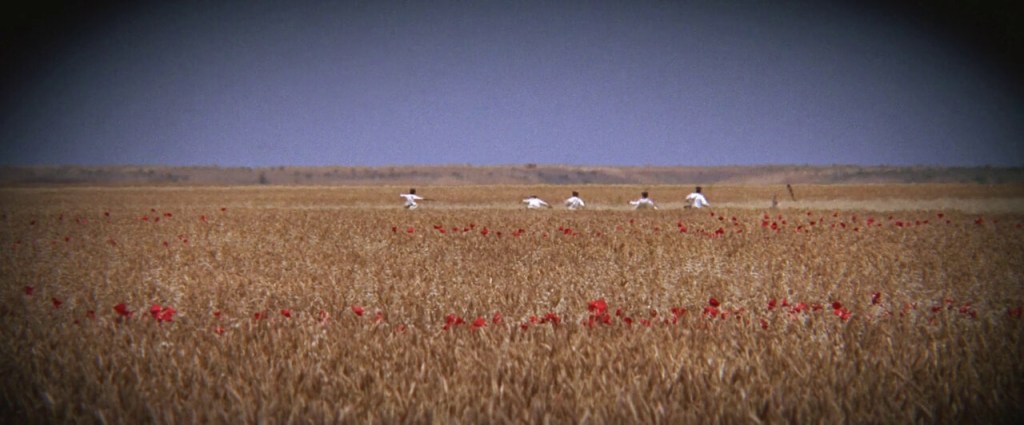
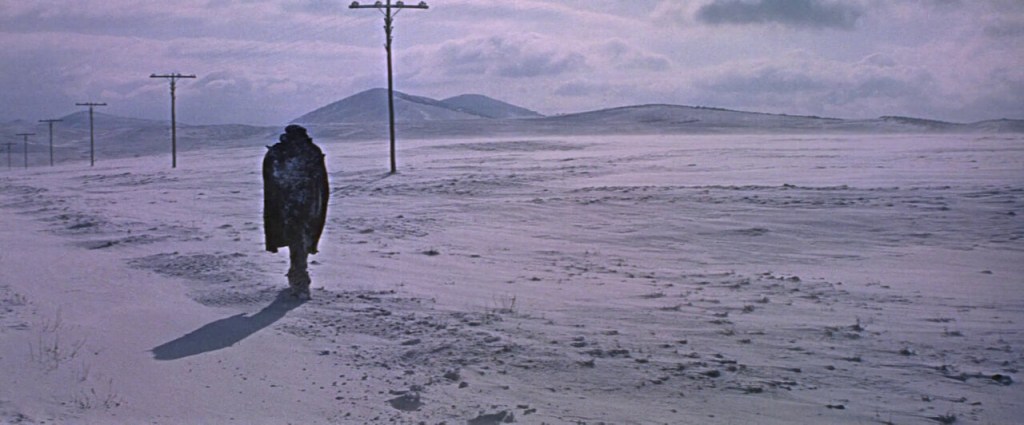
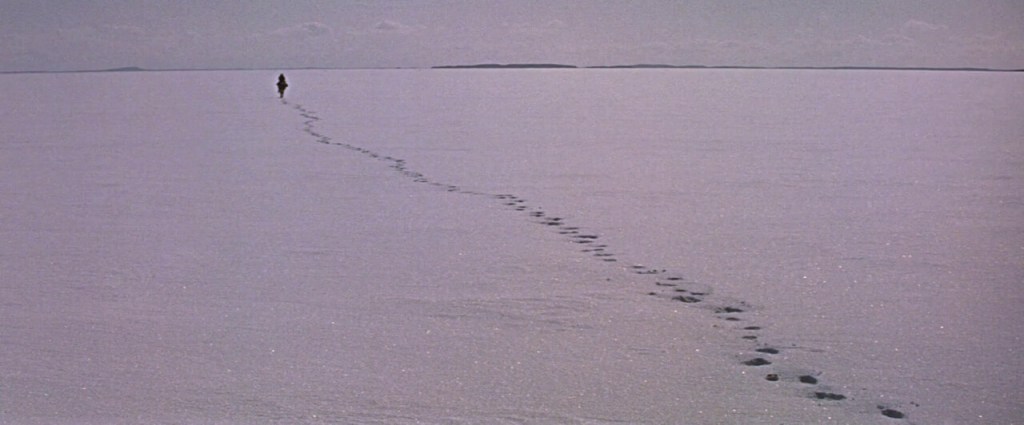
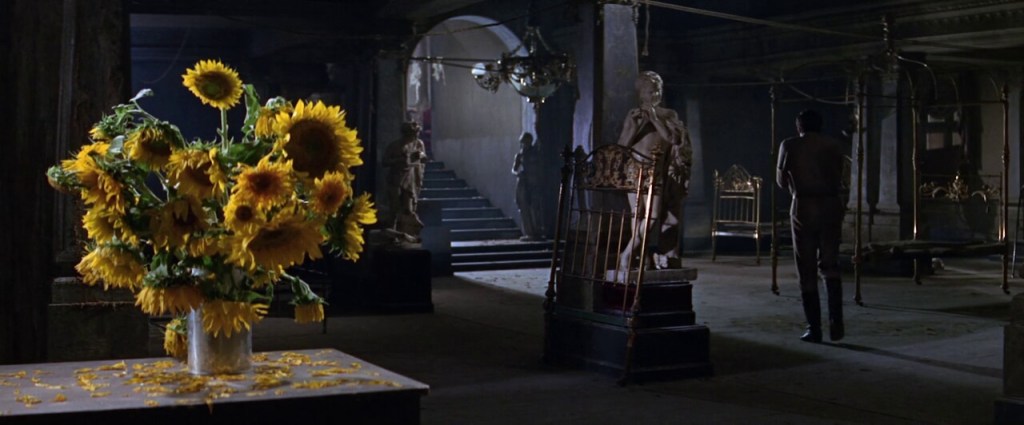
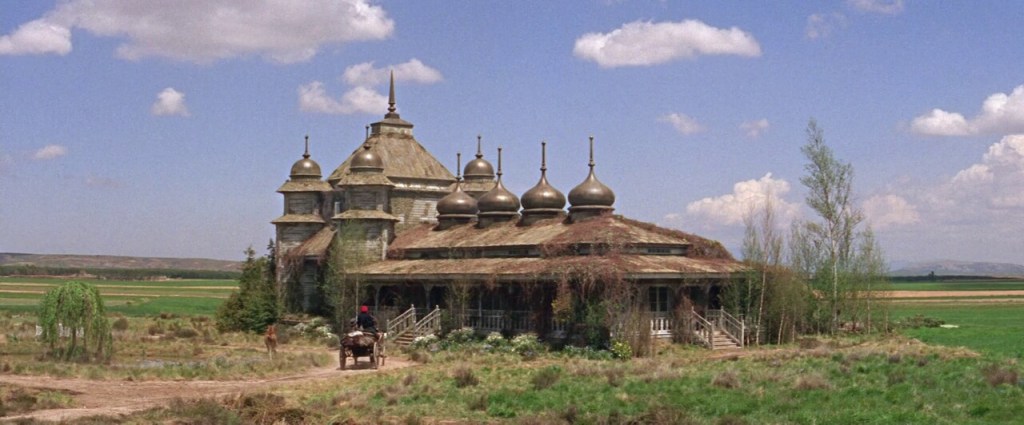
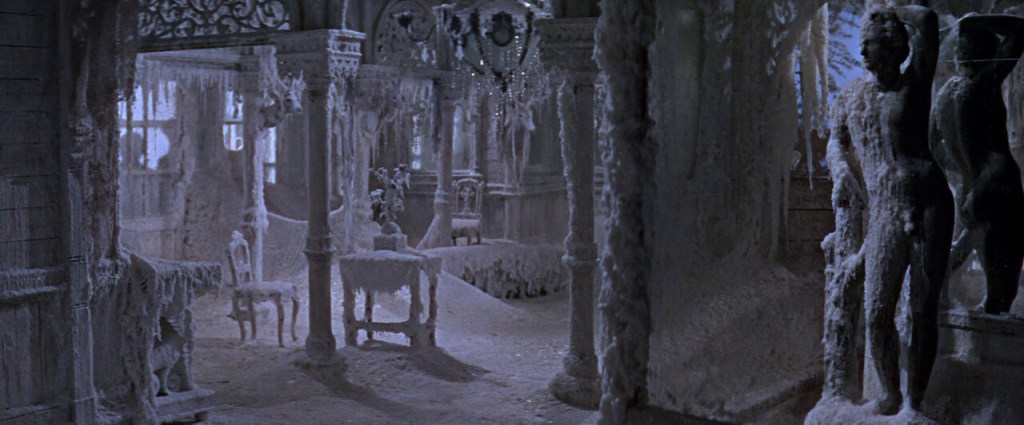
Yuri is later captured by a Red partisan unit and forced to serve as their doctor. He spends years in service, enduring immense hardship, until he finally deserts and returns to Lara in Yuriatin. They hide in the abandoned ice-covered mansion at Varykino, sharing a brief but idyllic time of love and peace amidst encroaching ruin.
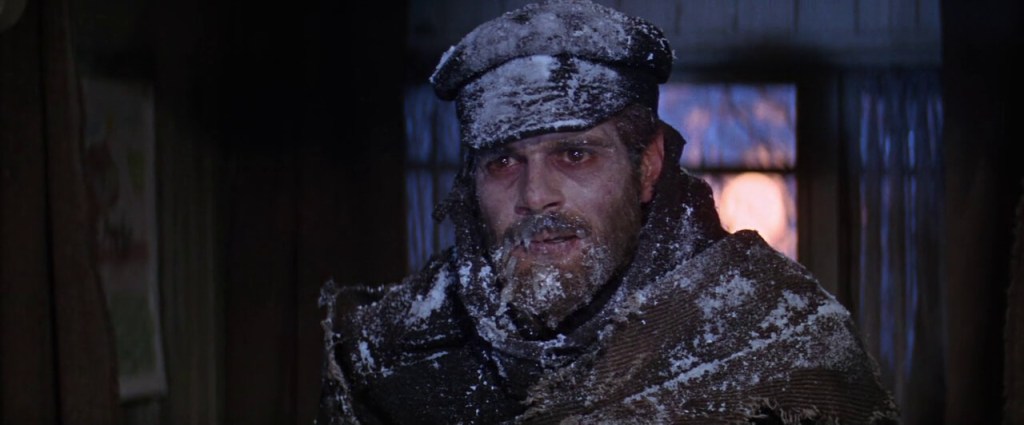
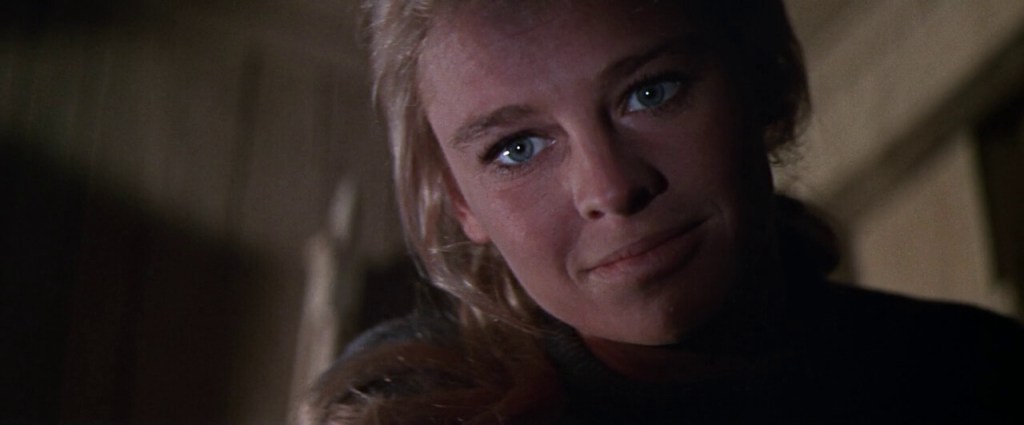
In a twist of fate, Komarovsky, now working with the new regime, reappears. He warns them that Yuri is in danger due to his writings and offers to help them escape to the Far East. Lara and Katya leave with him, but Yuri refuses to go. He never sees Lara again.
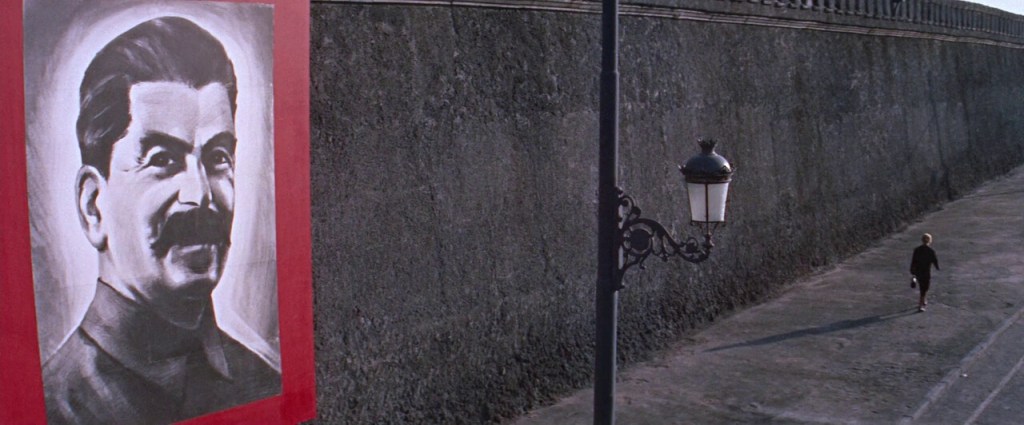
Years later, living in poverty in Moscow, Yuri spots Lara on the street but is too ill to call out. He suffers a fatal heart attack trying to reach her. His funeral is held anonymously and attended by a small crowd. A haunting and quiet finale — the once-great poet dies alone in the street, a victim of history’s indifference. Lara appears at his funeral, but it is too late. Their love never truly finds peace.
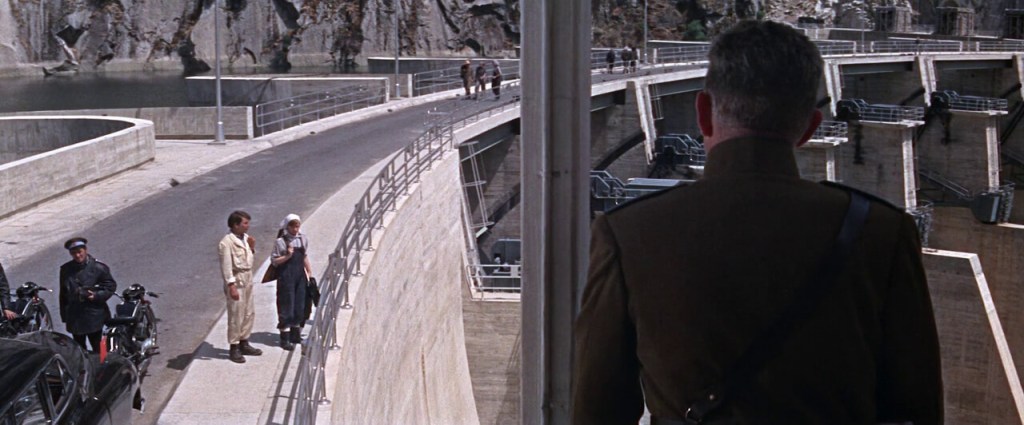
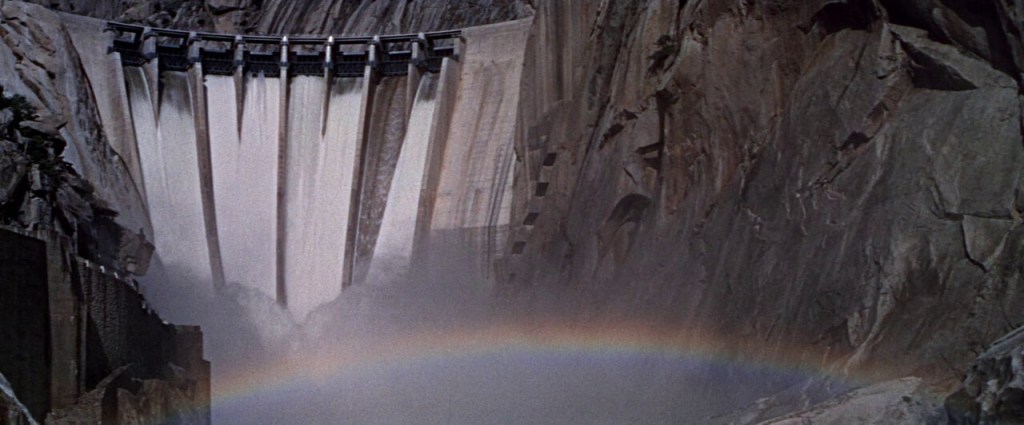
Doctor Zhivago was a massive international success and won five Academy Awards, including Best Adapted Screenplay, Best Cinematography, Best Art Direction, Best Costume Design & Best Original Score (Maurice Jarre)
It remains one of David Lean’s most ambitious and emotionally resonant films, notable for its combination of epic spectacle and personal intimacy.
Happy Birthday, SL.