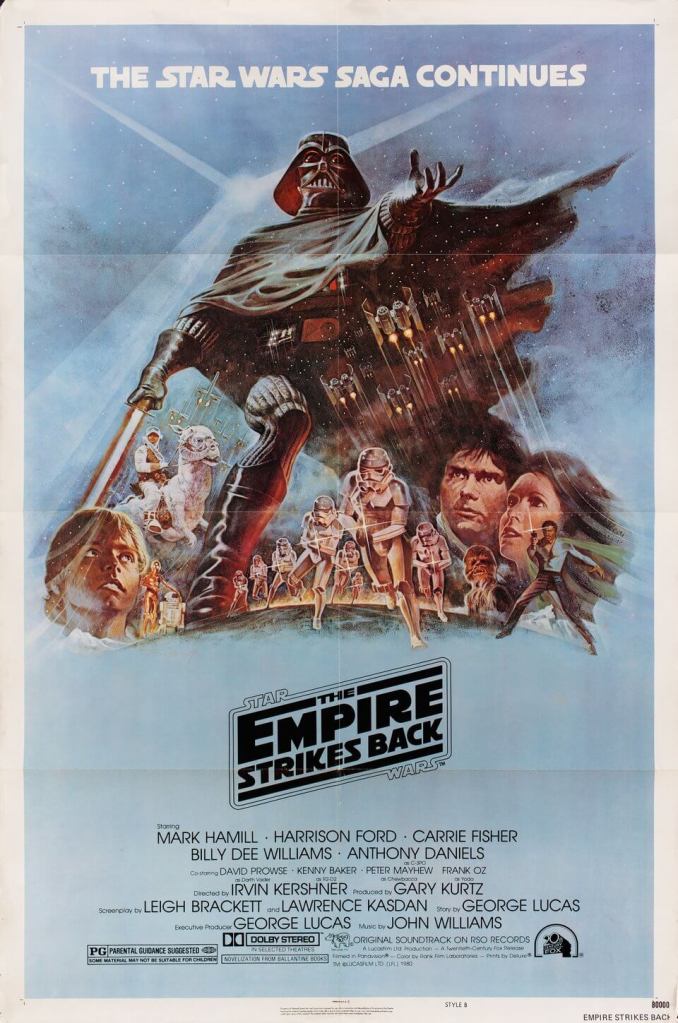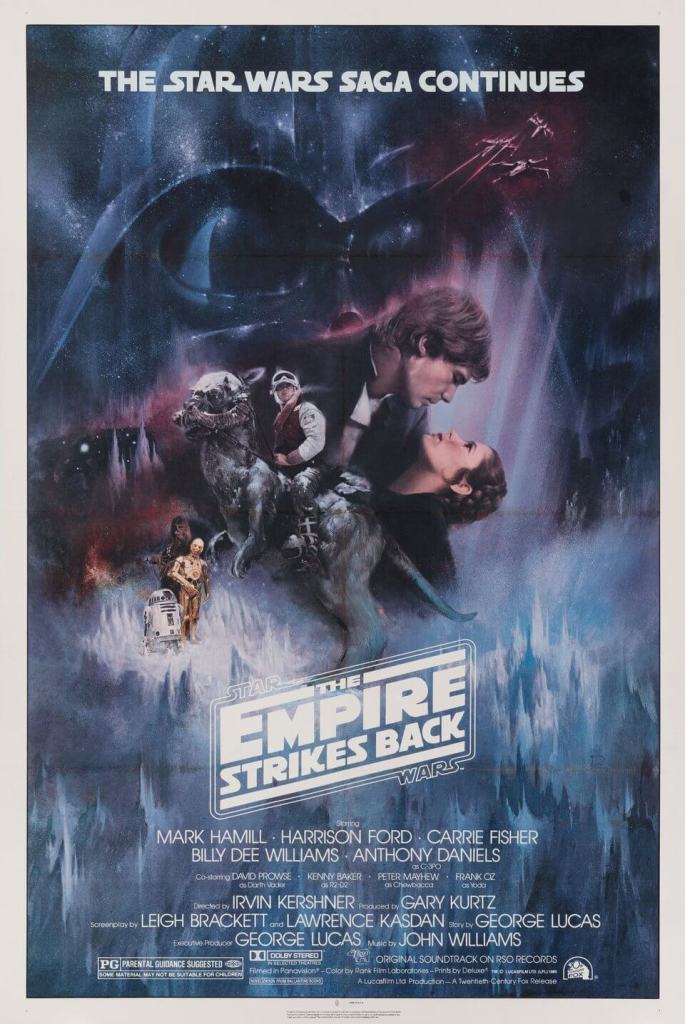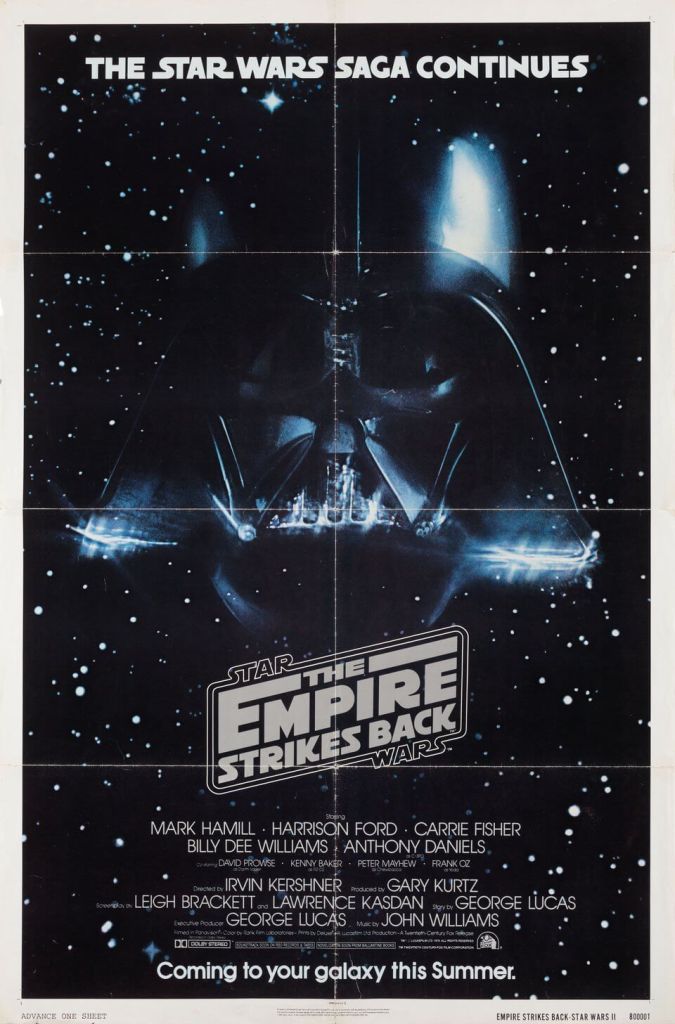
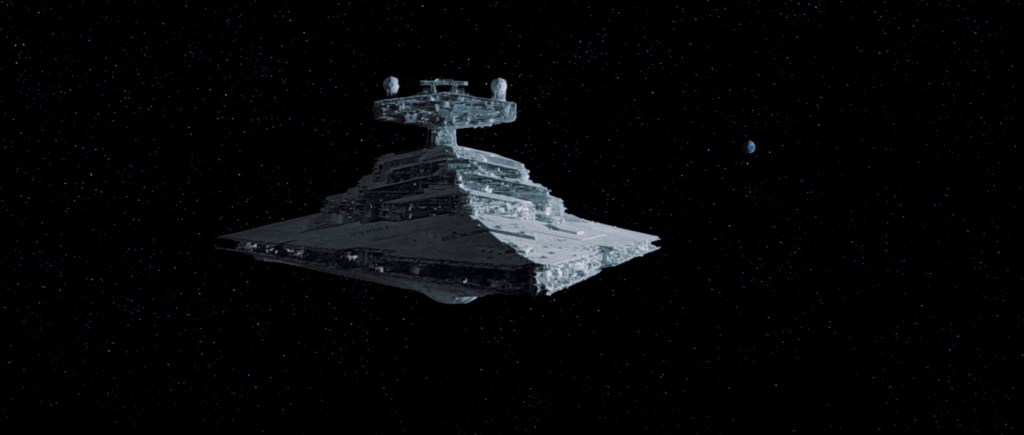
“The Empire Strikes Back,” also known as “Star Wars: Episode V – The Empire Strikes Back,” is the 1980 second installment in the Star Wars saga and the fifth episode in its chronological order; it is often regarded as one of the best sequels—and films—in the Star Wars Saga. The film, directed by Irvin Kershner, is Darker, deeper, and more character-driven than its predecessor; it expands the mythology of the galaxy far, far away and sets the stage for an epic climax.

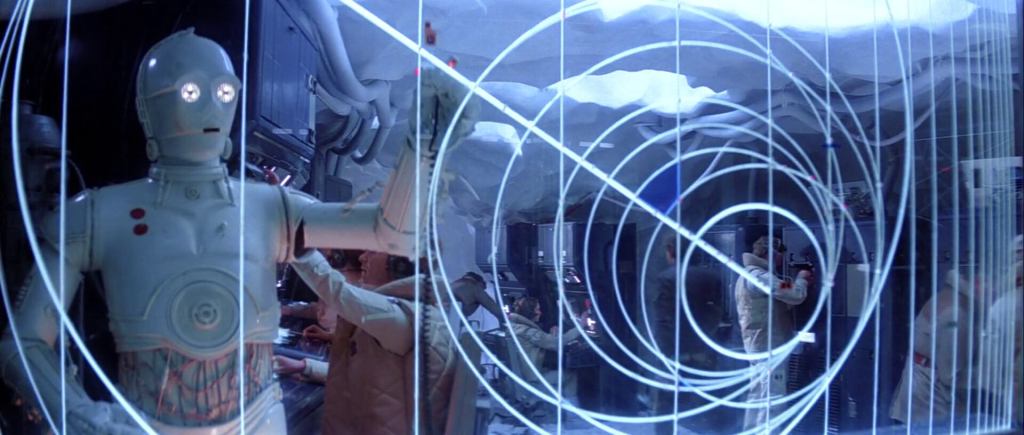
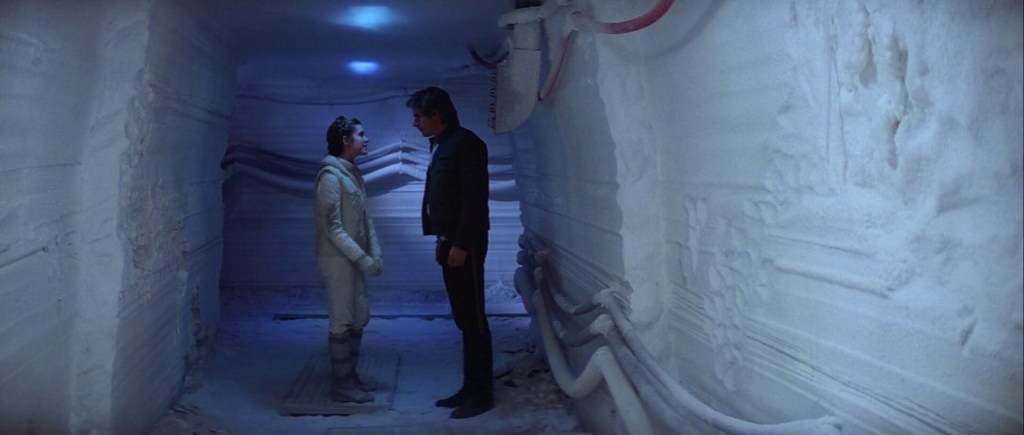
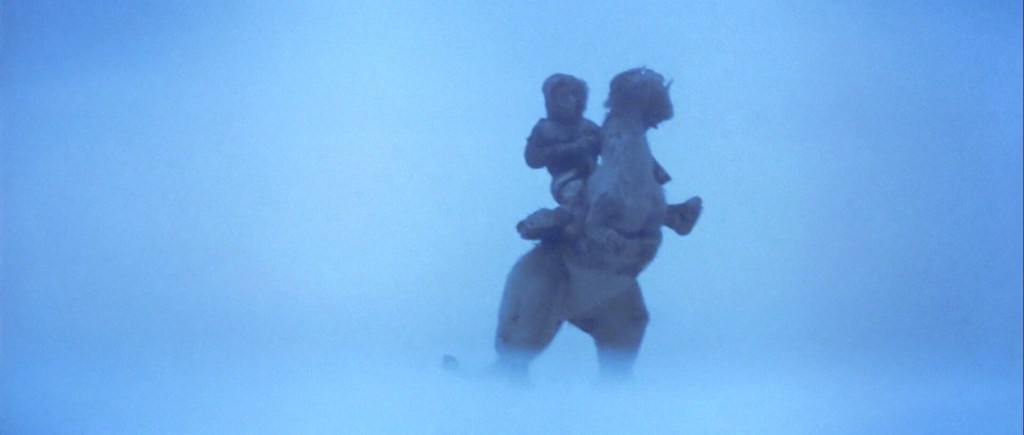
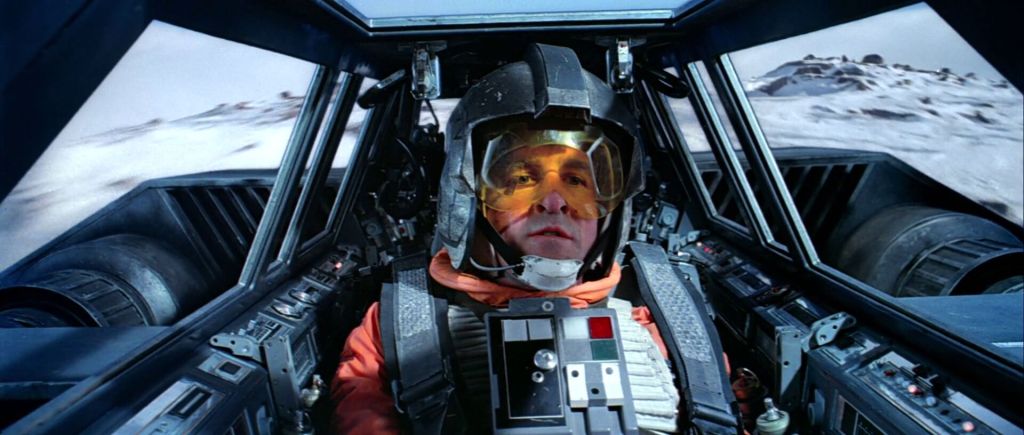
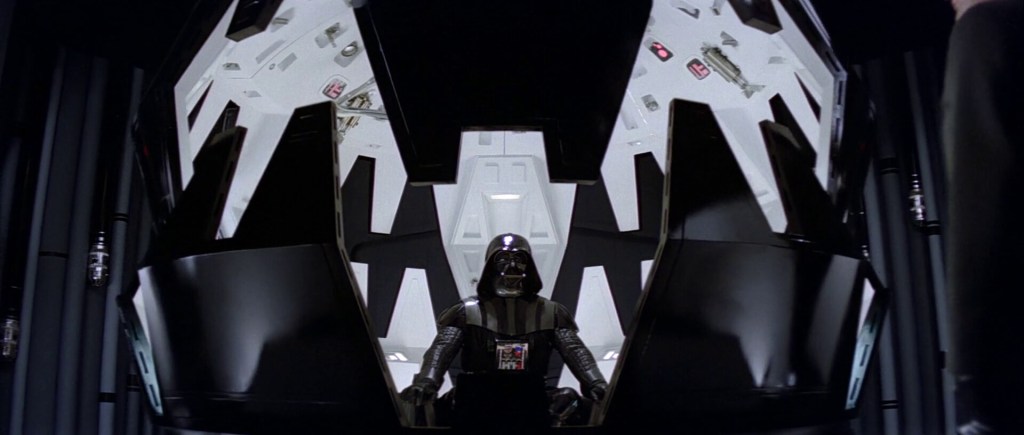
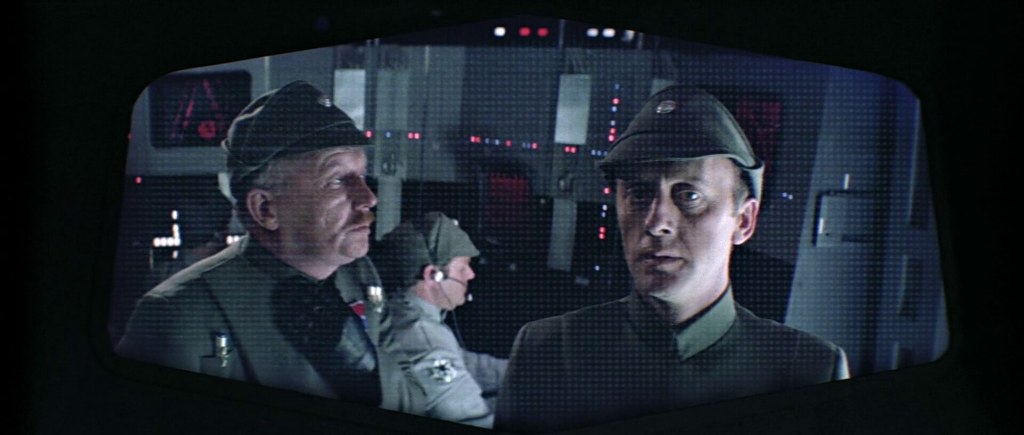
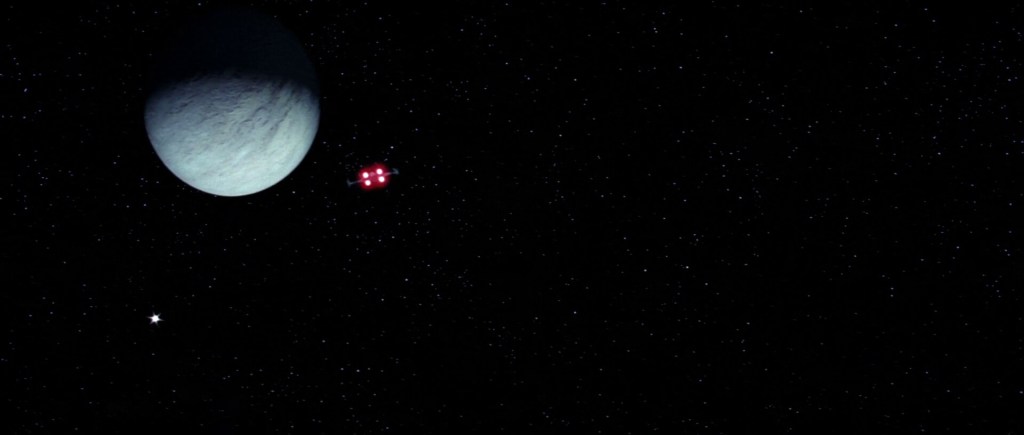
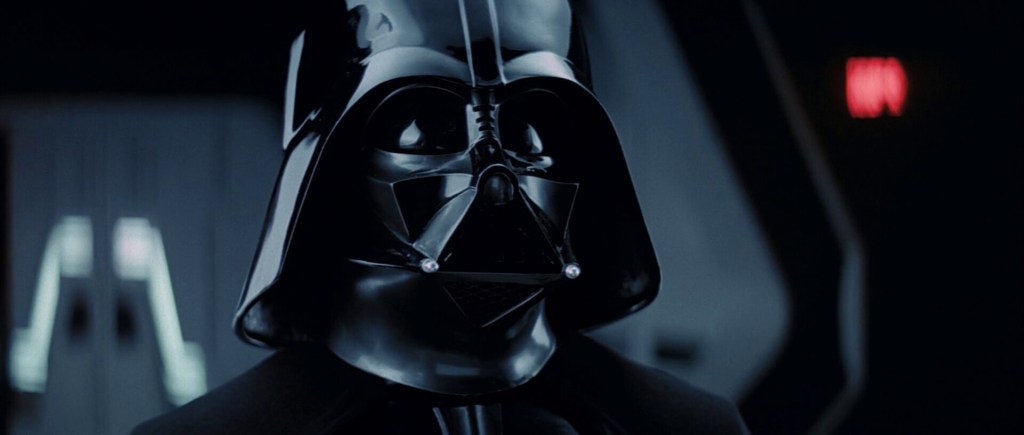
The film begins shortly after the destruction of the Death Star in “A New Hope,” also known as “Star Wars.” The Rebel Alliance, now on the run from the vengeful Galactic Empire, has established a secret base on the icy planet Hoth. The Imperial fleet, led by Darth Vader, is relentlessly searching for them.
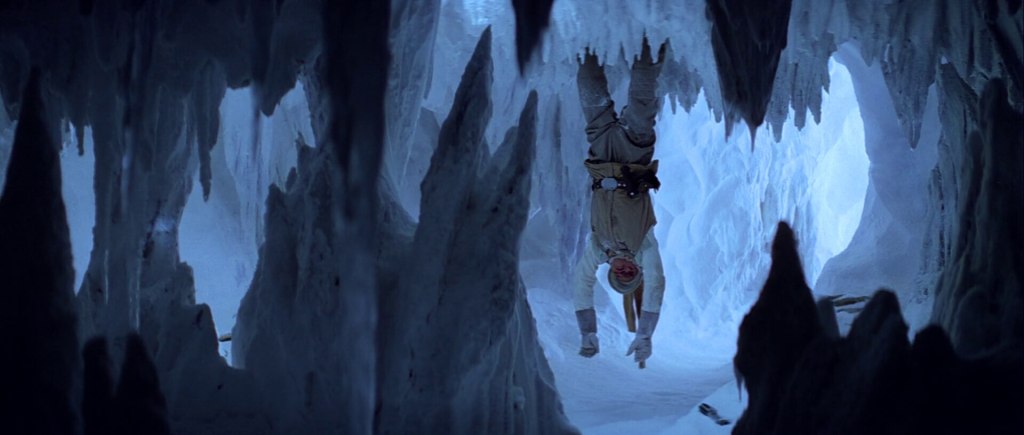
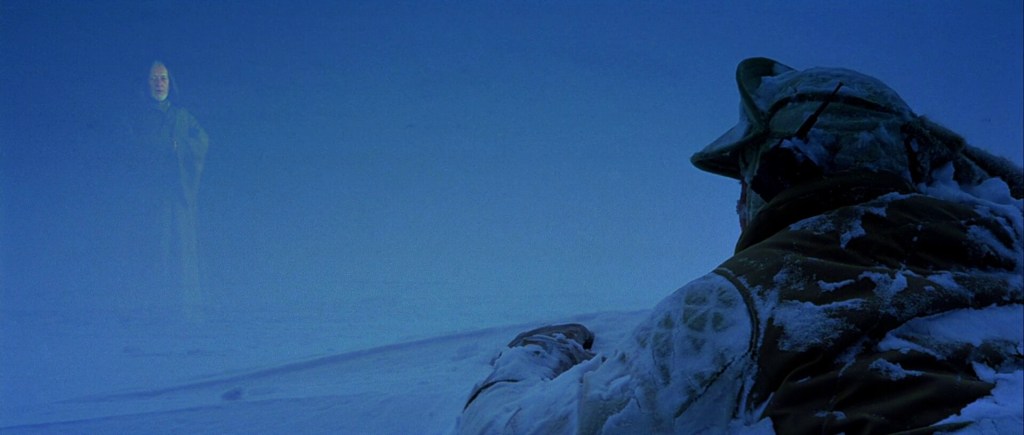
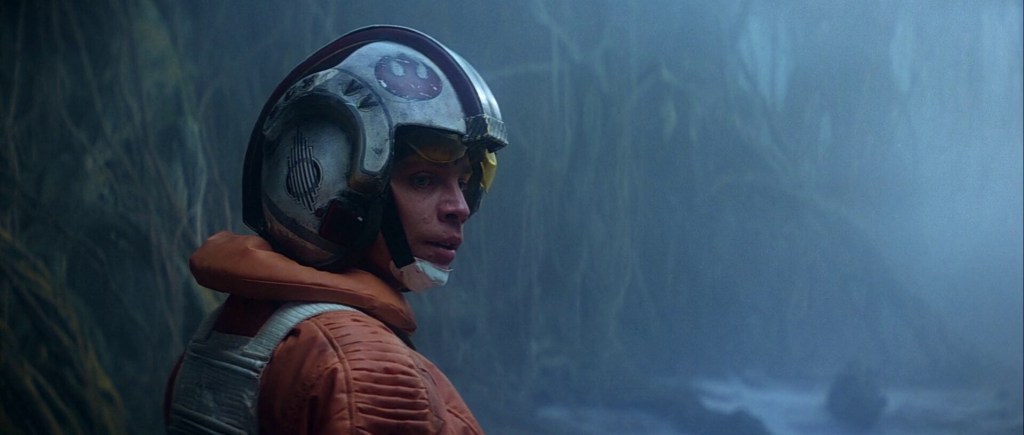
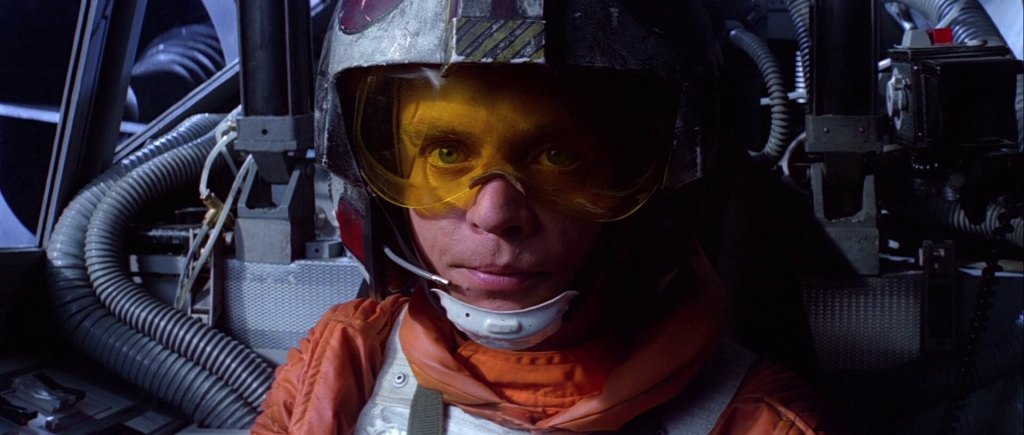
Luke Skywalker (Mark Hamill), now a commander, is attacked by a wampa (a snow creature) during a scouting mission. Escaping the beast, he collapses in the cold but is saved by a vision of Obi-Wan Kenobi (Alec Guinness), who instructs him to seek out Yoda (voiced by Frank Oz), a Jedi Master living on the Dagobah system.
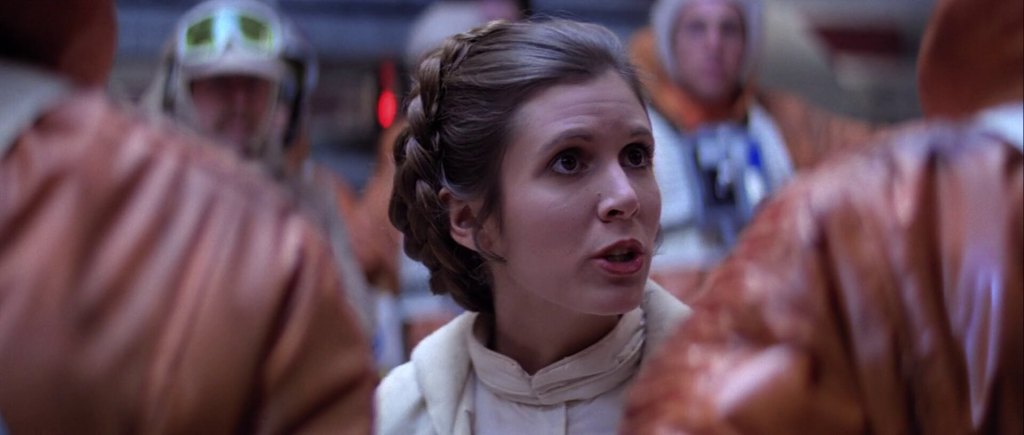
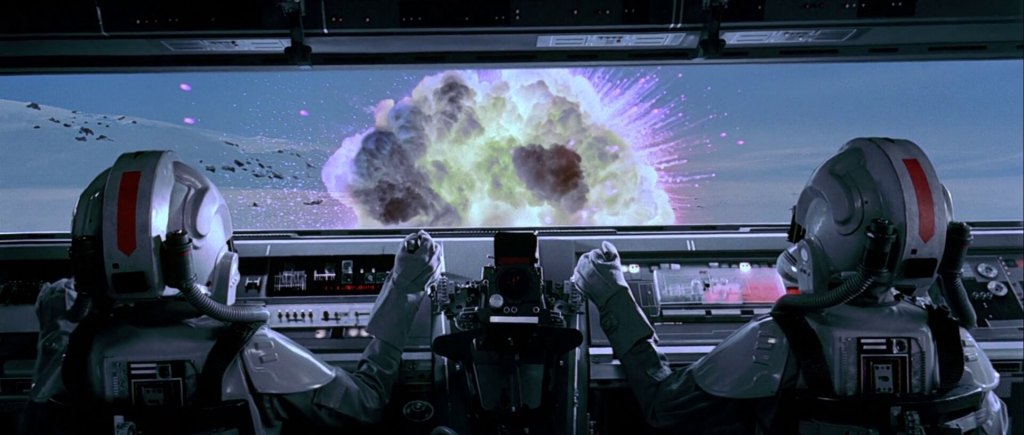
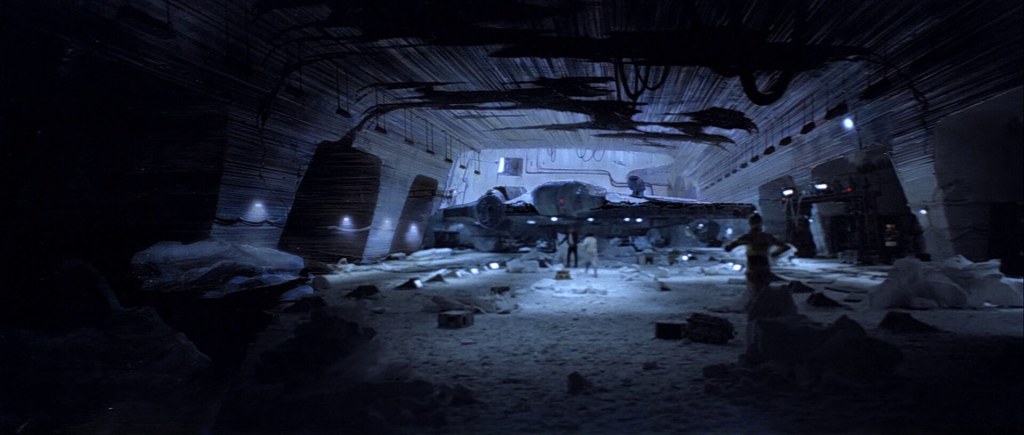
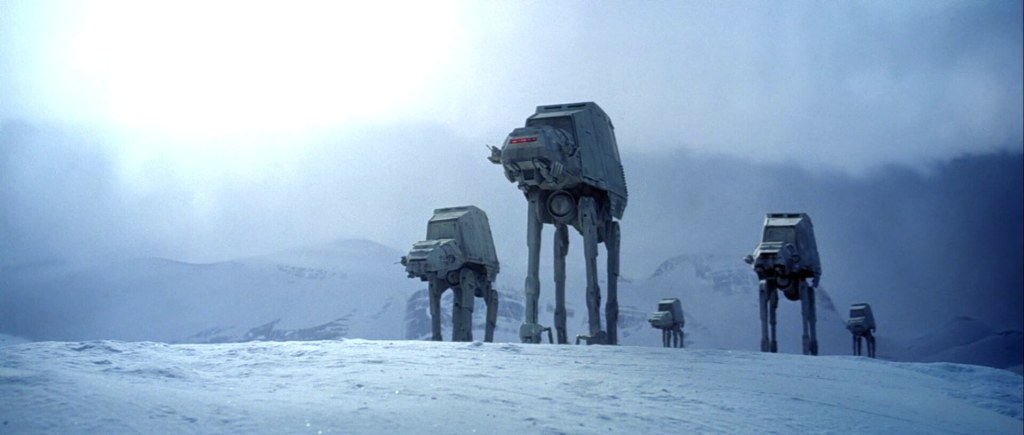
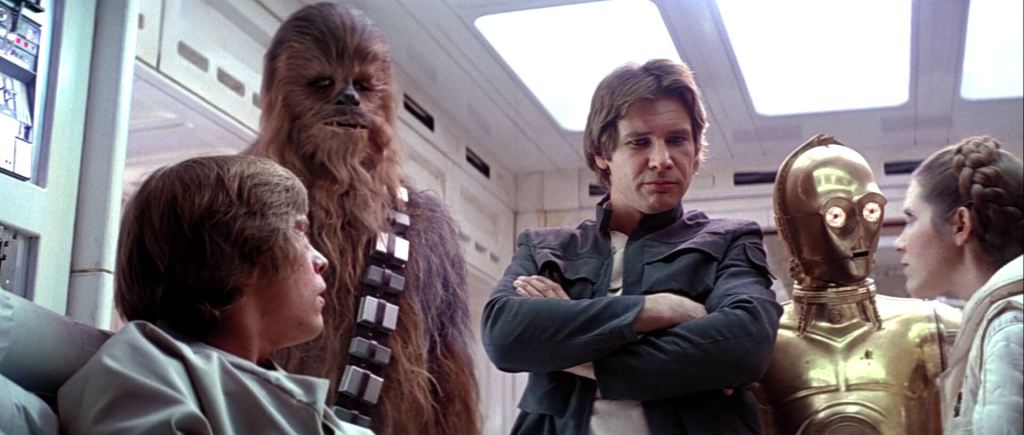
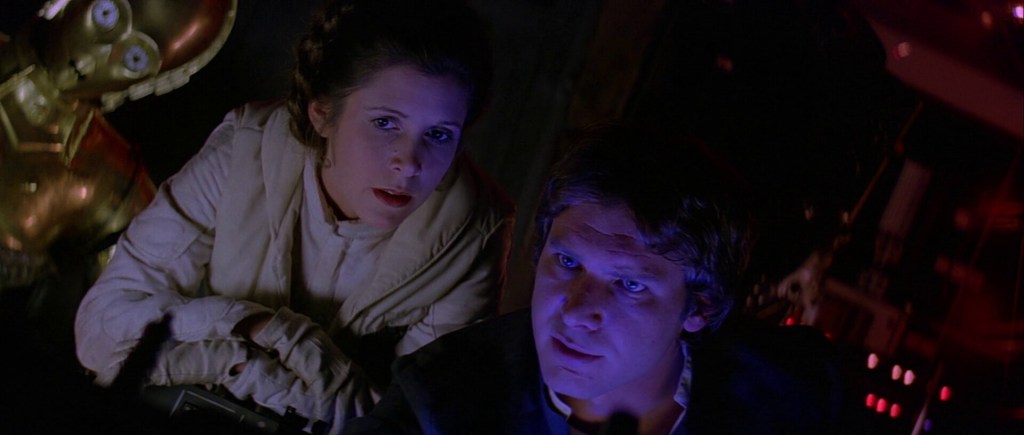
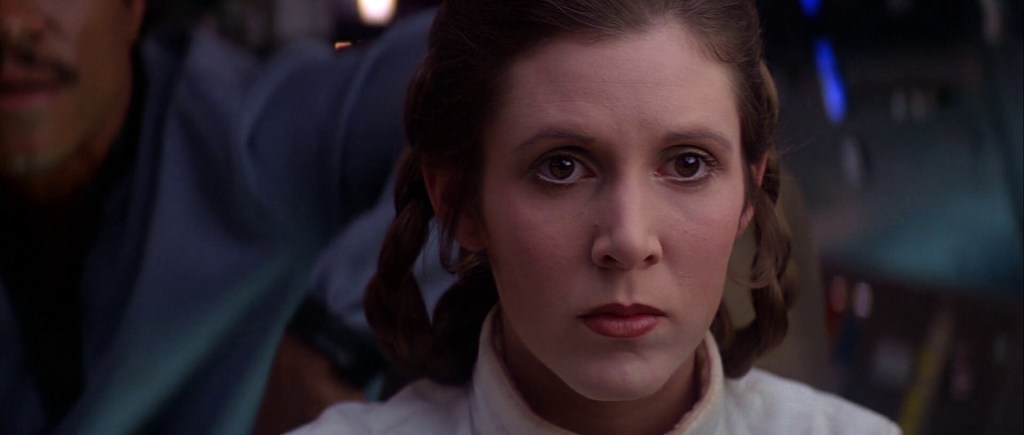
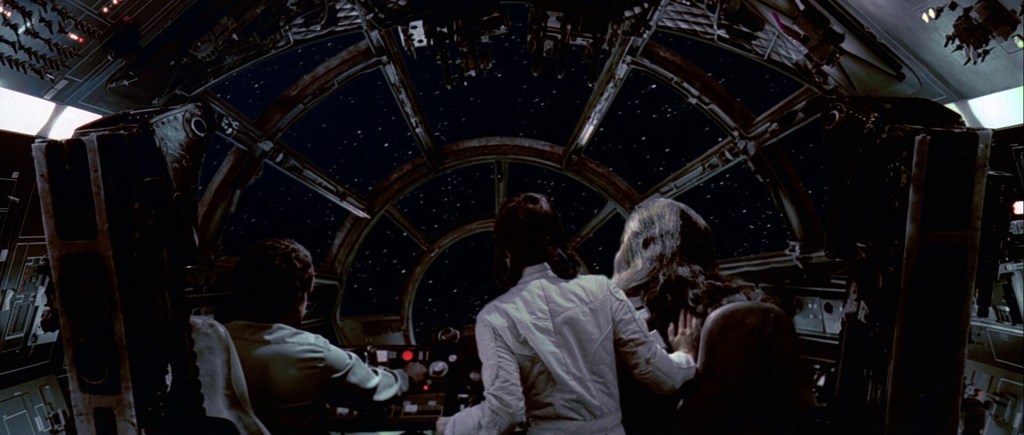
The Empire discovers the Rebel base and launches a brutal ground assault with AT-AT walkers. The battle is spectacular but ends in retreat for the Rebels. Han Solo (Harrison Ford), Leia Organa (Carrie Fisher), Chewbacca (Peter Mayhew), and C-3PO (Anthony Daniels) flee aboard the Millennium Falcon, which is plagued by mechanical issues.
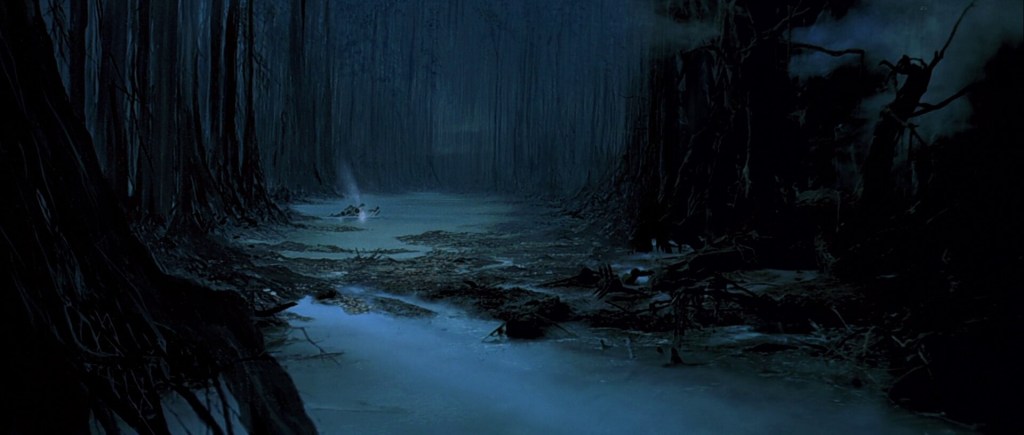
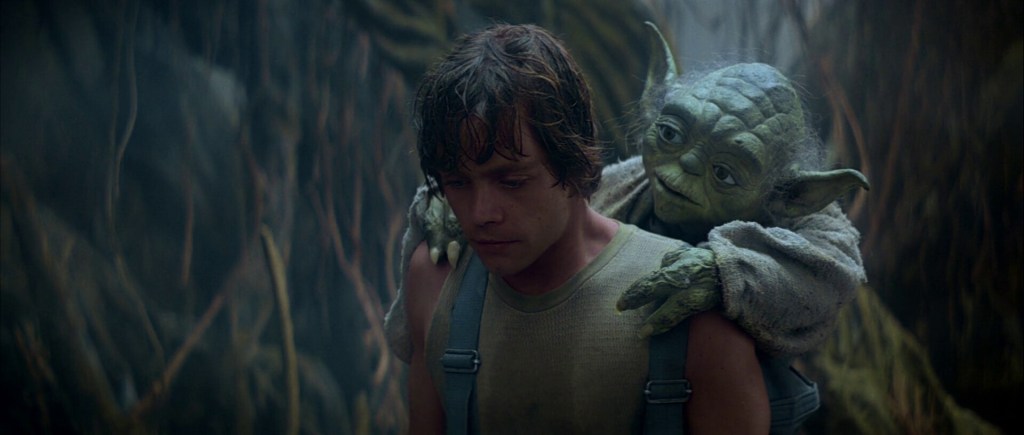
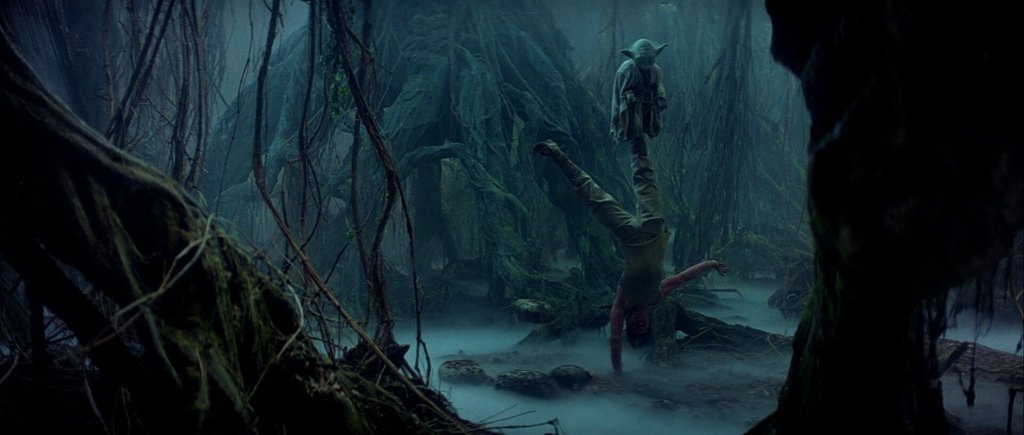
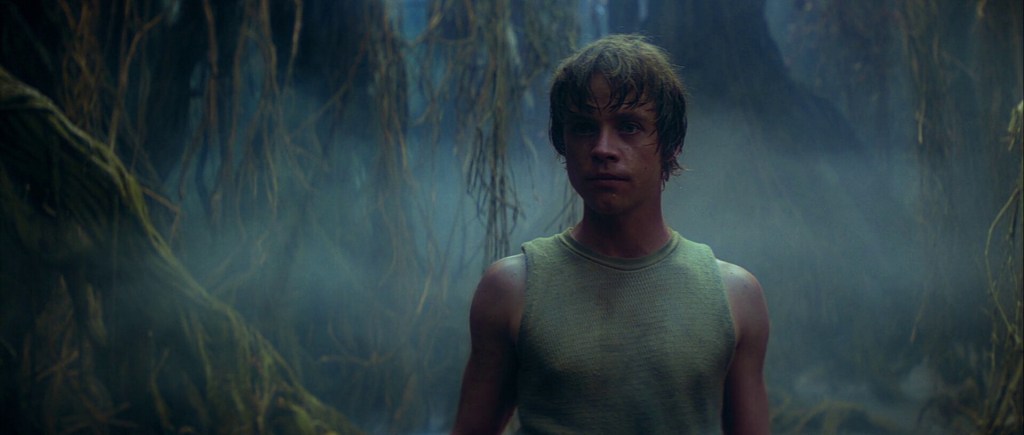
Luke, with R2-D2, heads to the swampy planet Dagobah, where he meets the mysterious and eccentric Yoda. Initially skeptical, Luke trains in the ways of the Force—learning discipline, control, and patience. Yoda warns him that his greatest threat is his anger and impatience.
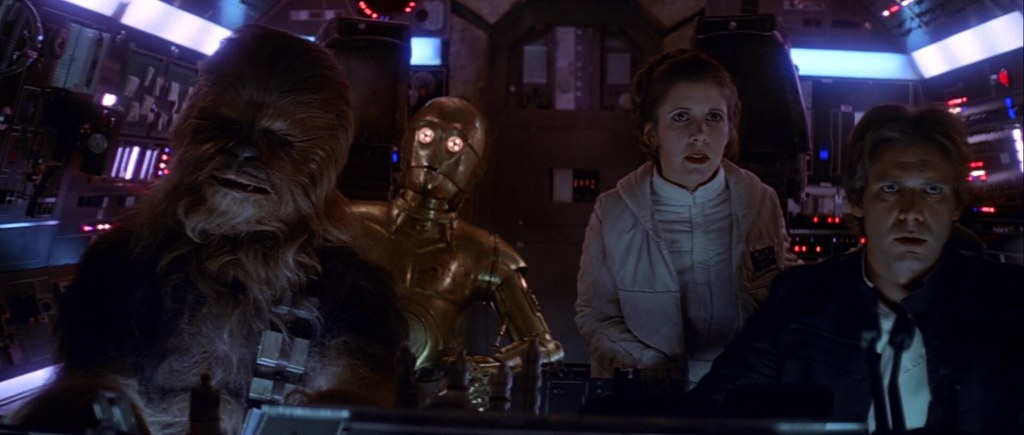
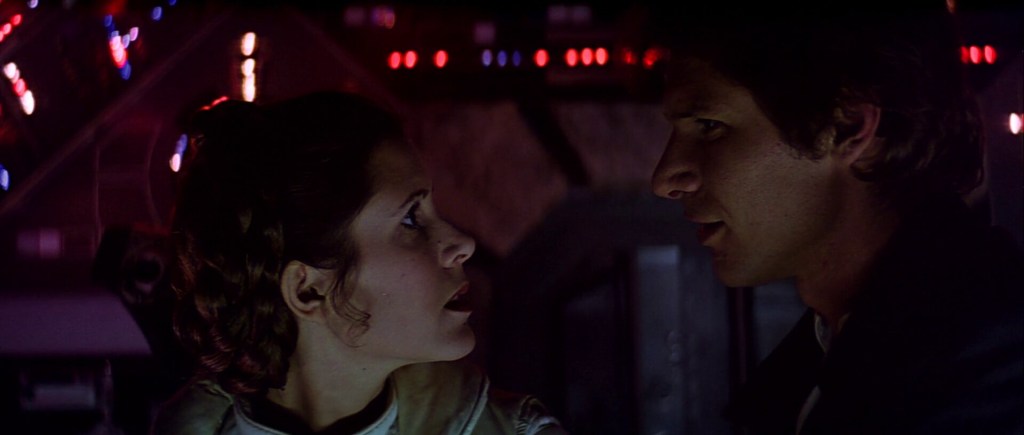
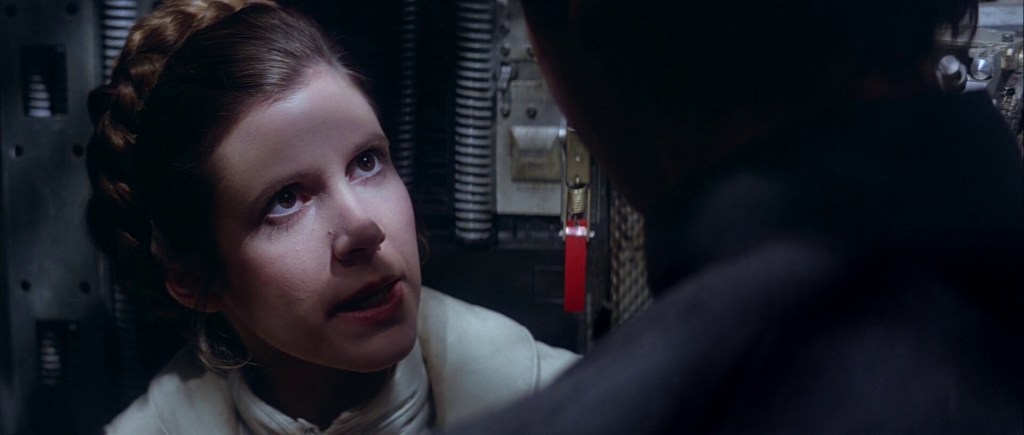
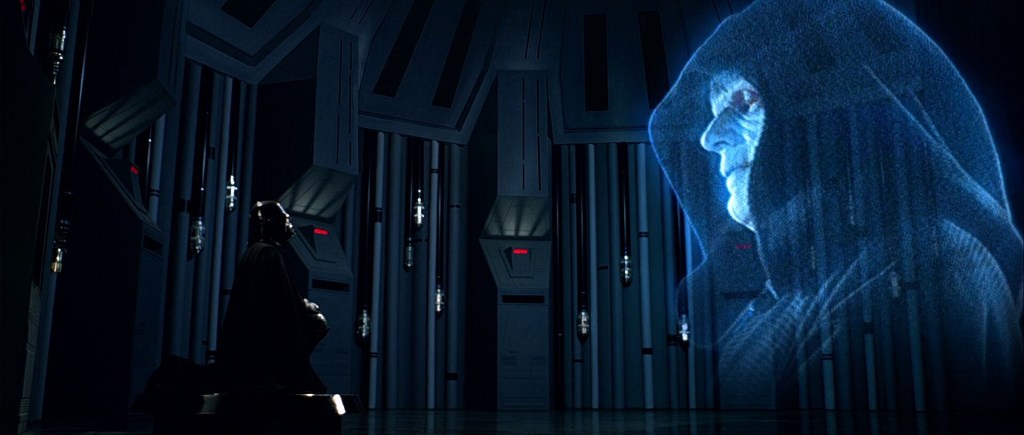
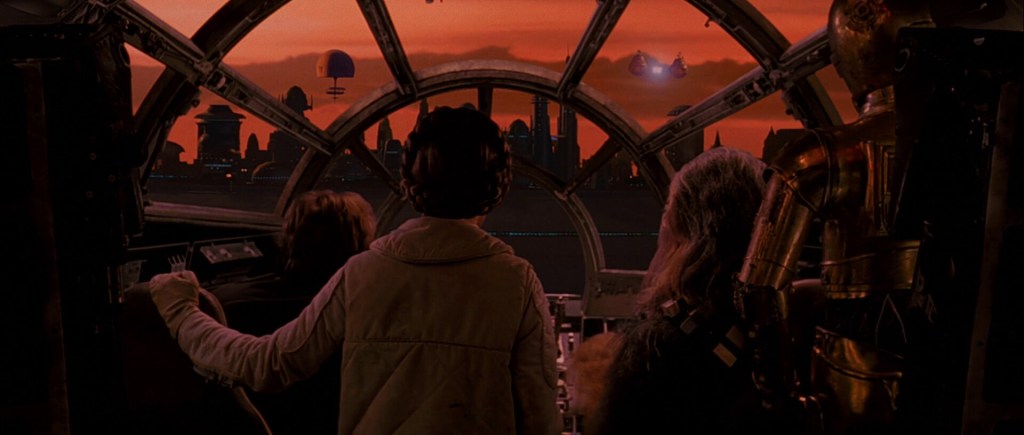
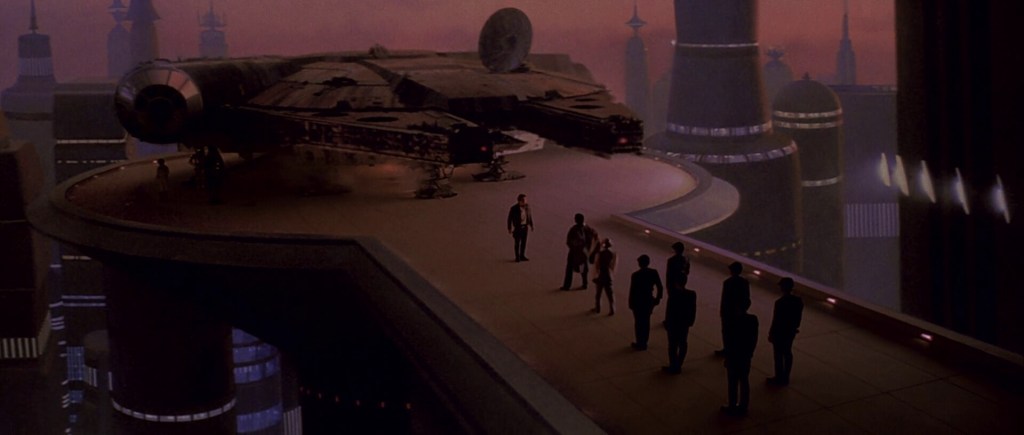
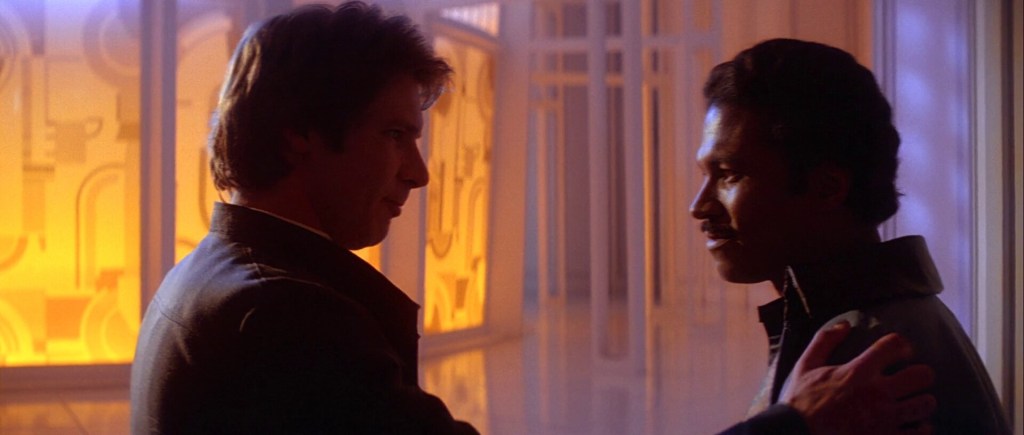
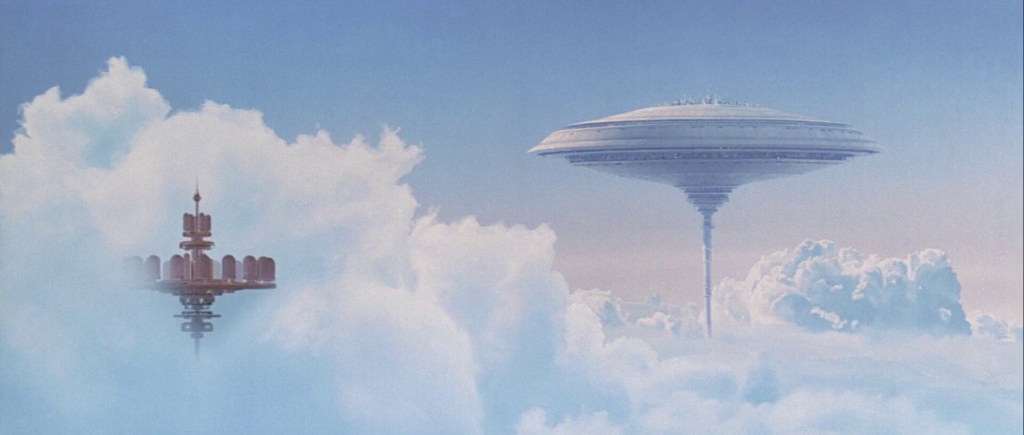
Meanwhile, Han and Leia are pursued across the galaxy by Imperial forces. They eventually seek refuge in Cloud City, a floating gas mining colony run by Lando Calrissian (Billy Dee Williams), an old acquaintance of Han’s. However, Lando has made a secret deal with Darth Vader to betray them in exchange for the safety of his city.
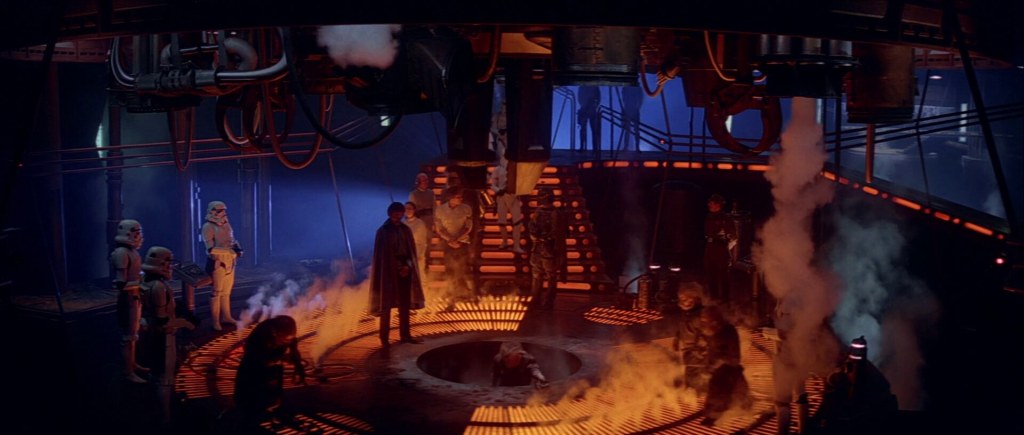
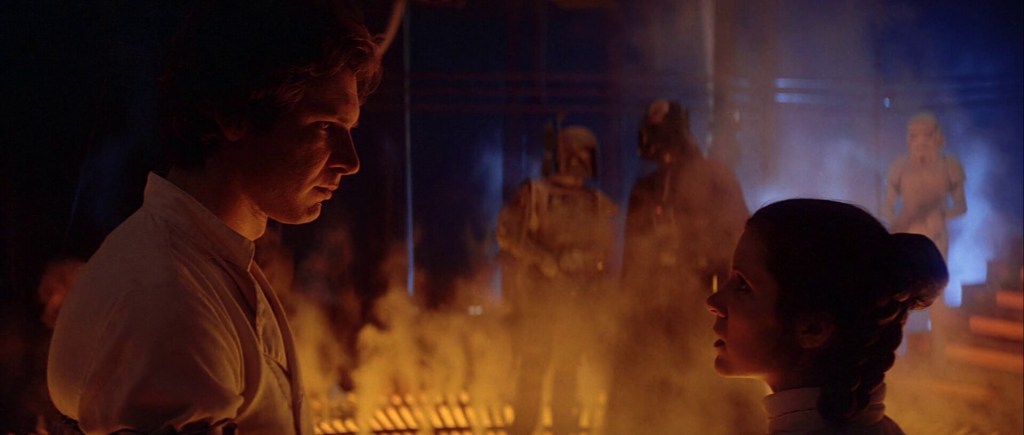
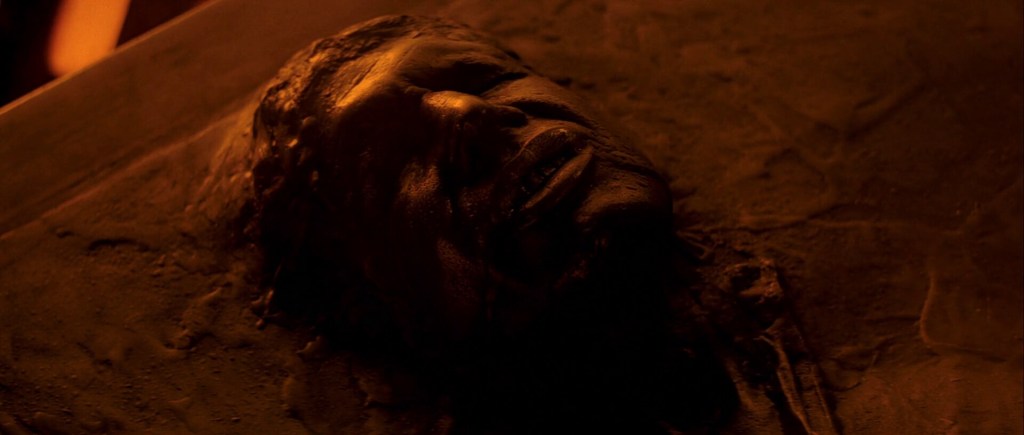
Vader captures the group and uses them as bait to lure Luke into a trap. In a horrifying act of cruelty, Vader freezes Han in carbonite to test the process intended for Luke. Han is given over to bounty hunter Boba Fett, who plans to deliver him to Jabba the Hutt. Leia finally confesses her love to Han before he is frozen: “I love you.” He replies, “I know.”
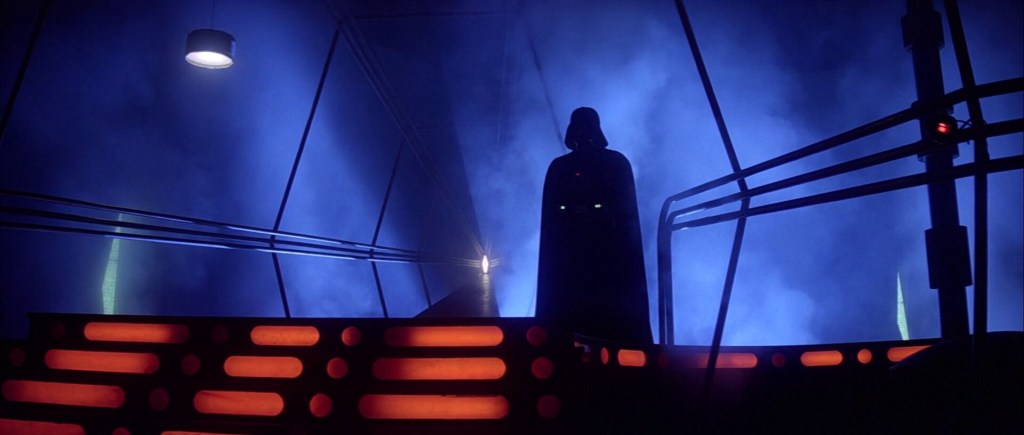
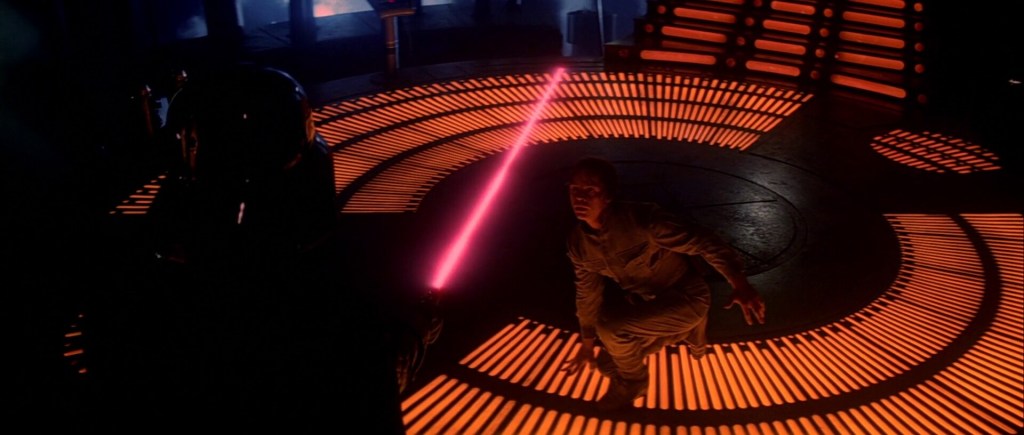
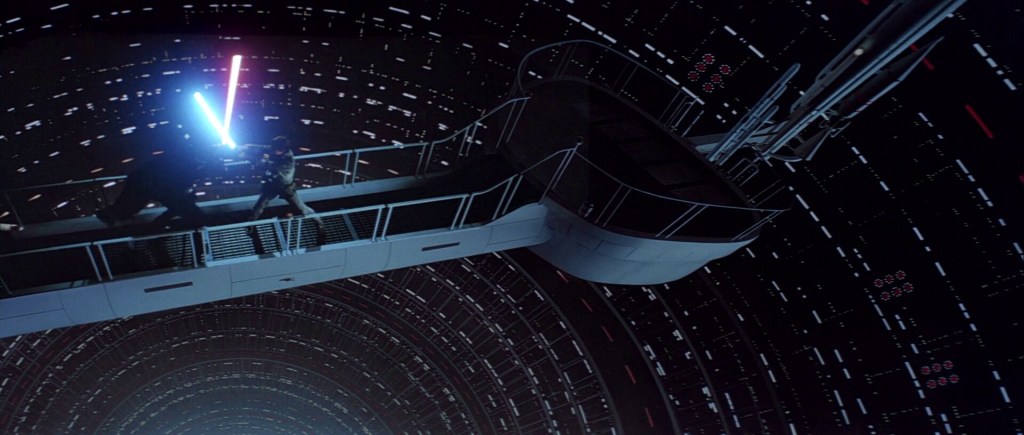
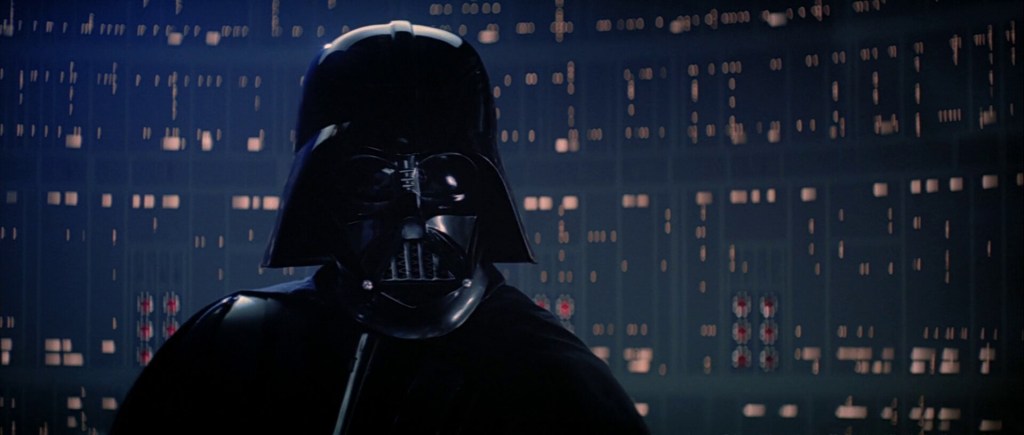
Sensing his friends are in pain, Luke defies Yoda’s warnings and races to Cloud City, where he confronts Darth Vader in one of cinema’s most iconic lightsaber duels. The battle unfolds in a towering, industrial setting filled with danger and tension. Despite his training, Luke is outmatched.
In a devastating moment, Vader reveals the truth:
“No, I am your father.”
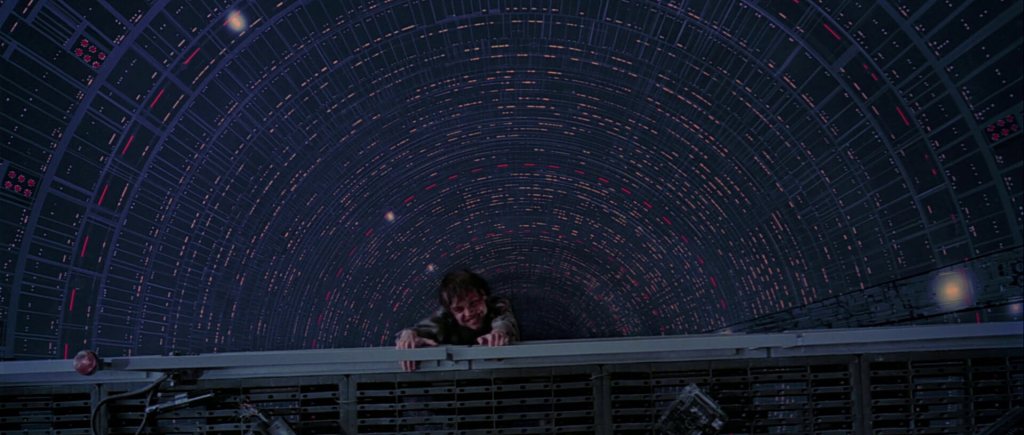
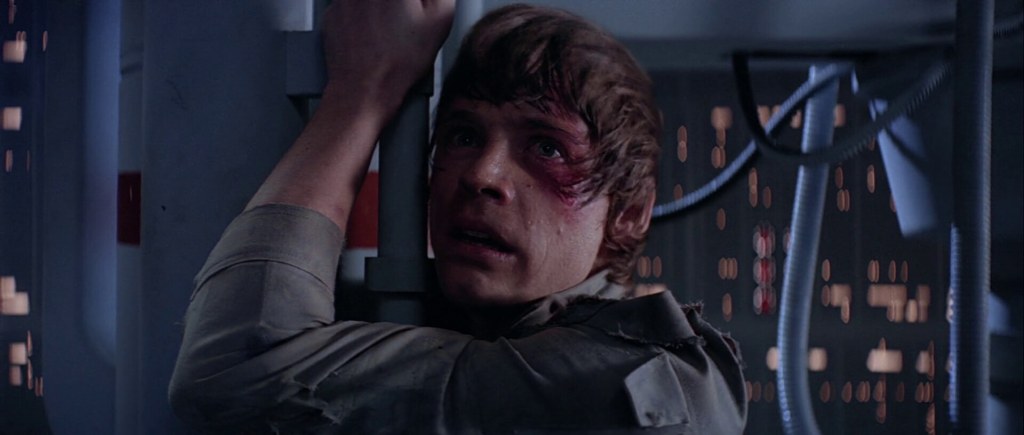
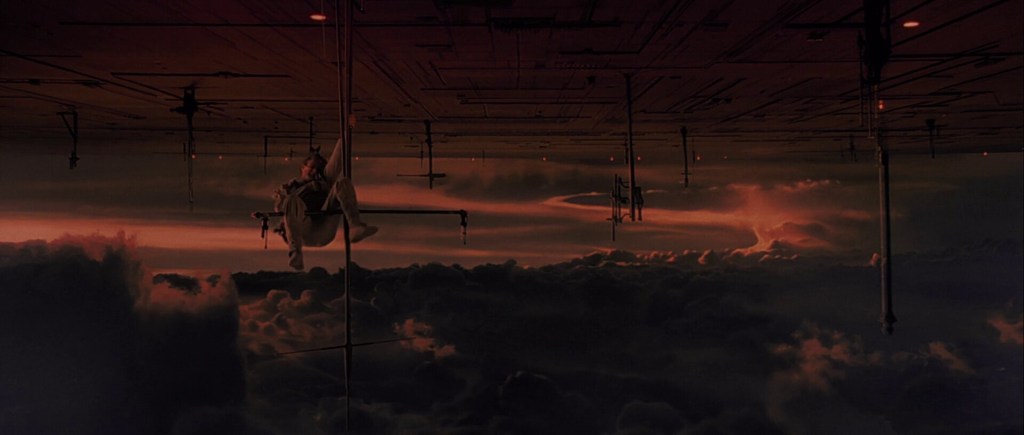
This revelation shatters Luke’s understanding of his past and his identity. Rather than join Vader, he chooses death and lets himself fall from the platform, surviving by fate and being rescued by Leia and Lando.
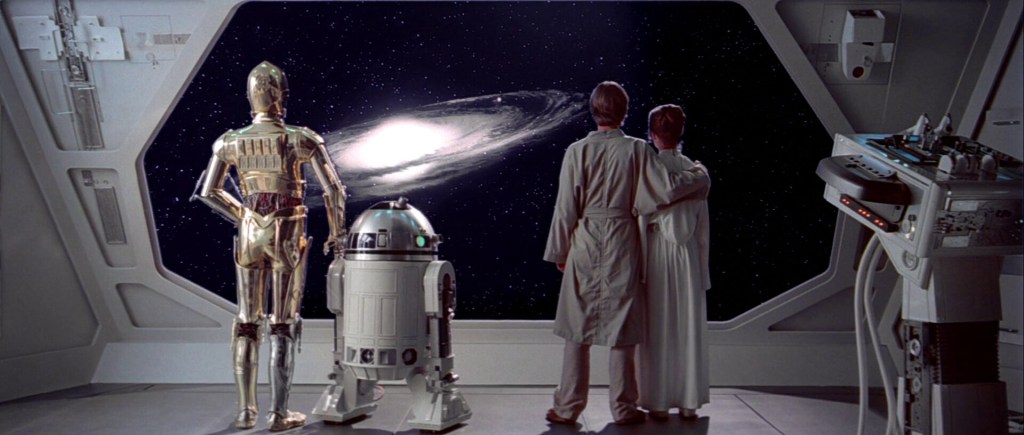
The film ends on a somber yet hopeful note. Luke is recovering aboard a Rebel medical ship, his severed hand replaced with a robotic one. Leia, Chewbacca, and Lando plan a mission to rescue Han from Jabba the Hutt.

The heroes are wounded, scattered, and facing overwhelming odds—but still committed to the fight. The Empire has indeed struck back, but the spirit of the Rebellion remains unbroken.
“The Empire Strikes Back” is renowned for its darker tone, which captures the complexities of its characters and the weight of their choices. The film’s gripping cliffhanger ending leaves audiences with a sense of suspense and anticipation. At the same time, its exploration of profound themes such as identity, sacrifice, and destiny elevates the narrative to a new level of depth. As a result, it has become a benchmark for sequels across all genres, influencing countless stories to delve deeper into emotional and philosophical territory.