

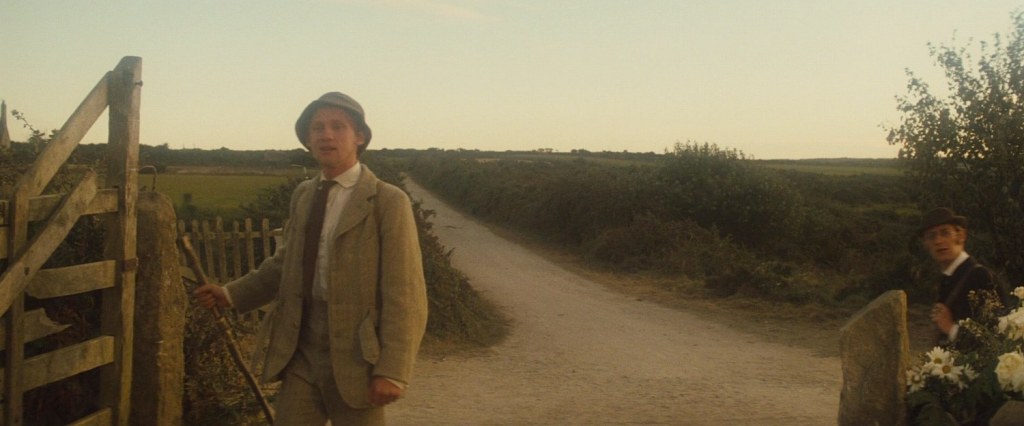

“Tess” is Roman Polanski’s 1979, emotionally devastating adaptation of Thomas Hardy’s 1891 novel Tess of the d’Urbervilles. The film tells the tragic story of a young peasant woman whose life is shaped—and ultimately destroyed—by the social injustices and moral hypocrisies of Victorian England.
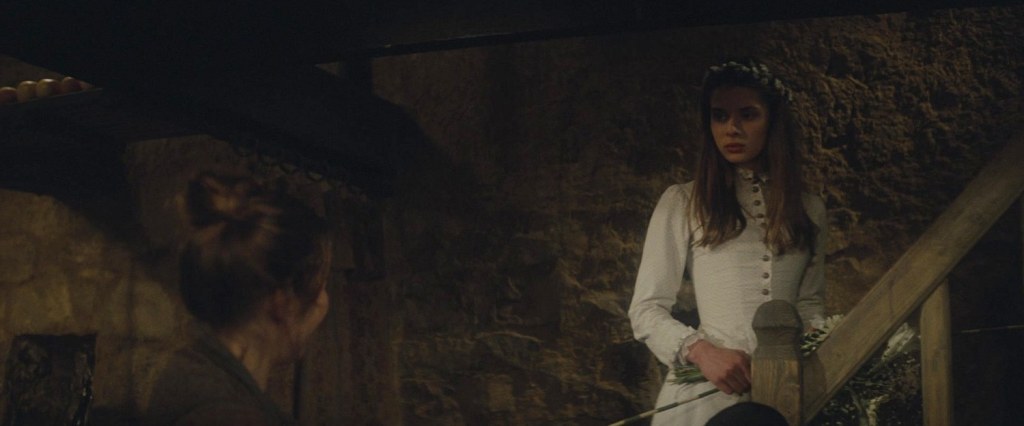

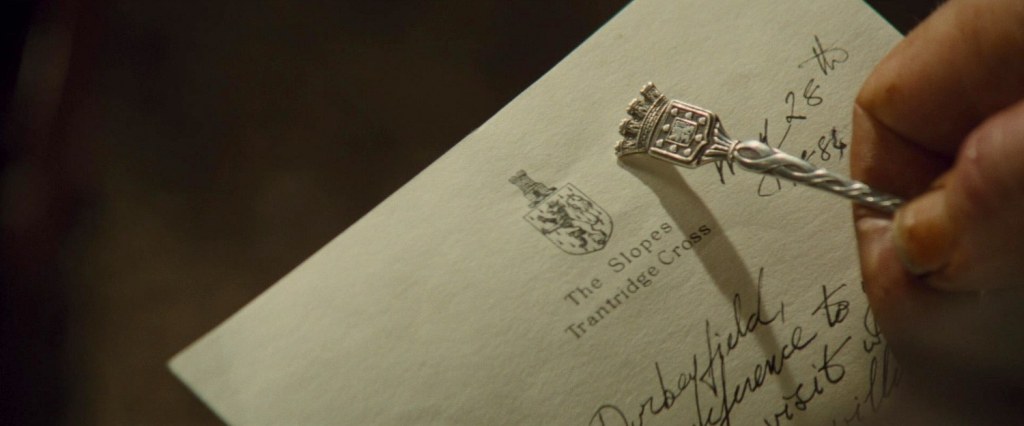
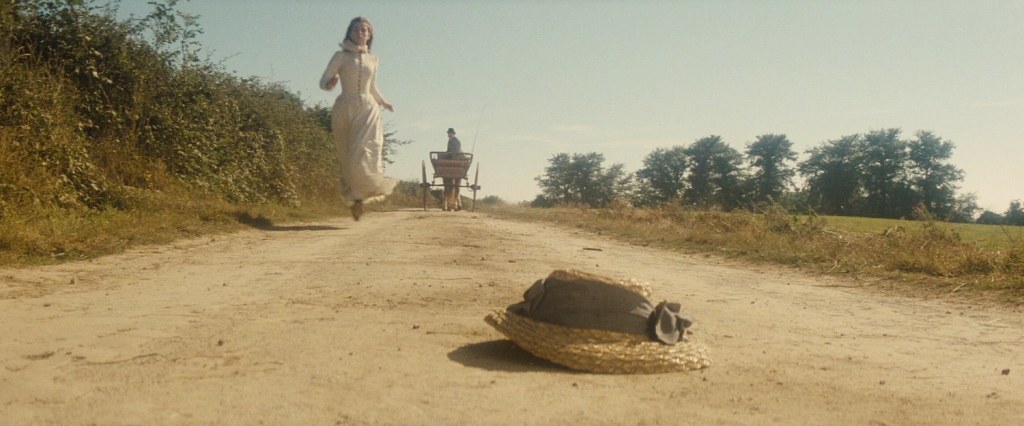
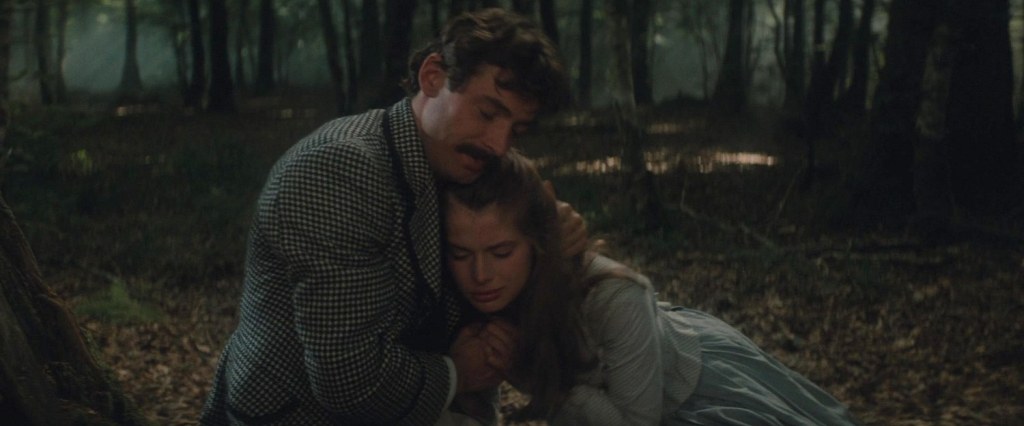
The film is divided into three distinct acts, chronicling Tess’s life, starting in the rural English countryside. Here, impoverished farmer John Durbeyfield (John Collin) discovers that he may be descended from a noble Norman family, the d’Urbervilles. Eager to improve their social standing, the Durbeyfields send their eldest daughter, the beautiful and innocent Tess (Nastassja Kinski), to seek kinship or assistance from the wealthy Stoke-d’Urbervilles.

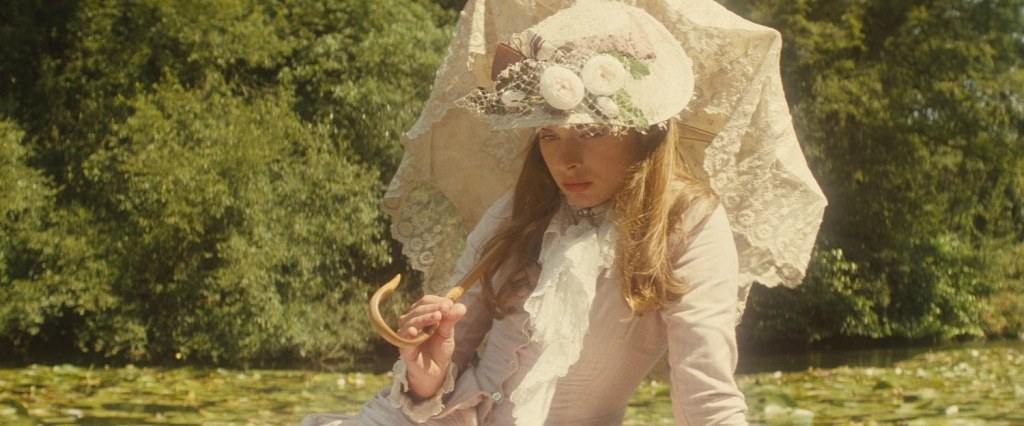
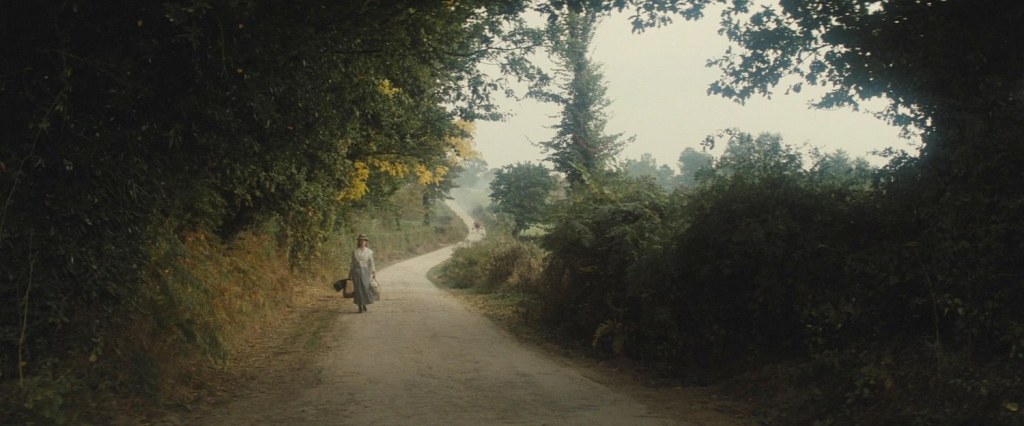

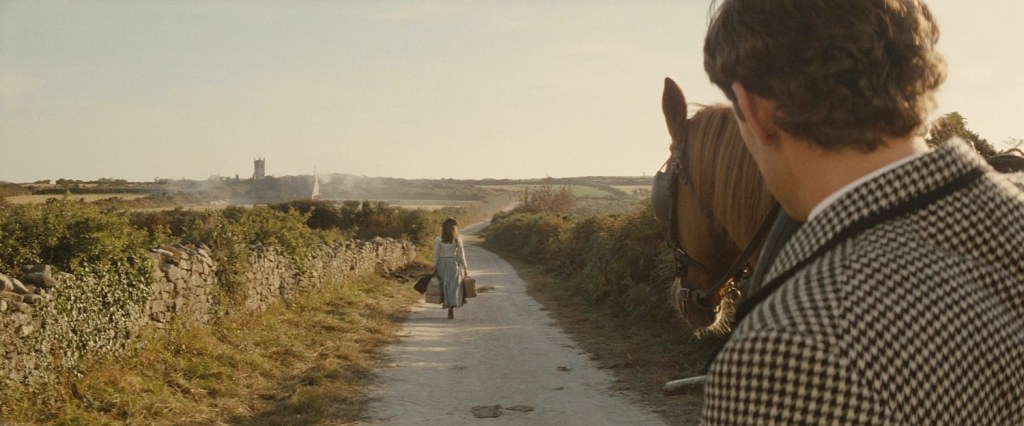
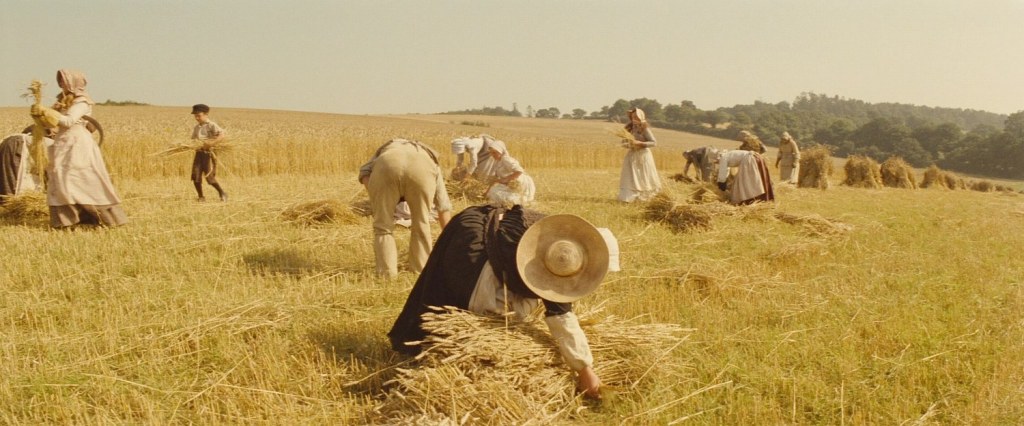

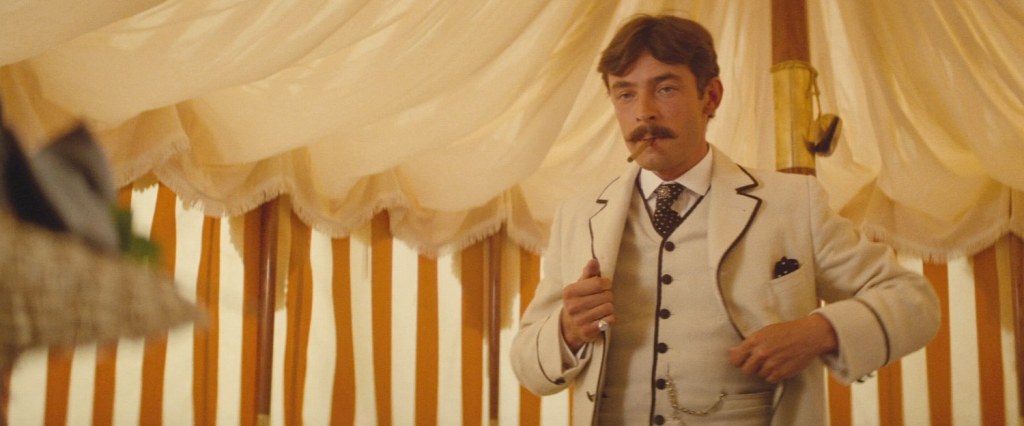
Unbeknownst to the family, the Stoke-d’Urbervilles are not true descendants but have purchased the name. Tess is introduced to Alec d’Urberville (Leigh Lawson), a suave and manipulative young man who quickly becomes obsessed with her. Despite her efforts to keep her dignity and independence, Tess is seduced and possibly raped by Alec, an event that marks the beginning of her fall from grace.
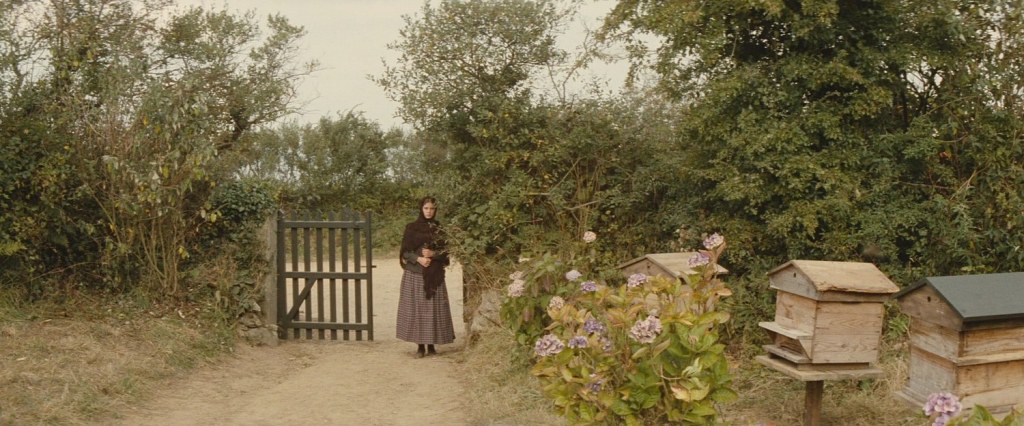
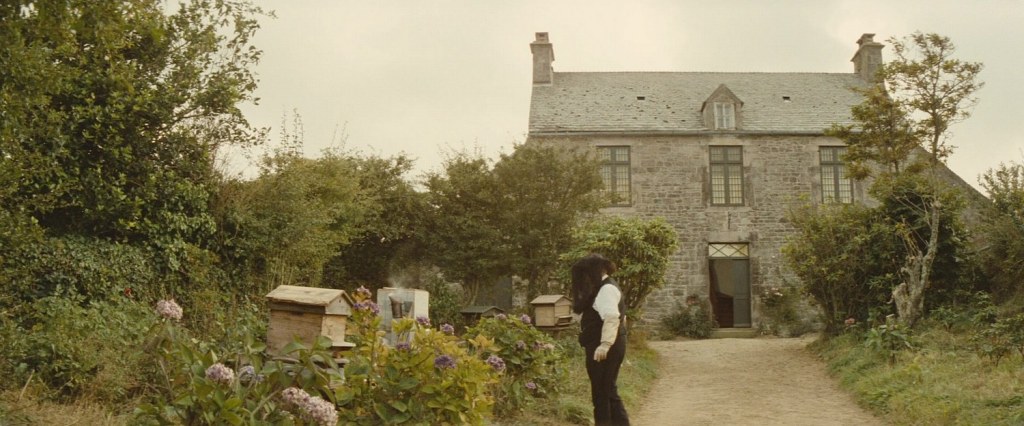


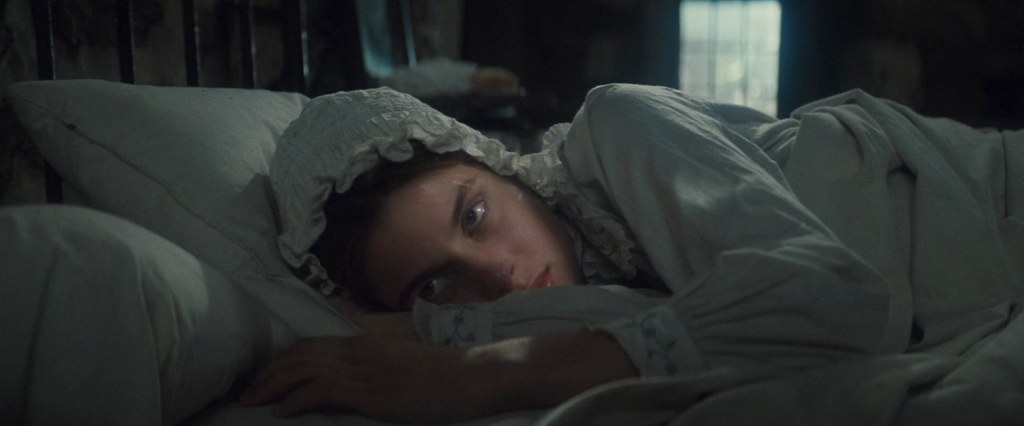
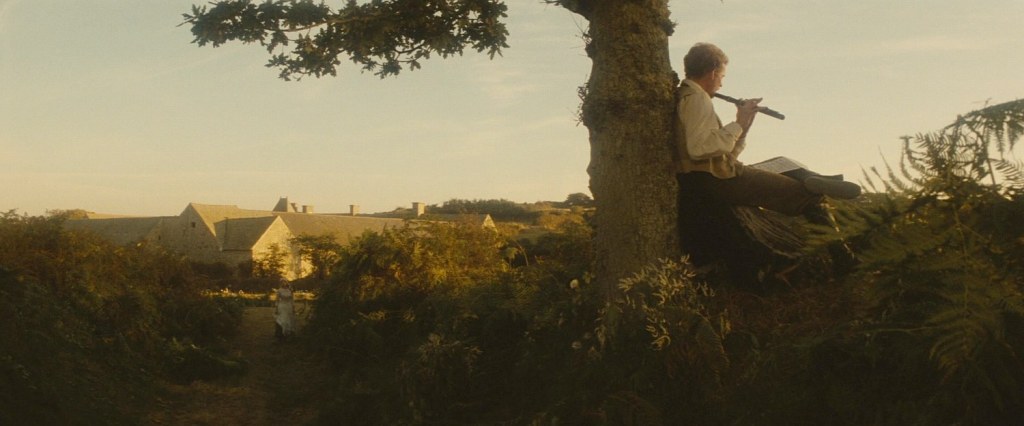
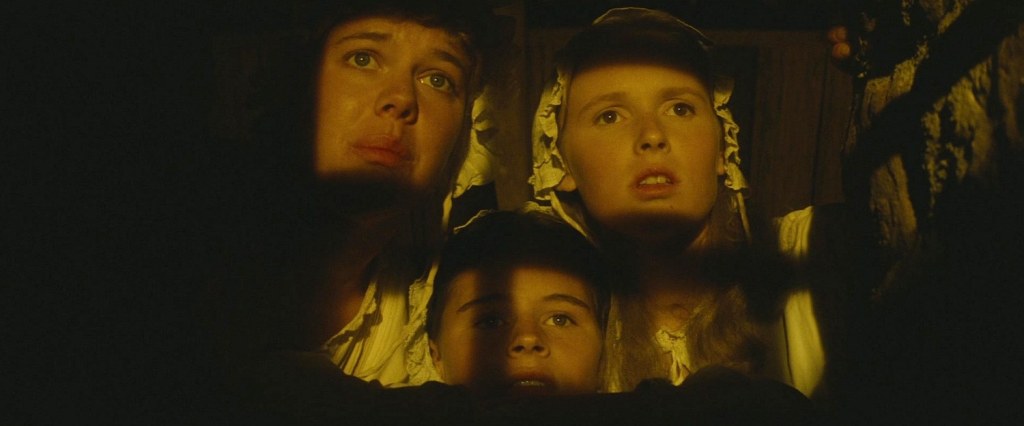
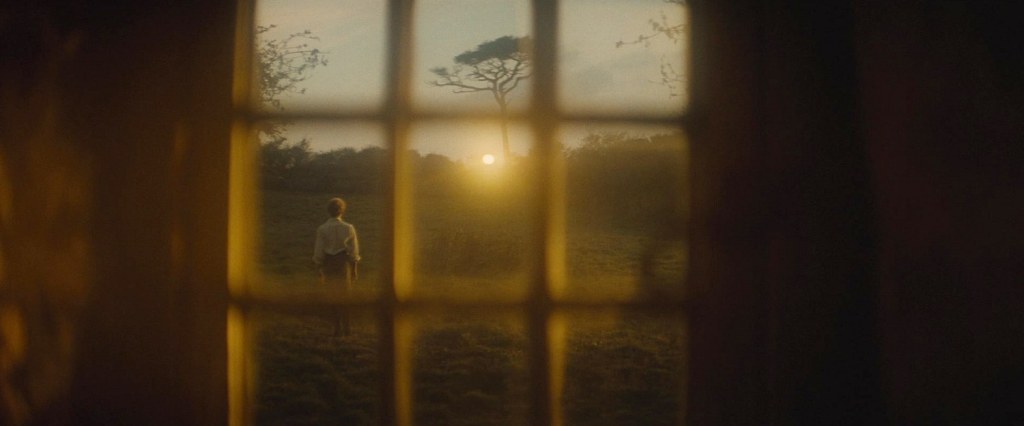

Tess returns home, shamed and bearing a child who dies in infancy. Emotionally shattered, she attempts to rebuild her life by working as a dairymaid far from home. There she meets Angel Clare (Peter Firth), the idealistic and gentle son of a clergyman. They fall deeply in love, and Angel proposes marriage. Torn by guilt, Tess confesses her past to him on their wedding night.
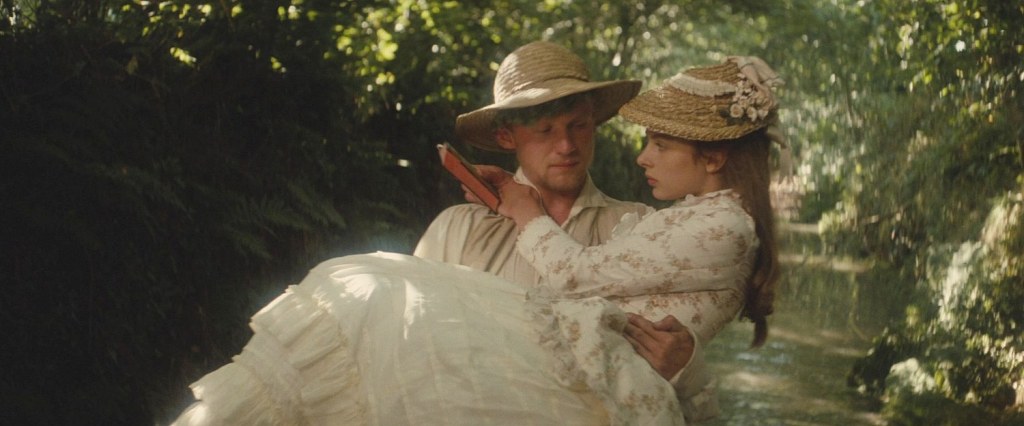
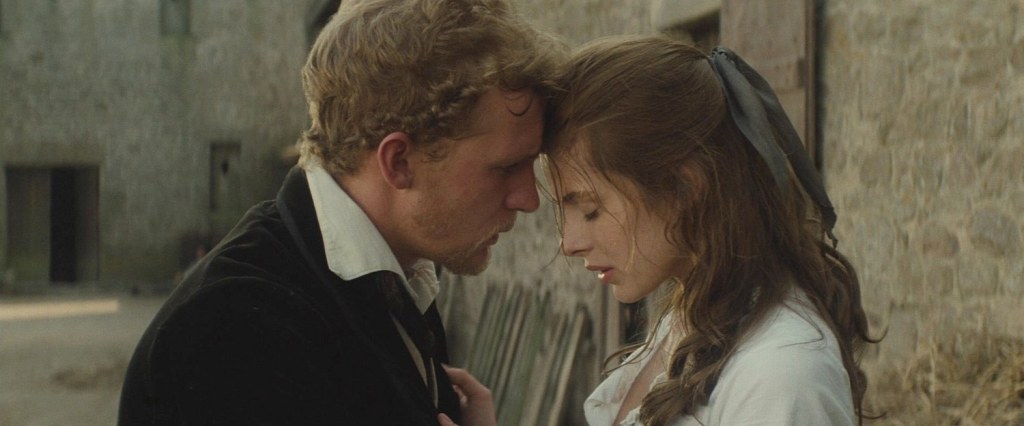

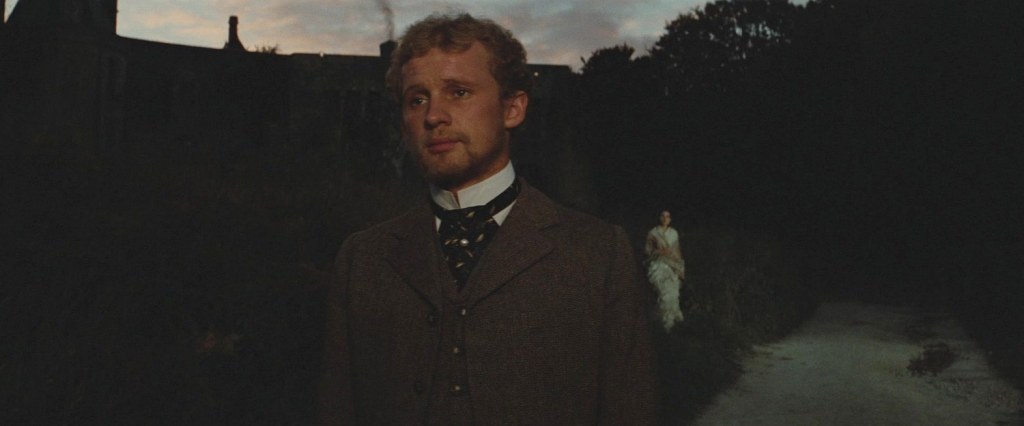
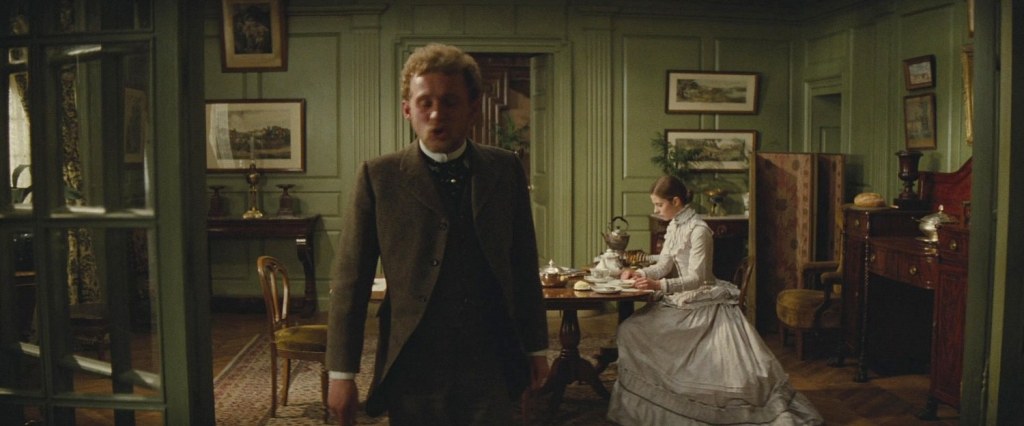
Although Angel had professed progressive views, he could not reconcile Tess’s confession with his ideal of purity. Heartbroken and disillusioned, he abandons her, leaving for Brazil. Tess, now destitute and desperate, is left to fend for herself once again.
Forced by poverty and circumstance, Tess returns to Alec, who now claims to have reformed. He offers her support, and she eventually becomes his mistress, compromising her spirit for survival.
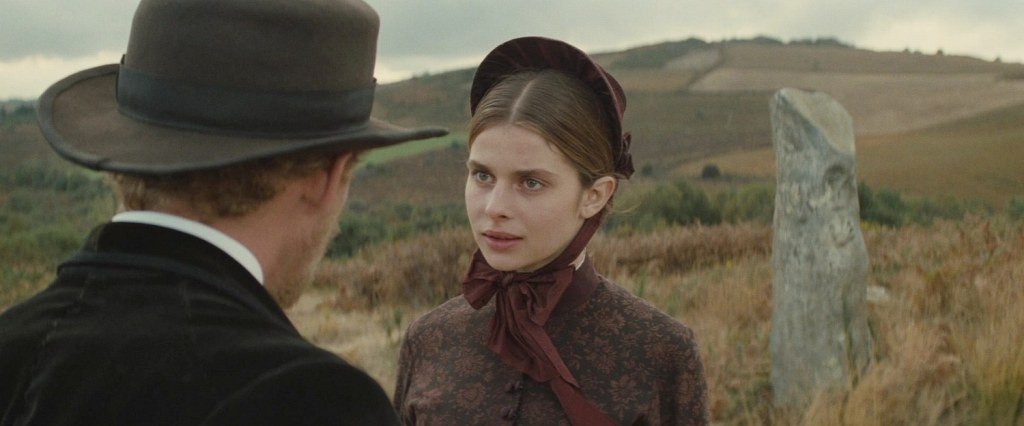

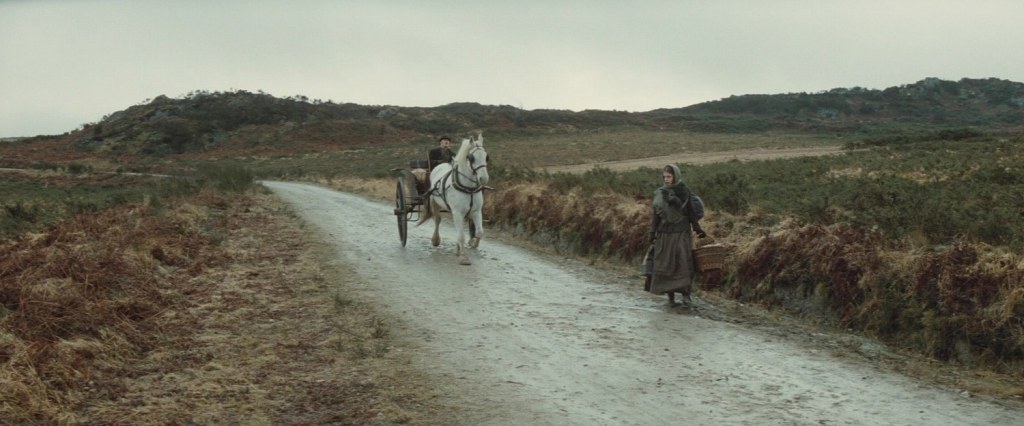

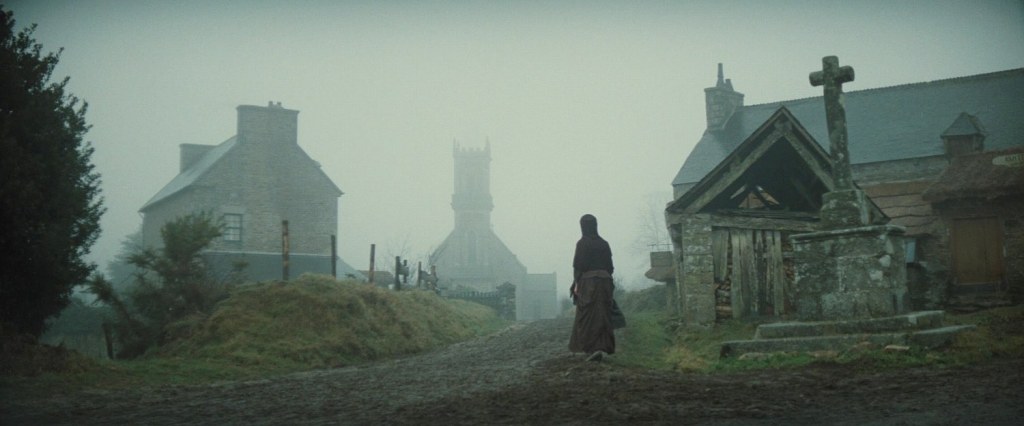
When Angel returns from abroad, humbled and ready to forgive, he discovers Tess with Alec. Caught between her enduring love for Angel and her sense of shame, Tess kills Alec in a moment of desperation and flees with Angel. For a brief time, they experience fleeting happiness while hiding in the countryside.
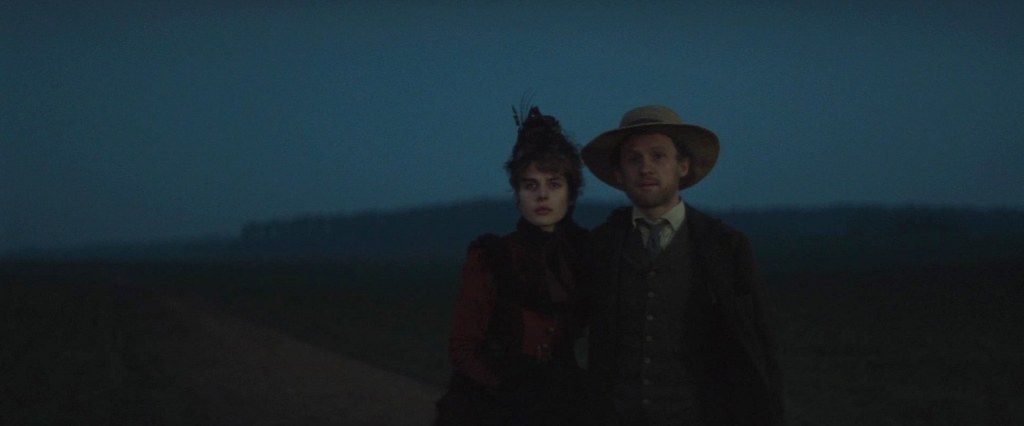
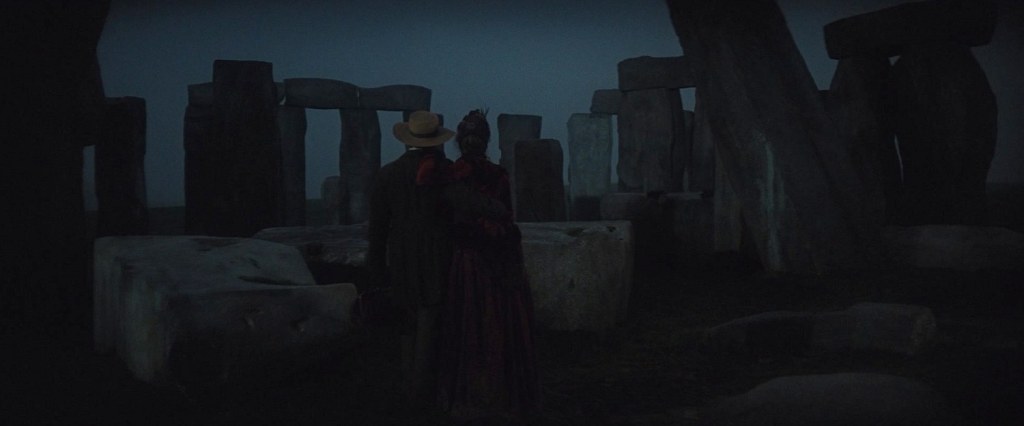
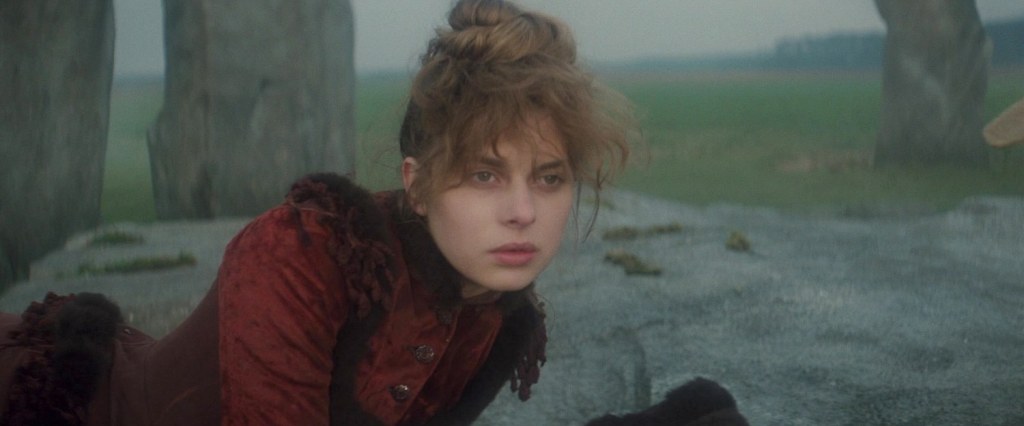
However, their dream does not last long. Tess is arrested at Stonehenge, lying on an ancient altar at dawn—a poignant symbol of her final surrender to fate. An ending summary states that she is convicted and hanged for murder.

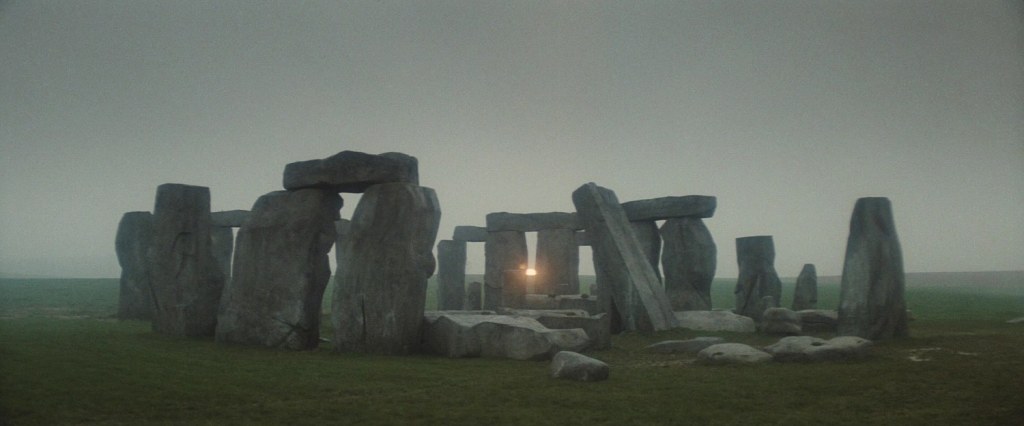
“Tess” is a haunting, visually rich period drama exploring themes of purity, injustice, social class, and the double standards imposed on women. Nastassja Kinski gives a profoundly moving performance, embodying Tess as a figure of both vulnerability and quiet strength. “Tess” remains a powerful meditation on innocence betrayed and the quiet dignity of a woman struggling against a cruel world.