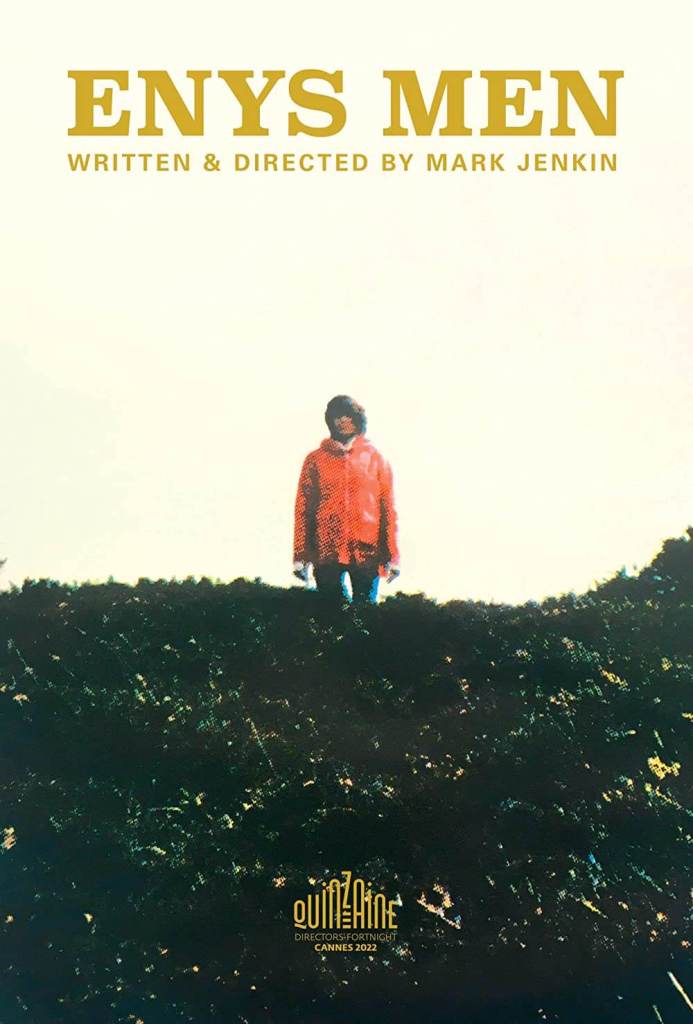
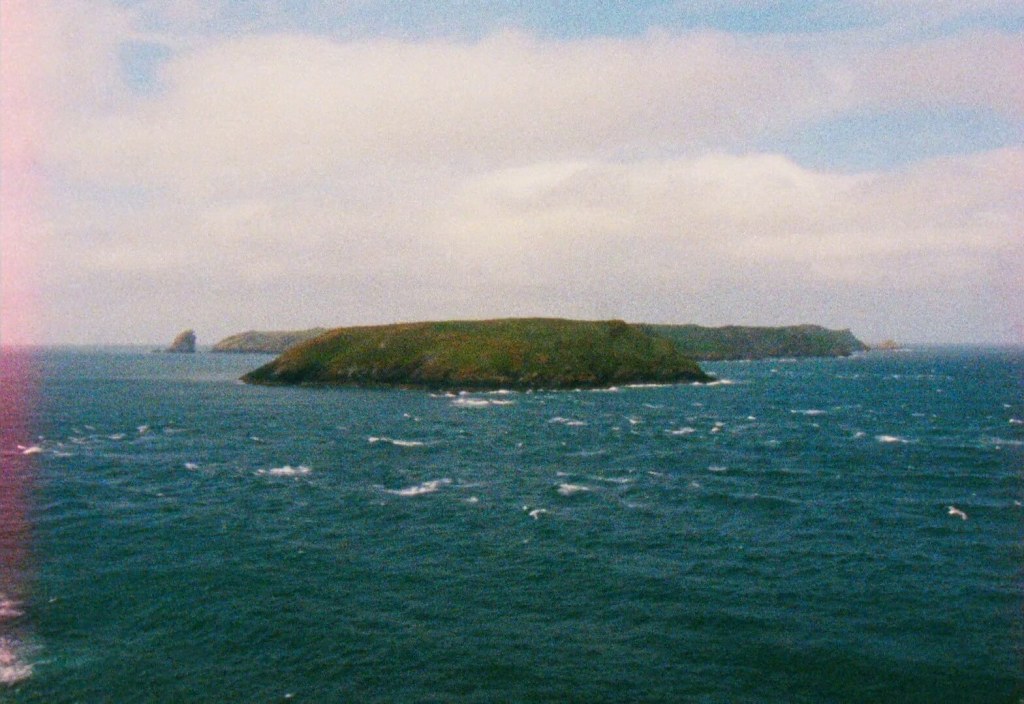
“Enys Men” (Cornish for “Stone Island”) is a surreal, slow-burning folk horror film released in 2022. It was written, directed, and edited by Mark Jenkin, known for his work on “Bait.” The film is shot on 16mm film, giving it a grainy, analog aesthetic, and is set in 1973 on an isolated, uninhabited island off the coast of Cornwall. It serves as a haunting exploration of themes such as memory, isolation, and the passage of time.
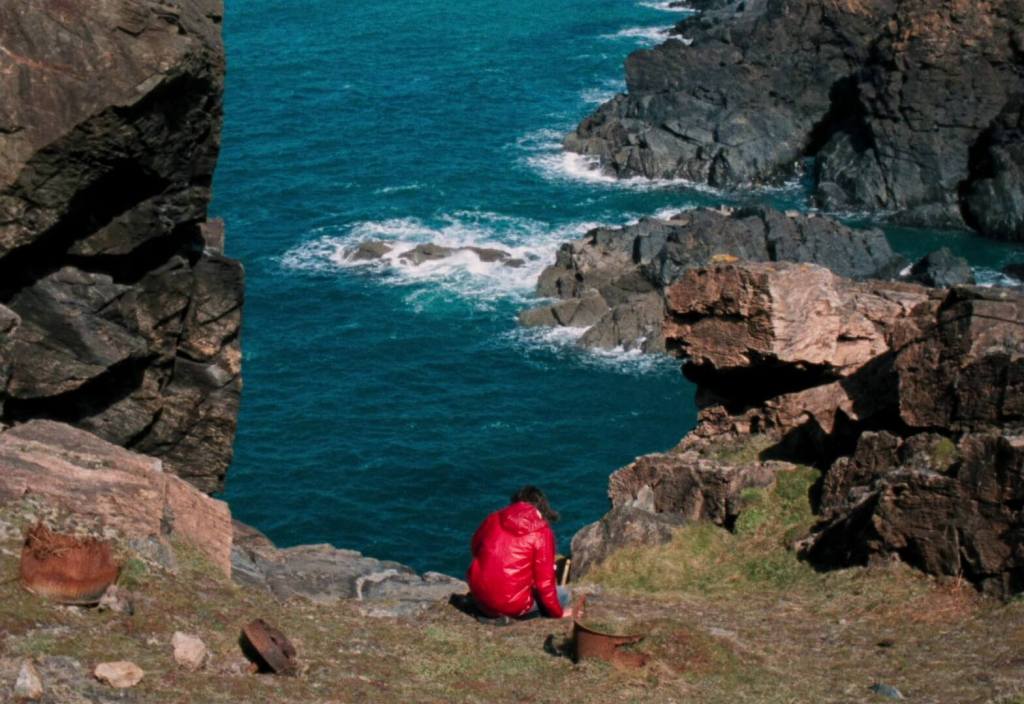
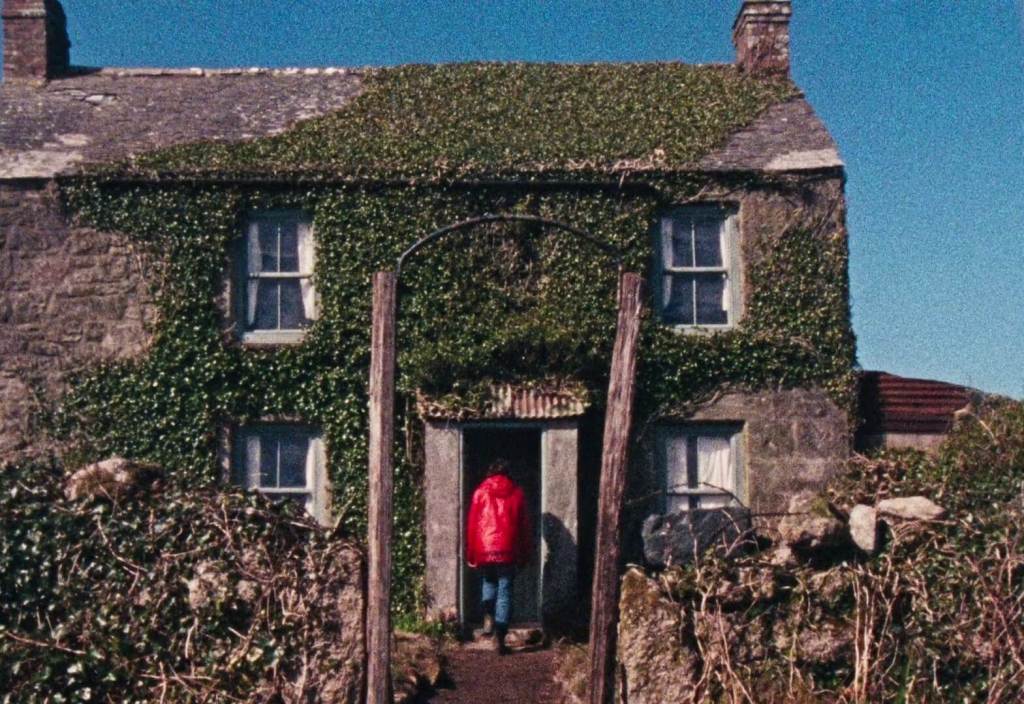
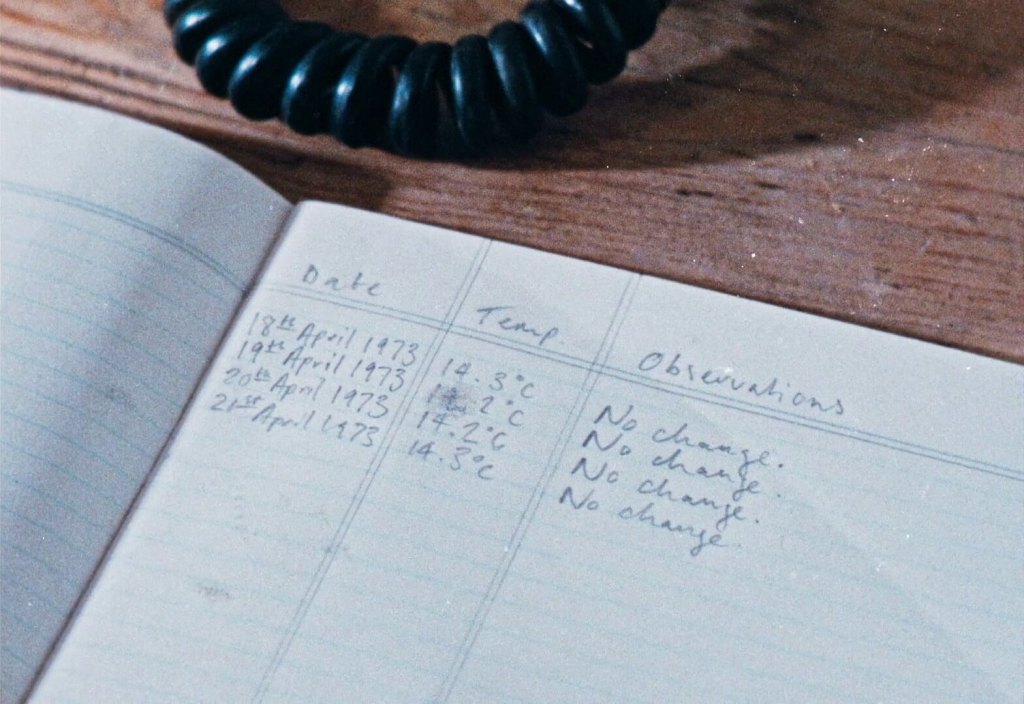

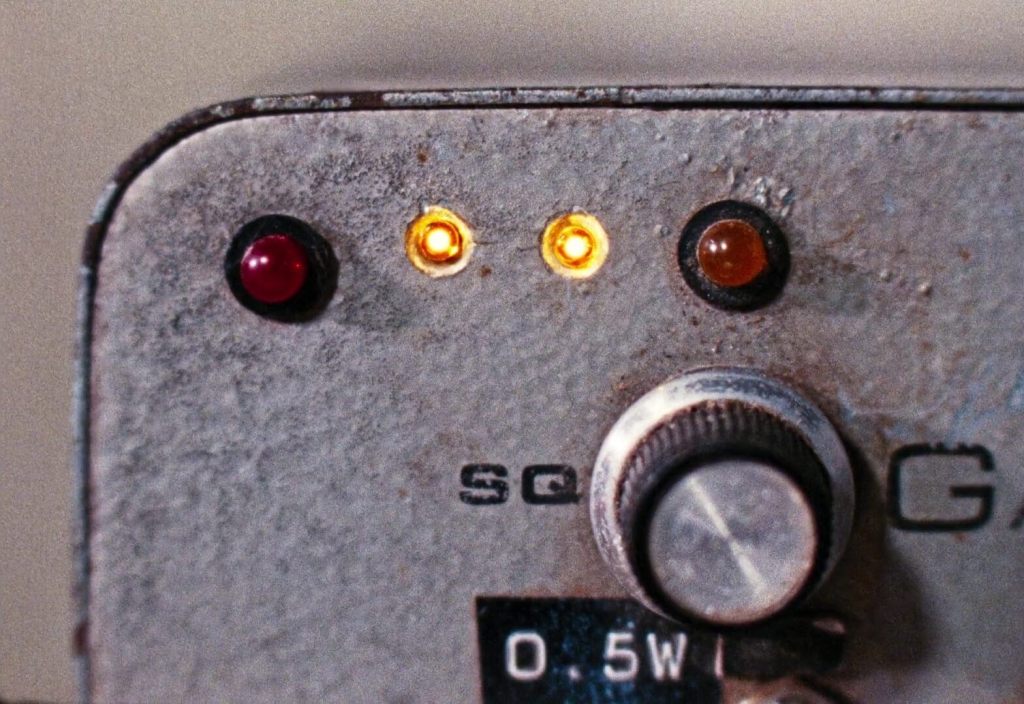
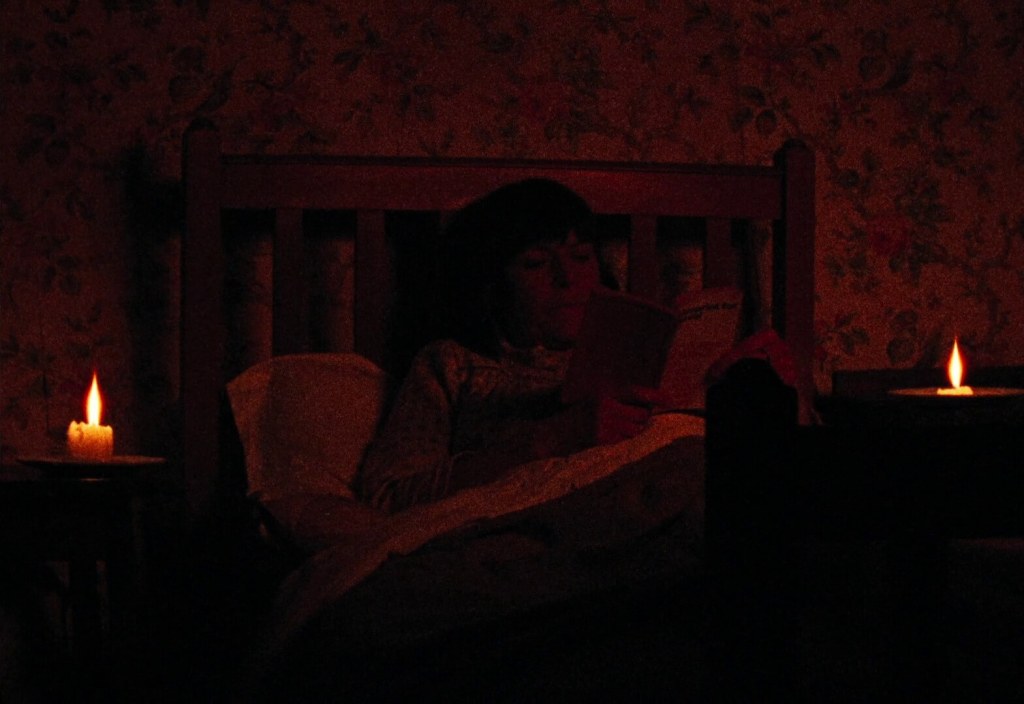
A nameless woman, known only as The Volunteer (Mary Woodvine), lives alone in a small stone cottage on Enys Men, a remote and windswept island. Her daily routine is monotonous and ritualistic: she observes and records the growth of a rare flower on a cliffside, checks a stone shaft with a bucket, drops a stone into an old mine, and drinks tea. Each evening, she logs her observations in a notebook: “No change.”
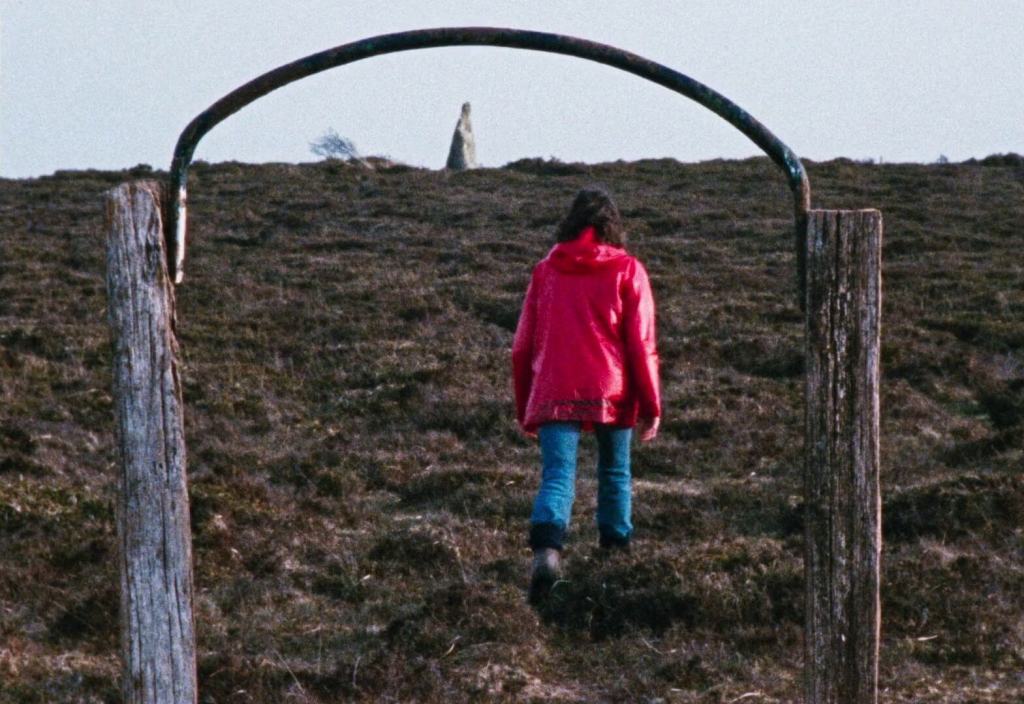
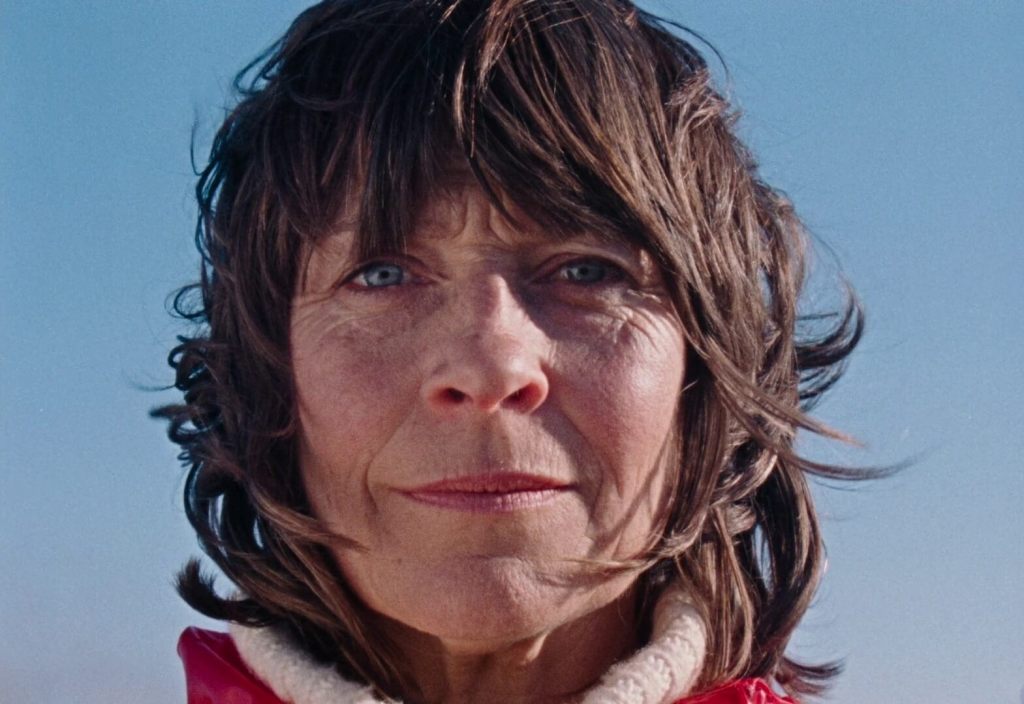


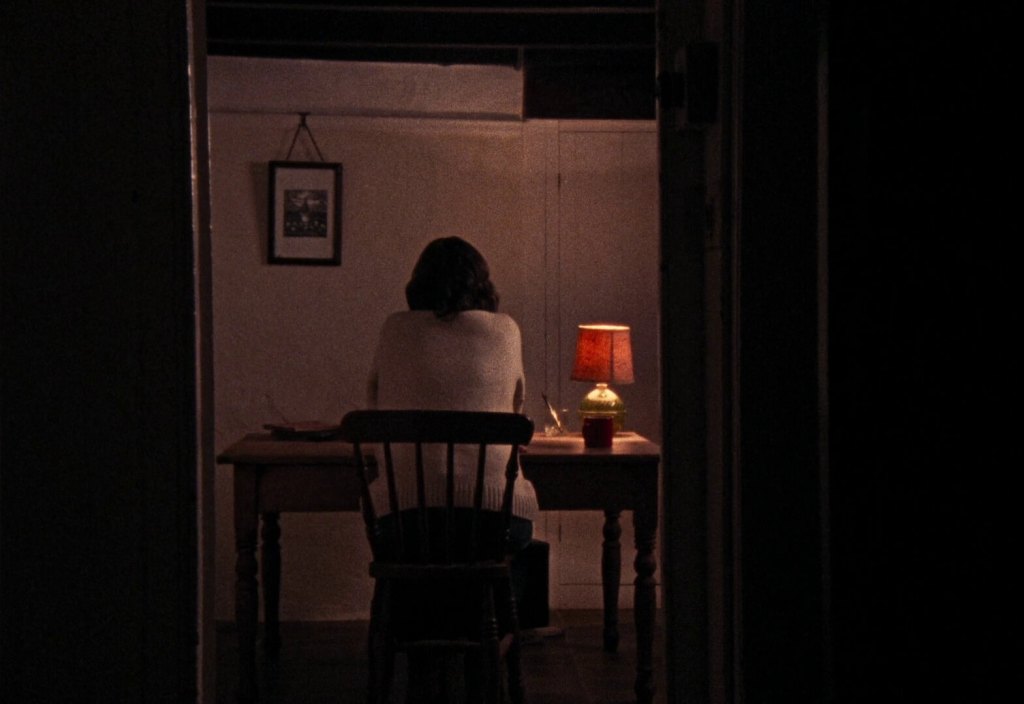
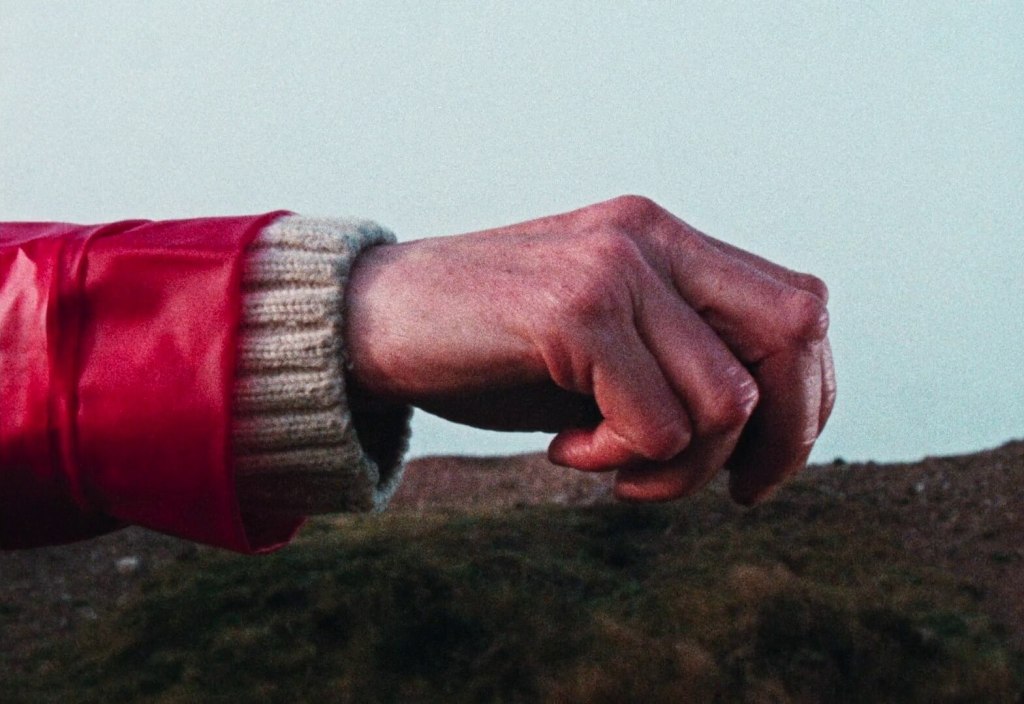
But soon, small cracks appear in the fabric of her reality. Fissures in her mind and the landscape begin to mirror each other. The flowers she studies develop mysterious fungal growths. A ghostly presence, possibly the spirit of a miner, begins to appear. A girl in a red coat (Flo Crowe) — perhaps a vision, a memory, or a version of the Volunteer herself — drifts in and out of the frame.
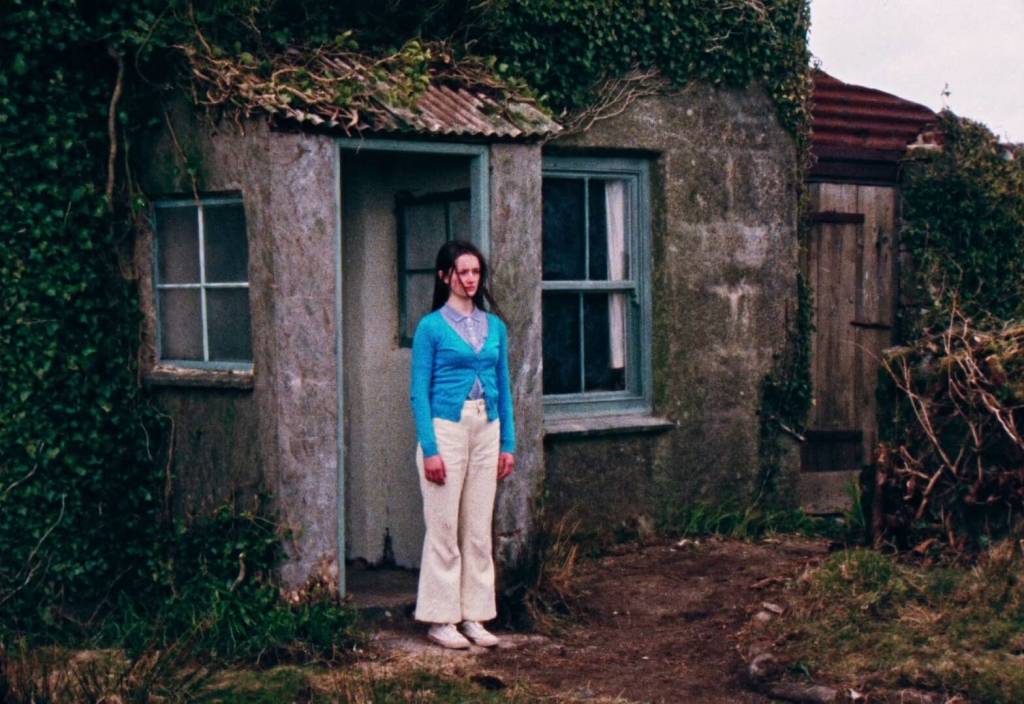

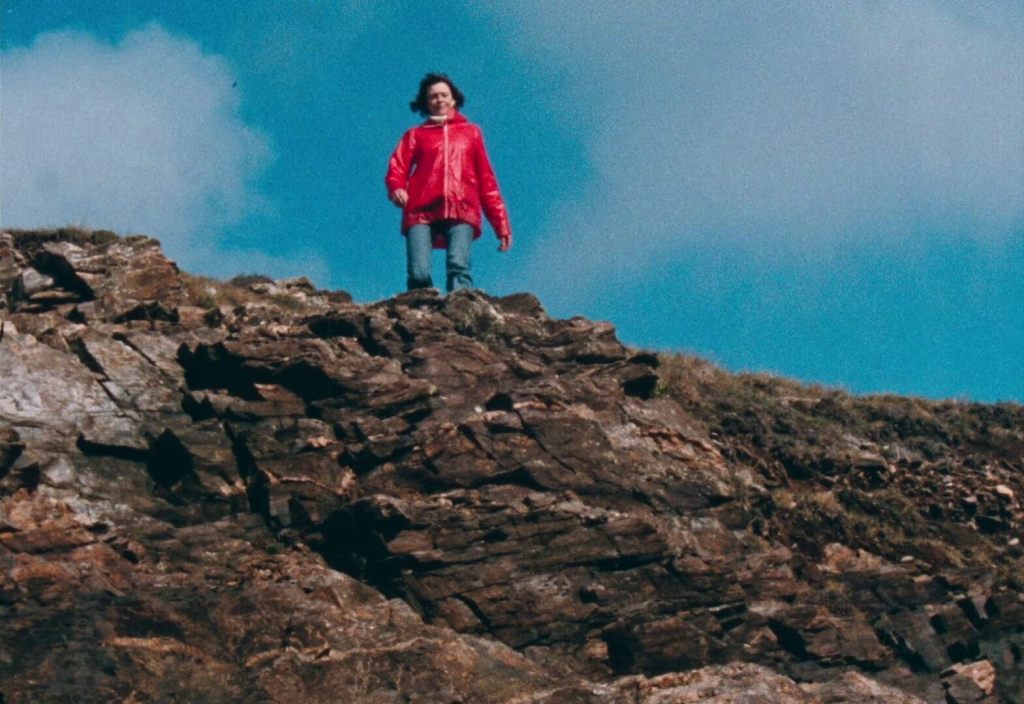
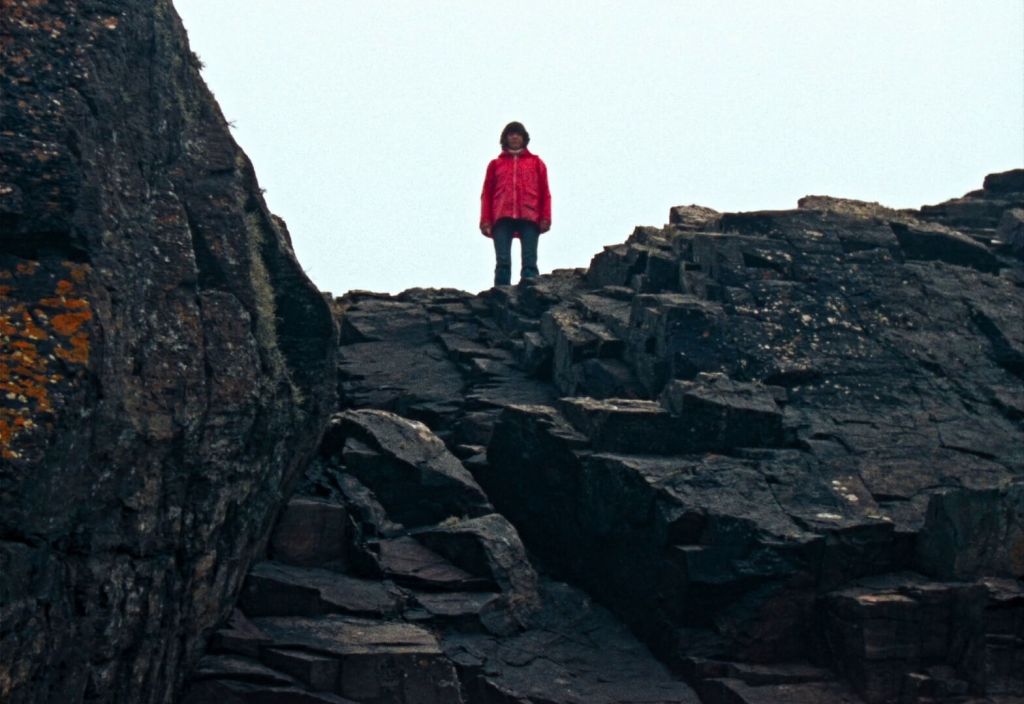
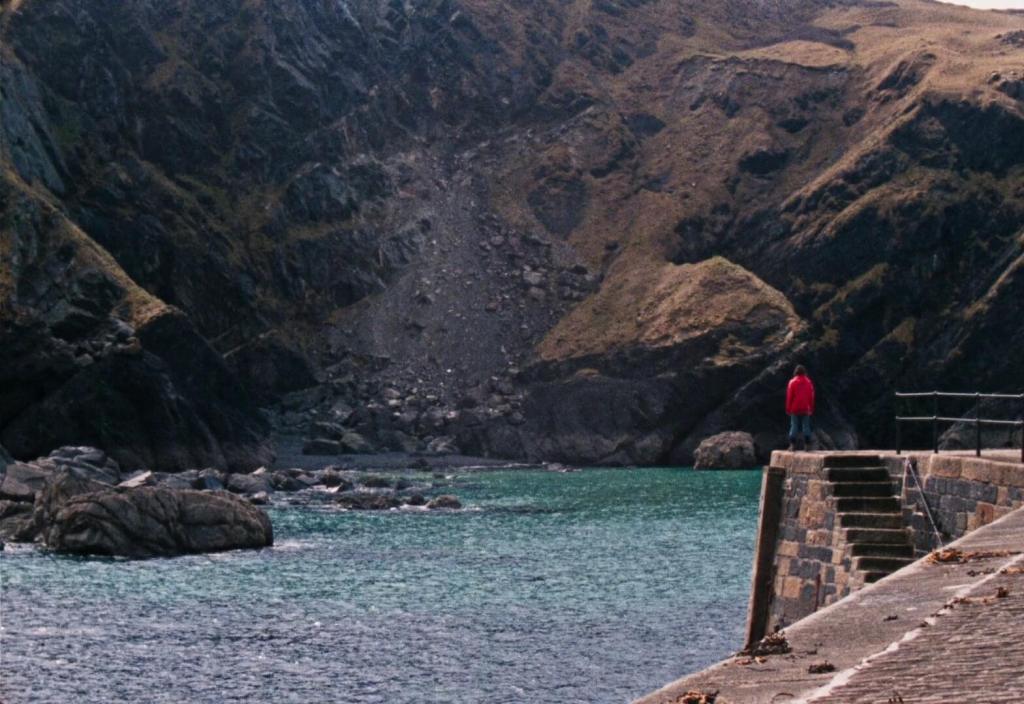

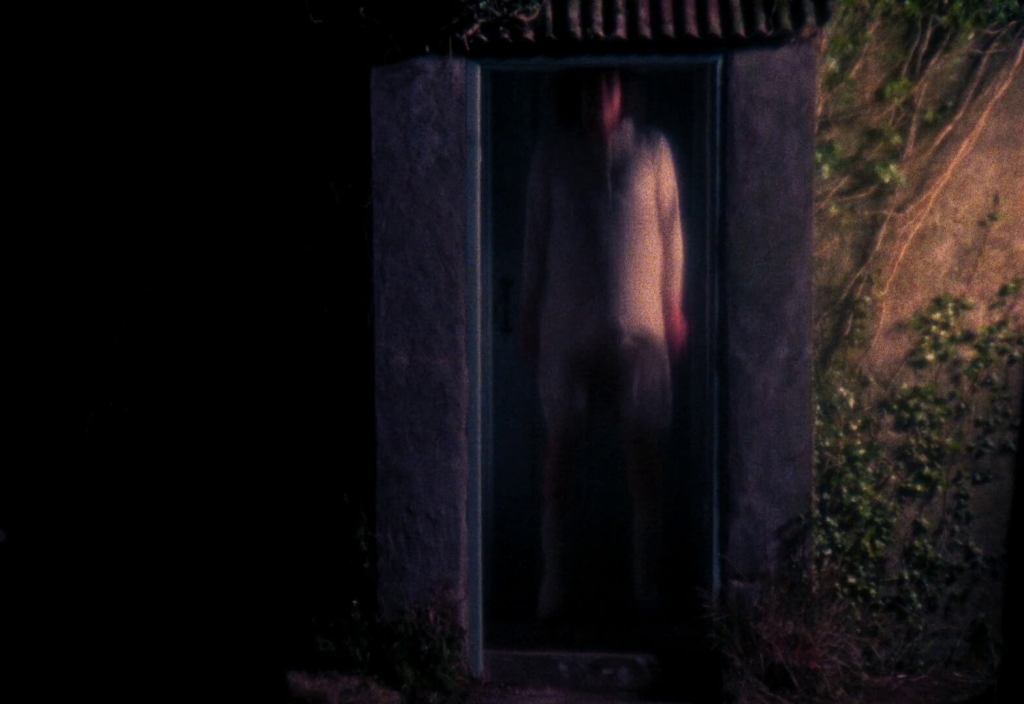
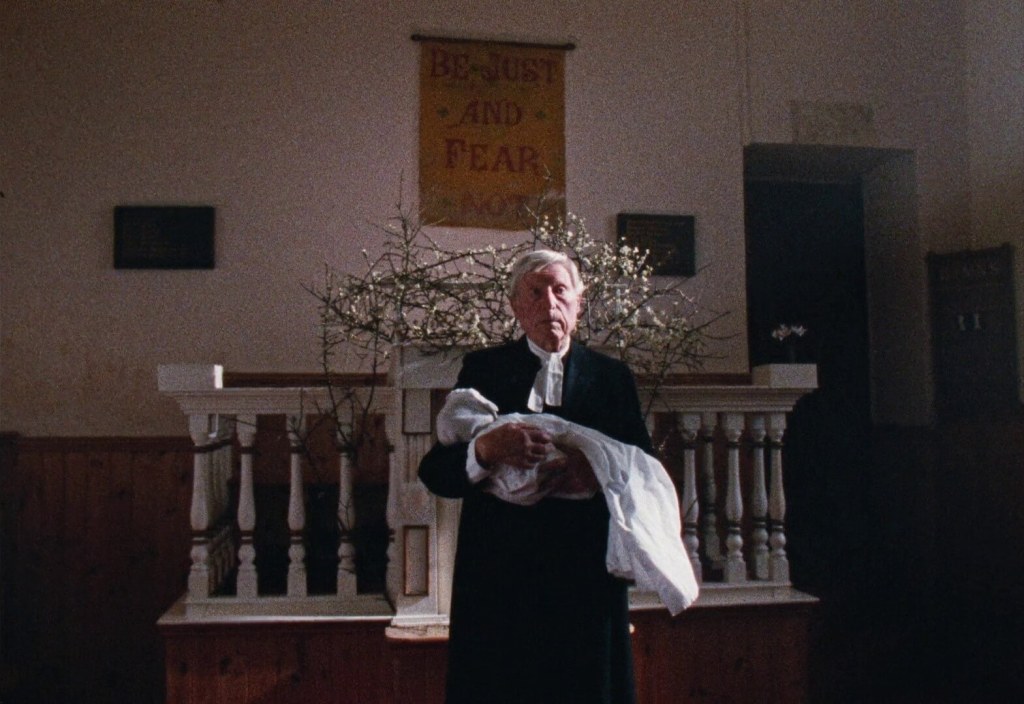
She begins seeing apparitions: Cornish miners covered in dust, 19th-century shipwreck victims, and a preacher reciting scripture in an old chapel. These figures are never fully explained — they emerge from the island’s traumatic, layered past.
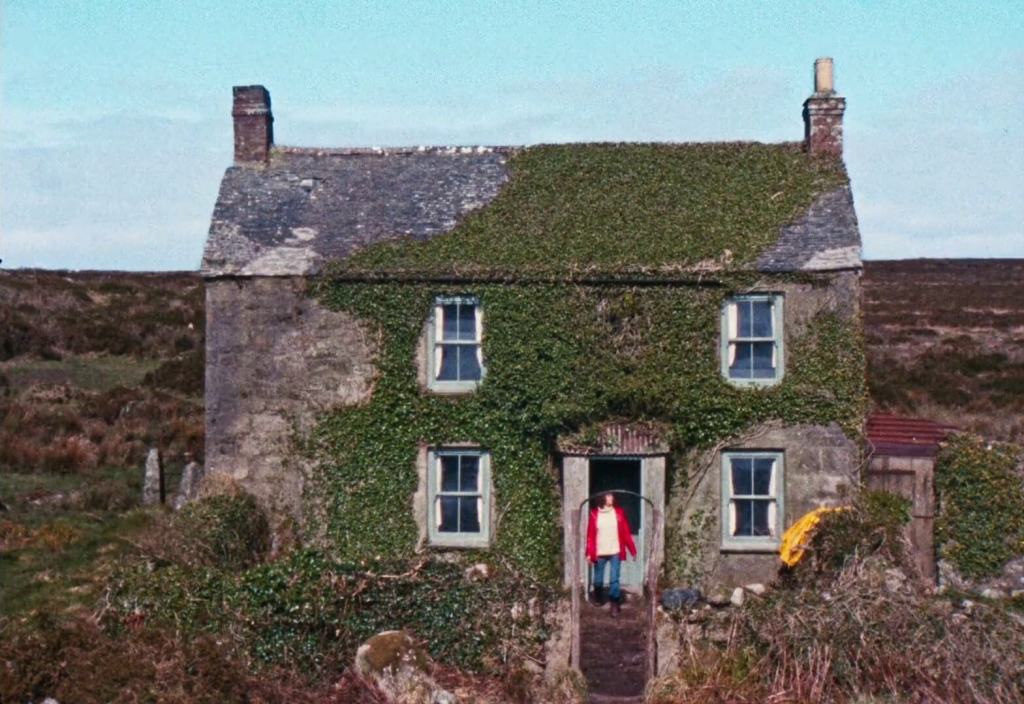
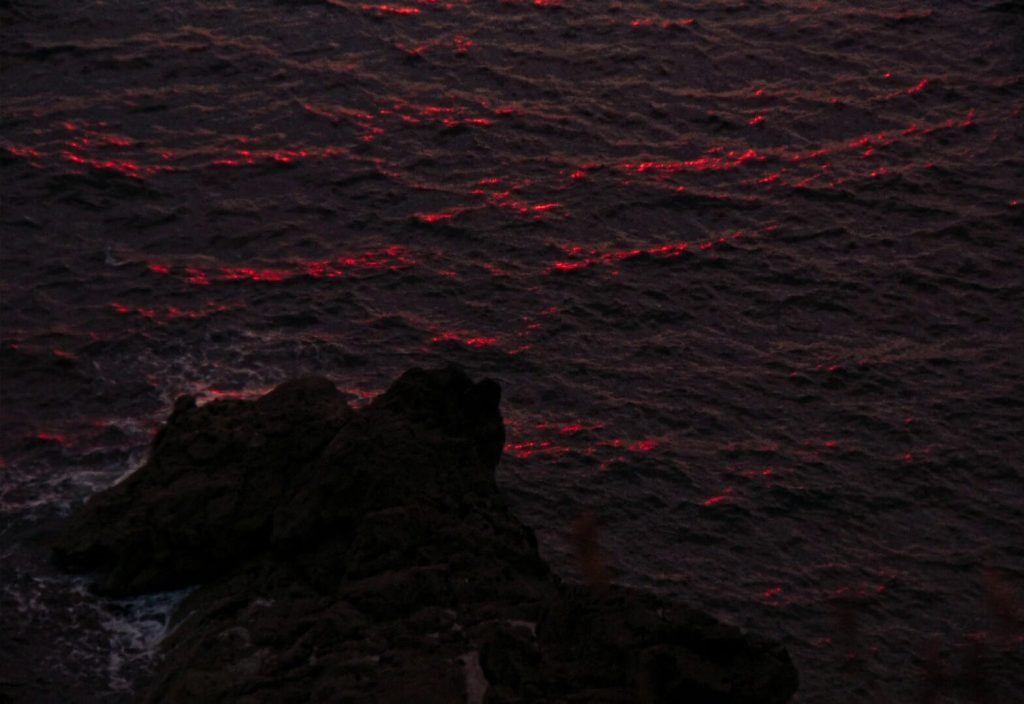
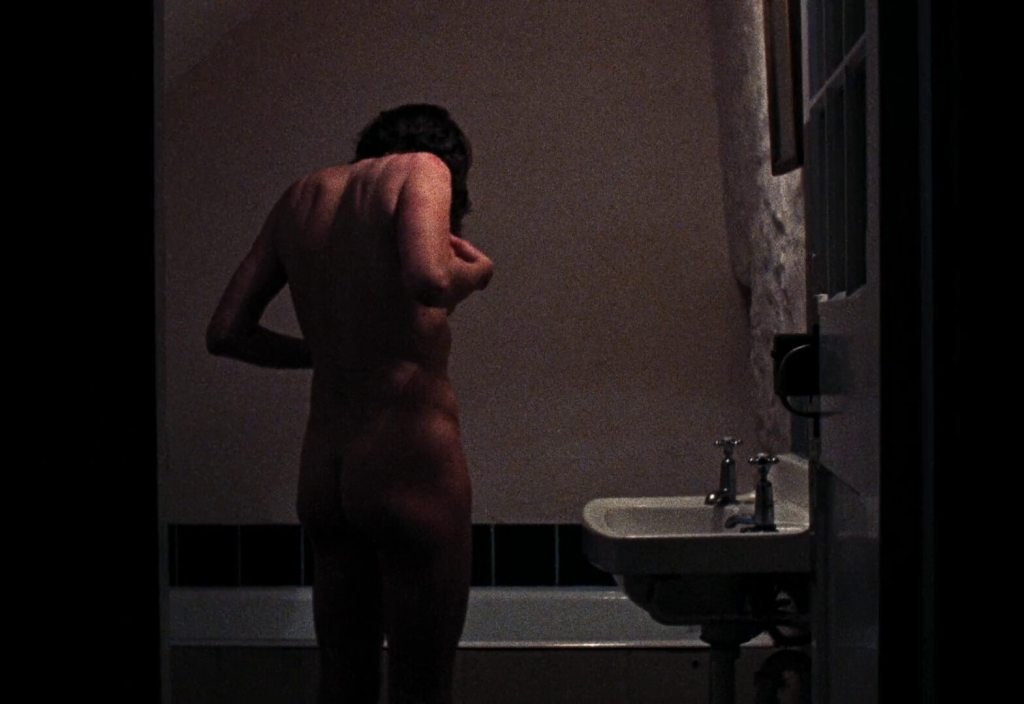
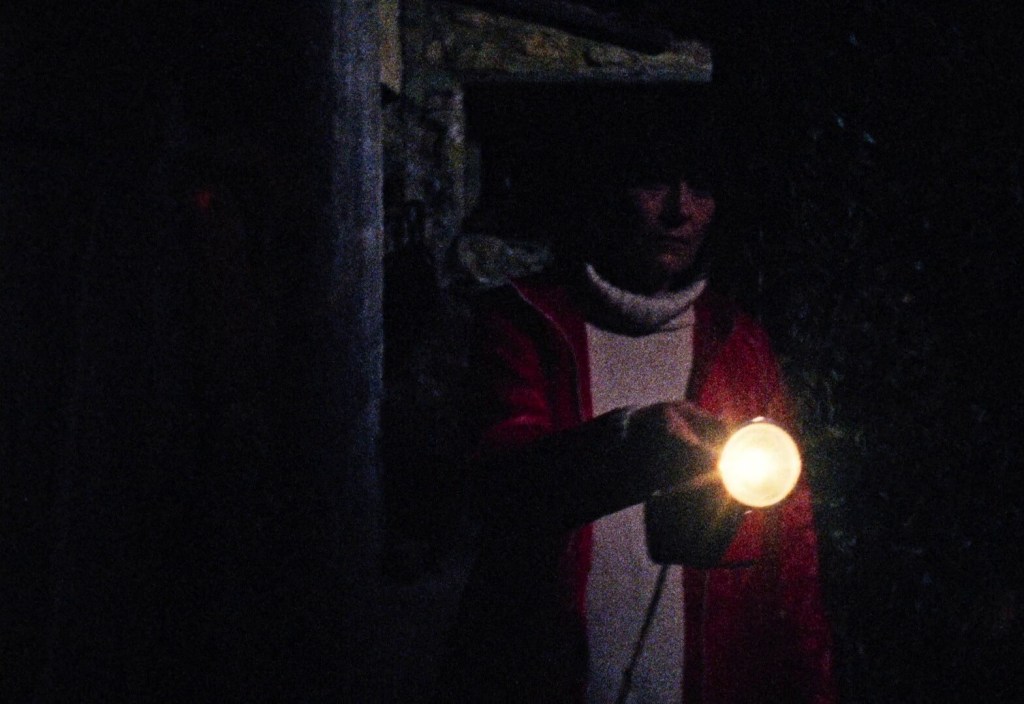
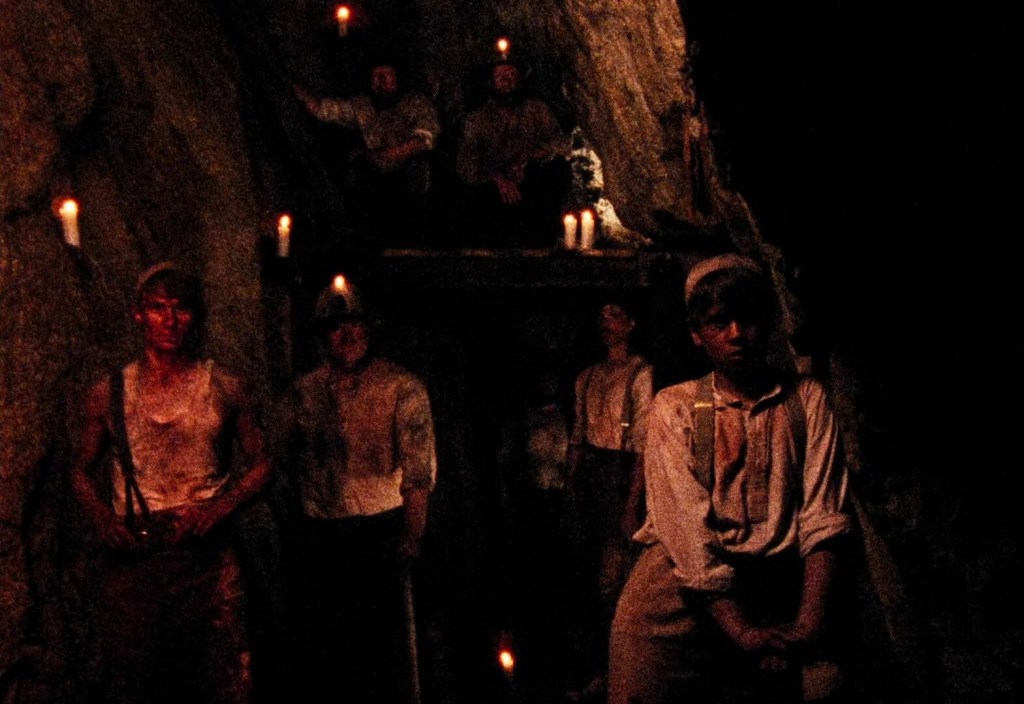
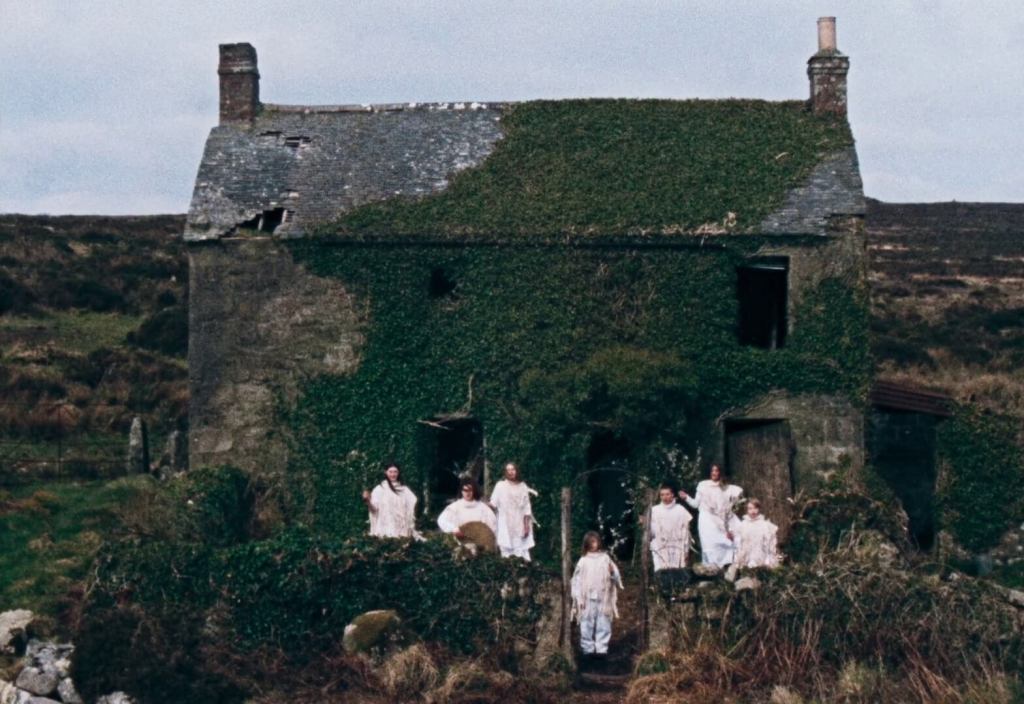
Throughout, the woman hears sounds from the past and experiences temporal loops, as if the island is replaying its own memories. A recurring image is of the Boatman (Edward Rowe), who may be a past lover, arriving at the island’s shore. Are these visitors ghosts, hallucinations, or fragmented recollections?
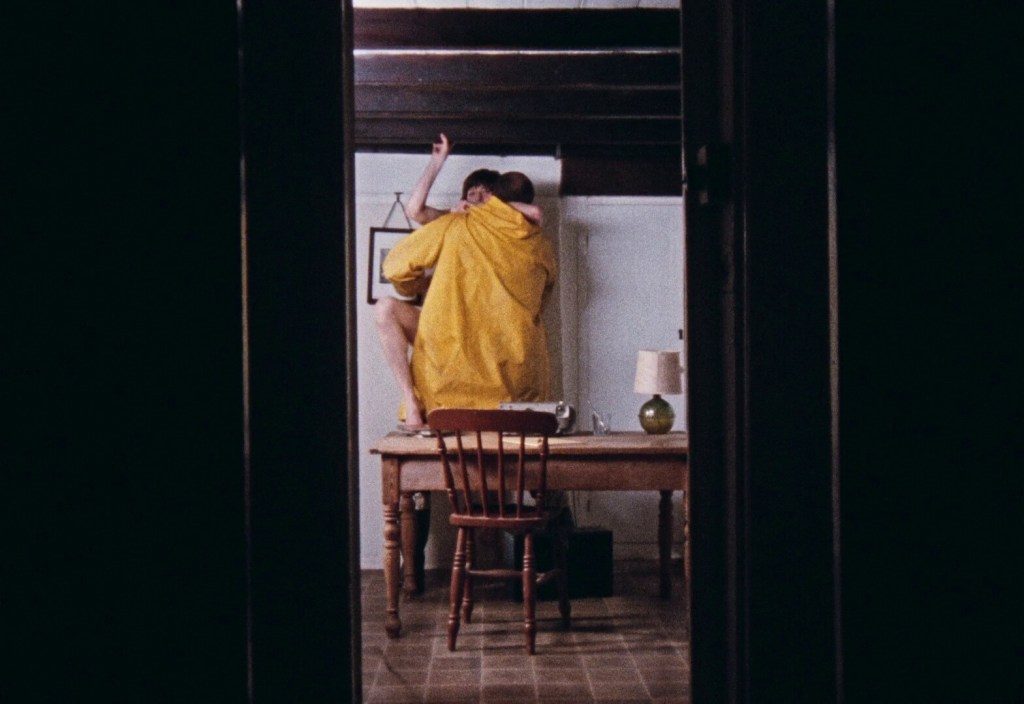
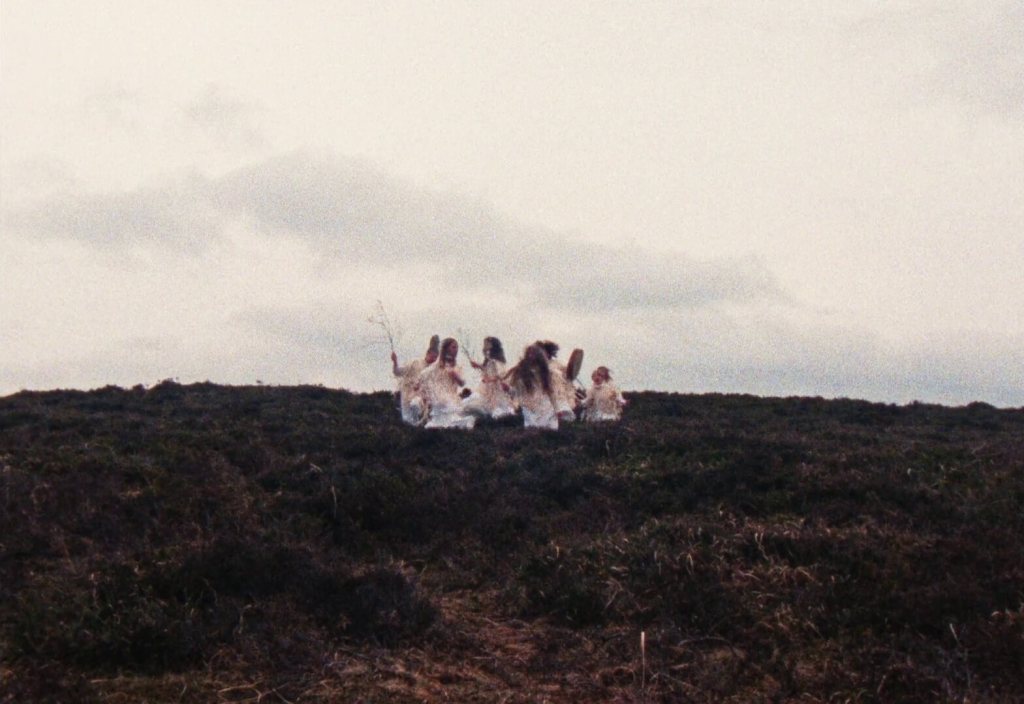
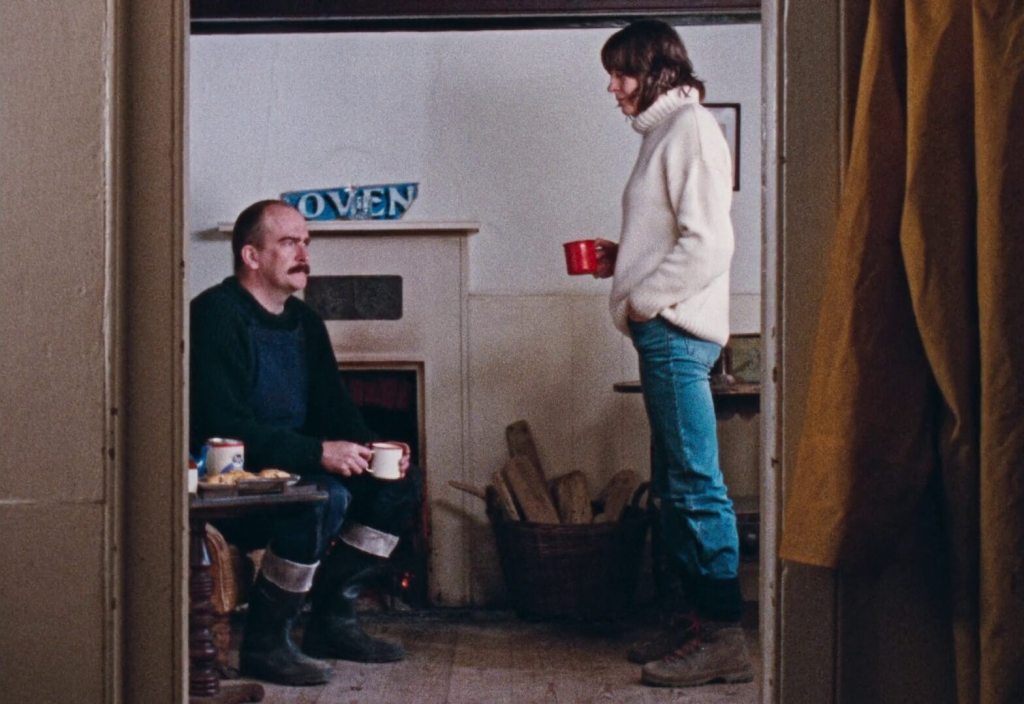
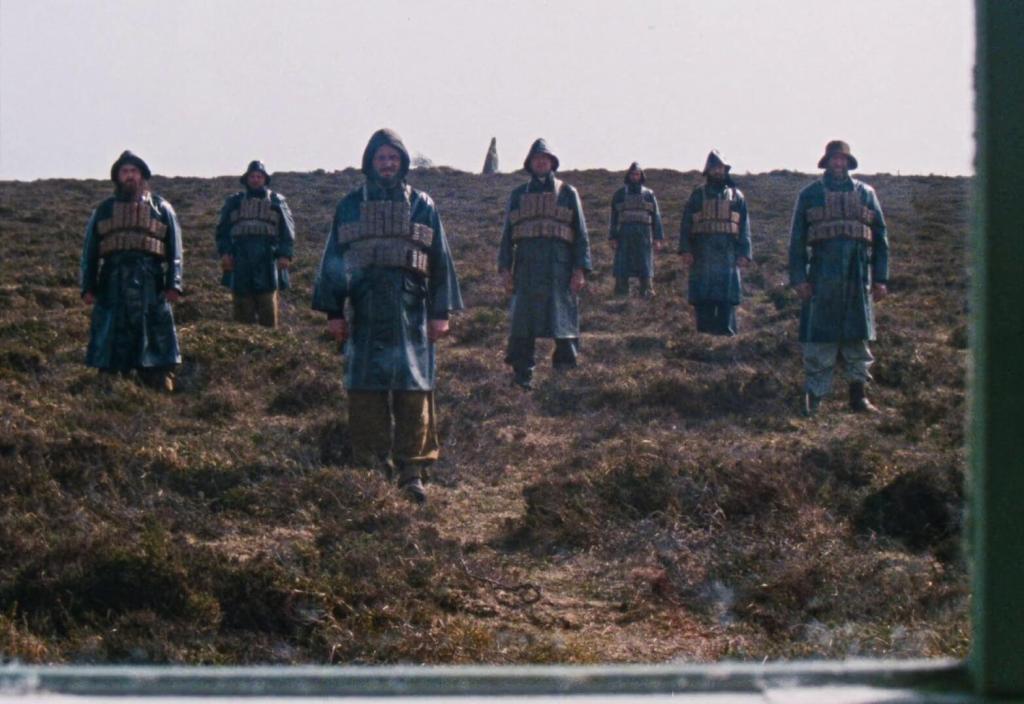
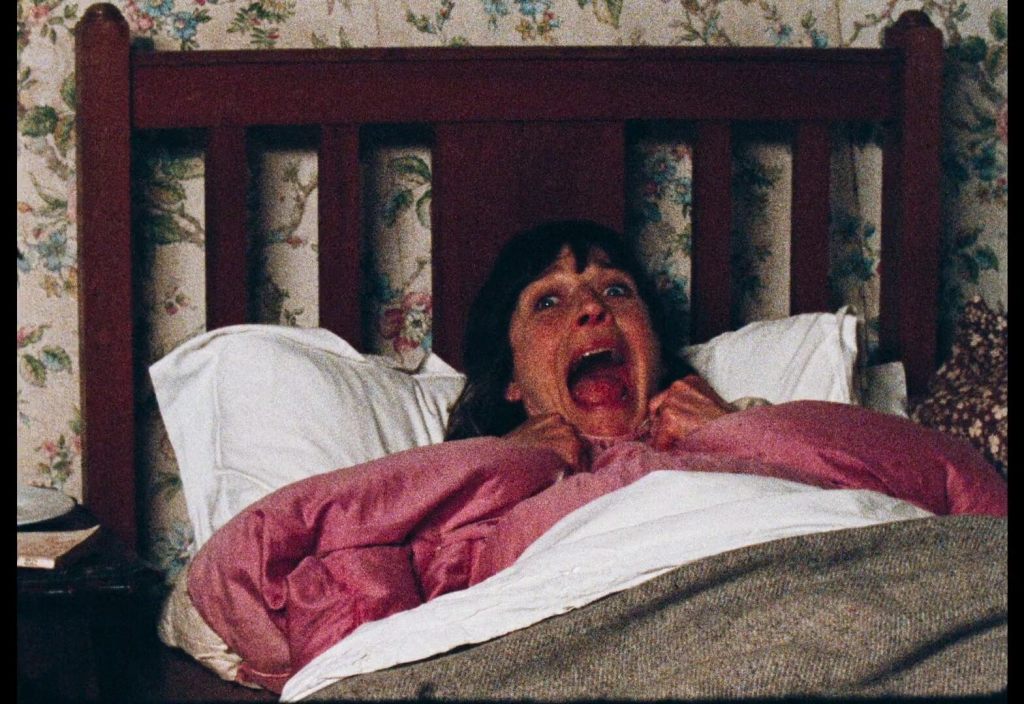
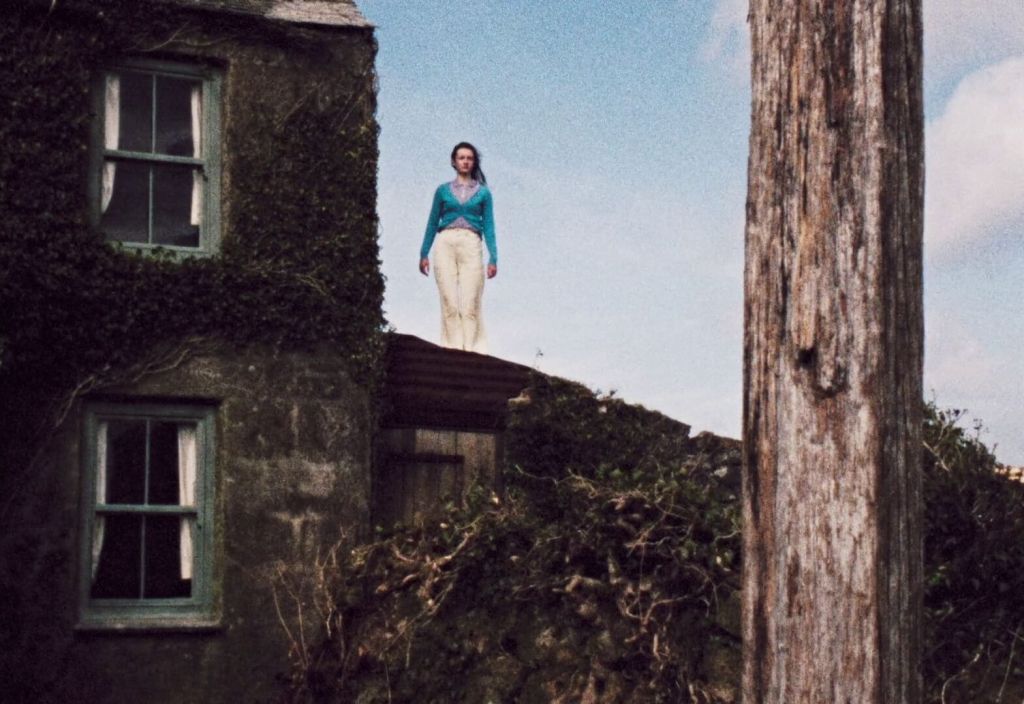
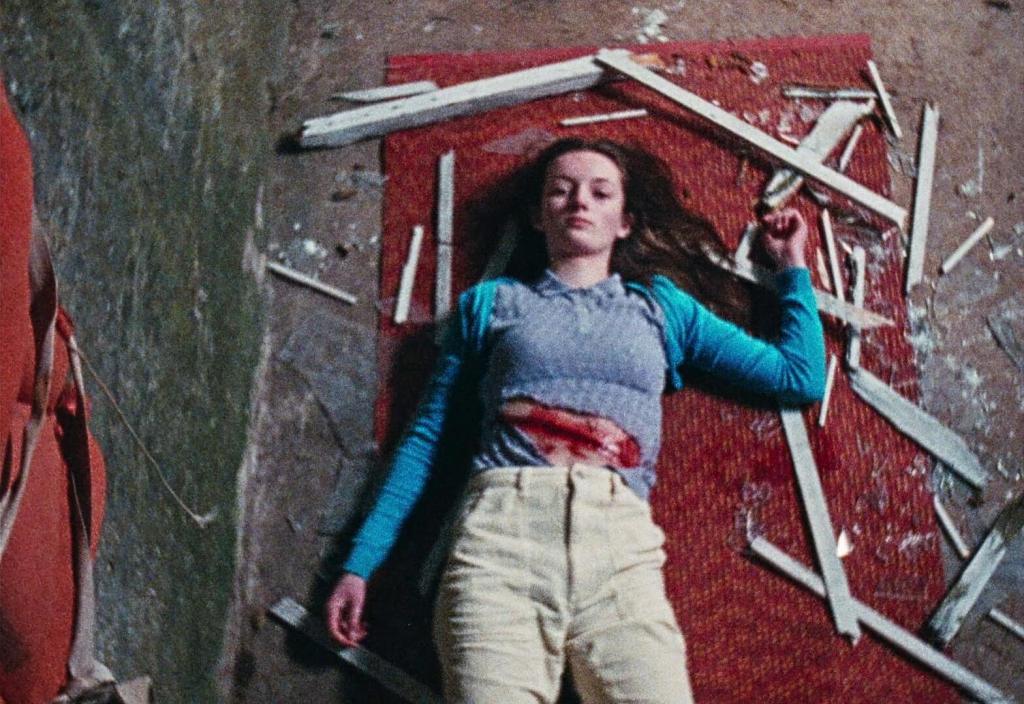
The film defies traditional narrative structure, instead plunging the viewer into an atmosphere filled with dread and timelessness. The island serves as a liminal space where the boundaries between the past, present, and imagination blur. It explores themes of grief, ecology, and the psychological impact of solitude.
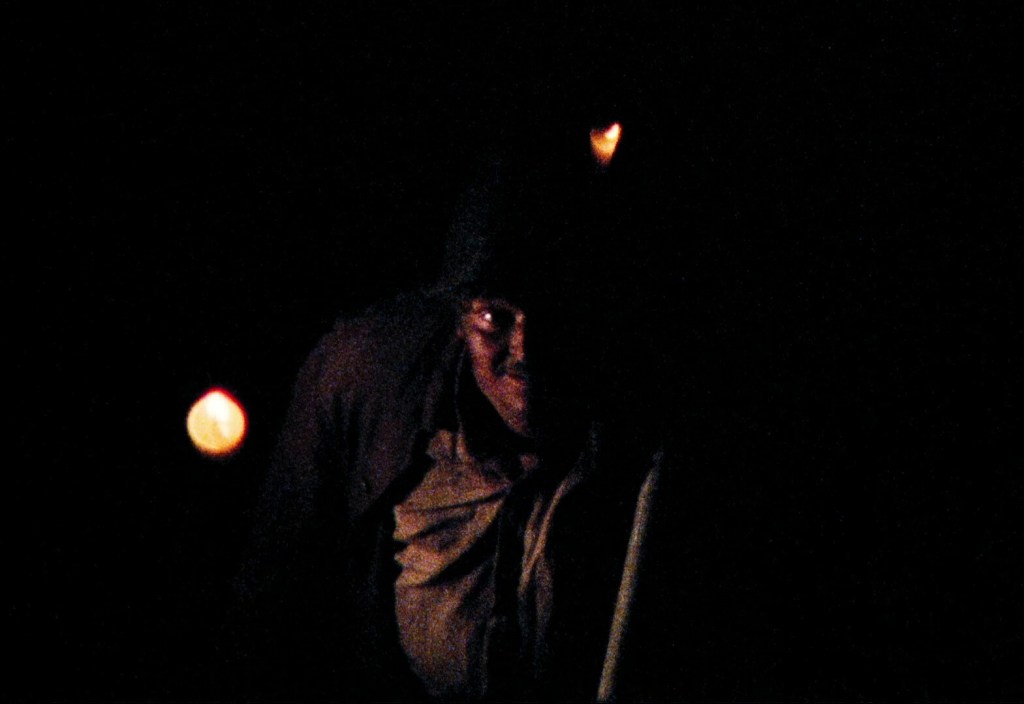
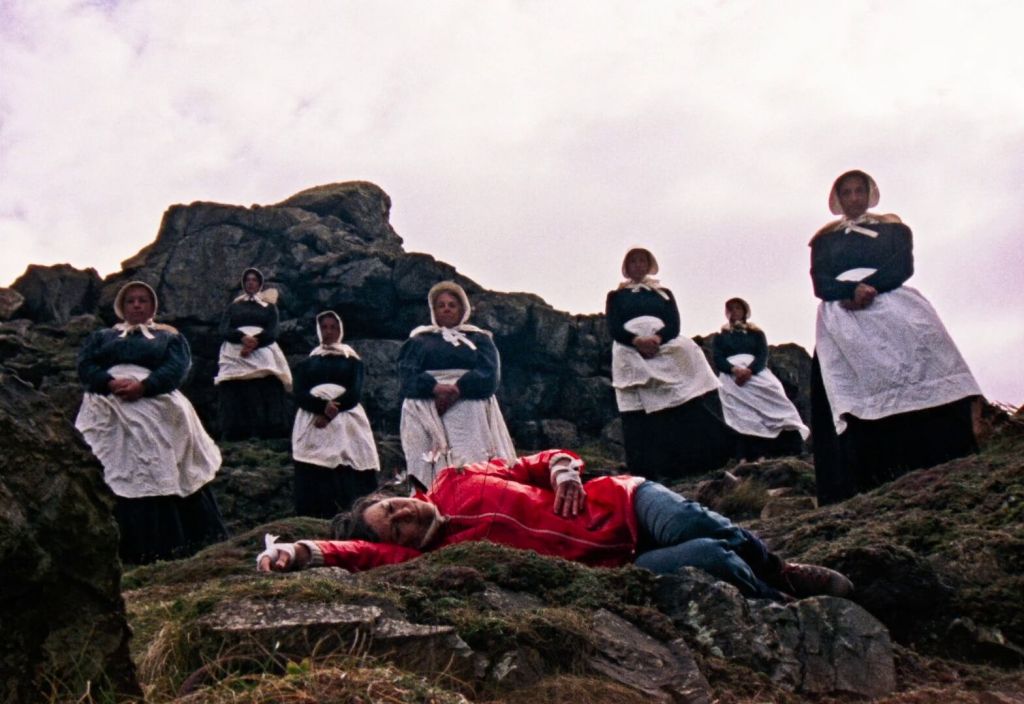
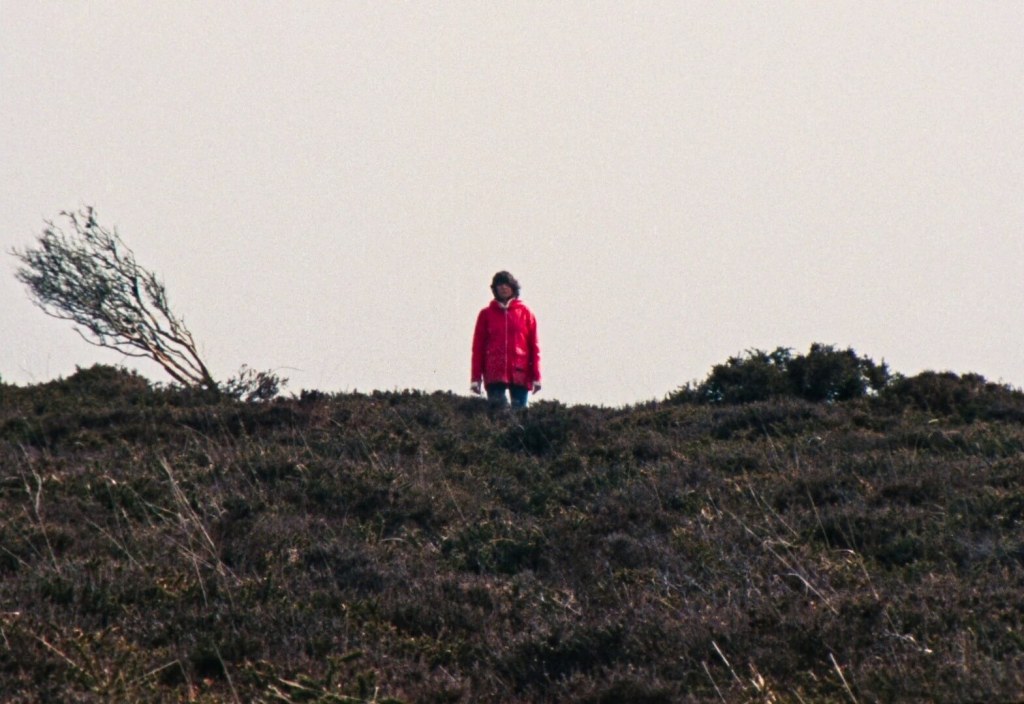
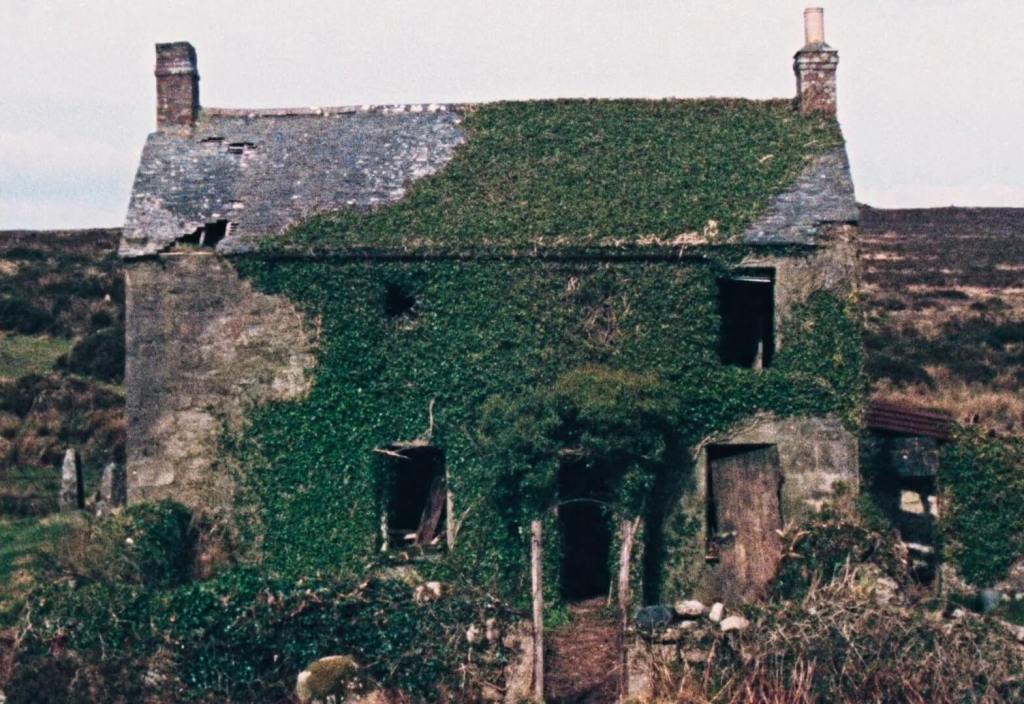
The film is constructed with ambient sound design, minimal dialogue, and a poetic rhythm. The use of 16mm film and post-synced sound gives it an uncanny, otherworldly quality, evoking the feel of lost 1970s public information films or a long-forgotten folk tale.
“Enys Men” received acclaim for its hypnotic visuals, experimental form, and unique sense of place.