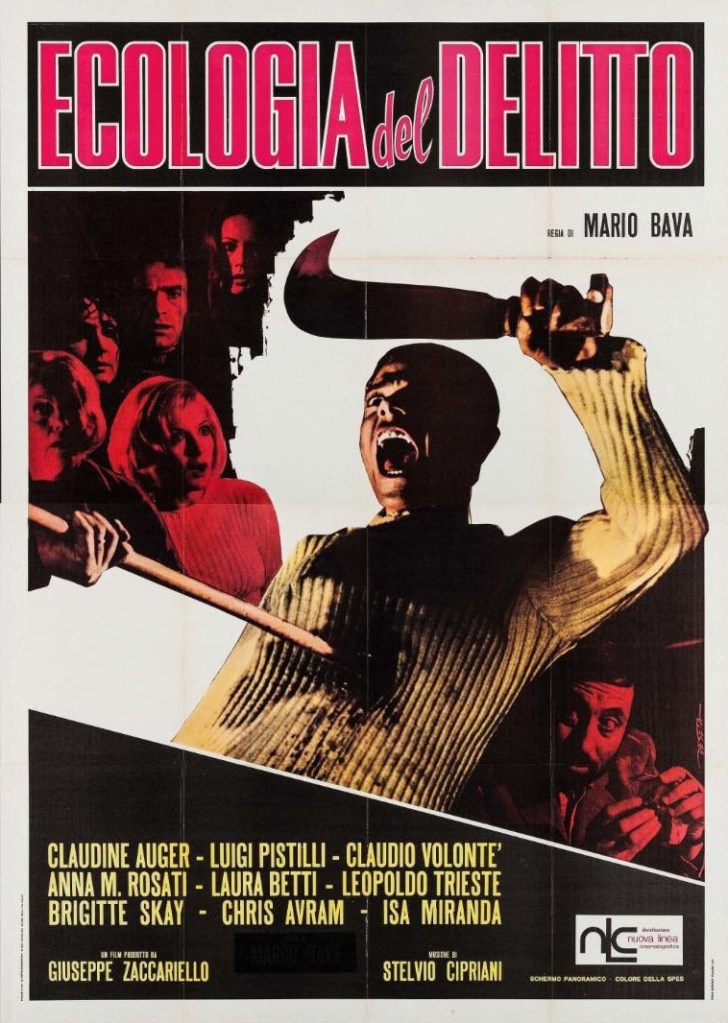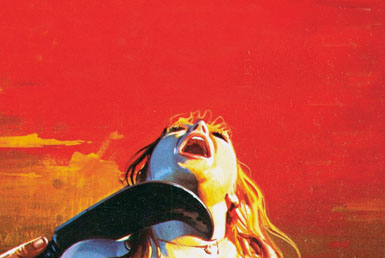
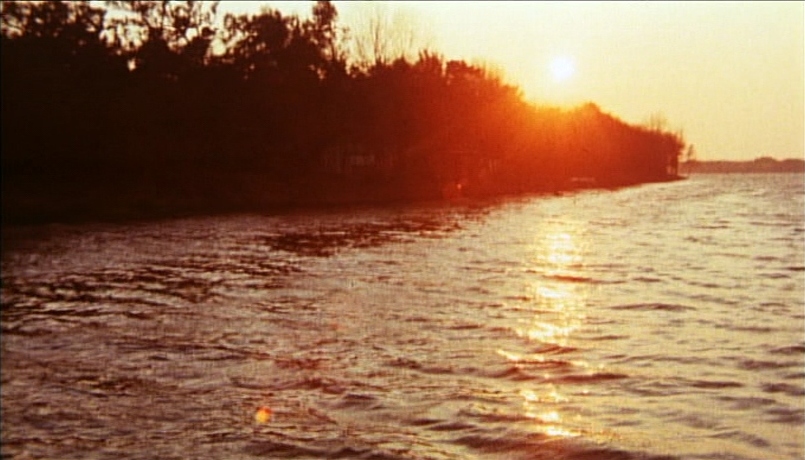
“They came to play… they stayed to die.” That was the tagline for “Ecologia del delitto” aka “A Bay of Blood,” a 1971 seminal Italian giallo film directed by Mario Bava. Widely considered a precursor to the slasher genre, the film is known for its graphic violence, inventive kills, and nonlinear narrative. It mixes classic murder-mystery elements with gory horror, and would later directly influence films like Friday the 13th (1980) and the broader American slasher boom of the late ’70s and ’80s.
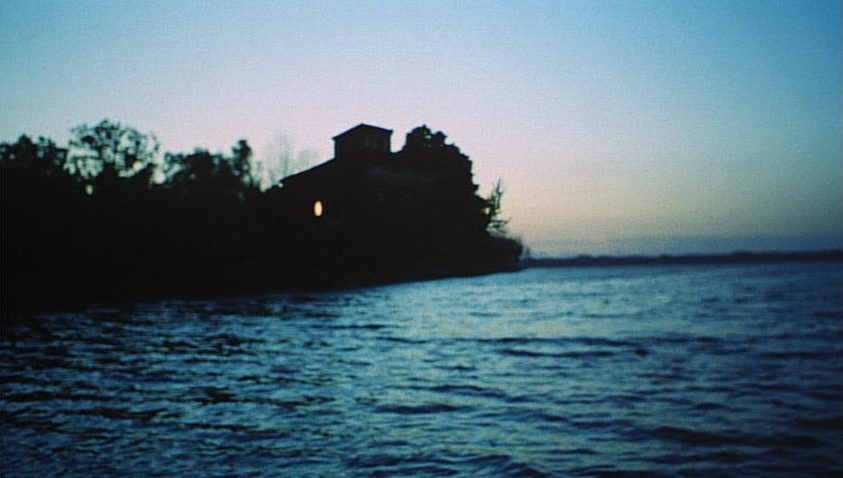
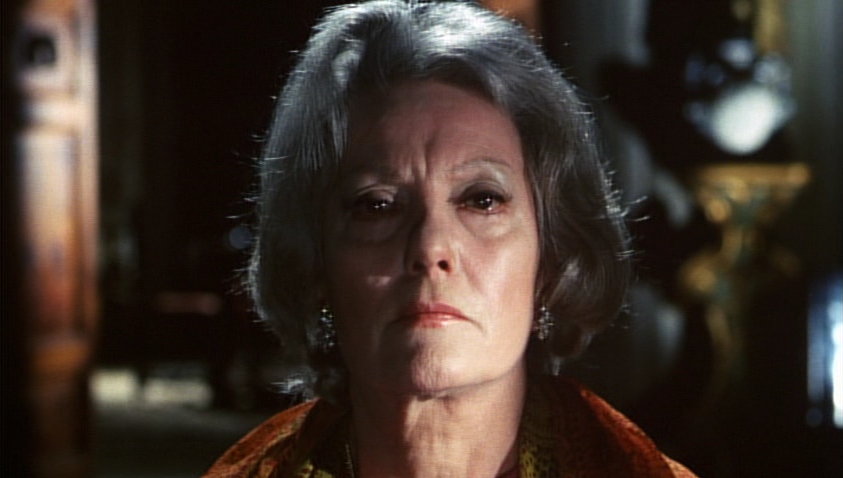
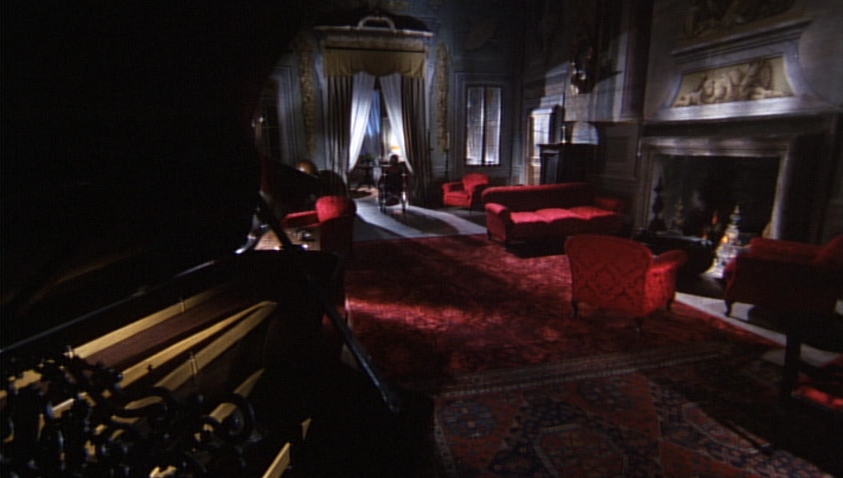
The film opens with the mysterious murder of Countess Federica Donati (Isa Miranda), a wheelchair-bound noblewoman who owns a vast and secluded bayfront estate. She is hanged in her mansion, seemingly by her husband, Filippo Donati. However, no sooner is the murder staged as a suicide than Filippo himself is stabbed to death by an unknown assailant. These double killings ignite a complex web of greed, betrayal, and bloodshed, as multiple parties compete for control of the valuable bay property.
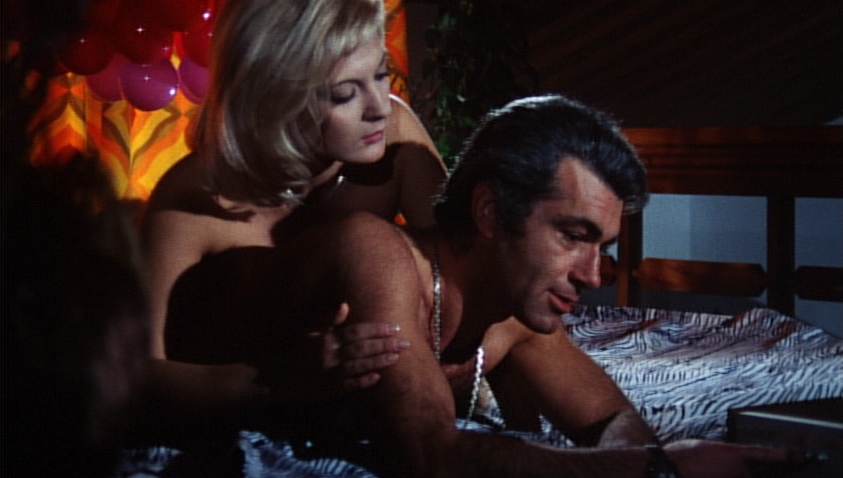
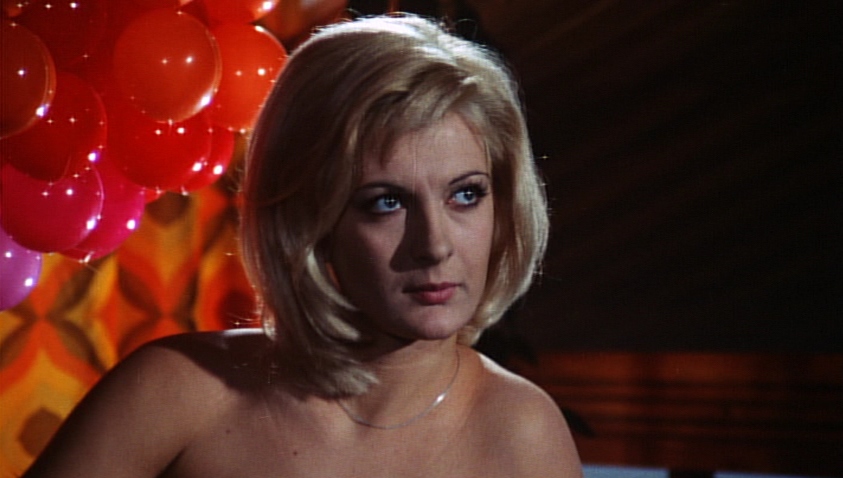
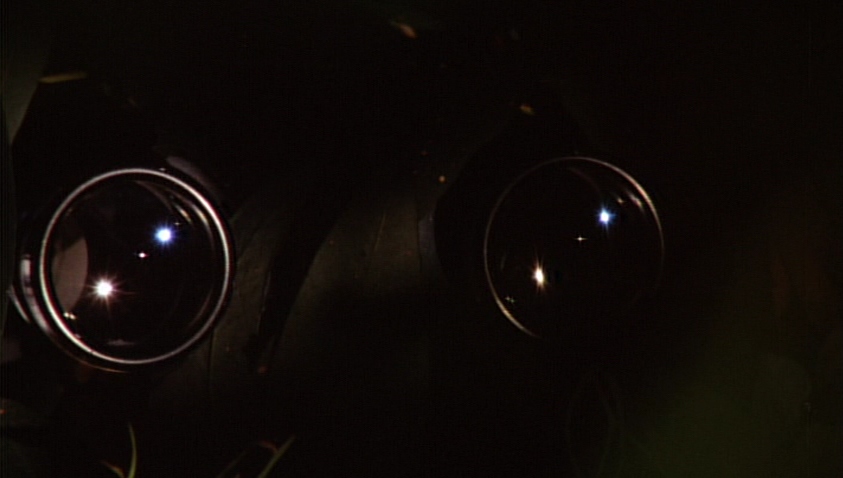
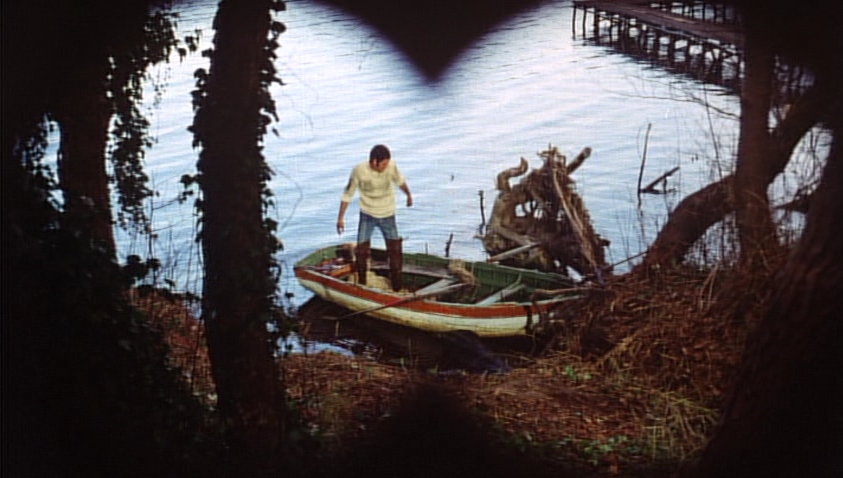
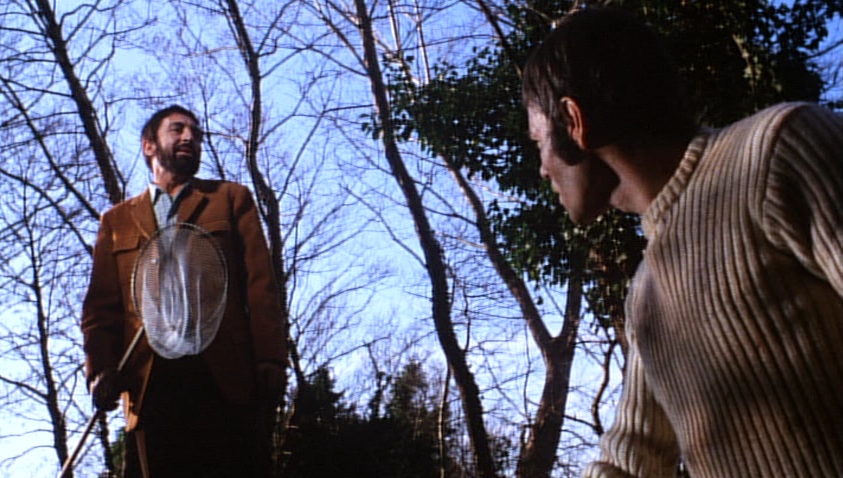
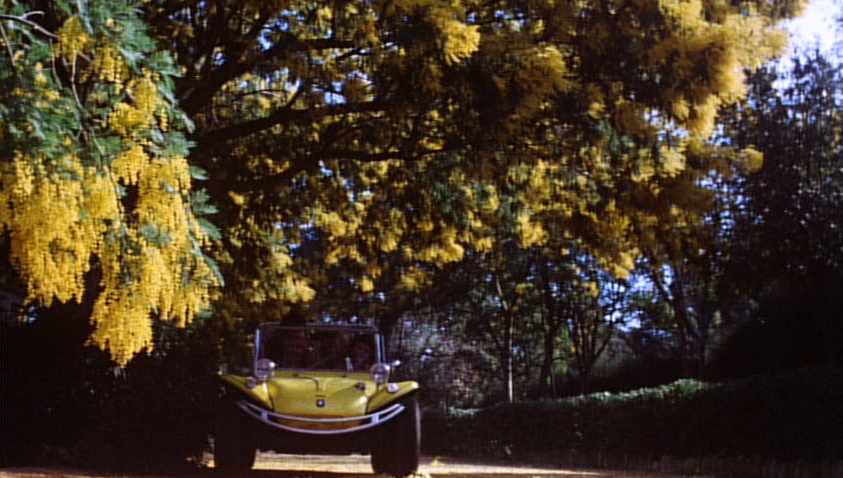
Federica’s death triggers the involvement of her daughter, Renata (Claudine Auger), and Renata’s husband, Albert (Luigi Pistilli), both of whom have motives tied to inheritance. They arrive at the estate with their children, suspicious of foul play and eager to claim their share. Meanwhile, real estate developer Frank Ventura (Chris Avram) and his lover, Laura, are also scheming to acquire the land for a resort development. They are prepared to do whatever it takes — including murder.
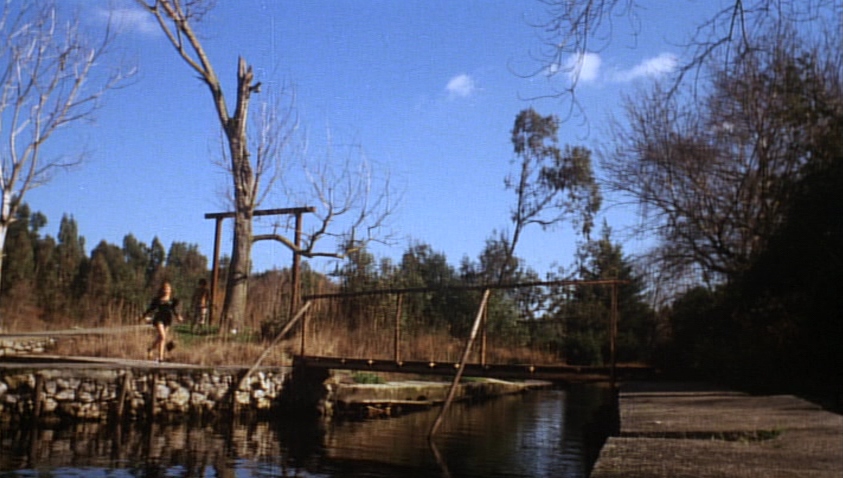
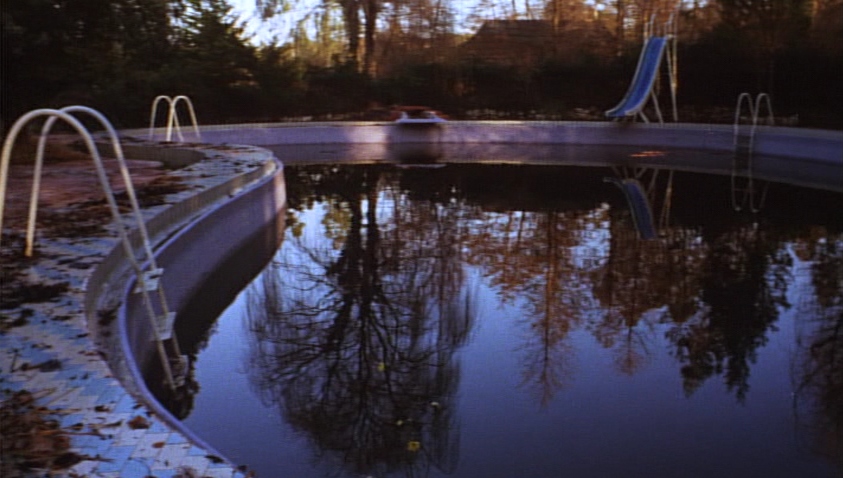
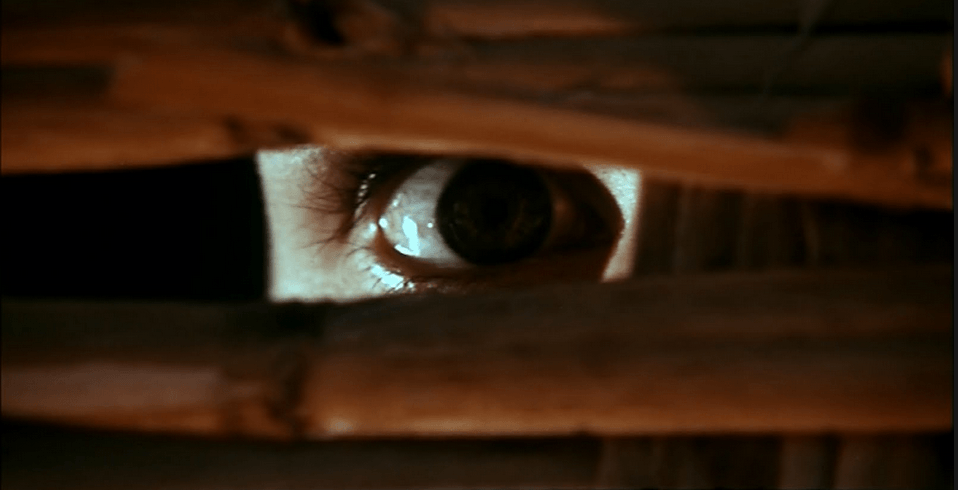
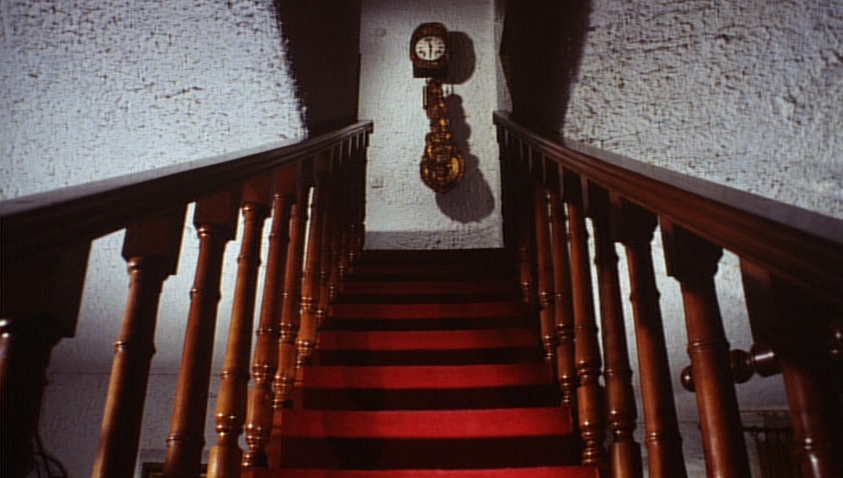
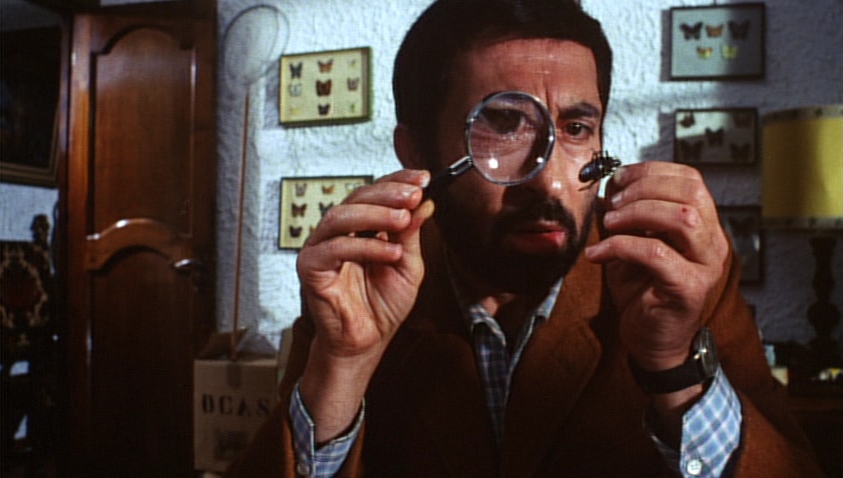
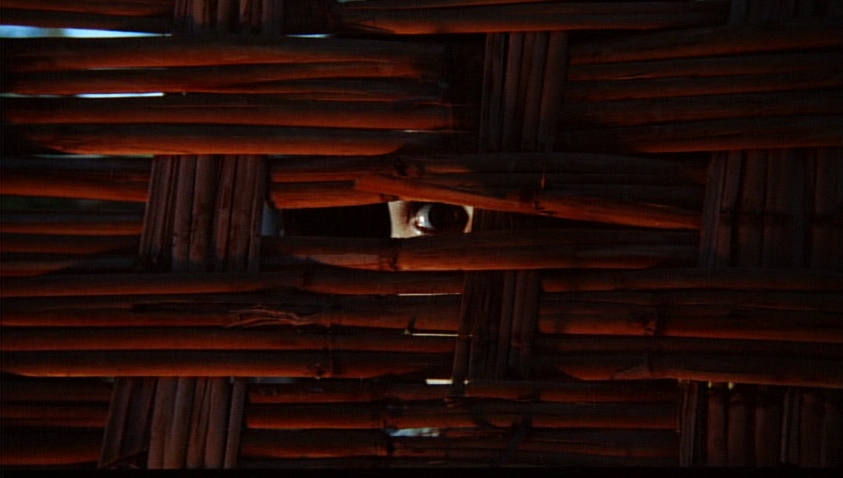
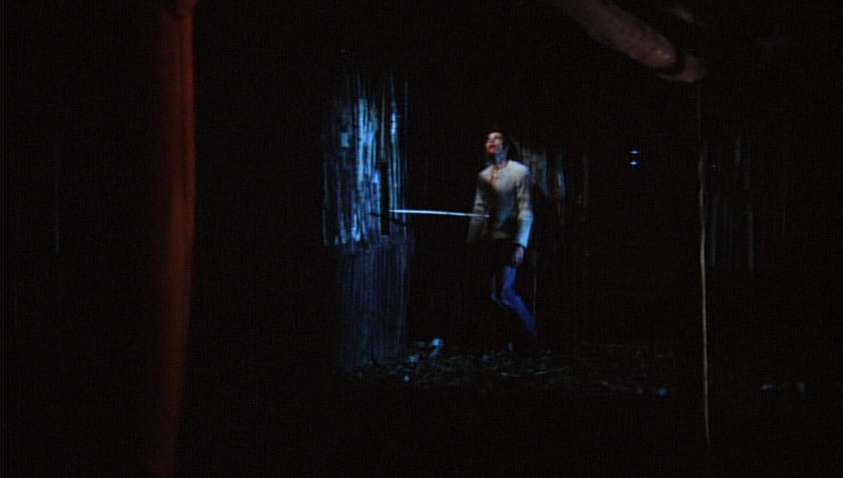
Adding further chaos, a group of carefree teens arrives at the bay to party in an abandoned house. The group includes Brunhilda (Brigitte Skay), a sexually liberated woman who sneaks off for a skinny dip — and meets a violent end. The teenagers are brutally killed in a series of increasingly savage set-pieces, including stabbings, a machete to the face, and a spear through two lovers in bed — a kill scene later famously echoed in Friday the 13th Part 2.
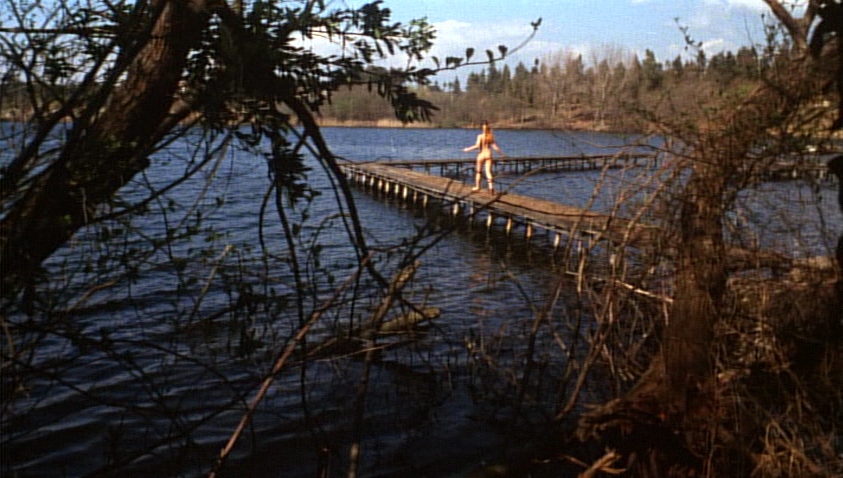
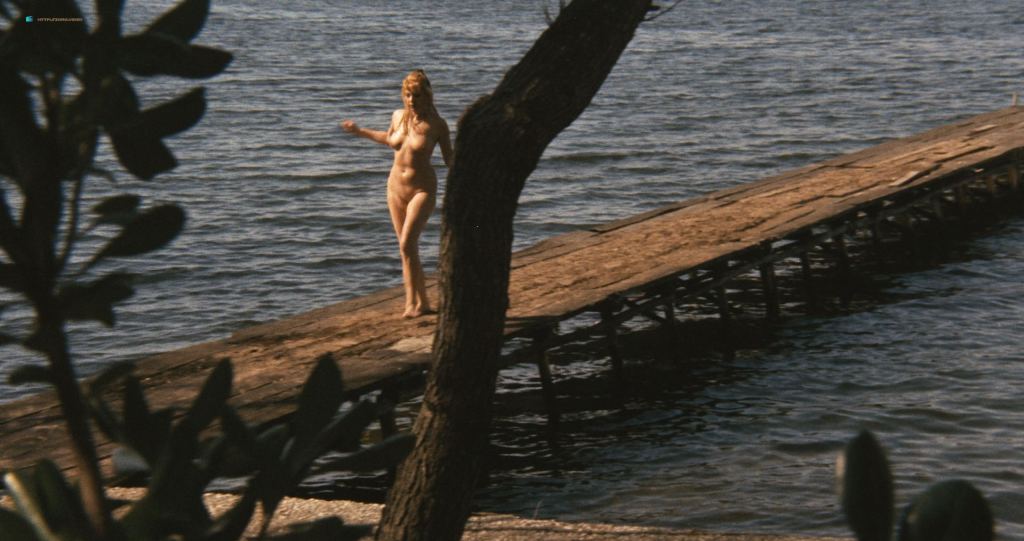
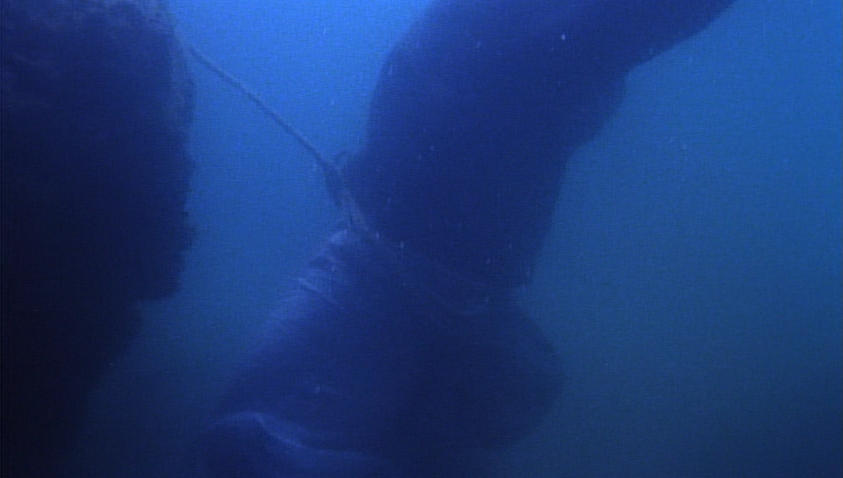
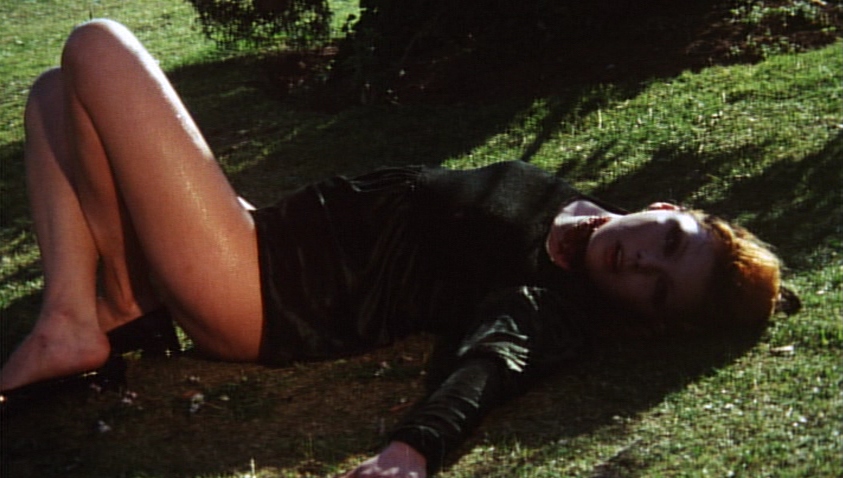
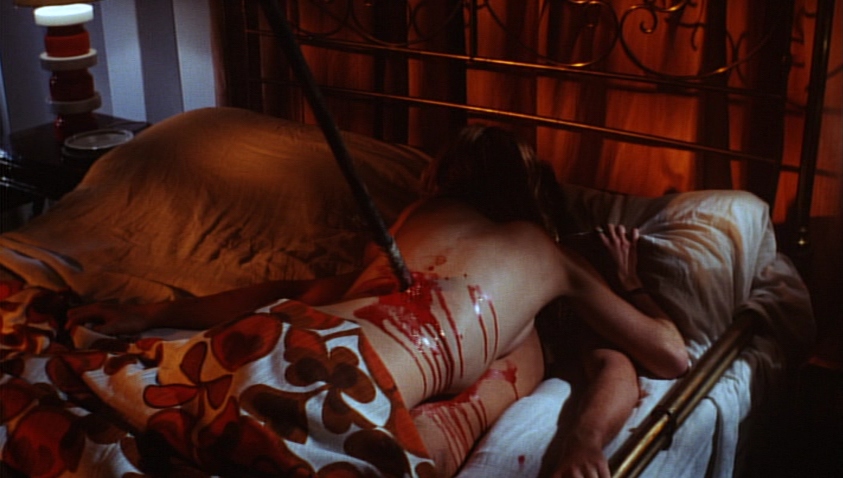
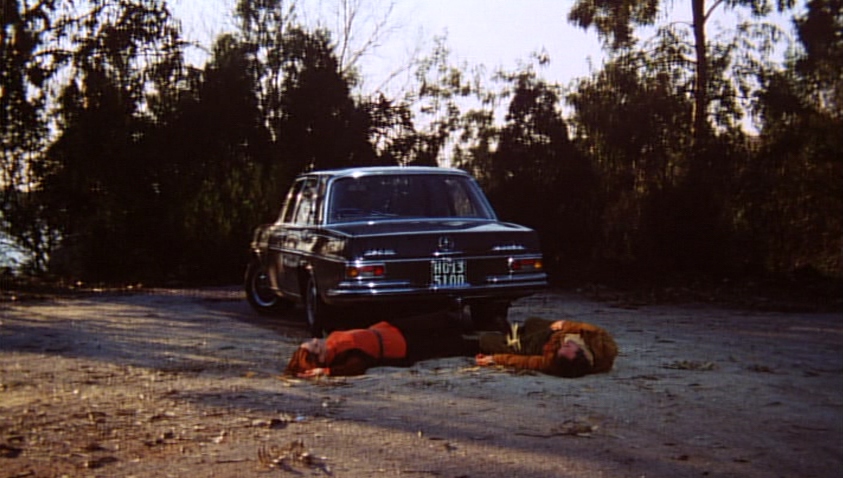
As the bodies pile up, the killers multiply. Renata and Albert emerge as deeply cold-blooded, willing to murder for their inheritance. In one chilling moment, they kill the elderly Paolo and his wife Anna, who also have competing claims to the property. But in a darkly ironic twist, they are no match for the final killers — their own children.
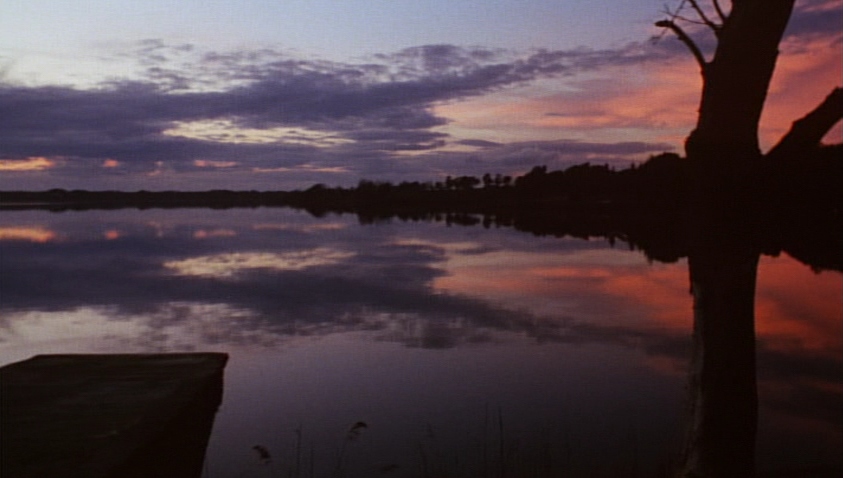
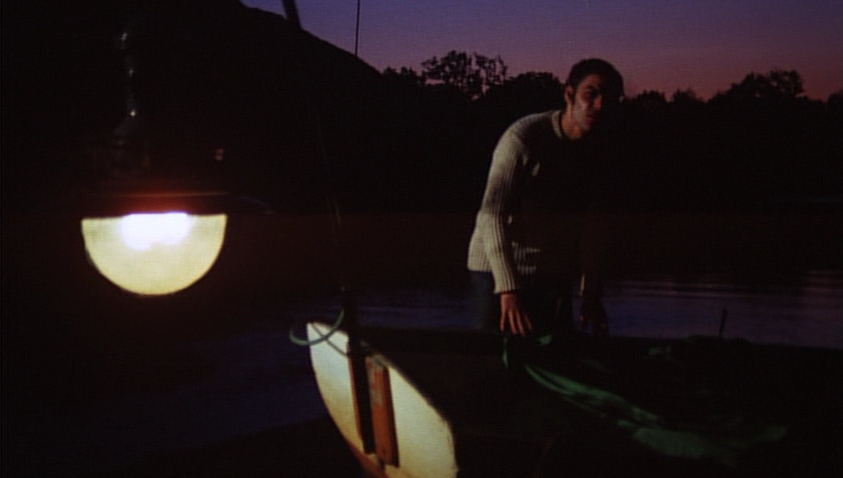
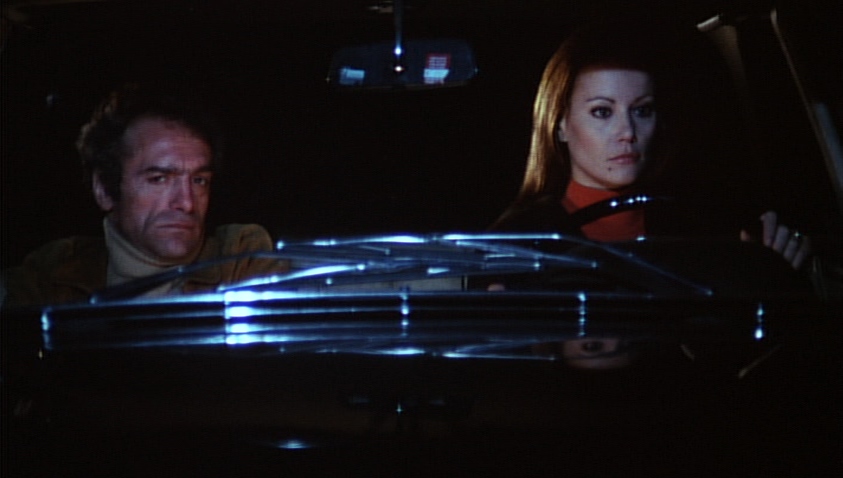
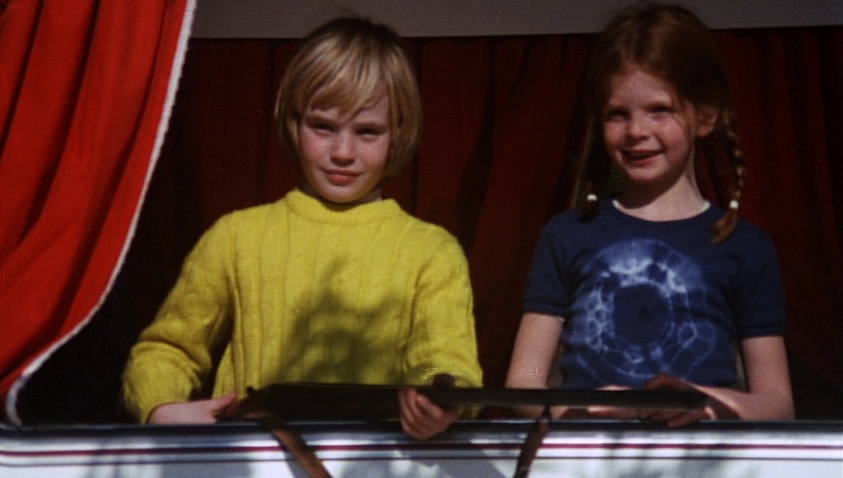
In the film’s final moments, after Albert and Renata have eliminated all rivals, their two young children play innocently nearby. Thinking their parents are “bad people,” the children use a rifle to gun them down, mistaking it for a game. The film ends with a freeze-frame of the kids walking away from the carnage, suggesting an endless cycle of violence and depravity.
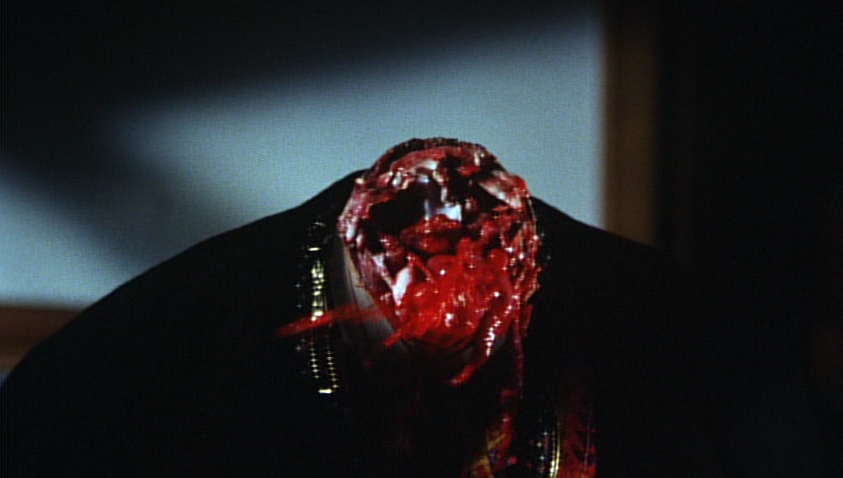
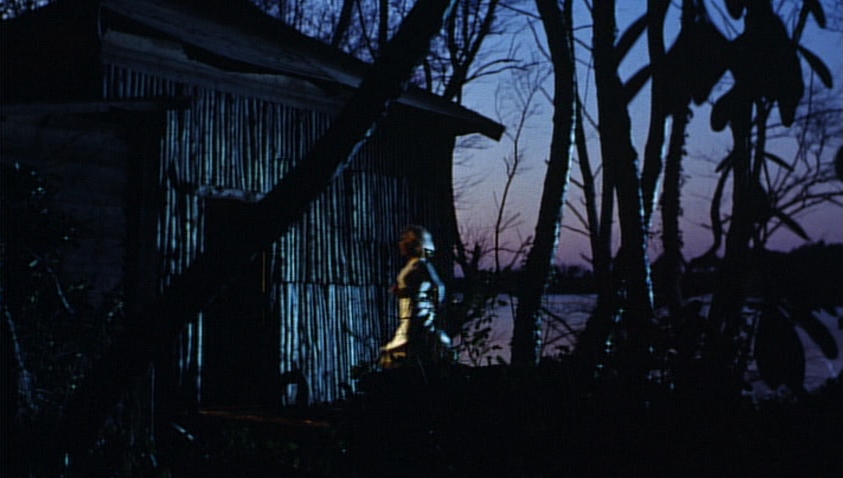
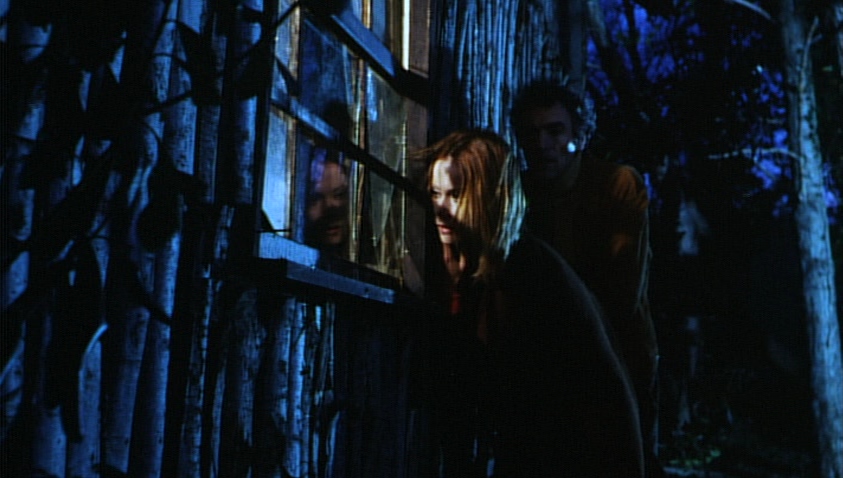
“A Bay of Blood” is drenched in nihilism and dark irony. No one is innocent; every adult character is motivated by greed, lust, or vengeance. Bava constructs the film as a mosaic of intersecting betrayals, with no clear hero and no moral center.
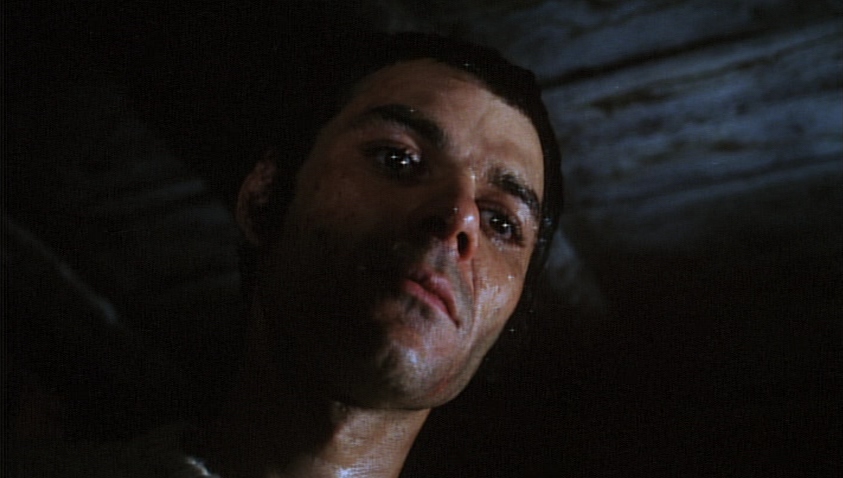
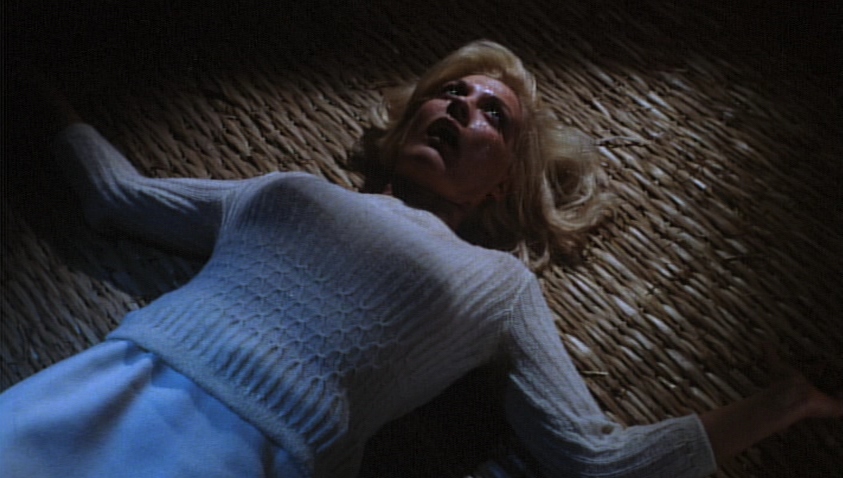
Stylistically, the film is a showcase of Bava’s mastery of color, lighting, and tension. He uses vivid, unnatural hues, jarring editing, and unsettling camera angles to create a dreamlike — and often nightmarish — atmosphere. The pacing is brisk, the violence is unflinching, and the narrative structure is fragmented, keeping the audience disoriented.
Though initially met with mixed reviews due to its violence and unconventional story, “A Bay of Blood” is now regarded as a pioneering film that laid the groundwork for the slasher genre. Its influence can be seen in “Halloween”, “Friday the 13th”, “The Burning”, and countless others that I watched in my youth.