

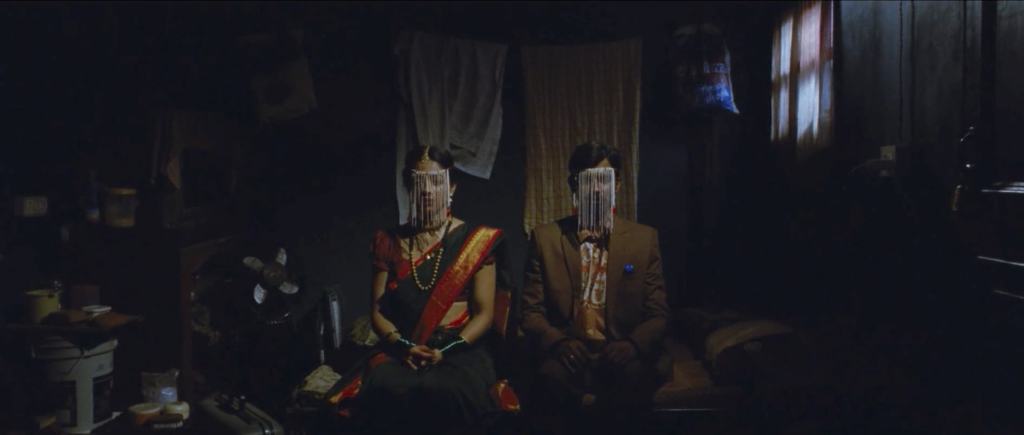
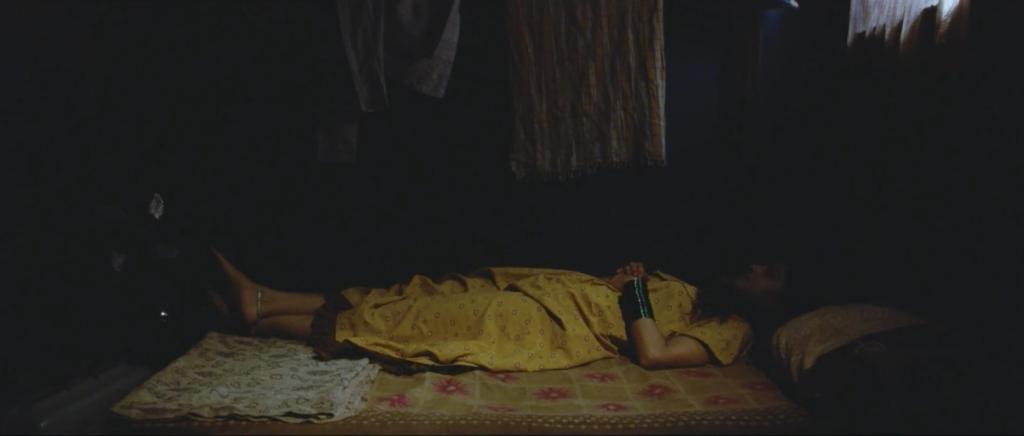
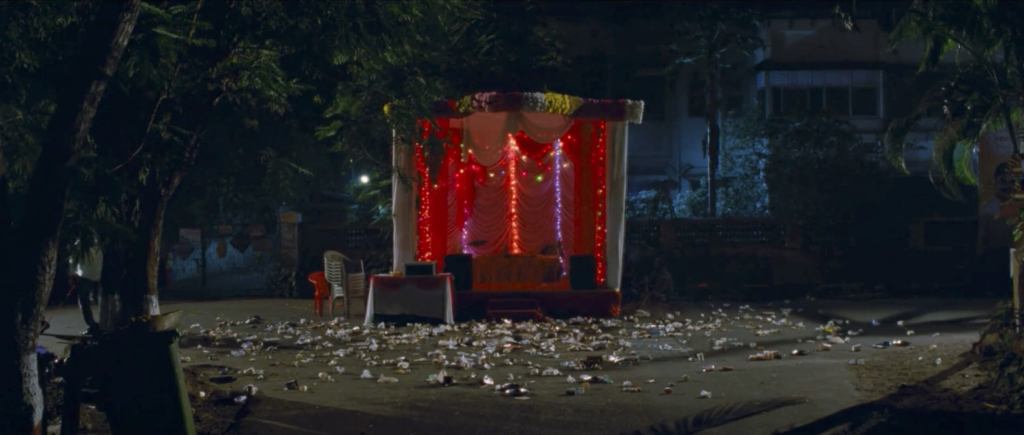
“Sister Midnight” (2024) is a darkly comic, surreal horror-drama written and directed by Karan Kandhari in his feature debut. The film stars Radhika Apte, alongside Ashok Pathak, Chhaya Kadam, and Smita Tambe. Set in the dense, chaotic sprawl of Mumbai, the film blends deadpan humor, social satire, and grotesque fantasy to explore alienation, repression, and the slow eruption of a woman’s suppressed rage.
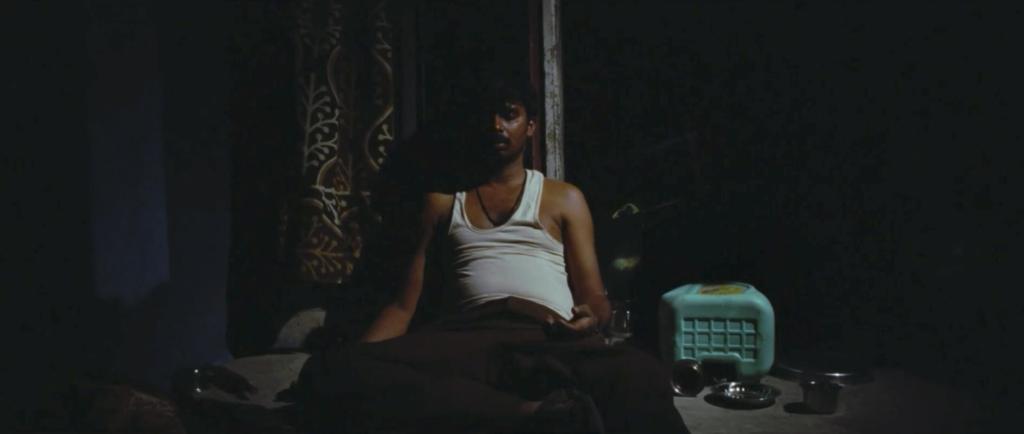
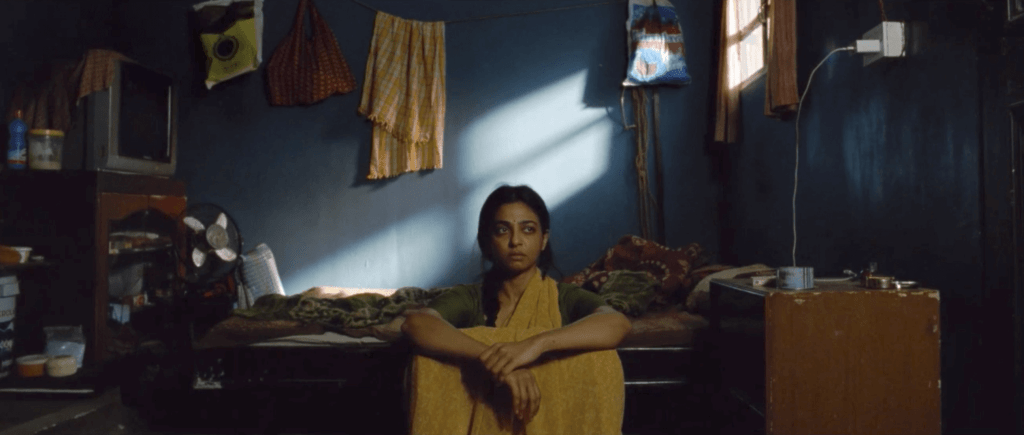
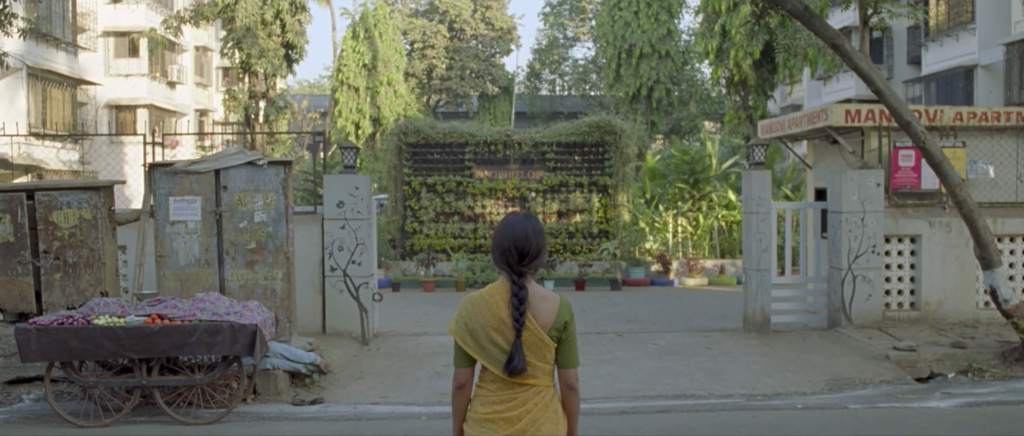

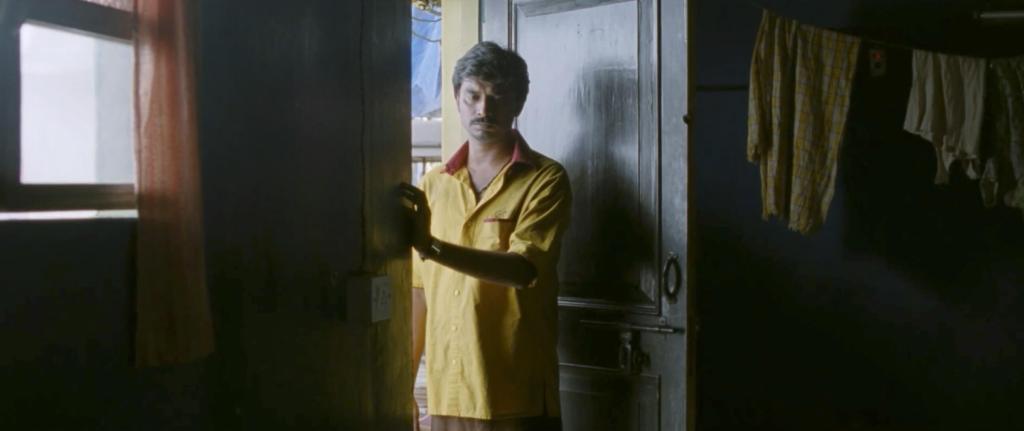
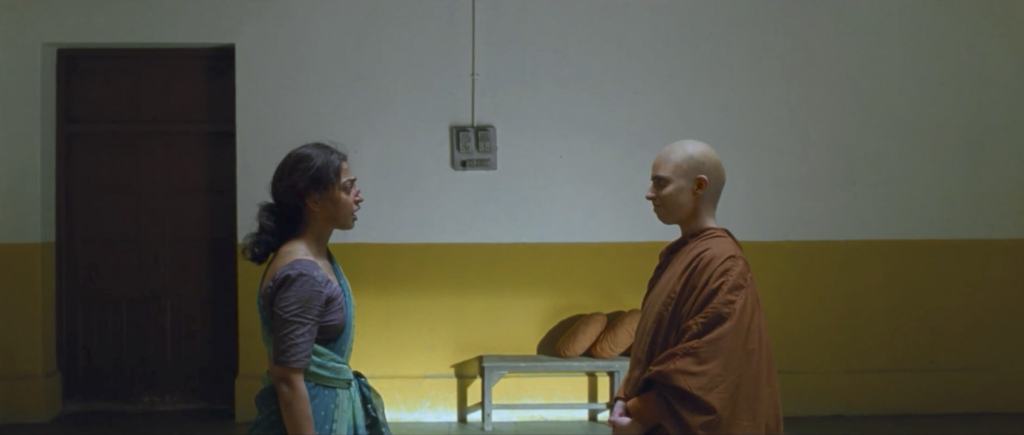
The story centers on Uma (Radhika Apte), an eccentric, socially awkward young woman, who finds herself in an arranged marriage with the shy, emotionally distant Gopal (Ashok Pathak). After the wedding, the couple moves into a cramped one-room home in a crowded working-class neighborhood of Mumbai. Their relationship begins awkwardly and quickly becomes painfully strained. Gopal is passive and uncomfortable around his new wife, while Uma feels trapped by the expectations of domestic life and the suffocating routine of marriage.


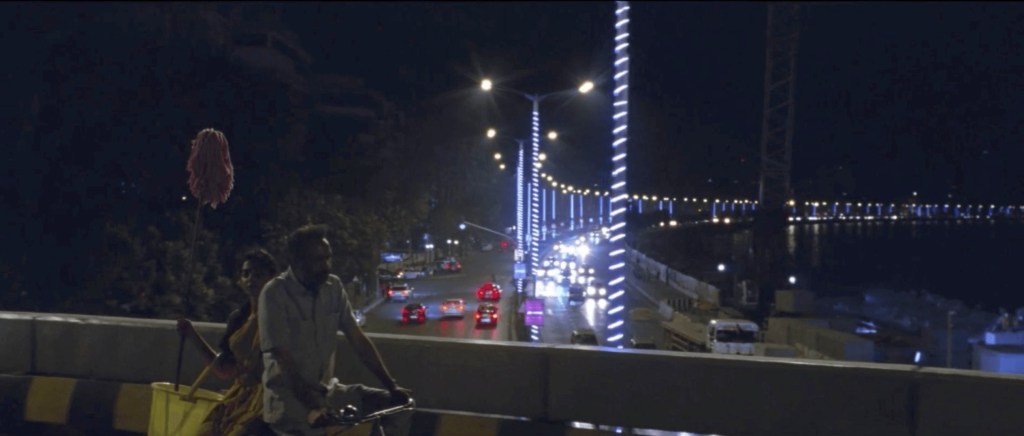

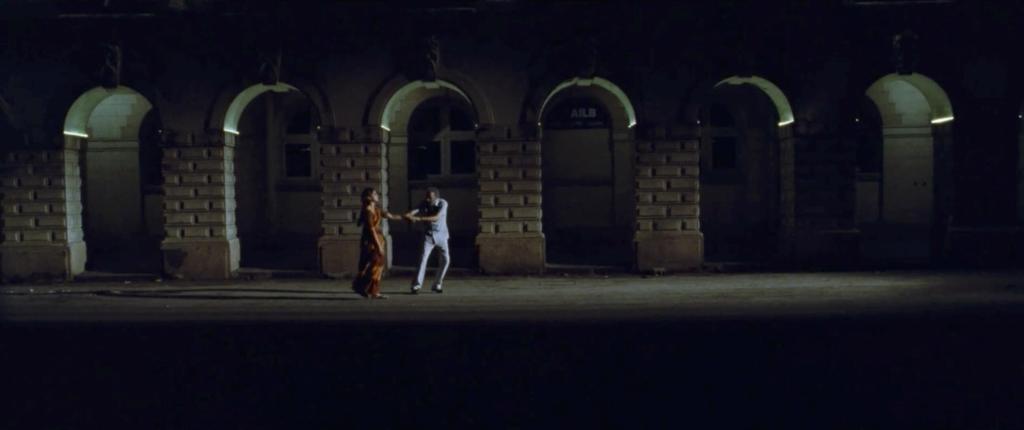
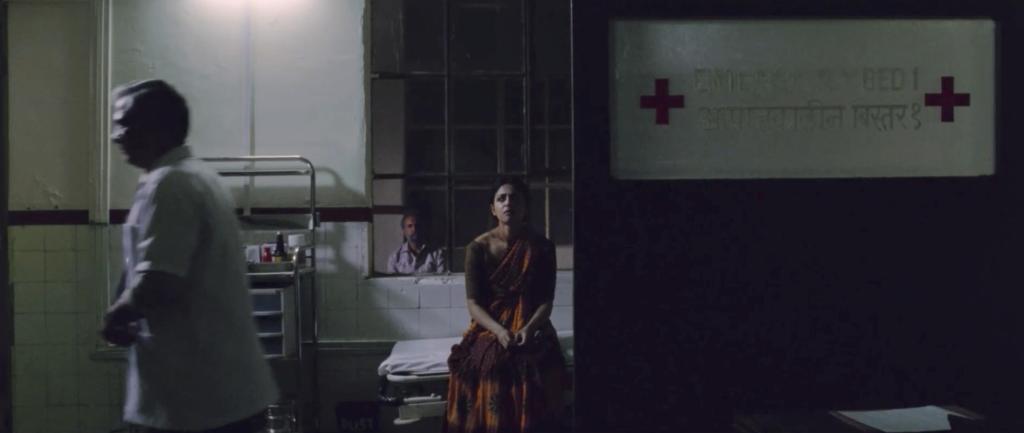
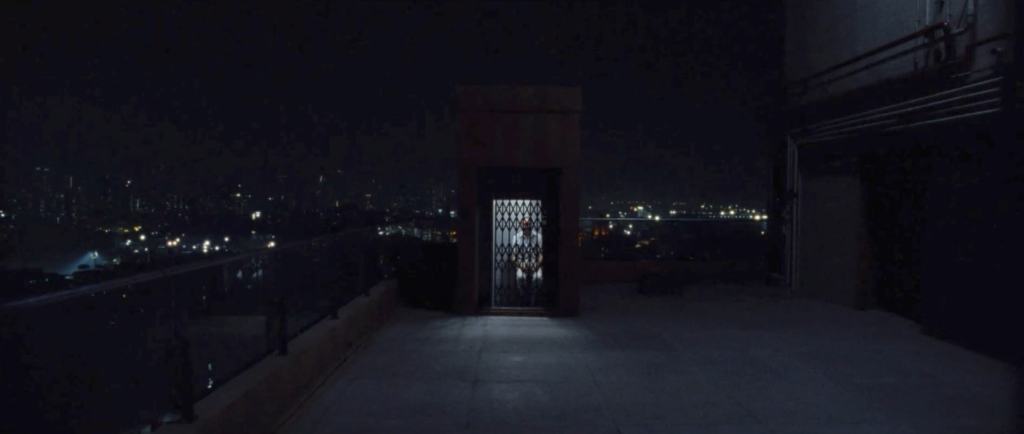
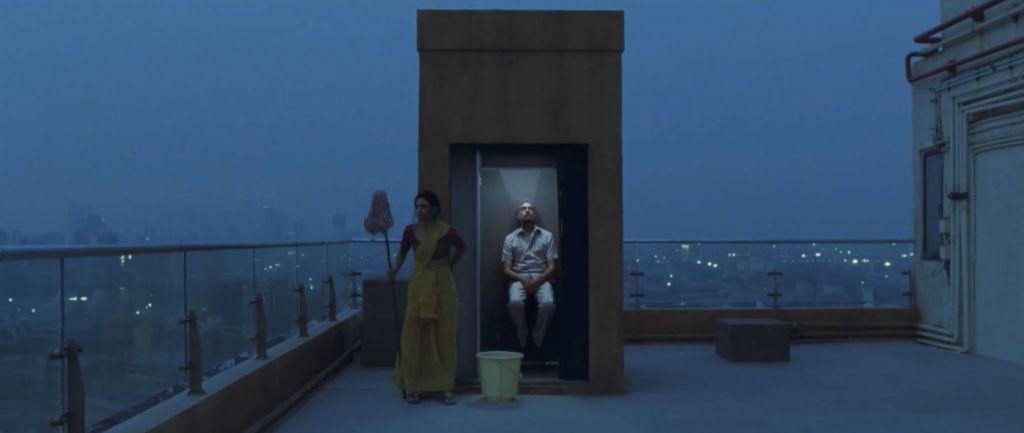
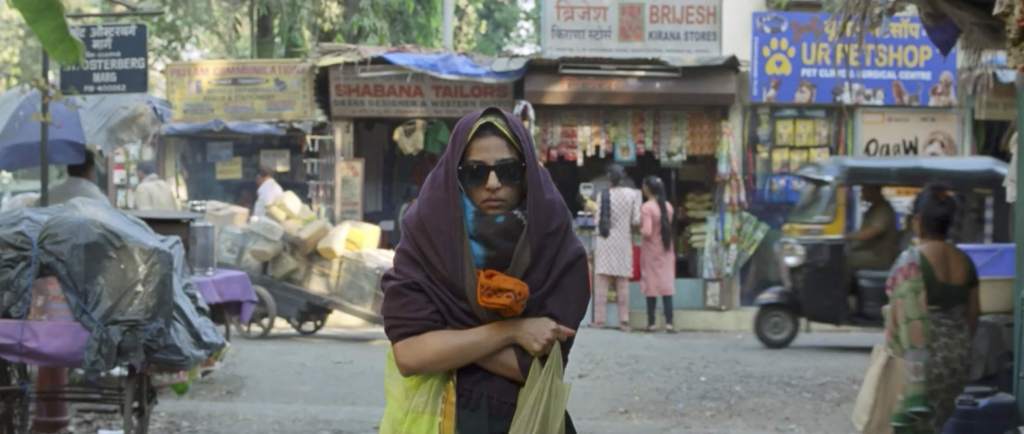
Uma struggles to perform the role of a traditional wife. She fails at cooking, resists social niceties, and recoils from the constant scrutiny of neighbors and relatives who expect her to conform. Every day, domestic tasks become sources of frustration and humiliation. Meanwhile, Gopal retreats further into himself, often avoiding home and leaving Uma alone for long stretches. Their marriage never finds intimacy, and the small apartment becomes a space of quiet hostility and mutual bewilderment.
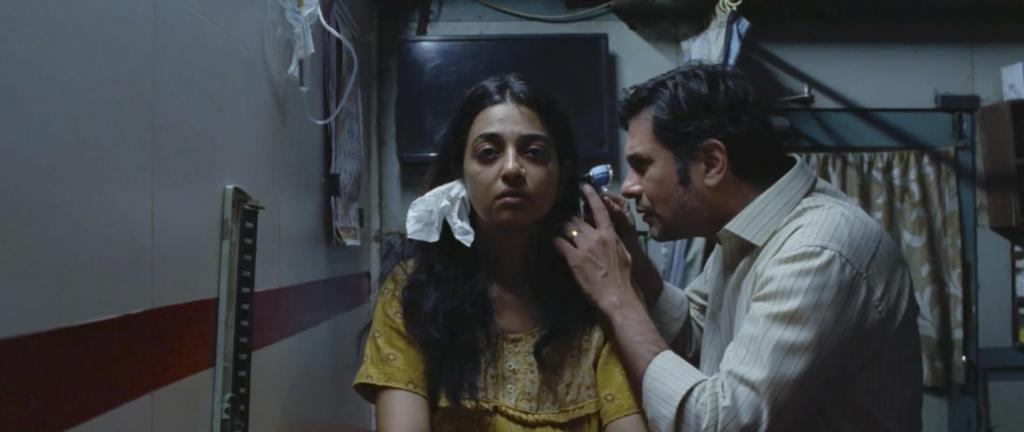
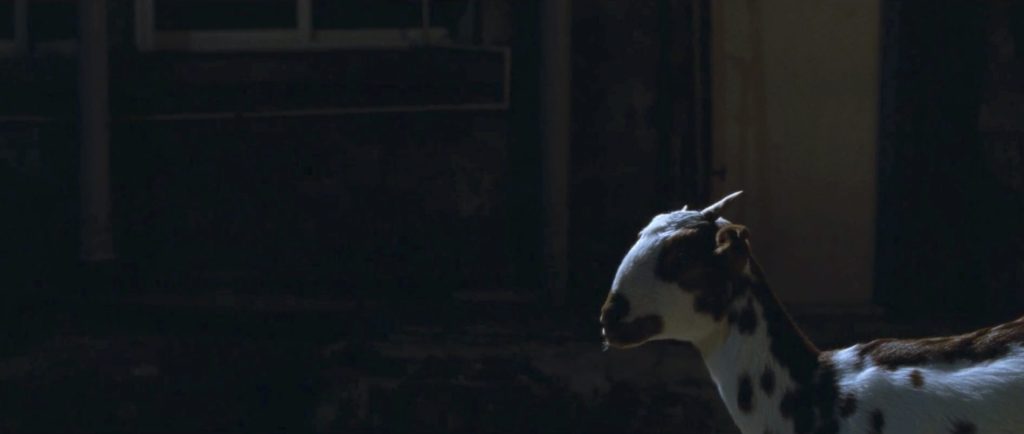
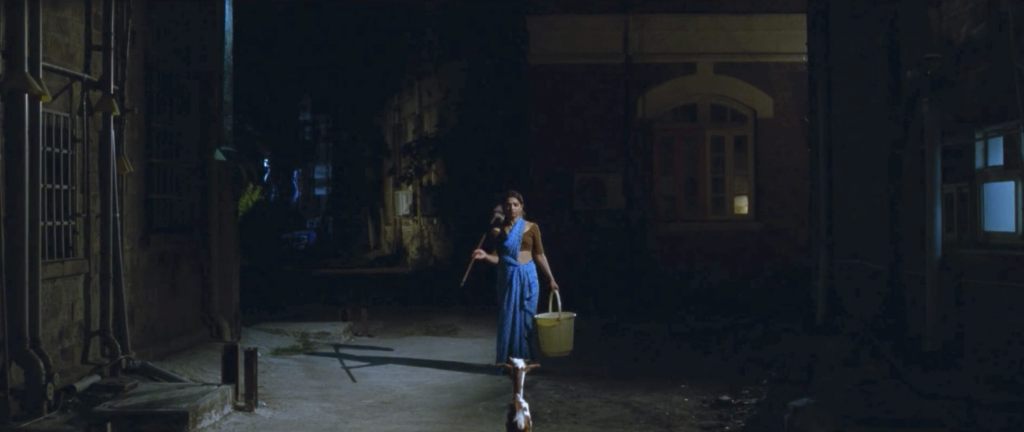
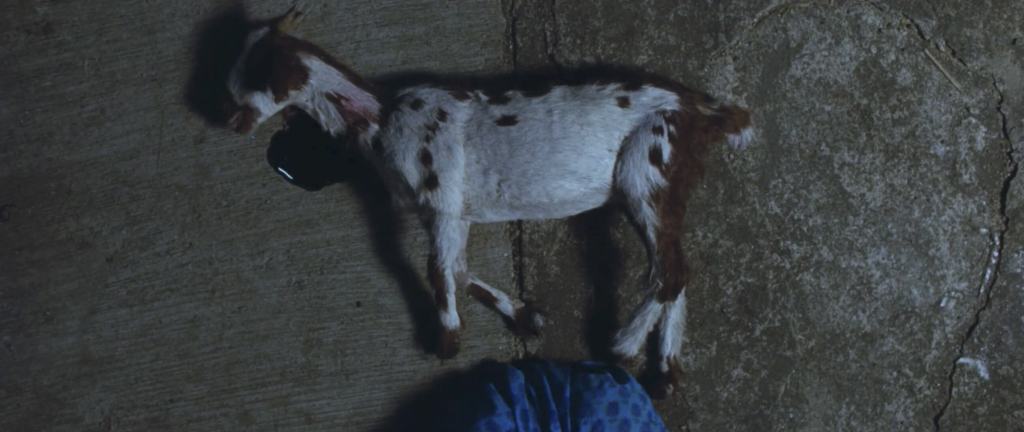
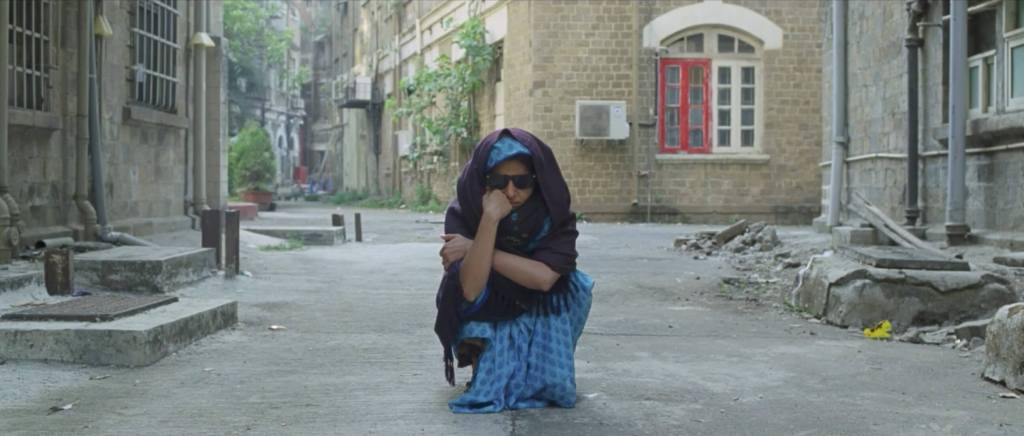
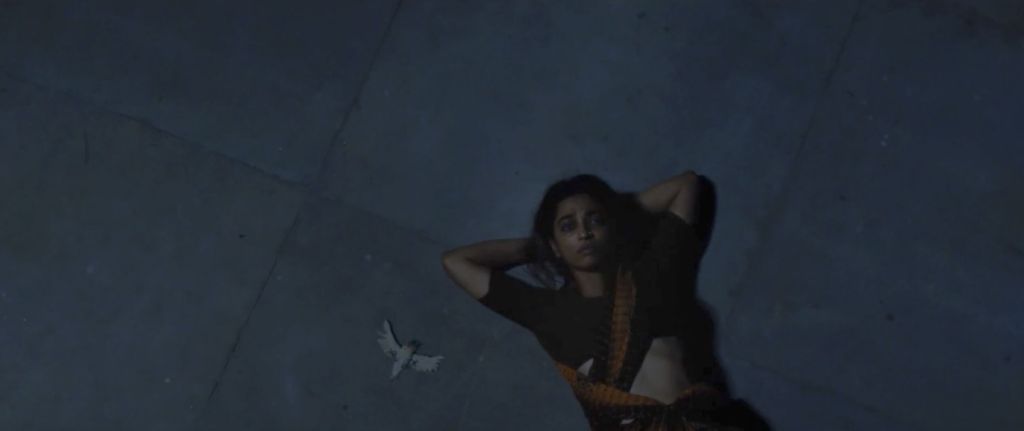

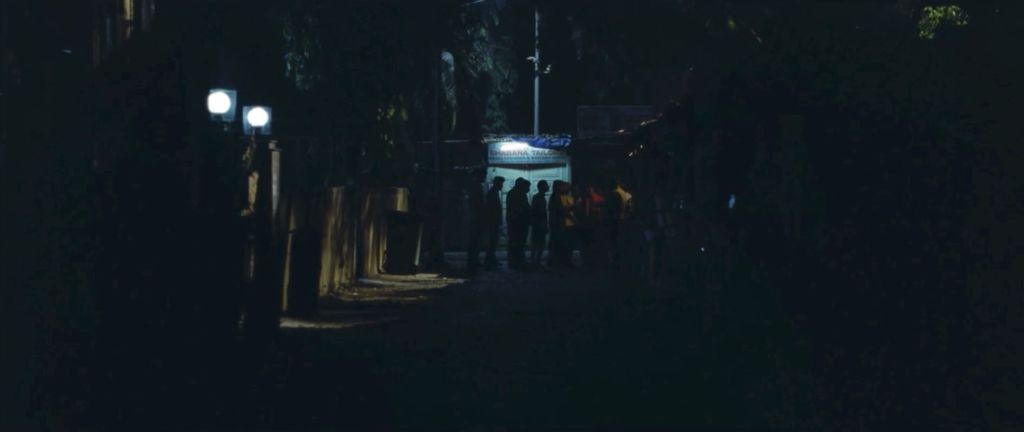
As Uma’s isolation deepens, her behavior grows increasingly erratic. Restless at night and unable to sleep, she begins wandering through the city’s shadowy streets after dark. She takes odd jobs and encounters a variety of strange figures, gradually drifting away from the confines of her domestic life. Her loneliness turns inward, mutating into something feral and unsettling.
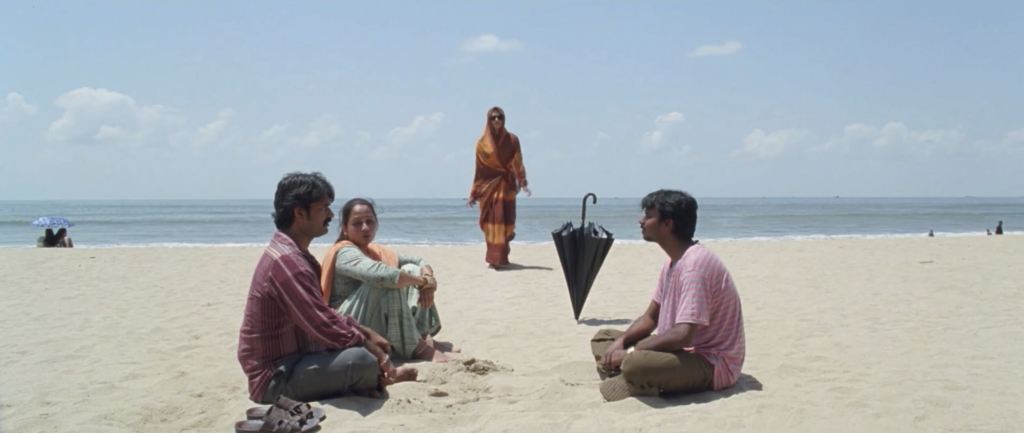


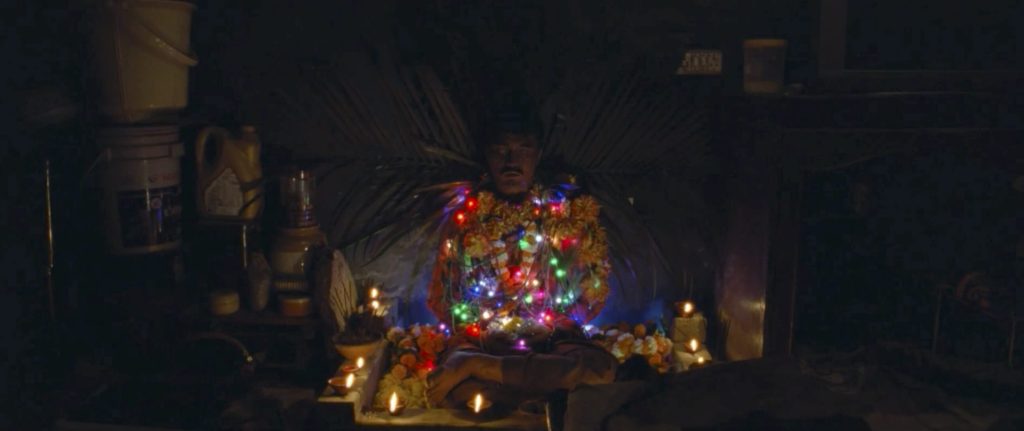
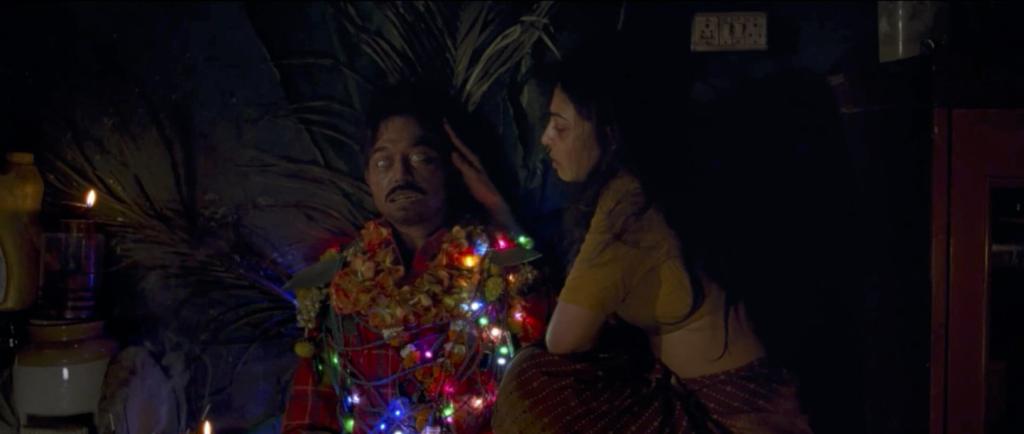
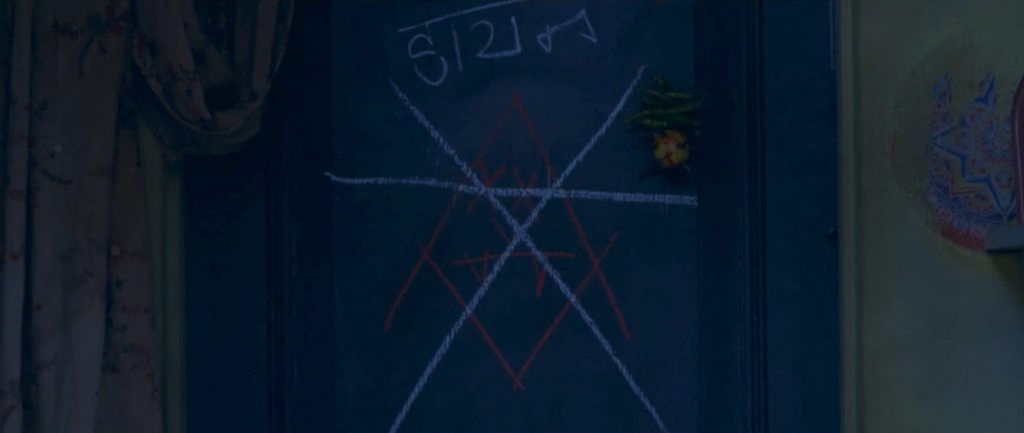

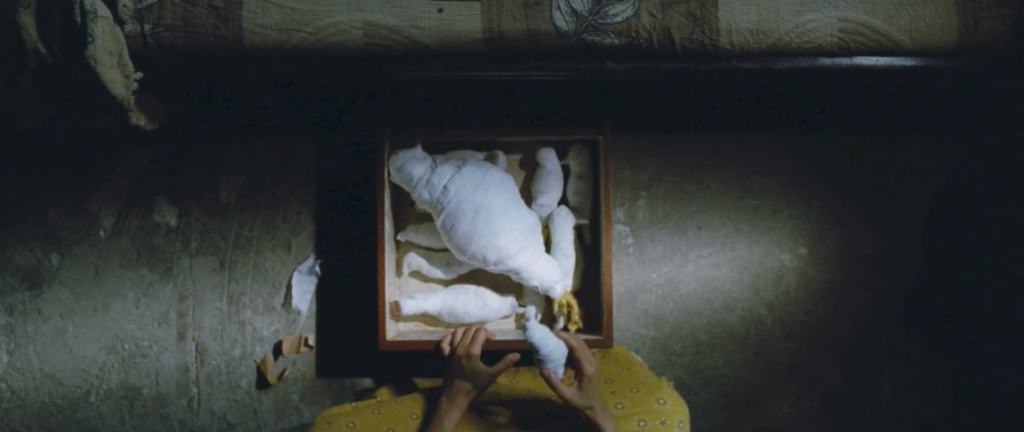
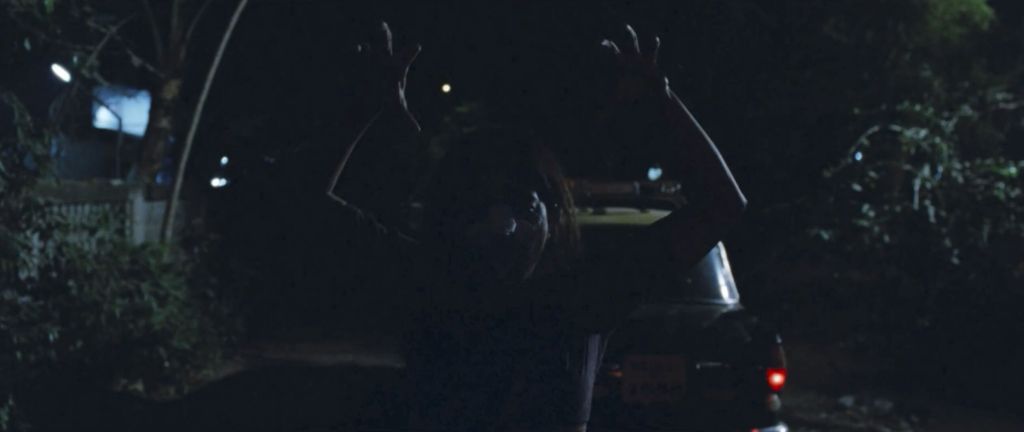
Soon, bizarre physical urges begin to overtake her. Uma develops strange cravings and compulsions that she struggles to control, suggesting a grotesque transformation taking place beneath the surface. The film increasingly slips into surreal territory as Uma’s sense of self unravels. Moments of deadpan comedy give way to disturbing imagery and absurd situations, blurring the line between psychological breakdown and supernatural metamorphosis.

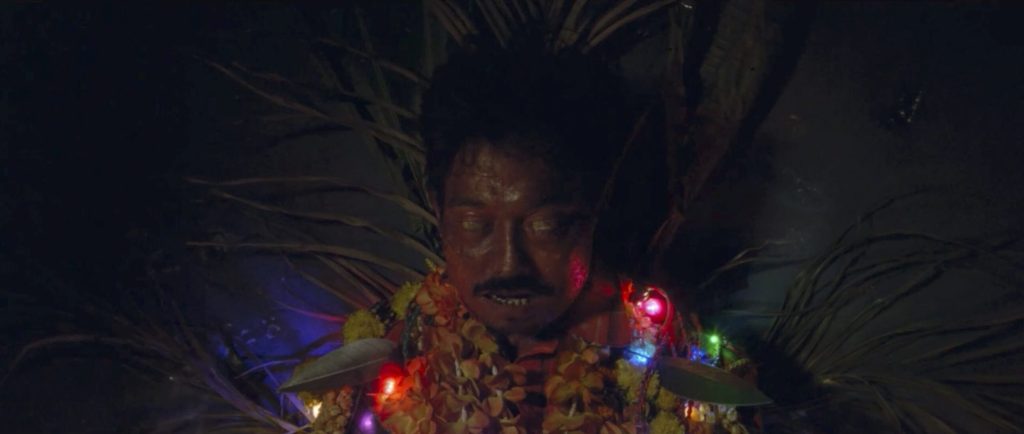

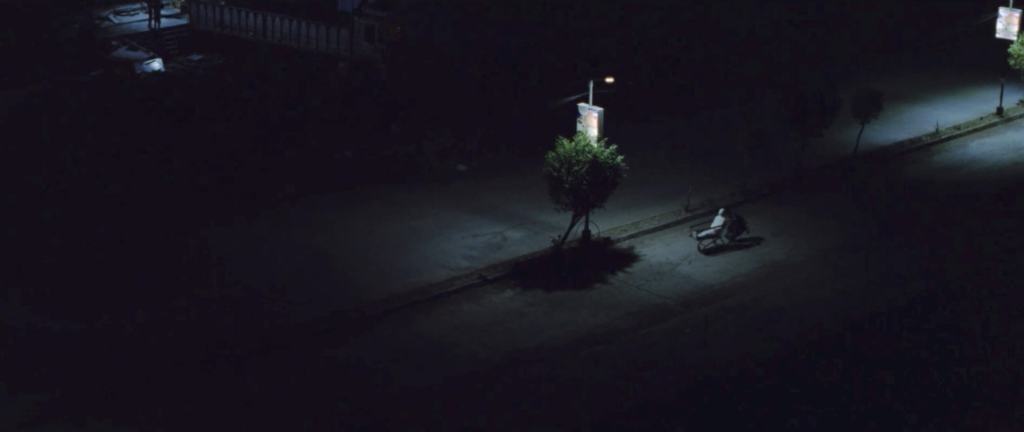
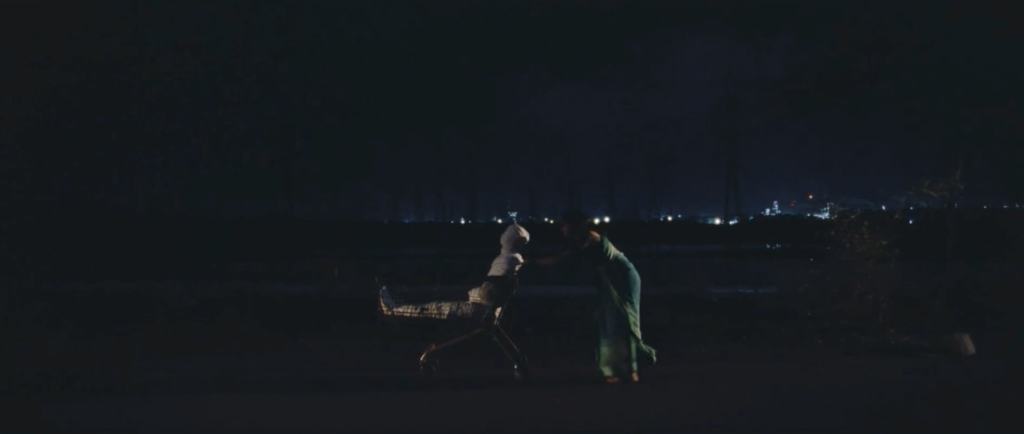




Neighbors gossip about her increasingly odd behavior, while Gopal remains largely oblivious to the changes happening in his wife. Uma’s nighttime wanderings grow darker and more dangerous, and her transformation becomes both literal and symbolic—a manifestation of her rage against the suffocating roles forced upon her.
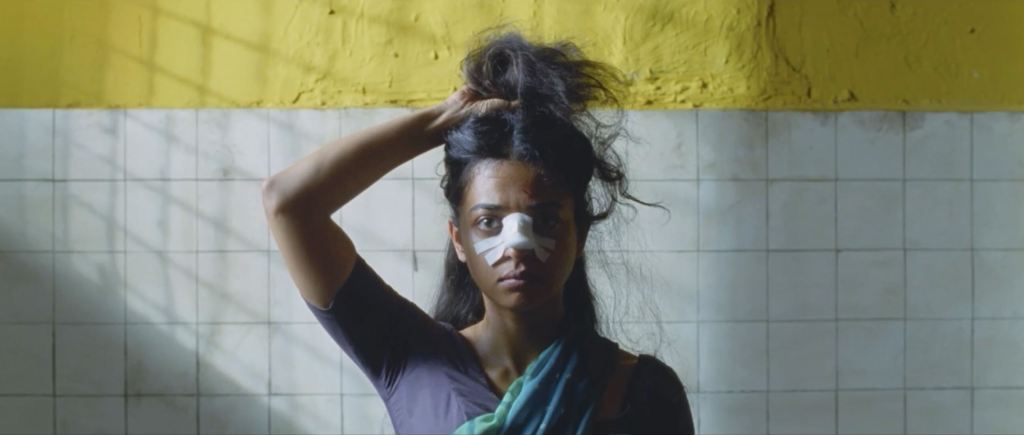
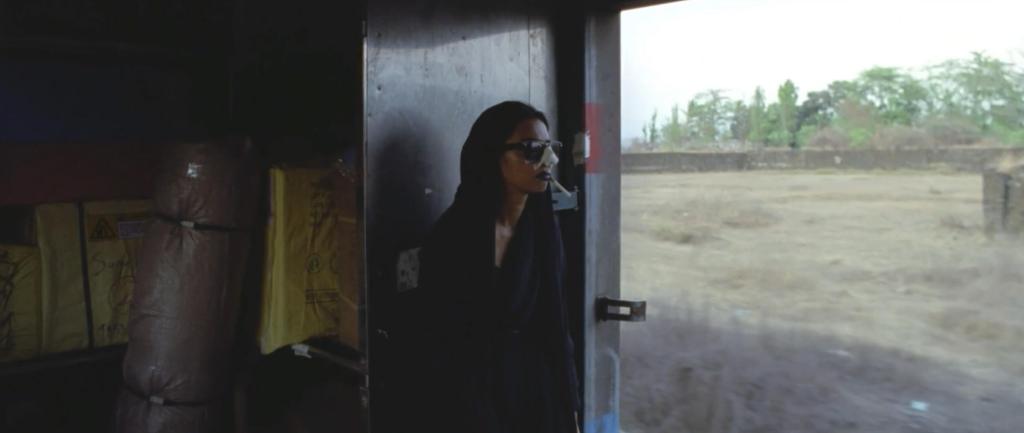
Through a series of surreal and macabre episodes, “Sister Midnight” becomes a twisted allegory about repression and rebellion. Uma’s descent into something monstrous reflects her rejection of the rigid expectations of marriage and society. Rather than conforming to the docile role demanded of her, she embraces a strange and terrifying freedom.
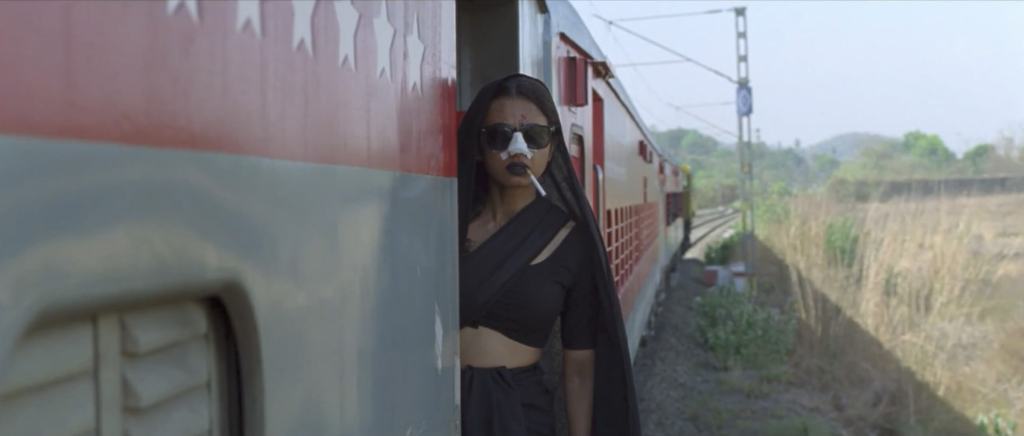



By the film’s conclusion, Uma has fully shed the identity that society tried to impose upon her. The transformation that began as alienation and frustration becomes a darkly liberating act of self-reinvention. Kandhari’s film leaves the audience with an unsettling, darkly comic portrait of a woman who escapes domestic imprisonment by becoming something entirely unpredictable—and perhaps inhuman.