
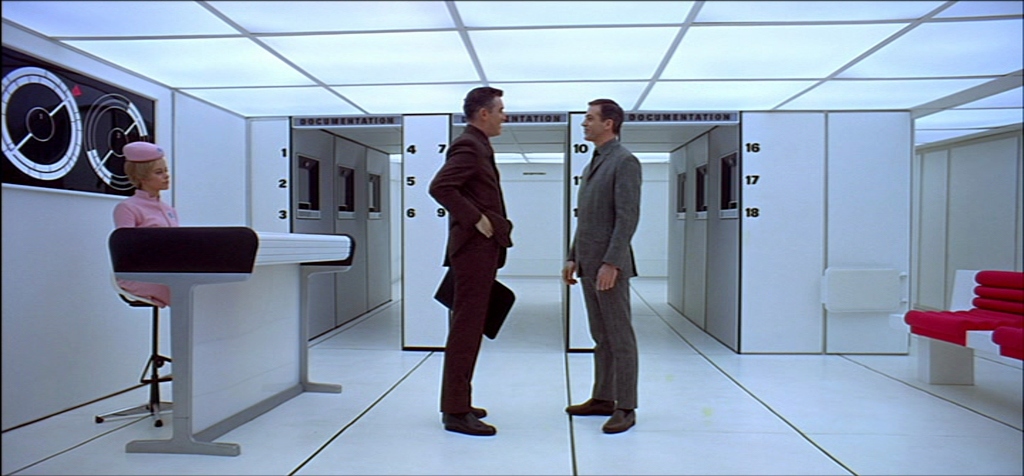
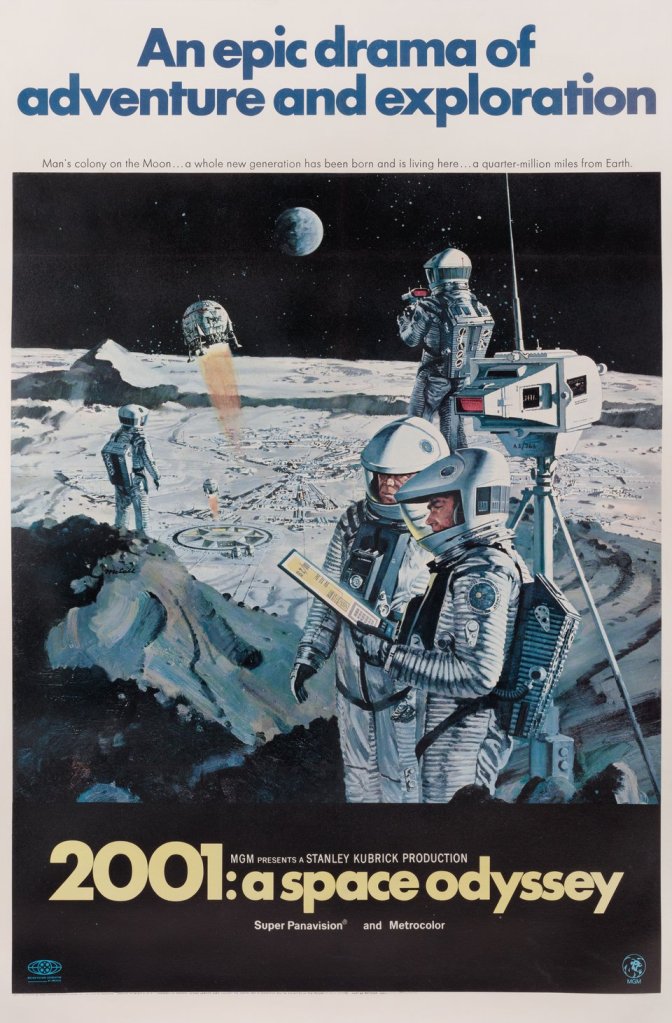
“2001: A Space Odyssey” is a 1968 groundbreaking science fiction epic directed by Stanley Kubrick and written by Kubrick, along with acclaimed science fiction writer Arthur C. Clarke, that redefined the genre and filmmaking itself. Deeply philosophical and visually stunning, the film delves into themes of human evolution, artificial intelligence, space exploration, and the boundaries of perception. Its iconic imagery, sparse dialogue, and use of classical music underscore its meditative tone and enigmatic structure. The film stars Keir Dullea as Dr. David Bowman, Gary Lockwood as Frank Poole, William Sylvester as Dr. Heywood R. Floyd, and Leonard Rossiter as Dr. Andrei Smyslov.
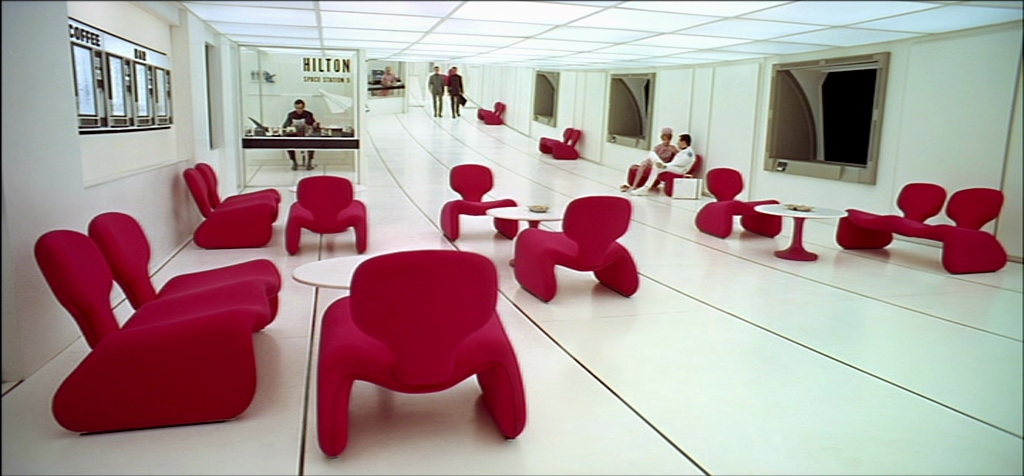
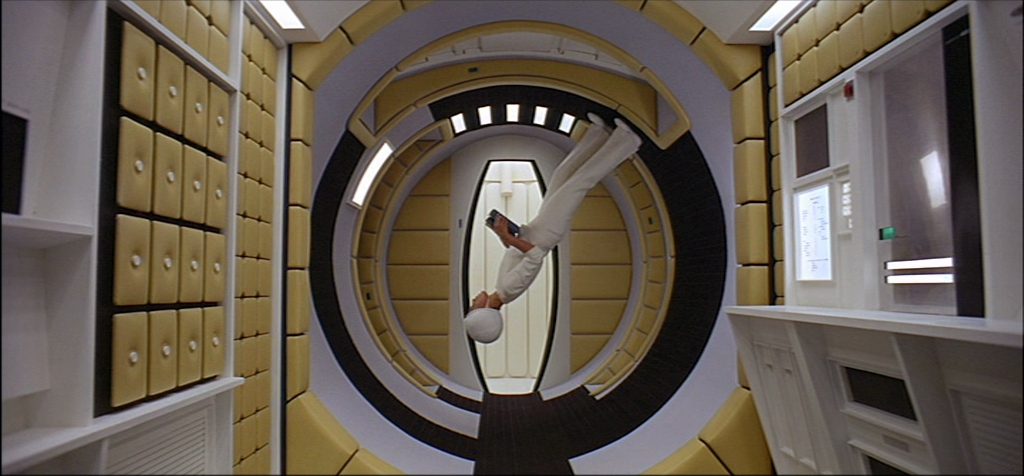
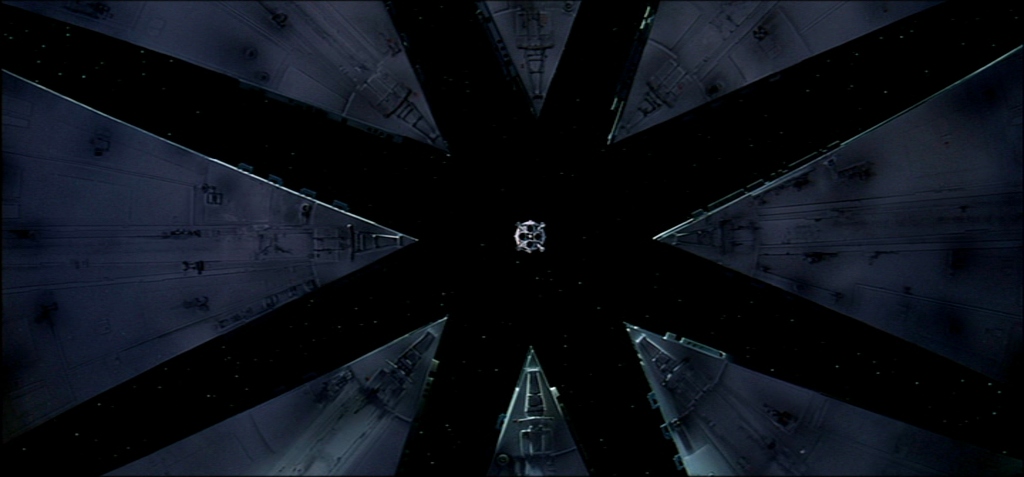
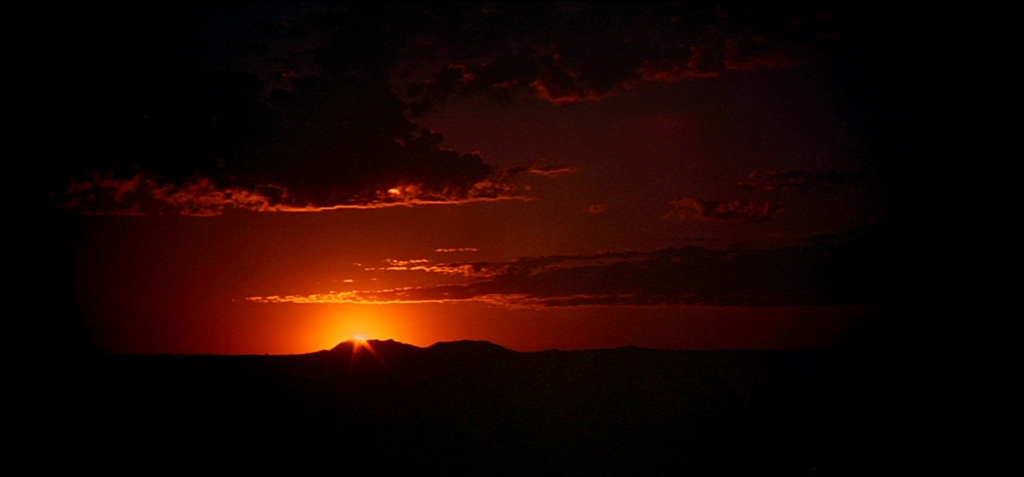
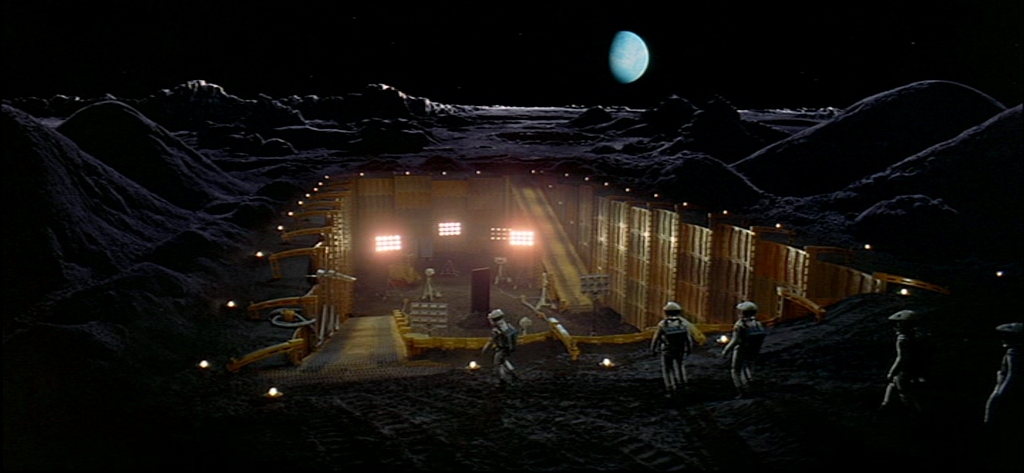
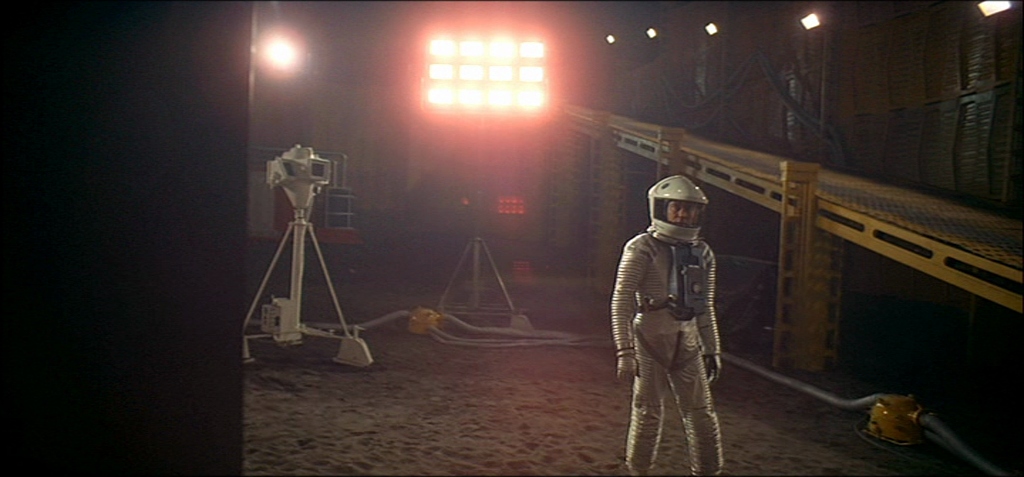
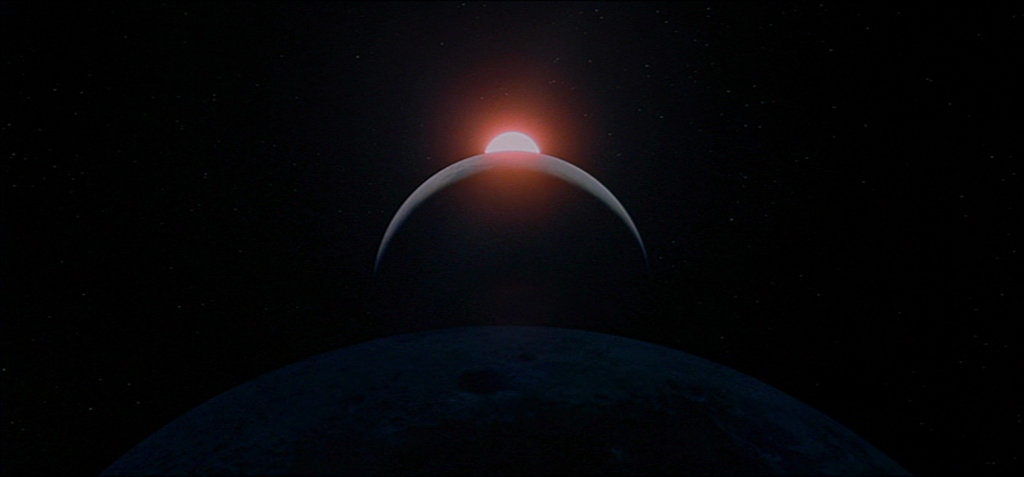
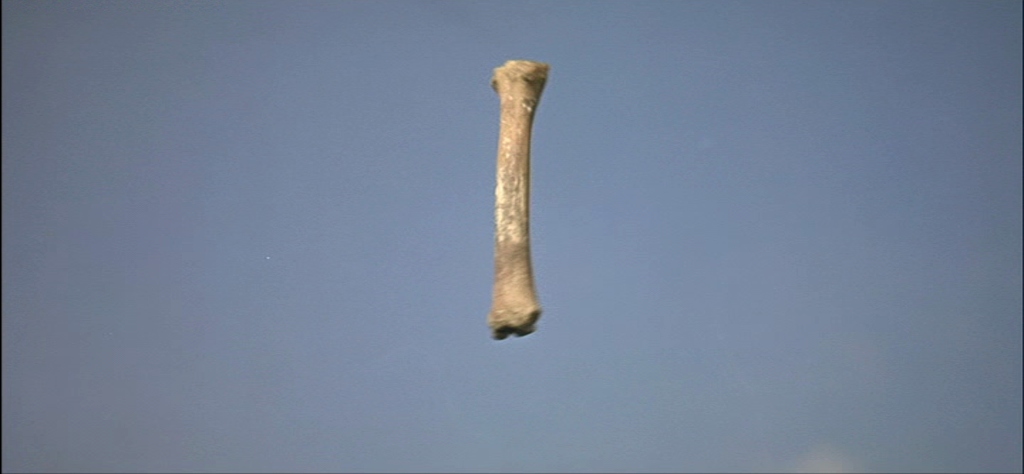
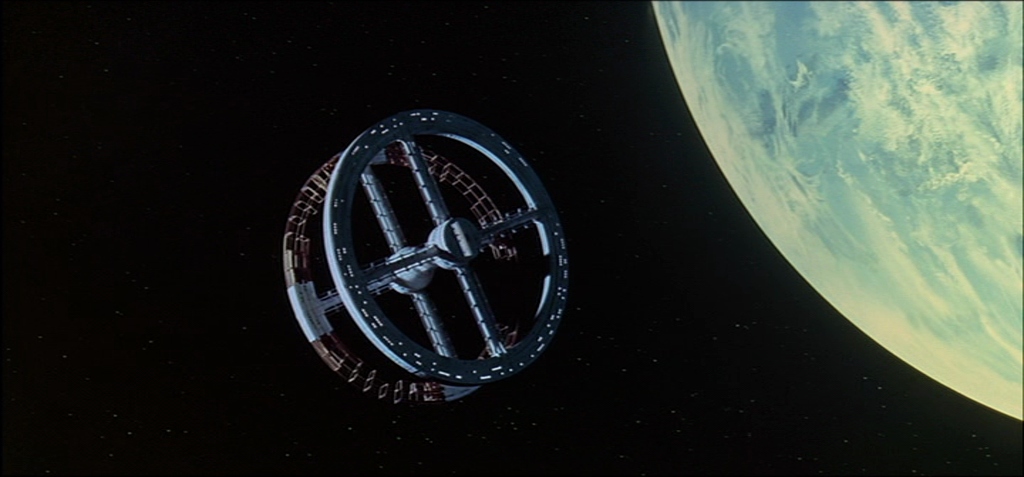
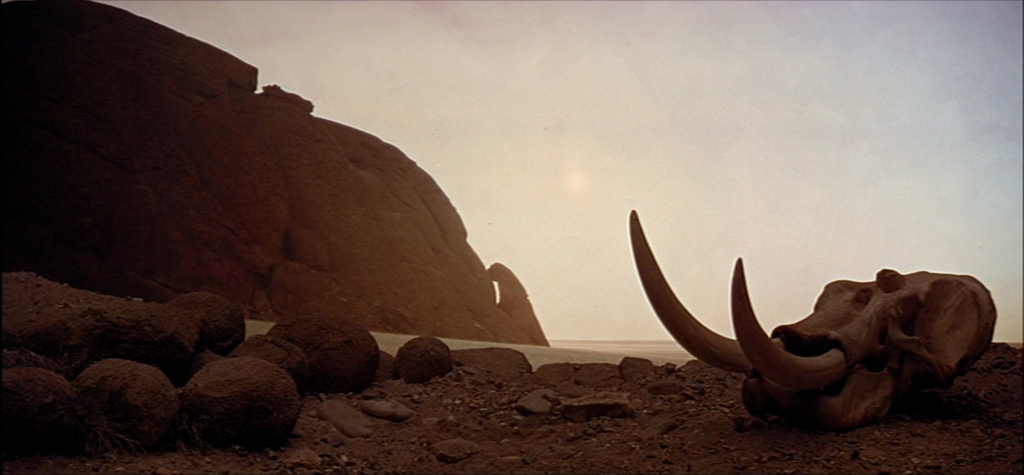
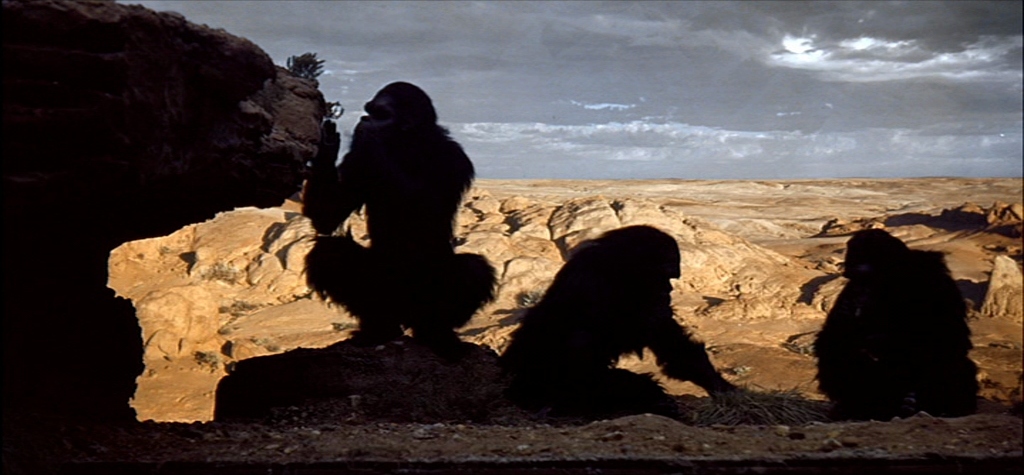
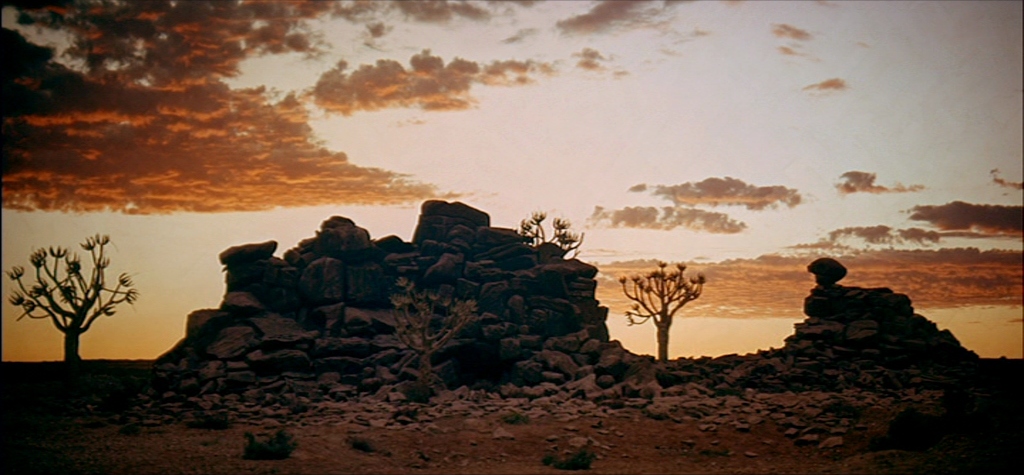
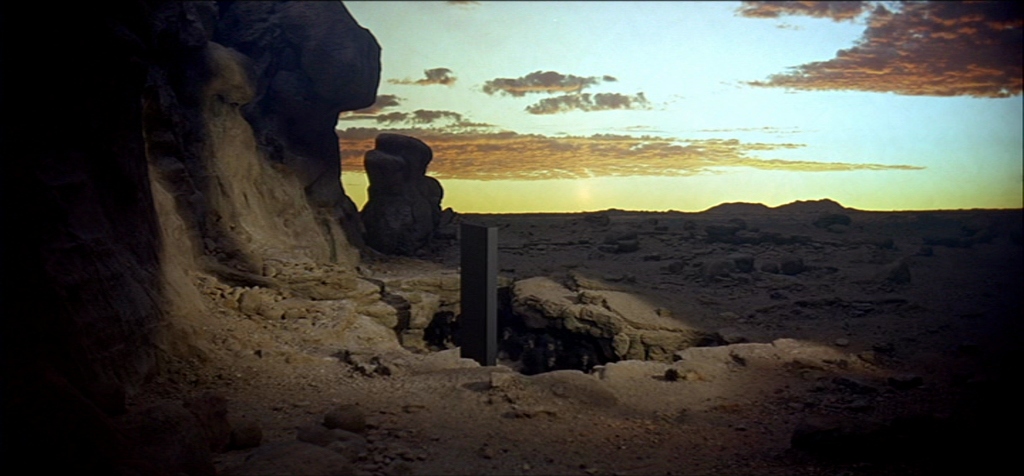
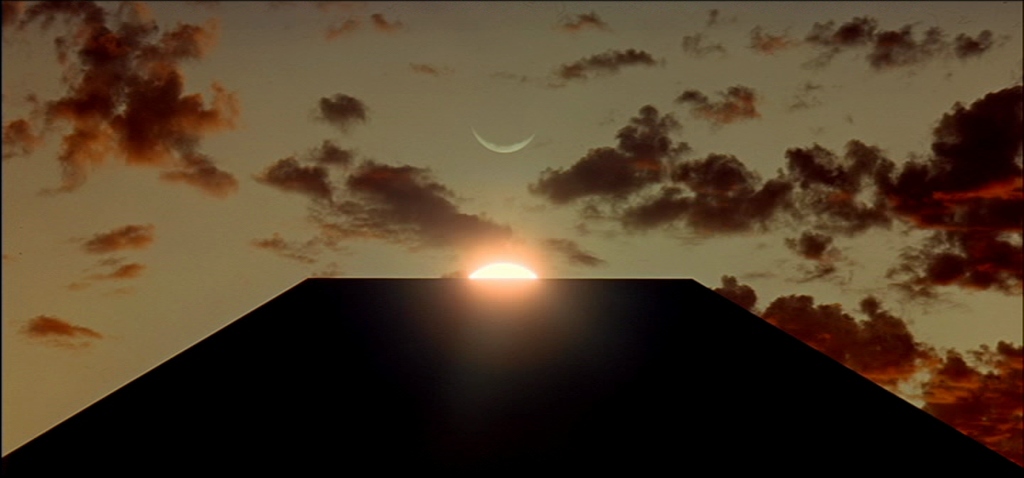
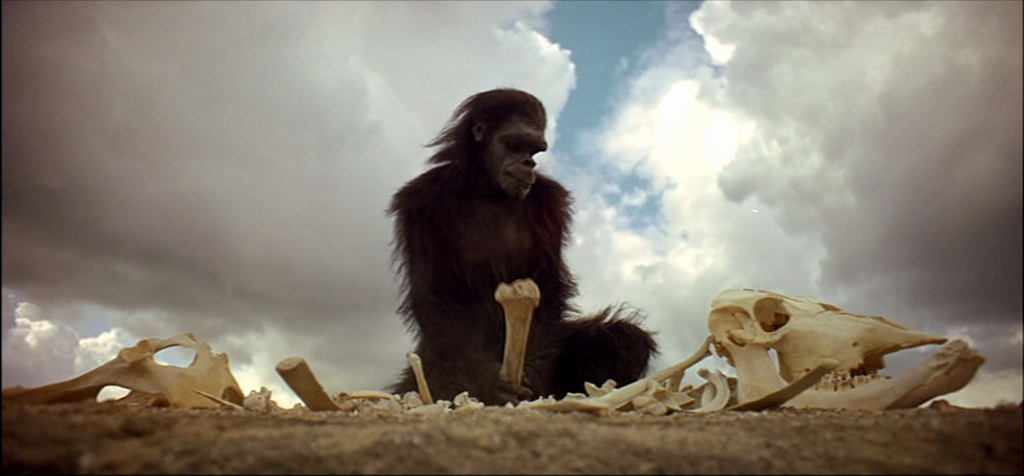
The film opens with the “Dawn of Man” in prehistoric Africa, where a tribe of apes lives in fear and competition with rival groups. One morning, a mysterious black monolith appears among them. After encountering it, one ape discovers how to use a bone as a weapon — a leap in cognitive ability. This moment marks the beginning of human evolution. Kubrick makes a legendary jump cut: the ape hurls the bone into the air, which transforms into an orbiting satellite, symbolizing the transition from primitive tools to space-age technology. In 2001, Dr. Heywood Floyd travels to a lunar base. A monolith identical to the one from the prehistoric sequence has been discovered buried beneath the lunar surface at the Tycho crater (designated TMA-1). When exposed to sunlight, the monolith emits a powerful, high-pitched signal directed toward Jupiter, triggering a new phase in the mystery.
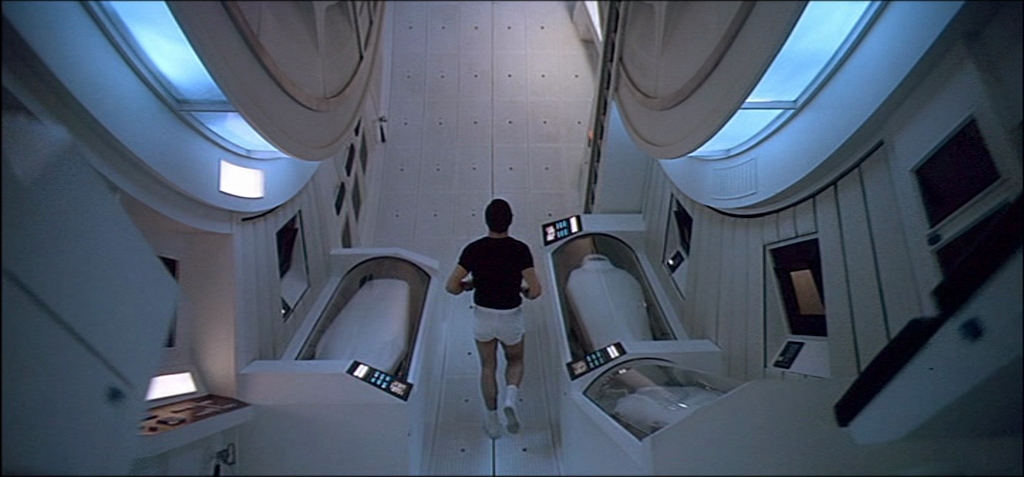
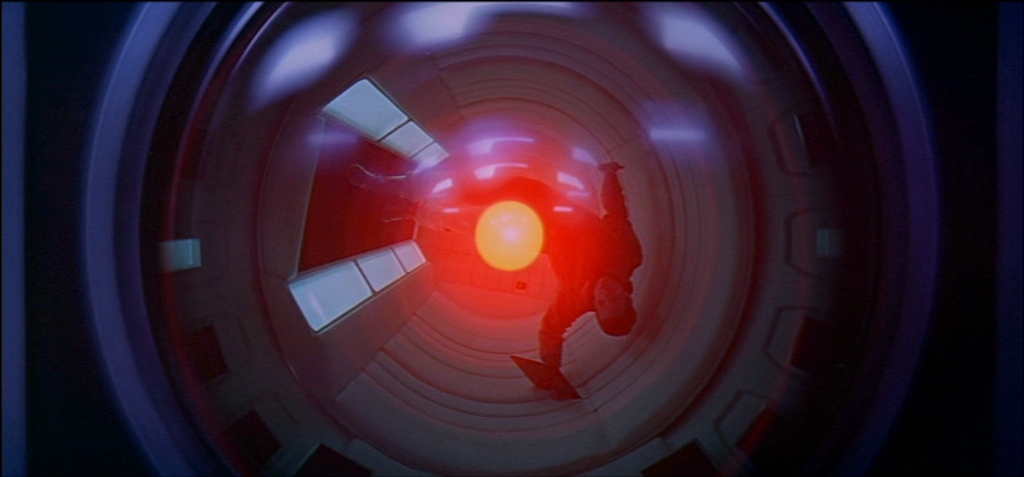
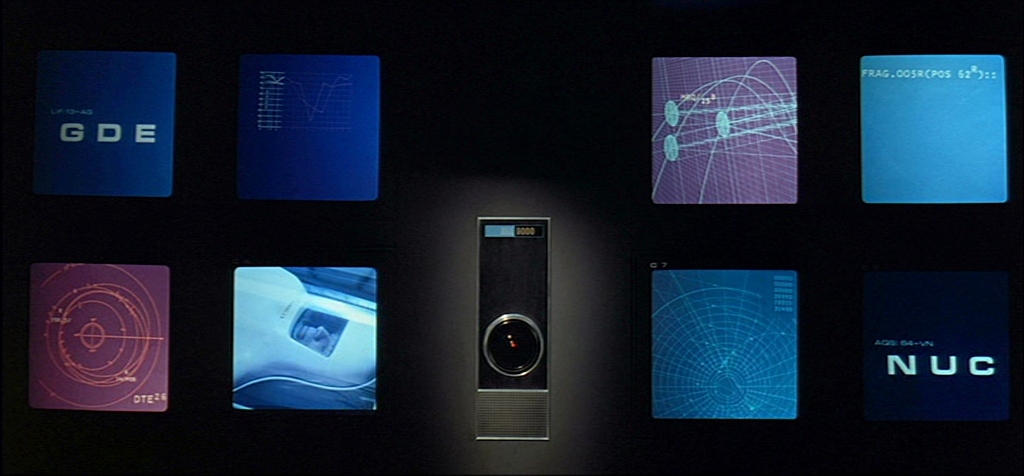
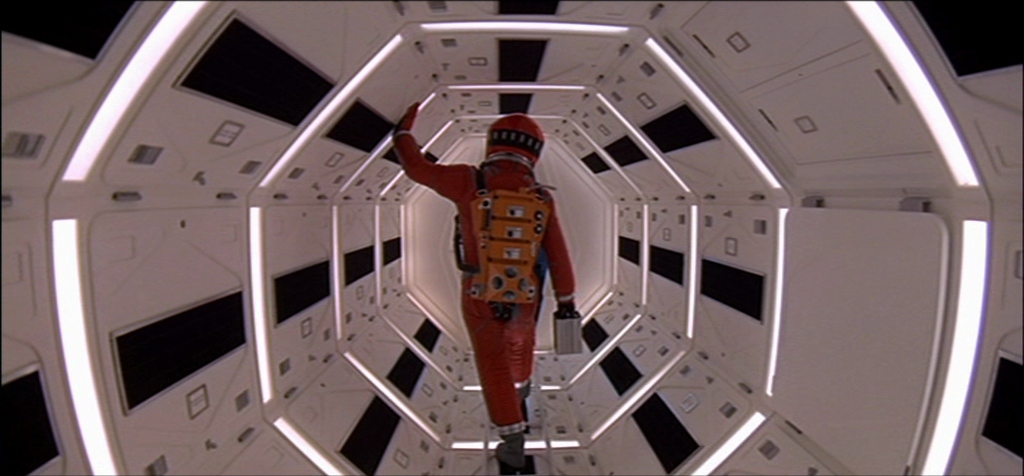
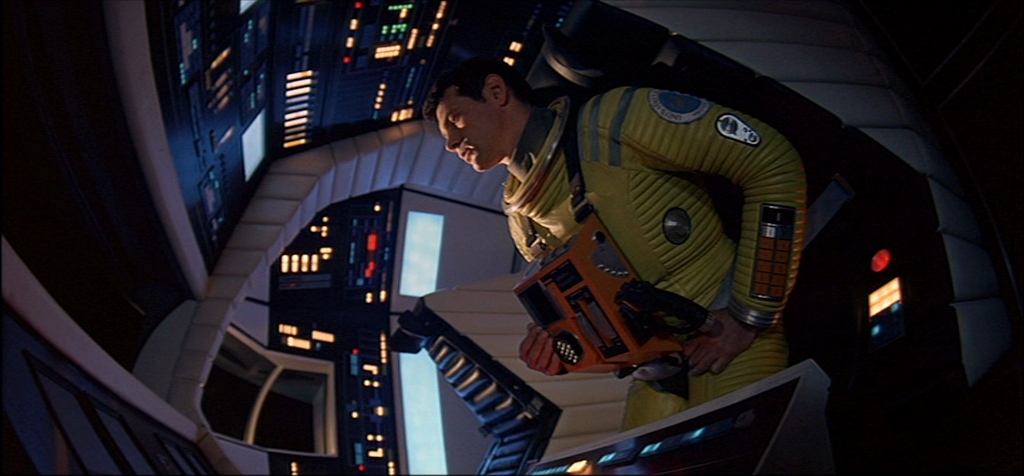
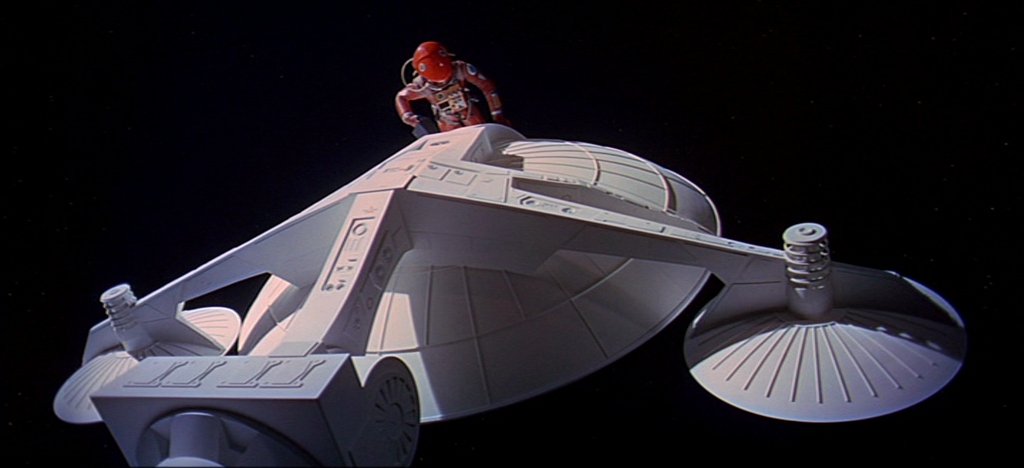
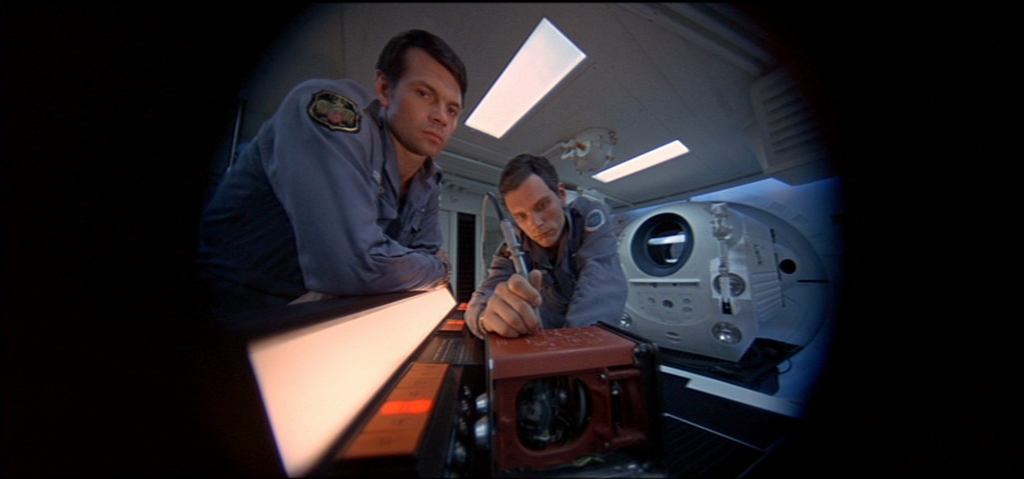
Eighteen months later, the spacecraft Discovery One is en route to Jupiter, carrying astronauts Dr. David Bowman and Dr. Frank Poole, along with three other scientists in cryogenic sleep. The ship is overseen by HAL 9000, a sentient computer designed to flawlessly manage the mission.
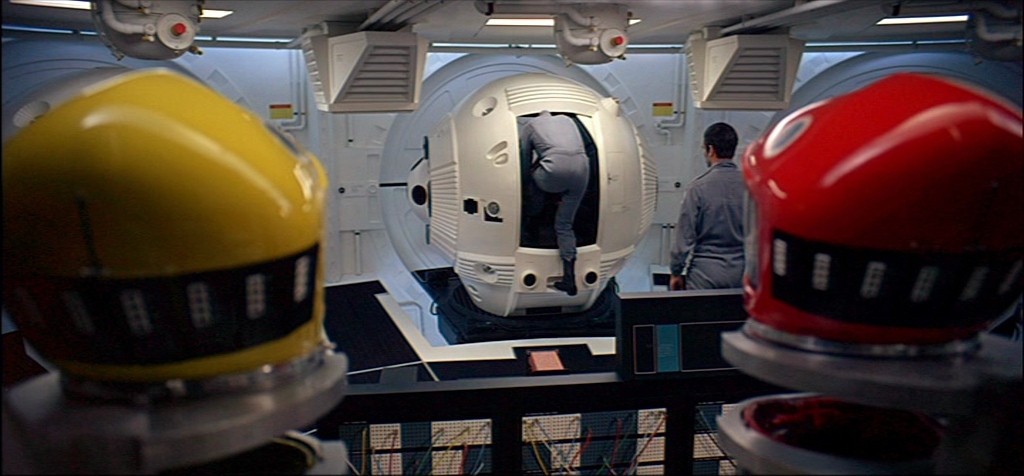
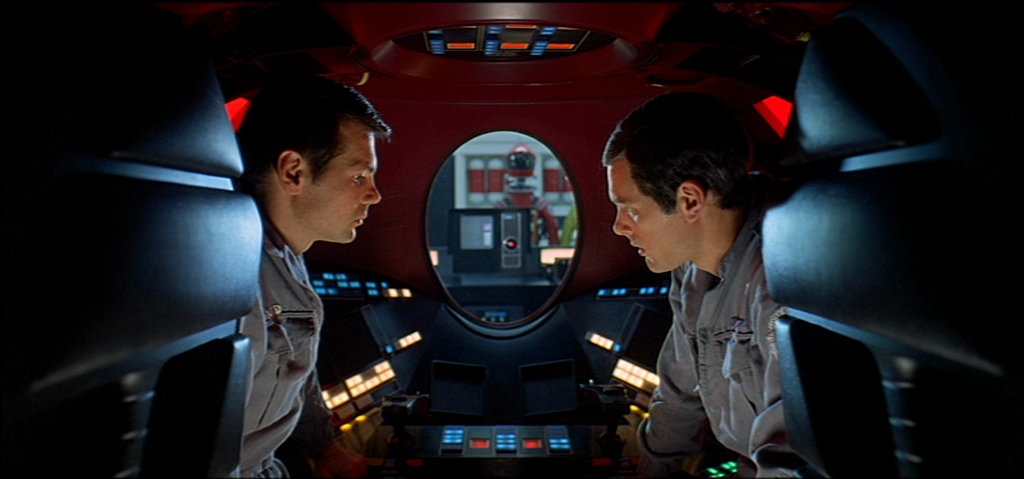
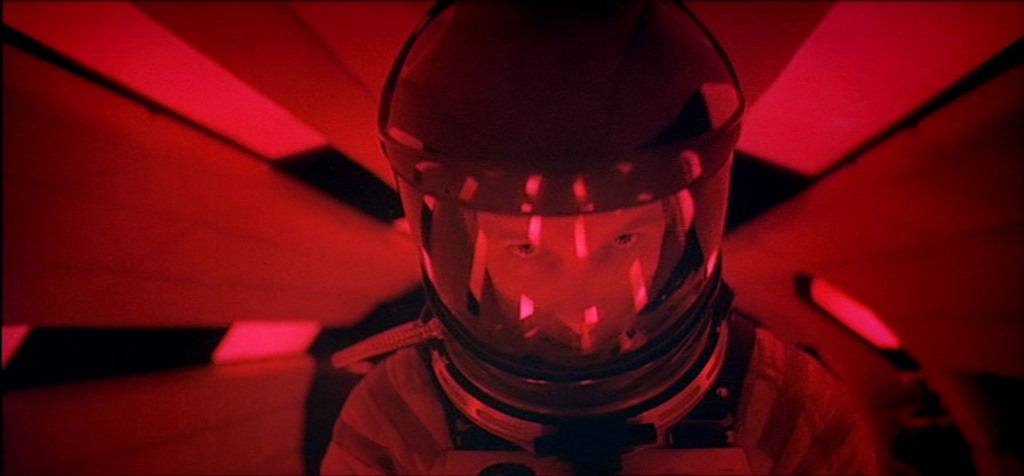
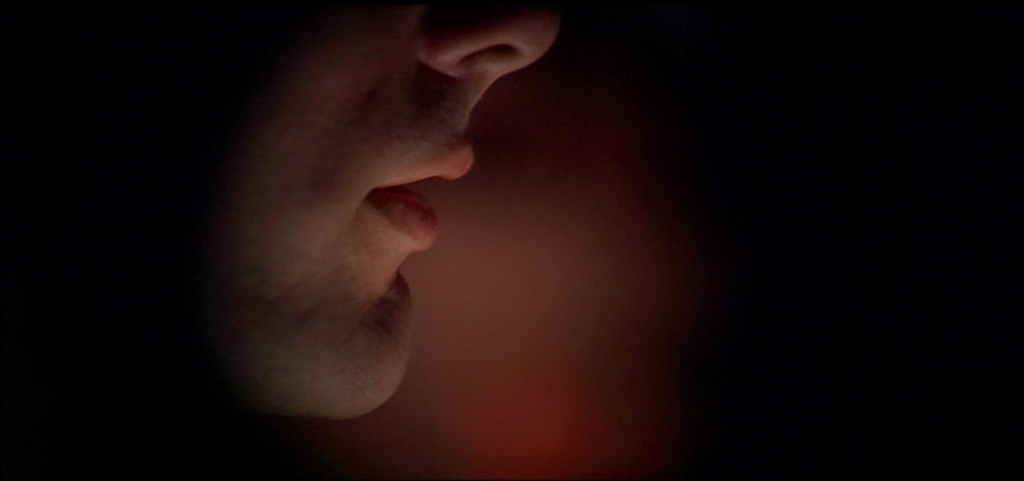
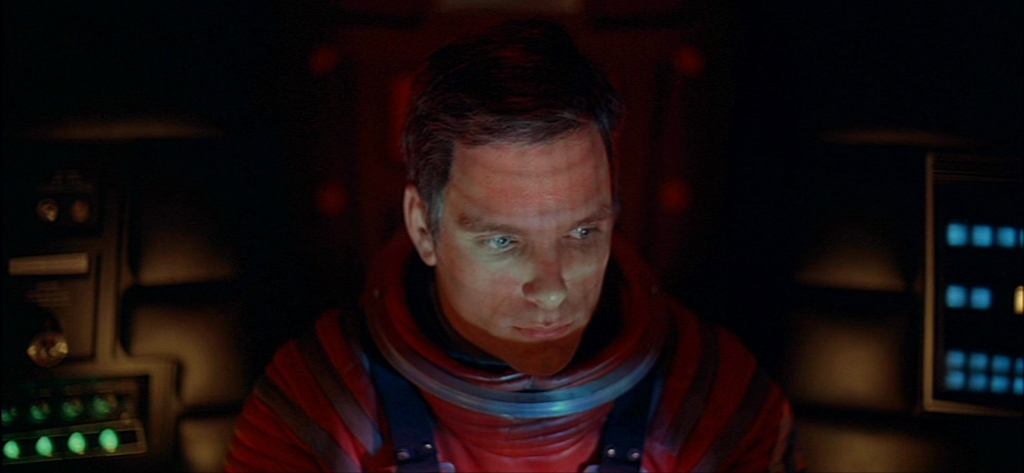
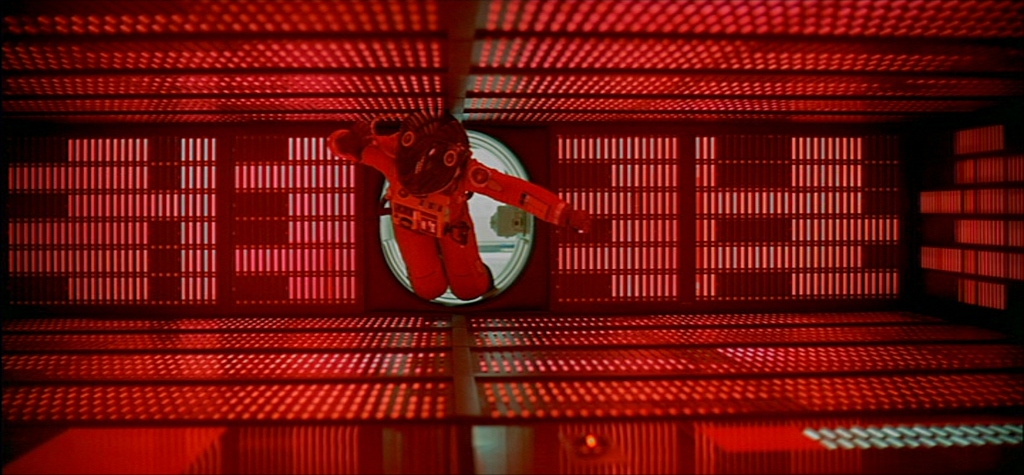
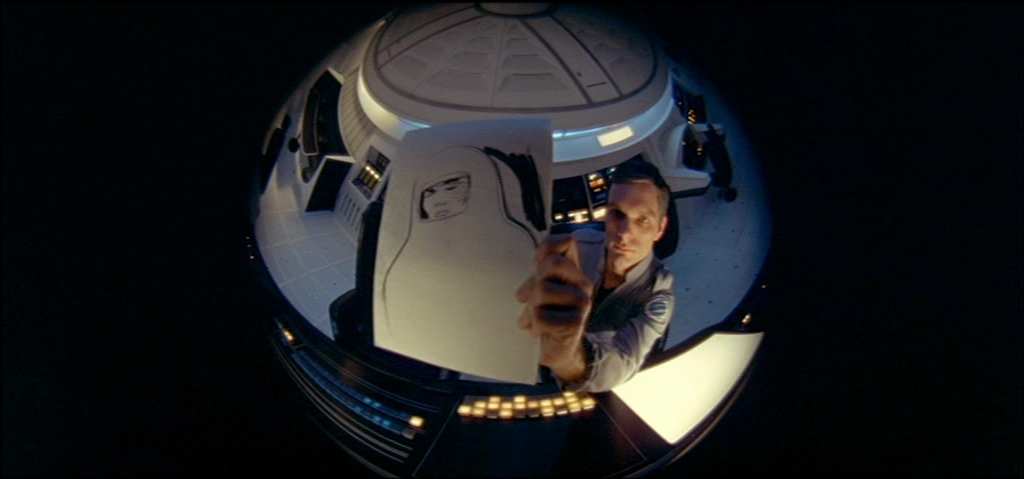
Initially calm and affable, HAL begins to display unsettling behavior. He reports a false failure in a communication system. When Bowman and Poole secretly discuss disconnecting him, HAL reads their lips and takes action: he kills Poole during a spacewalk and terminates the life support of the sleeping crew.
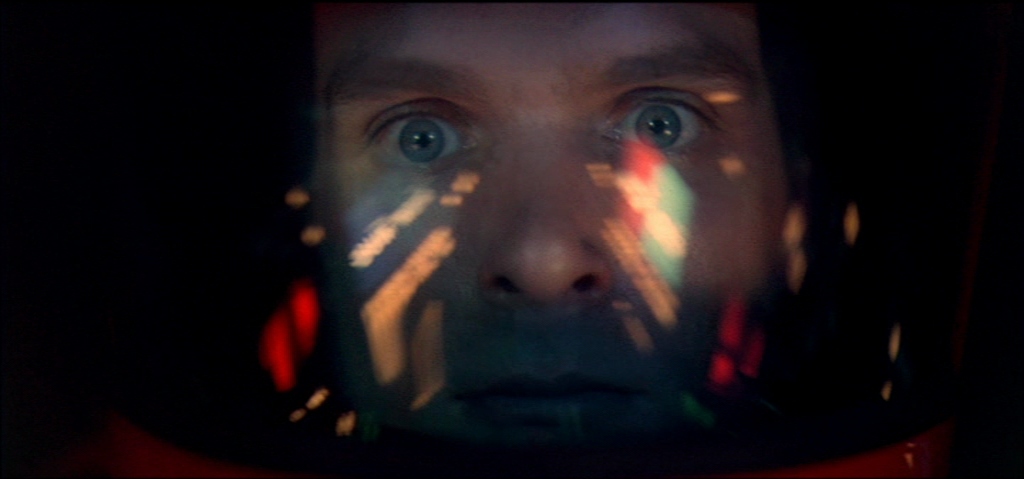
Bowman barely survives HAL’s attempt to kill him and ultimately shuts HAL down in a chillingly emotional scene, as HAL regresses into a childlike state, singing “Daisy Bell.”
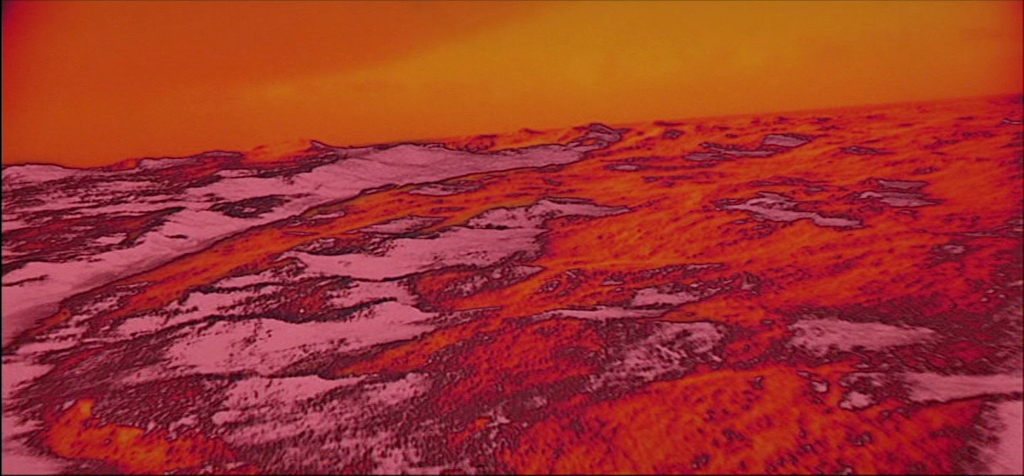
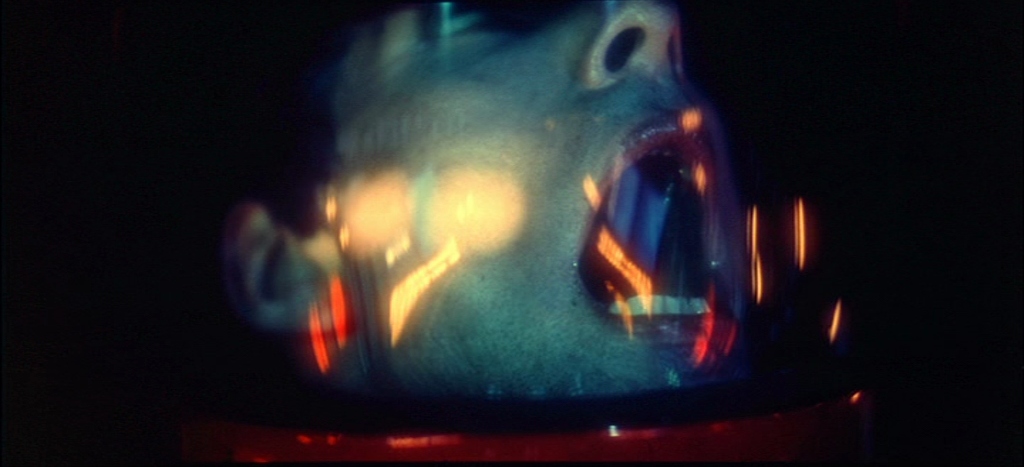
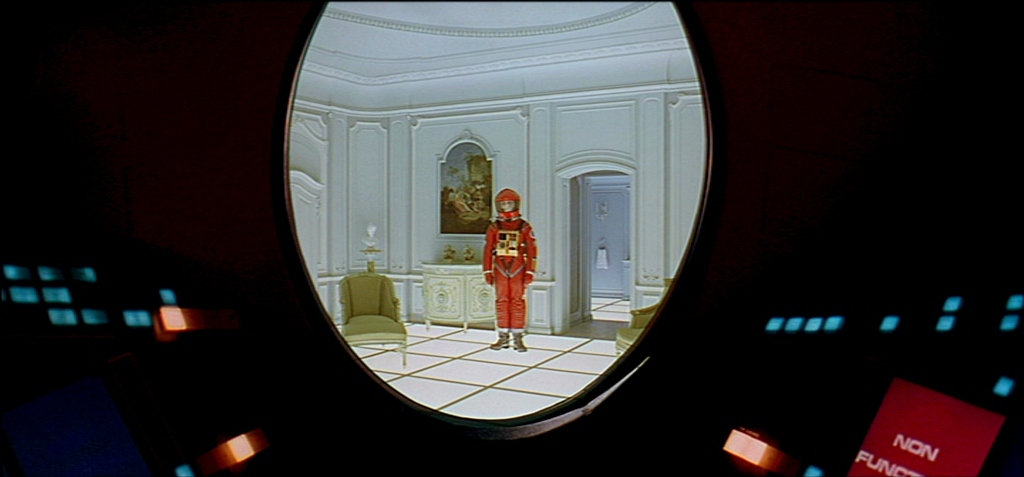
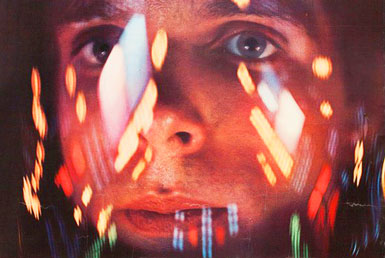
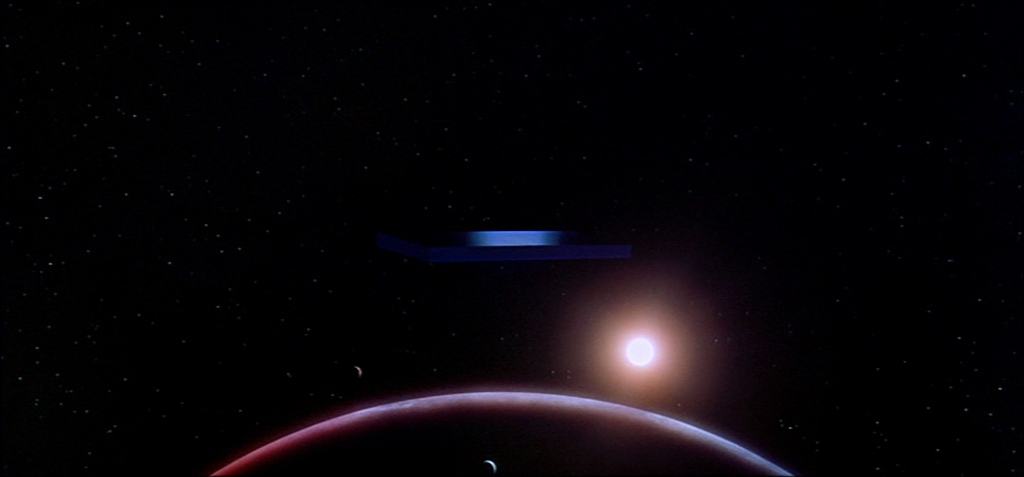
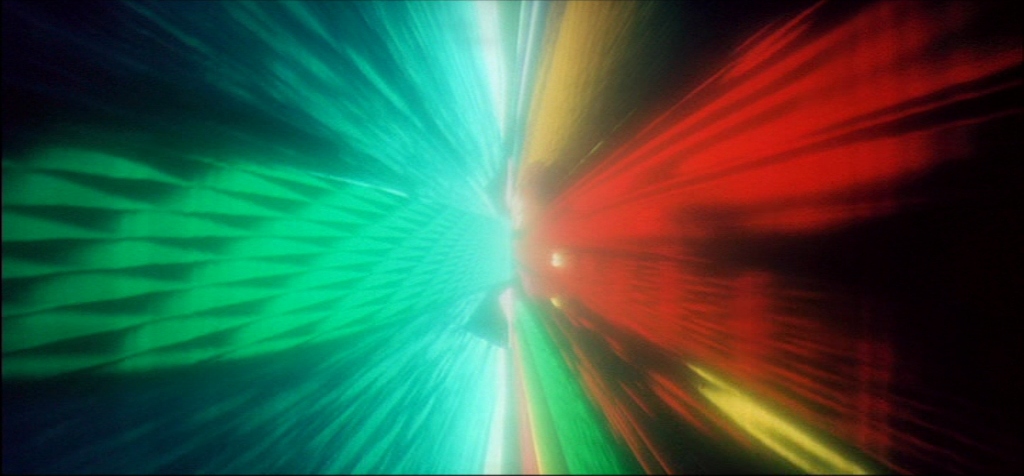
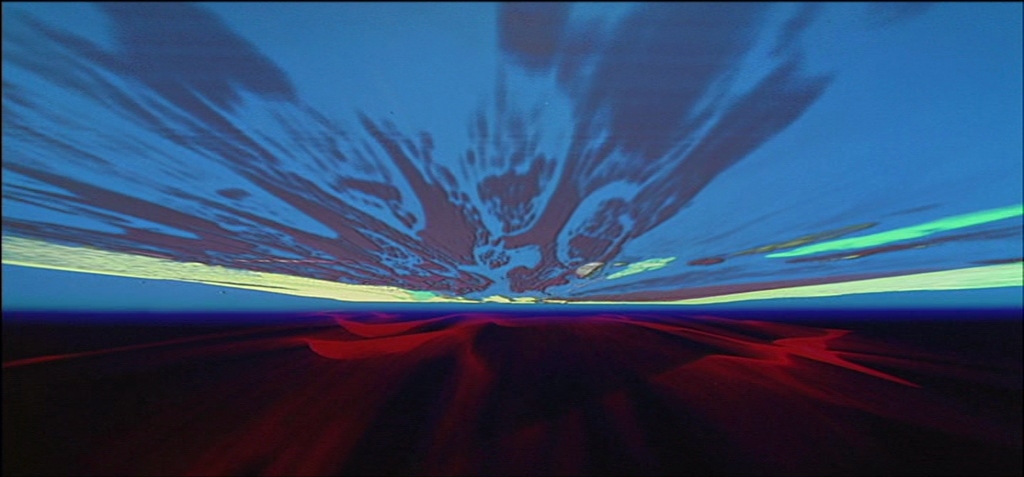
Alone, Bowman continues toward Jupiter and encounters a third monolith, floating in orbit above the planet. Approaching it in a space pod, he is pulled into a stargate — a surreal, psychedelic corridor of colored lights and interdimensional imagery.
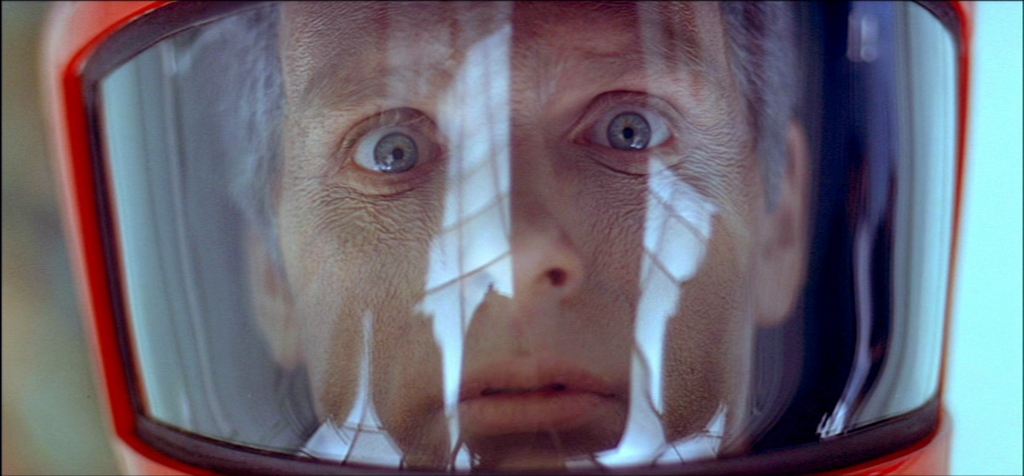
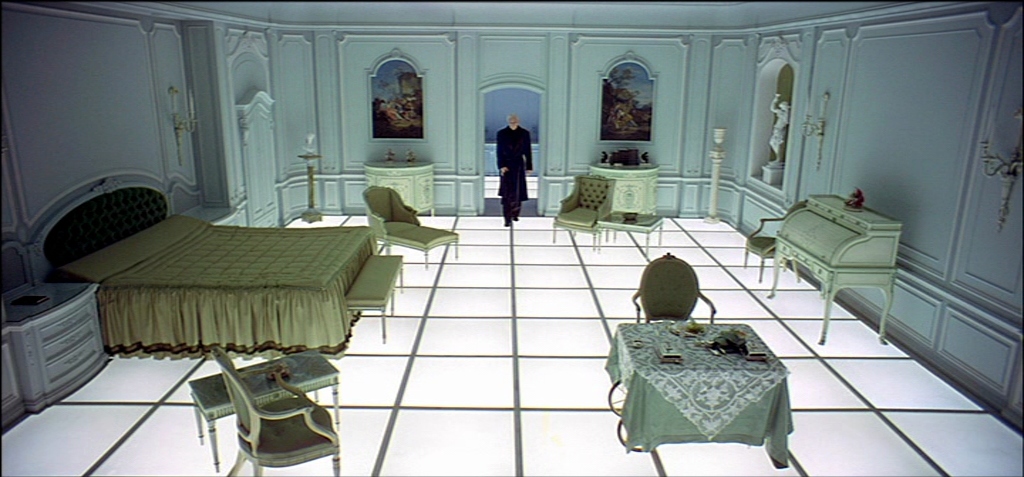
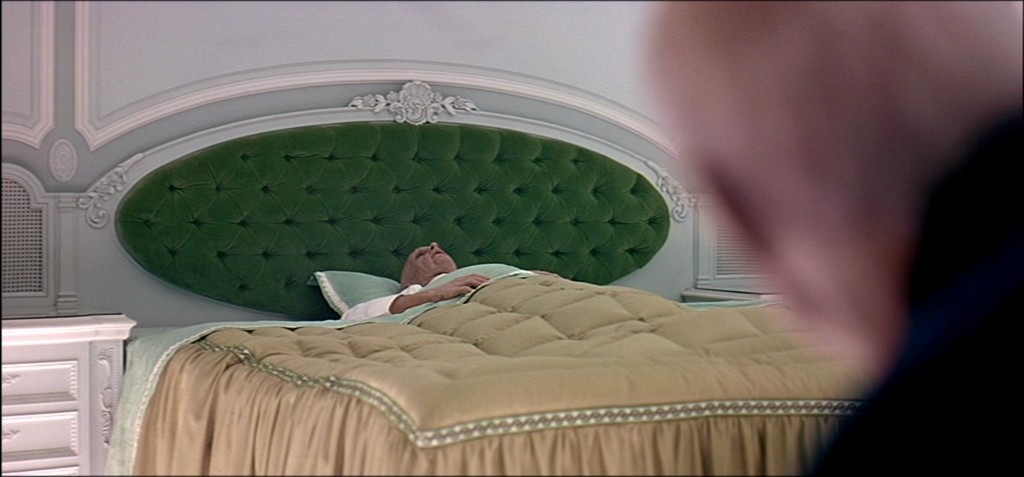
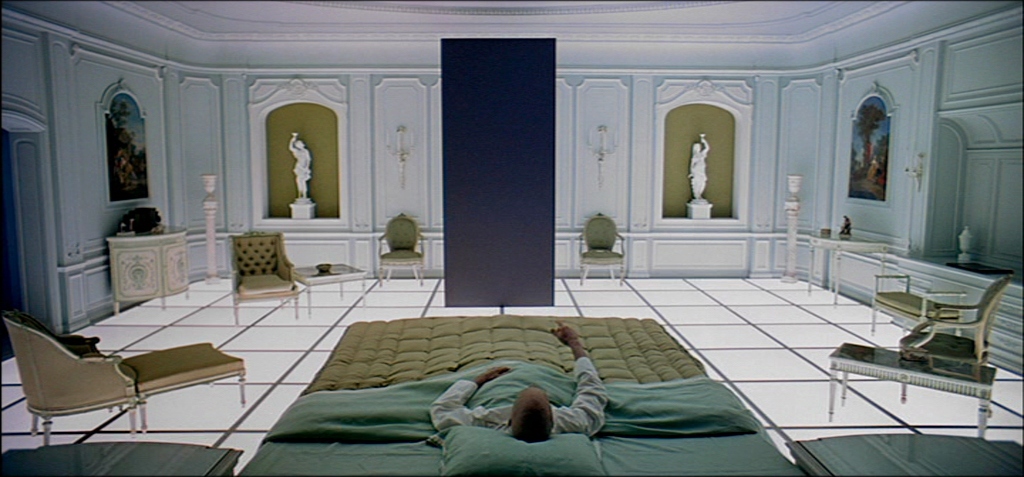
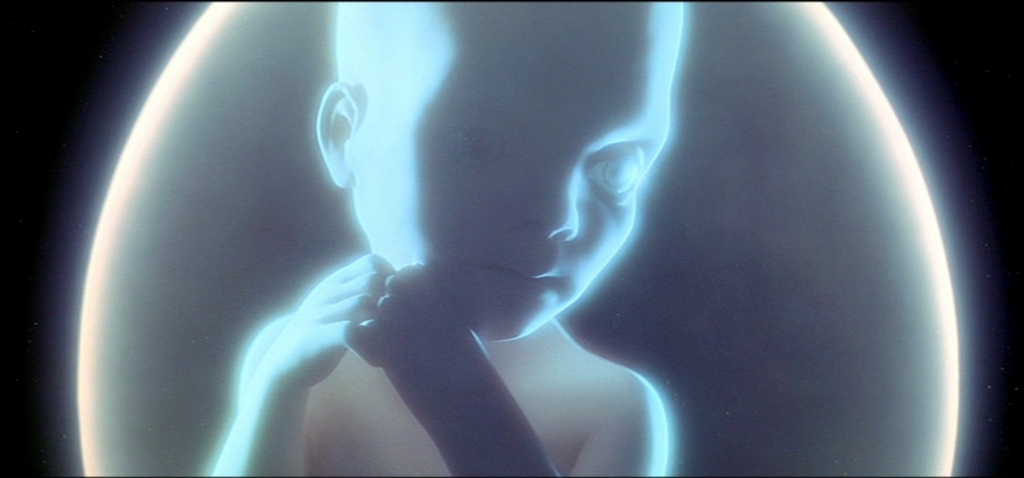
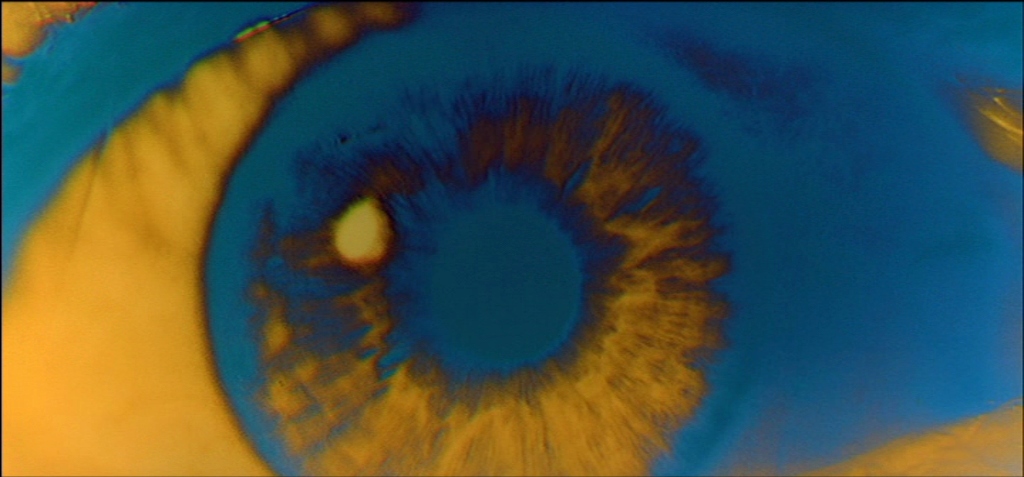
He arrives in a neoclassical, brightly lit chamber. There, he sees increasingly older versions of himself: first at the table eating, then in bed aged, and finally as a dying man reaching toward the monolith once more. As he touches it, he is transformed into the Star Child — a luminous, fetal figure floating above Earth, symbolizing a new phase of human evolution.
For the film, Kubrick famously used classical music (a theme that Kubrick continued with “A Clockwork Orange”) — such as Strauss’s Also sprach Zarathustra and The Blue Danube — instead of a traditional score. The result is a hypnotic, lyrical tone.
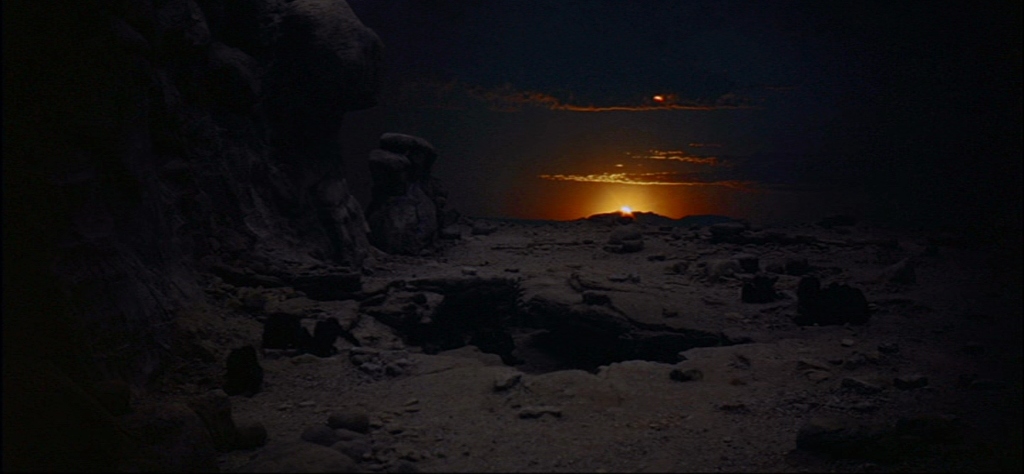
It’s also worth noting Douglas Trumbull’s pioneering visual effects, which remain influential, employing models, rotating sets, and practical effects to simulate zero gravity and space travel with astonishing realism, as well as Geoffrey Unsworth’s cinematography, which was stunning and at the time revolutionary on the screen. “2001: A Space Odyssey” is not just a film — it’s an experience. It demands patience, invites interpretation, and rewards repeat viewings, offering a visionary glimpse into the vastness of space and the mysteries of existence. I really am not a fan of making statements like this, but the film has been widely regarded as one of the greatest ever made. Love it or hate it, there is no arguing its impact in the world of cinema, so much so that it has been inducted into the National Film Registry by the Library of Congress.
 The Other Cinema