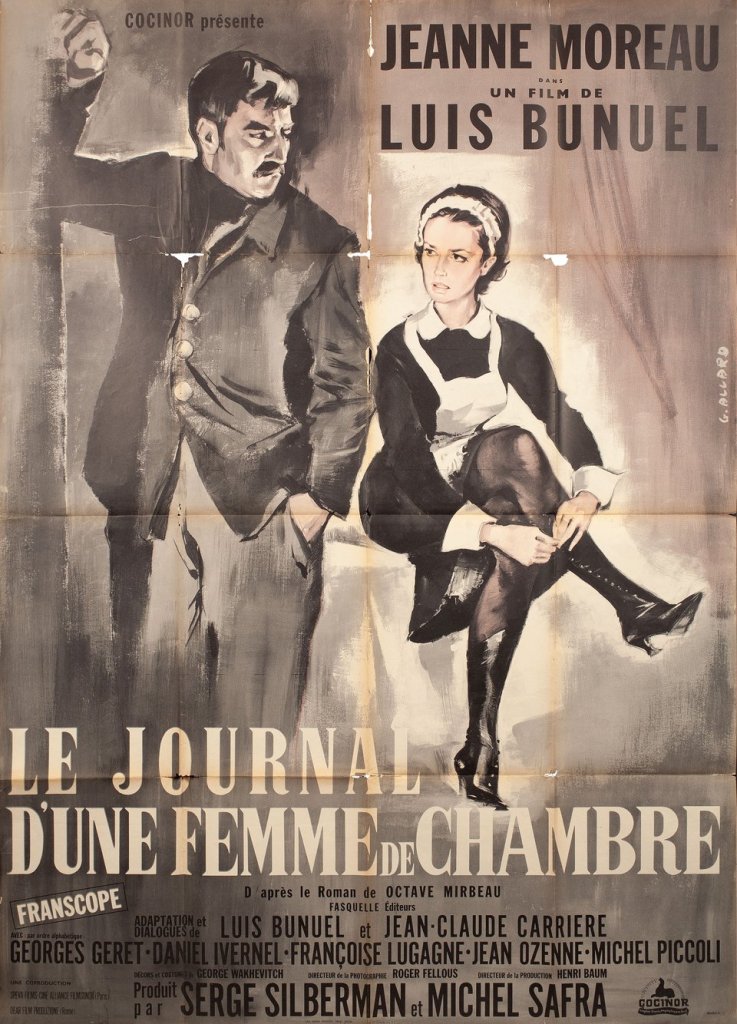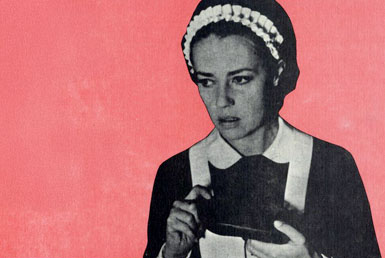
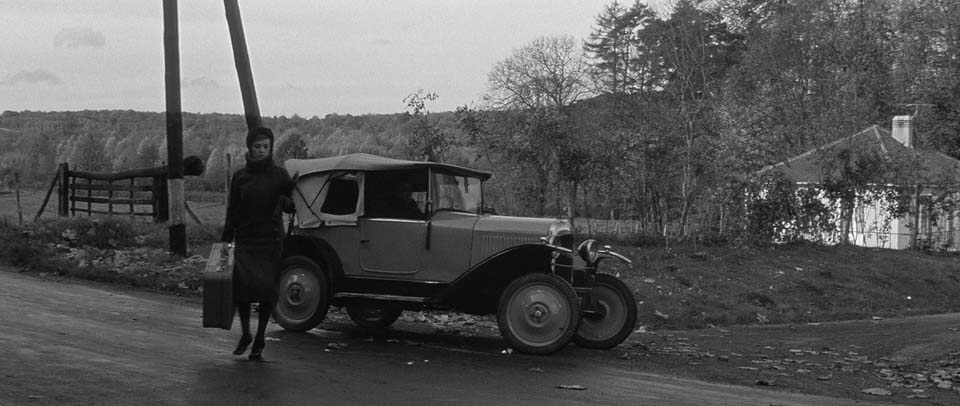
“Le journal d’une femme de chambre” aka “Diary of a Chambermaid” is a 1964 satirical and unsettling drama directed by Luis Buñuel. The film critiques French provincial society, exploring themes of repression, xenophobia, sexual obsession, and class hypocrisy. The story follows Célestine (Jeanne Moreau), a brilliant yet disillusioned Parisian woman who takes a job as a chambermaid at the country estate of the Monteil family.
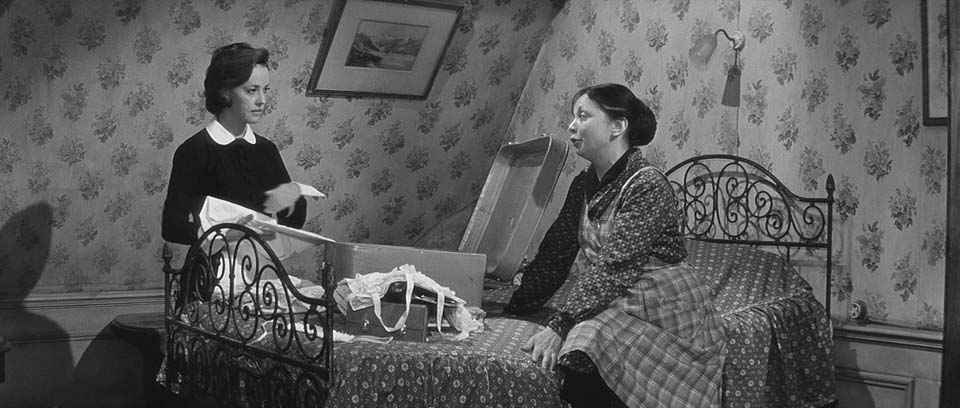
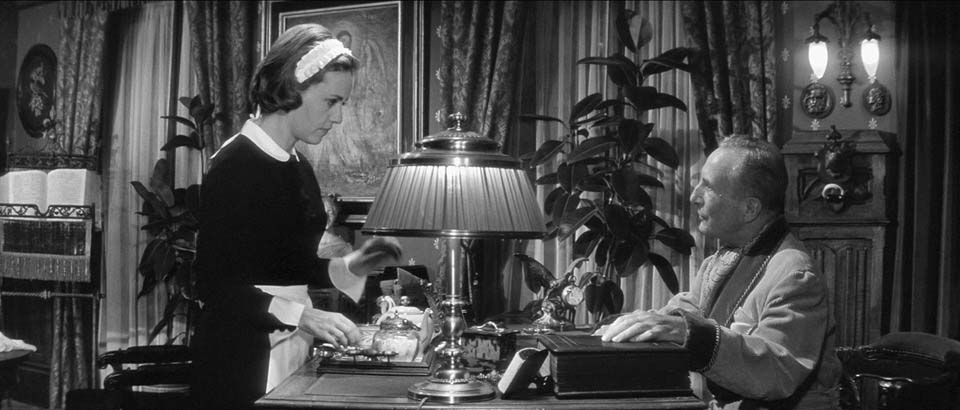
At first, Célestine views her new position as temporary, a means to gather experience and perhaps utilize her beauty and cunning to advance socially. But as she observes—and becomes entangled with—the strange household and surrounding community, she discovers a world rife with corruption, cruelty, and perversion. She enters the Monteil household and immediately takes stock of the hypocrisies of her new employers—an aristocratic family in decay, desperately clinging to outdated traditions.
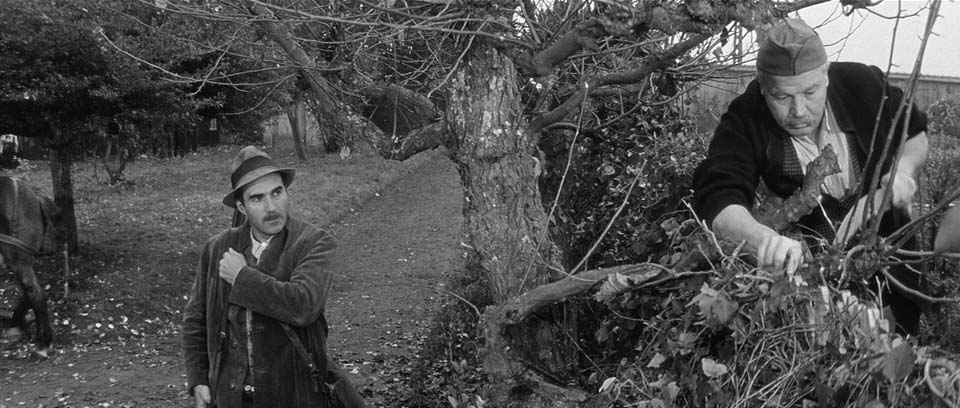
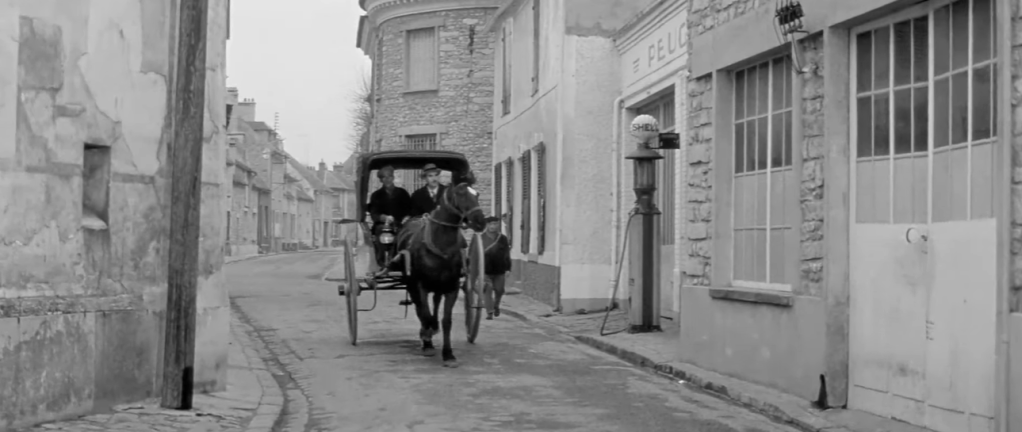
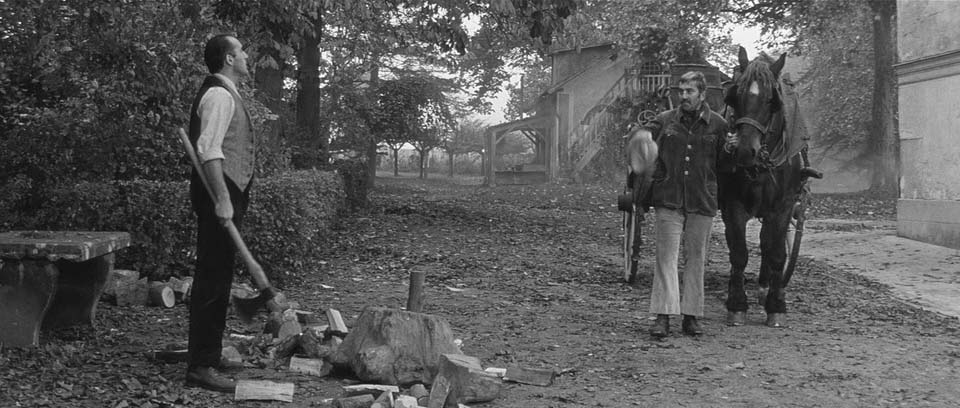
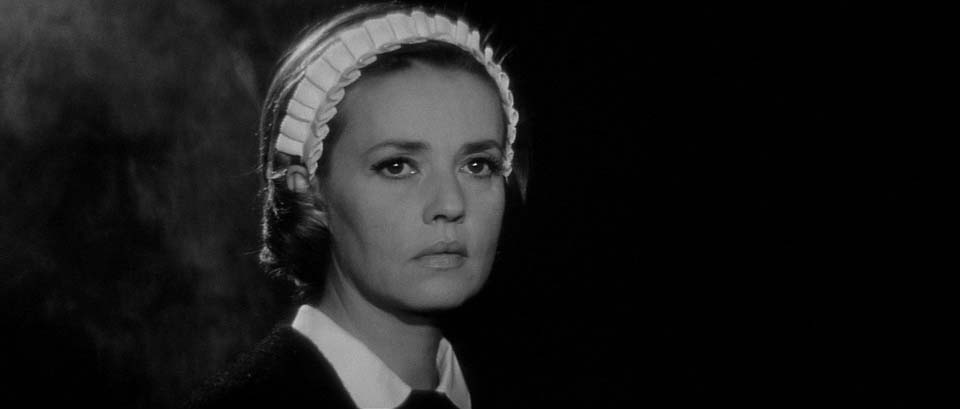
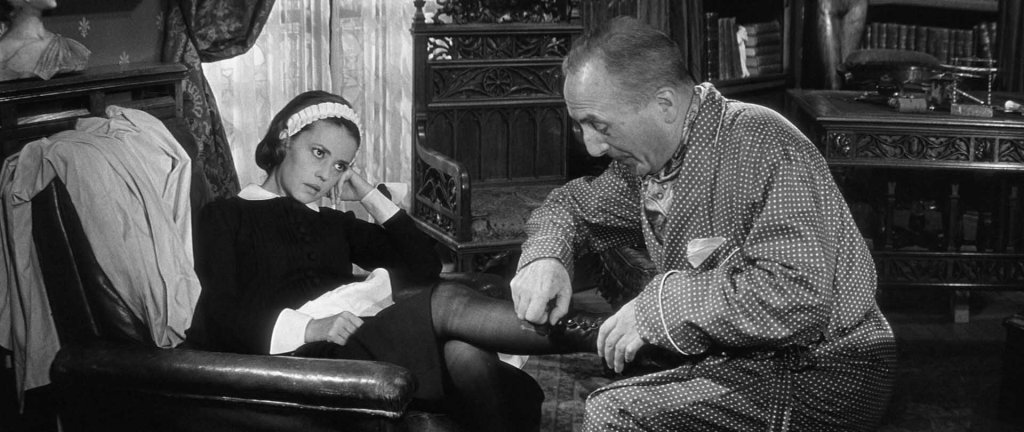
In one of the film’s most infamous scenes, the elderly Rabour, played by Jean Ozenne, demands that Célestine wear his late wife’s boots. This moment underscores Buñuel’s themes of sexual repression and fetishism.
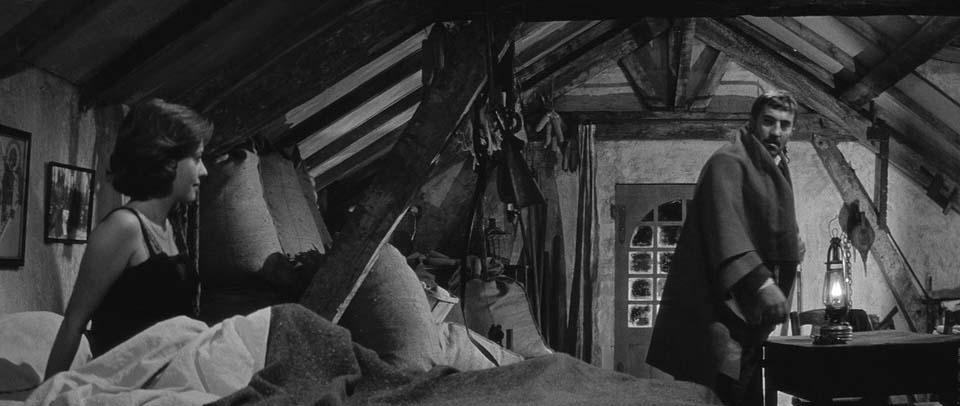
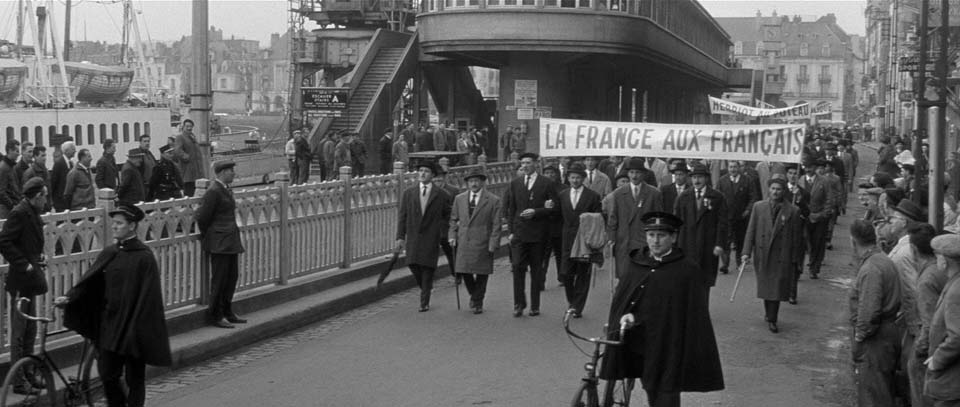
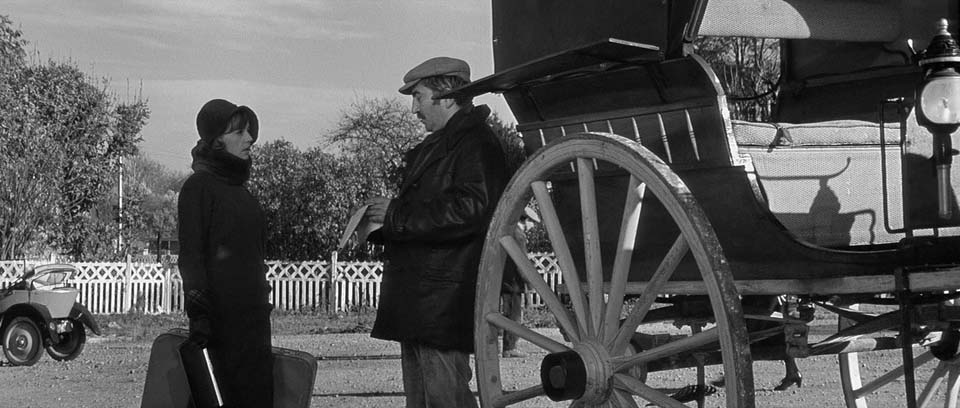
At another point in the story, a local peasant child is found raped and murdered. Suspicion falls on Joseph, portrayed by Georges Géret, whose brutish behavior and anti-Semitic tirades reveal the dangerous currents of fascism lurking beneath the surface of French provincial life.
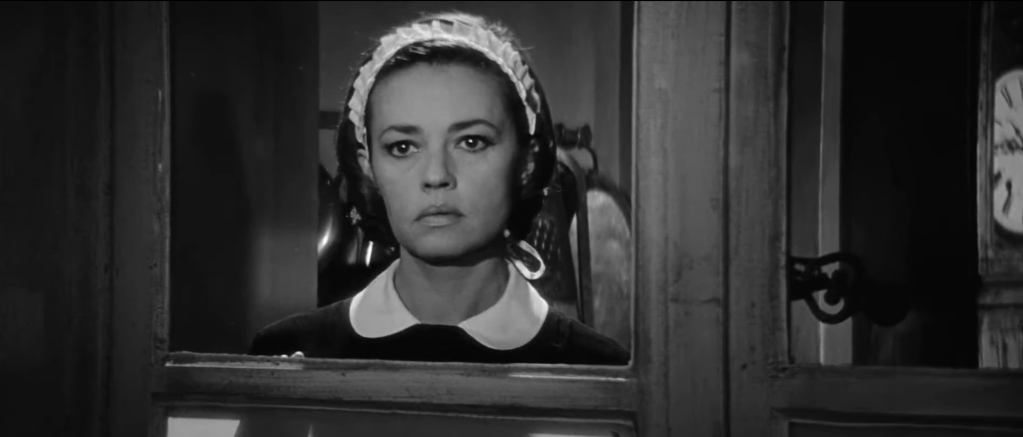
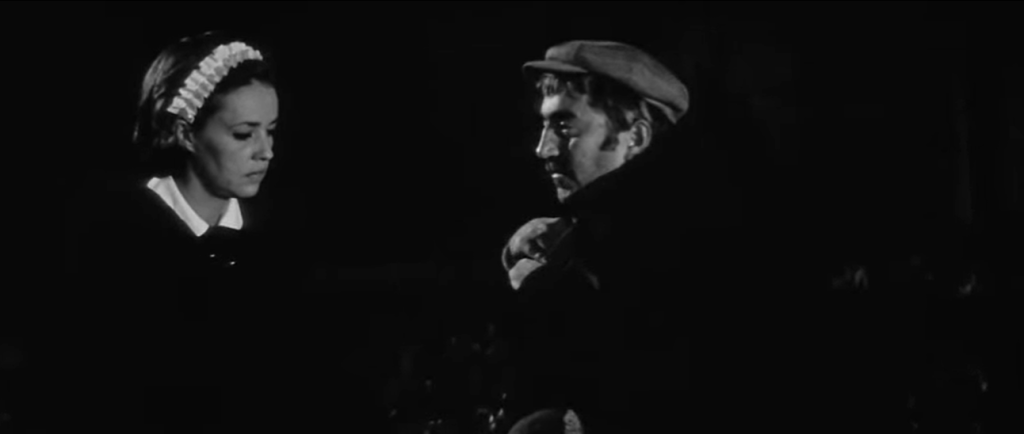
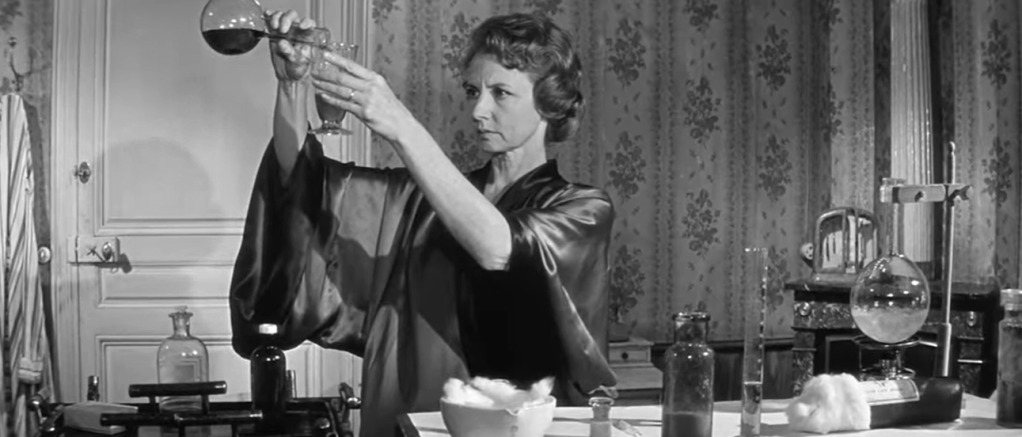
In a morally ambiguous turn, Célestine feigns attraction to Joseph to manipulate him, probing for his guilt. Their tense exchanges blur the line between desire and disgust. Though Joseph escapes justice, Célestine manages to marry into bourgeois security, leaving the estate behind. The final scenes suggest that corruption and complicity enable the powerful to endure, while the weak are sacrificed.
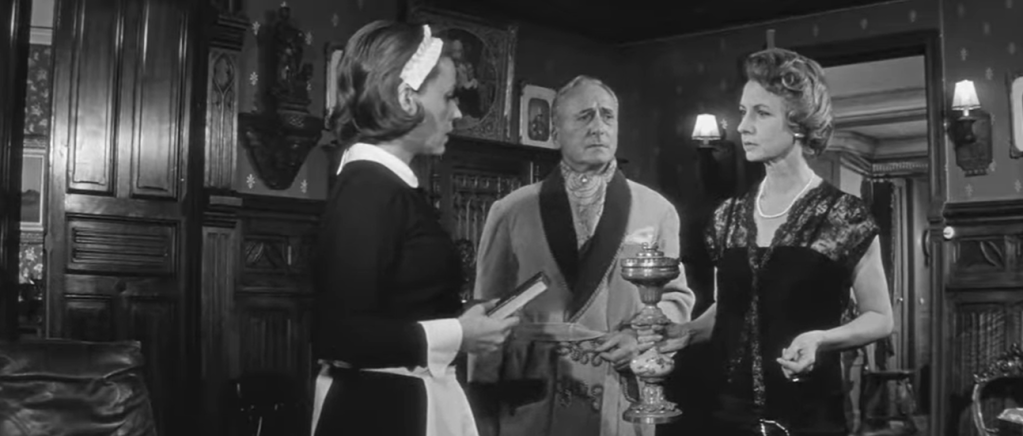
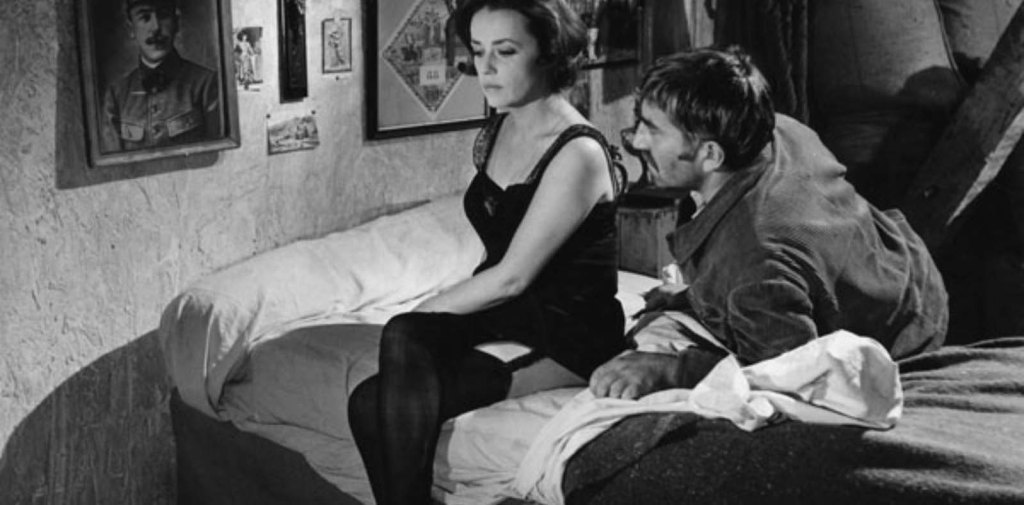
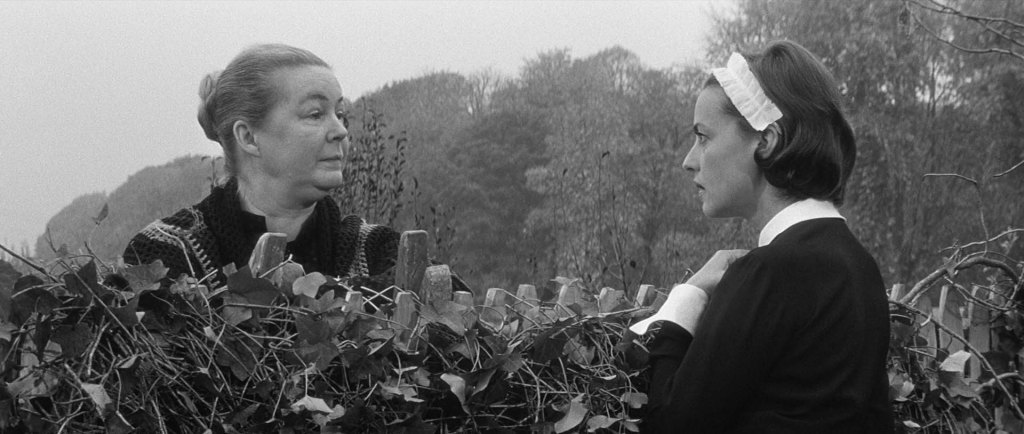
At its core, the film explores themes of class and hypocrisy, illustrating the contrast between servants and masters while exposing cruelty and vanity present in both social classes. It also delves into sexual repression and fetishism; for example, Rabour’s boot fetish and Joseph’s violent urges serve as metaphors for corruption and control.
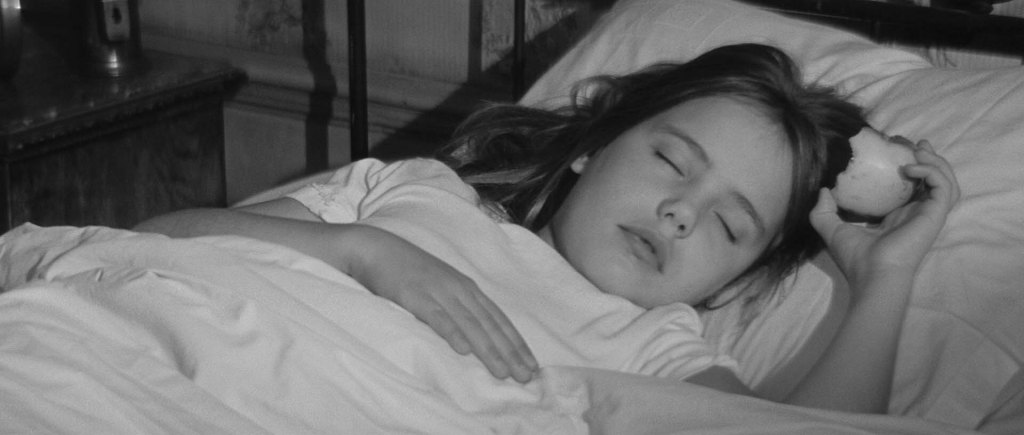
Additionally, the film highlights the rise of fascism, as Joseph embodies proto-fascist sentiments. His anti-Semitic rhetoric foreshadows the political upheavals of 1930s France. The film also presents moral ambiguity, as Célestine is not without her flaws—her pragmatism and opportunism complicate her portrayal as either a victim or a heroine.
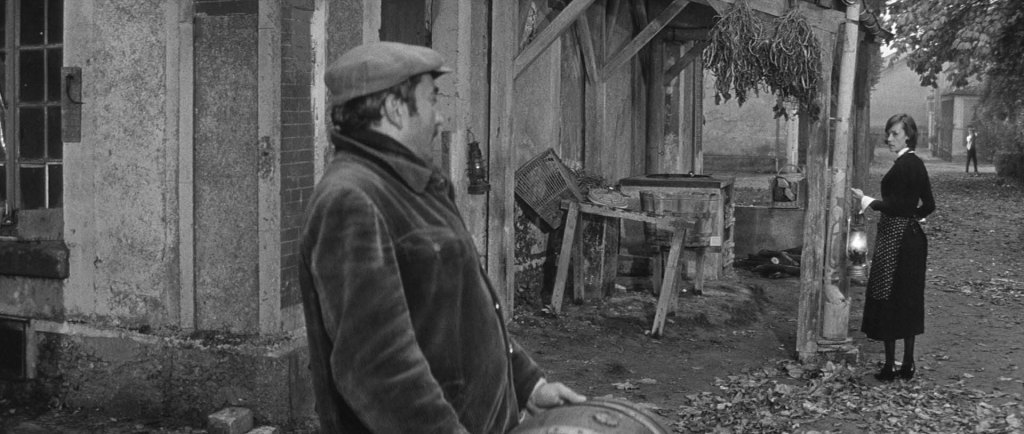
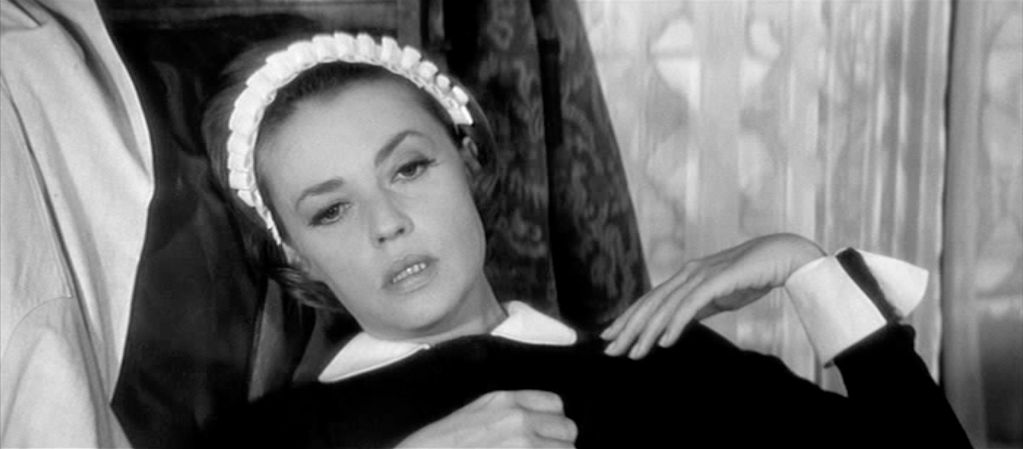
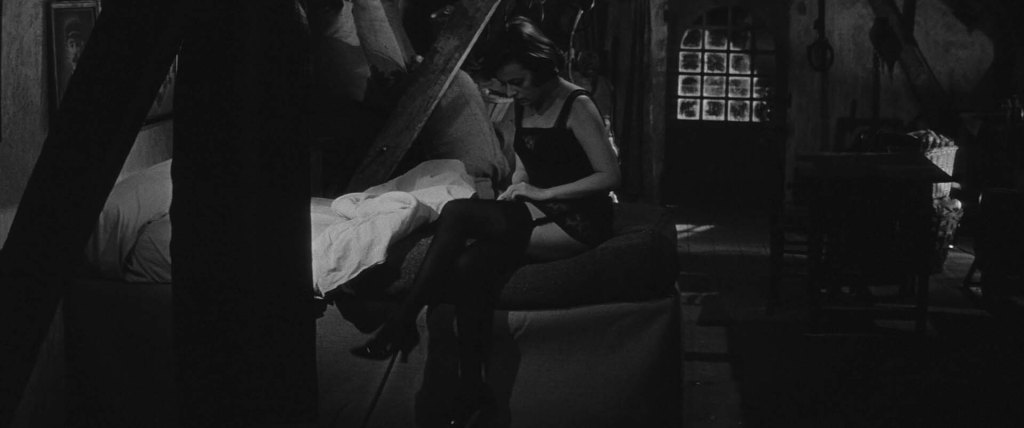
Buñuel’s “Diary of a Chambermaid” is less a linear drama than a biting social critique cloaked in dark comedy. Jeanne Moreau’s cool, enigmatic performance grounds the film, while Buñuel’s eye for the grotesque transforms Octave Mirbeau’s 1900 novel into a meditation on sex, power, and the decay of bourgeois values.