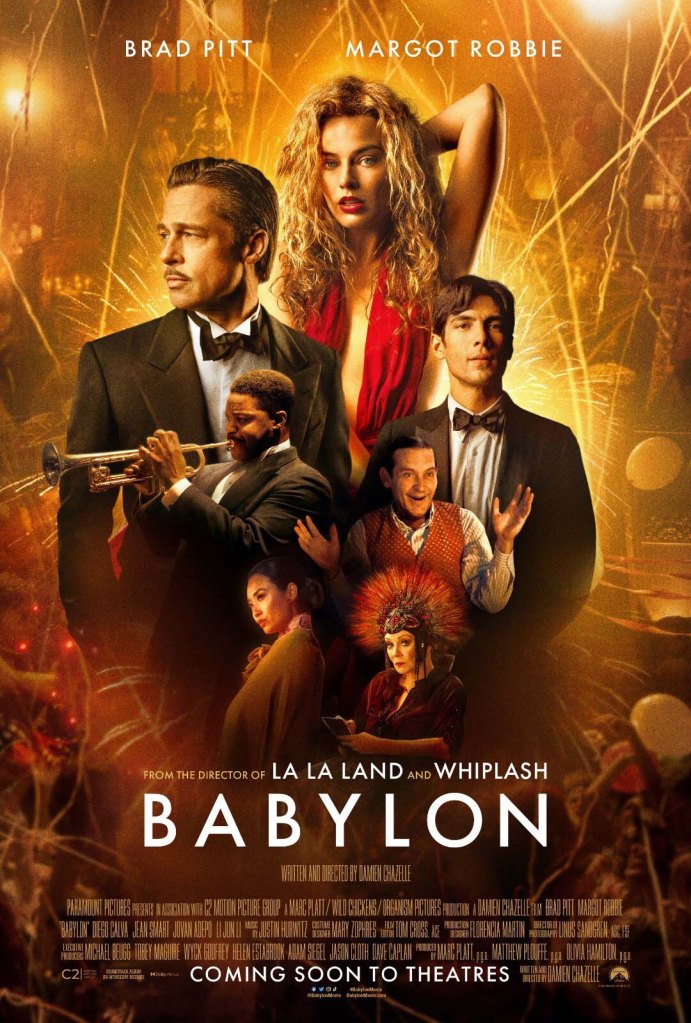

“Babylon” (2022) is an epic and visually stunning film written and directed by Damien Chazelle. With a runtime of over three hours, it vividly portrays the wild excesses, ambitions, and decline of early Hollywood during the late 1920s and early 1930s, a period marked by the industry’s transition from silent films to talkies. The movie serves as both a love letter and a critique of Hollywood, exploring themes such as fleeting fame, artistic legacy, and the destructive nature of excess.
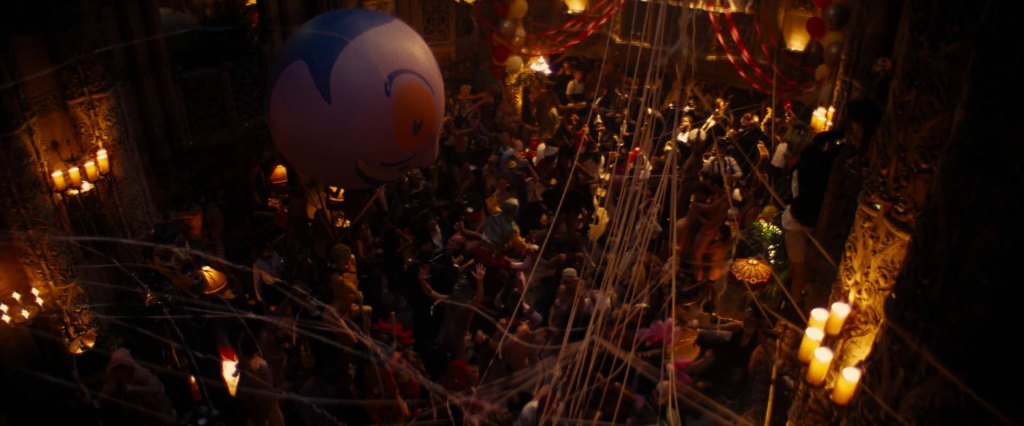
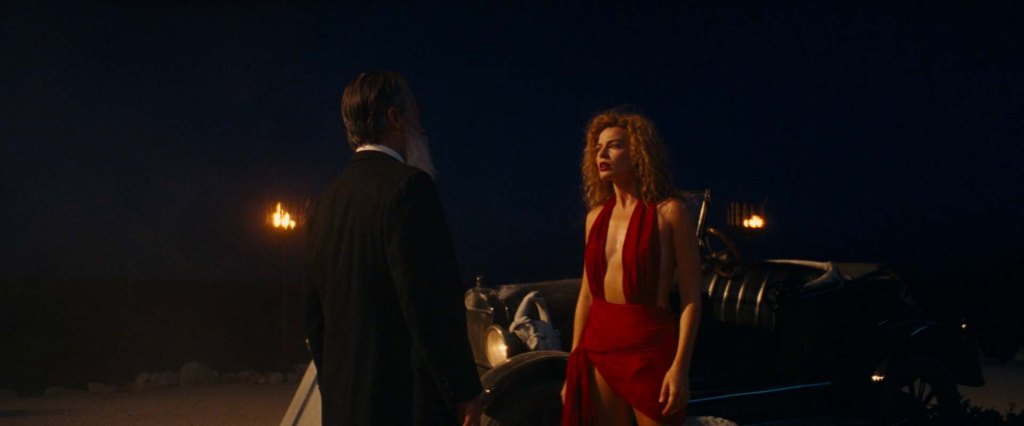
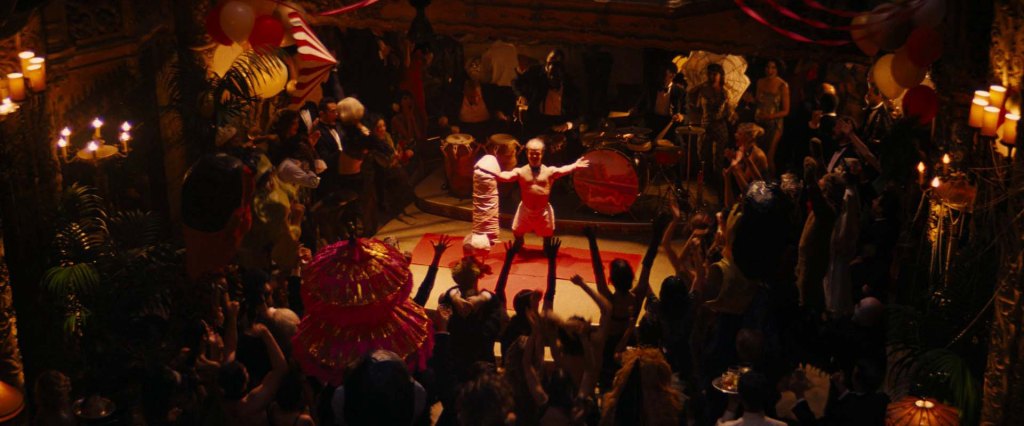
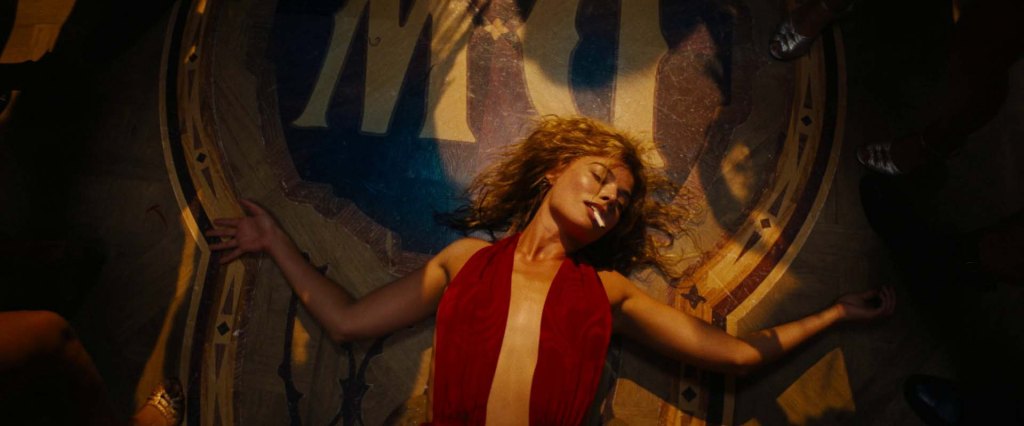
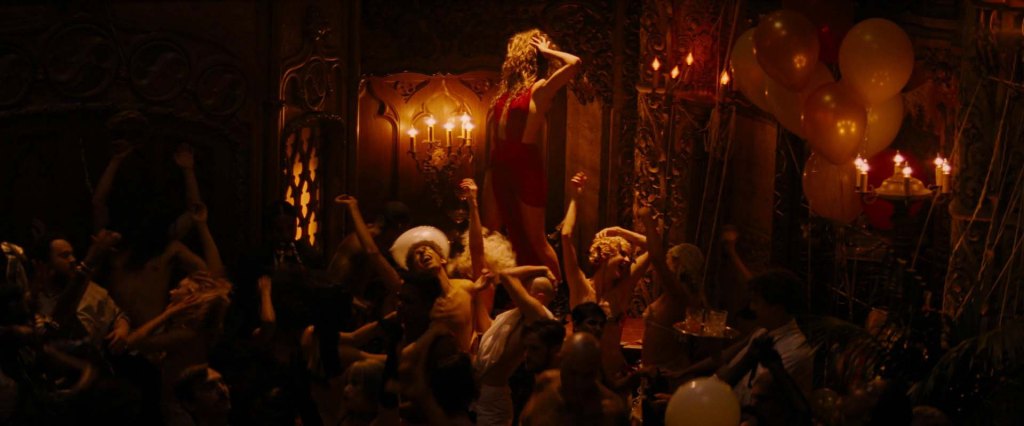
The film begins in 1926 Los Angeles, showcasing a wild party at a Hollywood mansion that highlights the excess and decadence of the era. Aspiring dreamers, ambitious actors, and wealthy producers indulge in drugs, sex, and extravagant spectacles. Manny Torres (Diego Calva), a Mexican immigrant working as a gofer, takes a break from the raucous party, dreaming of a greater future.
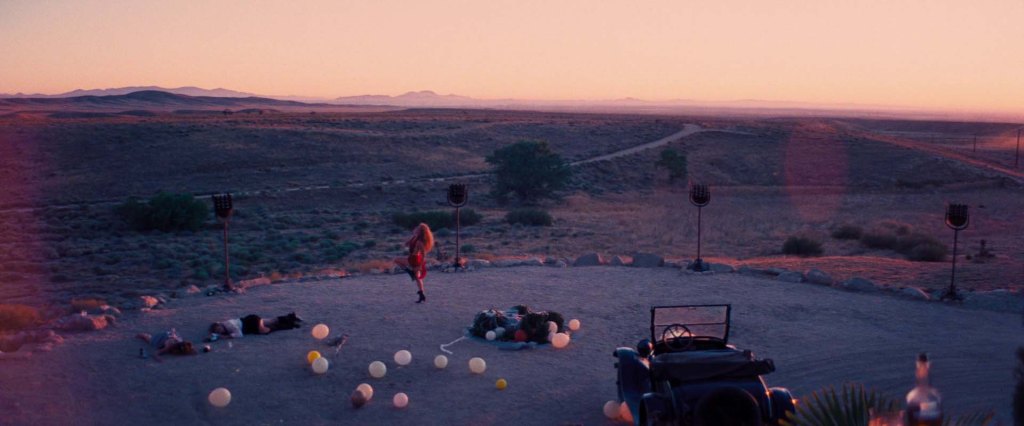
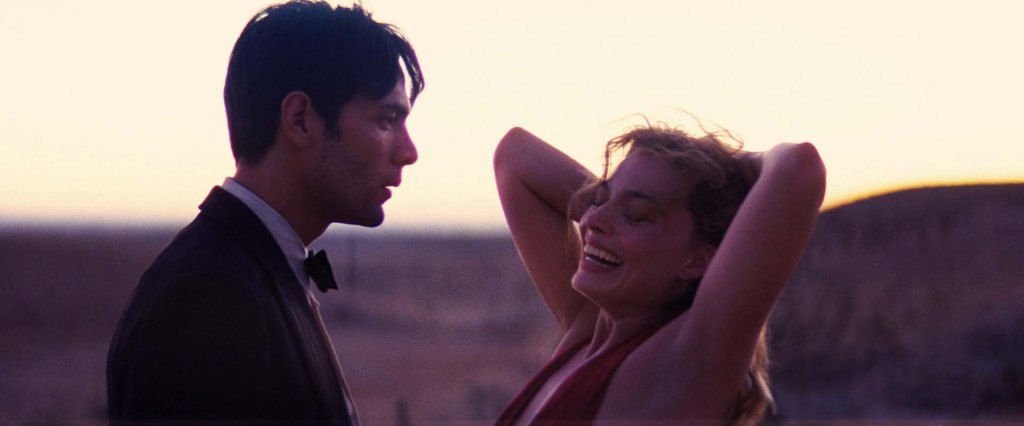


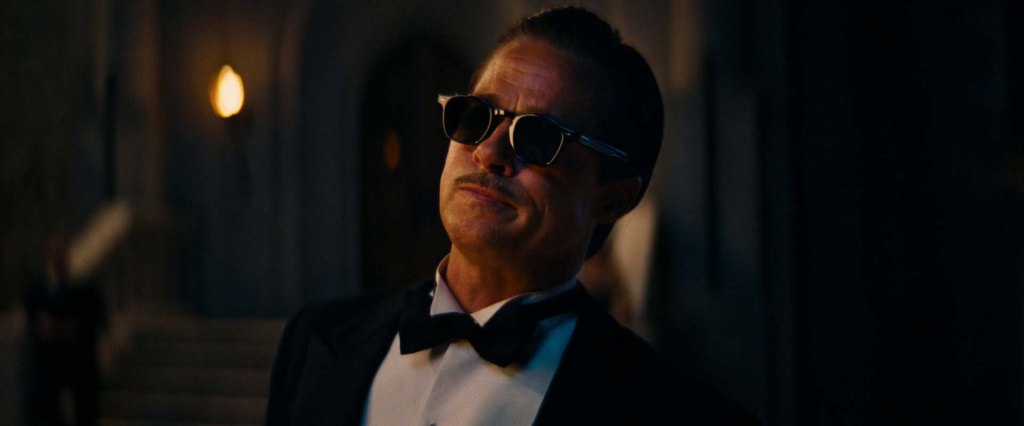
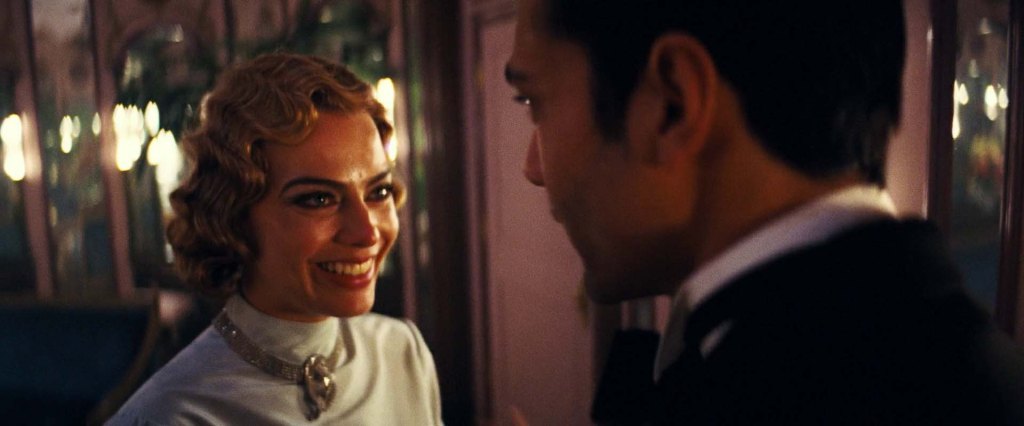
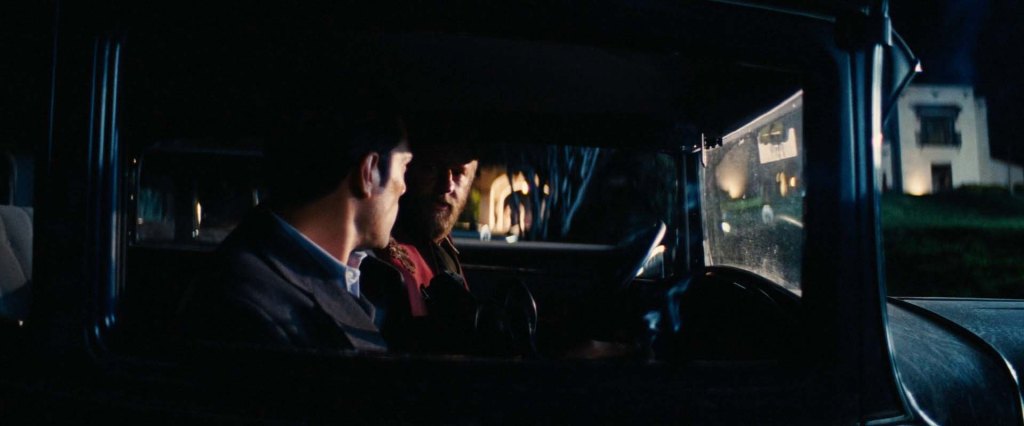
Suddenly, Nellie LaRoy (Margot Robbie), an unrefined but captivating wannabe actress, bursts onto the scene, quite literally crashing into a statue upon her arrival. After Manny manages to get Nellie into the party—despite her clearly not being invited—we are introduced to Jack Conrad (Brad Pitt), a charismatic but aging silent film star at the height of his fame. He is seated in his car out front, in the middle of a domestic argument with his wife, which revolves around nothing less than his decision to adopt an Italian accent. The scene is set.
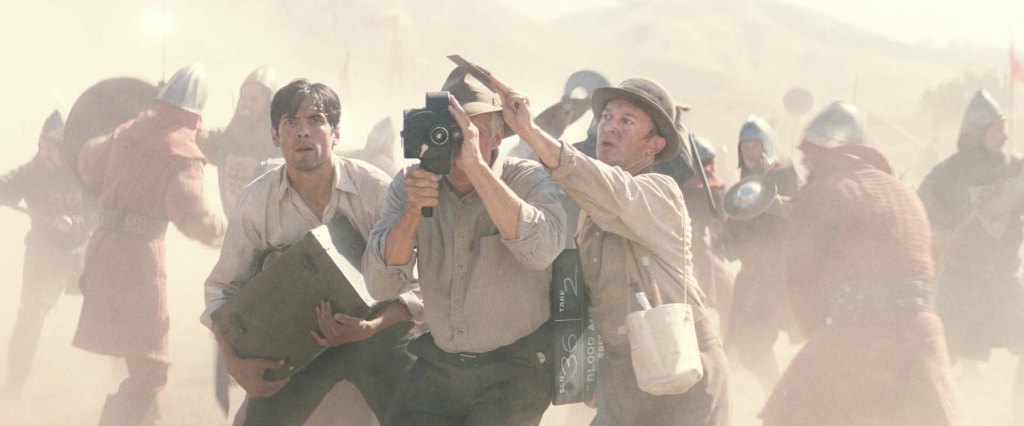
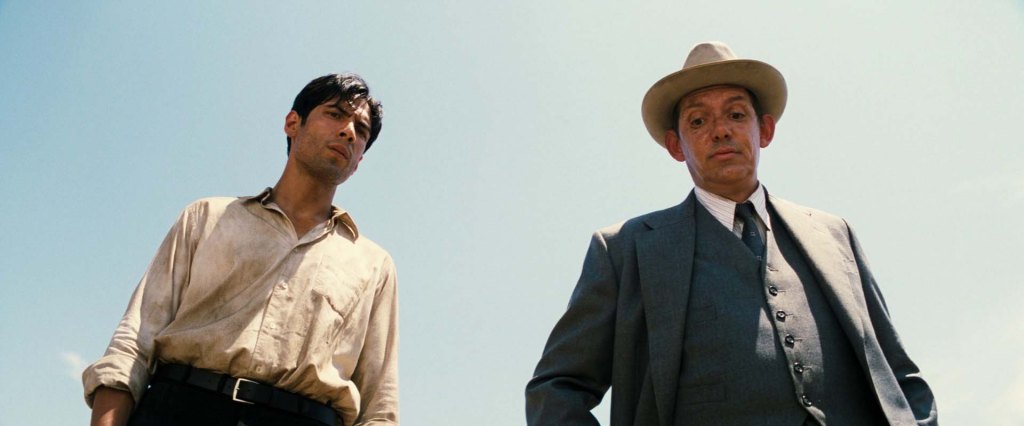
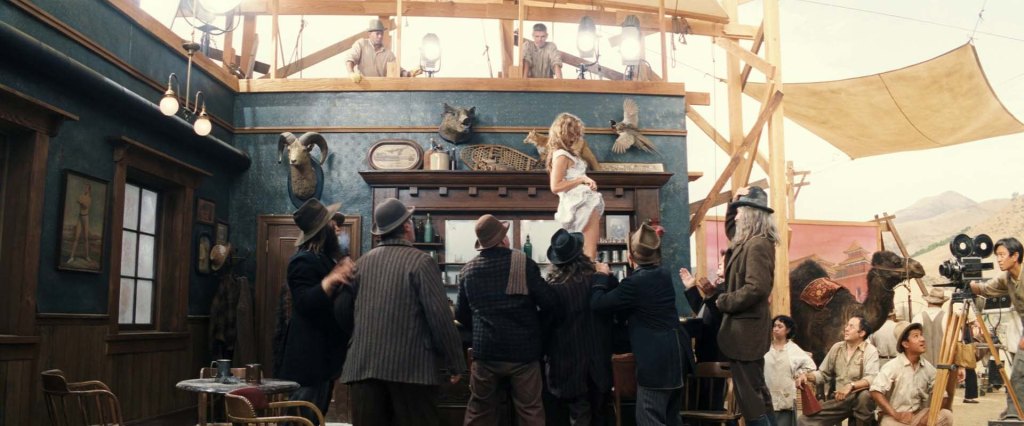


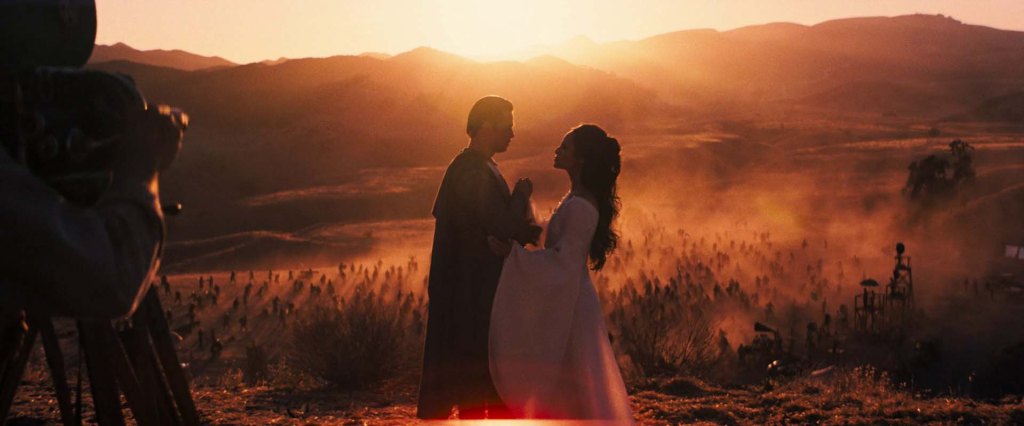
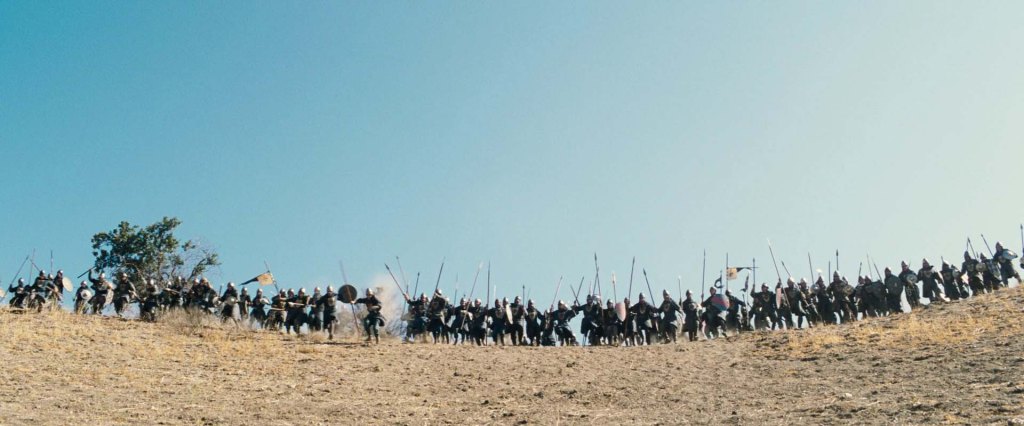
Nellie quickly rises to stardom in silent films due to her raw energy and charisma. Meanwhile, Manny impresses producers and begins to ascend the ranks within the studio system, eventually becoming an executive. Jack continues to experience success, but his drinking and reckless behavior hint at a future decline.
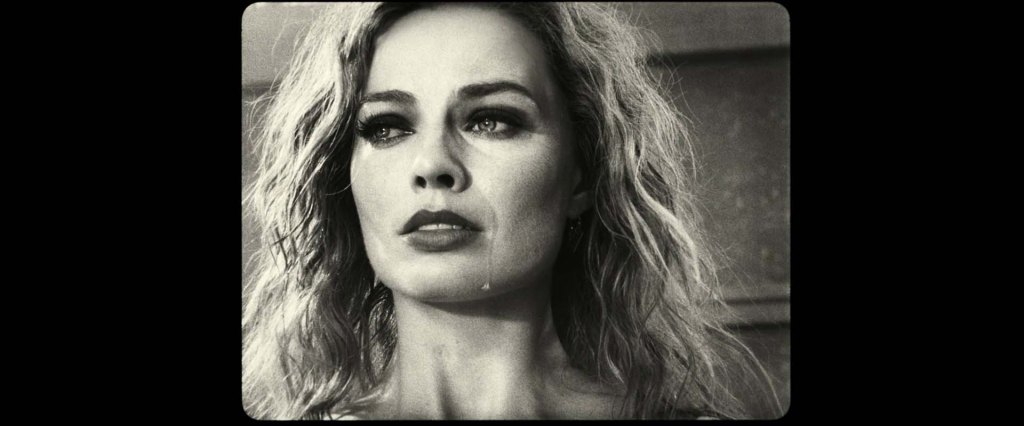
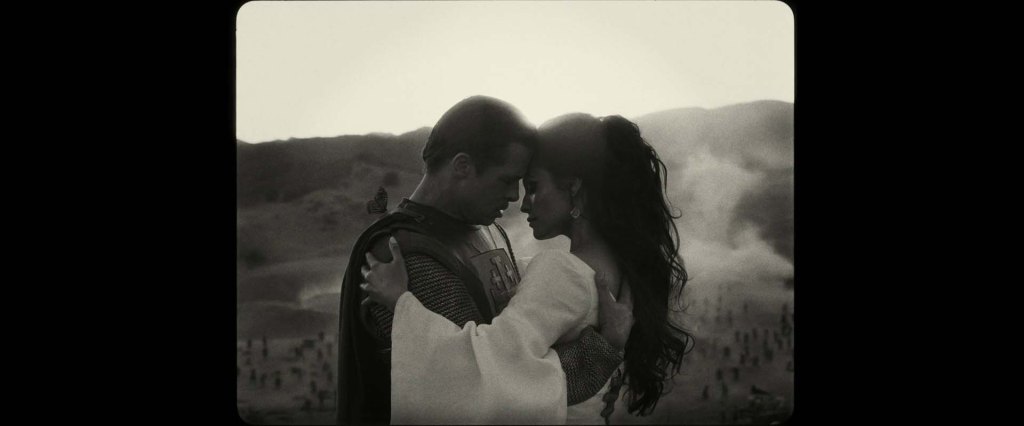
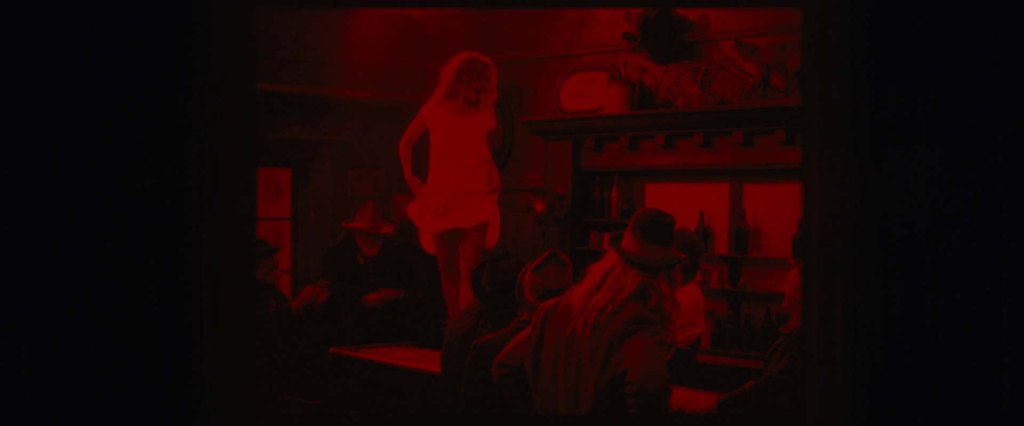

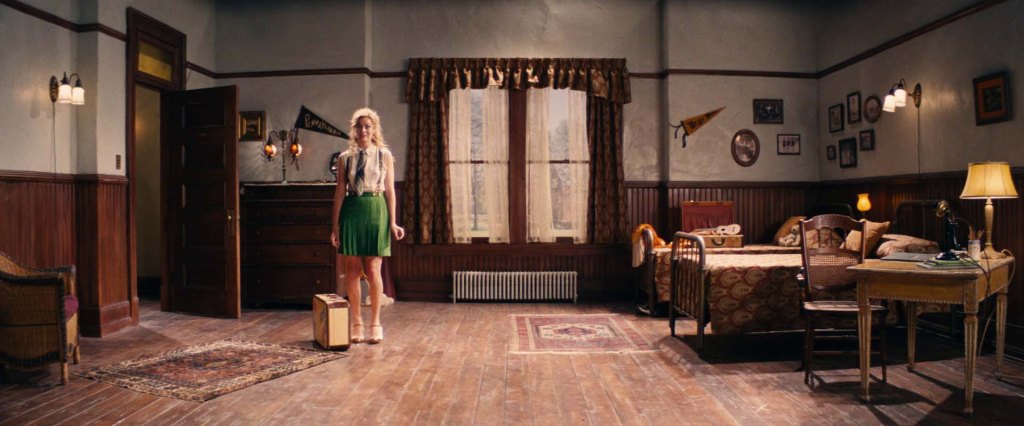
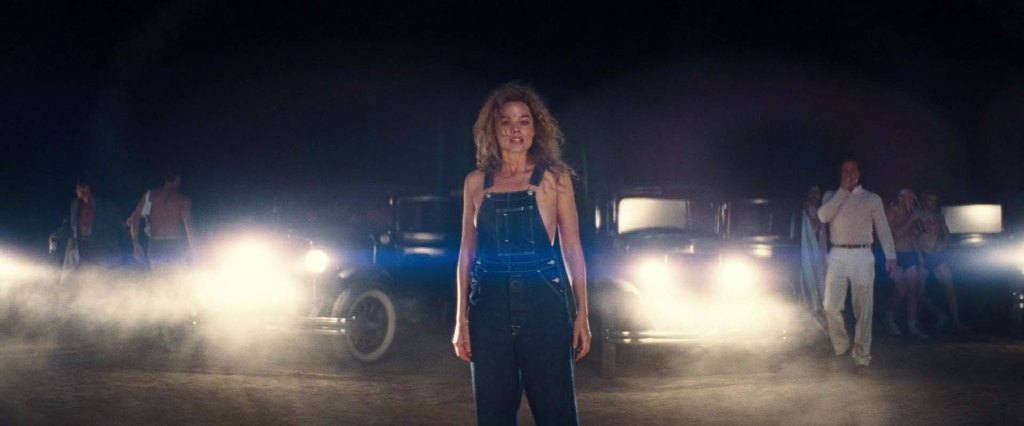
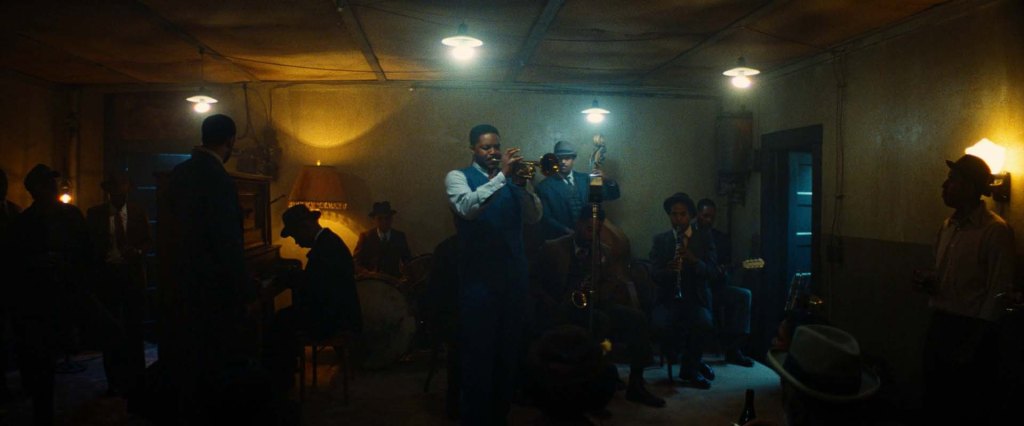
Sidney Palmer (played by Jovan Adepo) is a talented Black jazz trumpeter, while Lady Fay Zhu (portrayed by Li Jun Li) is a queer cabaret singer and intertitle writer. Together, they navigate the challenges of Hollywood as marginalized artists.
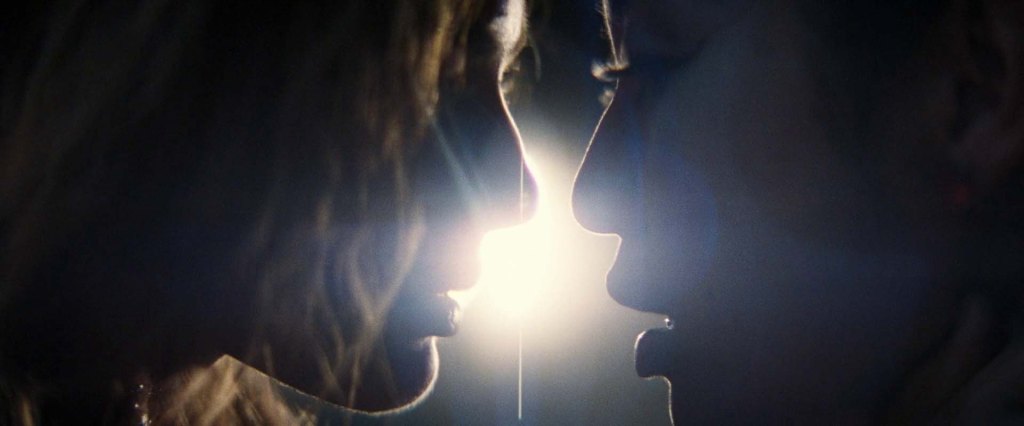
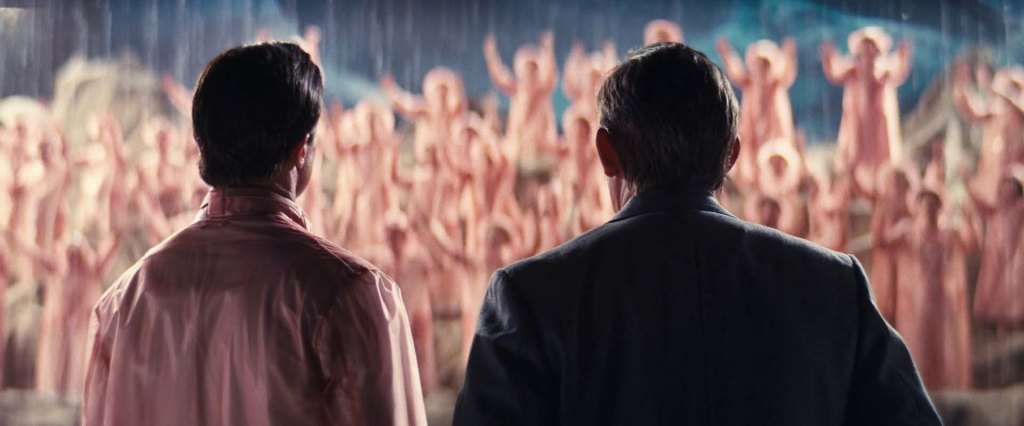
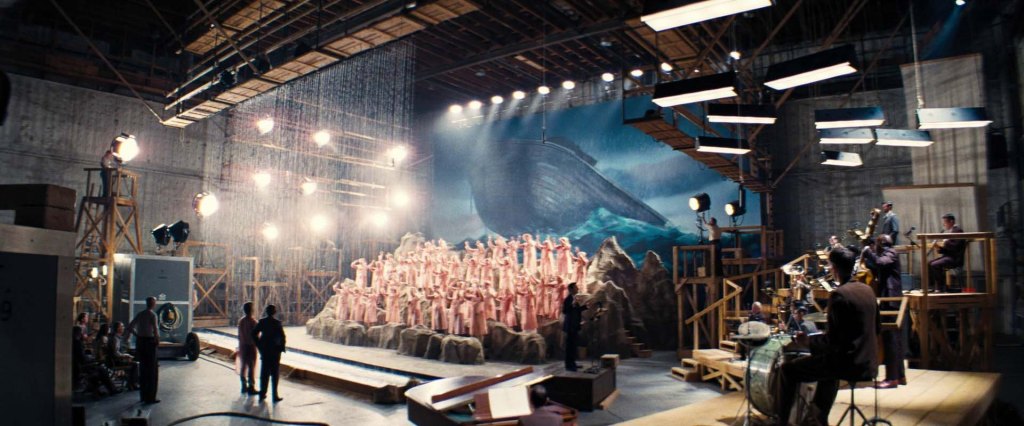
The introduction of synchronized sound in 1927 brought about a significant transformation in the film industry. Silent film stars struggled to adapt, studios rushed to keep up with new technology, and chaos ensued on film sets. Nellie, whose natural acting style was well-suited to silent films, found it difficult to master the required diction and discipline for talkies, leading to a decline in her stardom.
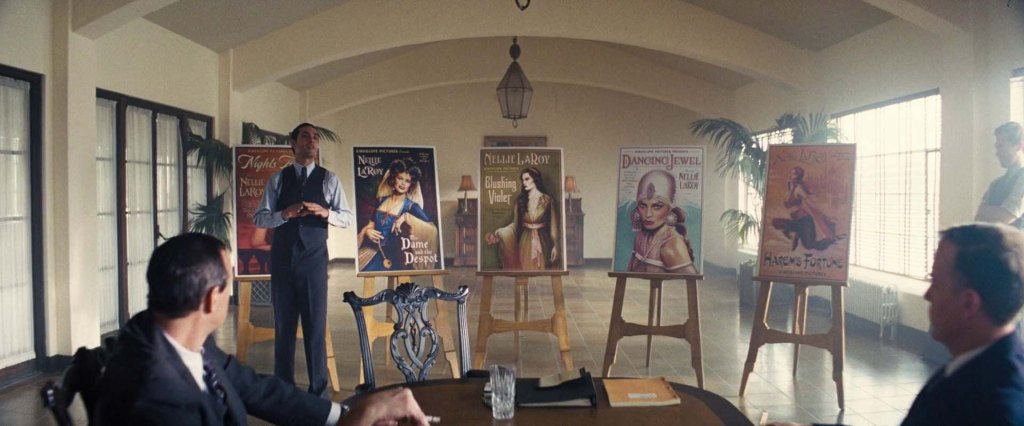

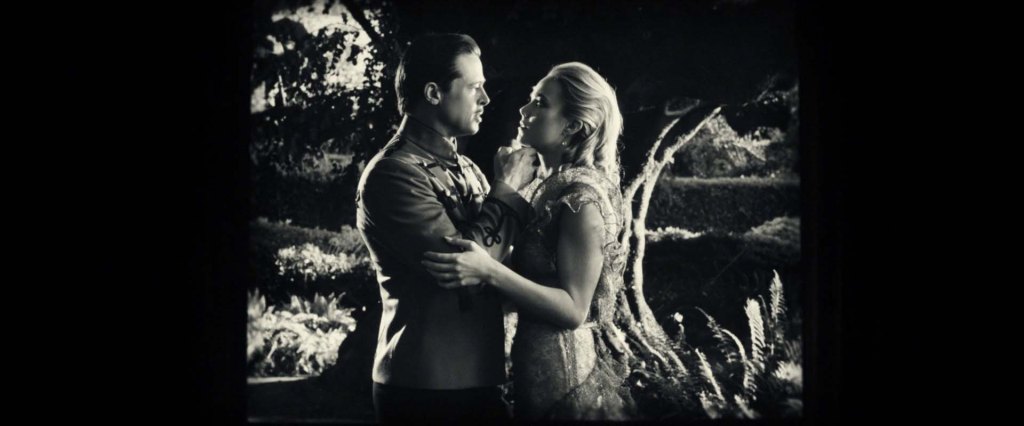
Meanwhile, Jack realized he was becoming increasingly irrelevant as audience preferences shifted. He turned to heavy drinking and began to feel that the industry was changing at a pace he couldn’t keep up with.

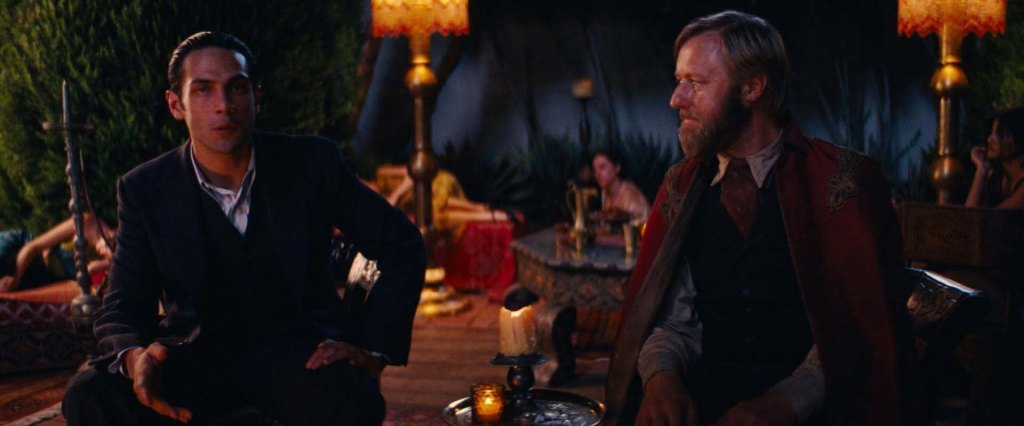
Manny plays a key role in managing the transition but also recognizes the cruelty and racism inherent in the system, particularly when Sidney is compelled to darken his skin with makeup to satisfy white audiences.
As the 1930s progress, the lives of the characters take a downward spiral. Jack, unable to reclaim his former status, tragically takes his own life after a bitter interview with gossip columnist Elinor St. John (played by Jean Smart). She tells him that while he may be forgotten as a person, his films will endure.
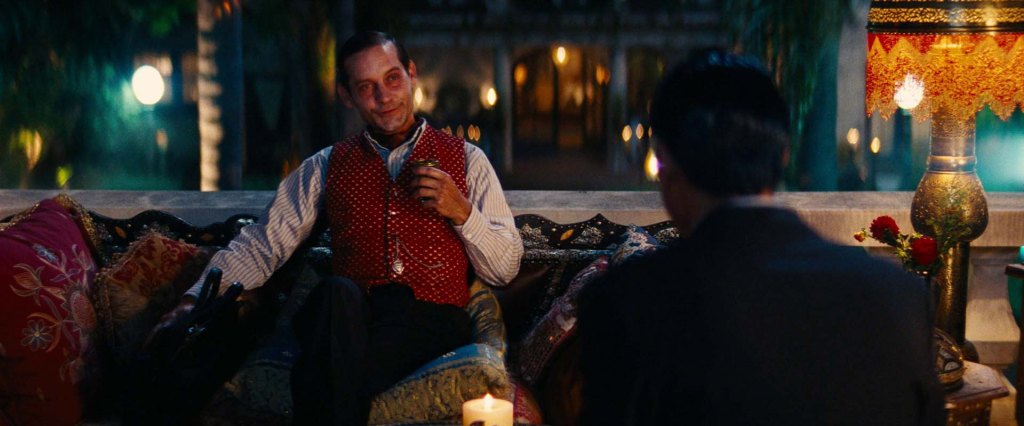
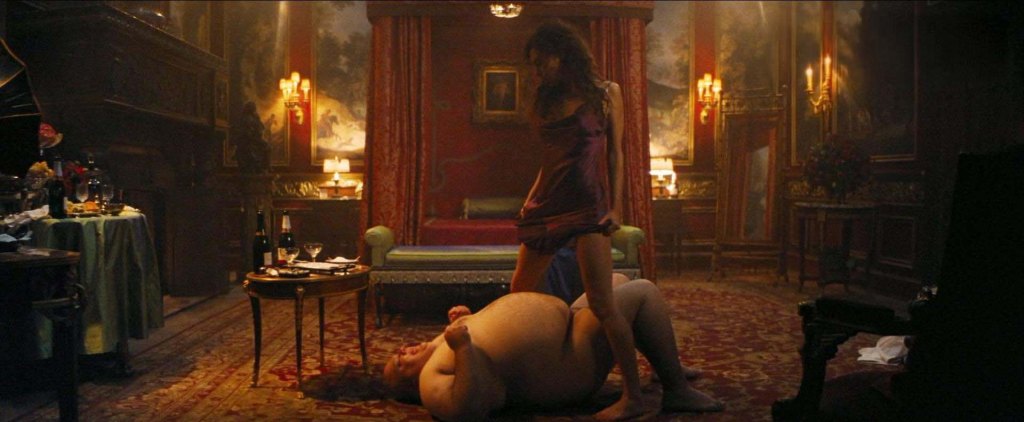
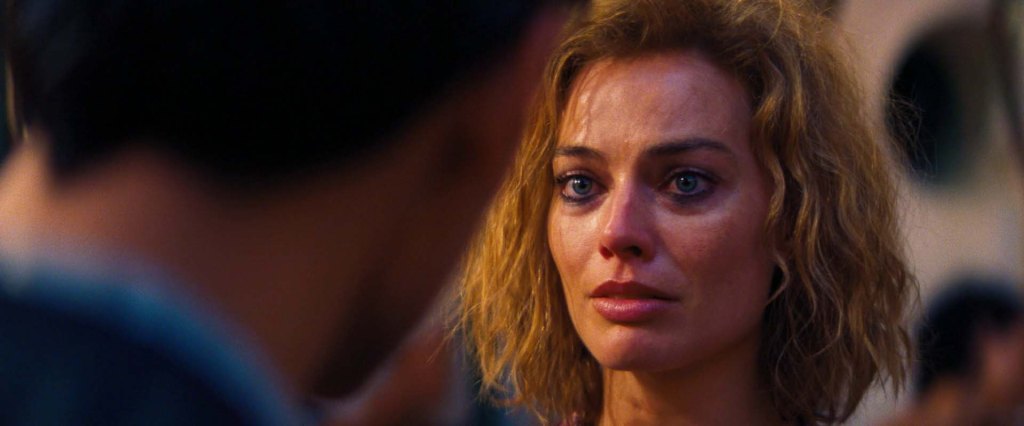
Nellie succumbs to addiction, gambling debts, and scandal. Manny, deeply in love with her, tries to help by arranging her escape from Los Angeles, but she ultimately vanishes into obscurity.
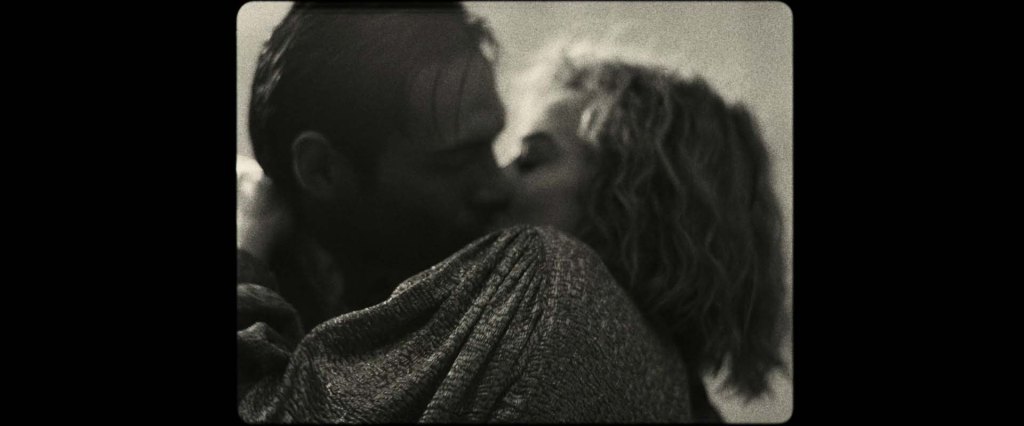
Sidney Palmer (played by Jovan Adepo) achieves success as a jazz trumpeter in film soundtracks, but he faces racism in the industry. In a particularly devastating scene, he is compelled to apply dark makeup to avoid appearing “too light” under the studio lights. Humiliated by this experience, he ultimately decides to walk away from Hollywood.
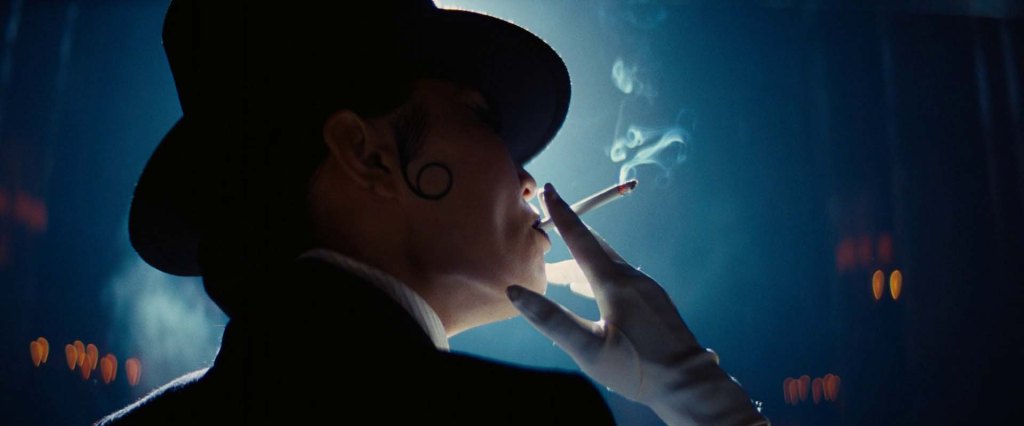
Lady Fay Zhu (portrayed by Li Jun Li) is a witty queer cabaret performer and intertitle writer who becomes increasingly marginalized in the industry due to her sexuality and outspoken nature. As a result, Fay Zhu is eventually exiled from the industry because of her identity.
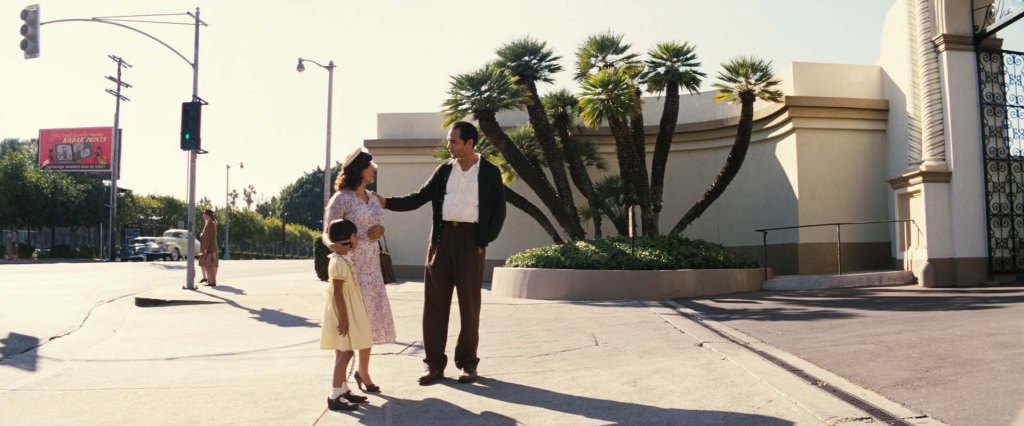
Manny escapes Hollywood and builds a new life. Years later, he returns to Los Angeles in the 1950s and watches “Singin’ in the Rain” (1952), a musical that joyfully depicts the very transition from silent films to talkies that destroyed his generation. Overcome with emotion, Manny realizes that despite the pain, ruin, and loss he experienced, he was part of something larger. Chazelle suggests that while individuals may fade away, cinema itself is eternal.
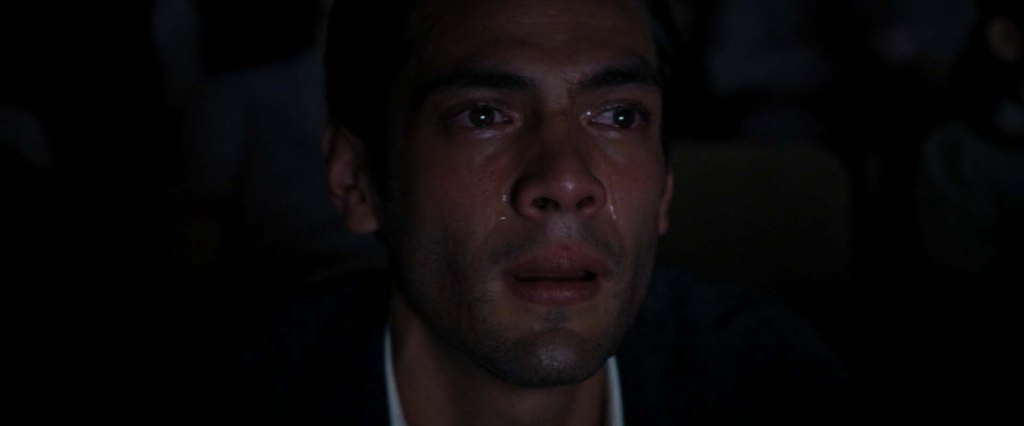
The film both celebrates and critiques Hollywood, highlighting its artistry and resilience while also addressing its cruelty and destructiveness. Damien Chazelle utilizes frenetic camerawork, extended tracking shots, and lavish set pieces to depict the chaos and ecstasy of 1920s Hollywood. It serves as both a tragic character study and a sweeping history of the industry’s growing pains.
The film concludes not with triumph, but with a bittersweet reflection: Hollywood devours its dreamers, yet the art form they helped create continues to evolve and endure.