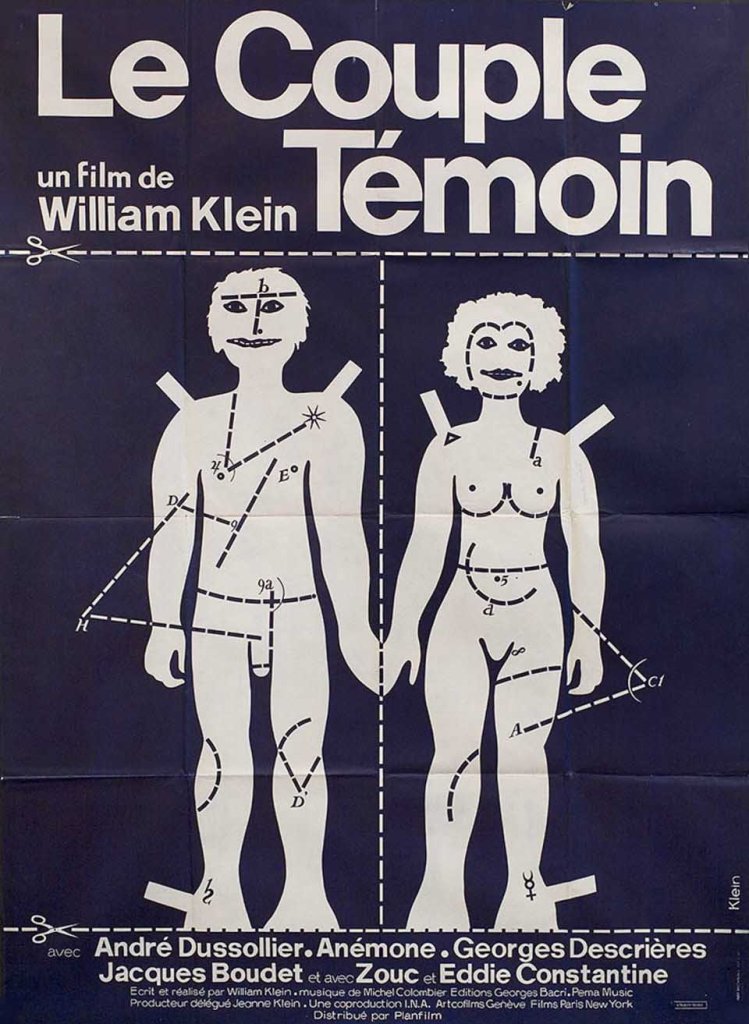
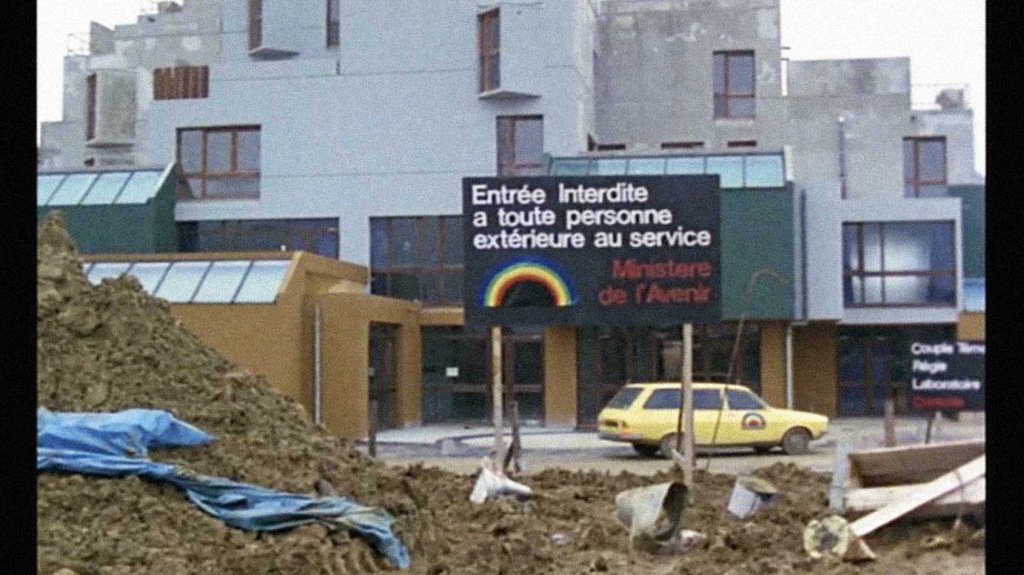
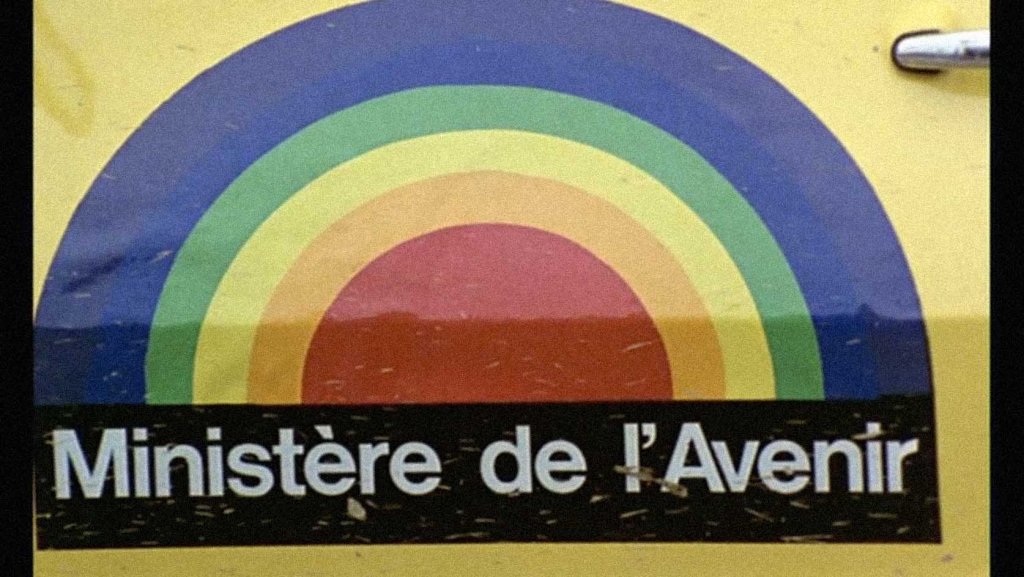
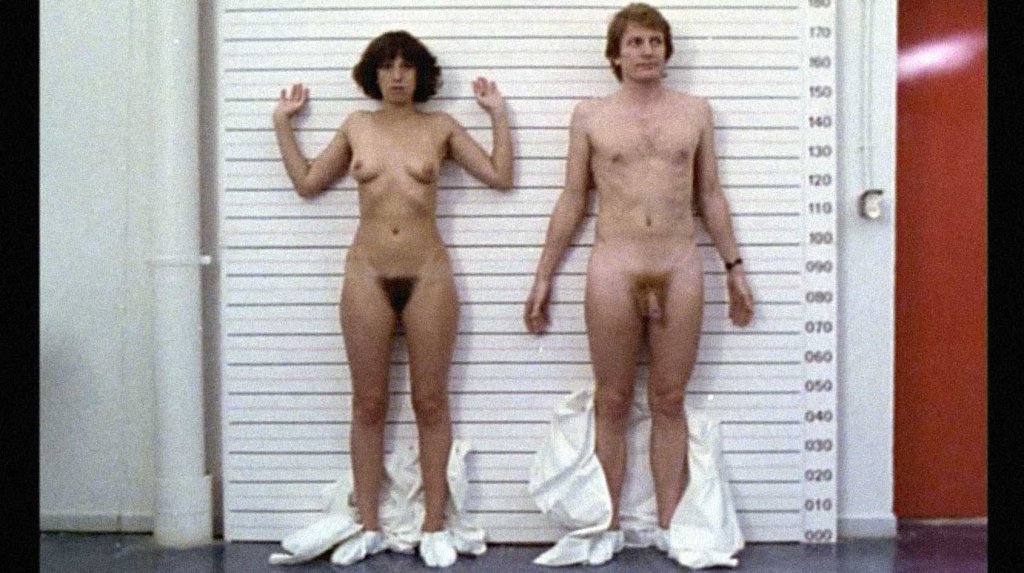
“Le Couple témoin,” also known as “The Model Couple,” is a satirical French comedy directed by William Klein in 1977. The film presents a unique blend of social experiment and absurdist critique, following an ordinary couple selected by the French government to live under constant surveillance in a “model apartment,” which is a prototype of futuristic housing. Their lives are monitored, recorded, and analyzed as part of a sociological study focused on consumer habits, relationships, and state control. What starts as a quirky publicity stunt gradually transforms into a sharp commentary on conformity, bureaucracy, and the government’s intrusion into private life.
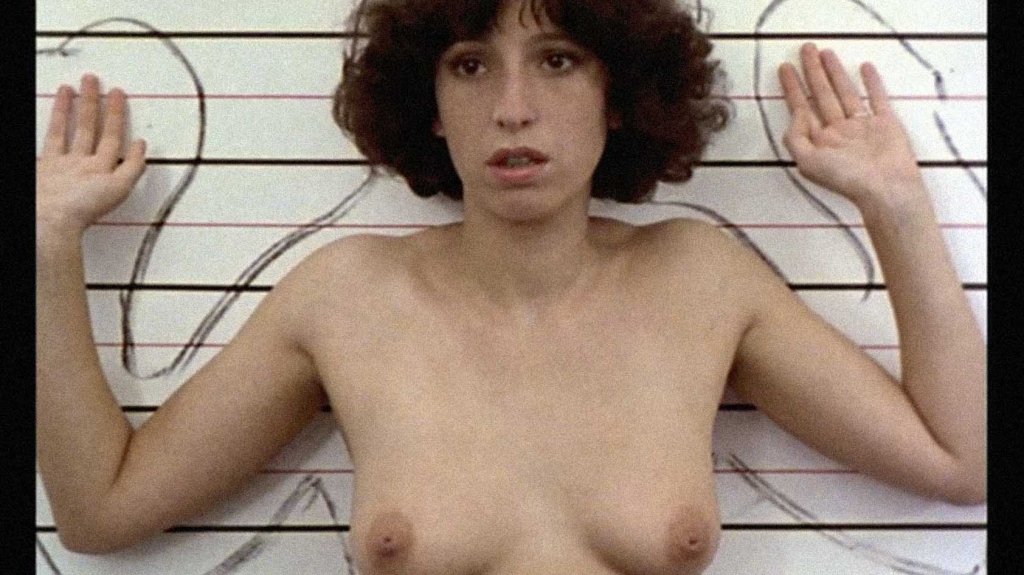
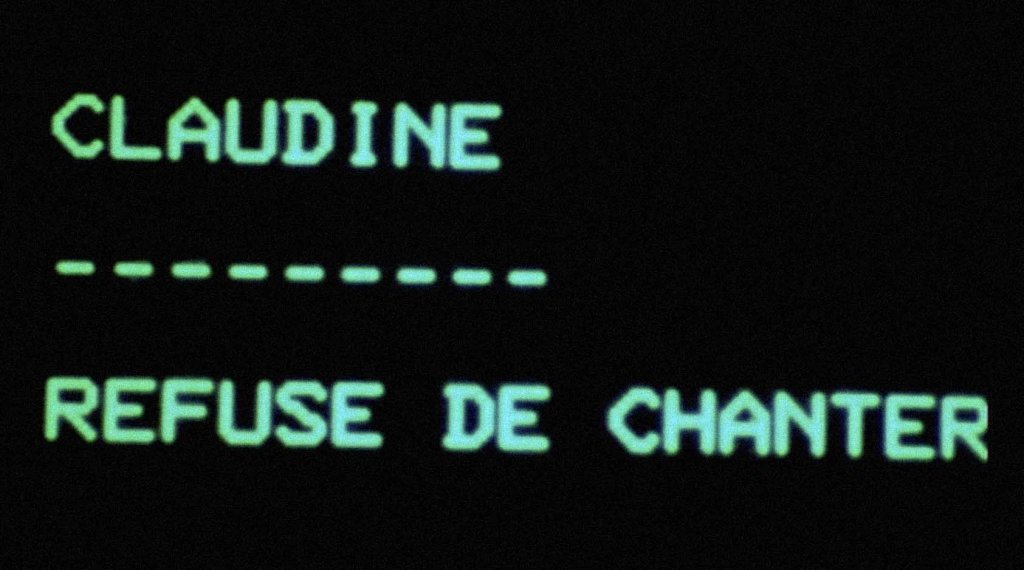

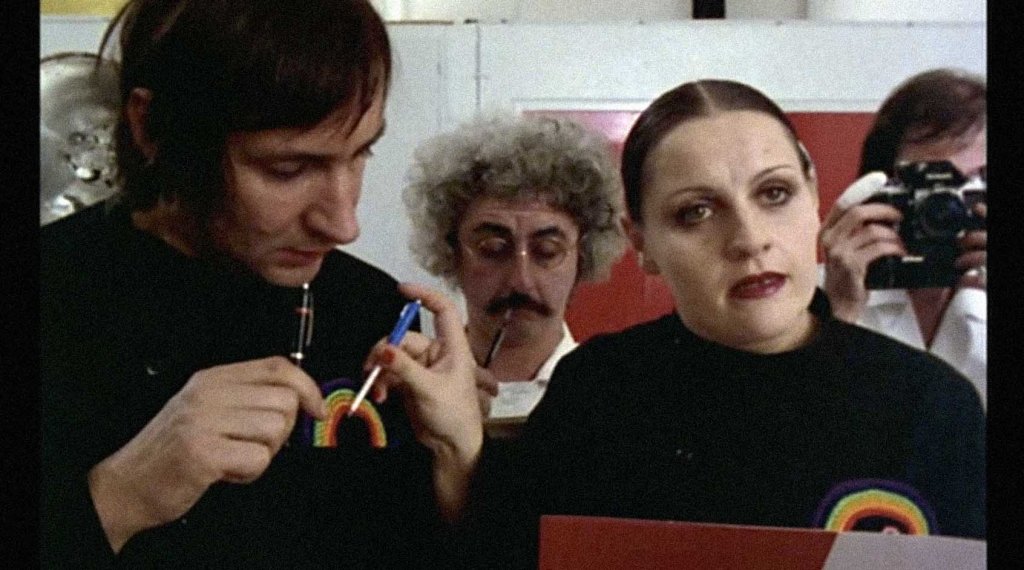
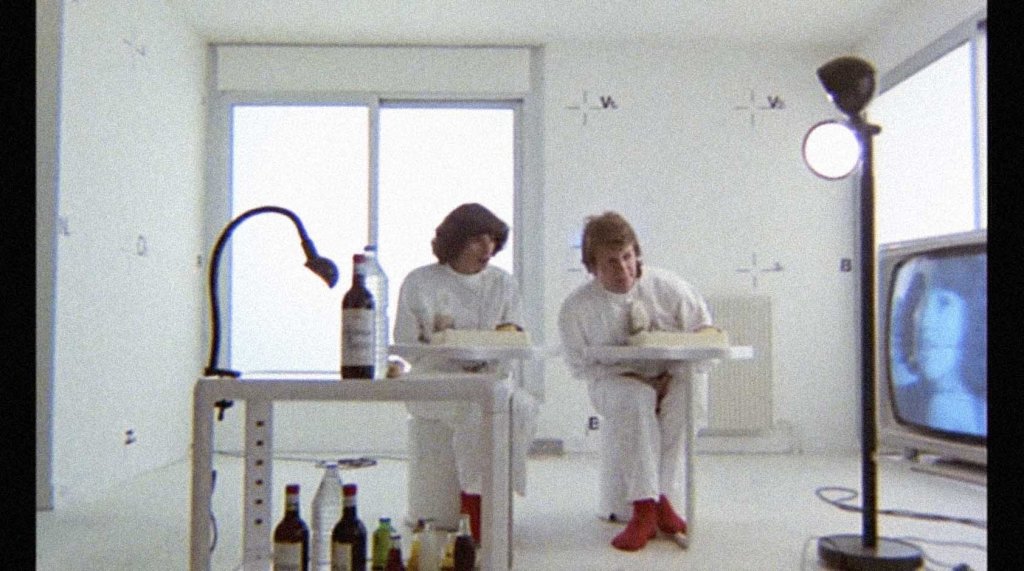
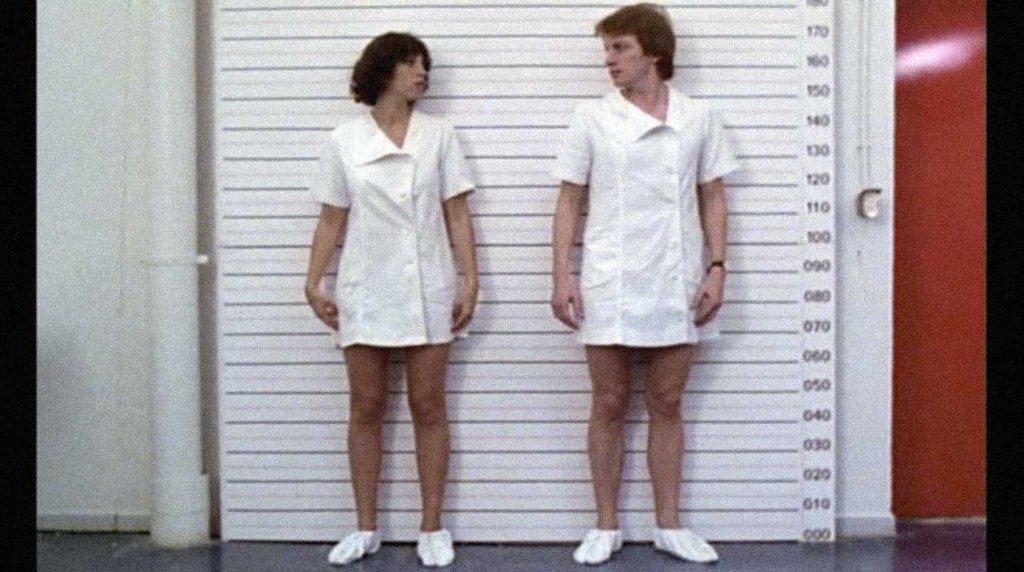
The French government aims to modernize housing policy and introduce a new standardized model of “ideal living.” To achieve this, they select an average young couple to participate in a groundbreaking experiment. The chosen couple is Claudine (played by Anémone), a secretary with bohemian tendencies, and Jean-Michel (played by André Dussollier), a middle-class civil servant. They have been selected as the “model couple” and agree to live in a newly designed state apartment that is meant to embody the perfect representation of French domestic life.
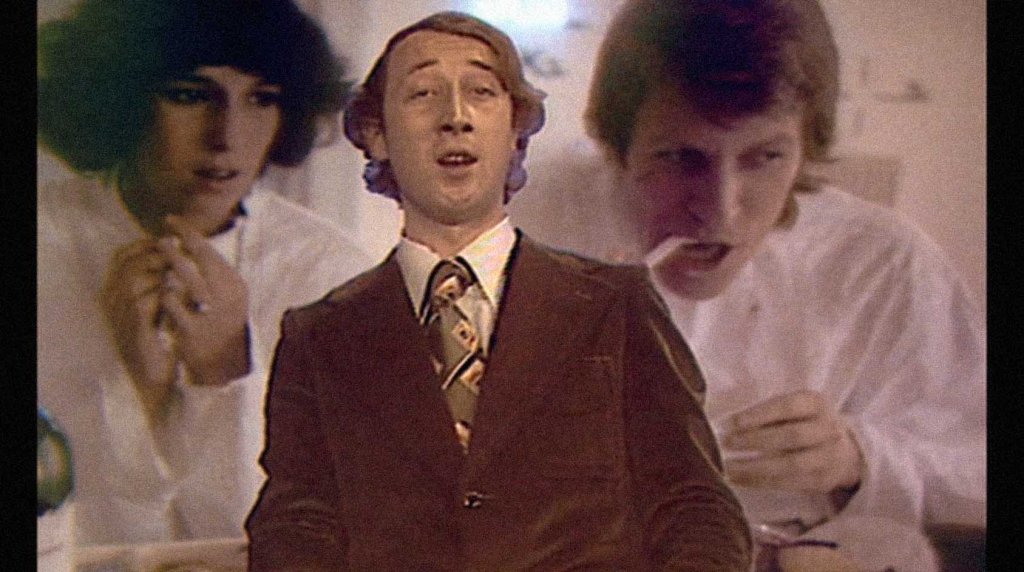
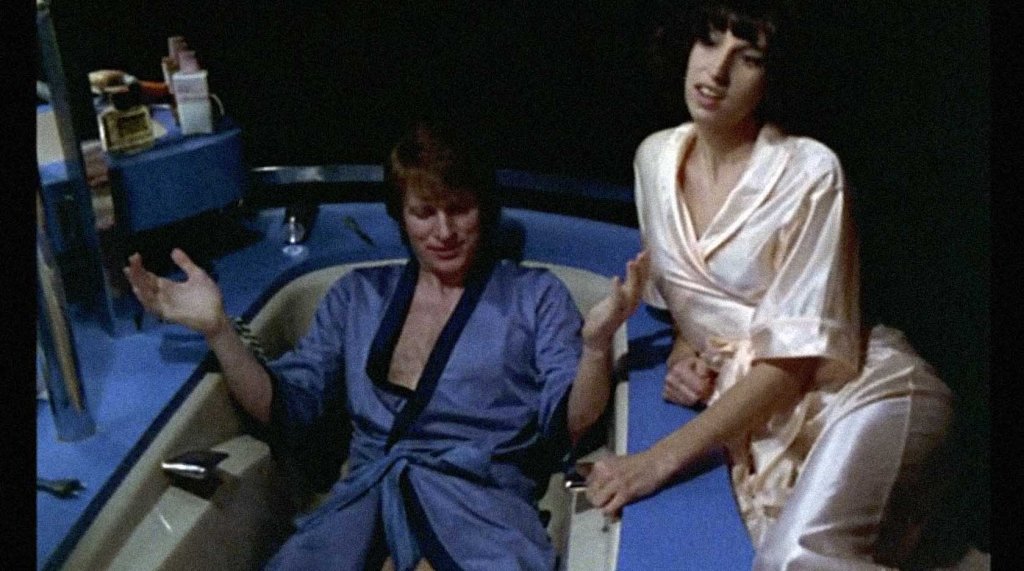
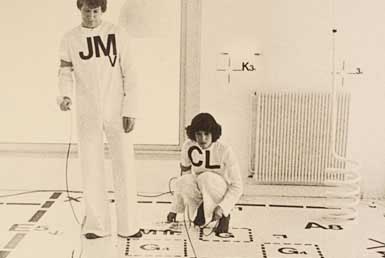
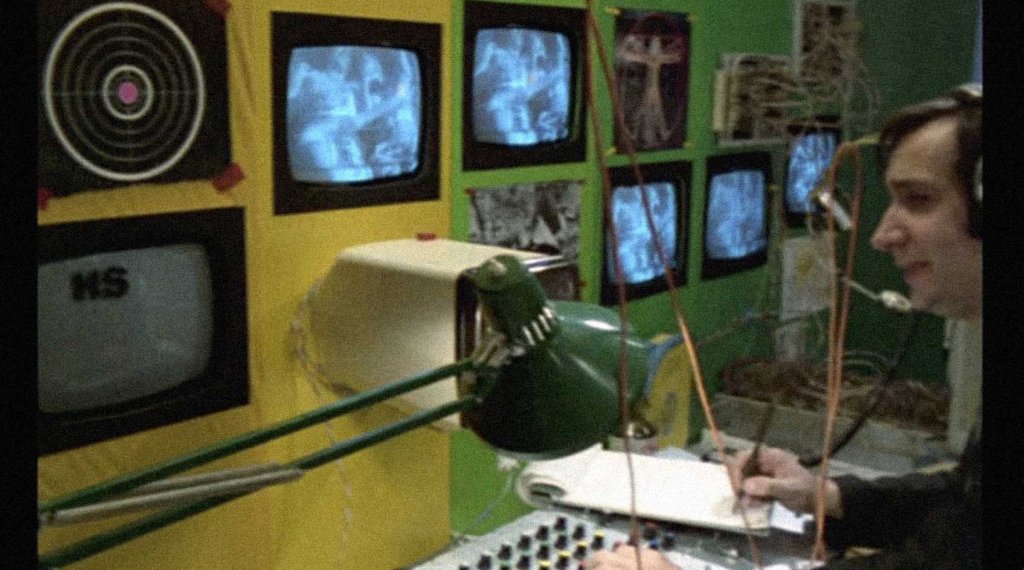
The couple moves into a highly publicized apartment equipped with the latest appliances and conveniences. However, they soon realize that every moment of their lives is being filmed, analyzed, and broadcast as part of the study.
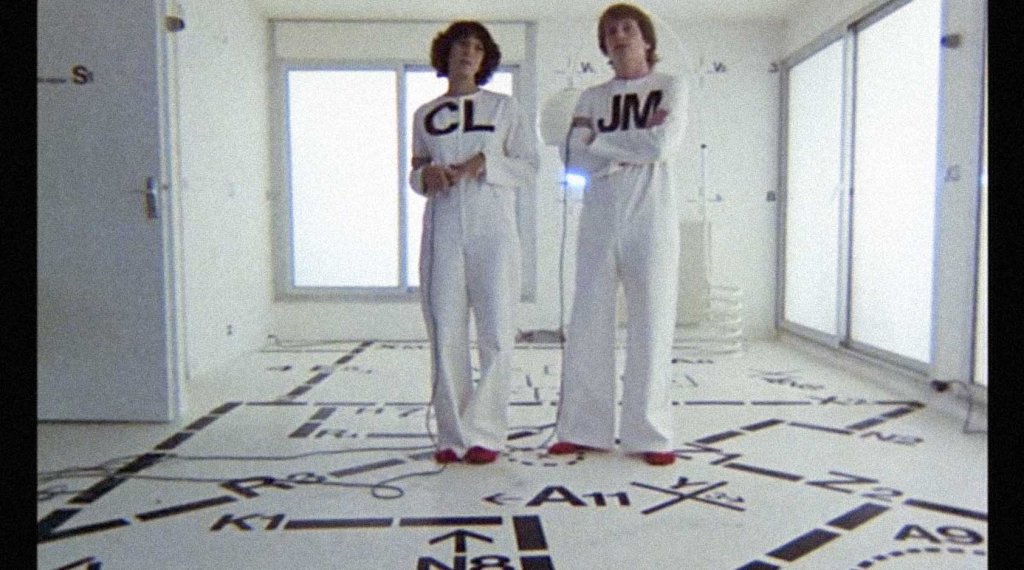
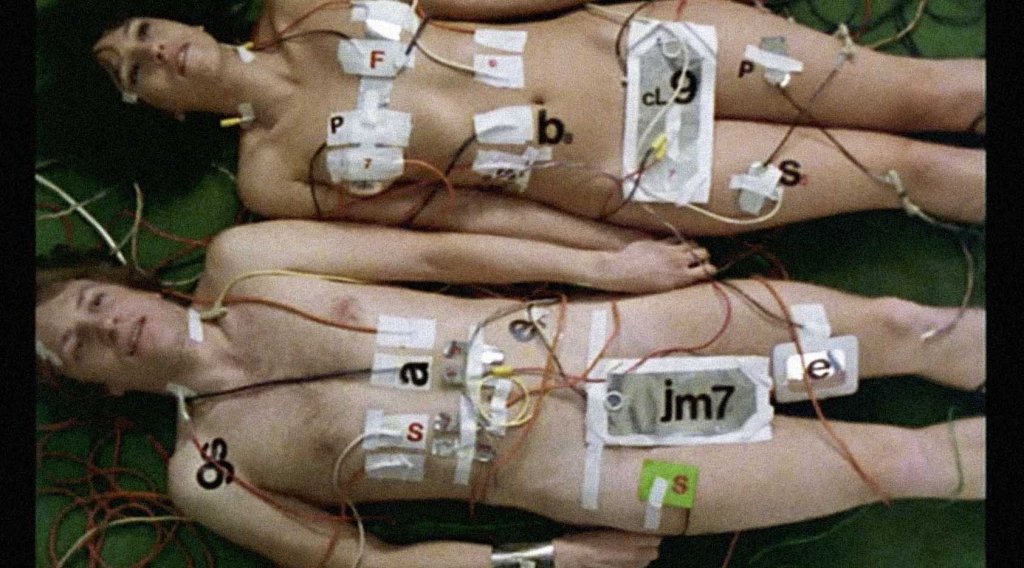
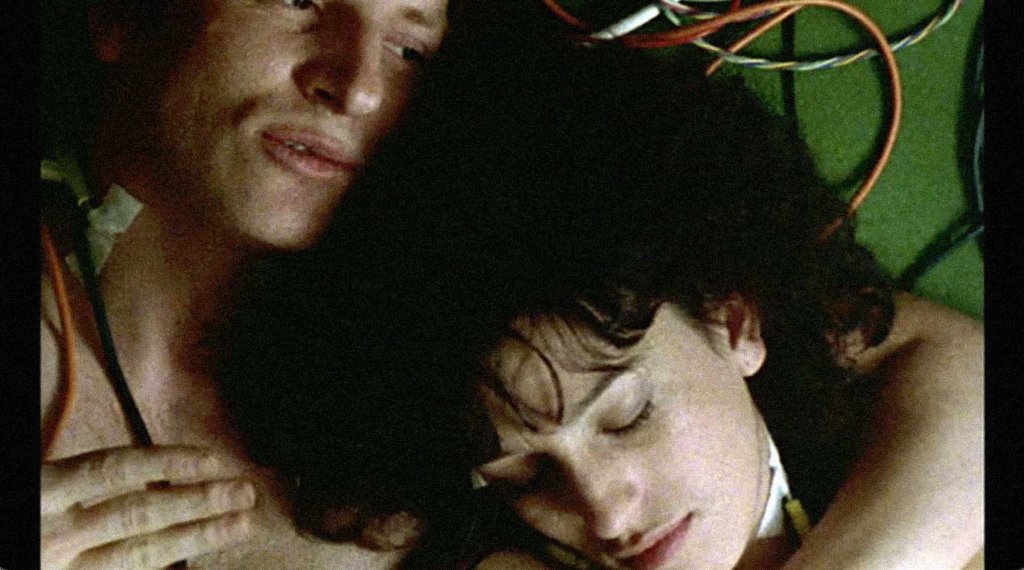
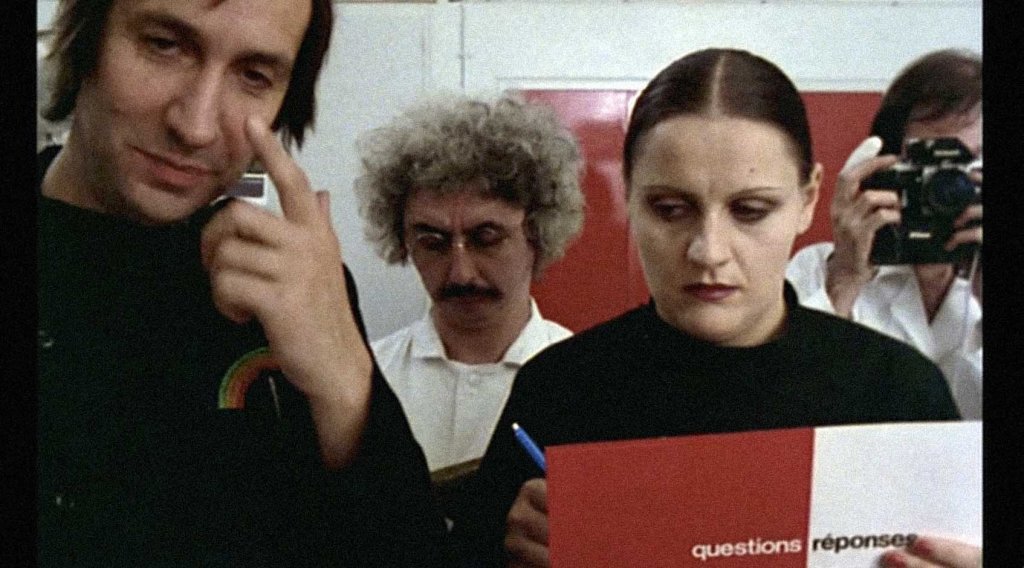
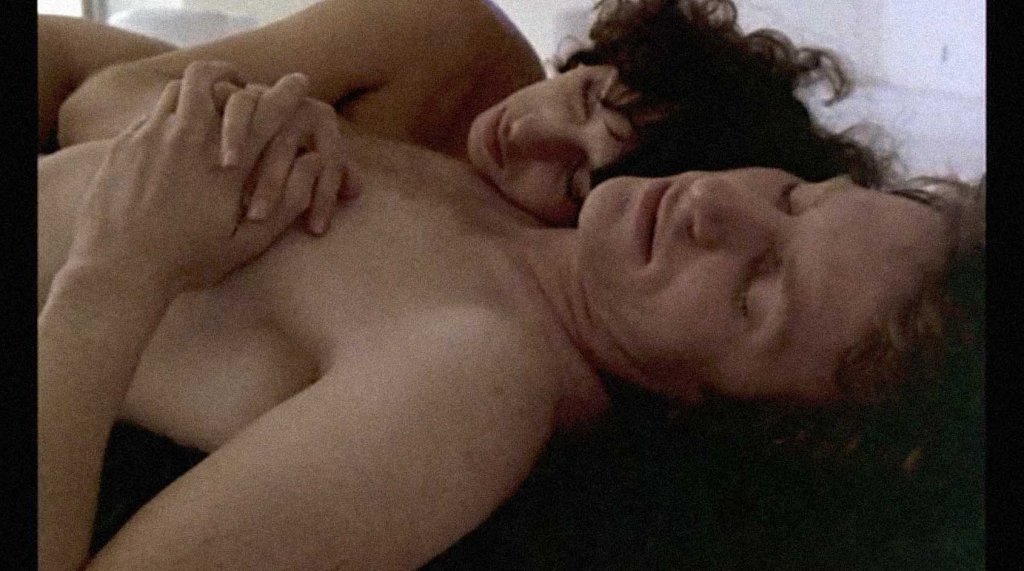
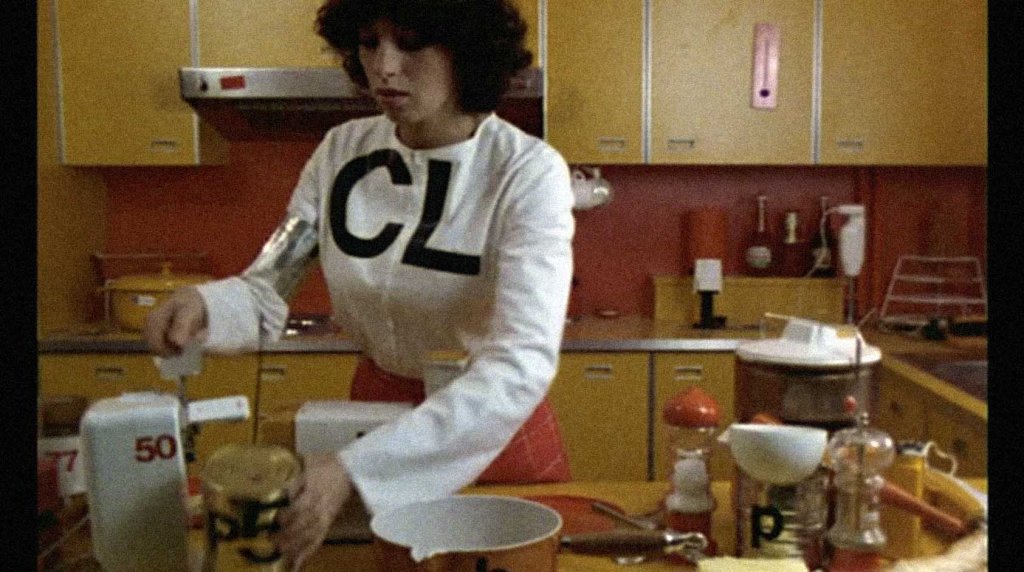
Sociologists, bureaucrats, and journalists scrutinize their behaviors—how they eat, argue, make love, watch TV, or do household chores. Observers even intervene, asking questions and requesting that they repeat “normal” actions for documentation.
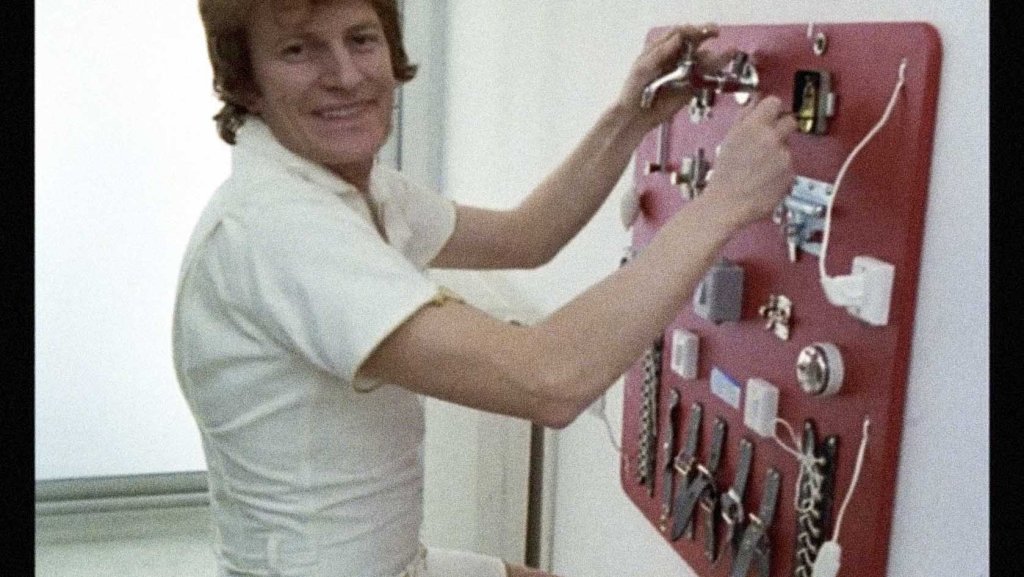
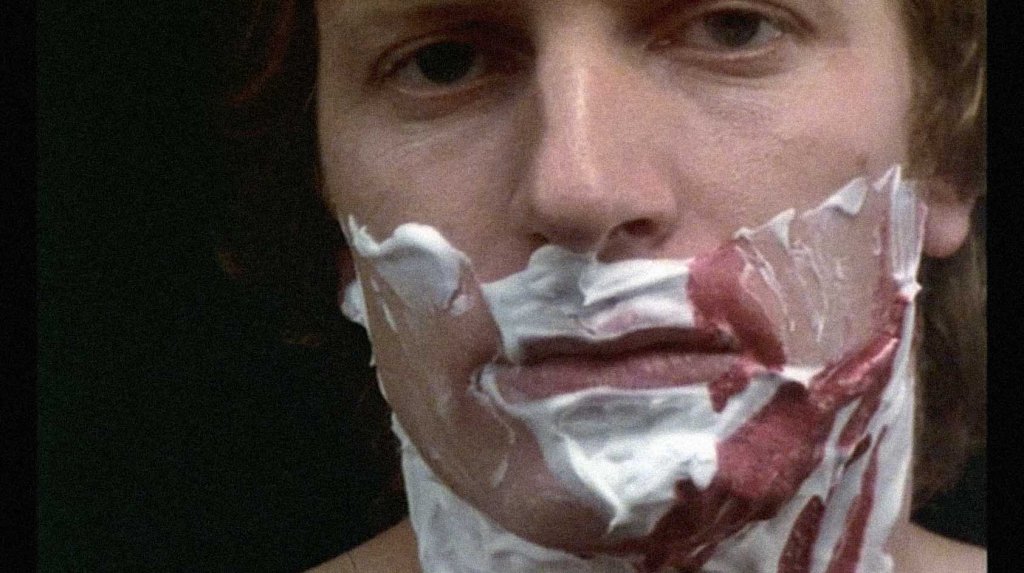
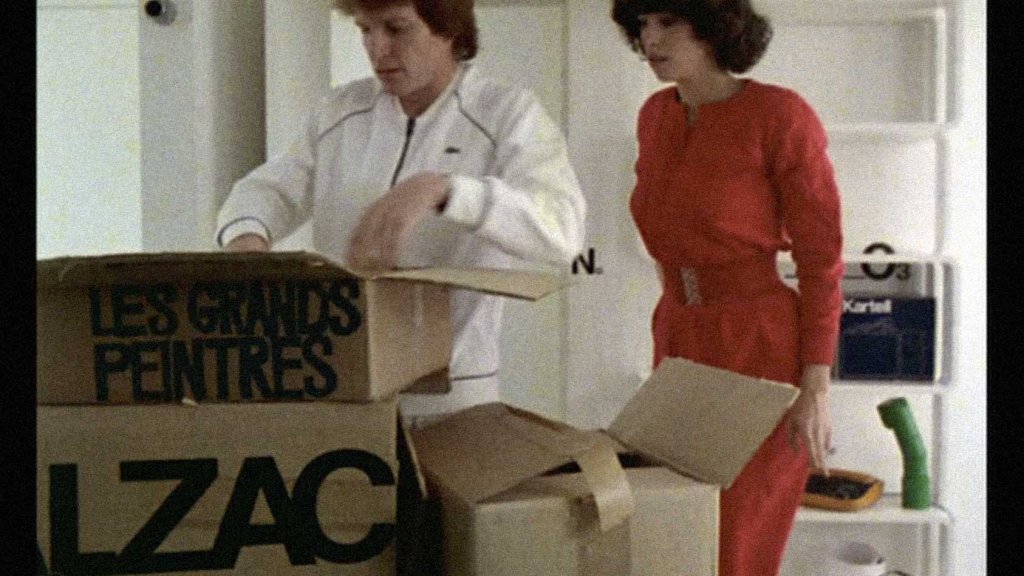
Claudine and Jean-Michel try to maintain their individuality, but the experiment increasingly pressures them to behave like caricatures of domestic life.
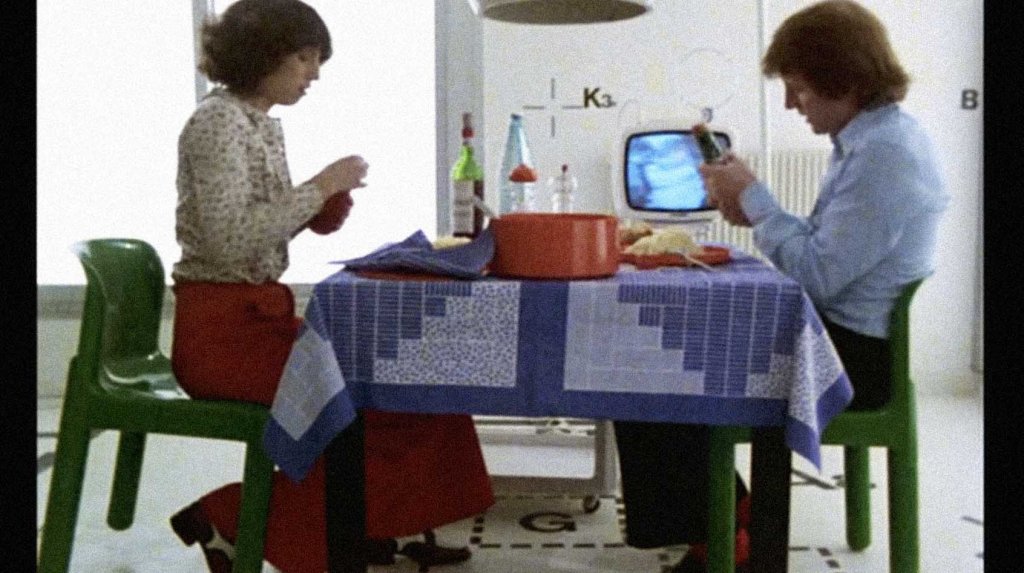
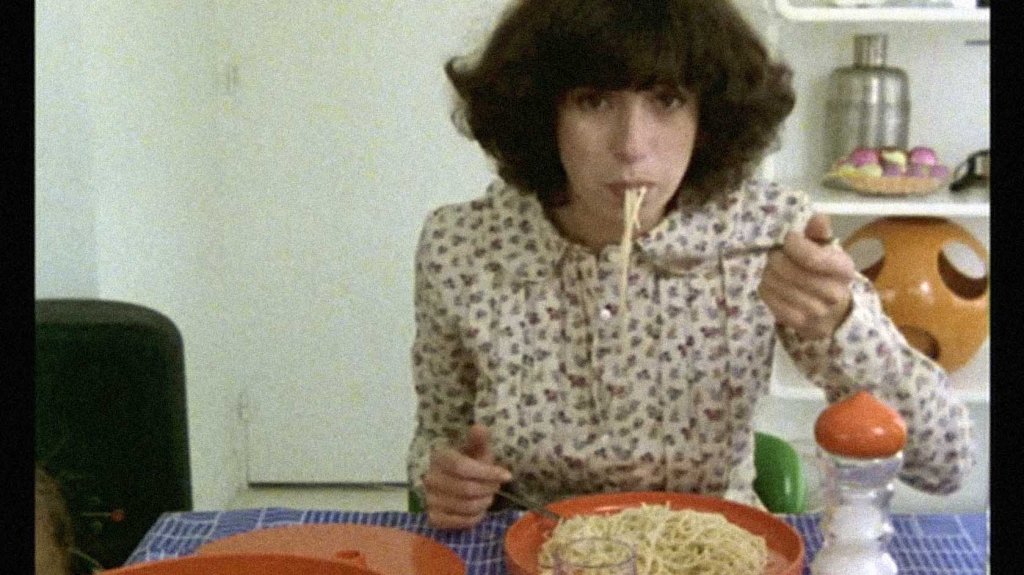

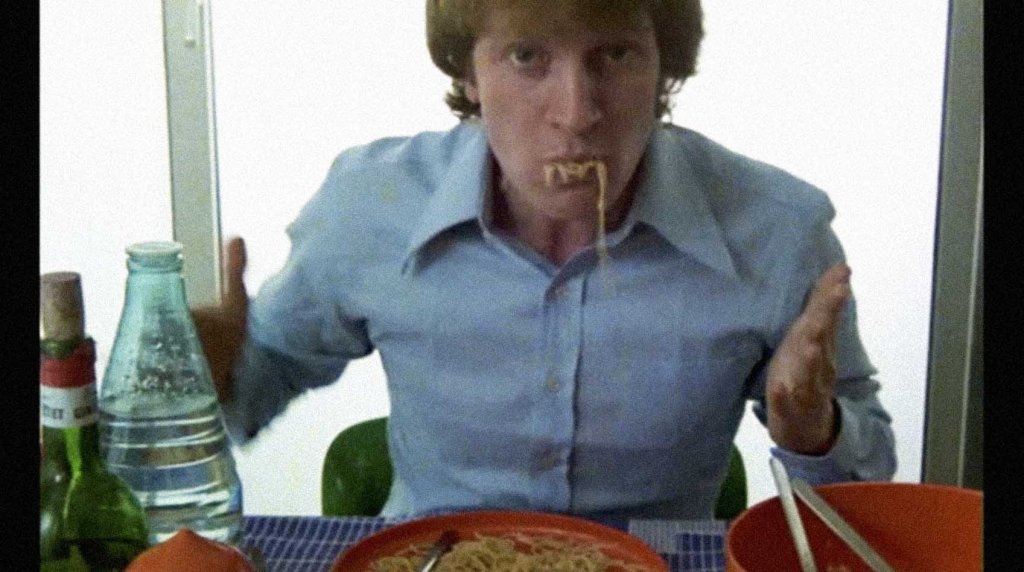
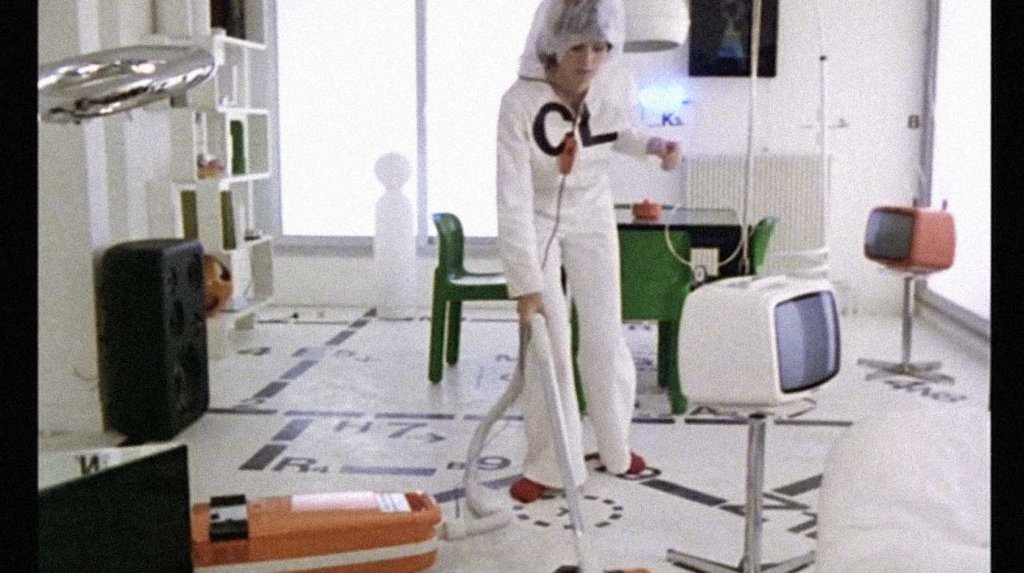
Initially, the couple goes along with the bizarre situation, relishing the novelty of free housing and the attention they receive. However, tensions begin to build: Claudine rejects the artificial environment, mocks the surveillance, and refuses to conform to traditional domestic roles. In contrast, Jean-Michel, who is more conservative and career-focused, becomes frustrated by her defiance and seeks approval from the authorities. As a result, their relationship starts to deteriorate under the unrelenting scrutiny of cameras and bureaucrats.
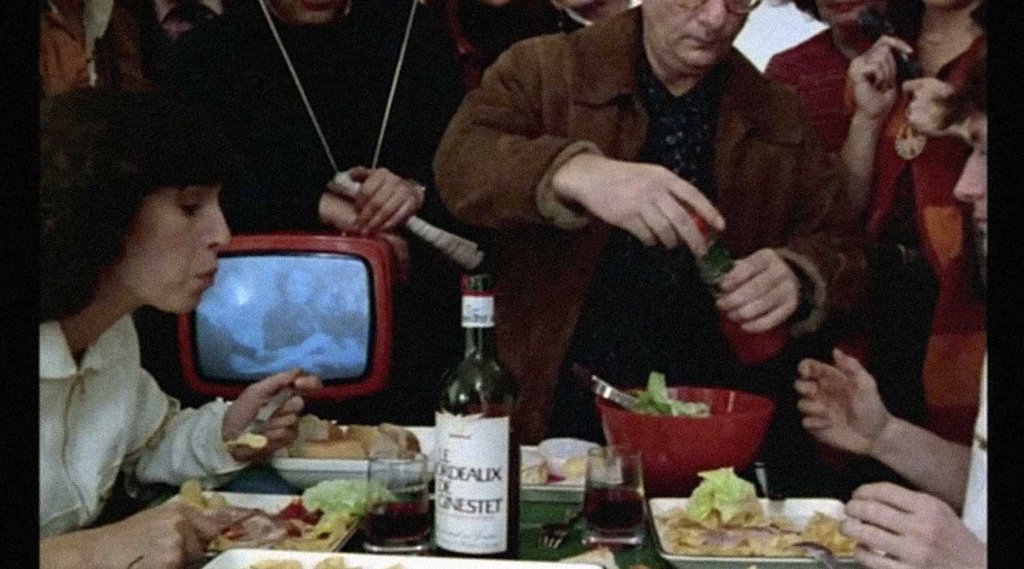
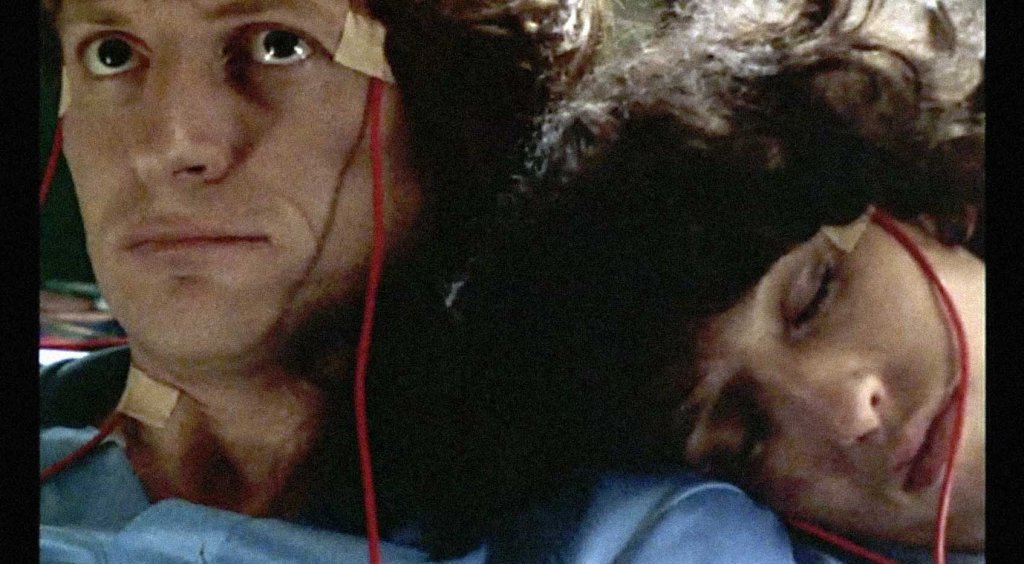
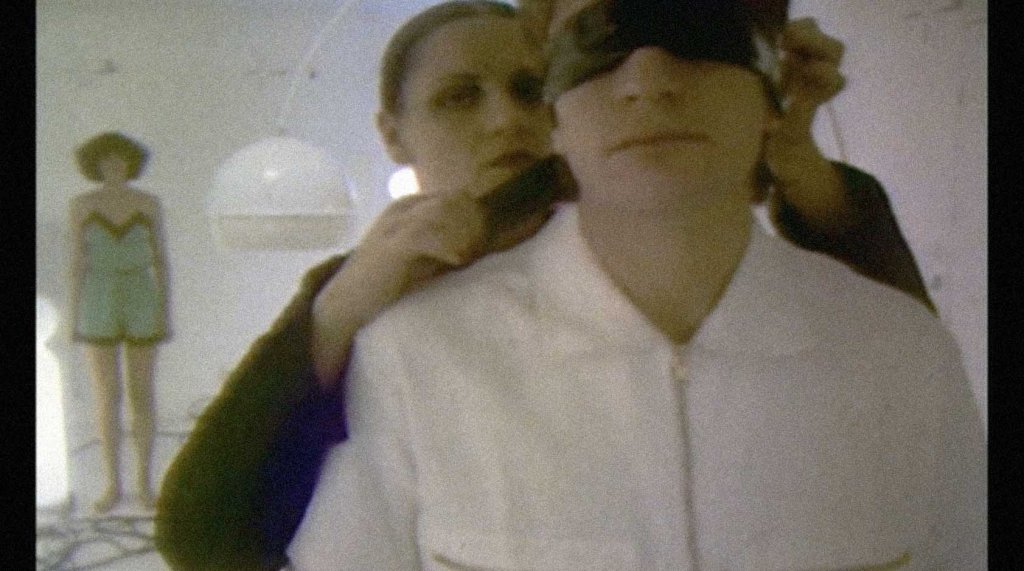
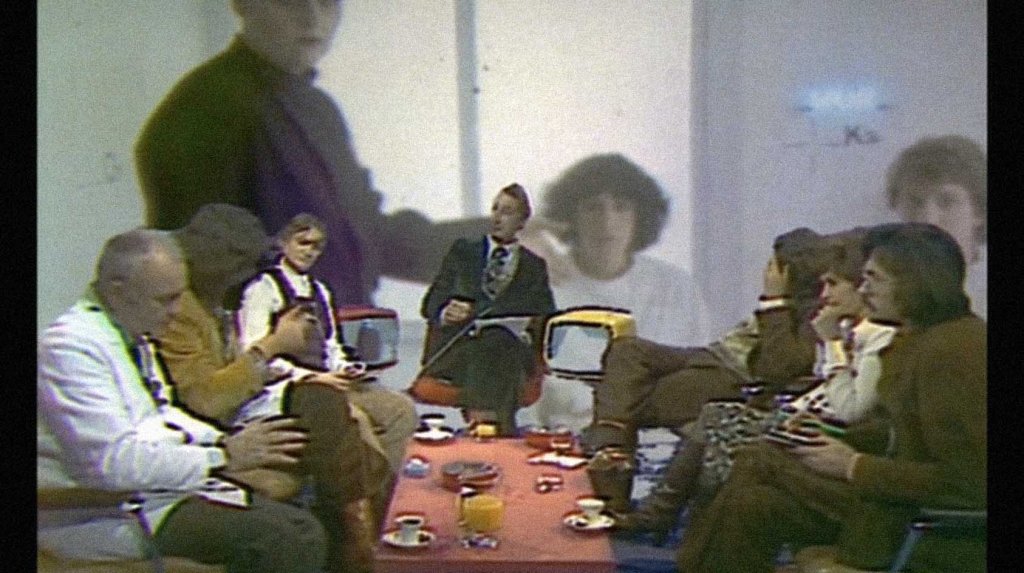

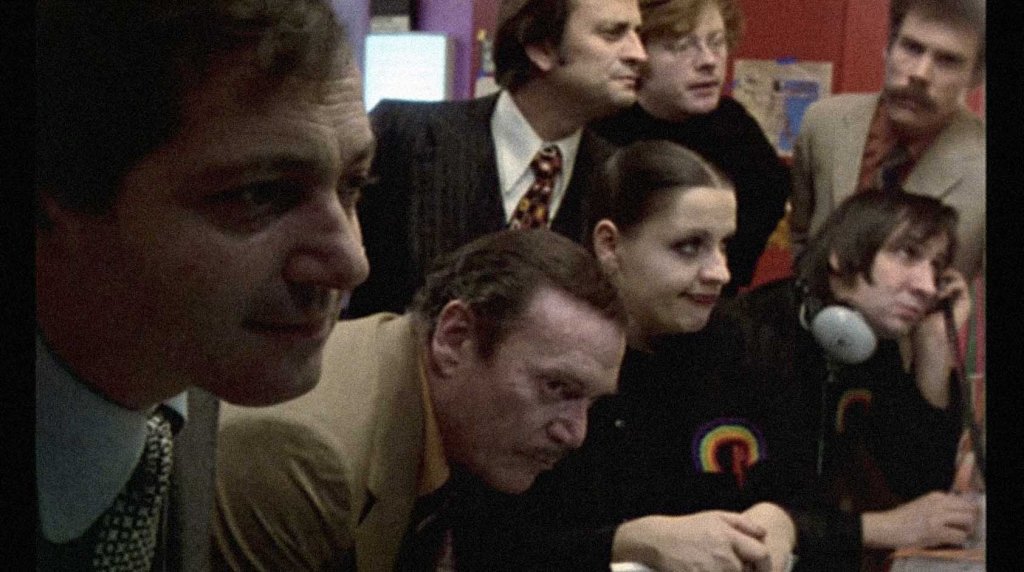
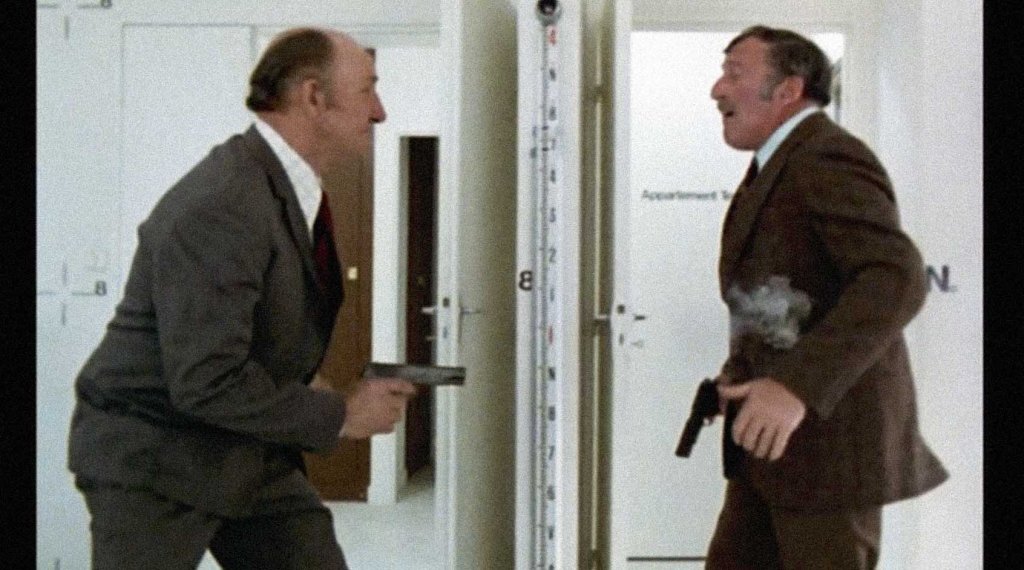
The experiment reveals more about the government’s authoritarian vision than about the couple involved. Officials aim to generate data that will “normalize” behavior, diminish individuality, and promote state-approved lifestyles. Media coverage transforms the couple into celebrities, yet their private lives are distorted into a form of propaganda. Sociologists analyze every aspect of their relationship, treating trivial disagreements as significant sociopolitical insights. The film serves as a chilling precursor to our reality in the 21st century.
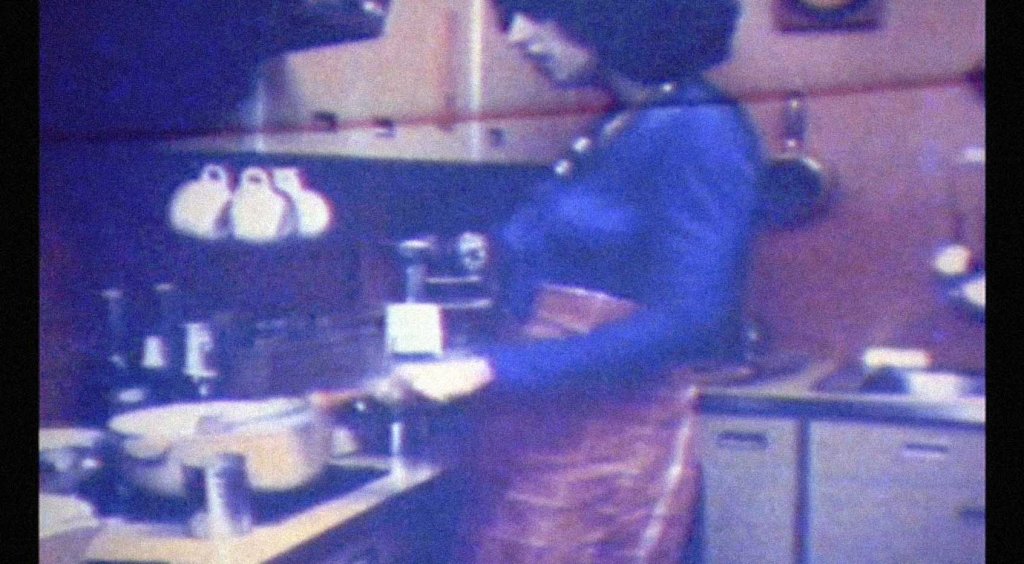
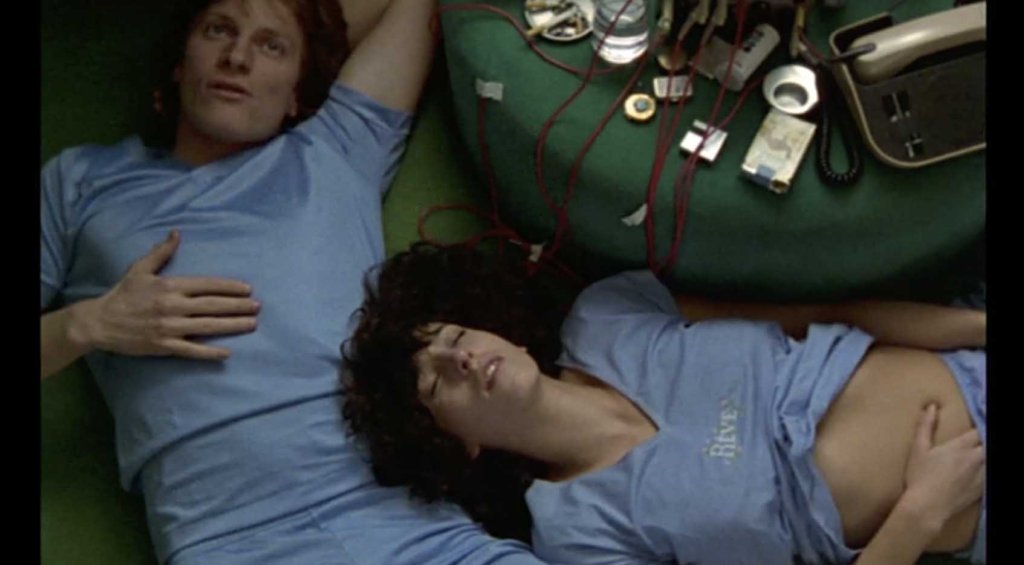
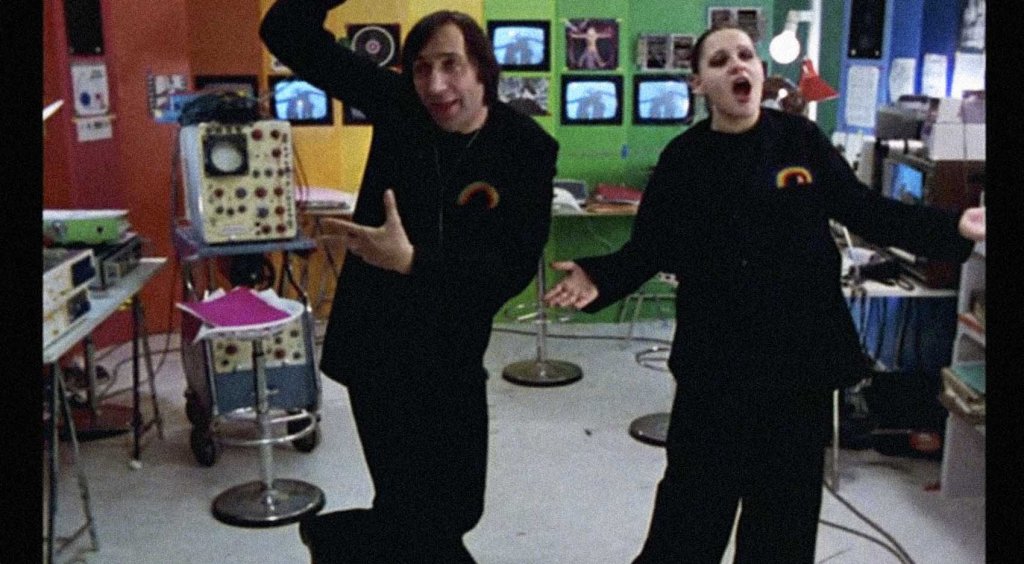
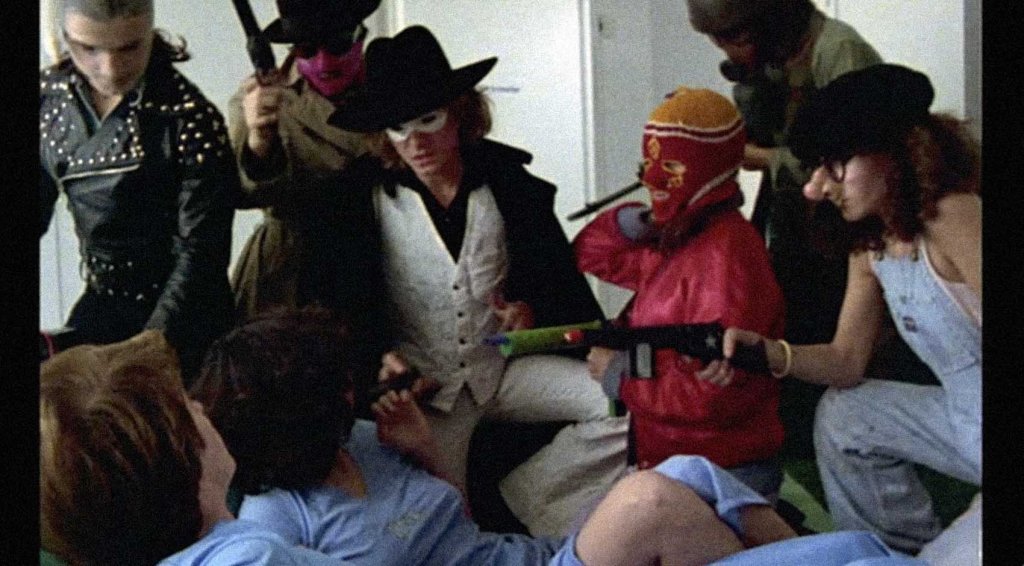
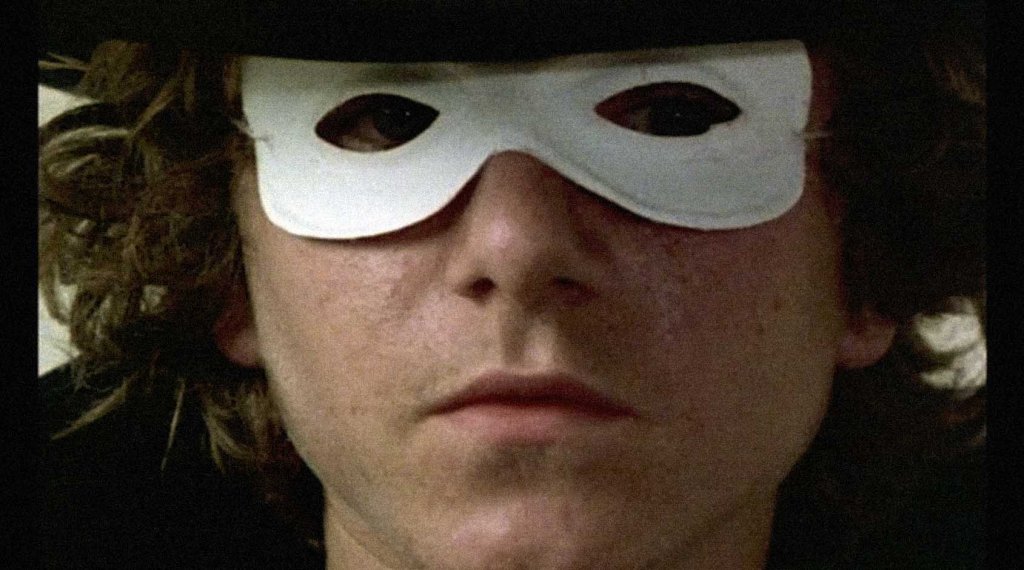
As surveillance intensifies, the couple loses their sense of intimacy and autonomy, becoming prisoners in their own home, akin to lab rats in a sterile social experiment. Claudine lashes out, challenging the absurdity of their situation. Jean-Michel, caught between compliance and rebellion, ultimately joins her in frustration. They reach a breaking point that symbolizes the failure of the government’s utopian vision for “model housing.”
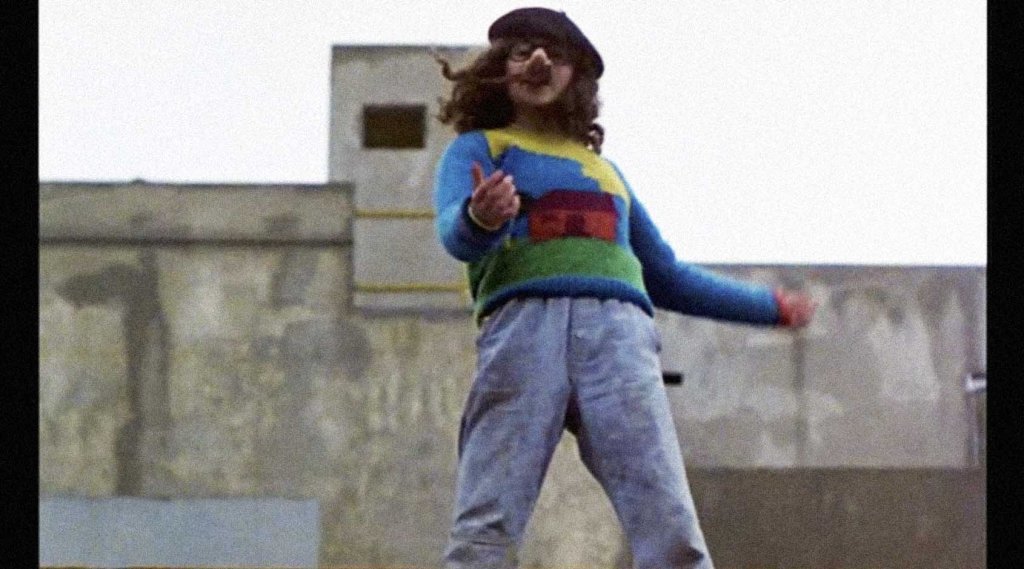

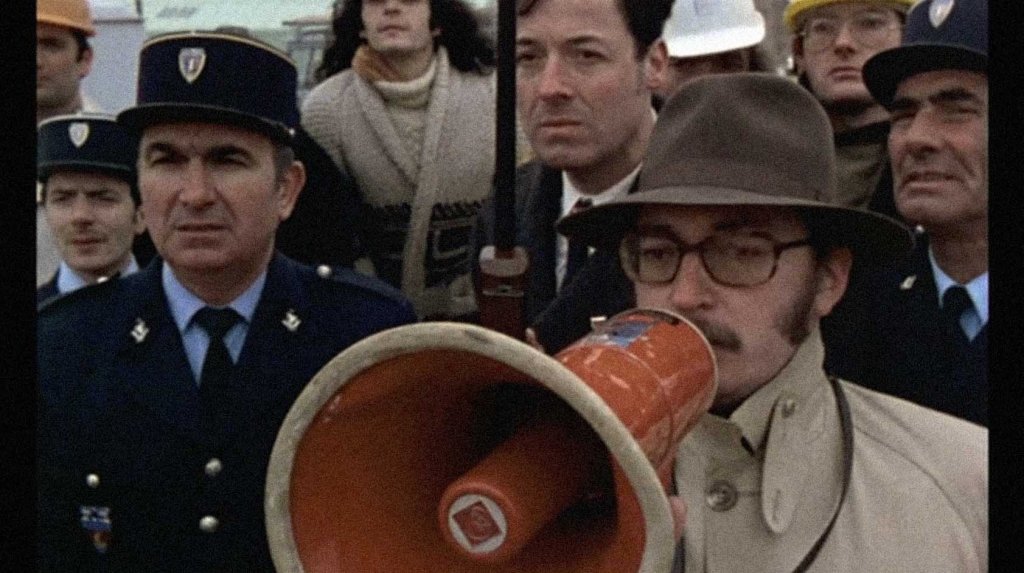
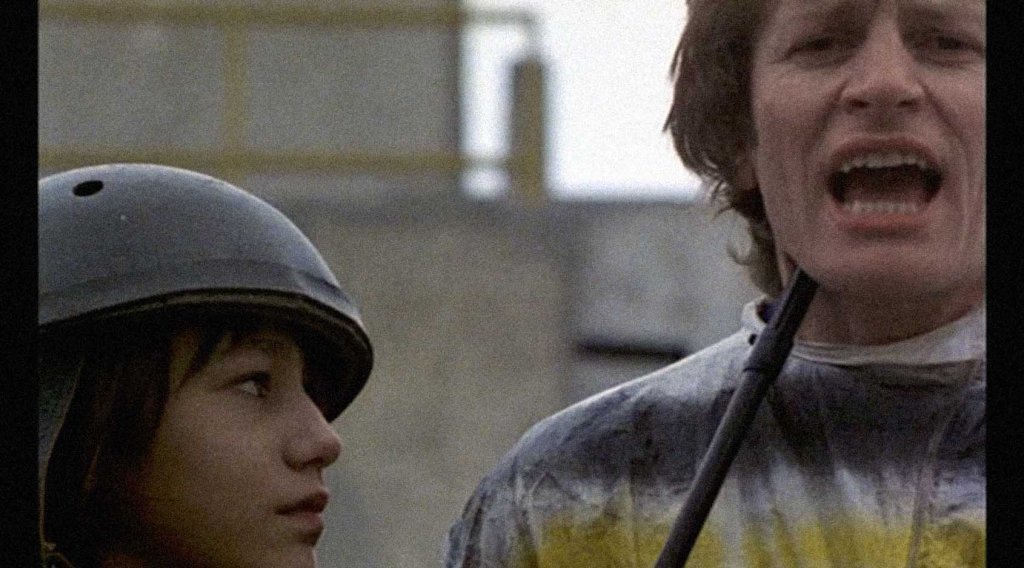
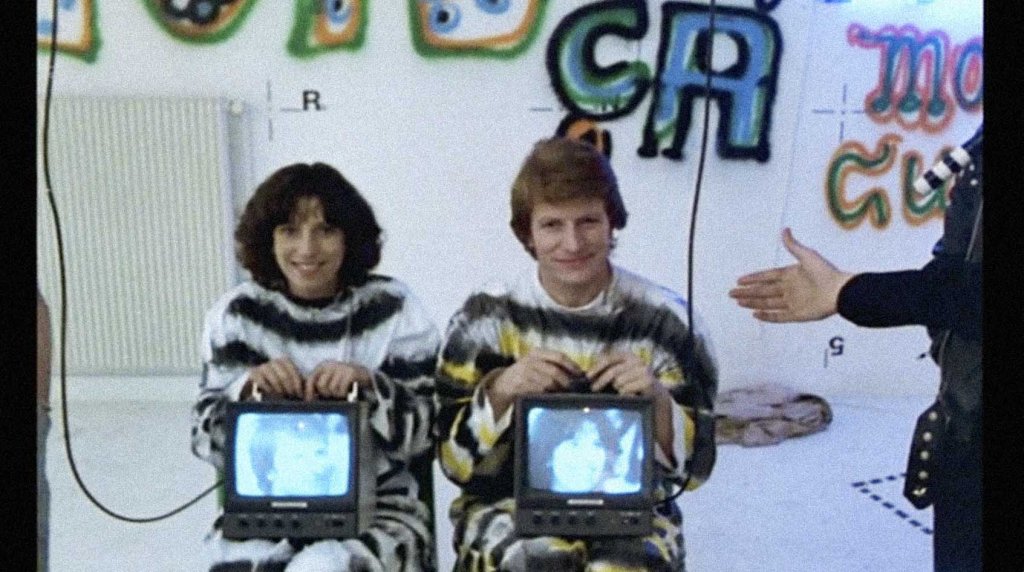
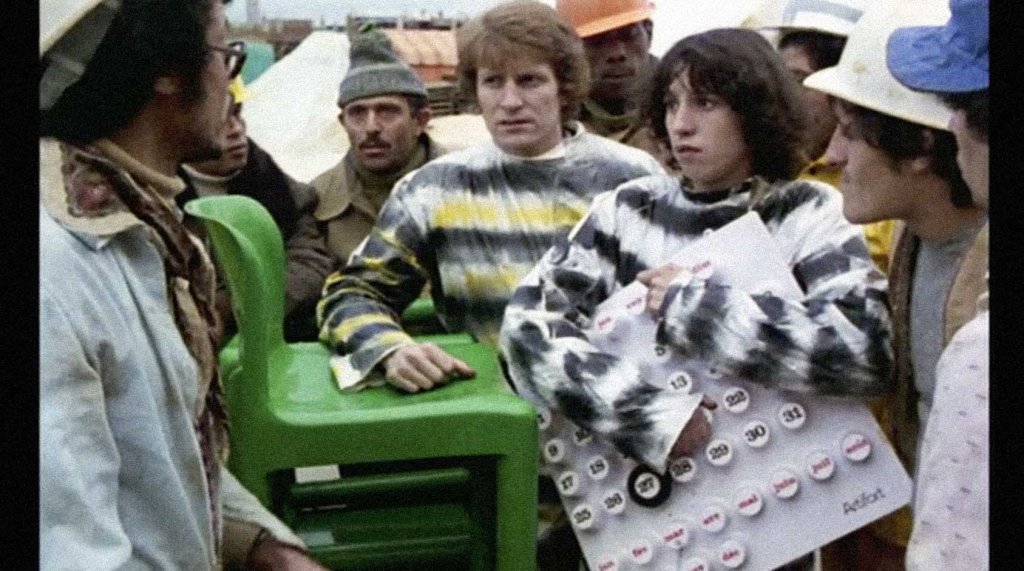
“Le Couple témoin” is both humorous and unsettling, concluding not with resolution but with disillusionment. The experiment reveals that humans cannot be reduced to mere statistics or models. Klein’s biting satire critiques consumerism, government control, and the notion of “ideal” modern living, making the film eerily relevant in today’s world of surveillance and reality television.