
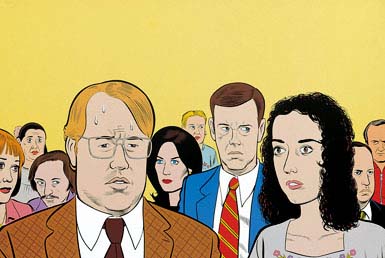
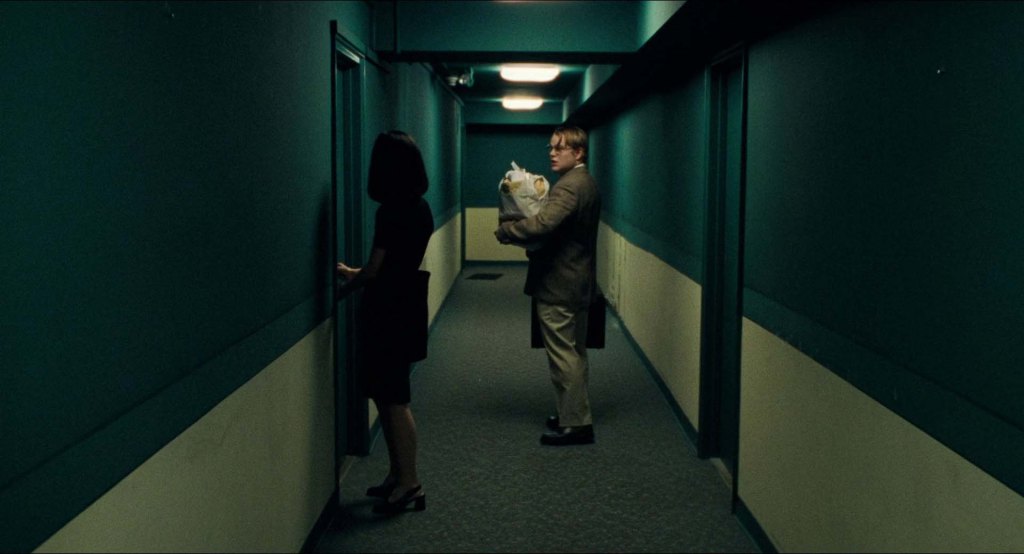
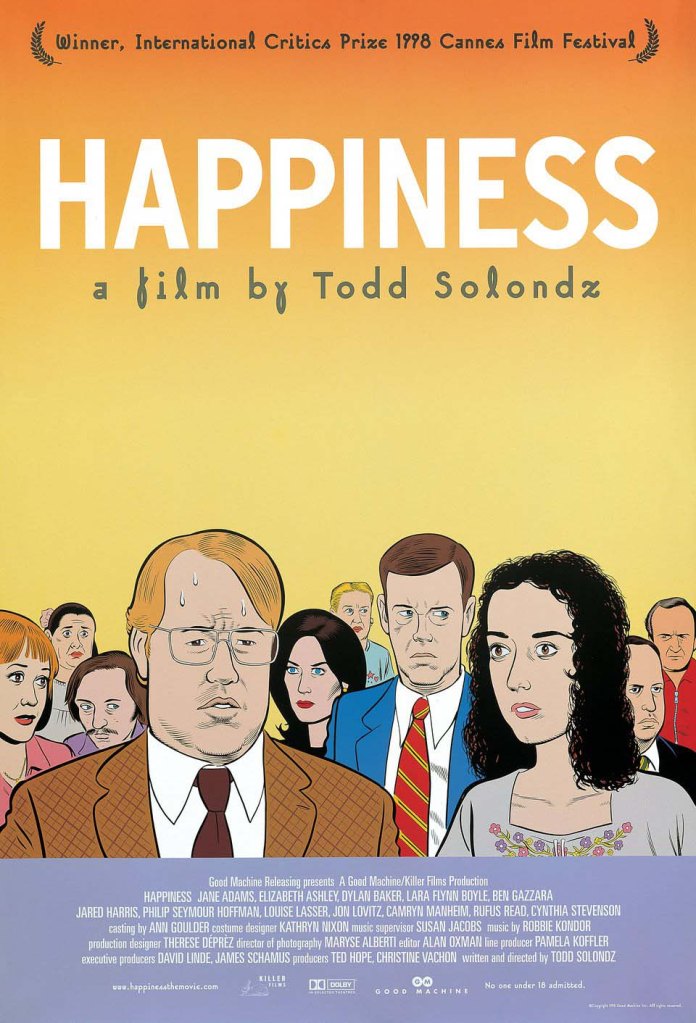
“Happiness” is a 1998 darkly comedic and deeply unsettling ensemble film written and directed by Todd Solondz (Welcome to the Dollshouse, Storytelling). It interweaves the lives of several characters from suburban New Jersey who are searching for fulfillment. The film’s tone shifts between satire, tragedy, and taboo, exploring themes of alienation, sexual frustration, family dysfunction, and moral hypocrisy. Despite its bleakness, “Happiness” finds grim humor in the contrast between the characters’ desires and their reality.


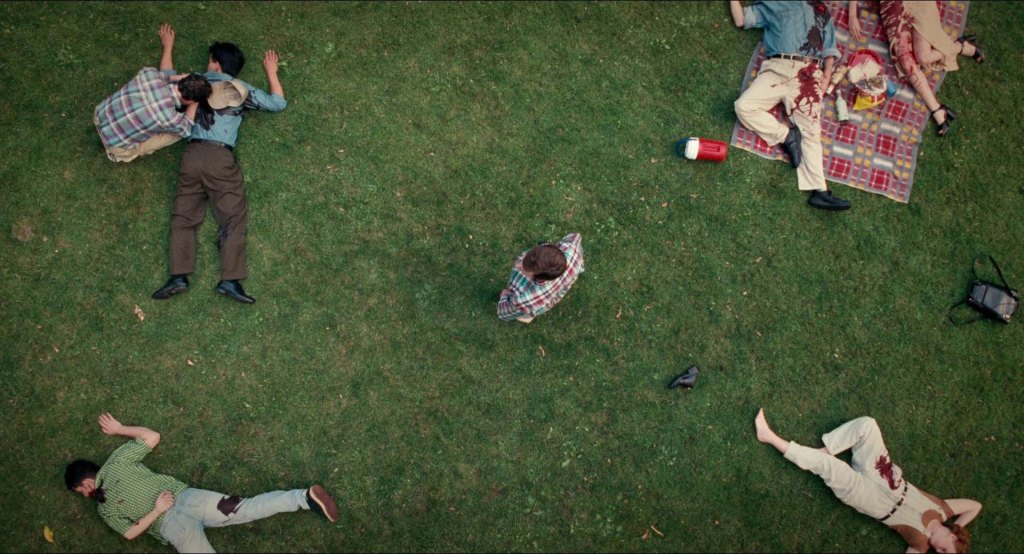
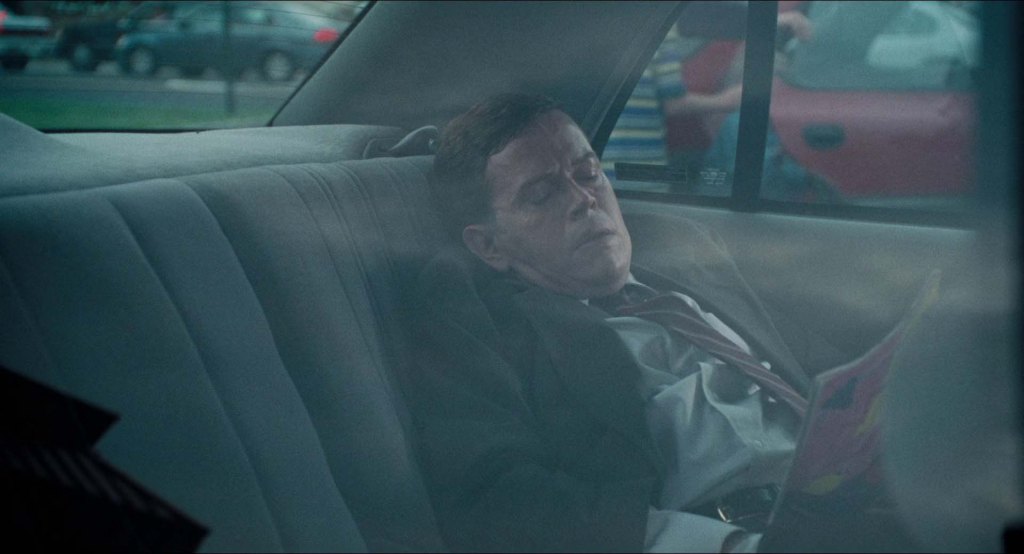
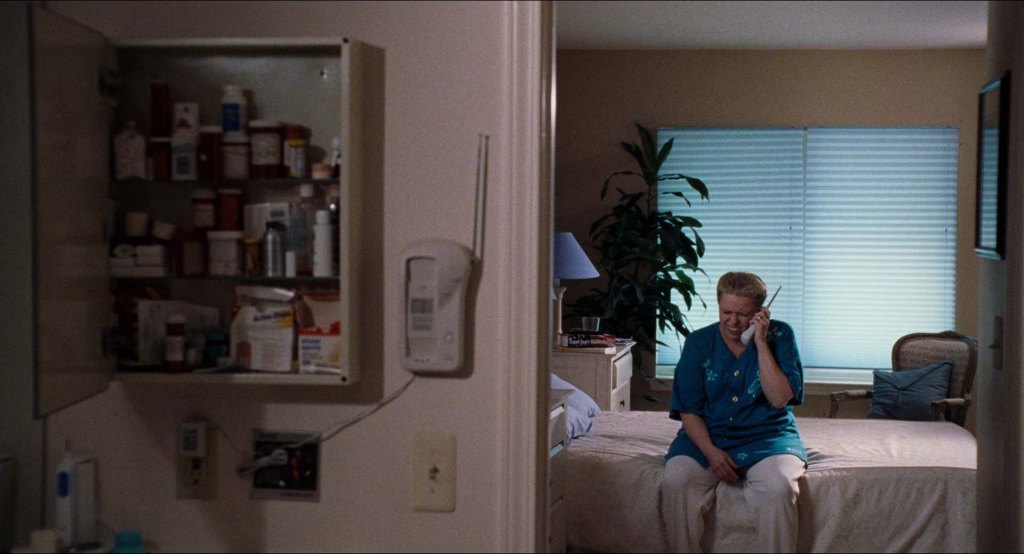
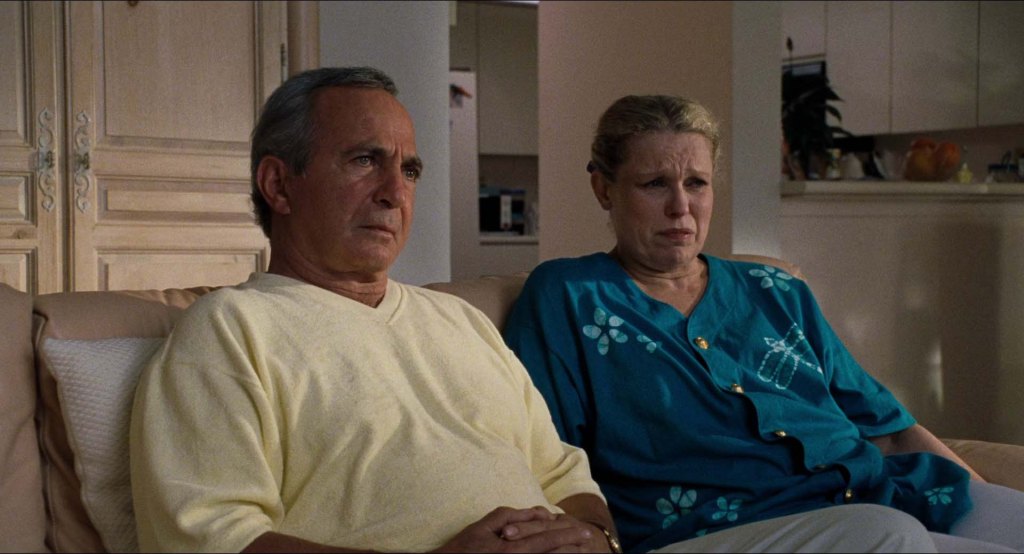
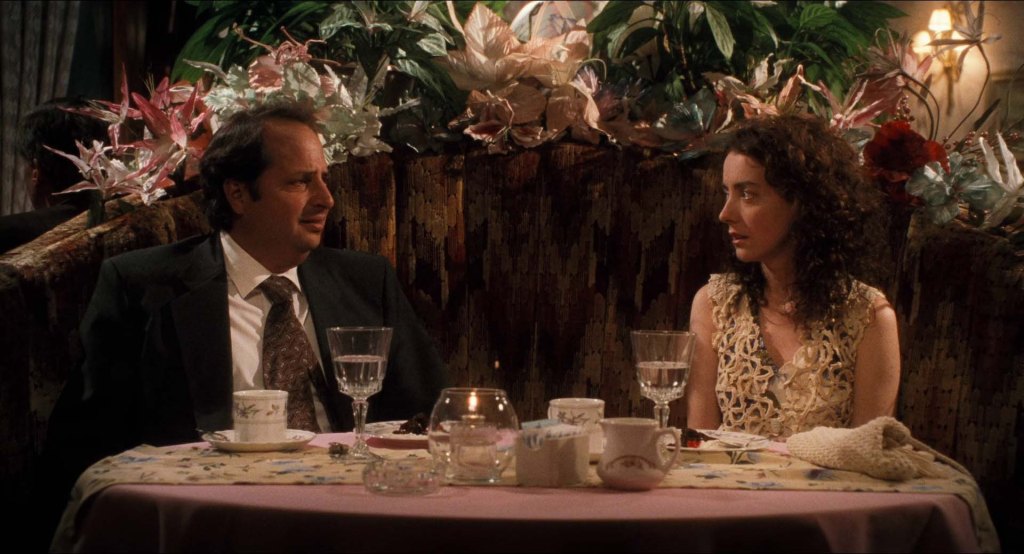
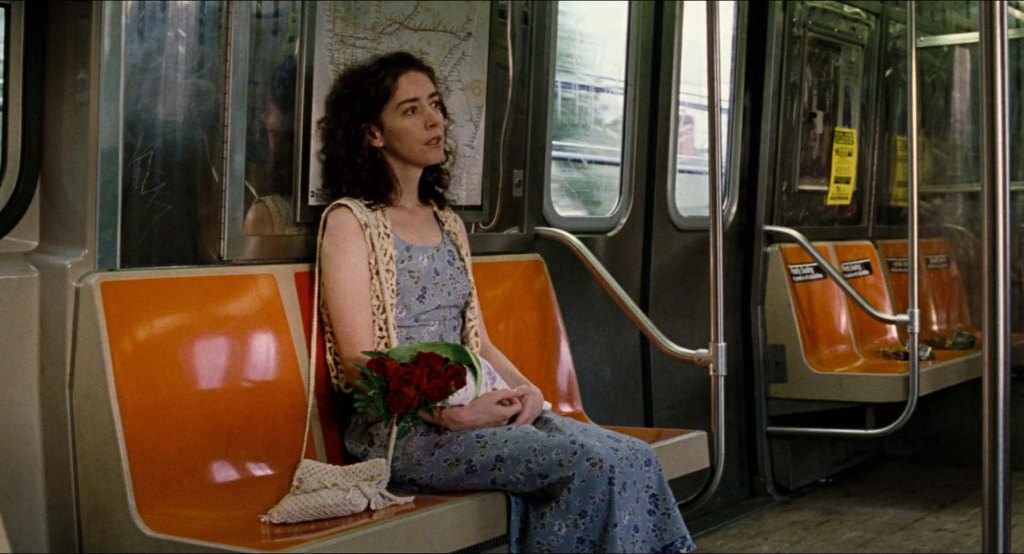
The film revolves around several main characters, particularly Joy Jordan, portrayed by Jane Adams. Joy is the youngest of three sisters and embodies the archetype of a struggling dreamer. She is a failed aspiring musician and a perpetual idealist. After a painful breakup with her bitter boyfriend, Andy (played by Jon Lovitz), who harshly tells her that she will never find happiness, Joy finds herself drifting through a series of low-paying jobs, including teaching English to immigrants.



Joy desires love but continually faces humiliation and disappointment.
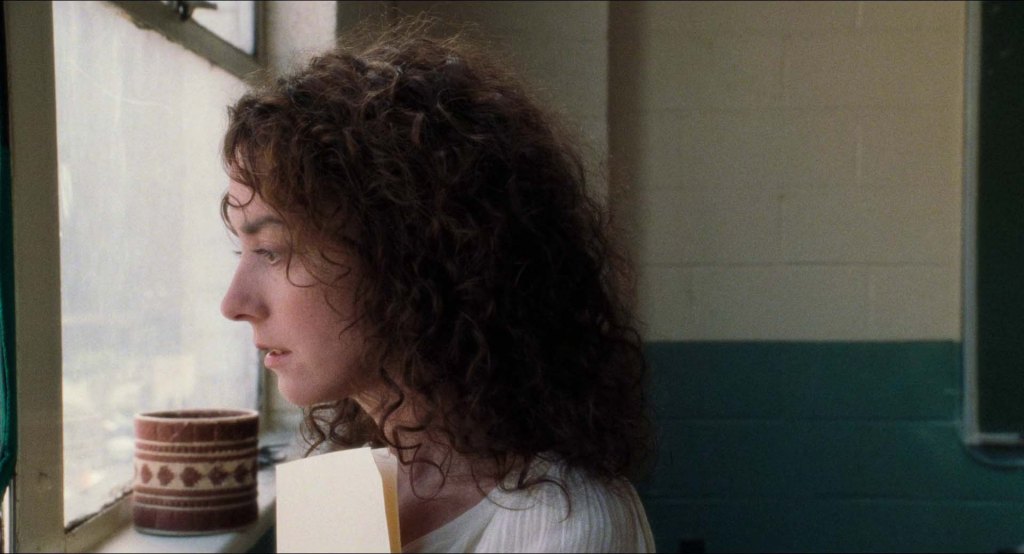


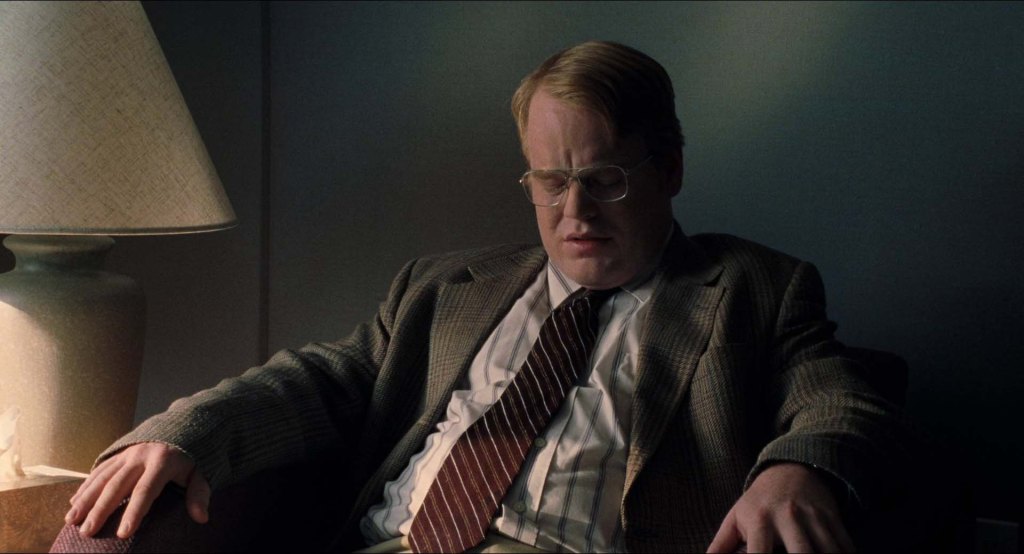
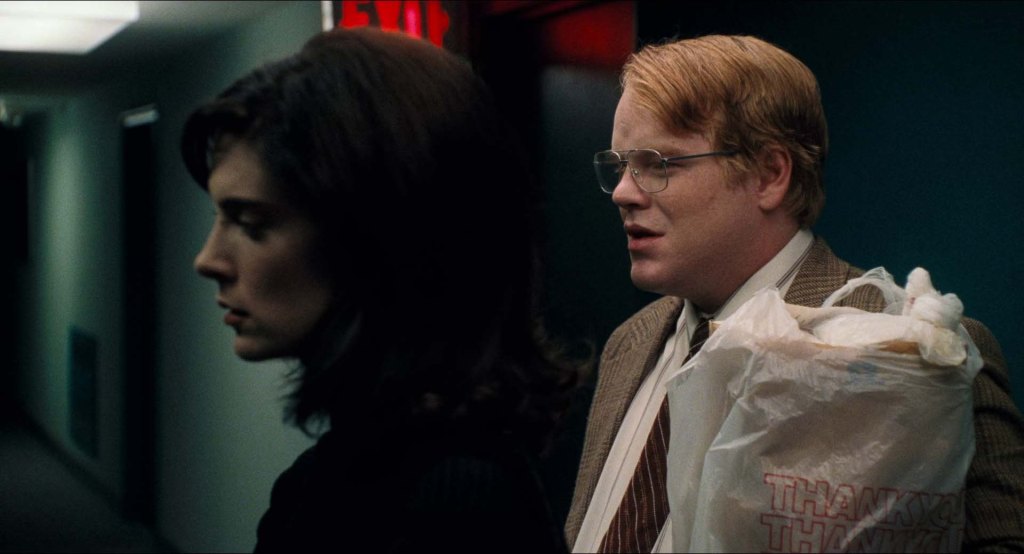
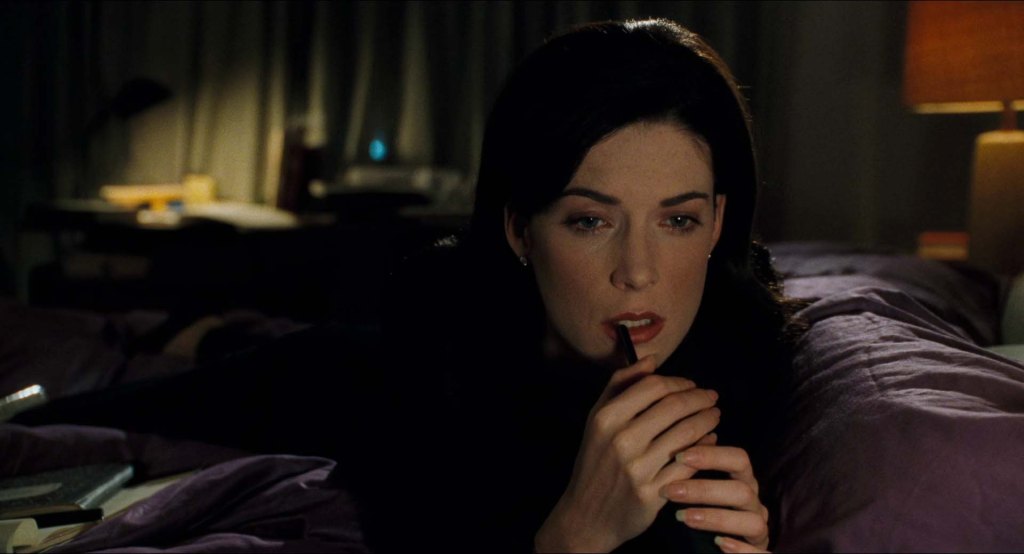
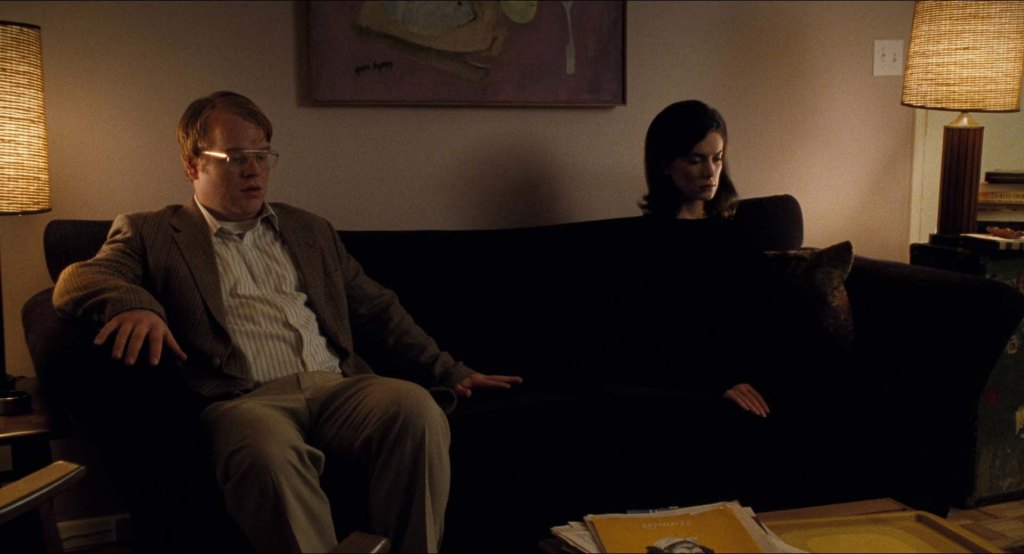
Helen Jordan. The Successful but Empty Writer. Helen (played by Lara Flynn Boyle), Joy’s sister, is a glamorous and successful author. Outwardly confident, she harbors deep insecurities and feels unfulfilled with her admirers. She embarks on a bizarre relationship with her neighbor, Allen (portrayed by Philip Seymour Hoffman), who is an obese, socially awkward loner who makes obscene phone calls to strangers. While Allen is obsessed with Helen, she only engages with him to alleviate her own boredom and feelings of self-loathing.
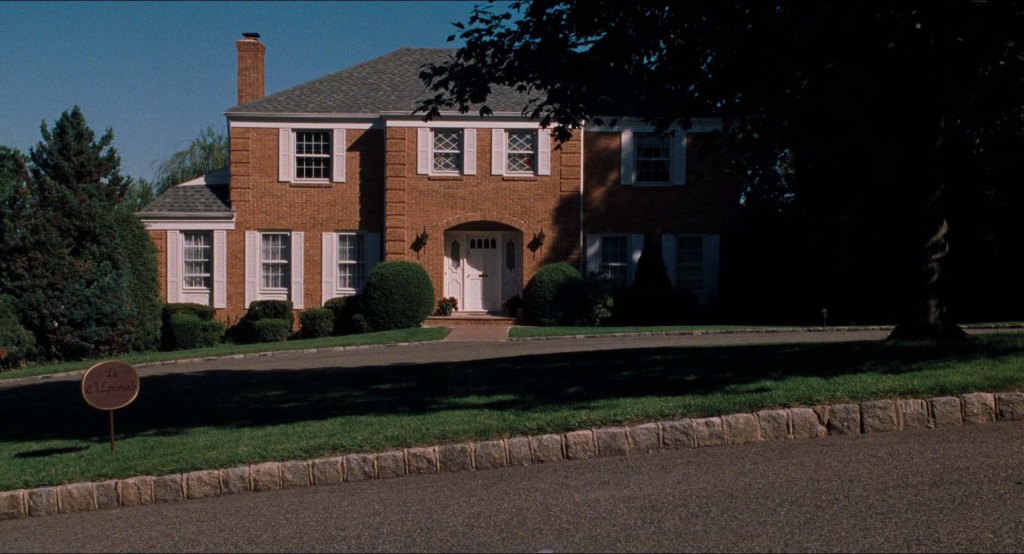

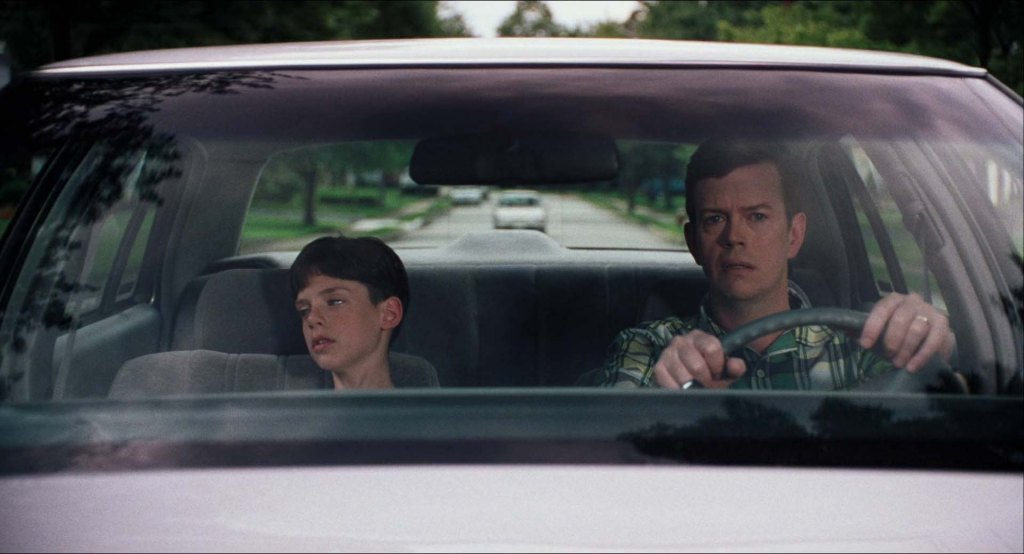
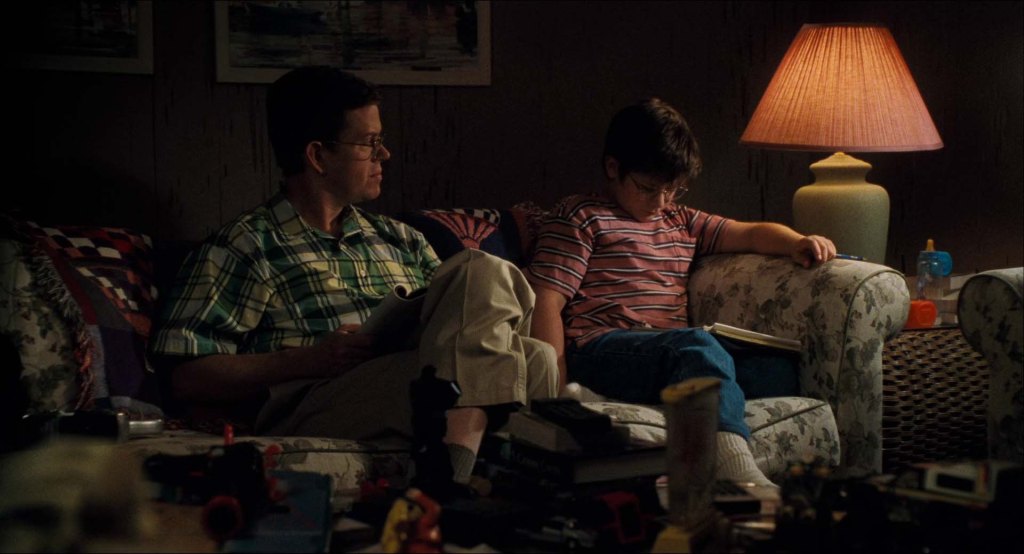


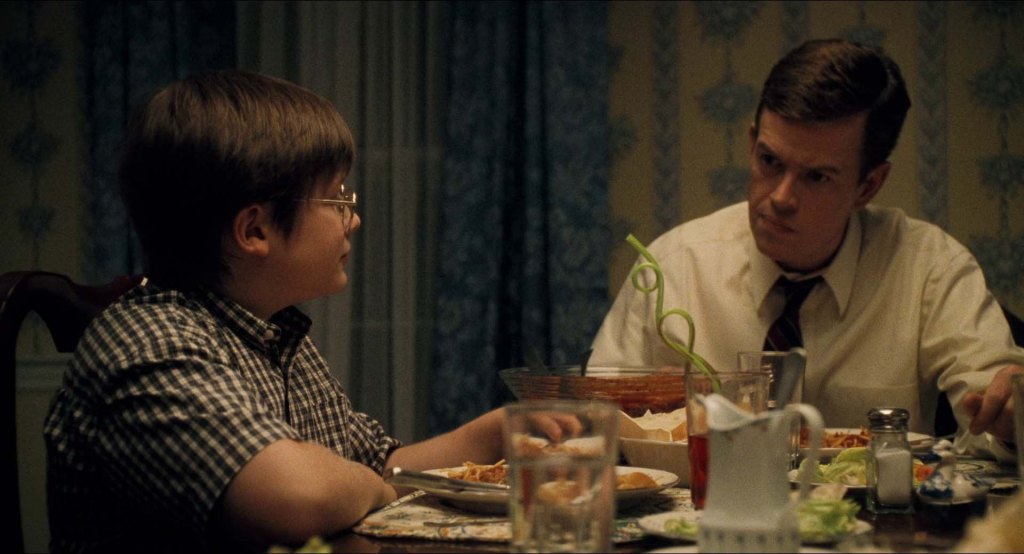
Trish Maplewood. The “Perfect” Suburban Wife. Trish (played by Cynthia Stevenson), the eldest Jordan sister, lives in suburban New Jersey with her husband, Bill (played by Dylan Baker), and their three children. Trish appears cheerful, devoted, and seemingly fulfilled — embodying the model wife and mother. However, beneath this polished exterior, her marriage conceals a horrifying secret.

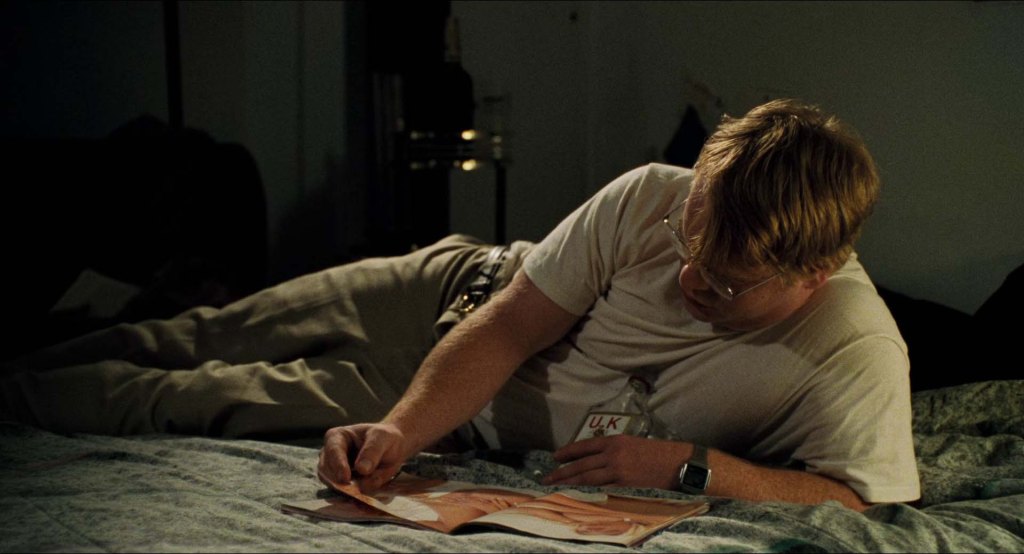
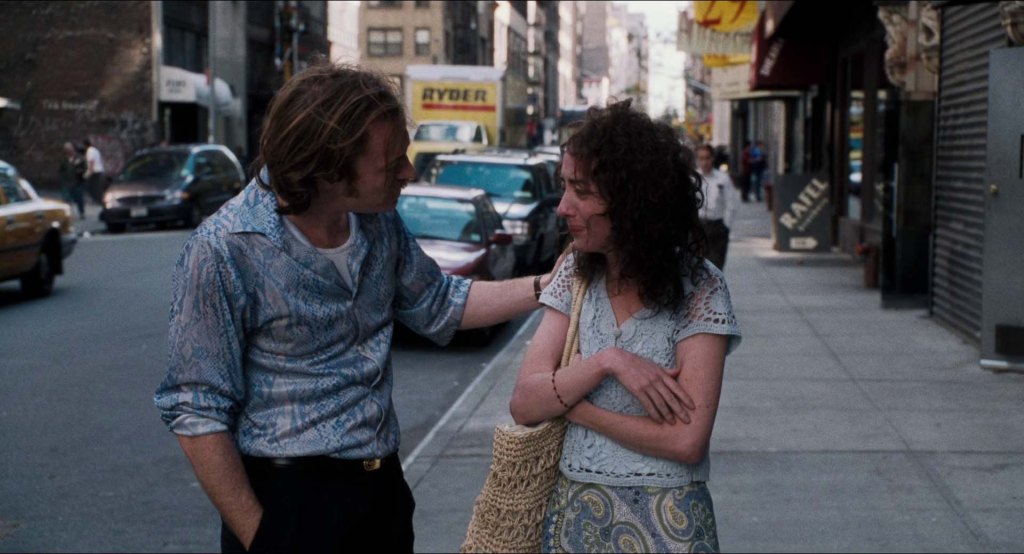
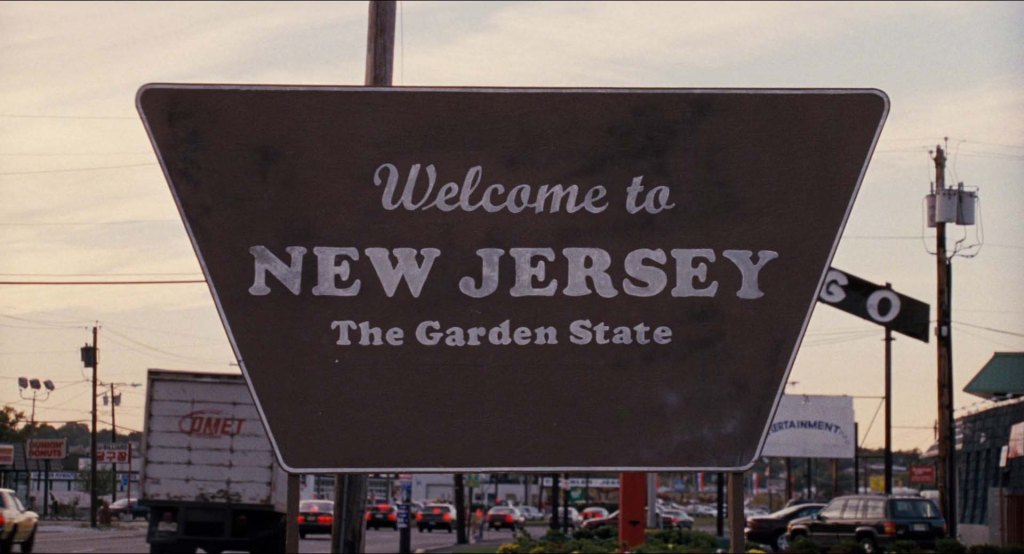
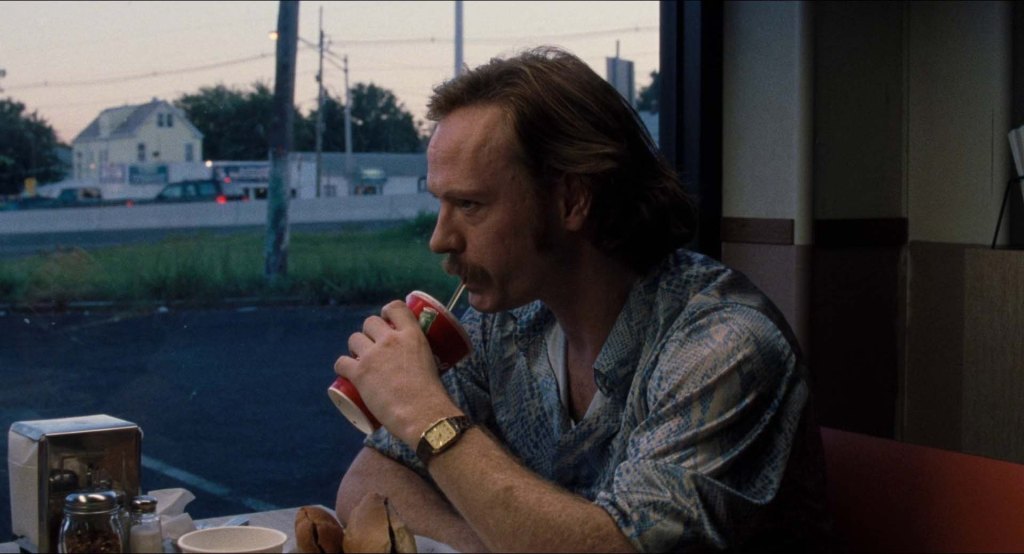

Bill Maplewood. The Respectable Monster, Bill, is a psychiatrist who is respected by his peers and loved by his family. However, he struggles privately with pedophilic urges. D ring sleepovers, he grooms and drugs his son’s classmates, ultimately assaulting two boys. Despite his horrific actions, Solondz paints Bill as disturbingly ordinary—a family man whose crimes exist alongside the normal rhythms of suburban life.

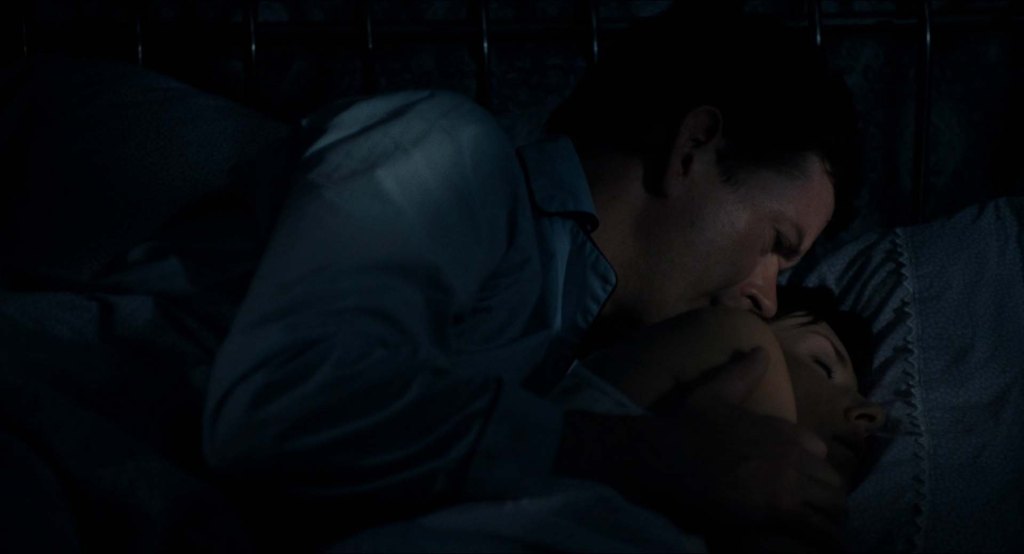
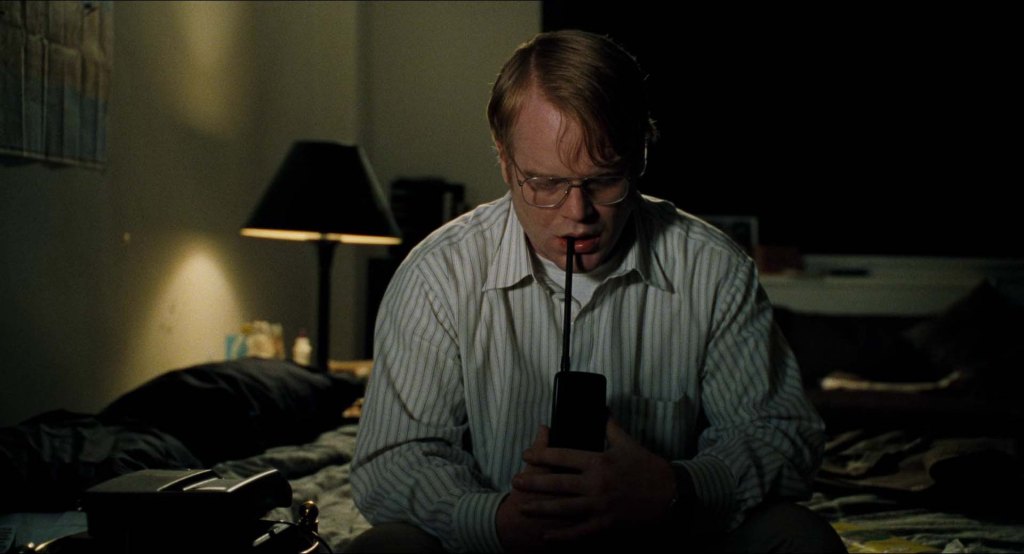
In another storyline, we meet Allen and Kristina, played by Camryn Manheim. A len is consumed by self-hatred and sexual frustration, leading him to make obscene phone calls at night. His lonely neighbor, Kristina, an overweight and isolated woman, senses his secret and reaches out to him.

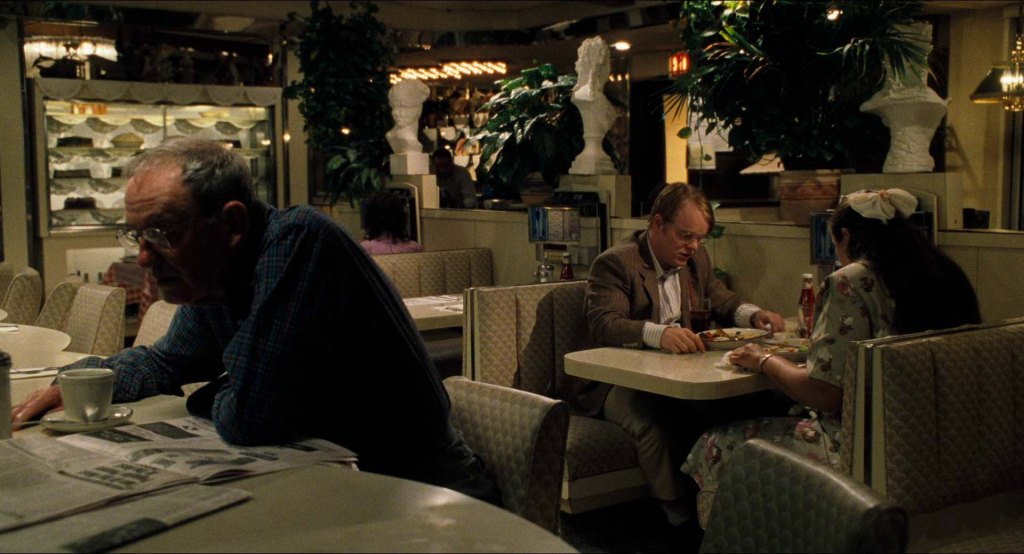
In a rare moment of intimacy, she confesses that she once murdered a man. This unsettling bond suggests a companionship between two deeply damaged individuals. The Jordan parents, Mona (Louise Lasser) and Lenny (Ben Gazzara), represent another form of despair.


After decades of marriage, Lenny asks for a divorce—not for another woman, but because he simply feels nothing. Mona spirals into neurotic dependence, unable to accept a life without him.
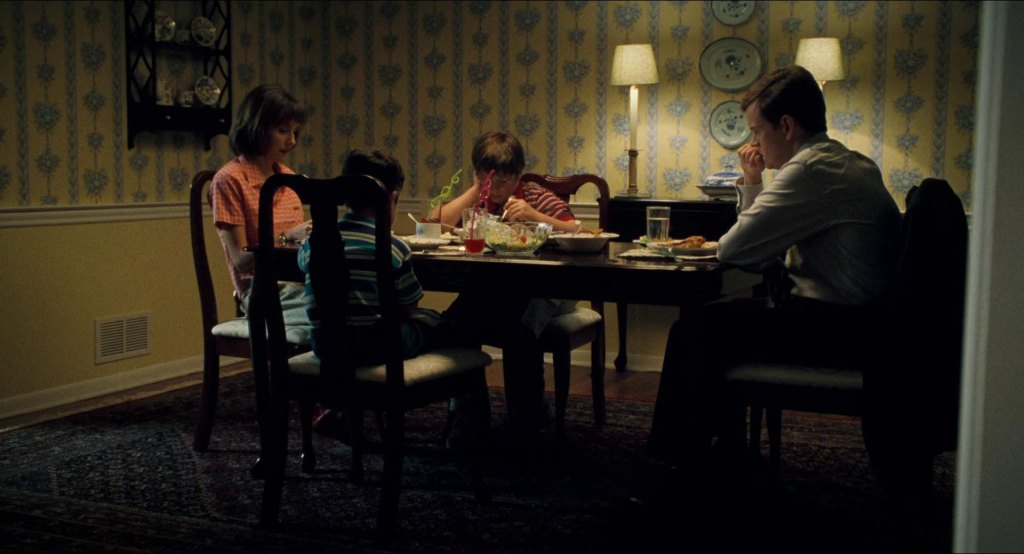
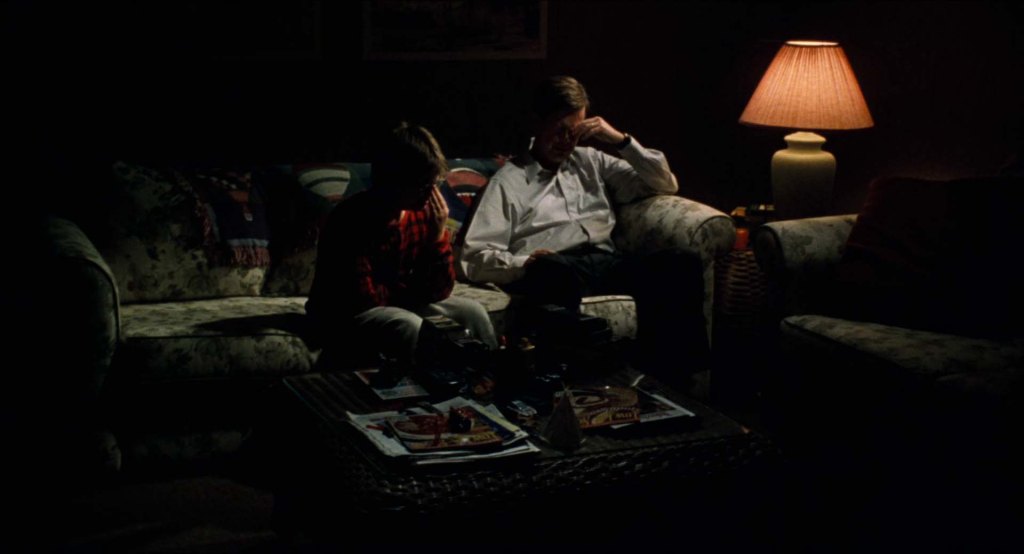



As we navigate through each other’s lives, Bill is eventually arrested for his assaults, but not before confessing to his son, Timmy (Justin Elvin), in one of the film’s most disturbing yet emotionally impactful scenes. Trish is devastated, forced to reconcile her image of domestic bliss with her husband’s crimes. Helen continues to experience a series of hollow relationships, Joy faces increasing disillusionment, and Allen retreats into his loneliness, despite Kristina’s attempts to connect with him. The film concludes with Billy Maplewood, on the verge of puberty, eager to “experience” sexual release. After a humiliating attempt, he finally finds success in masturbation and triumphantly exclaims, “I came!” His declaration — innocent yet grotesque — encapsulates Solondz’s theme: the pursuit of happiness is awkward, messy, and often distorted, but it remains a universal drive for humanity.

“Happiness” shocked audiences upon its release with its bold portrayal of taboo subjects. Critics, however, hailed it as daring and thought-provoking. The film is both grotesque and compassionate, reflecting the contradictions of modern life. While everyone pursues happiness, few manage to find it in healthy, enduring ways.
 The Other Cinema