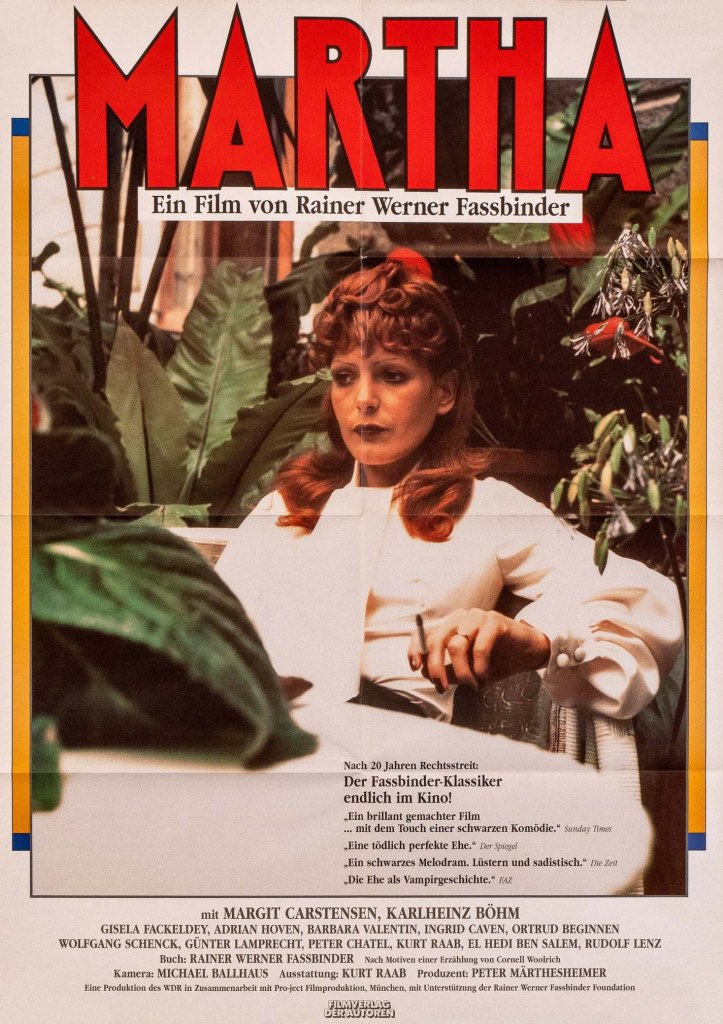
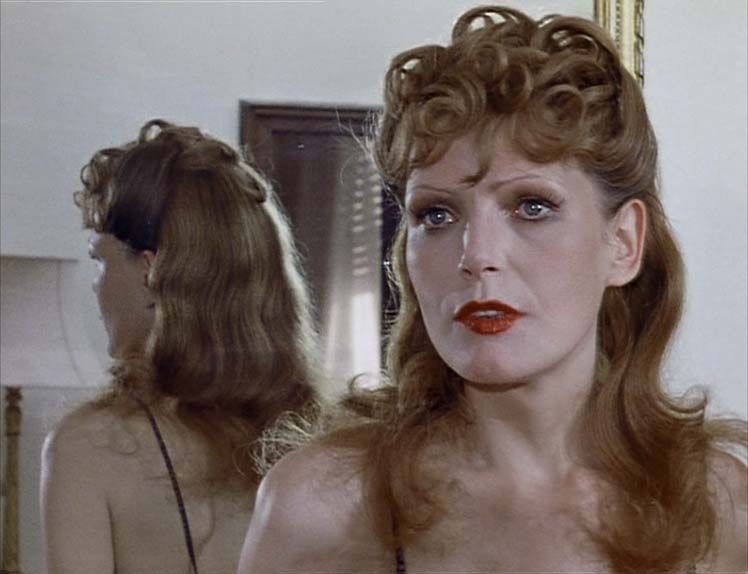

“Martha” is a 1974 made-for-television film written and directed by Rainer Werner Fassbinder. It stars Margit Carstensen as Martha Heyer, Karlheinz Böhm as Helmut Salomon, Gisela Fackeldey as Martha’s mother, and Adrian Hoven as Martha’s father.

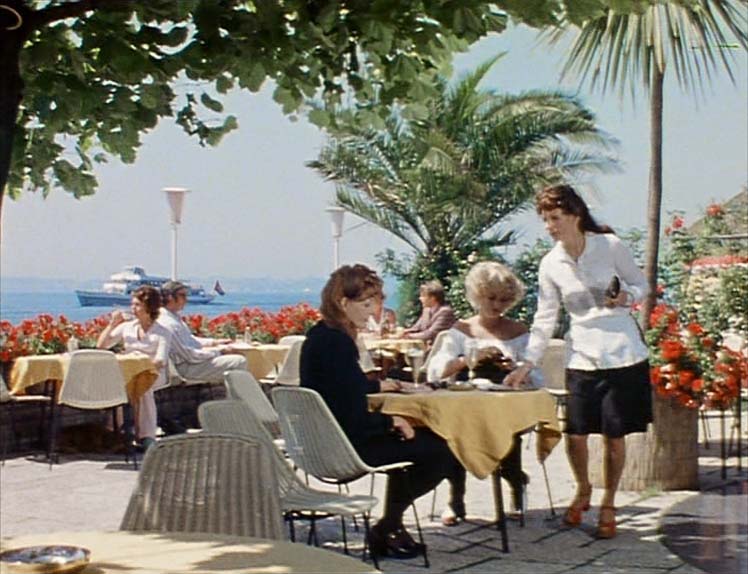
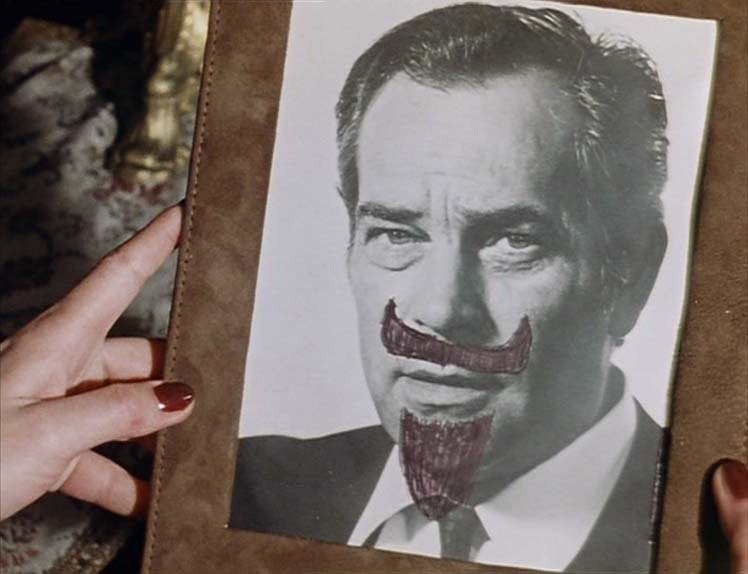
Rainer Werner Fassbinder was a prominent figure in the New German Cinema, known for his films such as “The Bitter Tears of Petra von Kant”, “Ali: Fear Eats the Soul”, and “Chinese Roulette”. His distinctive style blends melodrama with harsh social critique, examining themes like marriage, power, and the constrictive roles assigned to women in postwar West Germany. The story follows a young librarian who, after her father’s sudden death, becomes trapped in a toxic marriage with a sadistic husband. His psychological and physical domination ultimately destroys her independence.
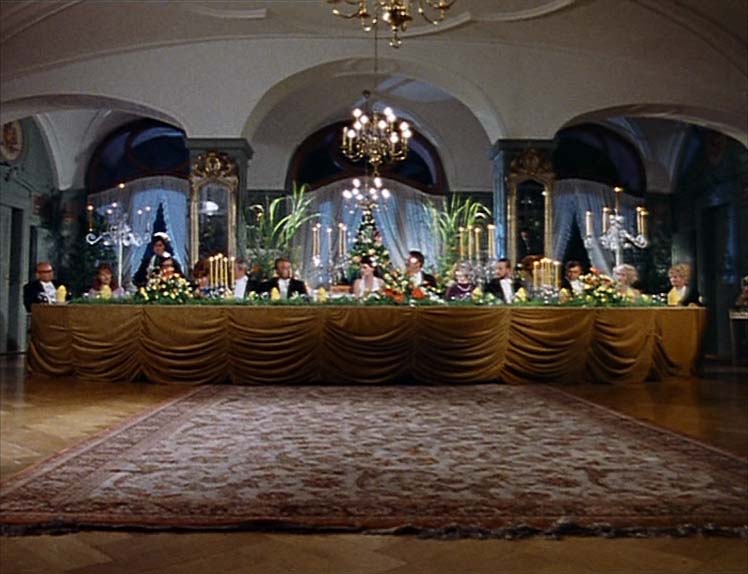
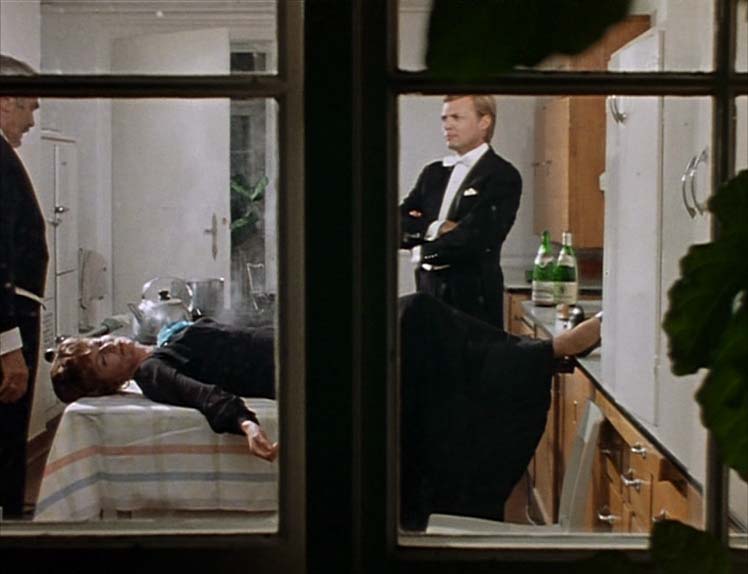
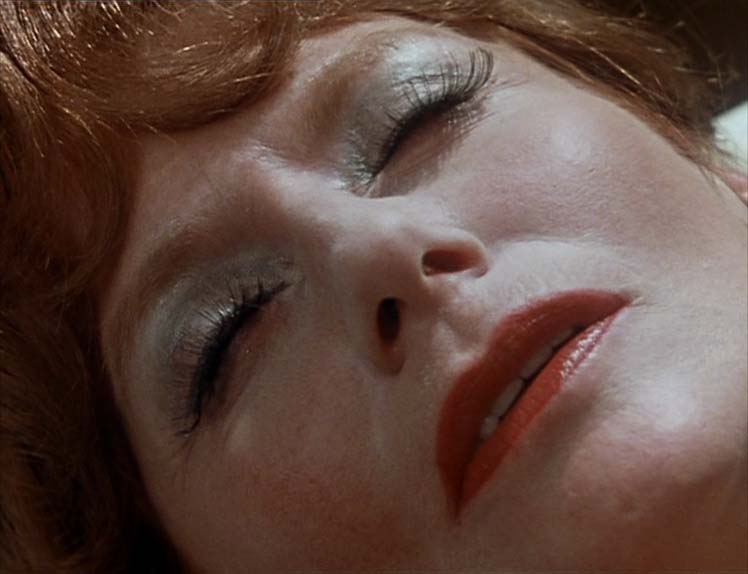

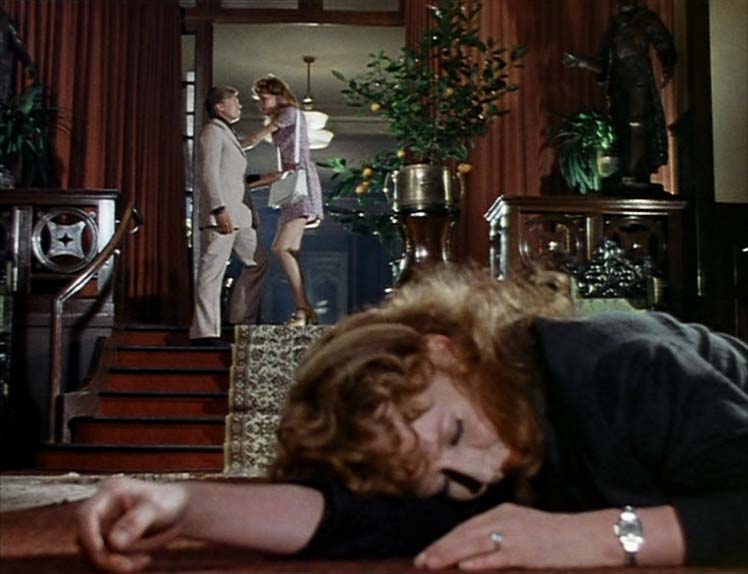

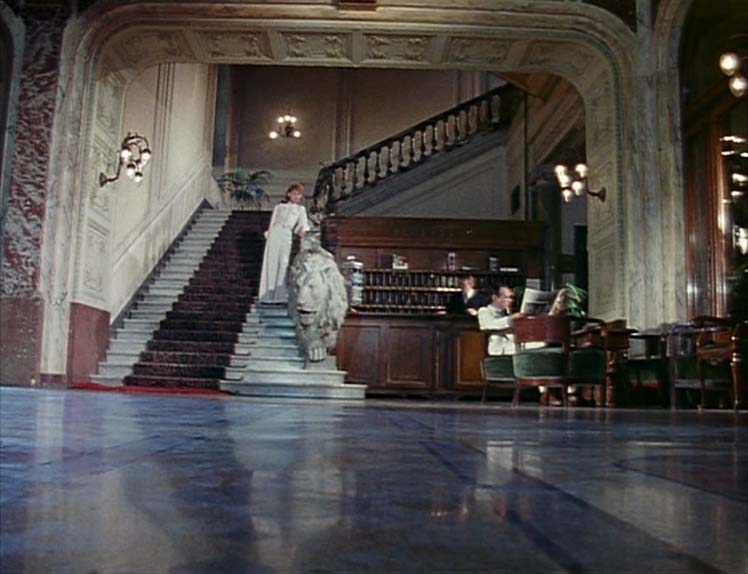
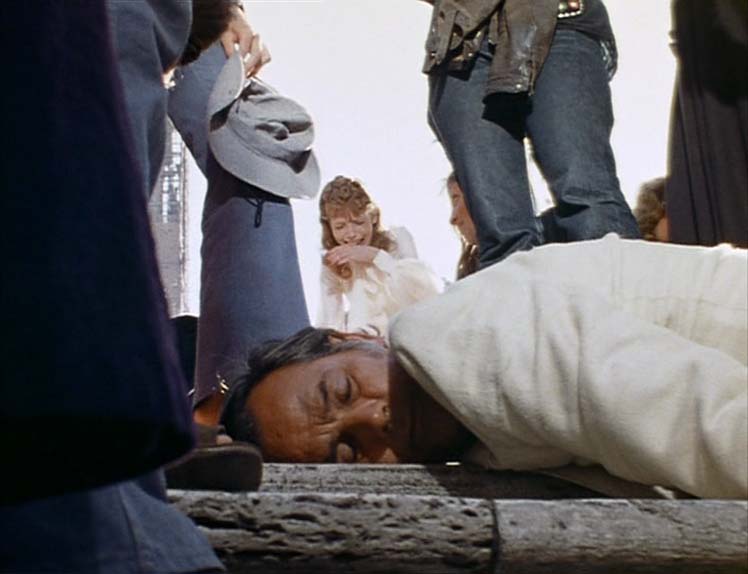
The film begins with Martha Heyer (played by Margit Carstensen), a sheltered, innocent woman in her early 30s, on a trip to Rome with her overbearing father. While they are at the Spanish Steps, her father suddenly collapses and dies from a heart attack. This leaves Martha both liberated and devastated. When she informs her mother of the news, the response is cold and pragmatic, which sets a tone for Martha’s life among emotionally repressive individuals.

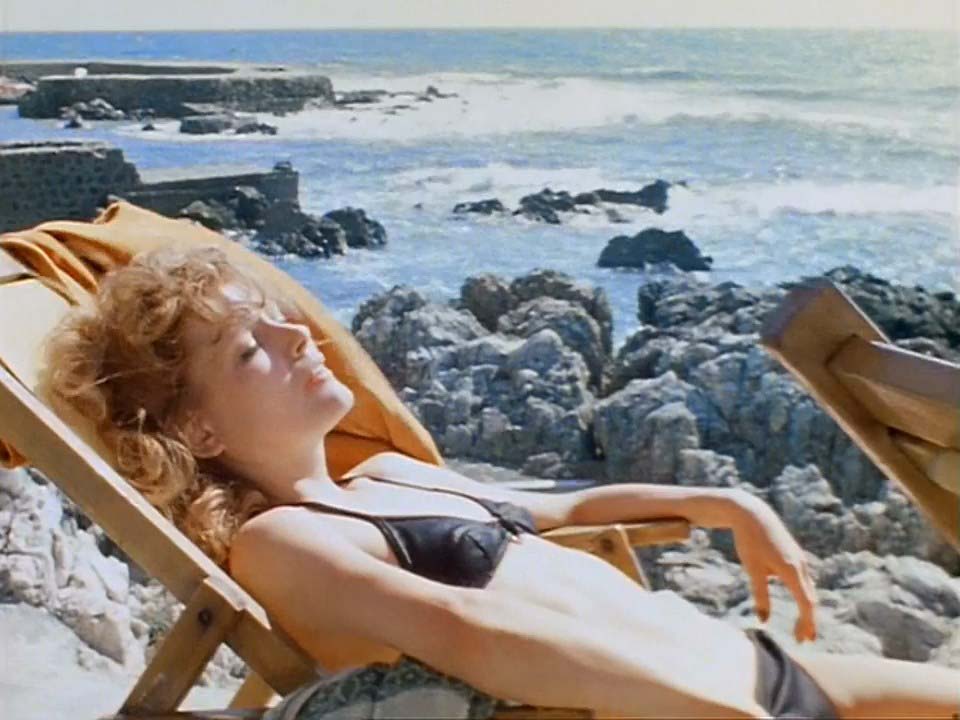

Shortly after returning to Germany, Martha meets Helmut Salomon (played by Karlheinz Böhm), a wealthy and aristocratic engineer. Their first encounter feels fated: as she walks down the street, he drives by in his car, and they share a long, unsettling gaze.

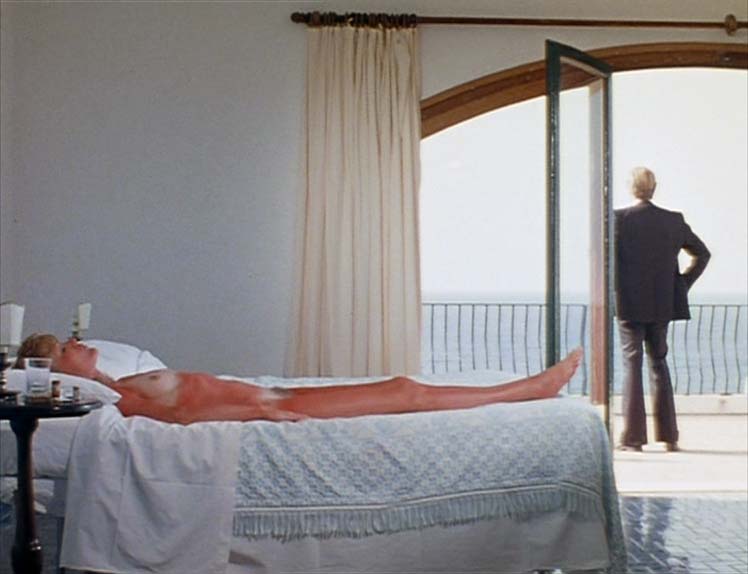
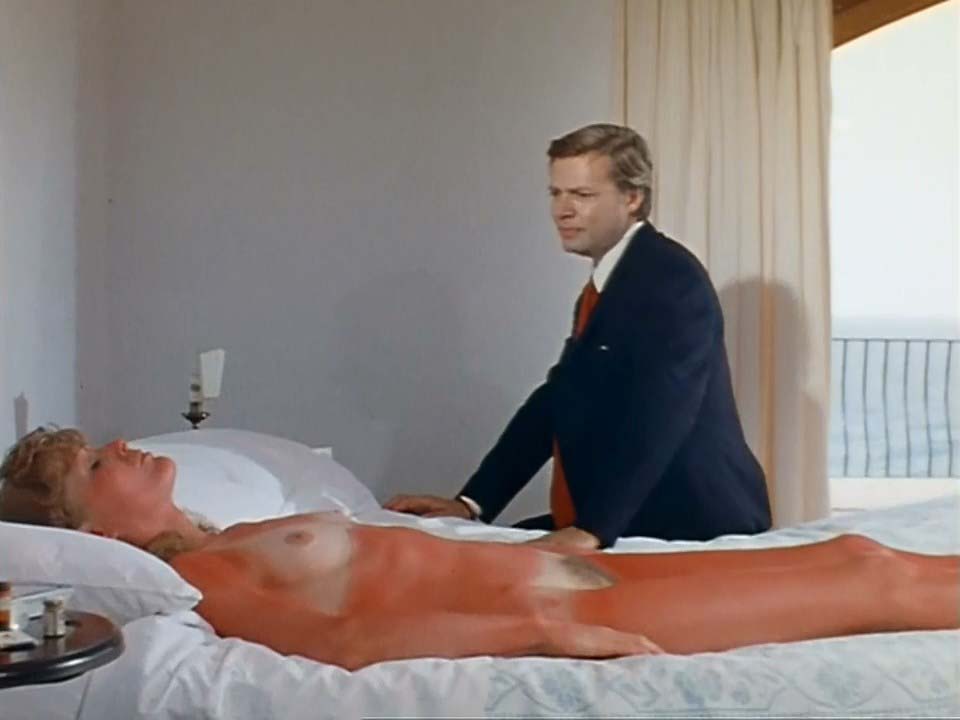
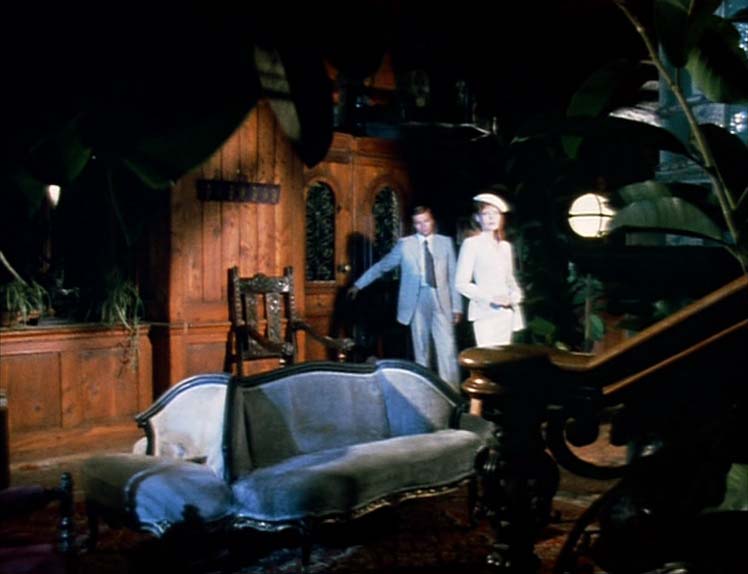
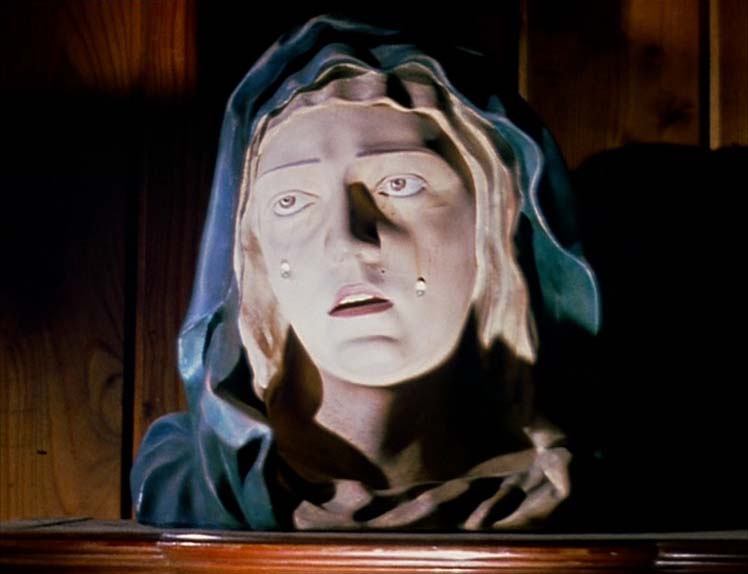

Helmut pursues Martha, but his interest is more predatory than romantic. Despite his rigid manners and authoritarian demeanor, Martha finds herself drawn to him, mistakenly interpreting his dominance as passion.
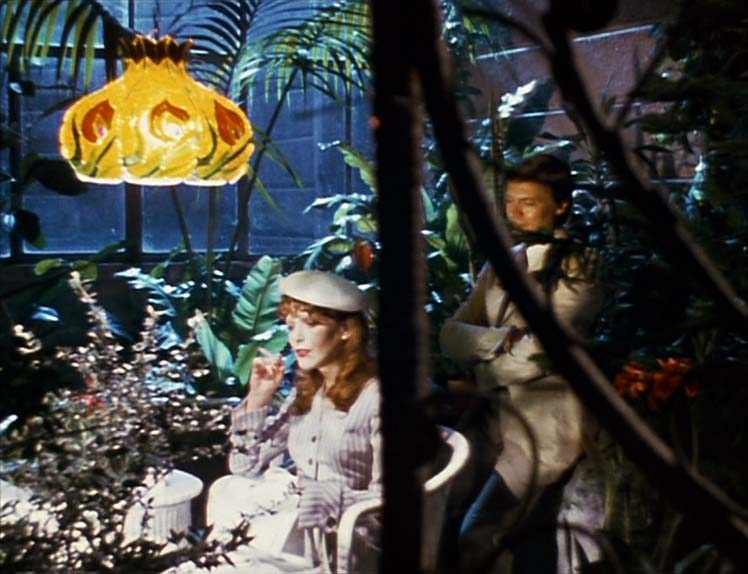
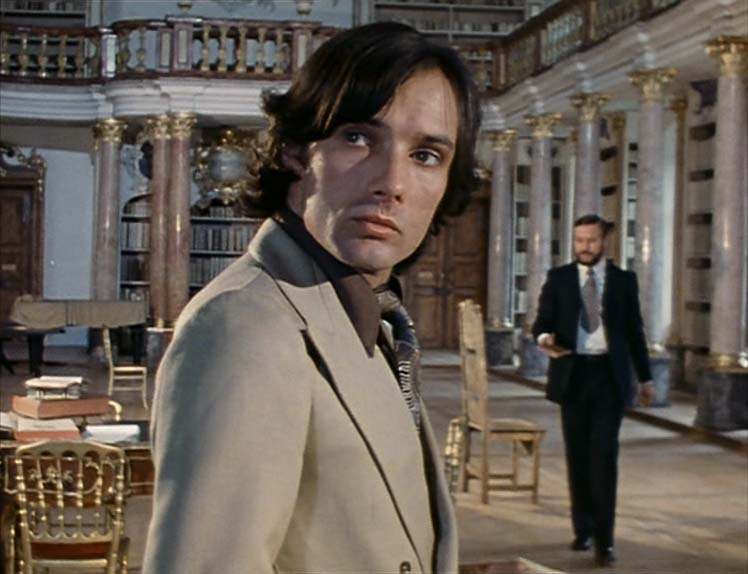
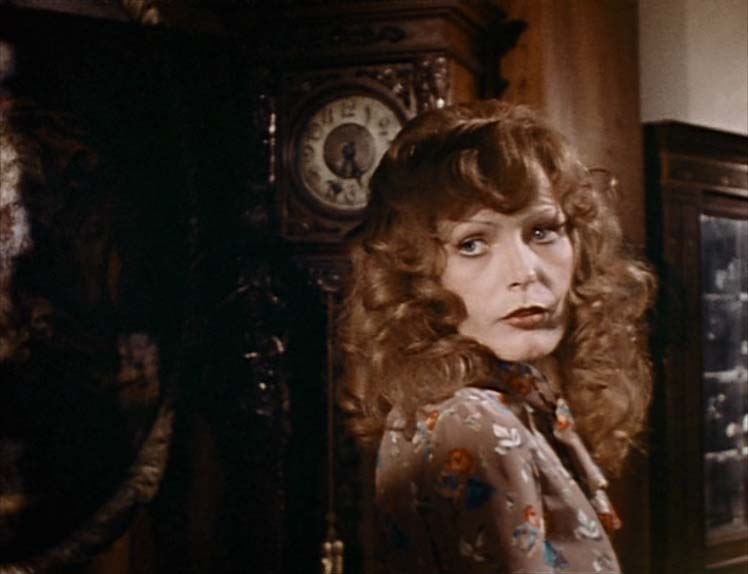
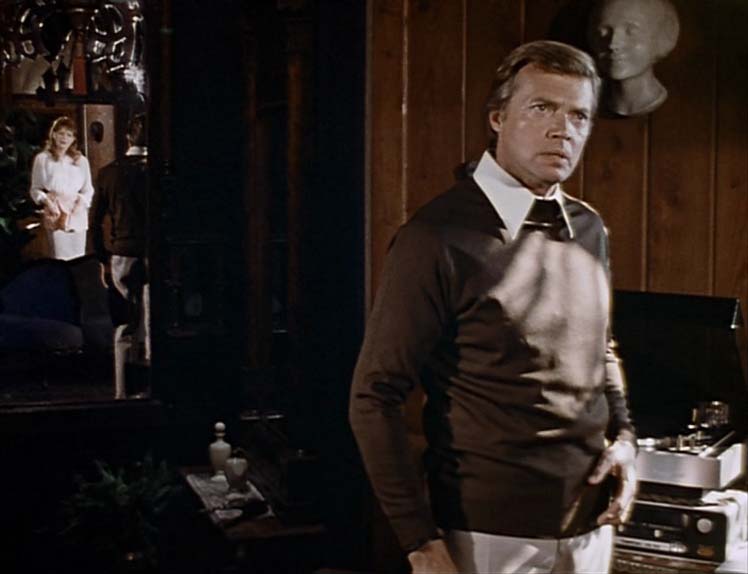
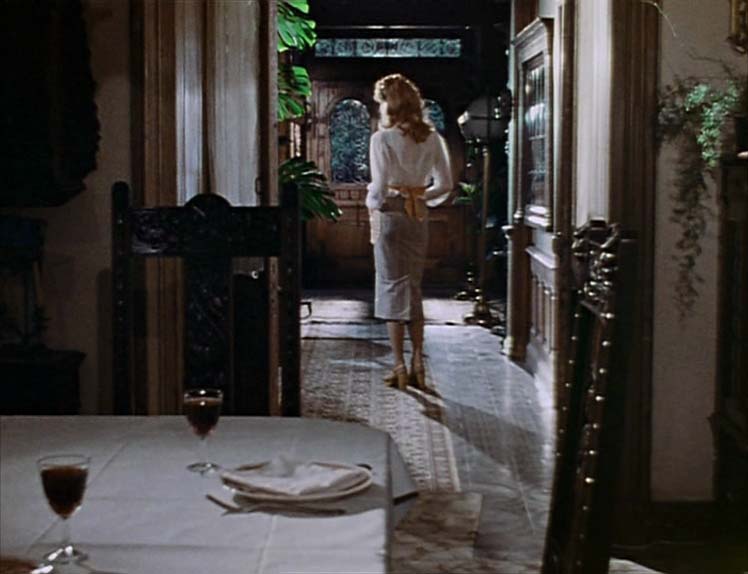

Martha is gradually pressured into marrying Helmut, who embodies the image of the ideal husband. However, beneath this facade, he is sadistic, cold, and controlling. He dictates her clothing, behavior, and even her body movements. His cruelty escalates as he humiliates her in public, mocks her naivety, and begins to physically abuse her. Fassbinder portrays their marriage as a prison, masked by bourgeois respectability.

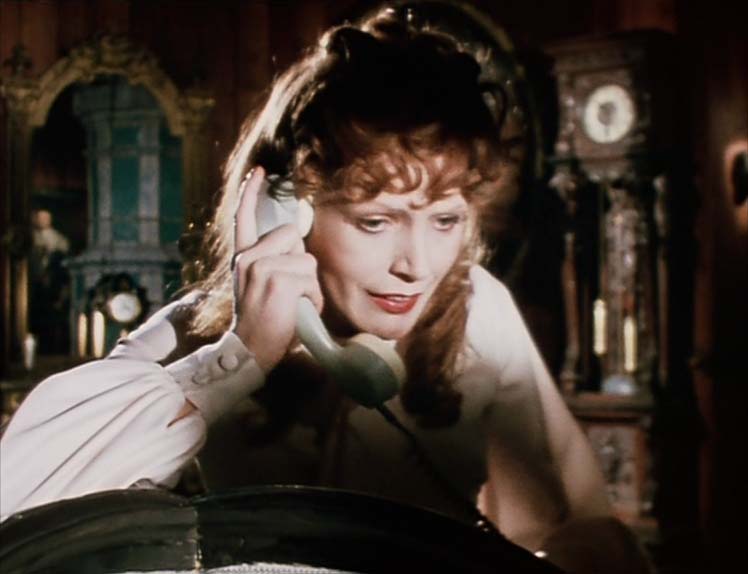
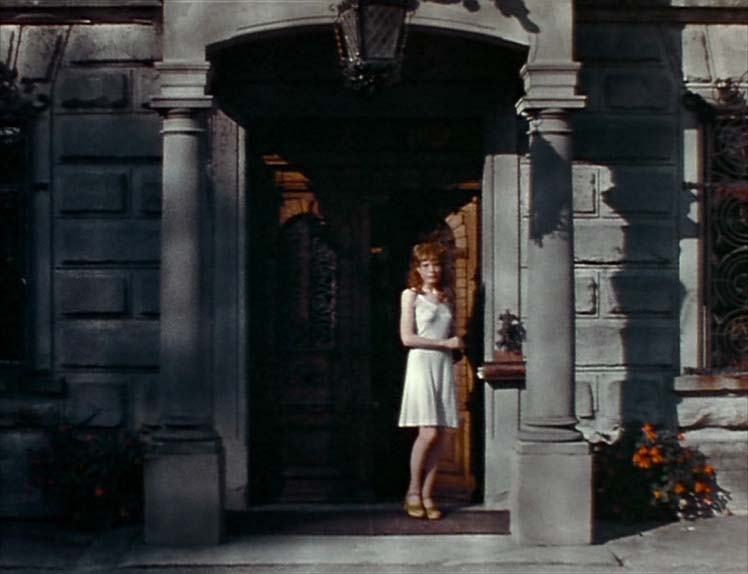

As the marriage deepens, Martha’s isolation grows. Her mother is indifferent to her suffering and advises her to be obedient. Friends and neighbors refuse to intervene, either out of politeness or fear of scandal. Deeply repressed, Martha feels unable to leave, caught between fear, dependency, and a misguided belief in her wifely duties. Helmut’s sadism becomes increasingly overt and theatrical. He berates her for not walking properly, forcing her to relearn how to move according to his standards.
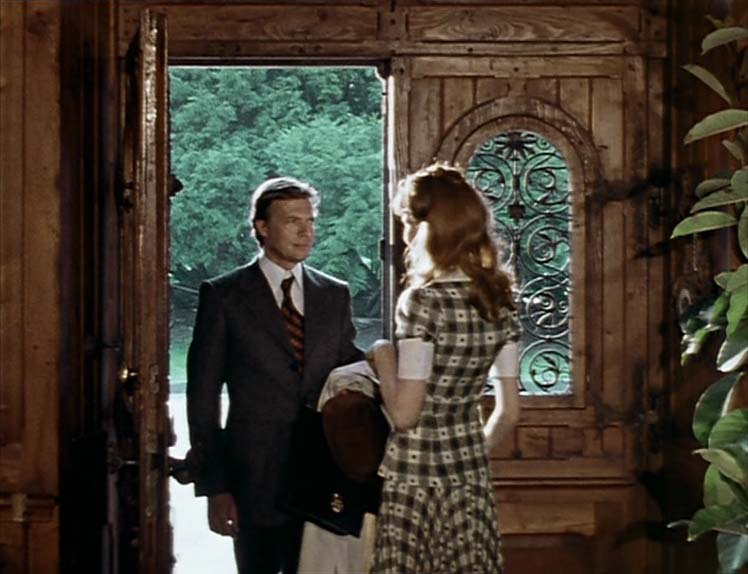
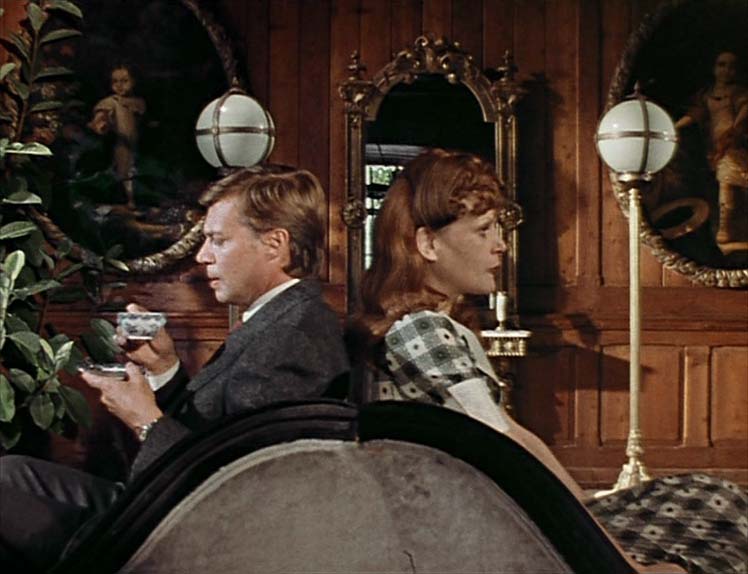
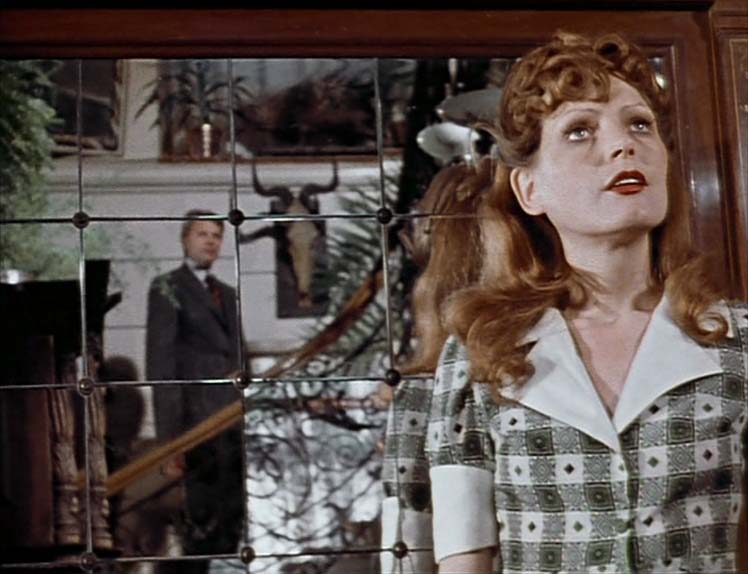
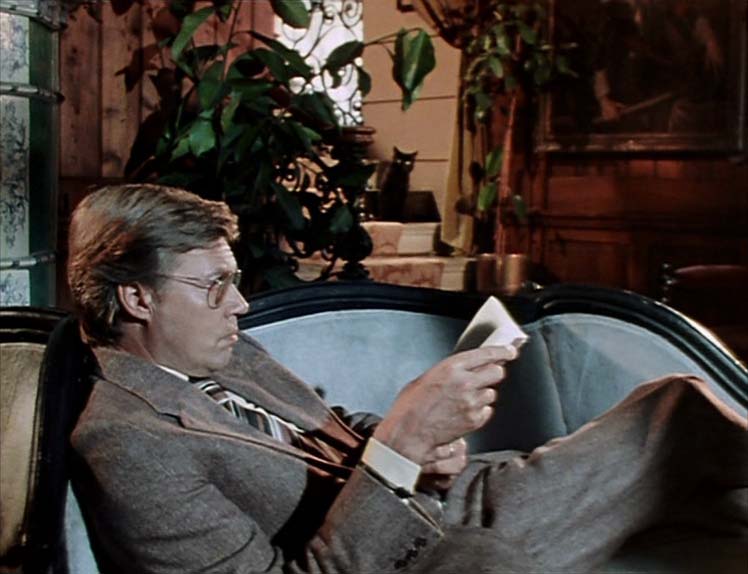
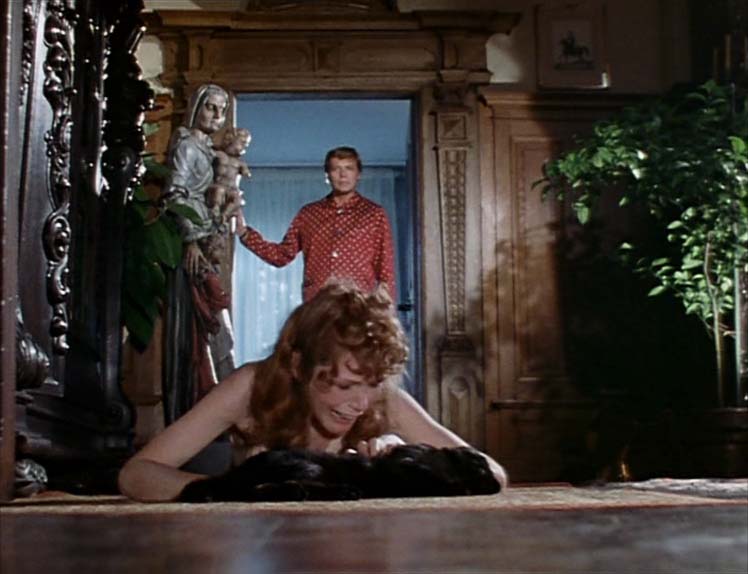
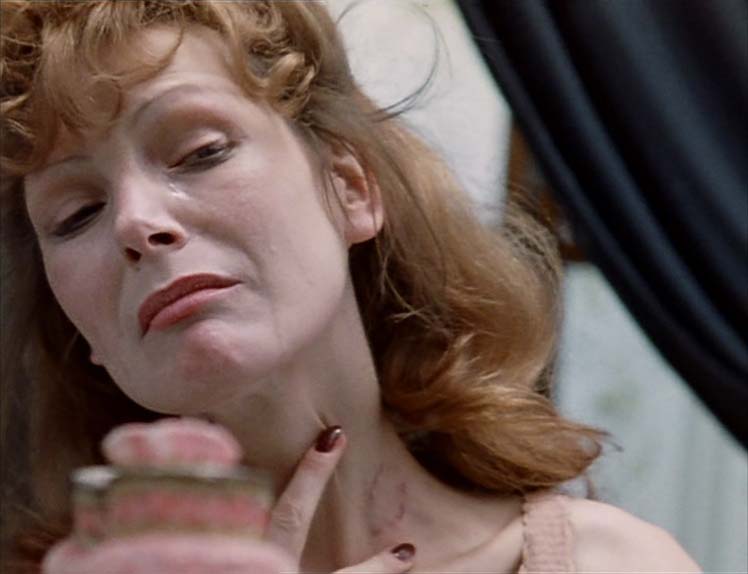
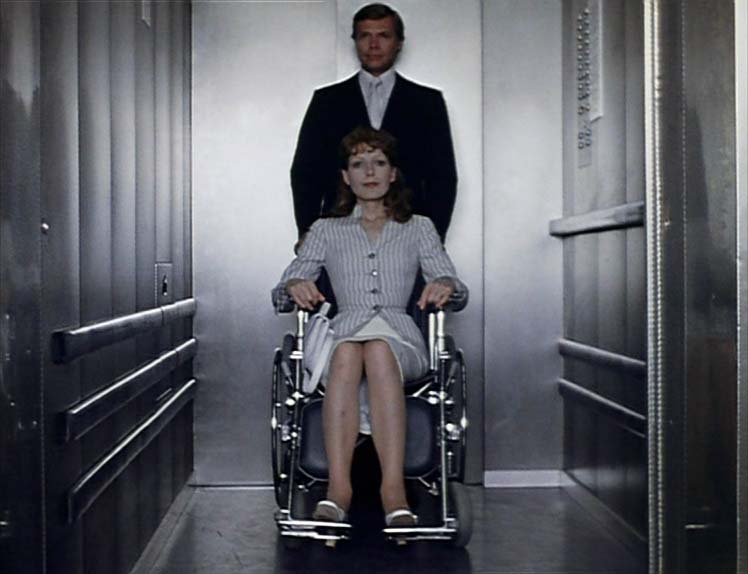
He deliberately inflicts pain and then frames it as “love.” As a result, Martha begins to suffer nervous breakdowns, and her fragile psyche collapses under his control. Eventually, her resistance shatters. Helmut cripples her in a staged accident, the details of which remain ambiguous in Fassbinder’s suggestive style, leaving her physically incapacitated. In the final scenes, she is confined to a wheelchair, utterly dependent on Helmut.
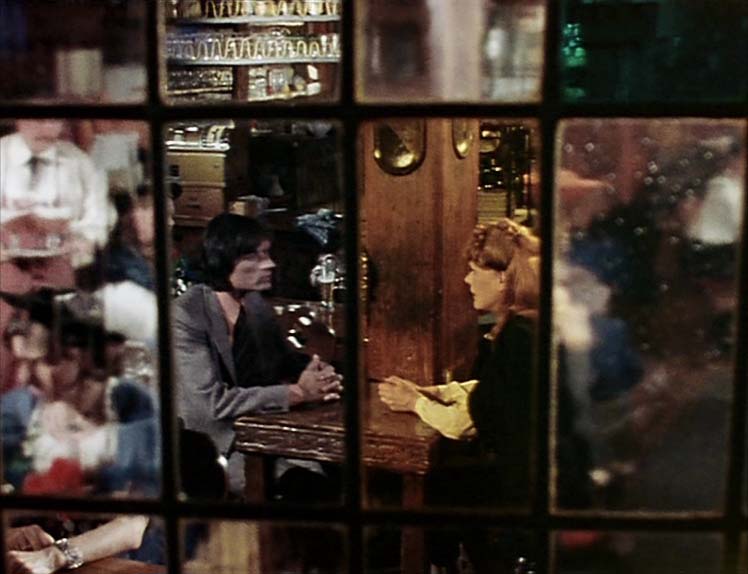
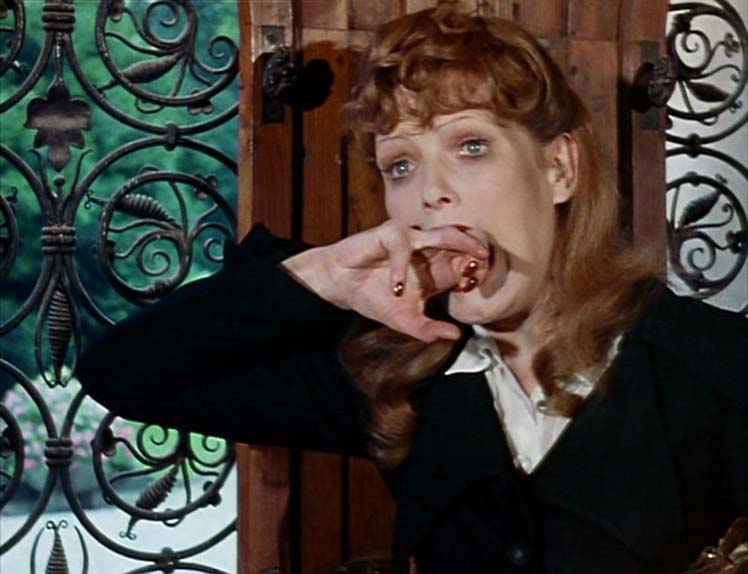
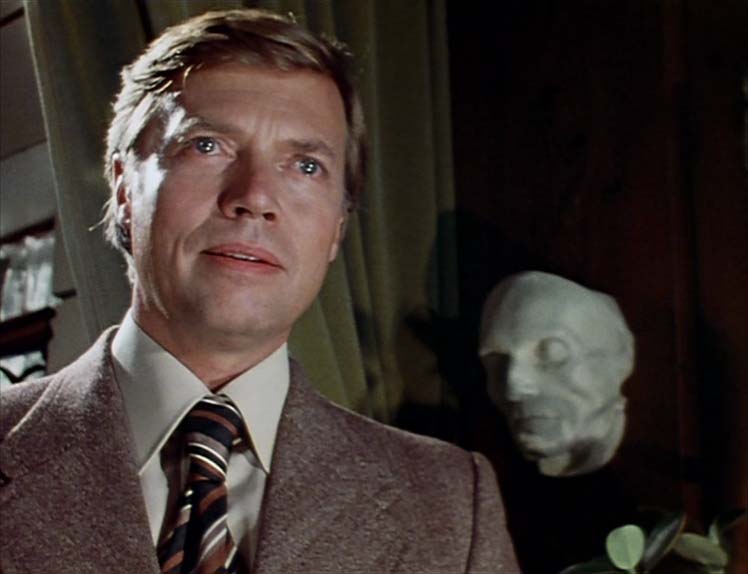

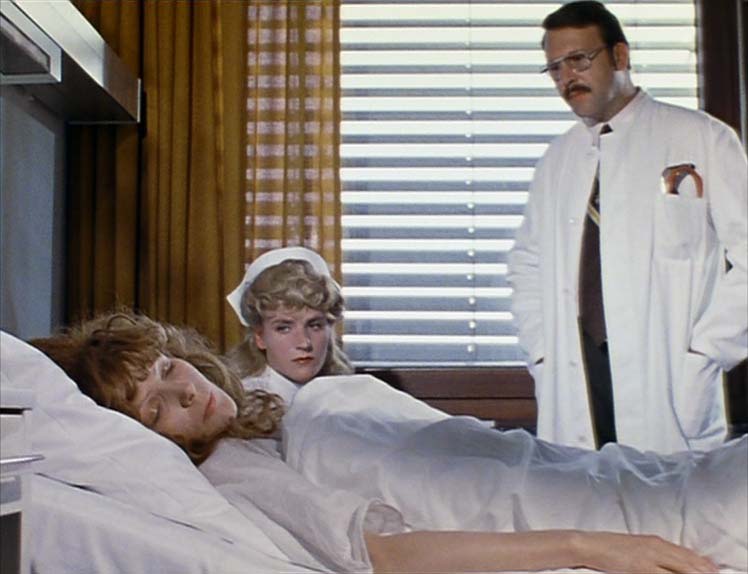
Their marriage, which appears outwardly “normal,” has inevitably reached its logical end: Martha is completely dominated, and her individuality has been erased. “Martha” is one of Fassbinder’s most unsettling works—a melodrama that reveals the brutality lurking beneath bourgeois respectability. Margit Carstensen delivers a haunting performance as a woman consumed by repression and abuse, while Karlheinz Böhm plays Helmut as a chillingly polite tyrant. The film concludes in bleak silence, with Martha immobilized in both body and spirit, serving as a living symbol of Fassbinder’s critique of marriage, patriarchy, and social conformity.
Originally shot on 16mm film, it was restored and upscaled to 35mm for a theatrical re-release in 1994 at the Venice Film Festival.