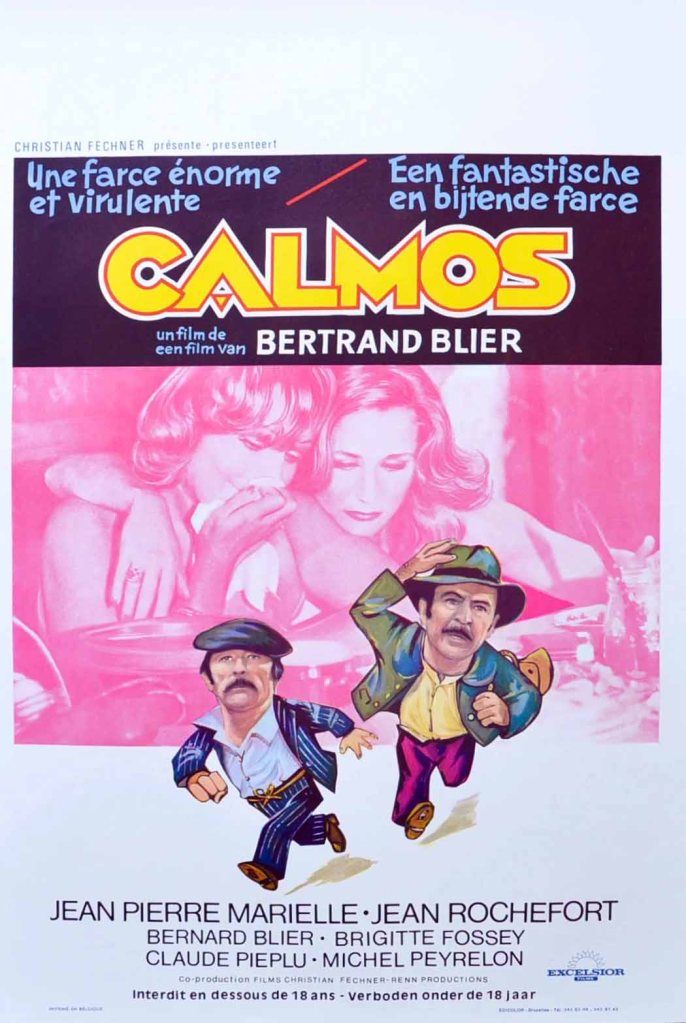

Calmos (also known as Femme Fatales, 1976), written and directed by Bertrand Blier, is a surreal and satirical comedy that takes the classic “battle of the sexes” trope and pushes it to absurd extremes with a dreamlike logic.
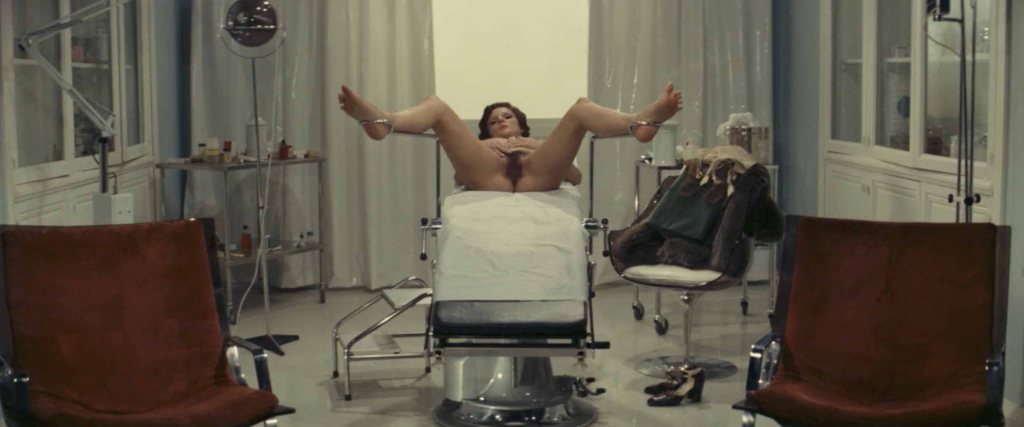
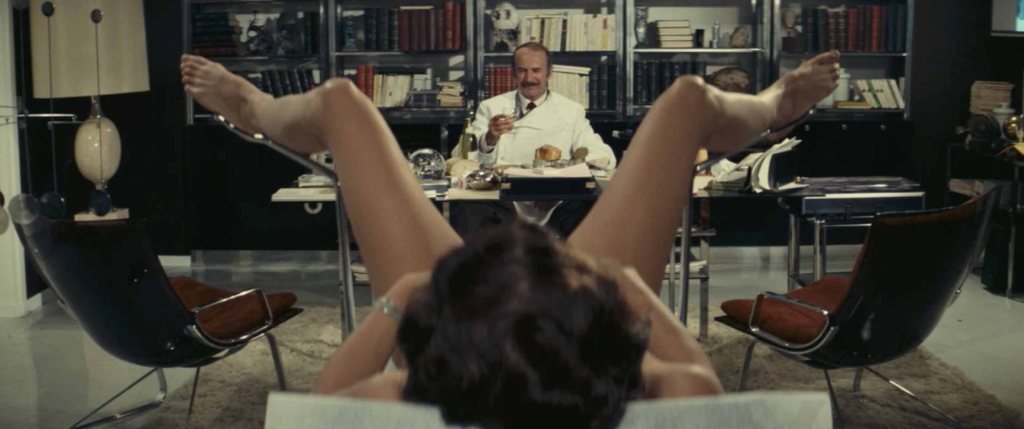
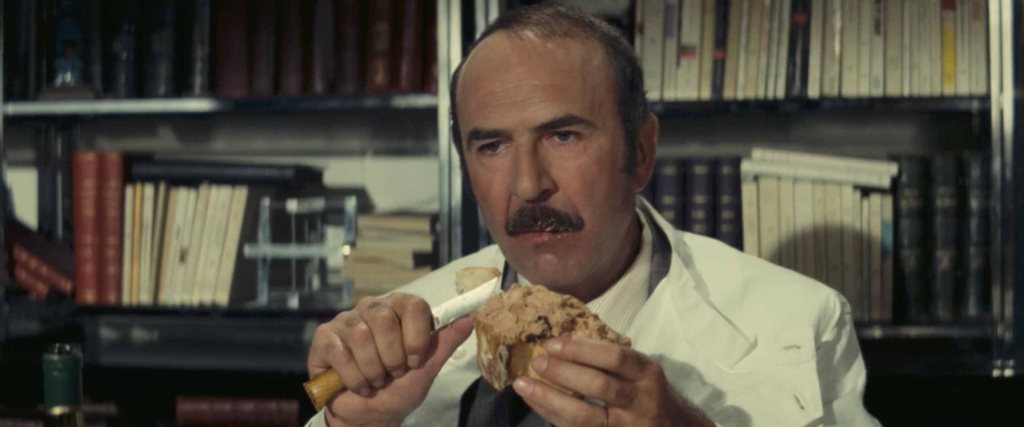
The film begins with Paul (Jean-Pierre Marielle), a Parisian gynecologist who is exhausted and disillusioned after years of addressing women’s complaints and demands. During a routine consultation, he suddenly snaps, leaves everything behind, and walks out of his office. Once on the street, he meets Albert (Jean Rochefort), a middle-aged man who shares his disenchanted view of modern relationships. The two quickly form a strong bond.

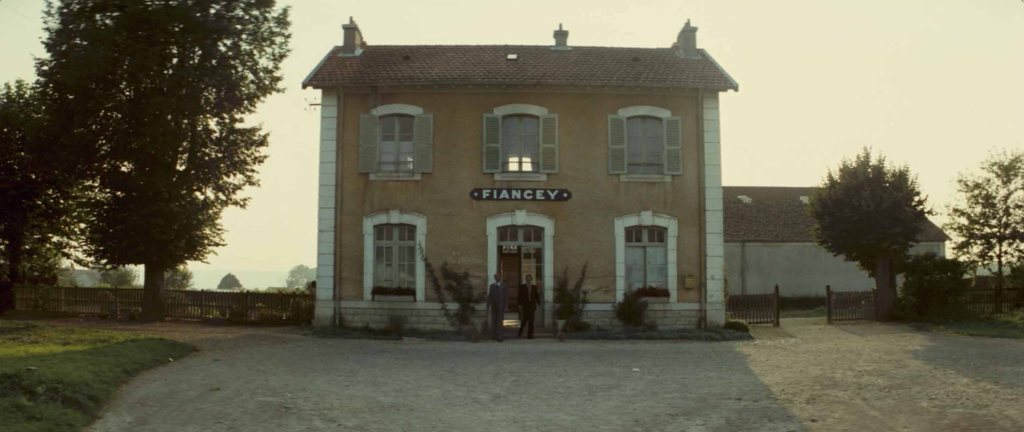
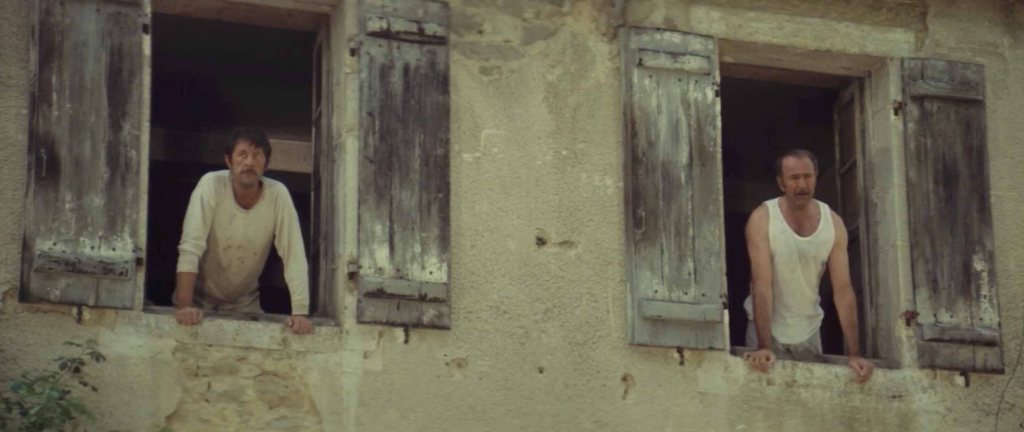

They decide to abandon their lives, families, and lovers in search of peace, free of women entirely. Leaving behind their wives, mistresses, and responsibilities, they set off together like fugitives, with their only goal being freedom from the endless demands of female companionship.
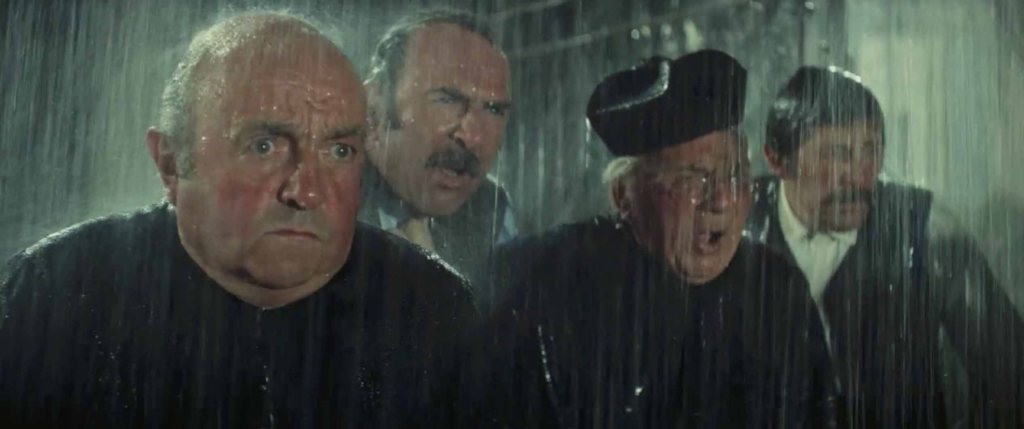
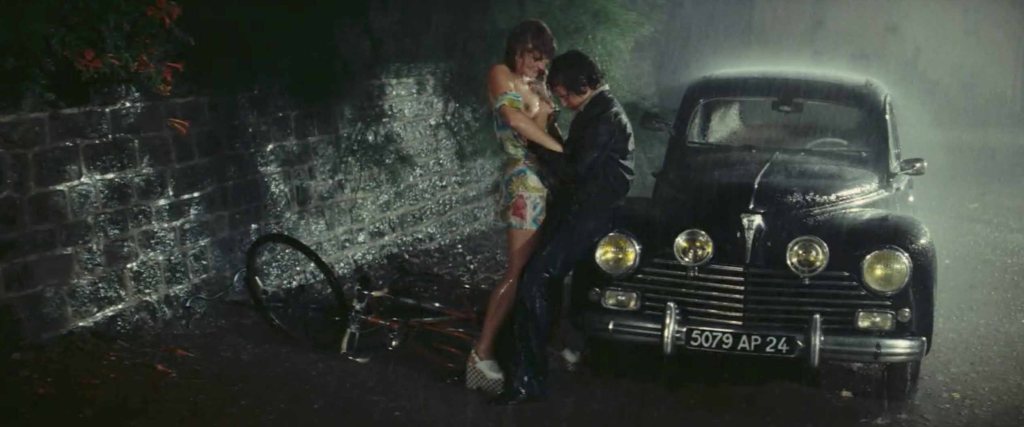
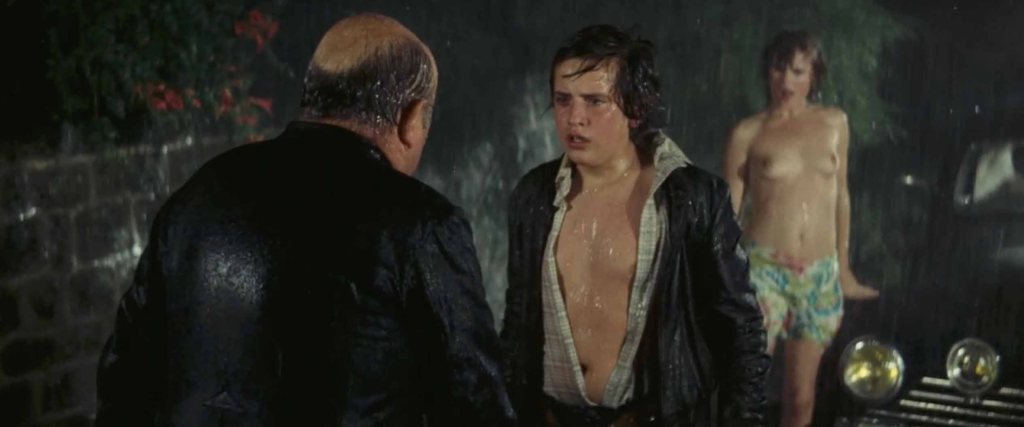
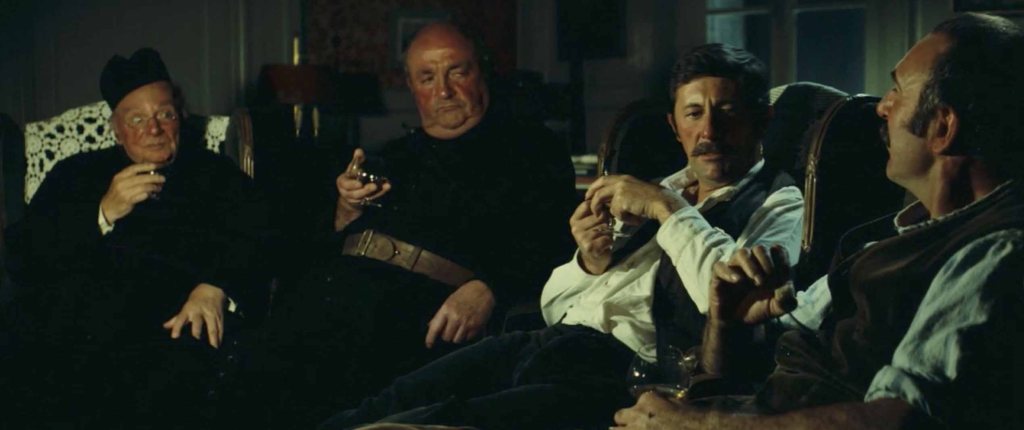
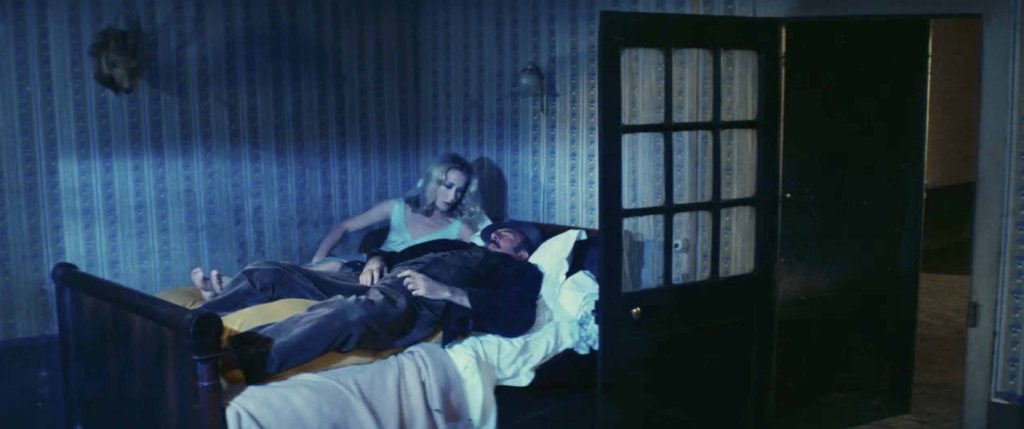
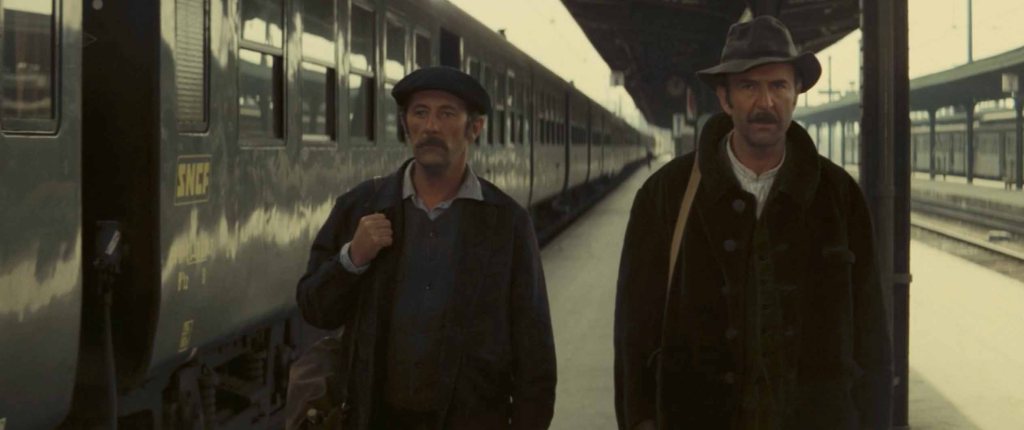
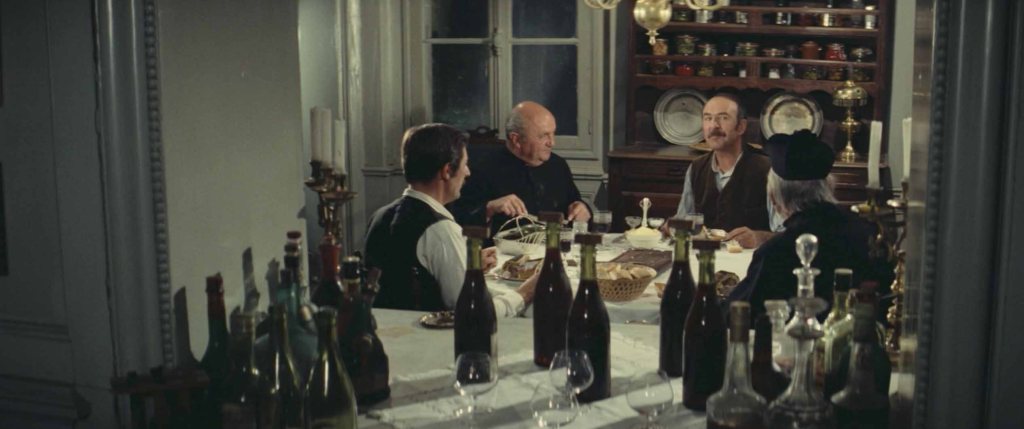
Paul and Albert settle in a remote countryside village, where they live in a state of rustic indulgence. They spend their days hunting, drinking wine, feasting on lavish meals, and reveling in their newfound liberty. For them, it is a paradise of male camaraderie and sensual pleasures—a deliberate rejection of the complications that come with love, sex, and modern urban life.


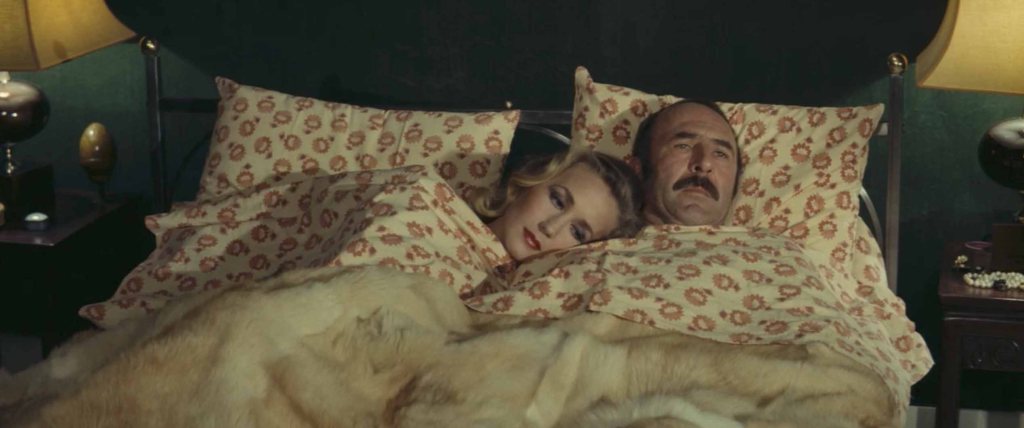
But their idyll is short-lived.
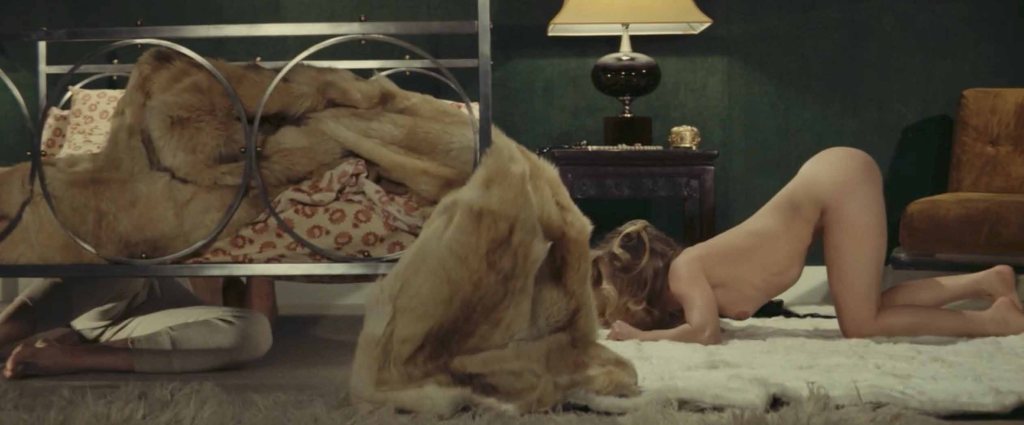

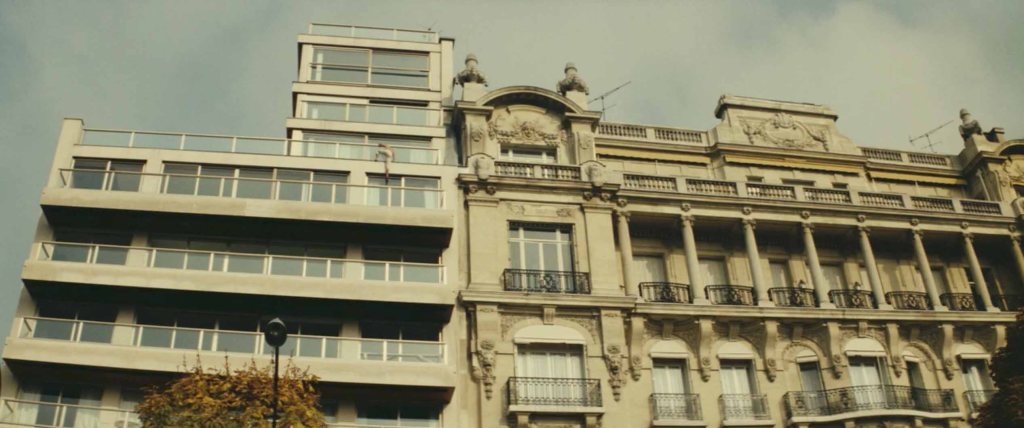
The women who were abandoned—representing women as a whole—refuse to accept this betrayal. Soon, Paul and Albert find themselves pursued, first by angry wives and lovers, and eventually by organized groups of women who view the two men as symbols of the broader “war between the sexes.”

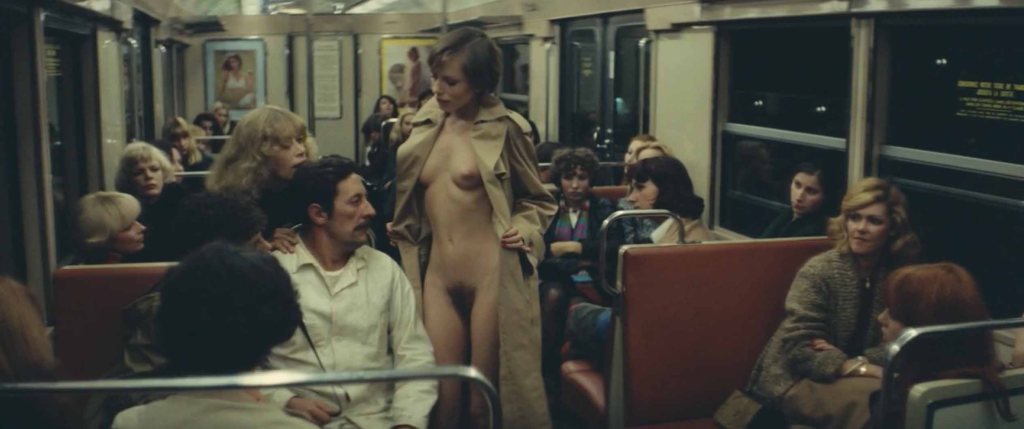



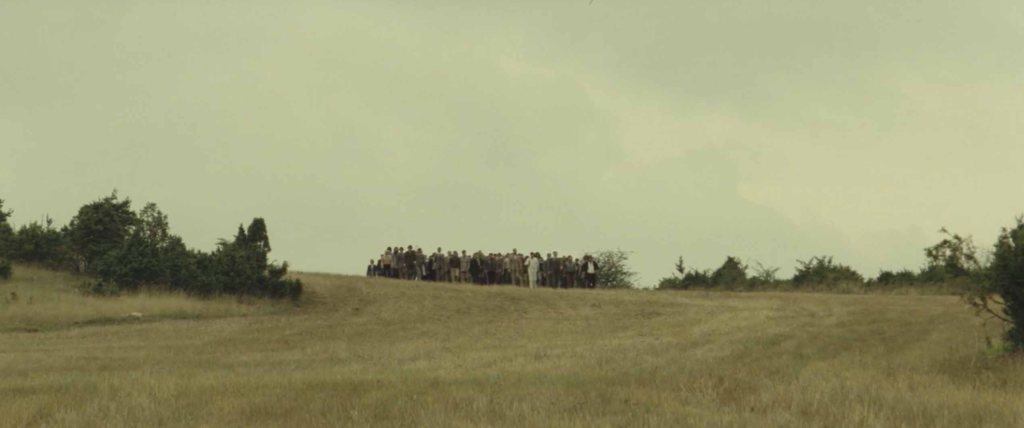
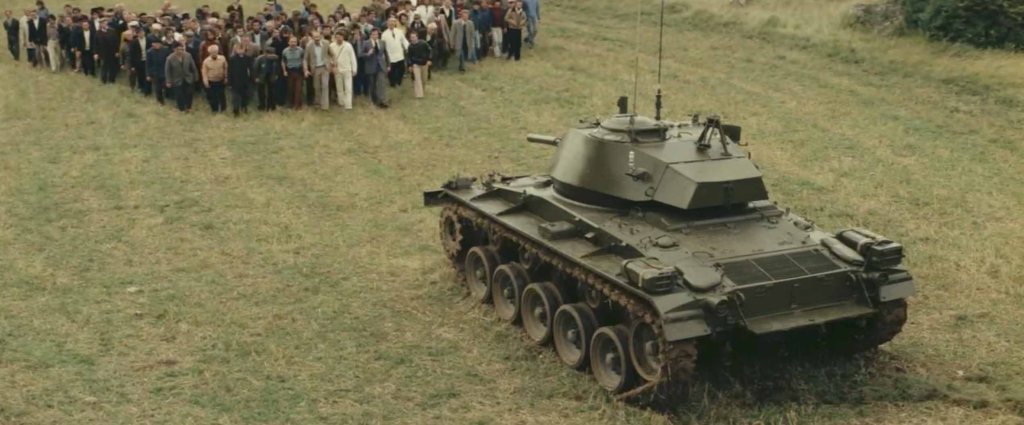
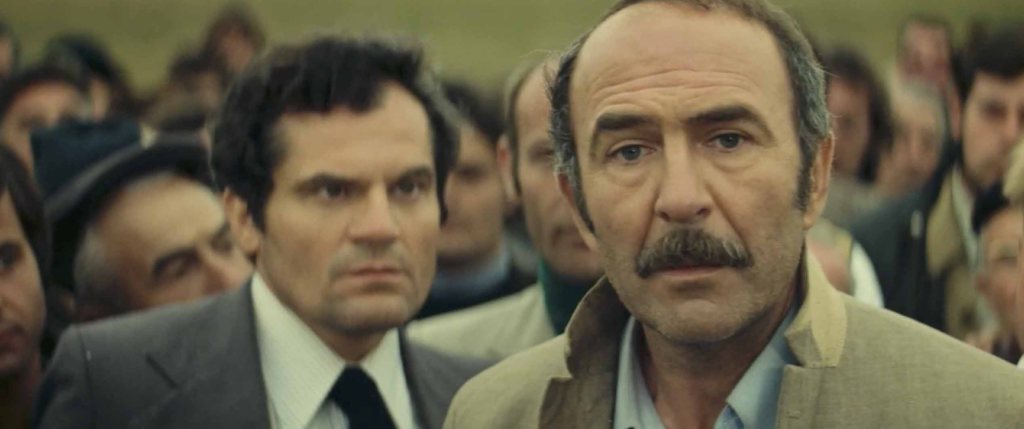
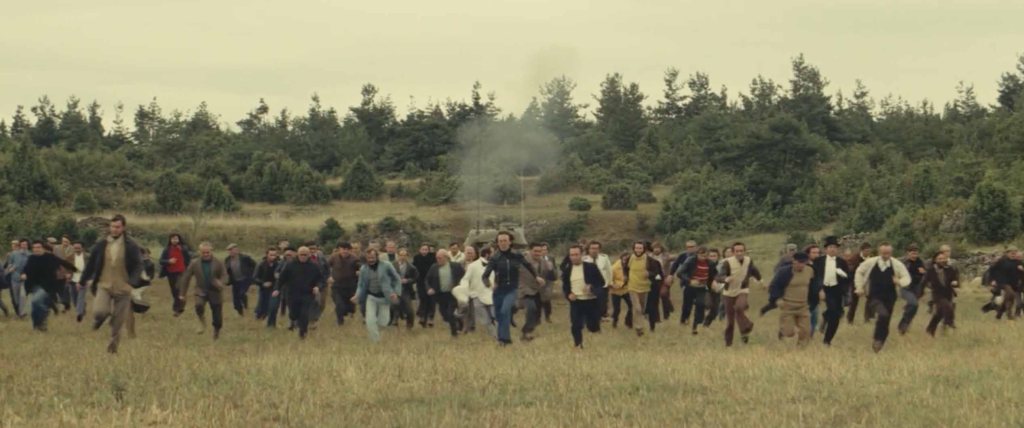
The film shifts into farce as women become militarized and start hunting the men down, while Paul and Albert stumble from one absurd scenario to another. Eventually, Paul and Albert are captured by a group of militant women led by Bernadette Lafont. Rather than being punished with violence, the men are subjected to endless sexual servitude. They are transformed into objects of female desire, forced into an exhausting cycle of sexual encounters designed to “repay” women for years of male dominance.


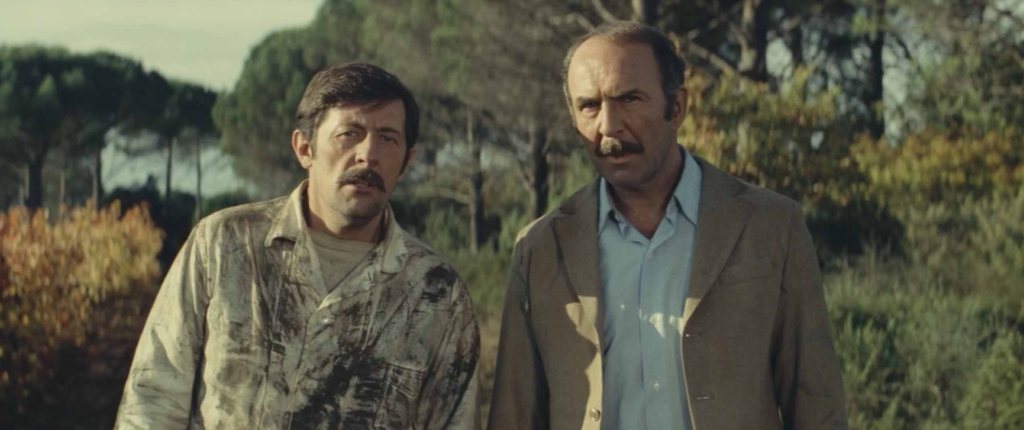



Their seemingly perfect freedom turns into another type of prison—one characterized by overindulgence, submission, and a loss of autonomy.
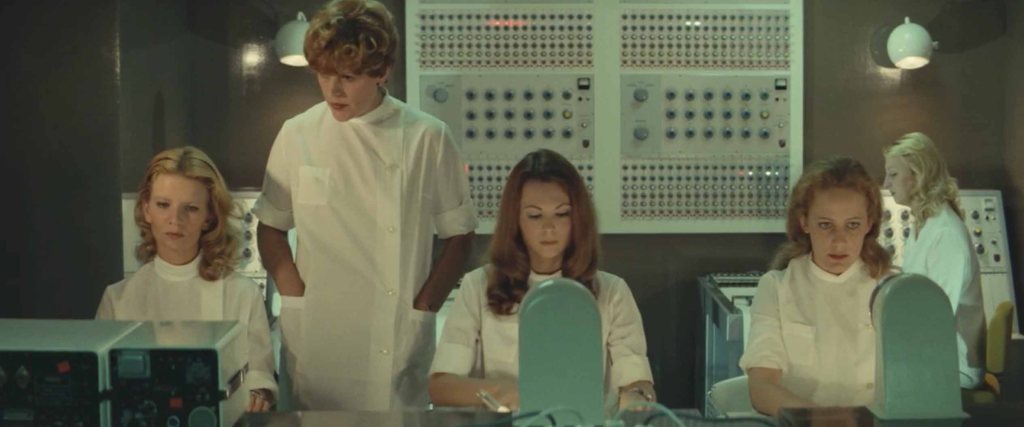




In the film’s final act, the narrative descends into surrealism. Paul and Albert, completely exhausted, become passive, almost infant-like figures, trapped in a nightmarish reversal of gender roles. Their quest for peace has ultimately led to a new form of enslavement, satirizing both extreme patriarchy and feminism.



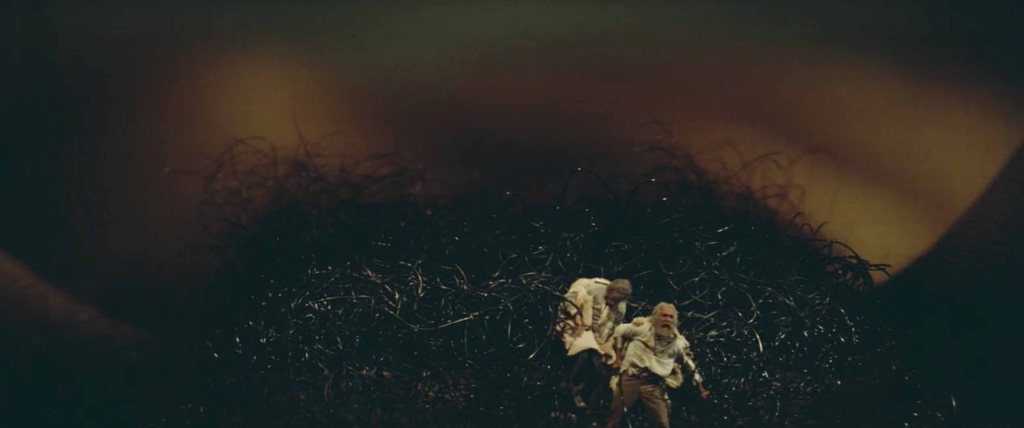

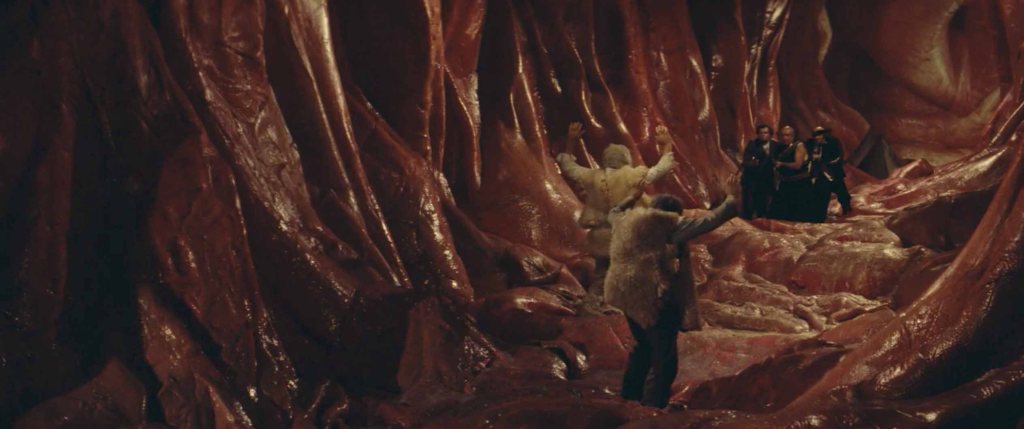

The closing imagery is deliberately grotesque and dreamlike, highlighting Blier’s critique of gender relations as an endless and absurd power struggle. Upon its release, “Calmos” was highly controversial. Some viewers saw it as a sharp satire of male fears concerning feminism, while others dismissed it as misogynistic or offensive. Its blend of sexual comedy, surrealism, and controversial imagery divided critics; however, today it is considered a fascinating artifact of 1970s French cinema, emblematic of Bertrand Blier’s provocative style.