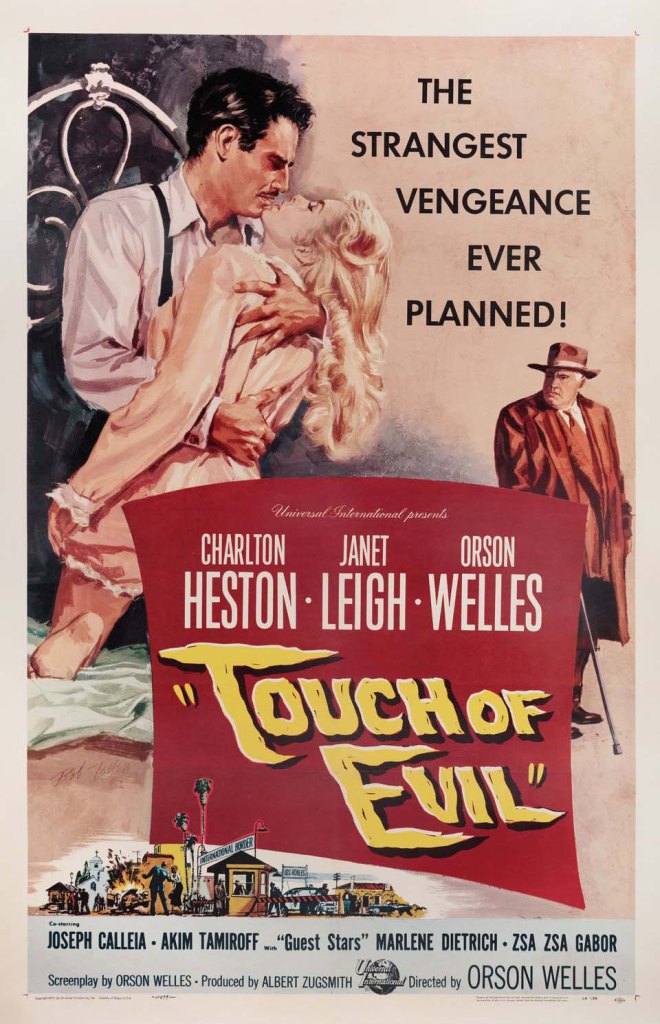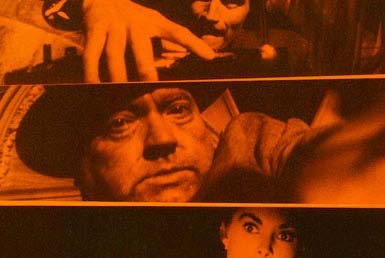
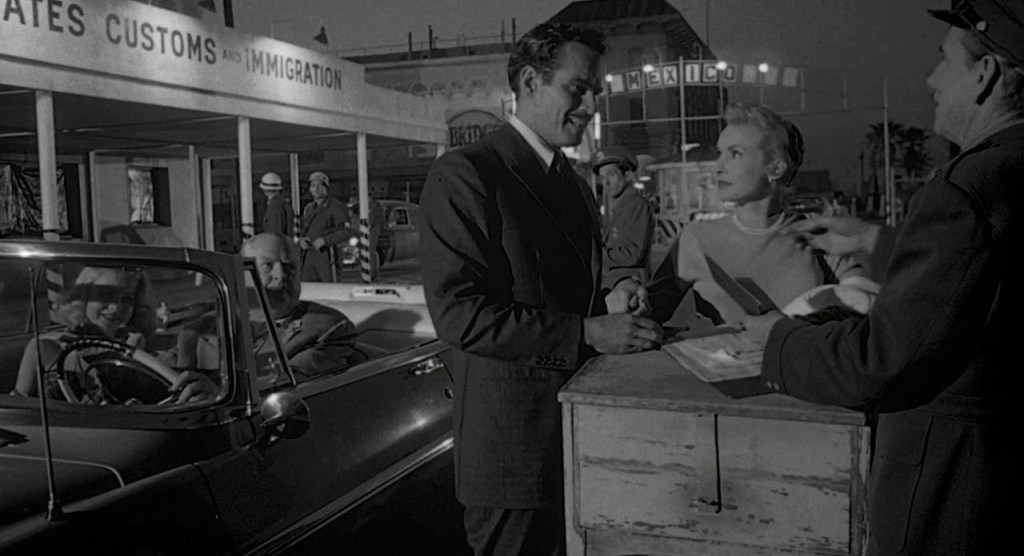
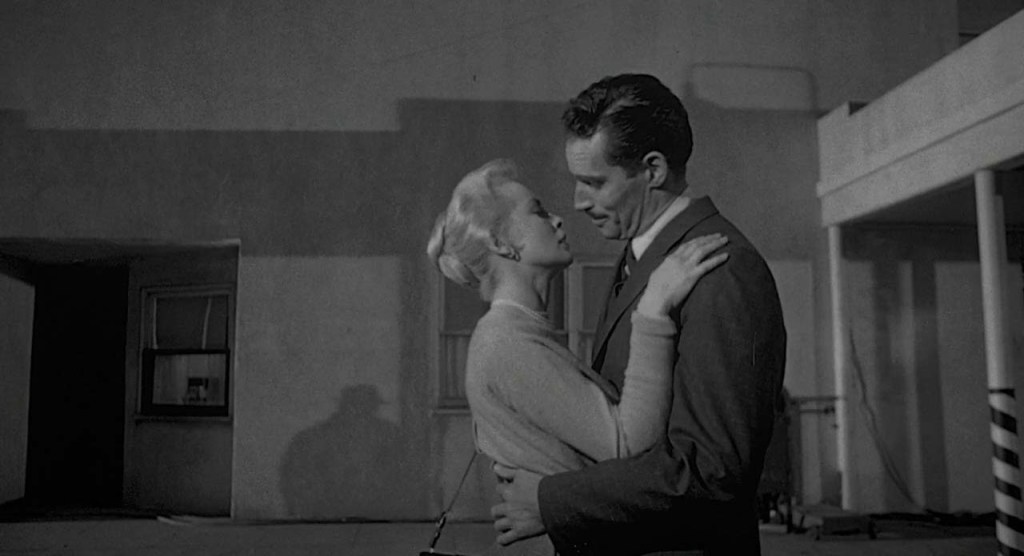
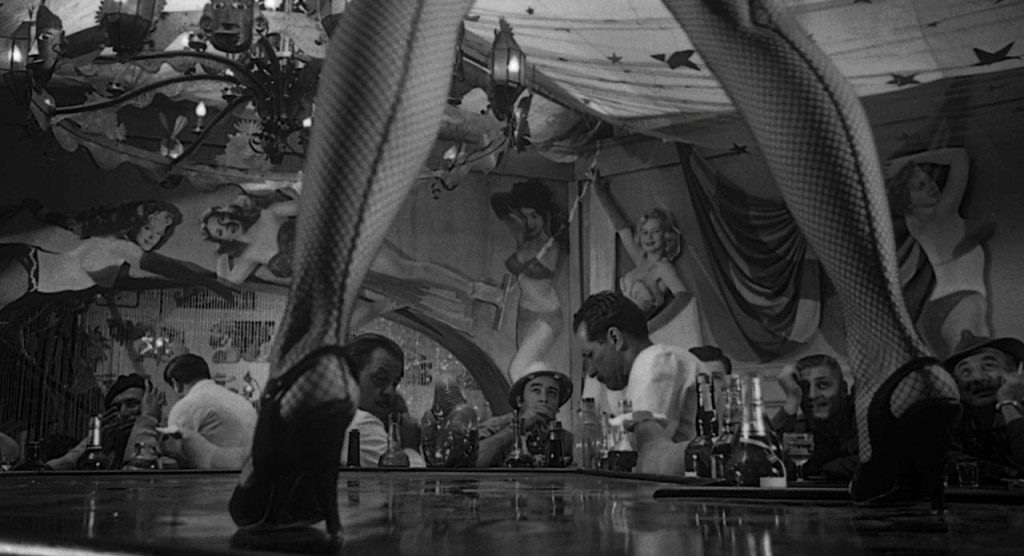
“Touch of Evil” is a classic film noir from 1958, directed by Orson Welles, who also stars alongside Charlton Heston, Janet Leigh, Marlene Dietrich, and Akim Tamiroff. It is often regarded as one of the last significant works of the classic noir era, celebrated for its striking cinematography, morally complex characters, and innovative opening tracking shot.
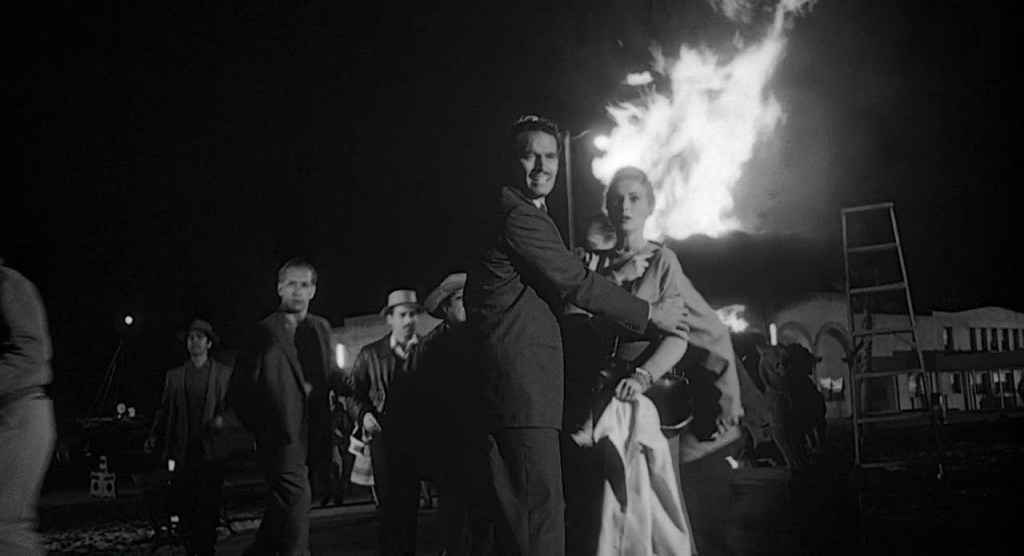
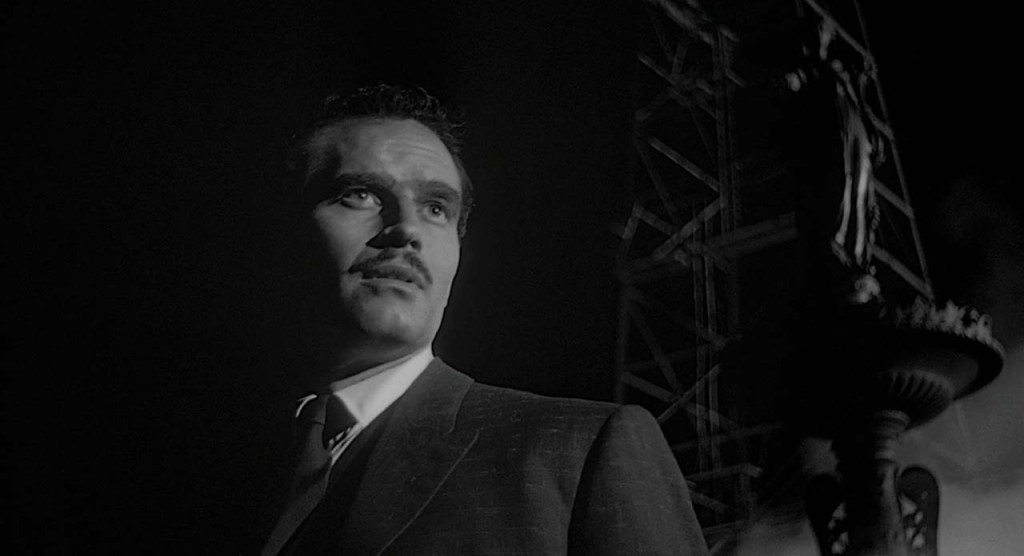
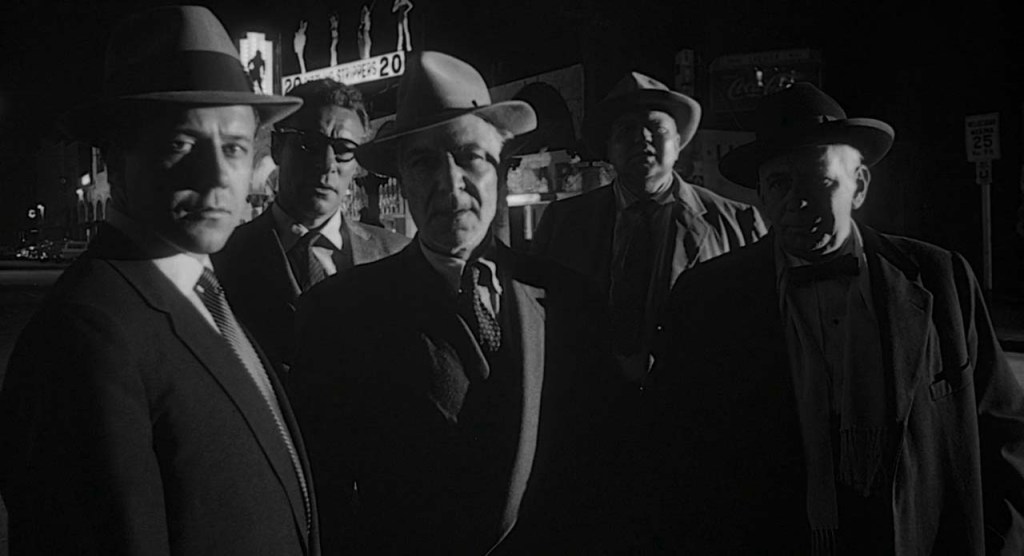
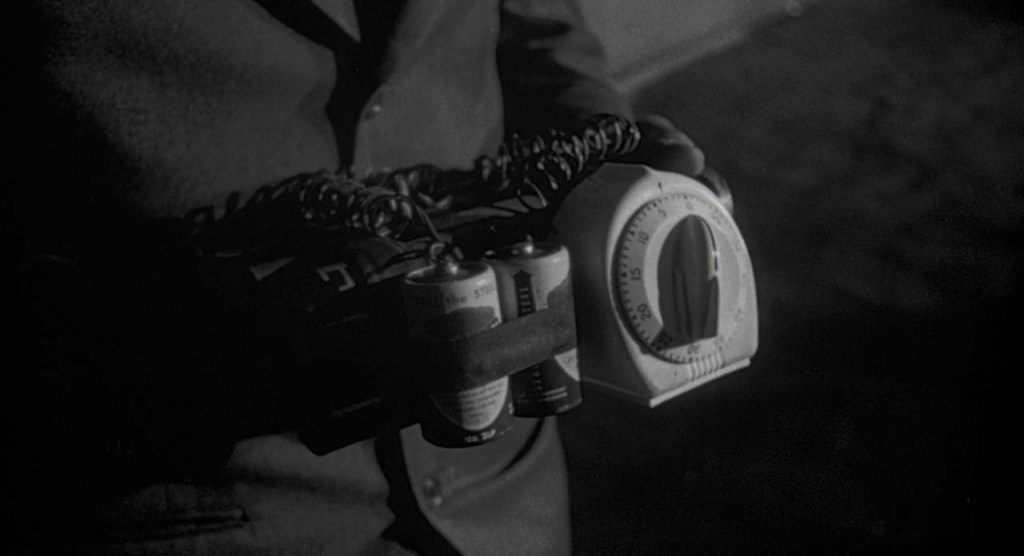
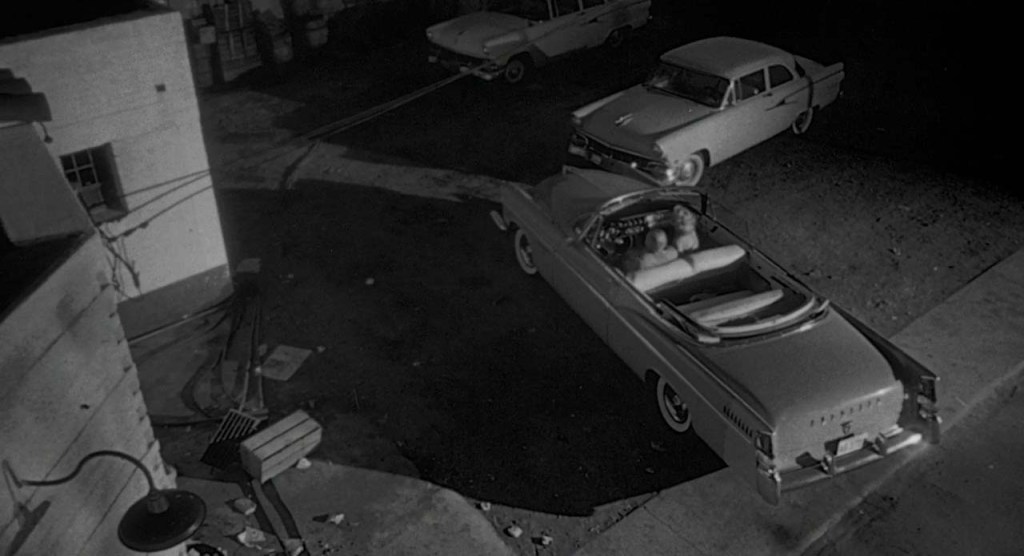
The film opens with one of cinema’s most iconic sequences: a long, continuous tracking shot that follows a car as a bomb is placed in its trunk. The car then drives through a Mexican border town before exploding shortly after crossing into the United States.
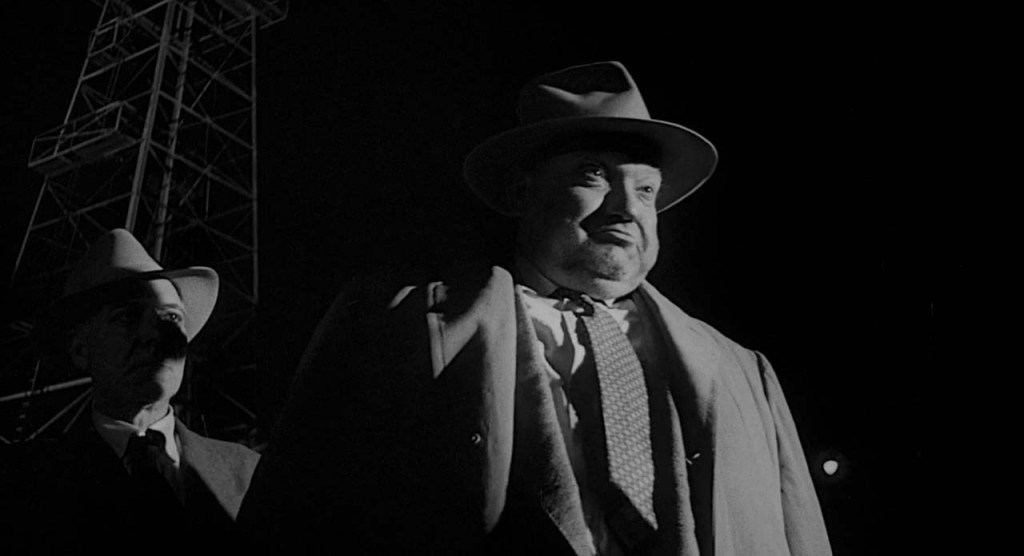
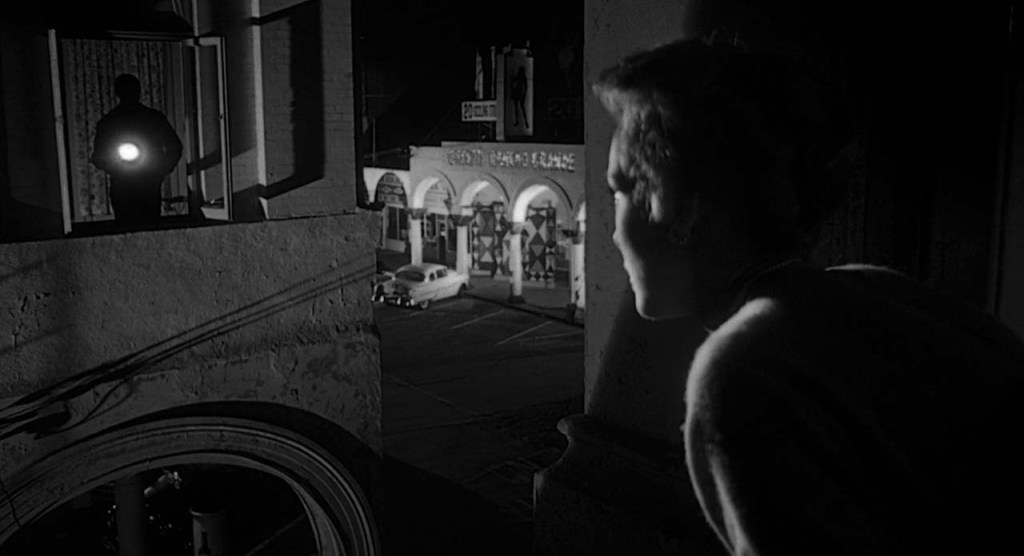
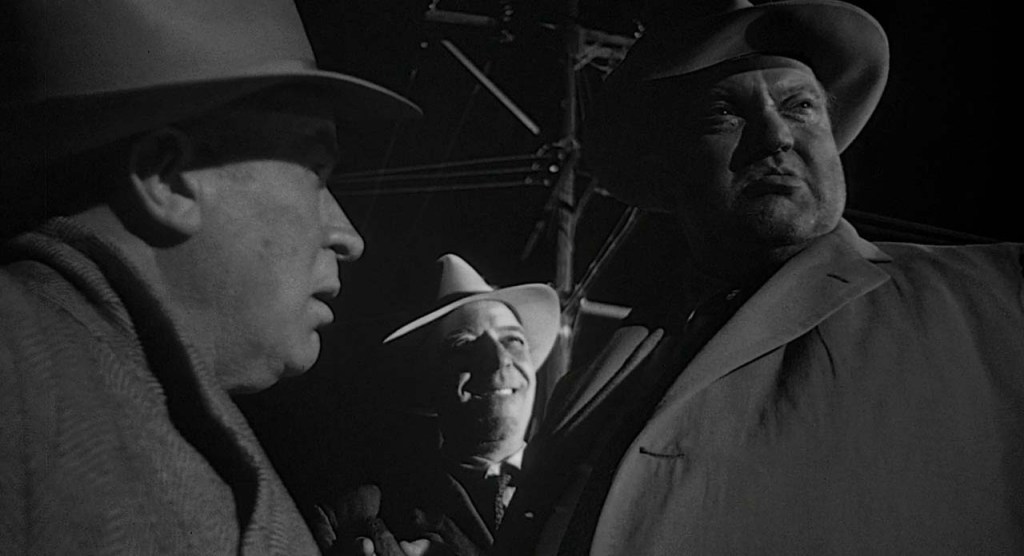
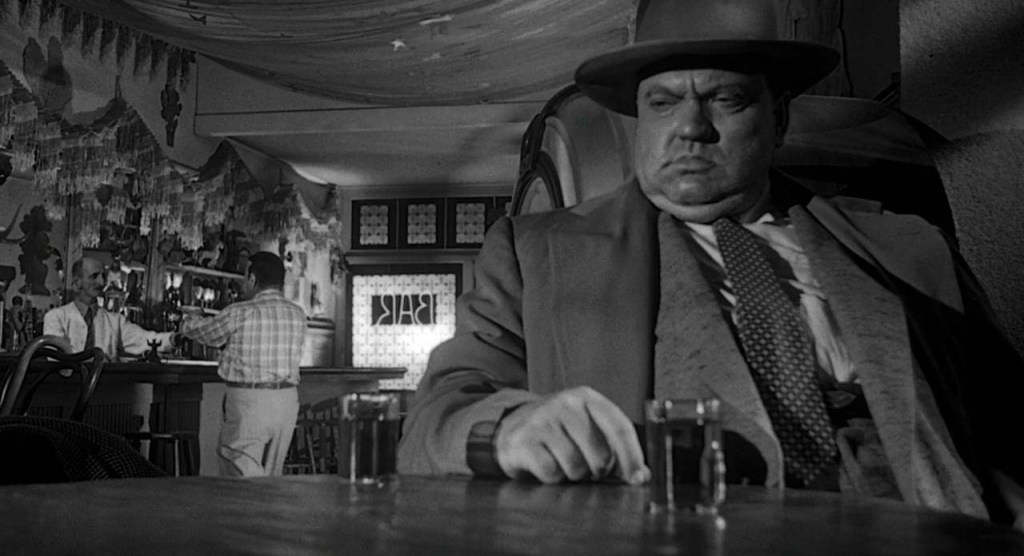
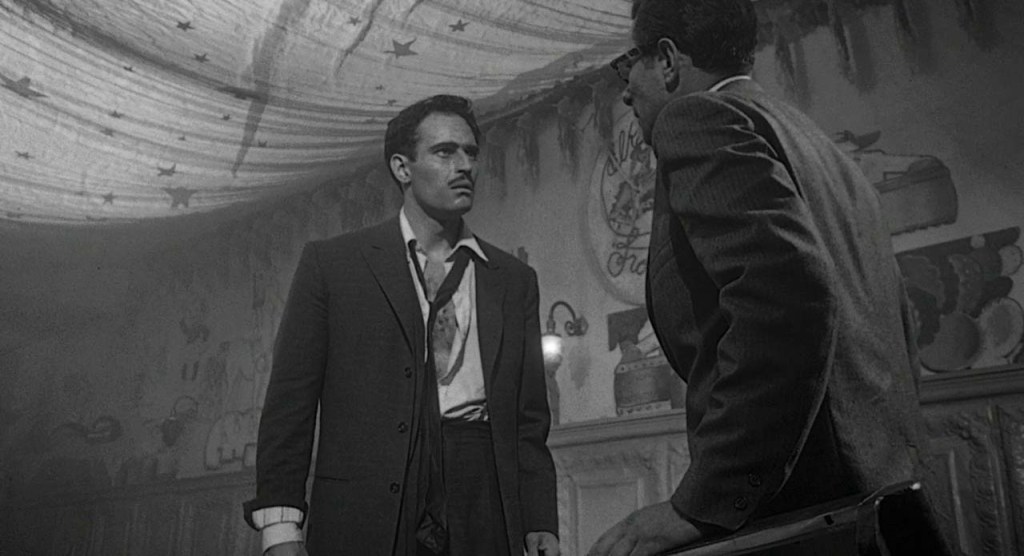
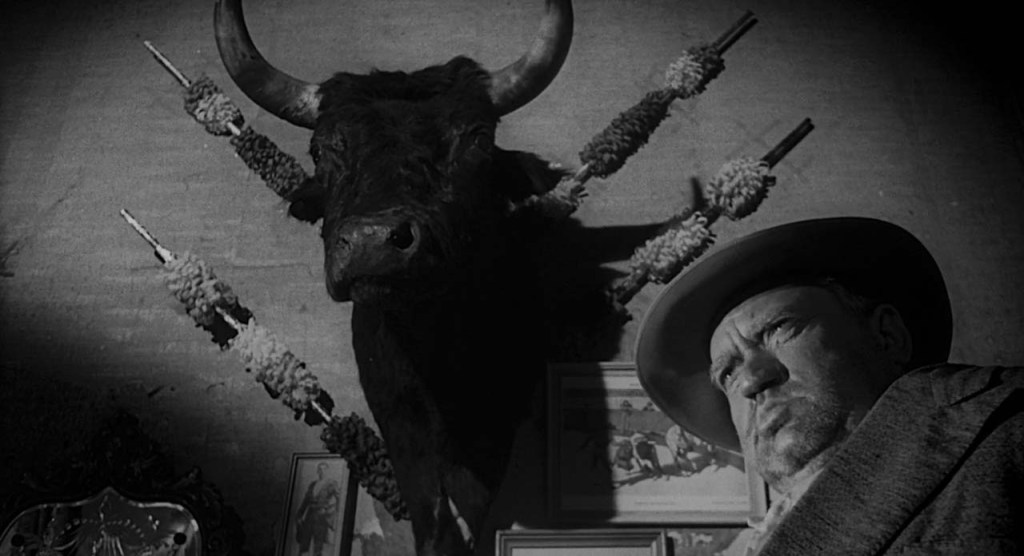
Mike Vargas (Charlton Heston) is a Mexican narcotics officer on his honeymoon with his American wife, Susan (Janet Leigh). As a law enforcement official, Vargas quickly becomes involved in a murder investigation led by Captain Hank Quinlan (Orson Welles). Quinlan is a cynical, corrupt American police chief known for his questionable methods and legendary instincts.
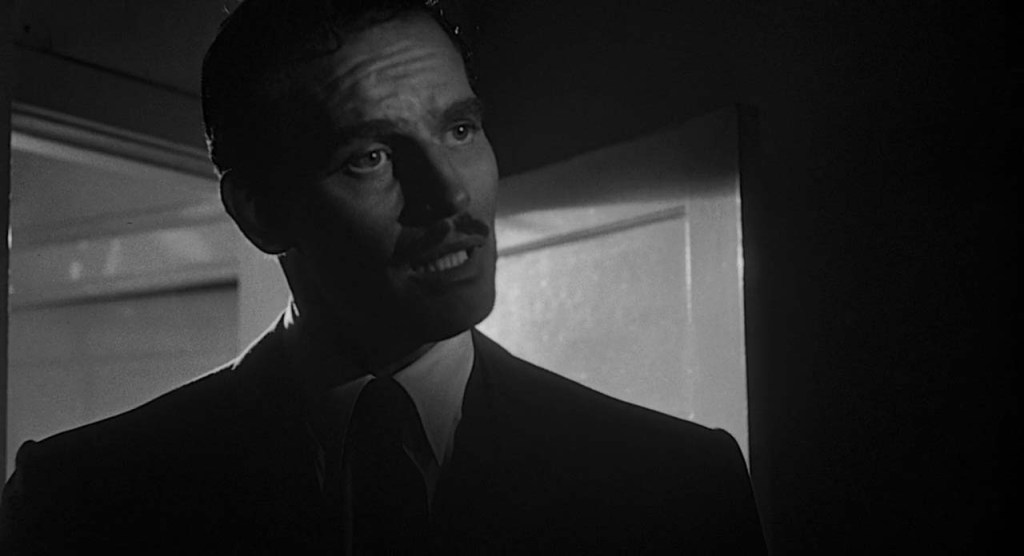
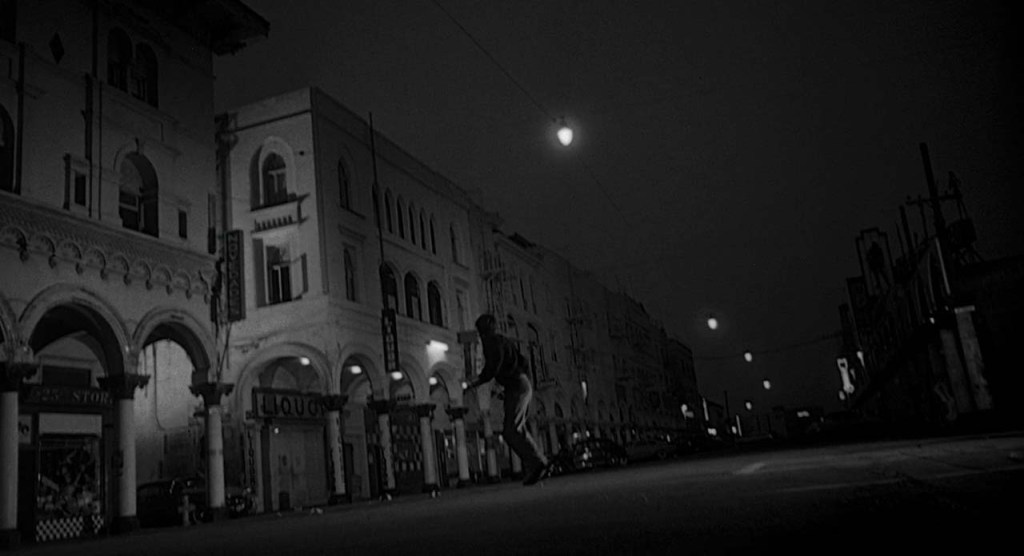
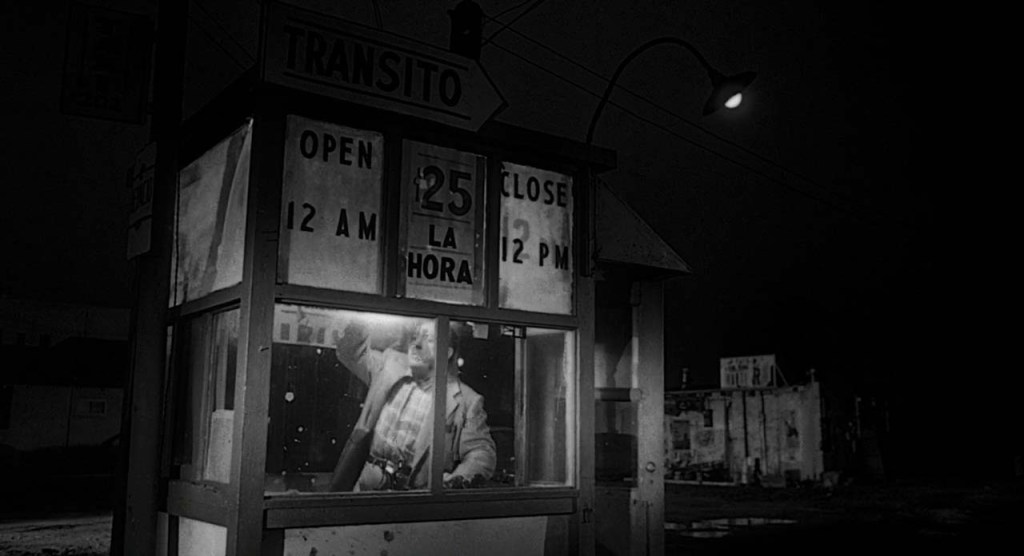
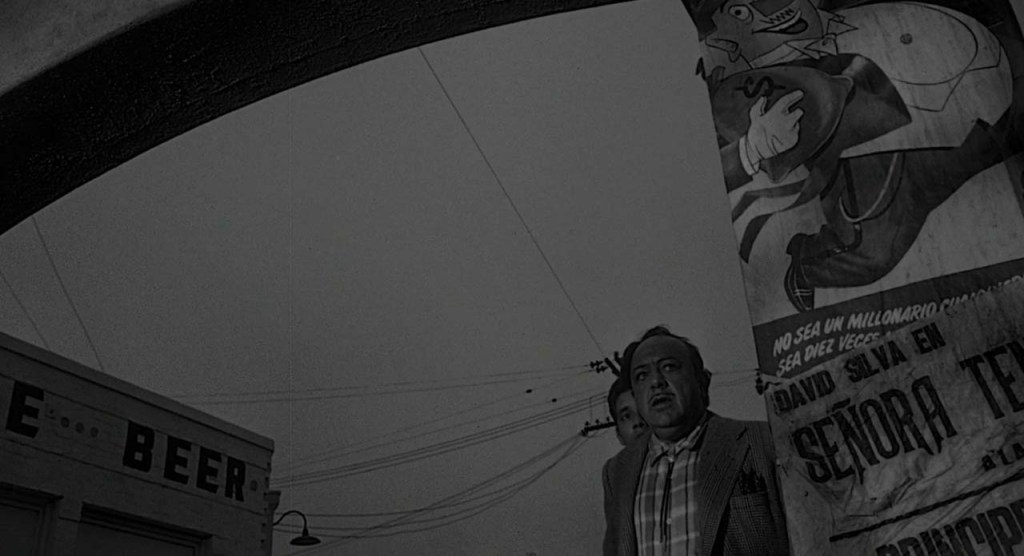
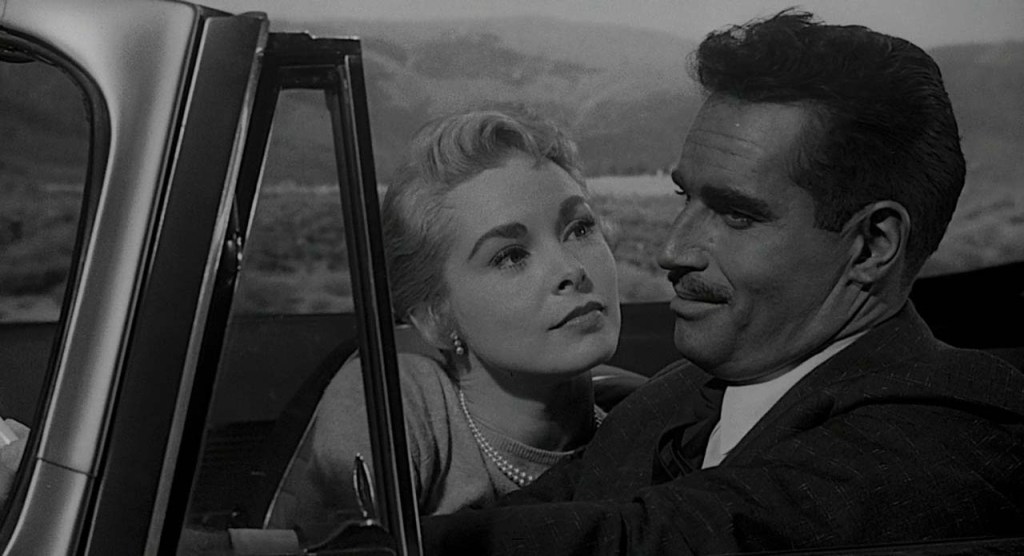
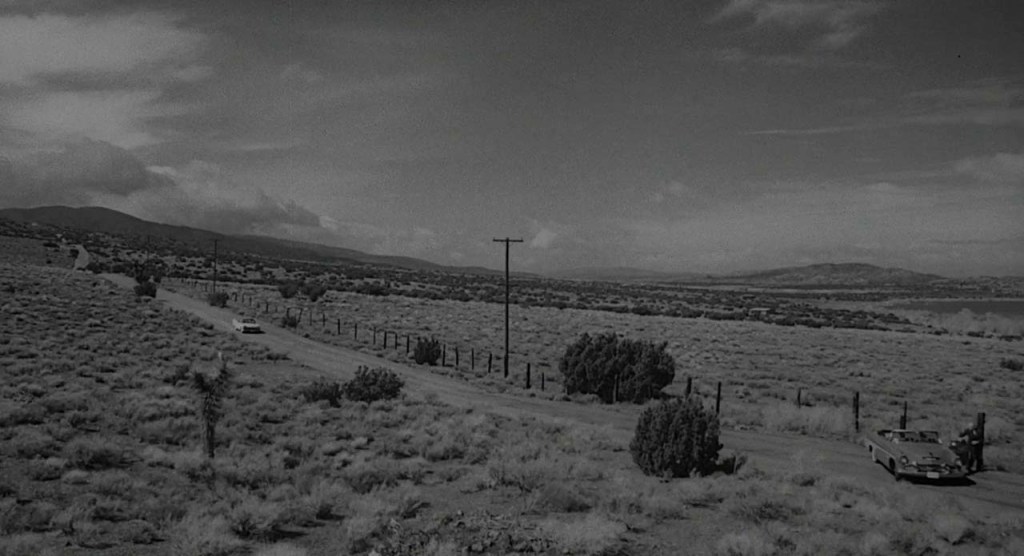
From the start, Vargas and Quinlan are at odds. Quinlan is sure his instincts have identified the guilty party and shows no hesitation in planting evidence to achieve a conviction. Vargas, outraged by this open corruption, insists on conducting a lawful investigation. While Quinlan’s loyal partner, Sergeant Pete Menzies (Joseph Calleia), admires him, he begins to question Quinlan’s tactics as Vargas digs deeper into the case.
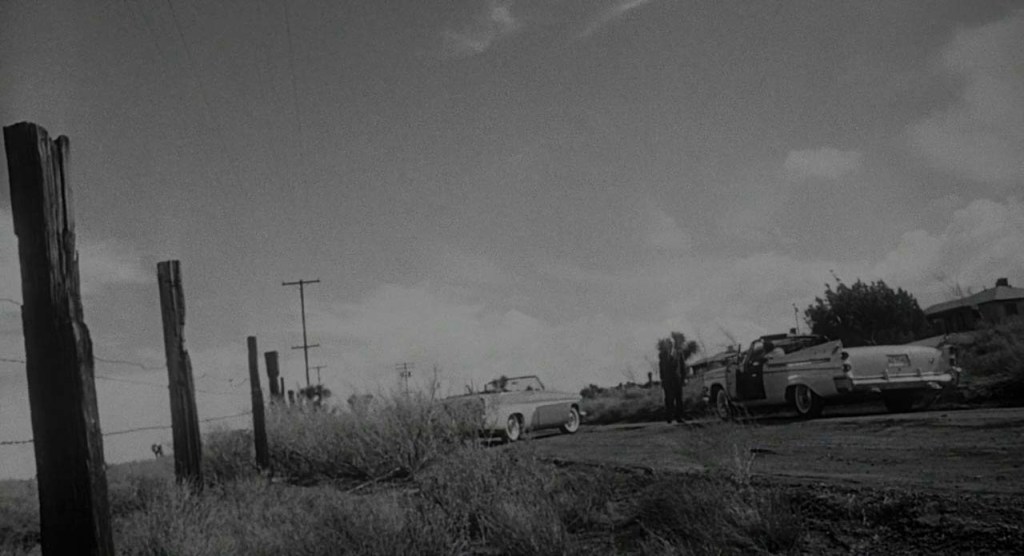
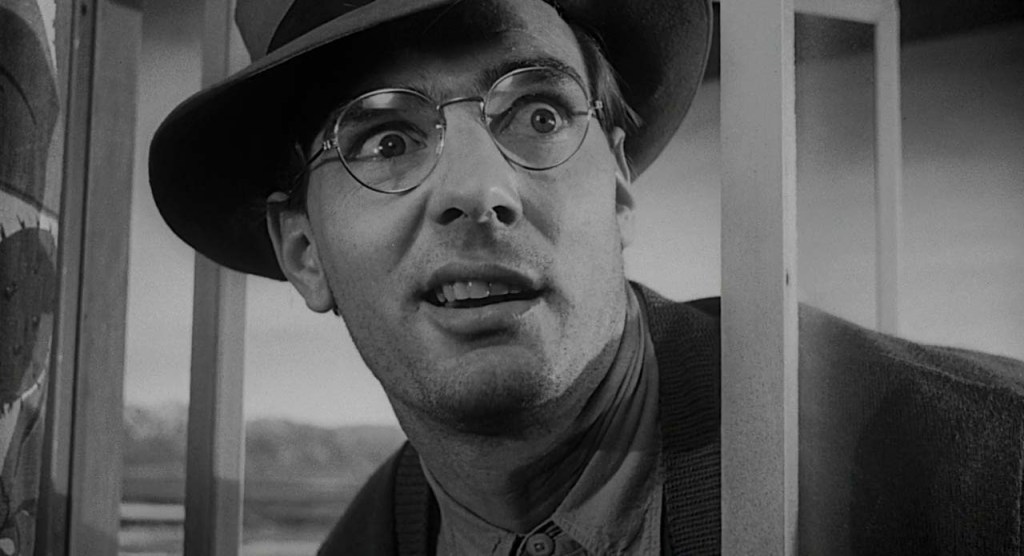
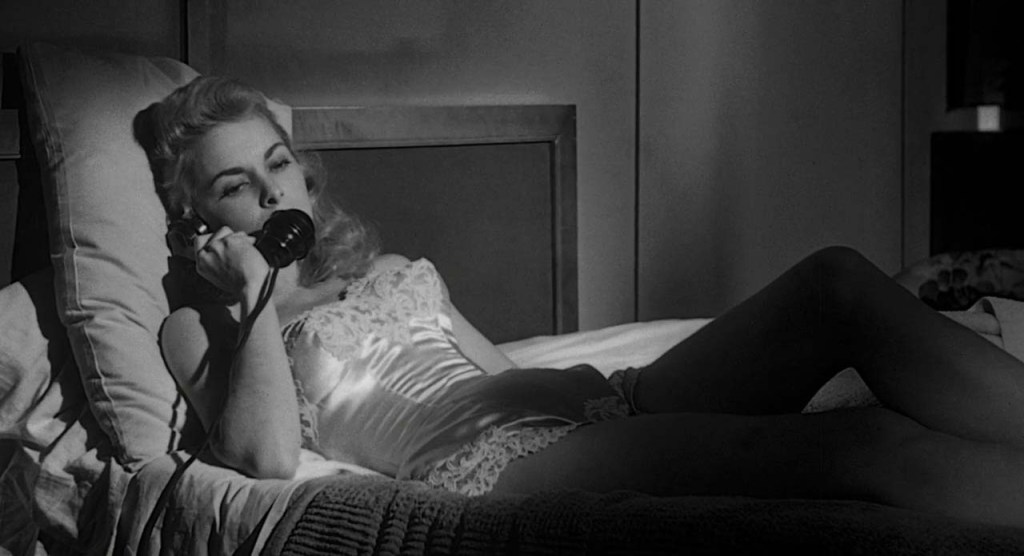
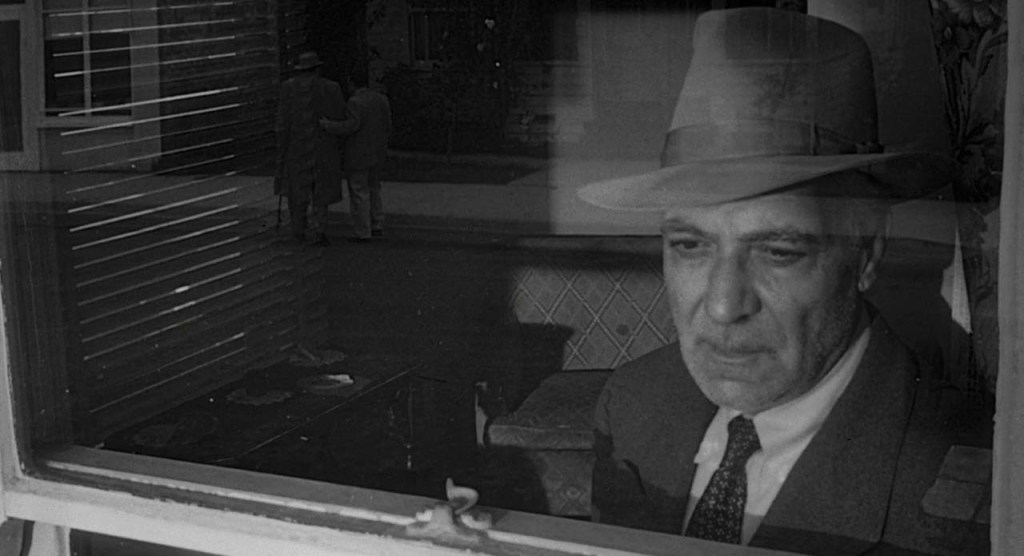
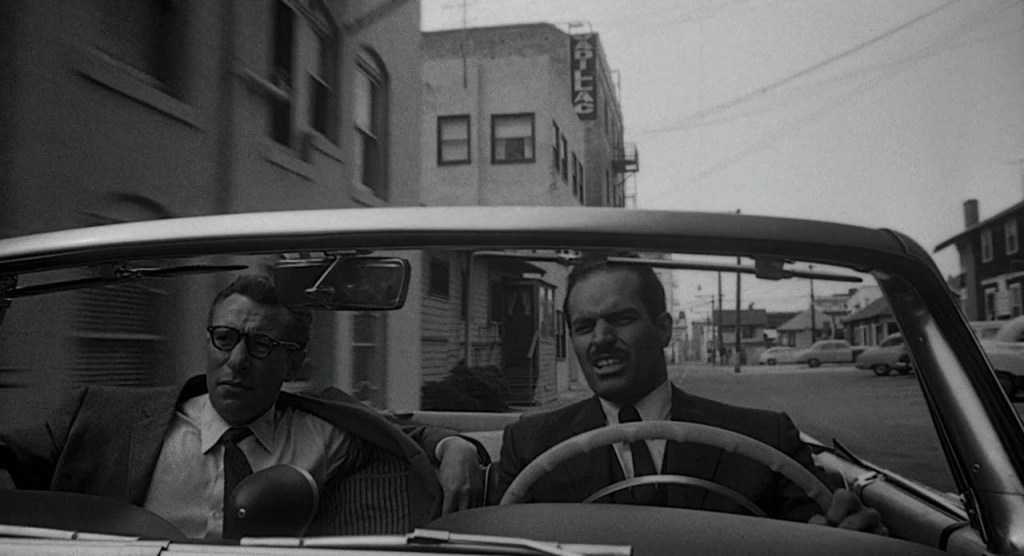
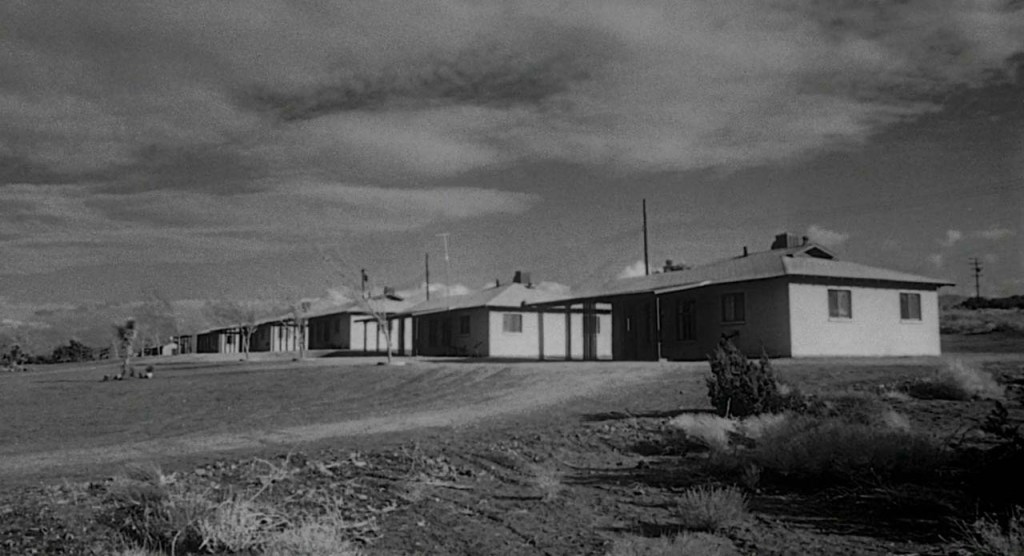
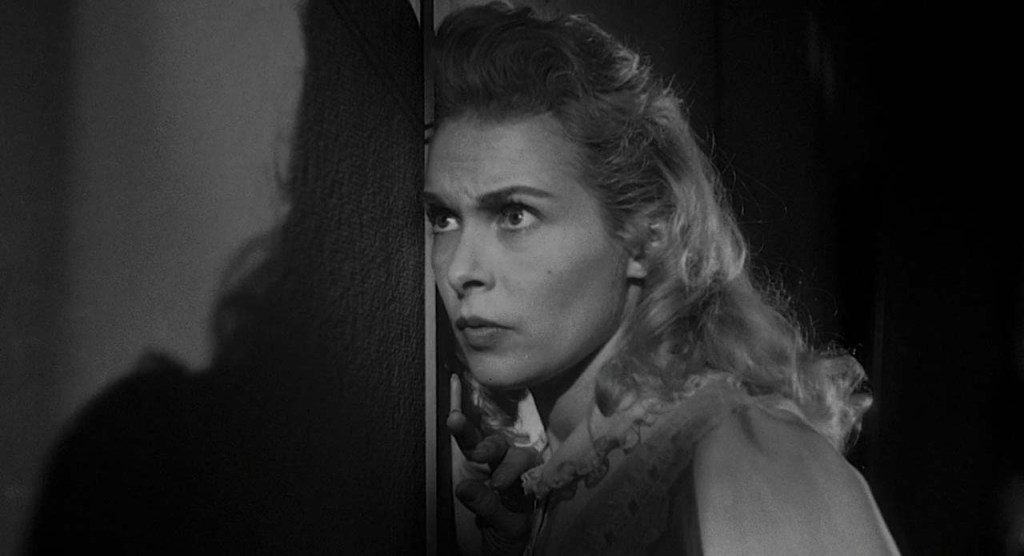
Meanwhile, Susan becomes a target of intimidation. Uncle Joe Grandi, portrayed by Akim Tamiroff, is a sleazy local crime boss who conspires with Quinlan to discredit Vargas by terrorizing his wife. Susan is lured to a remote motel, where she is drugged and framed to make it appear as though she is unfaithful and unstable. This subplot intensifies Vargas’s determination to expose Quinlan’s corruption.
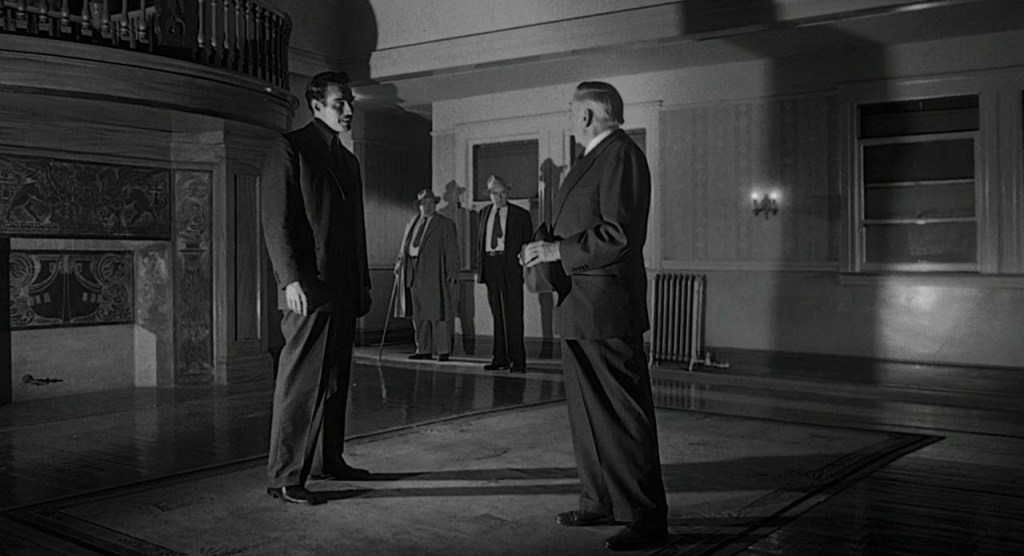
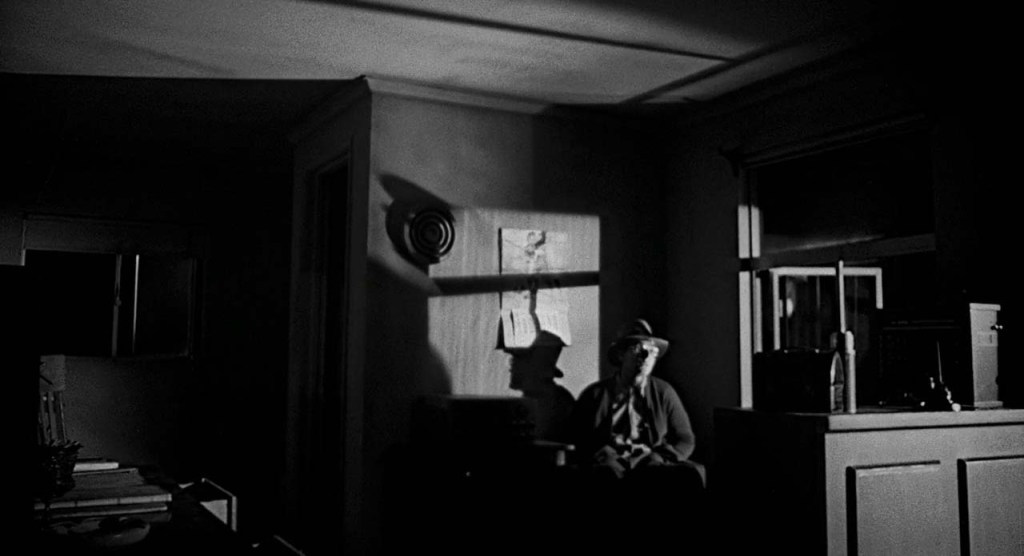
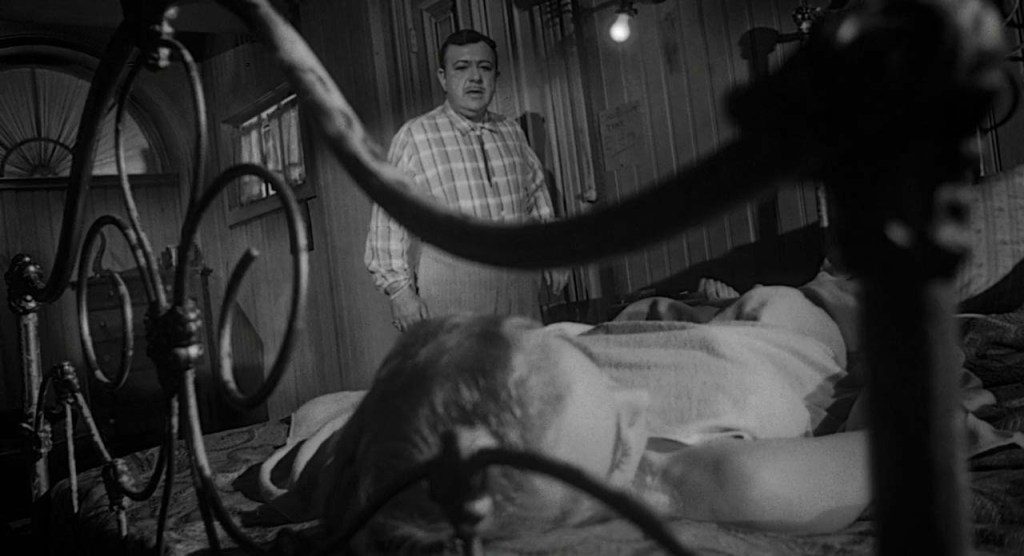
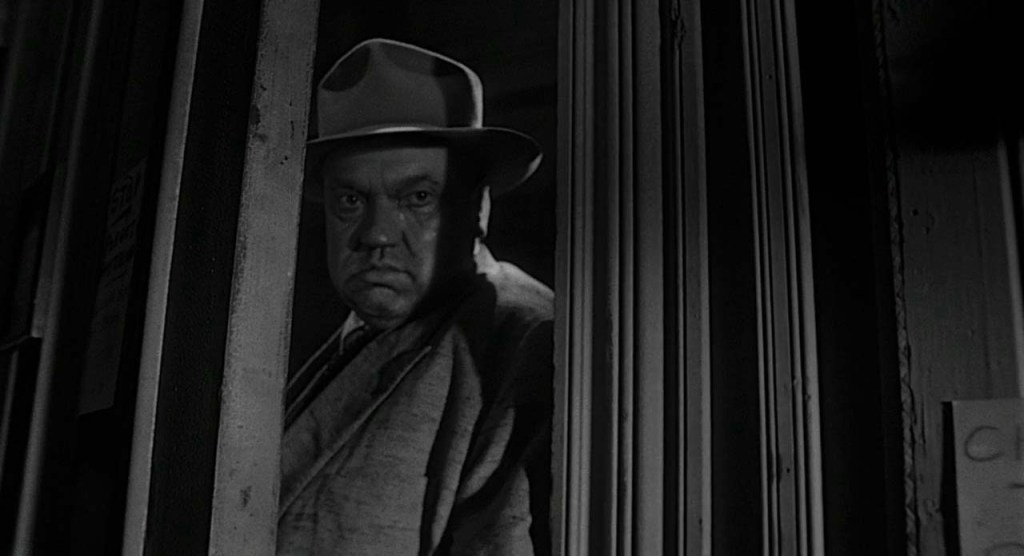
The case intensifies as Vargas uncovers a pattern of Quinlan planting evidence in previous cases, suggesting that many convictions were fraudulent. Quinlan’s alcoholism and troubled past surface, particularly his unresolved bitterness over his wife’s long-ago murder, which has fueled his obsession with “intuition” rather than relying on solid evidence.
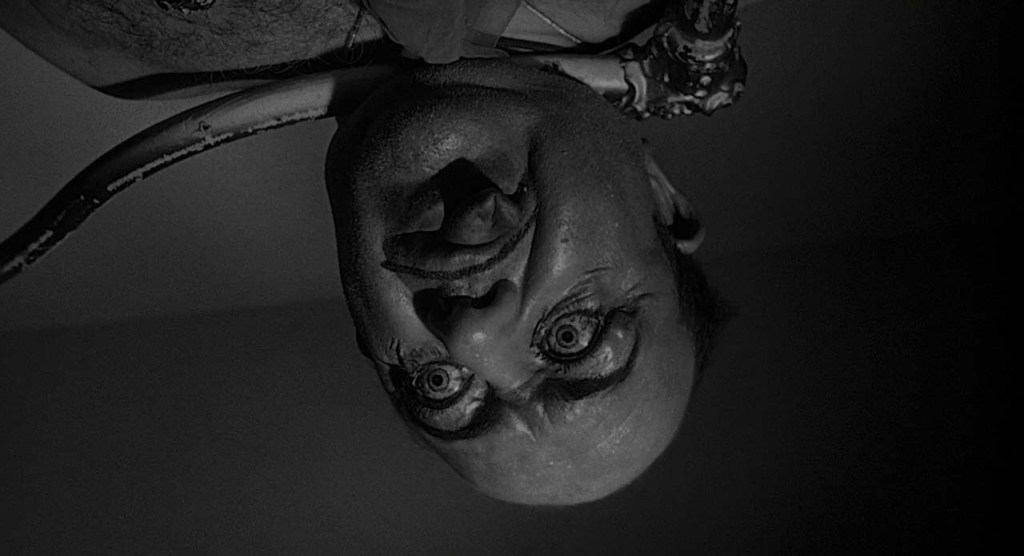
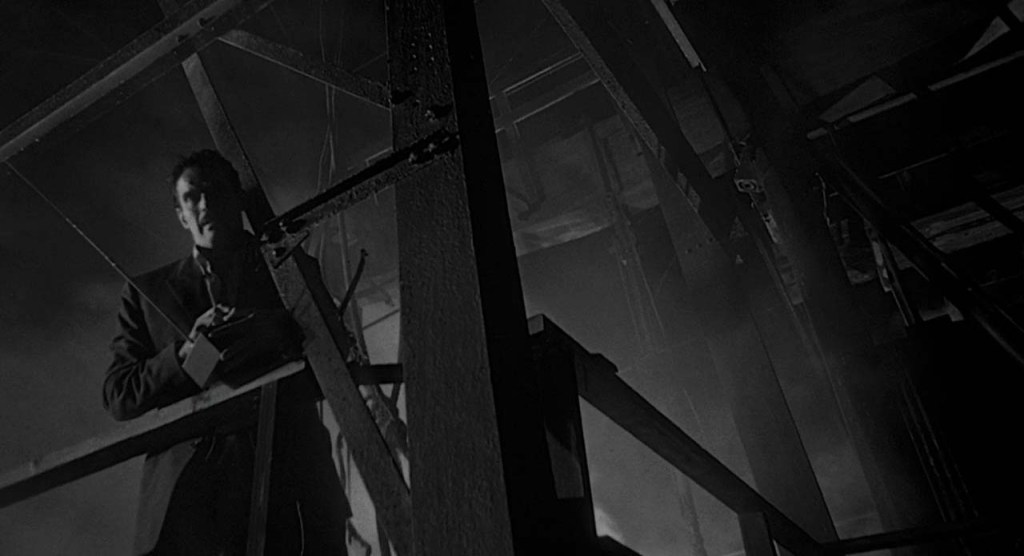
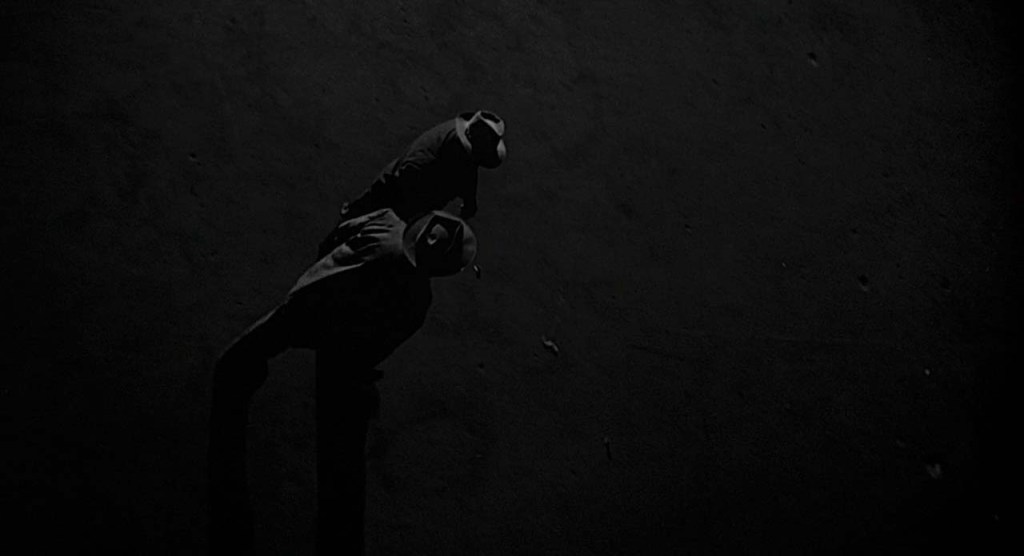
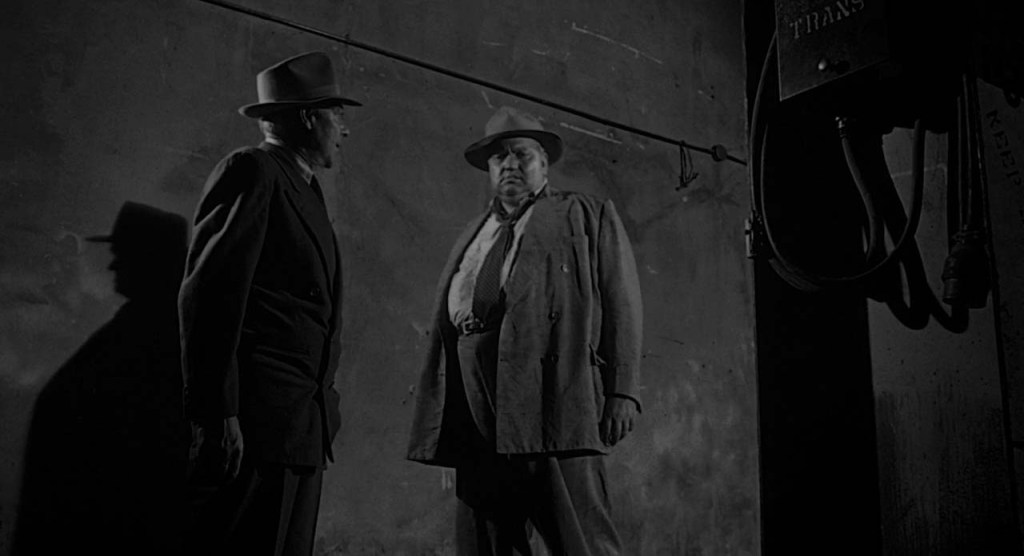
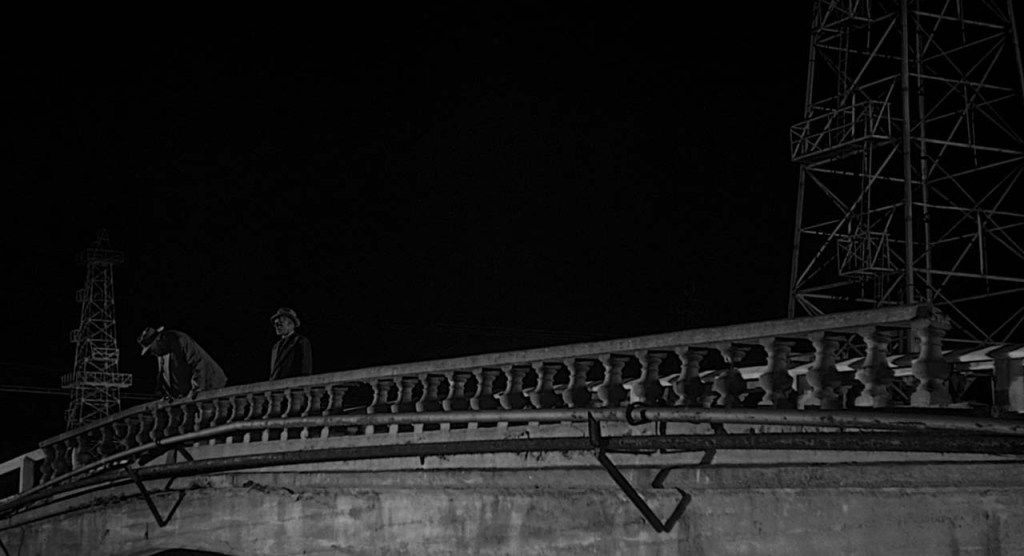
The climax unfolds when Vargas, with the help of Menzies—who has finally turned against his mentor—secretly records Quinlan’s drunken confession. As Quinlan realizes he has been trapped, he fatally shoots Menzies, but Menzies manages to shoot Quinlan in his dying moments. Quinlan then staggers toward the riverbank and collapses, dying beneath the bridge where Vargas and the police await.
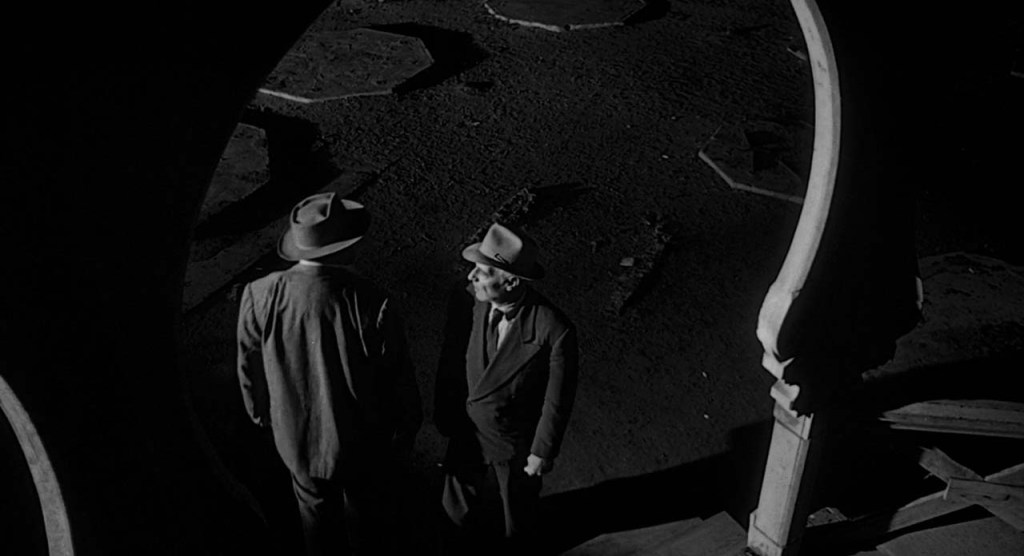
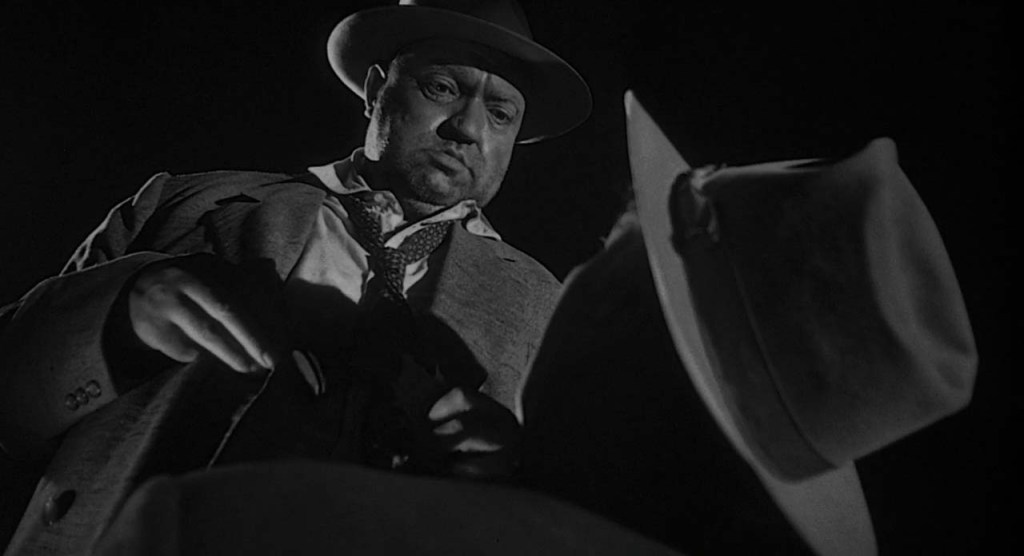
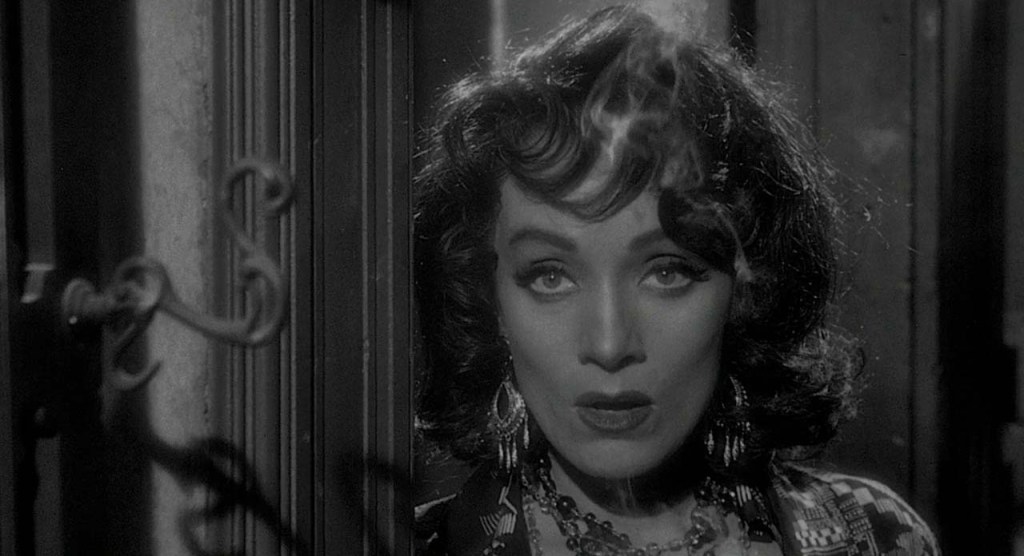
Later, Tanya (Marlene Dietrich), a fortune teller and Quinlan’s old acquaintance, delivers the film’s somber epitaph: “He was some kind of man. What does it matter what you say about people?”
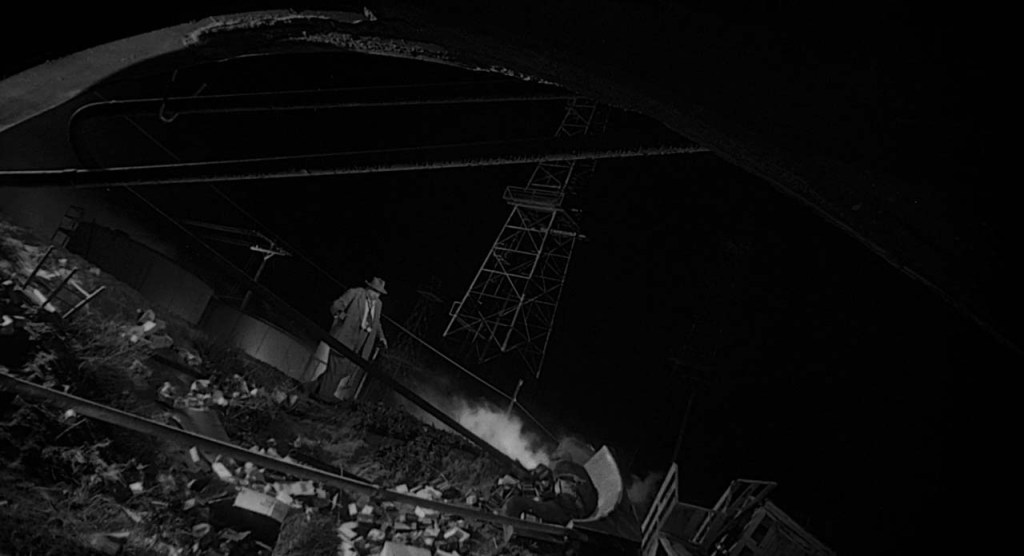
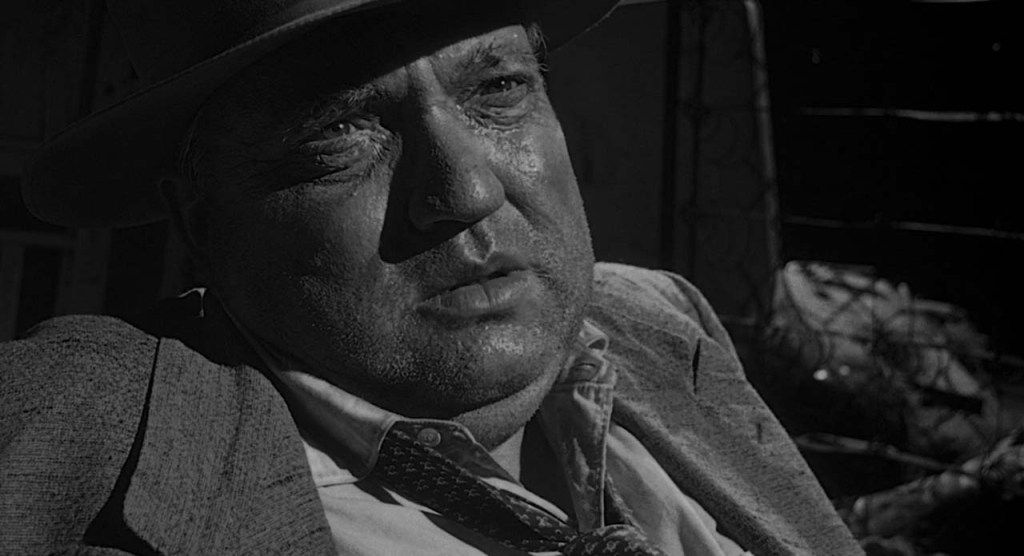
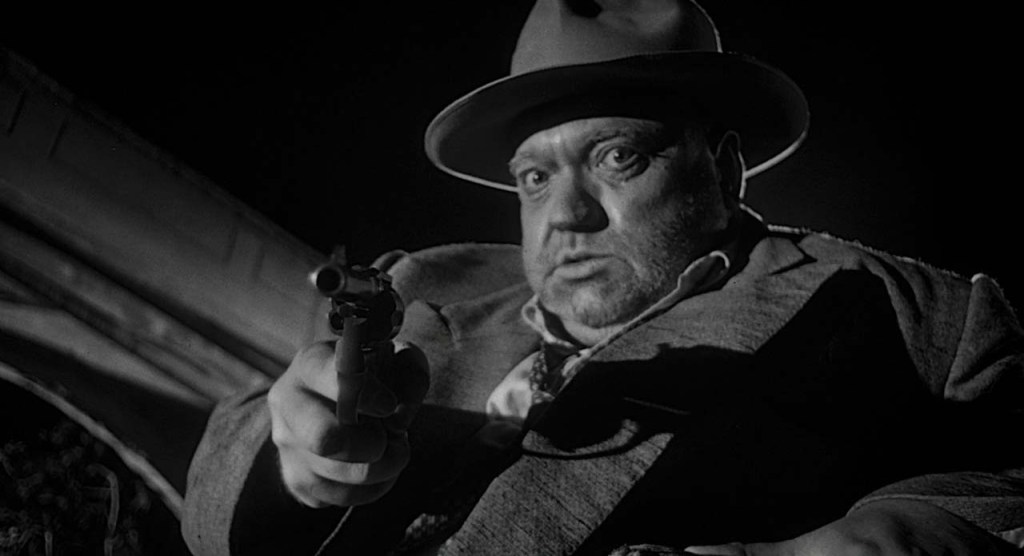
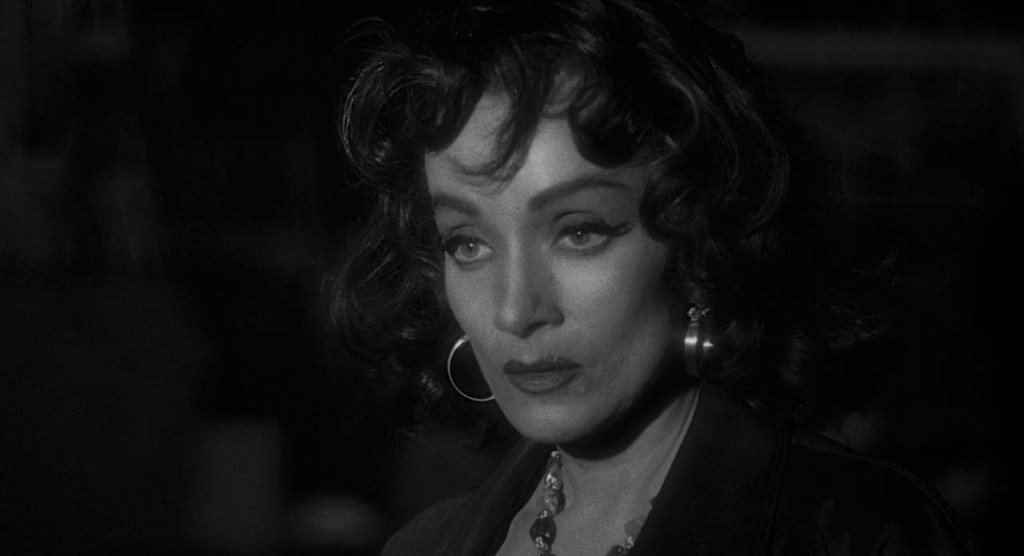
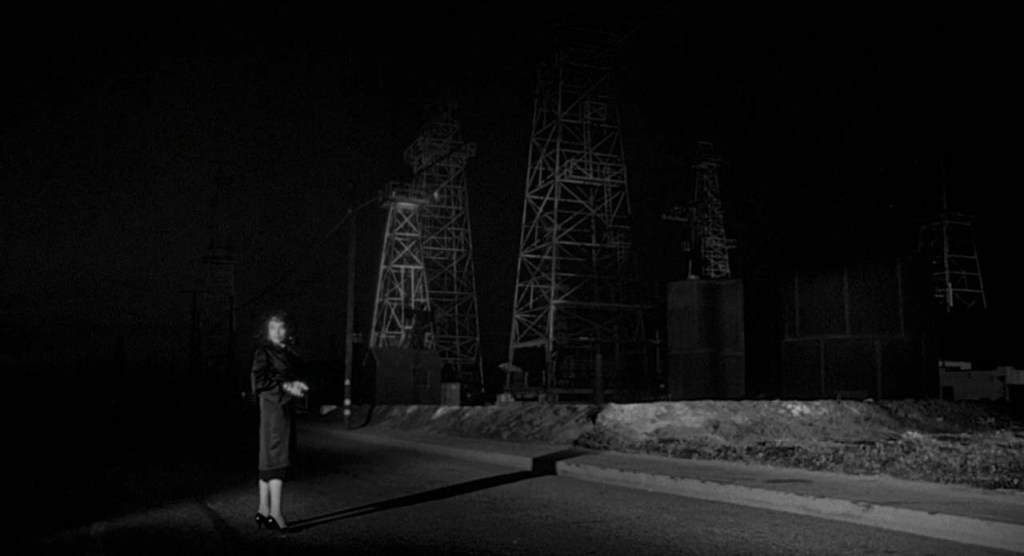
“Touch of Evil” explores themes of corruption, morality, and the blurred line between justice and crime. Orson Welles portrays Quinlan as both monstrous and tragically human—a character who is destroyed by his past and his own methods. The film is stylistically innovative, utilizing low-angle shots, deep shadows, wide lenses, and disorienting camera movements to highlight moral decay. It remains a classic that holds up remarkably well by today’s standards.