

“Women in Love” is a 1969 British romantic drama directed by Ken Russell. It is adapted from D.H. Lawrence’s 1920 novel of the same name. The film delves into the complexities of love, sexuality, and human connection in post-World War I England. Glenda Jackson won the Academy Award for Best Actress for her performance in the film.
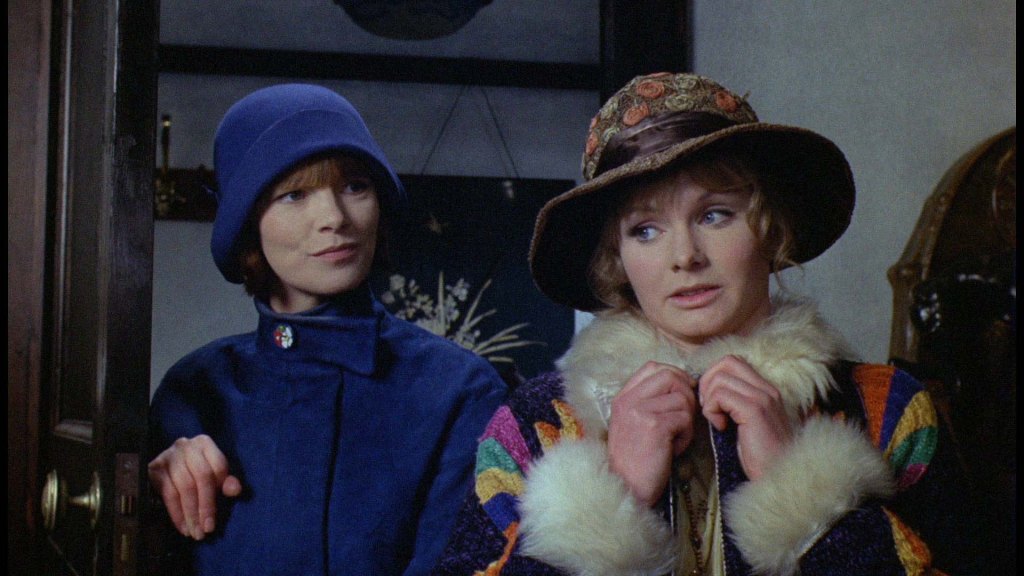
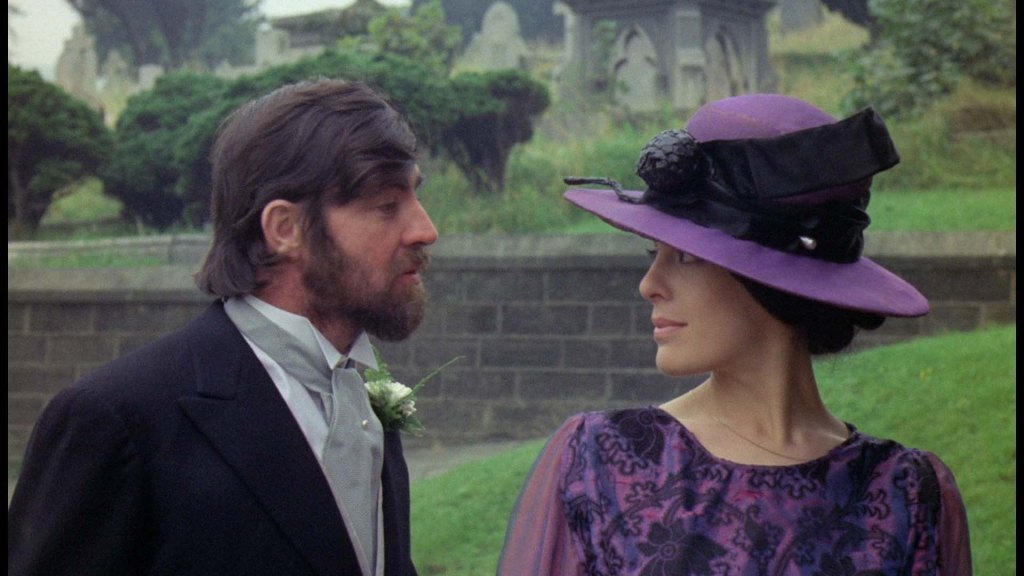
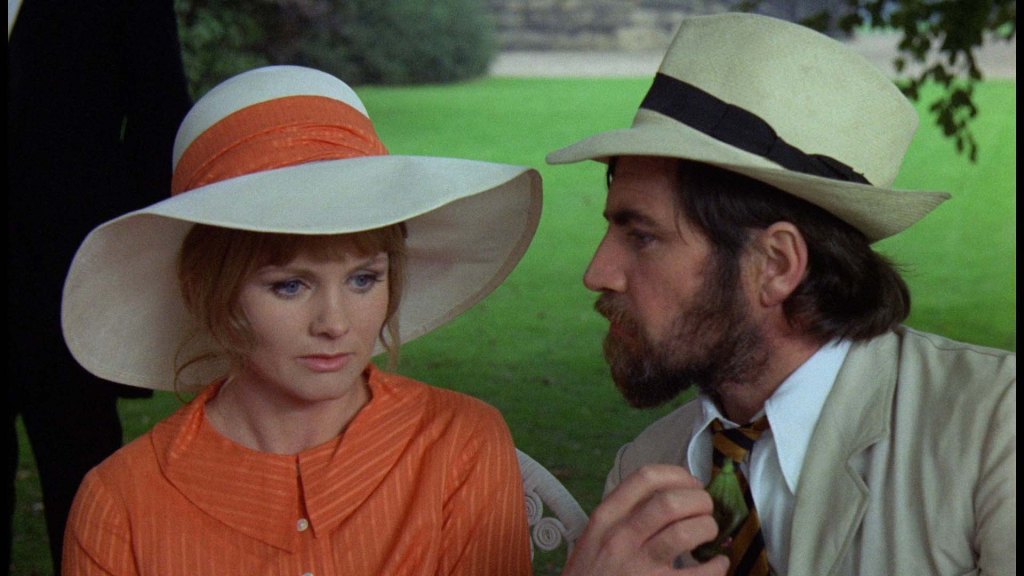
Set in the 1920s, the story follows two independent-minded sisters, Gudrun (Glenda Jackson) and Ursula Brangwen (Jennie Linden), who teach in the Midlands. At a wedding, they meet two men who will change their lives: Rupert Birkin (played by Alan Bates), an intellectual and school inspector, and Gerald Crich (played by Oliver Reed), the wealthy heir to a coal-mining family.

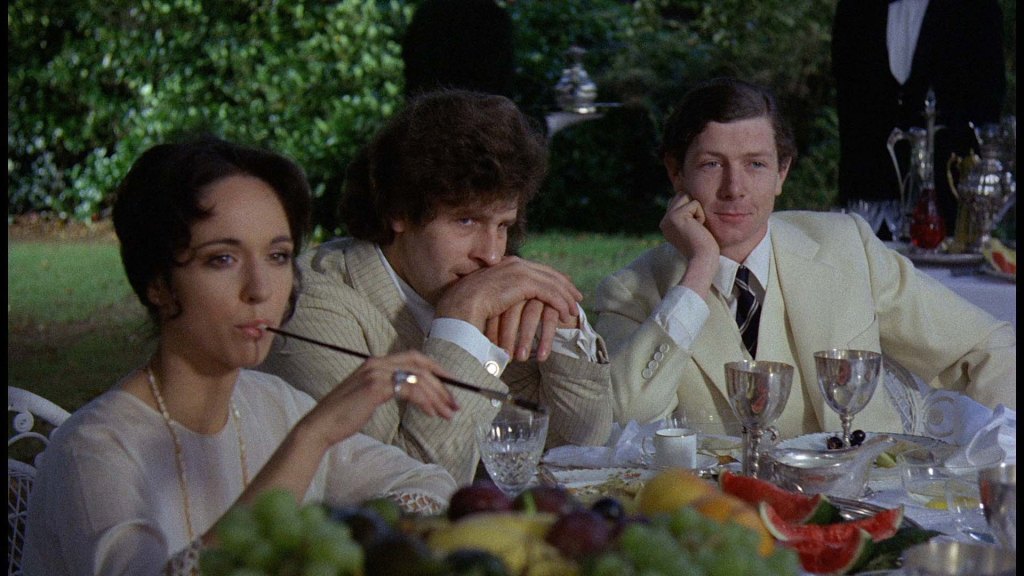
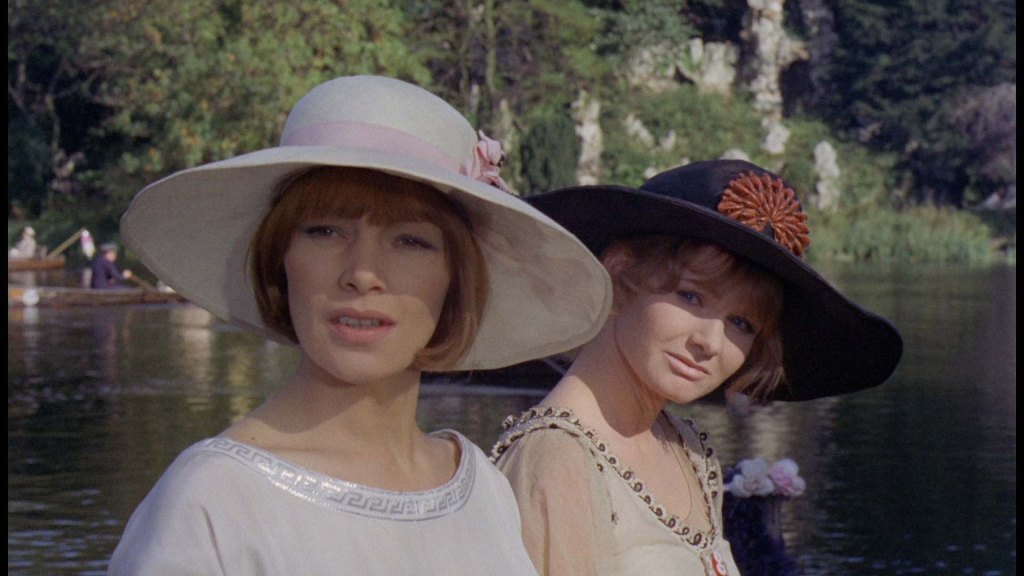
Rupert is a philosophical man who is disillusioned with conventional ideas of love and marriage. He seeks a deeper form of human connection. In contrast, Gerald is pragmatic, controlling, and emotionally repressed. His personality is shaped by his industrialist background and the pressures of family duty.

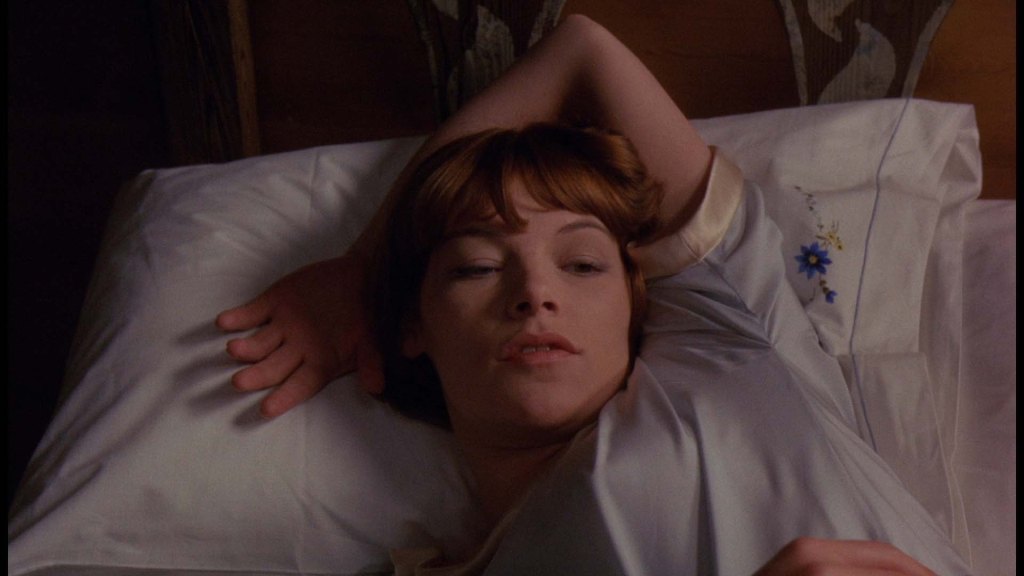
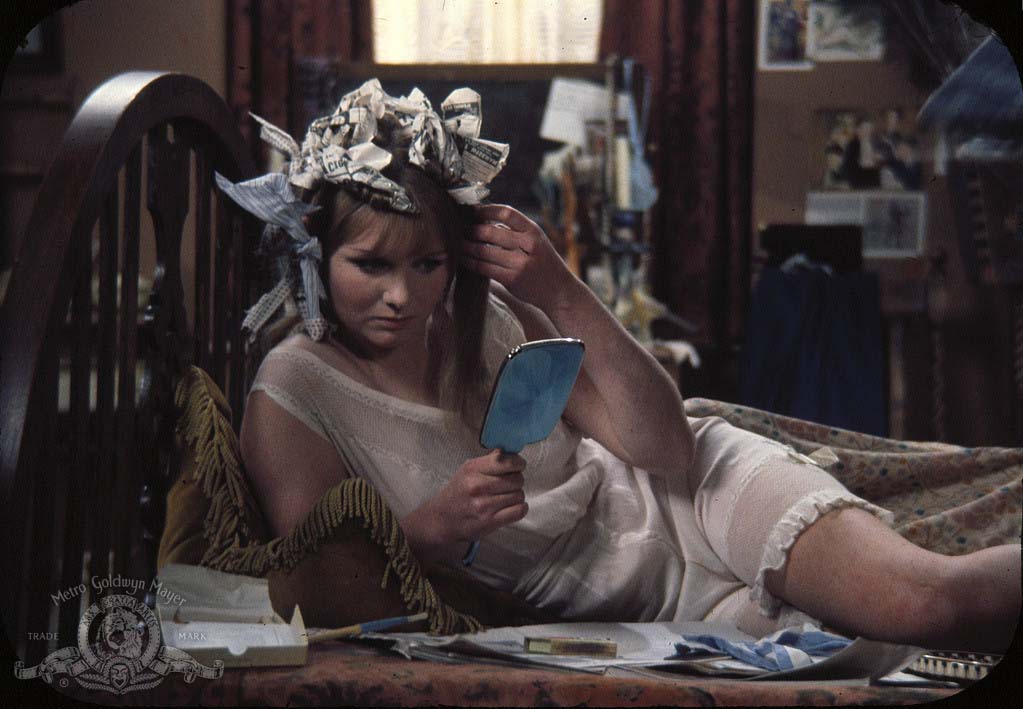
The sisters become involved in relationships that highlight their contrasting temperaments. Ursula starts a romance with Rupert, whose restless idealism both fascinates and frustrates her. On the other hand, Gudrun, who is more unconventional and daring, is drawn to Gerald’s raw intensity. Their connection is passionate yet volatile, characterized by both attraction and destructiveness.
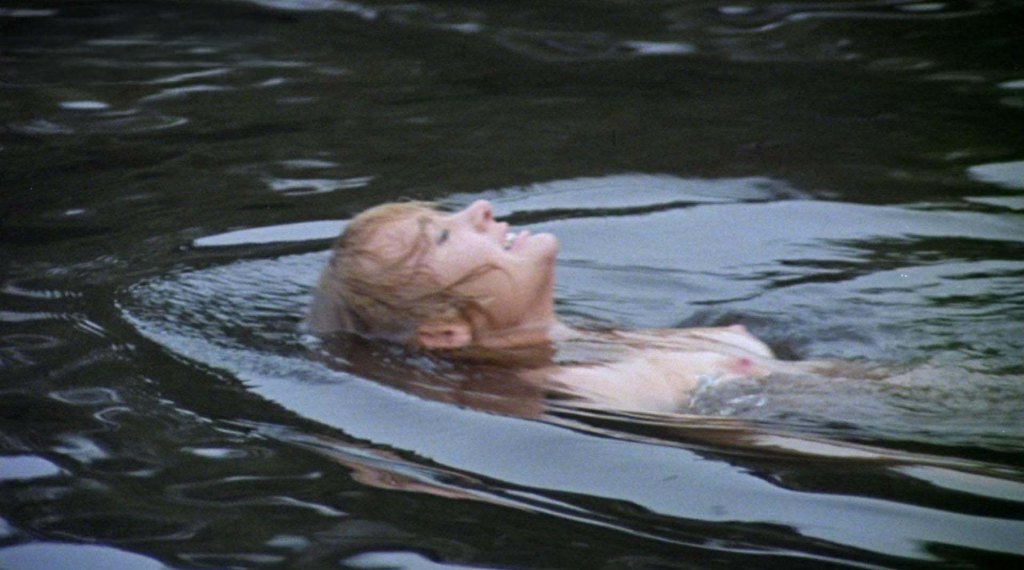

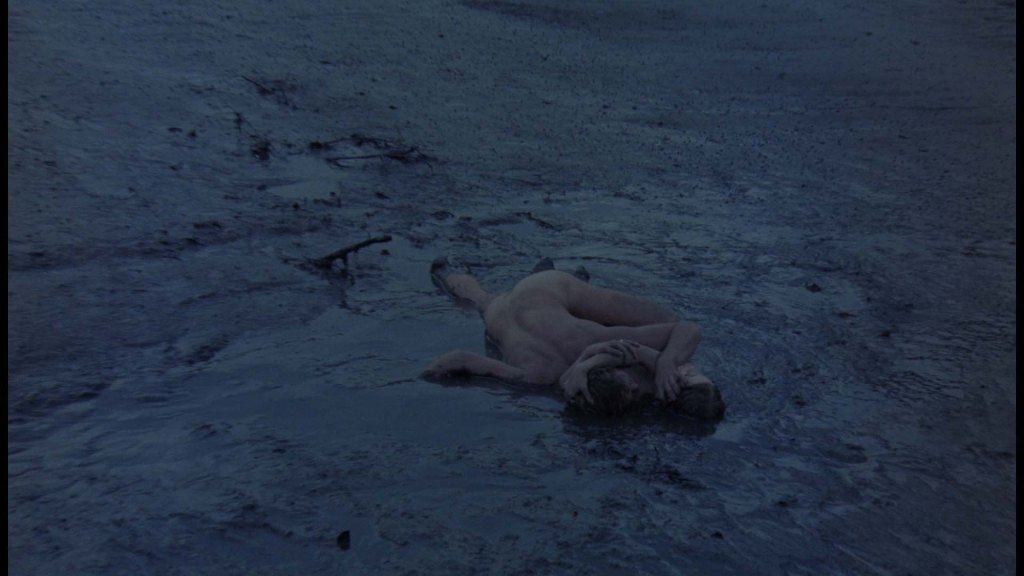
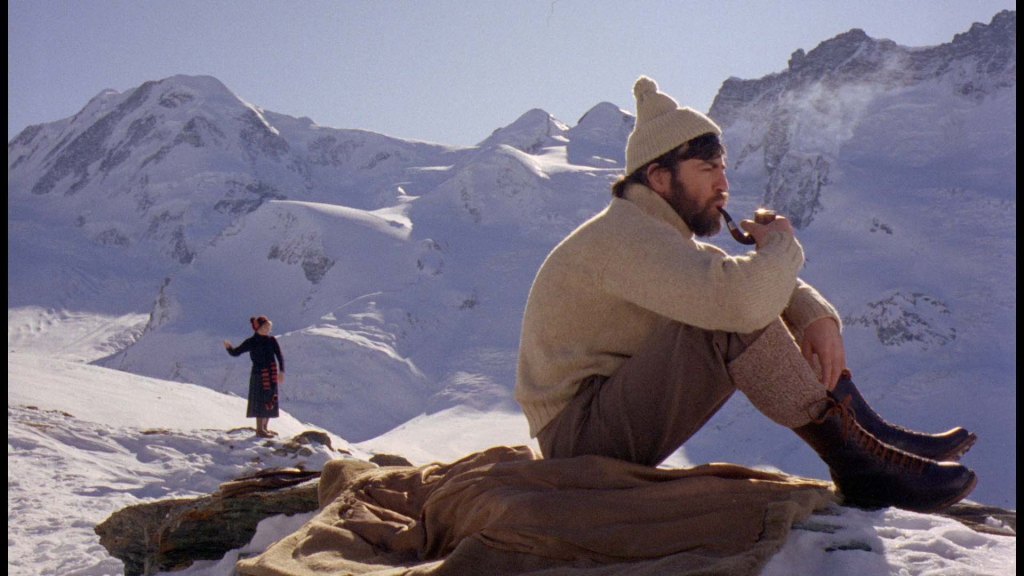
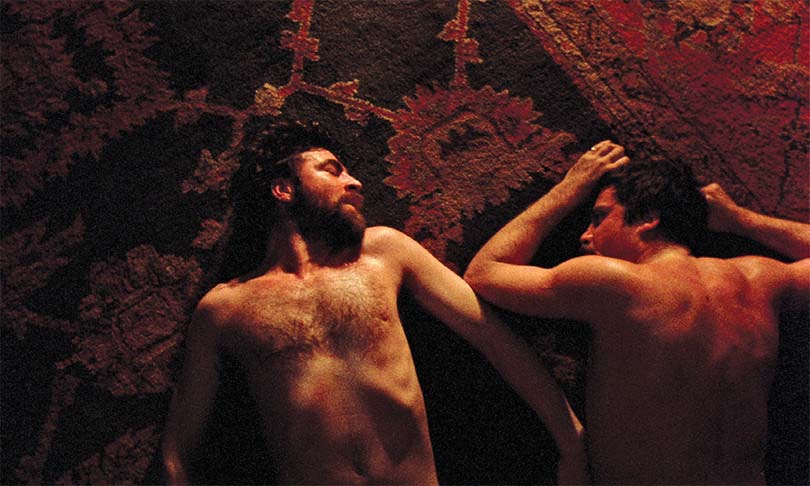
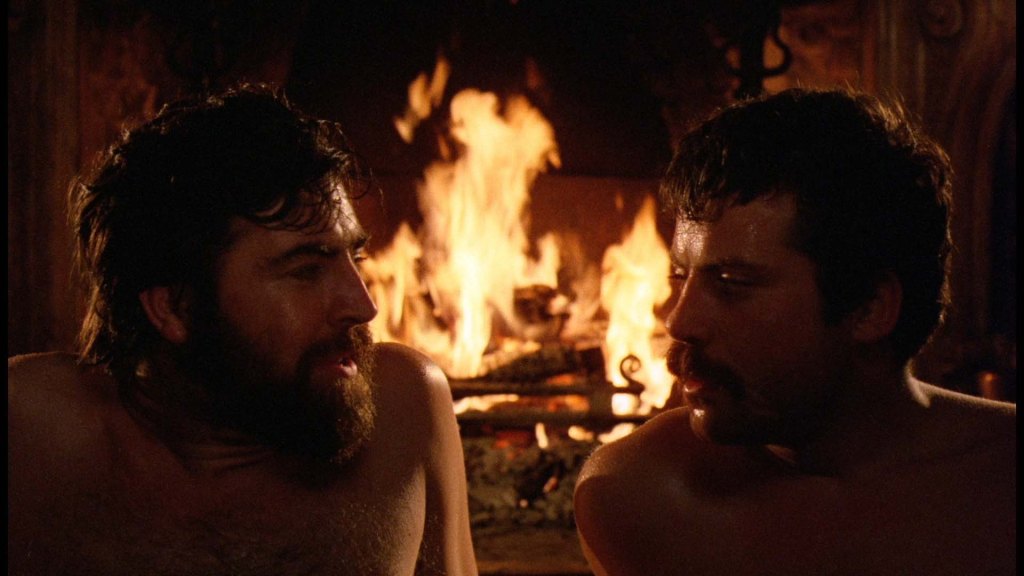
As the couples’ lives intertwine, the film explores love in its many forms: the tenderness and intellectual connection between Rupert and Ursula, as well as the obsessive, destructive passion between Gudrun and Gerald. Rupert also expresses a longing for a deeper, spiritual bond with Gerald that goes beyond friendship—a wish for a union that transcends conventional love. This tension culminates in the film’s famous nude wrestling scene, where Rupert and Gerald physically grapple in a moment charged with homoerotic intensity, symbolizing both rivalry and desire.

The story takes a tragic turn when the group travels to the Alps. Amid the stark, snowy landscapes, Gudrun becomes increasingly restless and begins to flirt with an artist named Loerke, provoking Gerald’s jealousy and rage. Their relationship ultimately descends into violence. Tormented and unable to reconcile his inner conflicts, Gerald wanders into the snow and dies from exposure, a victim of his inability to balance passion and control.

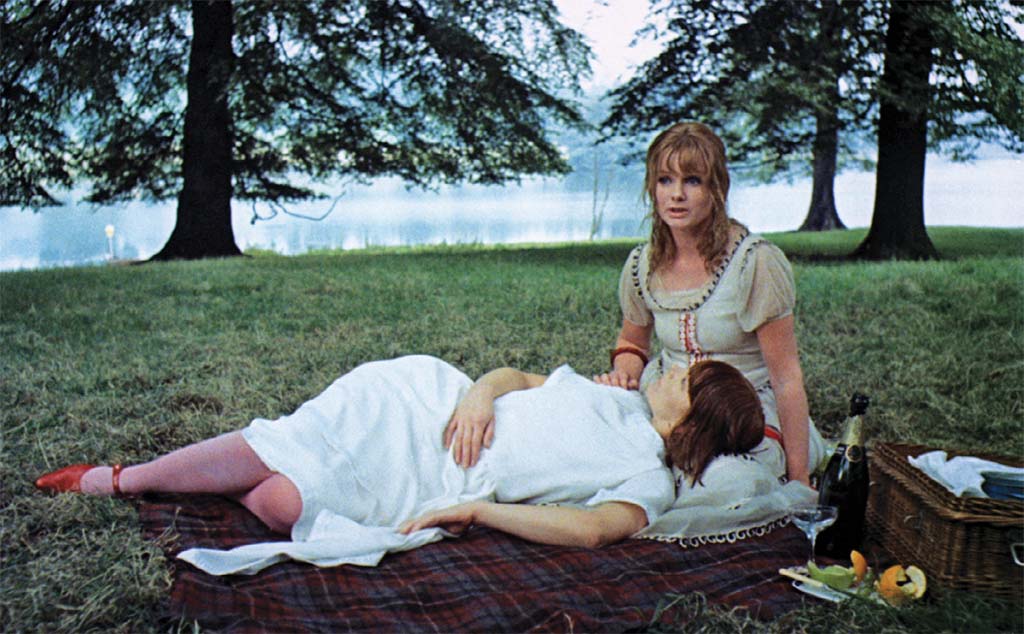
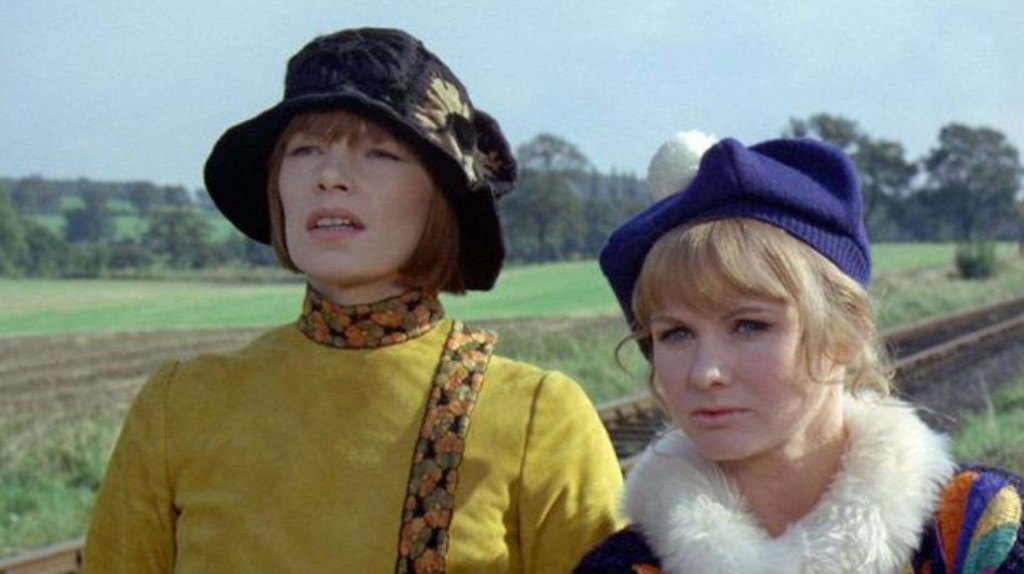
Meanwhile, Rupert and Ursula find a fragile but enduring love. In the film’s final moments, Rupert mourns Gerald but emphasizes the need for both male friendship and heterosexual love to coexist. He laments that such an ideal balance was never truly achieved.
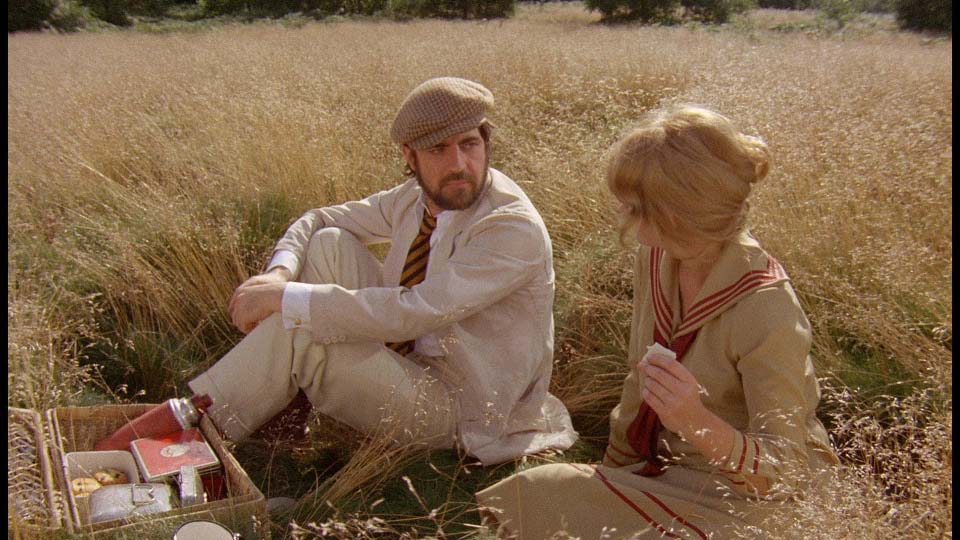
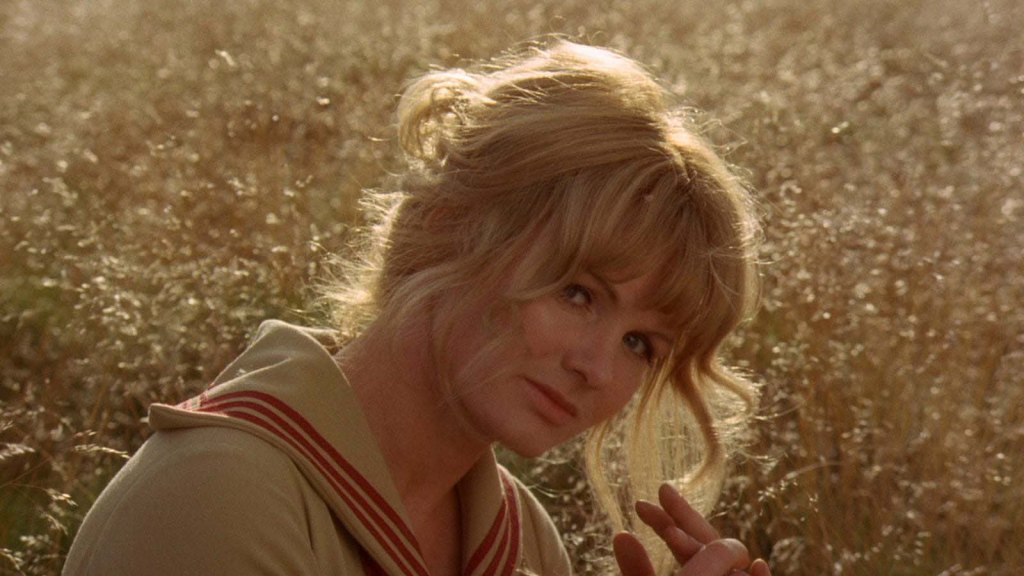
“Women in Love” examines the clash between passion and reason, freedom and repression, and the search for new forms of intimacy in a changing world. Ken Russell blends lush, painterly cinematography with raw emotional performances, creating a sensual yet cerebral atmosphere. The film is remembered for its candid exploration of sexuality—both heterosexual and homoerotic—and its refusal to offer easy answers about the nature of love.