
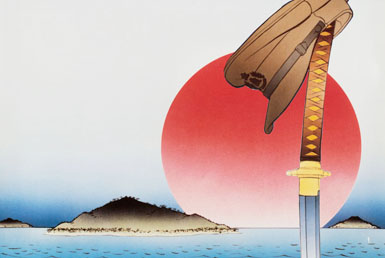
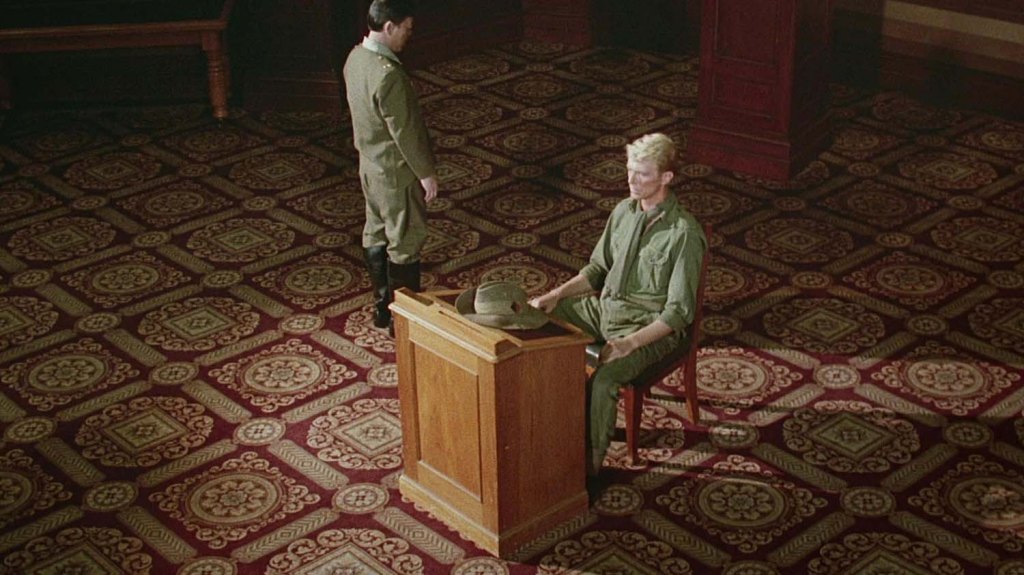
“Merry Christmas, Mr. Lawrence” is a 1983 war drama directed by Nagisa Ōshima and adapted from Laurens van der Post’s novel “The Seed and the Sower.” The film is recognized for its exploration of cultural conflict, honor, desire, and humanity within the harsh realities of a World War II prisoner-of-war camp. The haunting score was composed by Ryuichi Sakamoto, who also plays a central role in the film.
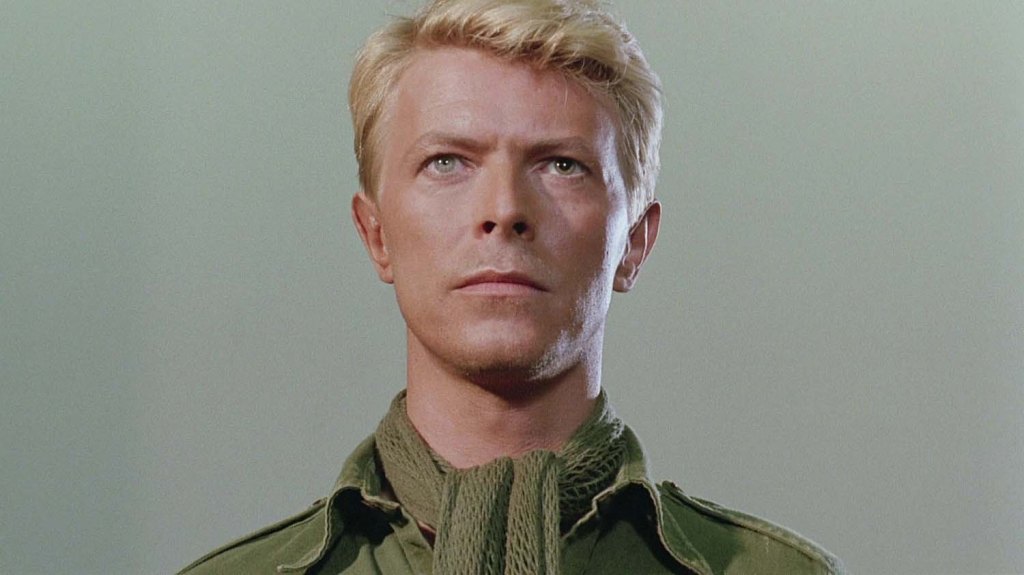
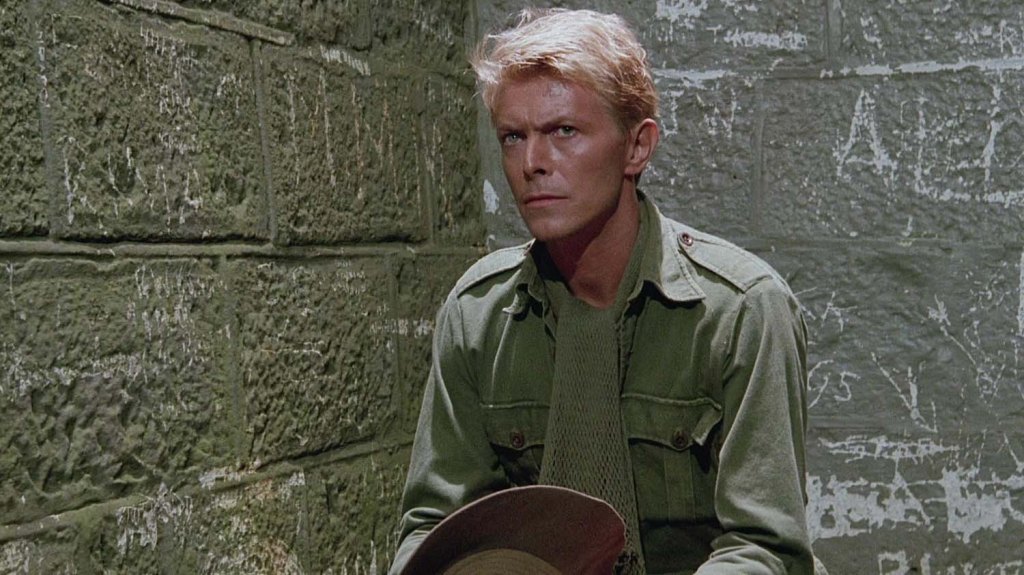
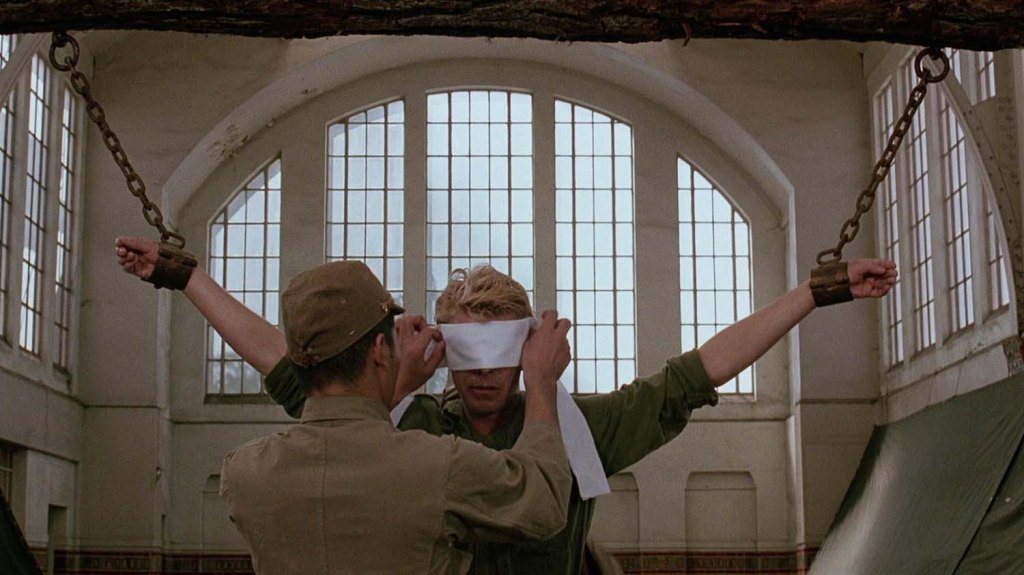
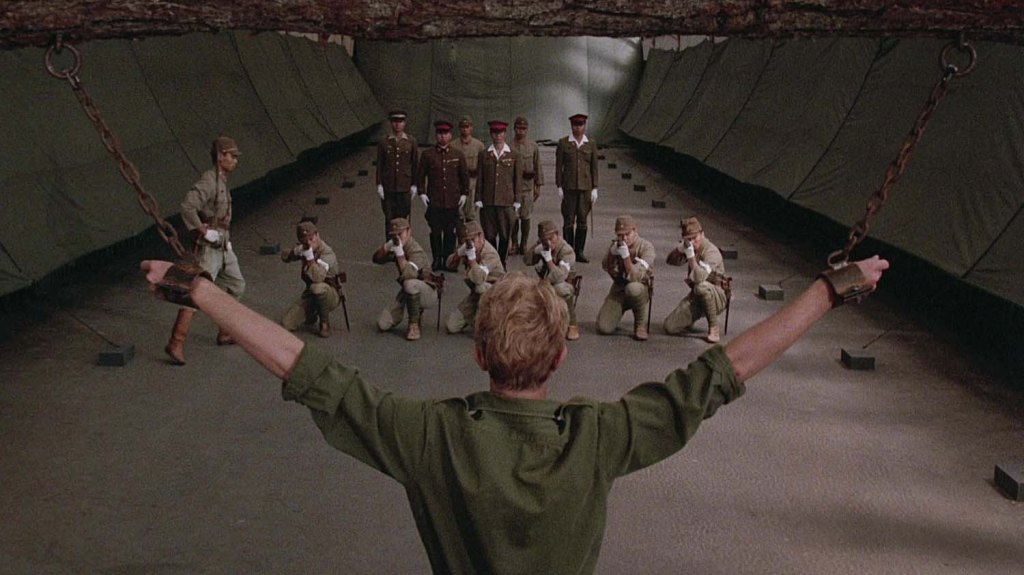
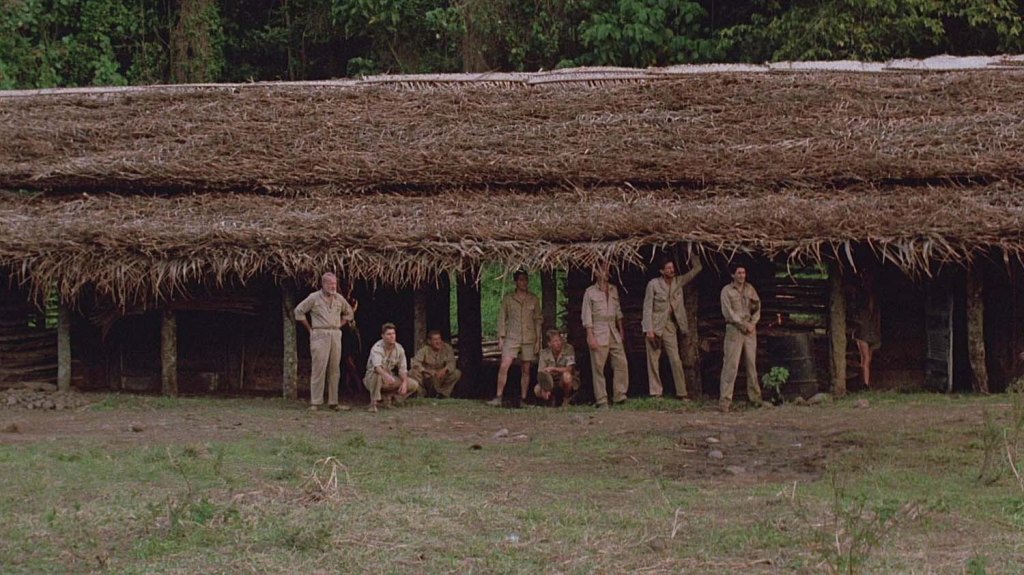
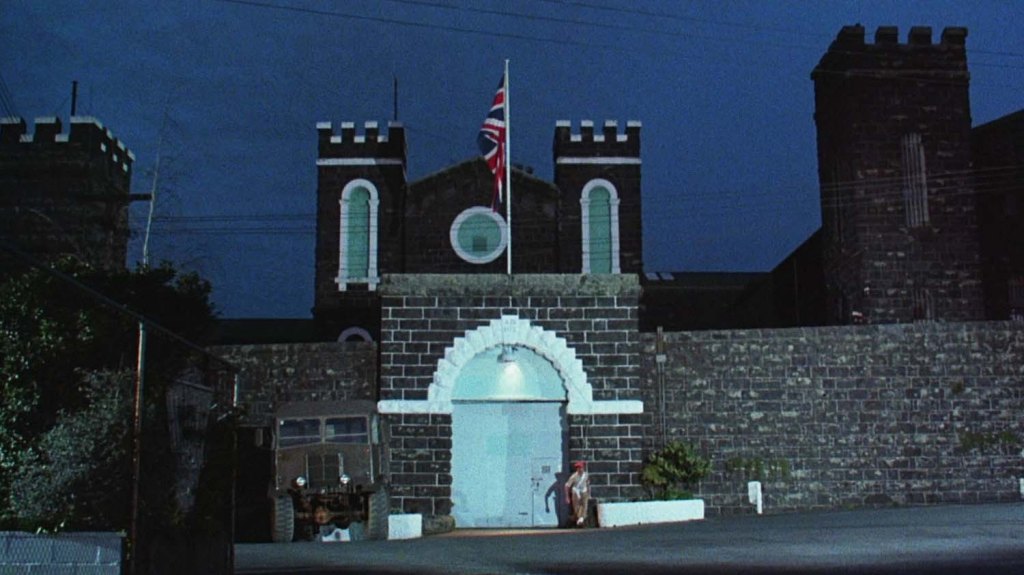
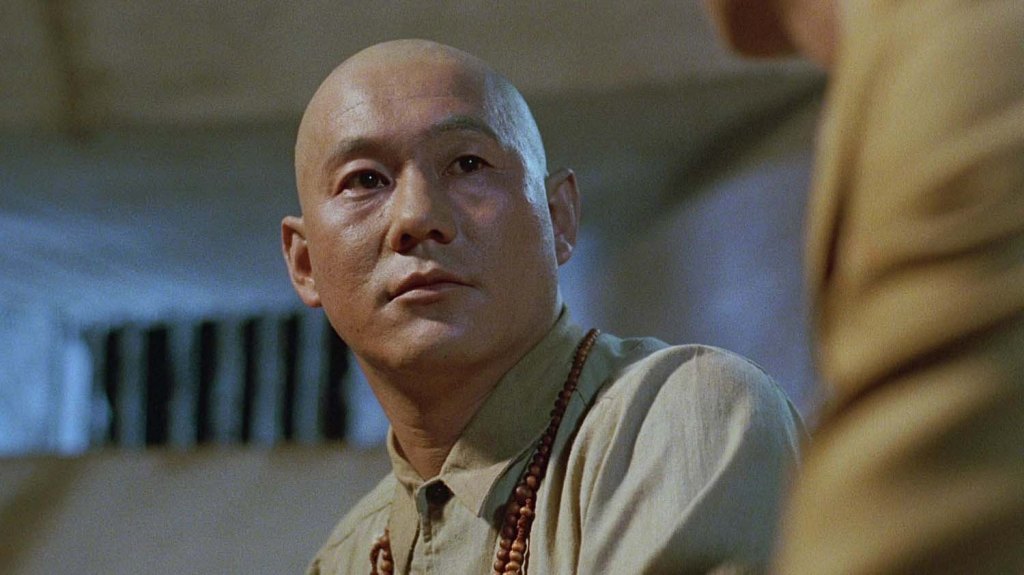
The story takes place between 1942 and 1943 in a Japanese-run POW camp in Java. The camp is led by Captain Yonoi (played by Ryuichi Sakamoto), a strict officer who adheres to samurai codes of honor and discipline. His second-in-command, Sergeant Hara (played by Takeshi Kitano), is a more pragmatic figure. While Hara often exhibits unpredictable cruelty, he occasionally shows moments of compassion.
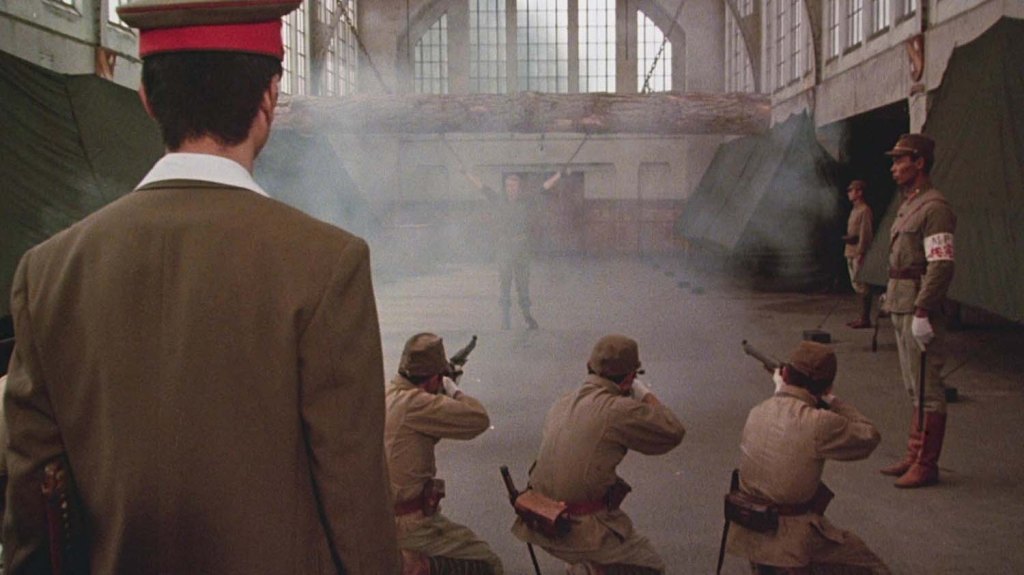
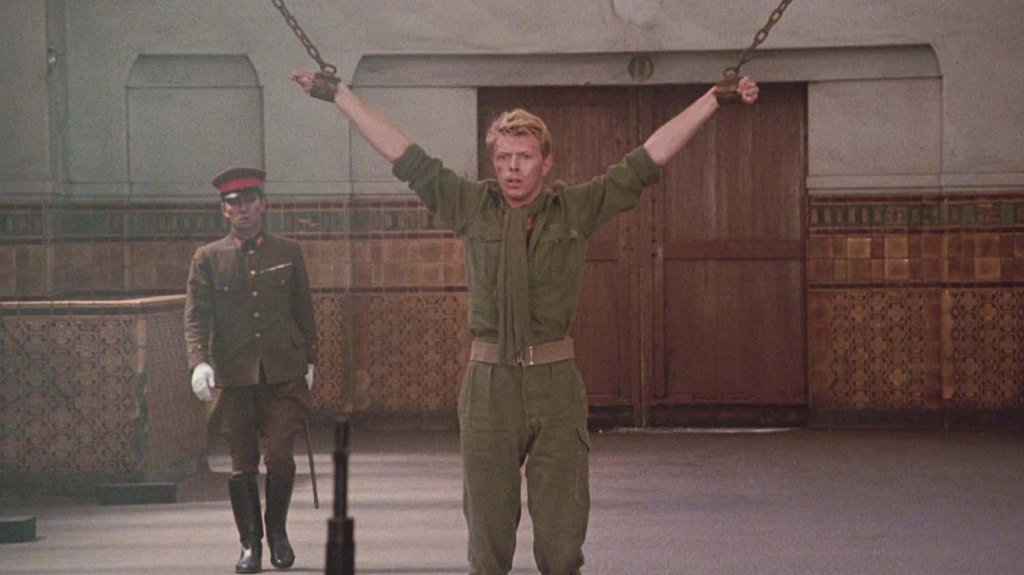
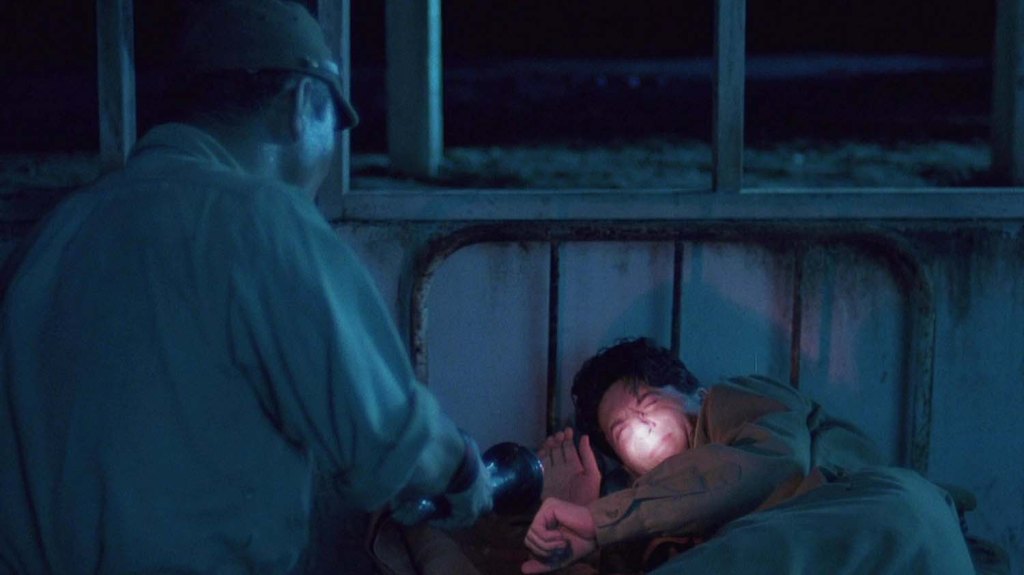
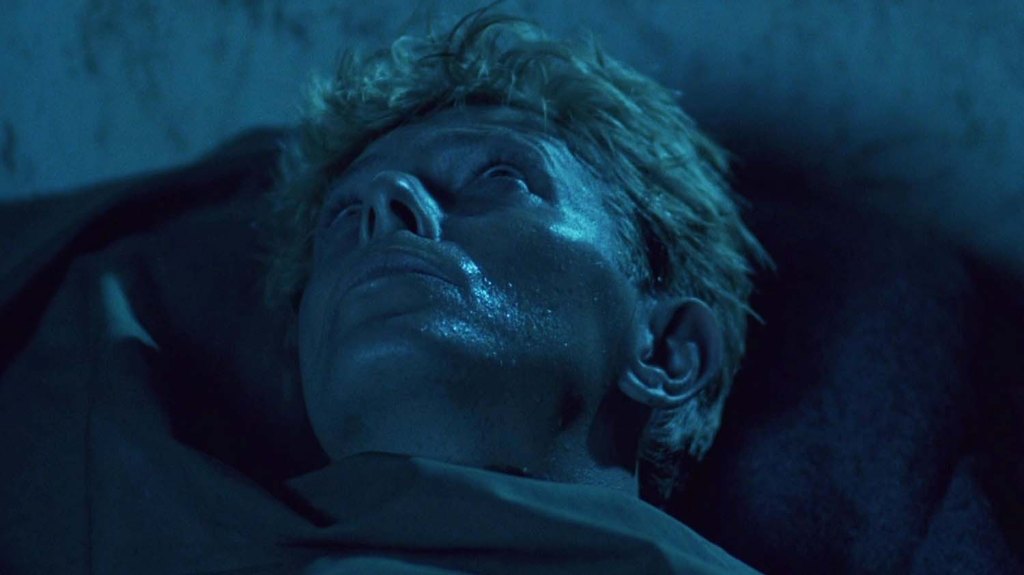
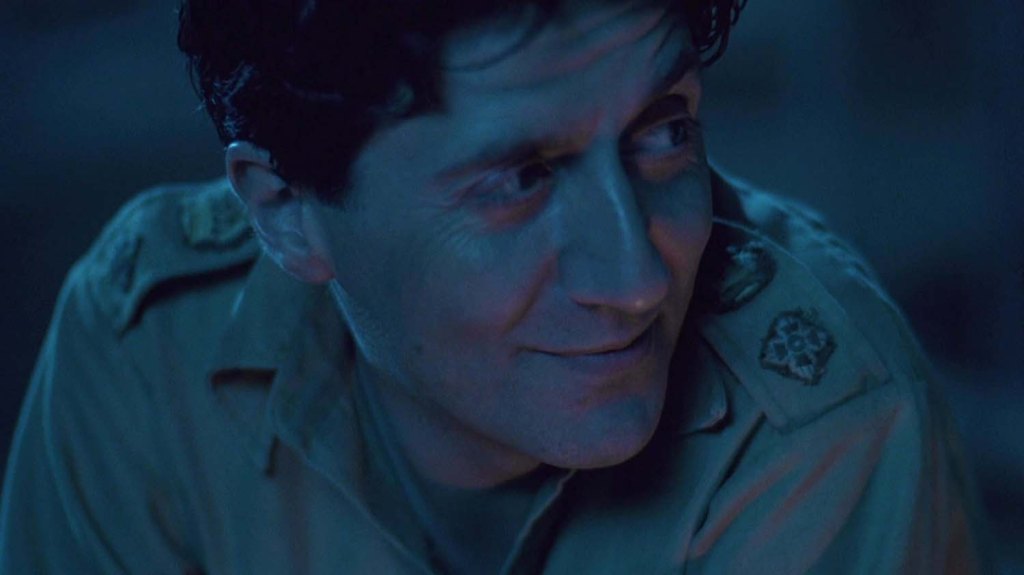
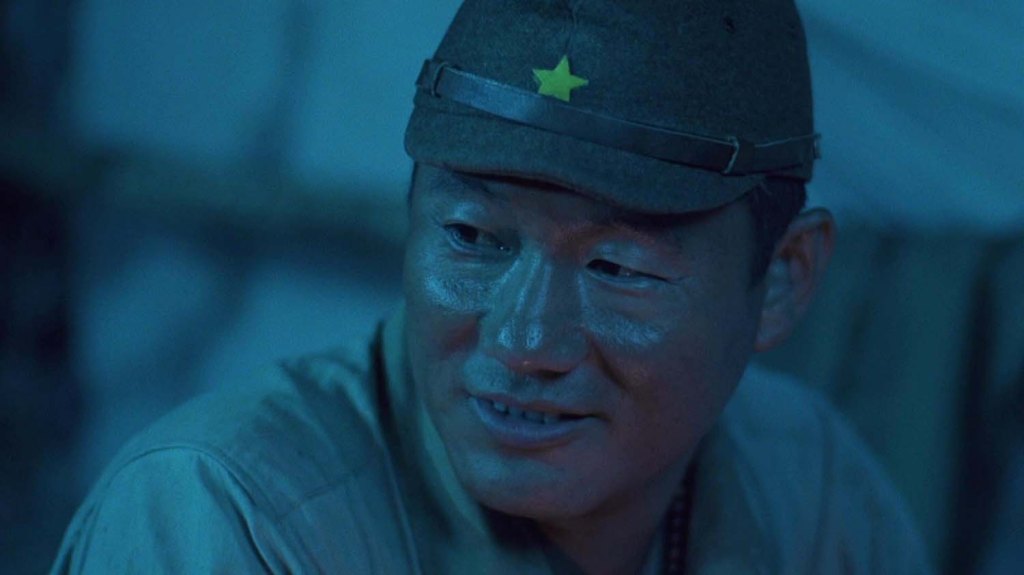
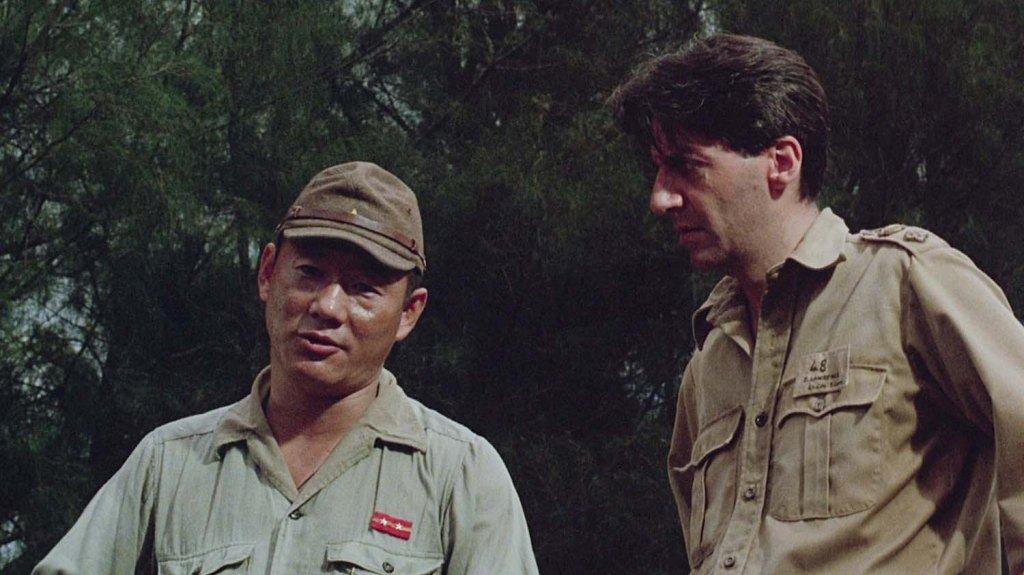
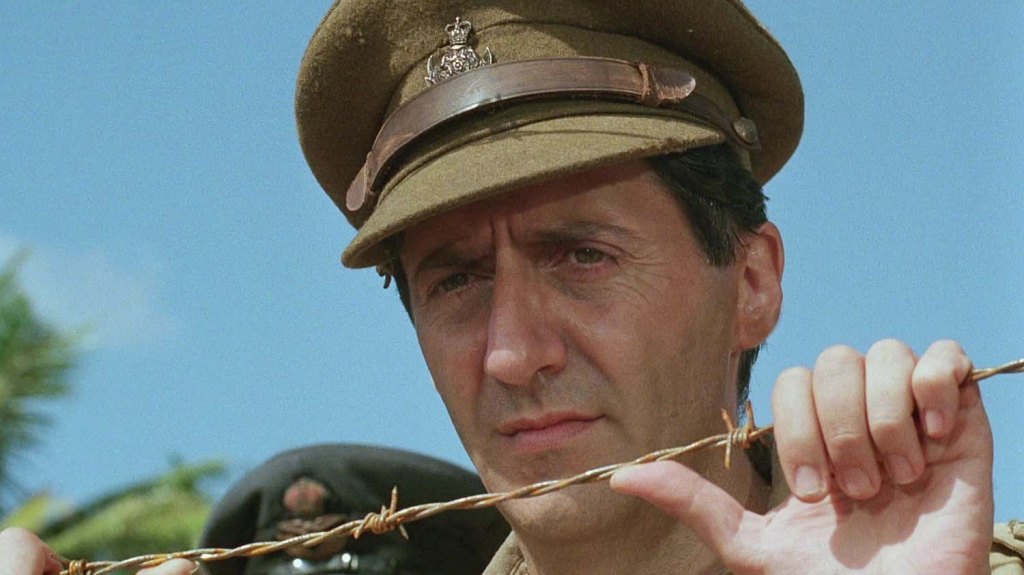
The group of prisoners includes Colonel John Lawrence (Tom Conti), a British officer fluent in Japanese who frequently acts as an interpreter and intermediary between the two sides. Group Captain Hicksley (Jack Thompson) is the highest-ranking officer among the prisoners. The dynamics among them change with the arrival of Major Jack Celliers (David Bowie), a charismatic yet troubled officer known for his rebellious nature.

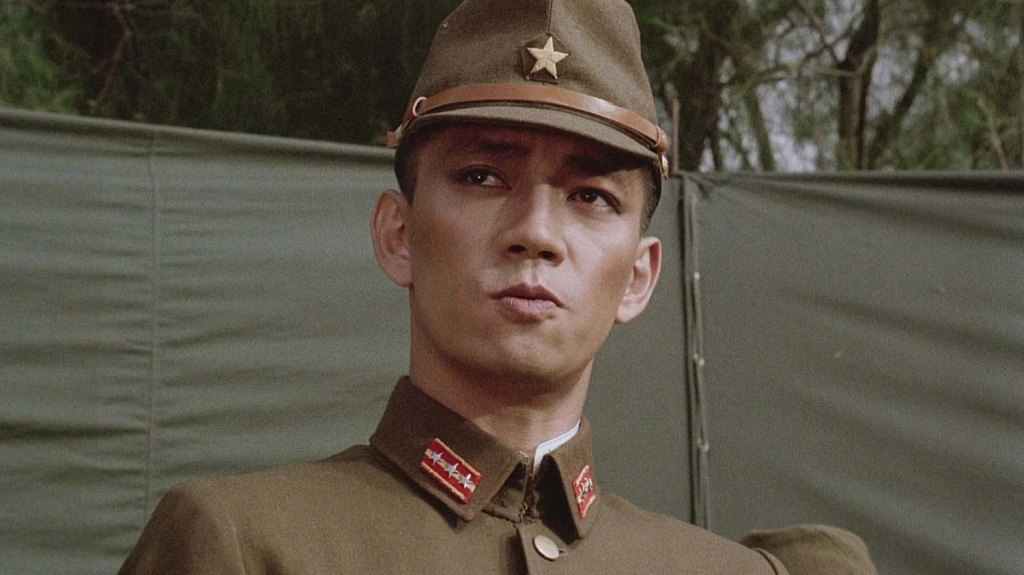
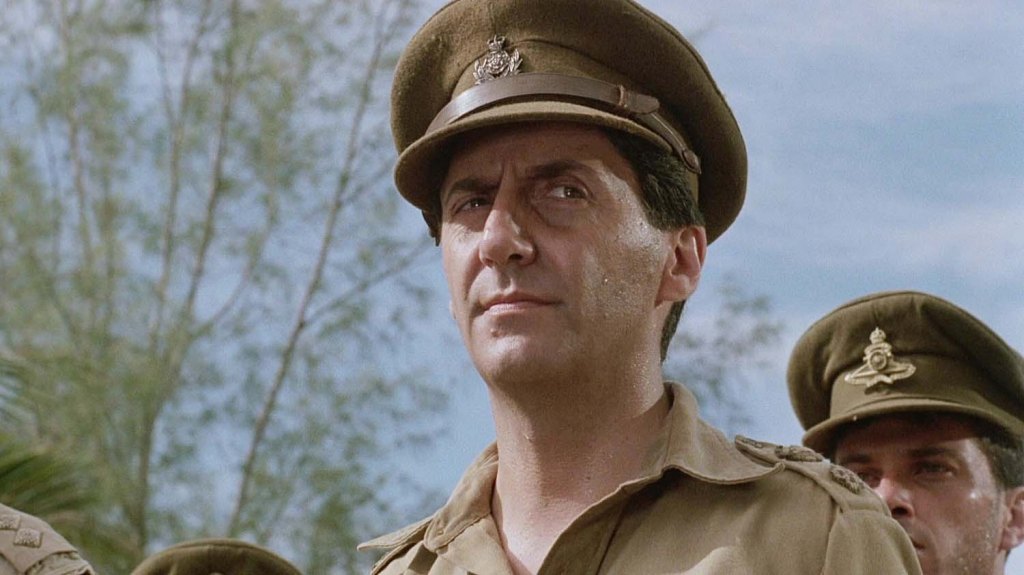
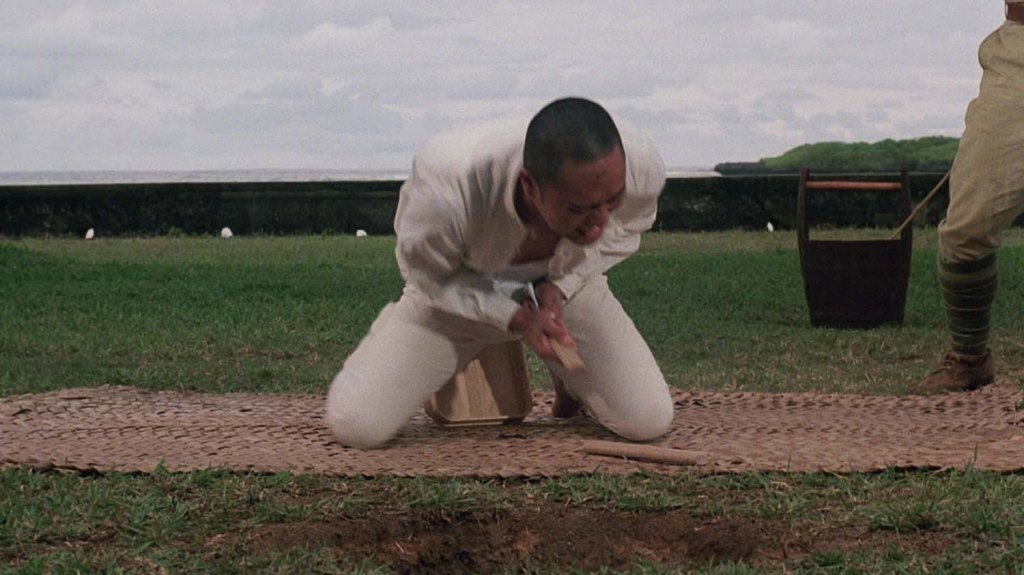
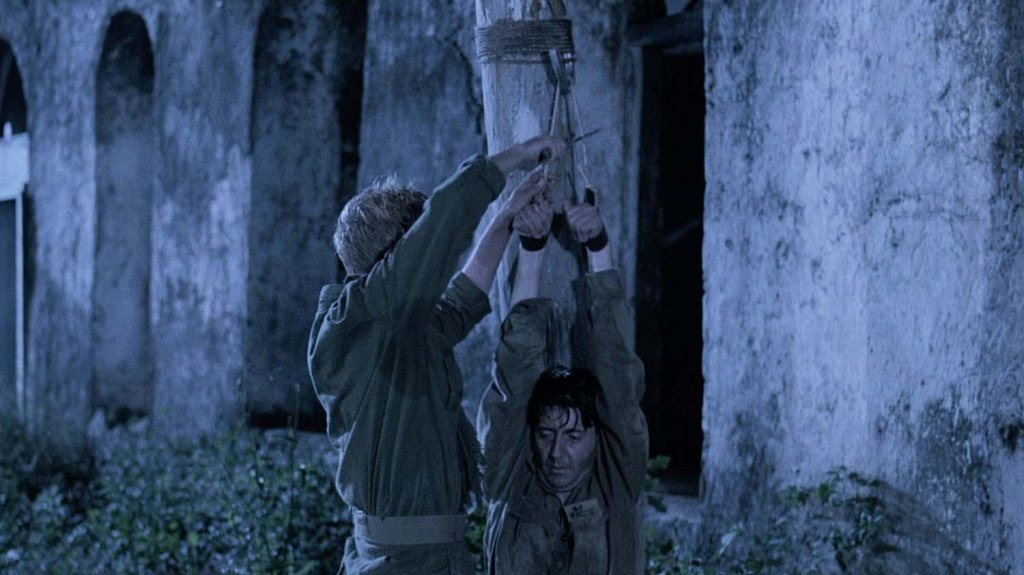


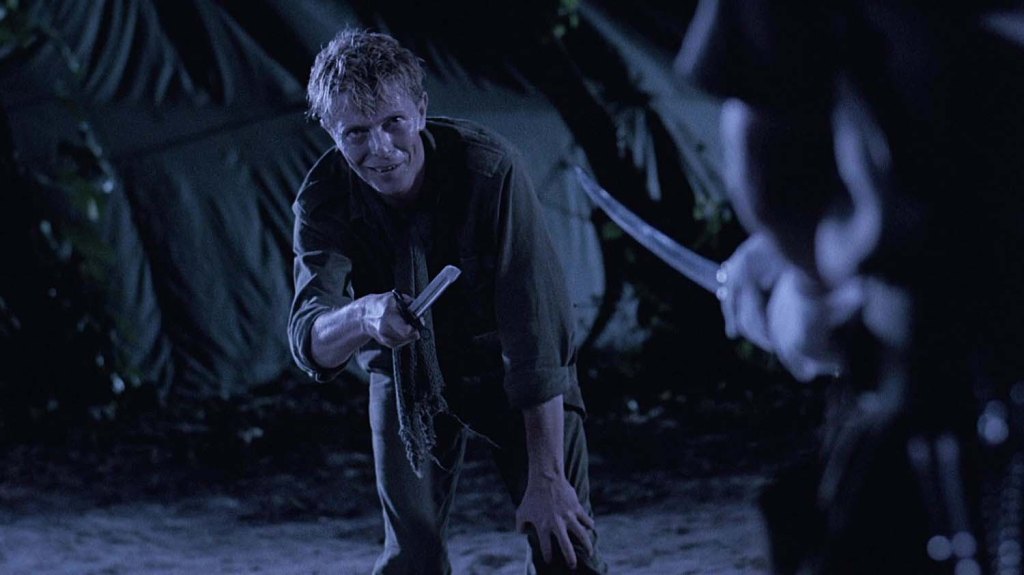
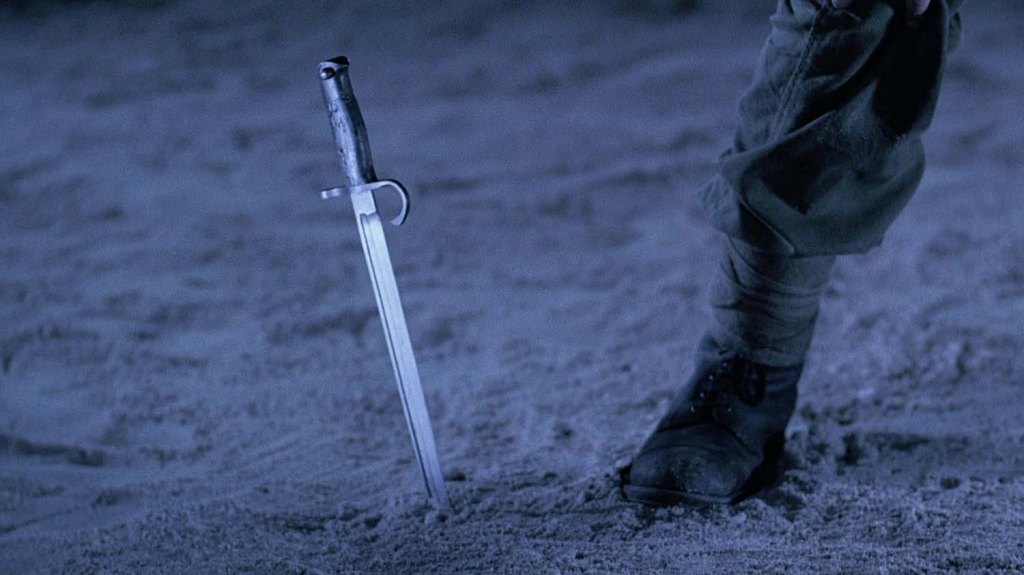
Yonoi, the camp commandant, finds himself both fascinated and disturbed by Celliers. The major represents everything that is forbidden yet irresistible to Yonoi: defiance, vulnerability, and a mysterious magnetism that stirs up his suppressed desires. Yonoi perceives Celliers as a man who embodies both weakness and spiritual strength, leading to an obsession with him.

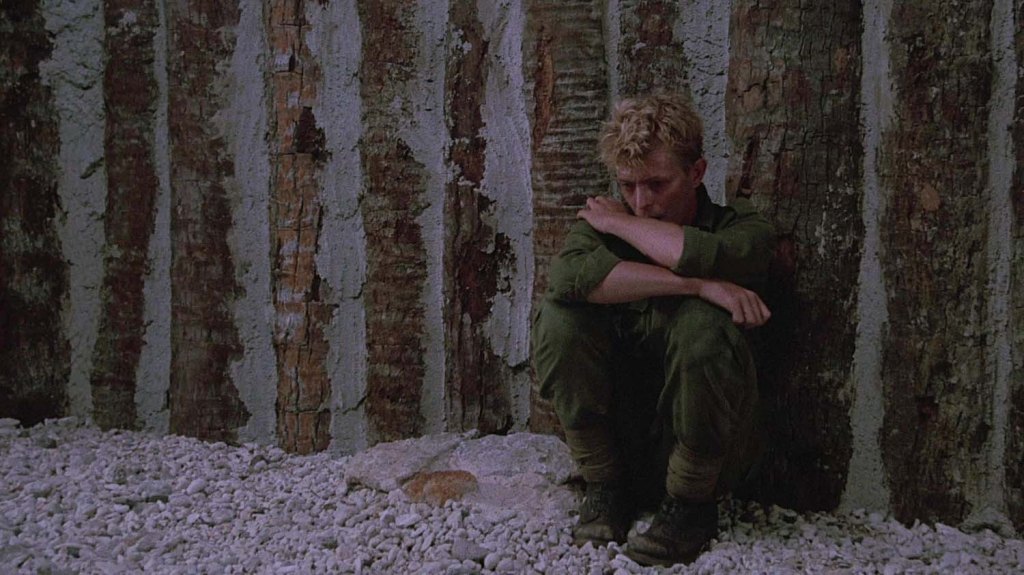


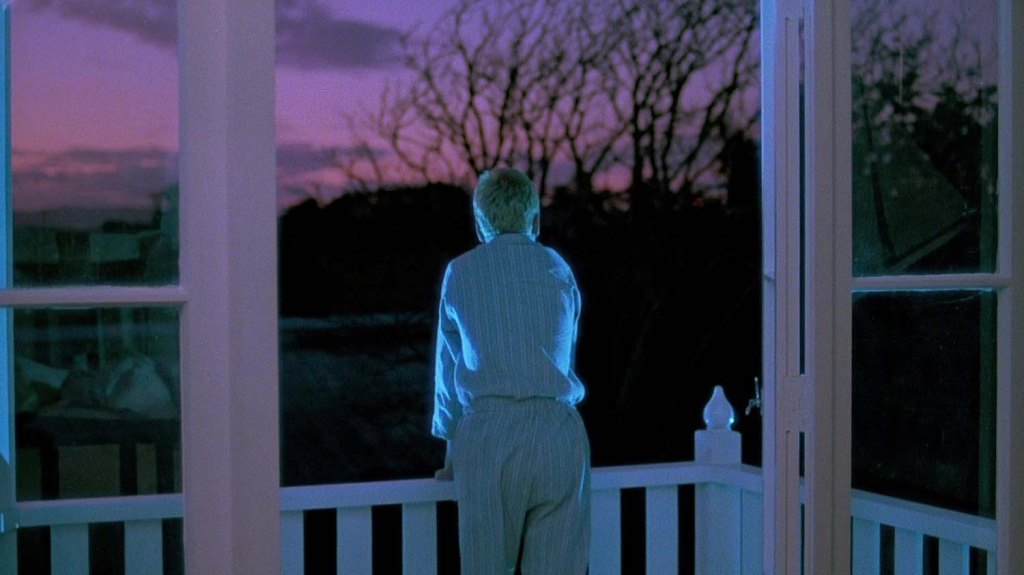
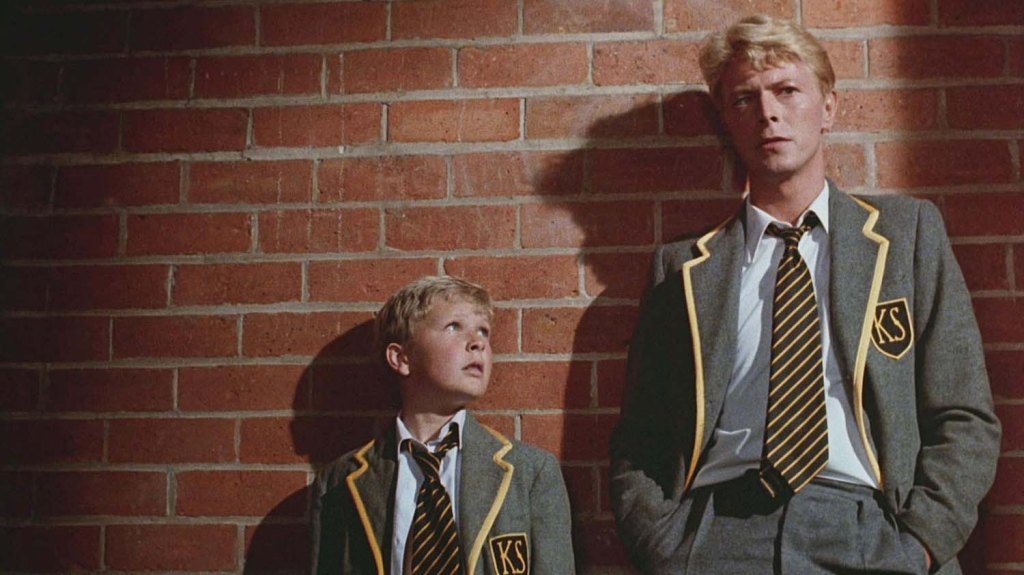
Lawrence finds himself caught between two cultures; he understands the Japanese dedication to discipline and the Western focus on individuality, yet he struggles to reconcile these differences. His role is to act as a mediator and to humanize both sides. However, his sympathy for the Japanese and his efforts to explain their perspective often frustrate his fellow prisoners.

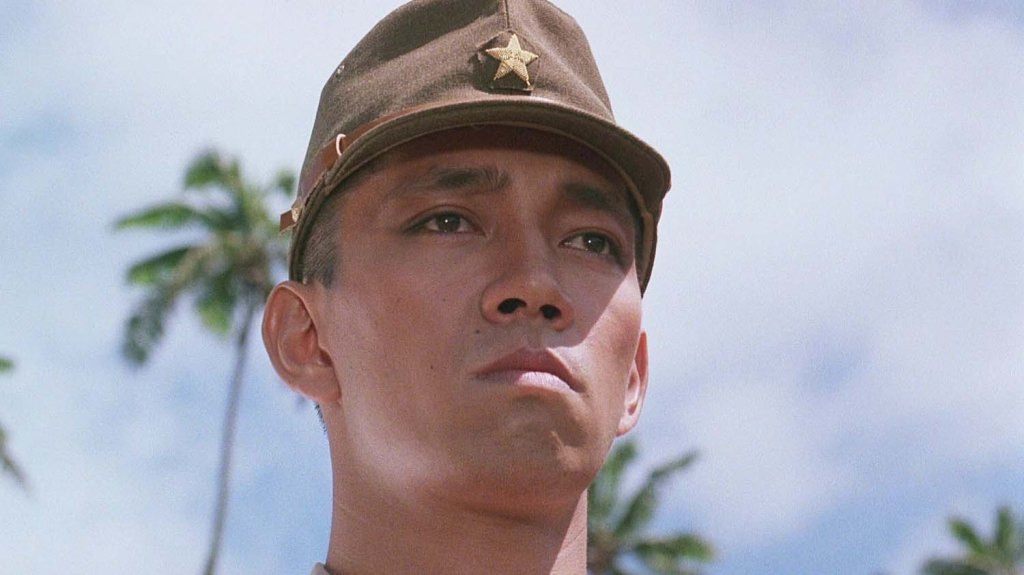

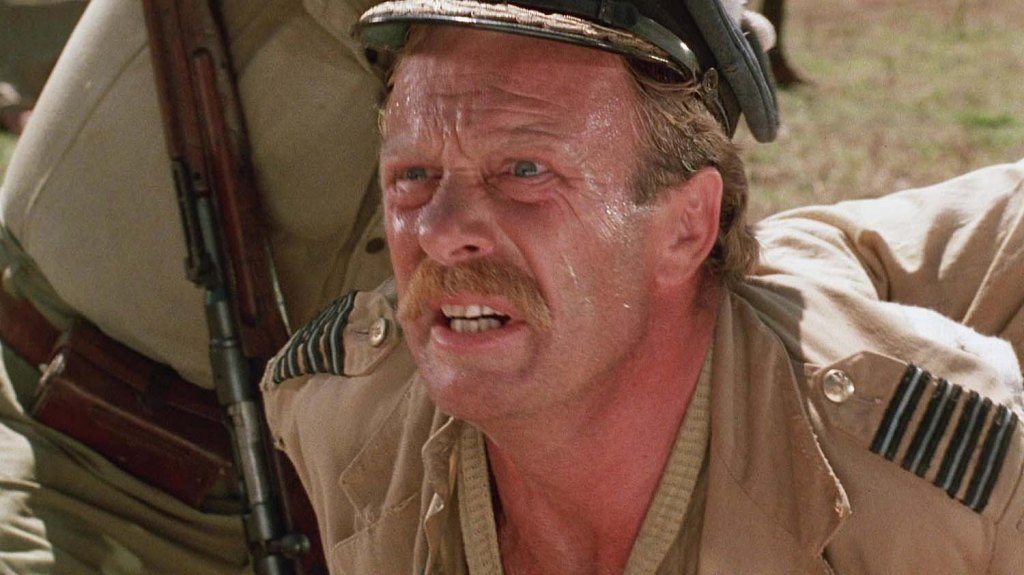
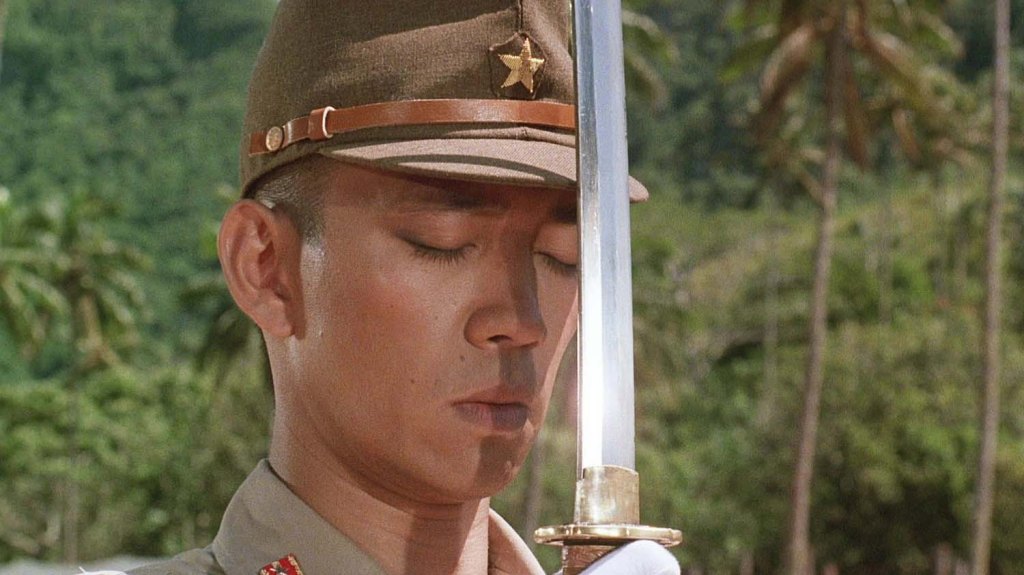
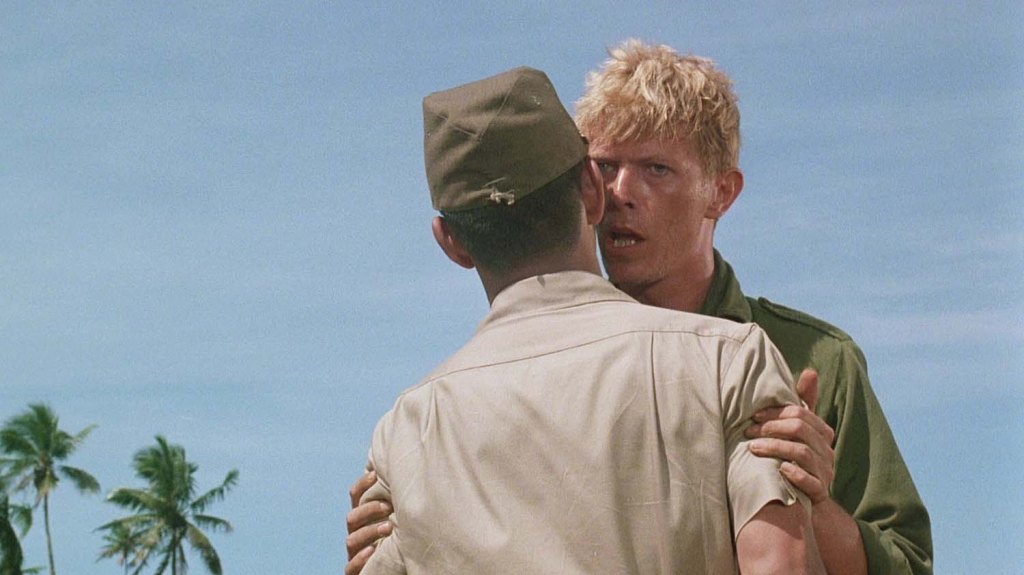
Tension escalates as Celliers openly defies Yonoi’s authority, undermining his control. Meanwhile, the prisoners endure brutal conditions, with Hara alternating between acts of kindness—such as releasing Lawrence during a Christmas amnesty—and inflicting harsh punishments.





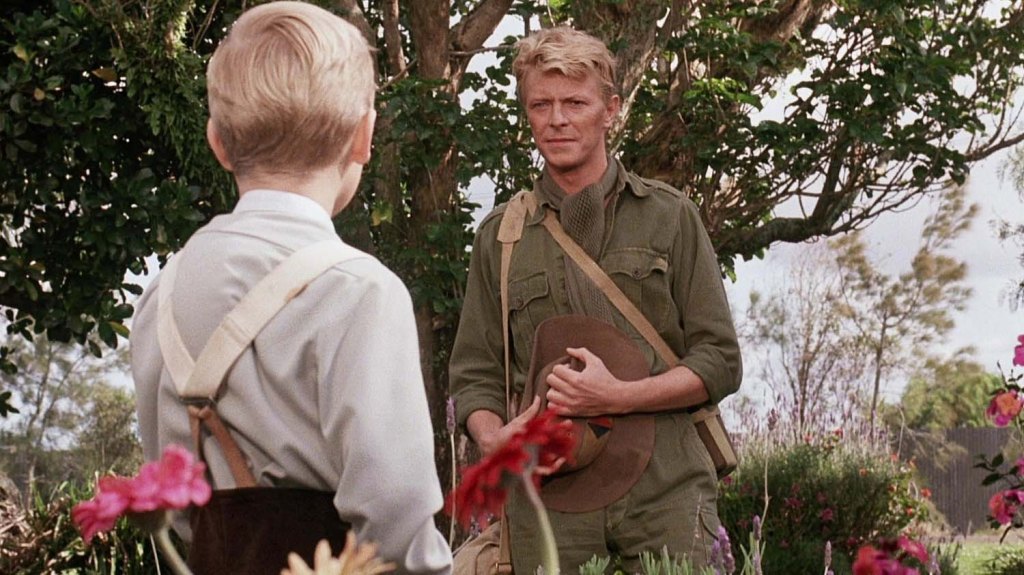
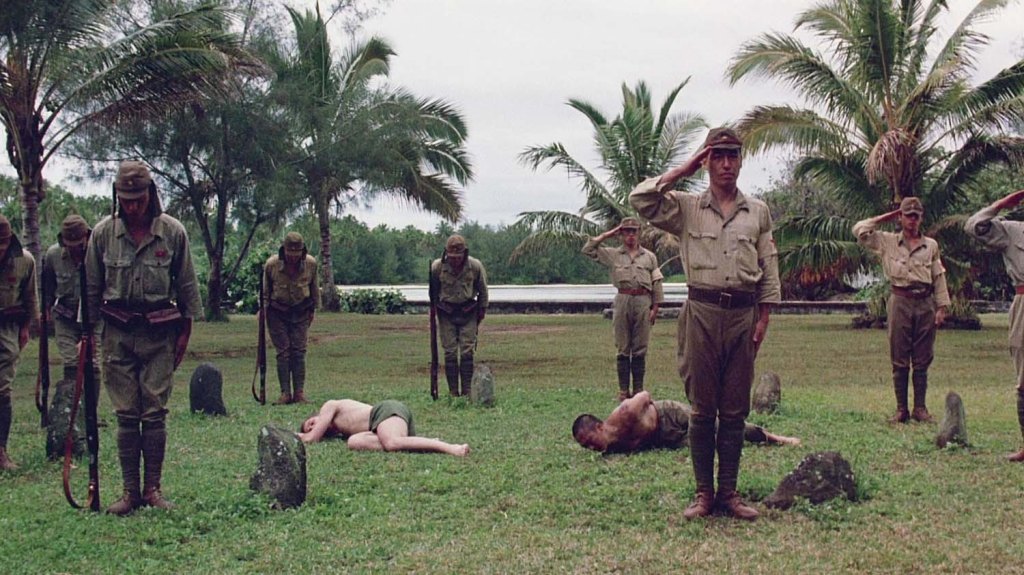
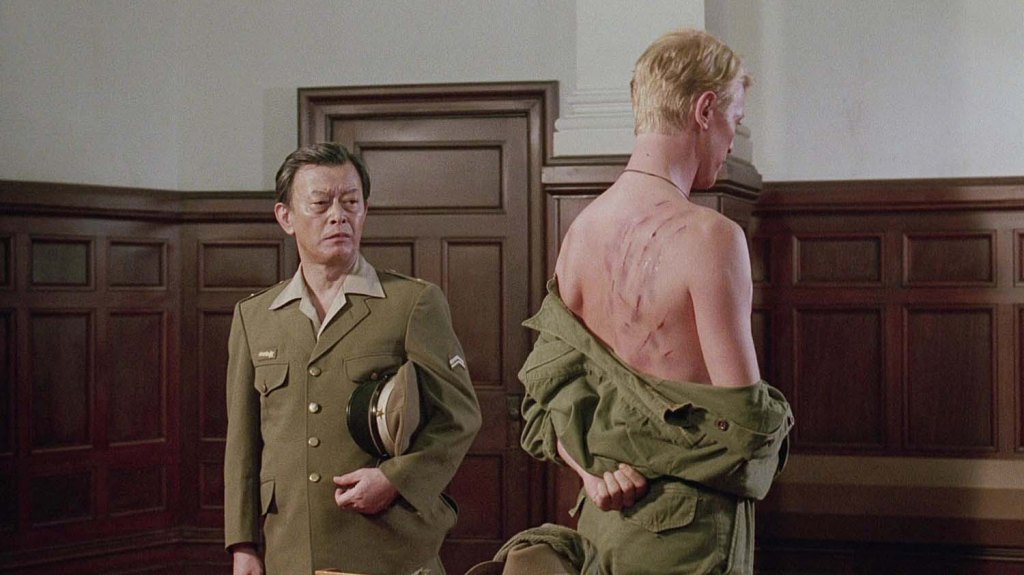
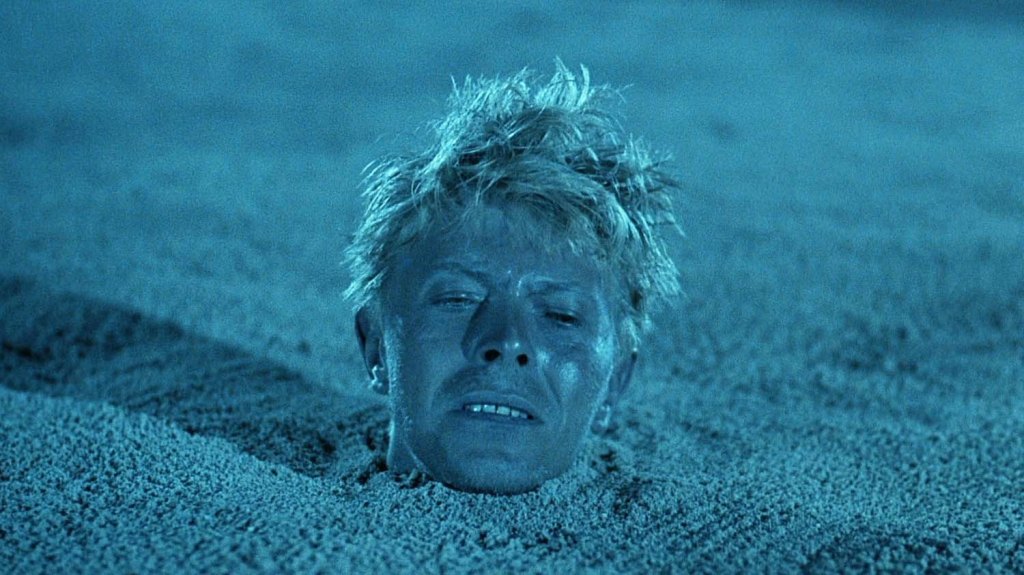
The climax occurs when Celliers confronts Yonoi during a roll call. In a remarkable act of defiance and compassion, he steps forward and kisses Yonoi on the cheek in front of the assembled soldiers. This gesture, both humiliating and intimate, shatters Yonoi’s authority. Celliers is subsequently arrested, tortured, and ultimately buried alive, while Yonoi is stripped of his command.
The film concludes years later, following Japan’s surrender. Lawrence visits a Tokyo prison where Japanese officers are awaiting execution for war crimes and reunites with Hara. Facing his own death sentence, Hara warmly tells Lawrence, “Merry Christmas, Mr. Lawrence” in English. This moment bridges the cultural and emotional divide between them, highlighting their shared humanity.


Nagisa Ōshima combines striking imagery with dreamlike sequences, while David Bowie brings a haunting presence to Celliers. Ryuichi Sakamoto’s score, especially the iconic theme “Forbidden Colors,” enhances the film’s sense of melancholy and tragic beauty.


