







Mai Zetterling’s “Stockholm” is a 1978 television documentary and short film created by the acclaimed Swedish filmmaker, actress, and novelist Mai Zetterling. The film runs for approximately 50 minutes and was part of a larger television series titled ‘Cities.’
This film transcends the conventional narrative format, functioning more as a vivid portrait of Stockholm itself. It deftly captures the intricacies of the city’s social life, its rich customs and vibrant culture, and the diverse ways its inhabitants navigate their daily lives. Through an anthropological and ethnographic lens, director Mai Zetterling employs her camera, alongside thoughtful narration, to delve into the elements that define Stockholm’s unique identity.

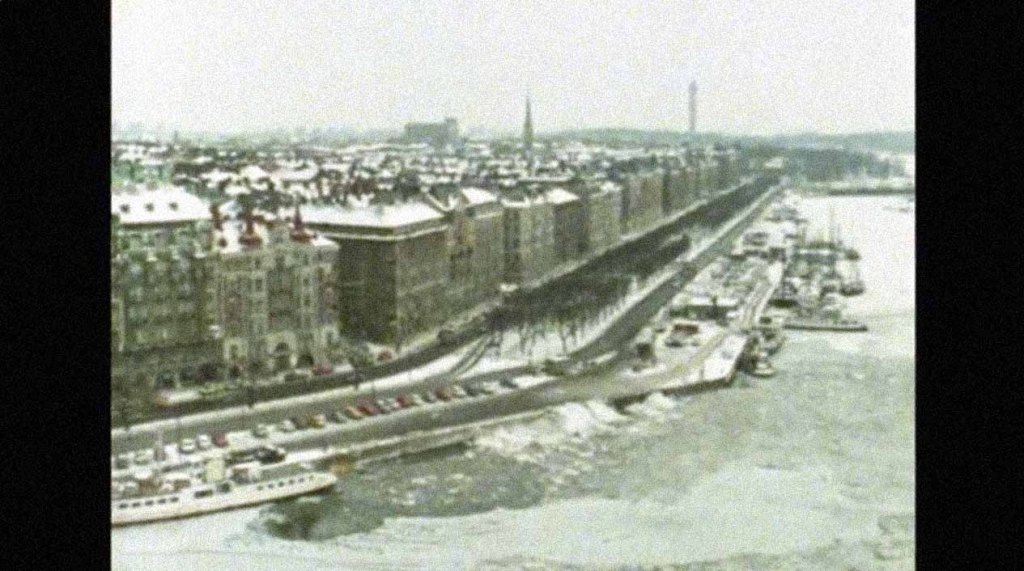




She meticulously examines aspects such as the city’s distinctive architecture, the use of public spaces, and the rhythm of everyday life, painting a comprehensive picture of what it means to live in this dynamic metropolis. Notably, Zetterling integrates herself into the narrative, moving beyond the role of a detached observer. Her presence adds a personal touch, allowing her to blend subjective experience with the documentary style. This technique enriches the film, inviting the audience to engage more intimately with the subjects and scenes portrayed.






This intertwining of her personal reflections with incisive societal observations thus creates a multi-layered narrative that goes beyond mere documentation. Rather than simply presenting external realities, her film adopts a subjective, essayistic perspective that invites viewers to engage on a deeper emotional level.
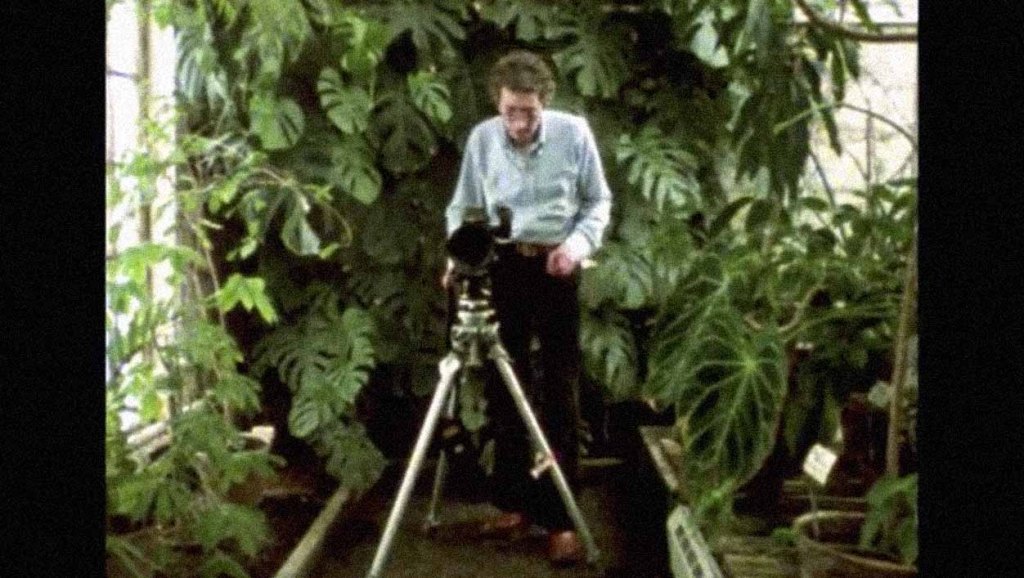


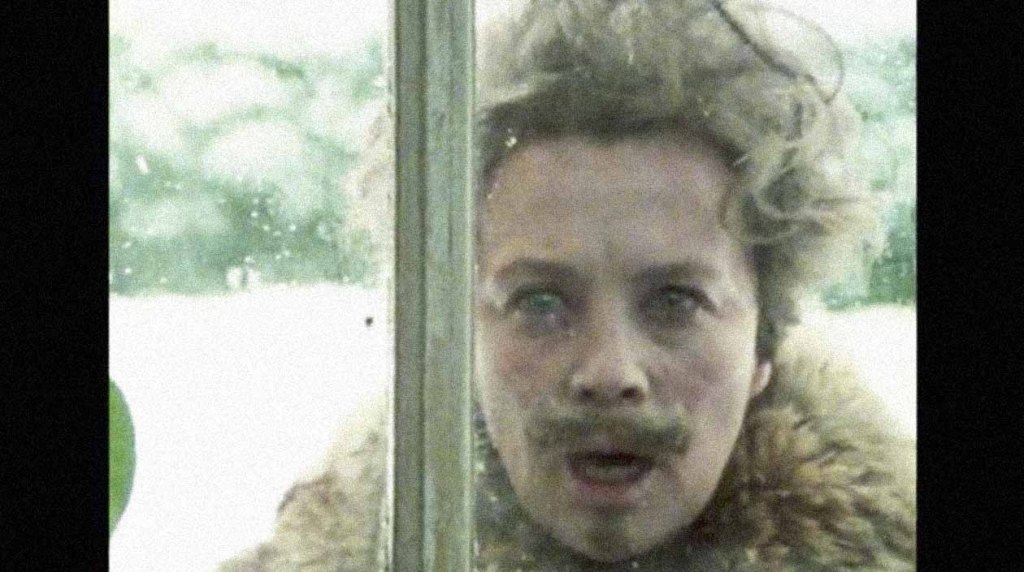
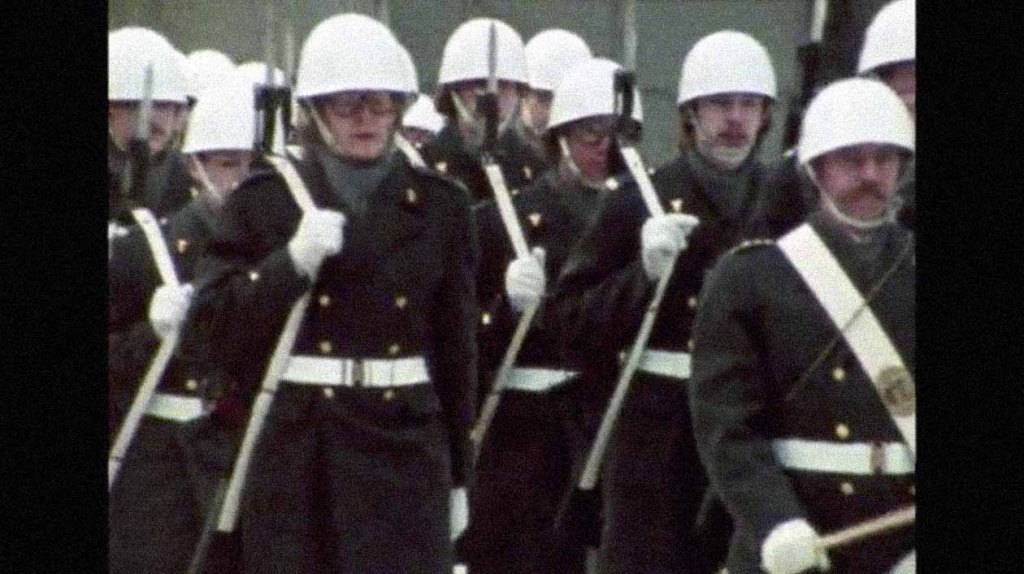
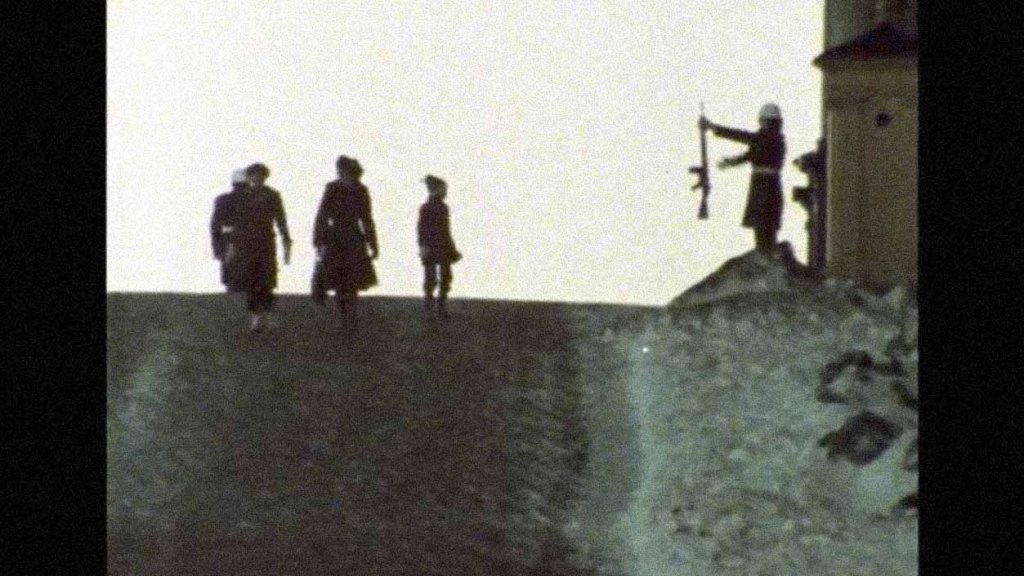

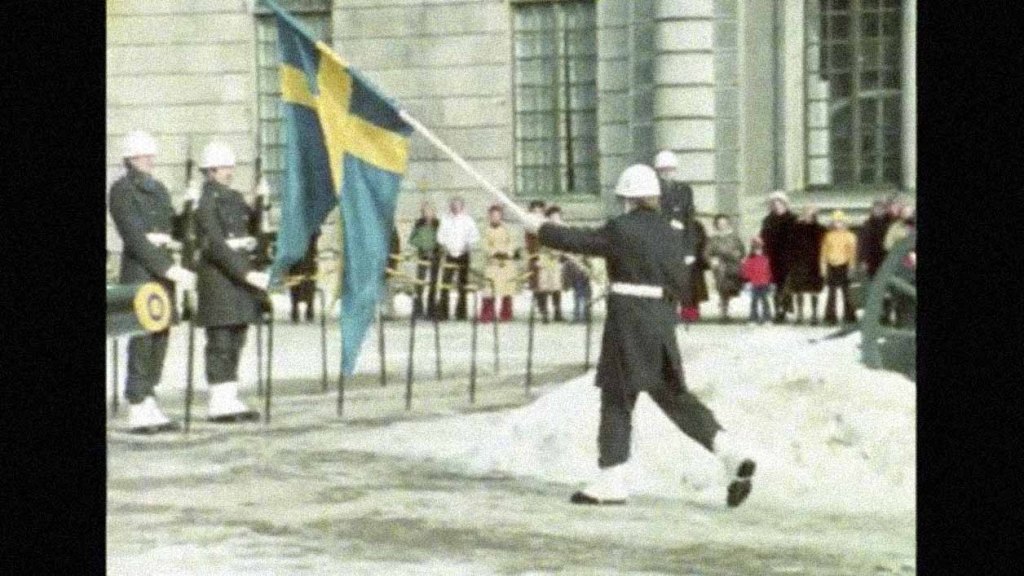
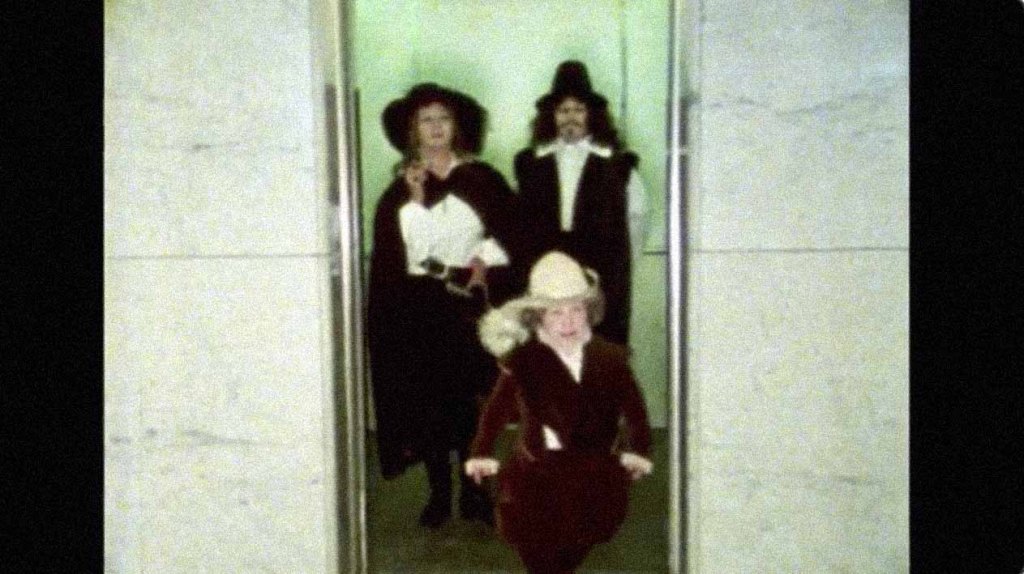
The visuals she employs serve a dual purpose: they convey information while simultaneously crafting a rich atmosphere that imbues the city with its own distinct character, making it almost a protagonist in its own right. This approach allows the audience to experience the setting not just as a backdrop but as an integral part of the story.
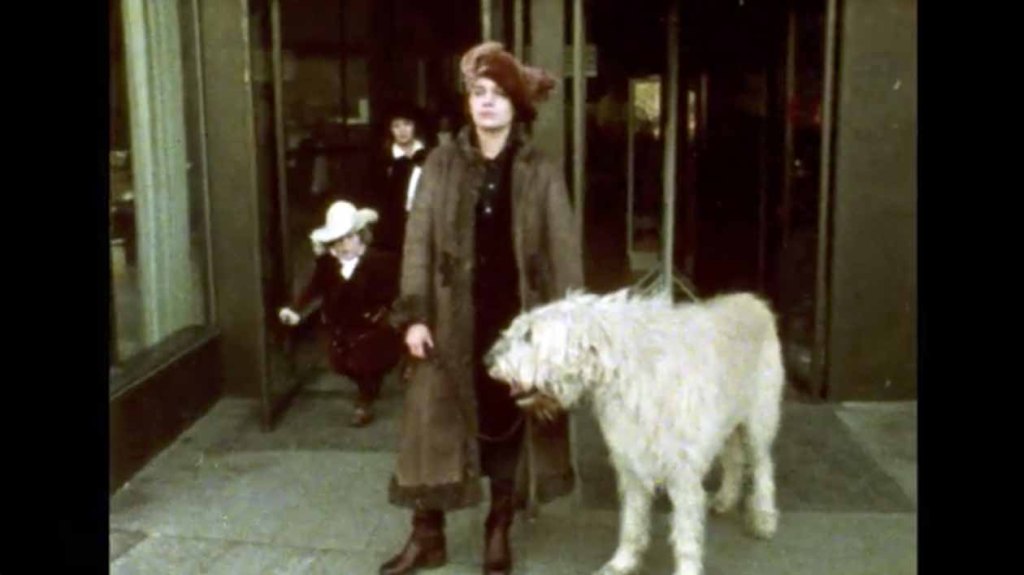
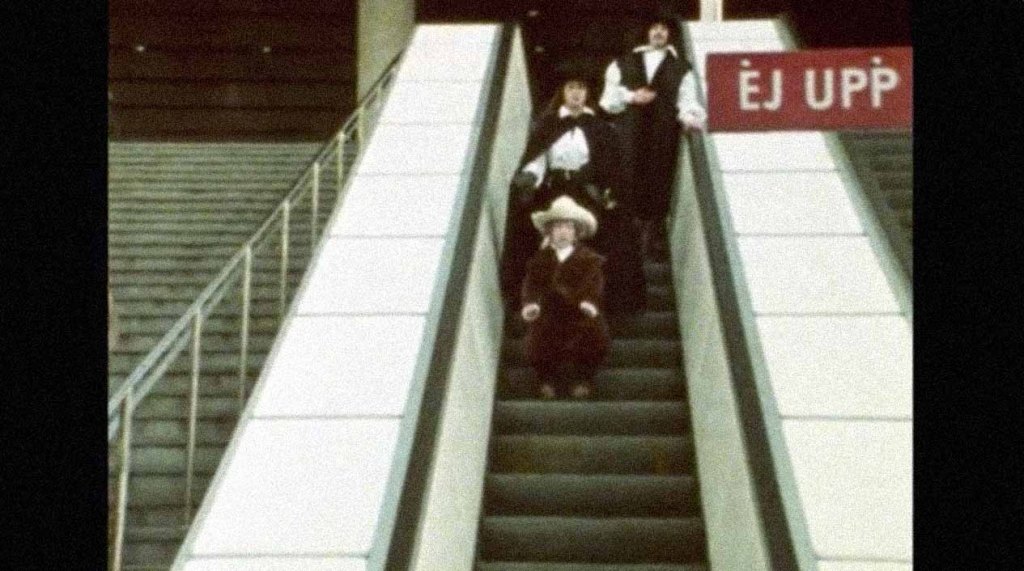

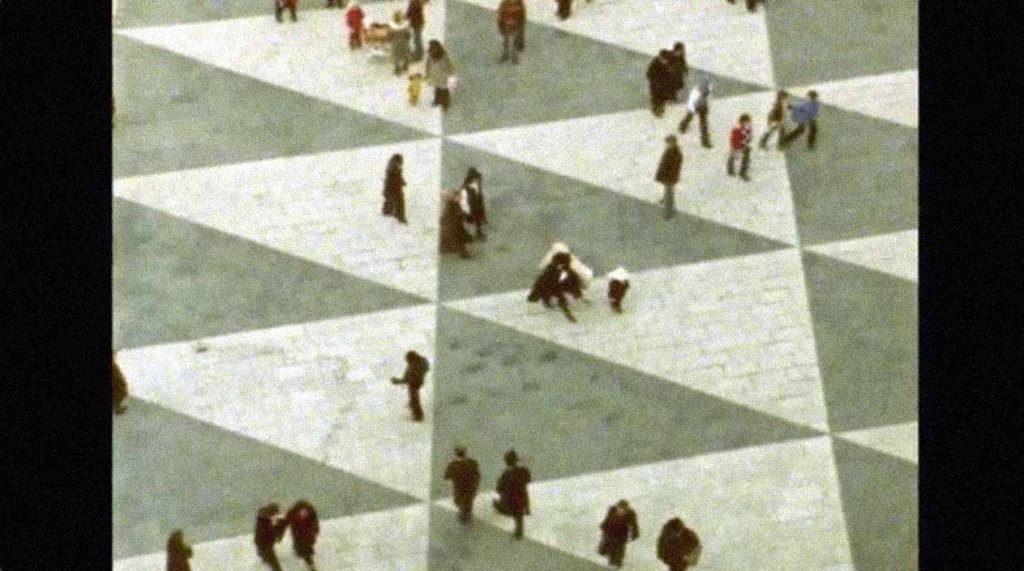





Zetterling’s work often resonates with undercurrents of social critique, focusing particularly on issues of class, gender, and cultural identity. Although “Stockholm (Cities)” may carry a lighter tone compared to some of her more provocative films, these critical themes remain influential in her choices of imagery and narrative focus.




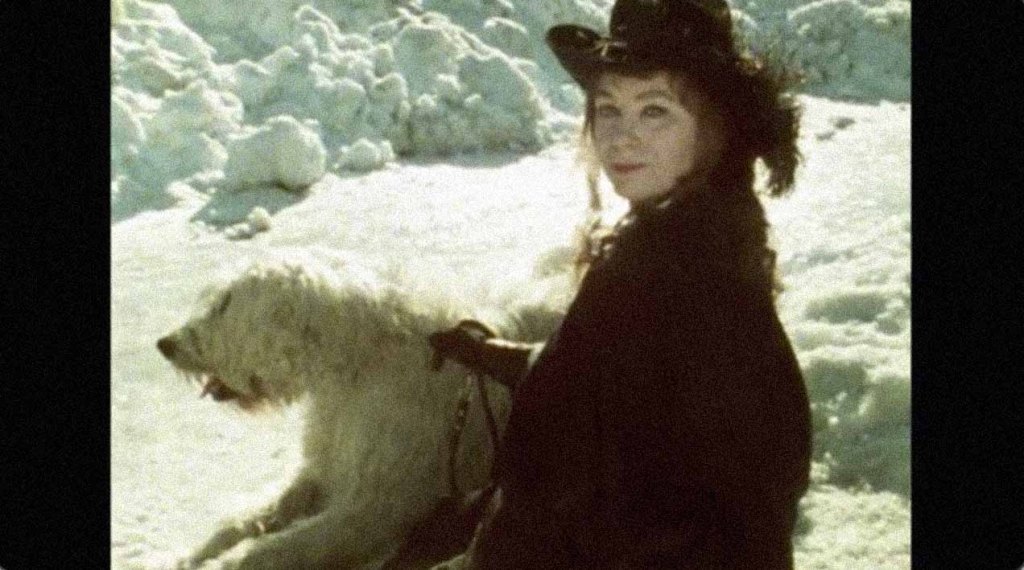

I find her approach reminiscent of Agnès Varda’s “Lions Love,” where established filmmakers employ a purely observational lens. Both Zetterling and Varda create works that, while aiming to document a specific moment in time, transcend the confines of traditional documentary. They infuse their films with an emotional depth that resonates with audiences, allowing for a richer exploration of the human experience. These layers of meaning elevate their narratives beyond standard documentary fare, inviting viewers to reflect on both personal and societal issues.
NO POSTER FOR THIS ONE, FOLKS, SORRY.

