
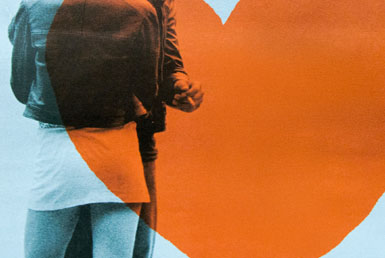
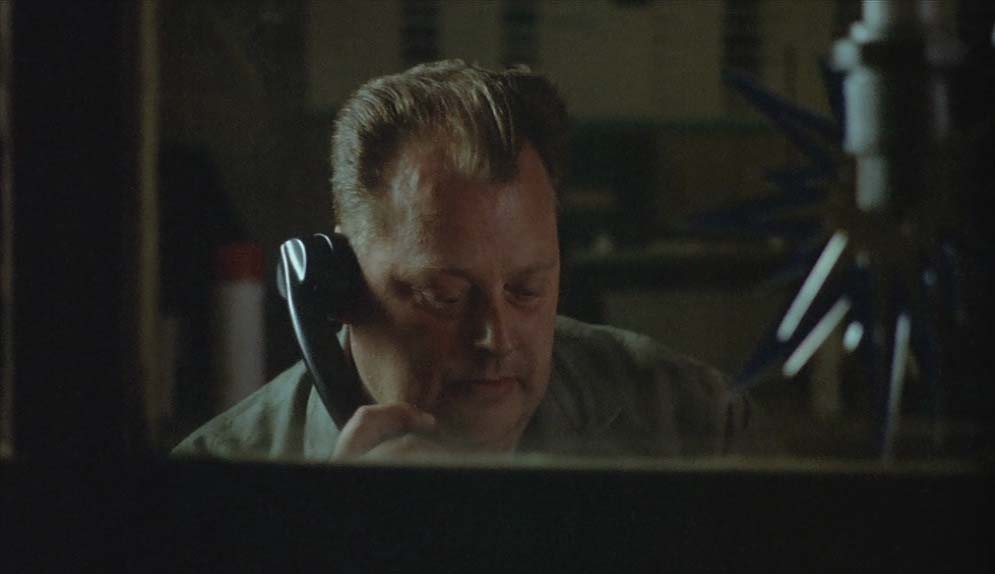
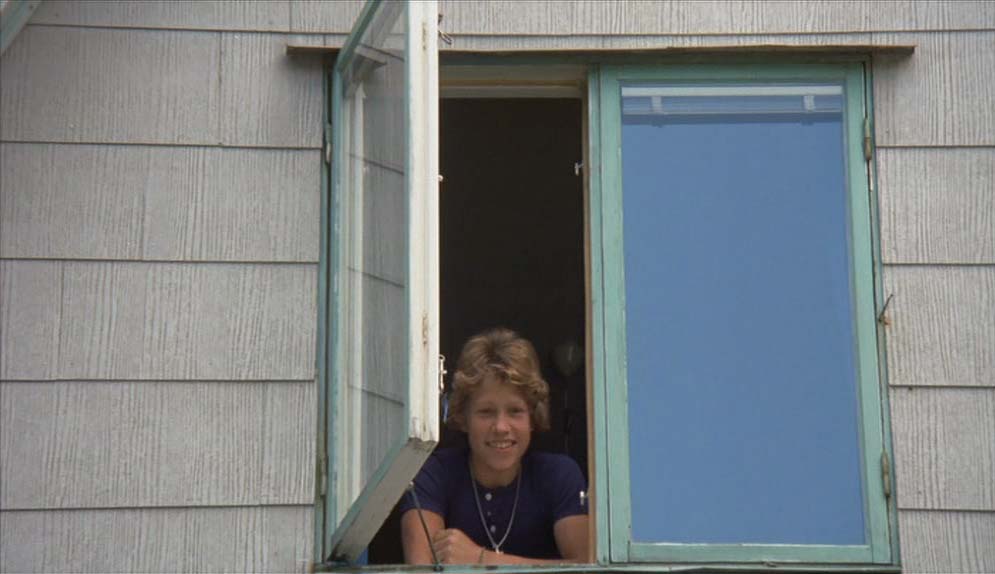


“En kärlekshistoria,” aka “A Swedish Love Story,” is the 1970 feature film debut of Swedish director Roy Andersson, who would later gain international acclaim for his surreal and meticulously composed works like “Songs from the Second Floor” and “A Pigeon Sat on a Branch Reflecting on Existence.” Unlike those later films, A Swedish Love Story is shot in a naturalistic, almost documentary style—imbued with tenderness, melancholy, and an acute sense of youthful longing.

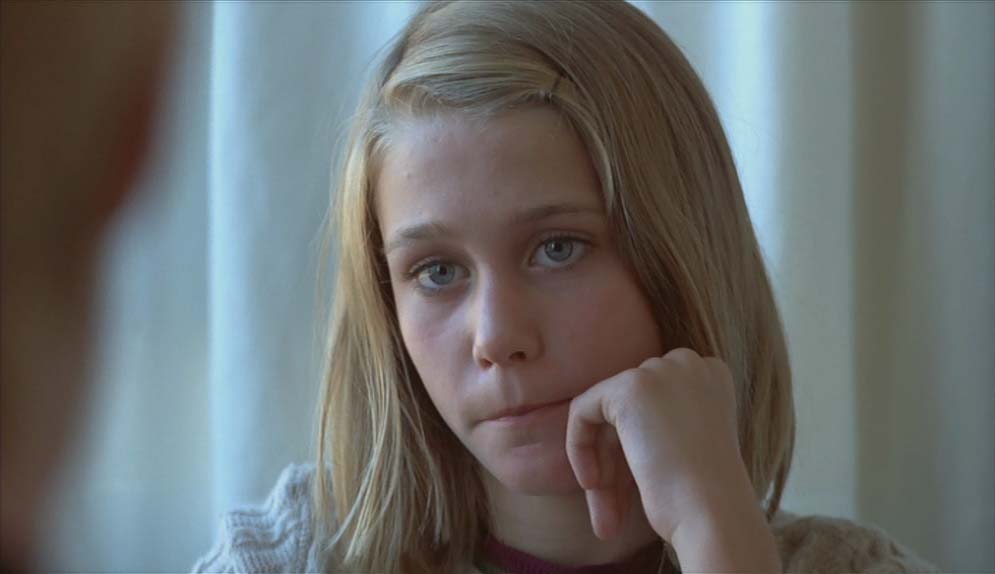
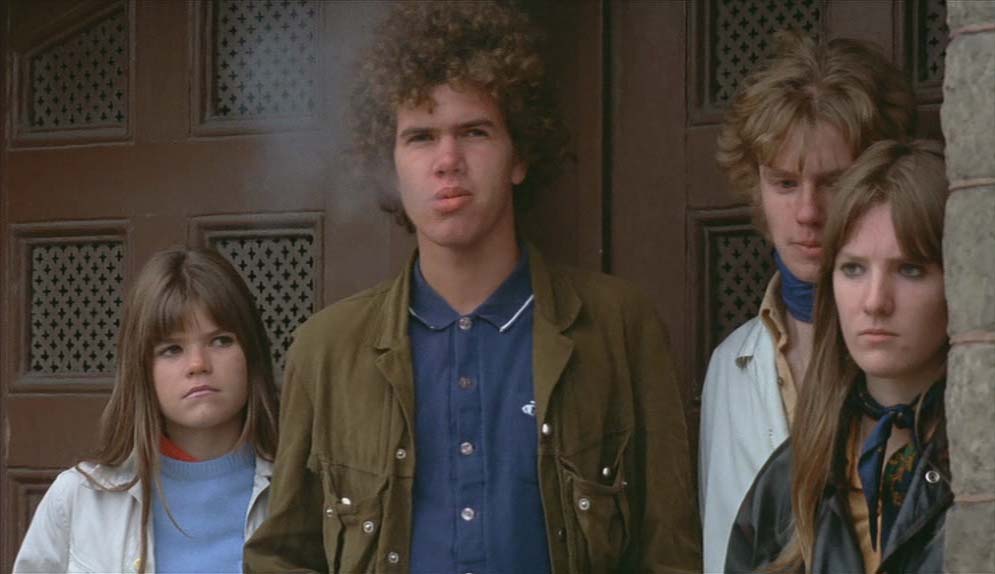

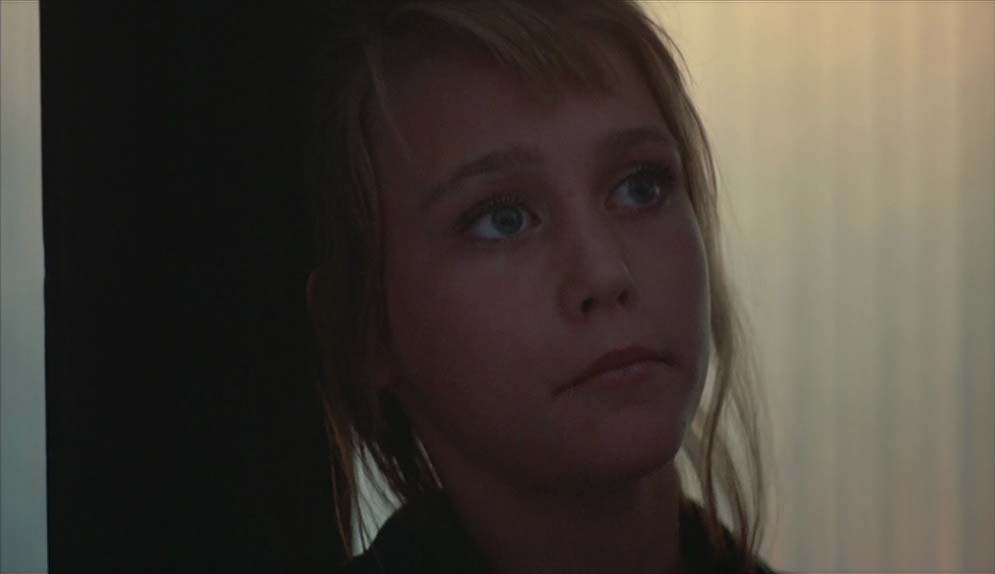
Set in suburban Stockholm during the late 1960s, the film captures a fleeting summer in the lives of two teenagers who experience their first taste of love and the accompanying confusion of adolescence.
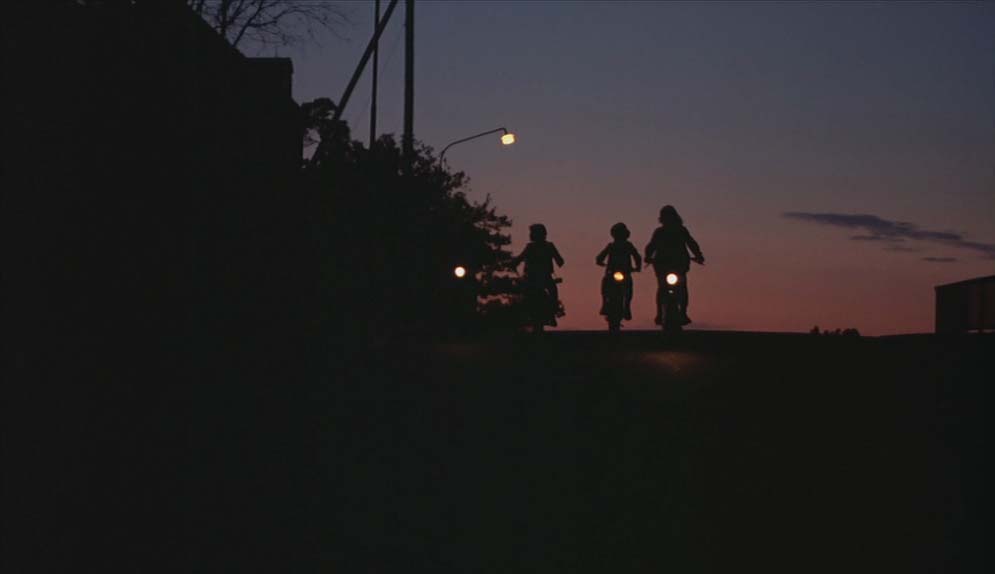

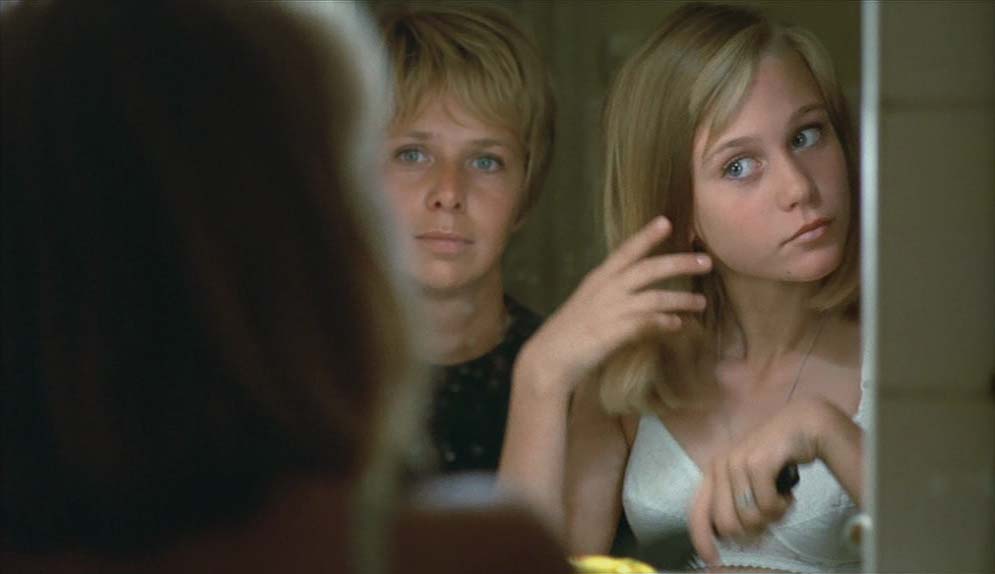
Annika (Ann-Sofie Kylin) is a shy and introspective 15-year-old who lives with her parents and younger sister. Her family leads a quiet, middle-class life, which is marked by the unspoken frustrations of adulthood. Pär (Rolf Sohlman), a slightly older boy from a working-class background, spends his time tinkering with motorbikes and wandering the outskirts of town with his friends.
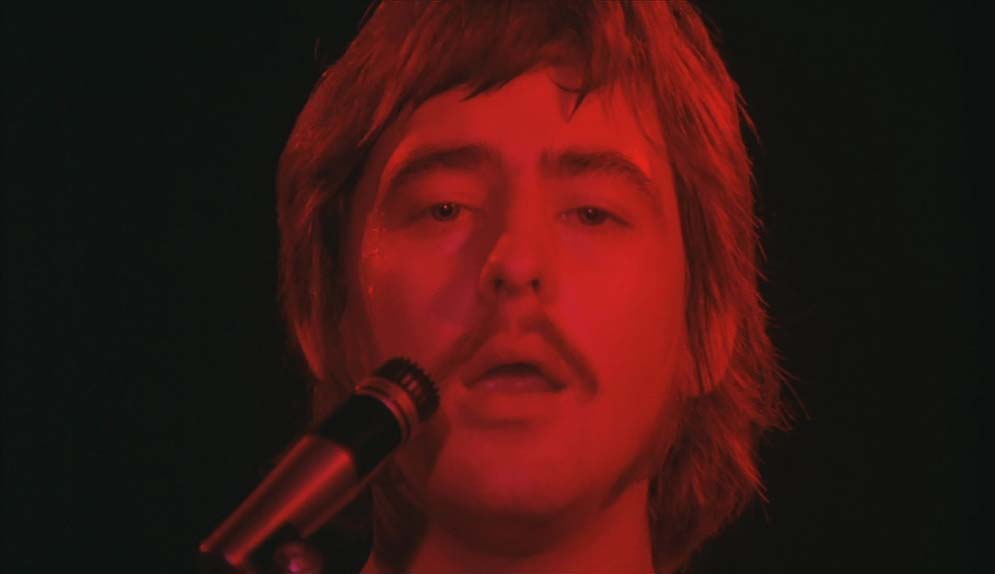
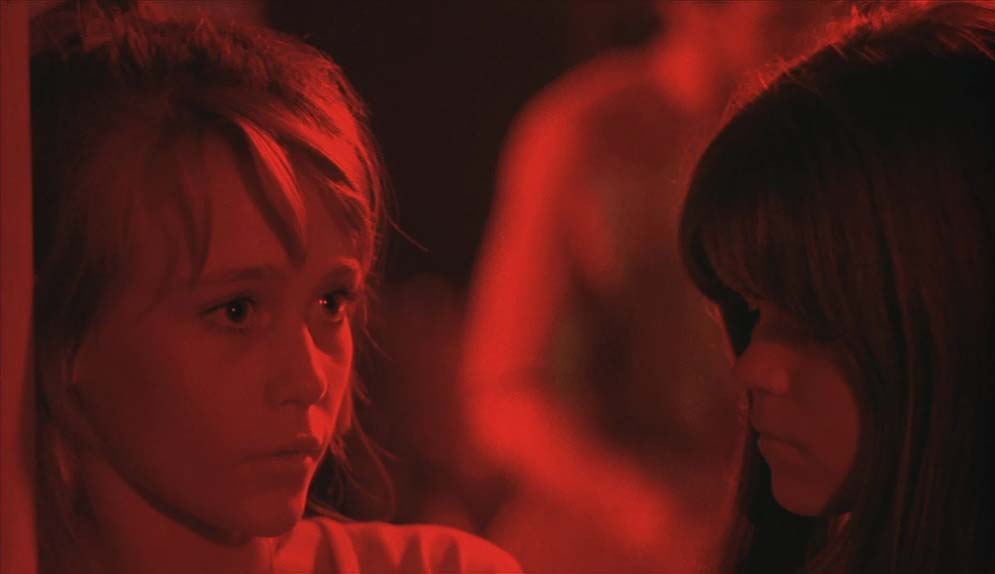
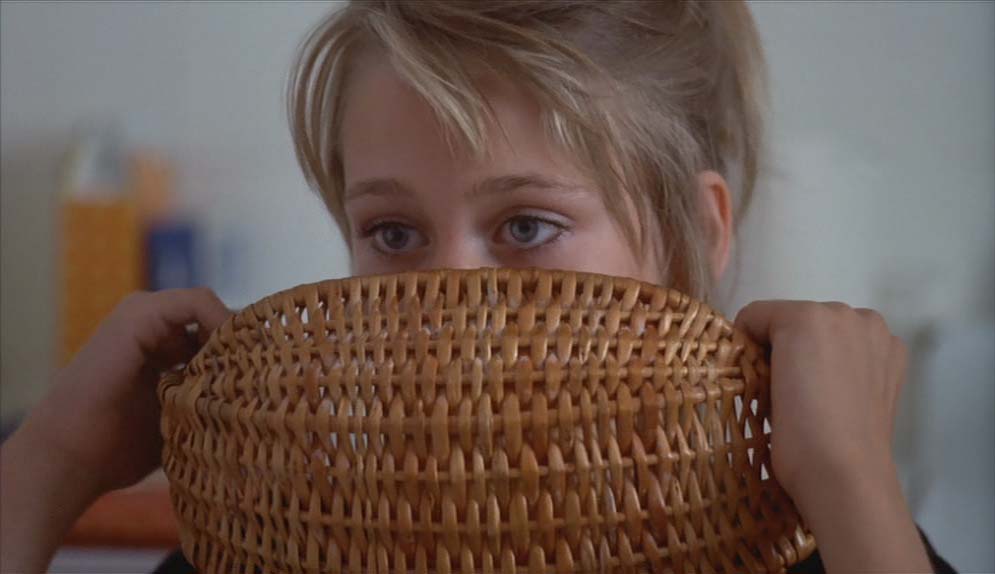
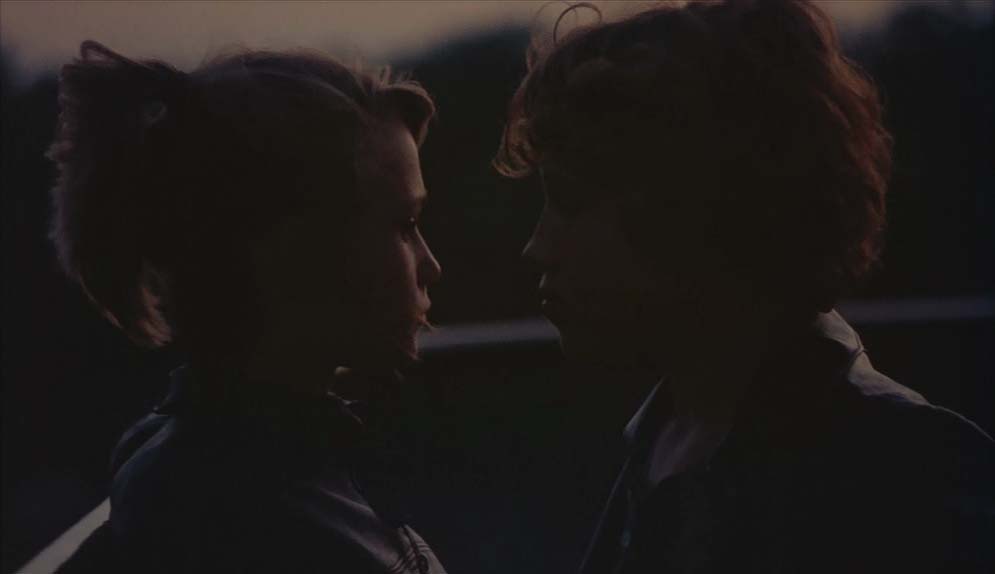
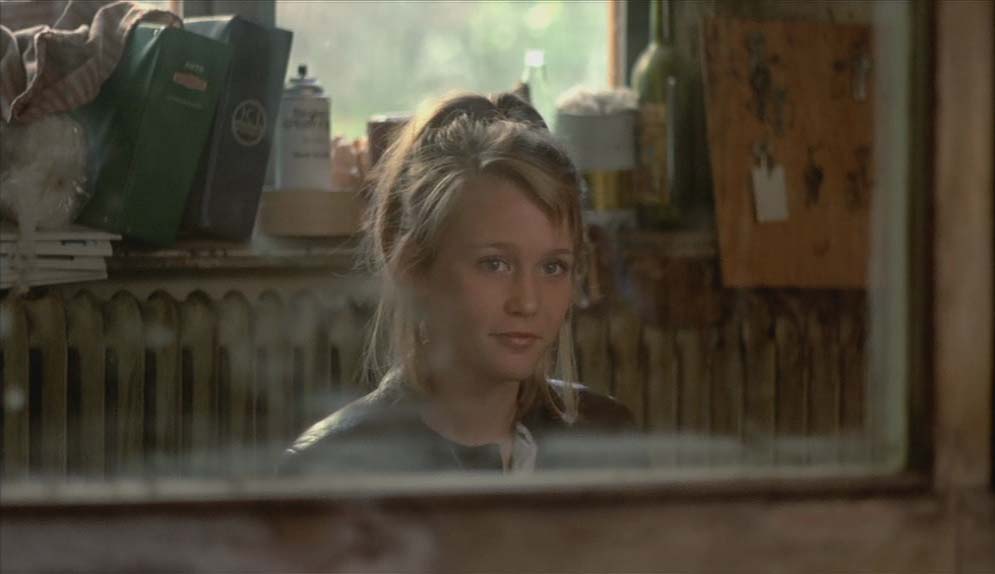
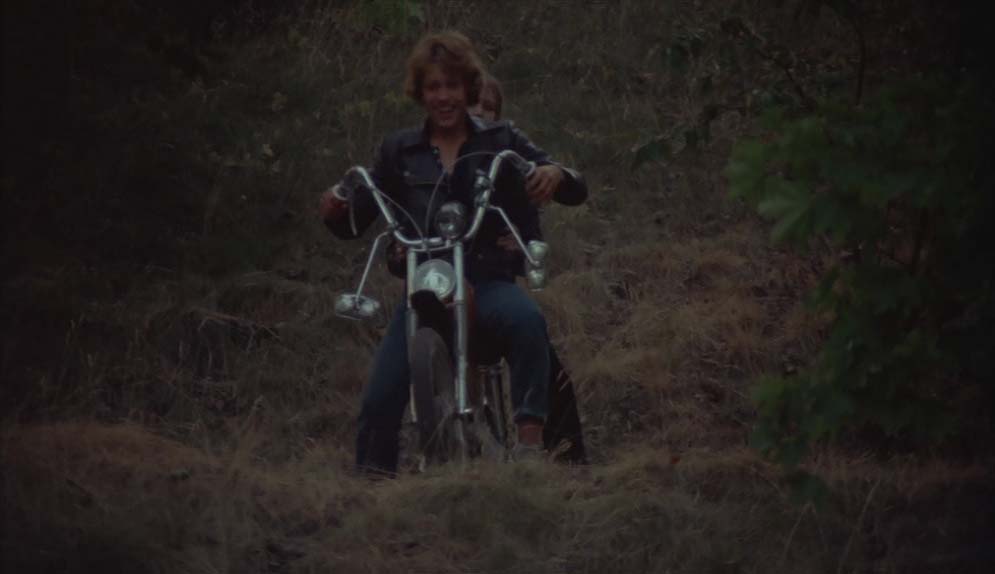
When Annika and Pär meet by chance during a family outing, they immediately feel a strong attraction to each other. What starts with shy glances and hesitant gestures gradually blossoms into a tender, genuine romance. They begin spending their days exploring the countryside, sneaking away from home, and sharing the small yet significant discoveries that define first love. Their experiences are filled with laughter, awkward silences, and moments of vulnerability, all unfolding with poetic authenticity.
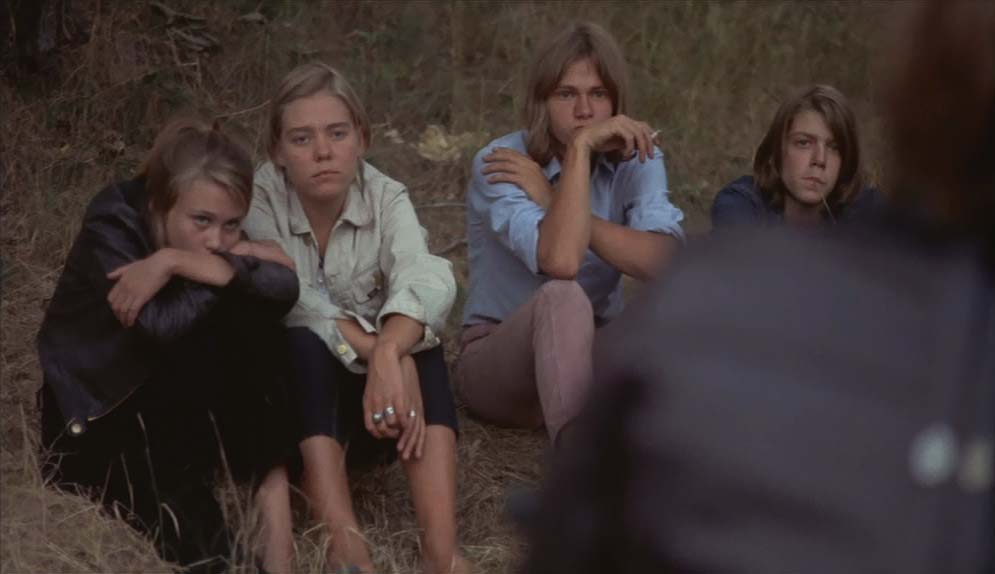

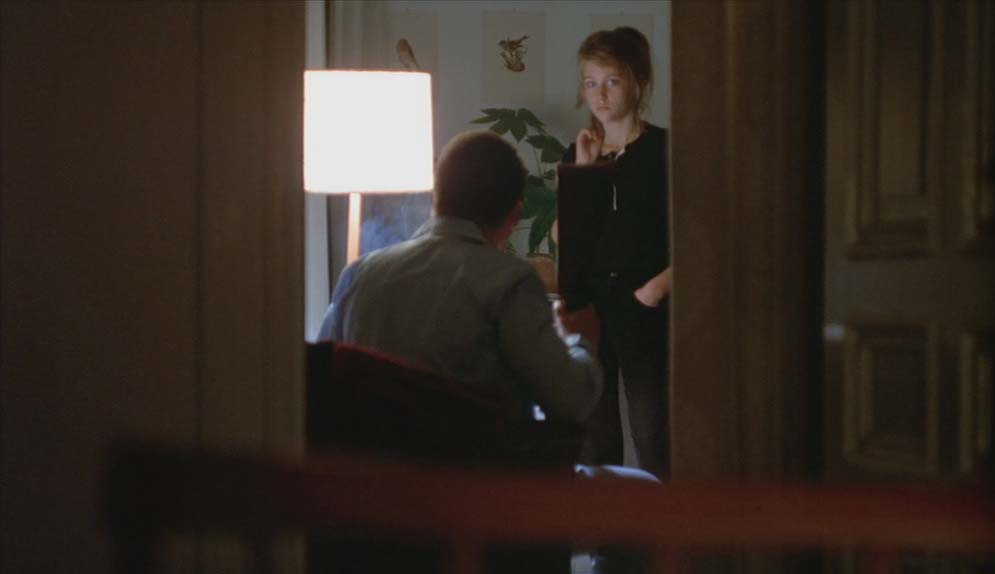
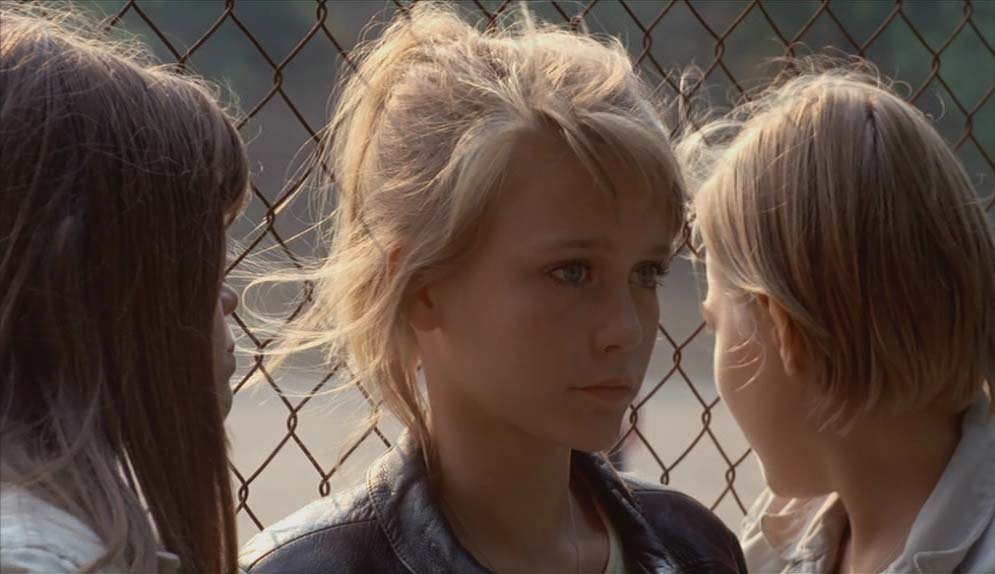
As Annika and Pär’s relationship deepens, Andersson highlights their youthful innocence in stark contrast to the emotional stagnation of the adults surrounding them. Annika’s parents, portrayed by Anita Lindblom and Bertil Norström, along with Pär’s uncle, played by Lennart Tellfelt, embody the disillusionment and unfulfilled desires characteristic of postwar Sweden. Their lives are marked by quiet disappointment, with social gatherings filled with alcohol, awkward flirtations, and unspoken regrets. In this bleak setting, the affection between Annika and Pär shines as something pure and untainted—a fragile light amidst the gray melancholy of adult life.
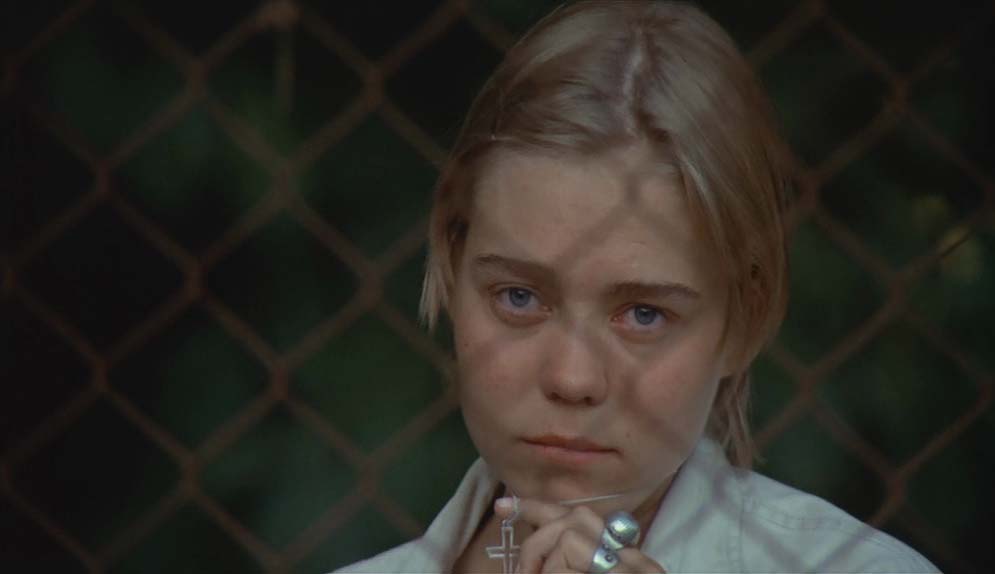
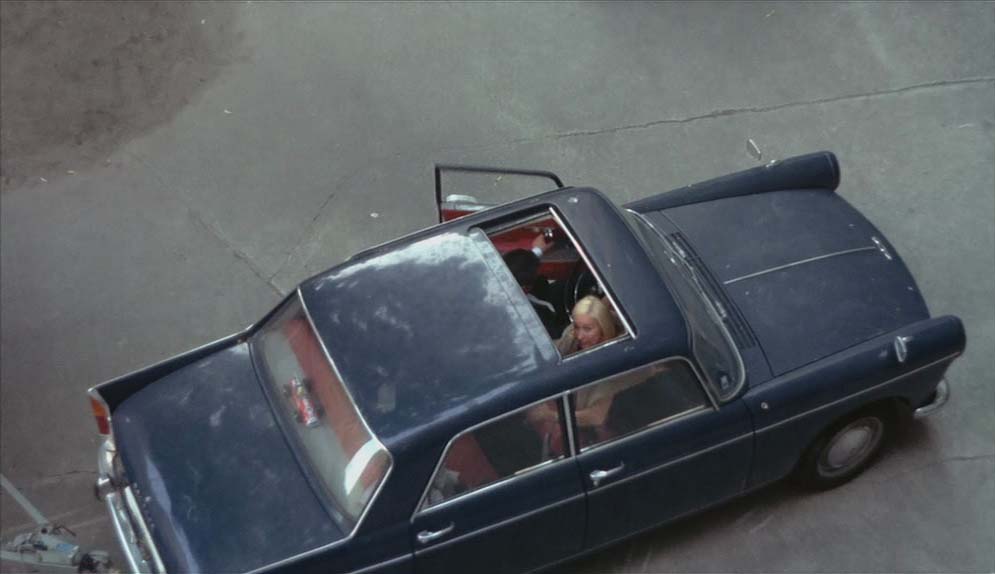
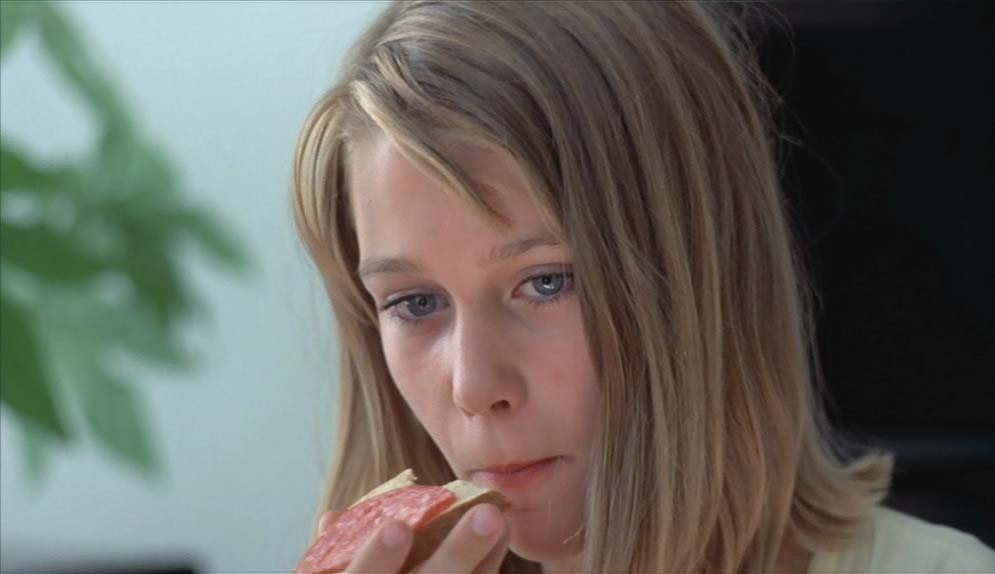

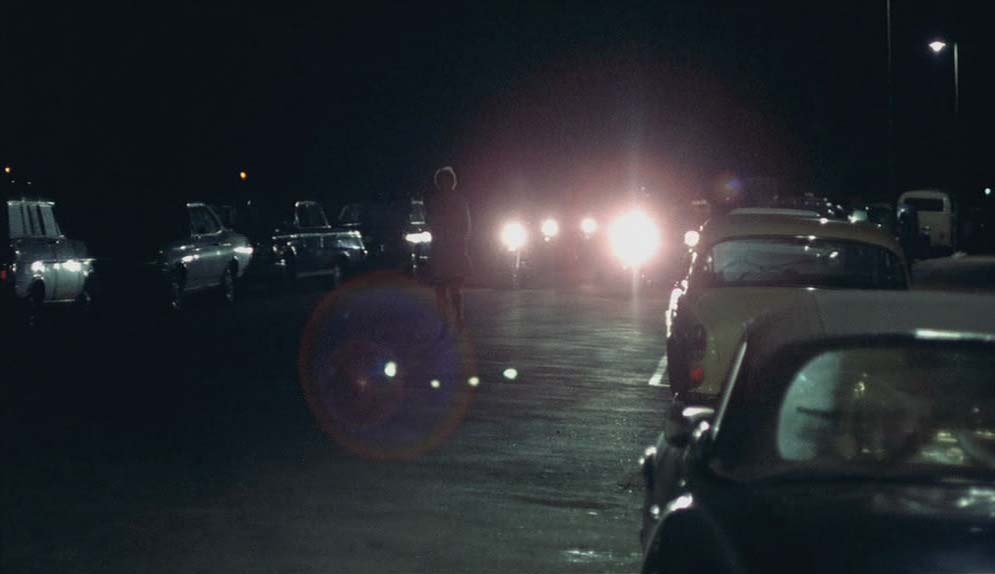
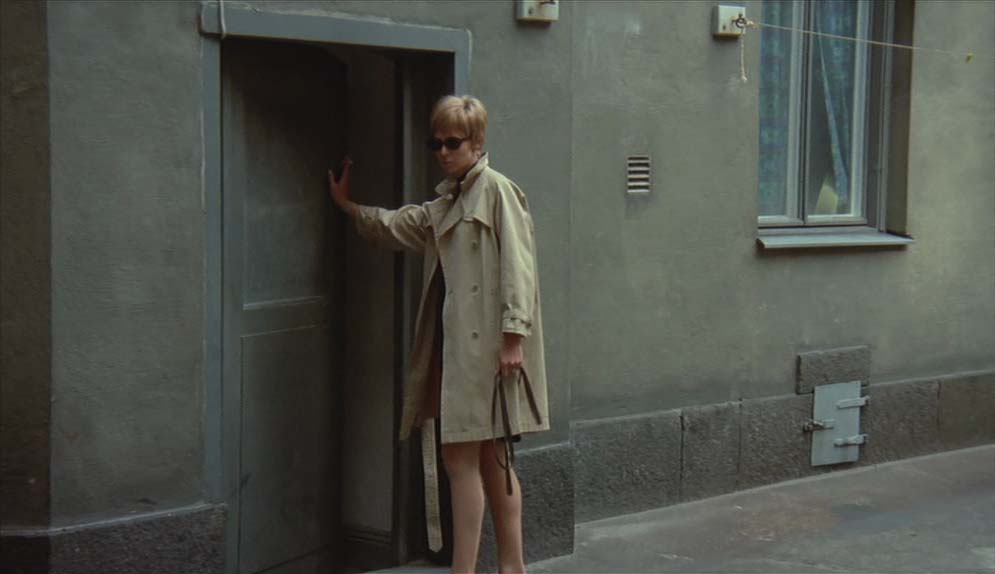
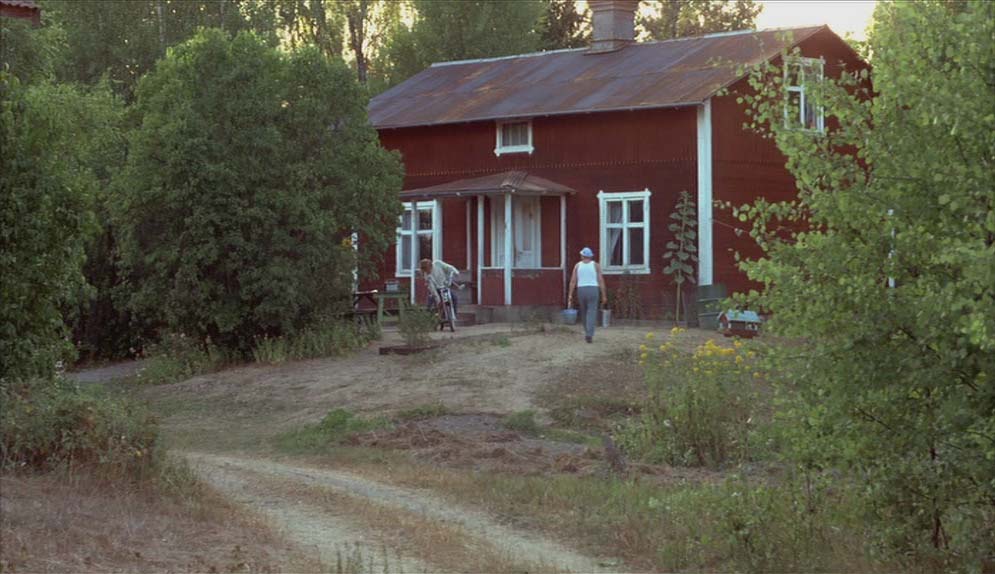
The film’s visual style, characterized by warm sunlight, open fields, and pastel hues, reflects both the optimism and vulnerability of adolescence. However, as summer comes to an end, a subtle sadness begins to emerge. The young lovers confront the unavoidable realities of life—family expectations, class differences, and the gradual onset of adulthood. Despite these challenges, the director, Andersson, avoids a tragic ending. Instead, he concludes the film with a sense of wistful ambiguity, preserving the memory of first love in its purest form.
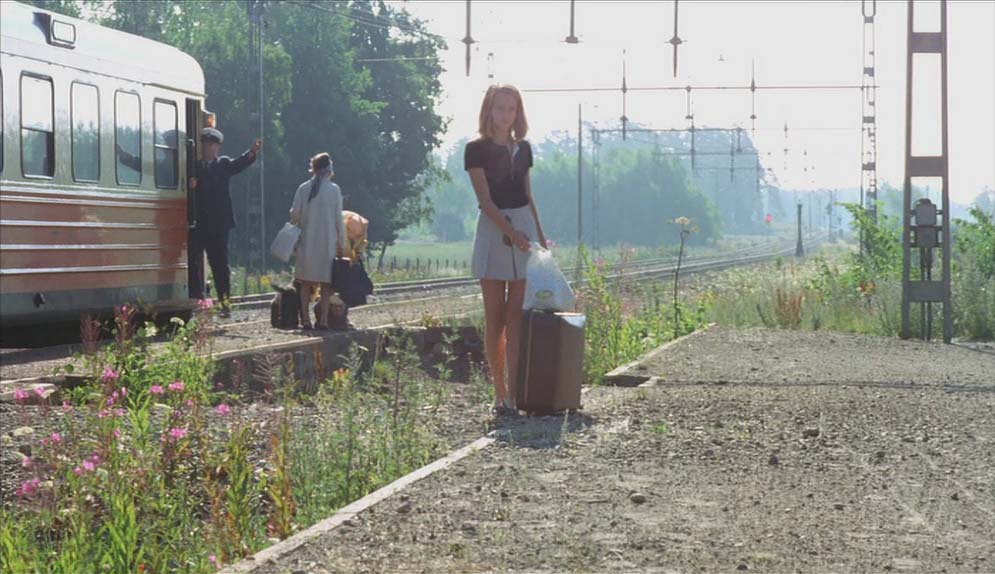
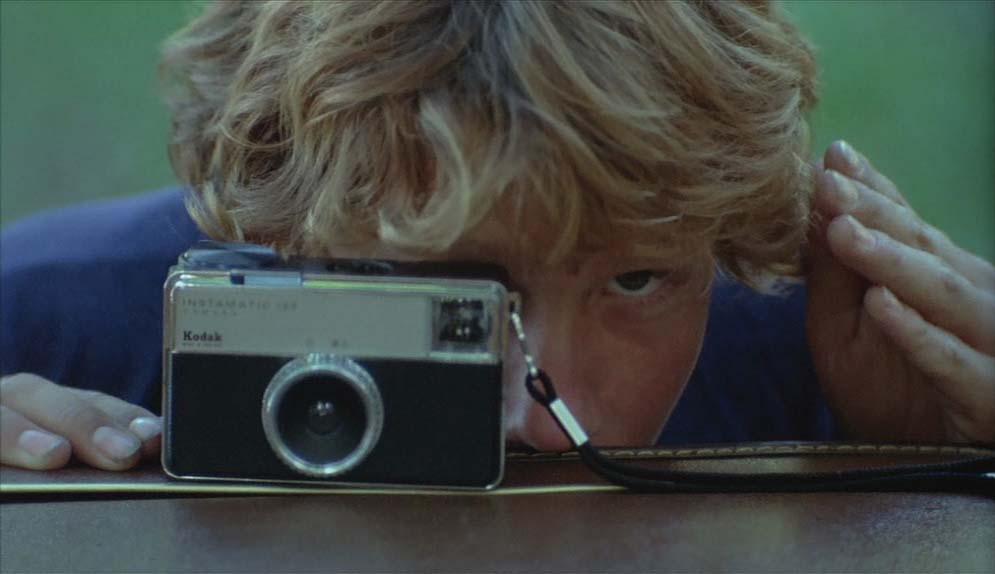

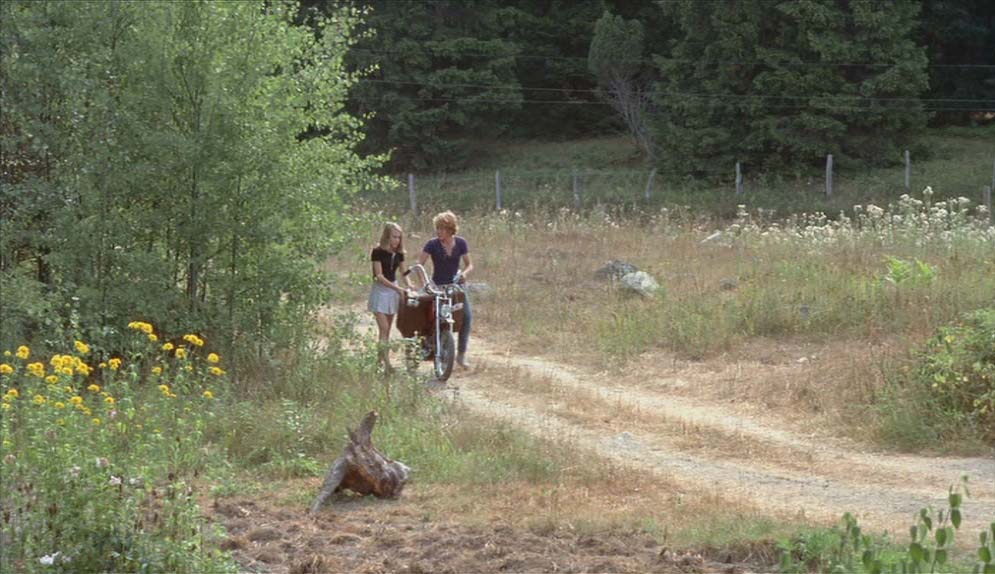
“A Swedish Love Story” focuses more on creating atmosphere and conveying emotional truth than on traditional narrative progression. Andersson delves into themes of innocence, alienation, and the loss of idealism. The film contrasts the genuine sincerity of youth with the disillusionment of adulthood, highlighting how societal conformity and materialism diminish the capacity to experience joy and intimacy.


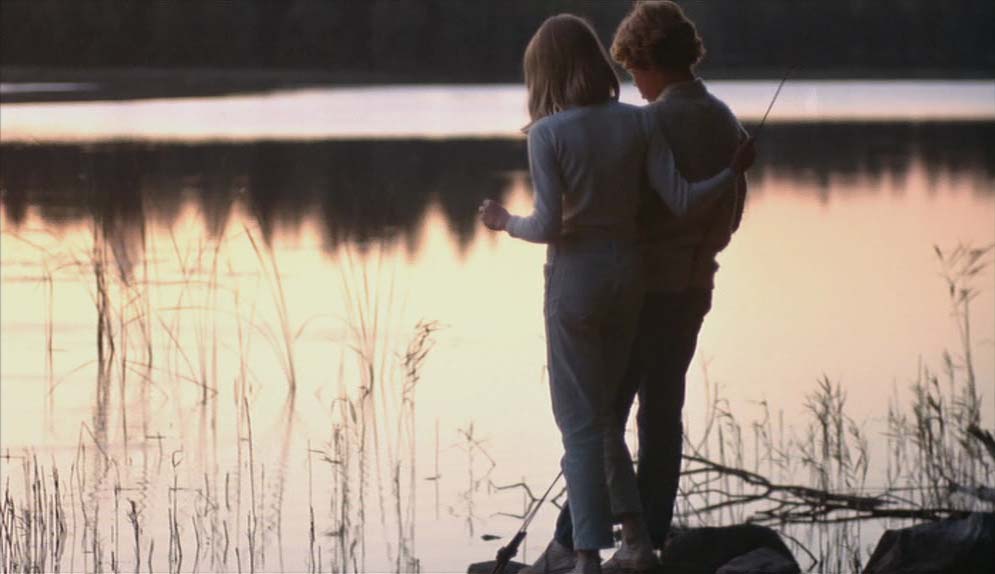


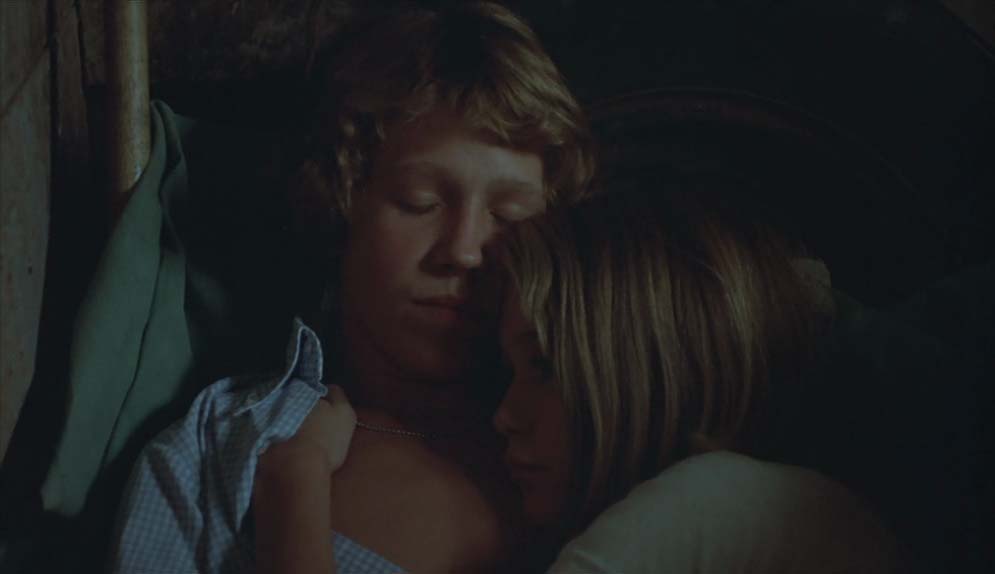
Upon its release in 1970, “A Swedish Love Story” achieved unexpected success in Sweden, receiving acclaim for its sensitivity and realism. Critics compared Andersson’s direction to that of François Truffaut and Miloš Forman, highlighting his delicate portrayal of youth and his skill in evoking emotional truths without resorting to sentimentality.


Today, it serves as a poignant snapshot of late-1960s Sweden—a vivid exploration of first love, forever suspended between innocence and experience.


