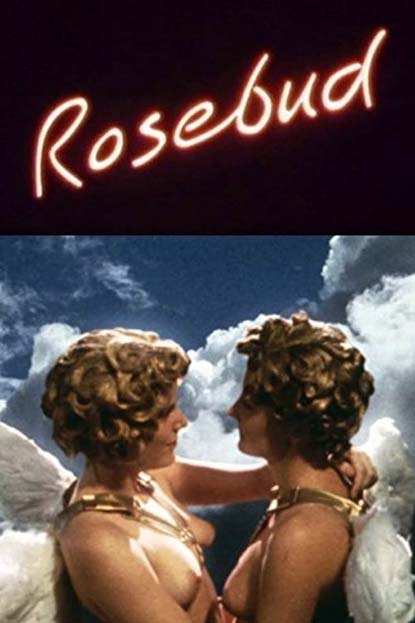
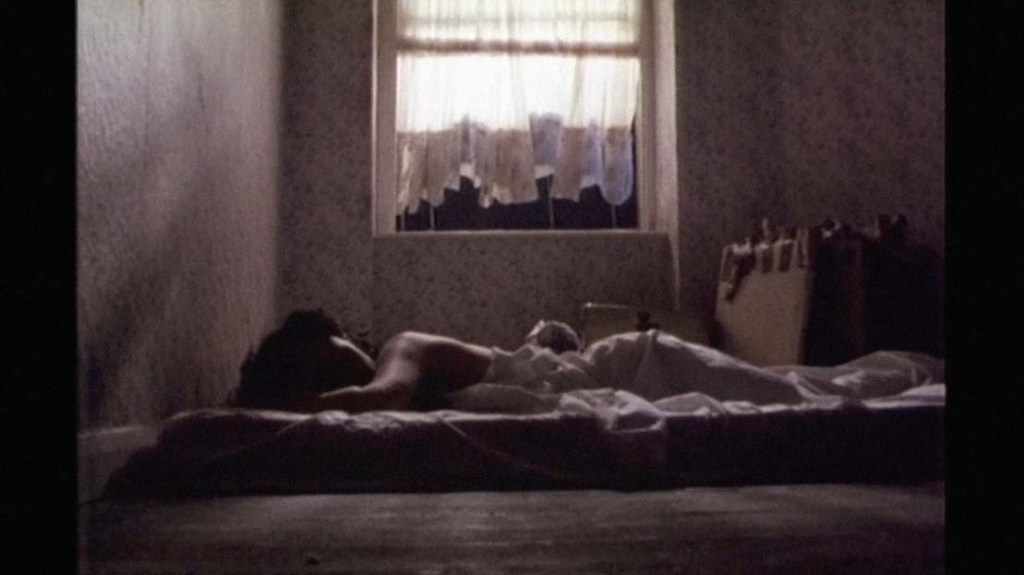
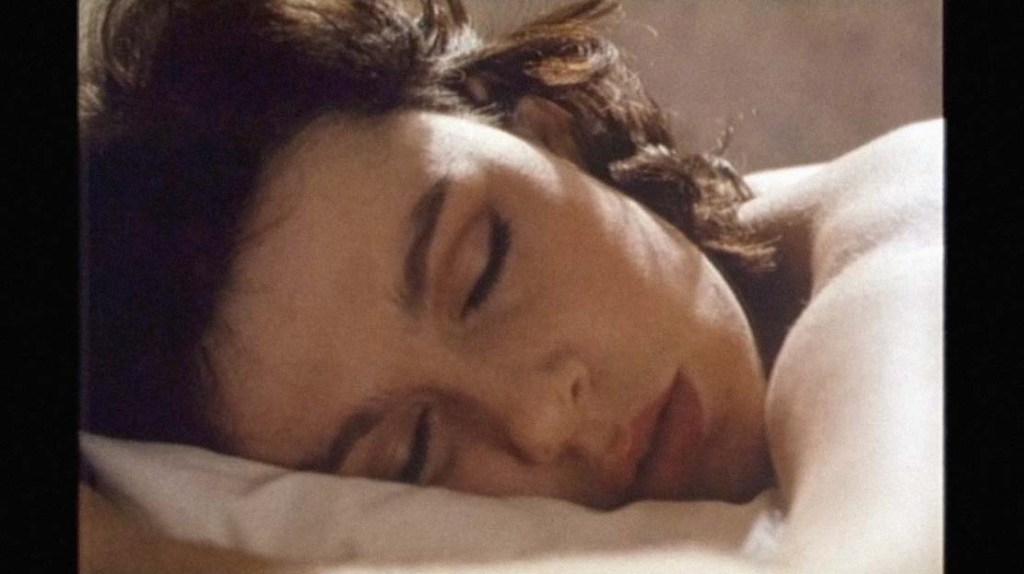
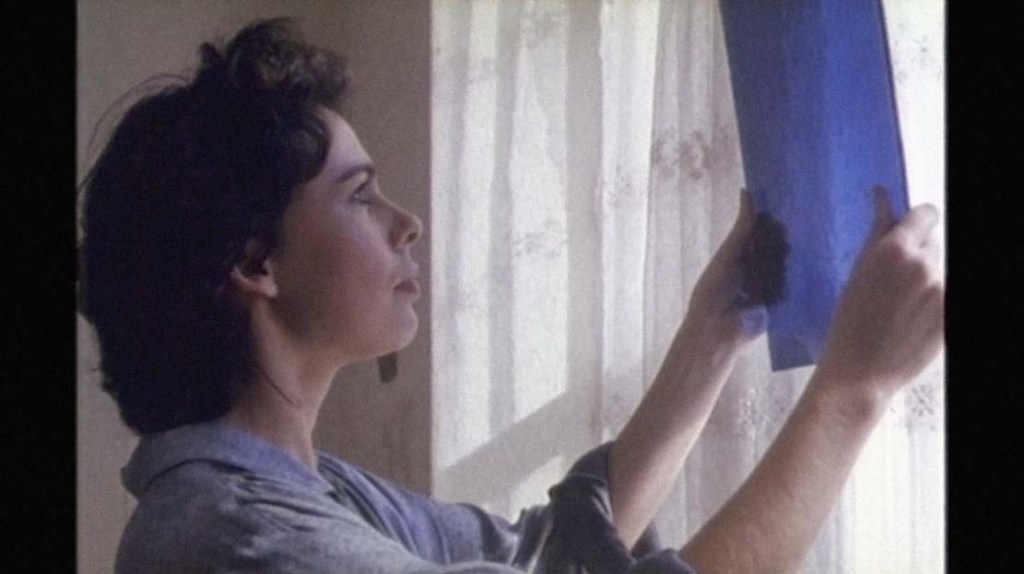
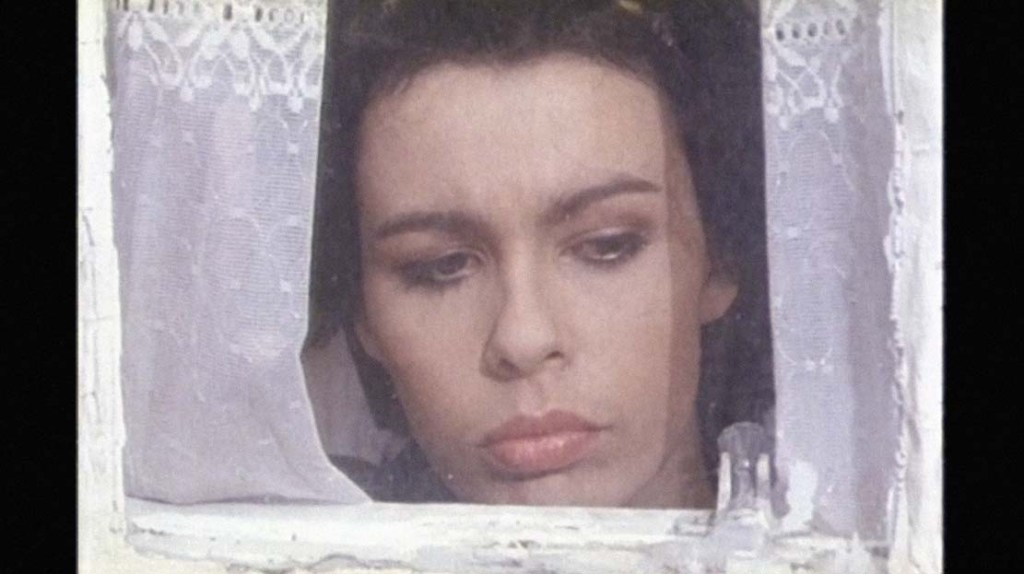
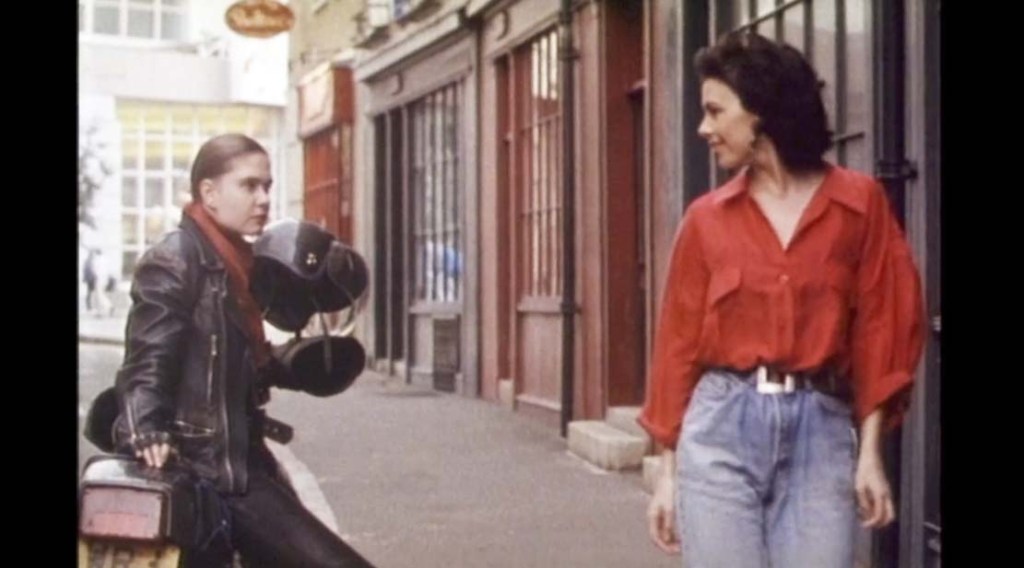
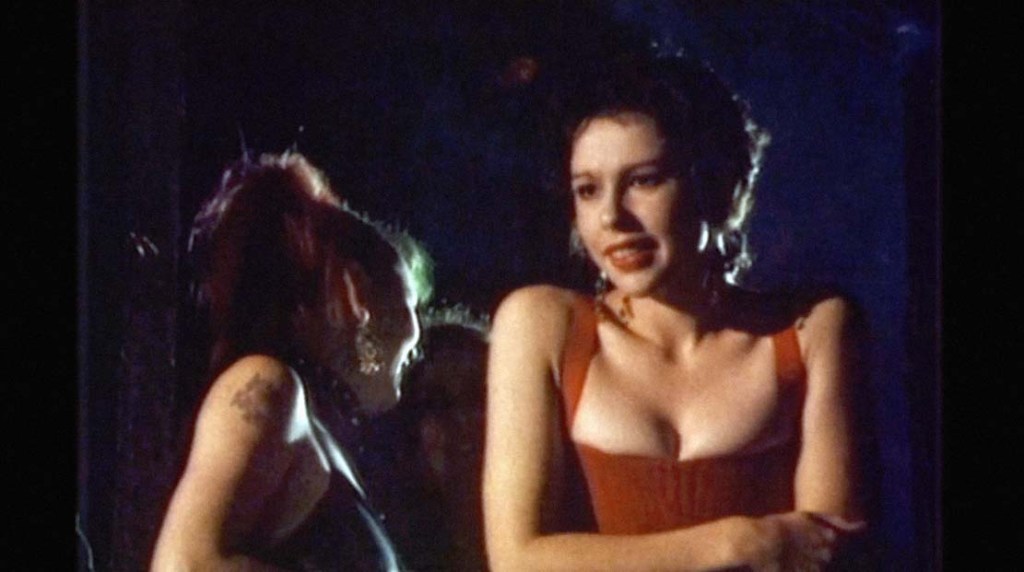
“Rosebud” is a 1991 British short film written and directed by Cheryl Farthing. It follows Kay, a woman in her late twenties who has just moved into a new flat. Her immediate neighbors are a lesbian couple who are affectionate, stylish, and openly intimate with one another.
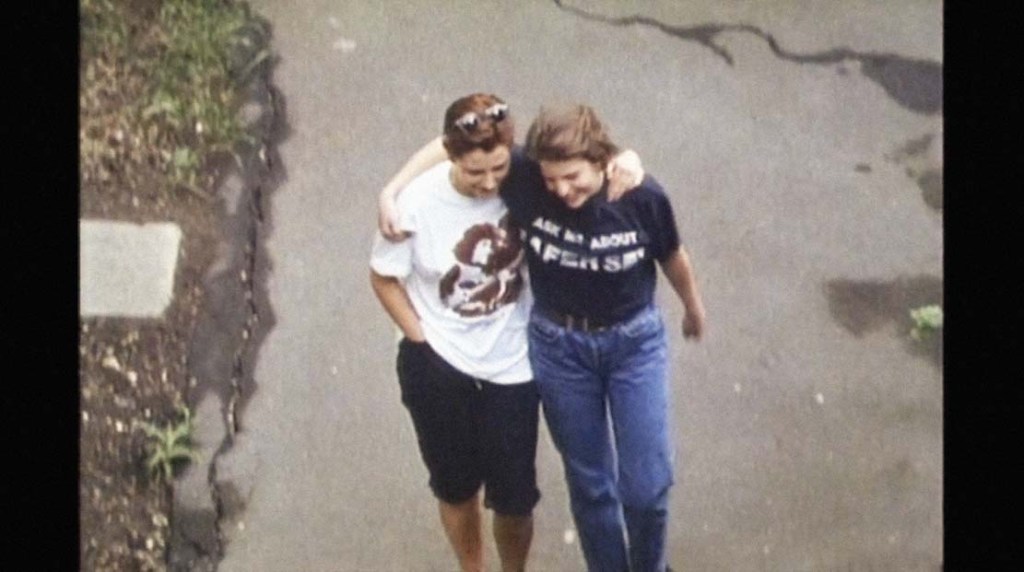
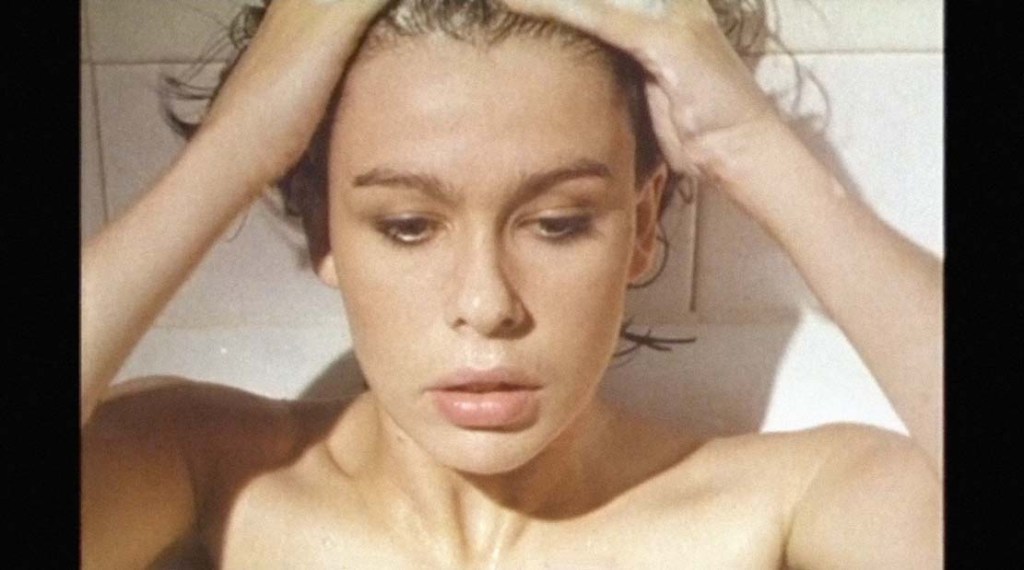
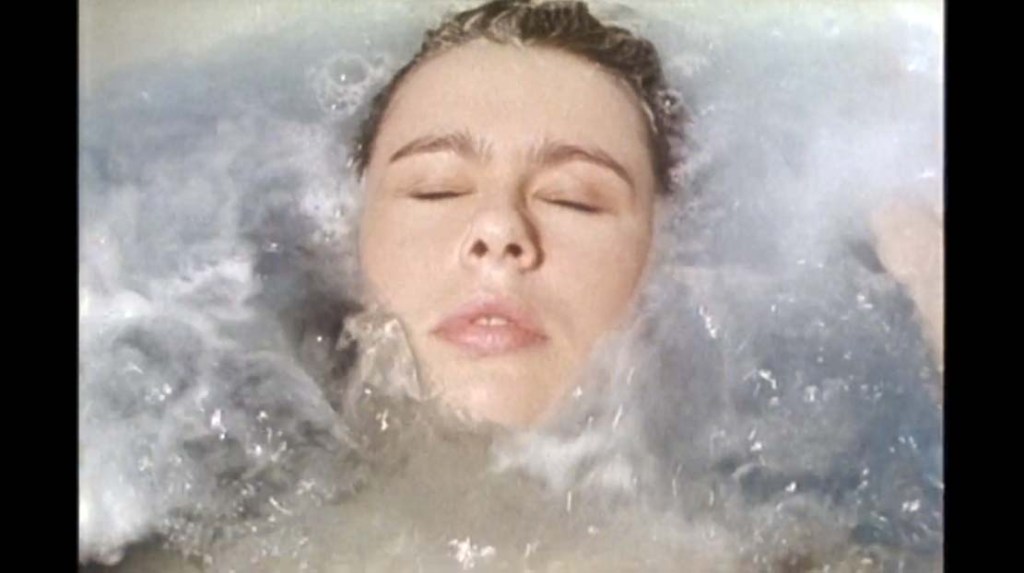
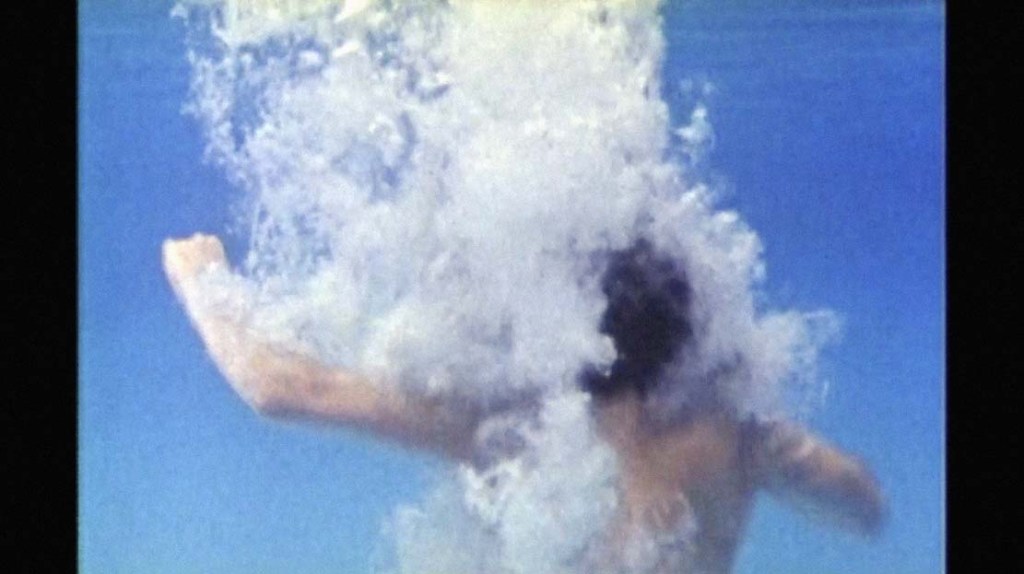
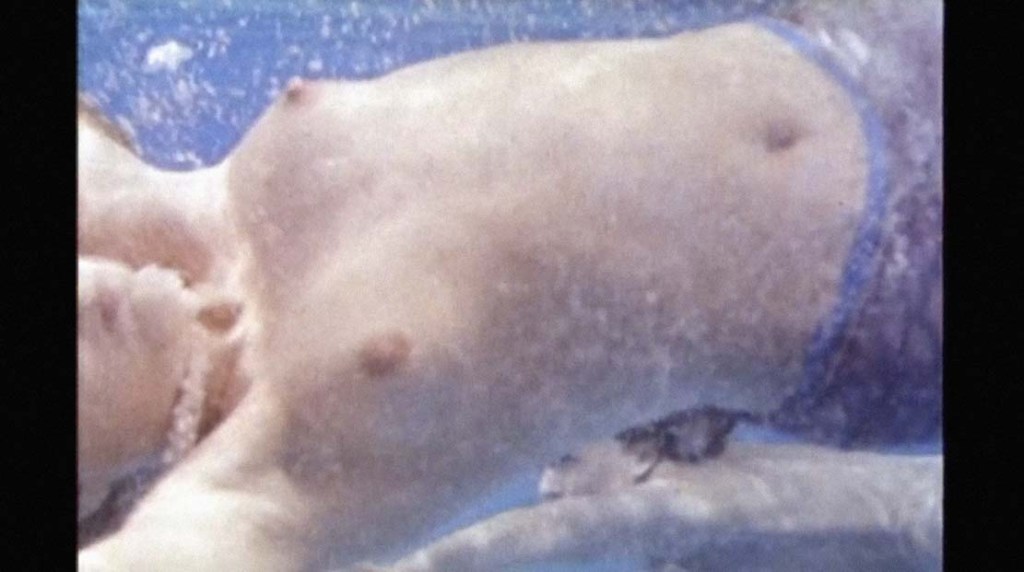
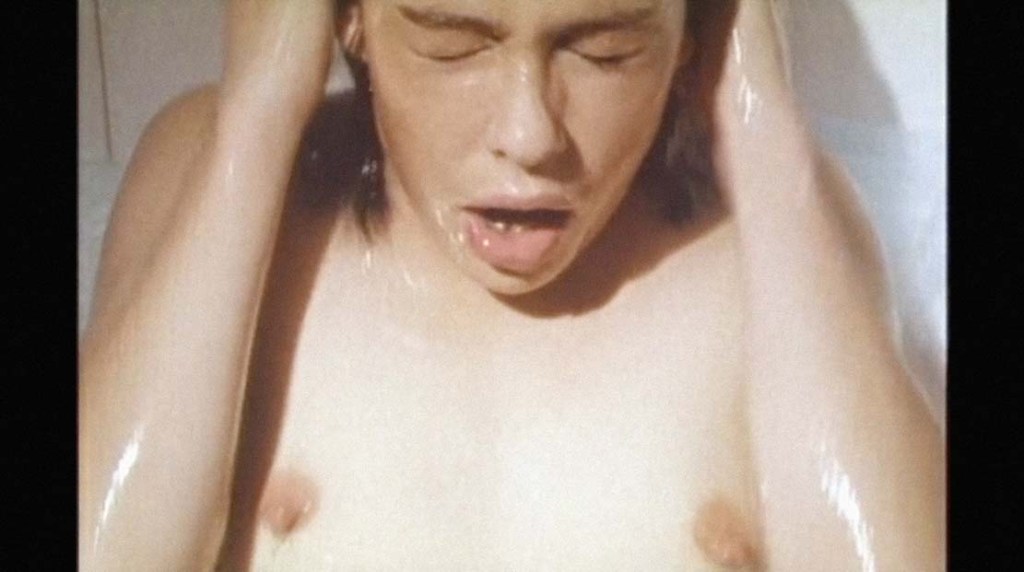
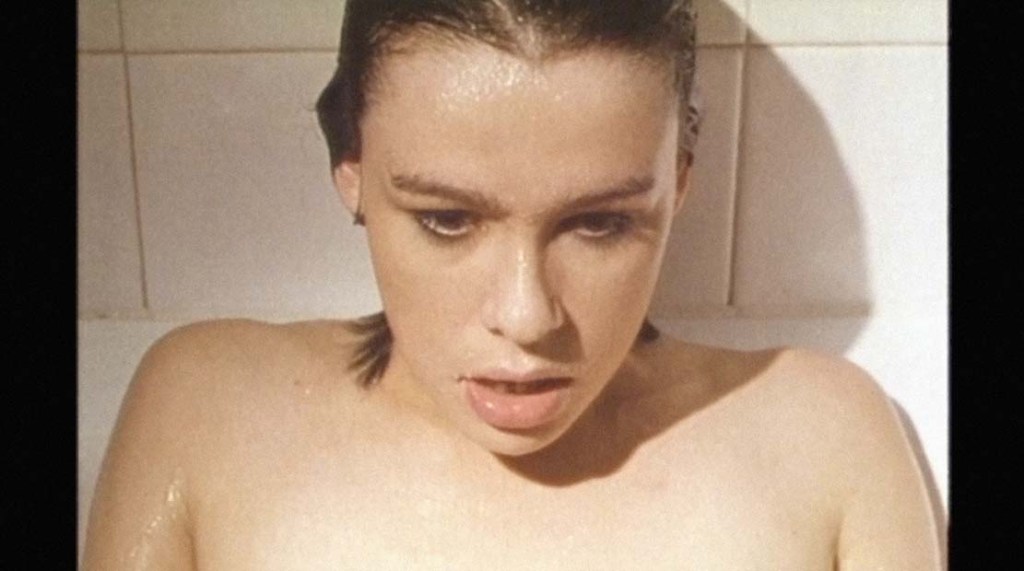
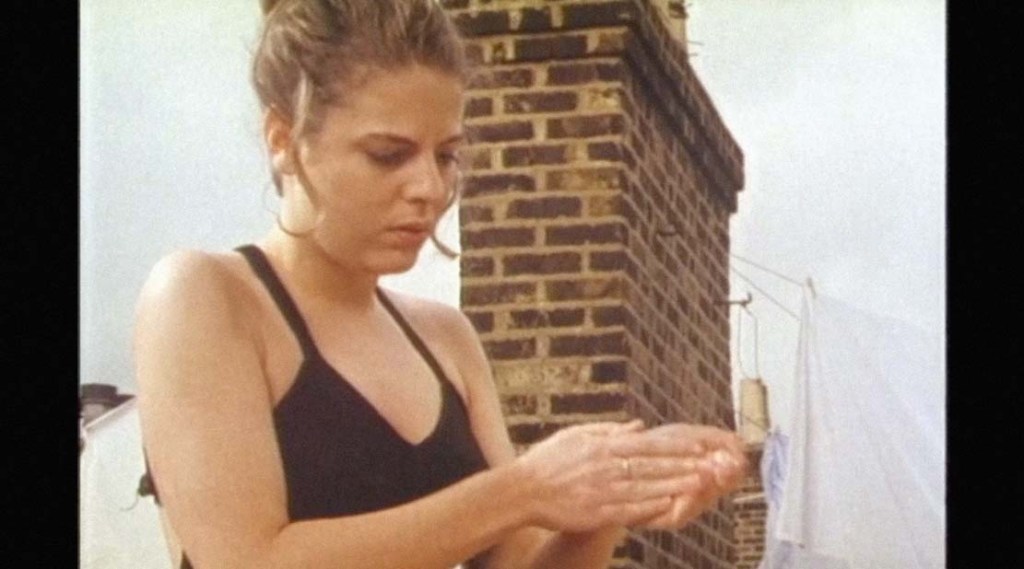
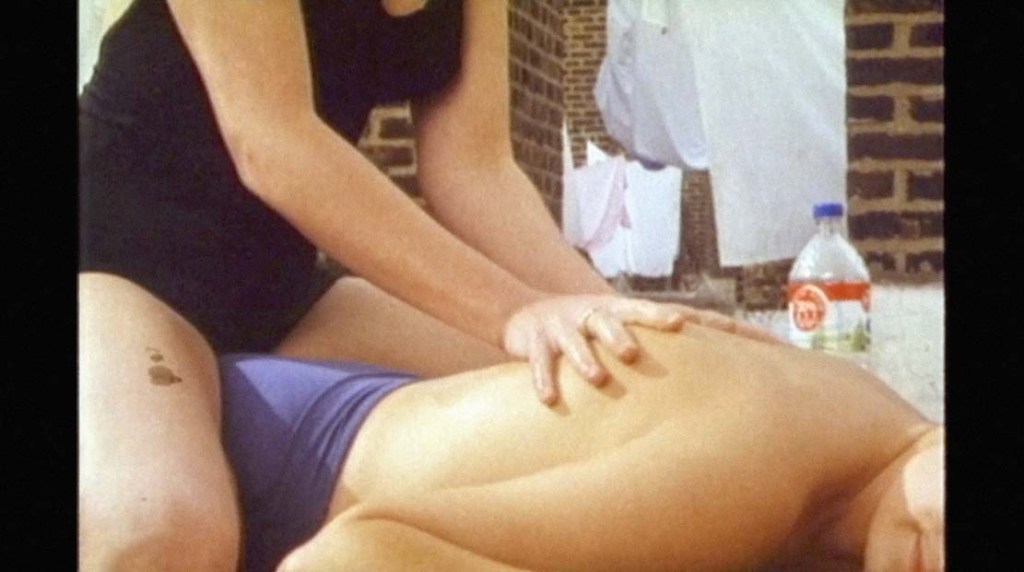
Kay becomes enchanted by the genuine closeness of the two women, their physical intimacy radiating warmth and connection. Their expressions of affection spark something deep within her, awakening feelings she has yet to discover. As she observes, her imagination ignites with vibrant images of female sensuality, a celebration of intimacy that transcends words. These fantasies fill her mind with emotion and beauty, inspiring her to embrace the richness of desire and the power of connection.
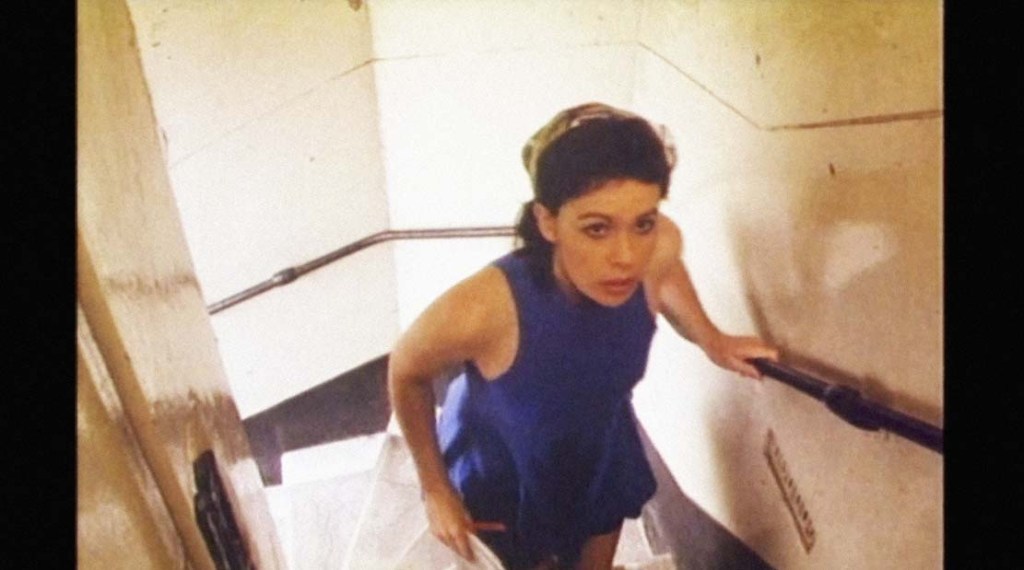
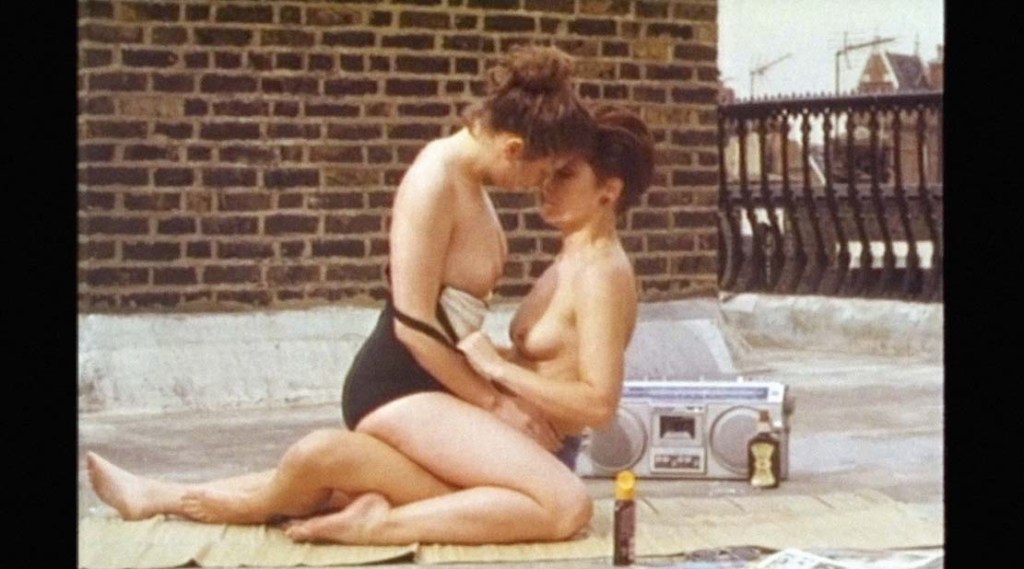
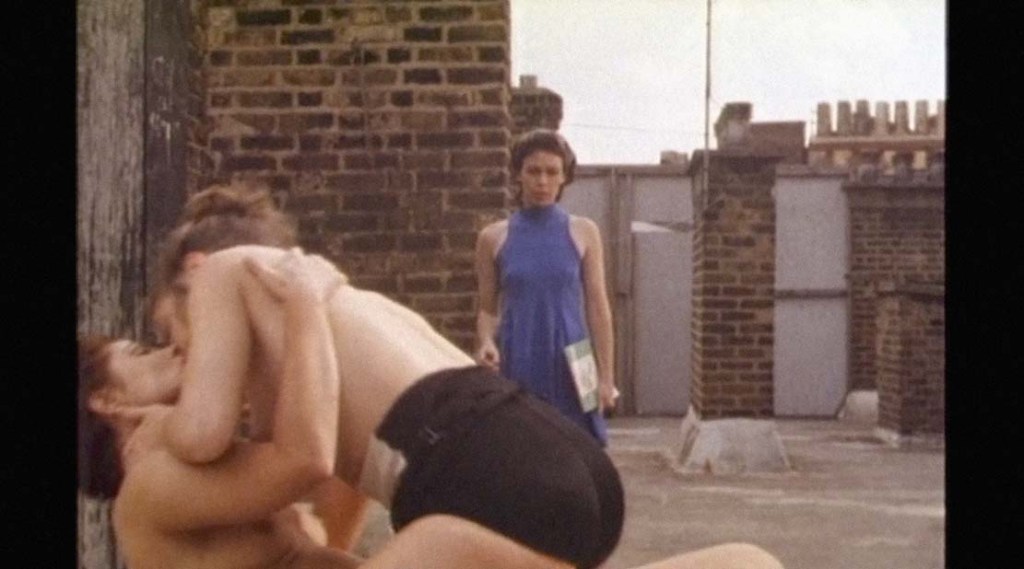
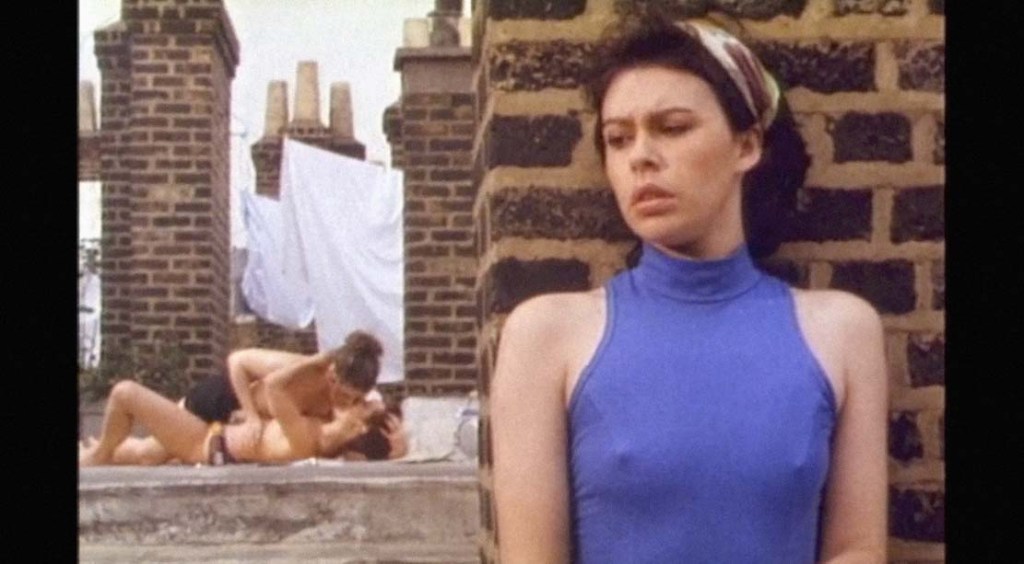
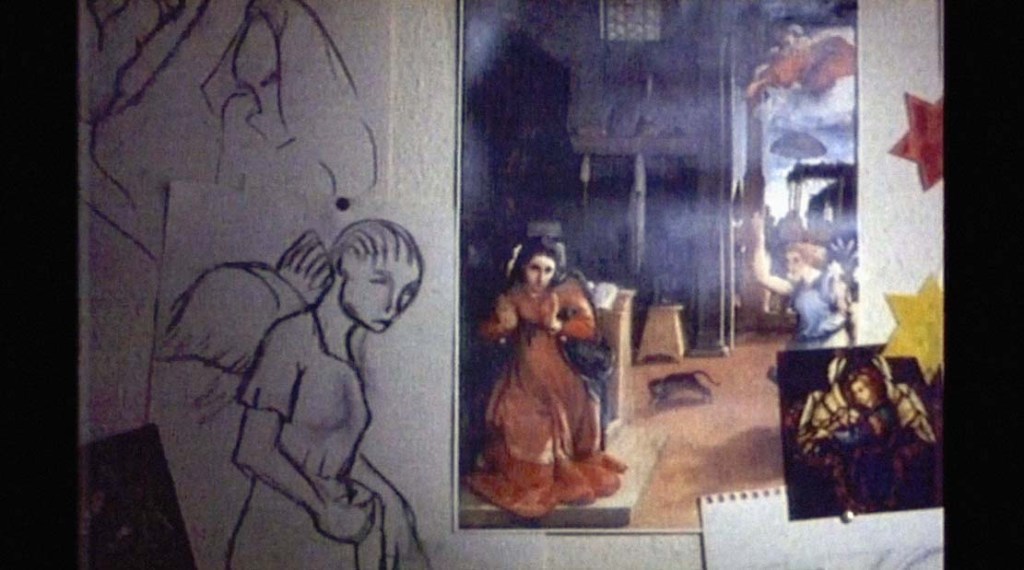
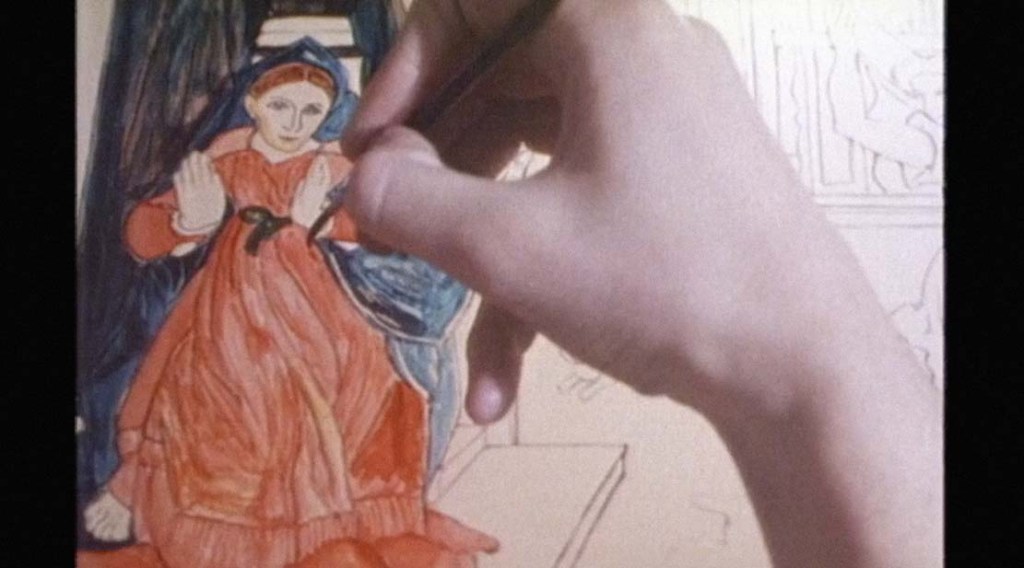
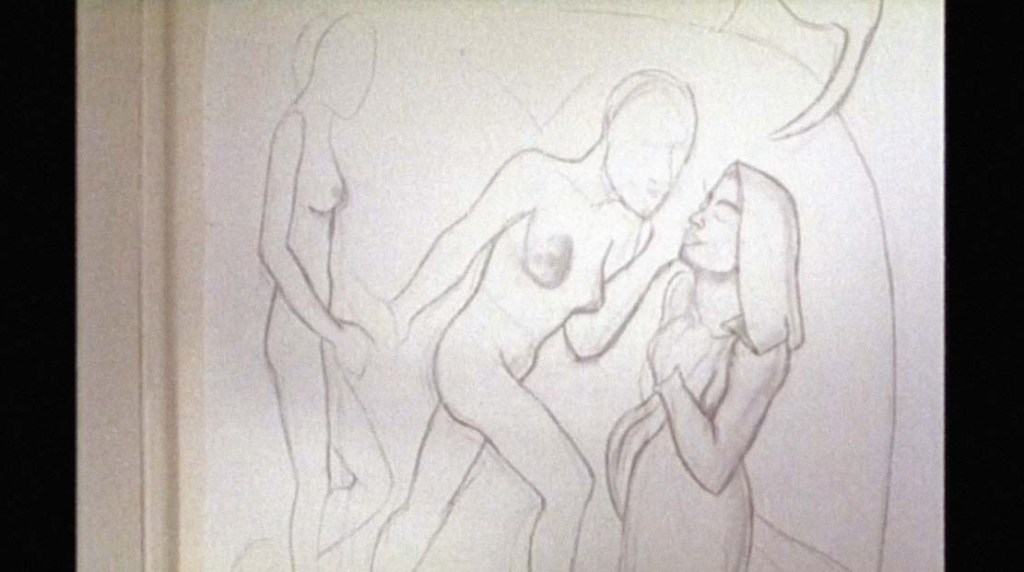
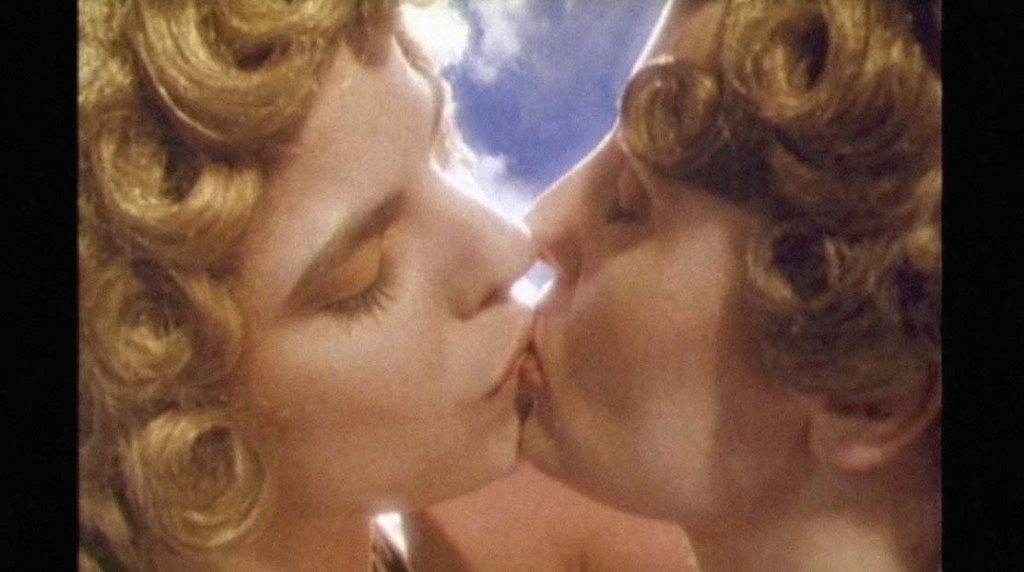
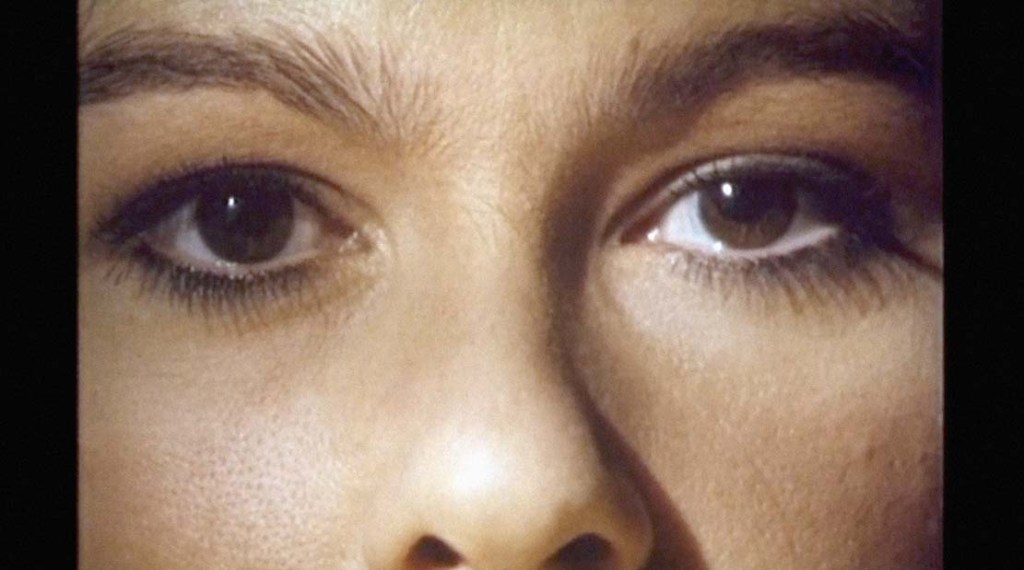
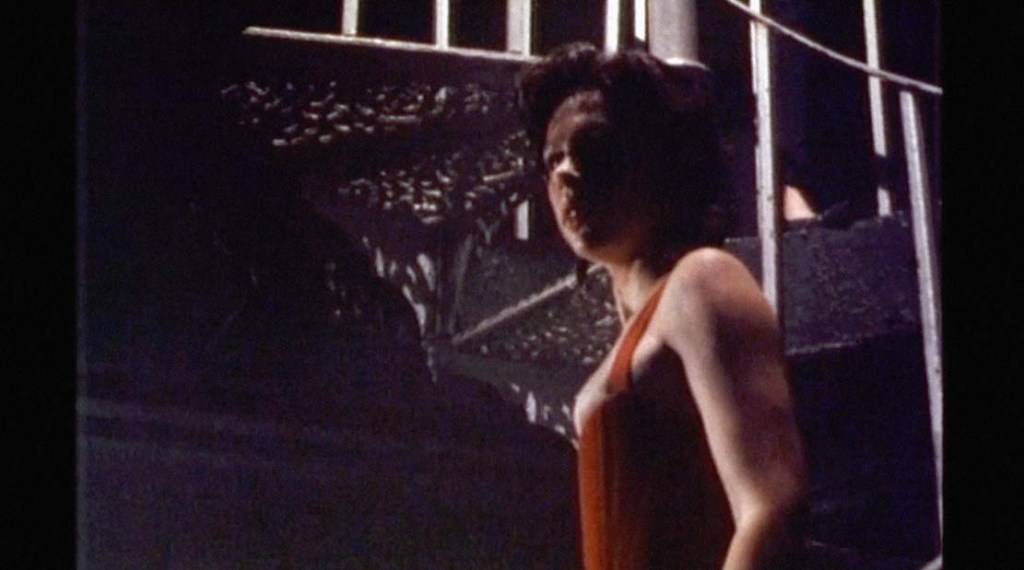
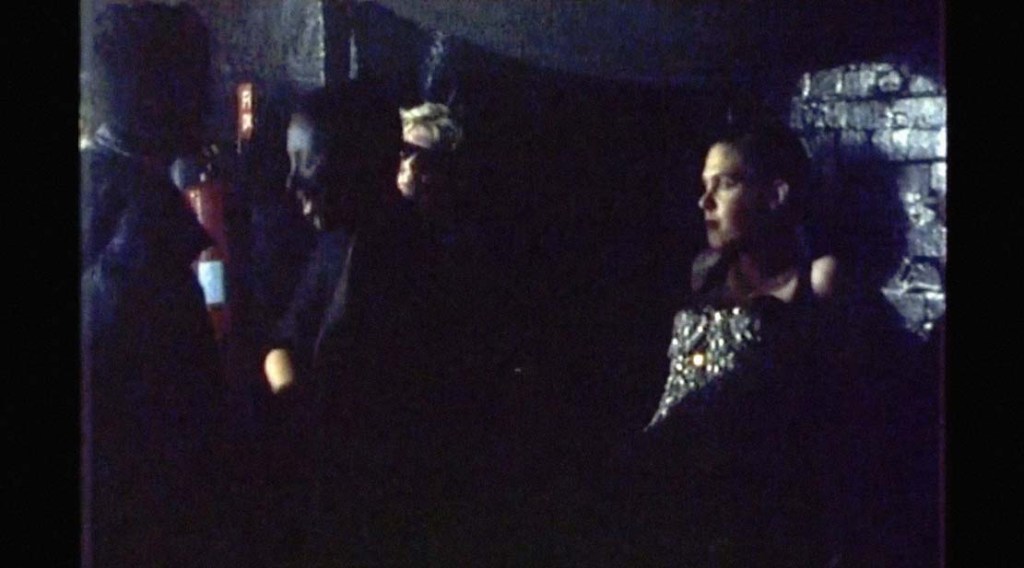
Throughout the film, Kay’s increasing fascination intertwines with voyeuristic desire and a sense of discovery. As she observes her neighbors—from her flat, whether on rooftops or through shared windows—she begins to recognize and awaken her own sexuality.
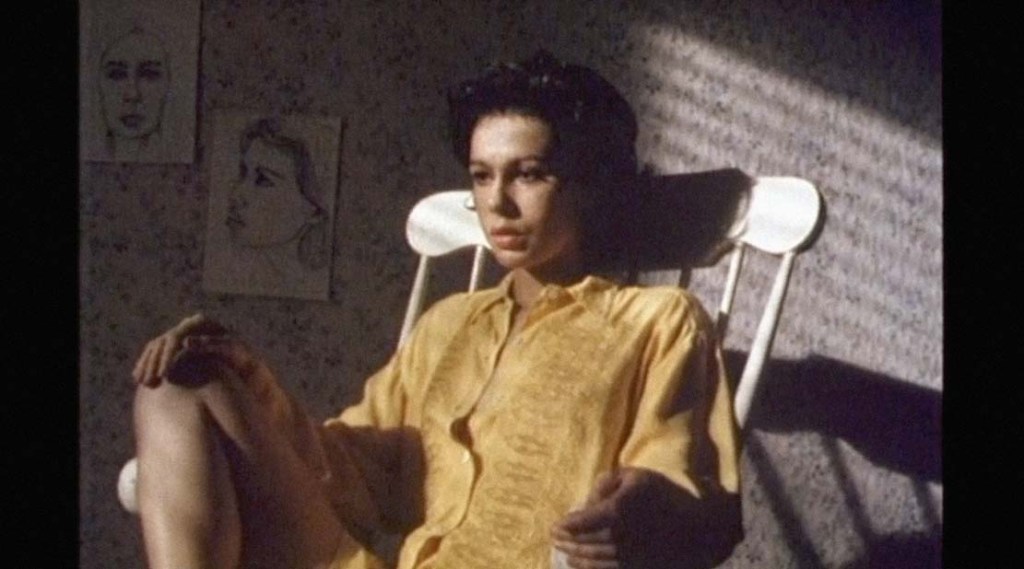
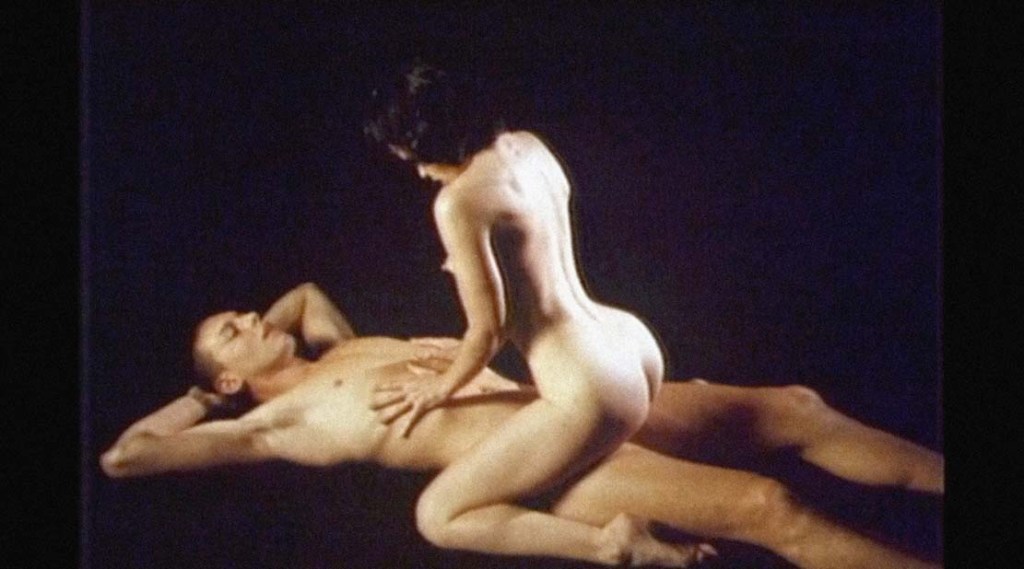

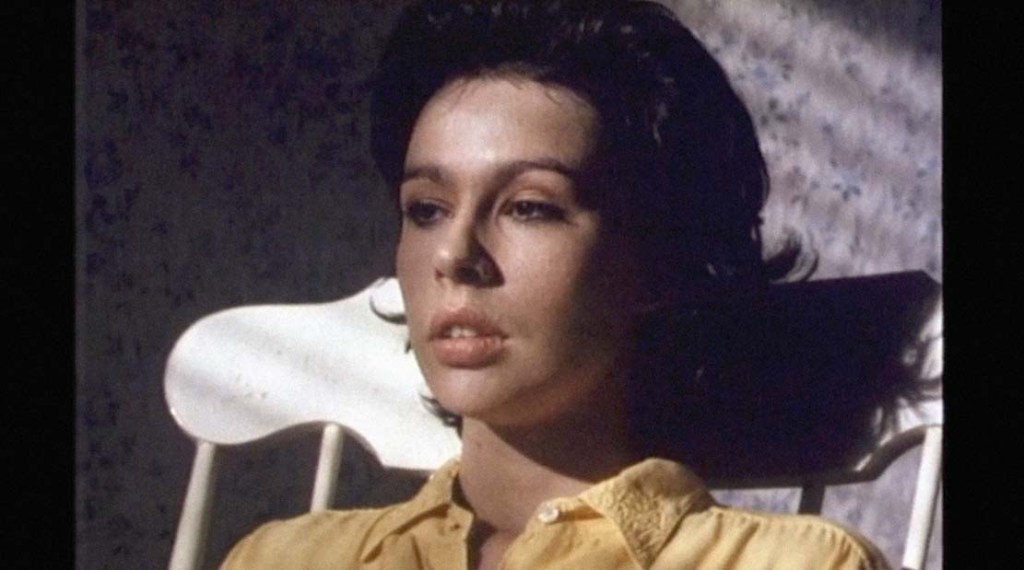
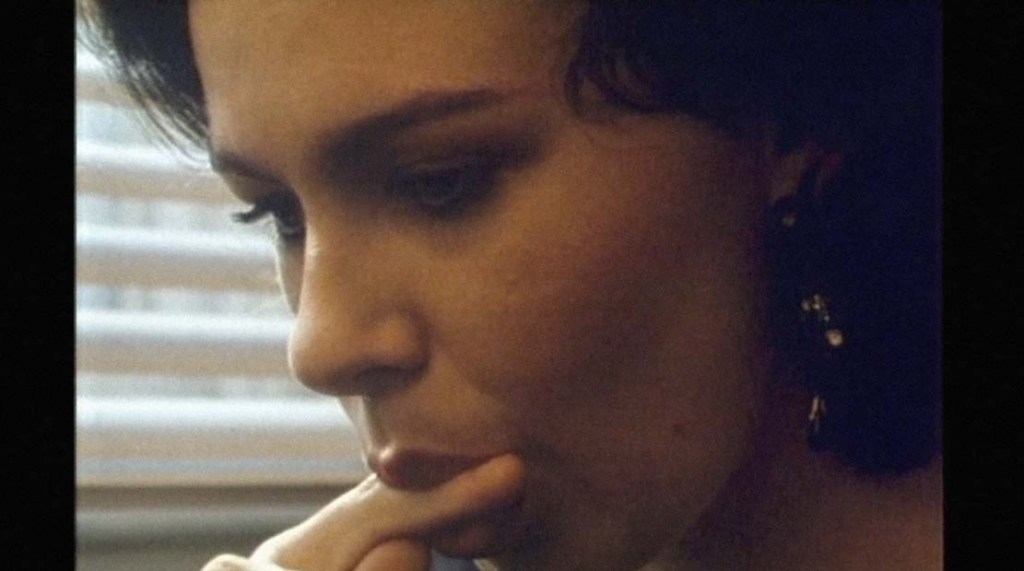
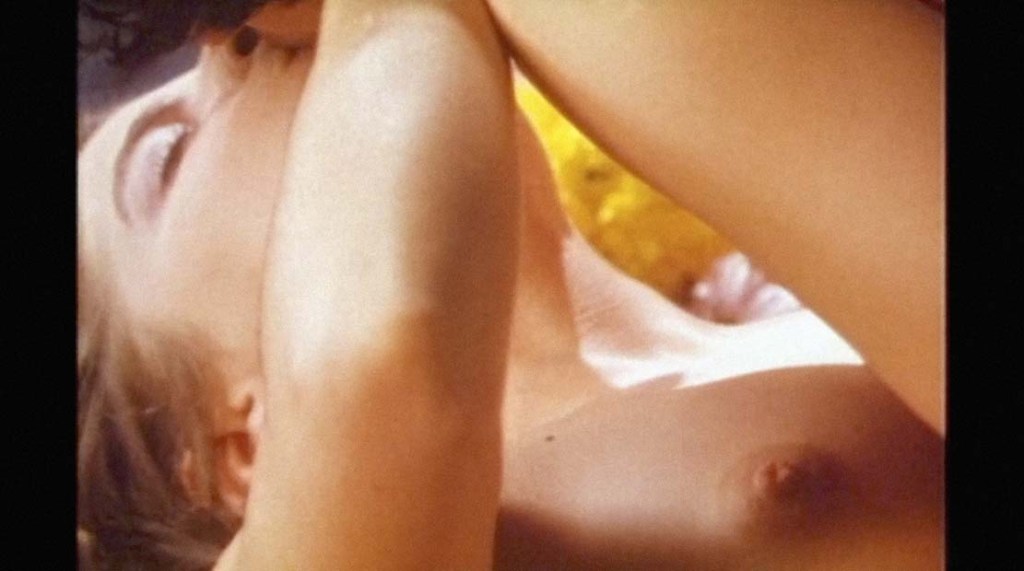
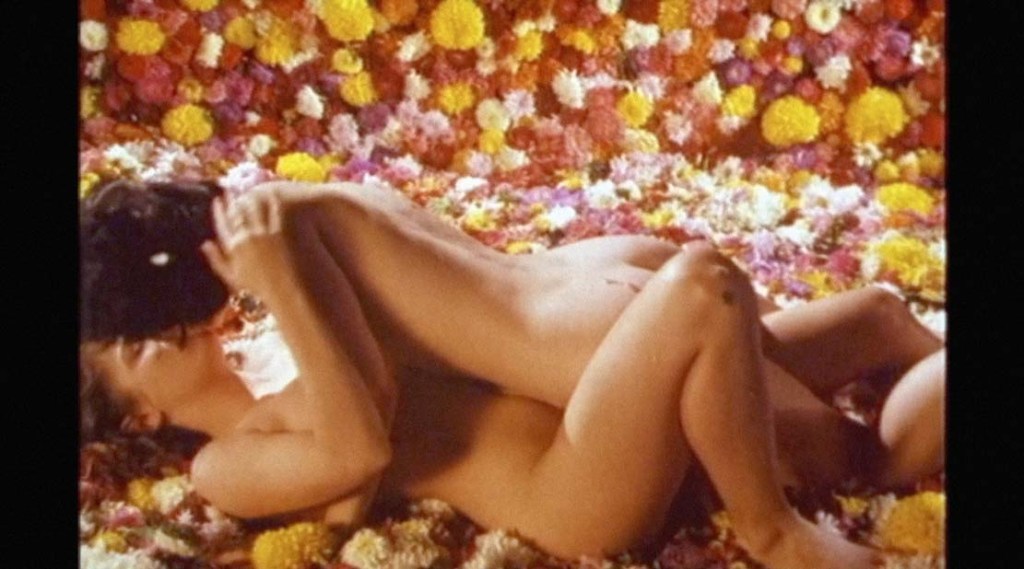
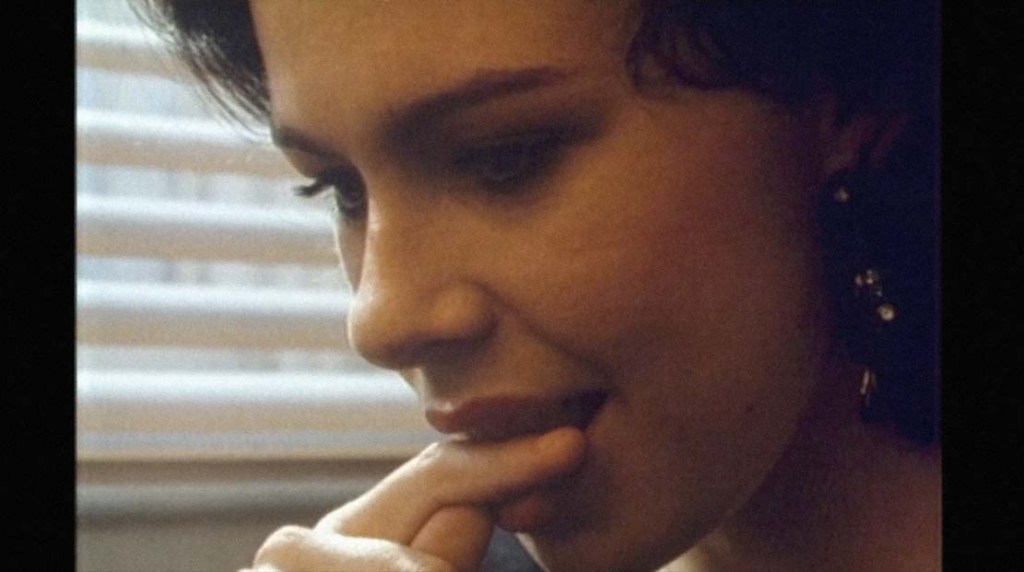
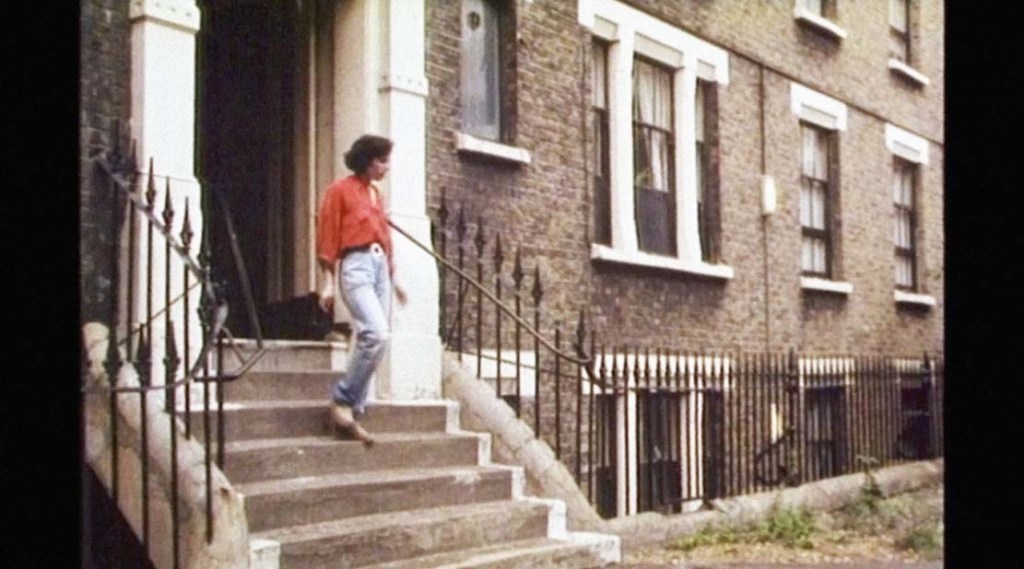
The film features no spoken dialogue; instead, it relies on imagery, mood, a soundtrack, and visual metaphors to convey Kay’s emotional and erotic discovery.
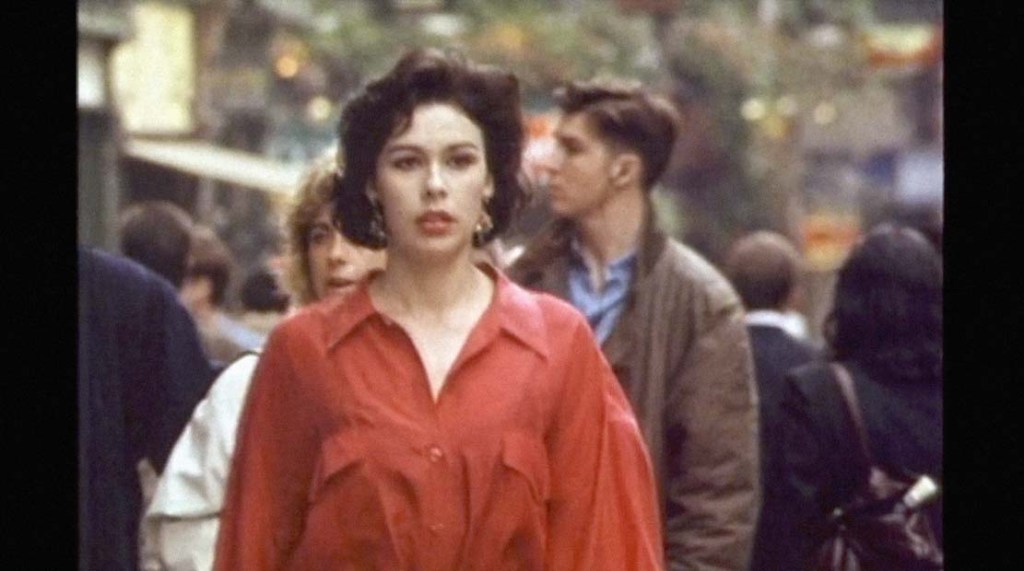

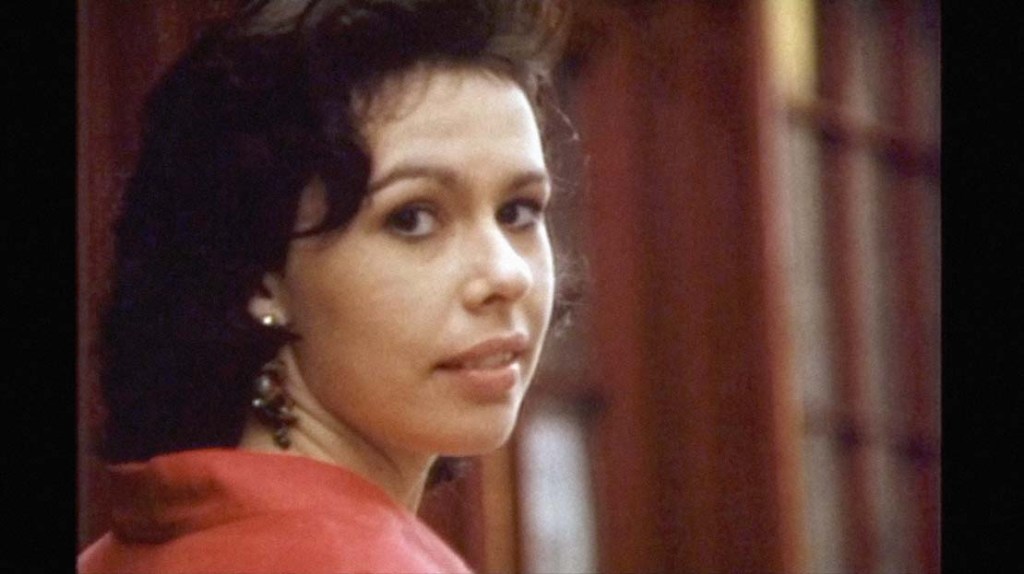
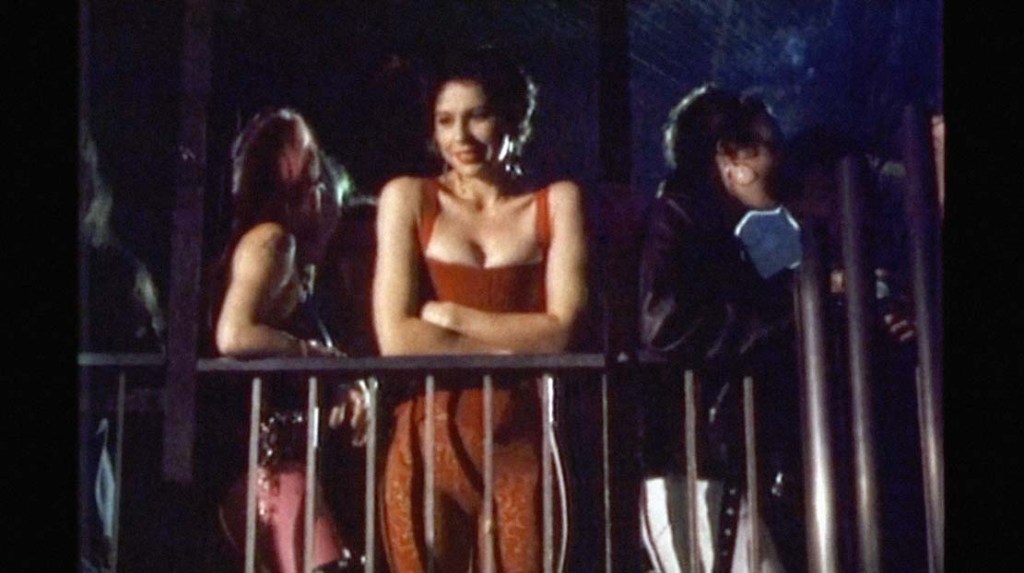
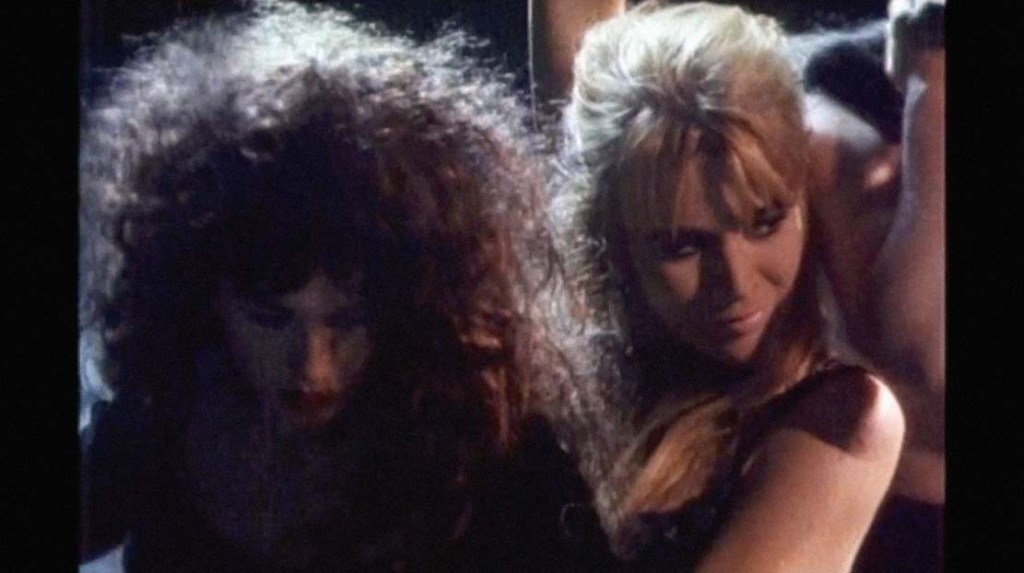
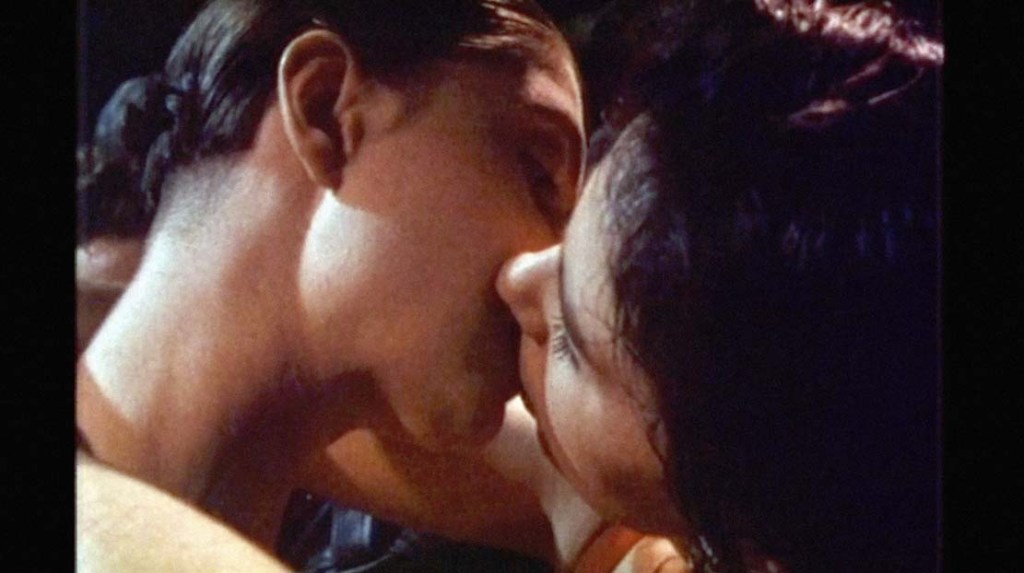
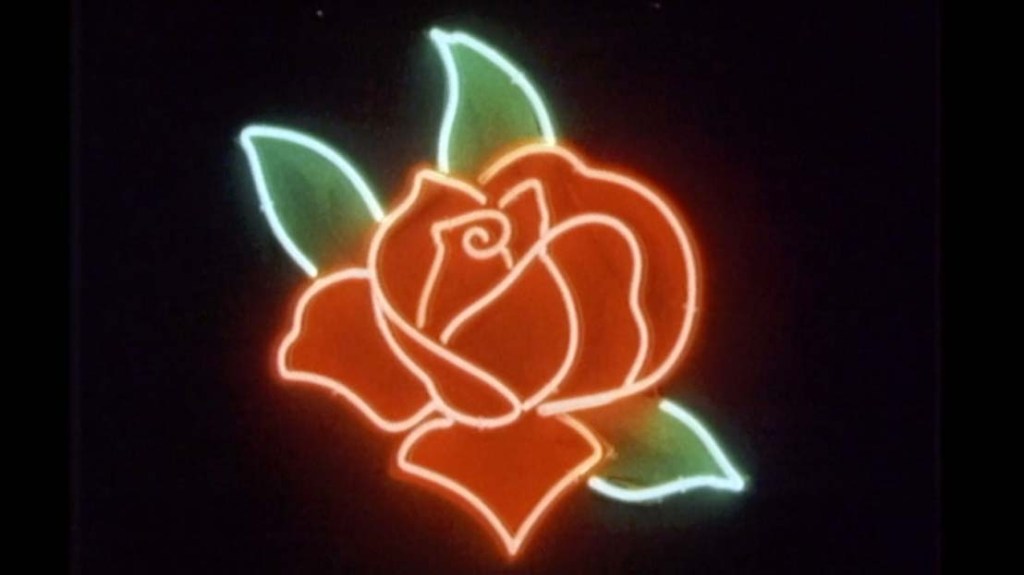
By the end, the film suggests a soft but profound transformation: Kay is more aware of her desires, perhaps more at peace with them. The intimate voyeurism, the dreams and fantasies, lead her toward a self-acceptance or at least an acknowledgment of what she’s been observing.