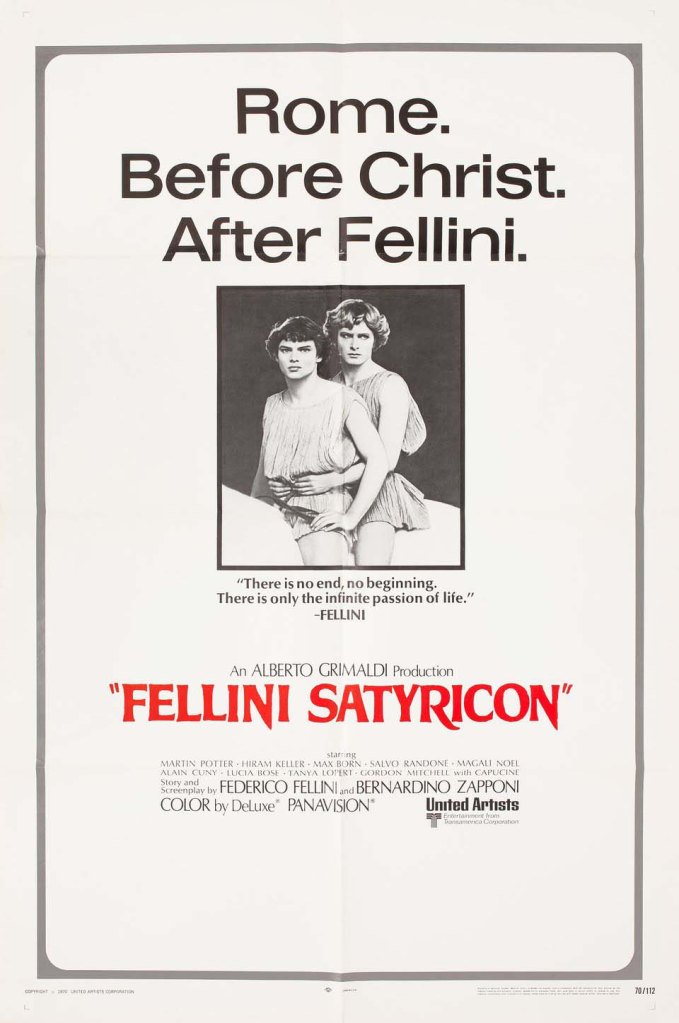
“Fellini Satyricon” is a surreal and dreamlike film directed by Federico Fellini in 1969. It is loosely based on the fragmented ancient Roman text “Satyricon” by Gaius Petronius Arbiter, a courtier during Emperor Nero’s reign. Instead of providing a faithful adaptation, Fellini transforms Petronius’s episodic satire into a phantasmagoric journey through the decaying grandeur of Imperial Rome. The film presents a mythic and grotesque vision of a civilization on the brink of collapse, exploring themes of desire, power, and moral decay through vivid images and nightmarish scenes.
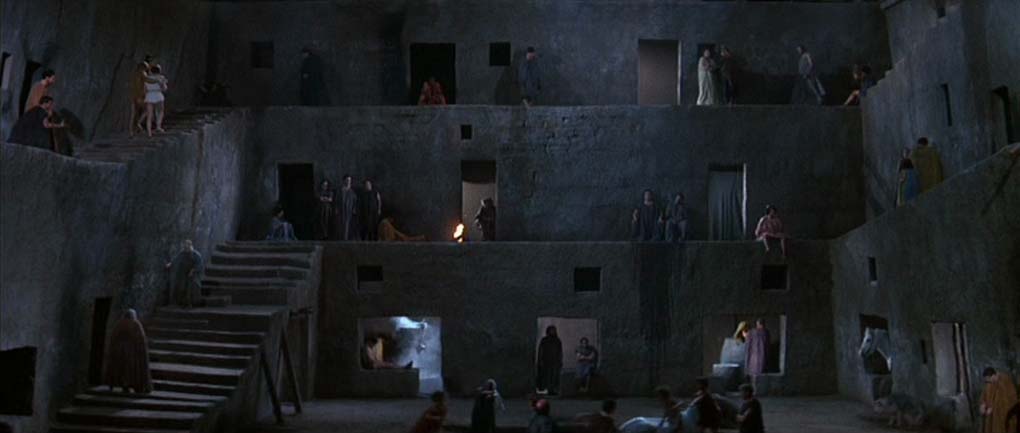
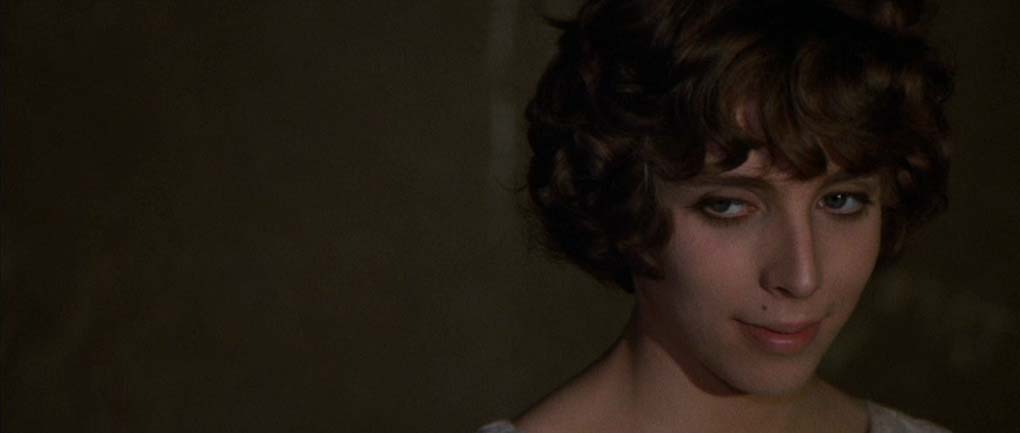
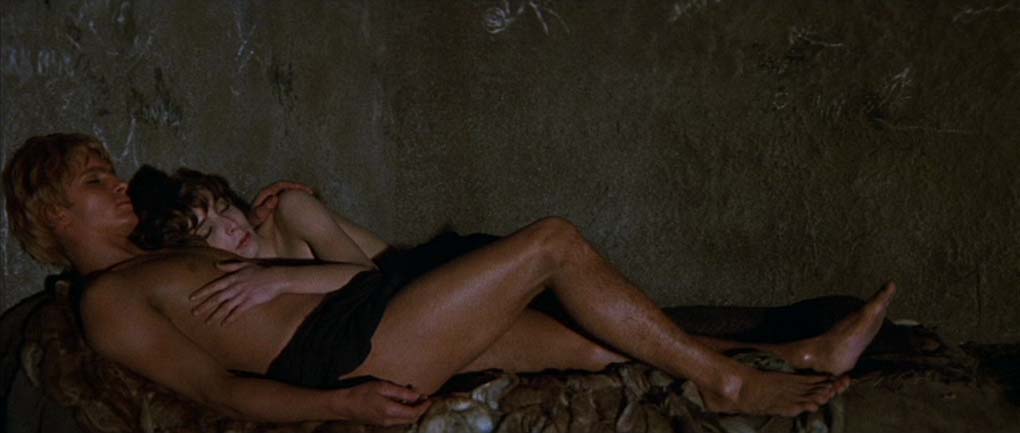
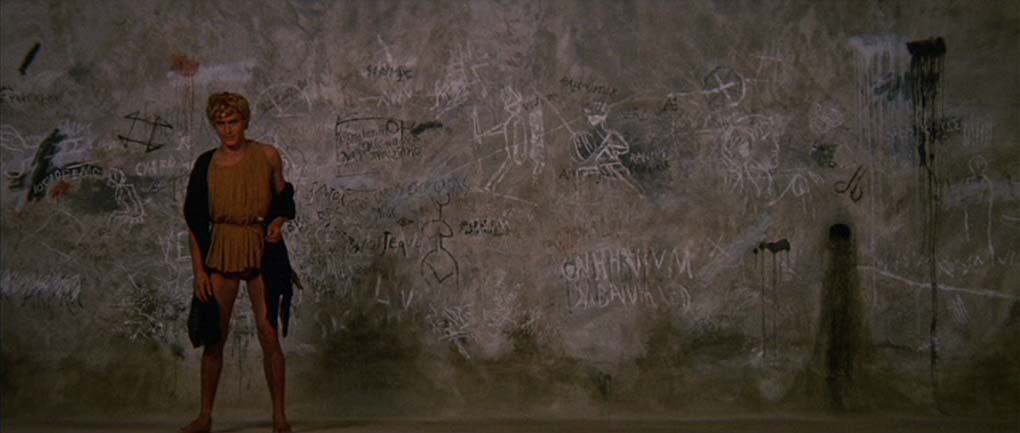
The film follows Encolpio (Martin Potter), a young poet, and his companion and rival, Ascilto (Hiram Keller), as they navigate the surreal landscapes of ancient Rome in search of pleasure, survival, and the beautiful boy, Gitone (Max Born). Their relationship—a mix of friendship and sexual rivalry—serves as the foundation of the film’s episodic structure as they drift through a series of bizarre, decadent, and often violent encounters.
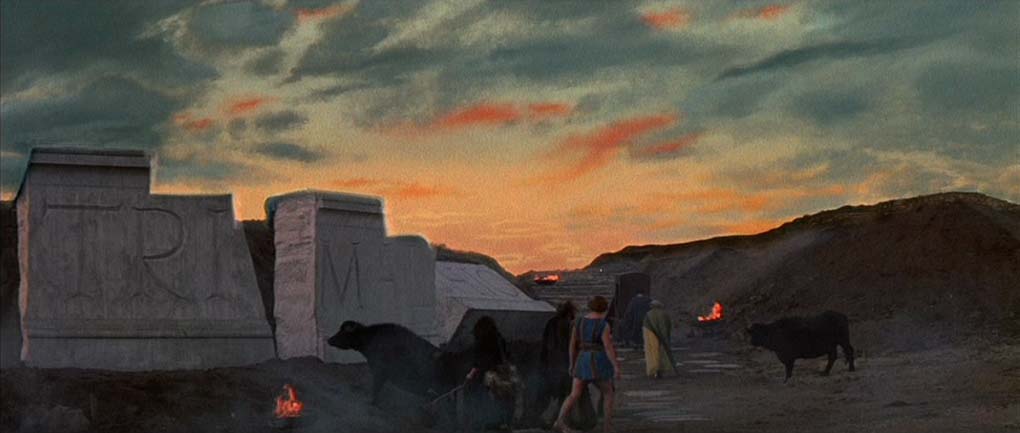
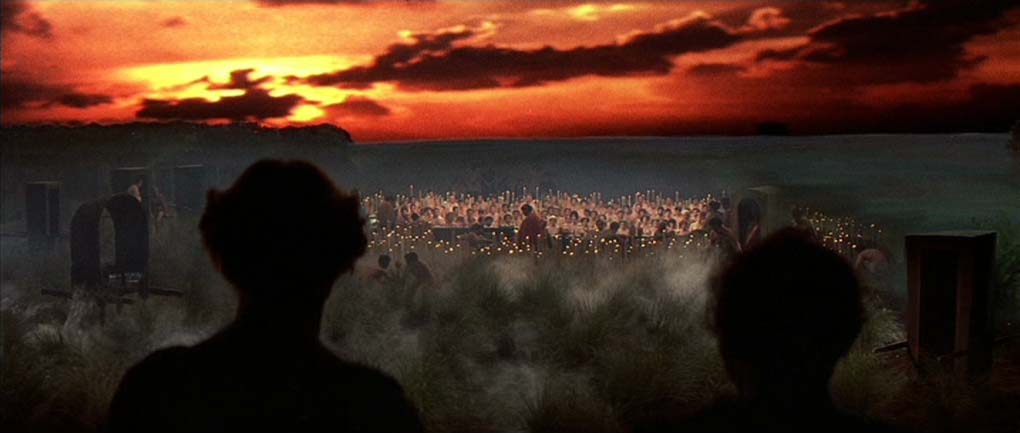
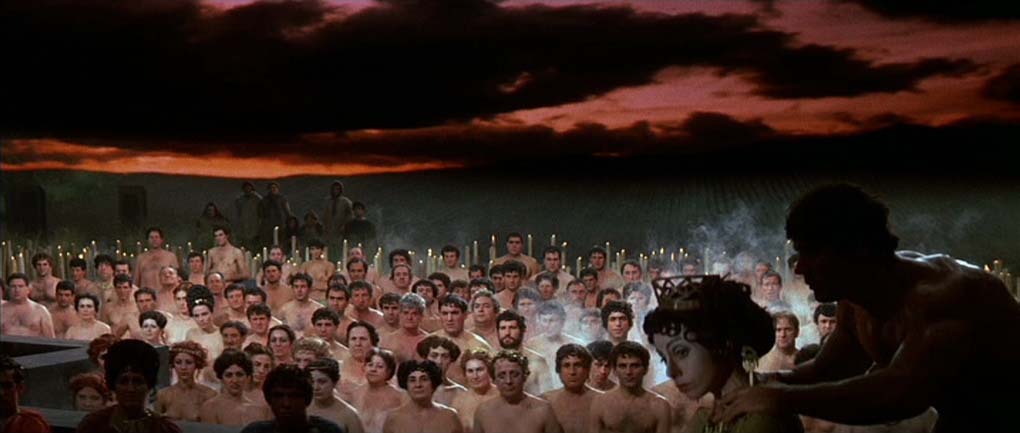
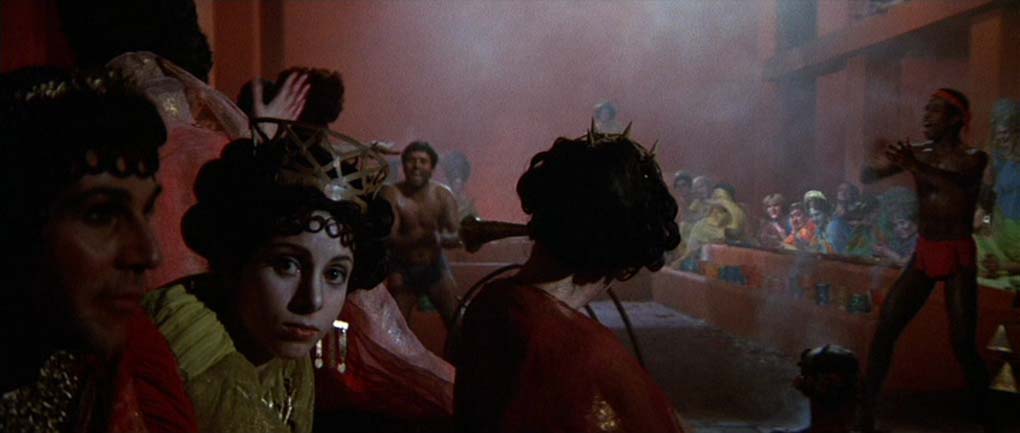
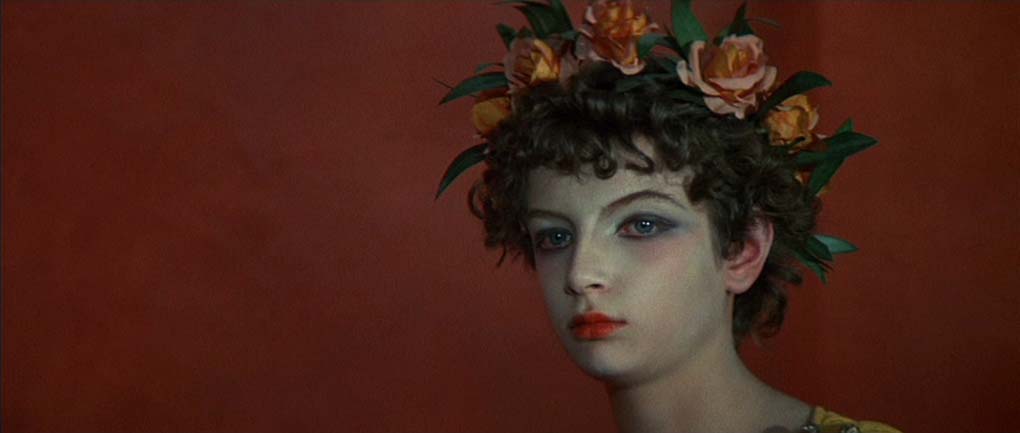
At the beginning of the story, Ascilto steals Gitone, Encolpio’s beloved, sparking a furious confrontation and a separation between the two men. Encolpio embarks on a desperate quest to reclaim his lover, which draws him into a chaotic world of moral and physical excess. His journey exposes him to scenes of wealth, squalor, eroticism, and mysticism—each revealing a different aspect of a society steeped in corruption and absurdity.
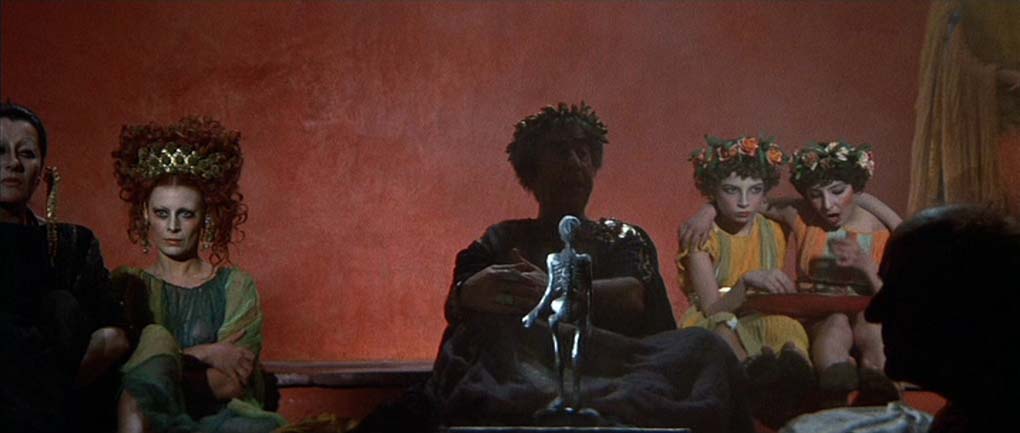
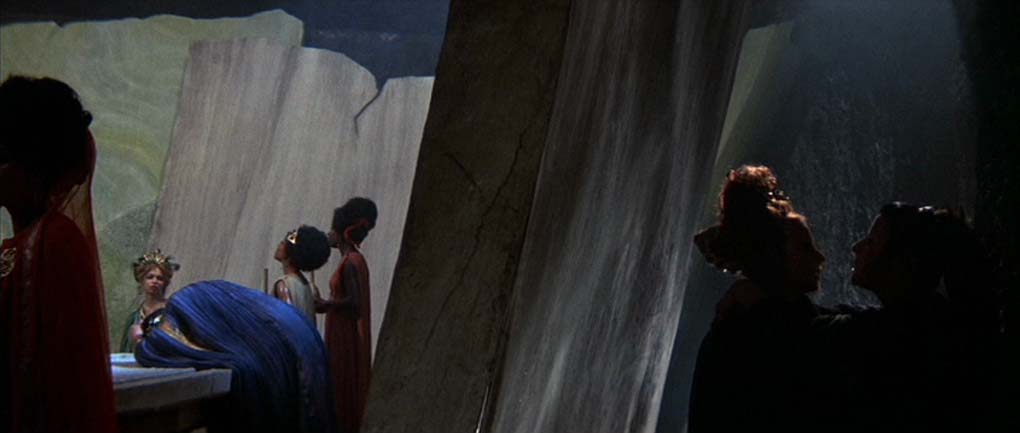
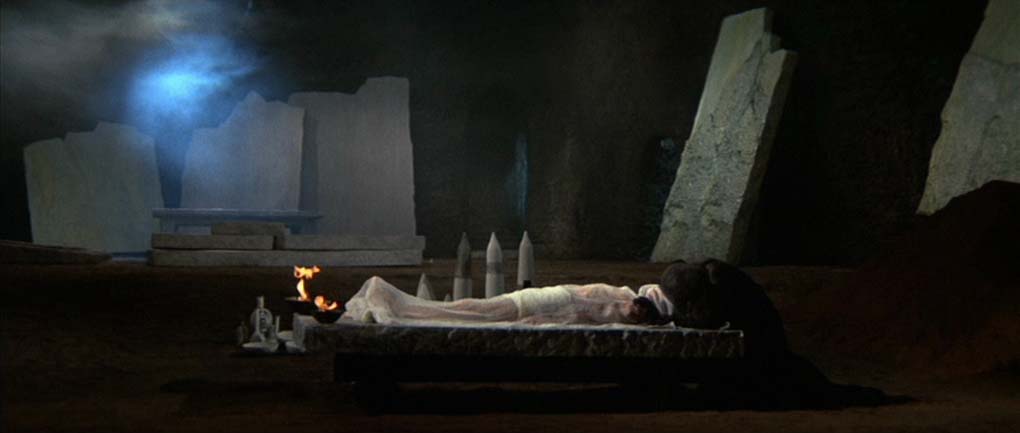
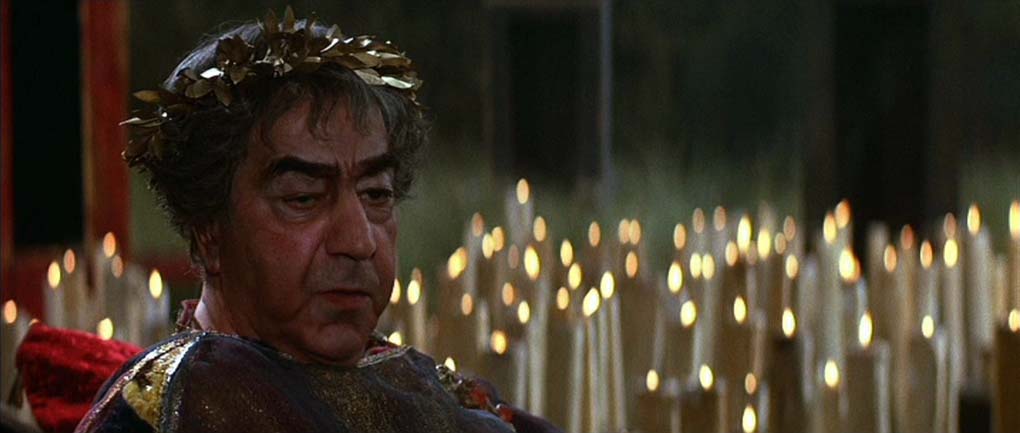
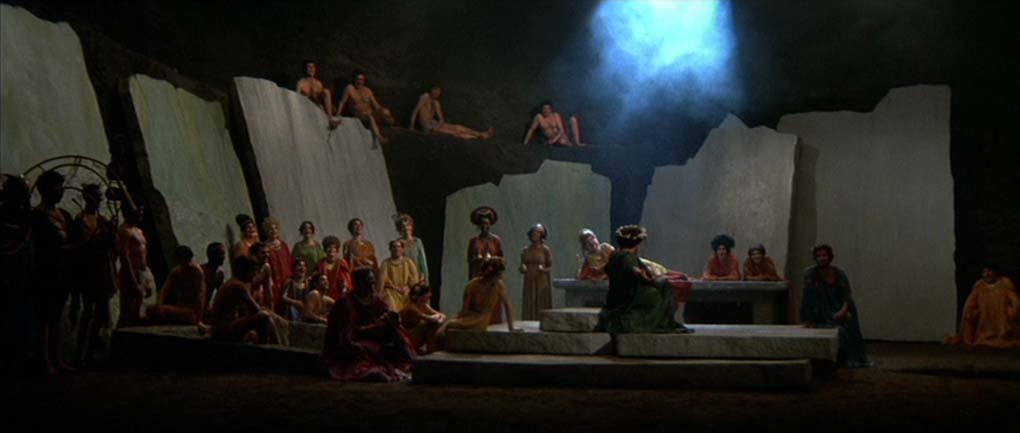
One of the film’s most famous sequences occurs at the extravagant banquet hosted by Trimalchio (Mario Romagnoli), a vulgar freedman whose grotesque display of wealth and indulgence exemplifies the moral decay of Rome. Guests feast on exotic dishes as entertainers perform lewd acts, and slaves cater to their masters’ whims. This carnival of consumption and grotesque spectacle reflects the empire’s hollow grandeur.
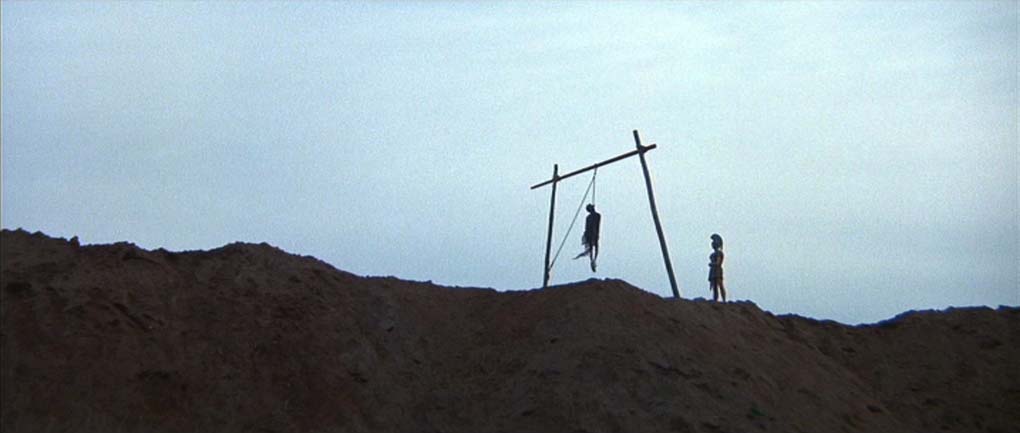
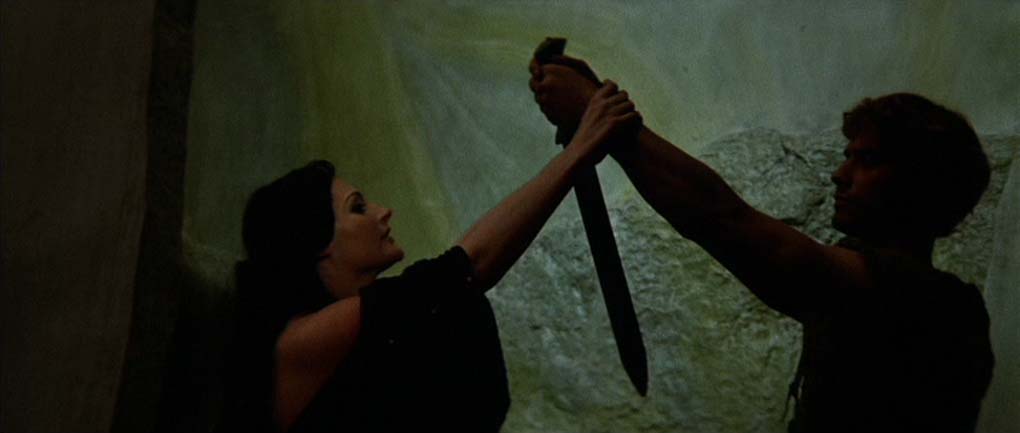
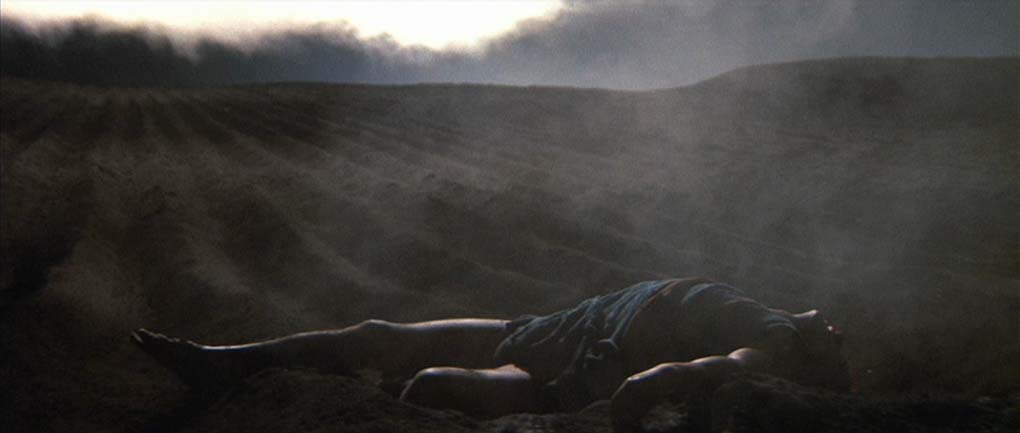
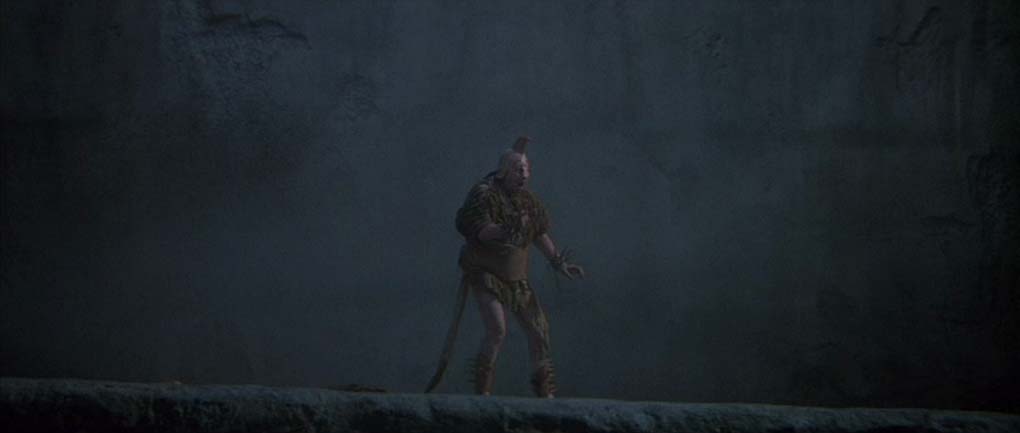
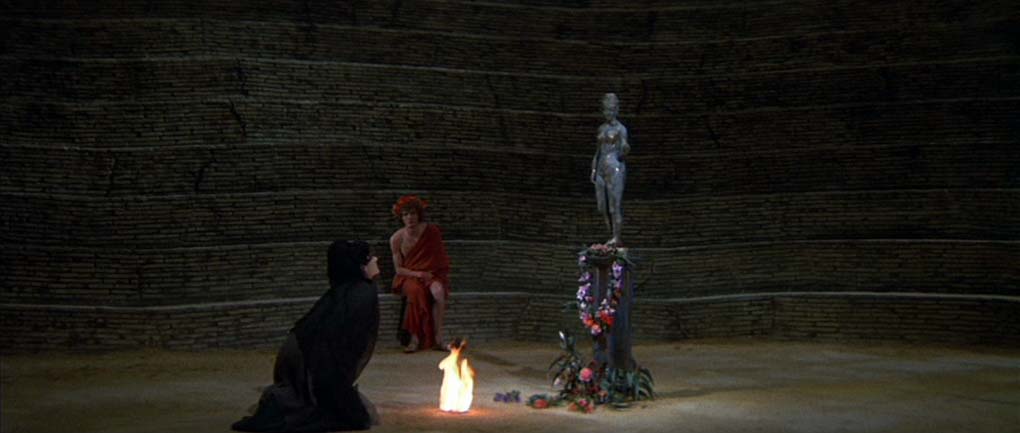
Encolpio’s journey continues as he falls into slavery, witnesses pagan rituals, and joins the entourage of a decadent aristocrat named Lichas (Alain Cuny) aboard a ship filled with sensual pleasures and dark undertones. He later becomes entangled with a hermaphroditic oracle, a female gladiator, and the goddess Fortuna, whose favor and cruelty shape his destiny. Punished by the gods with impotence, Encolpio embarks on a mystical quest for restoration, seeking redemption through ritual and transformation.
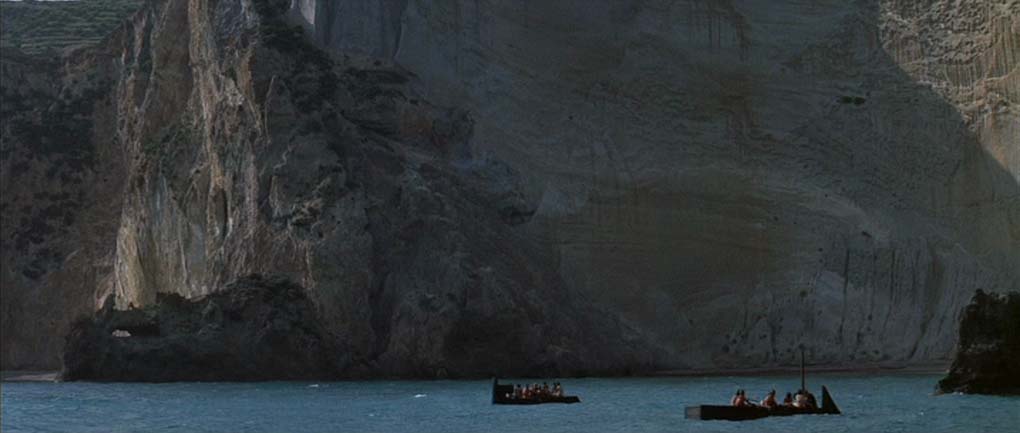
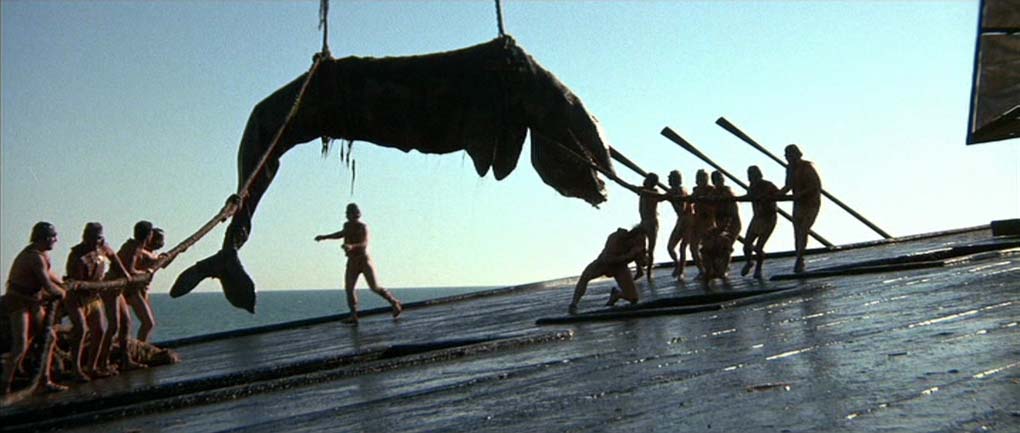
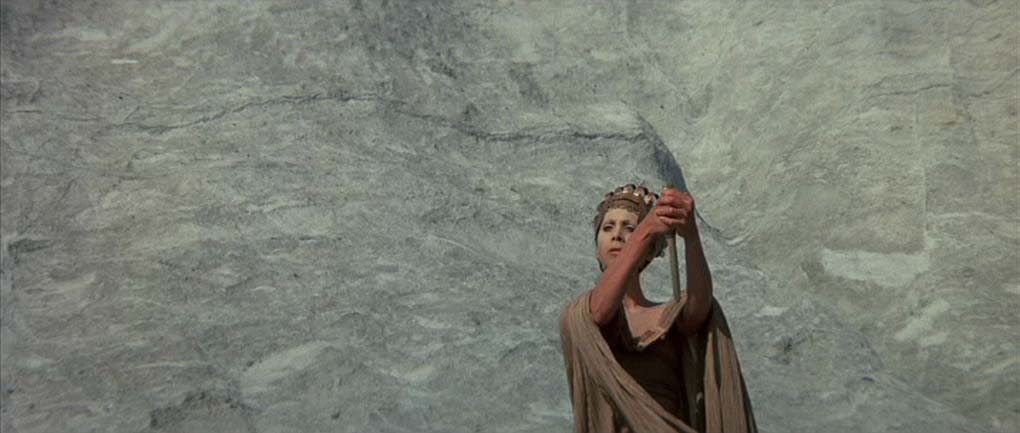
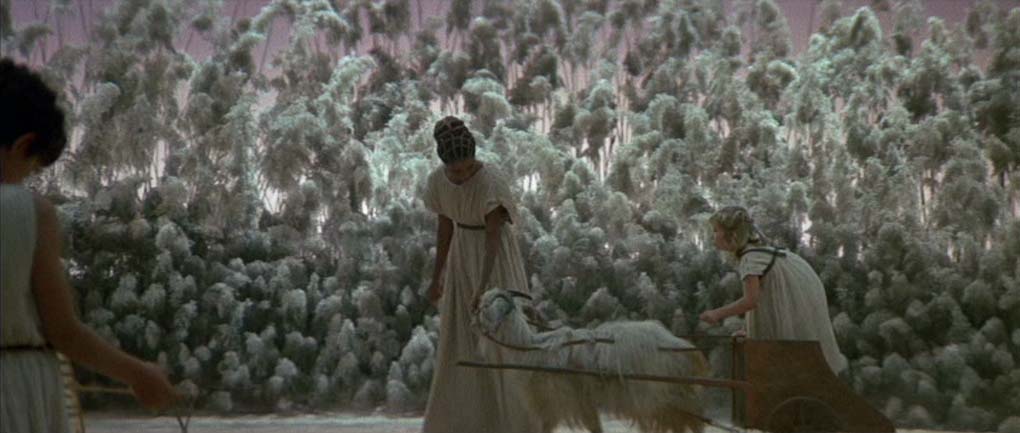
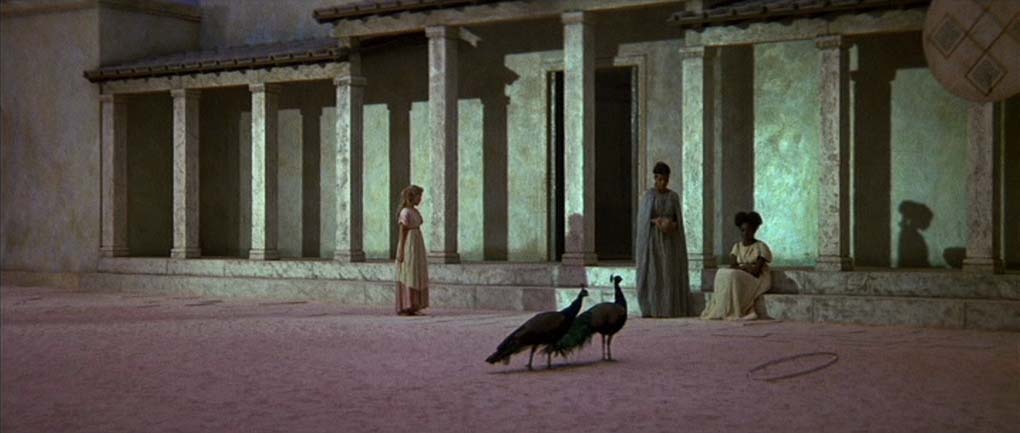
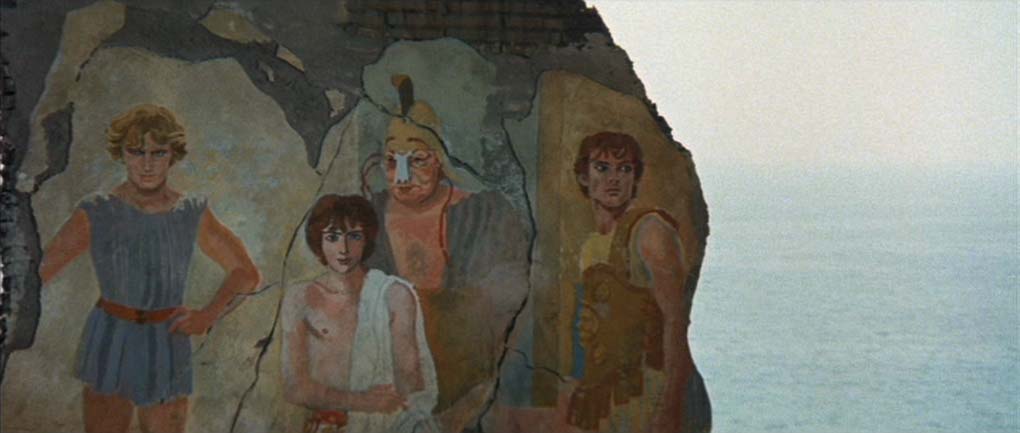
The narrative concludes as abruptly and mysteriously as it begins. Encolpio and Ascilto once again wander through the ruins of civilization, their friendship uncertain and their desires unfulfilled. The film ends with a fragment—much like Petronius’s original text—showing their ship sailing toward an unknown horizon. This imagery suggests that what we have witnessed is merely a broken shard of a much larger, unknowable myth.
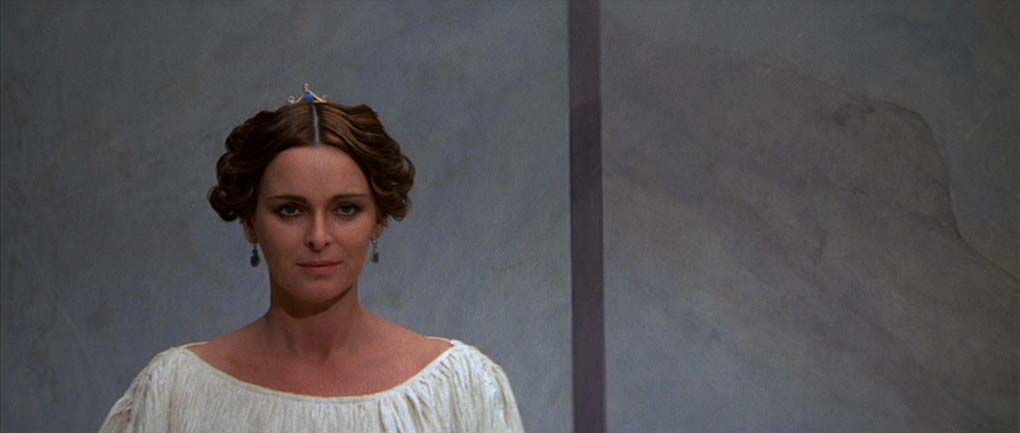
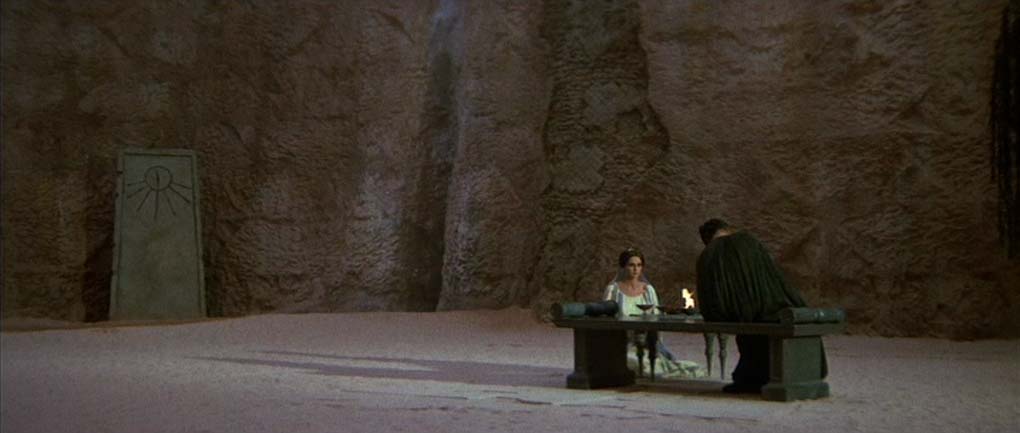
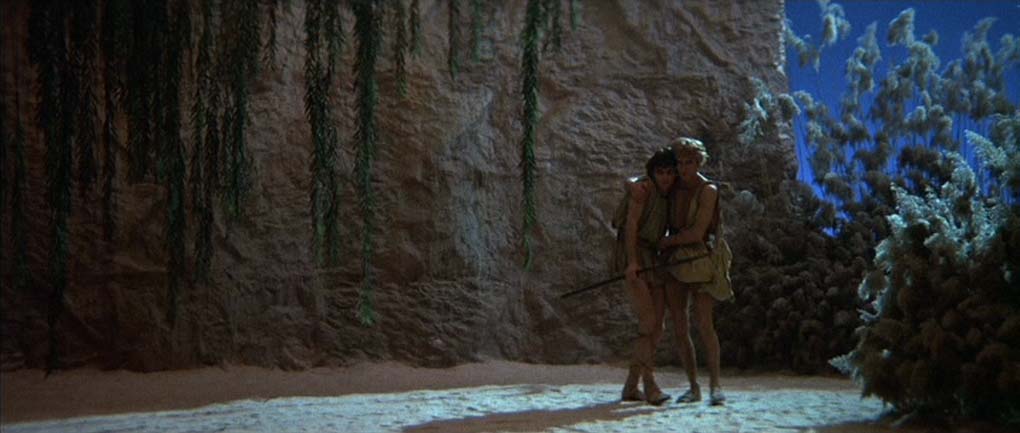
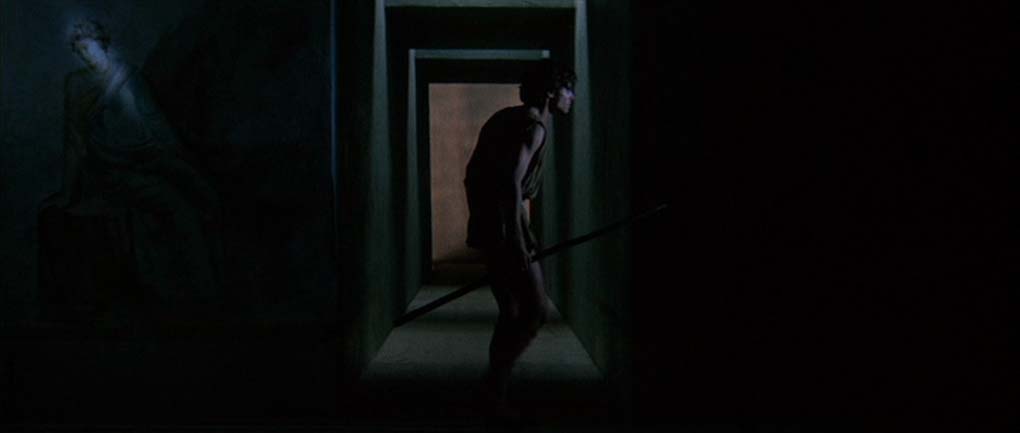
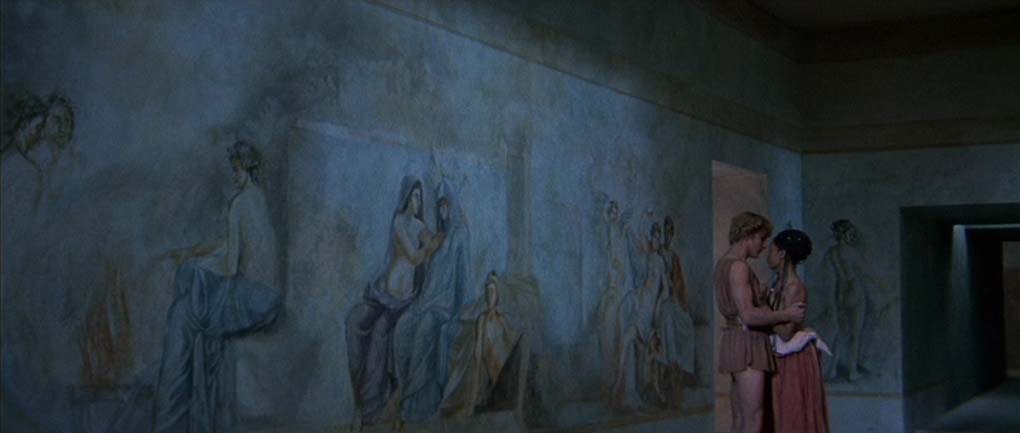
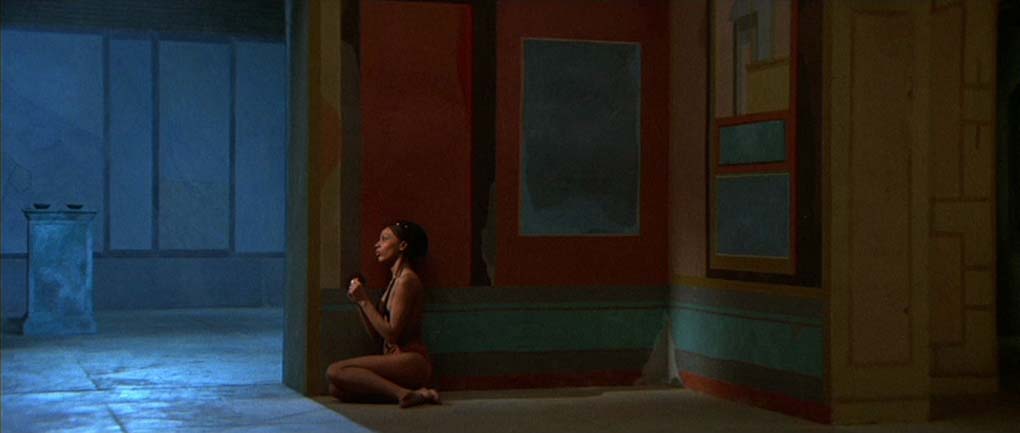
“Fellini Satyricon” is not a conventional historical epic but rather a hallucinatory vision of antiquity, seen through the director’s modern sensibility. Fellini employs the ancient Roman setting as an allegory for the disintegration of contemporary Western values in the late 1960s. His portrayal of Rome is both alien and familiar—a world devoid of a moral compass, governed by lust, greed, and existential confusion.
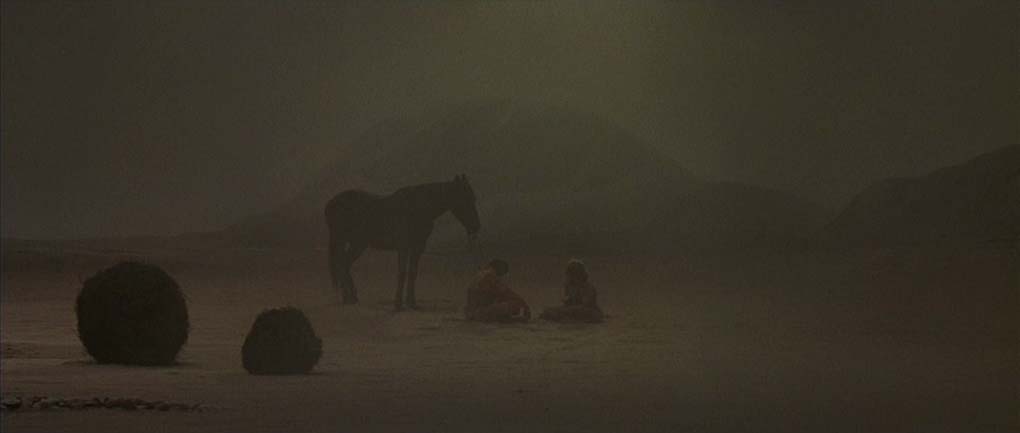
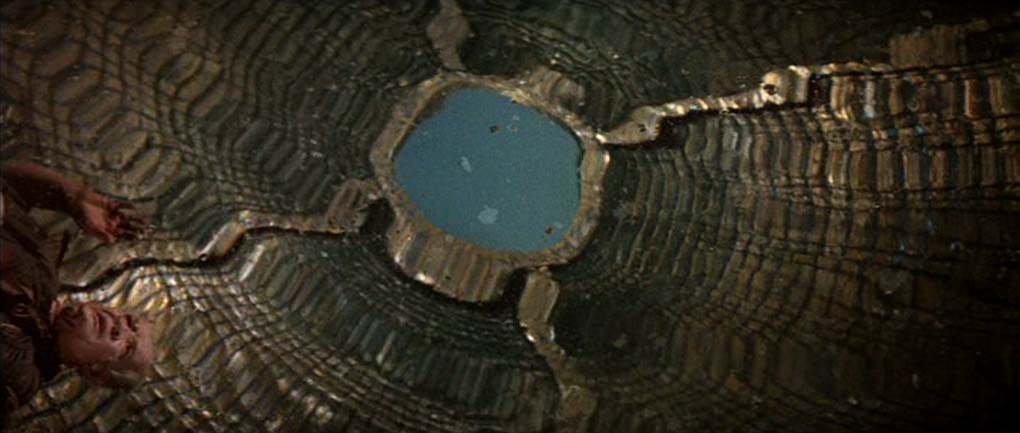
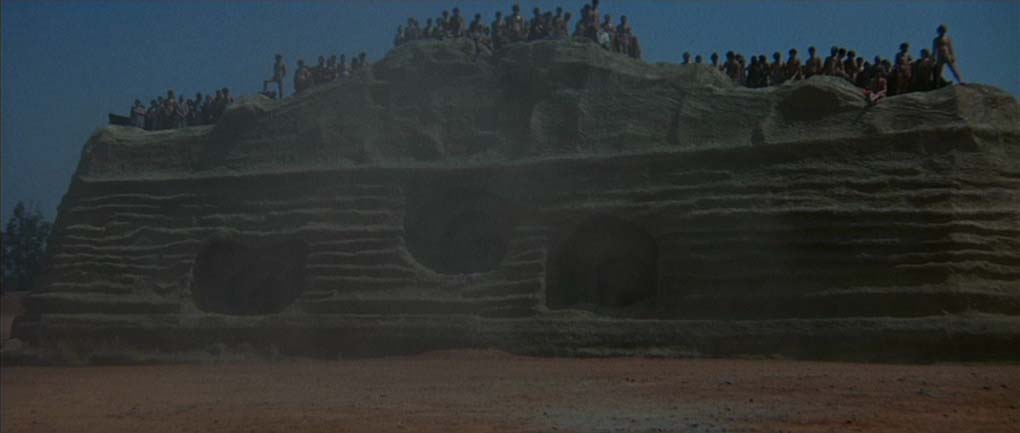
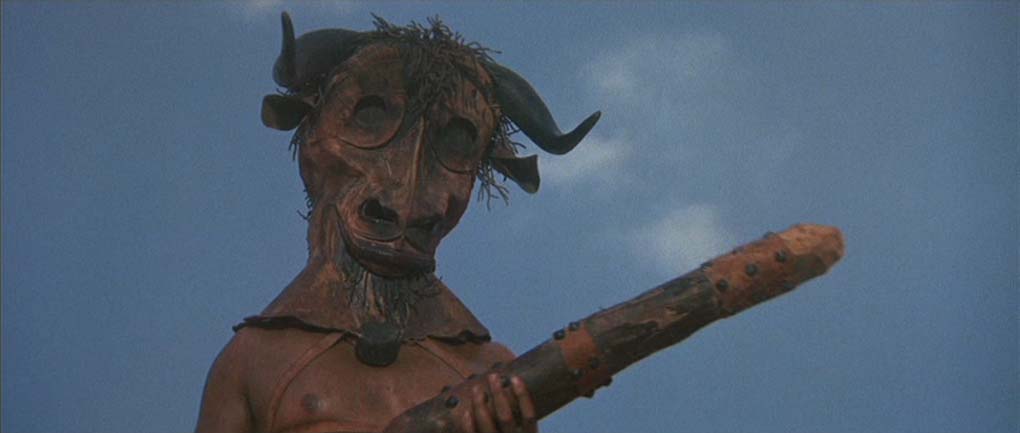
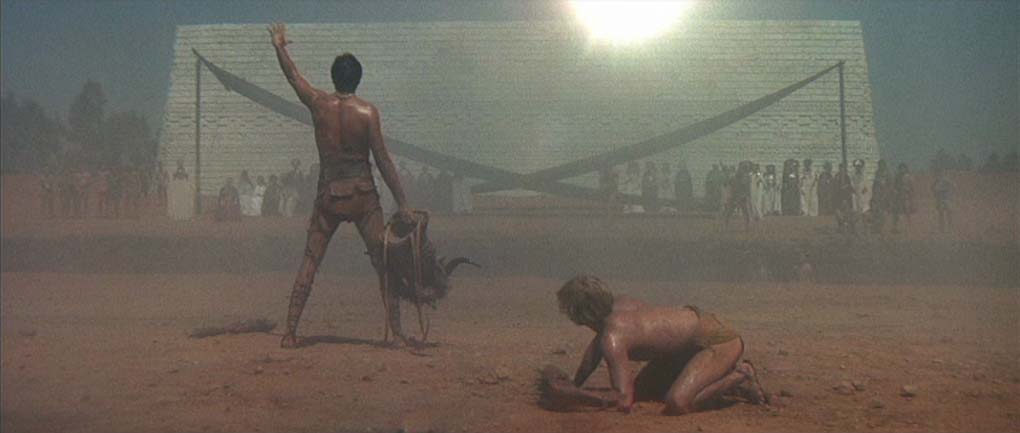
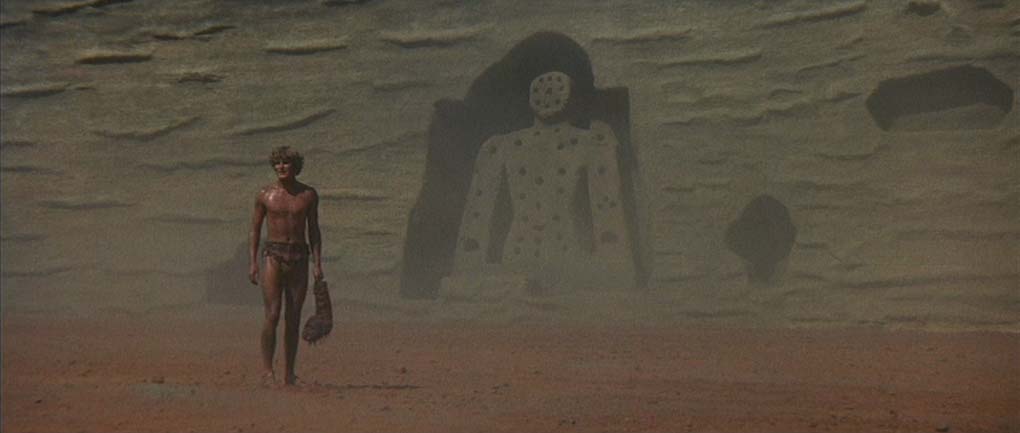
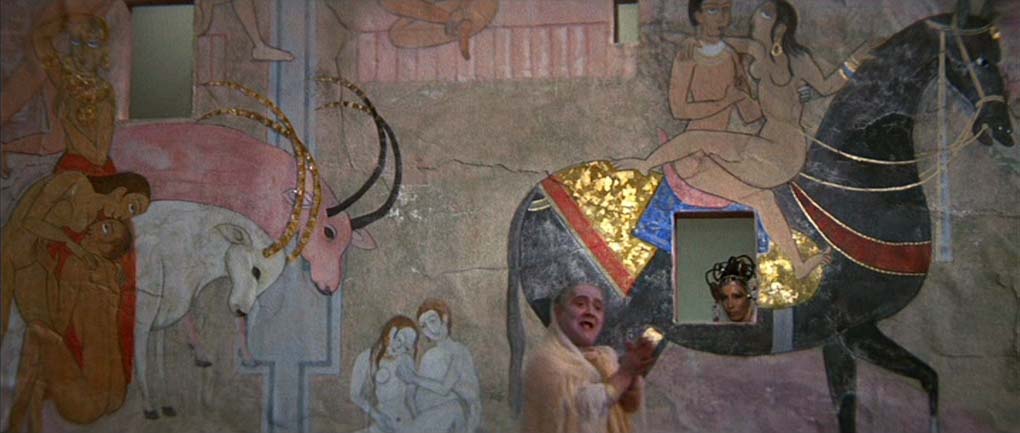
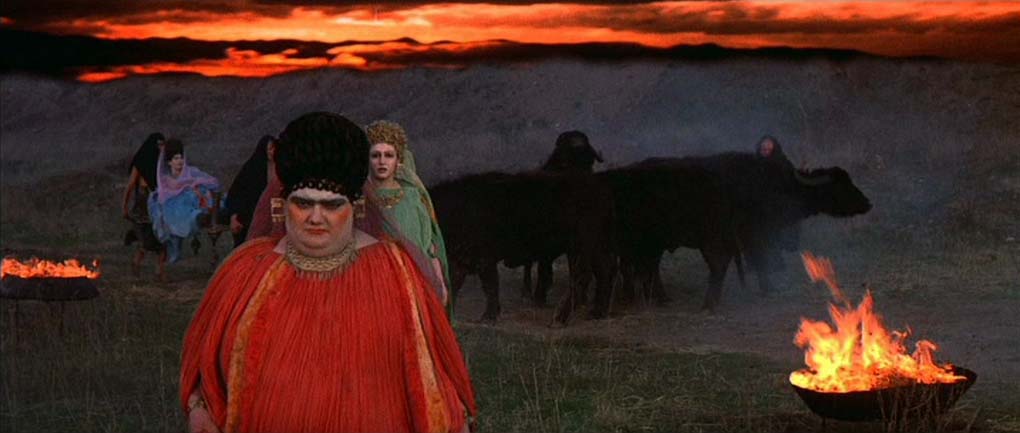
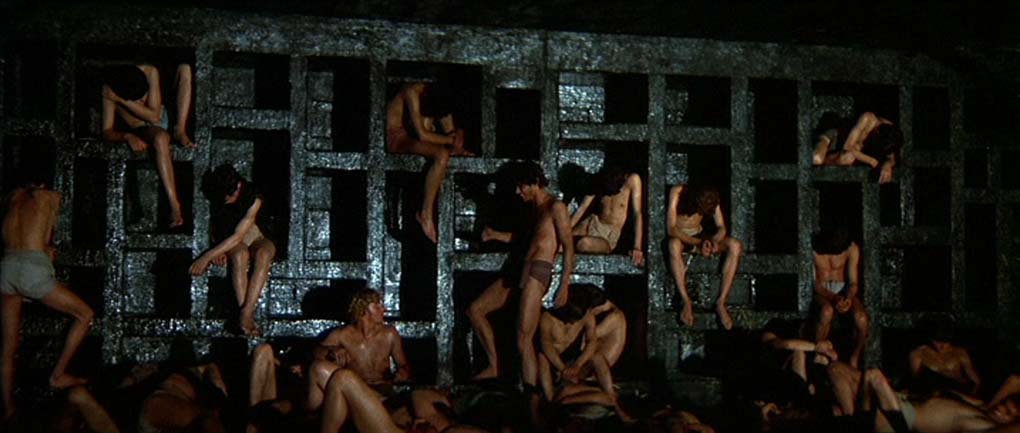
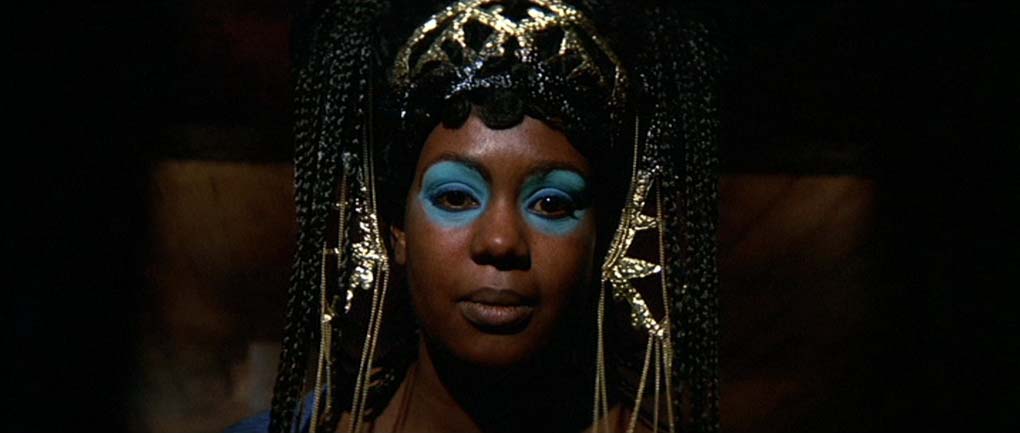
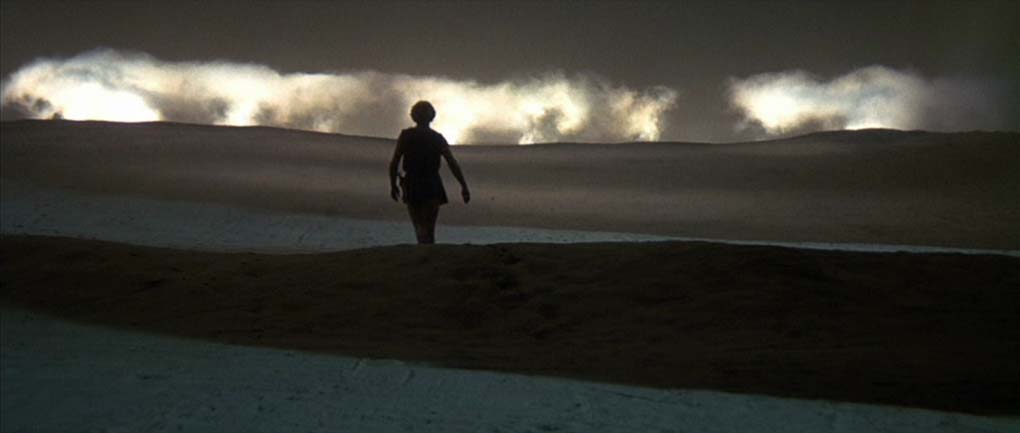
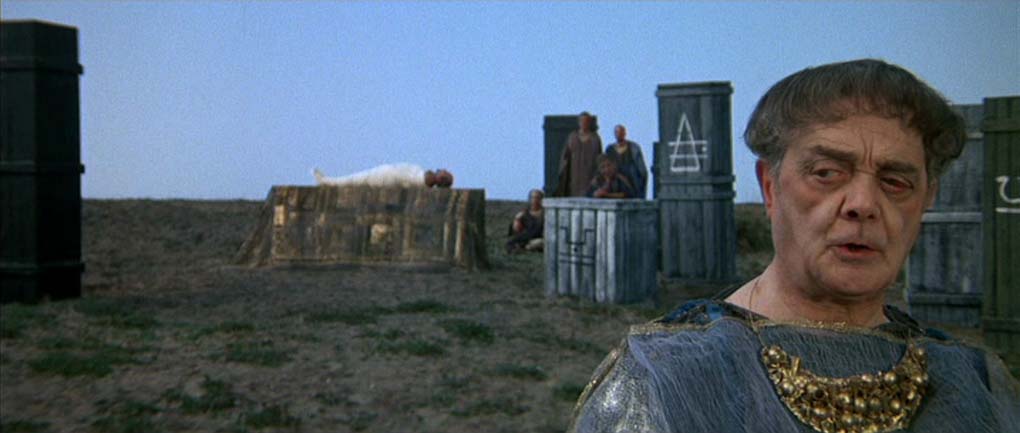
The film departs from linear storytelling and instead embraces episodic vignettes that mirror the fragmented nature of Petronius’s surviving manuscript. Fellini’s visual style, characterized by monumental sets, theatrical lighting, and unusual makeup, conveys a sense of timelessness and estrangement. Each frame resembles a painting, combining classical grandeur with grotesque surrealism. The dialogue is minimal and often cryptic, prioritizing atmosphere over narrative clarity.
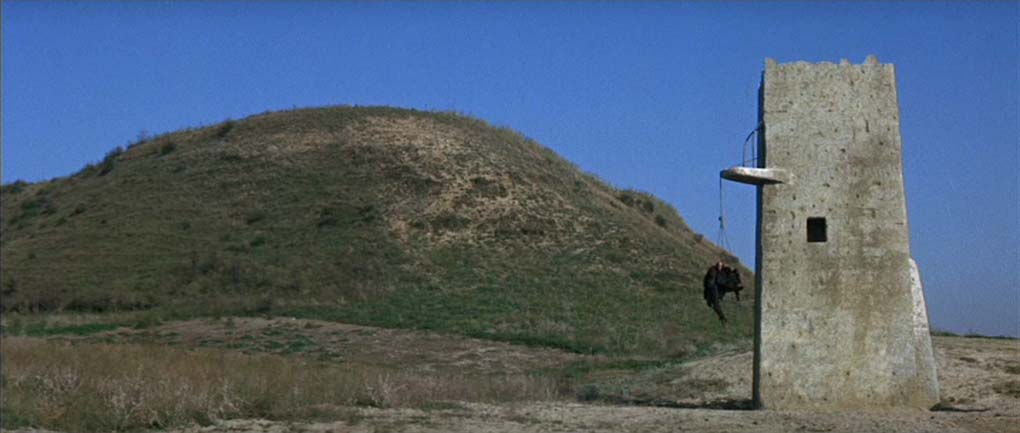
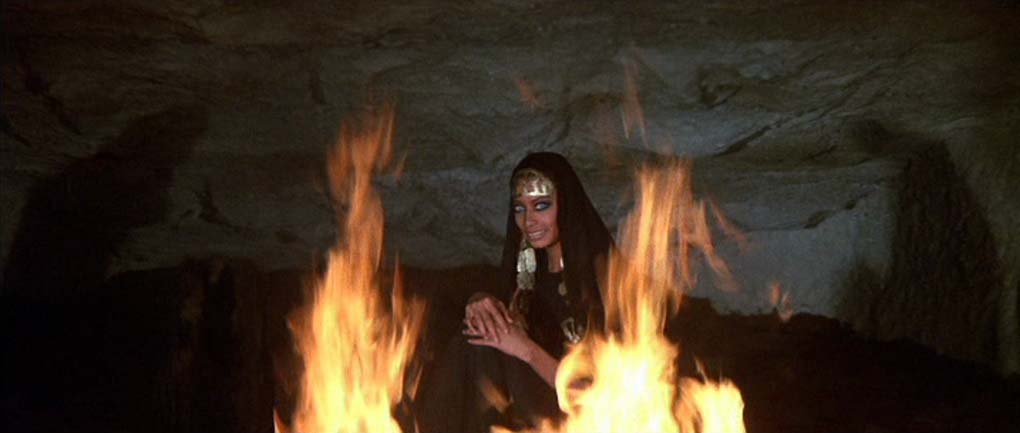
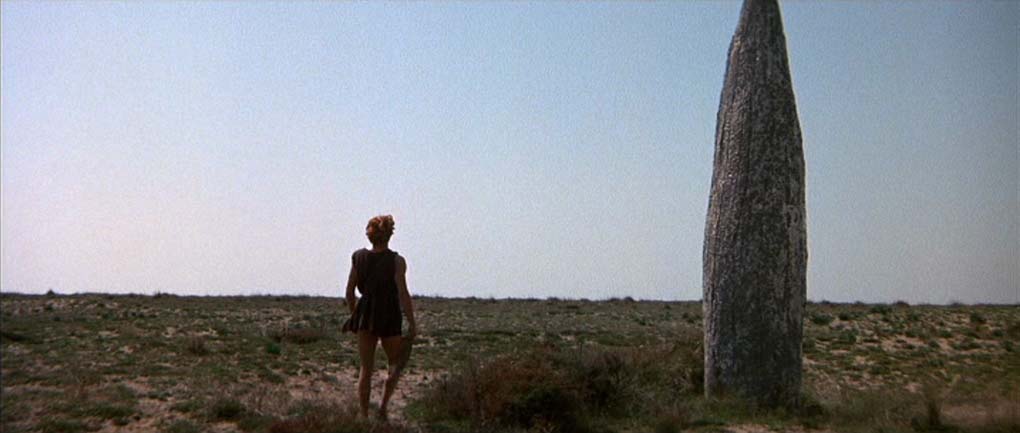
The film’s tone alternates between grotesque comedy and apocalyptic beauty. Recurring motifs include death, transformation, and the cyclical nature of existence. Fellini invites the viewer to ponder whether the experience is a dream or a myth.
“Fellini Satyricon” is a haunting and enigmatic exploration of human desire and decay. It transforms ancient Rome into a mirror that reflects both the eternal absurdity and tragic beauty of civilization itself.