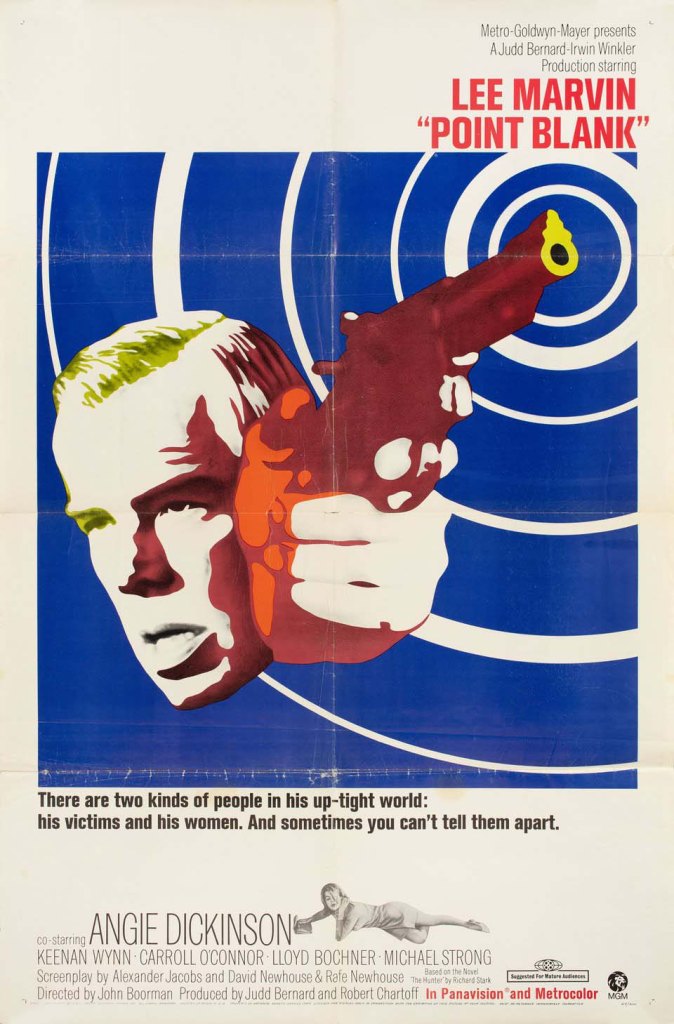
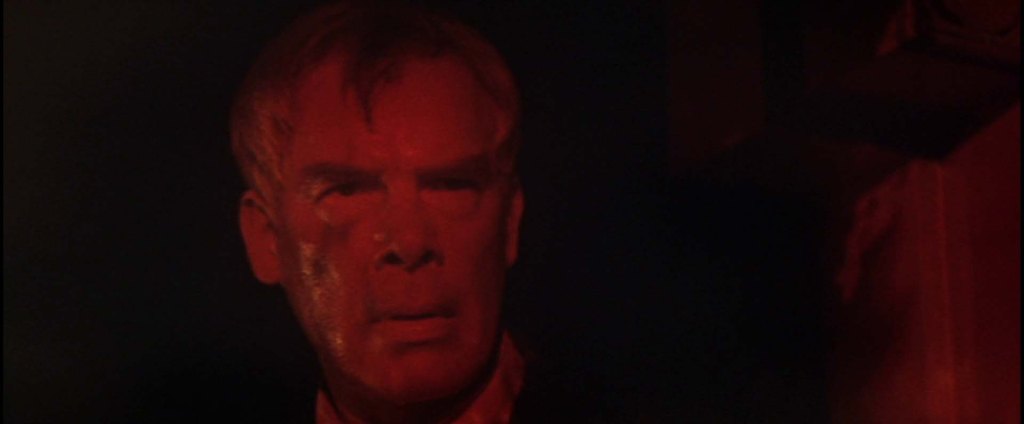
“Point Blank” is a 1967 neo-noir thriller directed by John Boorman, who made his American debut with this film. It is considered one of the most visually inventive crime films of its time. Starring Lee Marvin in one of his most iconic performances, the film combines a hard-boiled revenge narrative with avant-garde cinematic experimentation. This blend creates a dreamlike and fragmented portrayal of alienation and retribution in modern America.
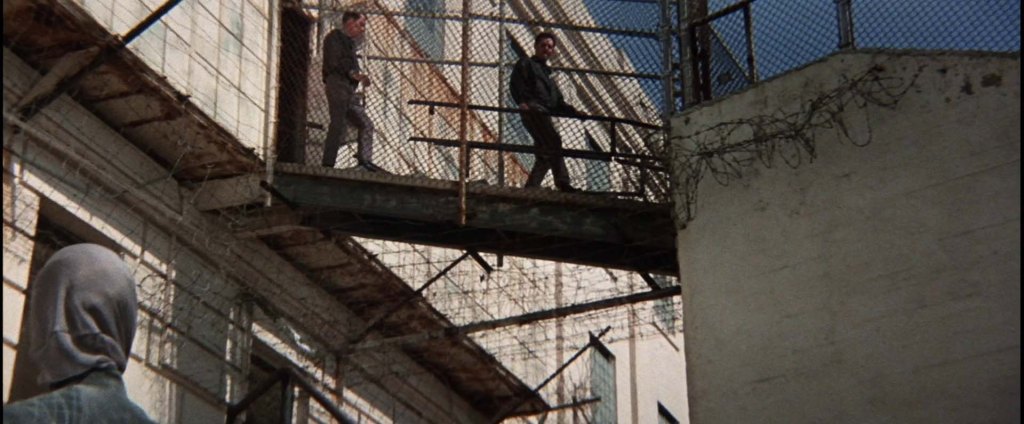
Adapted from Donald E. Westlake’s novel “The Hunter” (written under the pseudonym Richard Stark), “Point Blank” reimagines a familiar revenge plot as an existential journey through a corrupt, impersonal world—part crime film and part psychological abstraction.
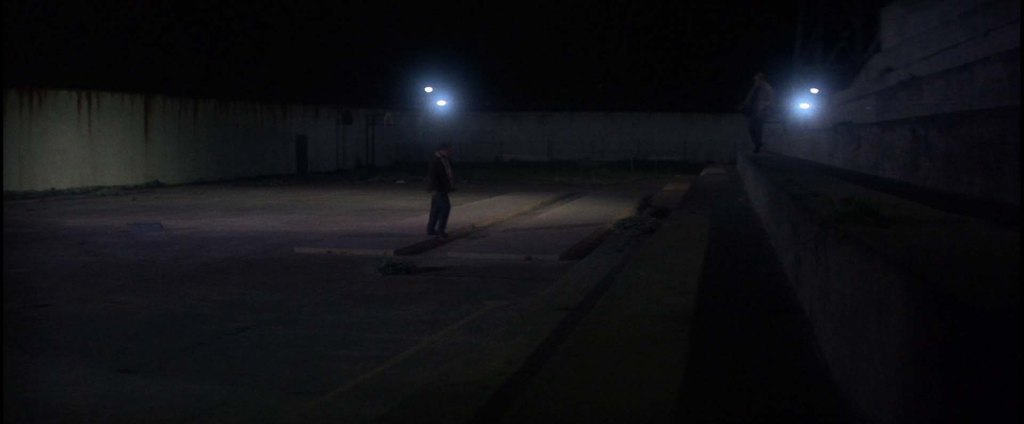
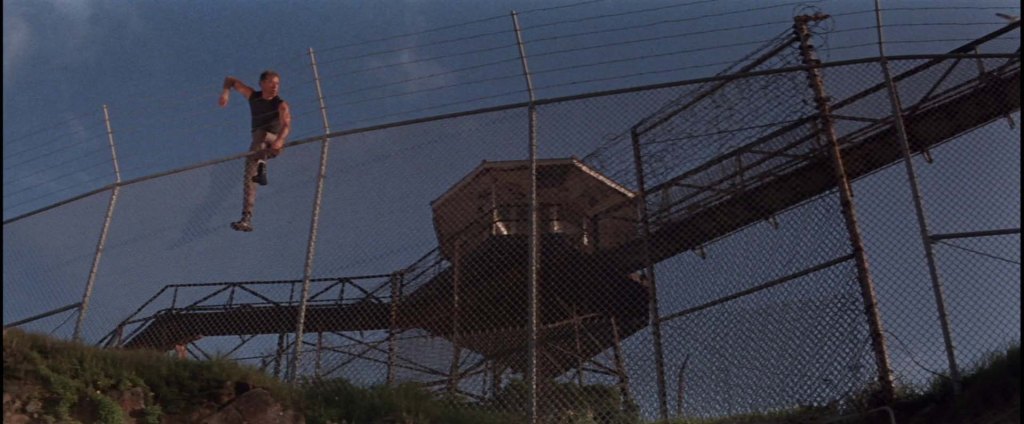
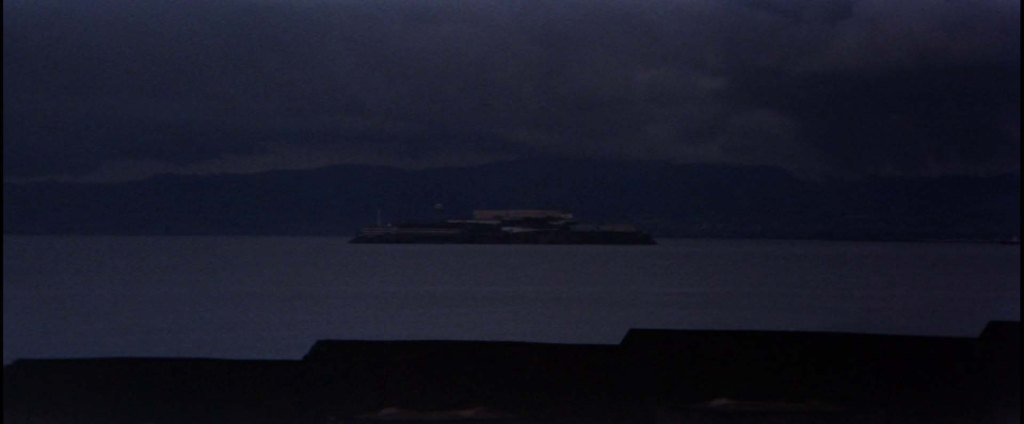
The story unfolds in the deserted, echoing corridors of Alcatraz Island, where Walker (played by Lee Marvin) lies bleeding and betrayed. During a heist organized by his old friend Mallet (portrayed by John Vernon), Walker is double-crossed, shot, and left for dead next to the stolen $93,000. Mallet escapes with both the money and Walker’s wife, Lynne (played by Sharon Acker).
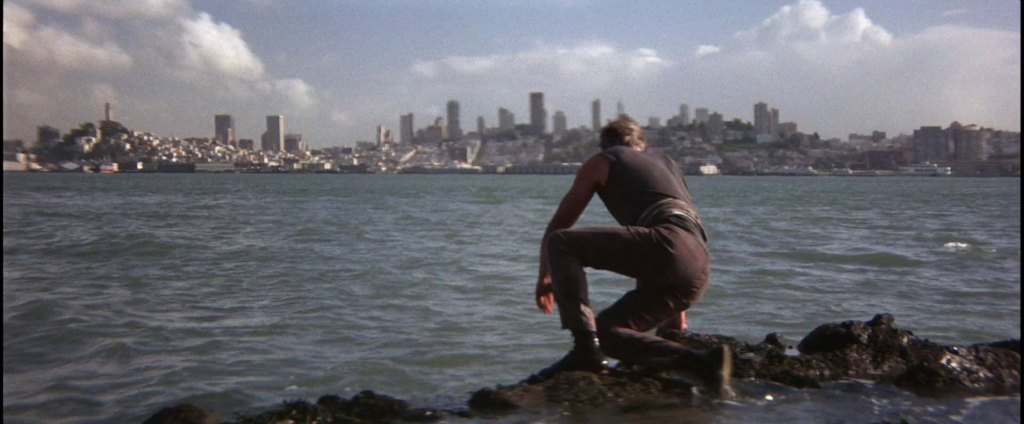
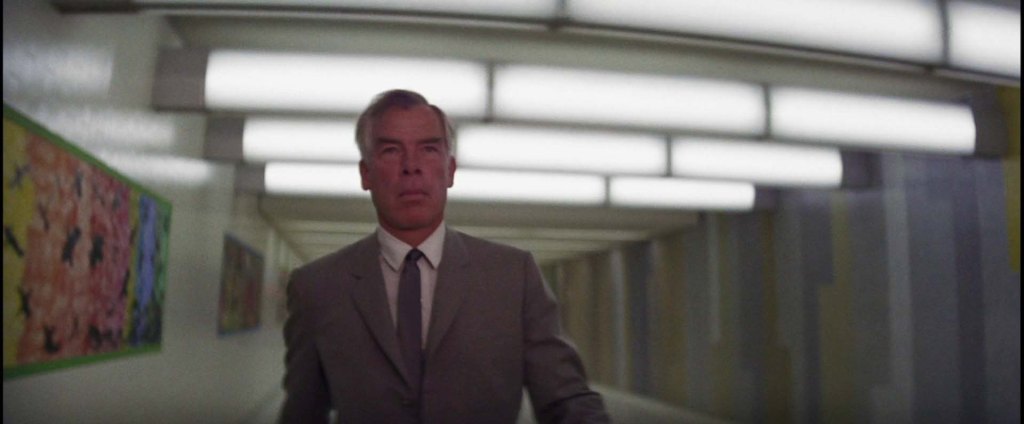
Miraculously, Walker survives. It’s unclear whether he truly escapes the island or if he exists only as a ghost—or a symbol of vengeance. What follows may be a revenge story, a hallucination, or the fevered recollection of a dying man.
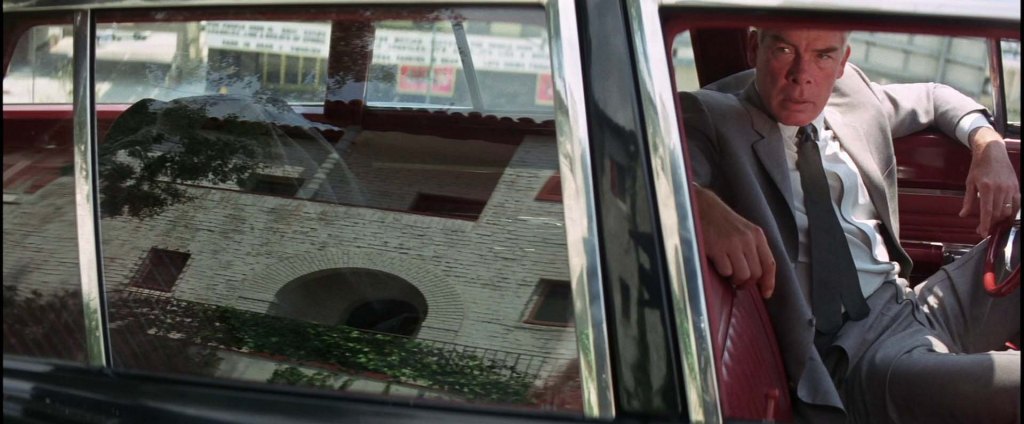
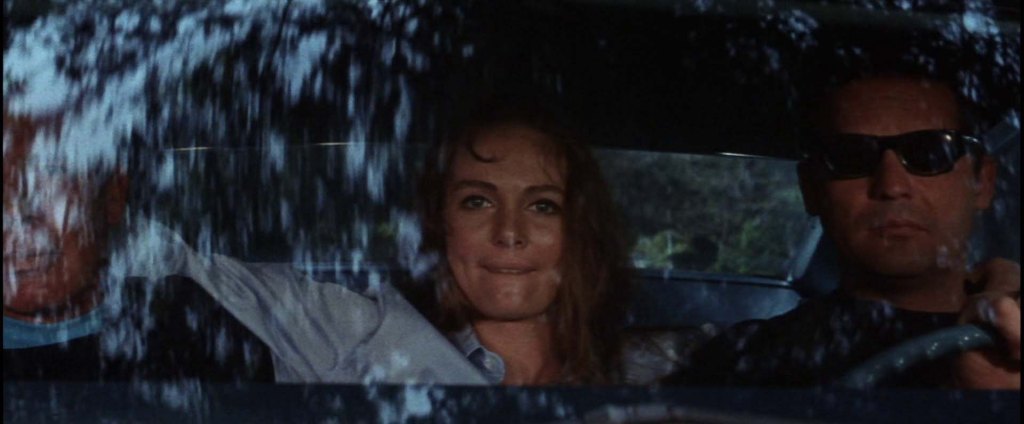
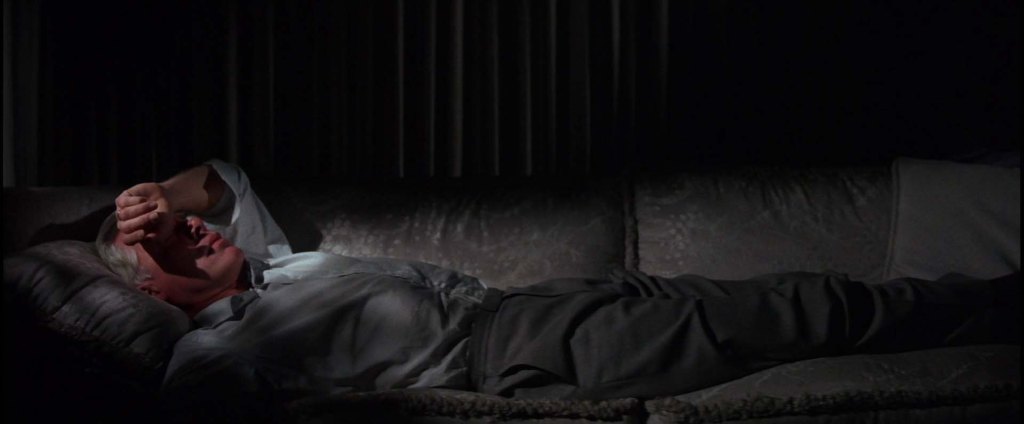
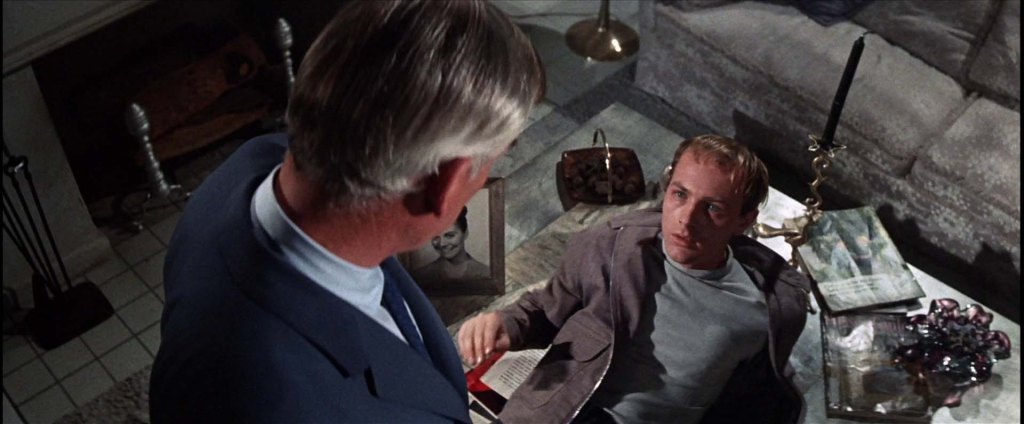
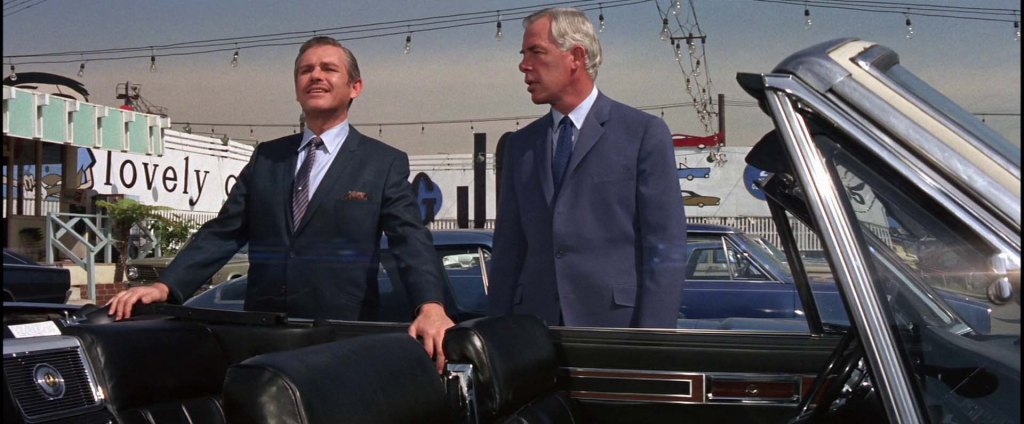
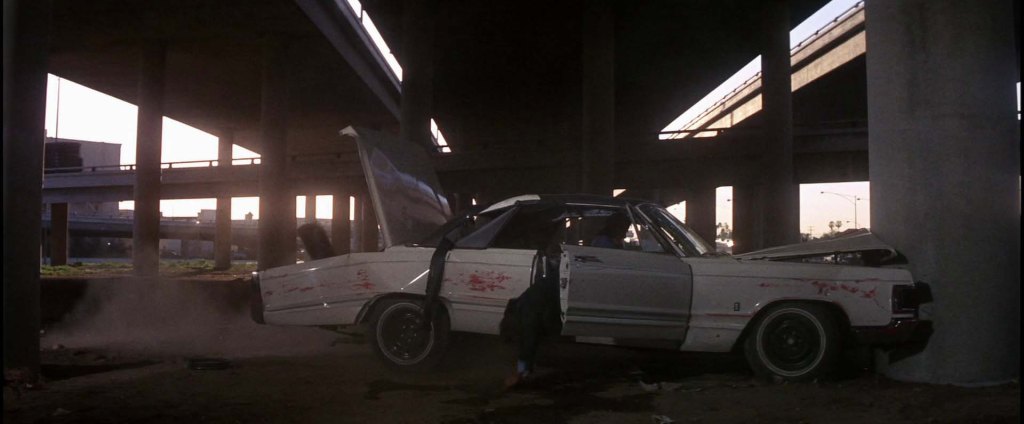
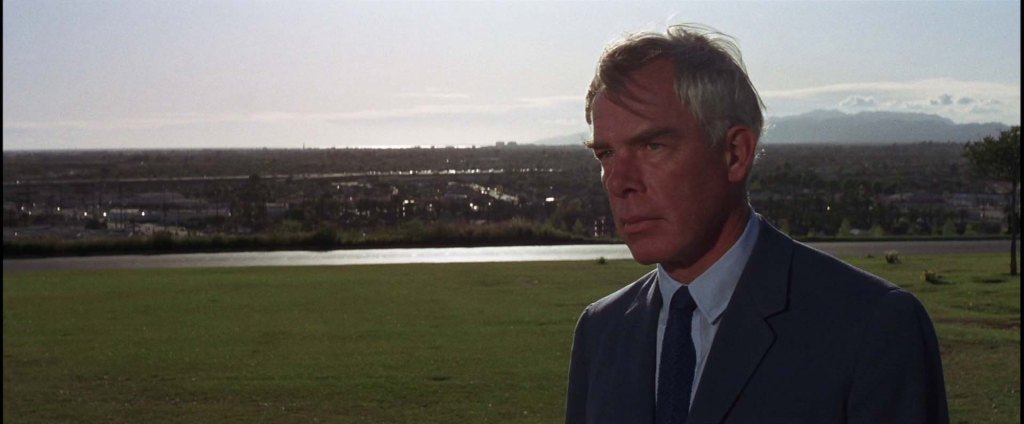
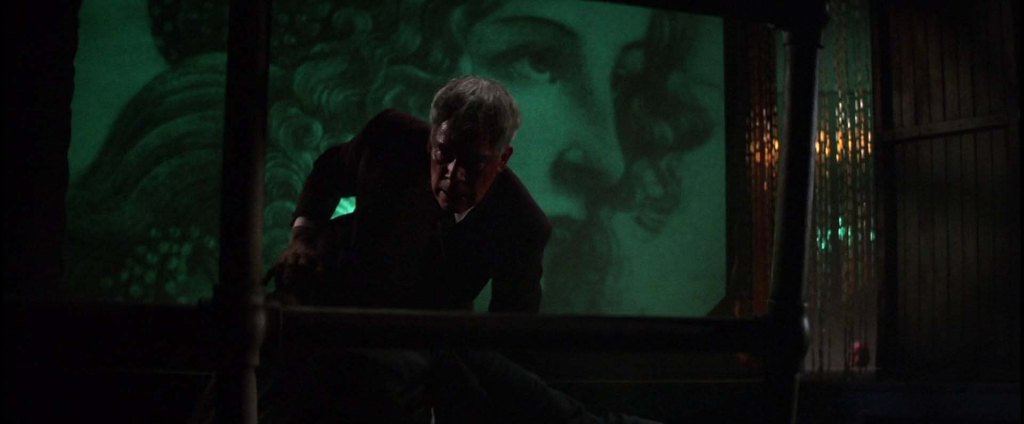
Determined to recover his stolen money, Walker embarks on a relentless pursuit through the sterile, depersonalized landscapes of Los Angeles and San Francisco. His only ally is a mysterious intermediary named Yost (Keenan Wynn), who appears and disappears at will, guiding Walker toward the corporate syndicate that now controls Mallet’s stolen funds.
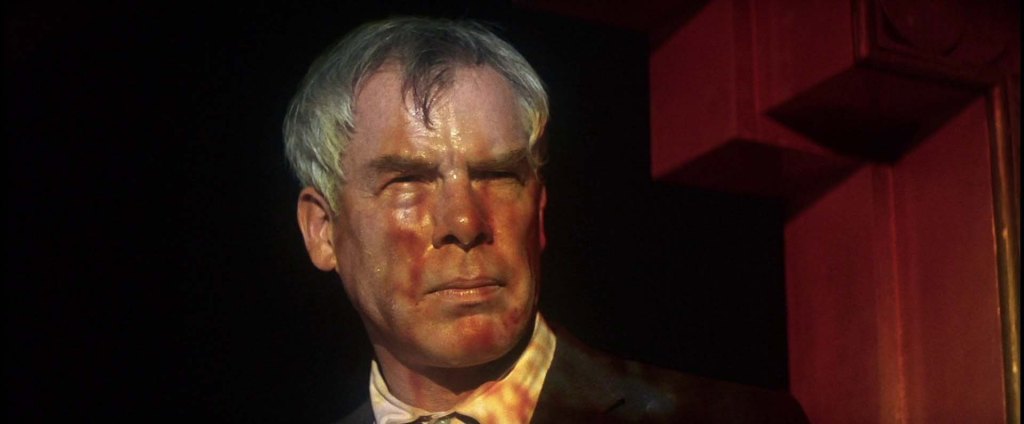
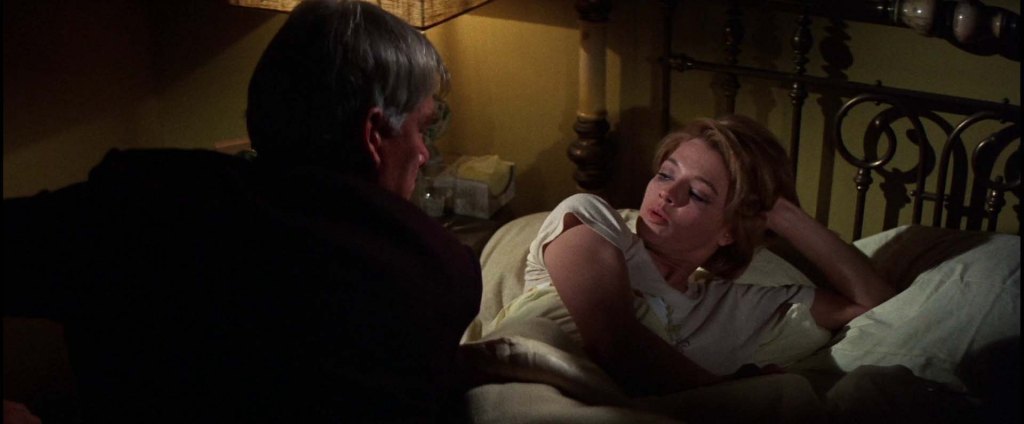
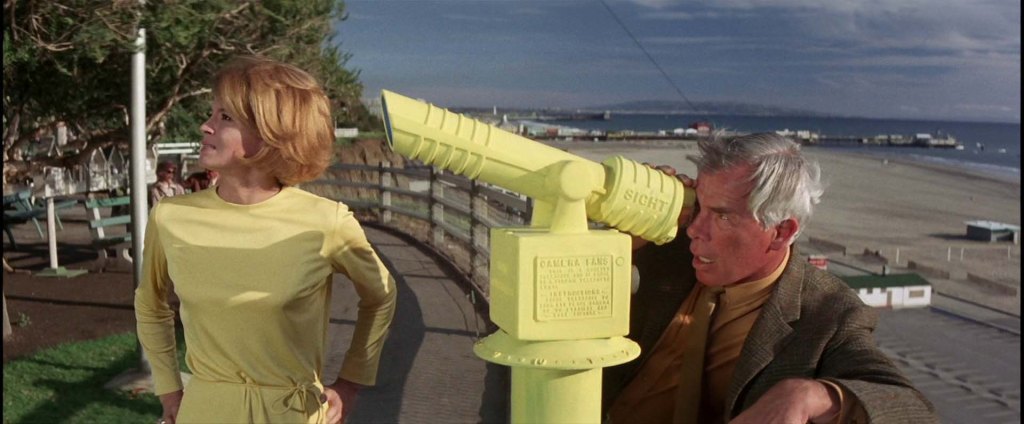
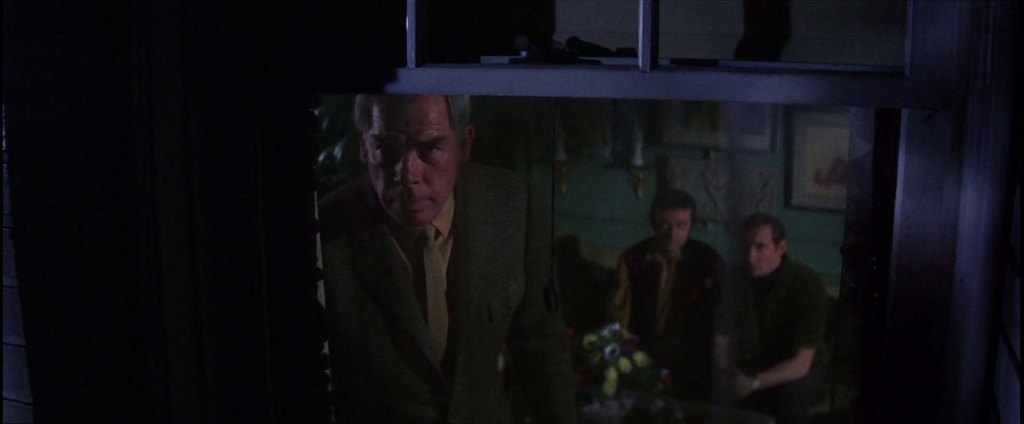
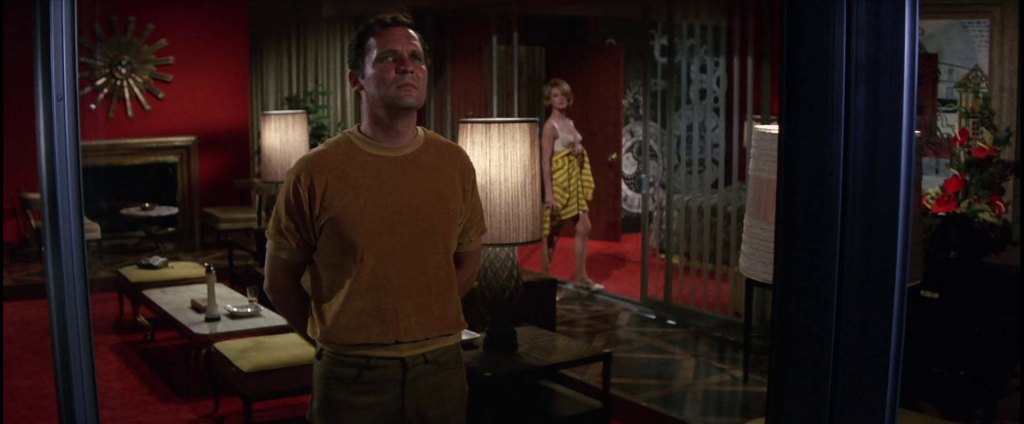
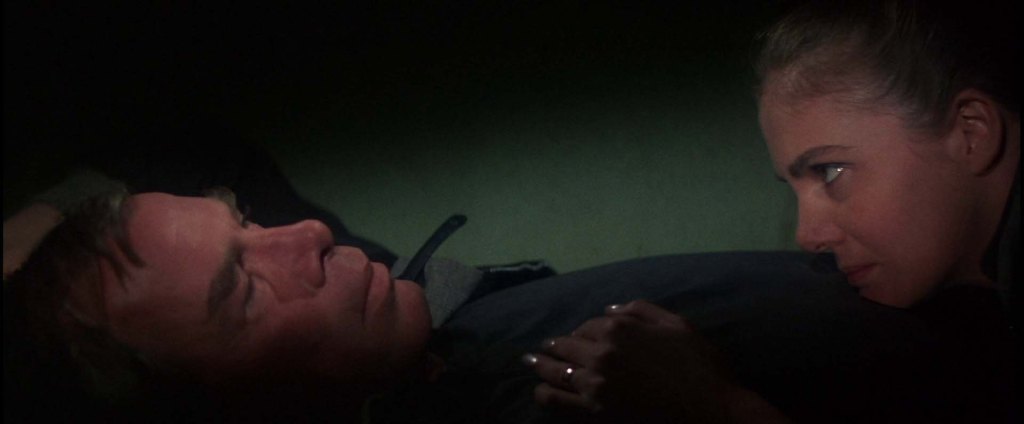
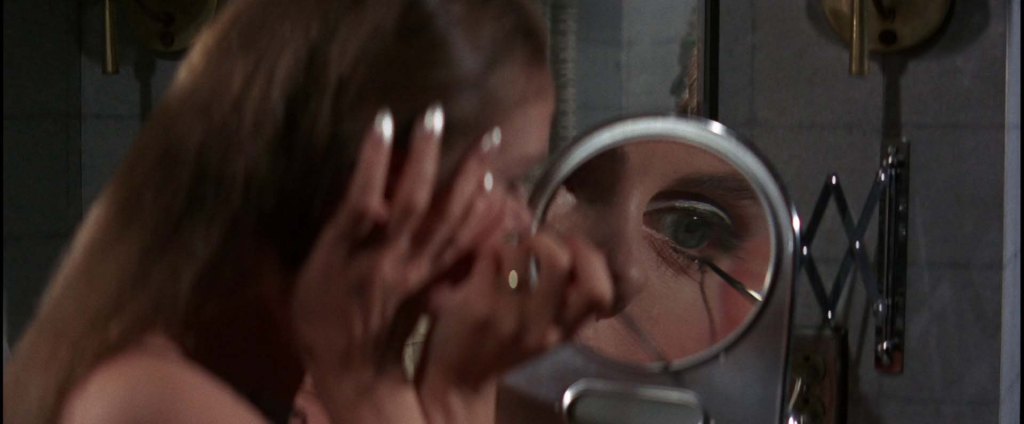
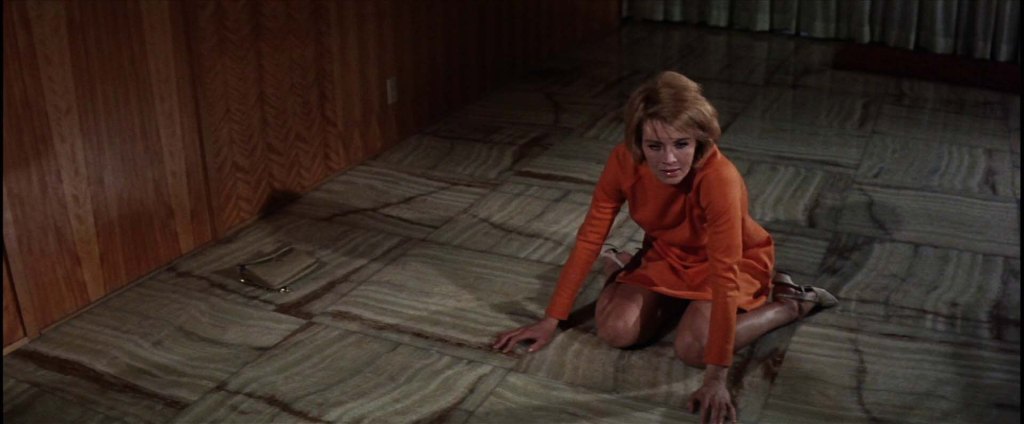
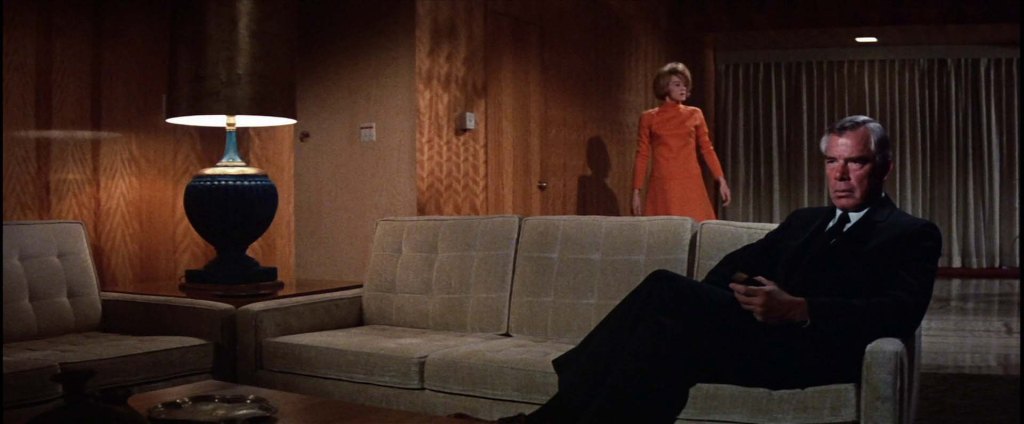
When Walker confronts Lynne, he discovers that she is emotionally shattered, numb from guilt and addiction. Their brief and desolate reunion ends with her apparent suicide, a moment that highlights the film’s grim perspective on betrayal and futility. Afterward, Walker seeks out Chris (Angie Dickinson), Lynne’s sister, who becomes his accomplice and reluctant lover. Unlike Lynne, Chris is alive, sensual, and defiant, providing a stark contrast to the lifeless materialism that surrounds them.
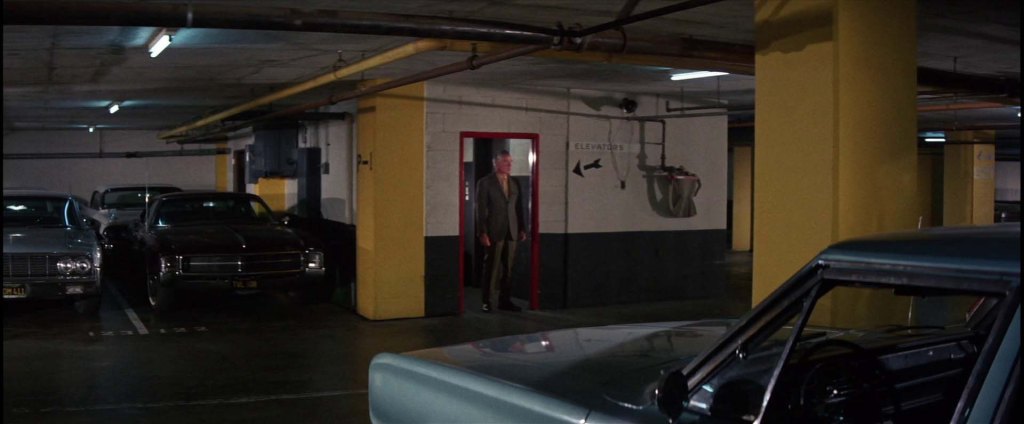
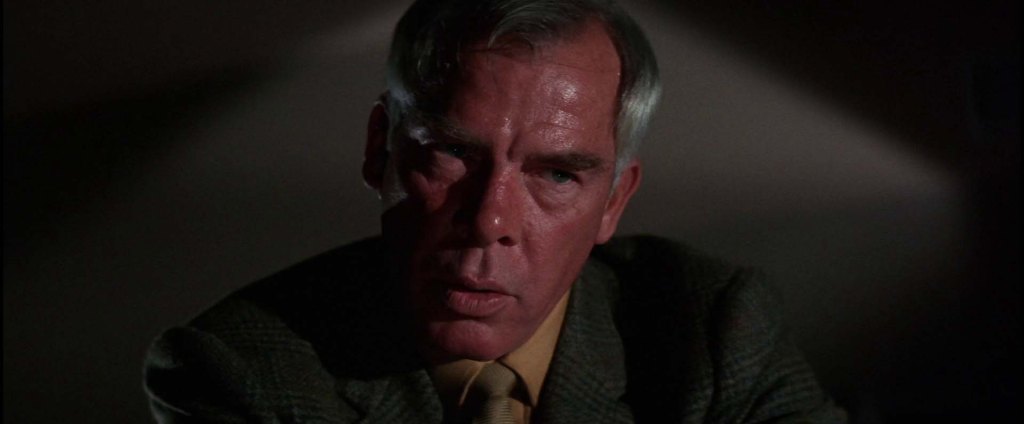
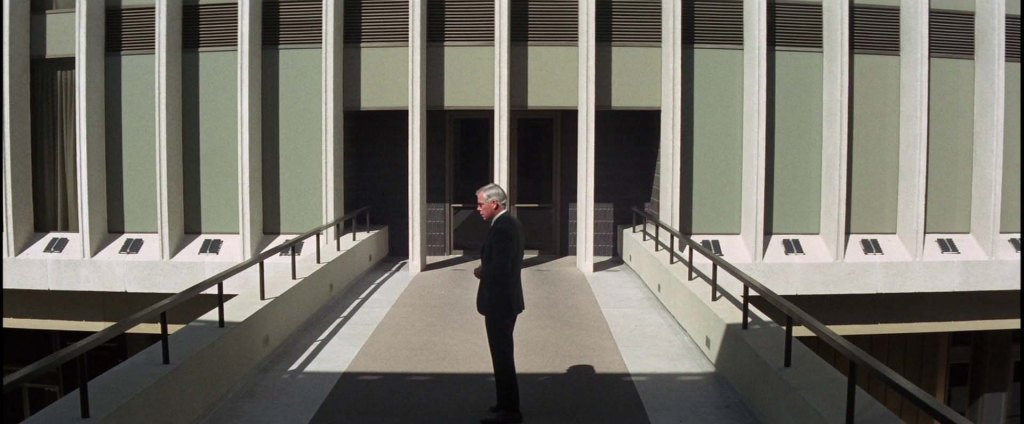
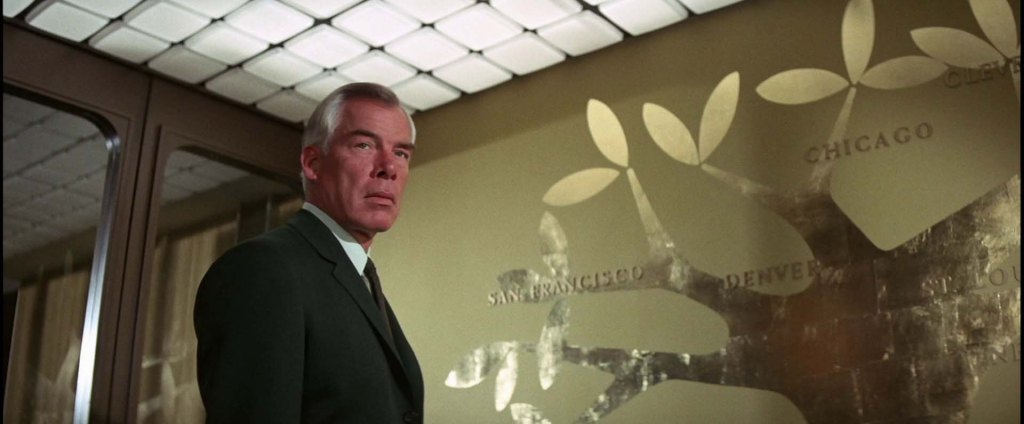
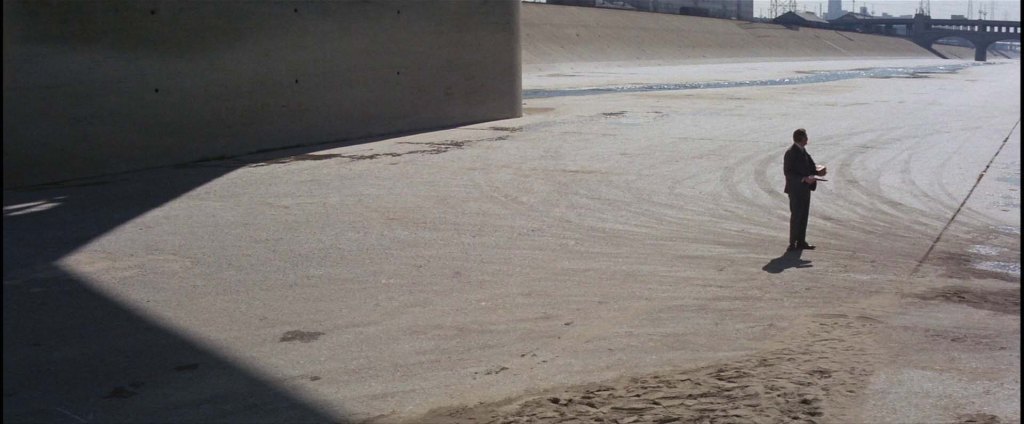
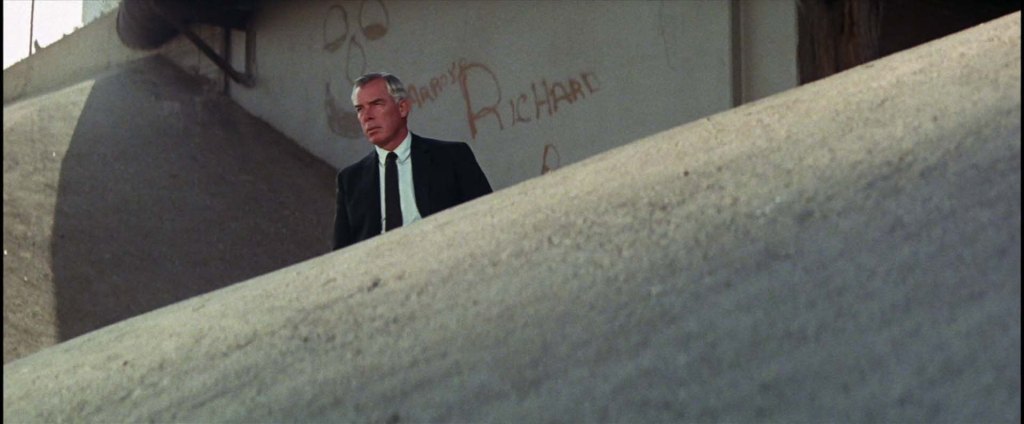
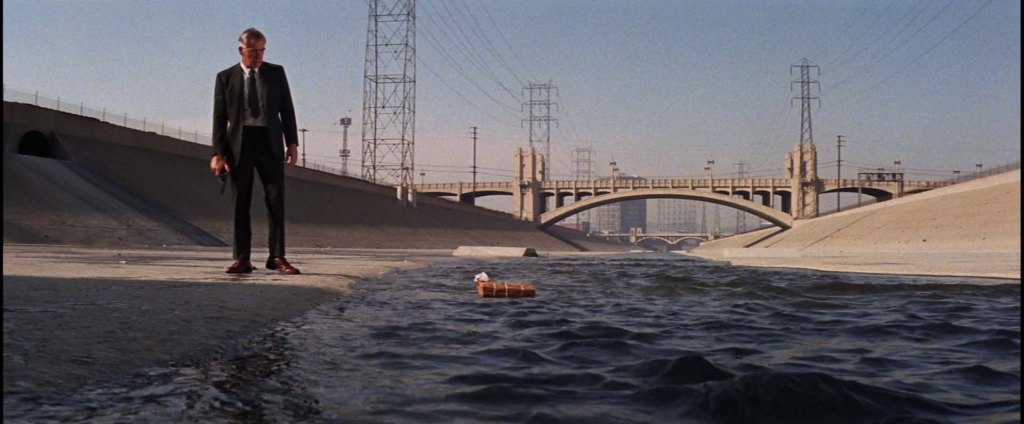
As Walker rises through the ranks of the criminal organization—interrogating and eliminating its cold, bureaucratic middlemen—his quest shifts from a focus on money to one driven by principle, even obsession. Each man he confronts insists that the “Organization” no longer uses cash, relying instead on electronic transfers and impersonal accounts. The stolen $93,000 has become symbolic, representing the loss of human connection and moral clarity in an increasingly mechanized world.
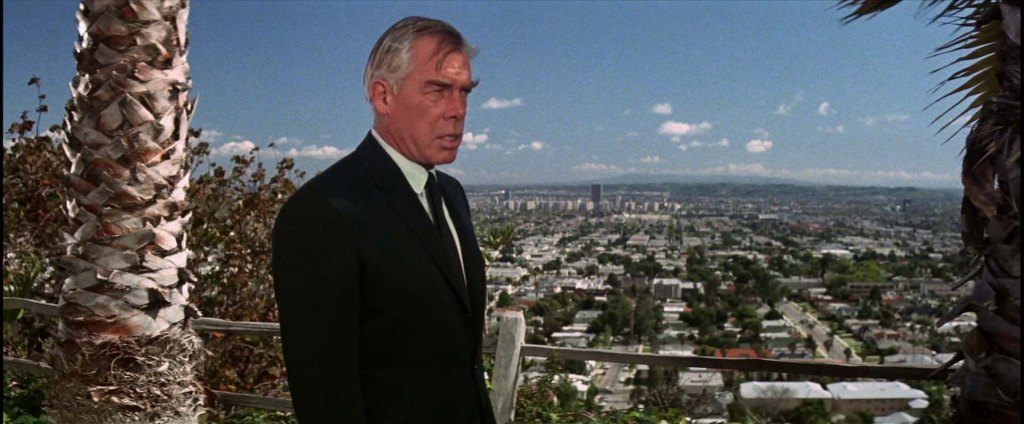
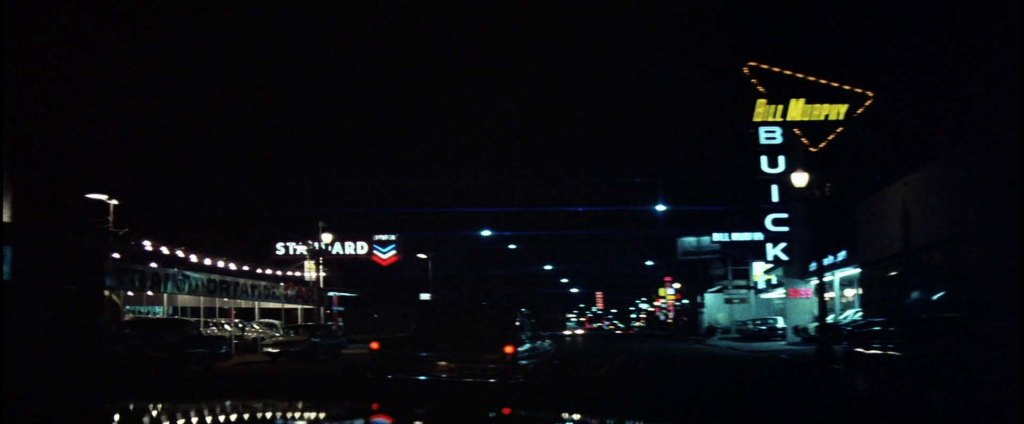
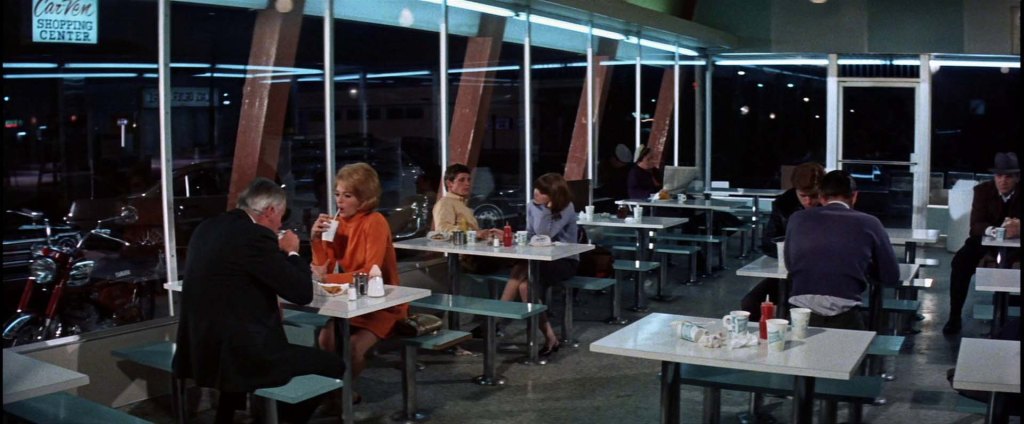
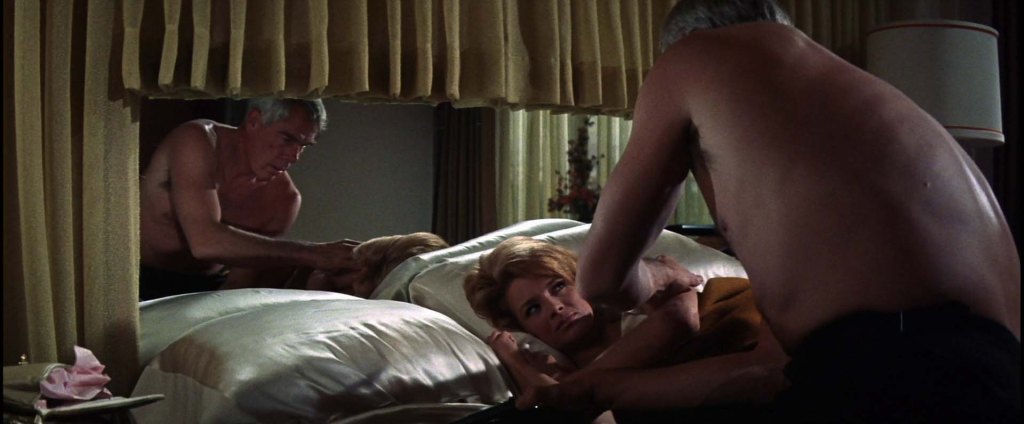
Finally, Walker reaches the pinnacle of the hierarchy: Brewster (Carroll O’Connor), a corporate executive who embodies the impersonal core of modern power. However, even at this level, there are no clear answers—only another layer of manipulation. Brewster offers Walker a payoff to end the vendetta, but the envelope he provides is empty, representing a hollow promise within a flawed system.
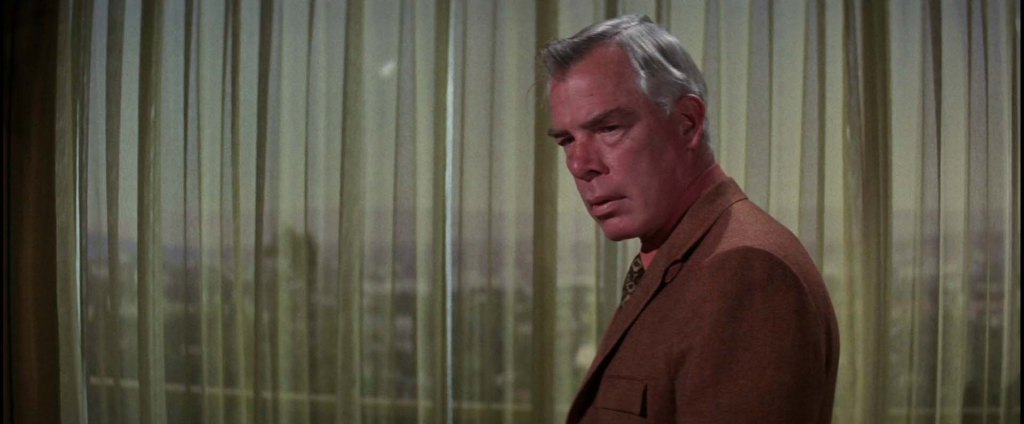
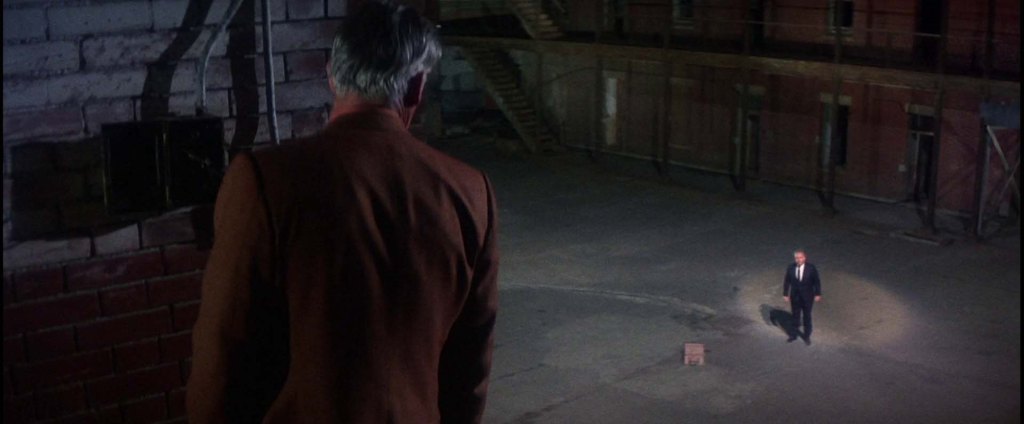
In the final scene, Walker once again stands at Alcatraz, the place where everything began, shrouded in fog and uncertainty. Yost makes a reappearance, as enigmatic as ever. Walker fades into the shadows—leaving us to wonder if he is victorious or if he has been dead from the very beginning. This ambiguous ending leaves his fate unresolved, turning the film’s revenge story into a metaphysical puzzle.
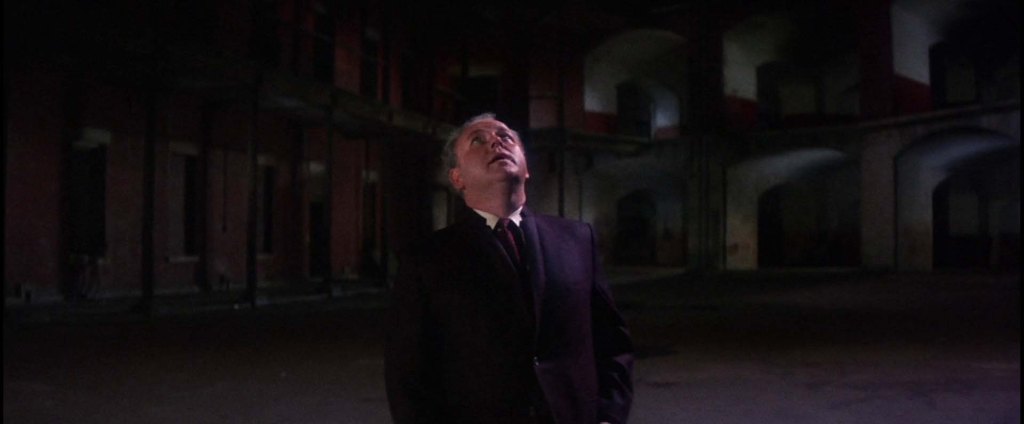
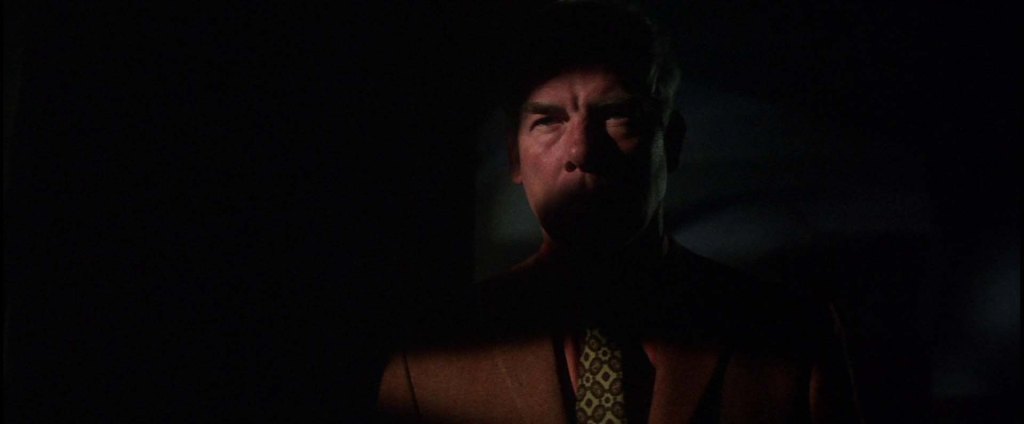
“Point Blank” redefined the crime thriller genre by incorporating techniques from European art cinema, such as nonlinear editing, elliptical time shifts, color symbolism, and a fragmented sense of reality. Director John Boorman, in collaboration with Lee Marvin, abandoned traditional narrative clarity to create a film that feels psychologically immersive, as if unfolding within the traumatized mind of the main character, Walker.
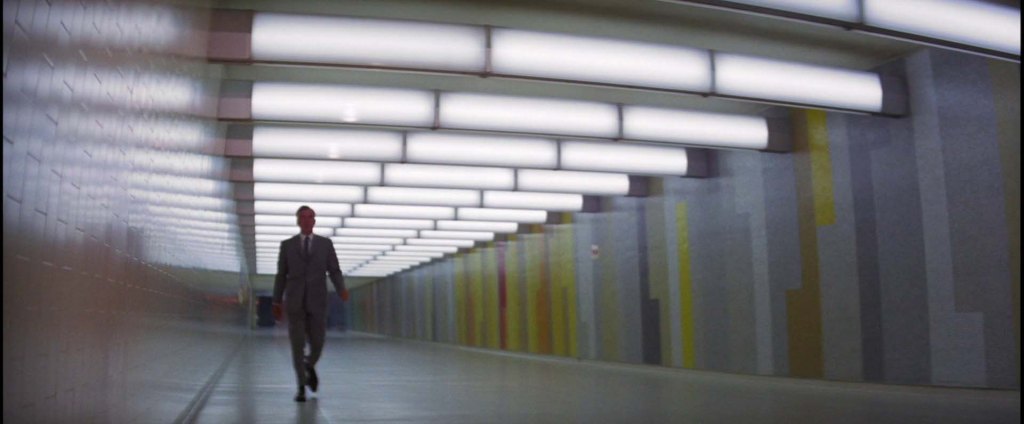
The film’s structure reflects its title: sharp, explosive, and direct, yet it is also filled with disorienting silences and surreal contrasts. Scenes repeat, sounds echo, and images dissolve into abstraction. Boorman uses architecture—gleaming glass towers, anonymous hallways, and concrete spaces—as metaphors for emotional sterility and the dehumanization of modern life.