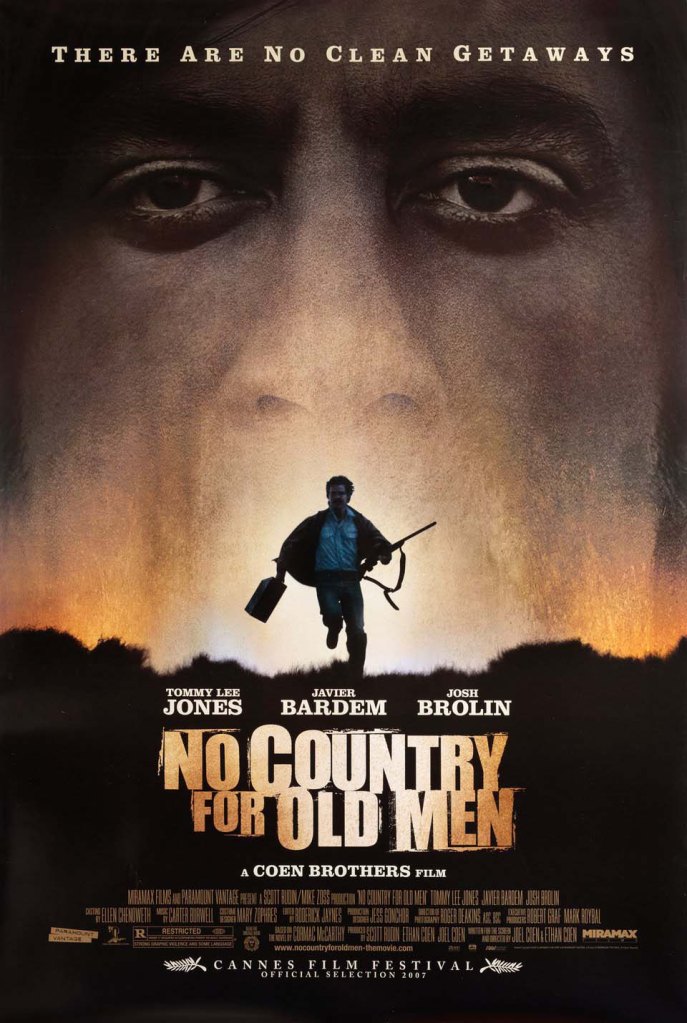

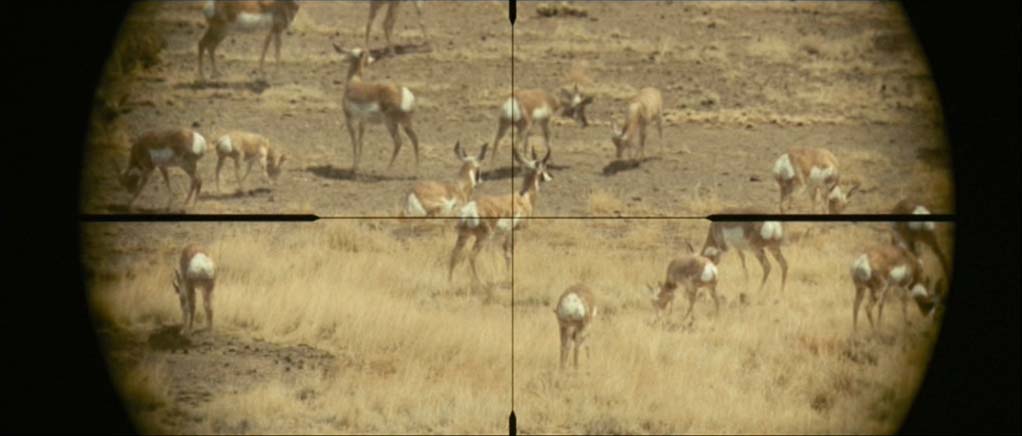
“No Country for Old Men,” a 2007 neo-Western crime thriller written and directed by Joel and Ethan Coen, is adapted from Cormac McCarthy’s 2005 novel. The film serves as a stark and violent meditation on themes of fate, morality, and the collapse of traditional values in the modern American West. Set in West Texas in 1980, it follows the intersecting lives of three characters—a hunter, a hitman, and a sheriff—whose paths converge around a drug deal gone wrong and a briefcase filled with cash.
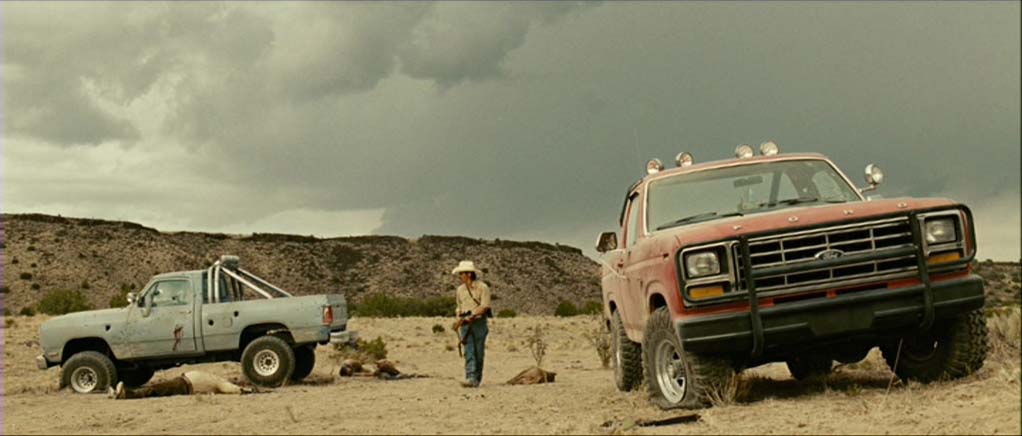
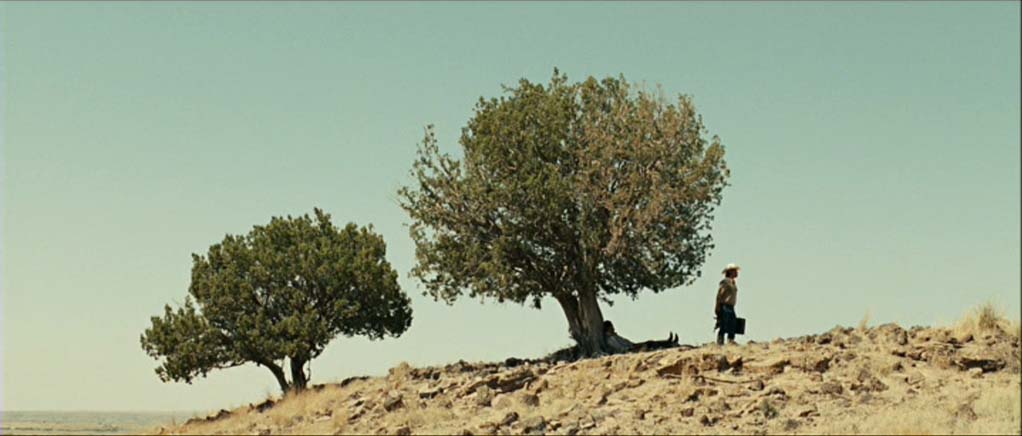
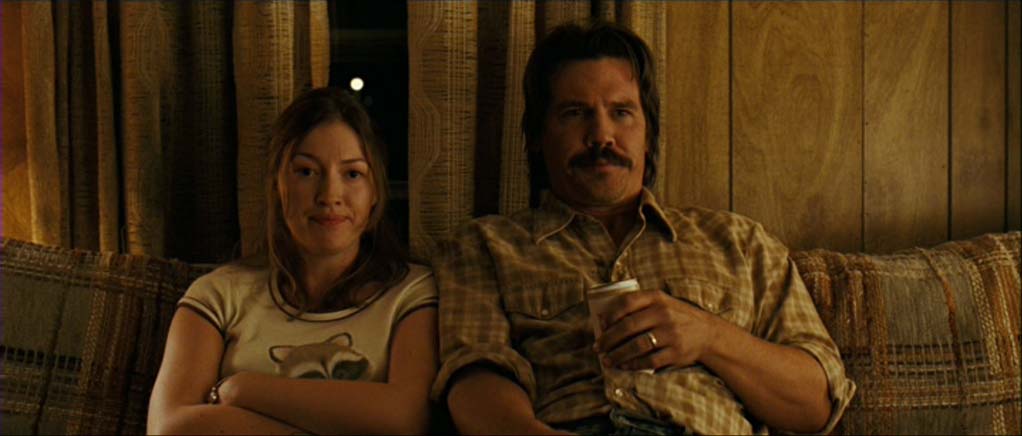
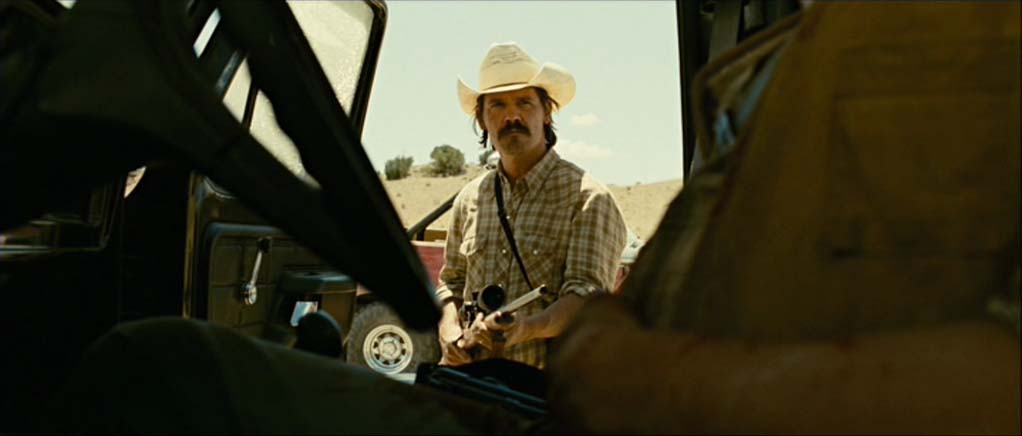
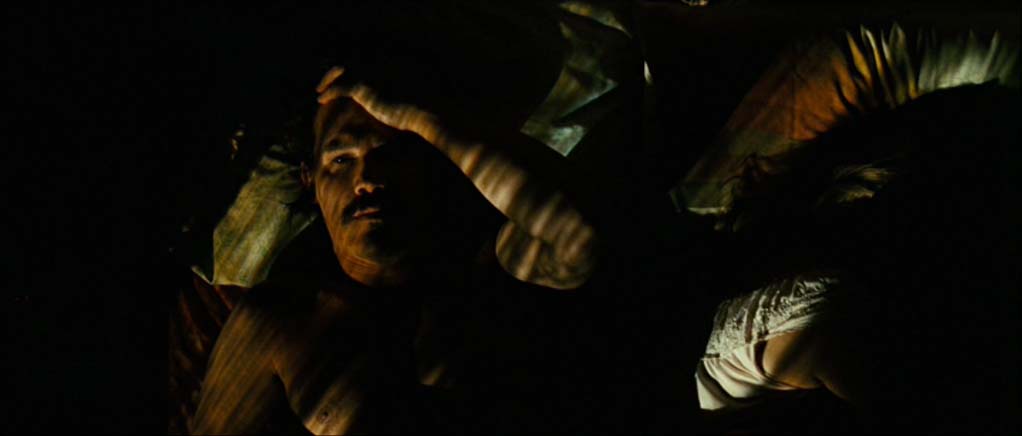
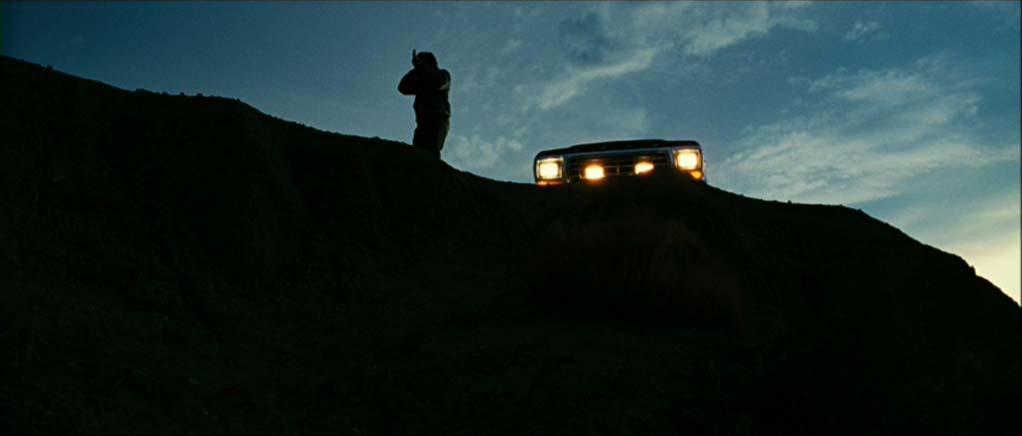
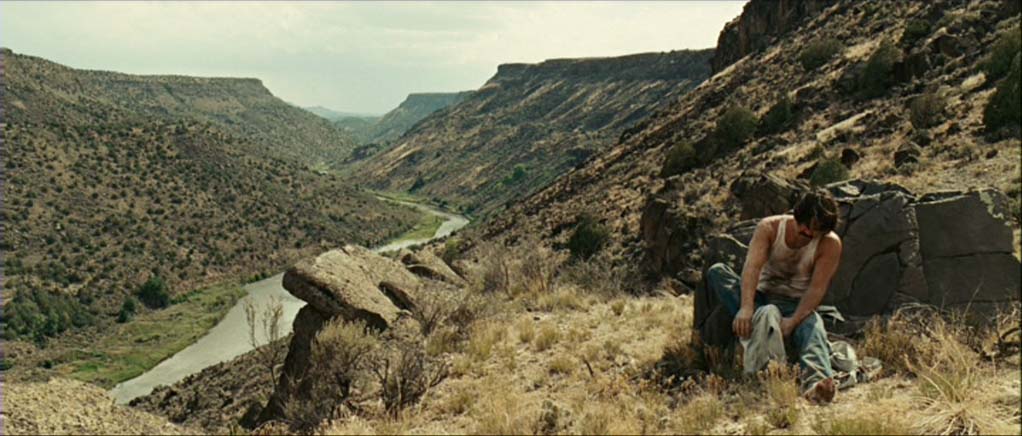
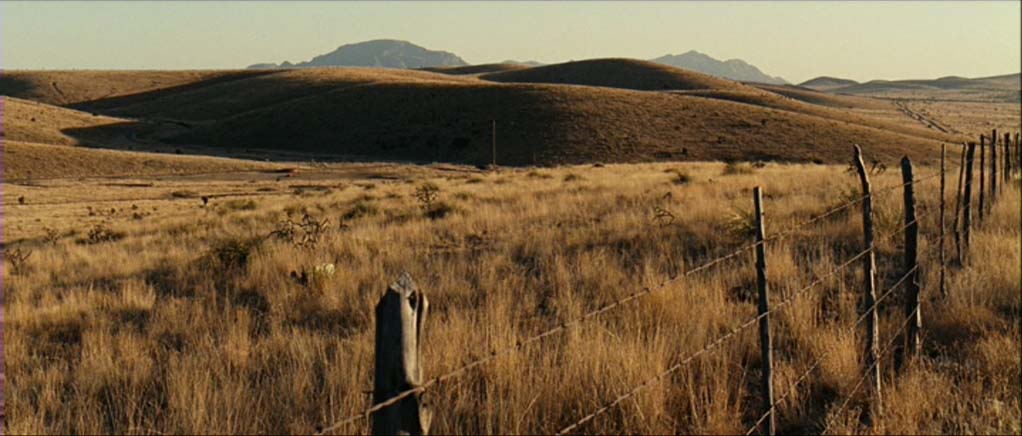
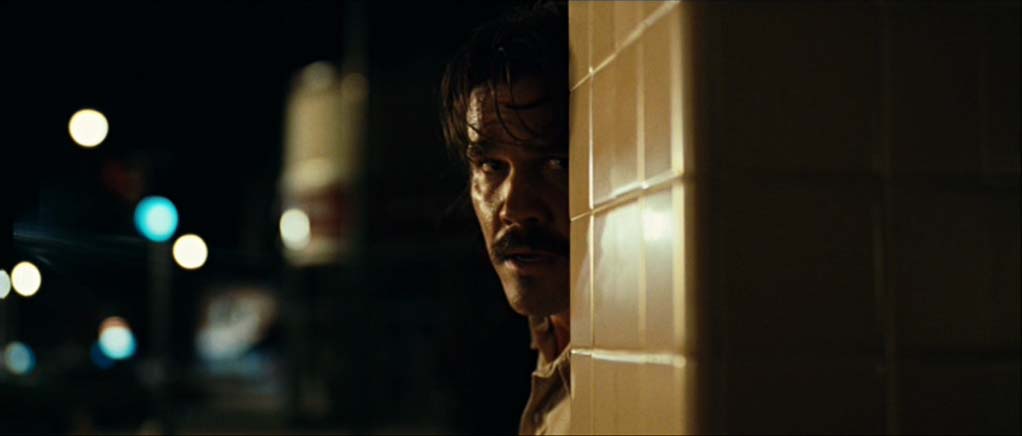
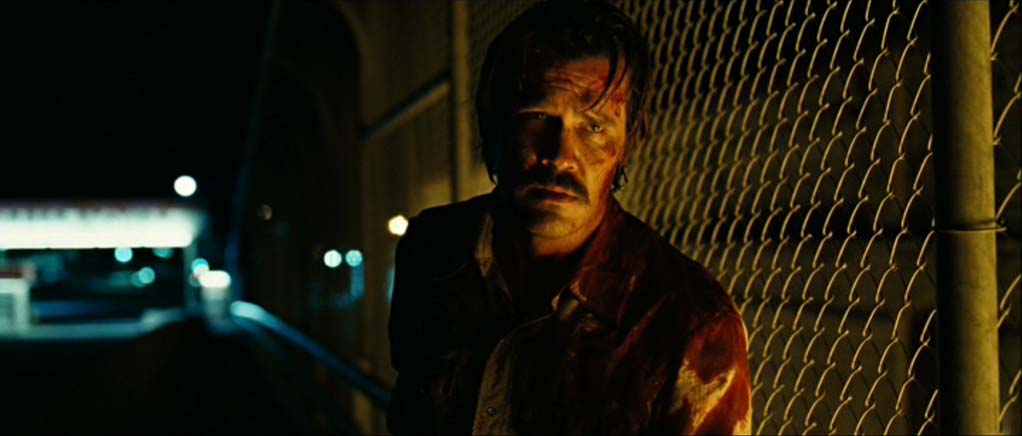
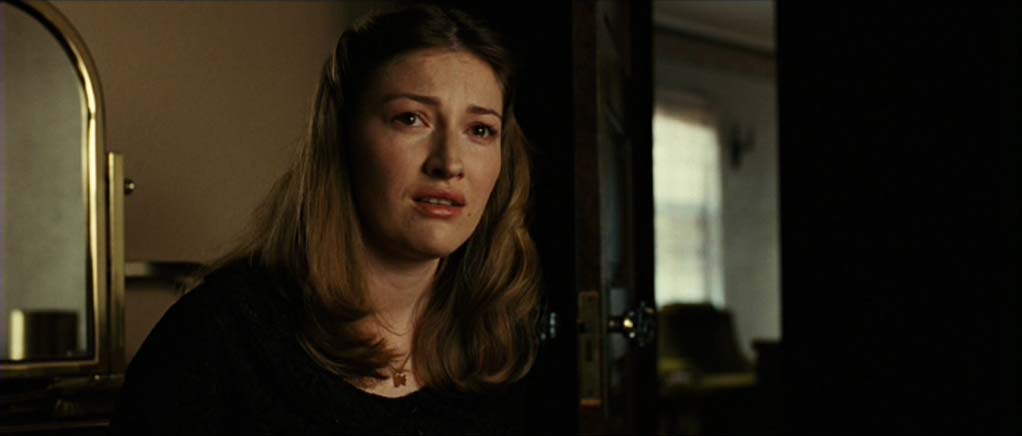
In the desolate Texas desert, Llewelyn Moss (played by Josh Brolin), a rugged Vietnam veteran, stumbles upon the aftermath of a drug deal gone wrong. He discovers scattered bodies, bullet-riddled trucks, and a case containing two million dollars in cash, all baking in the sun. Recognizing that taking the money will invite trouble, Moss still decides to take it and returns home to his wife, Carla Jean (played by Kelly Macdonald).
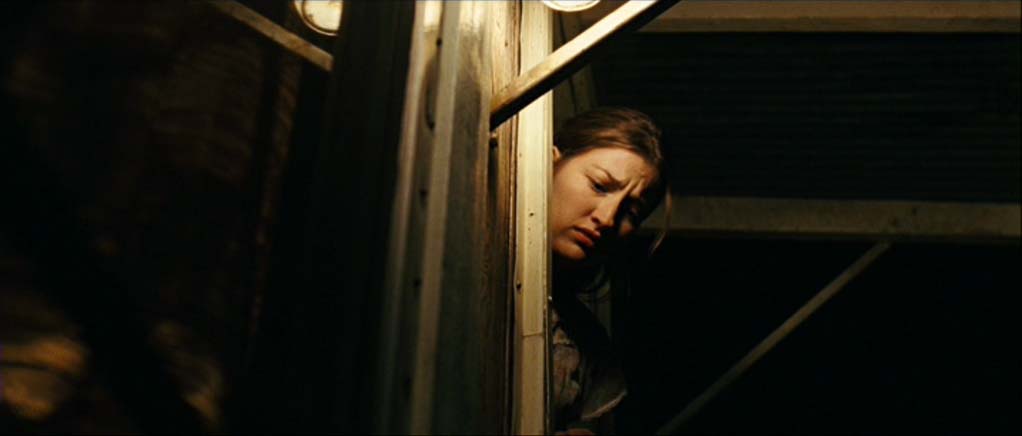
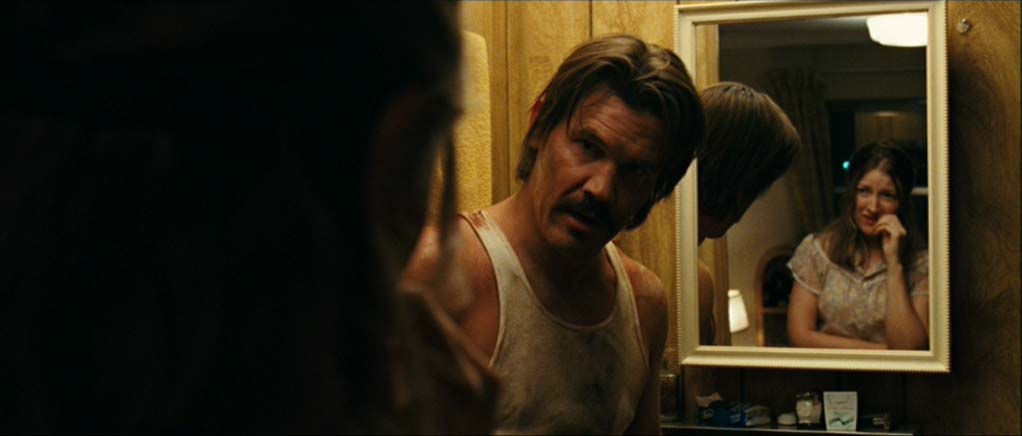
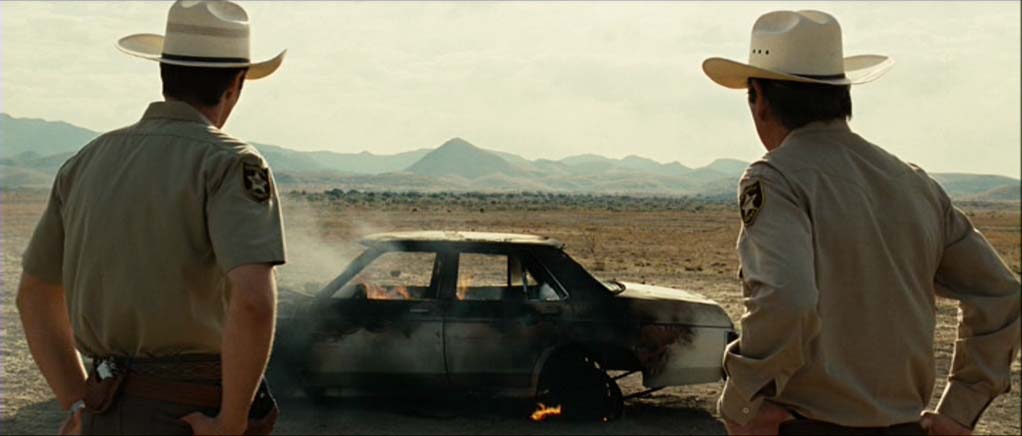
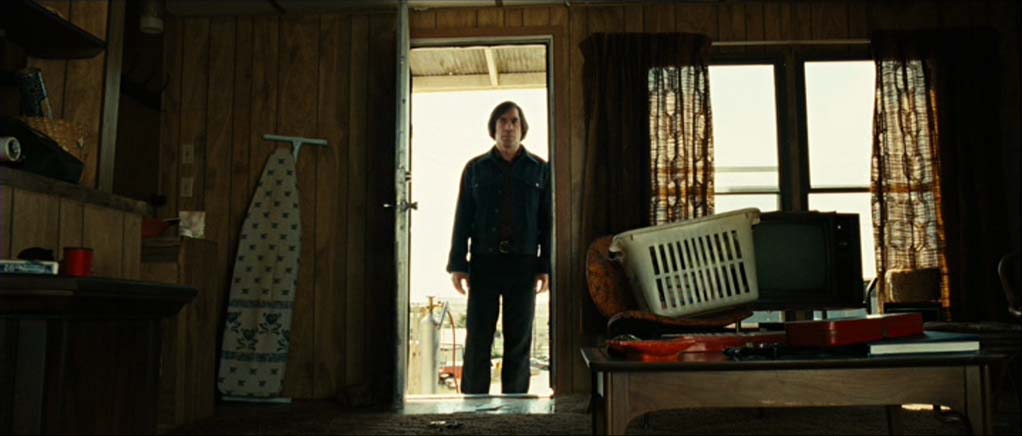
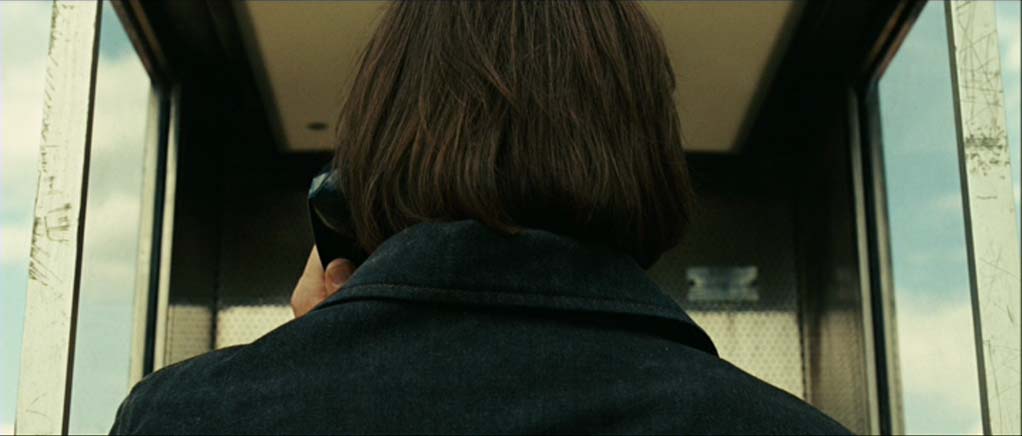
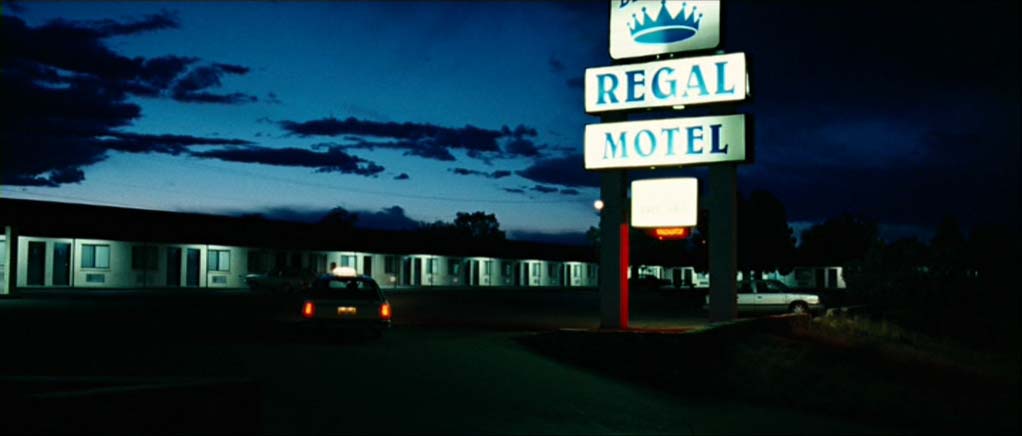
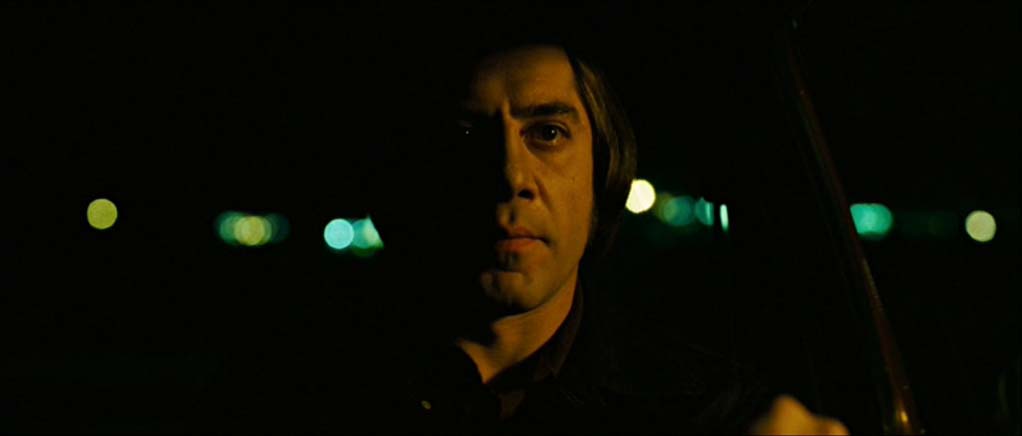
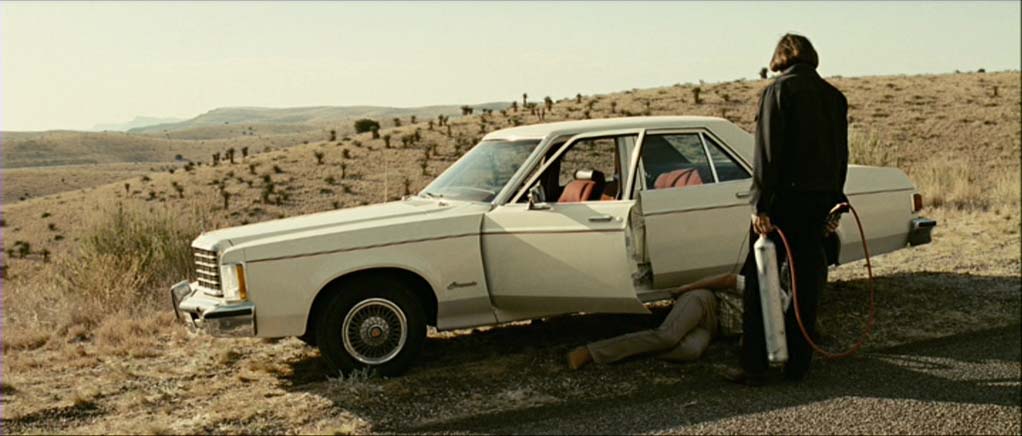
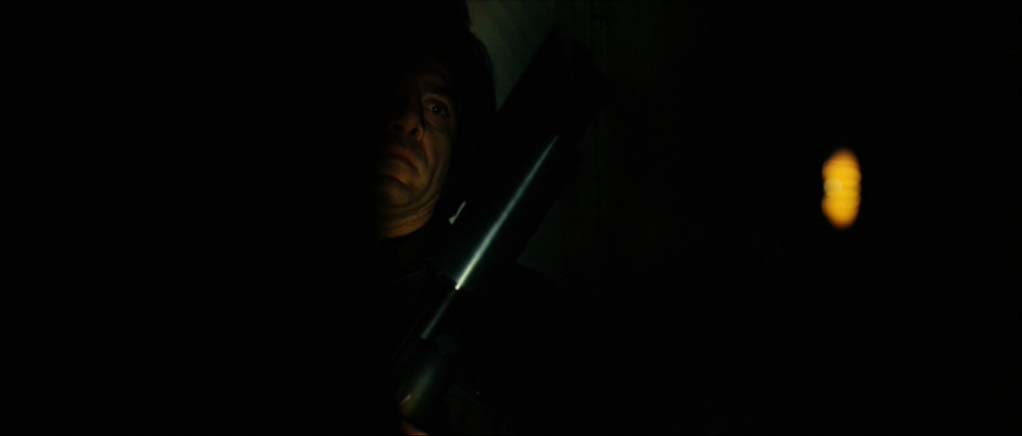
By accepting the cash, Moss triggers a relentless pursuit. The cartel sends a hired killer named Anton Chigurh (played by Javier Bardem) after him. Chigurh is a cold, methodical figure, almost supernatural in his sense of fate. He wields a captive bolt pistol, used to kill livestock, and operates according to his own twisted moral code. With an eerie calmness, he murders his victims, sometimes deciding their fates with the flip of a coin.
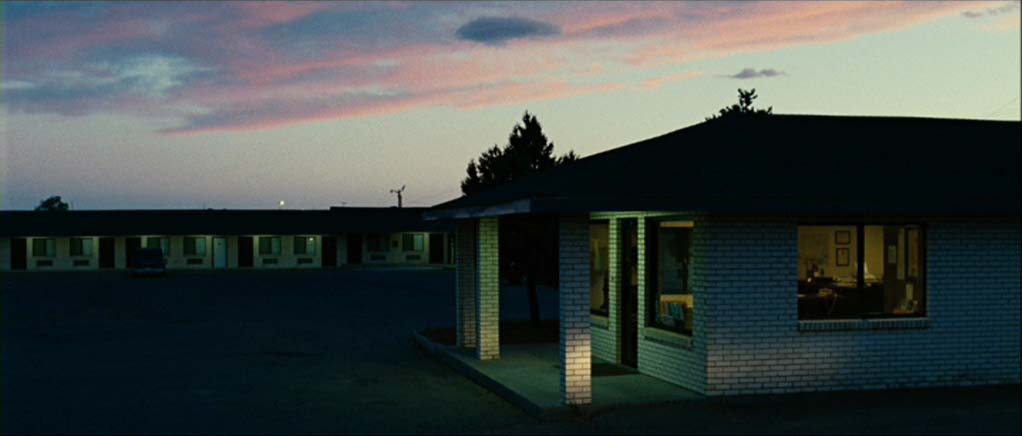
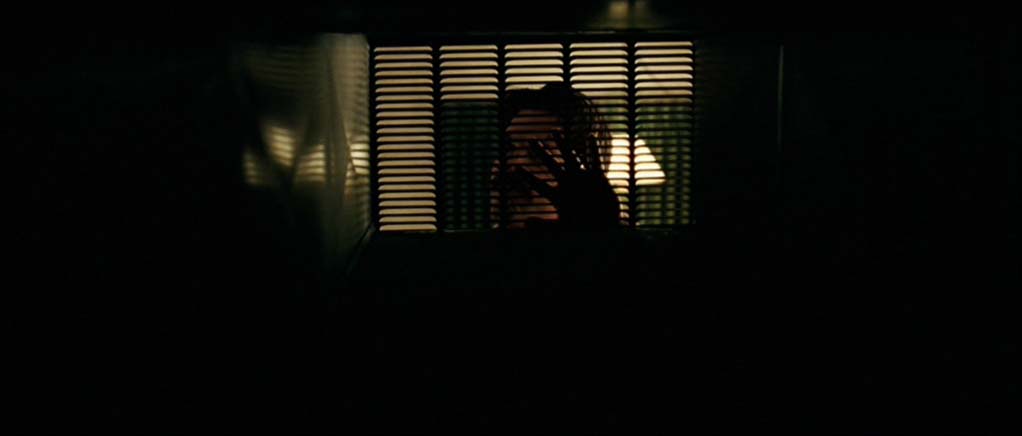
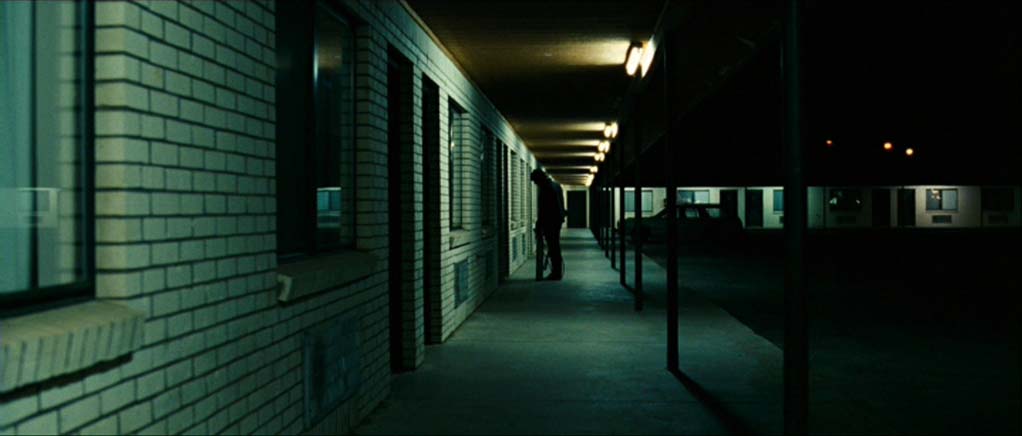
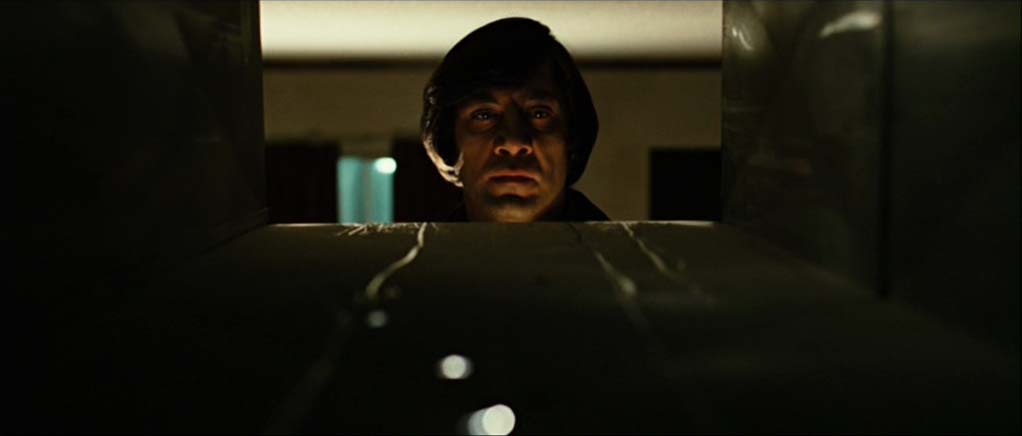
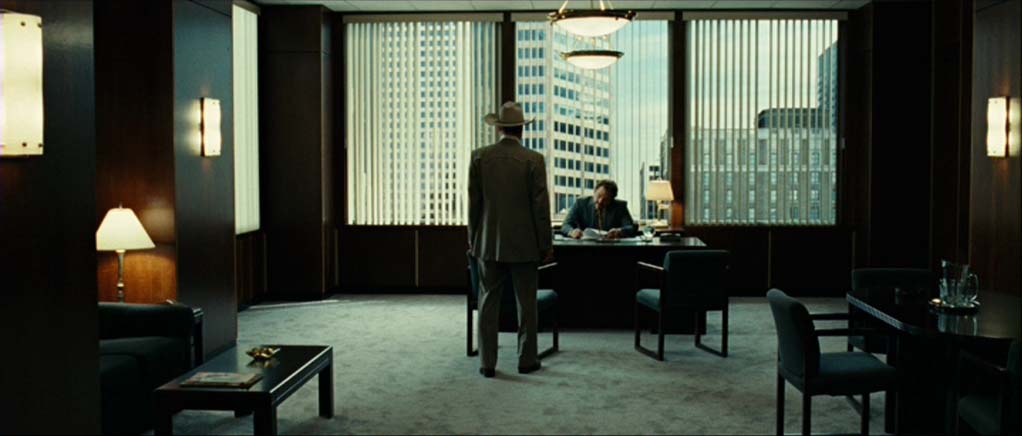
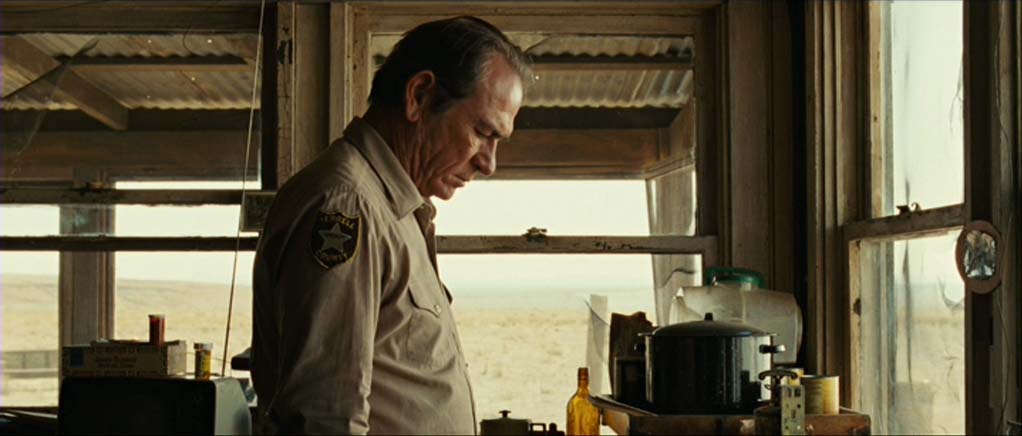
Sheriff Ed Tom Bell, portrayed by Tommy Lee Jones, is a weary and reflective lawman who is nearing retirement. He investigates the alarming trail of violence left by Chigurh. Bell serves as the film’s moral and emotional center; he is an older man grappling with the senseless brutality and moral depravity of the modern world. Through quiet, poetic monologues, he expresses his concerns about the diminishing sense of order and decency in contemporary society.
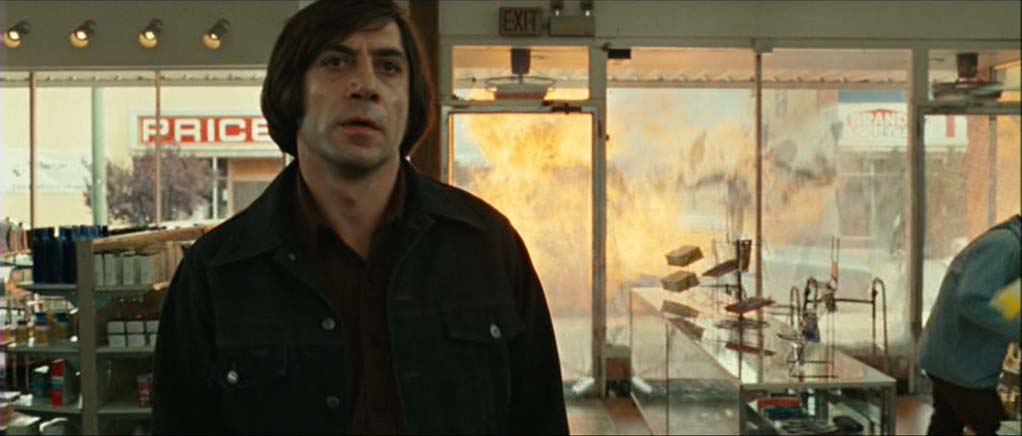
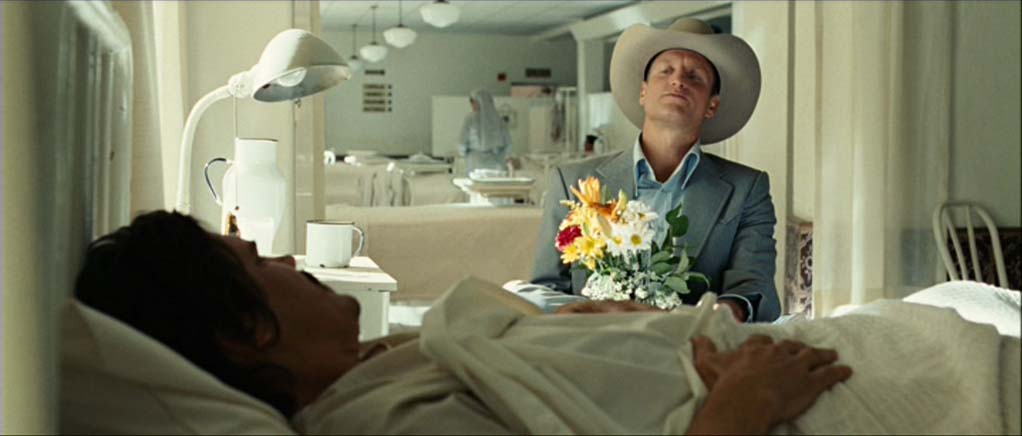
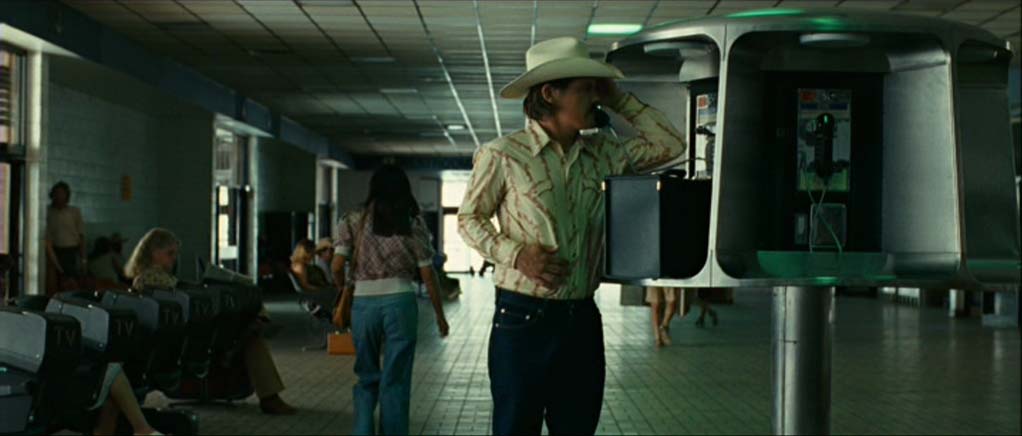
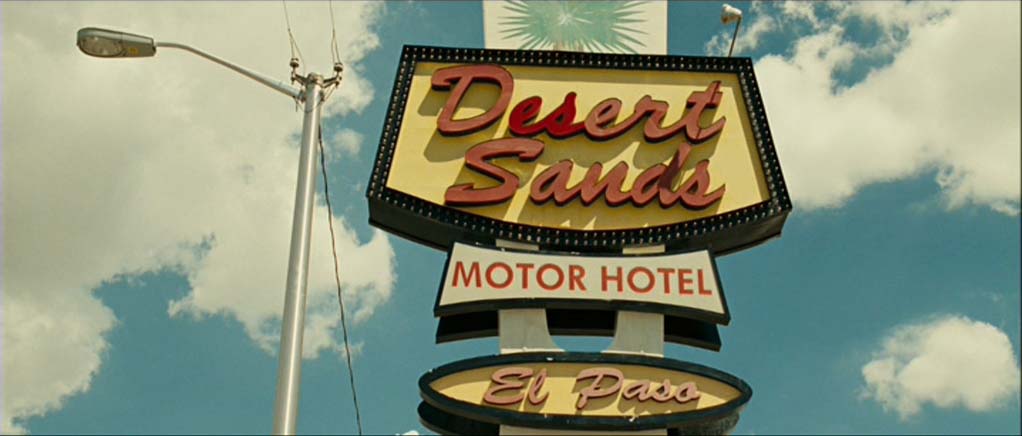
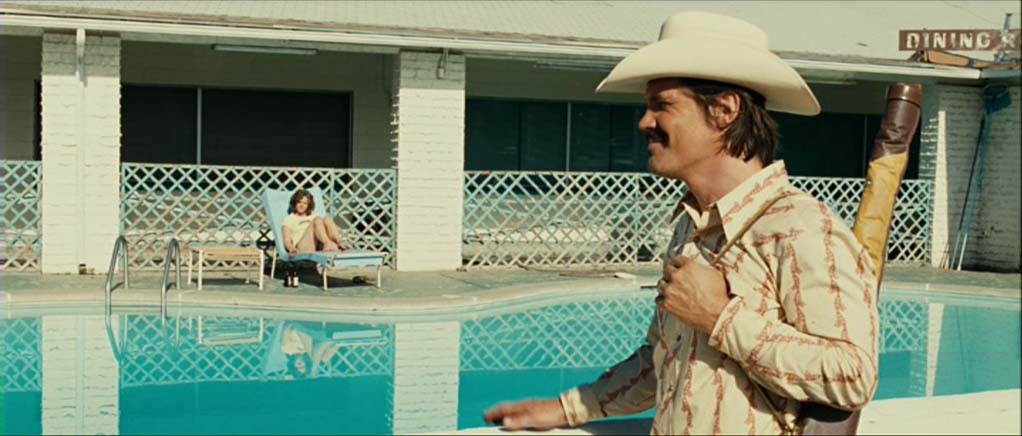

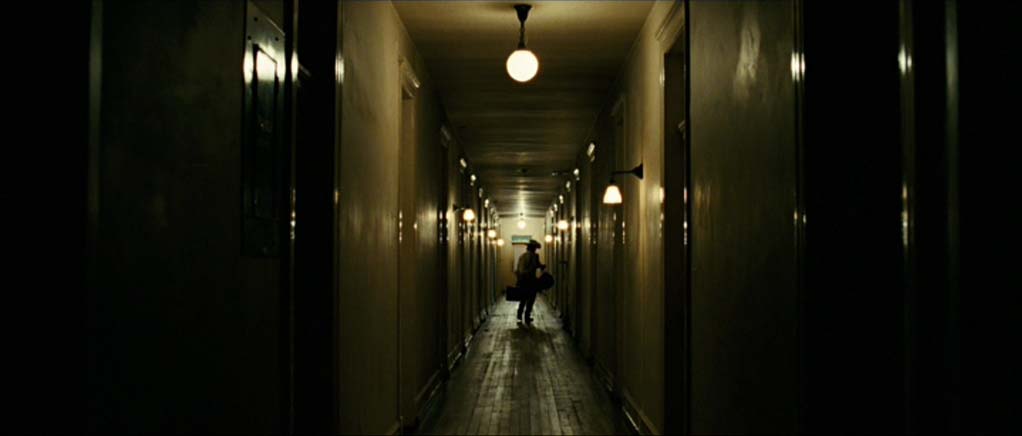
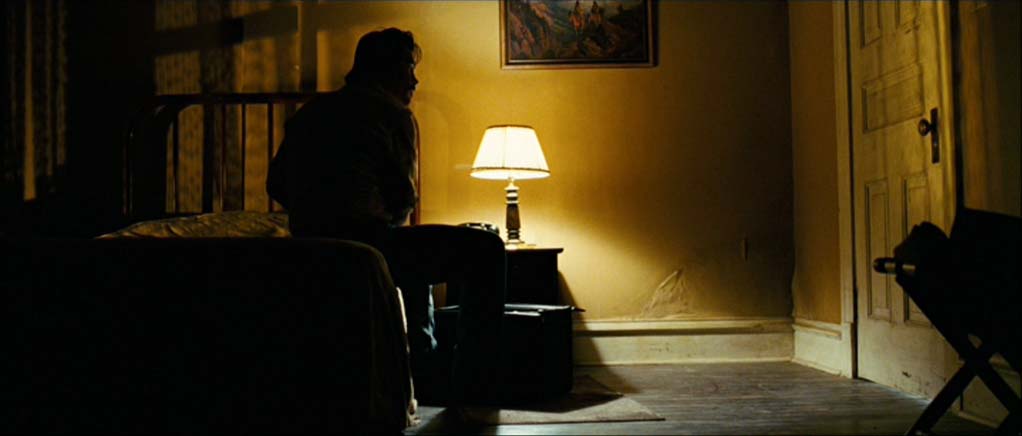
As Moss flees with the money, the film transforms into a tense cat-and-mouse thriller. He travels from one motel to another across the arid Texas landscape, constantly staying one step ahead of Chigurh—yet always being pursued by him. Their encounters are indirect but deadly: Chigurh tracks Moss through a hidden transponder in the briefcase, leaving a trail of bodies in his wake.
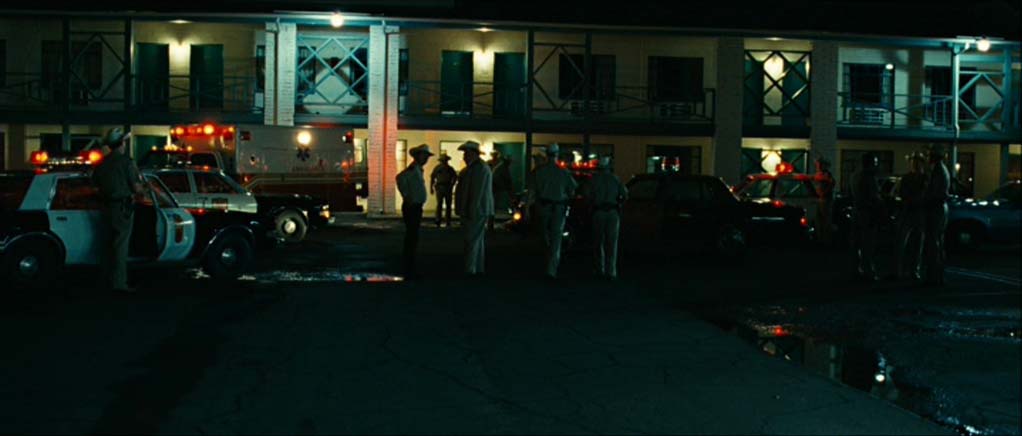
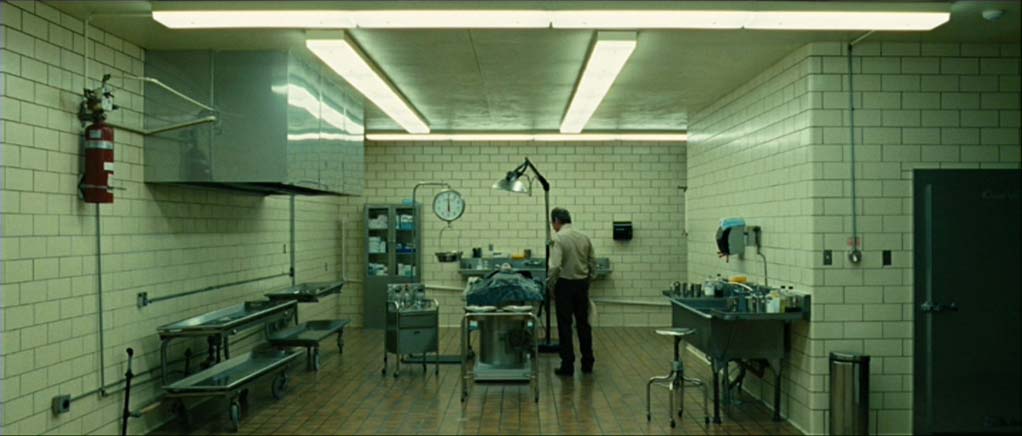
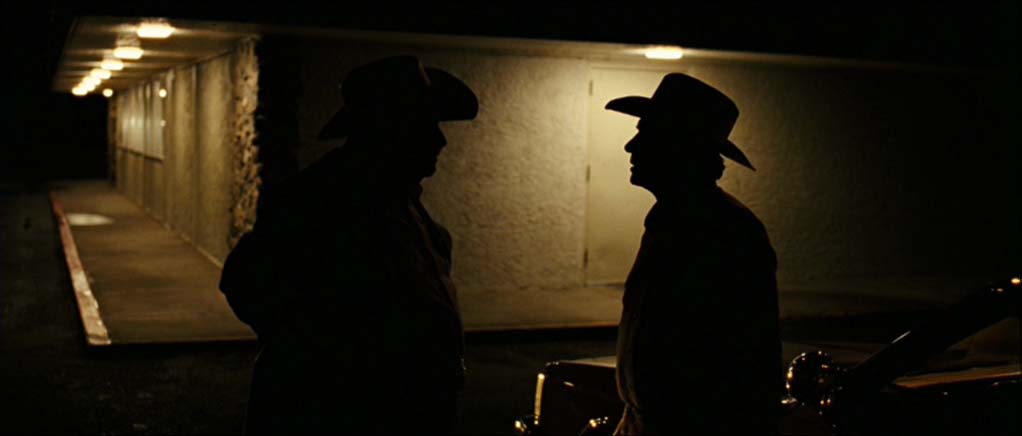
At the same time, a smooth-talking bounty hunter named Carson Wells, played by Woody Harrelson, enters the story. He has been hired by the same cartel to recover the money. Unlike Moss, Wells understands the true nature of the evil represented by Chigurh. “He’s a peculiar man,” Wells warns, but even he cannot outsmart or evade Chigurh. In a cold-blooded act, Chigurh kills Wells, just as he has done to so many others.
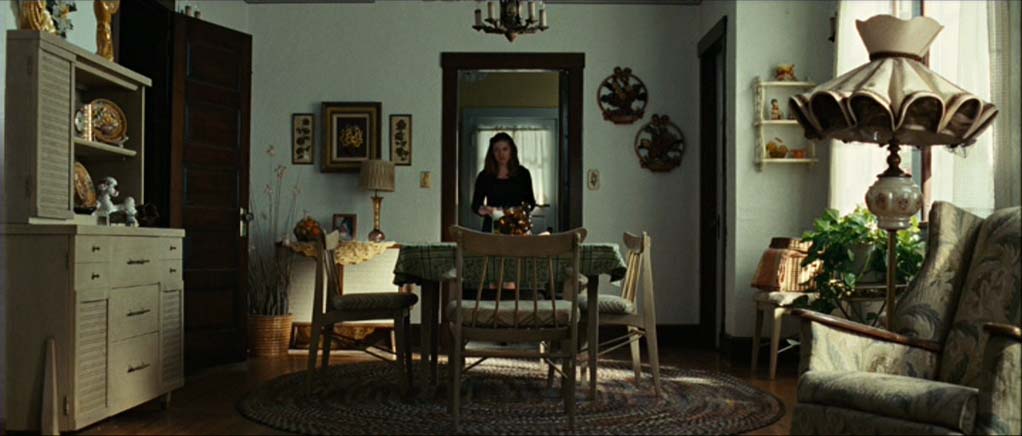
Moss, wanting to protect Carla Jean, sends her to her mother’s house and makes plans to meet her later. However, Chigurh finds him first. In a notable narrative twist characteristic of the Coen brothers’ subversive storytelling, the confrontation between Moss and Chigurh happens off-screen. The next time we see Moss, he is dead, having been shot by members of the cartel.
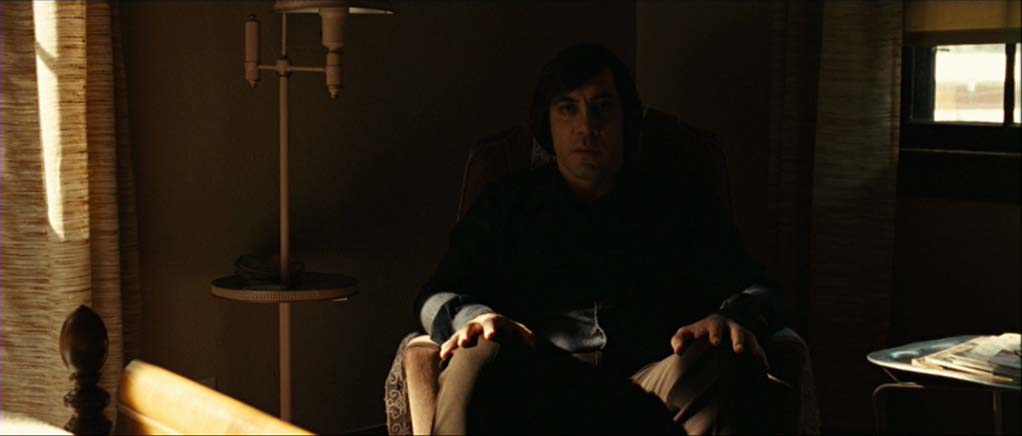
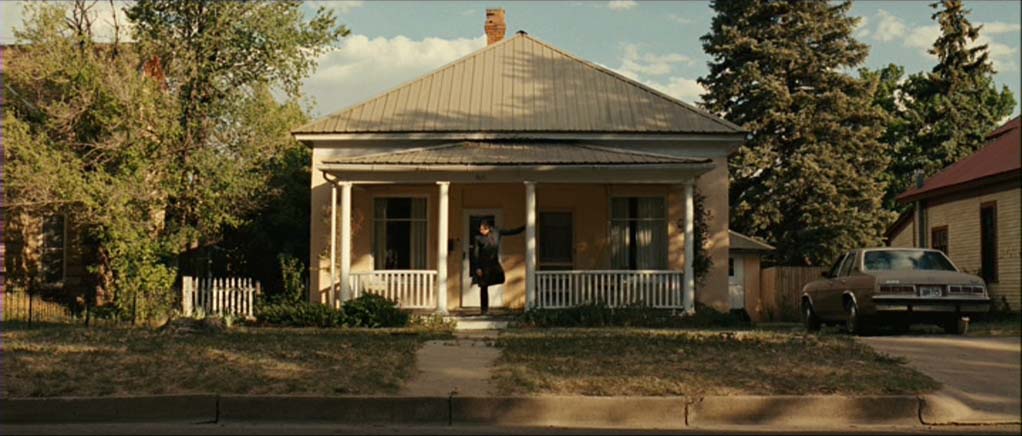
Sheriff Bell arrives at the scene, but it is too late. He can feel Chigurh’s presence in the room, as if death itself has just passed through. Overwhelmed by the chaos and futility of his work, Bell decides to retire, haunted by dreams of his deceased father and the burden of a changing world. In the film’s haunting final scenes, Carla Jean, now a widow, confronts Chigurh in her mother’s home. He presents her with the same coin-toss choice he has offered to others. She refuses to participate, insisting that the coin has no power—only he does. Despite her defiance, Chigurh kills her anyway, maintaining his distorted belief in fate. Moments later, he is hit by a car and injured. Yet, he calmly tends to his wounds and limps away, disappearing into the ordinary streets—an eerie representation of unstoppable violence.
The film ends with Sheriff Bell sharing two dreams he had with his wife. In both dreams, his late father rides ahead of him into the darkness, carrying a horn filled with fire to illuminate his path. The screen then fades to black as Bell delivers his final words: “Then I woke up.” This quiet and unresolved ending emphasizes the film’s central theme: that moral clarity and understanding have disappeared, leaving only uncertainty and loss.
“No Country for Old Men” blends elements of the Western, noir, and philosophical thriller genres while transcending them all. The film explores themes of fate, chance, mortality, and the decline of moral order, which resonate throughout the story. Chigurh’s coin tosses symbolize fatalism, representing the illusion of choice in a world ruled by random violence. Sheriff Bell embodies the old moral code—law, community, and decency—yet finds himself powerless against an indifferent universe. Moss serves as the ordinary man undone by greed and circumstance, caught between two moral systems that no longer align.