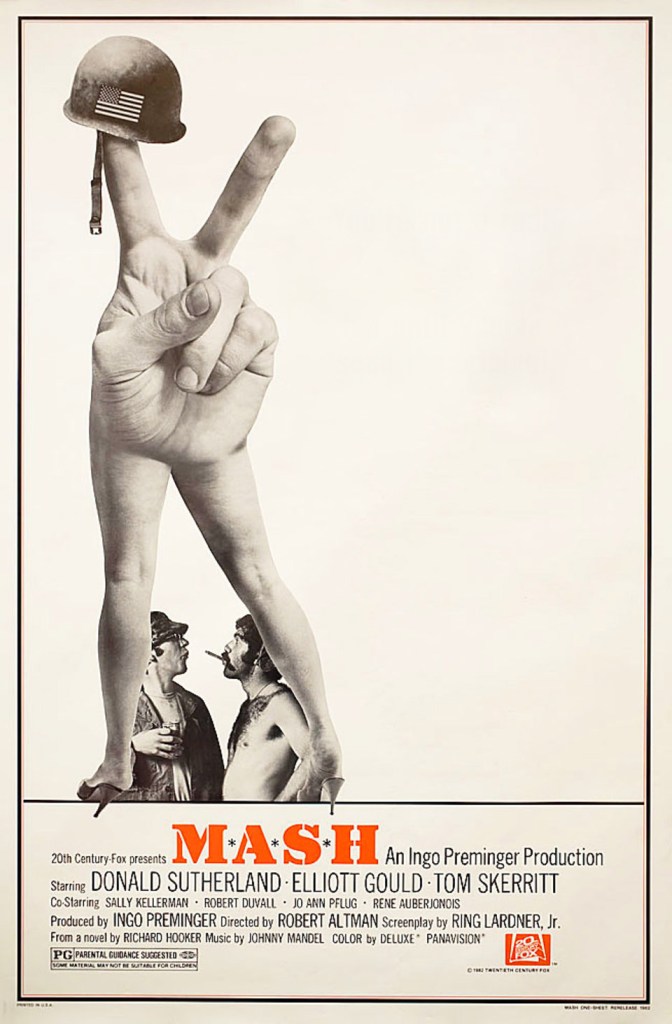
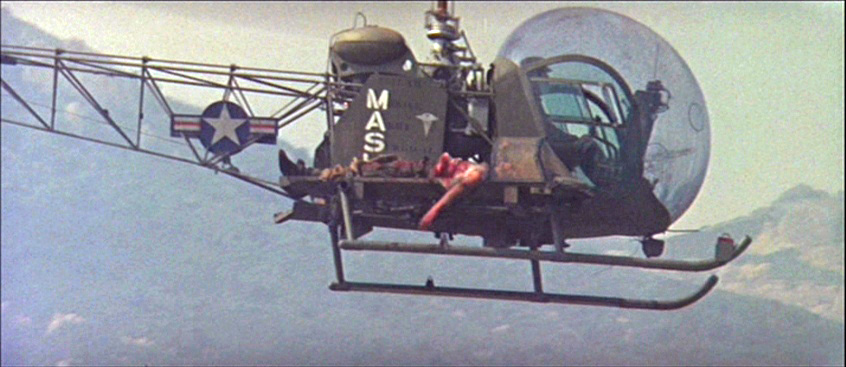
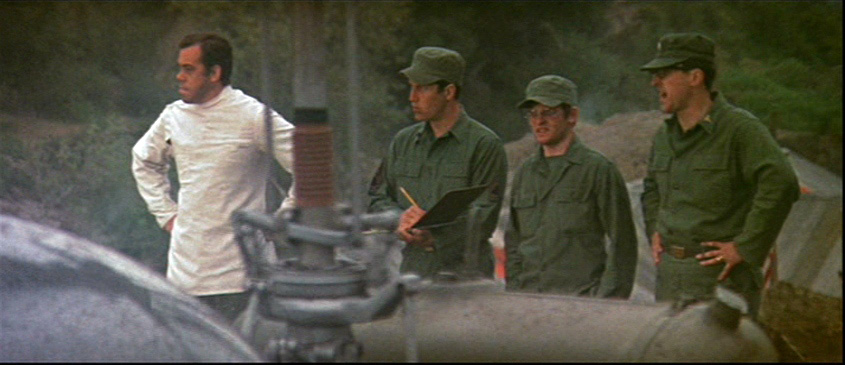
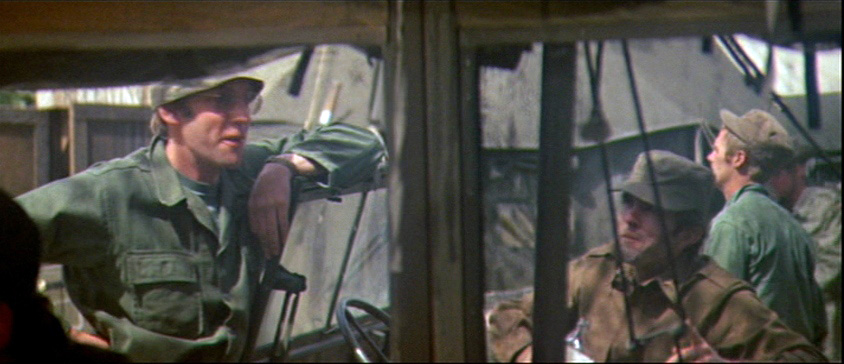
“M.A.S.H” is a darkly comedic, anti-establishment war film released in 1970, set during the Korean War. It follows the irreverent antics of Army surgeons stationed at the 4077th Mobile Army Surgical Hospital. The film is based on Richard Hooker’s novel ‘M.A.S.H: A Novel About Three Army Doctors,’ and is directed by Robert Altman, with a screenplay by Ring Lardner Jr. It became a landmark in American cinema during the 1970s for its sharp satire, naturalistic dialogue, and ensemble storytelling.
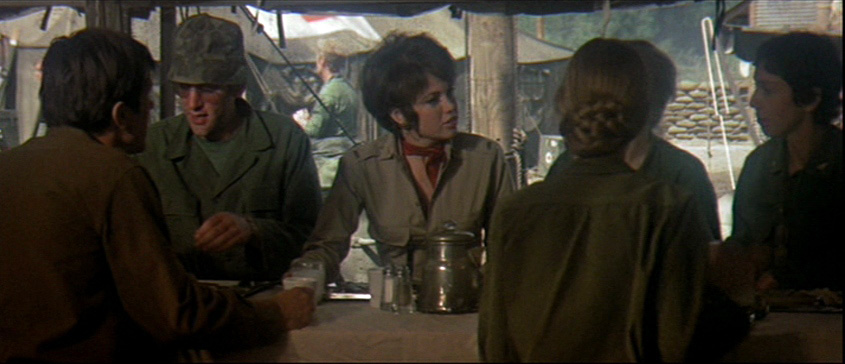
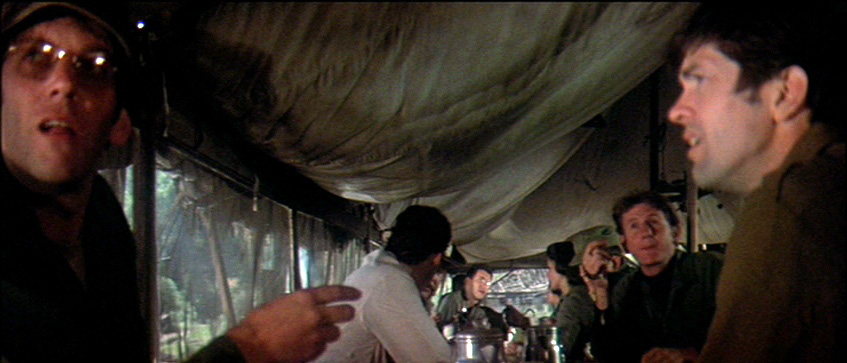
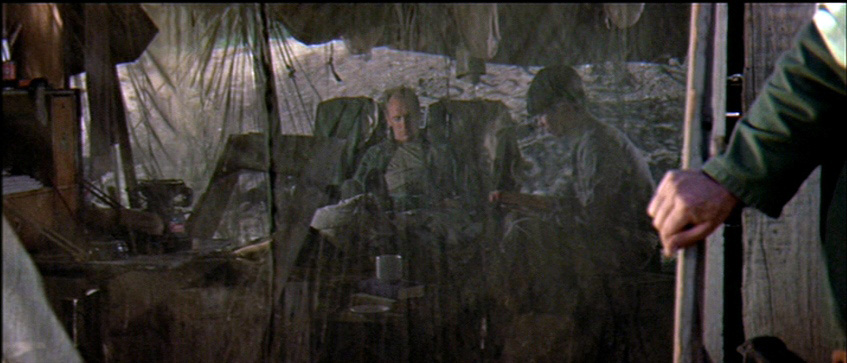
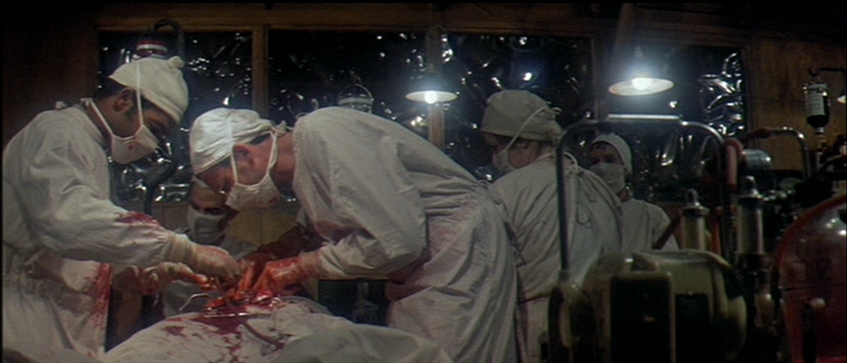
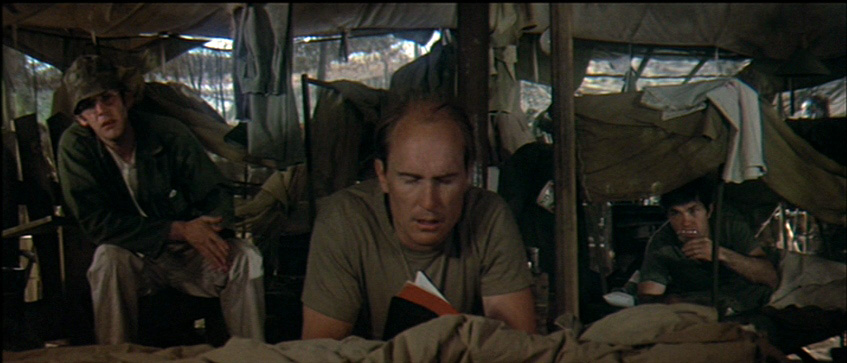
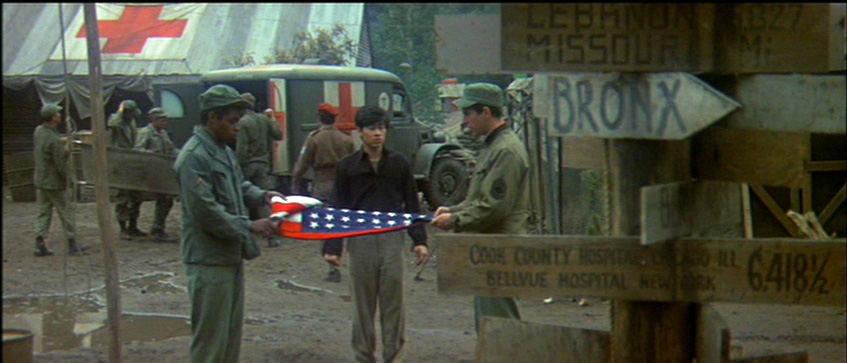
The story revolves around Captain Benjamin Franklin “Hawkeye” Pierce, played by Donald Sutherland, and Captain “Trapper” John McIntyre, portrayed by Elliott Gould. These two talented but unruly surgeons are newly assigned to the 4077th MASH unit. Along with Captain “Duke” Forrest, played by Tom Skerritt, they engage in irreverent pranks to cope with the horrors of war and the absurdities of military bureaucracy through humor, drinking, and mischief.
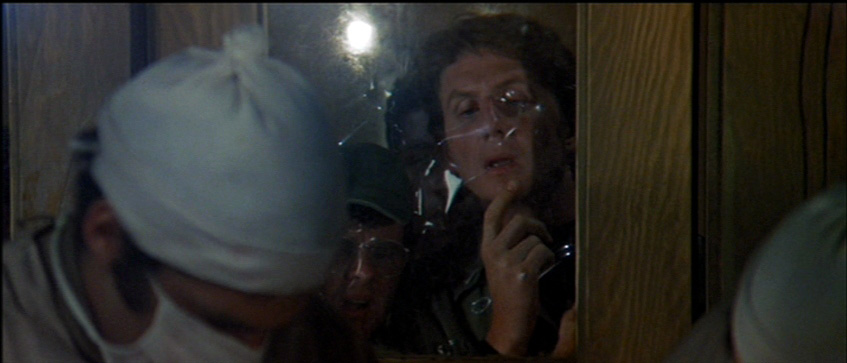
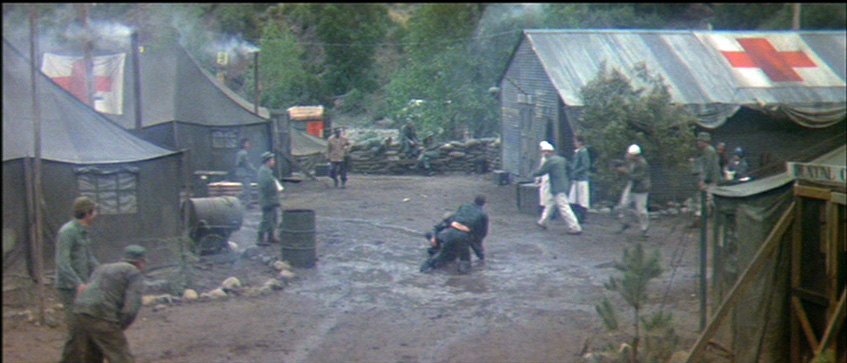
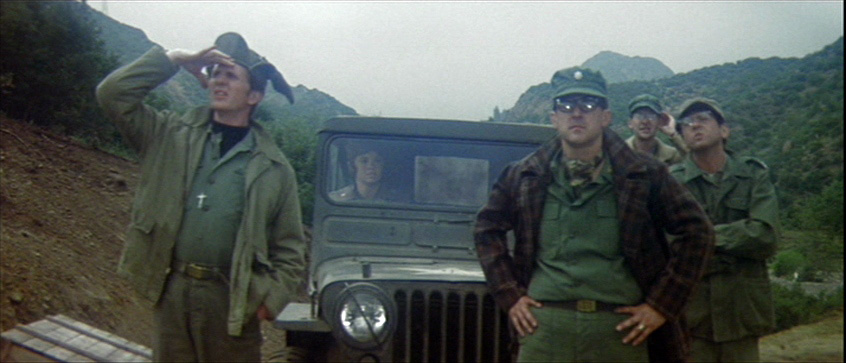
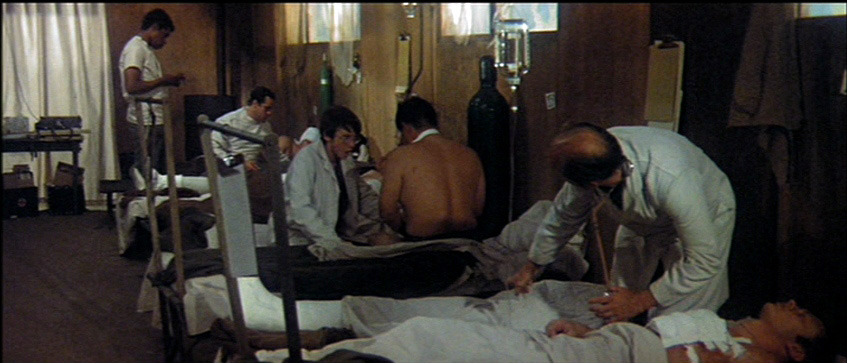
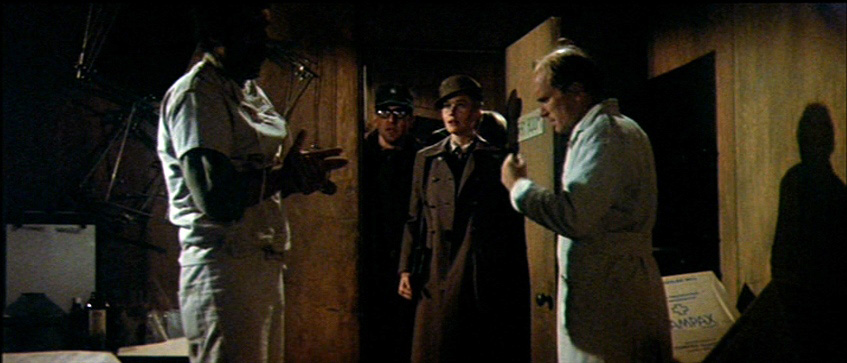
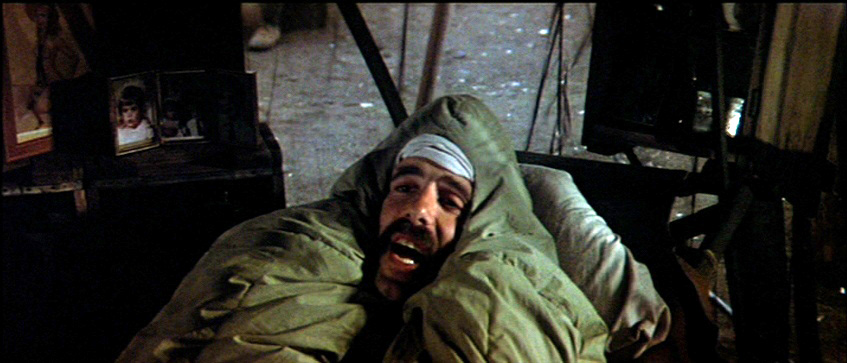

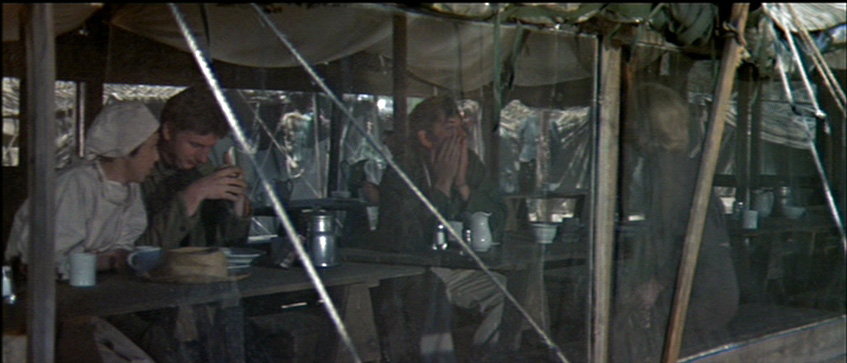
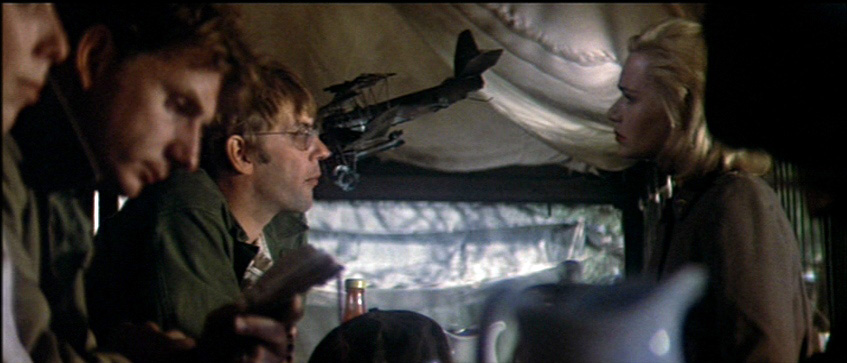
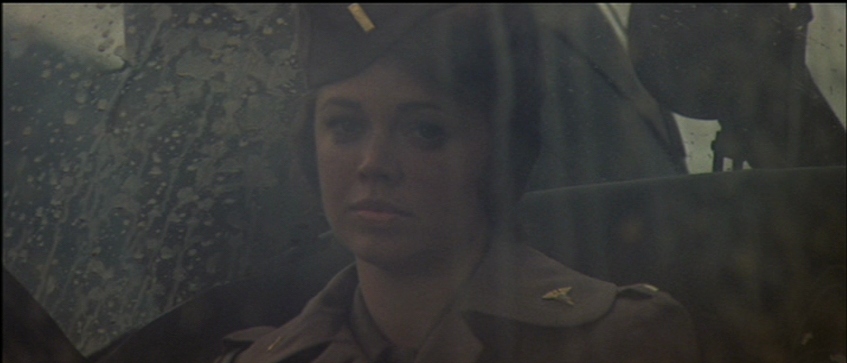
From the beginning, Hawkeye and Trapper establish themselves as mavericks by challenging authority figures like the self-righteous Major Frank Burns (played by Robert Duvall) and the pious Major Margaret “Hot Lips” Houlihan (played by Sally Kellerman). Their pranks on Burns and Houlihan, including secretly broadcasting their romantic encounter over the camp’s PA system, showcase the characters’ rebellious spirit and serve as Altman’s broader critique of institutional hypocrisy.
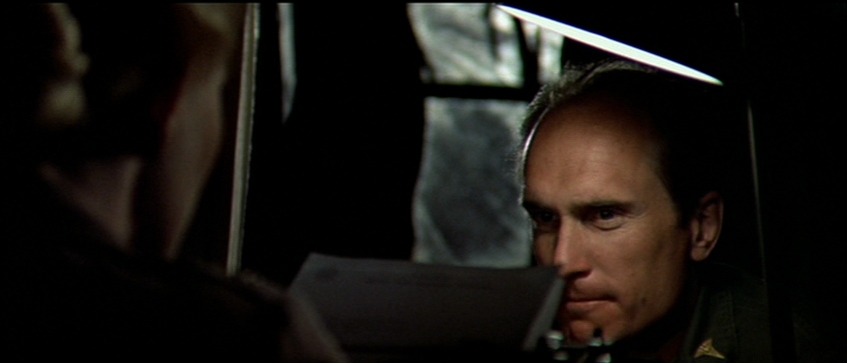
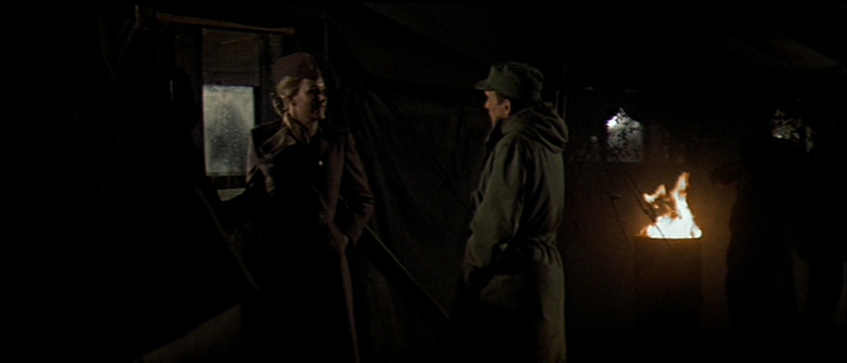
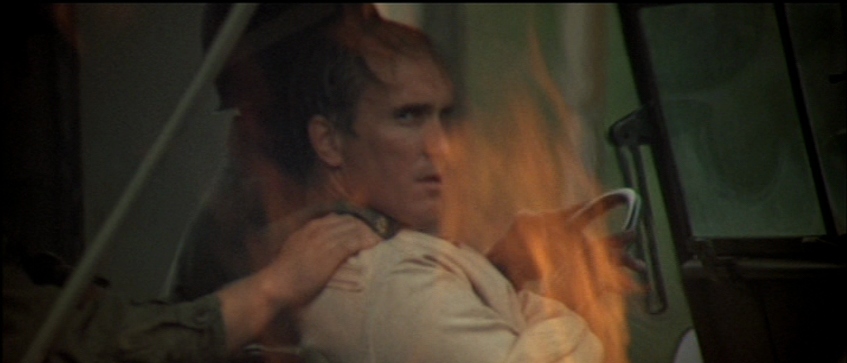
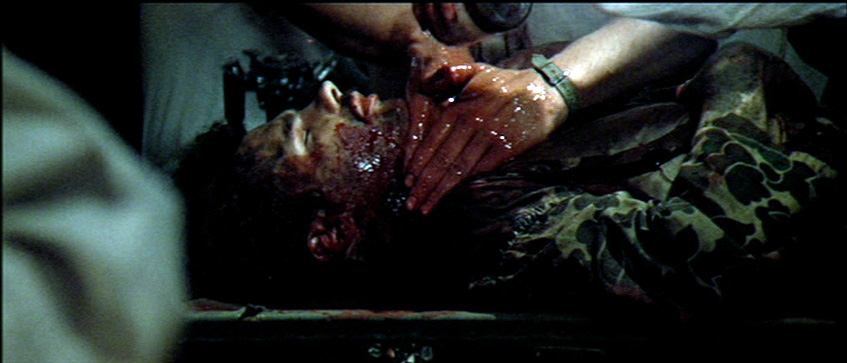
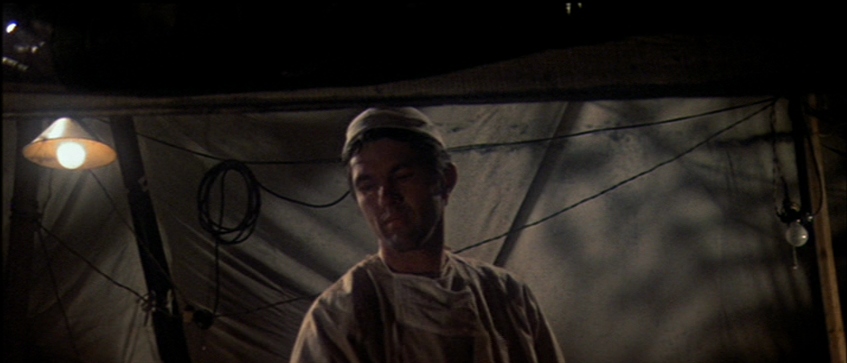
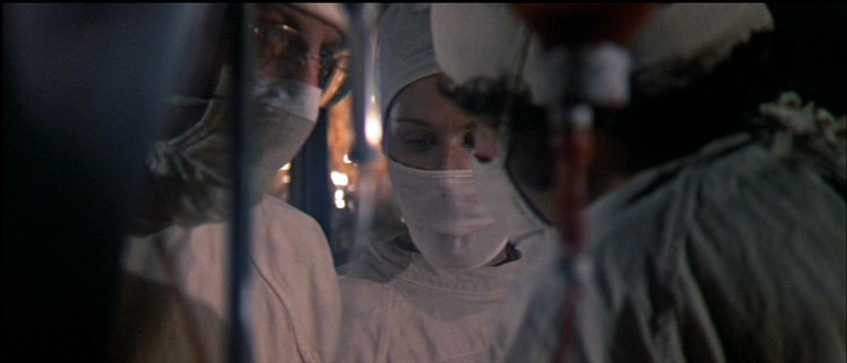
Hawkeye and Trapper may be known for their mischievous behavior, but they are also outstanding surgeons who save countless lives in the chaotic operating room. Their irreverence starkly contrasts with their professional excellence, underscoring the film’s theme: sanity and compassion are preserved not through obedience but through individuality and defiance.
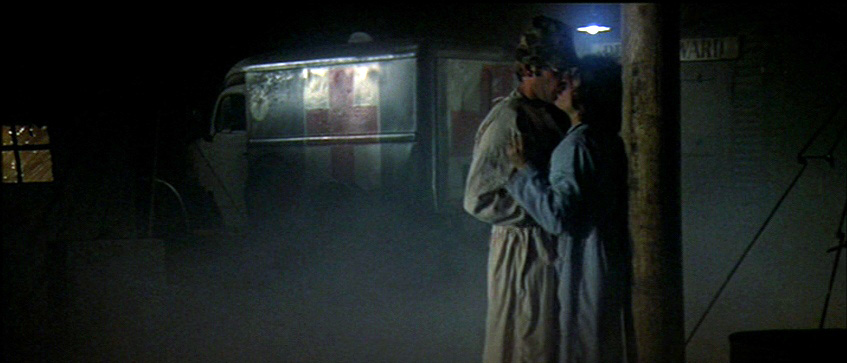
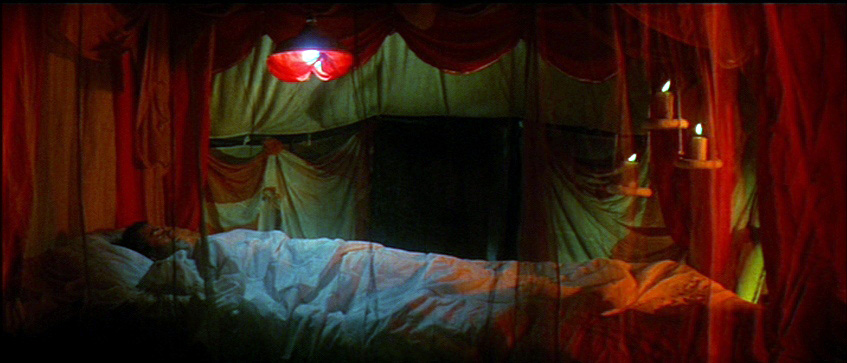
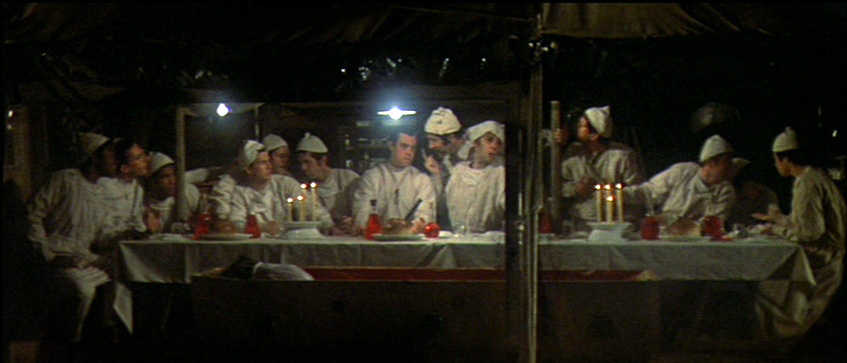
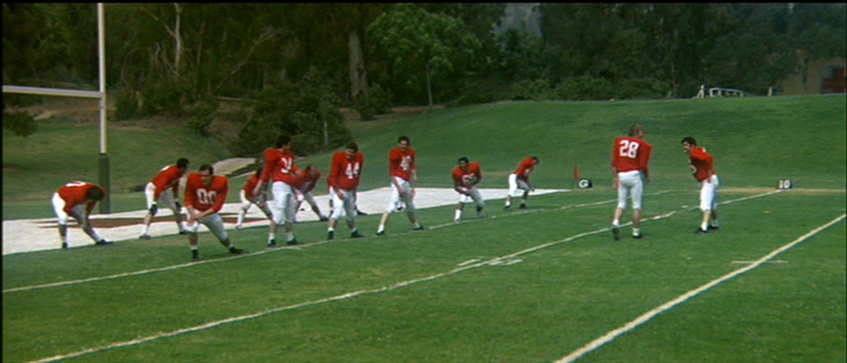
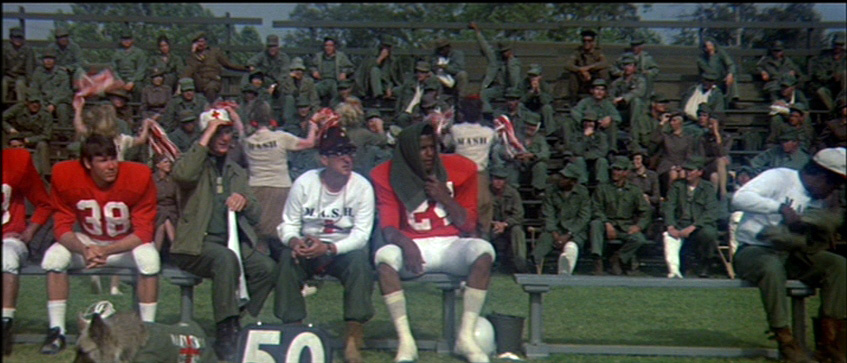
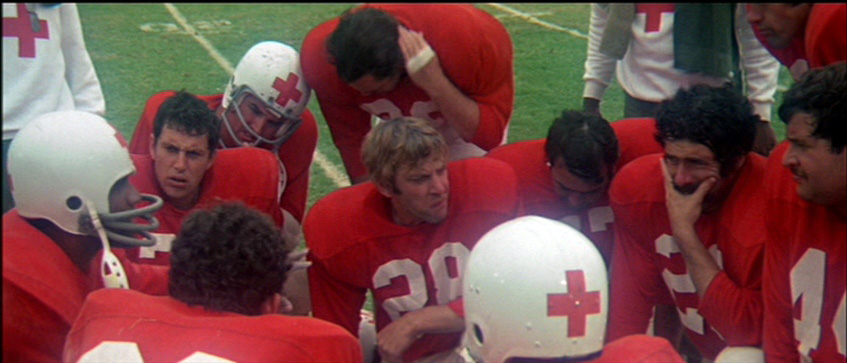
As the film unfolds, it presents a series of loosely connected episodes that highlight the absurdities of military life. In one scene, the surgeons engage in a rigged football game against another unit, organized more as a farce than an actual sport, complete with bribery and theatricality. In another sequence, they stage a mock “Last Supper” to bid farewell to a despondent dentist (John Schuck), who believes he has lost his sexual potency and is contemplating suicide. These episodic moments create a mosaic of gallows humor, revealing the senselessness of war and the resilience of human absurdity in the face of death.
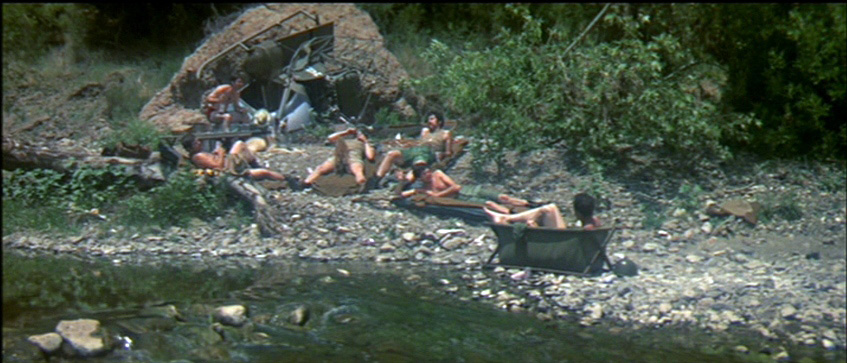
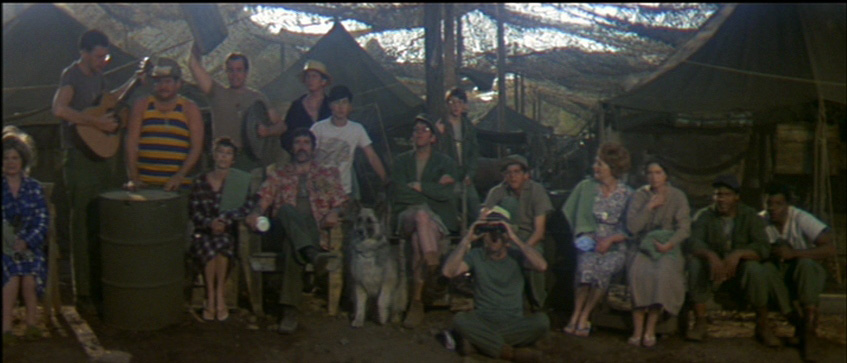
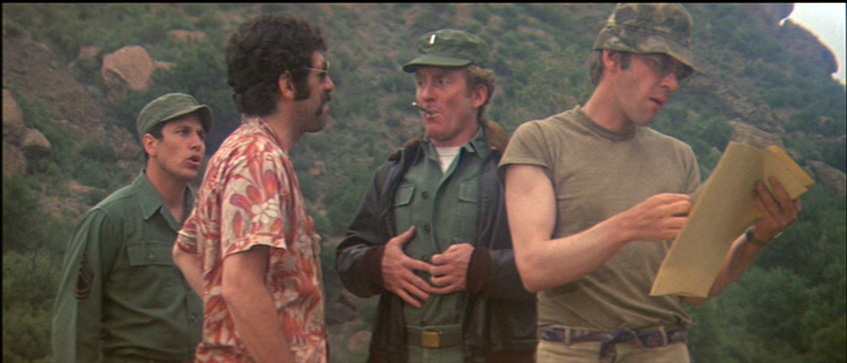
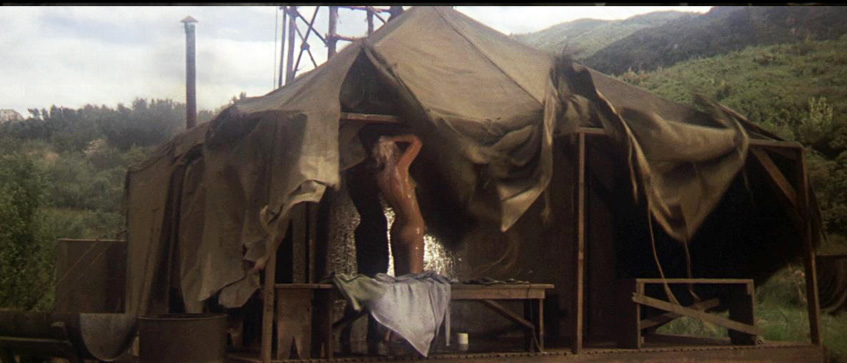
Altman’s direction is characterized by overlapping dialogue, ensemble staging, and a semi-improvised, documentary-style realism that deviates from Hollywood conventions. The film’s tone shifts between comedy and tragedy, reflecting the psychological tension experienced on the front lines.
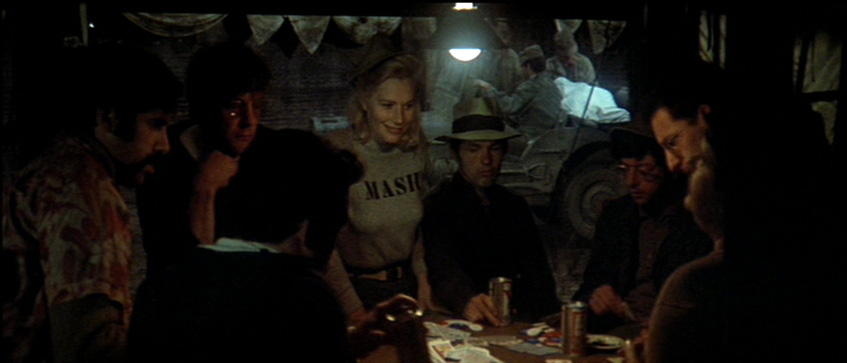
The score, composed by Johnny Mandel, features the hauntingly ironic theme song “Suicide Is Painless,” with lyrics written by Altman’s teenage son, Michael. This song encapsulates the film’s central tension between despair and dark humor.
“M.A.S.H” does not provide a traditional resolution; instead, it emphasizes the ongoing nature of war and the resilience of the survivors, who cope through humor and irreverence. The film concludes with a tongue-in-cheek announcement that presents the main cast as if the events were simply part of a television episode, thereby blurring the lines between realism and satire.
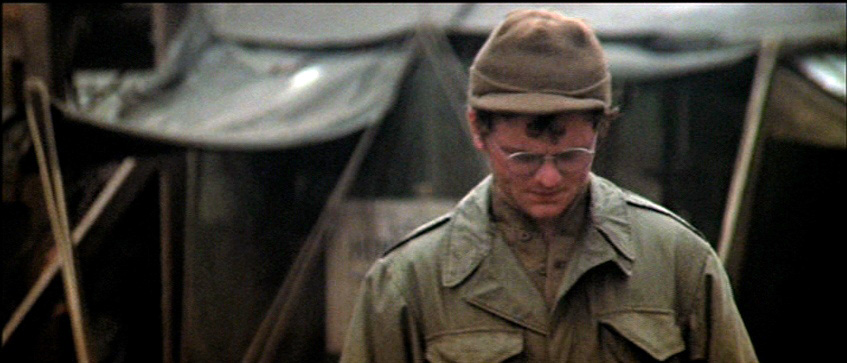
The film’s success led to the creation of the long-running television series “M.A.S.H” (1972–1983), though the show’s tone shifted toward a more reflective humanism. Despite this, Altman’s original film remains one of the defining works of antiwar cinema—irreverent, chaotic, and profoundly human.