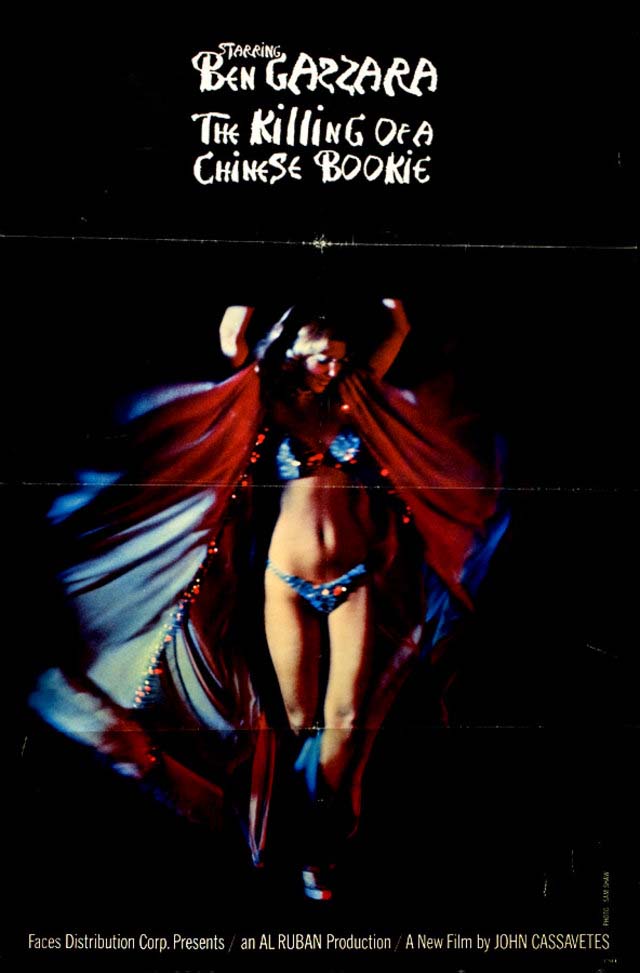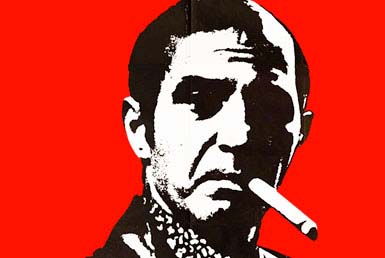
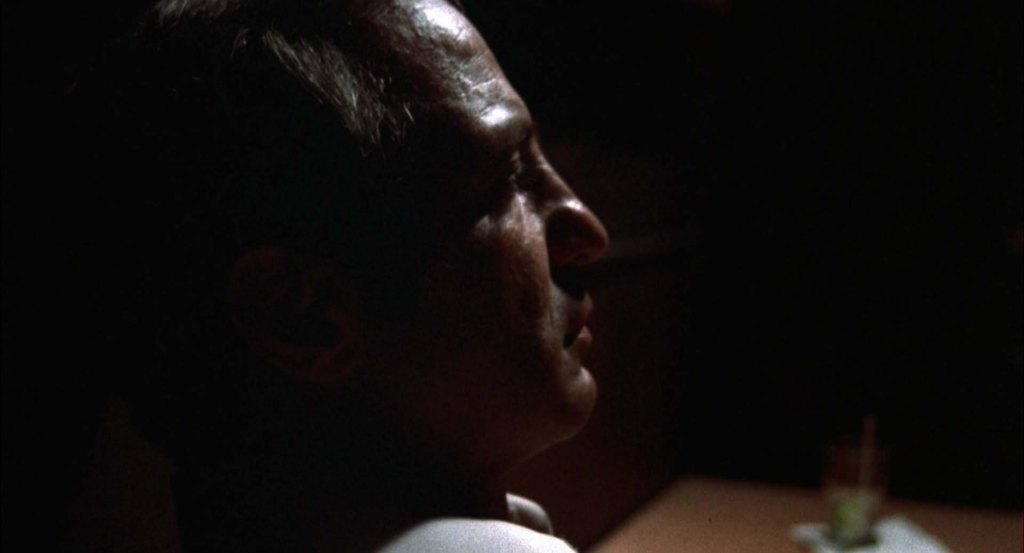
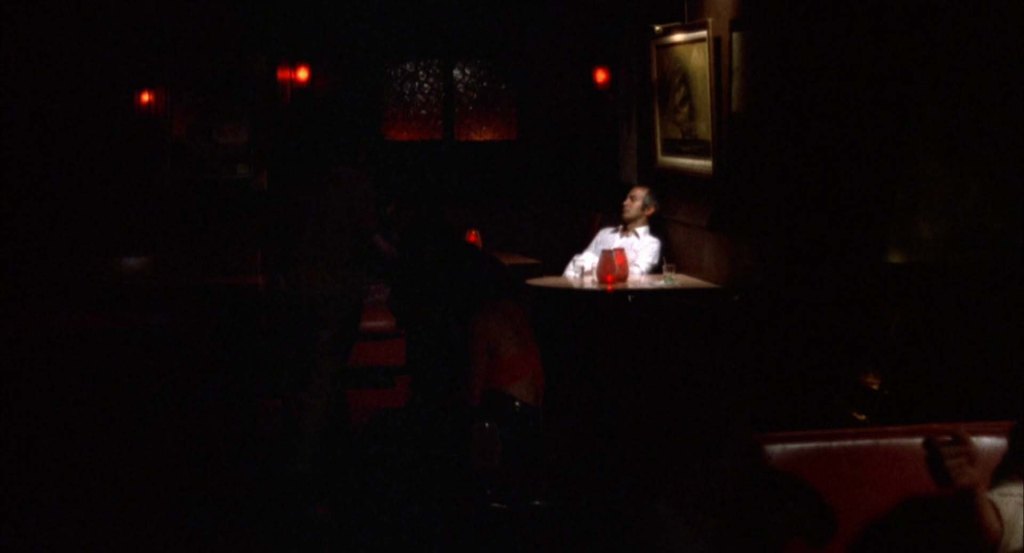
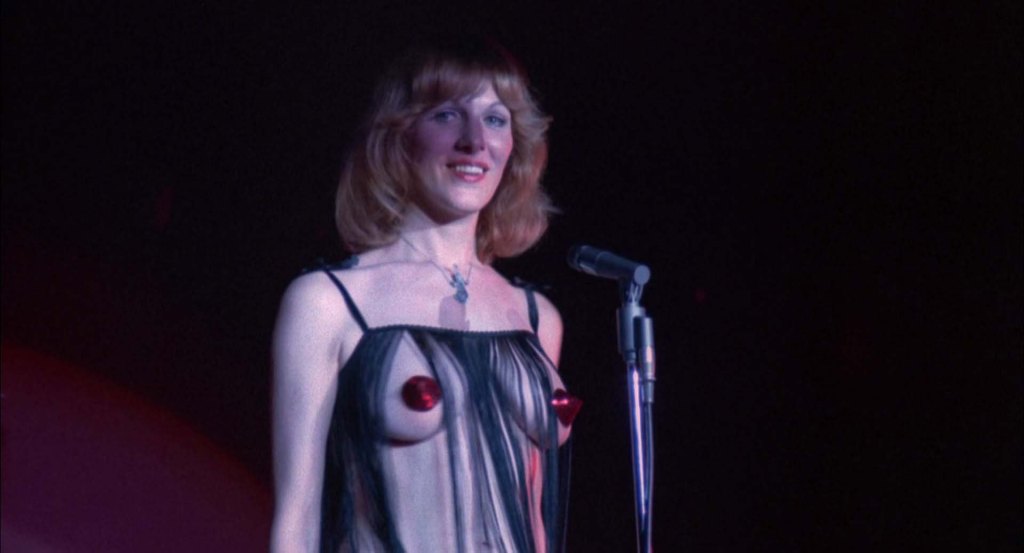
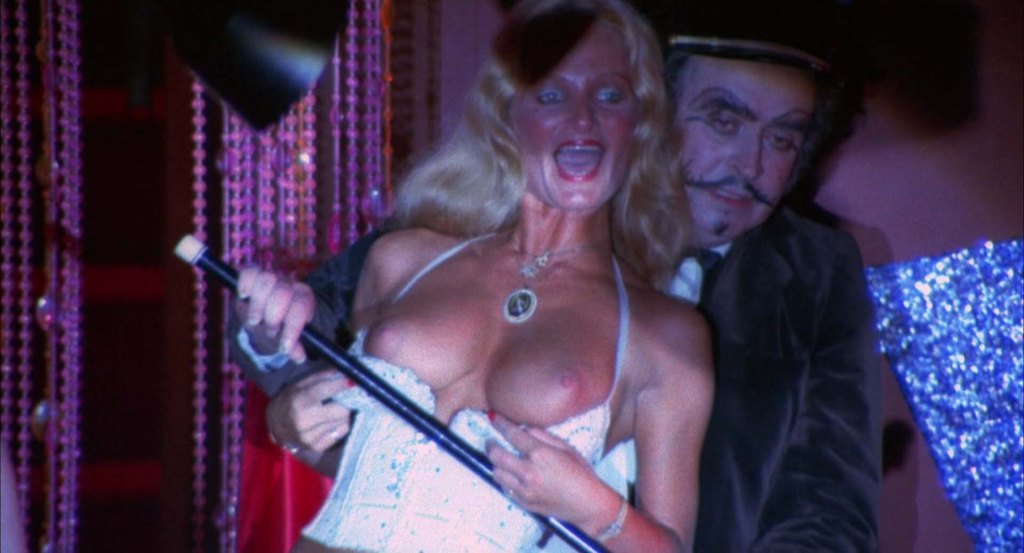
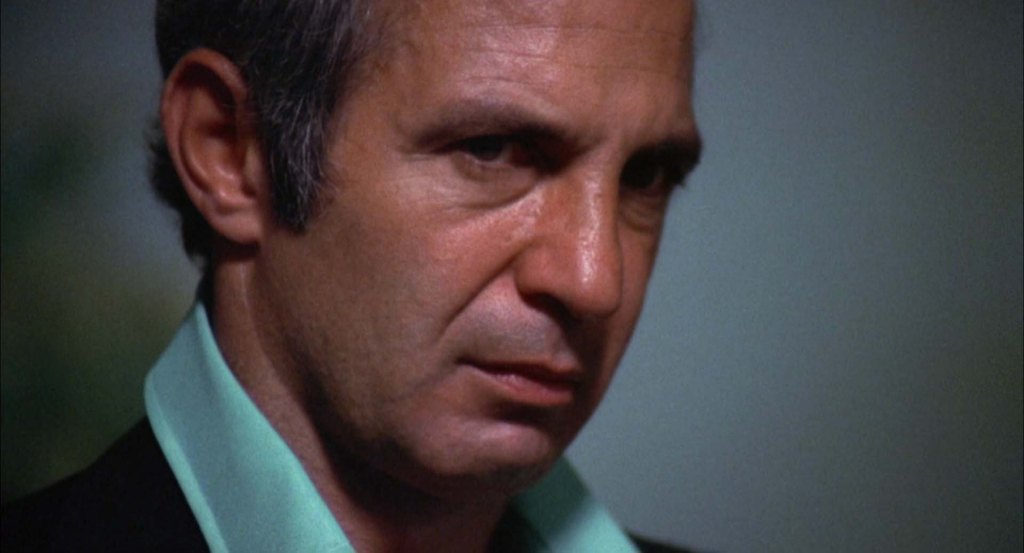
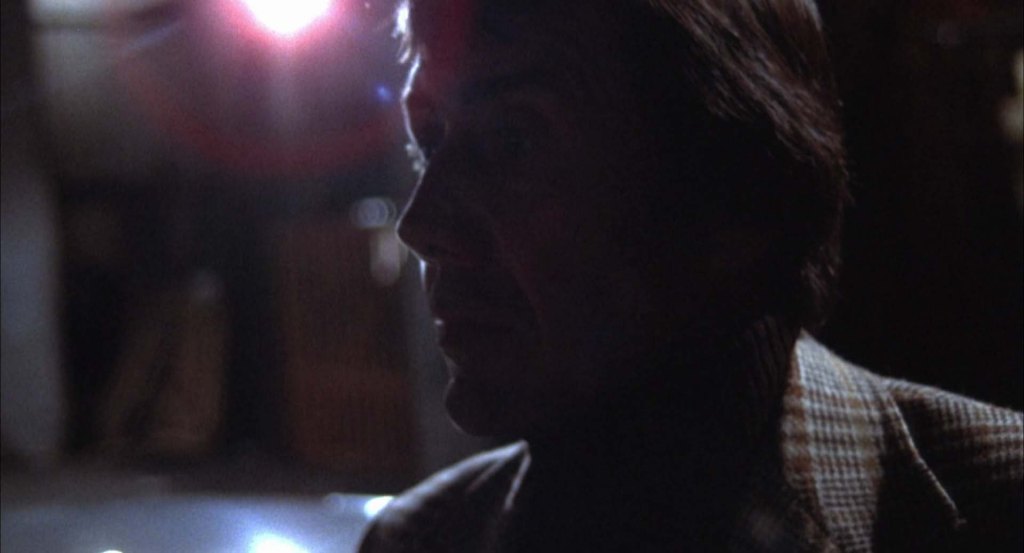
“The Killing of a Chinese Bookie” is a 1976 character-driven neo-noir film directed by John Cassavetes, who is known for his focus on improvisational realism and deep psychological themes. The story follows Cosmo Vitelli (played by Ben Gazzara), the suave yet weary owner of the “Crazy Horse West,” a small, seedy strip club in Los Angeles. Beneath the neon lights and burlesque performances, Cassavetes portrays a man consumed by pride, loneliness, and an almost delusional sense of self-control—until his world begins to fall apart.
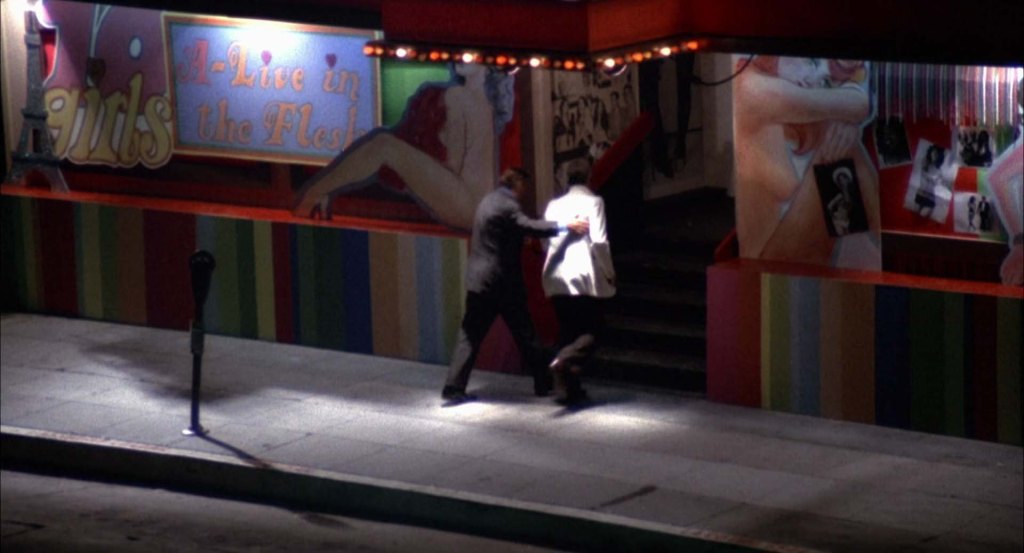
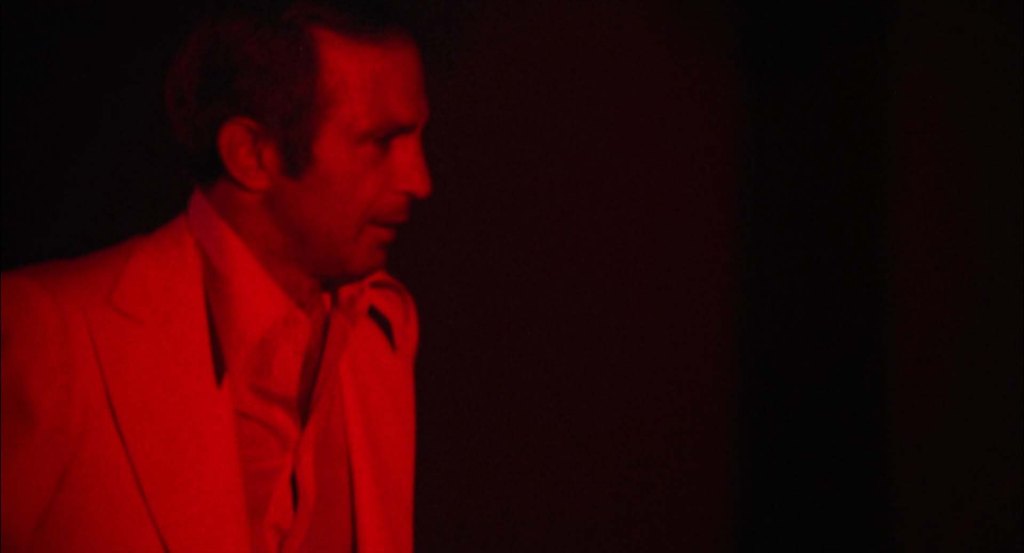
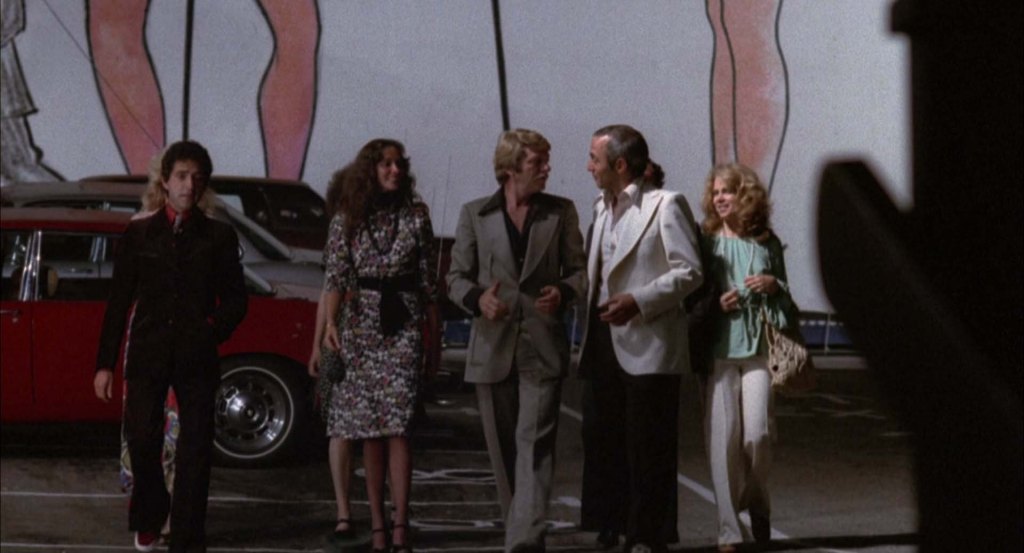
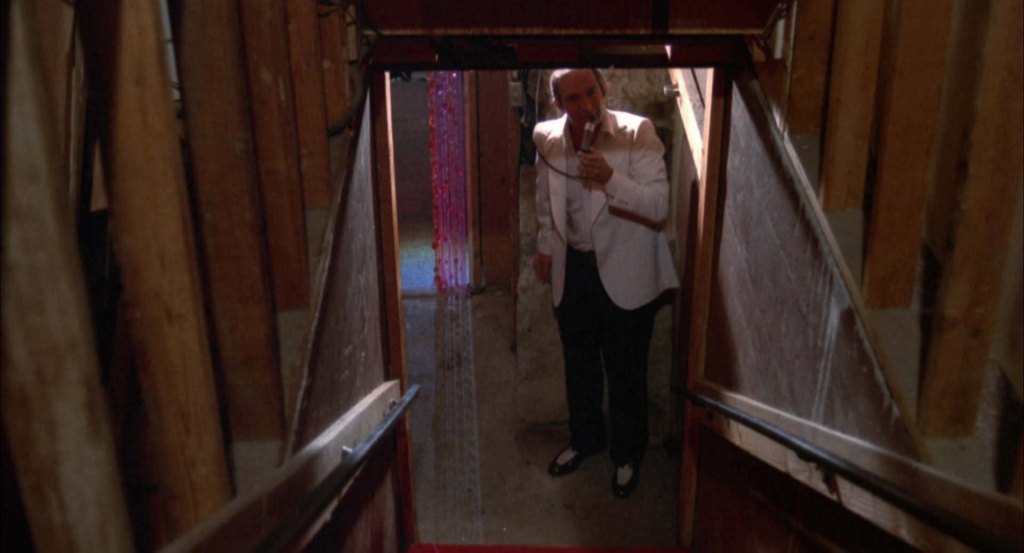
Cosmo is a proud showman who manages his club with a blend of artistic ambition and low-rent sleaze. His performers, including his loyal master of ceremonies, Mr. Sophistication (Meade Roberts), present kitschy cabaret numbers to a small audience of regulars. Cosmo views the club as more than just a business; it is his creation and his art. Despite its tawdriness, he takes great pride in crafting an illusion of class and control.
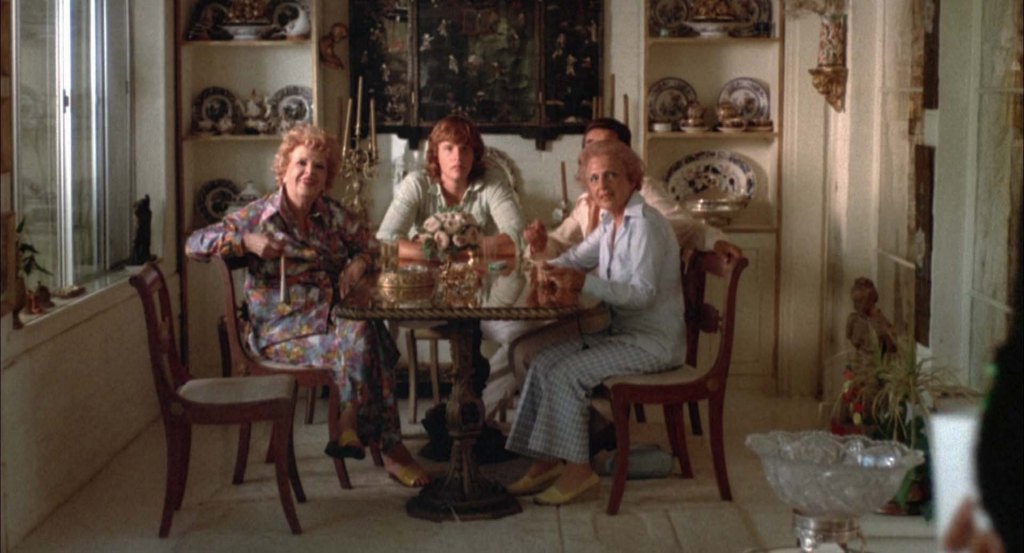
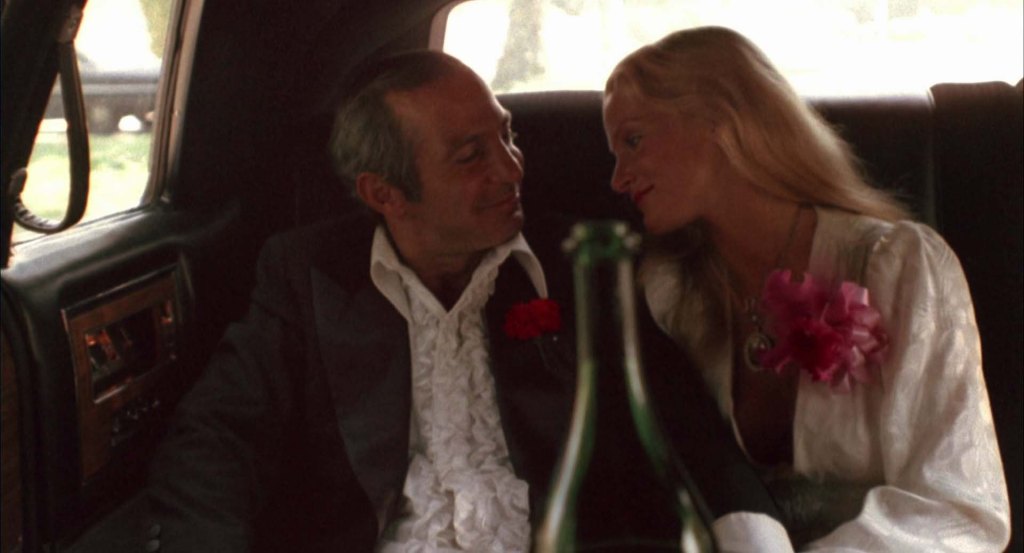
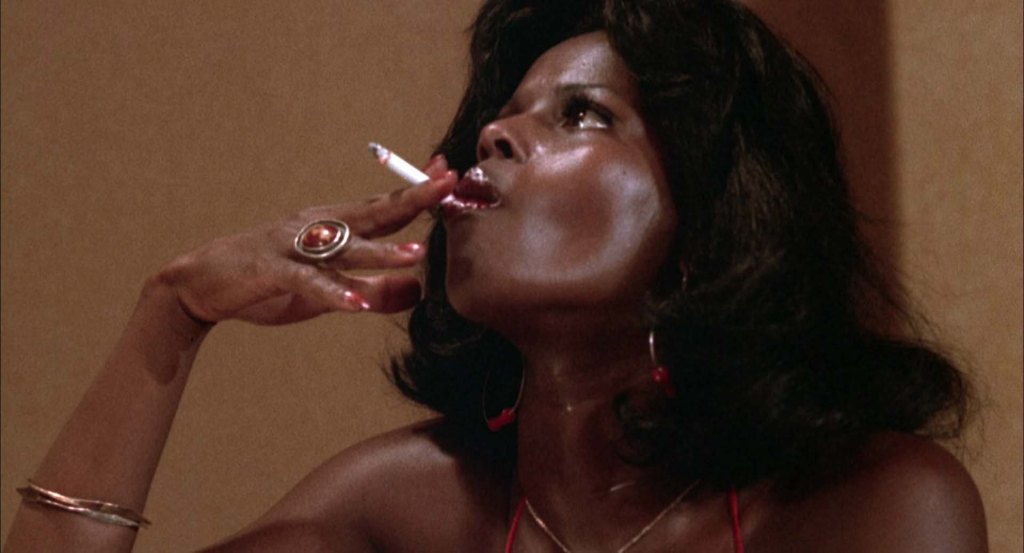
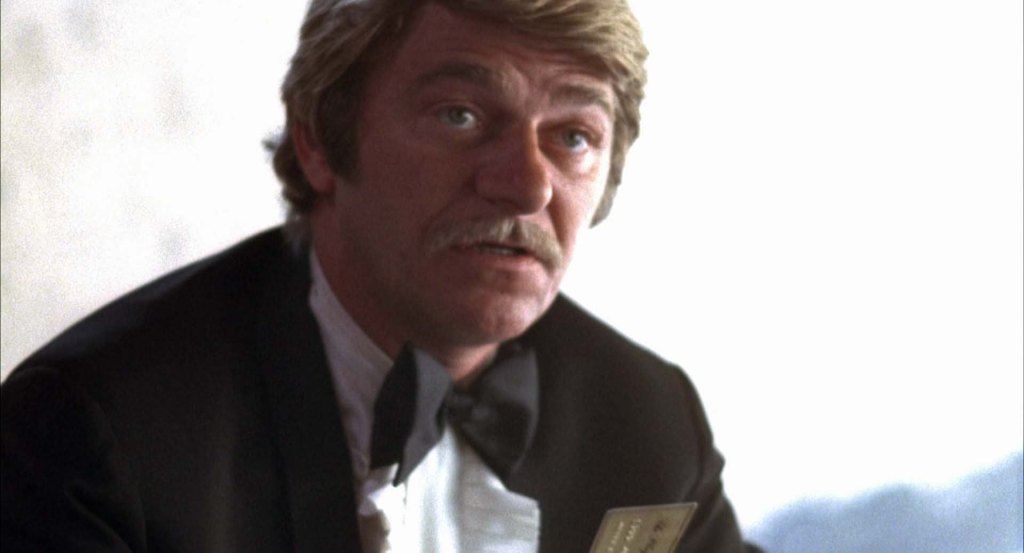
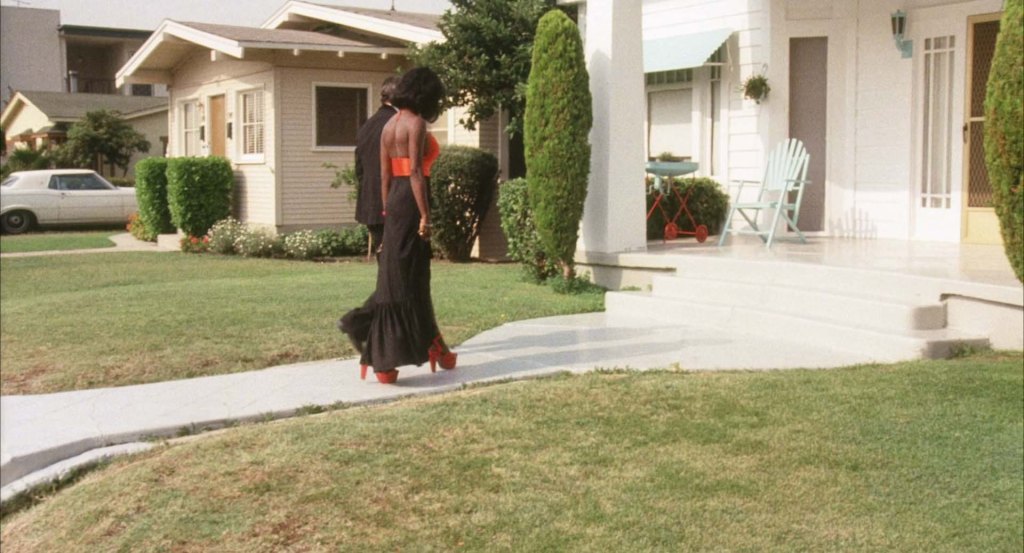
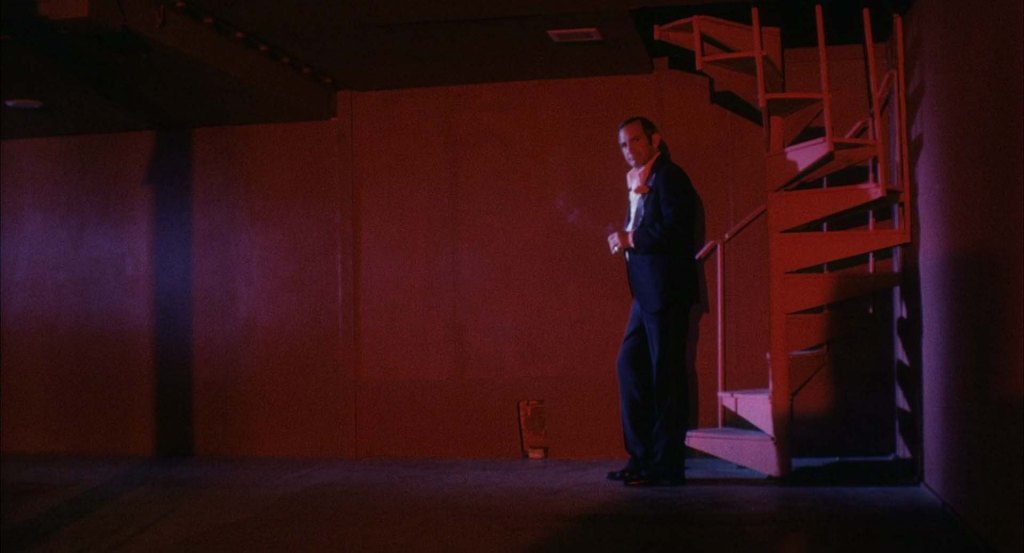
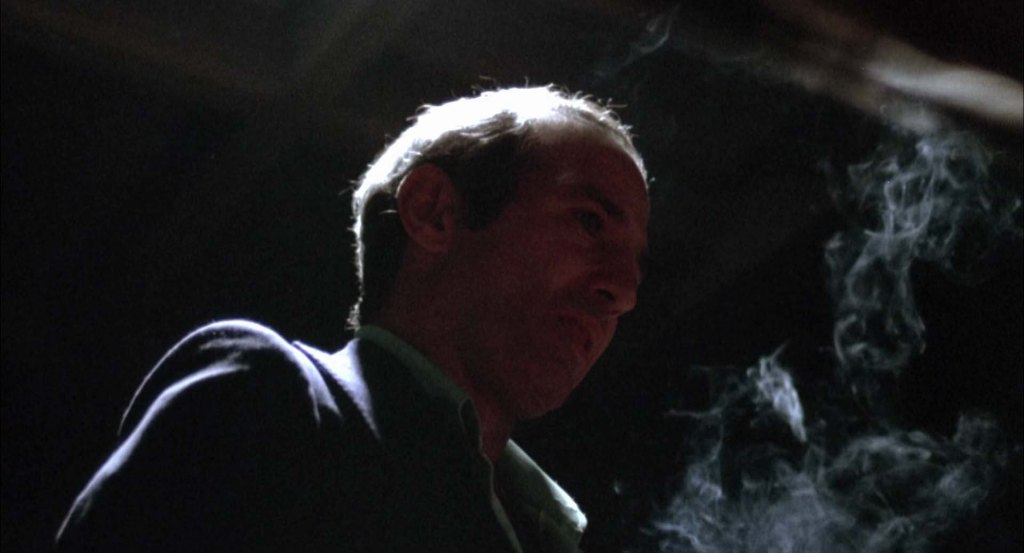
Cosmo has a weakness: gambling. After finally paying off a seven-year debt, he celebrates his newfound freedom by taking his dancers out and indulging in a round of high-stakes poker. However, his recklessness soon catches up with him, and by the end of the night, he finds himself owing $23,000 to a group of mobsters led by Mort Weil (Seymour Cassel) and Flo (Timothy Carey).
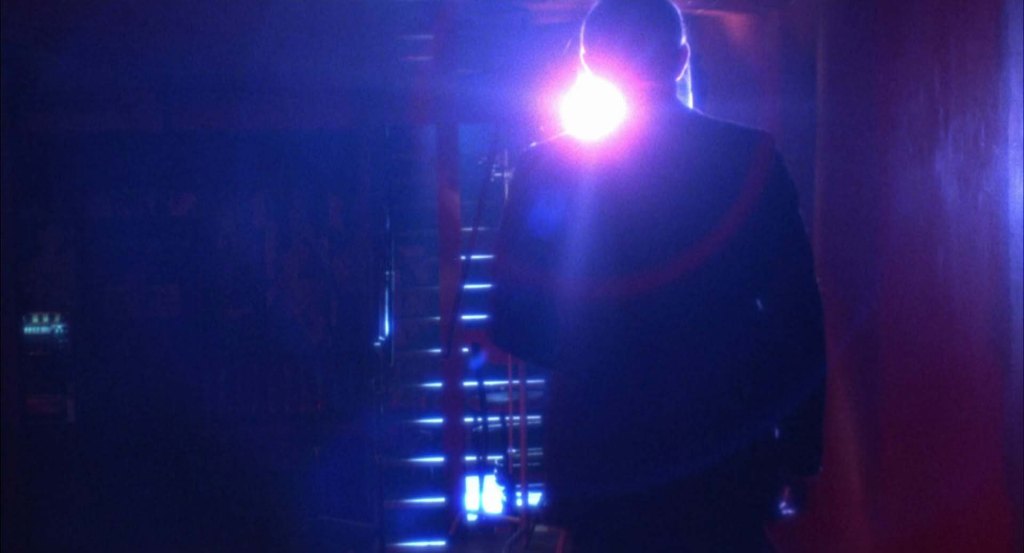
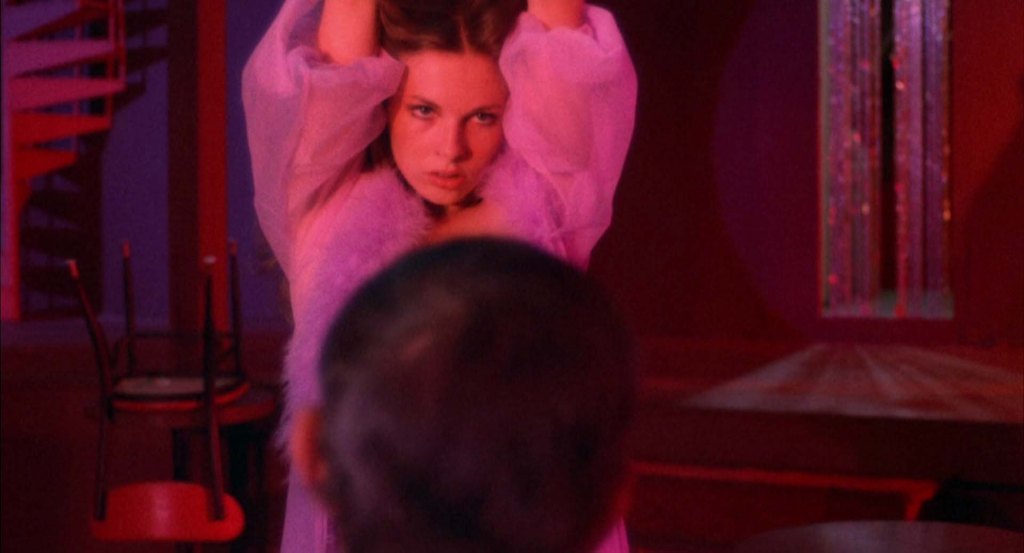
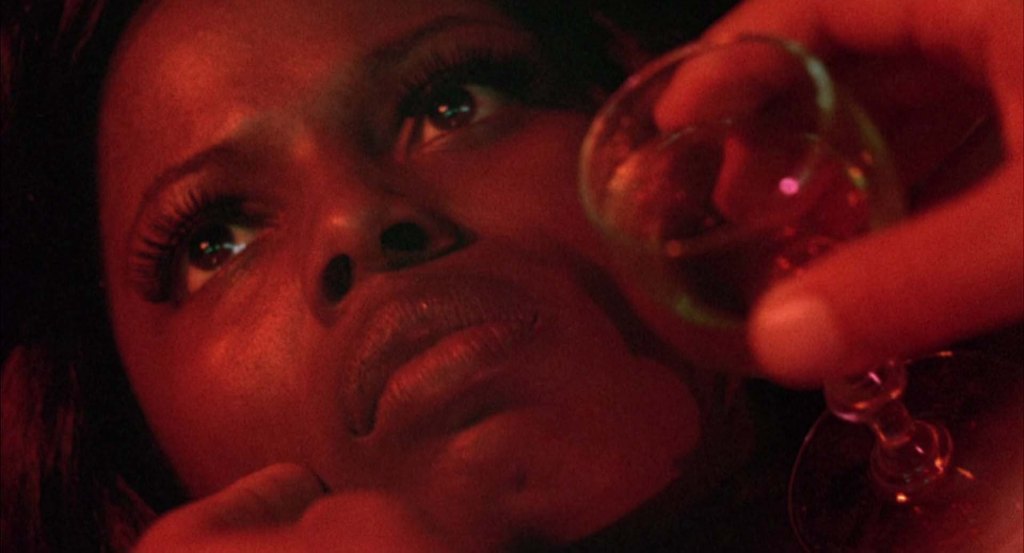
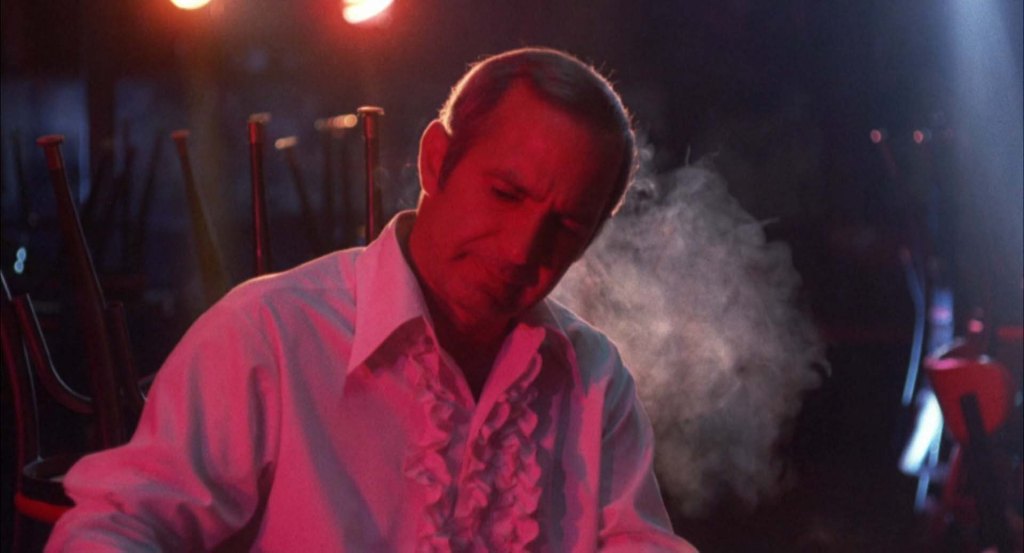
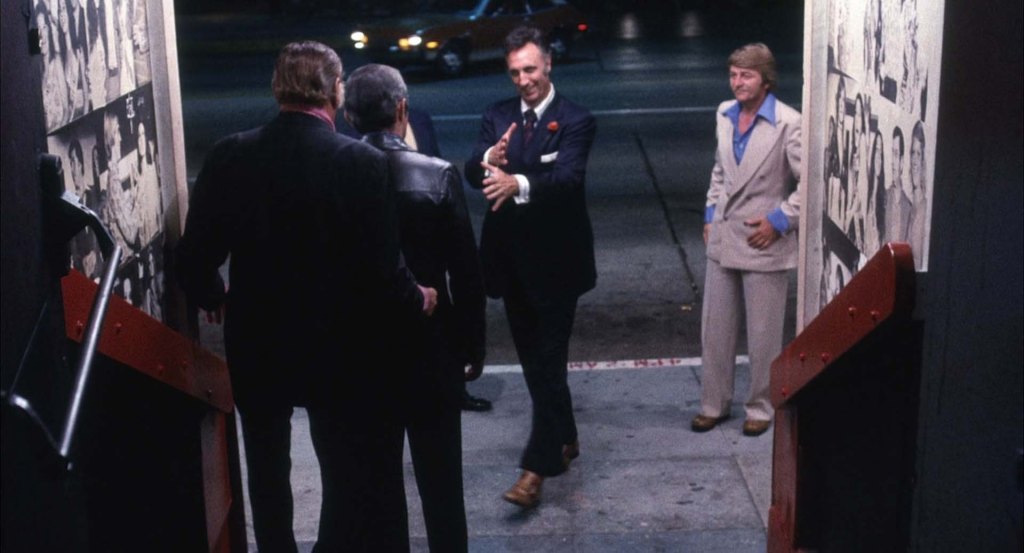
Unable to pay off the debt, Cosmo becomes trapped in a dangerous situation. The gangsters offer to erase his debt if he agrees to carry out a “simple job”: the assassination of a rival—referred to as a “Chinese bookie.” Proud yet desperate, Cosmo accepts the offer, convincing himself that he can handle the situation like a professional, even as he sinks deeper into criminal chaos.
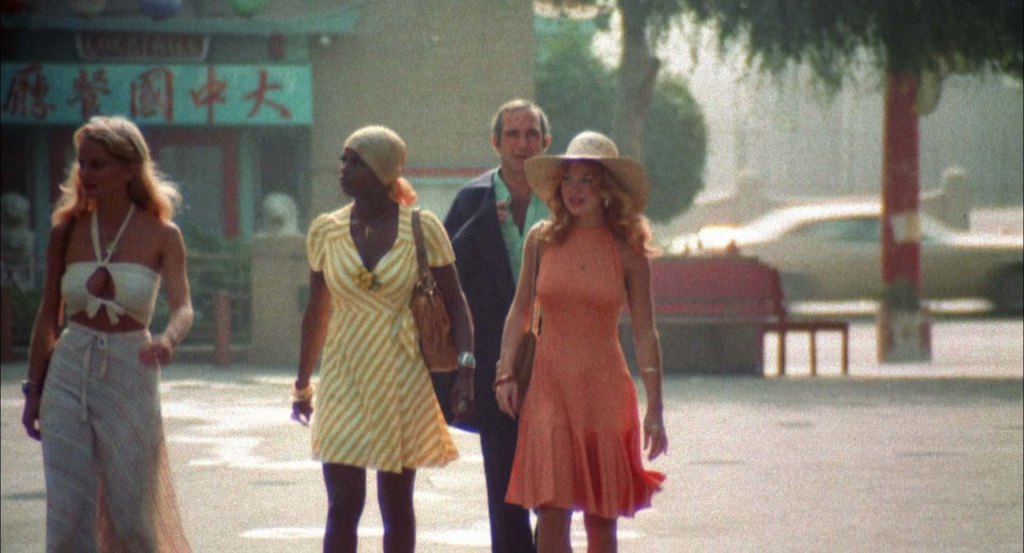
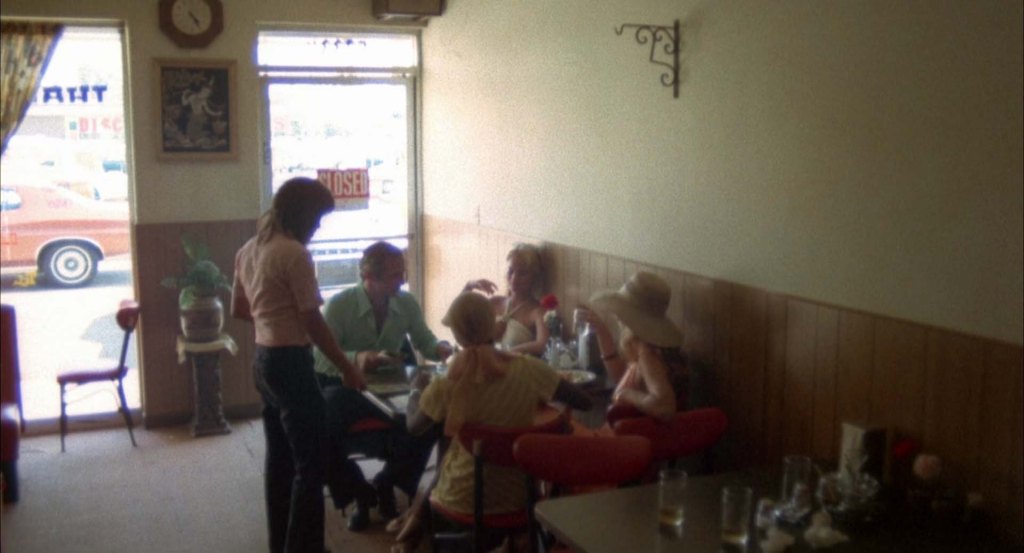
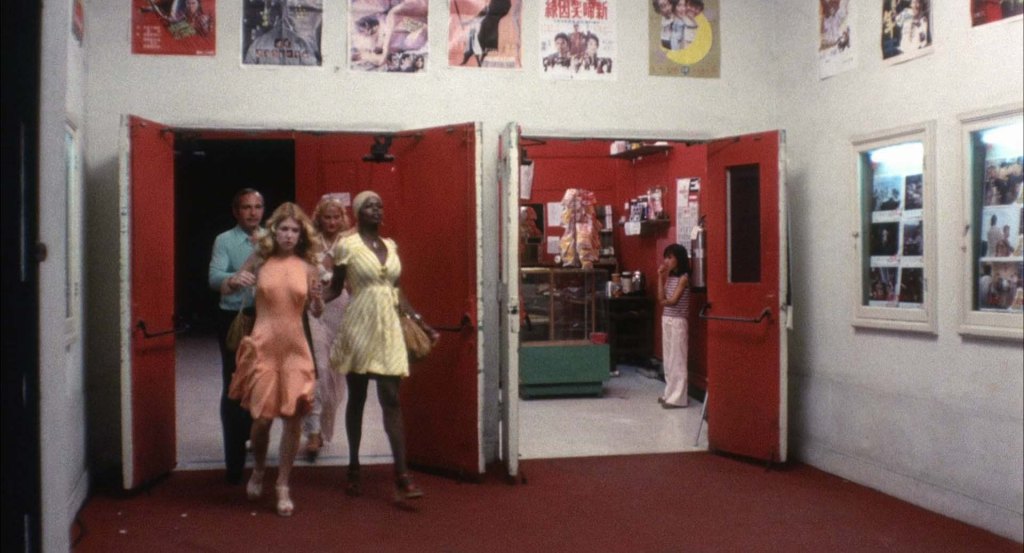
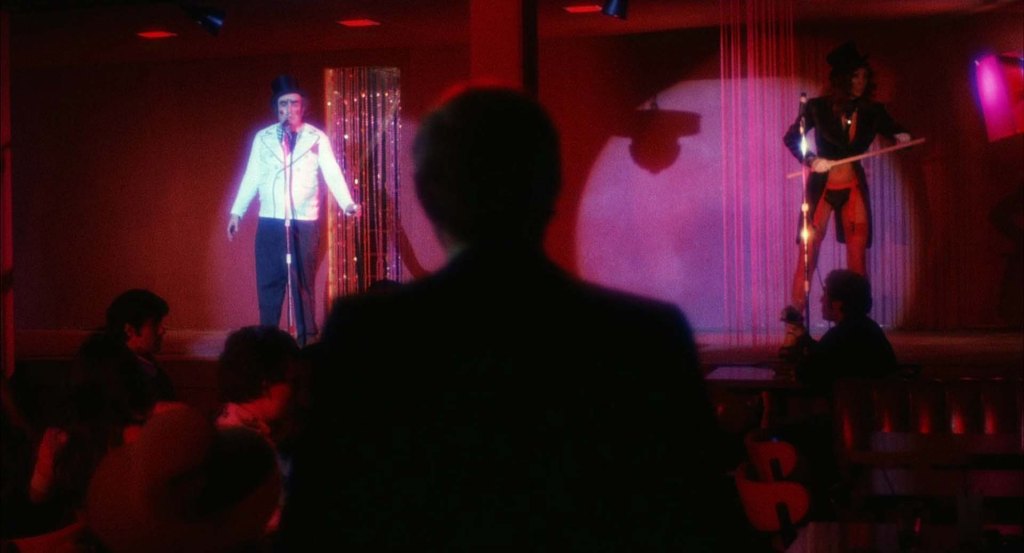
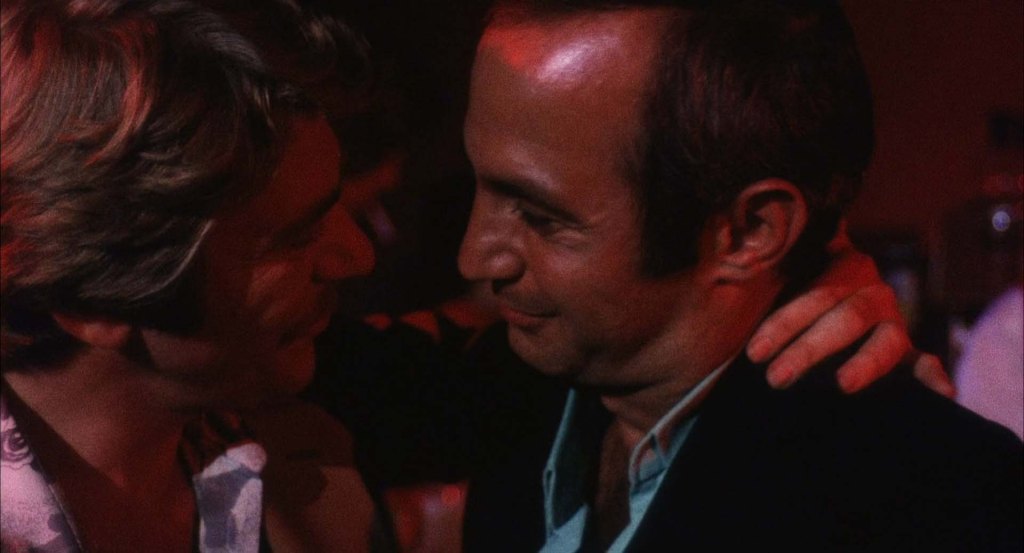
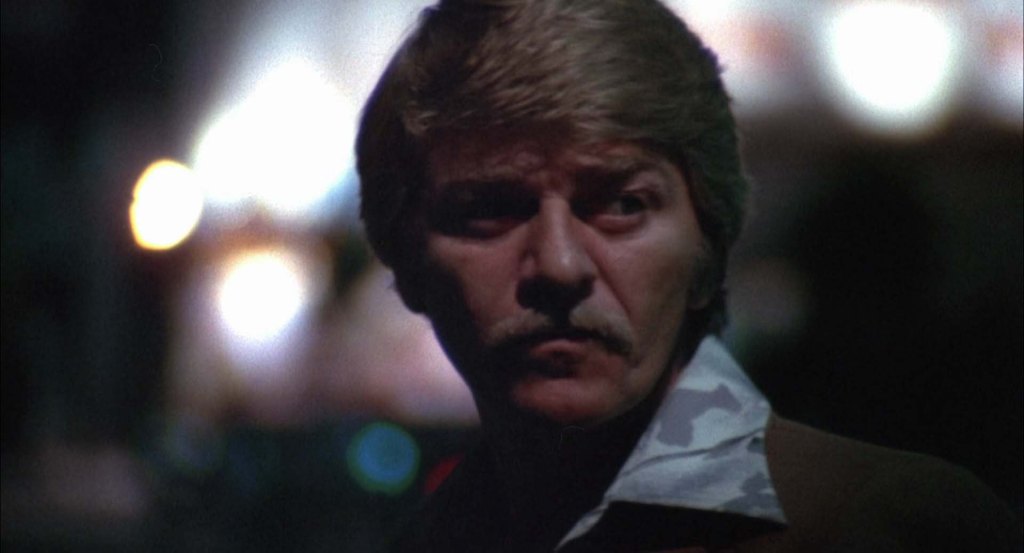
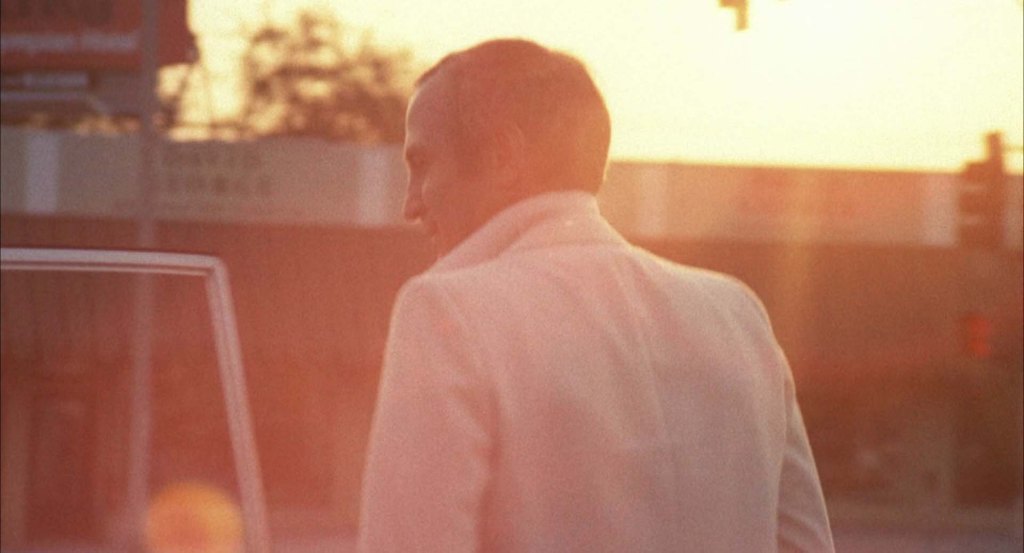
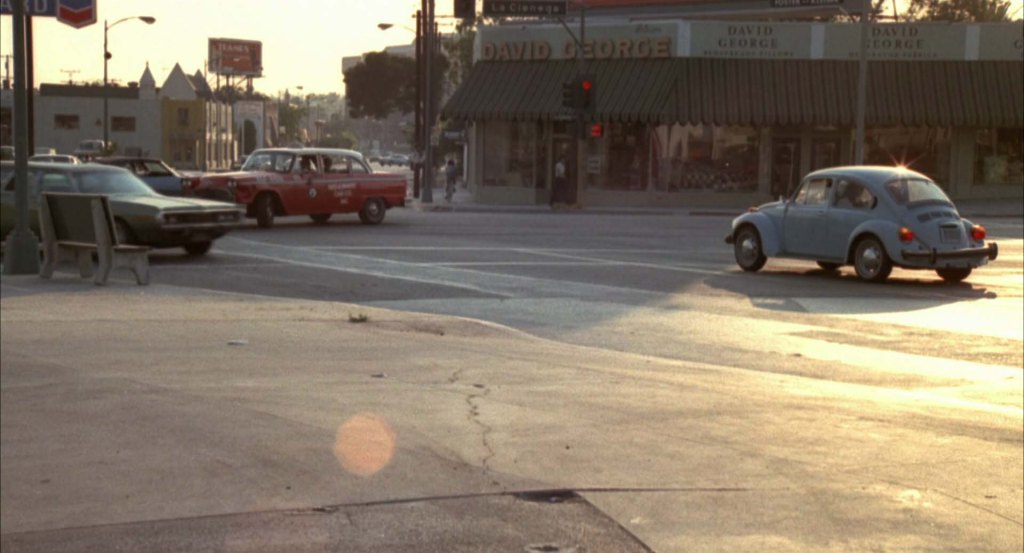
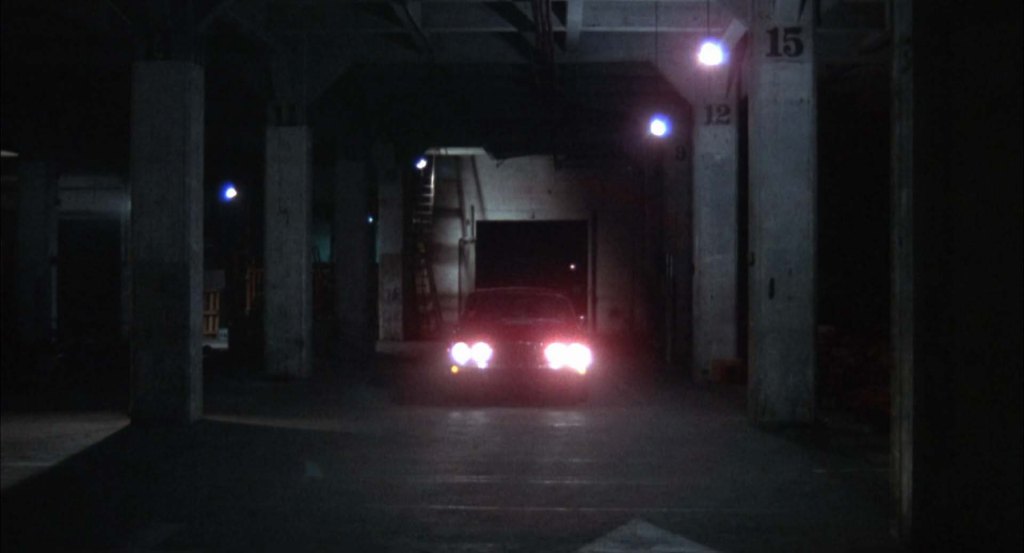
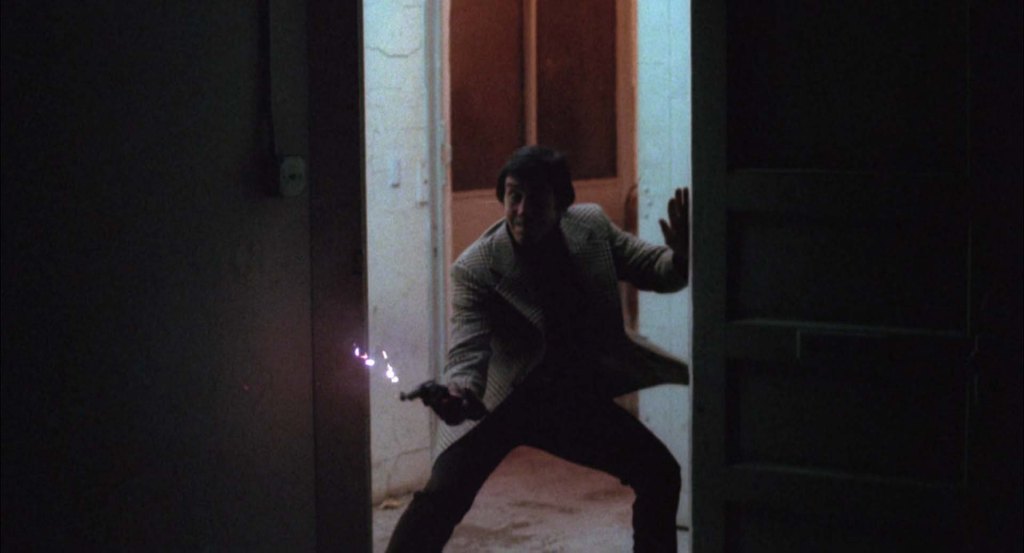
The killing is characterized by the awkward, raw tension typical of Cassavetes’ work. Cosmo is not a hardened hitman; he is nervous, clumsy, and very much human. The job spirals out of control, culminating in a violent and disorienting shootout. Although he successfully completes the assassination, Cosmo is wounded in the process. As he staggers back to his club, bleeding and disoriented, he is forced to confront the emptiness of his self-image and the fragile façade of control he has maintained.
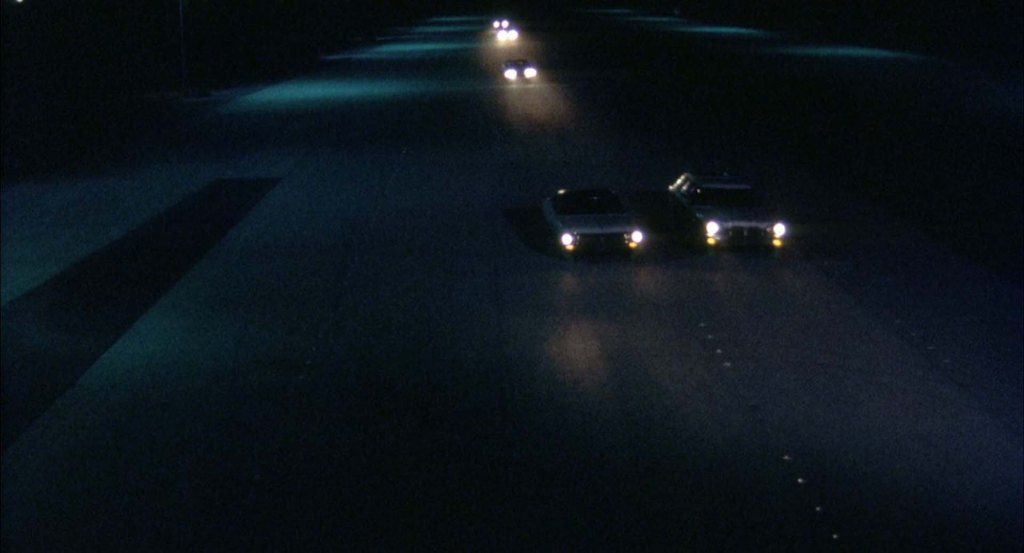
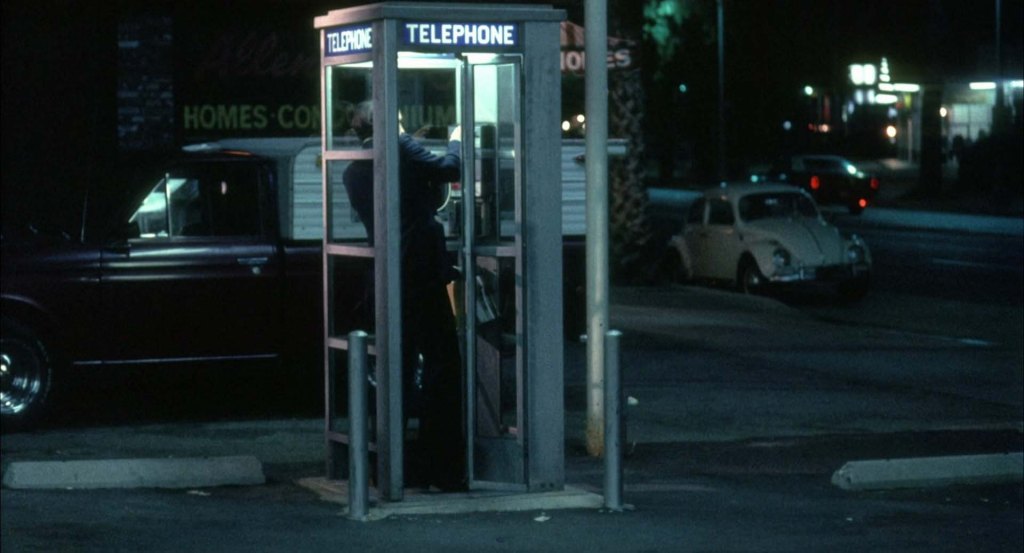
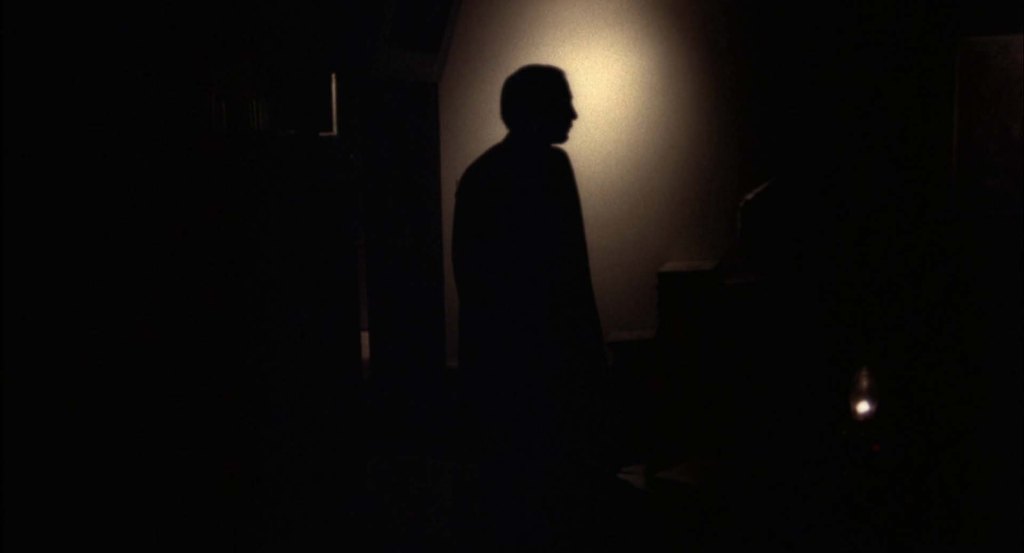
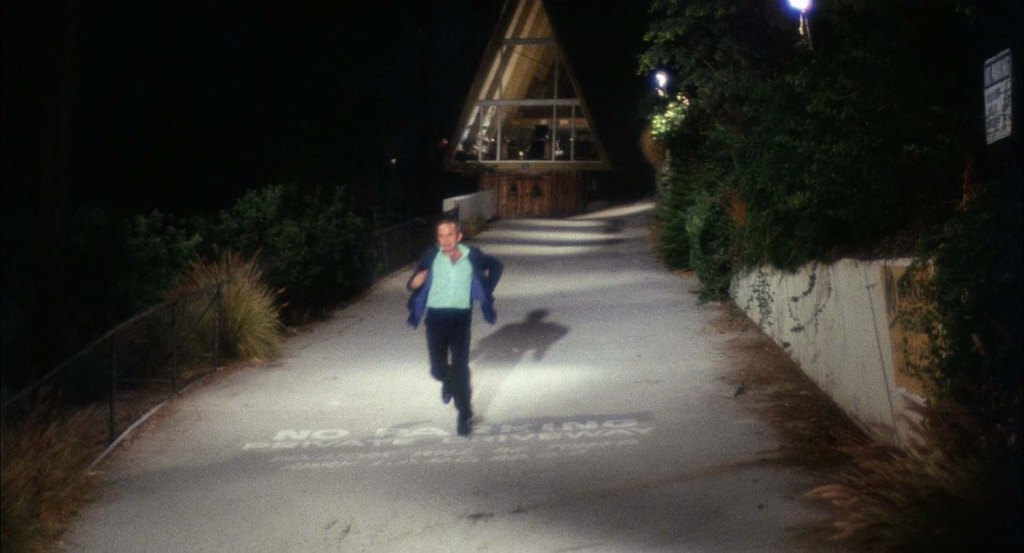
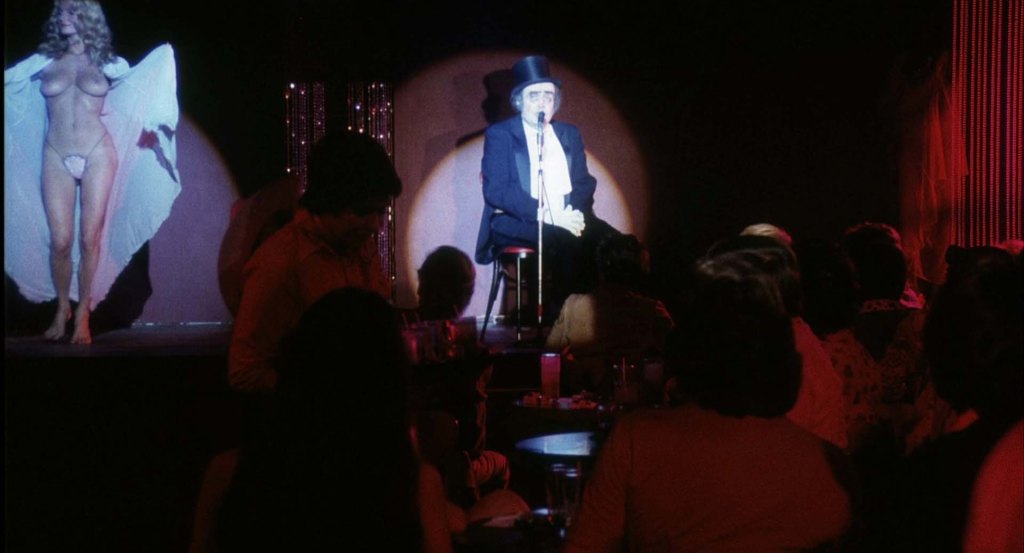
At the Crazy Horse, Cosmo forces himself to return to his role as the charming host, engaging with his dancers and audience as if nothing had happened. His stoic endurance and dedication to performance—both in a literal and figurative sense—serve as tragic symbols of his yearning for validation and for maintaining an illusion. The show continues, even as his personal life crumbles.
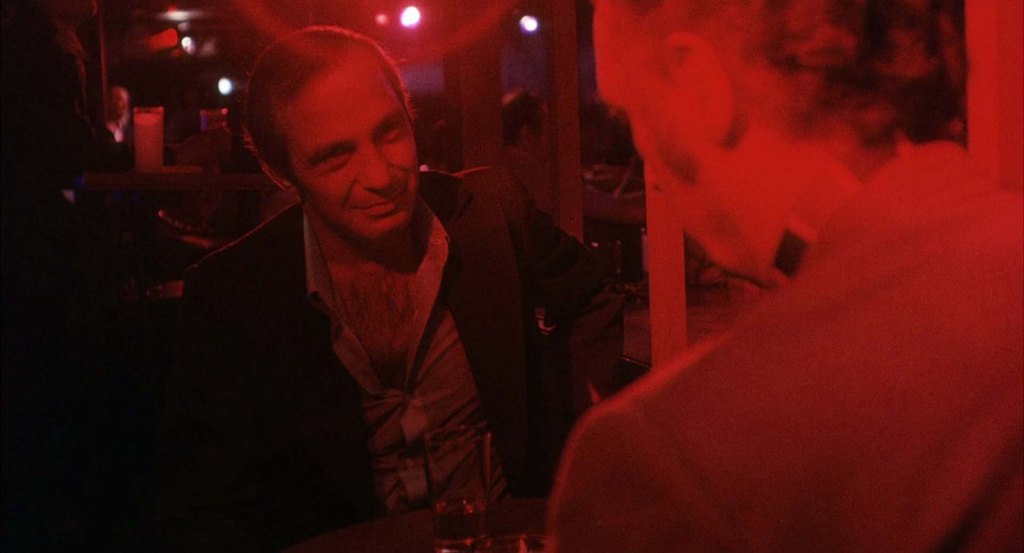
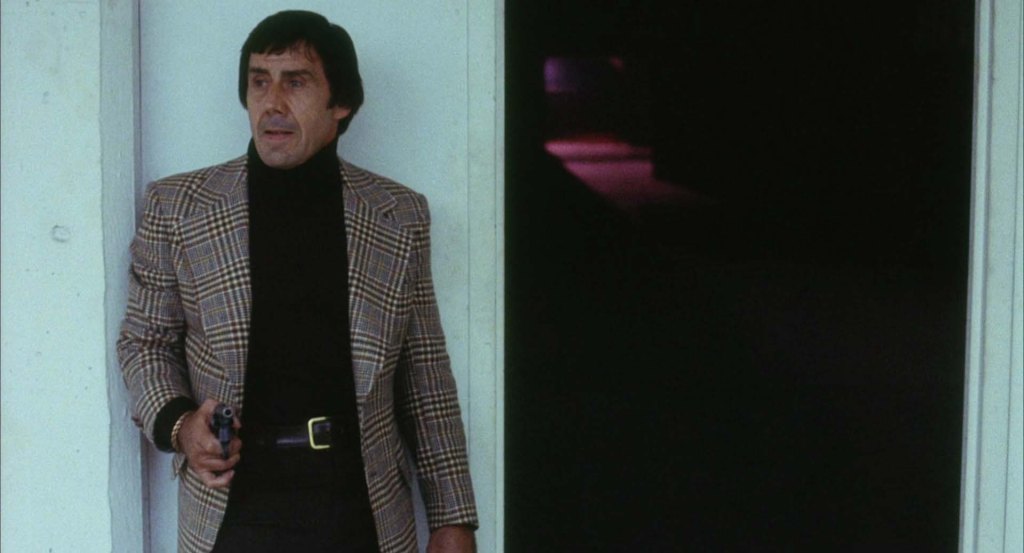
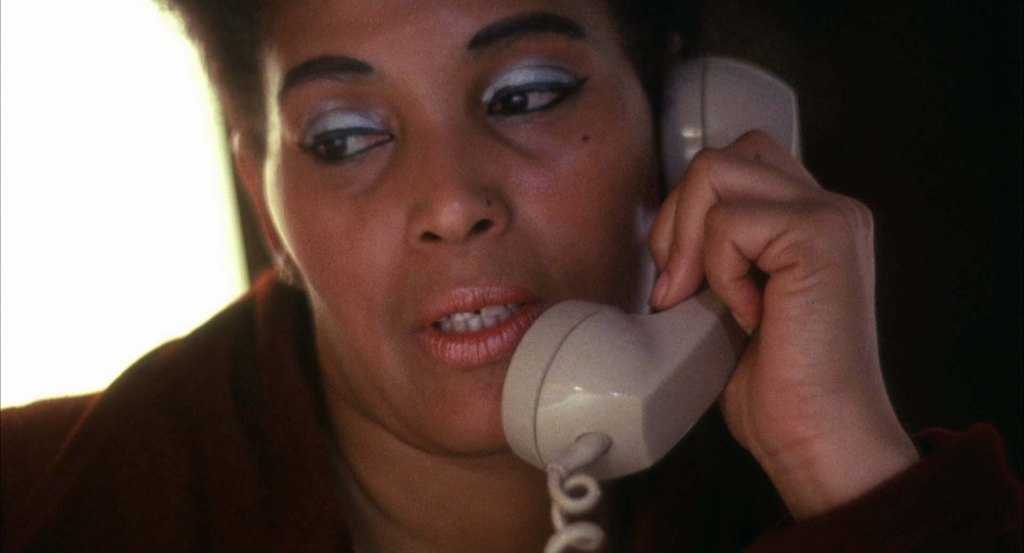
I’ve read that Cassavetes utilized the structure of a crime thriller as a loose framework, with the true focus being on character and psychology rather than the plot. The film emphasizes not the crime itself, but the man who commits it—his pride, insecurities, and fragile sense of identity.
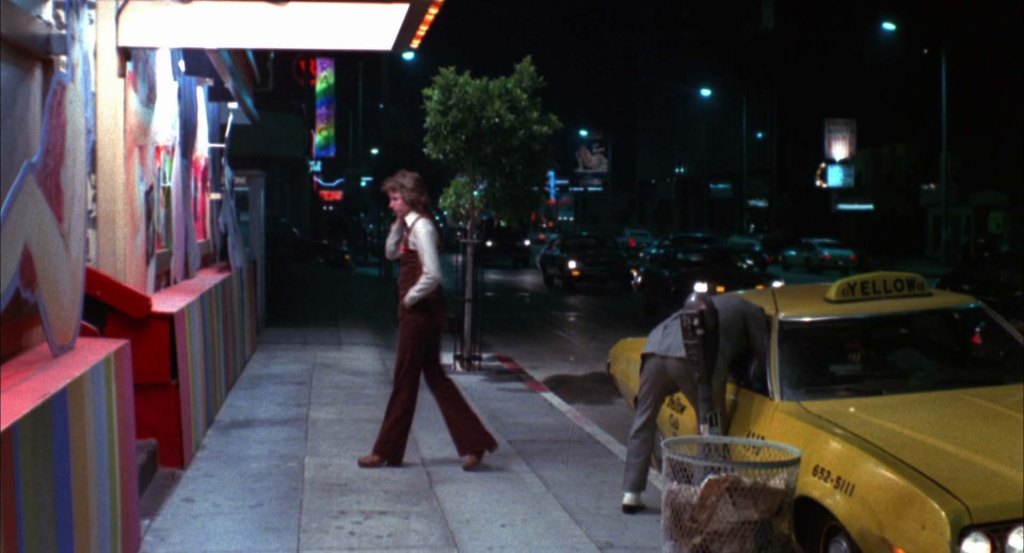
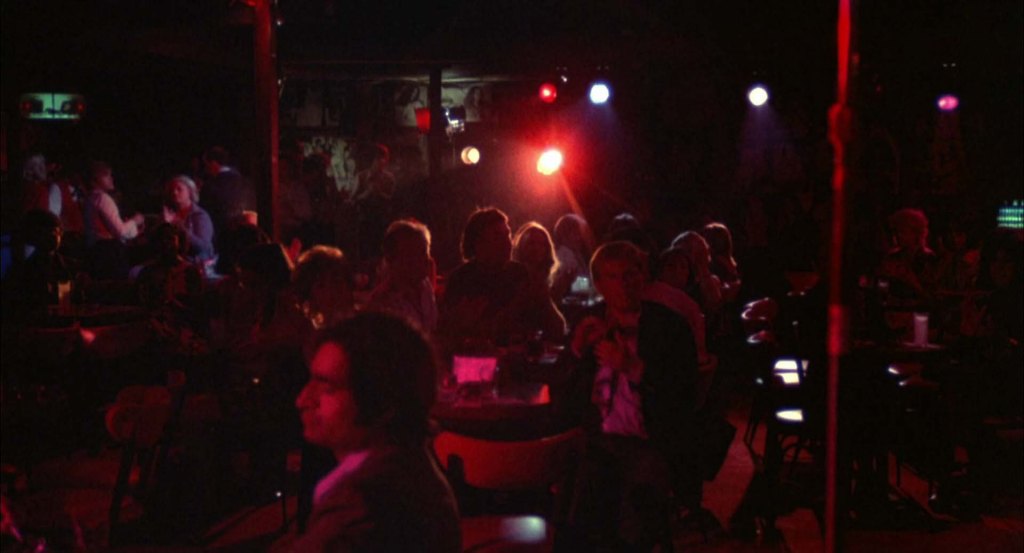
There are two versions of “The Killing of a Chinese Bookie.” The original 1976 cut runs for 135 minutes and emphasizes atmosphere, digression, and character psychology. In 1978, Cassavetes released a shorter version that runs 108 minutes, streamlining the narrative and making the film more accessible. However, many critics and fans consider both cuts equally valuable for their distinct tones—the first more existential and the second more noir-like.
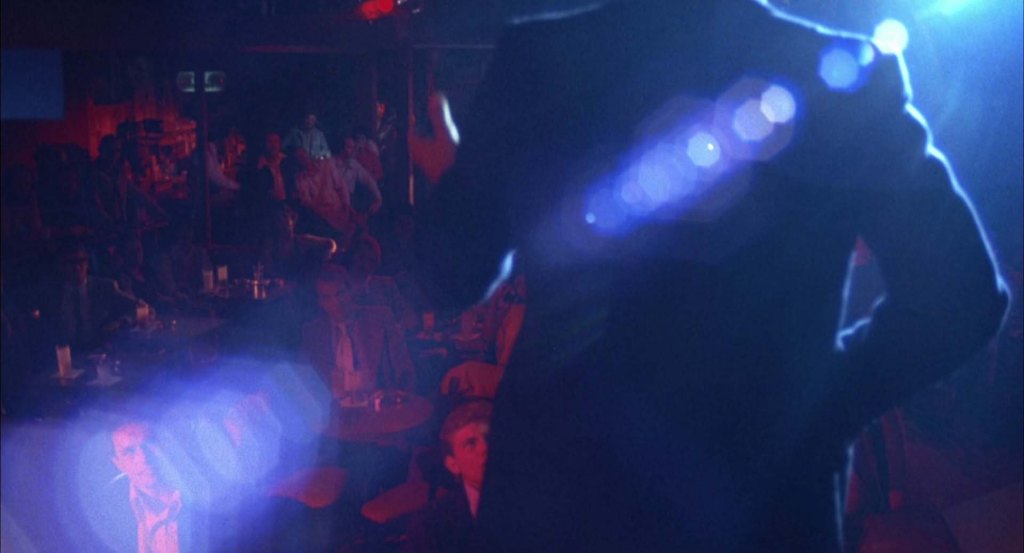
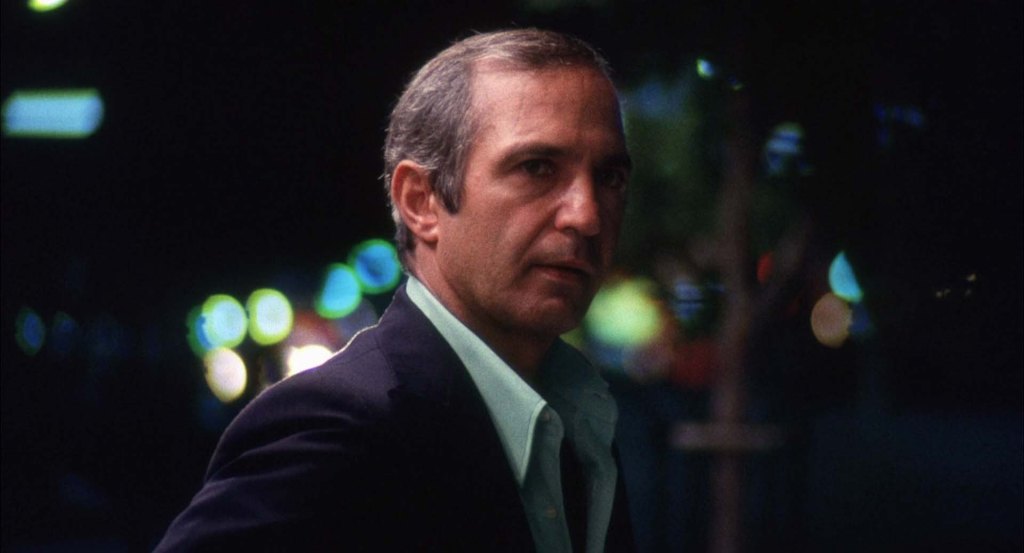
Ultimately, “The Killing of a Chinese Bookie” is a film about performance—both in the strip club and in the theater of life—where authenticity and illusion are constantly intertwined.