
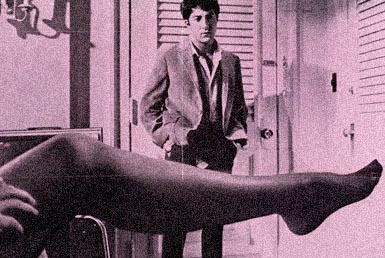
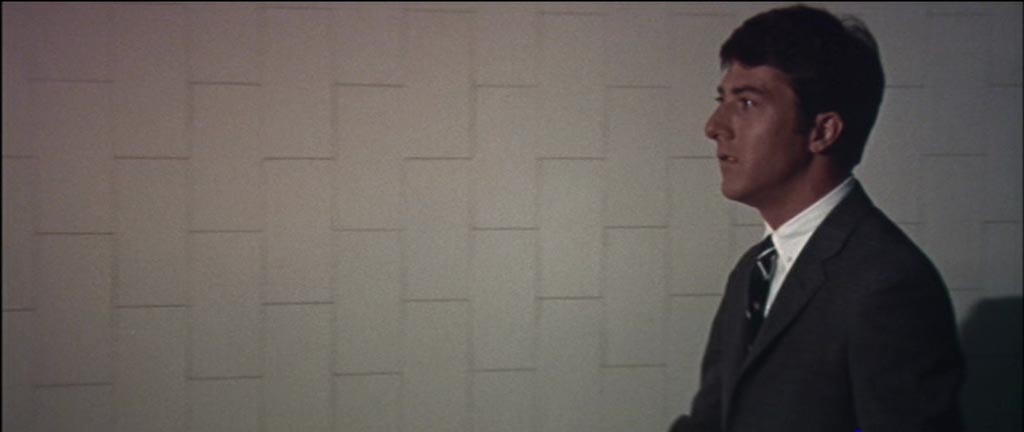
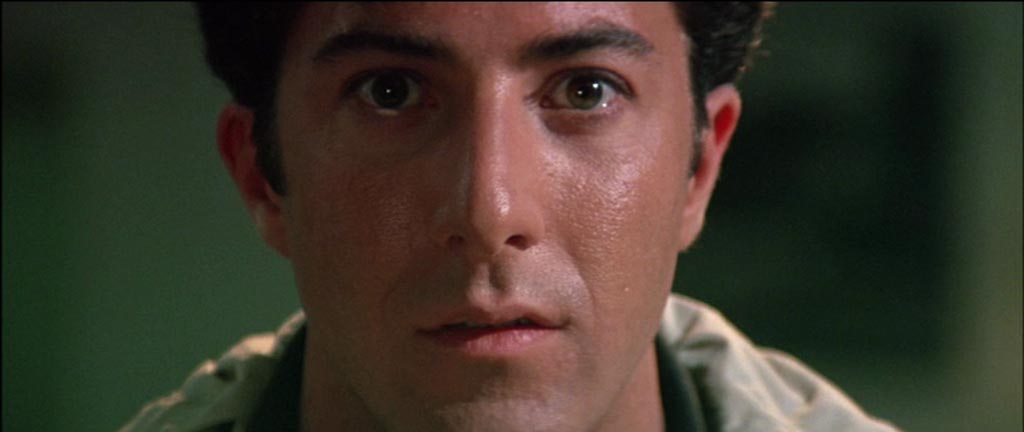
“The Graduate” is a 1967 comedy-drama that vividly portrays the feelings of alienation, confusion, and quiet rebellion experienced by postwar American youth. Directed by Mike Nichols, the film follows Benjamin Braddock (Dustin Hoffman), a recent college graduate who becomes involved in a love affair with an older married woman, only to eventually fall in love with her daughter. With its blend of humor, melancholy, and sharp social commentary, the film became a symbol of the disillusionment of the counterculture movement of the 1960s.

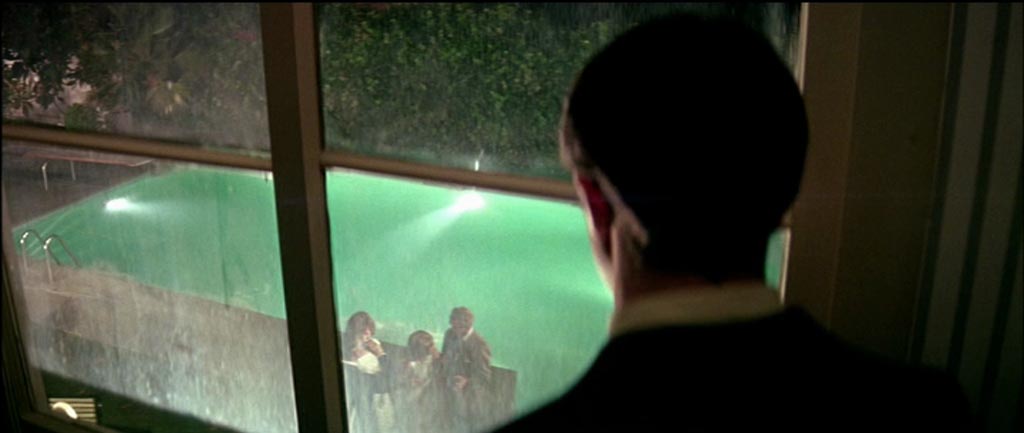

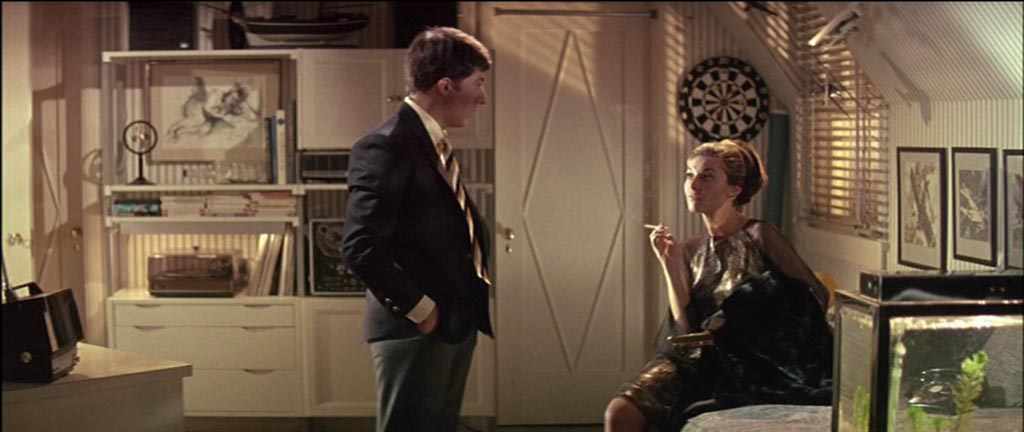
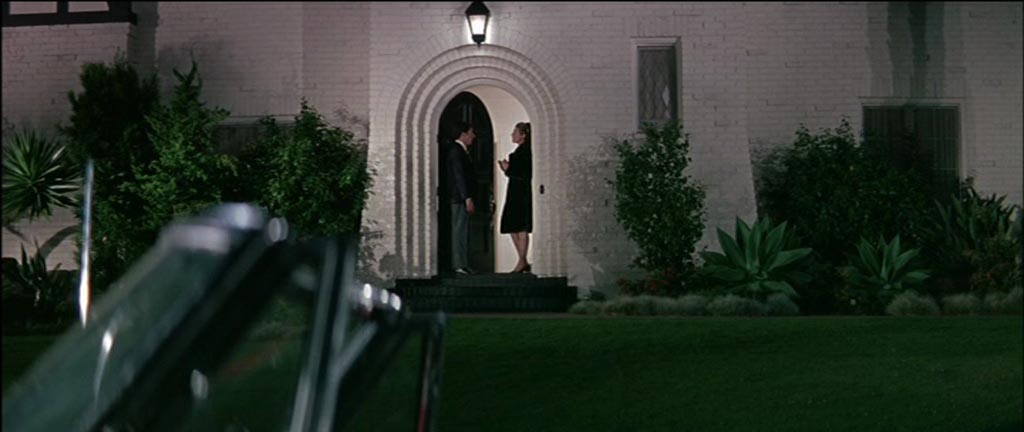

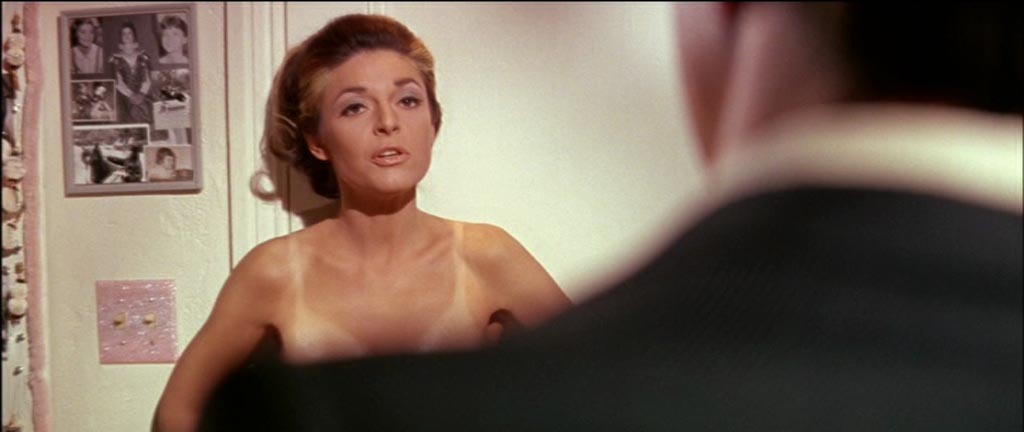
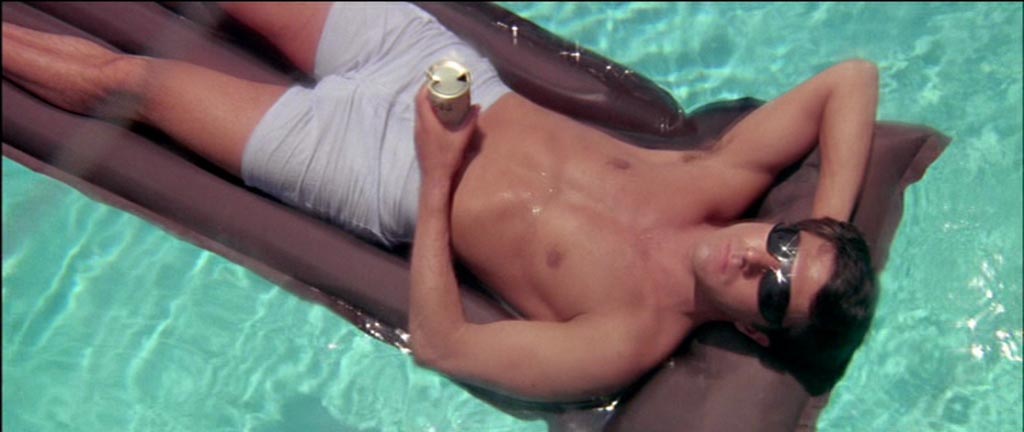
Benjamin Braddock has just graduated from college and returned home to his upper-middle-class life in Pasadena, California. Adrift and uncertain about his future, Benjamin feels alienated from the well-meaning yet superficial world of his parents and their friends. At a cocktail party held in his honor, he is presented as a symbol of success—everyone expects him to have a bright, well-planned future. When one of his father’s friends famously advises him to consider a career in “Plastics,” it symbolizes the emptiness of the materialistic values surrounding him.


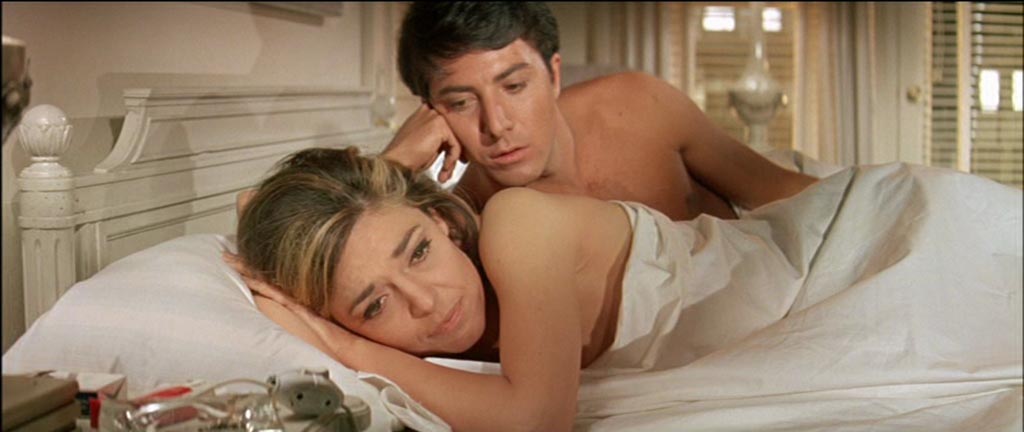
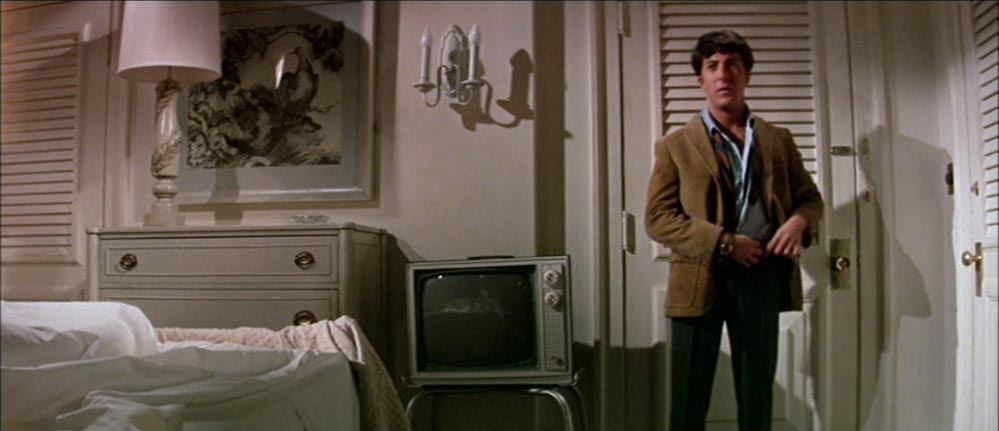
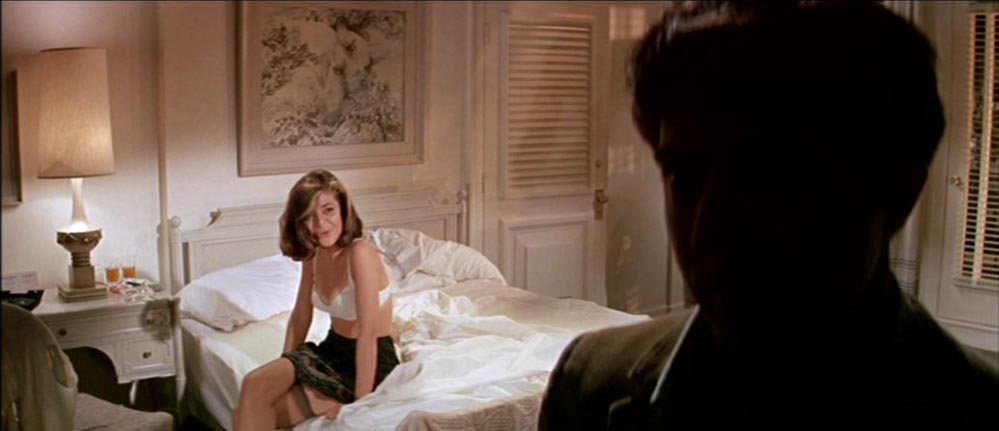
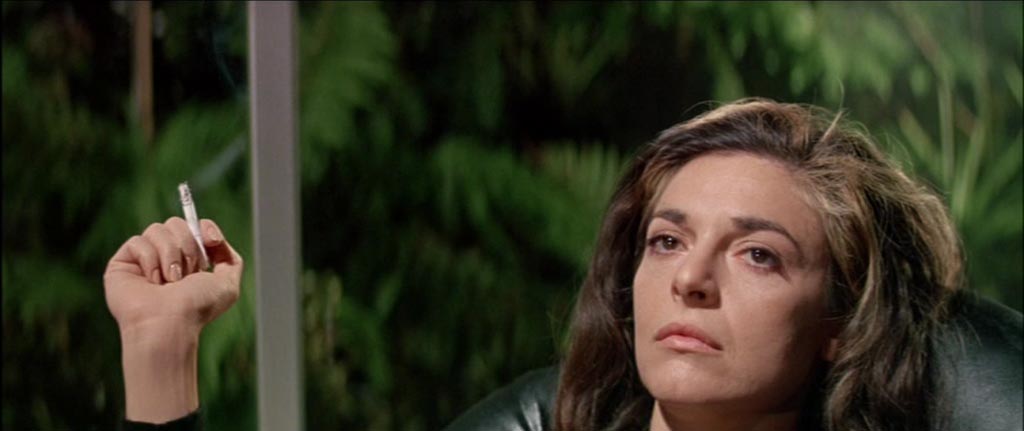
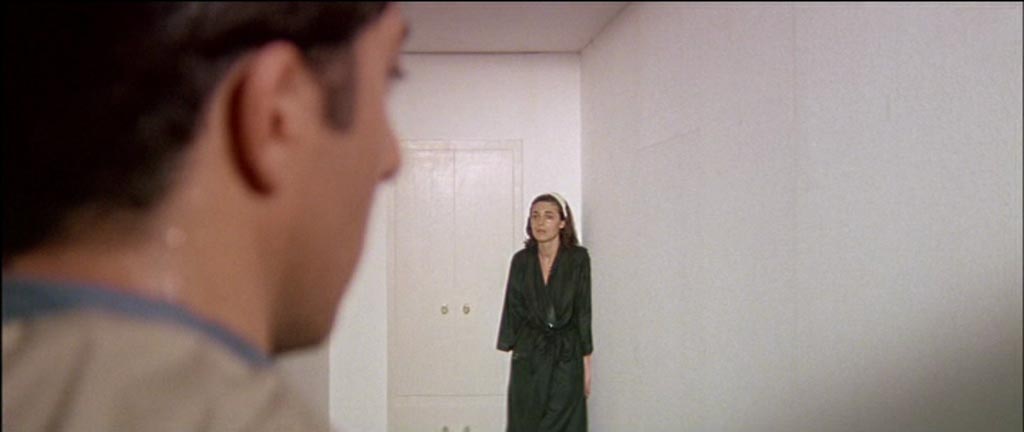
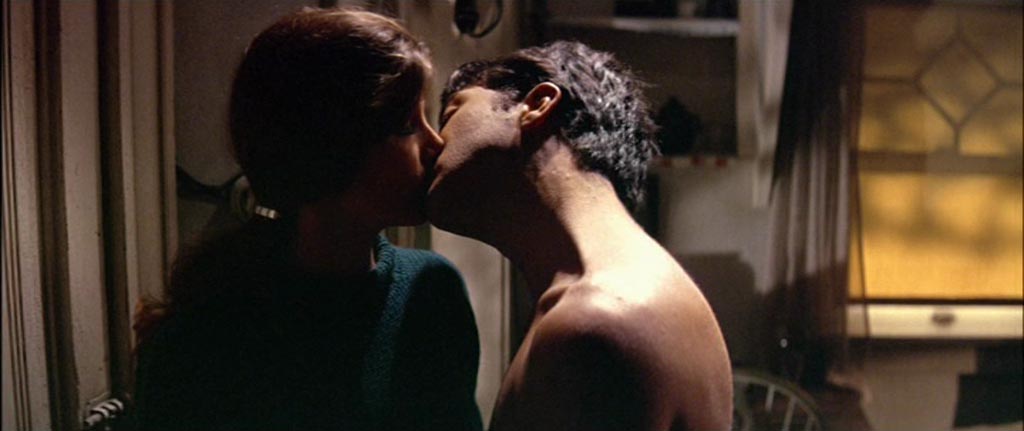
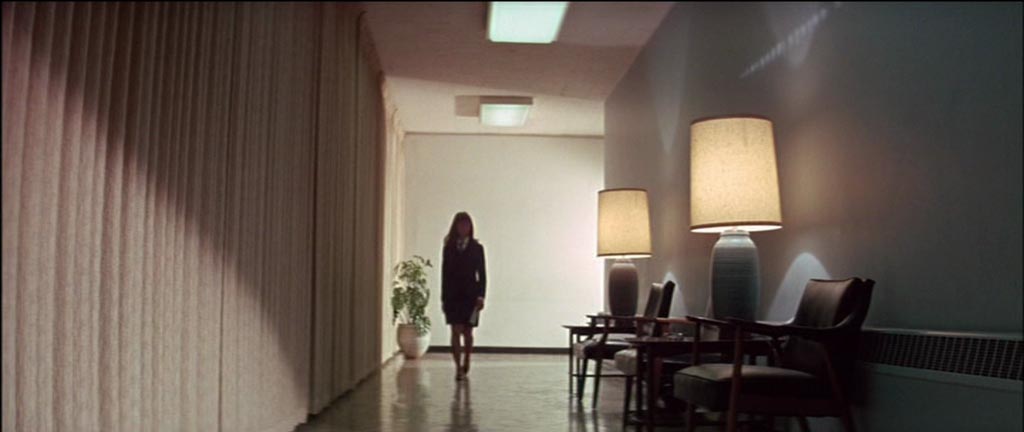
That night, Benjamin is approached by Mrs. Robinson (Anne Bancroft), the elegant yet disillusioned wife of his father’s business partner. She seductively asks him to drive her home, and what begins as a series of awkward encounters soon evolves into an affair. Their secret meetings take place at the Taft Hotel, where Benjamin—nervous, inexperienced, and guilt-ridden—gradually becomes emboldened by Mrs. Robinson’s control and mystery. However, it soon becomes clear that Mrs. Robinson is not interested in emotional intimacy; she only wants to escape her own boredom and dissatisfaction.



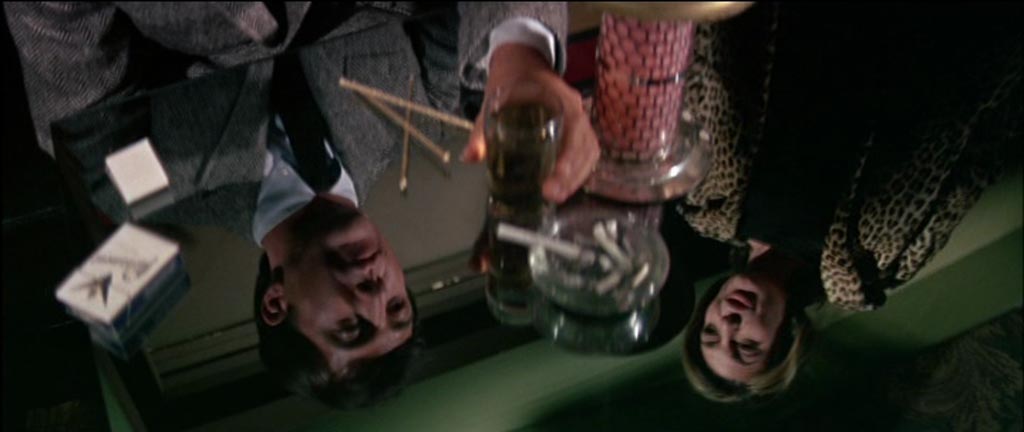

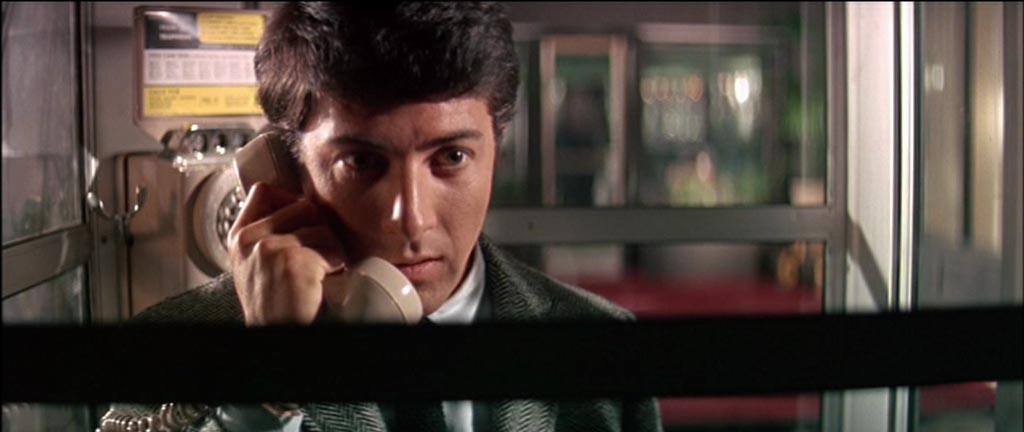



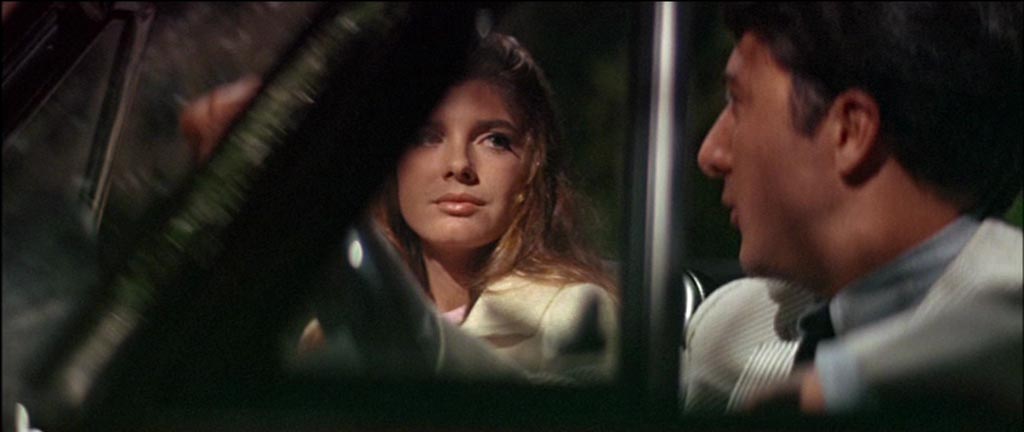
The affair gives Benjamin a sense of purpose, though it is ultimately hollow. His life becomes marked by aimless drifting, punctuated by the now-iconic soundtrack of Simon & Garfunkel, featuring songs like “The Sound of Silence,” “Scarborough Fair,” and “Mrs. Robinson.” When Mrs. Robinson’s daughter, Elaine Robinson (played by Katharine Ross), returns home from college, Benjamin’s world begins to fall apart. Mrs. Robinson forbids him from seeing Elaine, but Benjamin’s curiosity and yearning for something genuine drive him to pursue her anyway.

On their first date, Benjamin behaves cruelly, attempting to sabotage the evening in order to protect the secret of his affair. However, Elaine sees through his facade, and they connect on a deeper emotional level. Soon after, Mrs. Robinson exposes their affair, devastating Elaine and shattering Benjamin’s fragile sense of control.

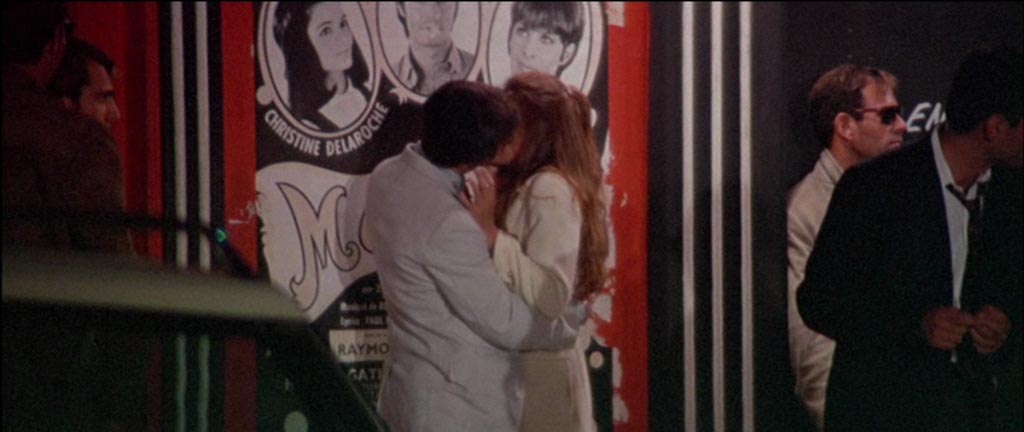
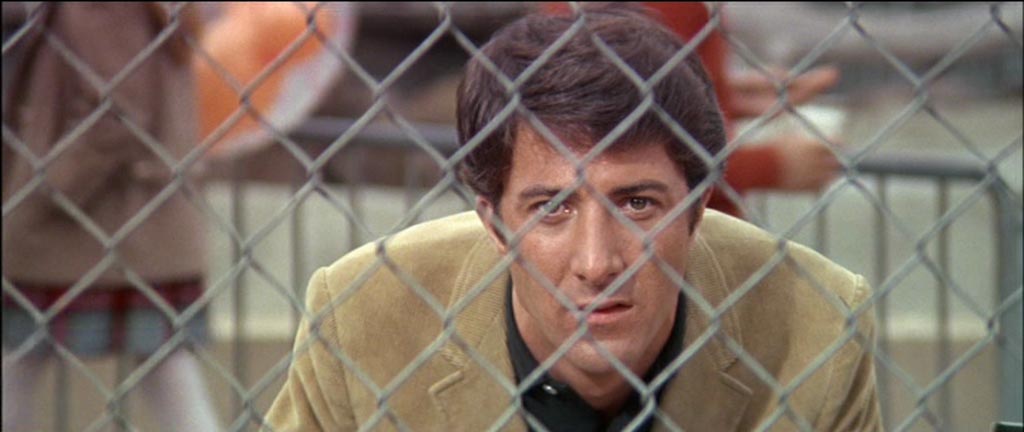
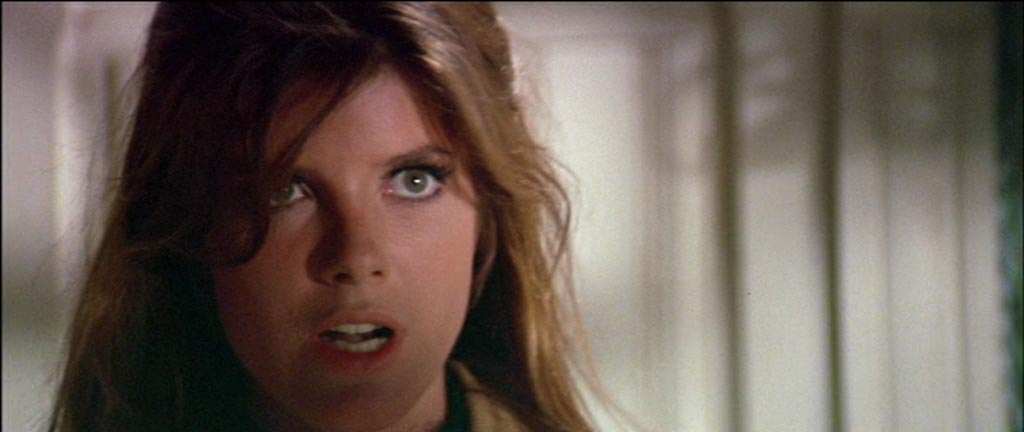
Elaine returns to Berkeley, and Benjamin, determined to win her back, follows her there. His pursuit becomes obsessive—an act of both love and desperation. When he learns that Elaine is engaged to another man, Carl Smith (Brian Avery), Benjamin confronts her and professes his love. Despite her confusion and anger, Elaine starts to question her own choices, reflecting Benjamin’s earlier crisis of identity.

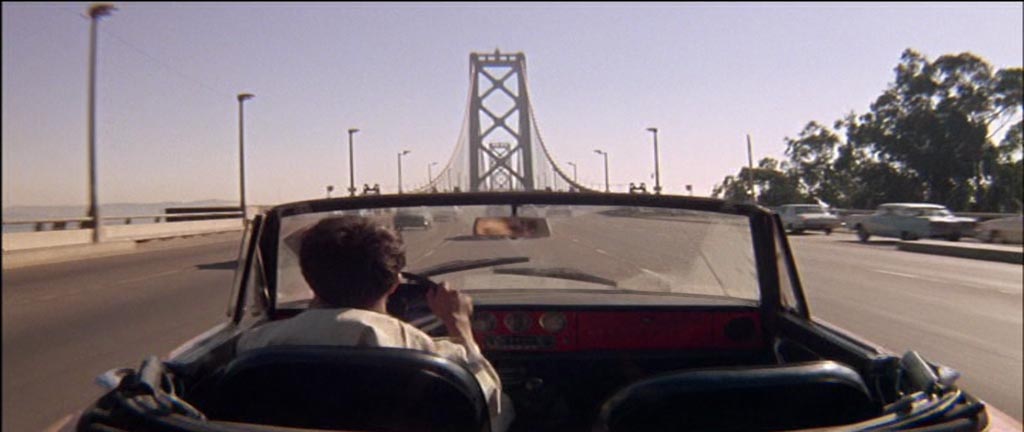
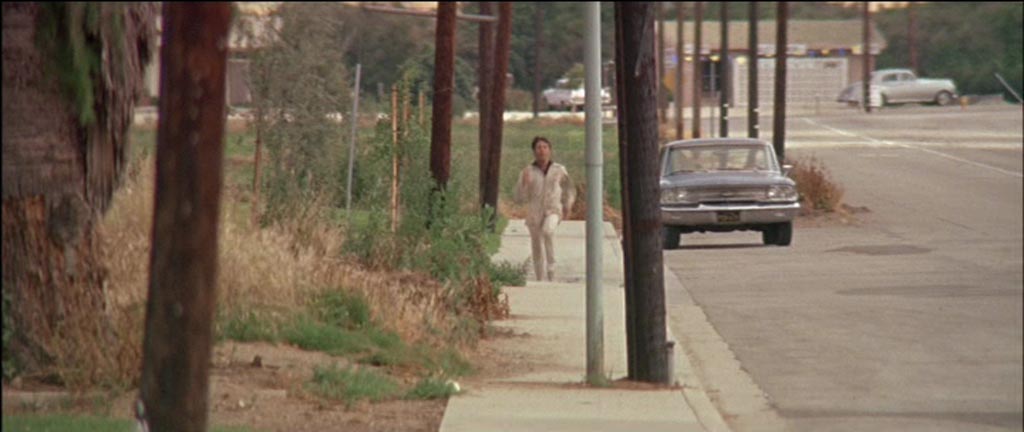
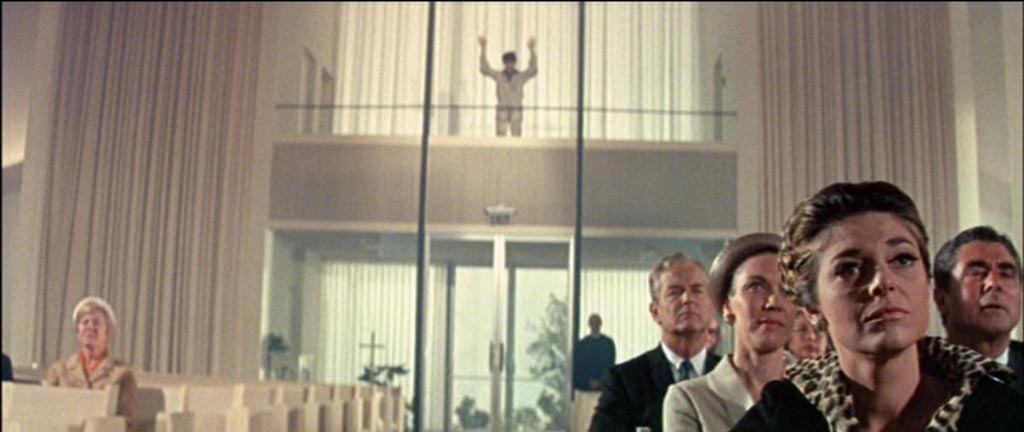
In the film’s climactic sequence, Benjamin learns that Elaine’s wedding is imminent. Racing against time, he drives recklessly across California to the church where she is marrying Carl. He arrives just as the ceremony concludes and, in a burst of emotional chaos, screams “Elaine!” from the church balcony. A dramatic confrontation ensues as Elaine, moved by his passion, calls out his name and runs to him. Benjamin fends off her furious family with a large cross and locks the doors behind them.
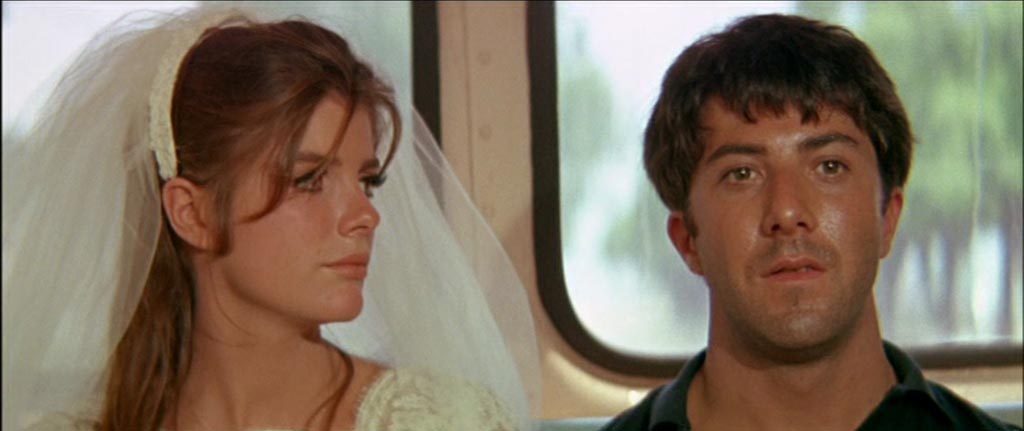
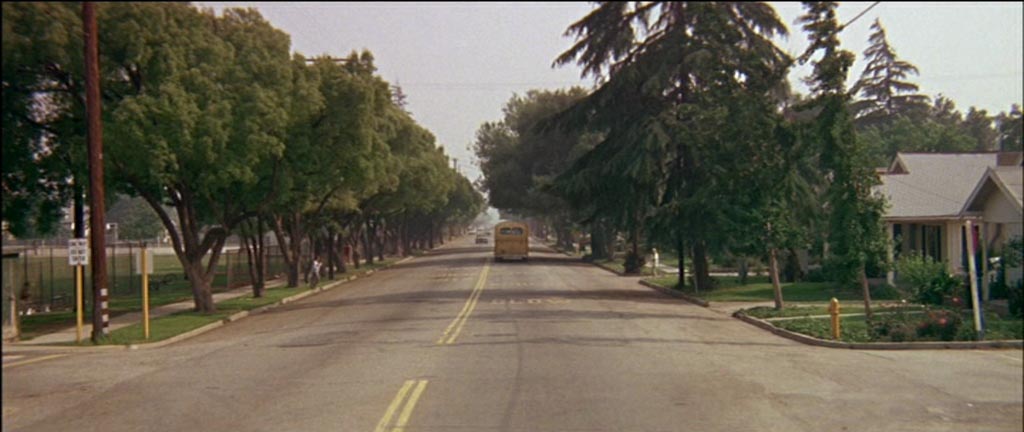
The film ends on an ambiguous note: Benjamin and Elaine board a city bus, breathless and exhilarated. As their initial euphoria fades, their smiles give way to uncertainty. They sit in silence, and the camera lingers on their faces as the future stretches before them—unwritten, undefined, and possibly frightening.
“The Graduate” is a film that explores generational disconnection and the paralysis that comes with privilege. Benjamin’s journey reflects the existential crisis faced by youth in an era marked by conformity. He finds himself caught between rebellion and apathy, yearning for authenticity while feeling uncertain about how to achieve it.

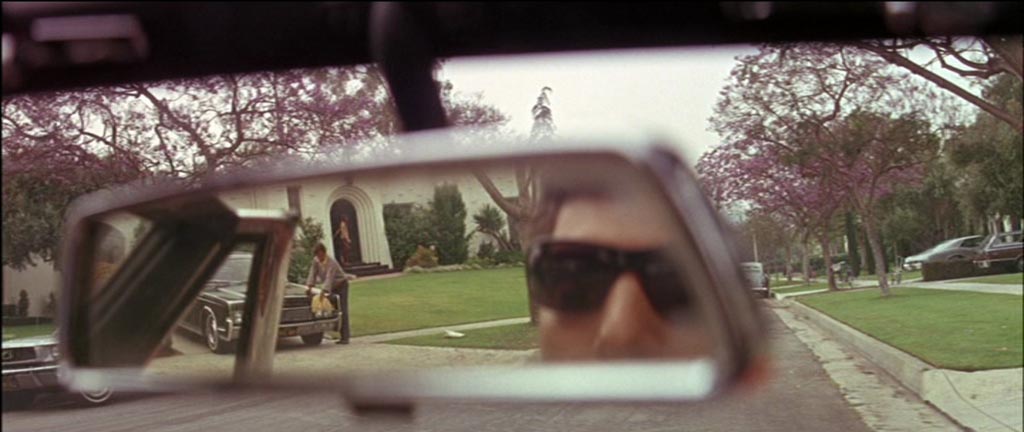
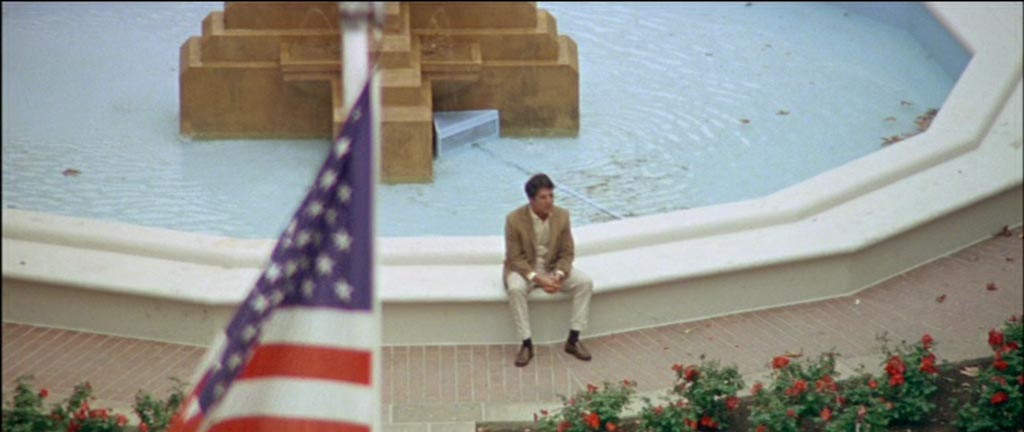
Mike Nichols’ direction is both innovative and emotionally precise. He employs visual symbolism, ironic framing, and recurring motifs—such as reflections in glass, imagery of water, and confined spaces—to illustrate Benjamin’s sense of isolation. Cinematographer Robert Surtees effectively captures both the glossy artificiality of suburban life and the intimate vulnerability of Benjamin’s inner world.
The film is particularly recognized for its soundtrack by Simon & Garfunkel, which acts as a character in its own right, amplifying the film’s themes of alienation and longing. “The Sound of Silence” is used at both the beginning and end of the film, evolving from a melancholy observation to a haunting reflection.


