

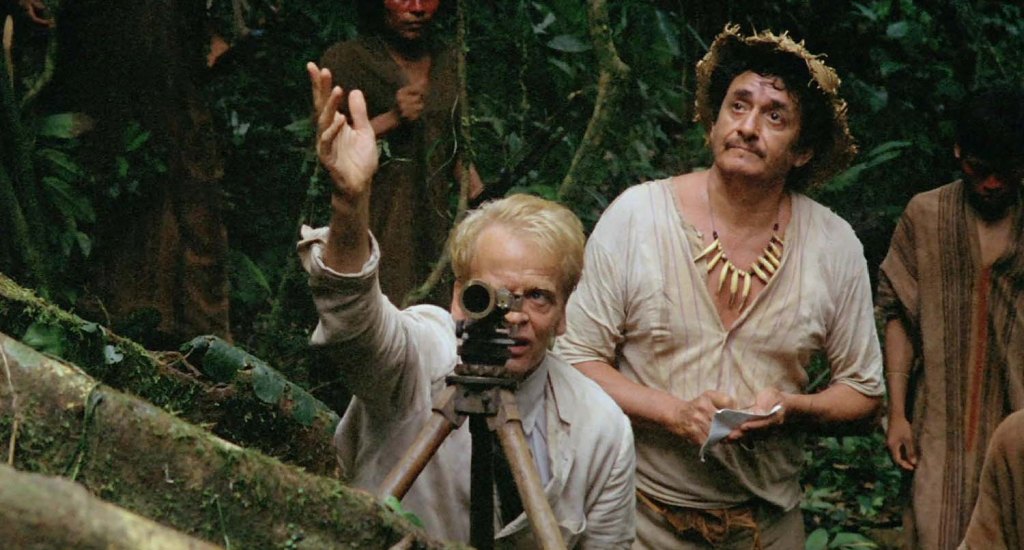
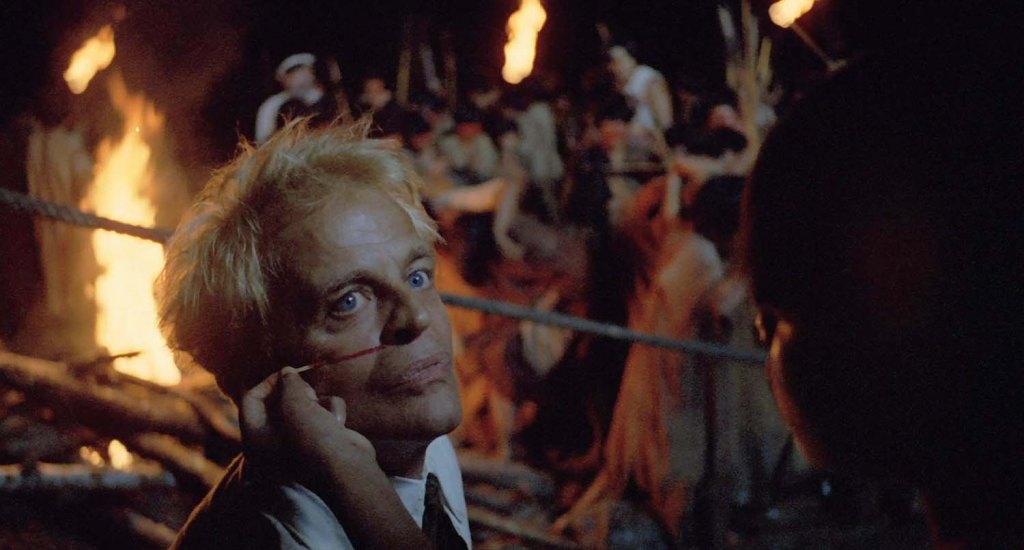
Werner Herzog’s 1982 film “Fitzcarraldo” tells an epic story of obsession, ambition, and the struggle between man and nature, set in the lush jungles of the Peruvian Amazon at the turn of the 20th century. The narrative follows Brian Sweeney Fitzgerald, known as Fitzcarraldo (played by Klaus Kinski), an Irishman residing in South America who dreams of building an opera house in the remote jungle city of Iquitos, Peru.
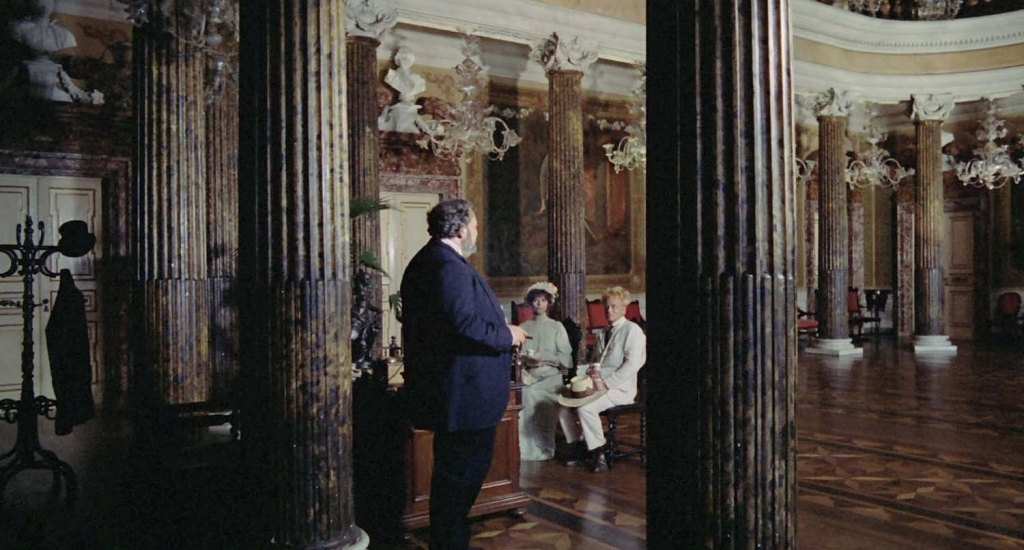

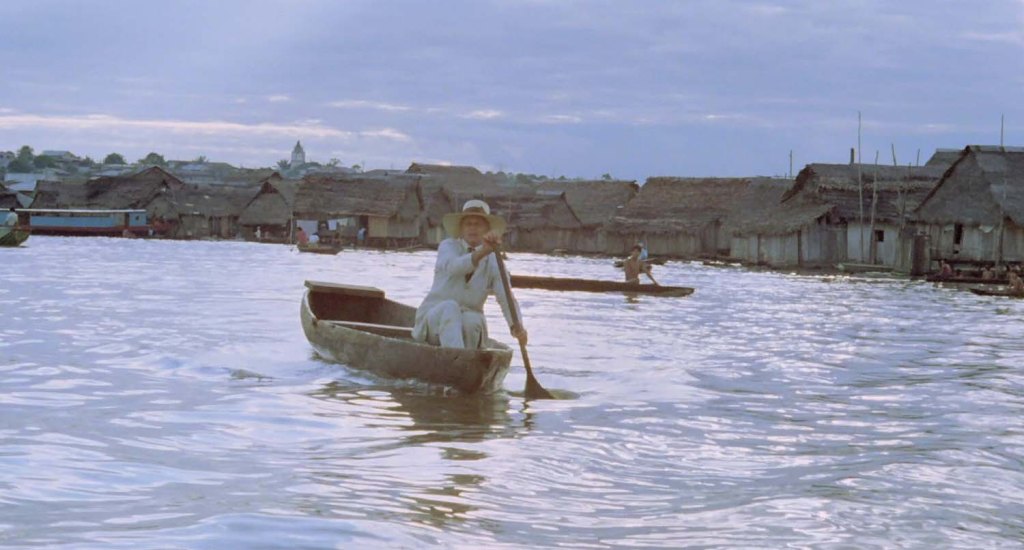

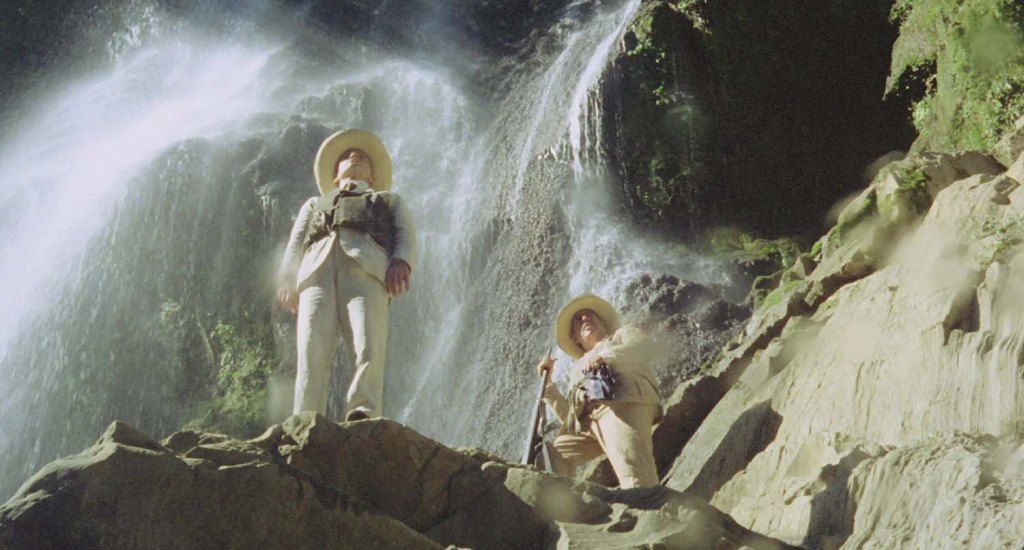

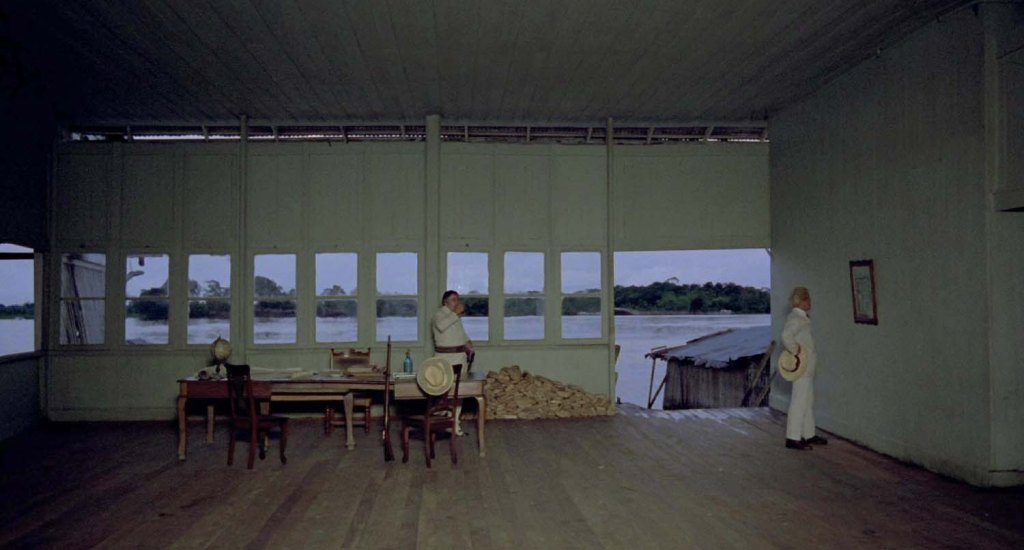
Fitzcarraldo is a dreamer and visionary, captivated by the grandeur of European high culture, particularly the music of Italian tenor Enrico Caruso. Although the local elite view him as a fool, his passion and eccentricity remain steadfast. He has previously failed in a grand venture involving a trans-Andean railway, but now he shifts his focus to the world of rubber, which has made many men in the region incredibly wealthy.
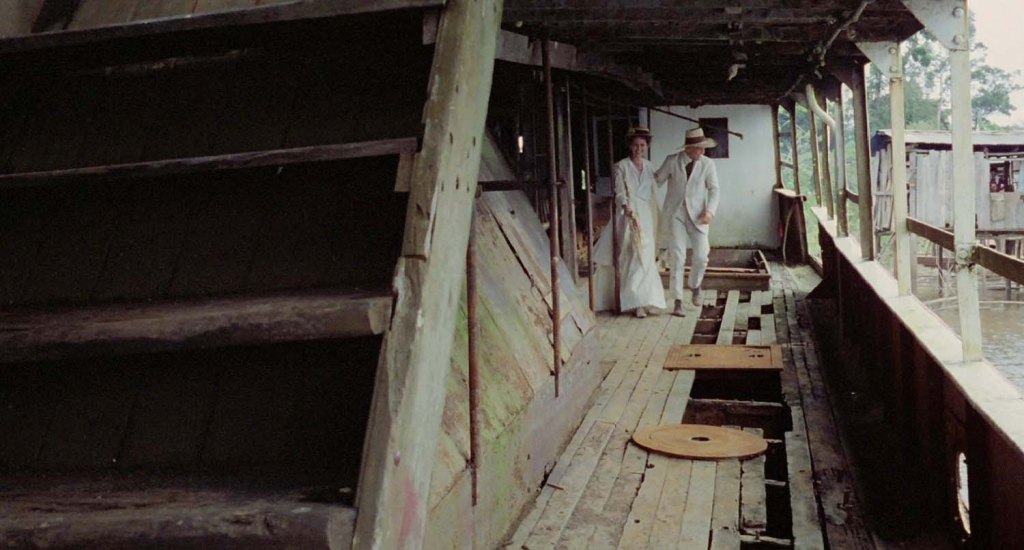

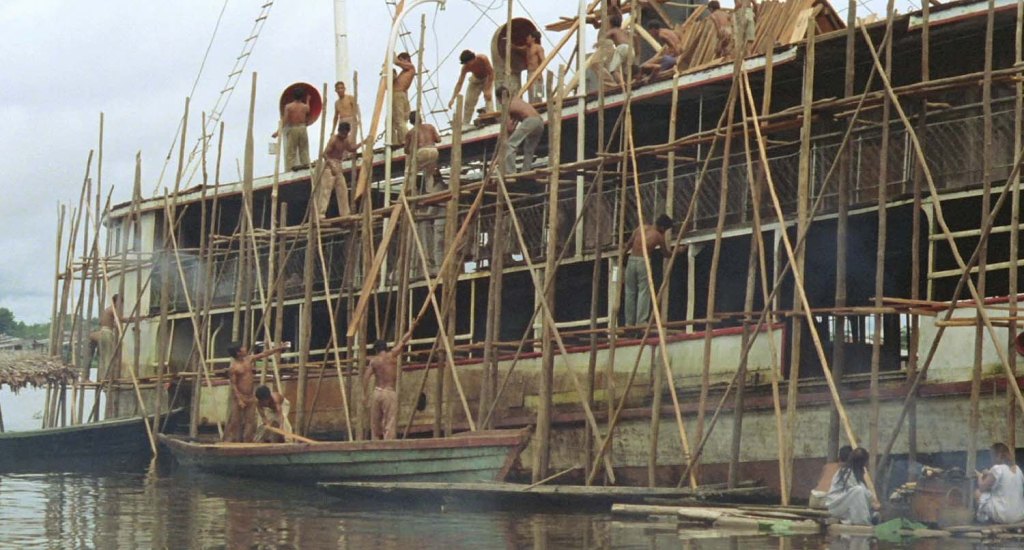
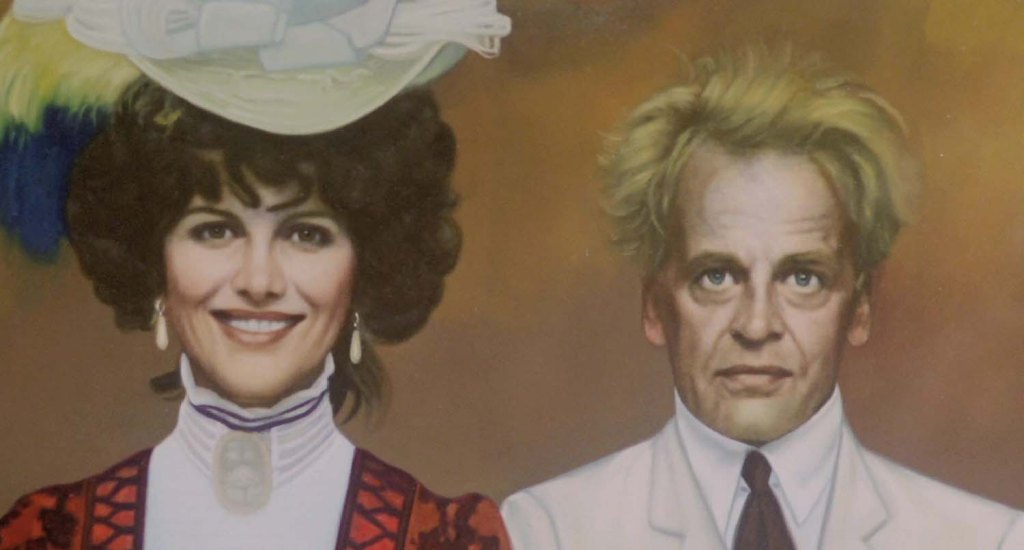


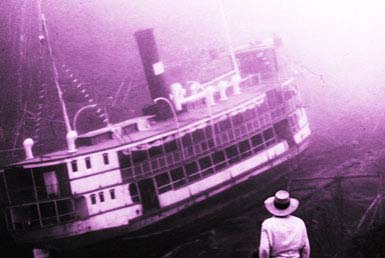
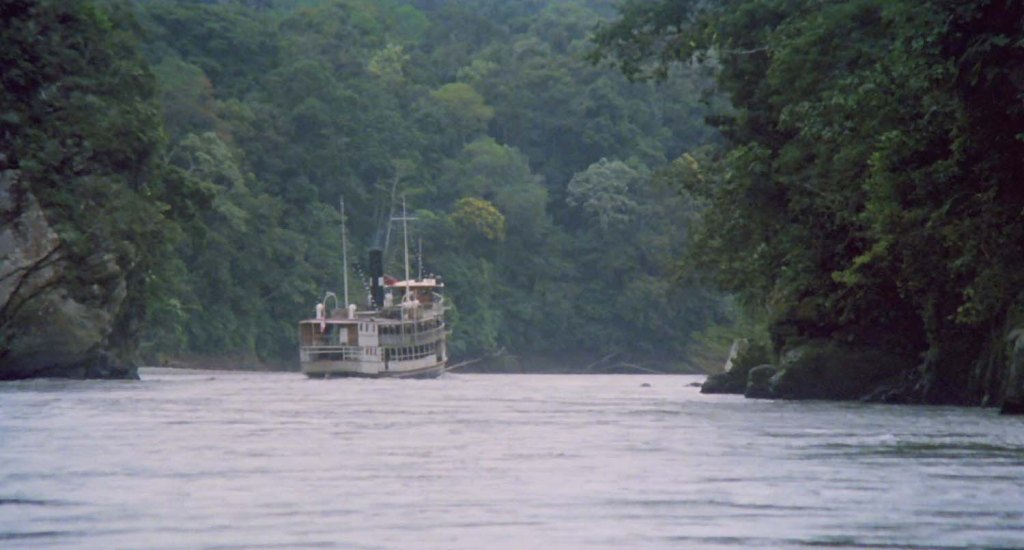
Fitzcarraldo, unable to secure a concession in the established rubber territories, devises an audacious plan. He intends to purchase a seemingly worthless stretch of land upstream, which is separated from the lucrative rubber zones by an impassable mountain ridge. His objective is to access the profitable area by transporting a 320-ton steamship over the mountain, connecting two river systems and avoiding the treacherous rapids that render navigation impossible. This monumental endeavor symbolizes the struggle of human ambition against the overwhelming forces of nature.
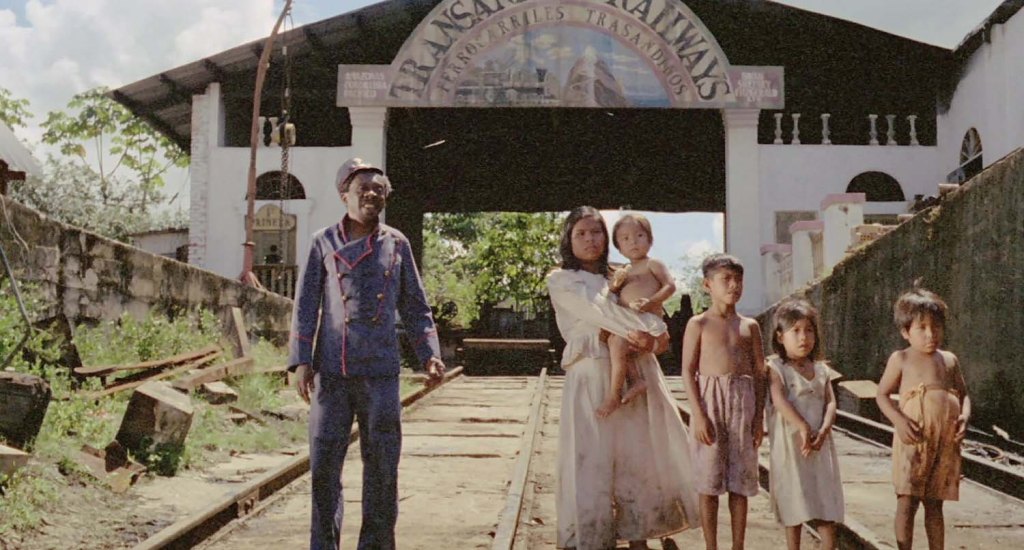
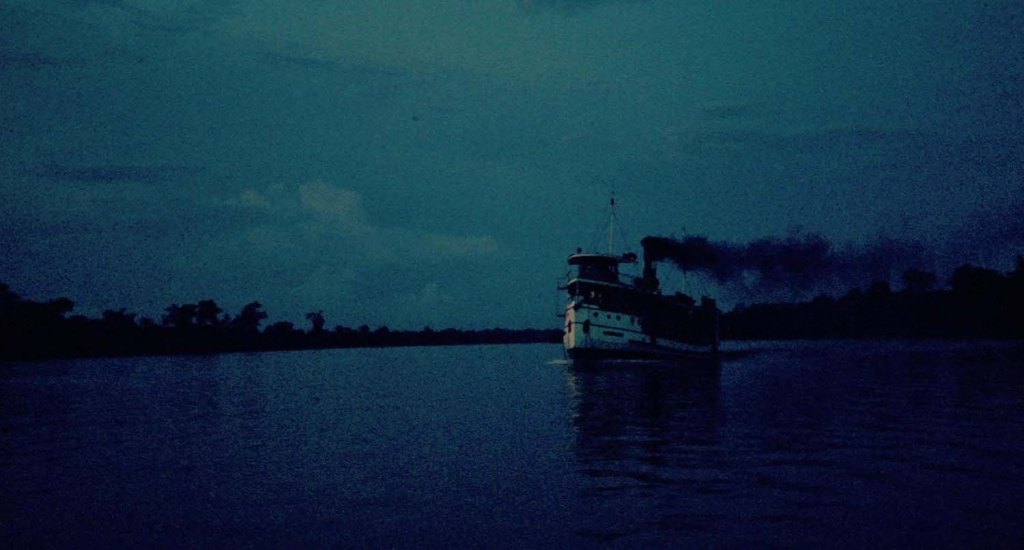

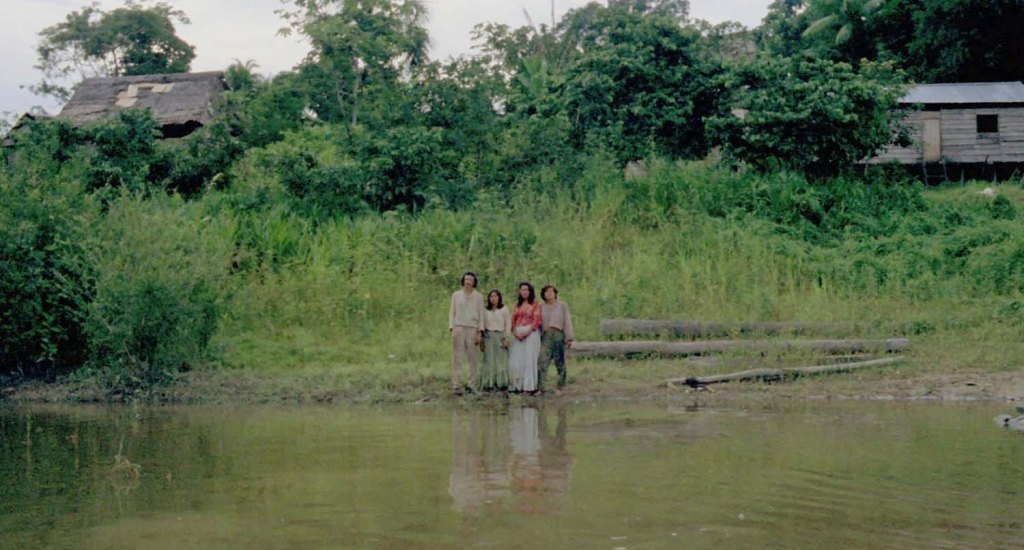
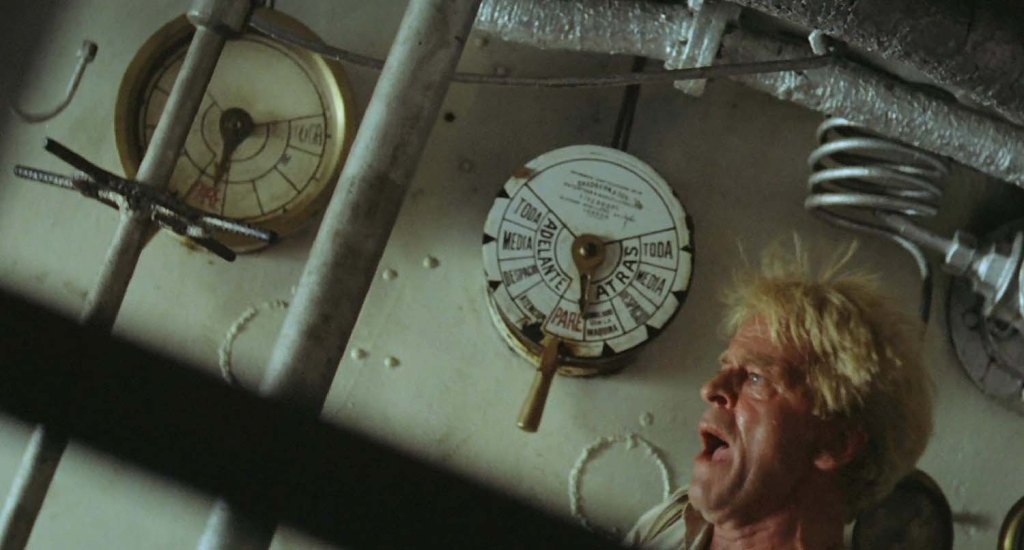
With the financial support of his devoted companion and lover, Molly (played by Claudia Cardinale), who owns a successful brothel, Fitzcarraldo purchases a steamship and assembles a crew. Together, they journey into the perilous jungle, hiring local Indigenous people to assist with the monumental task. As the expedition progresses, tensions rise, the jungle becomes increasingly hostile, and the lines between madness and determination begin to blur.


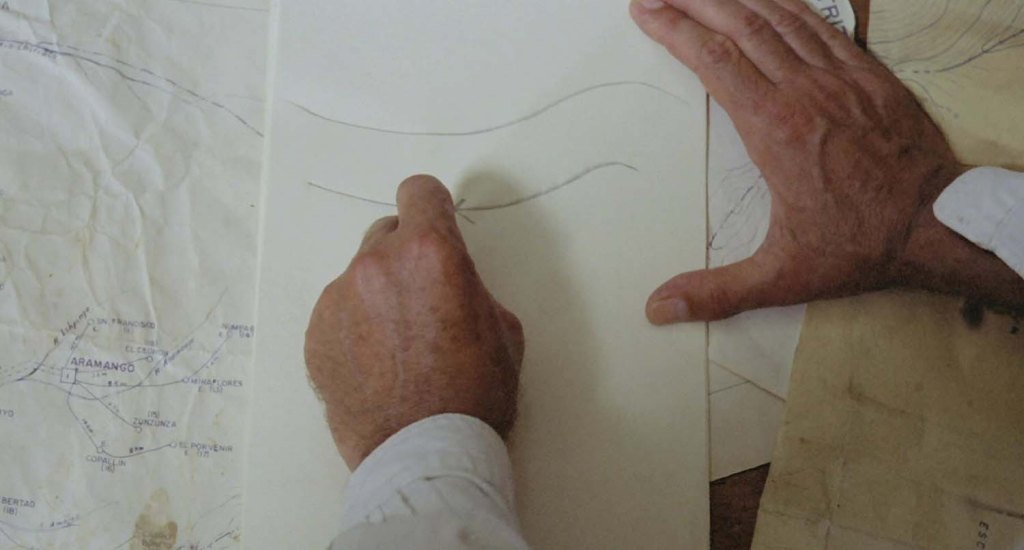
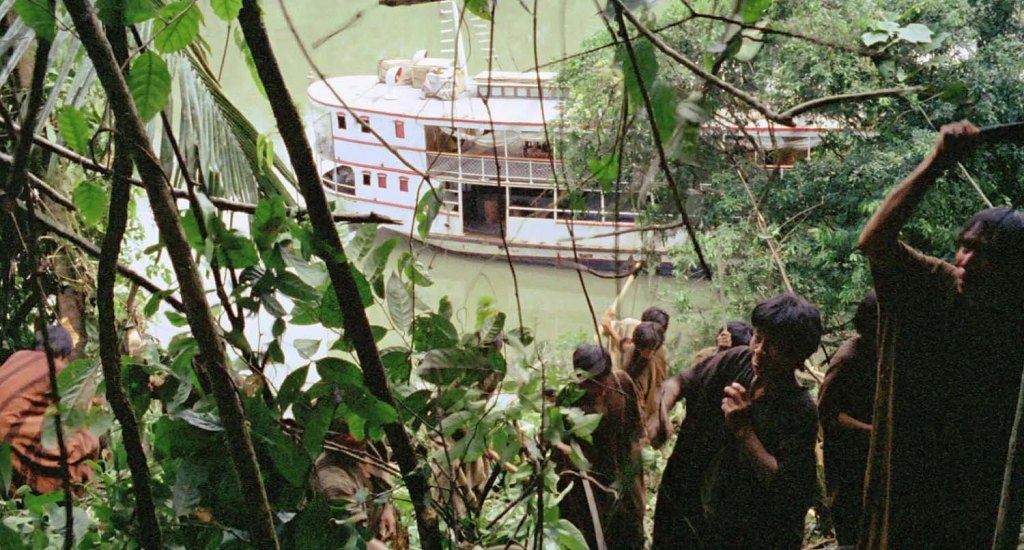

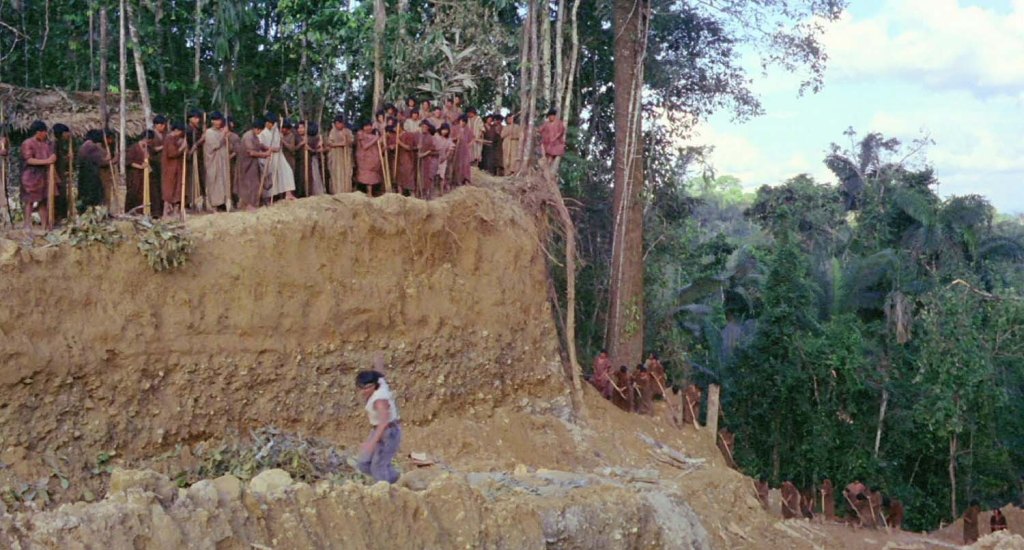
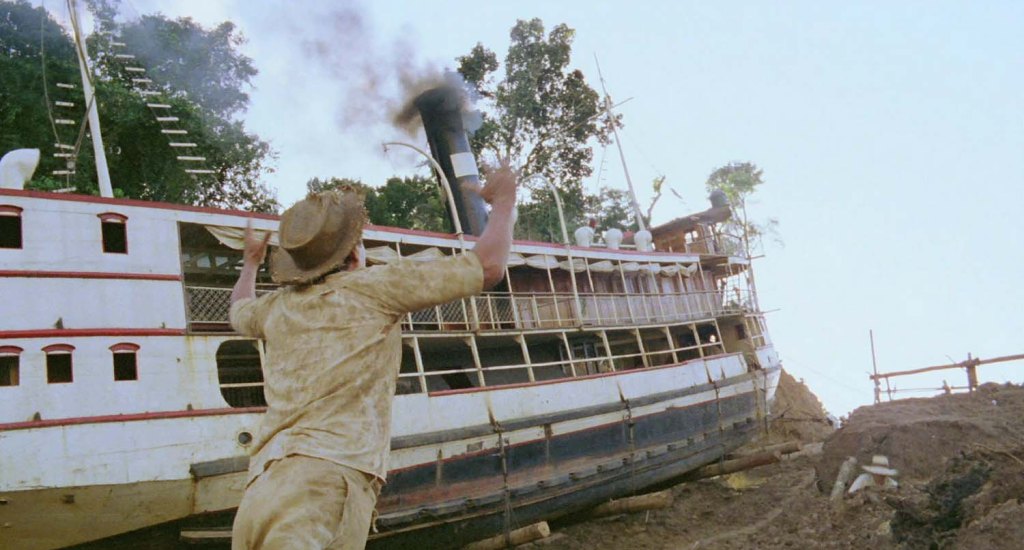
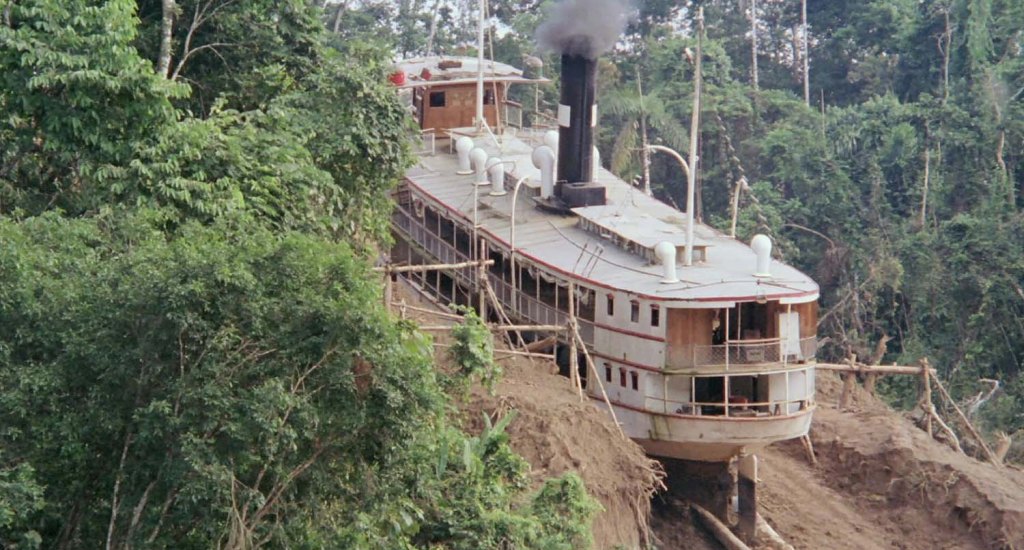
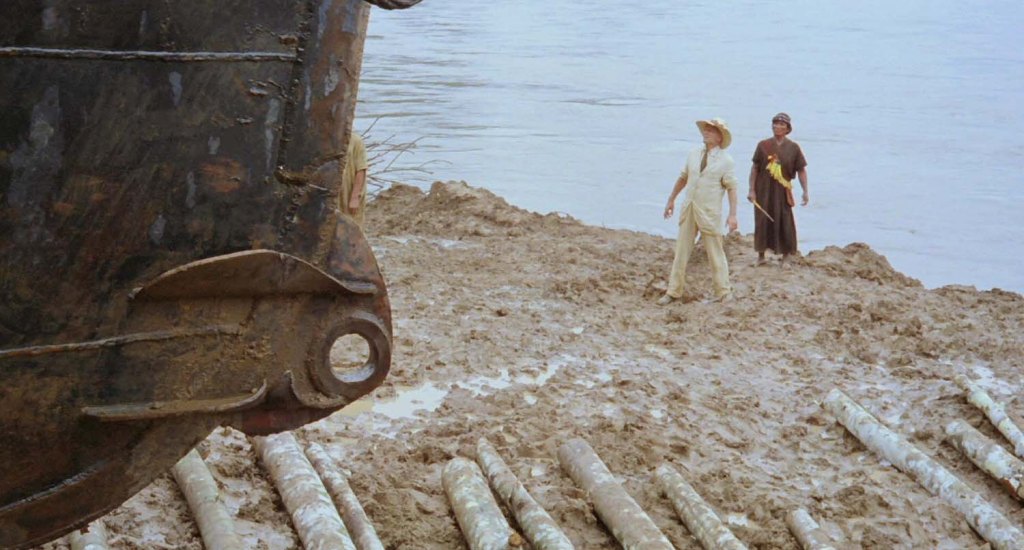
In one of the most legendary sequences in film history, Werner Herzog orchestrated the dragging of a full-sized steamship over a mountain using ropes, pulleys, and manual labor, without any special effects. This act, which reflects the protagonist’s obsession, became a symbol of Herzog’s relentless pursuit of cinematic authenticity.




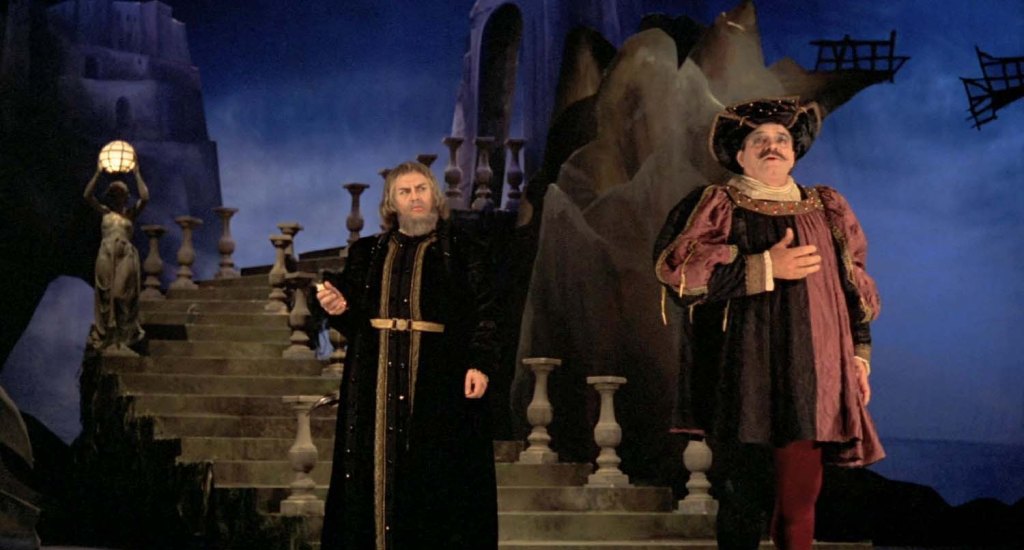
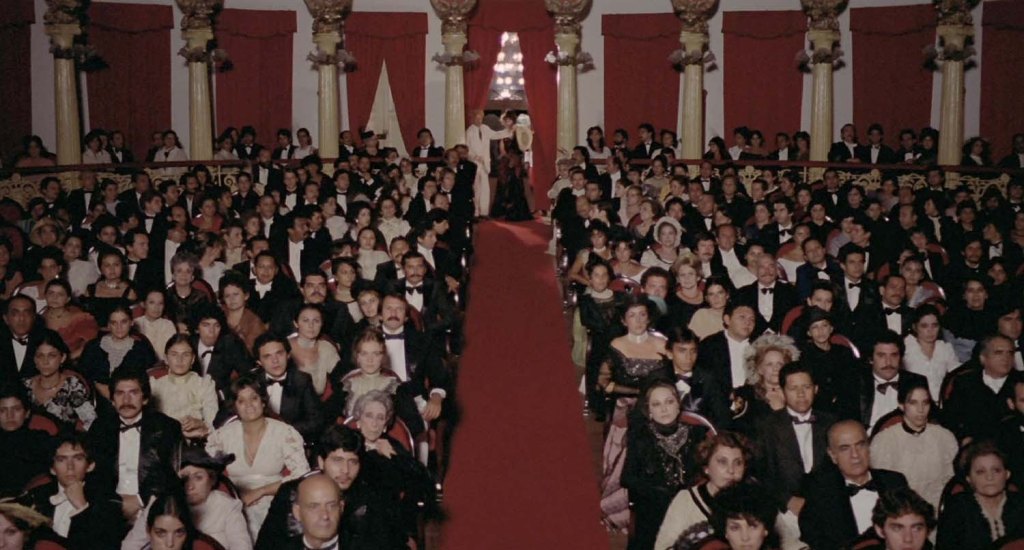
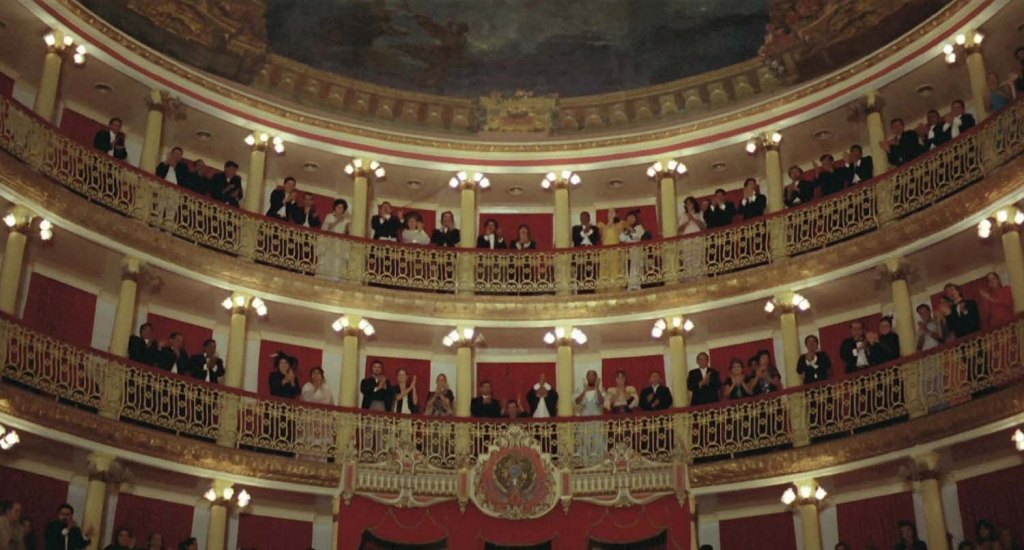
The film concludes with a tragic yet oddly triumphant finale. Although Fitzcarraldo’s dream of building an opera house in the jungle fails, he still manages to bring a floating opera performance to Iquitos, momentarily fulfilling his passion for Caruso and art. His vision, despite being impractical, serves as a testament to human aspiration—the madness of dreams that challenge reason.

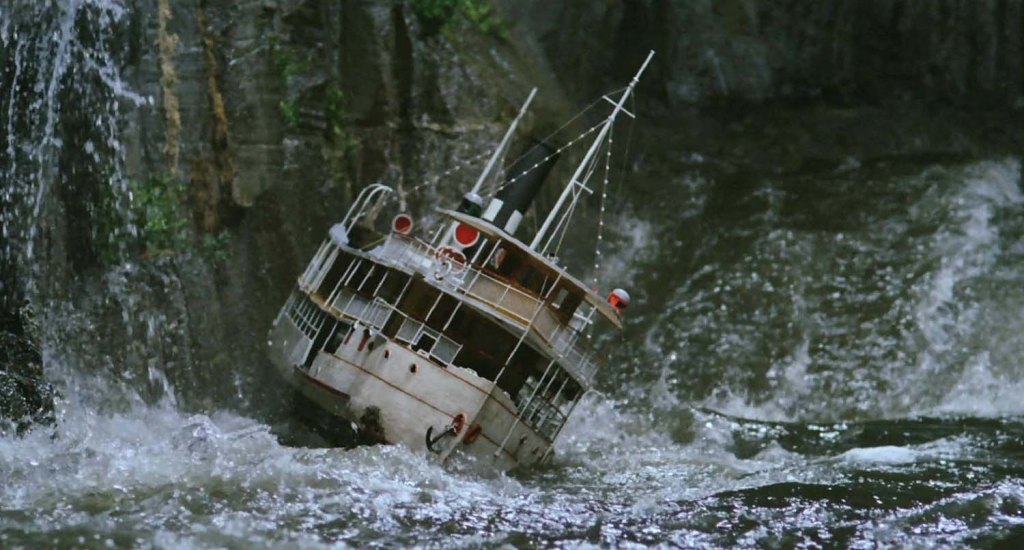
“Fitzcarraldo” delves into themes of obsession, colonial ambition, the futility of human efforts to conquer nature, and the transformative power of art. The film blurs the boundaries between fiction and reality, not only in its narrative but also in its production. Herzog’s real-life conflict with his unpredictable star, Klaus Kinski, paralleled Fitzcarraldo’s struggle against external forces, adding a mythic dimension to the filmmaking process.

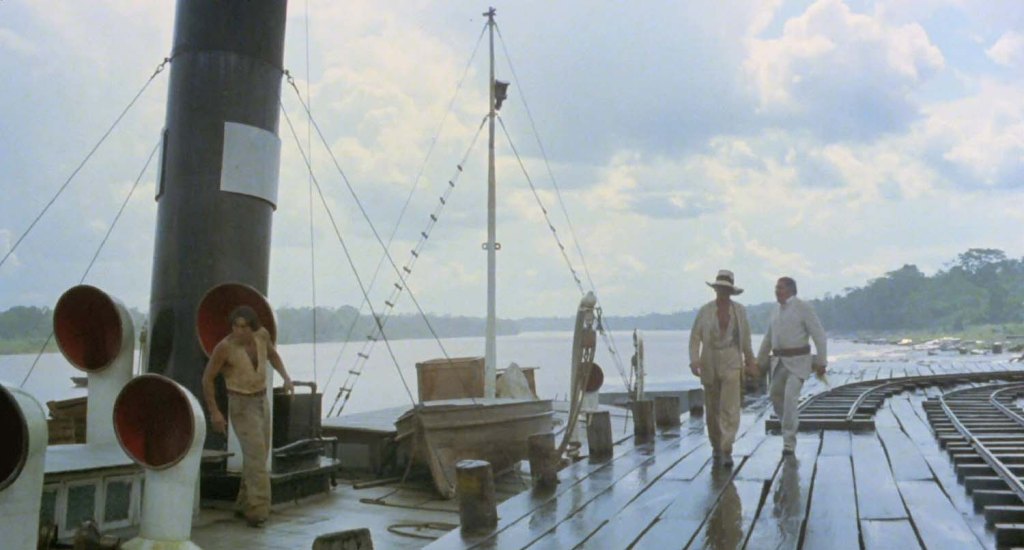
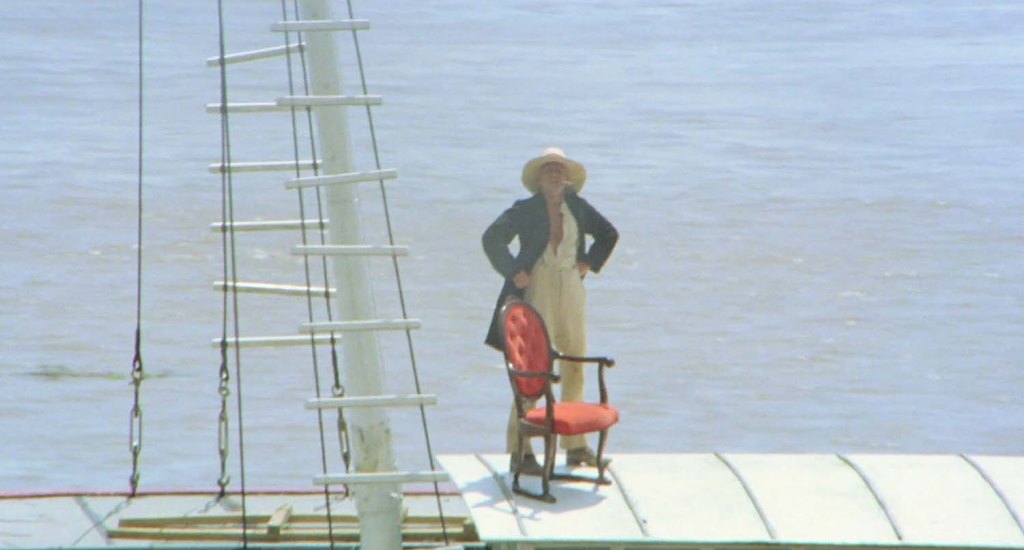
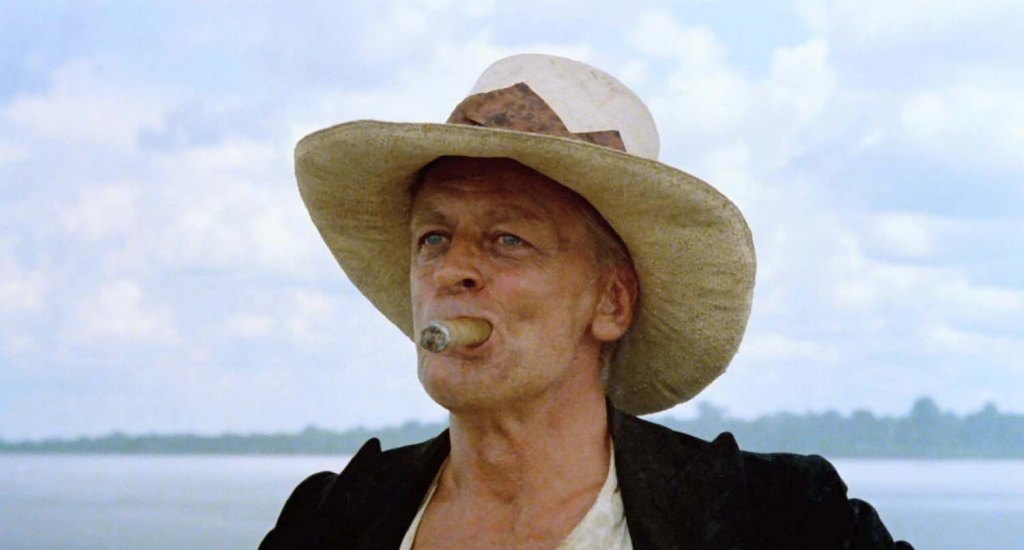
“Fitzcarraldo” premiered at the 1982 Cannes Film Festival, where Werner Herzog won the Best Director Award. It is regarded as one of the most celebrated and infamous films of his career, showcasing his fascination with human endurance and impossible quests. The making of the film was later documented in Les Blank’s acclaimed documentary “Burden of Dreams” (1982), which further solidified its legendary status as one of cinema’s most extraordinary productions.

 The Other Cinema