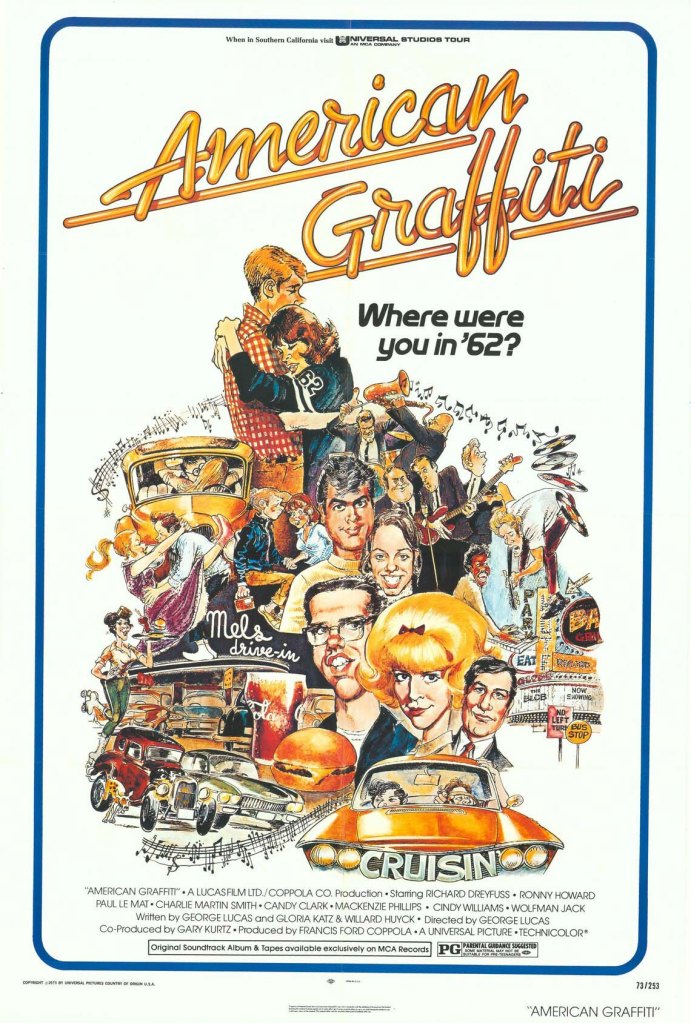
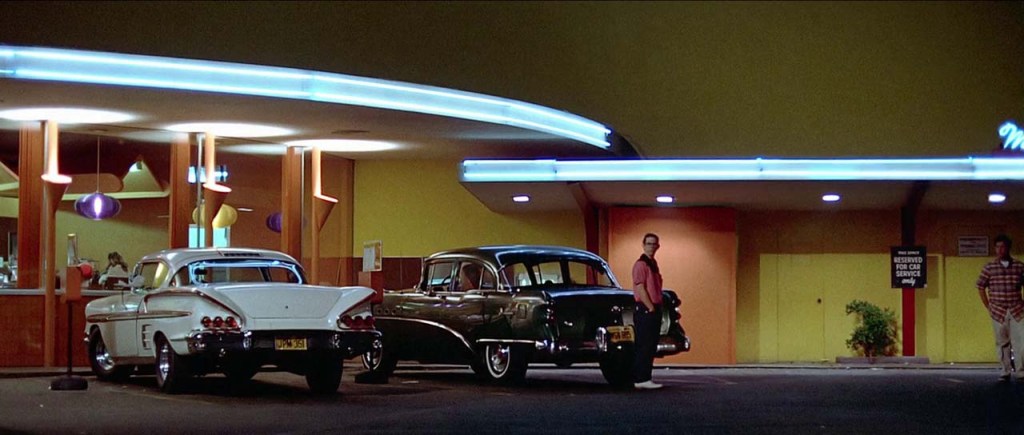
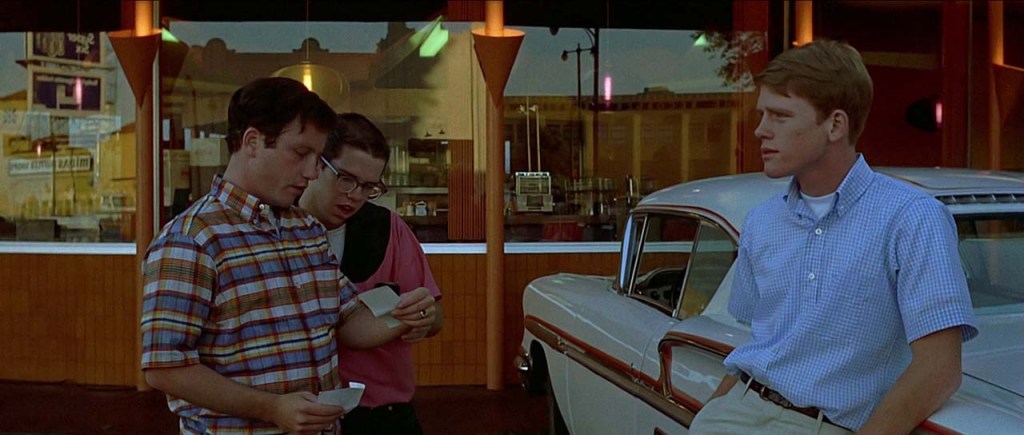
“American Graffiti” is a 1973 film directed and co-written by George Lucas, along with Gloria Katz and Willard Huyck. This nostalgic coming-of-age story is set in Modesto, California, in the summer of 1962. It follows a group of teenagers over a single night, filled with cruising, parties, and personal reflection, as they prepare to transition from adolescence to adulthood. The narrative is told through interwoven storylines that capture the era’s social dynamics and youthful anxieties.
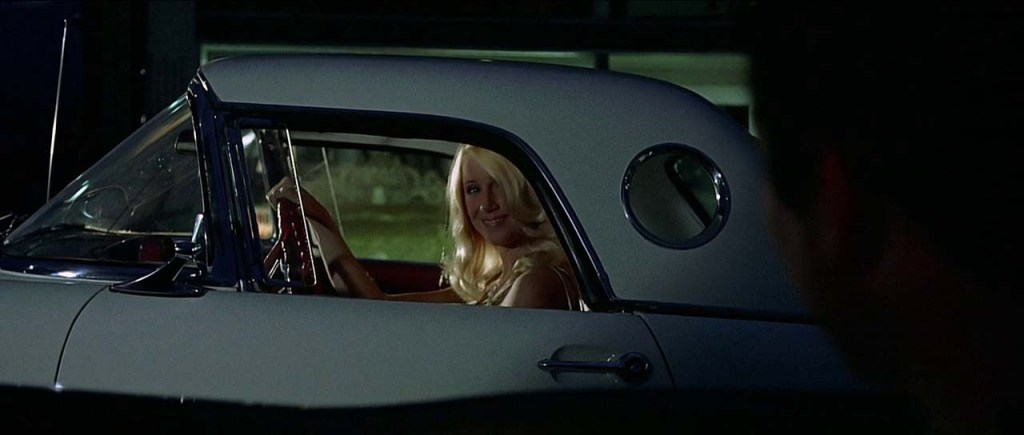
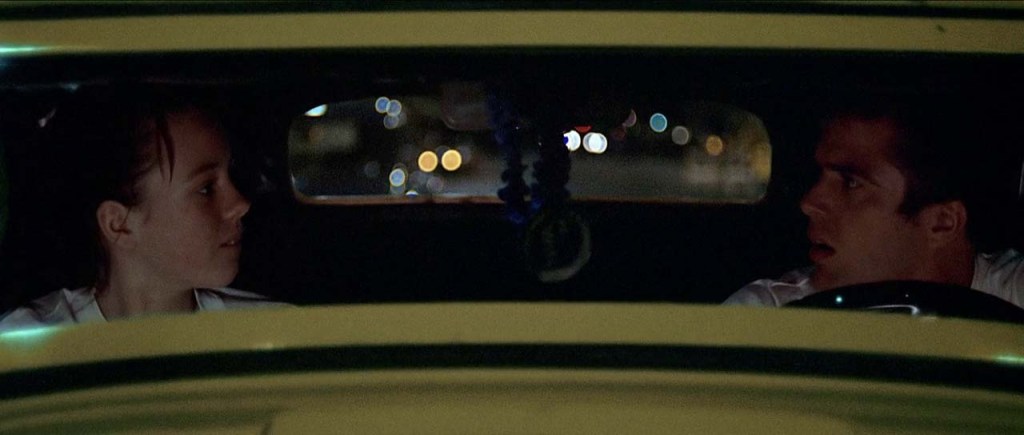
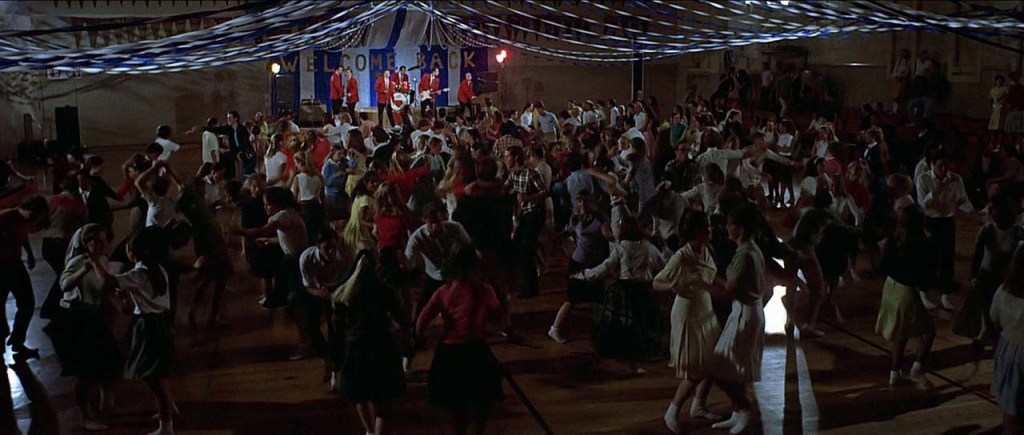
The central character, Curt Henderson (played by Richard Dreyfuss), is a thoughtful and introspective teenager who confronts the uncertainty of leaving his hometown to attend college. Throughout the night, Curt grapples with mixed emotions as he leaves behind his friends, his first love, and the comforting routines of small-town life.
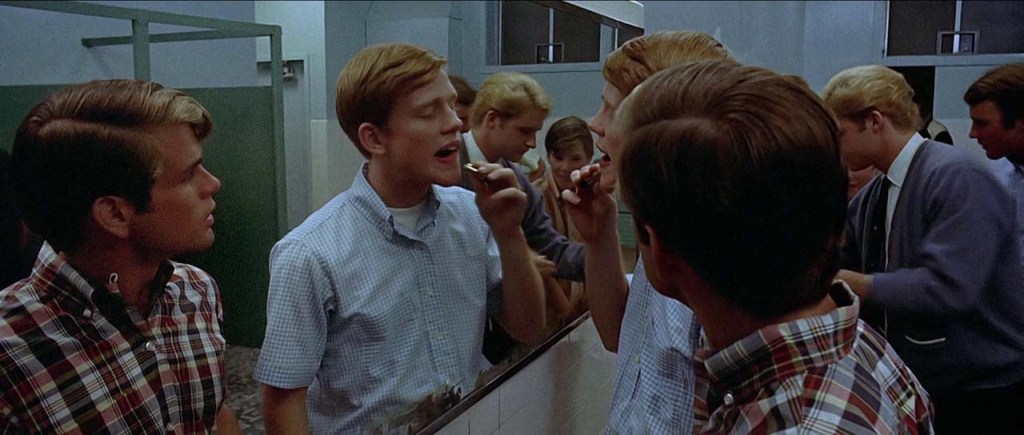
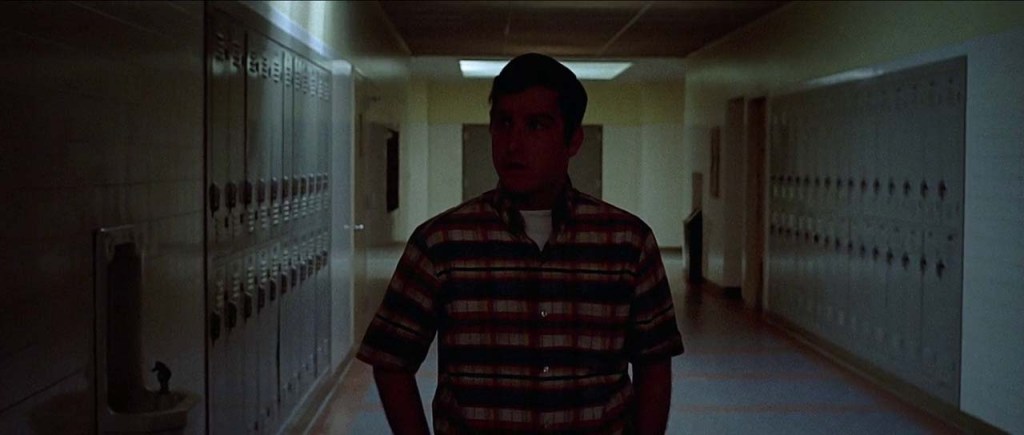
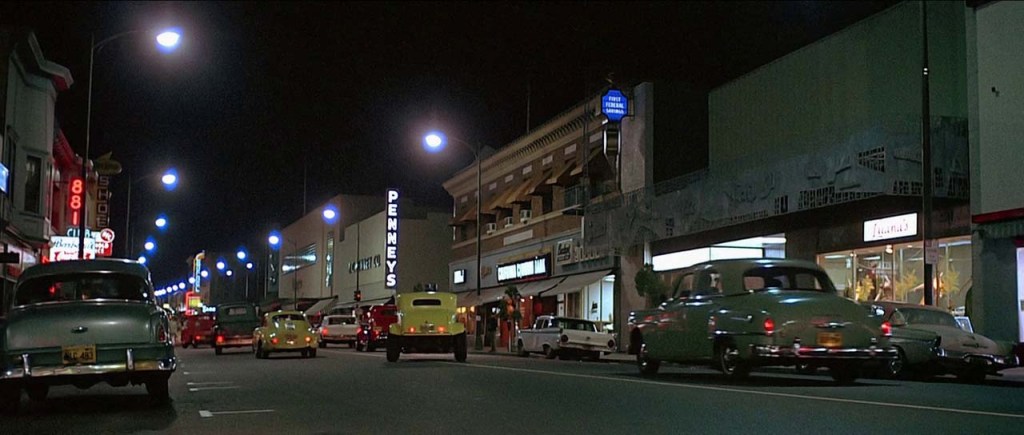
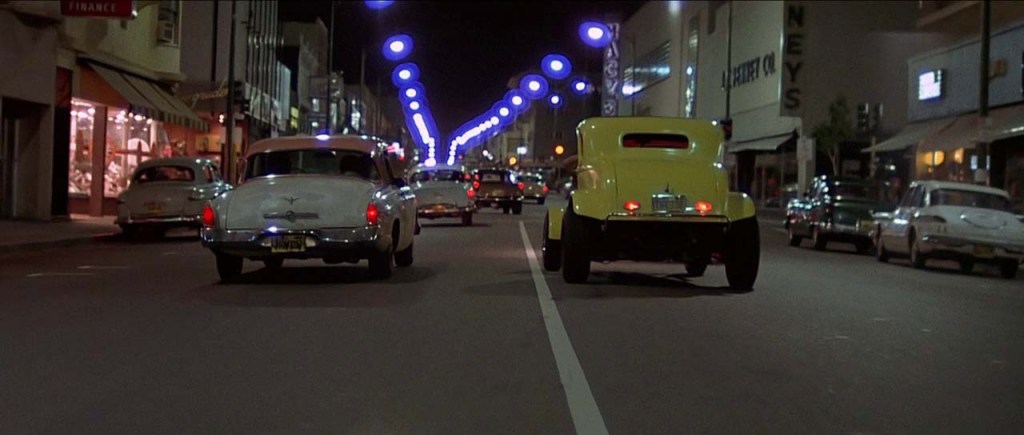
John Milner (played by Paul Le Mat) is a local car enthusiast and drag racer who embodies the rebellious and carefree spirit of youth. He is passionate about cruising the town in his beloved hot rod and enjoys the excitement of street racing.
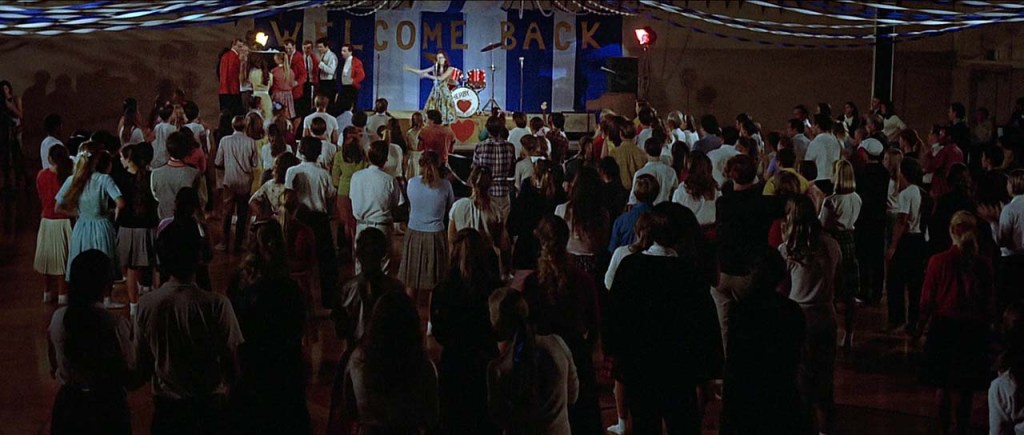
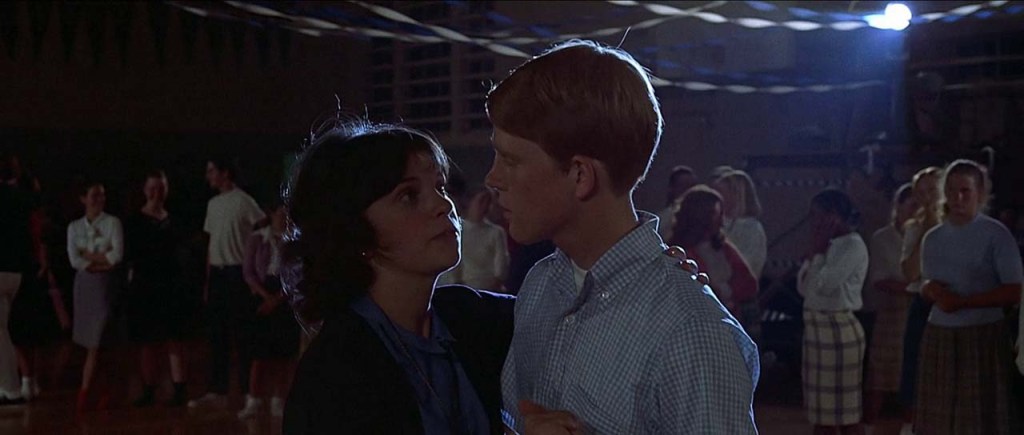
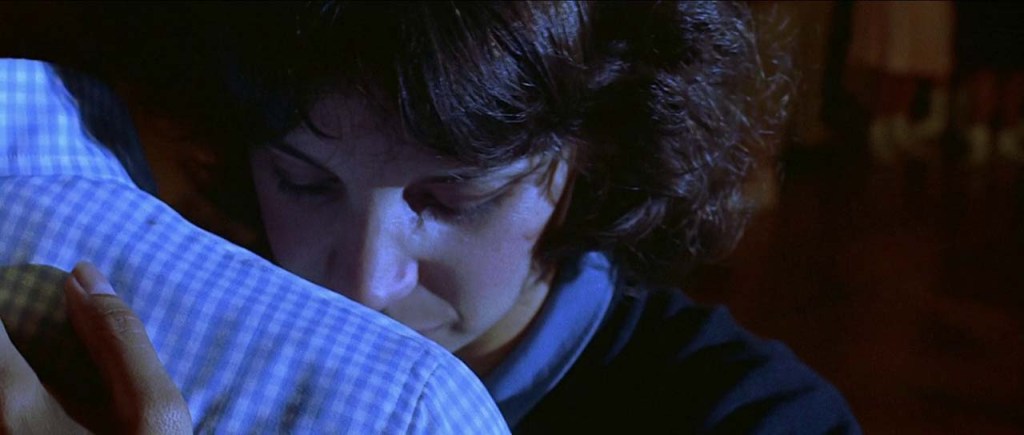
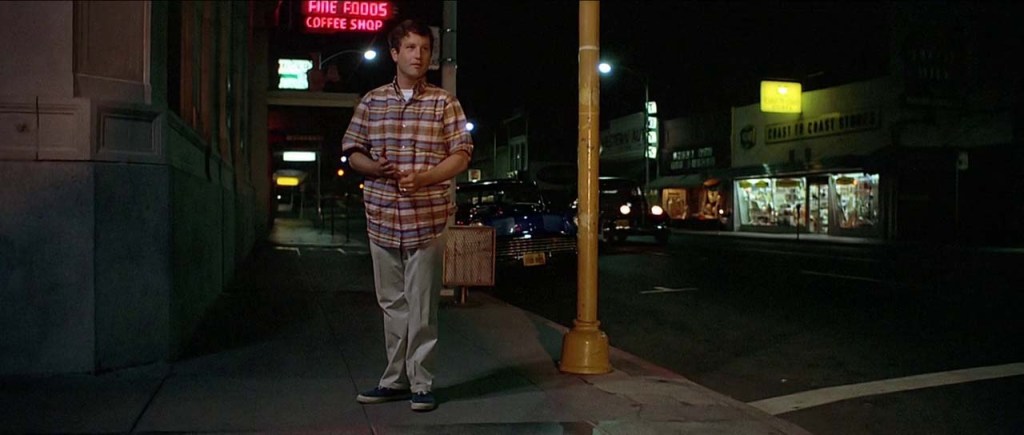
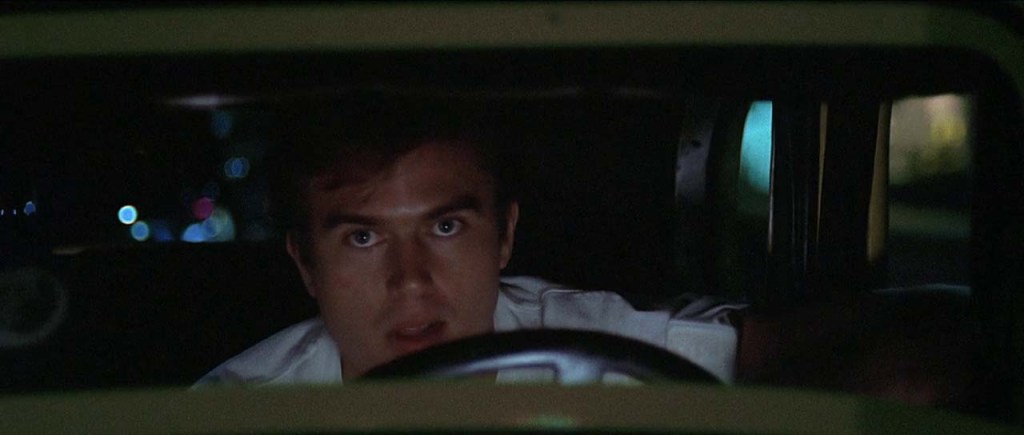
Meanwhile, Steve Bolander (portrayed by Ron Howard) and his girlfriend, Laurie Henderson (Cindy Williams), navigate the bittersweet tension of preparing to leave home for college, facing the emotional realities of young love.
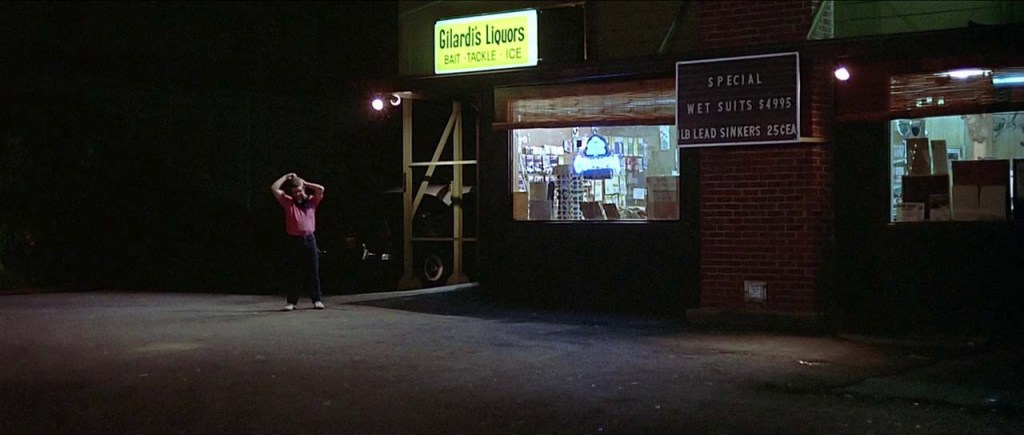
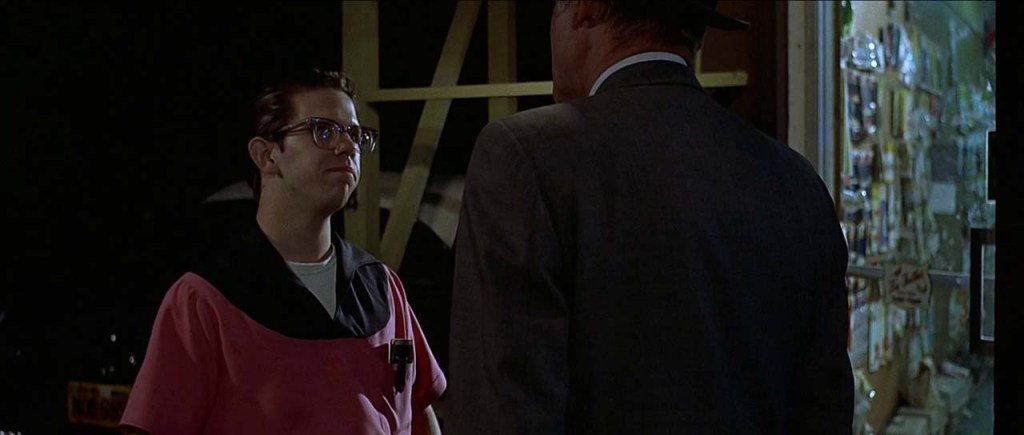
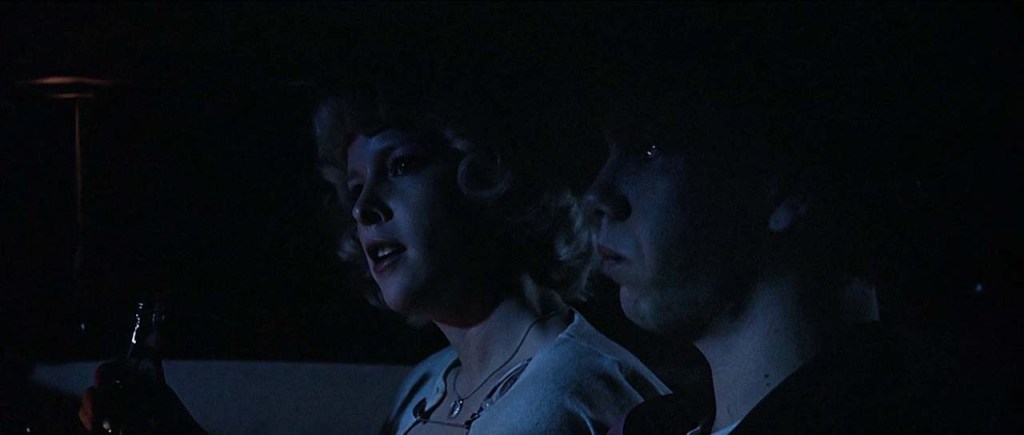
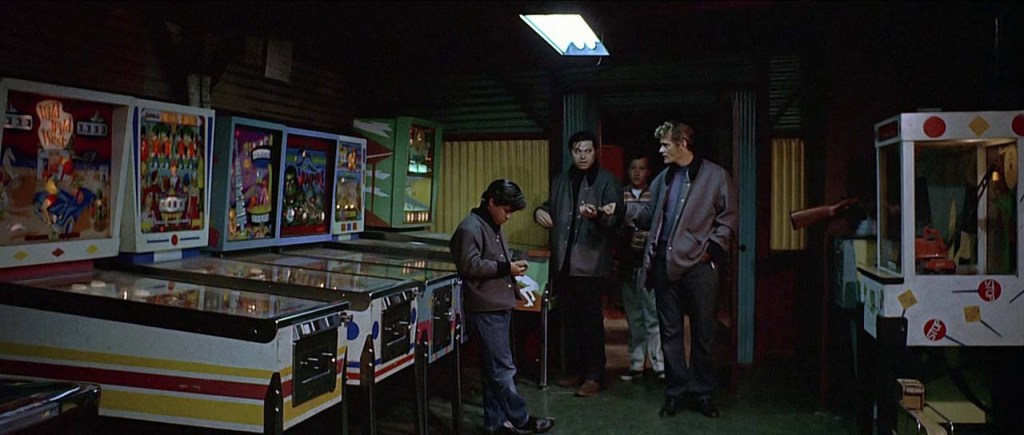
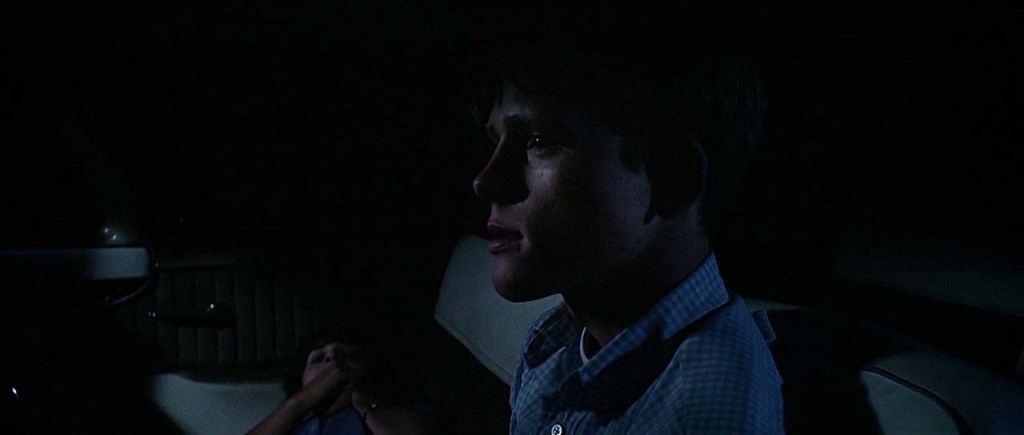
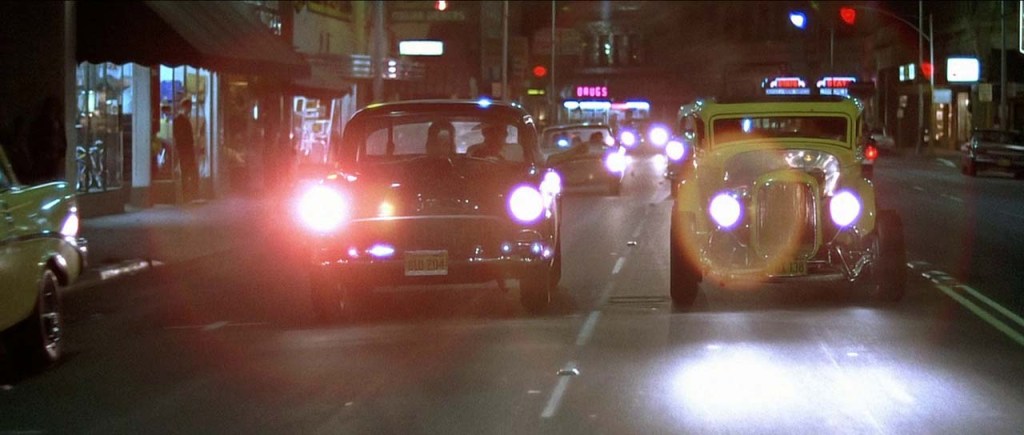
The film also features Terry “The Toad” Fields (Charles Martin Smith), an awkward but lovable teen whose humorous misadventures with girls and cars provide comic relief. Additionally, Carol Morrison (Mackenzie Phillips) is a young girl caught between the innocence of youth and the temptation of more mature experiences.
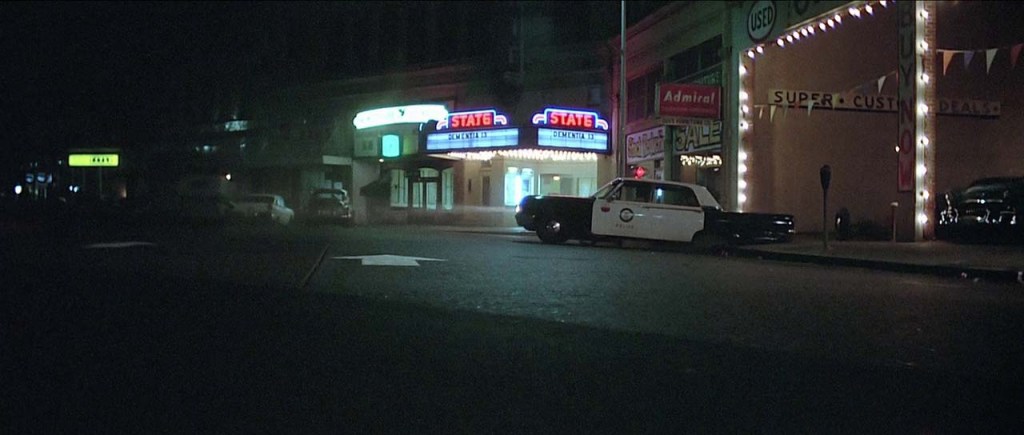
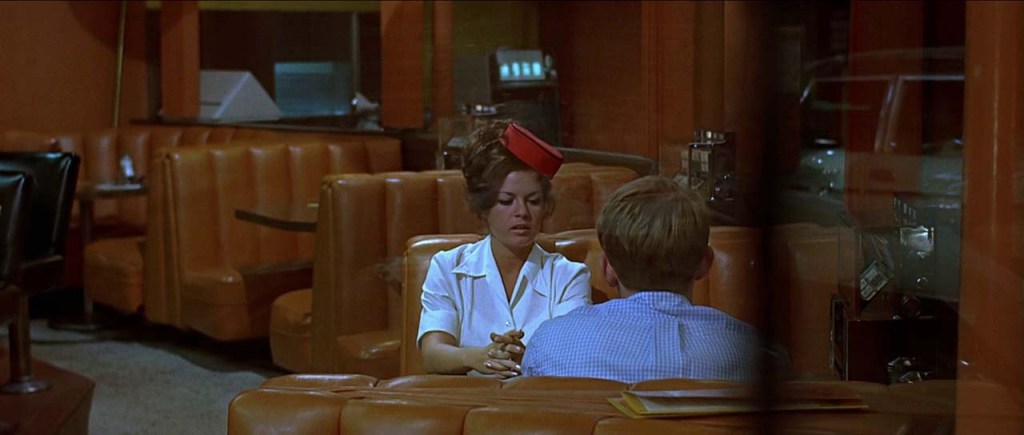
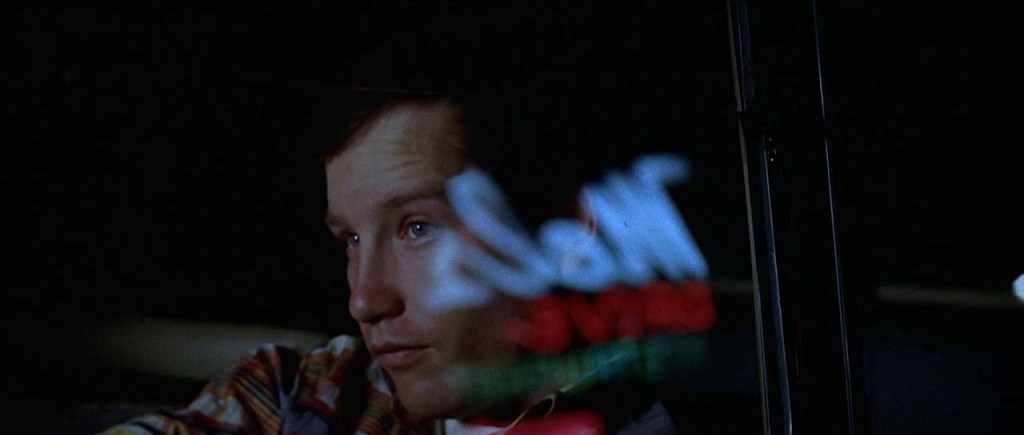
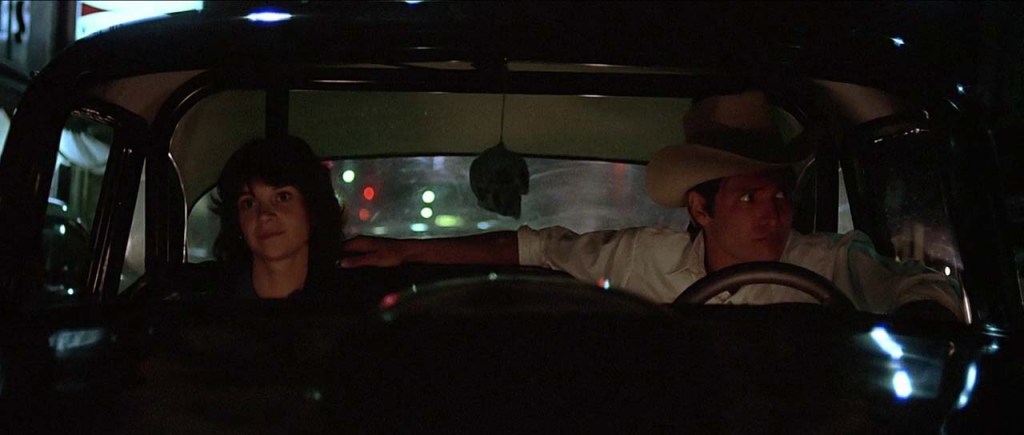
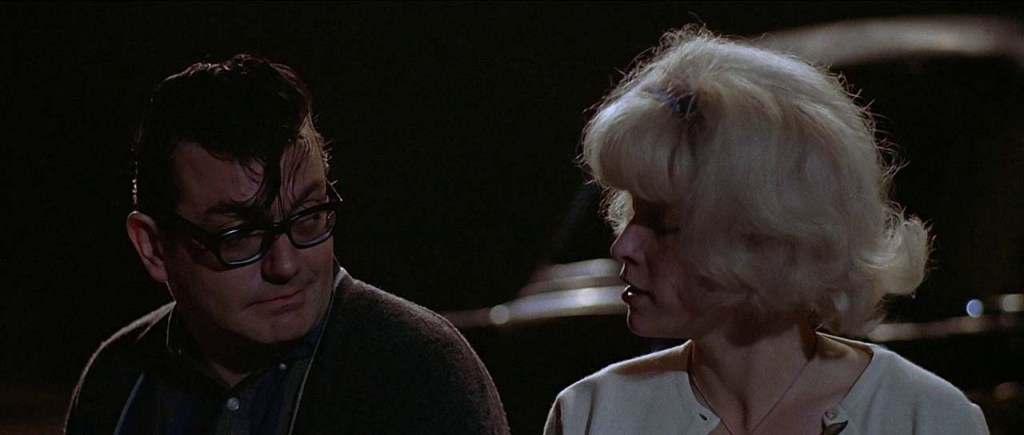
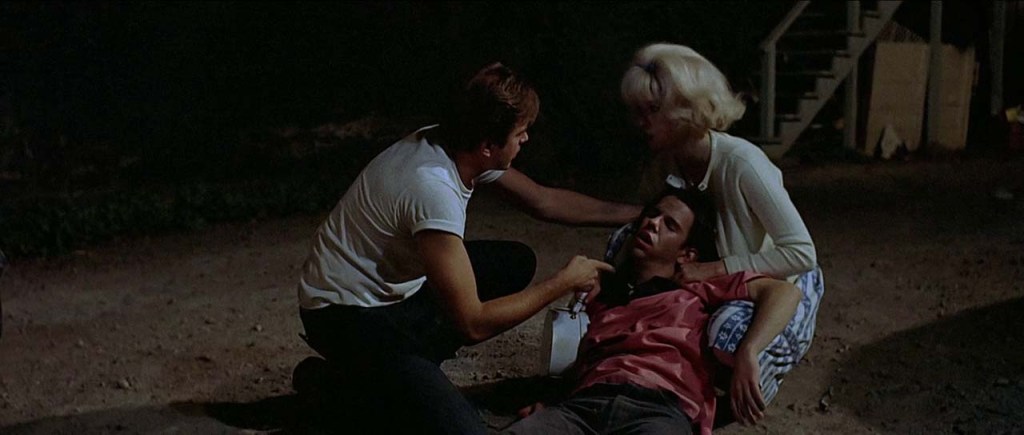
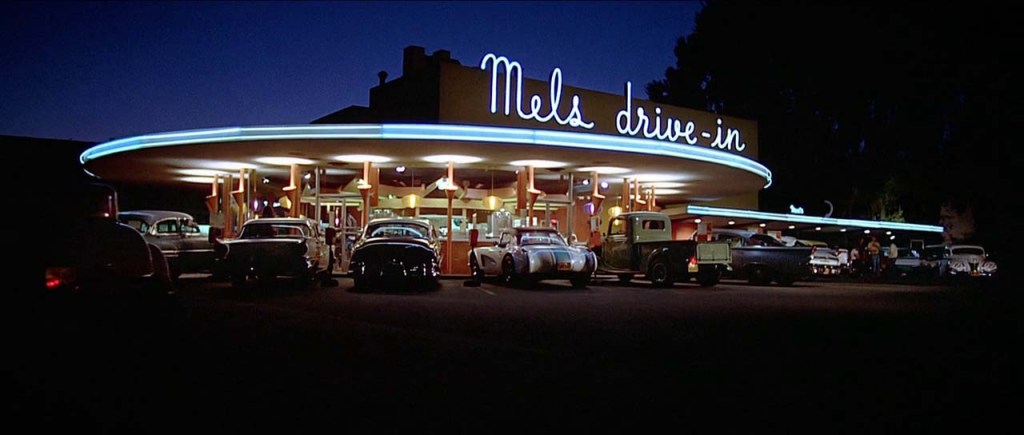
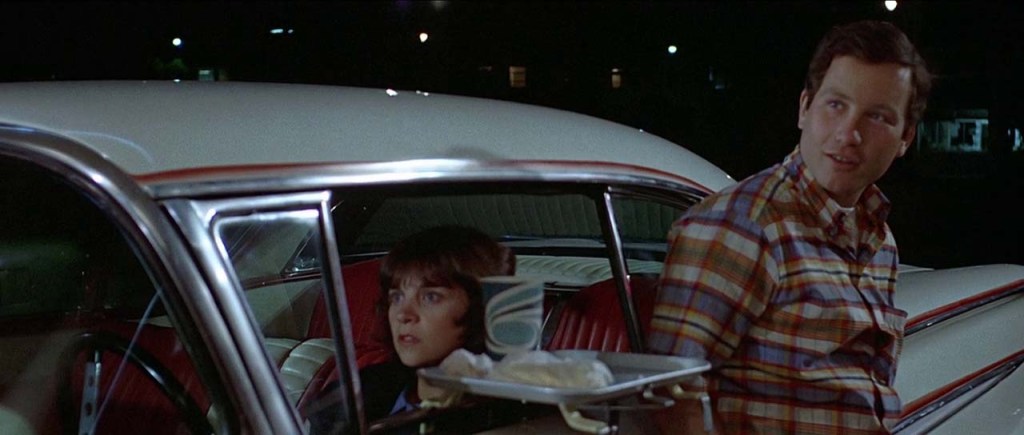
Throughout the night, the teens experience quintessential small-town Americana, including diner hangouts, local dances, drive-ins, and cruising culture. The soundtrack, featuring hits from the early 1960s, adds a nostalgic tone that enhances the film’s themes of youth, freedom, and fleeting innocence.
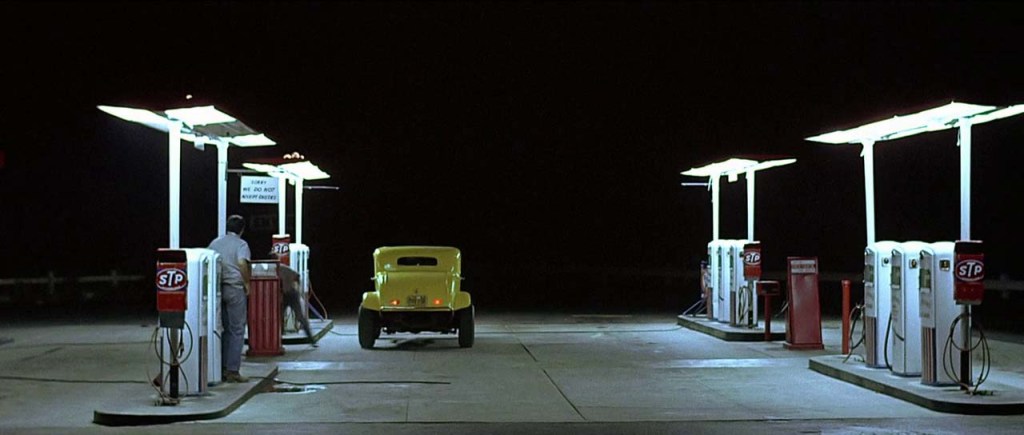
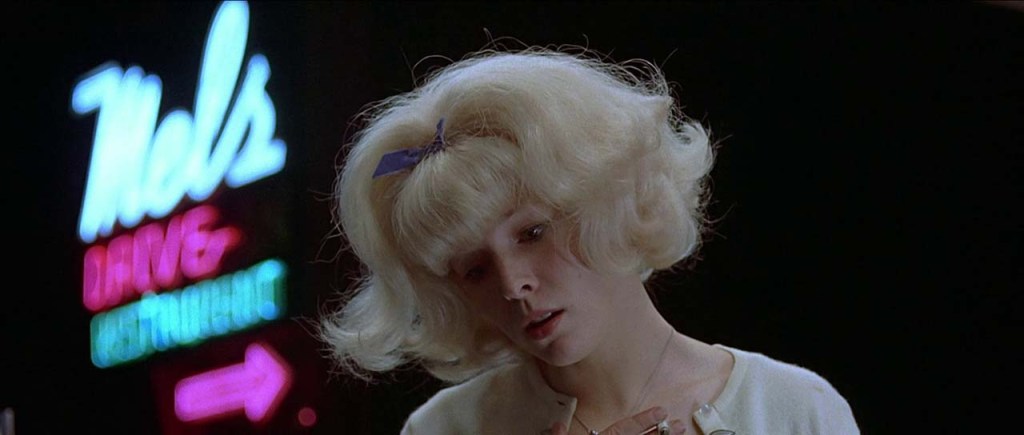
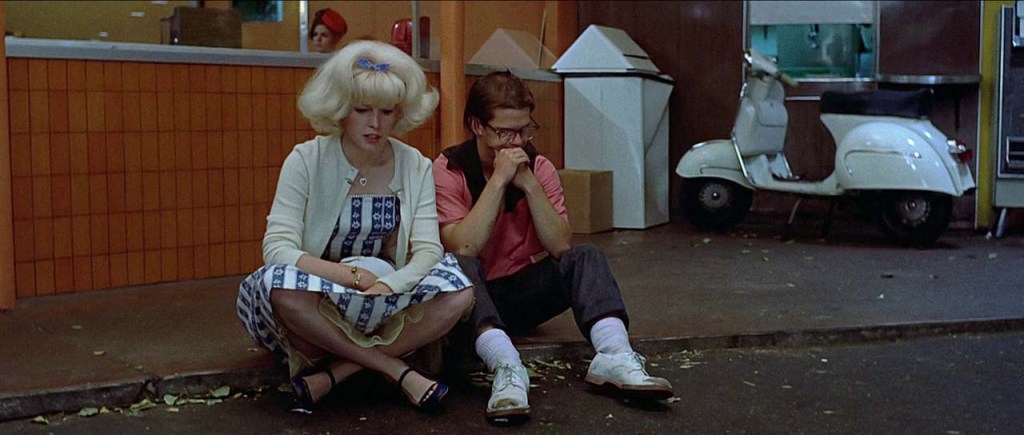
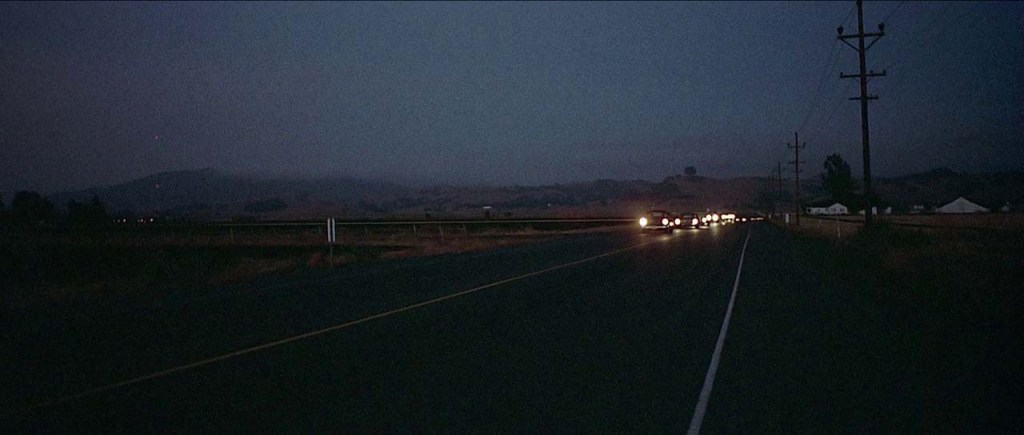
After dropping Carol off at home, John is encouraged by Bob to participate in a drag race along Paradise Road, just outside the city, in front of a crowd of spectators. Terry starts the race, and John quickly takes the lead. However, Bob’s tire blows out, causing his car to veer into a ditch, roll over, and eventually burst into flames. Steve rushes to the wreckage as Laurie and Bob manage to crawl out just before the car explodes. While John helps Bob to safety, Laurie pleads with Steve not to leave her. He assures her that he will stay with her in Modesto.
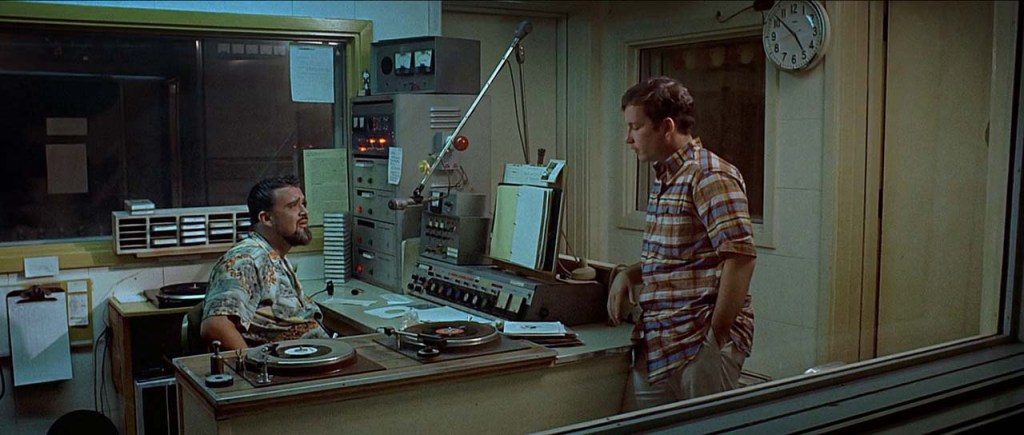
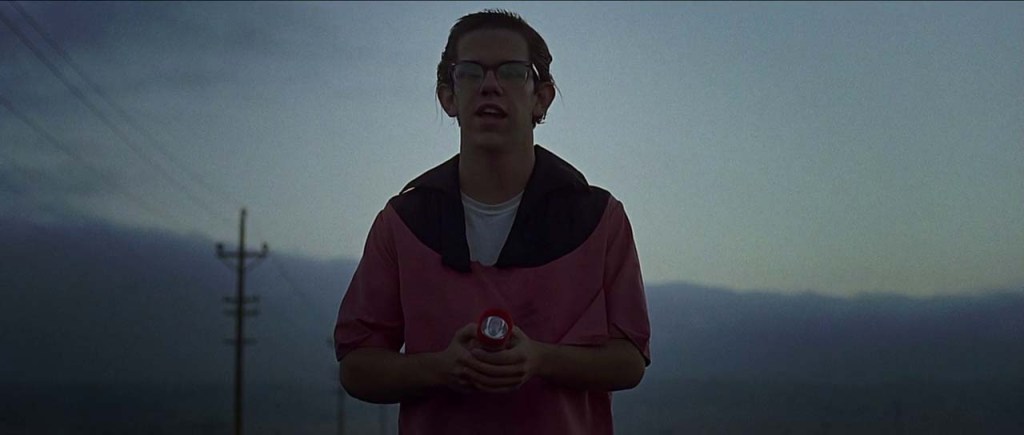
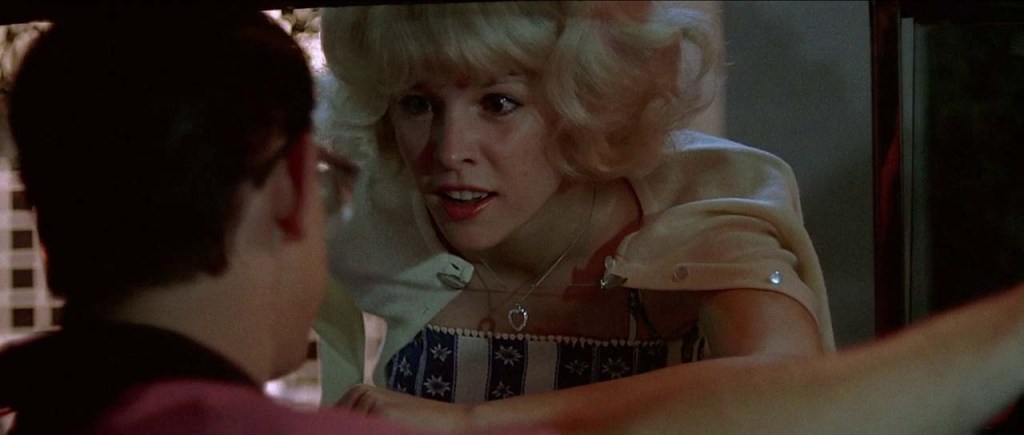
Curt, feeling exhausted, is startled awake by the ringing payphone. He finally answers and speaks to the mysterious blonde, who hints at meeting the following night. However, Curt responds that he is leaving town.

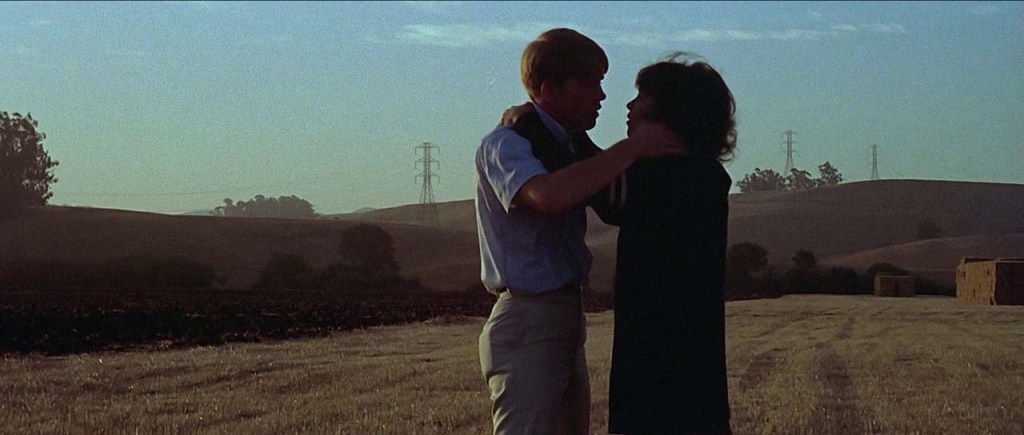
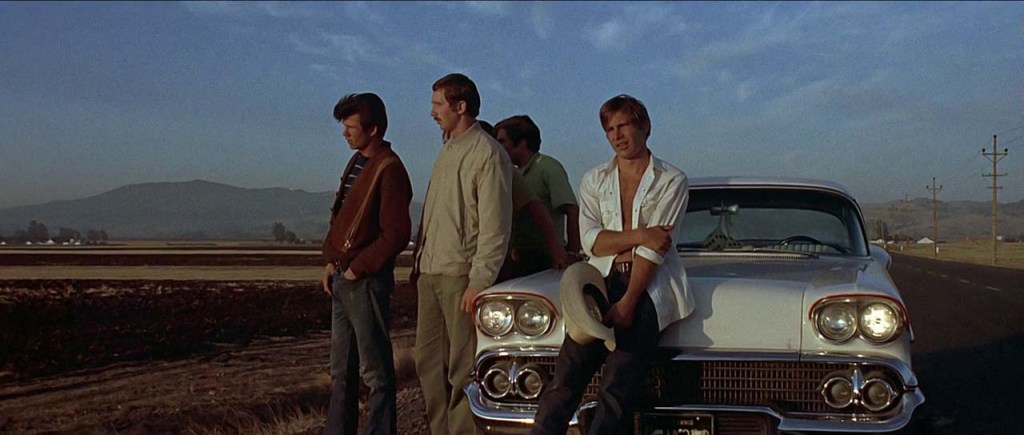
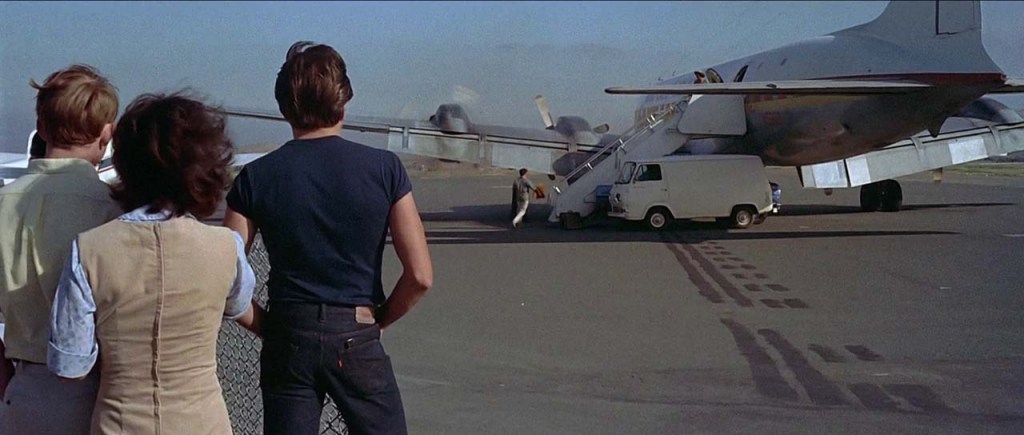
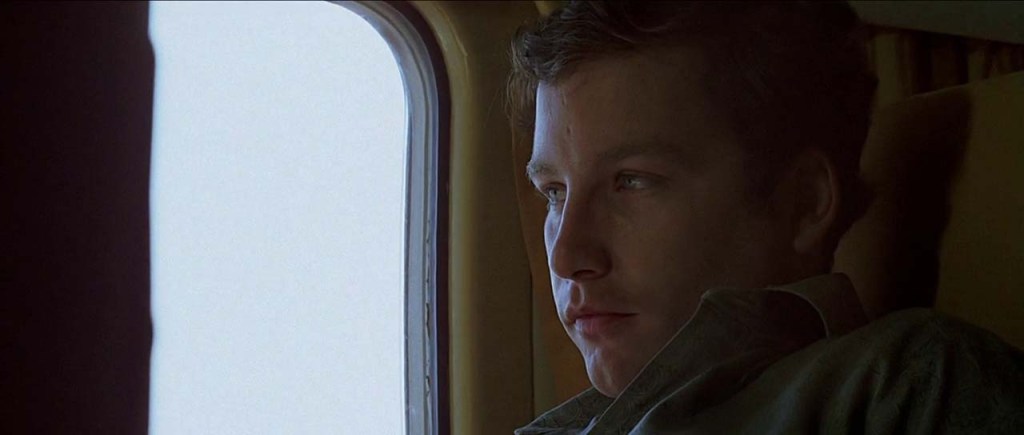
The next morning at the airfield, he says goodbye to his parents and friends. After taking off, he spots a white Thunderbird driving along the road below as he gazes into the ascending clouds.
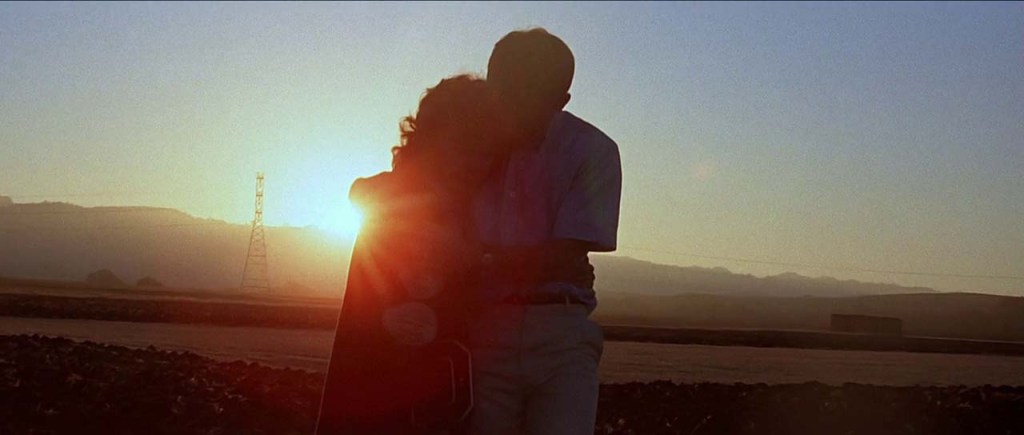
An epilogue reveals the fates of the four male friends: in 1964, John was killed by a drunk driver; in 1965, Terry was reported missing in action during the Vietnam War; Steve became an insurance agent in Modesto, and Curt is a writer living in Canada.
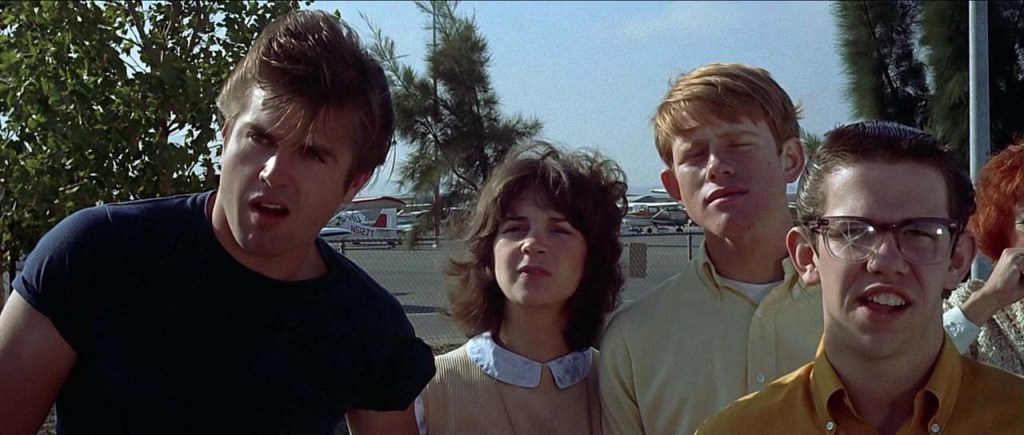
The film culminates in moments of self-realization for each character. Curt accepts the inevitability of change and departure. John confronts the consequences of his choices, while Steve and Laurie acknowledge the bittersweet passage of time. Terry experiences personal growth, learning from his awkward missteps.
“American Graffiti” is renowned for its authentic portrayal of early 1960s youth culture, its ensemble cast, and its innovative use of intertwined narratives, making it a perfect snapshot of American youth culture at the time.