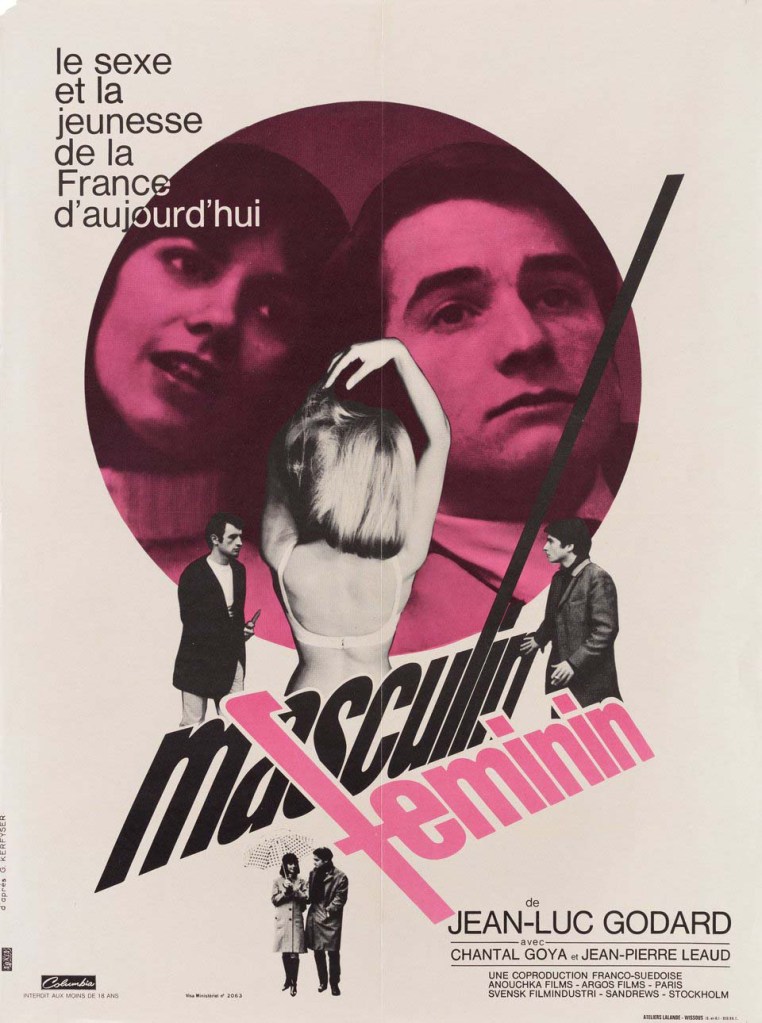




“Masculin Féminin,” directed in 1966 by Jean-Luc Godard, is a seminal work of the French New Wave—a playful yet probing exploration of youth, politics, pop culture, and sexual relationships in 1960s Paris. Subtitled “15 faits précis” (“15 precise facts”), the film unfolds as a loose mosaic of vignettes rather than a conventional narrative, capturing the rhythms and contradictions of a generation caught between idealism and consumerism.



The story revolves around Paul (Jean-Pierre Léaud), a restless and politically aware young man who has recently completed his military service. Disillusioned with authority and in search of meaning, Paul navigates a rapidly changing society influenced by pop music, media, and the ongoing tension between leftist politics and bourgeois comfort. He becomes enamored with Madeleine (Chantal Goya), an aspiring pop singer whose apolitical, career-focused ambitions starkly contrast with Paul’s revolutionary idealism.

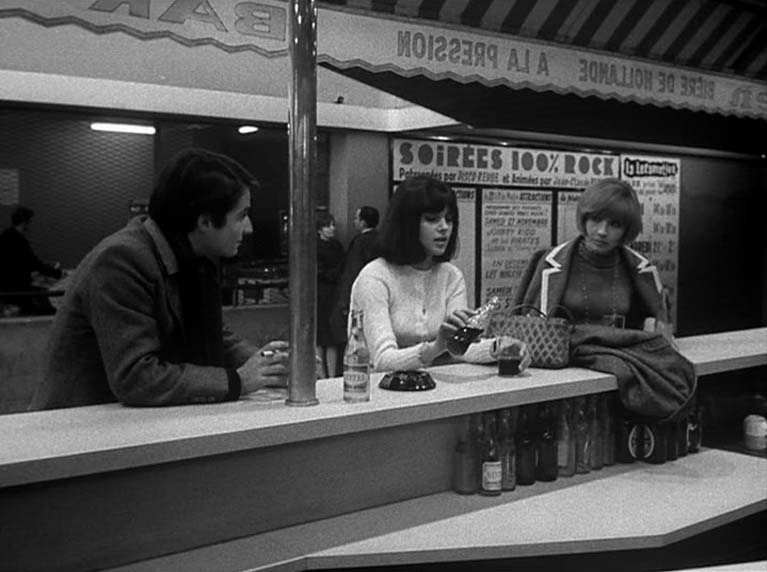
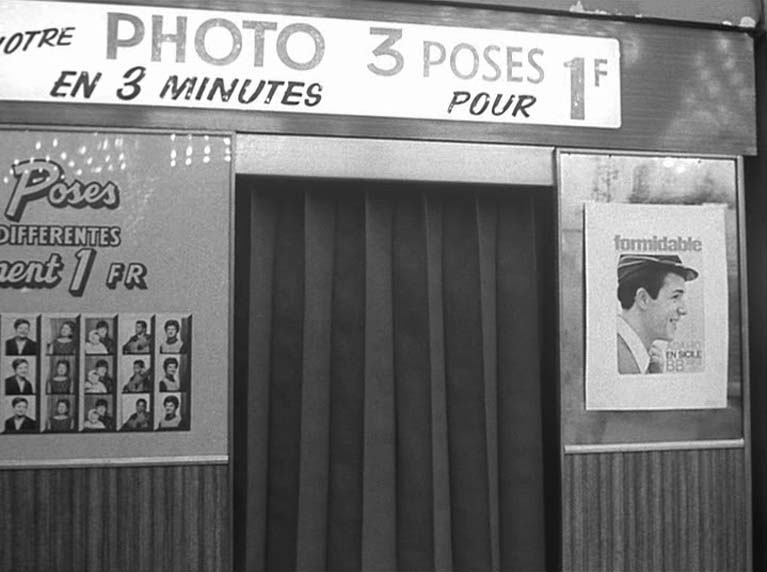
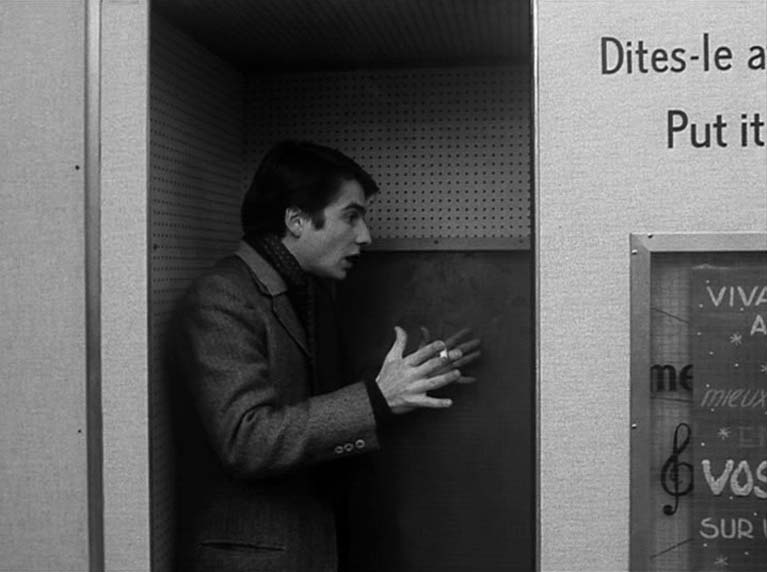
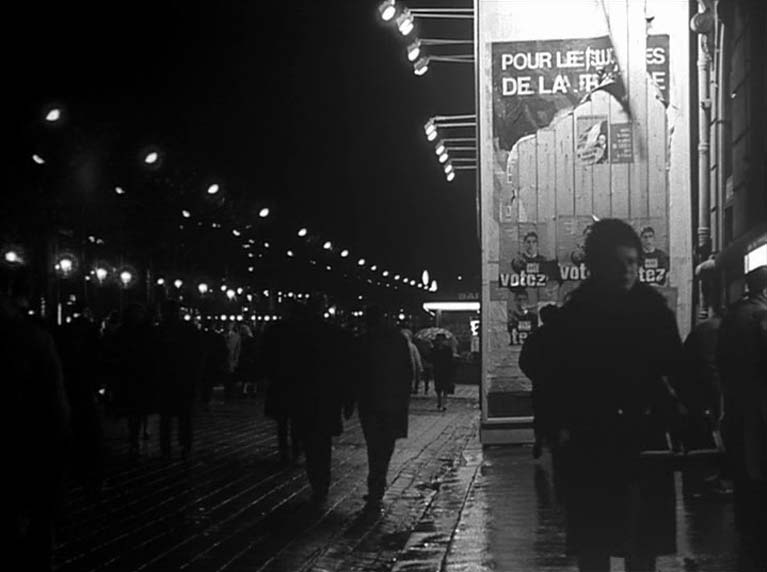
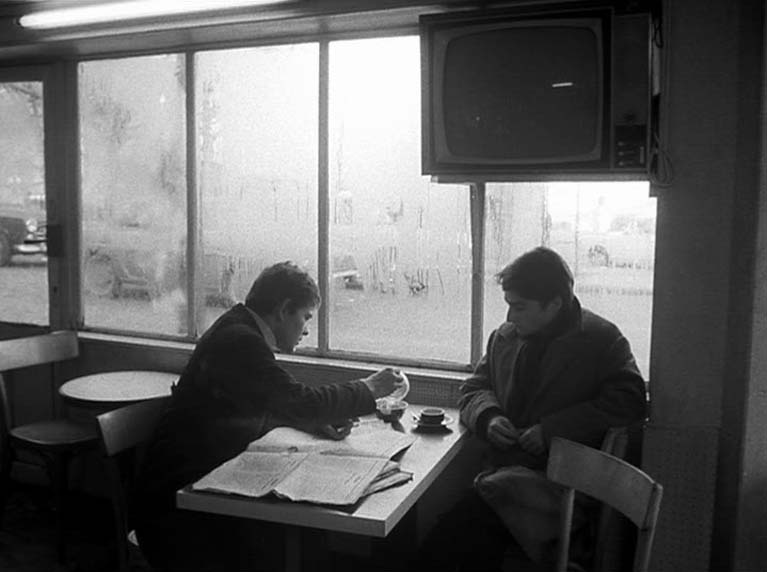
Paul encounters Madeleine by chance in a café, and they quickly develop a romantic relationship. She introduces him to her roommates, Elisabeth (Marlène Jobert) and Catherine (Catherine-Isabelle Duport). Together, they form a small circle of twenty-somethings trying to find their identities amid the turmoil of modern life. The group’s discussions range from flirtation and existential debates to political commentary, reflecting the intellectual restlessness of postwar French youth.
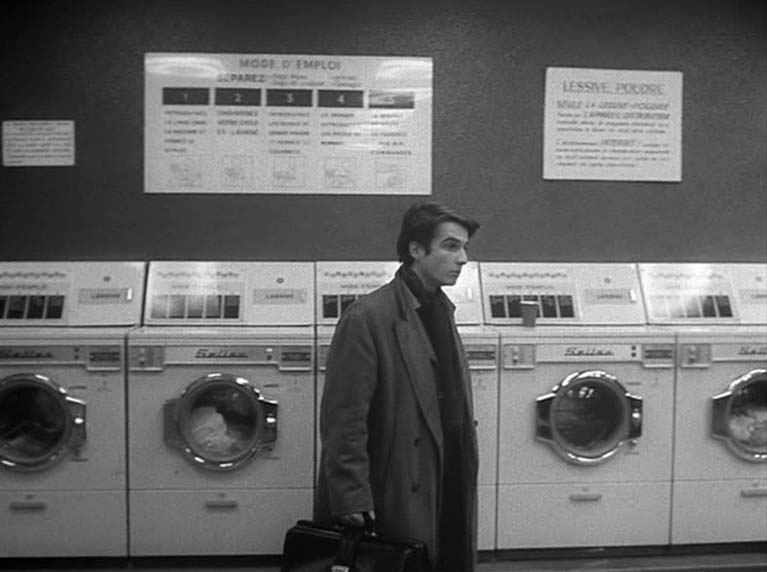

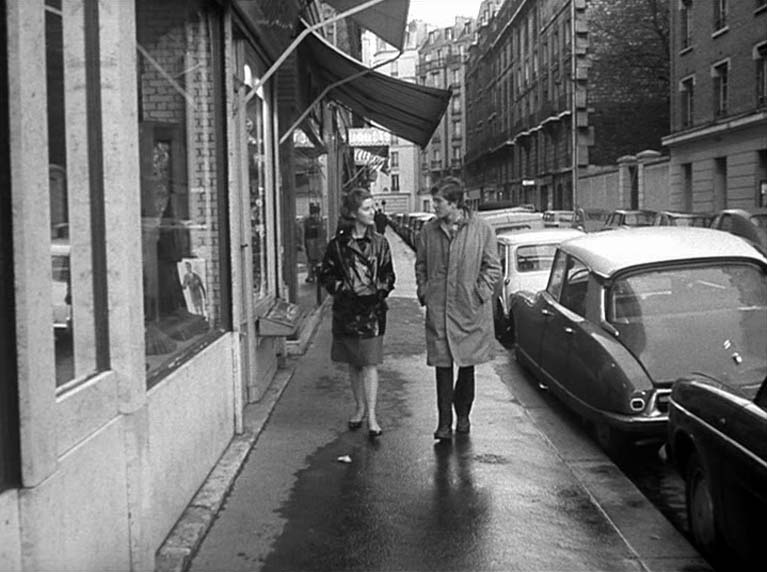
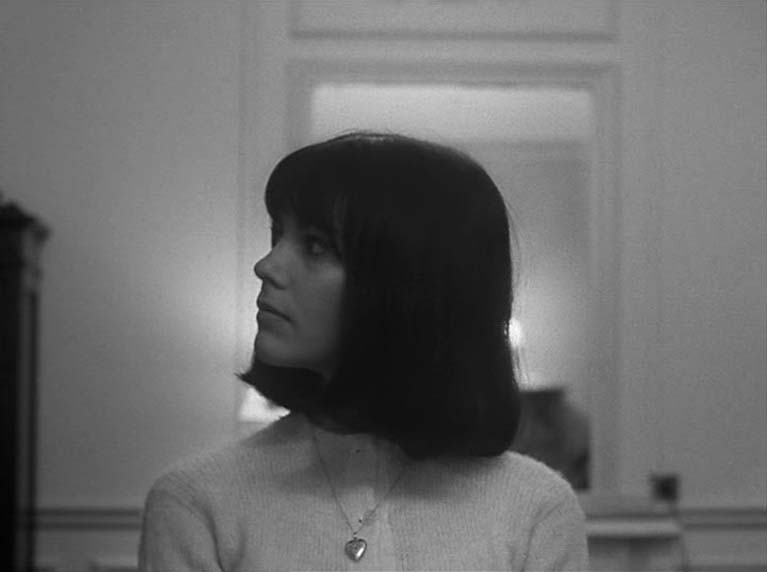

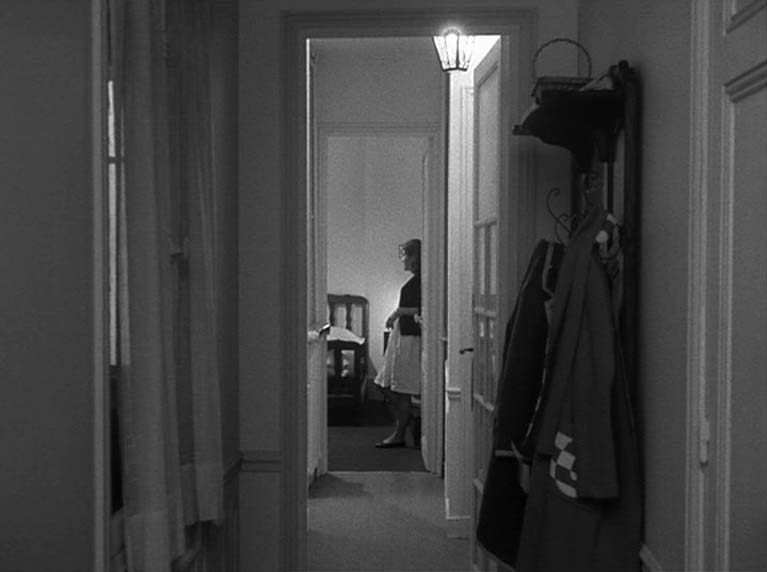
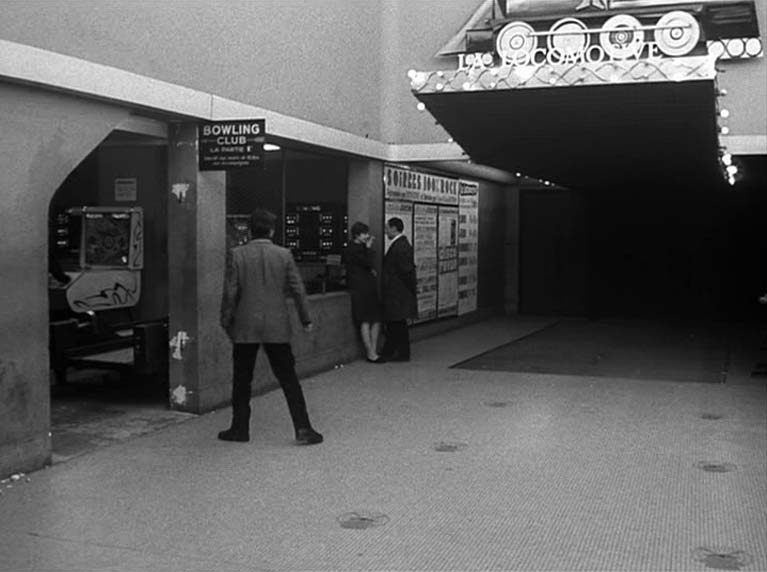
Paul, increasingly focused on questions of identity, war, and social justice, feels disconnected from Madeleine’s world of pop stardom and commercial recording sessions. While he reads Marx and contemplates revolution, she rehearses love songs and dreams of fame. Their relationship—both tender and detached—represents a microcosm of the larger divide between political engagement and cultural complacency in the youth culture of the 1960s.


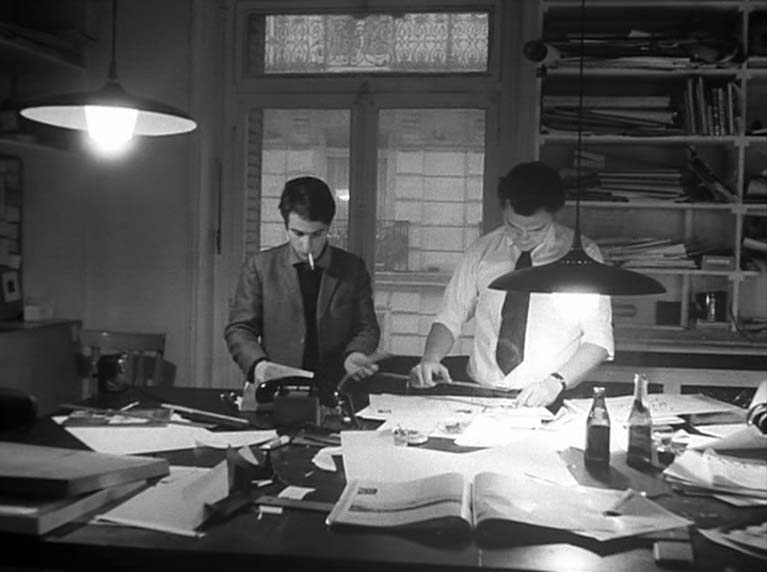

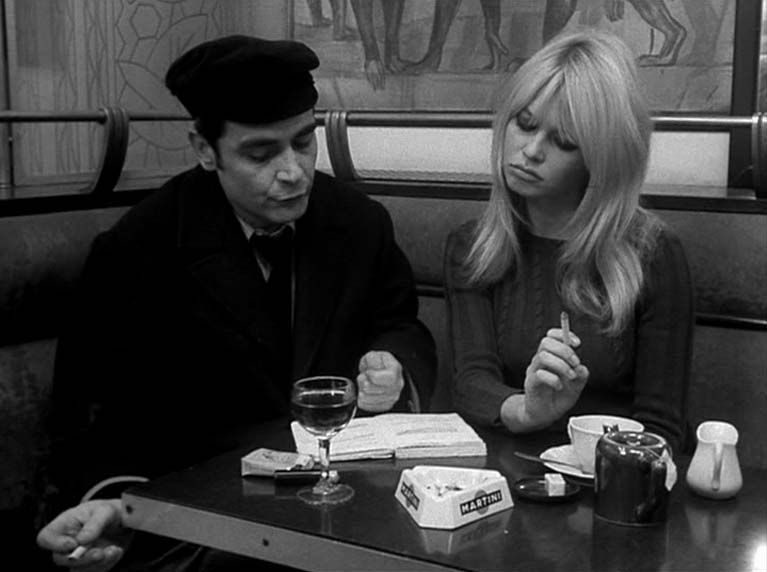
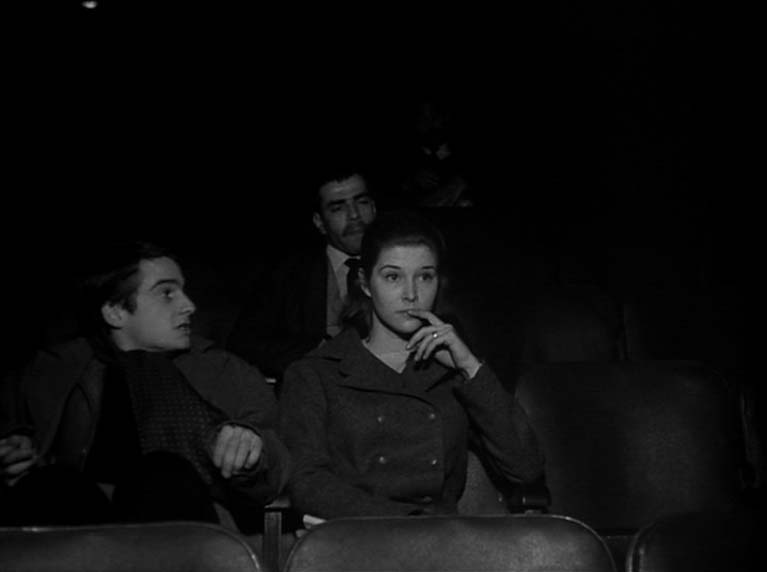
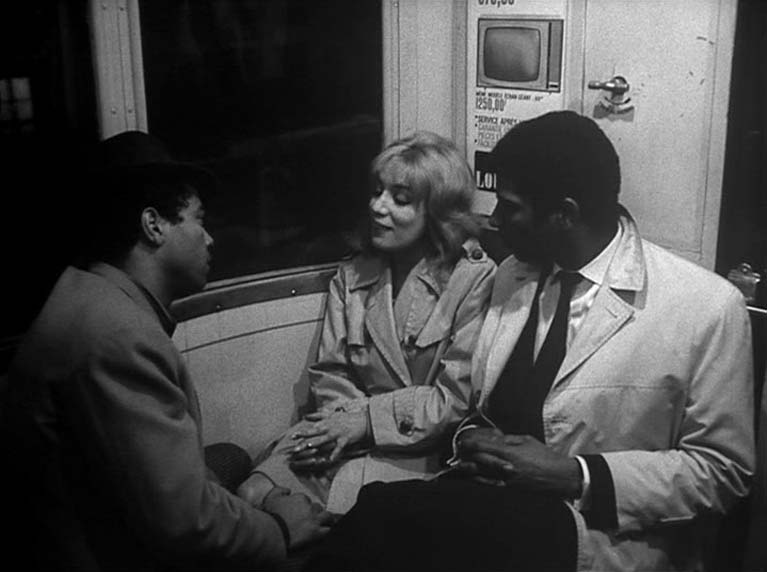
In the film, Godard includes interview-style sequences in which characters—often played by non-professional actors—are asked spontaneous questions about topics such as sex, love, birth control, and politics. These unscripted moments blur the distinction between fiction and documentary, emphasizing that “Masculin Féminin” is not only a film about its characters but also a portrayal of a generation.

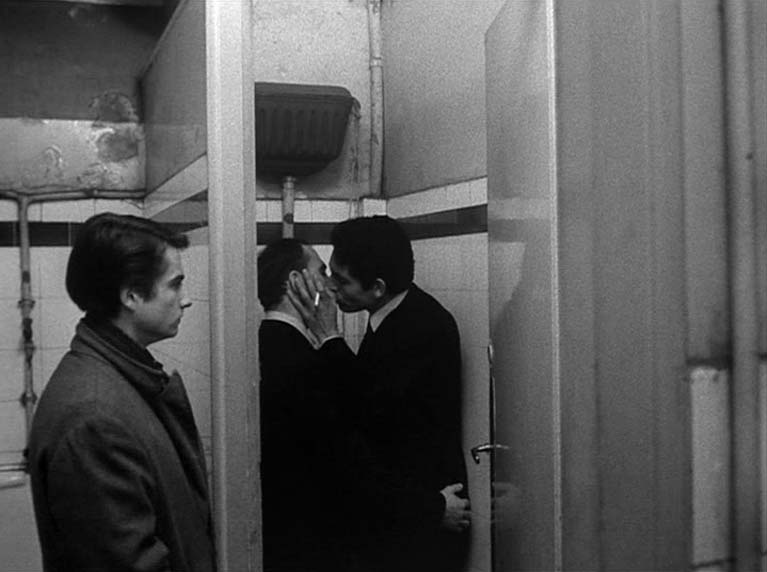

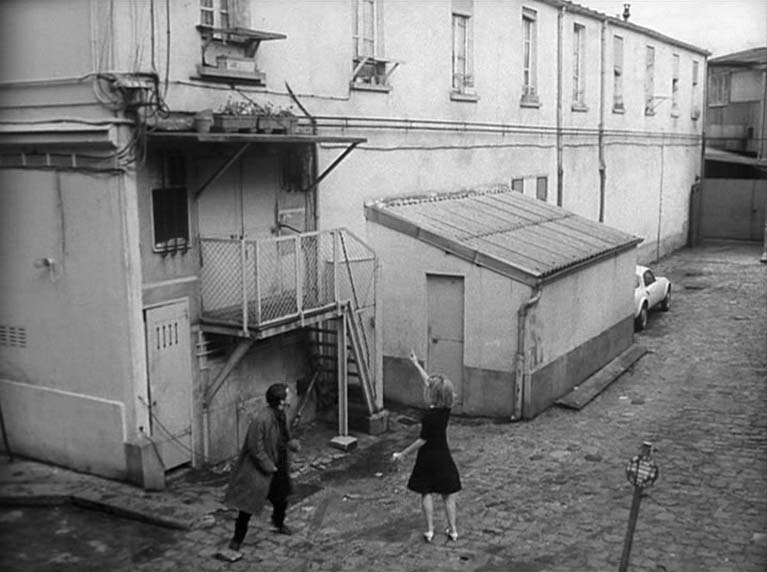

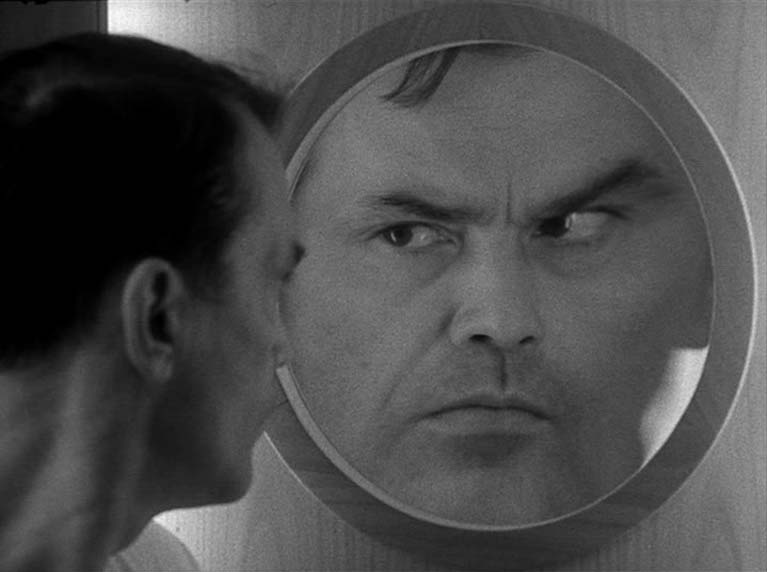
As Paul’s romantic idealism clashes with the contradictions of the modern world, his feelings of alienation intensify. He and Madeleine begin to drift apart, and their conversations become increasingly fragmented and cynical. In one of the film’s most striking moments, Godard includes a brief cameo by Brigitte Bardot, highlighting the overwhelming influence of celebrity culture. Ultimately, the story takes a tragic turn when Paul dies in an ambiguous accident, leaving it uncertain whether it was a case of suicide, murder, or simply the absurd conclusion of his disillusionment.

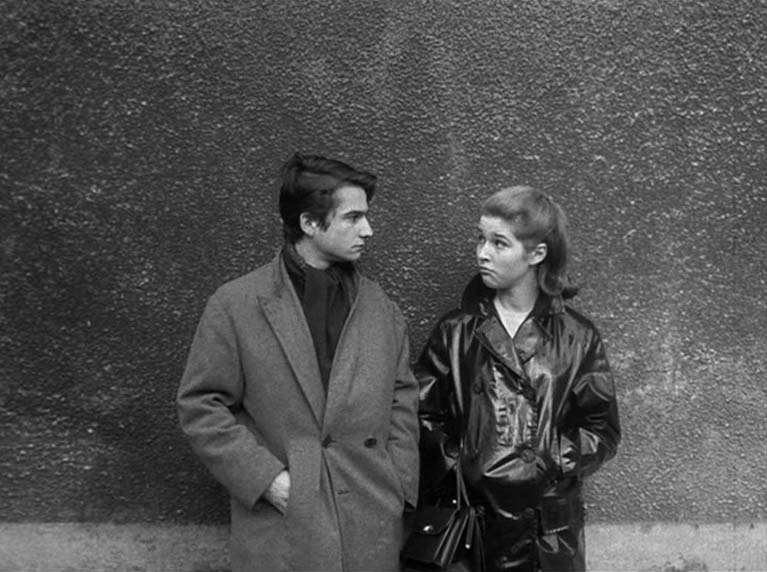
“Masculin Féminin” explores the theme of “the children of Marx and Coca-Cola,” a phrase famously coined by Godard to describe the postwar generation caught between political radicalism and consumerism. The film examines how mass media, advertising, and pop music influence personal relationships and shape societal ideals.
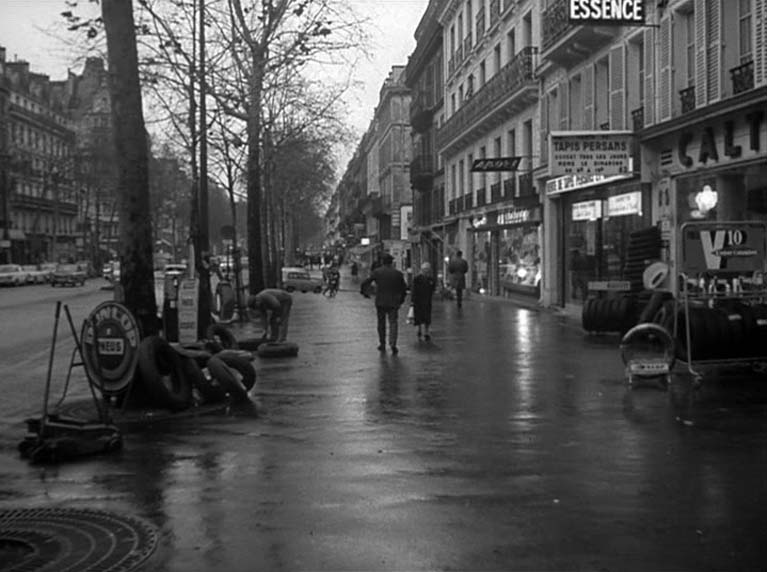
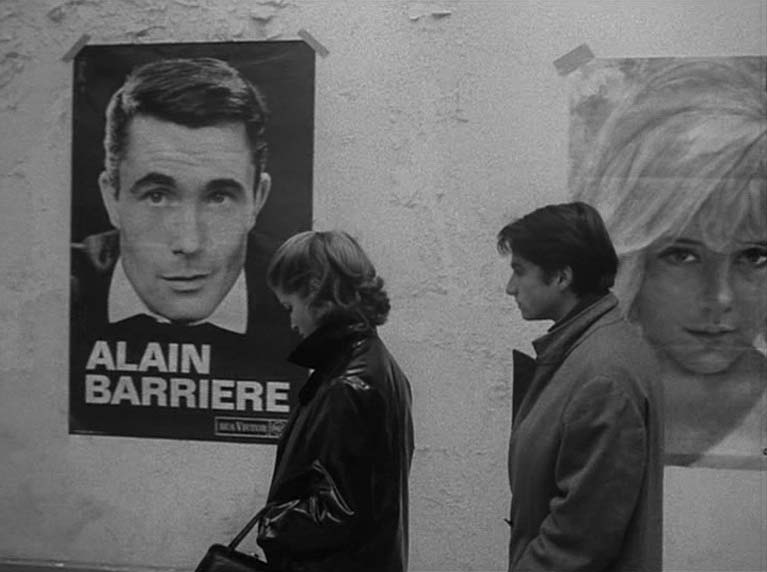
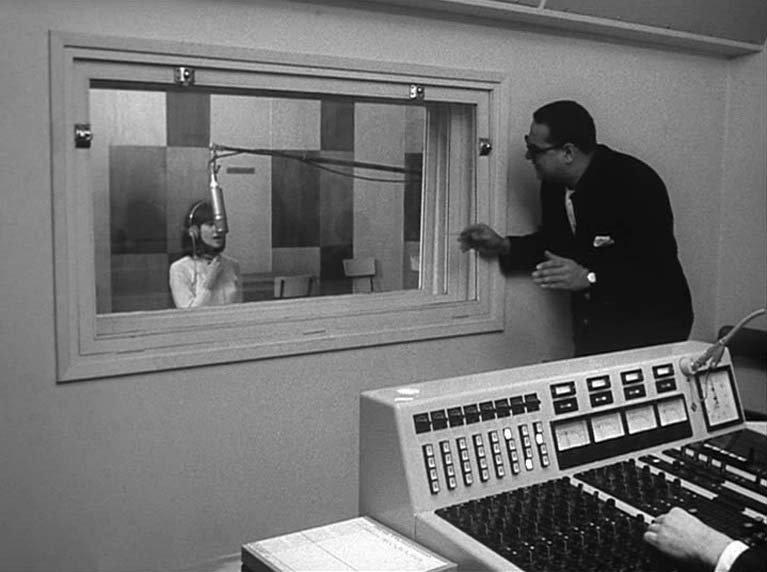
Godard employs his signature stylistic techniques: jump cuts, direct camera address, fragmented editing, and documentary-style realism. The film’s structure—consisting of fifteen “precise facts”—reflects the fragmented identity of its subjects, highlighting observation over narrative closure.
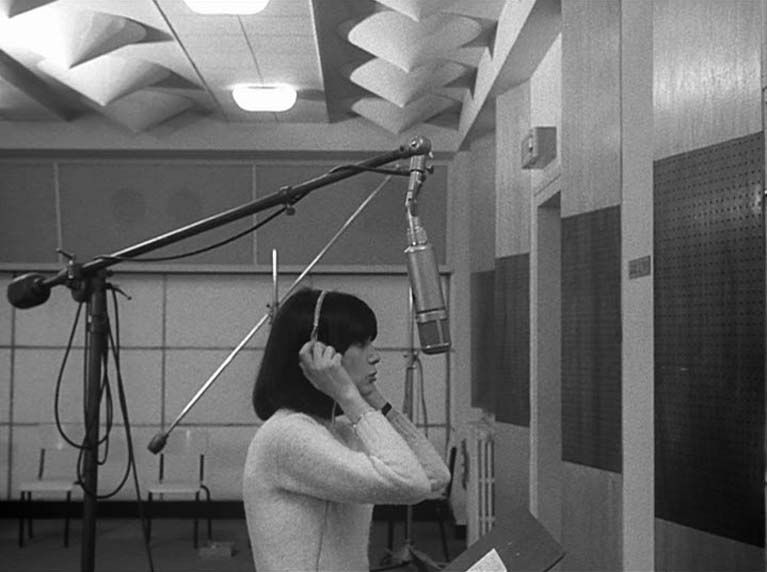
The soundtrack features diegetic pop songs by Chantal Goya, ambient city sounds, and moments of silence. This combination emphasizes the contrast between commercial artifice and genuine emotion.

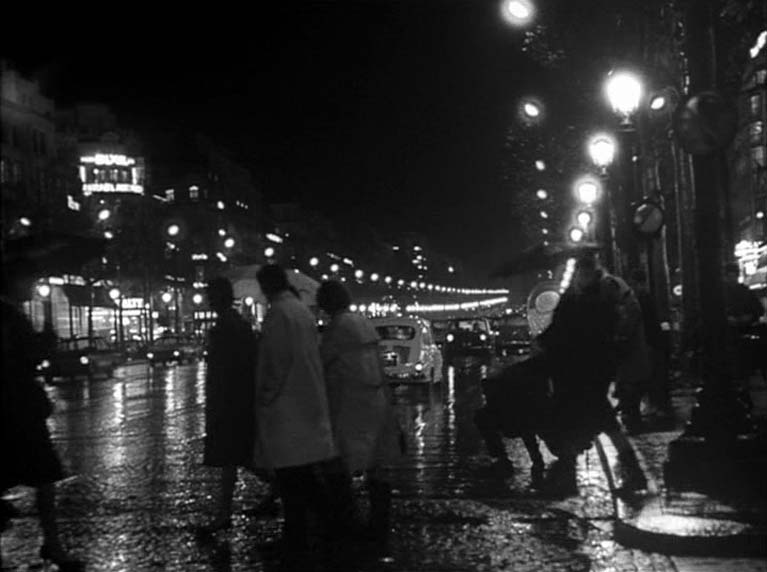

Upon its release, “Masculin Féminin” divided audiences and critics. Some considered it a brilliant sociological portrait of 1960s youth, while others found it cold and detached. Over time, it has been recognized as one of Godard’s defining works—an insightful exploration of the evolving nature of modern love and politics, as well as a snapshot of an era on the verge of social revolution.