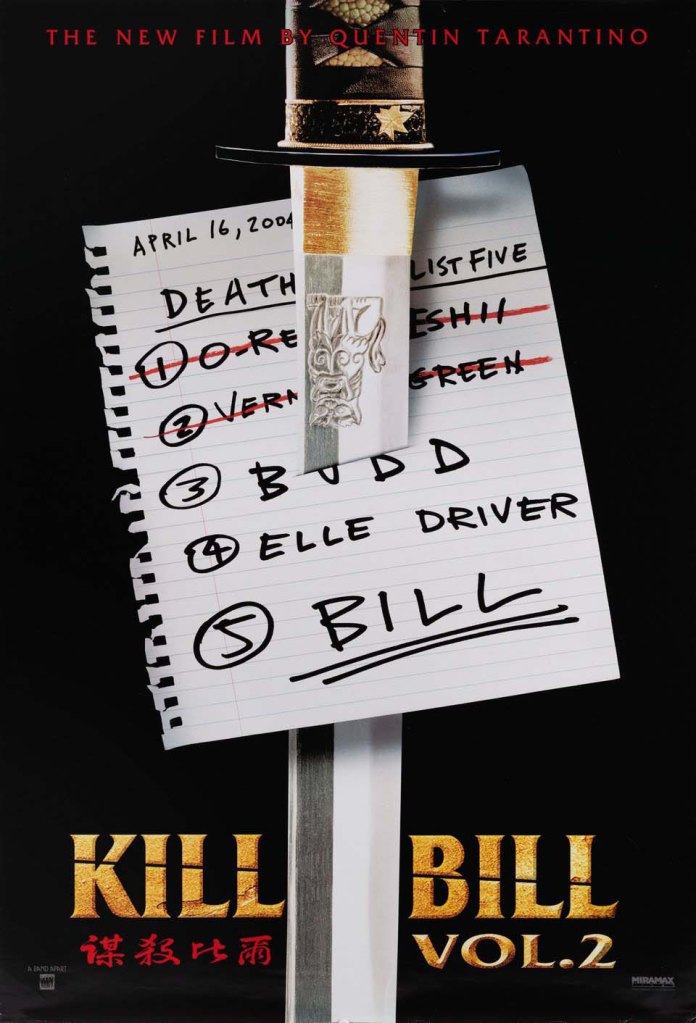

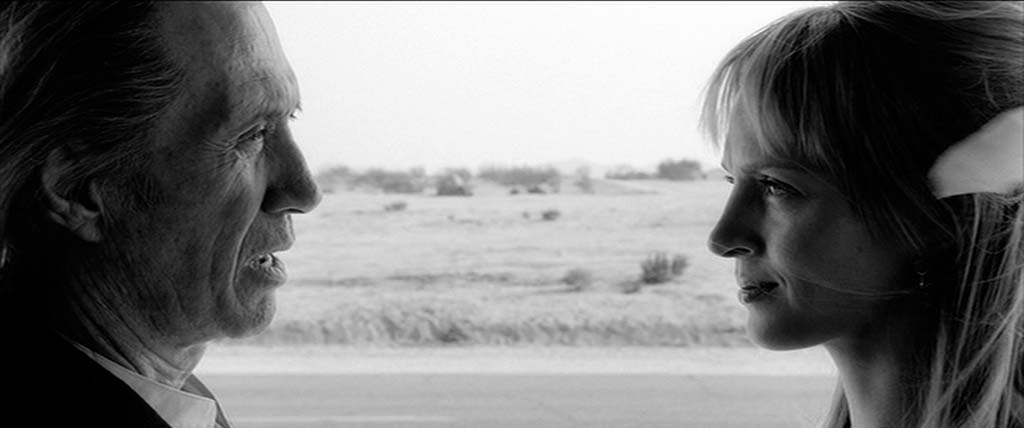


“Kill Bill: Vol. 2” is a 2004 film written and directed by Quentin Tarantino. It serves as both a continuation and conclusion of “Kill Bill: Vol. 1” (2003). While the first volume is characterized by hyper-stylized martial arts and intense vengeance, Vol. 2 shifts focus to a more character-driven and emotional narrative. Rather than emphasizing blood-soaked retribution, Vol. 2 explores the psychology of revenge, love, and redemption.



The story follows Beatrix Kiddo, portrayed by Uma Thurman, known as The Bride. She continues her quest for revenge against her former mentor and lover, Bill, played by David Carradine, as well as the remaining members of the Deadly Viper Assassination Squad. These individuals were responsible for the massacre of her wedding party and left her in a coma four years prior.


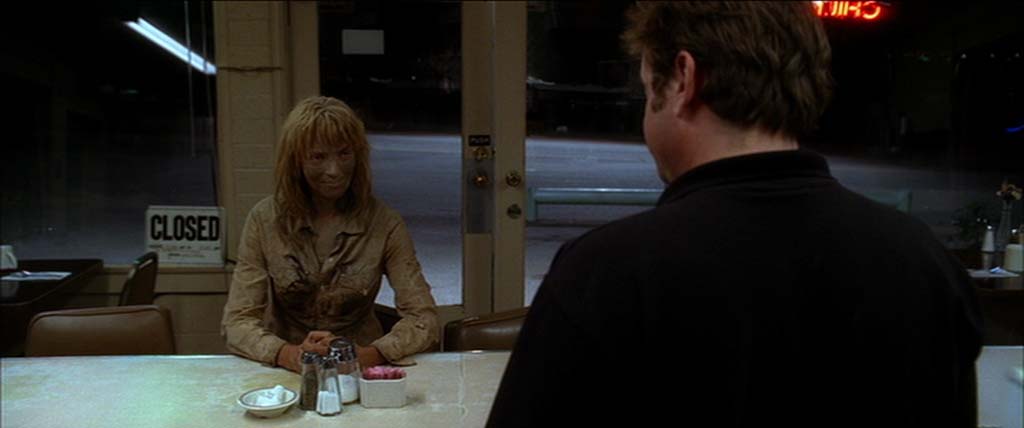
After defeating O-Ren Ishii and Vernita Green in the previous film, Beatrix now aims to complete her “Death List Five,” starting with Budd (Michael Madsen), Bill’s estranged brother.






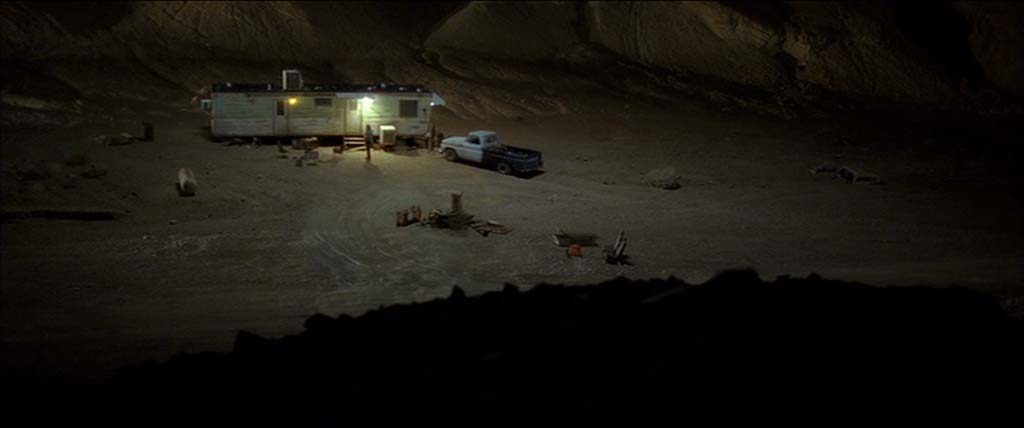
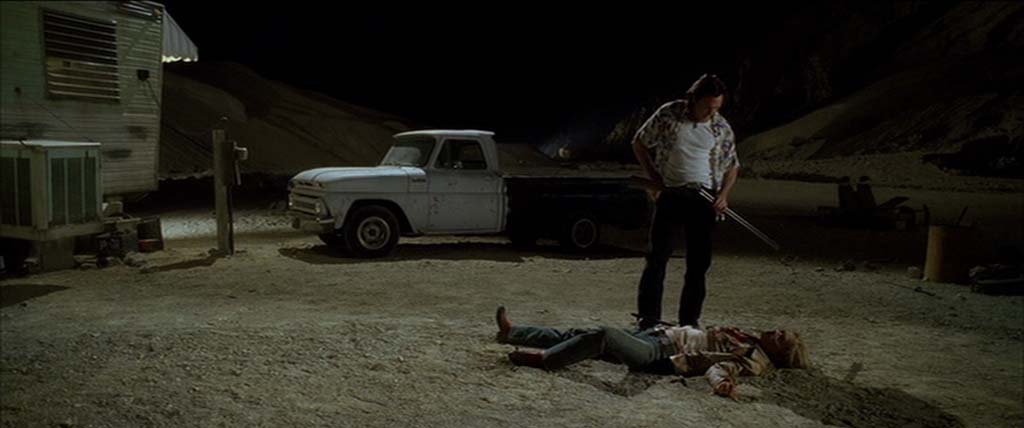
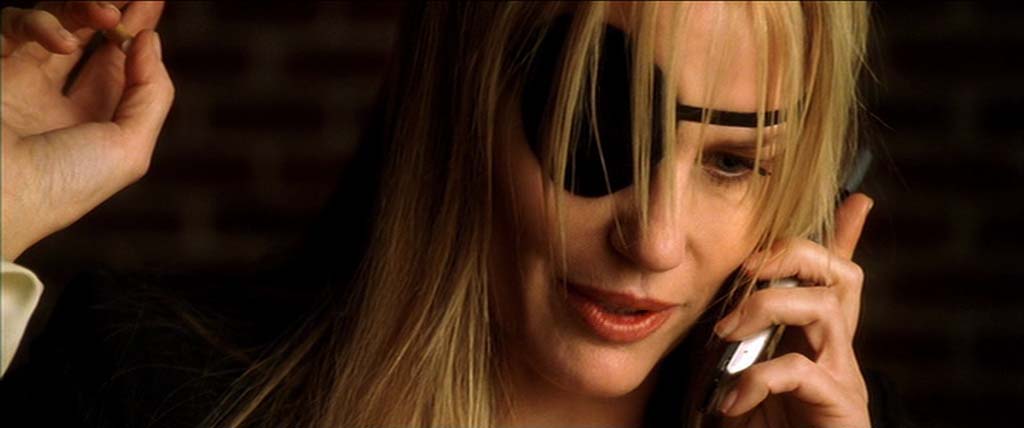
Budd is a washed-up bouncer living in a trailer in the California desert, and he is aware that Beatrix is coming for him. Unlike the other assassins, he approaches his fate with resignation rather than arrogance. In a brutal turn of events, Budd manages to ambush Beatrix with a shotgun loaded with rock salt, knocking her unconscious. Instead of killing her, he sells her to Elle Driver, played by Daryl Hannah, another assassin and Beatrix’s rival, in exchange for a cash payment.
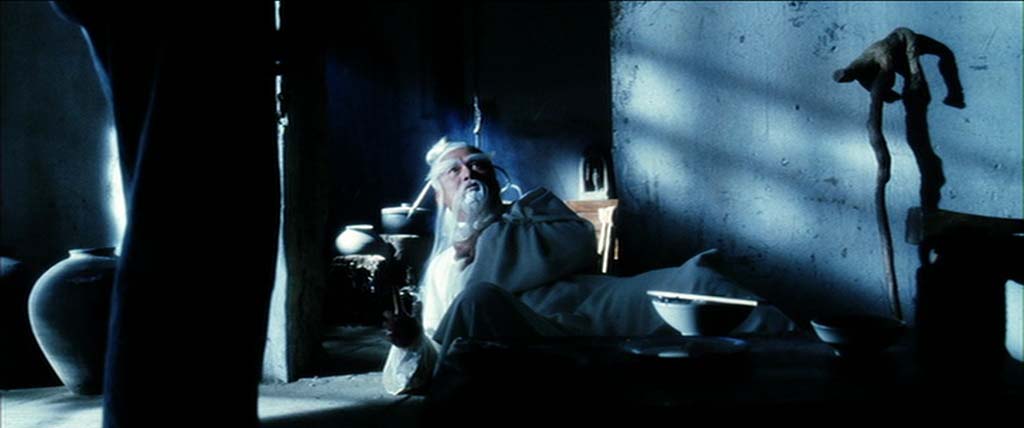
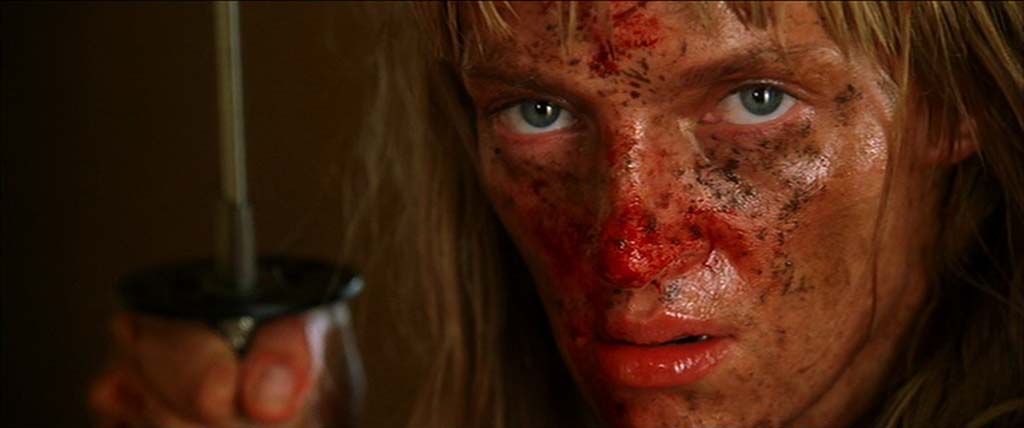


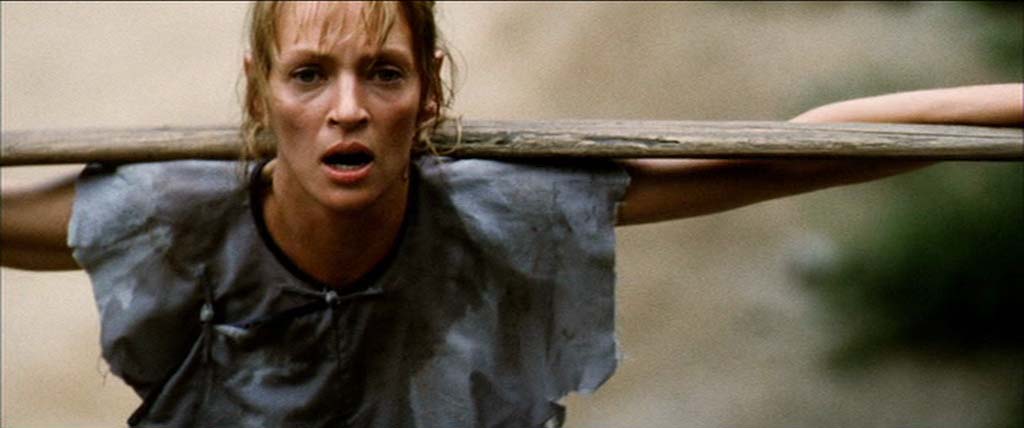
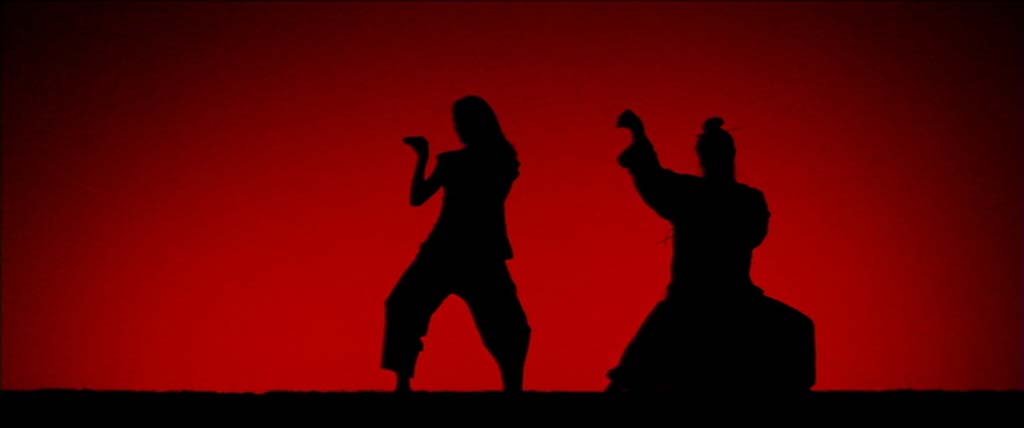
However, Elle betrays Budd by killing him with a black mamba, a snake that symbolizes Beatrix’s codename. Just before Elle can finish off Beatrix, the Bride recalls her intense martial arts training under the cruel but wise Pai Mei, portrayed by Gordon Liu. Through a flashback, we witness Beatrix’s grueling lessons, which include Pai Mei’s brutal teaching methods, her transformation from student to warrior, and the moment she learns his secret “Five Point Palm Exploding Heart Technique,” a lethal move that he teaches to no one else.


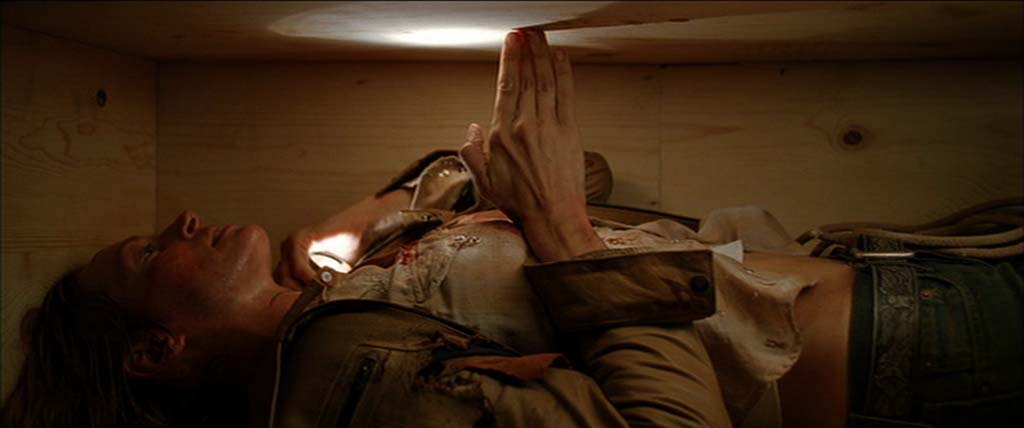
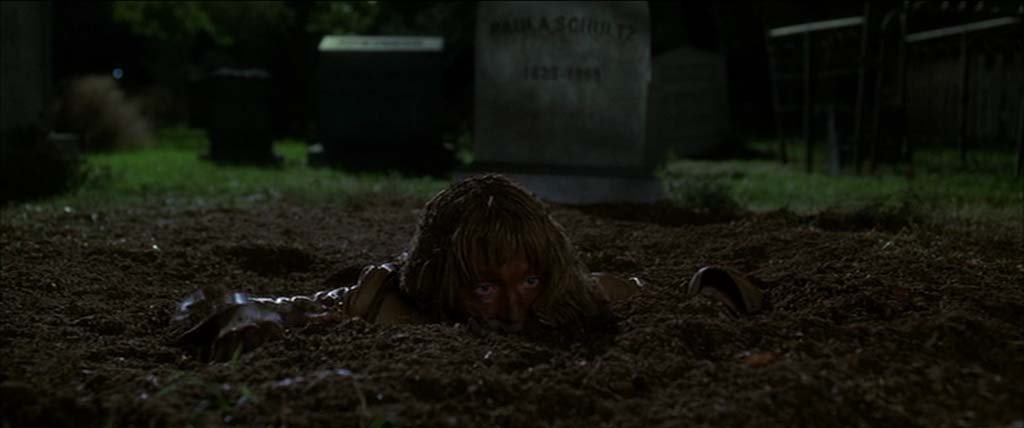
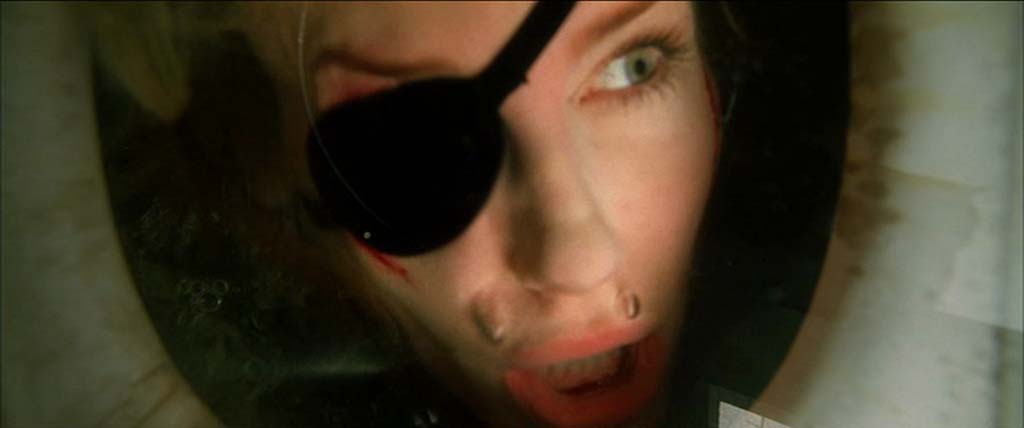
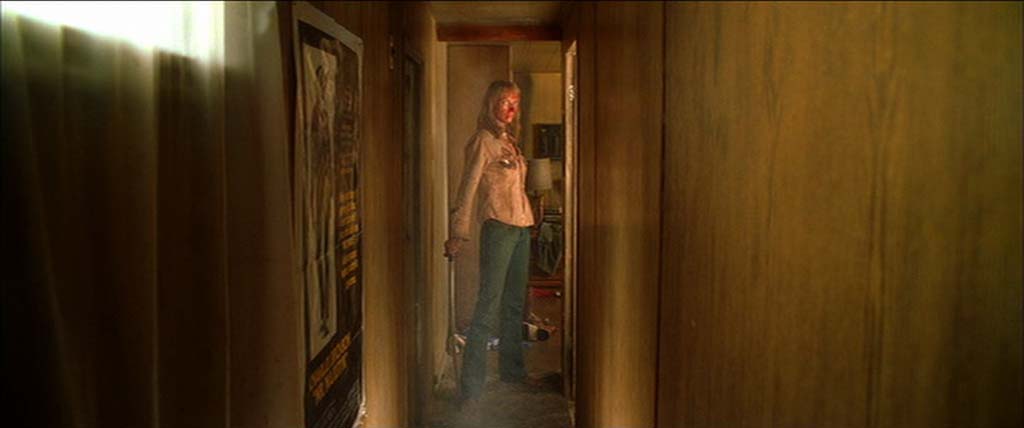
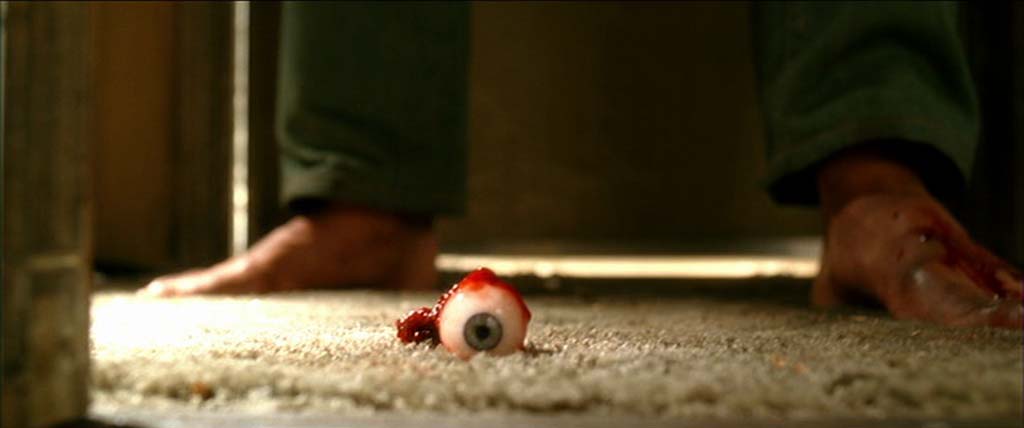
Using her training, Beatrix escapes from being buried alive in Budd’s coffin by punching her way through the earth, clawing her way up from the grave in one of the film’s most iconic scenes. She then confronts Elle in Budd’s trailer. The ensuing fight is intense and brutal—two highly trained assassins engaged in primal combat. Beatrix gains the upper hand and takes out Elle’s remaining eye, leaving her screaming and blind as Beatrix walks away, having nearly completed her revenge.



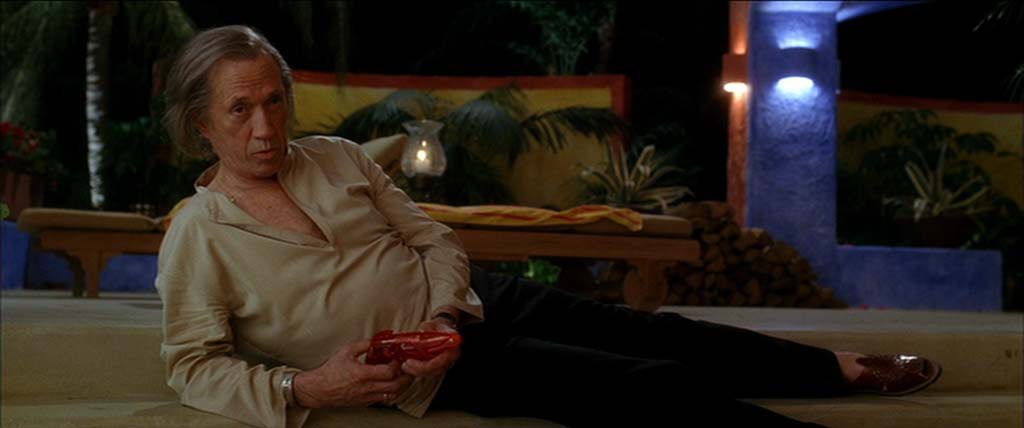
The narrative then shifts to Mexico, where Beatrix tracks down Bill, who is living a quiet life with their daughter, B.B. (Perla Haney-Jardine)—the child Beatrix believed she had lost. The emotional core of the film unfolds in this moment, as Beatrix’s rage is softened by the shock and tenderness of discovering that her daughter is alive and well, being lovingly raised by Bill.


Tarantino slows the film’s pace, transforming it from a revenge thriller into an intimate, philosophical confrontation. Throughout a single night, Beatrix and Bill reflect on their past relationship, their choices, and the repercussions of their violent lives. Bill’s charm and melancholy portray him as both a monster and a tragic romantic figure.

In the film’s climactic scene, Bill draws his gun, but Beatrix delivers the ultimate blow using the “Five Point Palm Exploding Heart Technique” she learned from Pai Mei. Bill accepts his fate gracefully, taking five steps before collapsing dead. Beatrix then leaves with her daughter, B.B., finally free from her quest for vengeance and reunited with her child.
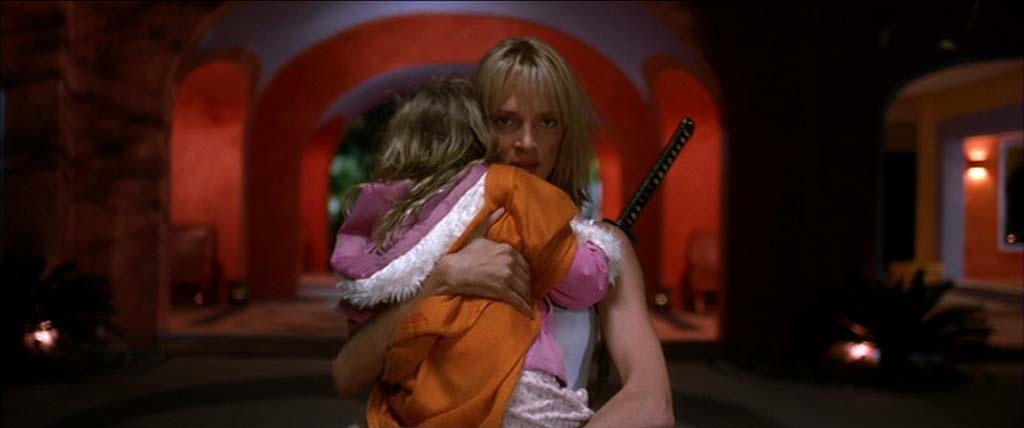
“Kill Bill: Vol. 2” differs significantly from the fast-paced, pop-culture style of Vol. 1. It takes a more reflective approach, combining influences from spaghetti westerns, kung fu films, and samurai cinema into a poignant exploration of violence and love. Quentin Tarantino shifts the tone from comic-book exaggeration to emotional realism, examining the human cost of revenge and the strength needed to move past it. The Bride’s journey is as spiritual as it is physical: she evolves from a weapon of fury into a mother seeking peace.

Together, Volume 1 and Volume 2 create an ambitious, genre-spanning revenge saga— a cinematic love letter to martial arts cinema, spaghetti westerns, and grindhouse storytelling.