
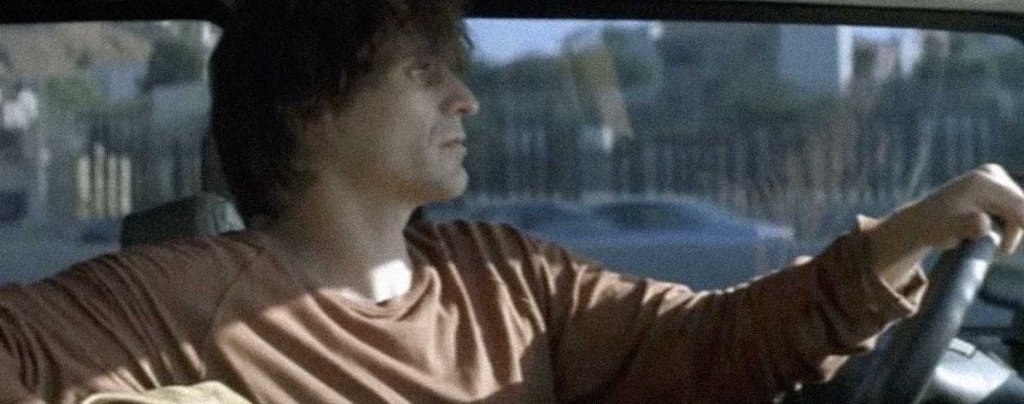

“Twentynine Palms” is a 2003 psychological drama written and directed by Bruno Dumont, known for his austere, contemplative approach to filmmaking. Set against the stark beauty of the Southern California desert, the film follows an American photographer and his Russian girlfriend as their passionate yet tumultuous relationship spirals into alienation, violence, and despair. With minimal dialogue—often in French, a language they both understand—and a captivating visual style, “Twentynine Palms” delves into the primal aspects of human love, fear, and destruction.

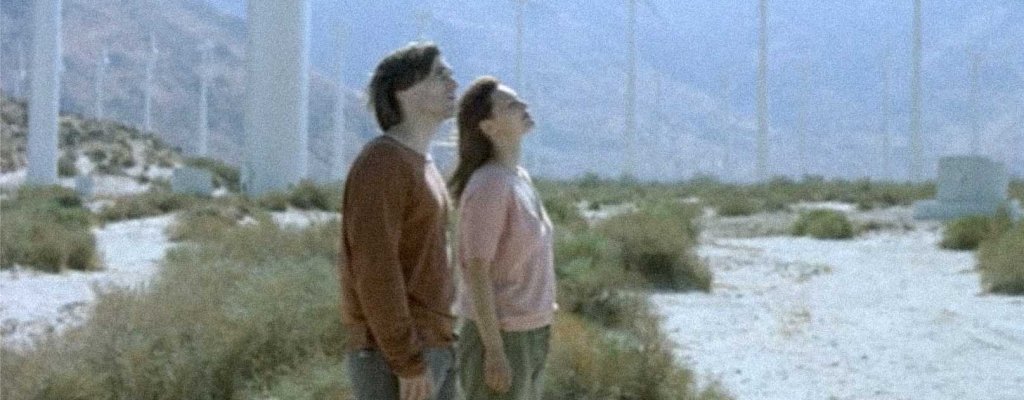



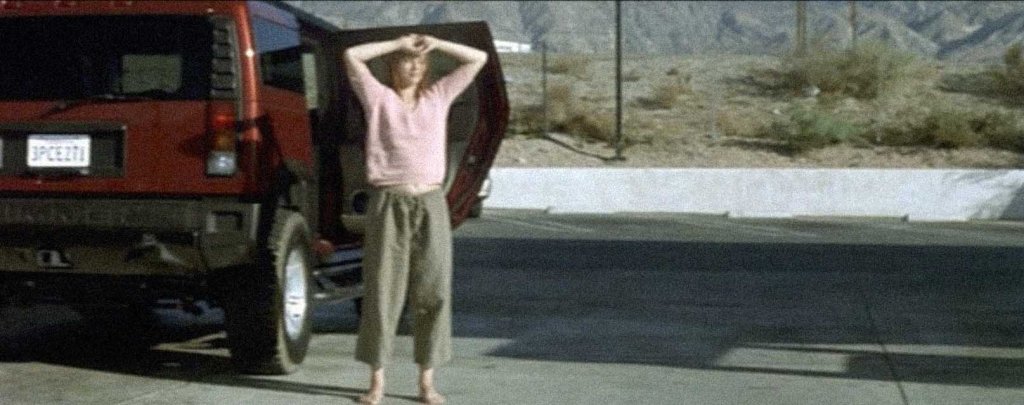
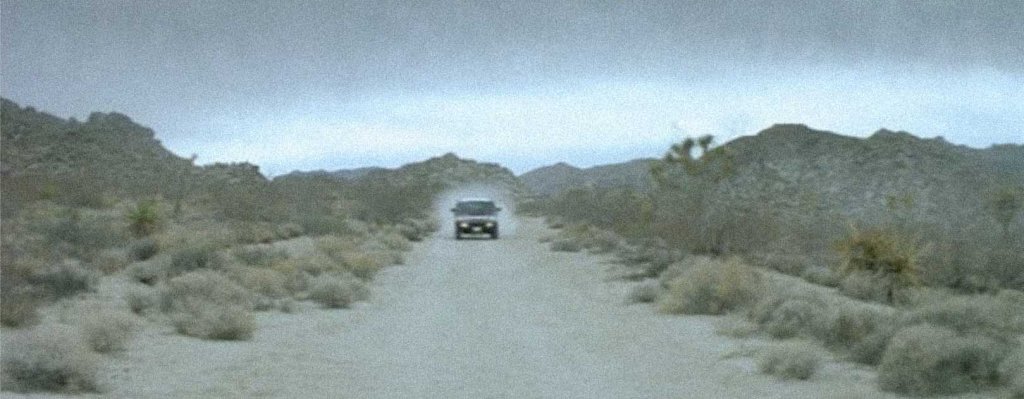
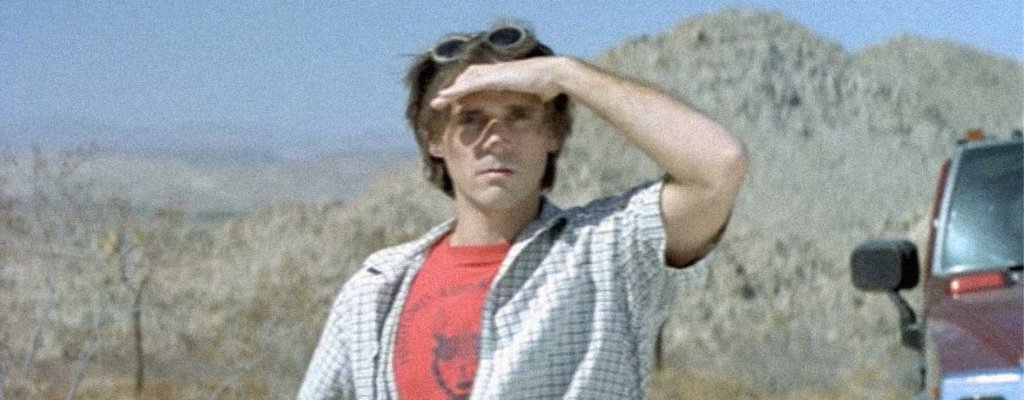
The story follows David (David Wissak), a photographer scouting locations for a shoot in the Mojave Desert. Accompanying him is his girlfriend, Katia (portrayed by Yekaterina Golubeva), a Russian woman with limited English proficiency. The couple drives a red Hummer through the vast, empty landscape surrounding the small desert town of Twentynine Palms, California. This region is home to a military base, a name that evokes both beauty and sterility.
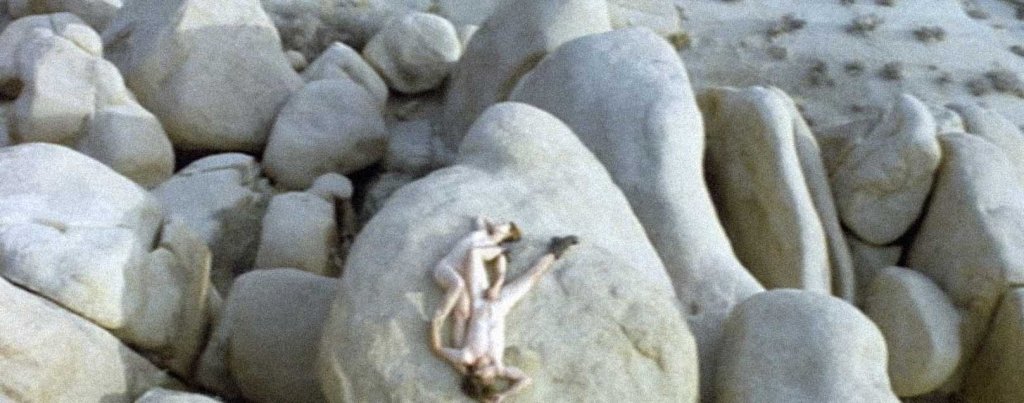

From the very beginning, their relationship swings between tenderness and hostility. They are physically inseparable, making love frequently and intensely, yet they remain emotionally disconnected. Their struggle to communicate effectively leads to constant friction: Katia’s impulsive jealousy and David’s arrogance perpetuate a cycle of misunderstanding and resentment. Even during moments of intimacy, an undercurrent of menace and loneliness persists.
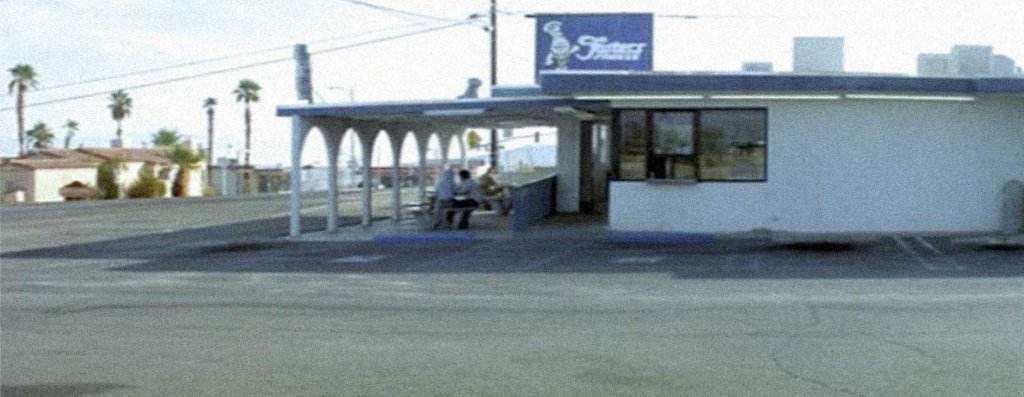
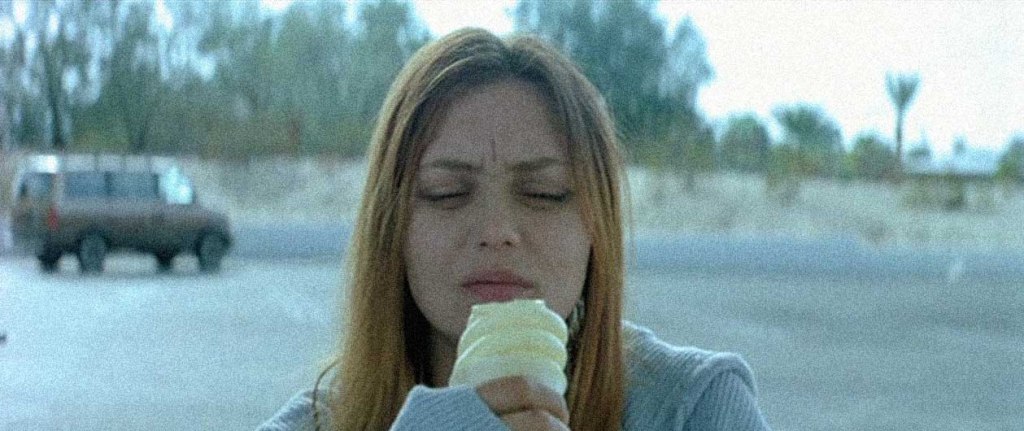
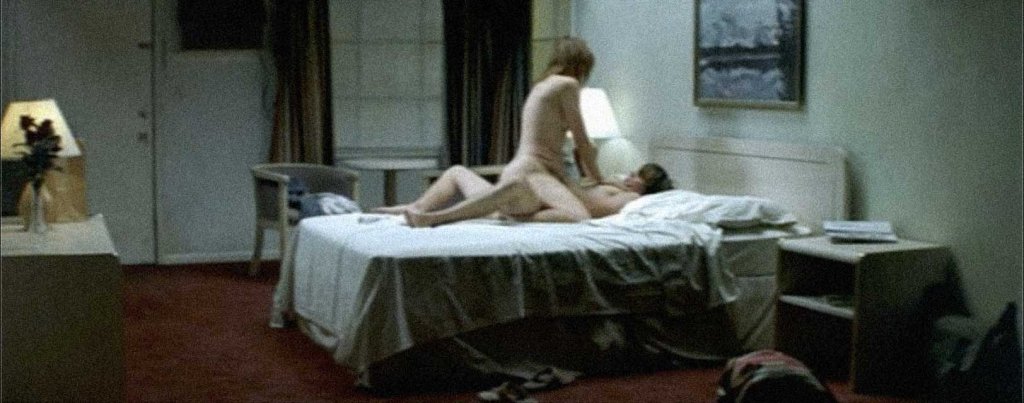
As they journey through the desert, stopping at motels, diners, and gas stations, Dumont captures their interactions with a documentary-like patience. Long, silent shots of the barren landscape highlight the characters’ insignificance amid nature’s vast indifference. Their conversations, often mundane or repetitive, expose the emptiness of their connection. The desert serves as both a physical and psychological reflection of their isolation.

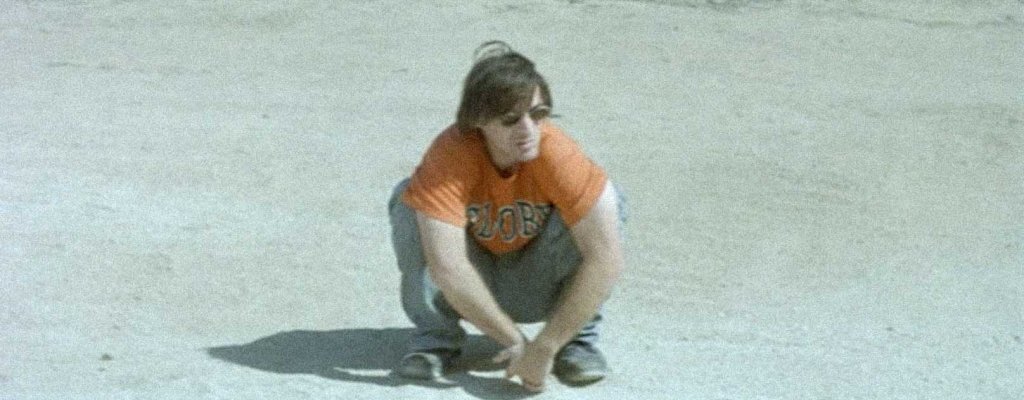

Throughout the film, tension builds slowly and subtly. Small signs of danger emerge: hostile stares from locals, the menacing presence of a desert patrol, and the suffocating silence of the environment. However, for most of the film, nothing overt occurs. Dumont maintains an atmosphere of existential dread, suggesting that the real threat stems from within the couple themselves.
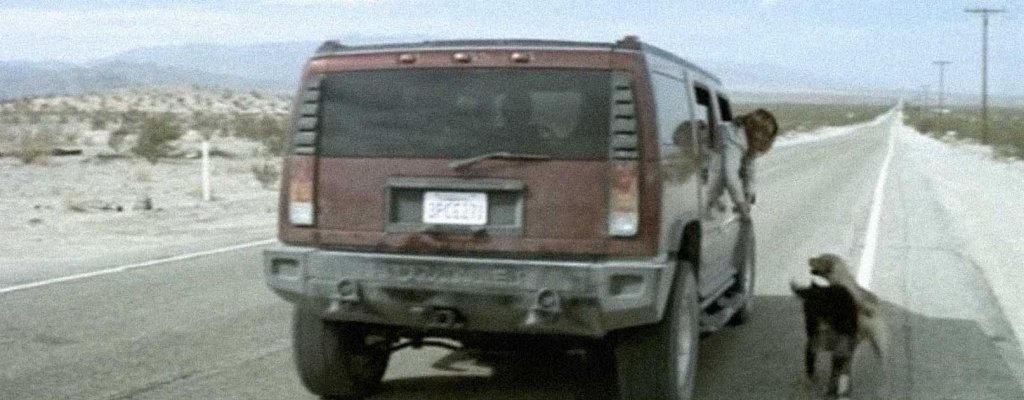
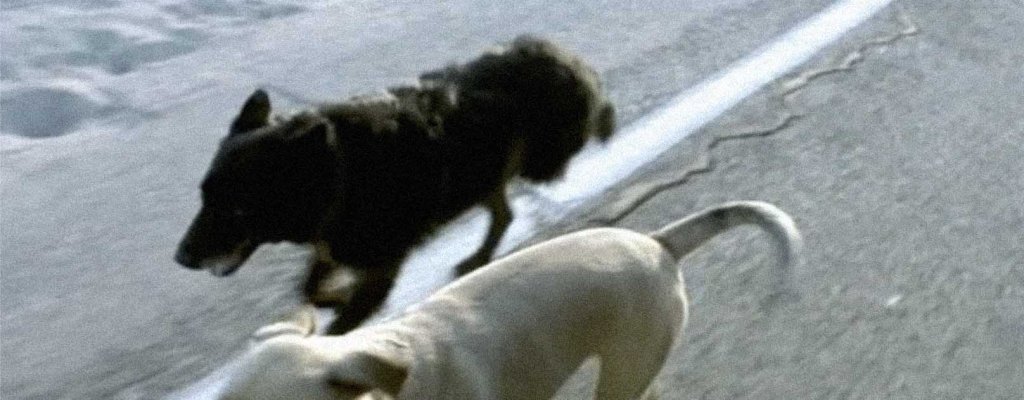


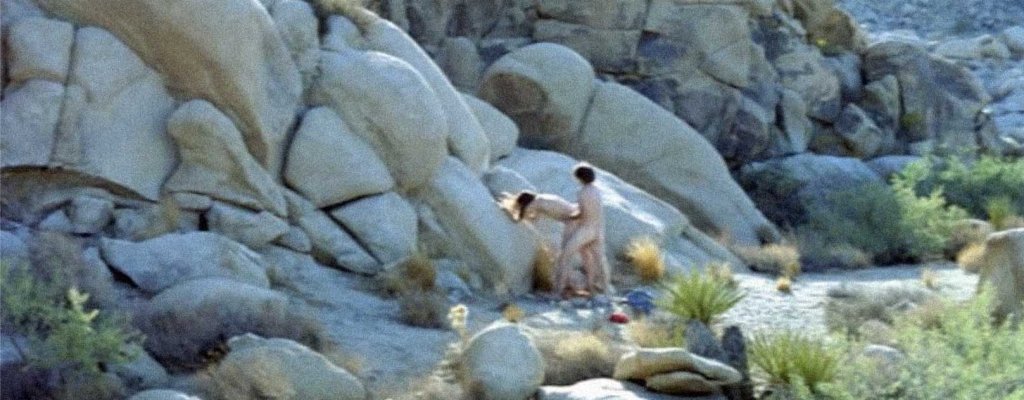
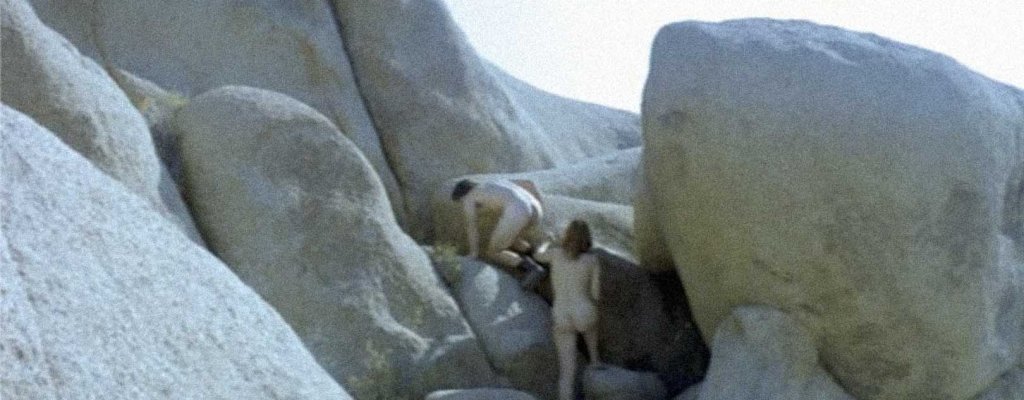
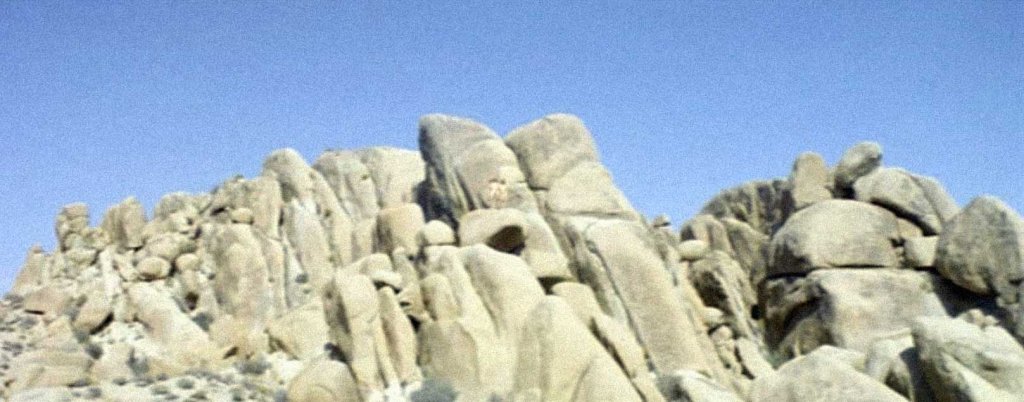
One afternoon, after a heated argument and an uneasy reconciliation, David and Katia decide to take a drive deep into the desert. They stop at a remote rock formation and make love.


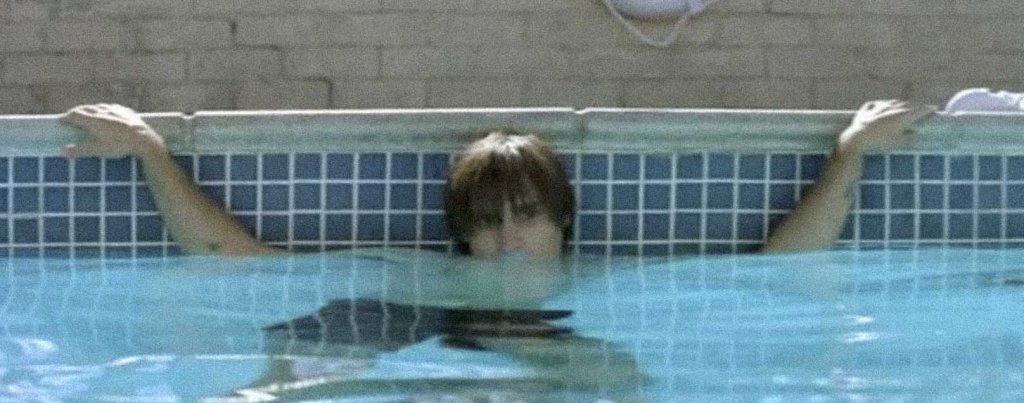
Later, back at the motel, they go for a swim, which turns into a playful exchange that escalates into aggression when David pushes Katia underwater for sexual pleasure. Upset by the incident, Katia expresses her feelings, and although David apologizes, an unsettling tension lingers.

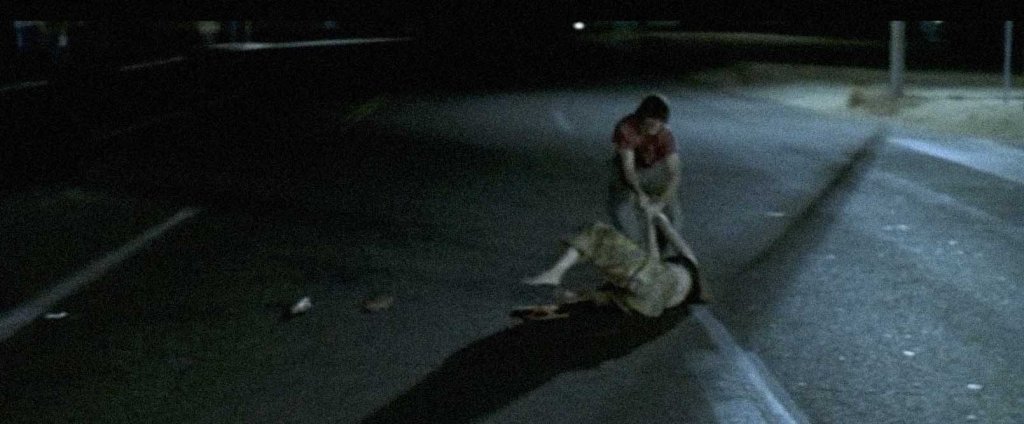
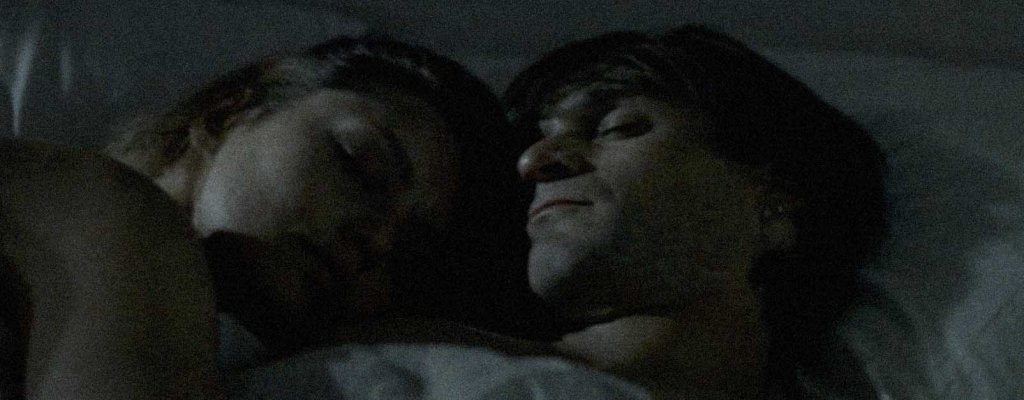
Later, they explore the town and are approached by locals in a pickup truck. You begin to feel an unsettling sense of their situation, both physically and metaphorically. This discomfort intensifies after Katia leaves the motel room in the dark, clearly upset about something. When David confronts her, it quickly escalates into a violent confrontation where he hits her repeatedly, telling her that he hates her. This moment highlights the volatile on-and-off relationship they share.
The next day, they are driving through a remote area of the desert when a white pickup truck suddenly pulls in front of their Hummer. It stops, then reverses before speeding away. The couple brushes off the encounter, thinking it’s just someone acting erratically. After driving deeper into the desert for a while, enjoying the serene surroundings, they are unexpectedly rear-ended by the same white pickup truck. This moment certainly presents a “what would you do” scenario for the audience. The vehicles finally come to a stop, and suddenly, the confrontation escalates in a brutal manner. Initially, it seems that Katia is about to be gang-raped in front of David as her clothing is violently stripped away. However, the scene quickly shifts, and instead, the men beat and sexually assault David in front of Katia, leaving them both traumatized and shattered. The violence, portrayed with Dumont’s characteristic detachment, feels both real and surreal—a sharp break from the film’s previously slow rhythm, shattering its earlier erotic calm.


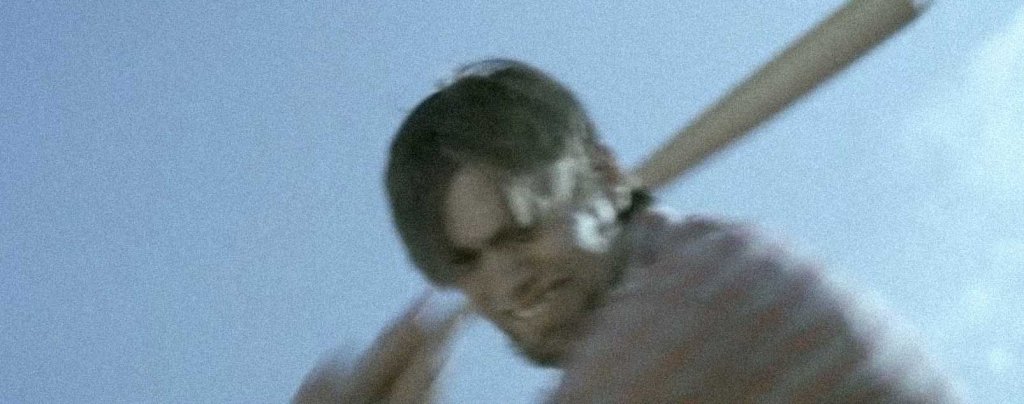
Afterward, the couple returns to their motel in stunned silence. Their already fragile relationship completely disintegrates. David becomes withdrawn and paranoid, while Katia swings between tenderness and terror. The physical assault transforms into a spiritual one; their bodies, once instruments of desire, now carry the heavy burdens of violation and shame.


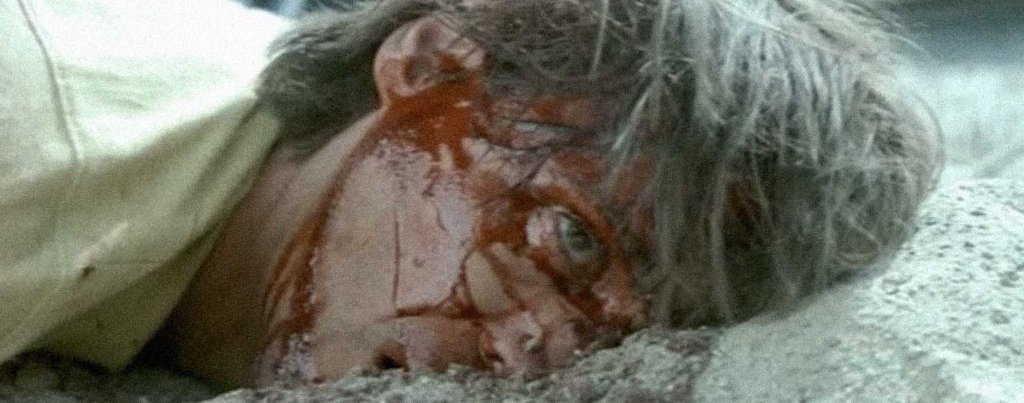
In the film’s final act, without warning, David commits an act of shocking violence—murdering Katia in a frenzy, as if he were possessed.
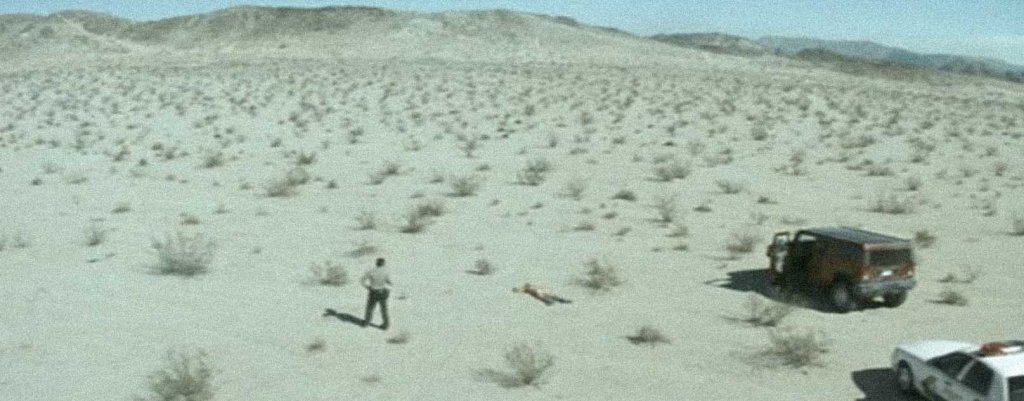
The film concludes as abruptly as it begins, with the desert silently reclaiming its existence in a void of emptiness. We see David’s lifeless body being discovered by the local sheriff. There is no resolution or catharsis—only the endless, indifferent landscape stretching beneath the California sun.


“Twentynine Palms” is less a conventional narrative and more an existential experience. Dumont’s film sits at the crossroads of eroticism, spirituality, and horror, probing the boundaries between love and destruction. The couple’s relationship reflects humanity’s ongoing struggle between passion and brutality, and between connection and isolation.
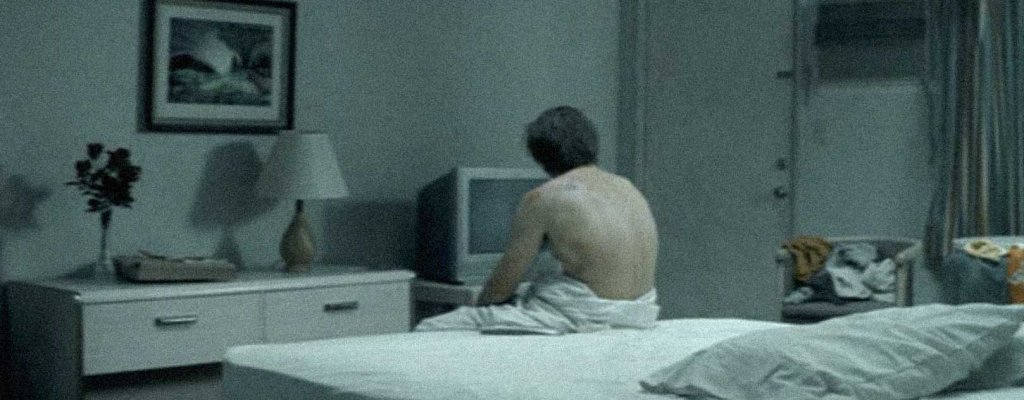

Visually, the film is dominated by the vastness of the desert, which dwarfs the characters and serves as a metaphor for their inner emptiness. The sparse dialogue, natural lighting, and long takes create a meditative rhythm that lulls the viewer, only to confront them with moments of shocking realism.
In “Twentynine Palms,” sex and violence are not meant to entertain; instead, they are portrayed as expressions of primal instinct. Dumont removes psychological explanations, compelling the audience to confront the raw, physical aspects of existence—the body as both a vessel and a battleground.


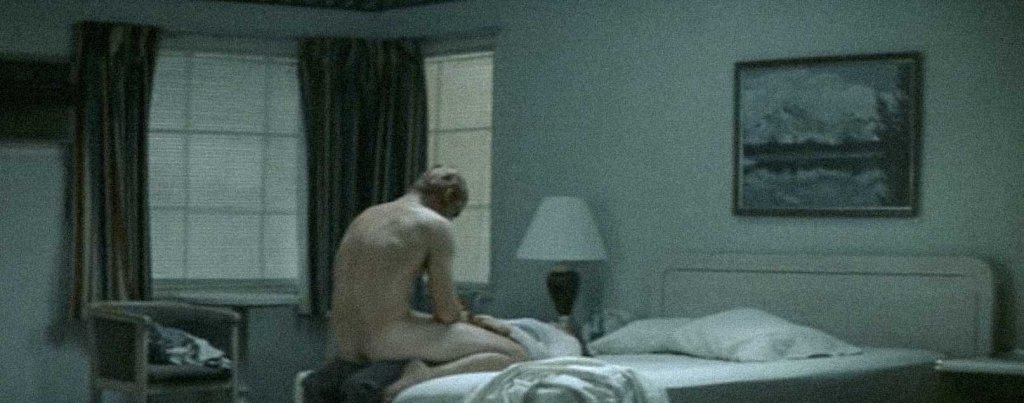
For Dumont, the film’s horror transcends the merely physical; it is also metaphysical. The desert environment strips away humanity’s illusions, revealing the emptiness beneath desire and the frightening potential for violence that exists within all human connections.
*Note: Yekaterina Golubeva, who played Katia, sadly passed away in 2011 at the young age of 44. She went under the name Katia Golubeva for this film.