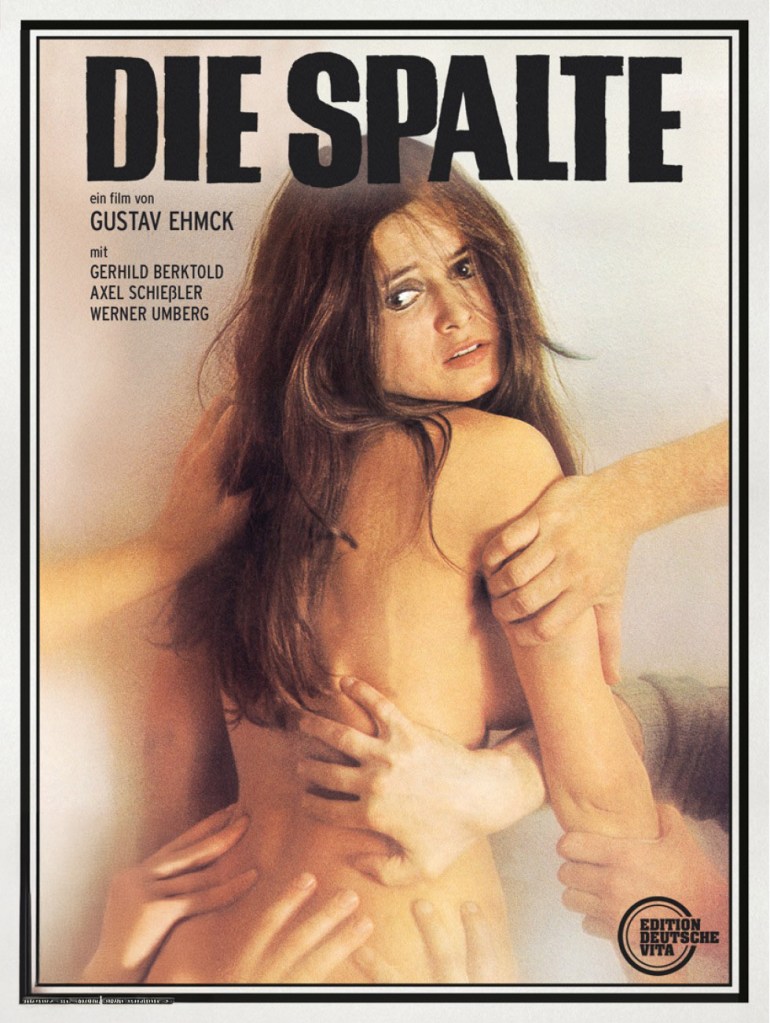



“Die Spalte,” also known as “Making of a Prostitute,” is a film from 1971, written by Gustav Ehmck and Christian Rolf, and directed by Ehmck himself. This film is a notable example of the German New Wave, a movement known for portraying raw and controversial subjects, and “Die Spalte” certainly exemplifies this genre.




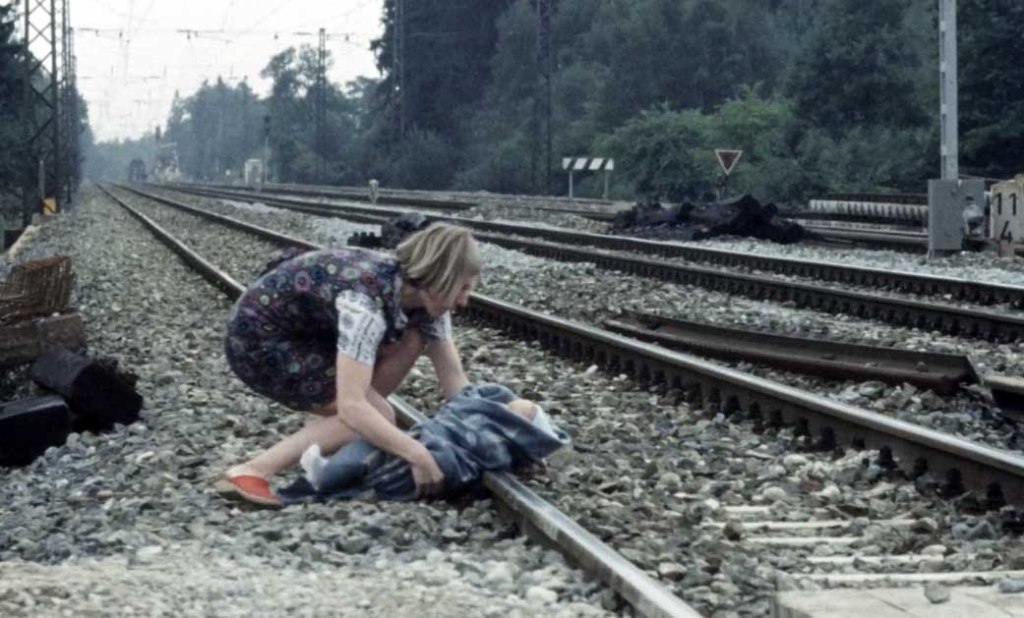
The film begins with a striking scene in which a baby is abandoned on a set of railway tracks. A woman intervenes, saving the infant and ultimately raising her. This baby grows up to become Sophie, portrayed by Gerhild Berktold.


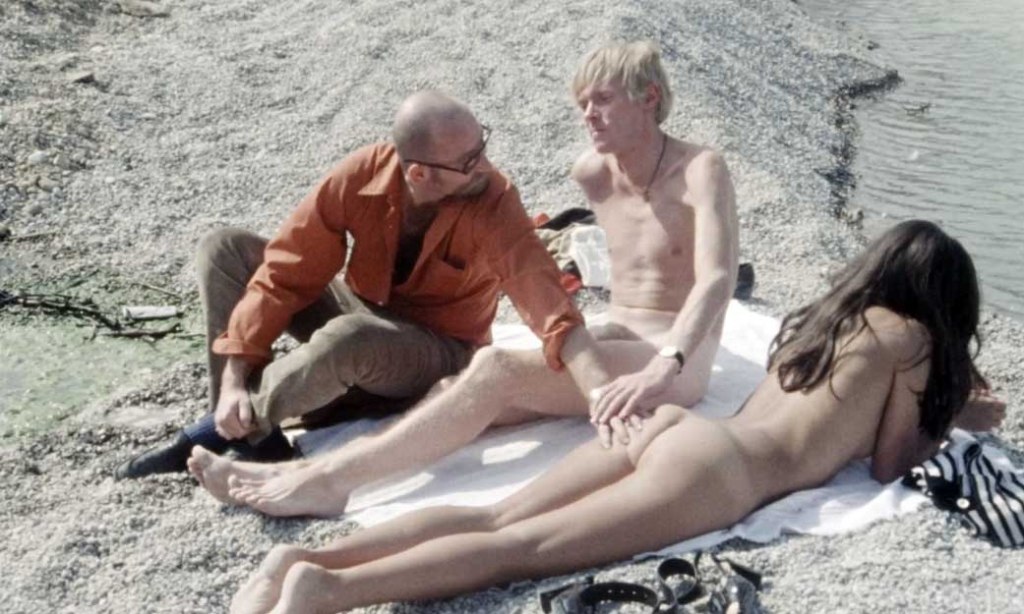



Sophie’s upbringing is constrained. After the death of her adoptive guardian, she finds herself in a strict Catholic orphanage where she feels stifled and unloved. The caretakers of the institution judge her as hopeless due to her rebellious nature.
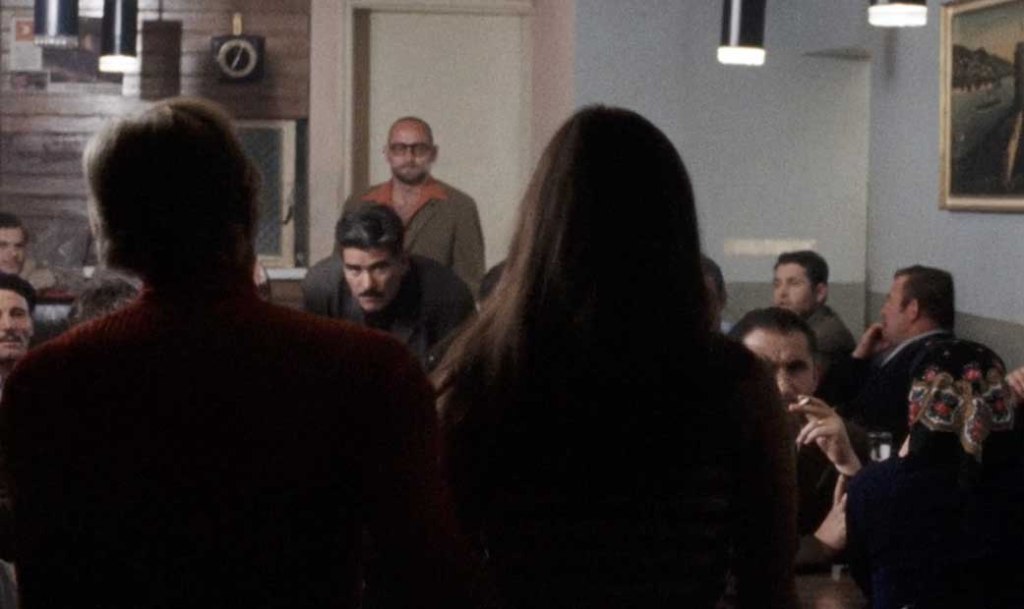


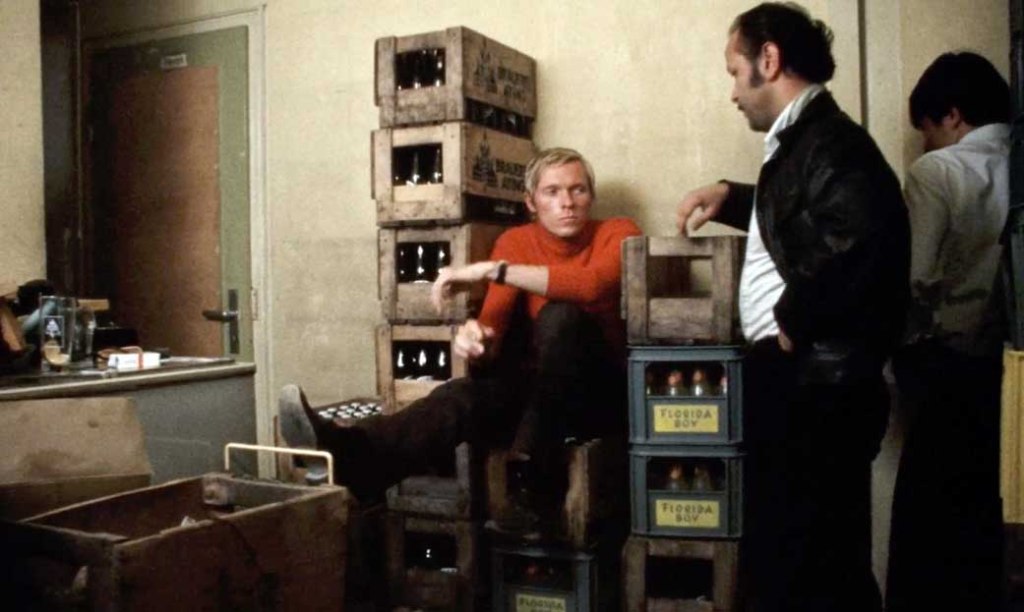


At around age 15, Sophie decides she can no longer endure the oppressive environment and escapes. Once on the streets of Munich, she feels vulnerable and directionless. Her attempts to find freedom quickly take a downward turn.
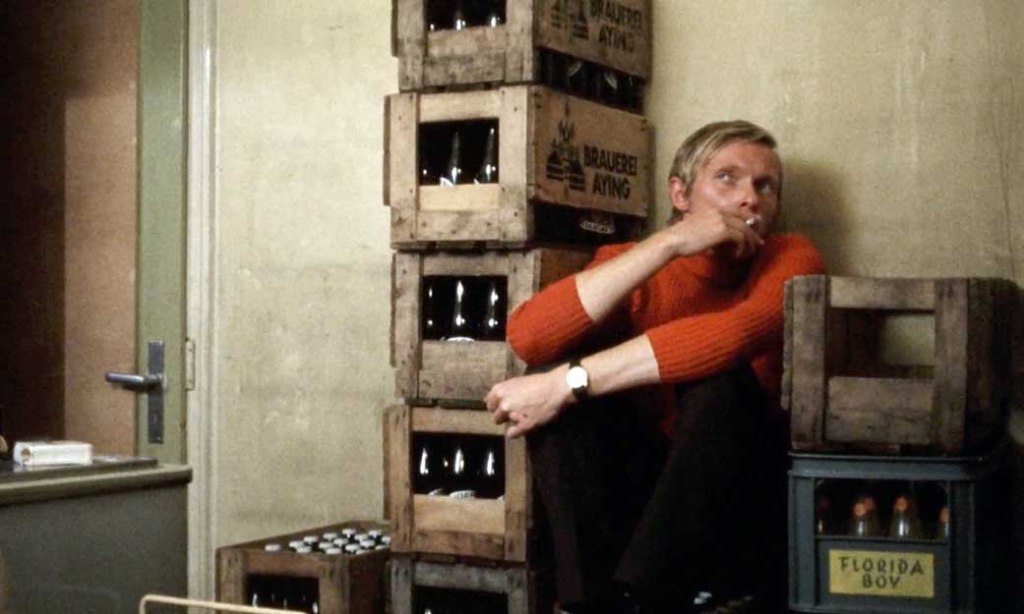

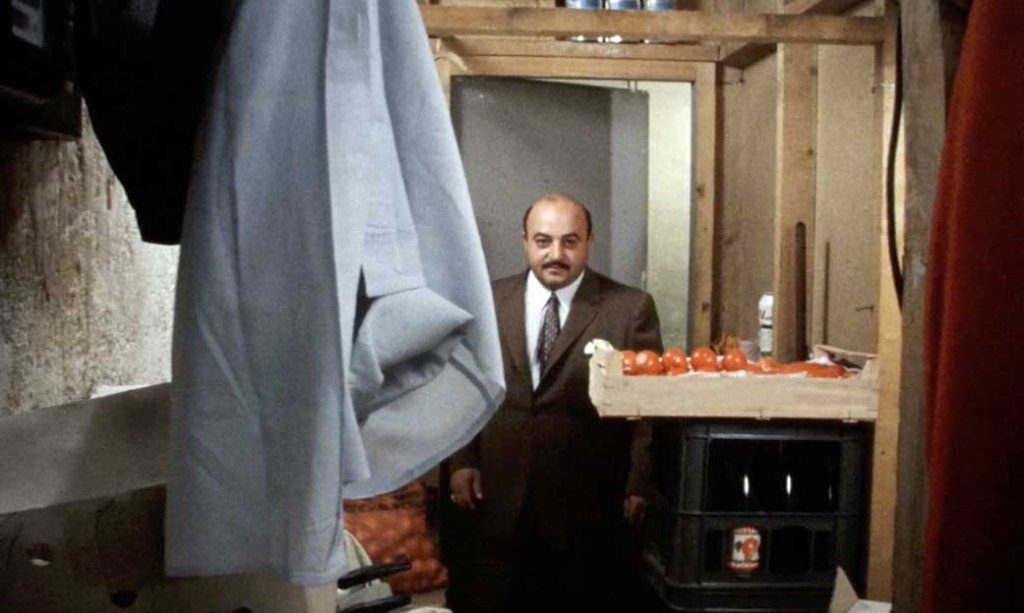
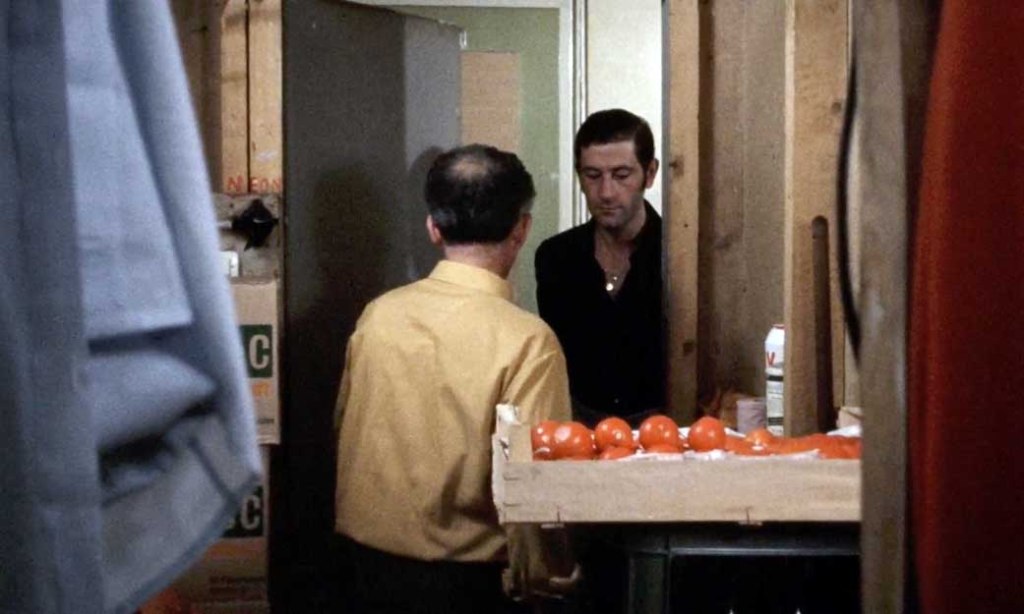

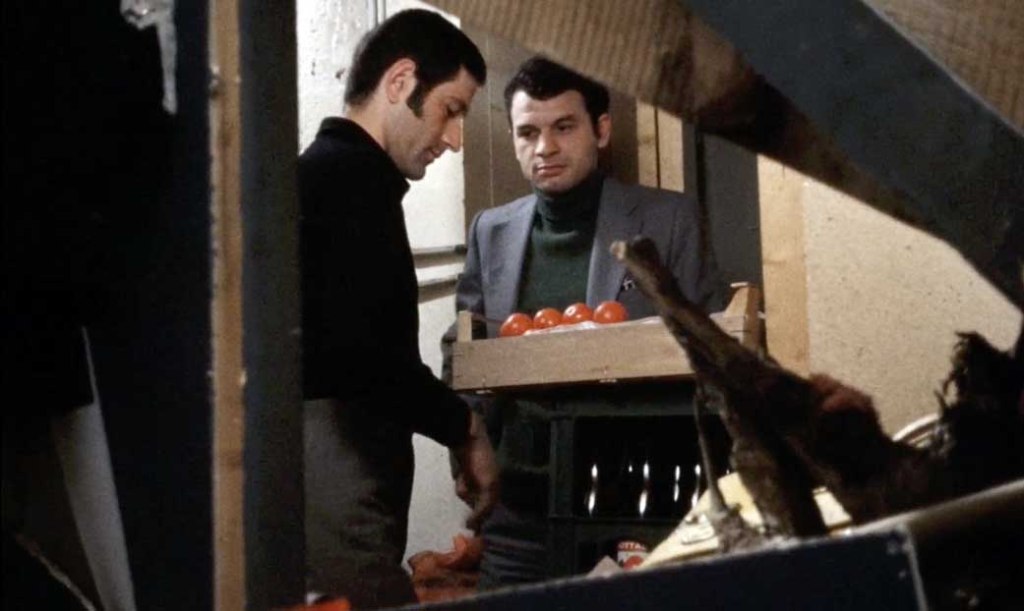
Sophie encounters Hotte (Axel Schiessler) and Sandro (Dursun Firat), who are pimps operating in the city. She becomes entangled in their world and is coerced into prostitution. The film portrays her as she is sold, exploited, and transported through various venues and brothels, treated more like a commodity than a human being.
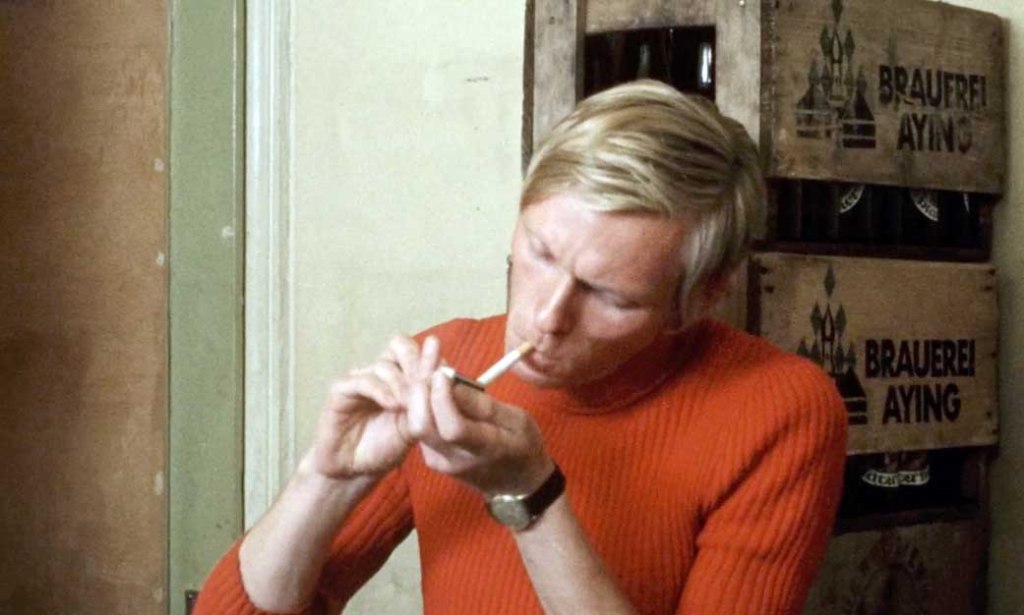



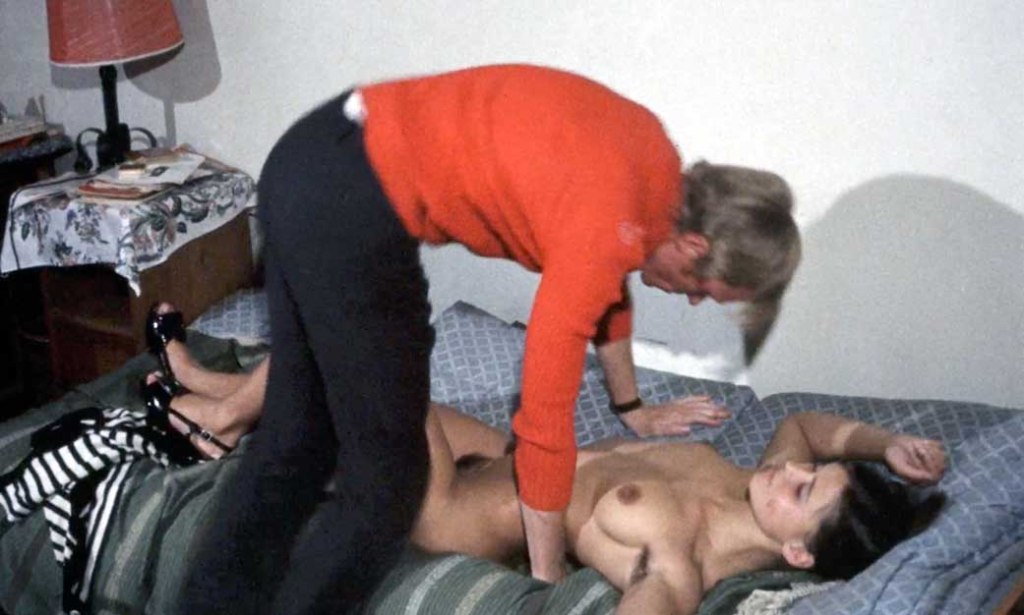
In one particular scene, a succession of men enters a small room below a bar, taking advantage of her one after another. This scene is deeply uncomfortable to watch, as it is evident that she is reduced to a body that has lost its connection to her mind. The repeated nature of the act is brutal, and although the characters on screen have normalized this behavior, it’s impossible not to feel repulsed by these men.
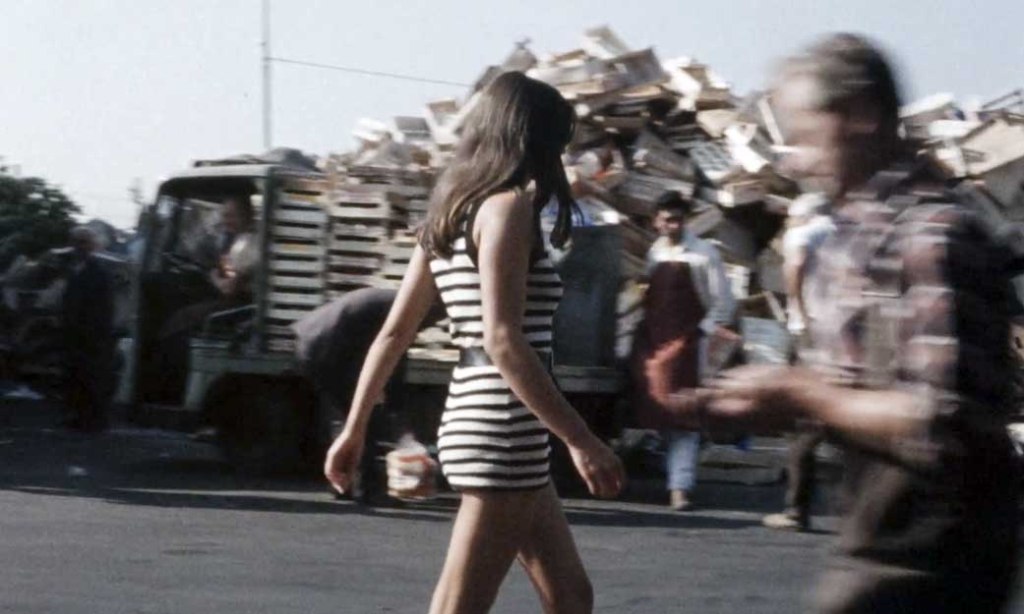
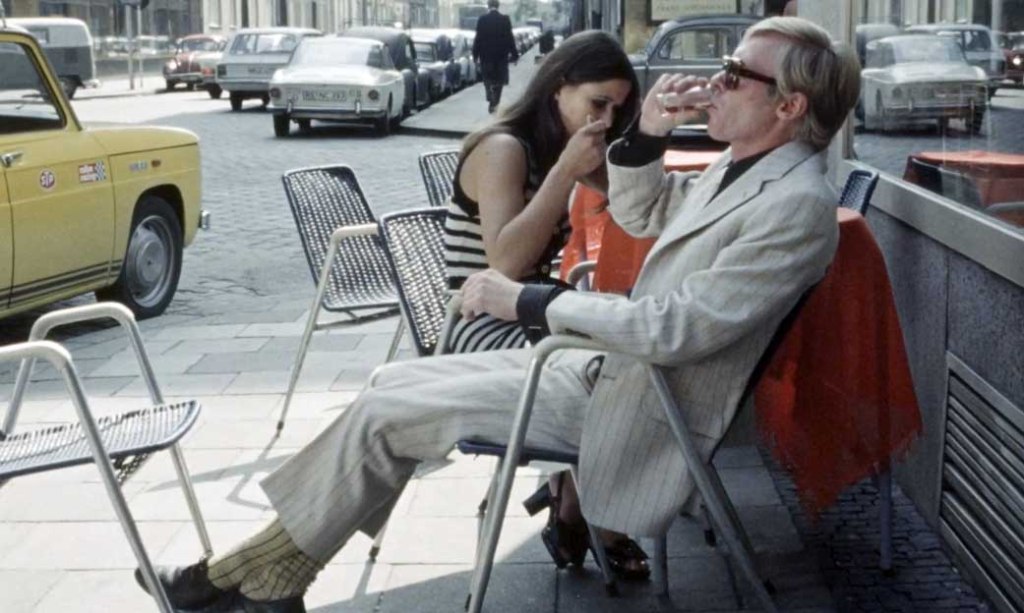
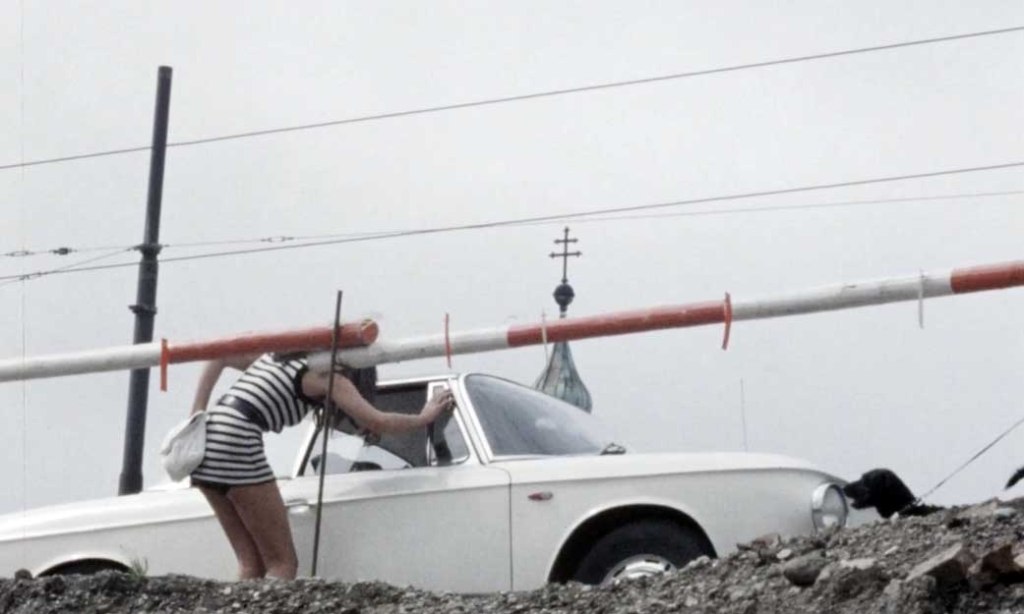



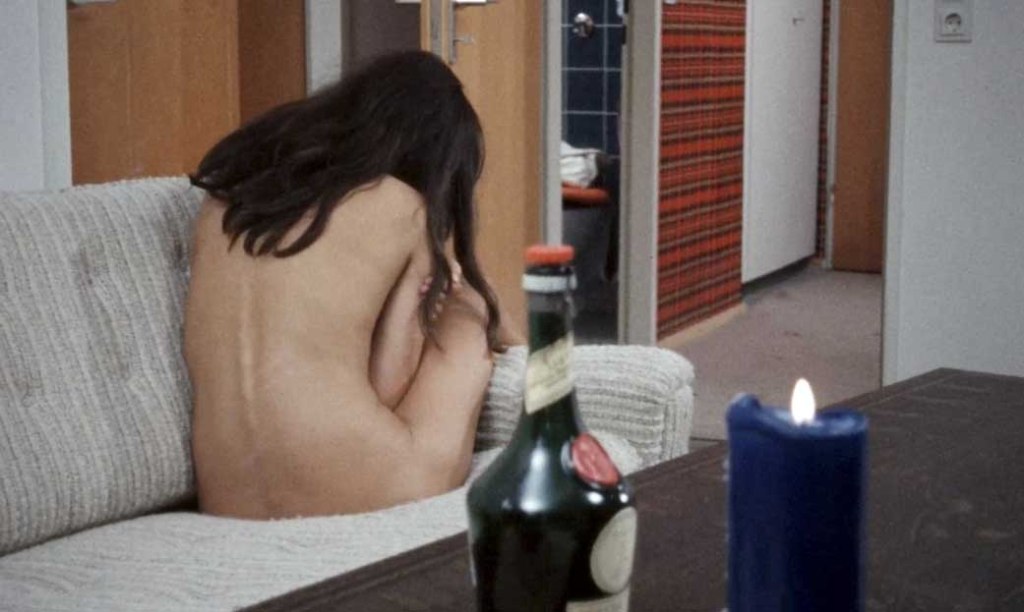
Her life is marked by repeated humiliation and abuse, as the camera follows her from one transaction to the next. It captures the alienation and loss of identity that prostitution brings. The film’s style is raw and unrefined; the colors and settings feel “uncomfortable and inappropriate,” reflecting real life instead of the glamorized version often seen in cinema.




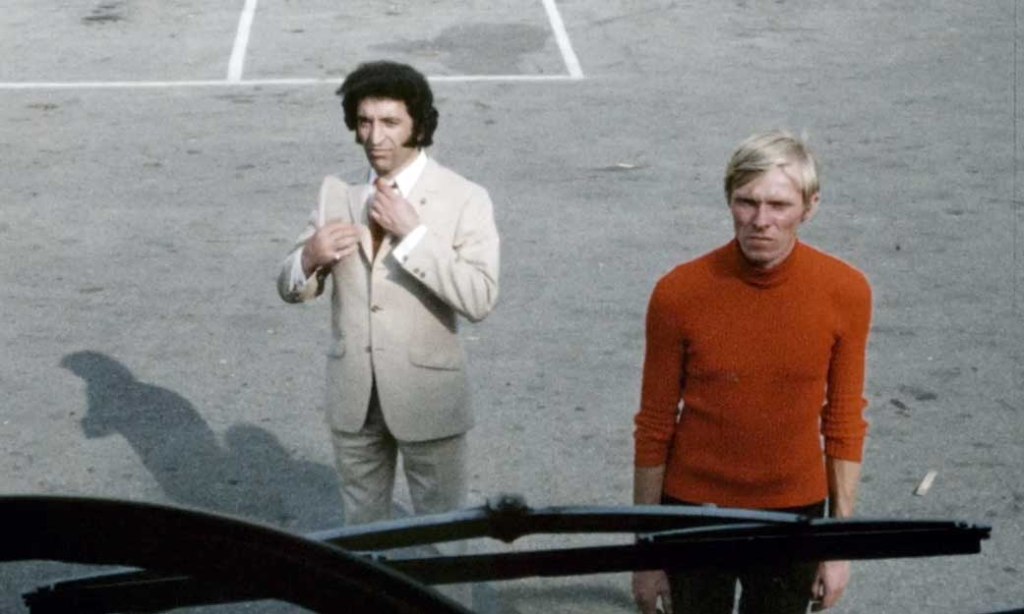
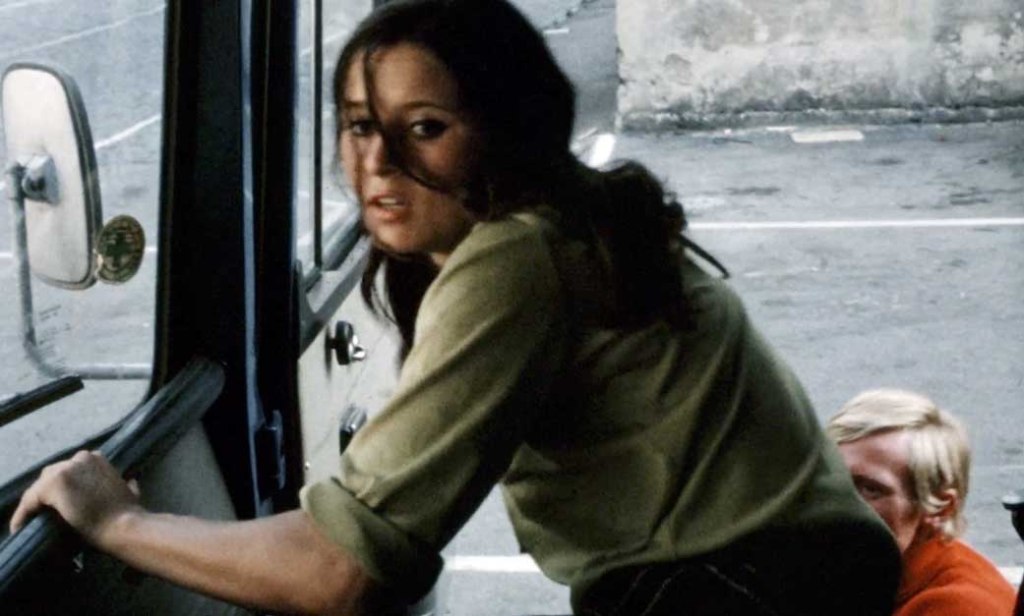
Eventually, Sophie discovers a fragile ray of hope when a group of students runs a housing project and offers her refuge. In the midst of a bleak environment marked by exploitation, this student collective represents one of the few lifelines available to her. Sophie’s journey concludes on an ambiguous note; there is no clear resolution, but there is a possibility of redemption or, at the very least, an escape from her torment.
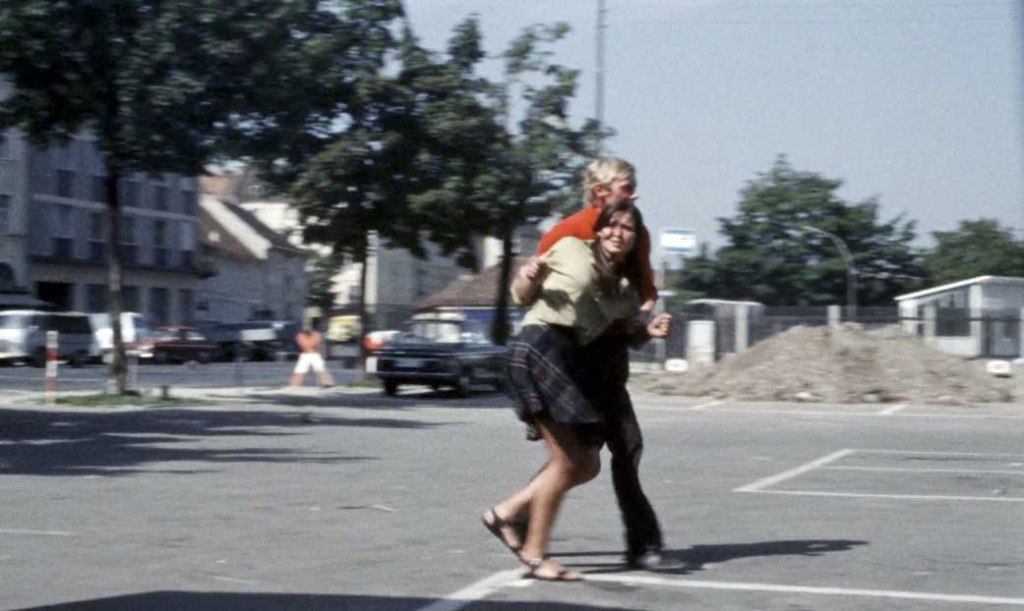

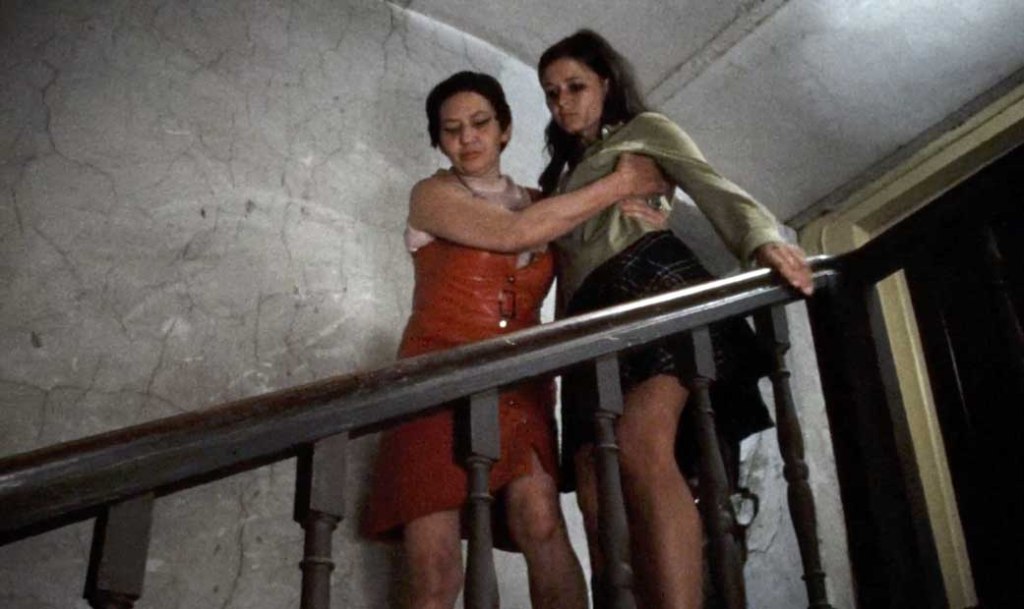

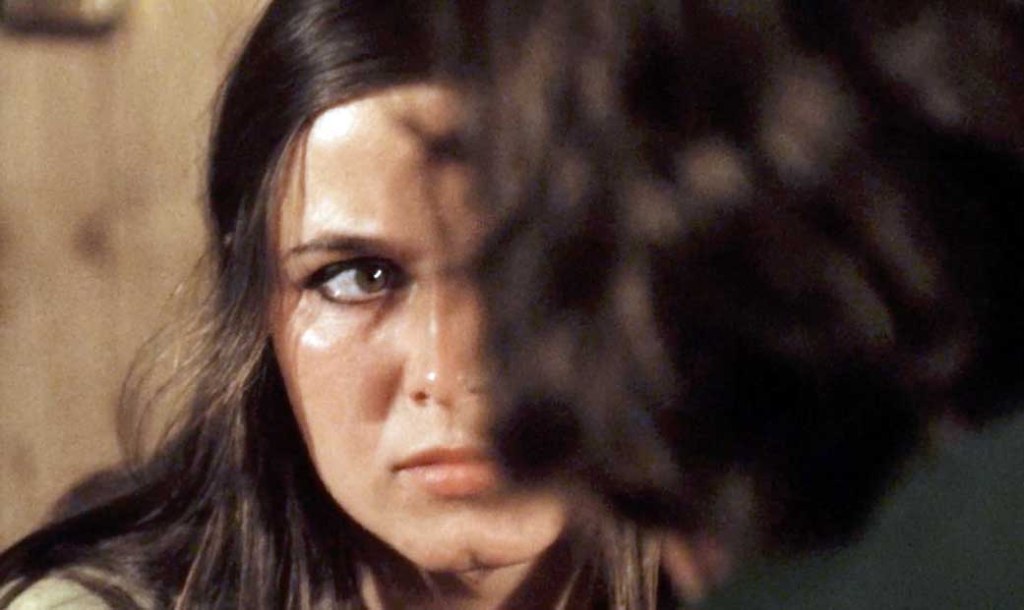

When the film was released, it garnered attention for its subject matter and its raw portrayal of difficult themes. While some critics pointed out flaws in the acting and structure, they also praised the film’s boldness and authenticity. The narrative highlights the failures of the welfare and orphanage systems, the indifference of both the state and society toward vulnerable young women, and the alarming ease with which they can be drawn into the underworld of prostitution. The film contains explicit scenes of prostitution and abuse; while some viewers might perceive this as voyeuristic, the director intended it as an “honest provocation” rather than erotic entertainment.

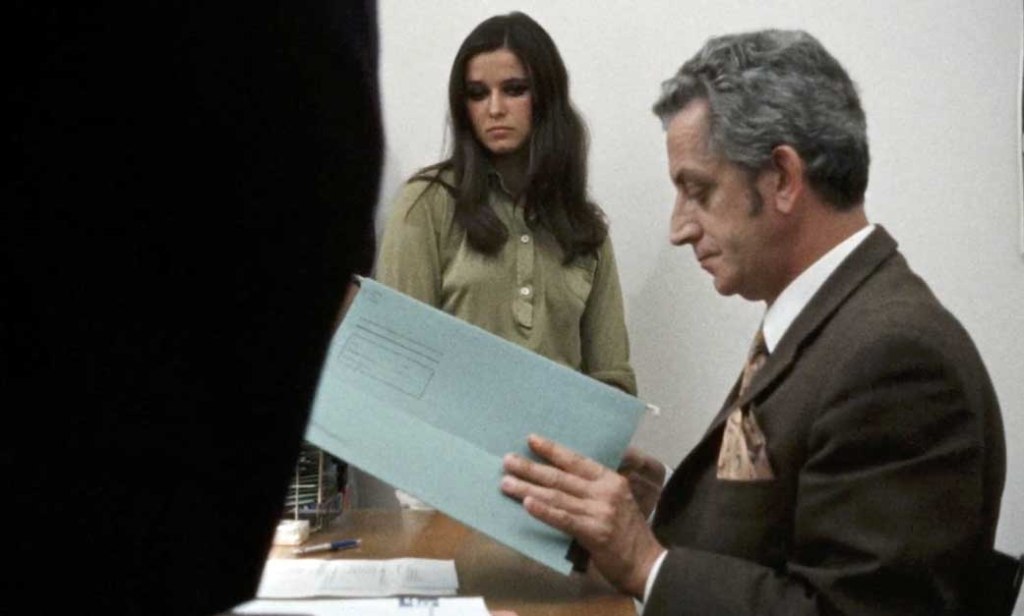
Ehmck utilized minimal artifice in his filmmaking by employing non-professional actors and shooting in authentic locations in Munich. The colors are left raw, and the music is drawn from real sources. The camera does not glamorize the story; instead, it presents it with cold, documentary-like precision.

Over the years, the film has gained a cult reputation among those interested in the German “New Wave” or marginal cinema. It is especially noted for its uncomfortable balance between exploitation and socially conscious filmmaking.